
*This article may contain affiliate links. For full information, please see the disclaimer here.
Many travelers will focus their Thailand experience on the south. They’ll start in Bangkok, known for its nightlife, frenetic streets, and temples, and move down to the beach destinations of Phuket, Koh Samui, or perhaps the Phi Phi Islands. But the North of the country is quite different.
To truly understand the depth of Thailand, one must head north, where the food is distinct, there is a different pace of life, and the scenery drastically changes. In many ways, it can feel like a different country.
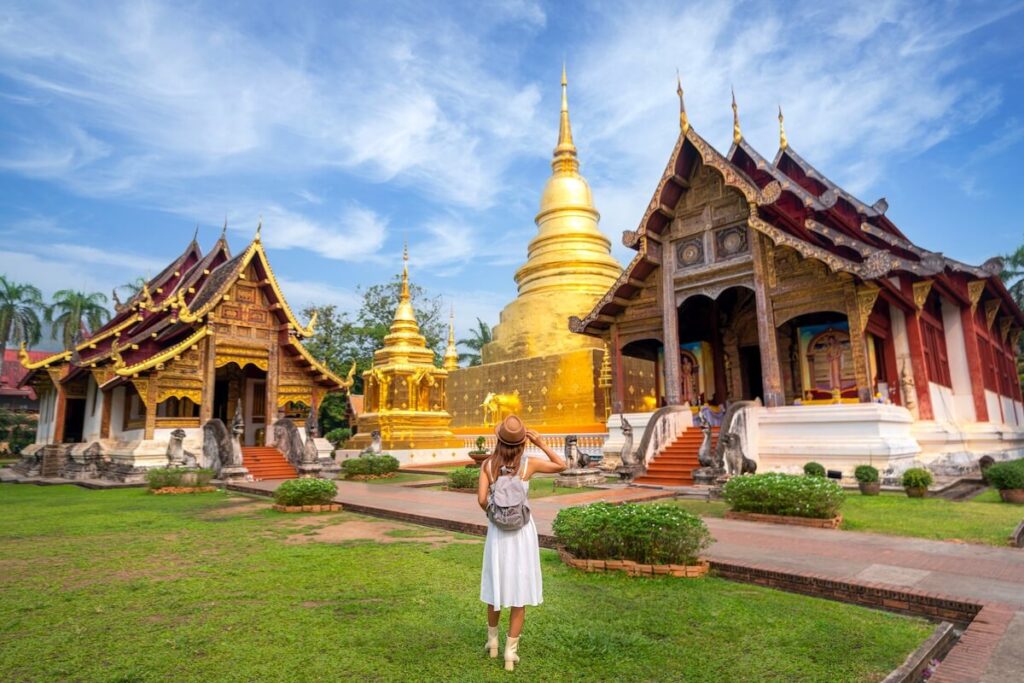
Sure, there are other cities to visit in Northern Thailand. But Chiang Mai is an excellent gateway. It is big enough to be accessible, yet quaint enough to act as a great representation of the north.
From culinary enthusiasts on a Thai food pilgrimage, to animal lovers looking to honor Thailand’s magnificent elephants, to historians seeking knowledge of kingdoms and religions, Chiang Mai has for years been a marvel for those passing through its city walls.
It pains me to ask, but is Chiang Mai worth visiting?
Table of Contents
Why some travelers skip Chiang Mai
The simple answer to why some travelers bypass Chiang Mai is that it can get overshadowed by its compatriot cities to the south.
First of all, many travelers associate Thailand, and not incorrectly so, with beaches. For this, they fly to Bangkok and make a beeline South. If beaches, or recreating Leonardo DiCaprio’s (or Alex Garland’s) version of The Beach is what you’re after, then sure, Chiang Mai may not be for you.
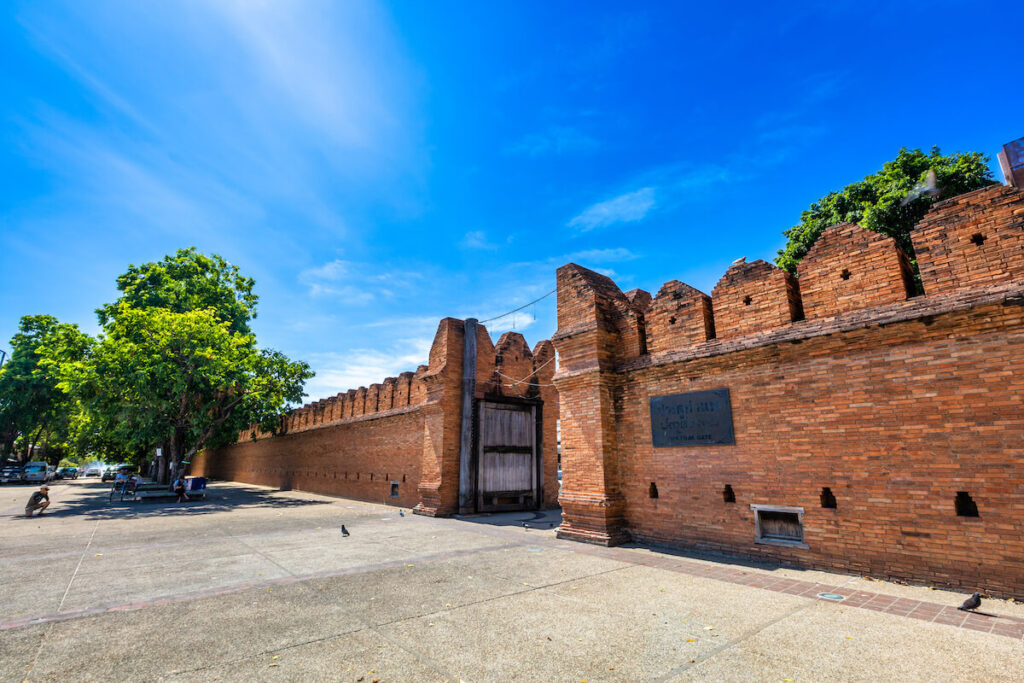
And for those looking for a large Southeast Asian city, there’s simply a lot of competition in the region. Most significantly, there’s Bangkok. But there’s also Ho Chi Minh City, Phnom Penh, and even Vientiane or Siem Reap to contend with.
Instead of towering skyscrapers, there are the pointy tips of Chedi’s (towers of temples). Instead of bustling trains and subways, you’ll likely have to taxi, or perhaps ride a scooter. As I’ll explain later, Chiang Mai has an aura of charm to it that can be very appealing to some, but it lacks the size, grit, and pulsing energy that often attracts travelers to other, bigger cities.
Competition aside, Chiang Mai can admittedly be less convenient to travel to while completing a trip through Southeast Asia. Its airport is technically international, but there are limited options to other countries, and flights are frequently routed through Bangkok.
So, despite sitting just a few hundred miles from Luang Prabang, for example, getting there from Chiang Mai will often necessitate an inconvenient trip south to Bangkok prior to heading back up north.
Why is Chiang Mai worth visiting?
All that being said, Chiang Mai should not only be a place to swing by while on a trip to Thailand, but rather it should be an essential destination unto itself.
While this list could run quite a bit longer, give me 13 tries to convince you why Chiang Mai is undoubtedly worth visiting on your next (or first) trip to Thailand. Here we go.
1. Northern Thai food is distinct from the rest of Thailand (and delicious)
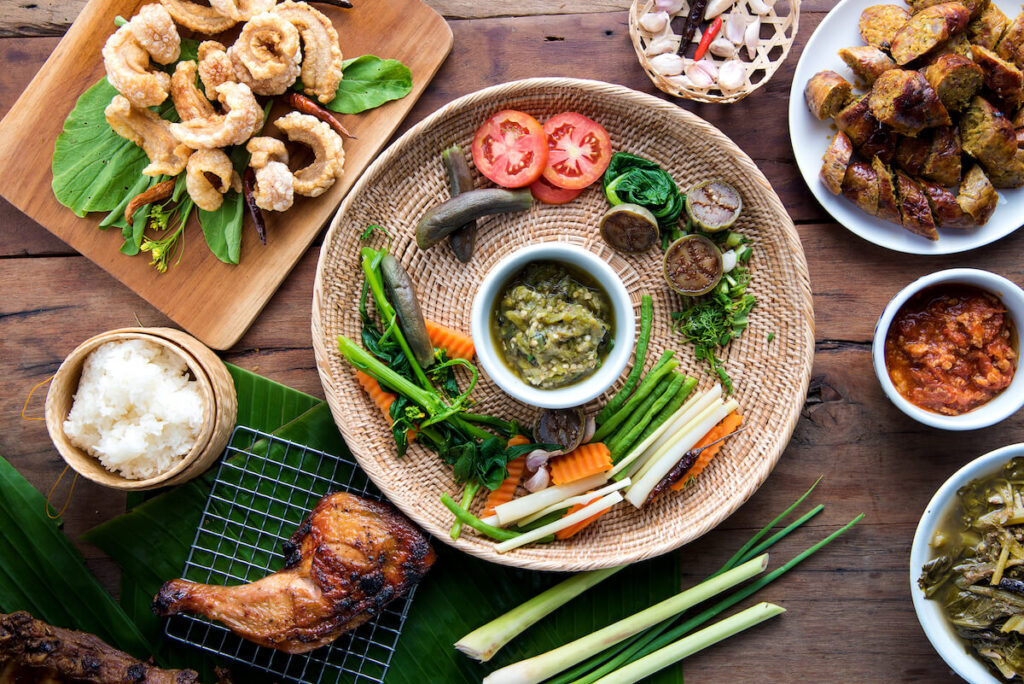
Many people think of Thai food as singular. But the reality is that Thailand covers a lot of ground, extending from the mountainous north near Laos, all the way down to the Gulf of Thailand and the border of Malaysia. This wide range has given the national cuisine many different influences.
The cuisine of the North is quite different from the South, in large part due to its geography. The South has hundreds of miles of coastline, leading to food with thick, creamy coconut-based curries and lots of seafood. But the North tends to use more chicken, beef, and pork, and the broth is often more herbal and thinner.
Spice levels in the North also tend to be milder, with dishes seasoned using the flavor of fresh herbs, like basil, lemongrass, or cilantro. This is in contrast to the South, where you’ll find punchier spices and chilies, more similar to cuisine in nearby Malaysia and Indonesia.
Even the rice tends to be different in the North, with sticky rice (also ubiquitous in neighboring Laos) much more prominent than the fluffier rice in the South.
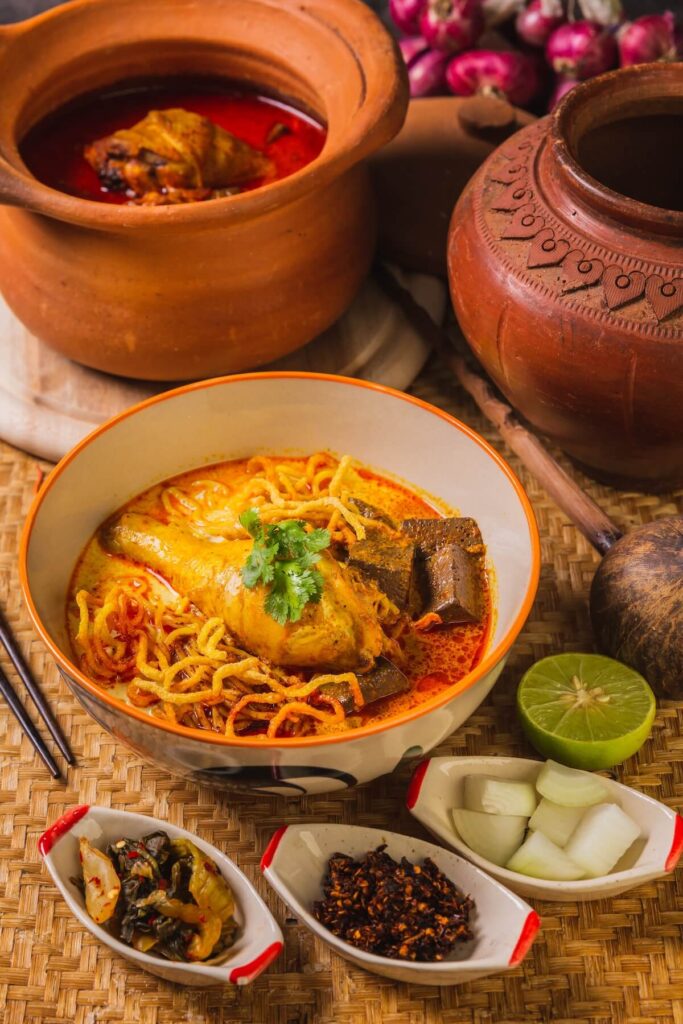
The most famous regional dish in Chiang Mai is called Khao Soi (pictured above), and it’s a must-try. The dish is typically made with chicken or beef, and is a brothy, curry noodle soup, made with both chewy and crispy egg noodles.
For those who want to learn about Northern Thai cuisine and try a wide variety of dishes, an evening local street food tour is a great option.
All of this is to say that going to Chiang Mai gives any traveler the opportunity to appreciate the identity of Northern Thai cuisine, which is typically less common outside of Thailand.
2. There are so many markets to explore
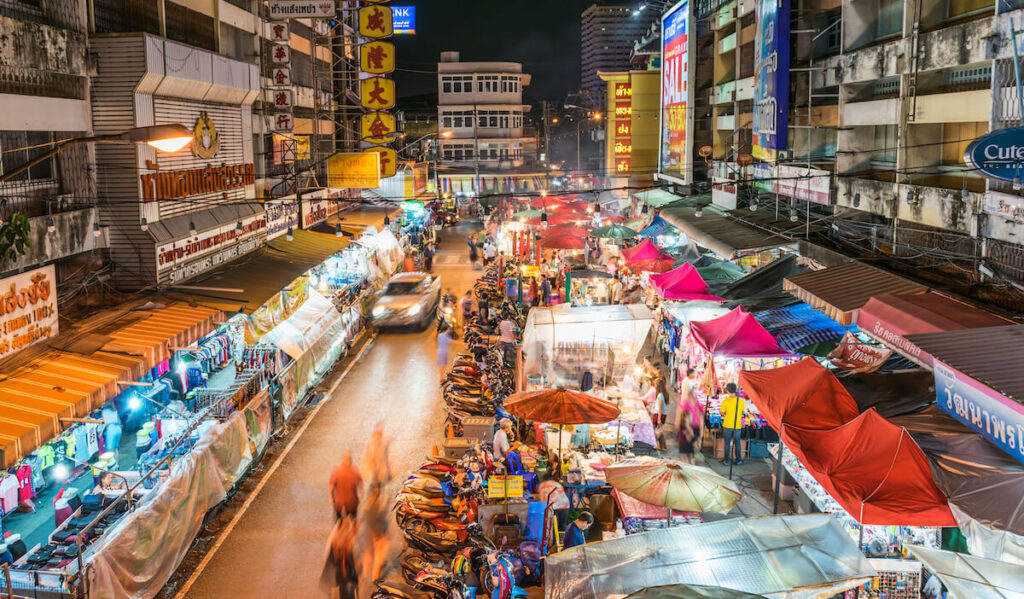
What better place to sample the nuances of Northern Thai cuisine than a local market? Freshly cooked rice served in banana leaves, sizzling skewers, or ambiguous (but clearly delicious) bowls of noodles await.
Markets are essential to daily life in Thailand, for locals and tourists alike. One of the best ways to understand a new place is to go to a market, see what people are eating, what types of vegetables or spices they’re buying, or what types of goods and gadgets they’re taking home.
While many associate markets, particularly in Southeast Asia, with night markets and freshly cooked food, there are also other varieties that are worth exploring as well.
For one, there is the Ton Lam Yai flower market (above), which is open 24 hours per day, selling a massive variety of flowers, including everything from bouquets to single orchids and garlands used for temple offerings.
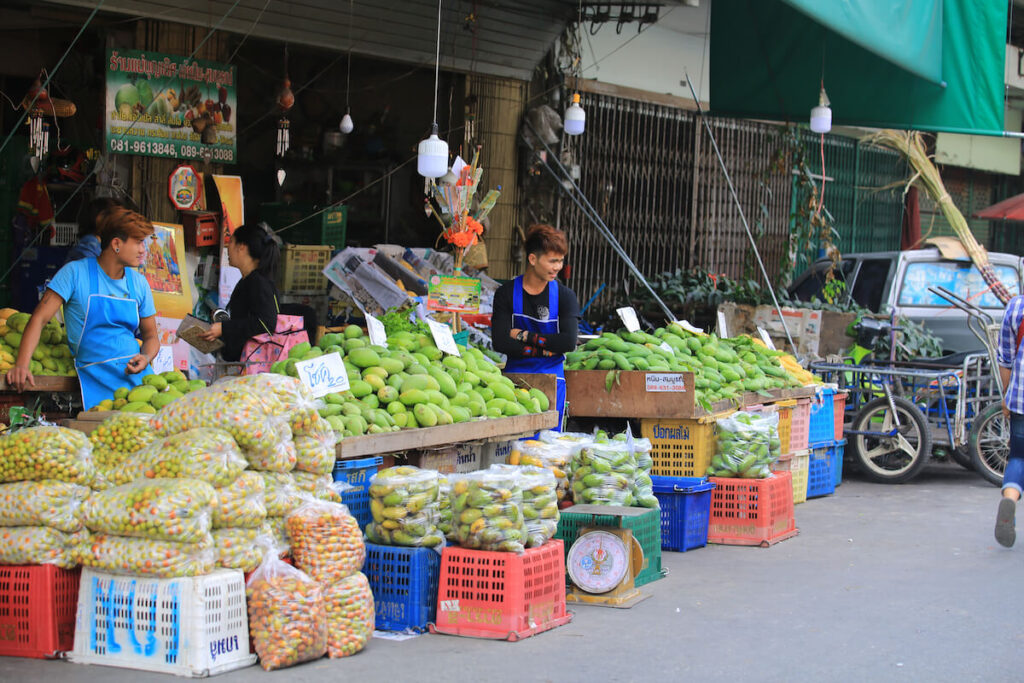
There’s also Muang Mai Market (below), one of the biggest wholesale food markets in Chiang Mai, with a staggering array of seafood, freshly butchered pigs, curry pastes, spices, and just about any other type of fresh ingredient you can imagine. Fair warning, it’s easy to get lost in there.
A great place to get street food is Chang Puak Gate night market, which is essentially a smattering of tented stalls located just outside the old city wall. There’s an overwhelming number of options, but you can’t go wrong with some khao kha moo (stewed pork served over rice), suki (a stir-fried glass noodle dish), or bua loi (sticky rice balls served in sweet coconut milk).
I won’t let the Chiang Mai Night Bazaar occupy too much real estate on the page here, as it’s far and away the most famous market in the city. Open until midnight, you can find just about any type of souvenir or trinket here, so it’s a great place to pick up a few things before heading home.
Don’t confine yourself to my list of sample markets, because this list is not exhaustive, and there are so many markets in Chiang Mai to explore, learn from, and get lost in.
3. There’s much to learn about the Lanna Kingdom
Despite its long history and aging temples, Chiang Mai actually translates to “New City” in Thai. The city gained this title when the founder of the Lanna Kingdom, King Mangrai, moved the capital away from Chiang Rai in 1296.
The name “Lanna” roughly translates to “land of a million rice paddies,” after the lush fields and mountains that surround Chiang Mai and beyond, the land that comprised this long-lasting, influential kingdom.
Walk around Chiang Mai, and you’ll see influences of the Lanna Kingdom all over. Most of the city’s magnificent temples were constructed in the traditional Lanna style, old culinary traditions have been passed down, and there are still tribal communities that speak a version of the Lanna language.
A clear sign of Lanna architecture that you’ll see throughout the city’s temples and homes is the kalae. Kalae look like little, pointy wings that protrude from the crests of the roofs of buildings, and they are typically made from hand-carved teakwood.
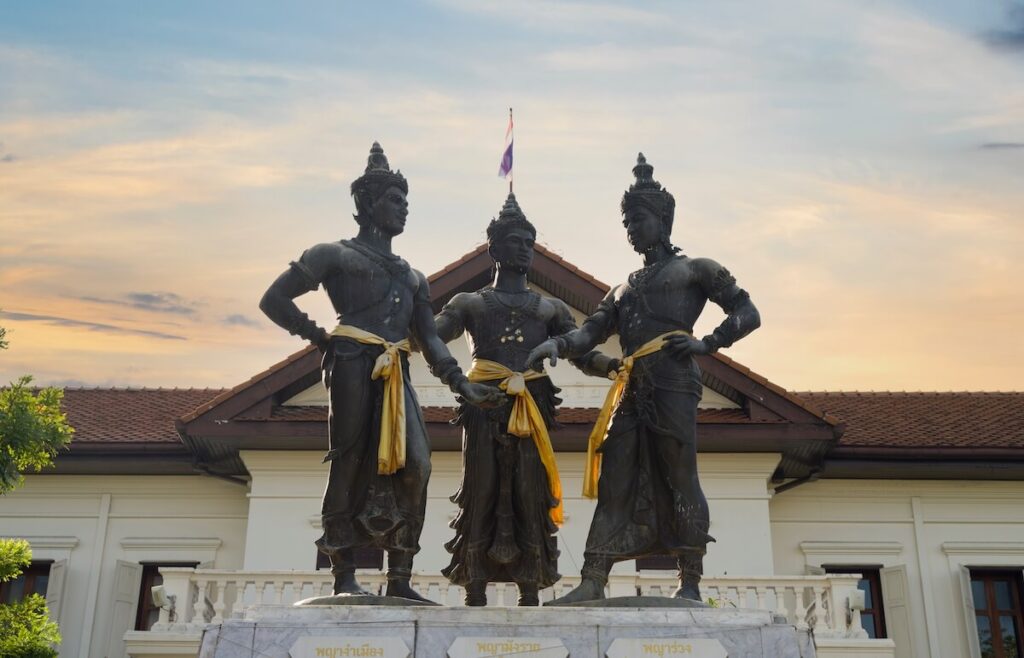
One of the more prominent monuments in the city is the Three Kings Monument in the center of Chiang Mai’s old city. Now a common gathering place, the statue depicts an alliance made between King Mangrai, as well as the kings of the Sukhothai, and Phayao kingdoms.
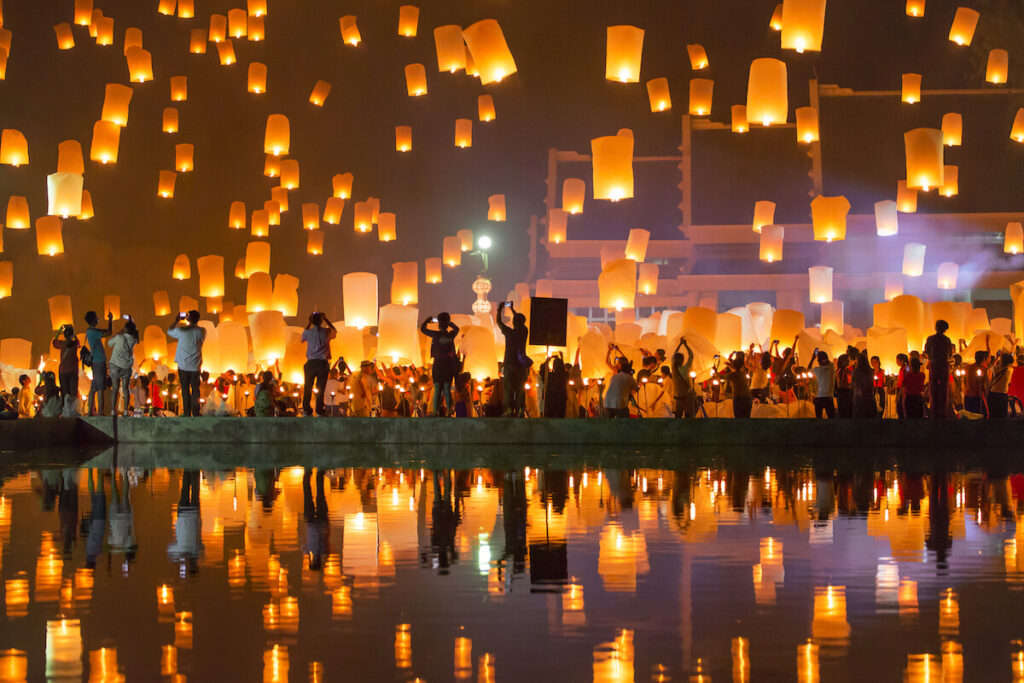
Every year, Chiang Mai is home to the celebration of the Yee Peng (sometimes spelled Yi Peng) Festival, also known as the Thai Lantern Festival. As you probably guessed, it traces back to the days of the Lanna Kingdom.
Usually occurring in November, people float candle-lit lanterns into the night sky, both celebrating the end of the rainy season and making an offering for good luck in the coming year. When the paper lanterns scatter and light up the night sky, it’s a breathtaking sight to see.
Finding the lasting influence of the Lanna Kingdom, a lesser-known Kingdom within the context of modern Thailand, is still possible, and there’s no better place to learn about it than Chiang Mai.
4. The city is abundant with gorgeous temples
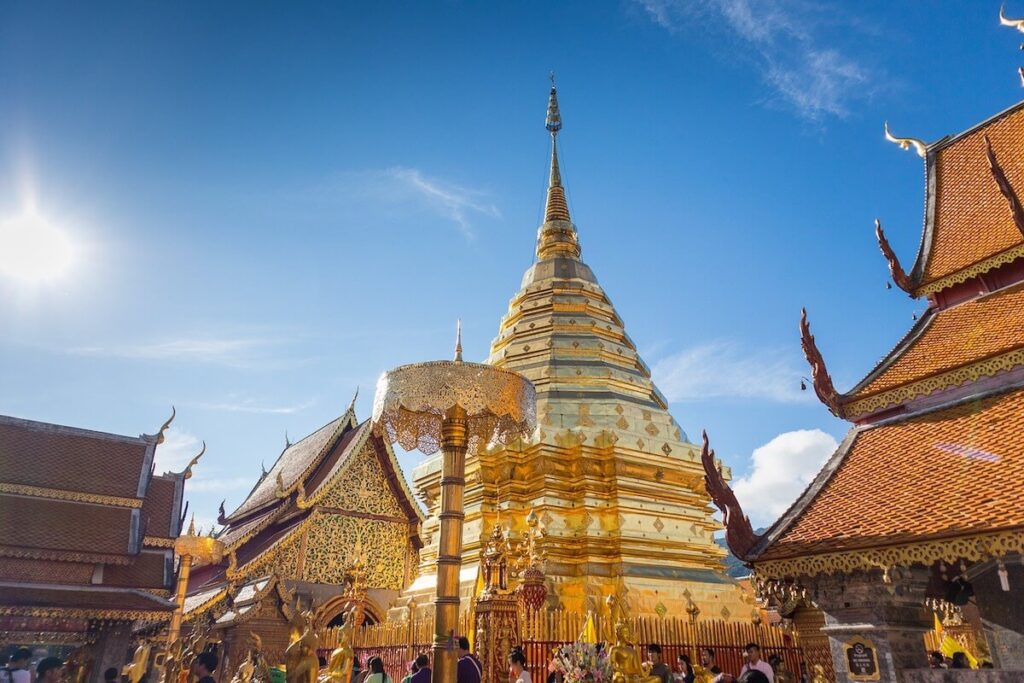
Thailand as a country is famous for having some of the most ornate and beautiful Buddhist temples in the world, and many of them happen to call Chiang Mai home.
These temples are scattered throughout the city and the surrounding countryside, and are impressive monuments that preserve the legacy of different eras throughout Chiang Mai’s history. As the previous section discussed, the biggest and most famous of the city’s temples were founded and constructed during the 1300s, by rulers of the Lanna Kingdom.
Admittedly, “temple fatigue” can be a real thing, particularly when traveling in Southeast Asia. But bear in mind that each of these temples is in fact, unique, and many of them are still functioning places of worship for monks and the local community. Quite a few also host “monk chats,” so there are opportunities to get a little more out of your average temple visit.
Joining a guided temple tour in Chiang Mai is also a good experience if you want to dive deeper into the history of these temples.
There are too many temples in the city to list and describe them all, and it’s part of the experience in Chiang Mai to stumble upon them as you explore. However, there are a few notable ones that are worth seeking out.
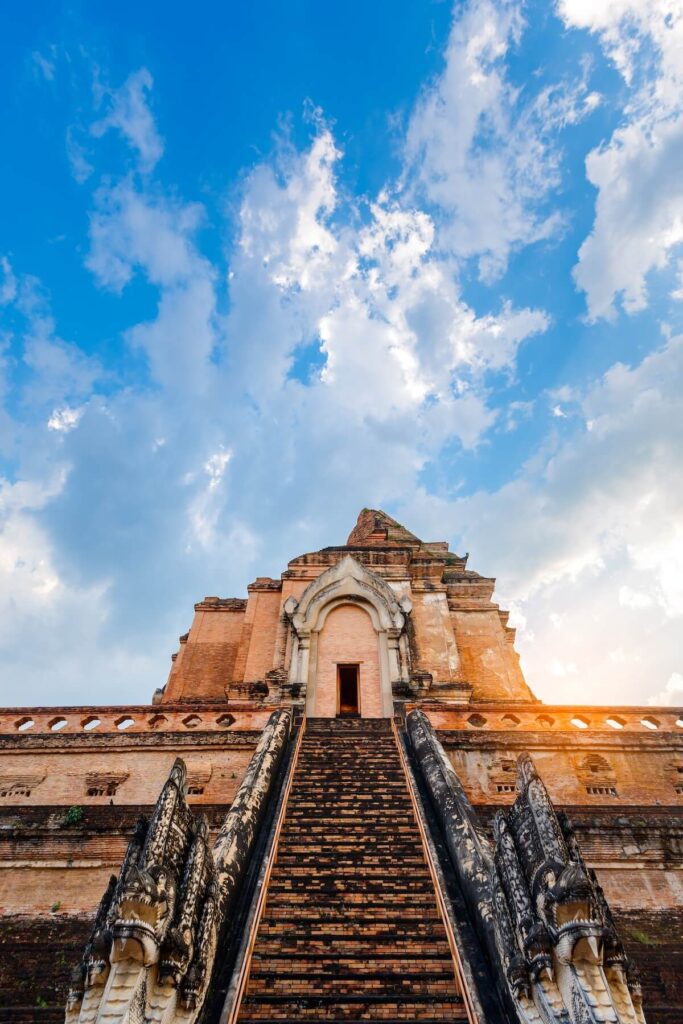
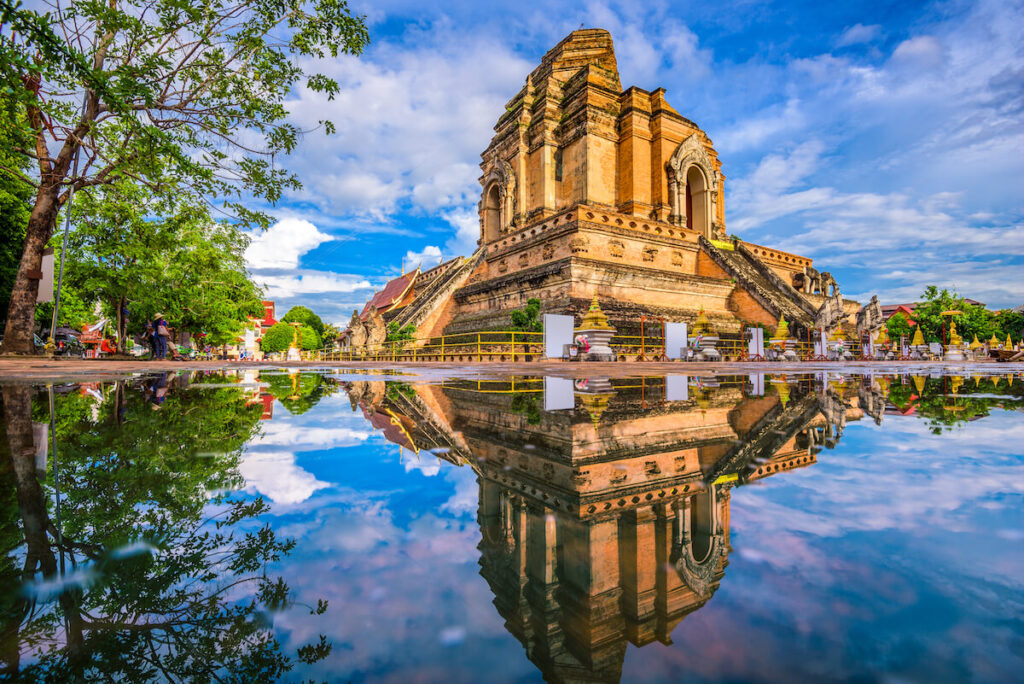
There’s Wat Chedi Luang in the heart of the old city, with its crumbling bricks and elephant sculptures. Wat Phra Singh is perhaps the most visited temple complex in the city, known for its eye-popping gold chedi, and colorful murals on its inner walls.
And we can’t forget Wat Mok Moli, home to the ashes of Lanna rulers and known for its intricately designed black and white teakwood facade.
5. It’s a great place to see and practice Muay Thai

Known as the “art of eight limbs,” Muay Thai is the national sport of Thailand. At the surface, it might look familiar to some, as it is generally fought while standing upright, in a ring, and matches are broken up into timed rounds.
However, it should not be confused with something like kickboxing, as Muay Thai is unique in that in addition to scoring points through strikes with hands and feet, points can also be scored through blows using the elbows, shins, and knees.
While professional Muay Thai can be brutal, due to its many flying limbs, it also maintains a theatrical element. Before most professional fights, Wai Kru Ram Muay is performed. Accompanied by traditional music, this ritual involves circling the ring, bowing, and then a short dance by each of the competitors.
Going to see a Muay Thai match is a thrill, and Chiang Mai provides plenty of opportunities. One place to start is Thapae Boxing Stadium, located just inside the walls of the old city. Here you can grab yourself a Chang beer or two, see multiple fights in a single evening, and decide if you’d ever want to try out Muay Thai for yourself.
Here’s a tip: You can book skip-the-lines ticket to the stadium and choose among standard, ringside, or VIP seats.
For the more adventurous, Chiang Mai is filled with training gyms that make both one-time and longer-term training packages available. If taking elbows to the face or kicks to the quads doesn’t sound appealing to you, don’t worry. An intro session to Muay Thai is going to be focused on fitness and technique, rather than full-on sparring for those who aren’t ready.
6. The nearby mountains are beautiful…
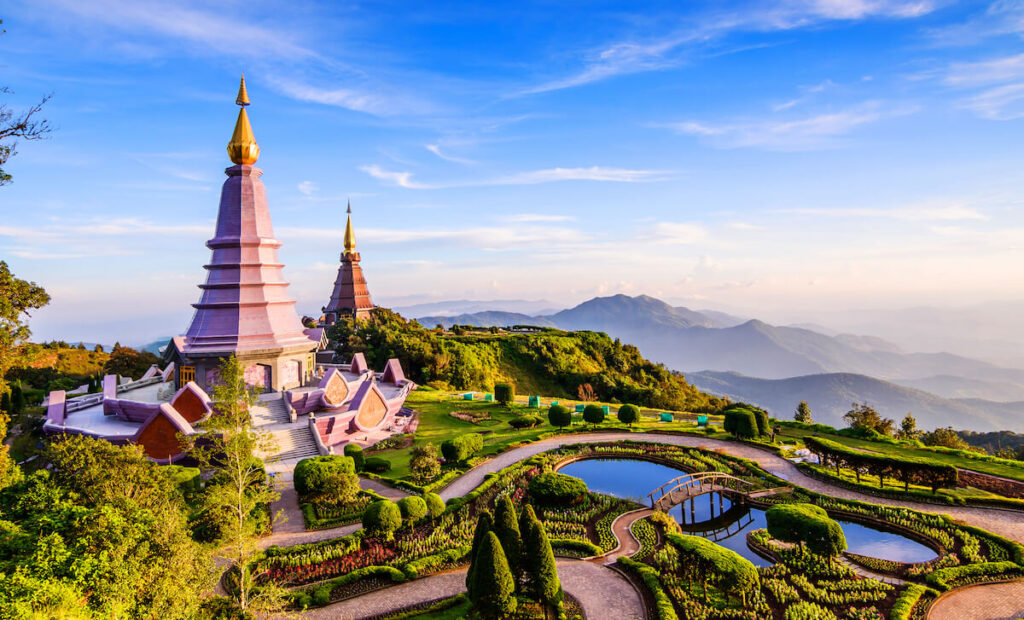
Chiang Mai is located in between a number of mountain ranges, including the Thanon Thong Chai Range and the Khun Tan Range. These close mountain ranges provide gorgeous views as your plane lands, and highlight that this is not in fact, the South of Thailand.
In all directions, there are mountain peaks, some of which sit proudly above the clouds. Others are lower-lying, cloaked in lush green forest, adding a variety to the green tapestry that covers Thailand, in addition to its rice fields and jungles.
The opportunities for day trips are endless, as the proximity to the mountains provides the chance for mountain biking, hiking, bird watching, wildflower gazing, and even swimming. But there’s more…
7. …and you can even go camping!
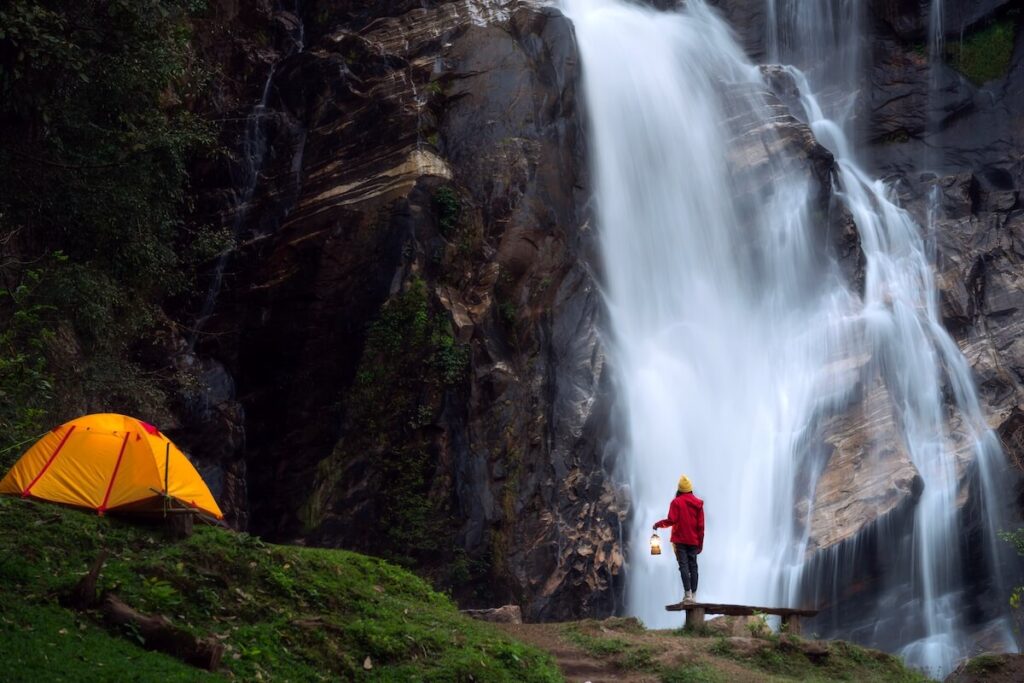
You probably don’t associate Thailand with camping. But for the intrepid, Chiang Mai and its neighboring provinces provide some pretty spectacular camping spots.
What better way to feel at one with Northern Thailand than sleeping on its ground, waking up to its fresh air, and staring at the night sky?
Because most of the camping around Chiang Mai is set in the nearby mountains, there will be sweeping views, waterfalls, and the sounds of native flora and fauna. A few places for camping further afield are even home to caves, tea fields, and rice paddies that can be explored!
The amount of camping options can be daunting, but I’ll get you started with some great options for camping within close proximity (within a two-hour drive) of Chiang Mai. First up is Doi Inthanon National Park (pictured above). Its mountain peak is the highest in Thailand, and should you hike to the summit, you may find yourself looking down at the clouds, forest, and a number of waterfalls.
The closest place to the city for camping is Doi Suthep (more on this mountain in the next section), about a 20- to 30-minute ride out of the city. Despite its proximity, it still provides a real sense of wilderness, and is also renowned for bird watching.
South of the city lies Doi Khun Tan (below), another national park that is home to a number of mountain peaks for hiking, the longest train tunnel in Thailand, and most notably, gorgeous varietals of wildflowers.
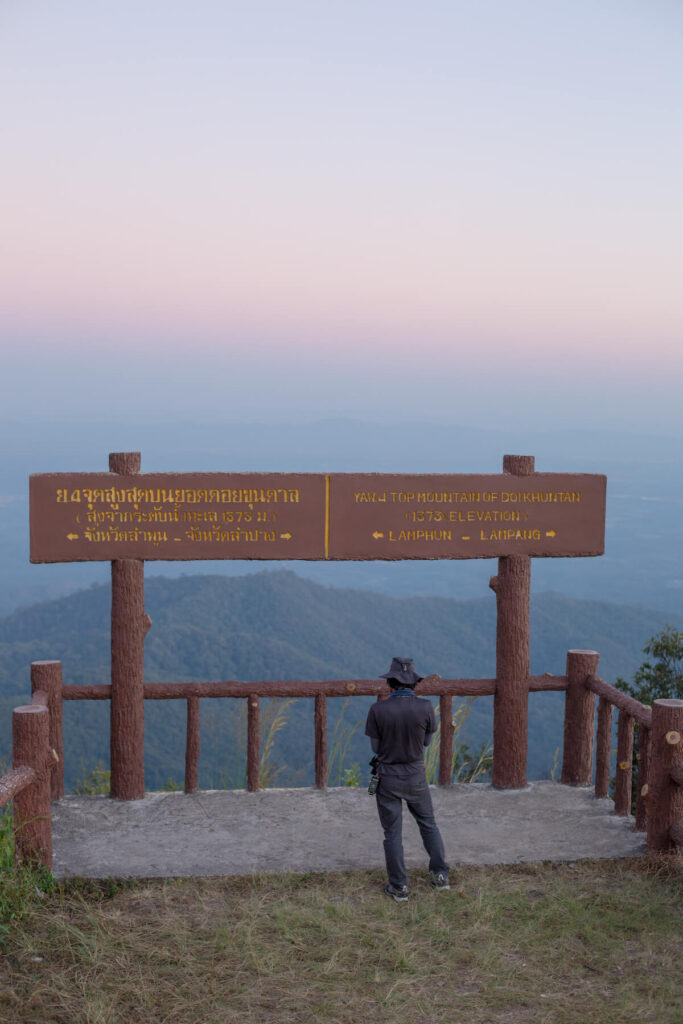
For more adventurous and remote options, there are plenty of staggering mountain peaks due North of Chiang Mai, near Doi Pha Hom Pok National Park, close to the border of Myanmar. You just have to be willing to drive a little further!
A quick note on additional considerations: usually there are no permits required, though certain parks charge entry fees, so bring along identification and some cash. Also, be sure to consider seasonality when deciding to camp or what to bring while camping, as rain, cold, and fog can all impact the camping experience!
8. Riding a motorbike in (and out of) Chiang Mai is thrilling
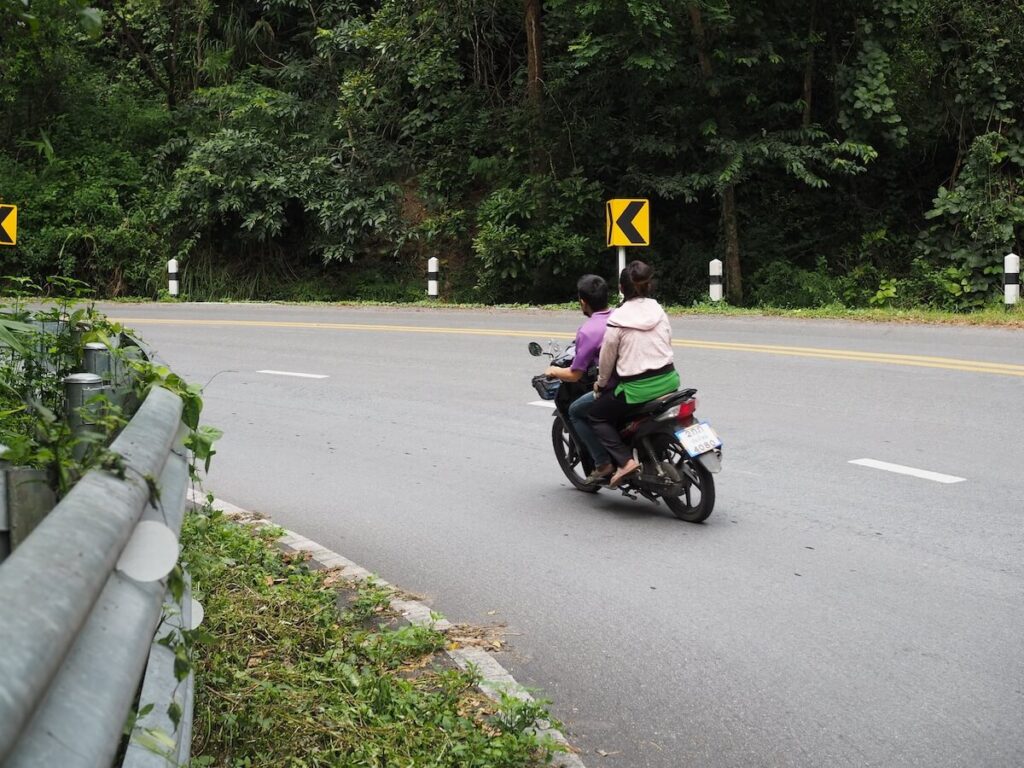
Anthony Bourdain once said, “One of the great joys of life is riding a scooter…to be part of this mysterious, thrilling, beautiful choreography.” Although he was referring to neighboring Vietnam, it also rings true in Chiang Mai. The fact (or opinion I guess) is that there are simply few better ways to see Southeast Asia than via scooter.
Though there are always inherent dangers associated with riding scooters, Chiang Mai is quite a bit easier to navigate than the daunting, chaotic cities like Ho Chi Minh or Bangkok. Just be sure to always wear a helmet, get insurance if possible, and have some cash in case you get stopped at a police checkpoint!
Given the aforementioned beauty of the mountains, rice paddies, and temples that surround the city of Chiang Mai, the city provides the perfect launching point for a fun scooter adventure.
My recommendation is to rent a scooter, drive it eastward out of the city, and finish at the peak of Doi Suthep mountain (home of Wat Phra That Doi Suthep). You’ll start within Chiang Mai, watching the city change from old to new as you pass the city walls, and head on a long, straight road that heads directly towards the lush green mountain.
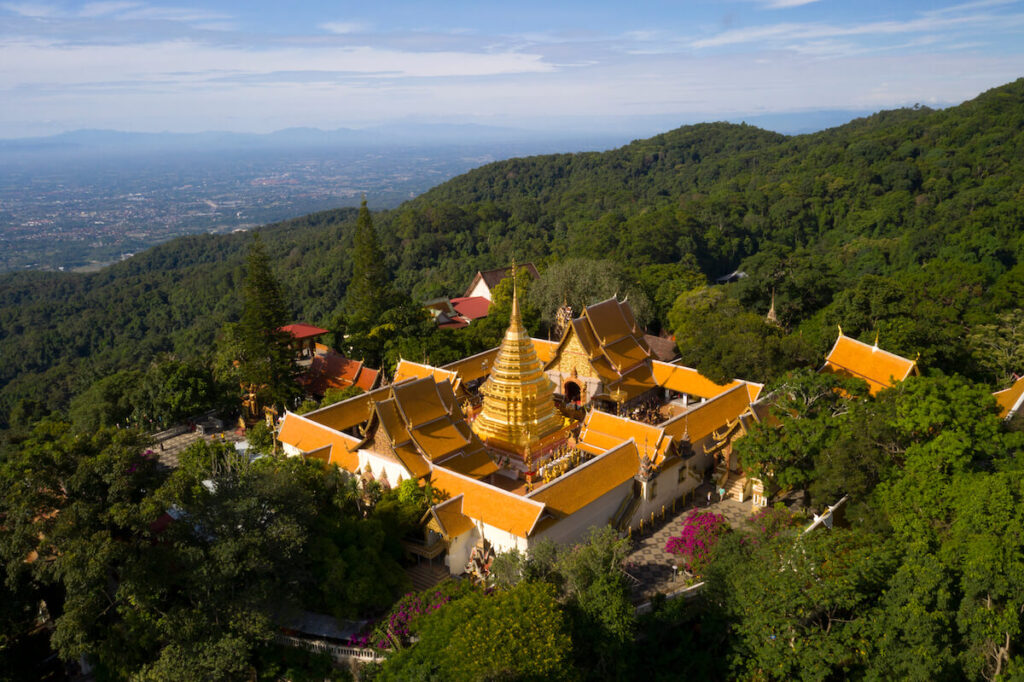
The winding, tree-lined road that takes you to the peak is spotted with viewpoints, waterfalls, hiking trails, and temples to stop and visit along the way. On the way back down, be sure to enjoy the breeze, the adrenaline, and the joy of flying (safely) down the mountain back to the city.
9. The pace of life can feel relaxing…
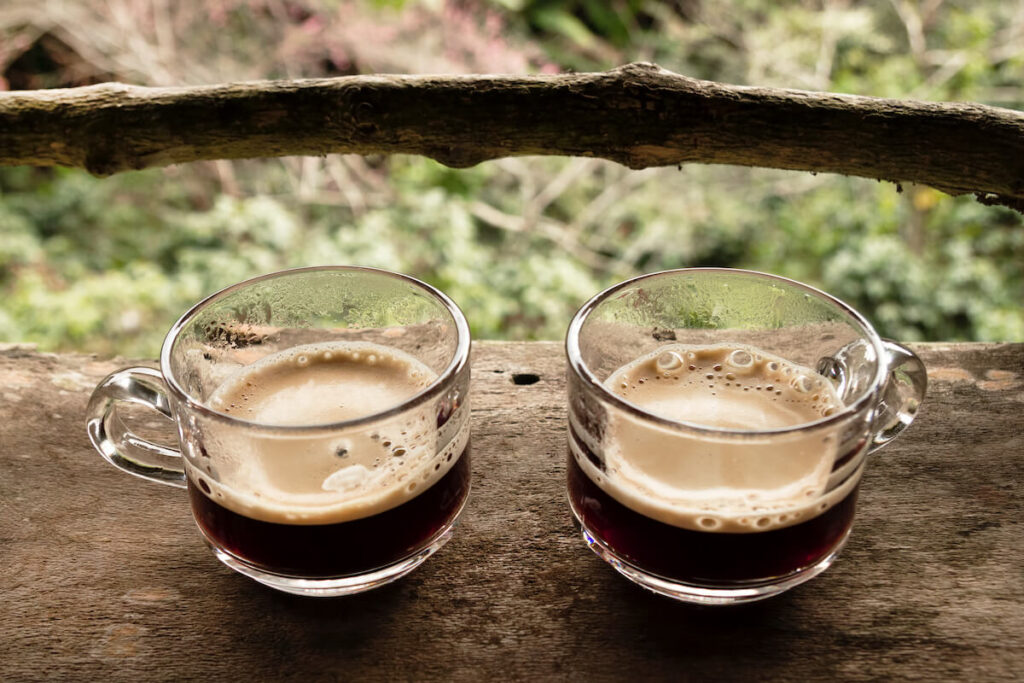
Although Chiang Mai has plenty of physical activities and adventures to be had, it has an aura about it that feels peaceful, calming, and relaxing. Particularly within the old city walls, things more fairly slowly, making it the perfect city to wander around on foot.
One of my favorite memories of an afternoon in Chiang Mai included visiting a tea house to write in my journal, walking amidst the ponds at Wat Chedi Luang, and stopping at an open-air bar to play a board game over some local rice whiskey.
There are fewer large buildings, fewer cars, and fewer people in Chiang Mai than in a city like Bangkok. The abundance of old temples and the number of orange-clad Buddhist monks that you’ll see throughout the city also add to its laid-back atmosphere.
So, if you’ve had enough Muay Thai or zipping around via scooter, take some time to meander the streets and let the city’s sense of calm settle over you.
10. …in part because massages are incredibly affordable
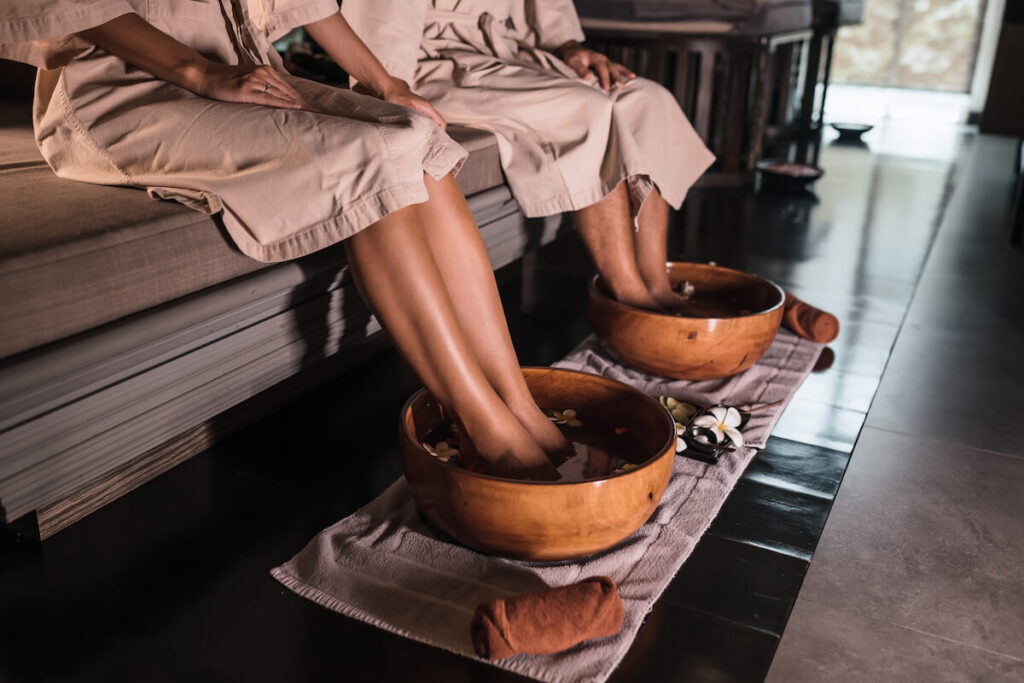
One of the best perks of traveling to Chiang Mai is both the availability and affordability of massages. Traveling anywhere creates some physical stress, but a trip to Chiang Mai will provide plenty of opportunities to loosen up and unwind.
It feels unique to traveling in Thailand that you can walk down the street aimlessly, and spontaneously get an hour-long full body massage at a price that fits a backpacker’s budget. There are also places that offer simple foot massages, which are the perfect remedy for sore feet after a day of temple-hopping (or Muay Thai fighting).
Note that there’s a difference between what many are used to in a relaxing spa massage and a Thai massage. A traditional Thai massage is a bit more interactive, with pulling and stretching of your limbs, in addition to some intense deep-tissue work. It’s great for the body, but can be surprising if it’s not what you anticipated, so make sure to select your massage option carefully!
11. It’s located near a number of elephant sanctuaries
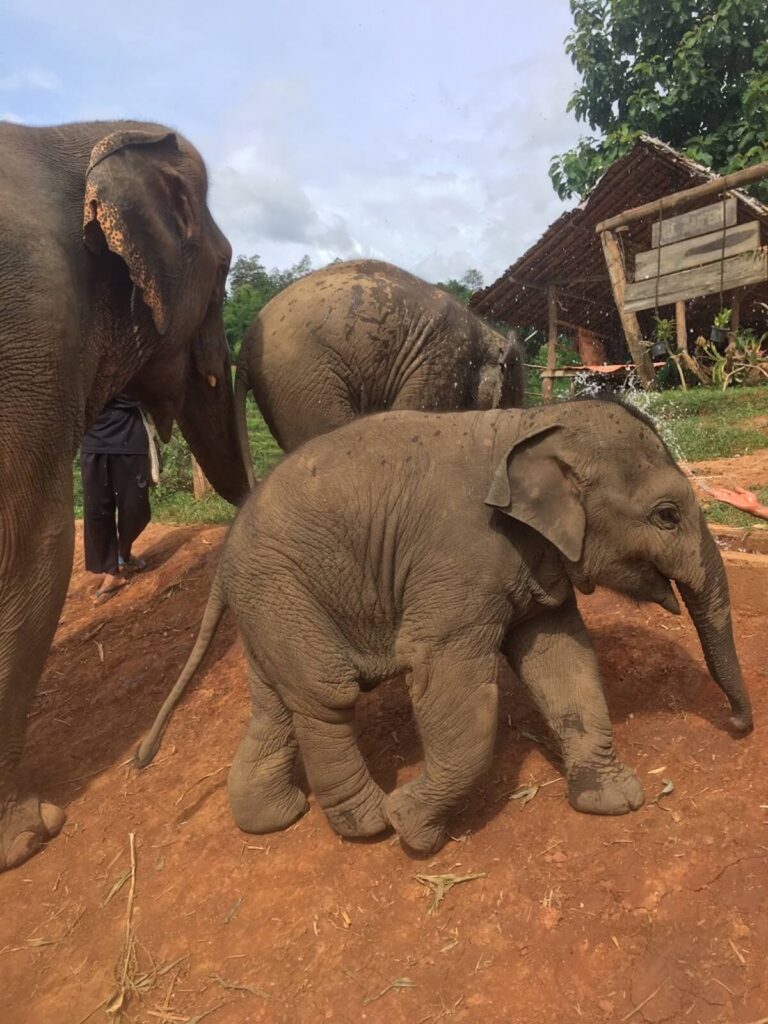
Elephants are magnificent creatures, and Chiang Mai has quite a few places where travelers can interact with them. These elephant sanctuaries are typically located in beautiful locations in the countryside, surrounded by green fields and small villages, making it another great day trip option from the city.
Many of the elephants that are found in these sanctuaries are rescued from working in the illegal logging industry, or even orphaned elephants due to poaching. The sanctuaries play an important role in keeping elephants safe, healthy, and happy.
As a visitor, these sanctuaries can be quite fun and educational. You’ll have a chance to learn about the elephants, see how they live, potentially do a little maintenance work to the grounds, and often you’ll even get to feed them. It can be mesmerizing to watch elephants eat bunches after bunches of bananas right out of your hand!
It pays to do a little research prior to booking an experience at an elephant sanctuary and to be aware of any warning signs once you arrive. If people are riding the elephants, or the workers at the elephant camp are pulling and prodding them with hooks or whips, those are signals to steer clear.
Please don’t ride the elephants, and treat them with the respect that these amazing animals deserve!
Good options for elephant sanctuaries to consider for your trip to Chaing Mai are the Elephant Nature Park, Burm and Emily’s Elephant Sanctuary, and the Elephant Retirement Park where you can meet and feed retired and rescued elephants in an ethical environment.
12. Its location is perfect for seeing more of Northern Thailand
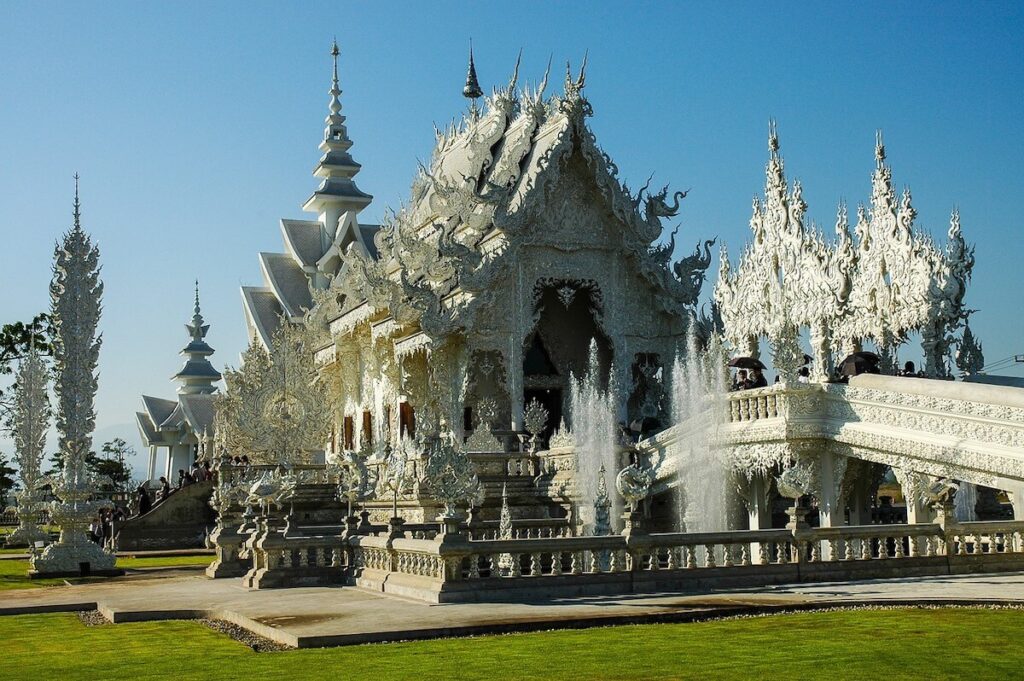
As mentioned in the intro, Chiang Mai can serve as a gateway to the rest of Northern Thailand. Clearly, there’s much to do, see, and learn in the city, but there are plenty of other places surrounding Chiang Mai in the North to explore.
To the Northeast is perhaps the second most famous city in the region, the former capital of the Lanna Kingdom (before the transfer to Chiang Mai), Chiang Rai. The city is most commonly visited because it’s home to the mind-blowingly elaborate White Temple. It also lies in the heart of the Golden Triangle region, where Thailand, Laos, and Myanmar converge.
Lampang is a sleepier, laid-back town to the southeast. It’s a great place to admire Northern Thai architecture, with homes and temples throughout the city made of traditional teakwood. Nearby you can also find the Wat Chaloem Phra Kiat temple complex, where massive white pagodas sit atop a series of jagged mountain peaks.

You could also take the scooter (it’s generally not recommended to use a car) further afield, and complete the Mae Hon Song loop, which commonly starts in Chiang Mai. Named after the farthest Northwest region of Thailand, this multi-day tour (at least four days) takes you through mountains, rice paddies, and small towns, all near the beautiful and rugged terrain near the Myanmar border.
Logistically speaking, car or motorbike rentals offer the most flexibility to get around from city to city in Northern Thailand. But there are also public buses, songtaews (a sort of unofficial ride-sharing), and even taxis, depending on which towns you decide to visit.
13. The nightlife holds its own

No, Chiang Mai is not on par with Bangkok’s nightlife scene. Not many places in the world are. That said, Chiang Mai is no sleepy town where everything closes by 9:00 p.m.
For one, the famous Chiang Mai Night Bazaar is open until midnight. We’ve already talked about this, but it’s a great meeting point for a night out in Chiang Mai.
Whether you’re looking for a bar with pool tables, a place to gather in a large group with other fellow backpackers, a nice cocktail spot, or a place to dance, Chiang Mai has you covered.
Nimmanhaemin, to the Northwest of the old city, is filled with plenty of bars, as is the area to the East of the old city along Loi Kroh road, heading towards the Night Bazaar. Both areas are good options for hopping from place to place, as you find out what sort of vibe you’re looking for.
The city is also scattered with smaller, lesser-known bars that have just a few tables, maybe a few stools, where you and your travel partners can casually post up over a Chang or Singha, whichever you prefer.
I’ll leave you with two recommendations for places to check out at night in Chiang Mai. First is The North Gate Jazz Co-Op, a small jazz bar that hosts live music most nights of the week. The other is The Riverside Bar & Restaurant, which as its name suggests, overlooks the Ping River, providing the perfect setting to enjoy a nice cocktail to end (or start) the night.
Wrapping up
Hopefully, after reading this, Chiang Mai emerges as an essential stop on your next trip to Thailand, or Southeast Asia, for that matter. Whether you’re a backpacker on a shoestring budget, or a luxury traveler looking for the finest things Thailand has to offer, Chiang Mai can provide.
A city where you can wake up to a spicy bowl of noodles, ride a scooter to a temple nestled in the mountains, and finish things with a stroll through a bustling night market, is not one to be missed. Simply put, it’s different than the rest of well-trodden Thailand, an important characteristic for any inquisitive traveler.
So, fear not. The answer to your Google search is yes, Chiang Mai is surely worth visiting. I couldn’t imagine my travels to Southeast Asia without a stay in the “Rose of the North,” and once you experience it for yourself, I’m confident you’ll feel the same.
