
*This article may contain affiliate links. For full information, please see the disclaimer here.
Is Siem Reap worth visiting? That’s a question many travelers (myself included) ponder, and rightly so.
Nestled in northwestern Cambodia, this city serves as the gateway to the legendary Angkor Wat, a sprawling temple complex that’s etched itself into the world’s must-see lists.
Siem Reap is more than just a base for exploring ancient ruins though. It’s a place where the echoes of a rich history blend with a vibrant, modern Cambodian spirit. While not the capital, it holds the title of the second-largest city, buzzing with markets, street food, and a unique energy that’s hard to ignore.

In this article, I’ll share some reasons that make Siem Reap a truly compelling destination. Of course, like any popular destination, Siem Reap isn’t without its quirks and there are also reasons why some travelers choose to skip it. We’ll dive into those reasons too, so you can a clearer picture of the pros and cons before deciding if it’s the right adventure for you.
Let’s get to it, shall we?
Why some travelers avoid Siem Reap
Angkor Wat is overrun by tourists

Angkor Wat’s overtourism is a common grumble you’ll hear, and it’s not entirely unfounded.
Angkor Wat, along with the broader Angkor Archaeological Park, is located in Siem Reap province but sits just outside the city of Siem Reap. The city is the launchpad though and it’s where everyone stays, making it the epicenter of the Angkor experience.
So, yeah, that surge of people heading out to catch the sunrise over those iconic temple towers? They’re all filtering through Siem Reap. It can feel a bit like a theme park at peak hours, especially if you’re picturing some serene, solitary exploration.
And it’s not just Angkor Wat itself. Places like Ta Prohm, with its photogenic tree roots swallowing the ancient stones, or Angkor Thom’s Bayon temple, with those enigmatic stone faces—they draw crowds too. Outside the main temple circuit, you’ll feel the tourist buzz in Siem Reap’s central areas, like Pub Street and the night markets.
The concentrated flow of people can dampen the sense of discovery for some travelers. But I think it’s a matter of managing expectations, and perhaps, considering travel during the shoulder or low seasons.
The traffic is chaotic
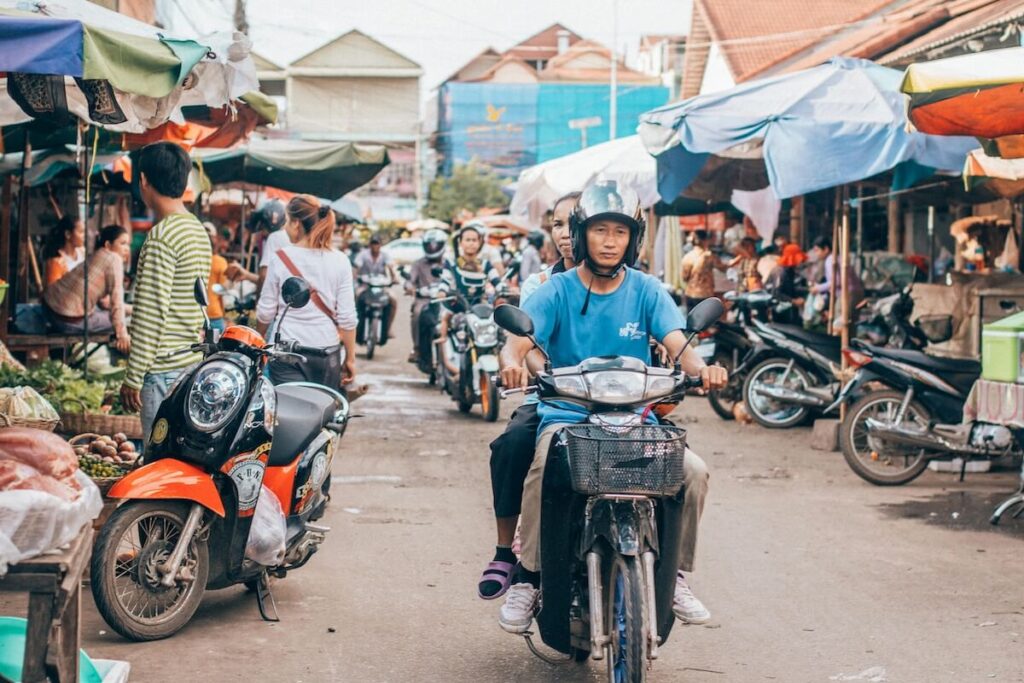
Siem Reap’s streets can definitely feel like a bit of a free-for-all, especially during peak tourist times. It’s a city that’s rapidly growing, and the infrastructure hasn’t quite caught up yet. Plus, let’s be honest, Cambodian driving culture isn’t exactly renowned for its strict adherence to the rules of the road.
You’ll see motorbikes weaving in and out of traffic, tuk-tuks cutting corners, and the occasional car going the wrong way. It’s a sensory overload, and for some travelers, especially those used to more orderly traffic systems, it can be downright overwhelming.
That being said, it’s not all doom and gloom. First off, while it might look chaotic, it’s rarely aggressive. You’ll hear plenty of horns, but it’s more of a “hey, I’m here” than an angry honk. Plus, the traffic mainly centers around the more touristy areas and the main roads. Venture a little further out, and you’ll find quieter streets.
There’s petty crime

Petty crime is a concern that pops up for travelers headed to just about any popular destination, and Siem Reap’s no exception. It’s true, like any tourist hub, it attracts its share of opportunists. Pickpocketing, bag snatching, and the occasional scam are things to be aware of.
You’ll hear stories of distracted tourists losing their wallets in crowded markets or getting overcharged for tuk-tuk rides. It’s not about violent crime, but more the “oops, my stuff is gone” kind, which can still put a damper on your trip.
That said, it’s important to keep things in perspective. Siem Reap isn’t a particularly dangerous city. The vast majority of travelers have completely incident-free experiences. The local authorities are aware of the issue, and tourist police are visible in key areas. Plus, common sense goes a long way. Be aware of your surroundings, keep your valuables secure, be wary of overly friendly strangers offering “deals,” and do a bit of research on common scams beforehand.
Why is Siem Reap worth visiting?
1. Siem Reap has Angkor Wat…

Even with the earlier mention of tourist crowds, it’s impossible to deny Angkor Wat’s magnetism. Located a short drive away from the city center, this sprawling temple complex is the heart and soul of the region.
Originally built as a Hindu temple and later transformed into a Buddhist one, the Angkor Wat is a testament to the sheer ingenuity and artistry of the Khmer Empire. Walking through its intricate carvings and towering structures, you’re stepping into a piece of history that’s both grand and deeply evocative.
Yes, you’ll likely be sharing the sunrise with a crowd, but watching the sun peek over Angkor Wat’s silhouette, painting the sky in hues of orange and pink, is a special thing that many people understandably want to experience.
Similarly, seeing the temple bathed in the warm glow of sunset is something you won’t easily forget. And even with the throngs of visitors, the sheer scale and beauty of Angkor Wat manage to shine through.
Pro tip: Here’s a guided Angkor Wat sunrise tour and a full-day tour that ends with sunset viewing, if you don’t want the hassle of planning your own trip.
2. …and other stunning ancient temple complexes
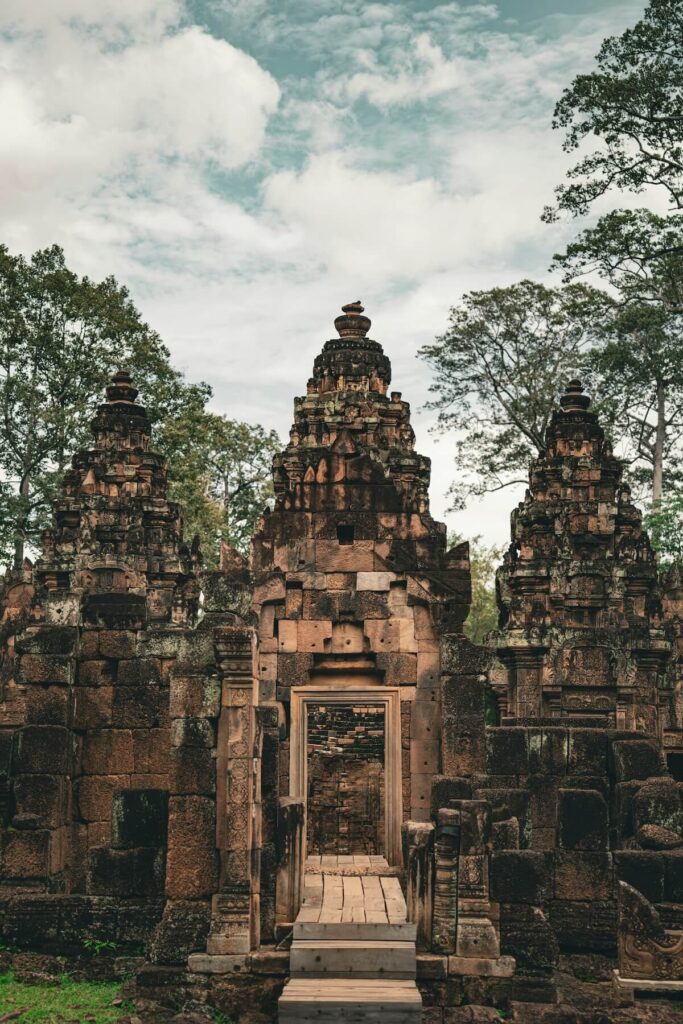
Yup, Angkor Wat’s not the only temple complex worth visiting in Siem Reap.
There’s Ta Prohm, the one where massive tree roots have entwined themselves with the ancient stones, creating this almost surreal, jungle-meets-ruin vibe. It’s incredibly photogenic, and while it gets busy, it’s a different kind of busy than Angkor Wat.
Then there’s Angkor Thom, a walled city with the Bayon temple at its heart. Those giant stone faces staring out in every direction? It’s a bit eerie, a bit mesmerizing.
For something a little further afield and less trampled, consider Banteay Srei. It’s a bit of a trek, but the intricate carvings in pink sandstone are just breathtaking. You can join this tour to explore Banteay Srei and other temples in the Grand Circuit.
Or, if you’re really up for an adventure, visit the remote temples of Koh Ker and Beng Mealea. It’s a couple of hours away from Siem Reap, but you’ll find these incredible pyramid-like structures and a real sense of being off the beaten path.
3. The street food is delicious and affordable
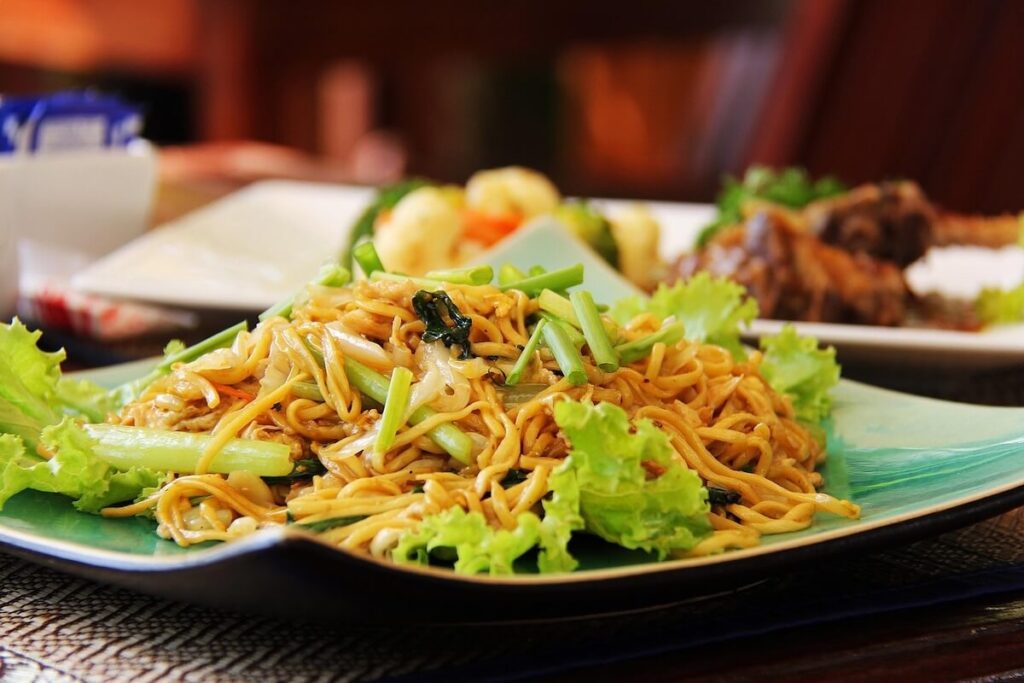
Is Siem Reap worth visiting for the food alone? Absolutely.
Cambodian cuisine, while sometimes overshadowed by its Thai and Vietnamese neighbors, is a delightful mix of flavors and textures. And when it comes to street food, Siem Reap delivers in spades.
The street food culture here is vibrant, with vendors setting up stalls in the evenings, creating a lively, almost festival-like atmosphere. You can find everything from grilled meats on skewers to noodle soups, stir-fries, and sweet treats. And the good news is, you can sample local flavors without breaking the bank!
Some must-tries include num banhchok, a noodle dish with a fish-based green curry, and bai sach chrouk, grilled pork served over rice. For something a little more adventurous, try the grilled frogs or insects—they’re surprisingly tasty!
Head to the night markets or around Pub Street for a wide variety of options. The Old Market area is also a great place to find local delicacies, and you’ll often see vendors cooking up a storm right before your eyes.
4. Pub Street is buzzing

Speaking of Pub Street, if you’re looking for a dose of Siem Reap’s nightlife, this is where you’ll find it.
Smack dab in the center of town, it’s basically a strip of bars, restaurants, and shops that comes alive after dark. It’s got a bit of a backpacker vibe, but you’ll see all sorts of travelers here, from solo adventurers to groups of friends. It’s a place where you can grab a cheap beer, try some local cocktails, and just watch the world go by.
While Pub Street is not exactly steeped in ancient history, it’s a key part of the modern Siem Reap experience. The neon lights, the music spilling out from the bars, the constant buzz of conversation—it’s a sensory overload in the best way possible.
5. It’s a hub for Cambodian crafts

Siem Reap is a fantastic place to dive into Cambodian arts and crafts. The city buzzes with artisan activity, and you can find a whole range of beautiful, handcrafted items, from intricate silverwork and handwoven silks to stone carvings and lacquerware.
The markets in Siem Reap are a treasure trove for these finds, especially the Old Market and the Angkor Night Market. You’ll see vendors selling everything from small souvenirs to larger, more elaborate pieces. But if you like watching artists create these intricate pieces, I recommend searching for workshops and studios where you can see artisans at work.
Either way, shopping for arts and crafts is a great way to support local artisans and take home something unique. Consider a handwoven silk scarf, stone sculptures, or some locally made jewelry. The silverwork is particularly stunning, and the lacquerware is a beautiful example of traditional Khmer art. And yes, you can haggle a bit—it’s part of the experience—but be respectful and fair.
6. It’s got a relaxing atmosphere

Despite the tourist buzz, Siem Reap has a surprisingly chill vibe, especially if you venture beyond the immediate temple areas and the city center. Sure, Pub Street can be a whirlwind, but just a short tuk-tuk ride away, you’ll find a slower pace of life.
The surrounding countryside is dotted with rice paddies and small villages, where life unfolds at a leisurely pace. It’s a chance to escape the crowds and experience a more authentic side of Cambodia.
Even within the city, you can still have a relaxing experience by visiting one of the many spas and massage parlors. Khmer massage is a great way to unwind, and you’ll find plenty of options for all budgets. Consider trying a chupong, a Cambodian herbal steam sauna, in Spa Khmer. The treatment uses all-natural ingredients brewed from herbs and is perfect for cleansing and relaxing.
Taking a sunset boat trip on Tonle Sap Lake while watching the floating villages drift by is also a good idea.
7. It’s got a rich history
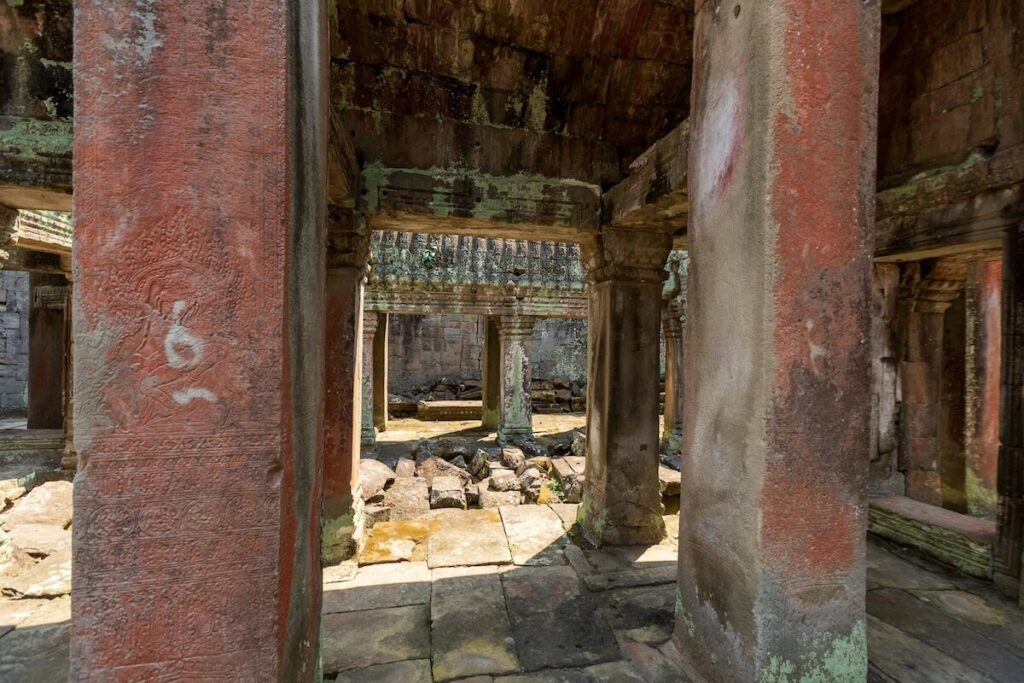
Siem Reap isn’t just a pretty face; it’s a place steeped in history. Of course, everyone knows about Angkor Wat, but the city itself has a story to tell, one that goes beyond the temples.
Walking through the streets of Siem Reap, you’ll hear echoes of the Khmer Empire, a civilization that once dominated Southeast Asia. You’ll find remnants of this past in the architecture, the art, and even the everyday life of the people.
To truly get a feel for Siem Reap’s history, you can start, naturally, at the Angkor National Museum. It’s a great place to get context for the temples and the Khmer Empire.
Beyond that, wander through the city’s older neighborhoods, where you’ll find colonial-era buildings and traditional Khmer houses. The Landmine Museum also offers a poignant look at Cambodia’s more recent history, and how it continues to shape the country.
8. Siem Reap lets you immerse in Cambodian culture

Siem Reap offers a real chance to dive into the heart of Cambodian culture, beyond just the tourist sights. You’ll find it in the graceful movements of Apsara dancers, the rhythmic beats of traditional music, the aromatic street food, the intricate designs of handwoven silks, and the warm smiles of the locals.
In essence, this isn’t a culture preserved in a museum. It’s vibrant and alive, woven into the fabric of everyday life.
One way to immerse yourself is by catching a performance of traditional Apsara dance, a beautiful art form that tells stories through movement. Also worth watching is Phare, Cambodian Circus, which offers a modern take on Cambodian storytelling, blending acrobatics, theater, and music. And if you’re into cooking, this cooking class can help you learn the secrets of Khmer cuisine.
All to say, Siem Reap offers so many opportunities to connect with a rich and fascinating culture.
9. It has both luxury and budget options
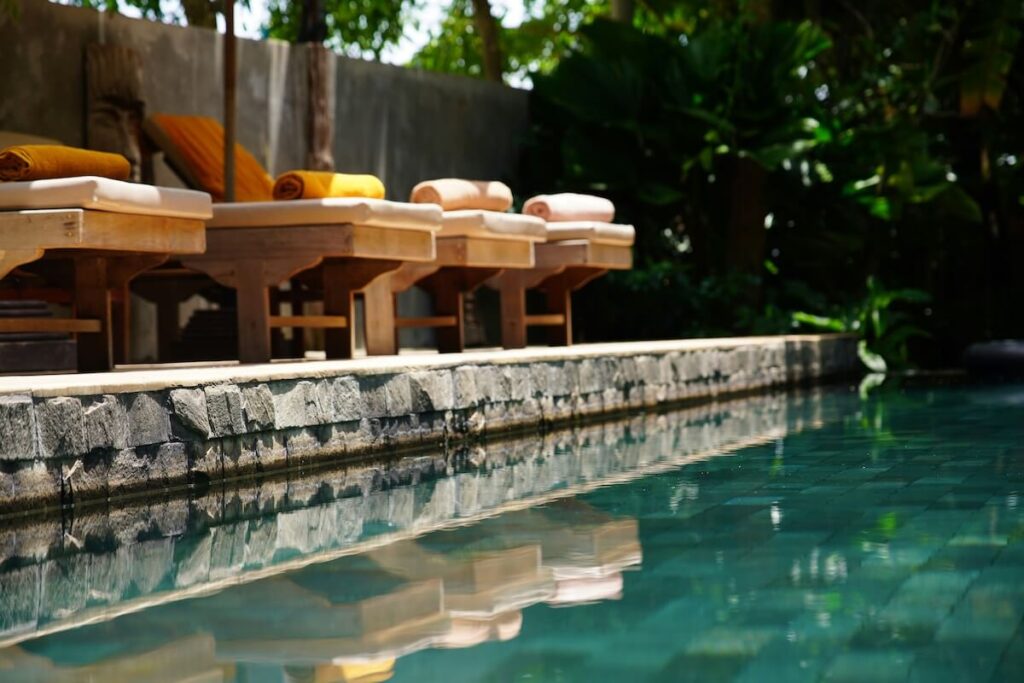
One of the best things about Siem Reap is its flexibility. Whether you’re traveling on a shoestring budget or looking for a luxurious getaway, you’ll find plenty of options to suit your needs.
From street food stalls serving up delicious meals for a few dollars to high-end restaurants offering gourmet Khmer cuisine, there’s something for every palate and pocket. Getting around is a breeze too, with affordable tuk-tuks readily available, or you can opt for private car hires for a more comfortable experience.
Accommodation is equally diverse, with everything from basic guesthouses and lively hostels to boutique hotels and opulent resorts. For budget-conscious travelers, places like Onederz Hostel Siem Reap and Lub d Siem Reap offer clean, comfortable, and social environments. They’re great spots to meet fellow travelers and get insider tips on exploring the city.
If you’re looking for a splurge, Siem Reap also boasts some truly stunning luxury hotels. Places like Raffles Grand Hotel d’Angkor, Phum Baitang, or Park Hyatt offer impeccable service, beautiful pools, and a serene atmosphere. You can find mid-range options that provide a good balance of comfort and affordability too.
10. Siem Reap has many opportunities for volunteer tourism

Siem Reap has become a hub for travelers looking to give back, and “voluntourism” is a common sight. This trend has grown significantly in recent years, driven by a desire to make a meaningful impact beyond just sightseeing.
After Cambodia’s turbulent past, many organizations sprung up to address social issues, and they often rely on volunteer support. It’s a chance to connect with the local community on a deeper level and contribute to positive change, whether it’s teaching English, helping with construction projects, or supporting local NGOs.
There are a variety of volunteer opportunities available, catering to different interests and skill sets. However, it’s crucial to do your research and choose reputable organizations that prioritize ethical and sustainable practices. Look for organizations that work closely with local communities and have a clear focus on long-term impact. Be cautious of programs that seem exploitative or that don’t prioritize the needs of the community they serve.
When done right, volunteering in Siem Reap can be a rewarding experience, allowing you to make a real difference while gaining a unique perspective on Cambodian life.
Conclusion

So, is Siem Reap worth visiting? For me, it’s an absolute yes!
The sheer magic of Angkor Wat alone is enough to justify a trip, but Siem Reap offers so much more. It’s a place where you can wander through ancient streets, sample incredible street food, and connect with a culture that’s both resilient and welcoming.
Sure, it’s not perfect, and the tourist buzz can be a bit intense at times. But beneath the surface, there’s a city that’s full of life, history, and genuine warmth. And whether you’re seeking adventure, relaxation, or cultural immersion, Siem Reap has something to offer. Book your flight now and experience Siem Reap for yourself!