
*This article may contain affiliate links. For full information, please see the disclaimer here.
Cambodia, Cambodge, Kampuchea, the Khmer Republic, the Kingdom of Cambodia…this country has had many names over its lifetime (and many names in the last century!). The different names represent the long and complex history of this vibrant Southeast Asian country.
Besides the many names, what is Cambodia known for? What is Cambodia famous for?
Cambodia is famous for Angkor Wat and many other temples, the Khmer Rouge, and Buddhism. Cambodia is known as the Kingdom of Wonder and is known for unique food like fried insects, beautiful silk, gorgeous beaches, and lush jungles.
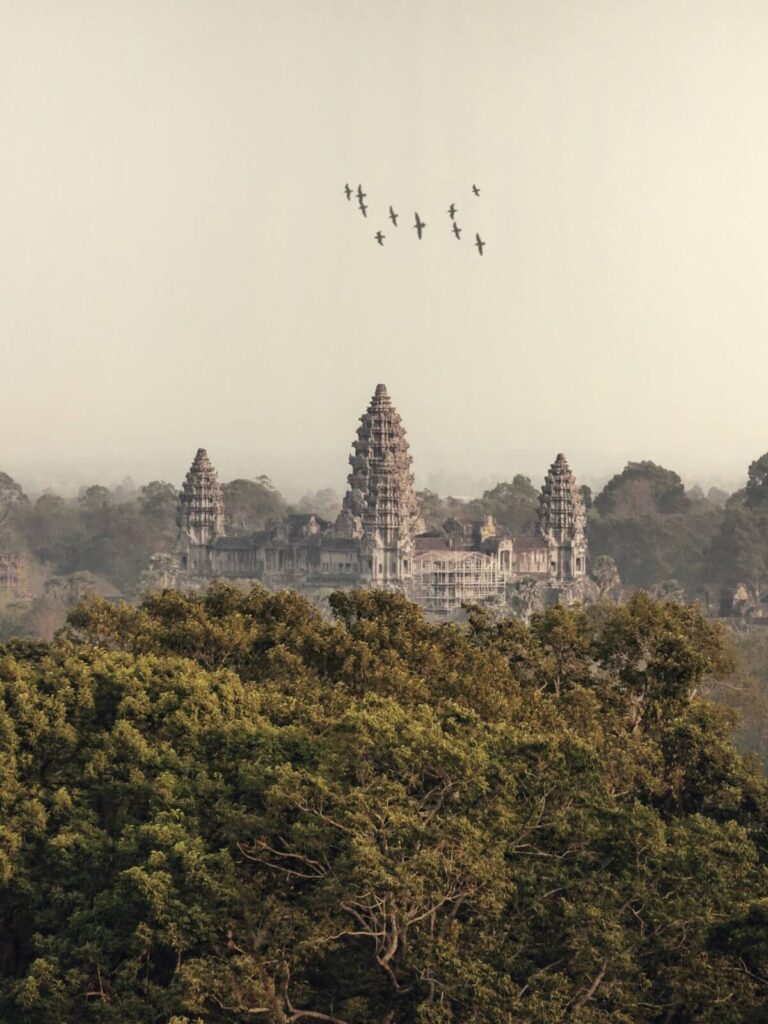
Cambodia is full of unique cultural events like the Khmer New Year, the remains of civilizations that shaped Eastern history, several incredibly rare species (hello river dolphins!), and a complex, often tragic, past. It’s also a beautiful, diverse country full of some of the friendliest people around!
Here are 22 things Cambodia is famous for that will surely inspire your next trip.
Table of Contents
1. Angkor Wat

What is Cambodia famous for? I bet you can guess the most famous Cambodian symbol: Angkor Wat!
Cambodia is famous as the home of the Angkor Wat Archaeological Complex, the largest religious structure in the world. Located near Siem Reap, this over-400-acre complex has become an enduring symbol of Cambodia.
The many different temples (including Angkor Wat itself, the namesake for the complex, as well as the Bayon, Ta Prohm, and Angkor Thom) were first built for the Hindu deity Vishnu in the 12th century before it was slowly converted to a Buddhist temple, which it still remains to this day.
The many remnants of the complex, such as extensive canals and agricultural systems, are also still visible in the dense jungle, and are evidence of the power and sophistication of the Khmer Empire and the city, once the largest pre-industrial settlement complex in history.
This UNESCO-listed temple complex becomes even more atmospheric at certain times of the day. You can rise early to join a small group sunrise tour or watch the sunset from the temple mountain of Phnom Bakheng.
2. Temples
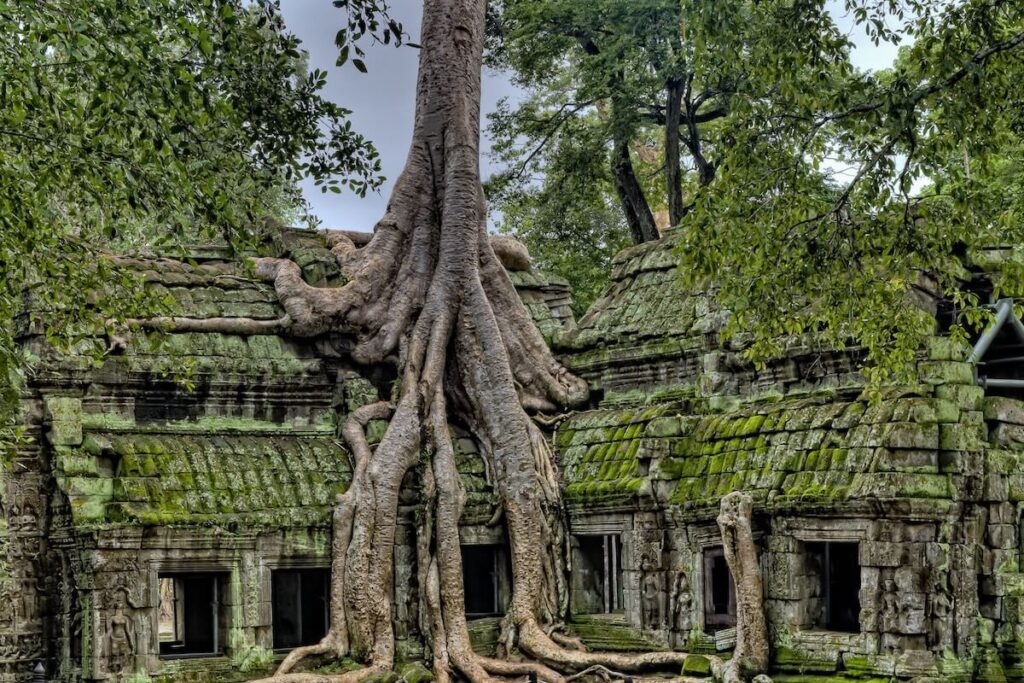
What is Cambodia known for? Temples!
The famous temples at Angkor Wat are just the beginning—there are over 4,000 other temples in Cambodia, and those are just the ones that have been “discovered,” or not buried in the jungle.
While around 100 of these can be found at Angkor Wat, other temples of note include Koh Ker, Preah Vihear, Banteay Srei, and Beng Mealea.
3. Kingdom of Wonder

The Kingdom of Cambodia is known as the “Kingdom of Wonder,” partly thanks to the plethora of temples, both ancient and modern. The feeling of discovery permeates every trip to Cambodia, thanks to the rich culture, biodiverse jungles, pristine beaches, traditional rice paddies, and laid-back cities.
4. The Pearl of Asia
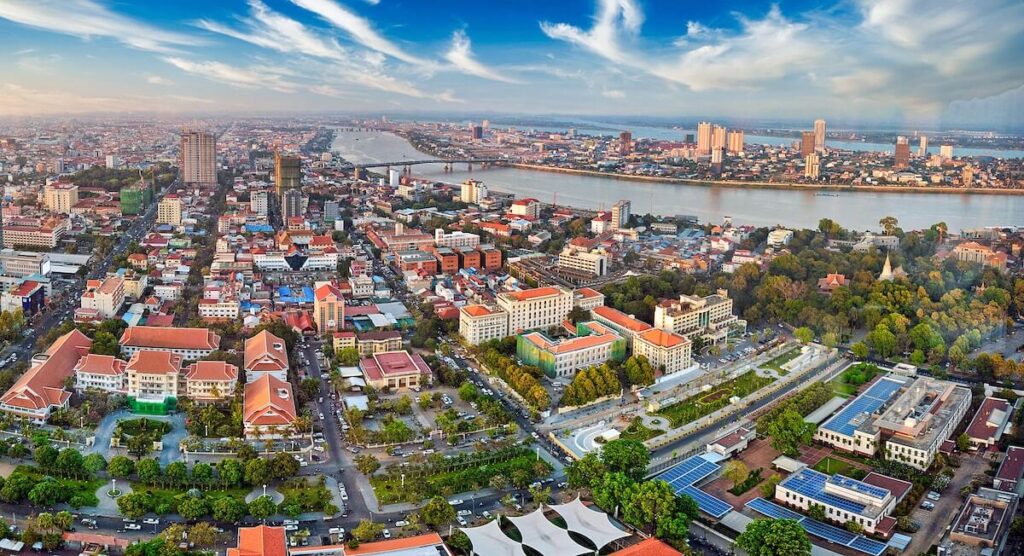
Phnom Penh, Cambodia’s capital, was once “The Pearl of Asia,” with its Art Deco buildings, ornate temples, and natural beauty at the convergence of two massive rivers.
Unfortunately, the many conflicts endured over the years (more on this later) decimated much of the city and its population. The city is slowly building back up and may regain this nickname again, someday.
5. Khmer Rouge
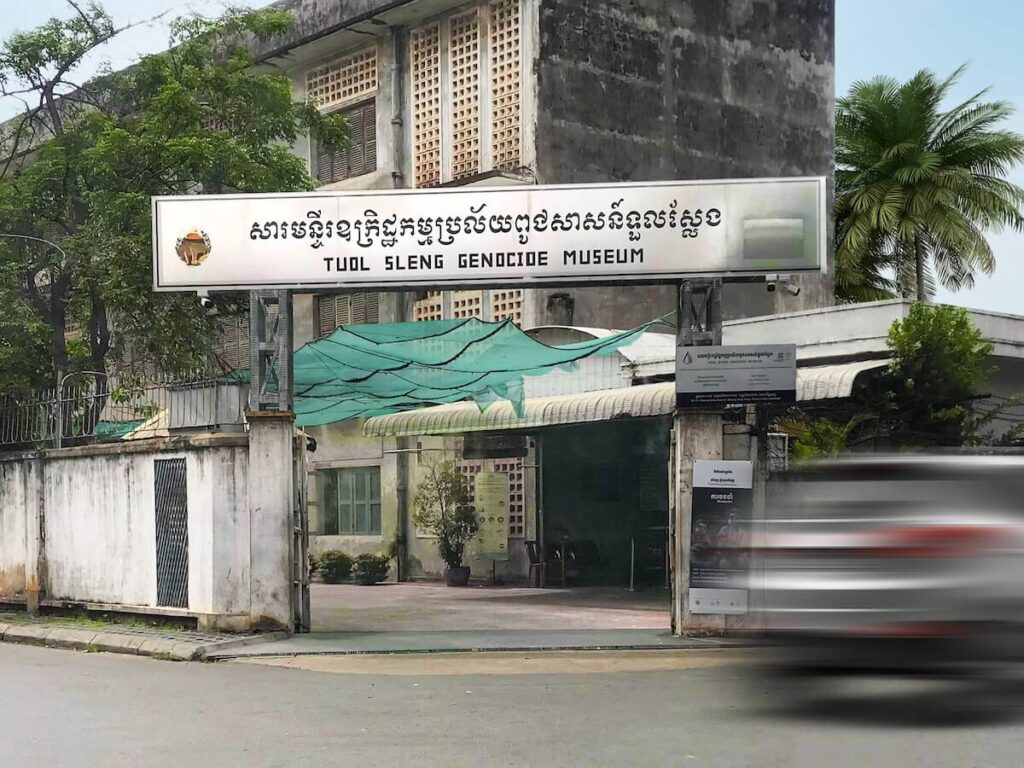
When you come upon an ancient temple covered in jungle trees, it’s hard to imagine this beautiful place has ever known anything like war and bloodshed. Unfortunately, that’s far from the case, as Cambodia has a long history of conflict.
The most recent was under the reign of the Khmer Rouge, a communist regime that carried out the Cambodian Genocide. From the years of 1975 and 1979, around three million Cambodian people were murdered, a full quarter of Cambodia’s population.
The impact of these horrors has been long-reaching, and if you make it to Cambodia, a visit to the Tuol Sleng Genocide Museum and the Killing Fields is a must to help you truly understand the history of this country.
6. Young population
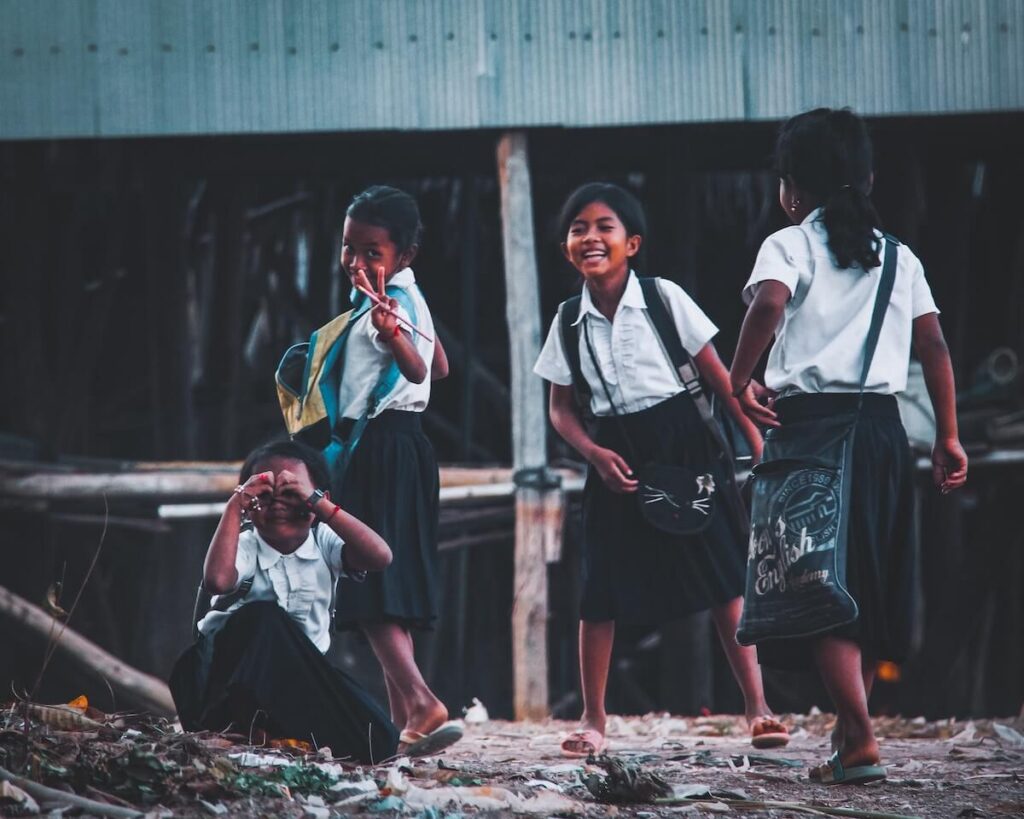
Due to the millions of people murdered by the Khmer Rouge, as well as casualties in wars and persistent poverty, Cambodia has an extremely young population. Around 65% of the population is under the age of 30, with 30% of the population under the age of 14.
7. Fish Amok
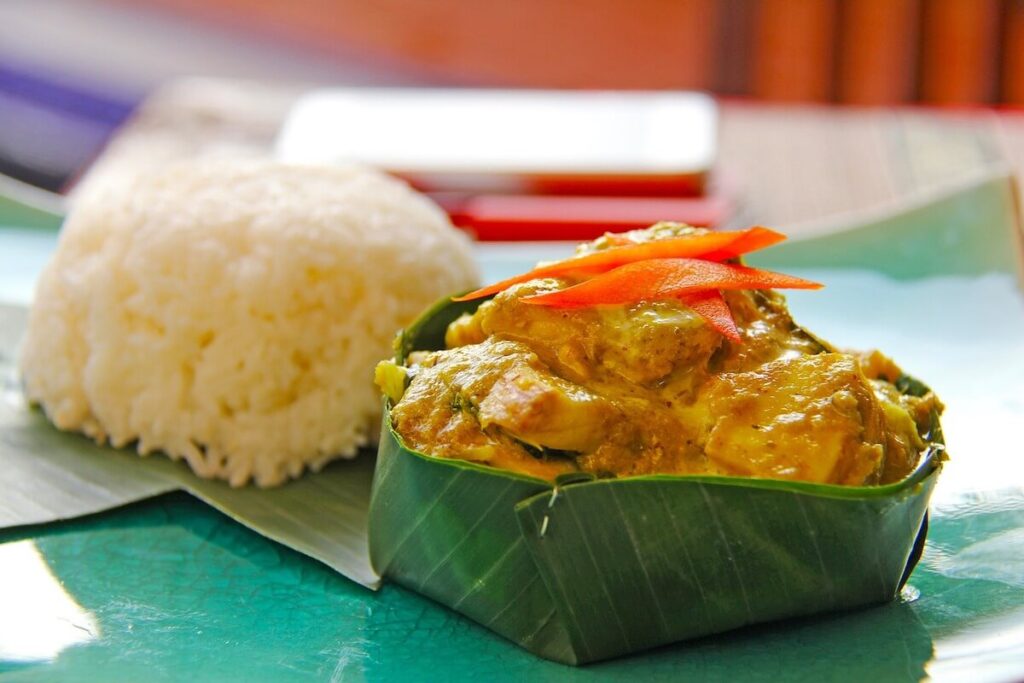
Cambodia is known for fish amok, aka its national dish, a steamed fish curry (also called “amok trei”). The legend goes that fish amok was once served to the Khmer royals during the age of the Khmer Empire and has been ubiquitous ever since.
Served in banana leaf baskets and with a side of rice, fish amok is made with local fish, coconut milk, and various spices like lemongrass, turmeric, and garlic.
8. Mekong River

The mighty Mekong River meanders through much of Cambodia, including through the capital, Phnom Penh. The Mekong is the lifeblood of Cambodia, supporting not only the incredibly rich biodiversity of the area, but also the local people, providing transportation, food, and tourism.
The Mekong is also known as the “world’s most productive river,” thanks to its plethora of wildlife and tendency to produce “mega-fish.” For a tourist, a sunset cruise down the Mekong is a must!
9. Irrawaddy dolphins
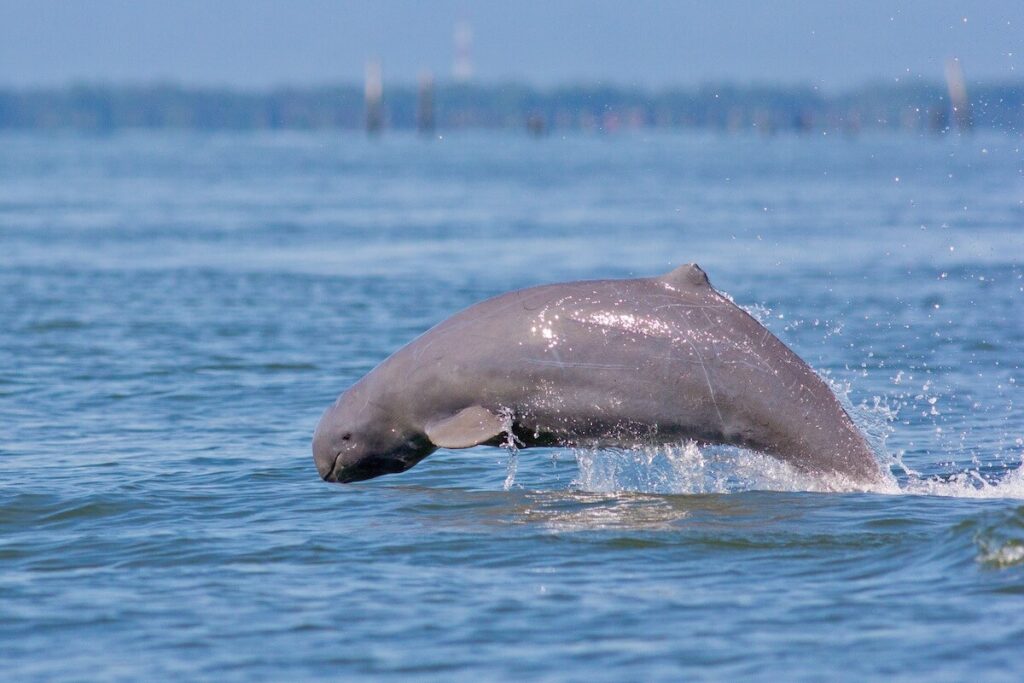
Thanks to the Mekong and the dense, unspoiled jungle, Cambodia is home to several very rare animal species (also plants, and insects). Several of these include the Asian Elephant, the Indochinese Tiger, and, my favorite, the Irrawaddy Dolphin.
These river dolphins, which mostly inhabit a short stretch of the Mekong between Cambodia and Laos, are critically endangered—it’s estimated only about 100 remain. The best place to (respectfully) see these unique, Beluga-like dolphins is from the river town of Kratie.
10. Cambodian New Year

Every year in April, the Cambodian New Year, also called the Khmer New Year (or Chaul Chnam Thmey), is one of the biggest holidays in Cambodia. Marking the end of the harvest season, the three-day holiday is filled with offerings to the gods, community events, and family gatherings.
11. Insect snacks

Cambodia is famous as the land of crispy creepy crawlies! As in, deep-fried crickets, spiders, cockroaches, or grasshoppers. Although the insect craze was started by extreme poverty in Cambodia, the country continues to embrace insects as food, and nearly every menu has a variety of fried insects in many different spices.
Cambodia is actually ahead of its time when it comes to eating insects, as they’re considered the future of food security.
12. Buddhism
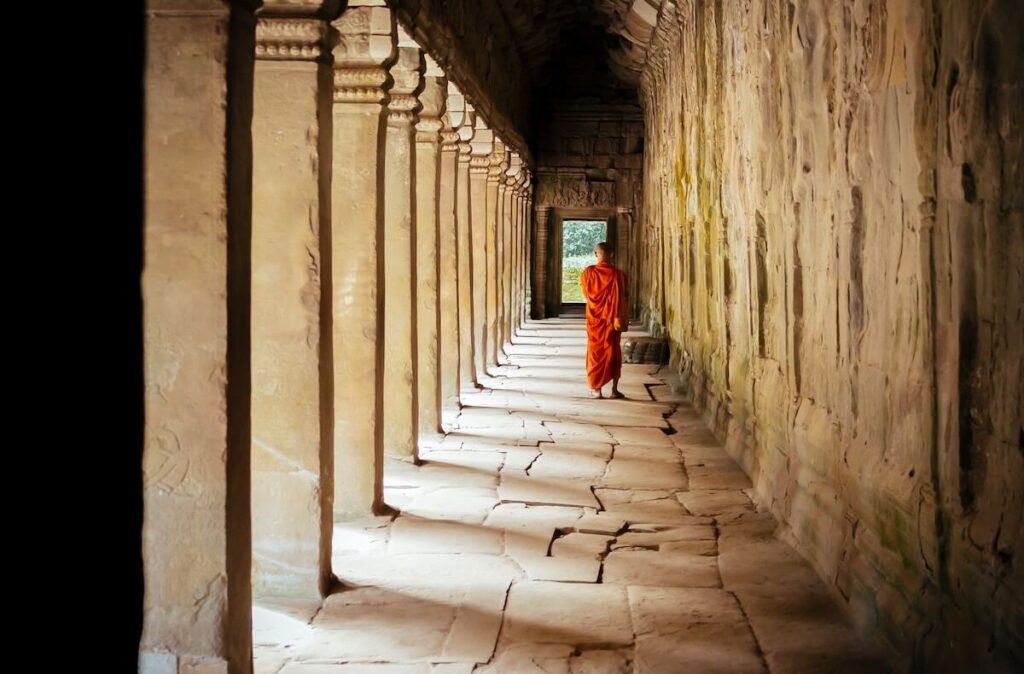
Buddhism has been the state religion of Cambodia since the 13th century, and has been practiced there since around the 5th century.
Roughly 90% of the country practices Theravada Buddhism, which is recognizable all over the country. For example, the ubiquitous monks dressed in orange can be seen all over the place, and you’ll surely spot statues and shrines wherever you go.
13. Apsara Dance
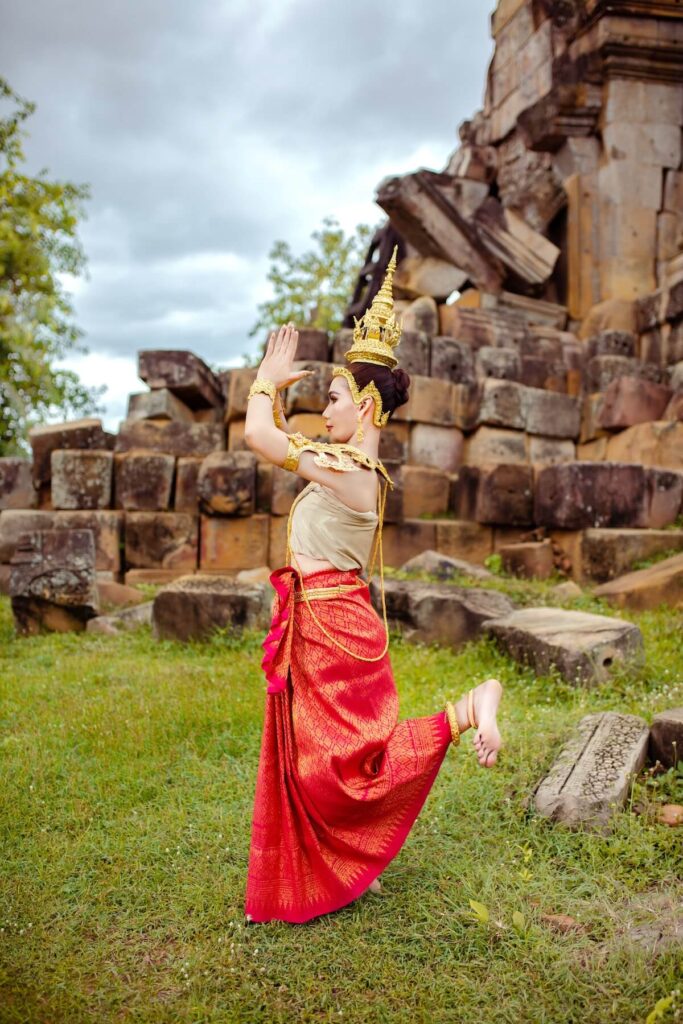
Cambodia is famous for its traditional dance (categorized as an Intangible Cultural Heritage of the World by UNESCO), known as Apsara Dance, which is another enduring symbol of the country. This royal dance, dating back to the 7th century, is characterized by ornate costumes and mesmerizing dance moves that tell a story of prosperity.
As every single movement of the fingers has meaning and requires immense flexibility, so the training in Aspara begins when women are children. You may be lucky enough to spot this ballet at a temple, or book tickets to a show with dinner to experience Apsara on stage.
14. Phnom Penh Palace & Silver Pagoda
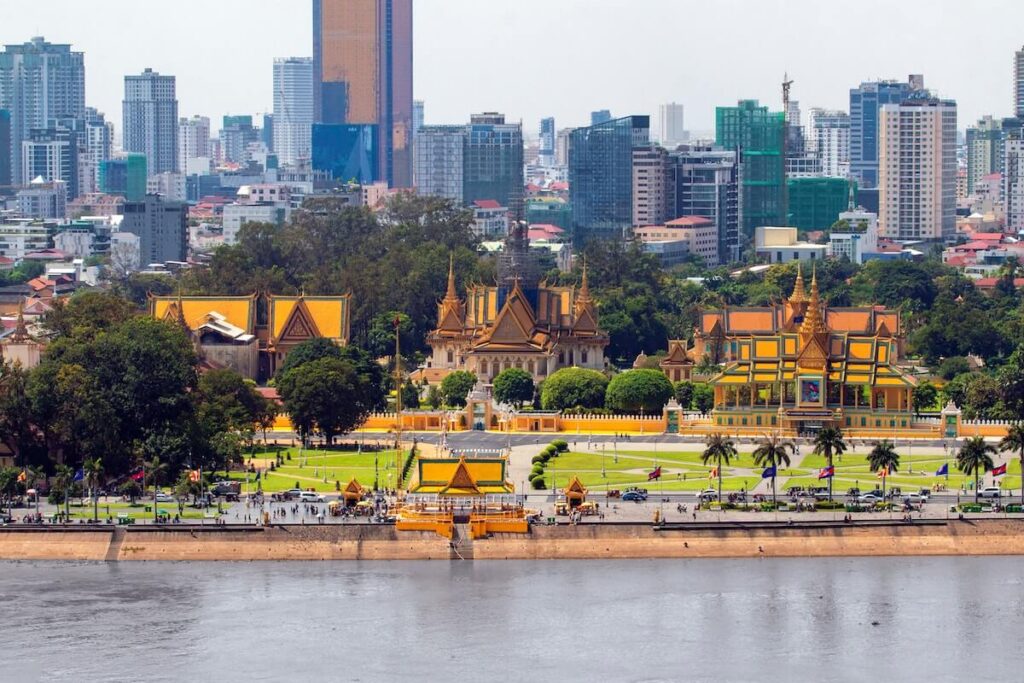
Located where the Mekong meets the Tonle Sap River in Phnom Penh, the Royal Palace houses the royal family of Cambodia (currently the king, Norodom Sihamoni).
The extensive palace has only a few select buildings open to the public, including the ornate gold Throne Room and the Silver Pagoda (or Wat Preah Keo), which houses many priceless artifacts, like the Emerald Buddha.
15. Landmines
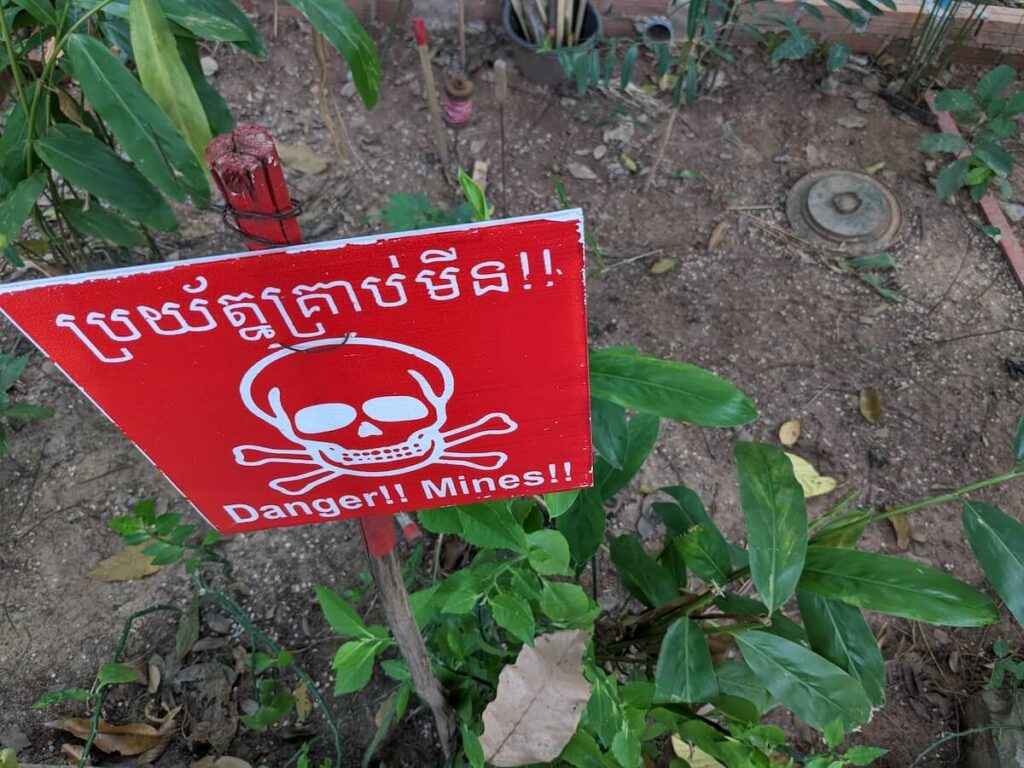
An unfortunate thing Cambodia is known for is the widespread presence of unexploded landmines. These landmines, a consequence of decades of war, were laid during the Vietnam War and during the ousting of the Khmer Rouge.
Since 1979, over 64,000 people have been killed or severely injured by landmines, and the removal effort is still ongoing.
The government has the goal of being mine-free by 2025, although there is still a mine injury or death each week. To help, be careful in rural areas, follow the posted signs, and donate to organizations actively clearing the mines.
16. Silk
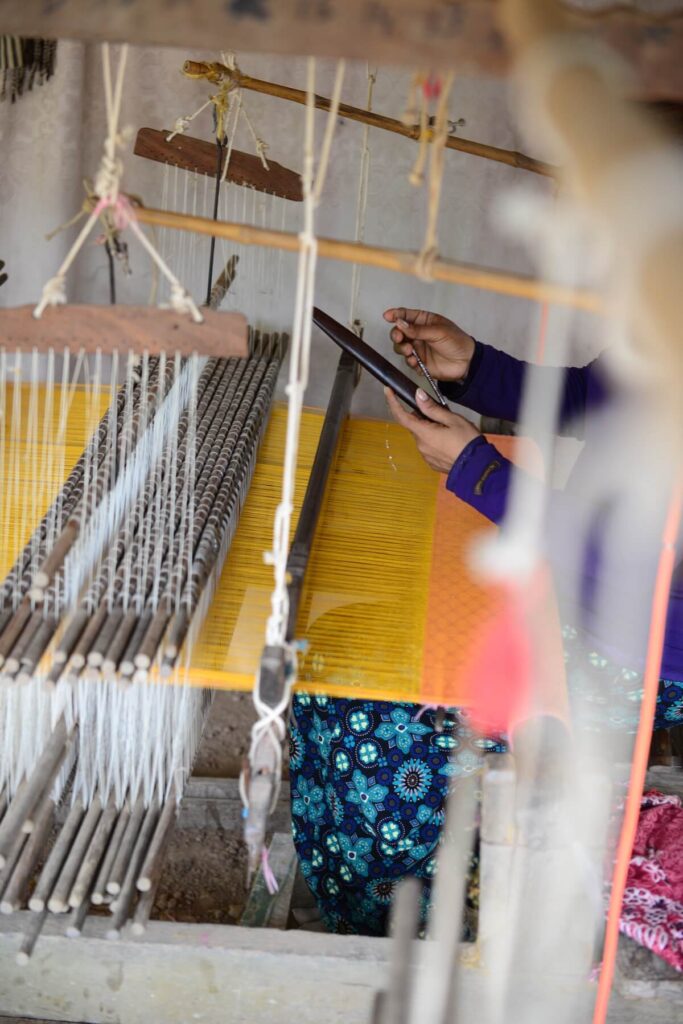
Another almost casualty of the tragic and tumultuous past of Cambodia is the ancient art of silk-making.
Cambodia’s golden silk, a tradition that has been traced back hundreds of years, is made from unique golden silkworms, rather than the usual white silkworms. The particular climate in Cambodia was ideal for the cultivation of these golden worms.
Although the craft was almost lost due to the decimation of the golden silkworms and their main food source, mulberry trees, by the Khmer Rouge (who also killed most of the silk artisans as well), it’s been revived in recent years.
17. No McDonald’s

It may seem like there are McDonald’s restaurants and their famous (or infamous) golden arches in every country in the world, but—not so! And Cambodia is one of these countries without a McDonald’s to be found.
There simply isn’t the market for it, although KFC came to Cambodia in 2008, with Burger King following in 2013. Maybe McDonald’s will be next…
18. Beaches & islands
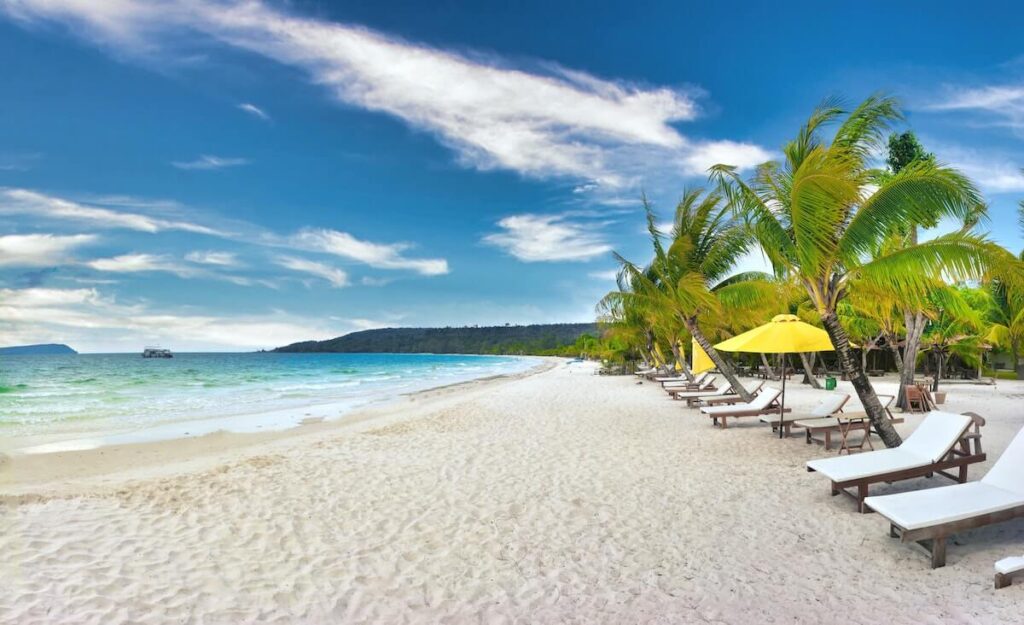
Cambodia doesn’t exactly bring to mind islands and beaches like its neighbor Thailand—but it should! Around 300 miles of coastline stretches along the Gulf of Thailand, and around 60 islands dot the water offshore.
Explore the idyllic beaches near the city of Sihanoukville, or visit the more remote stretches of sand on resort islands like Koh Rong.
19. Koh Kong Conservation Corridor
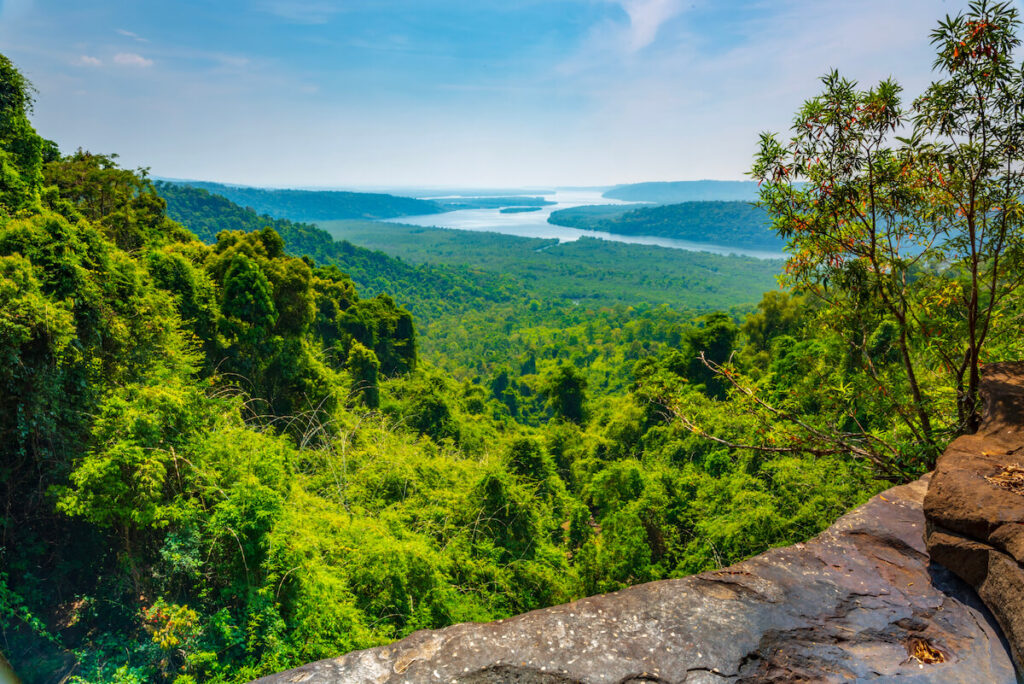
The Koh Kong Conservation Corridor, Cambodia’s most important ecotourism area, consists of over 20,000 square kilometers of protected land in the famed Cardamom Mountains. The conservation area includes one of the last virgin rainforests in Southeast Asia and remote mountain peaks that stretch unbroken down to the coast.
Home to at least 59 endangered species, such as tigers, Asian elephants, Siamese crocodiles, and pangolins, as well as at least 100 endemic plant species, the biodiversity of this area is considered some of the richest in the world.
20. Tuk-Tuks

The open-air taxis of Southeast Asia, Tuk-Tuks are two-wheeled carriages pulled by motorcycles. Particularly common in Cambodia, they’re truly the best way to get around.
Although they usually don’t move very quickly (and hey, what’s the rush? Unless you need to catch a flight…then maybe consider a different transpo), they let you experience the sights from a local point of view. Also…they’re usually cheap! Make sure to tip, though, because this is someone’s livelihood, after all.
21. Night markets

Like much of Southeast Asia, some of the best souvenir shopping in Cambodia happens at night markets. Open-air and year-round, the greatest night markets can be found primarily in Phnom Penh and Siem Reap.
In Siem Reap, visit the Angkor Night Market for locally made handicrafts and Cambodian massages, the Siem Reap Art Center Market for the nightly Apsara show, or the Noon Night Market, where 10% of all proceeds go to charity.
In Phnom Penh, try the Russian Market or the weekends-only Night Market on the riverfront.
22. Kampot Pepper
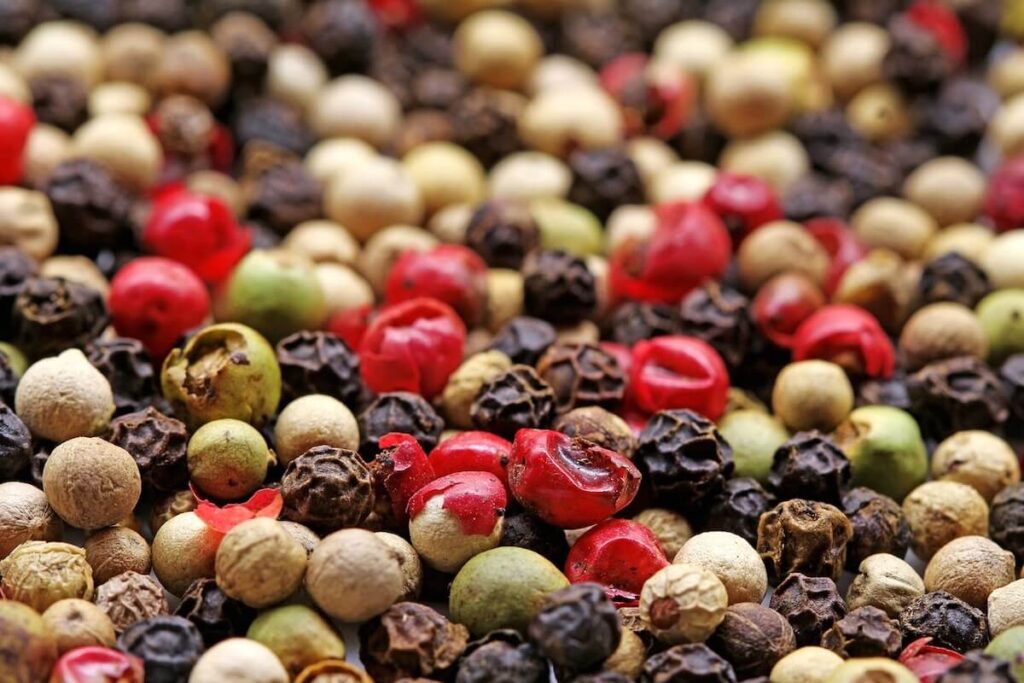
Yet another thing almost wiped out by the Khmer Rouge? Cambodia’s prized Kampot Pepper.
Named after the province where it is primarily grown, Kampot peppercorns are often used by the world’s best chefs. The production was strong until the Khmer Rouge repurposed nearly all of the agricultural land in the country to grow rice, where it essentially died out.
However, in the early 2000s, many pepper farmers were able to return to their ancestral pepper farms and the production began to grow once again. Pro tip: it’s a fantastic souvenir to bring home, for gourmet chefs and regular cooks alike.
Conclusion

Cambodia is famous for many things, from world-renowned ruins to horrible genocides to beaches. Teeming with natural beauty juxtaposed against ancient cultures and modern atrocities, all paired with a rich, friendly culture, Cambodia is one of the most intriguing countries in the world.
So, tell me—have you been to Cambodia? Do you want to go? Which of these facts about Cambodia was most surprising for you? Let’s discuss in the comments!