
Indonesia, a vast archipelago of vibrant cultures and jaw-dropping landscapes, has a way of leaving a lasting impression. From the bustling markets of Jakarta to the serene rice paddies of Bali, every corner offers a unique experience.
Indonesia is known for its incredible biodiversity, its rich artistic traditions, and, of course, its delicious food. So, after exploring ancient temples, relaxing on pristine beaches, or simply soaking in the lively atmosphere, it’s natural to want to take a piece of that experience home.

Luckily, Indonesia offers a treasure trove of souvenirs that go beyond the typical tourist trinkets. You can find various souvenirs from Indonesia—from intricately carved wooden crafts and hand-woven textiles to fragrant spices and unique snacks. These mementos aren’t just objects; they’re tangible reminders of the sights, sounds, and flavors that made your Indonesian adventure so memorable.
Here are just 24 of my recommendations.
Table of Contents
Clothing and accessories from Indonesia
1. Batik tulis clothing

If you’re wondering what to buy in Indonesia, batik tulis clothing is a fantastic choice. Unlike regular batik, which often uses stamped or printed patterns, batik tulis is made entirely by hand.
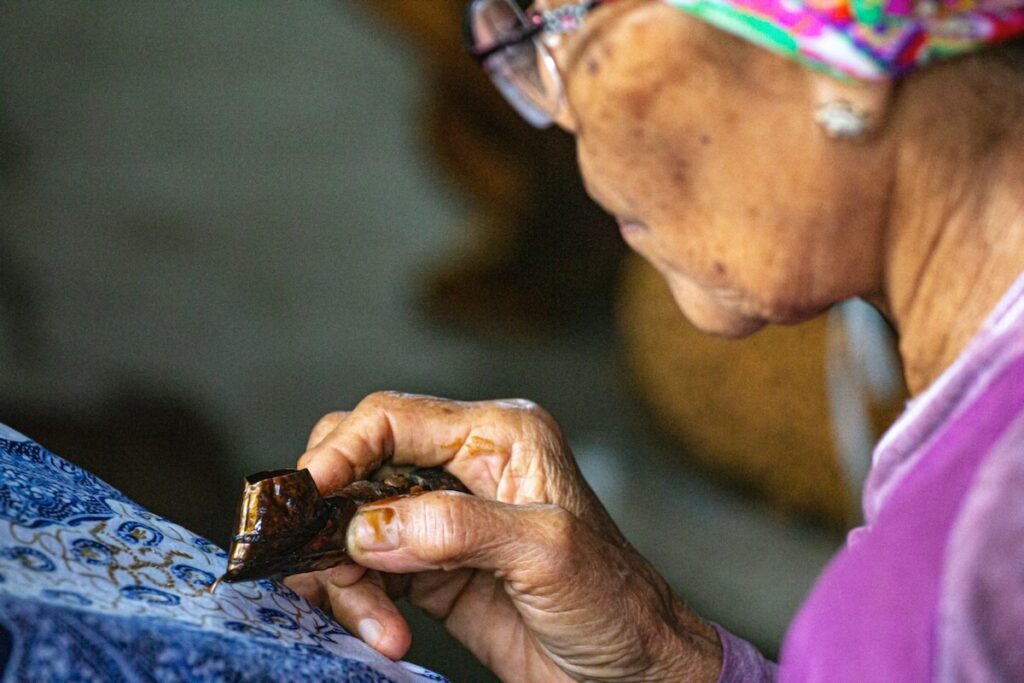
Artisans use a canting, a small tool with a tiny spout, to draw intricate designs with hot wax onto the fabric. This process is incredibly time-consuming, often taking weeks or even months for a single piece. And so, choosing batik tulis clothing as a souvenir means you’re taking home a genuine piece of Indonesian artistry.
Plus, it’s practical! You can wear batik tulis clothing as is, display it as art, or even use it to create unique home décor!
2. Ikat weave
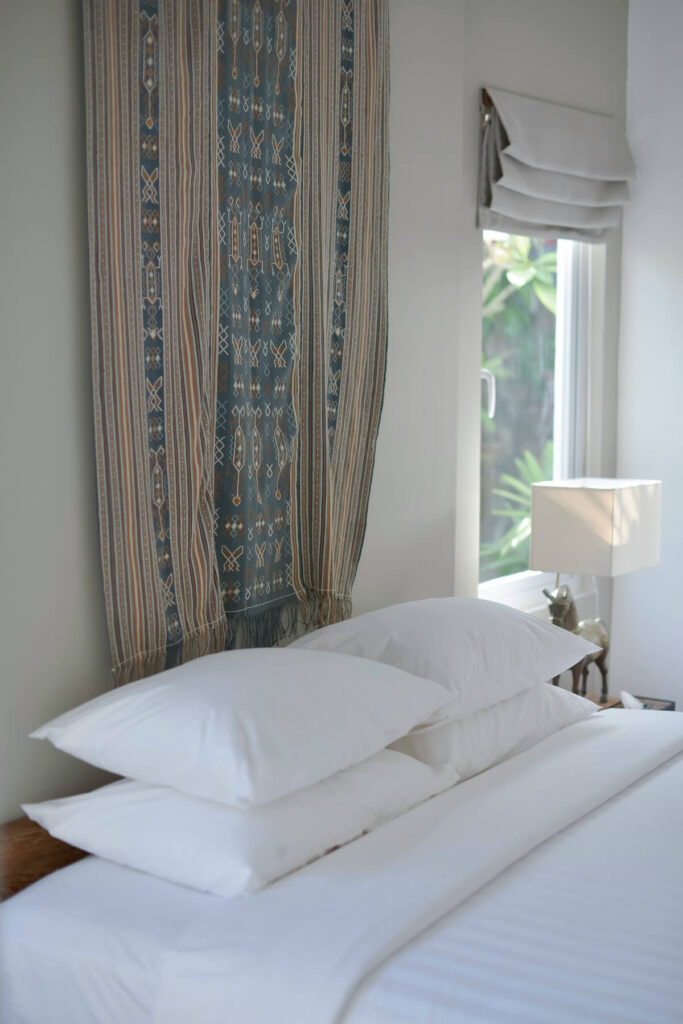
Another great thing to consider when thinking about what to buy in Indonesia is the ikat weave. It’s a textile art where the threads are resist-dyed before they’re woven, creating blurry, almost dreamlike patterns. This pre-dyeing technique is what sets ikat apart from batik, where patterns are applied to finished fabric.
While Indonesia, particularly islands like Sumba, Flores, and Timor, is renowned for its ikat, similar weaving traditions exist across Southeast Asia and even in parts of South America and Central Asia, showing just how widespread this technique has been historically.
You’ll find ikat in all sorts of souvenir products, from stunning wall hangings and throws to stylish bags and even clothing. The patterns often carry deep cultural significance, representing everything from social status to spiritual beliefs. And depending on the region you visit, you’ll find different ikat styles and motifs.
3. Songket fabrics

If you’re looking for something truly special (and even luxurious) from Indonesia, consider songket fabric. This textile is typically handwoven with gold or silver threads, creating a shimmering, almost regal effect.
Unlike batik’s wax-resist dyeing or ikat’s pre-dyed threads, songket involves supplementary weft weaving, where metallic or colored threads are woven alongside the base fabric. This well-crafted cloth is historically associated with Malay royalty and is often used for ceremonial occasions.
You’ll find songket incorporated into a range of beautiful souvenirs such as elegant scarves, stunning table runners, small pouches, or even intricately designed wall hangings. While it might be a bit pricier than other textiles, the sheer artistry and the precious materials used in songket make it a truly memorable and valuable keepsake.
4. Silver jewelry
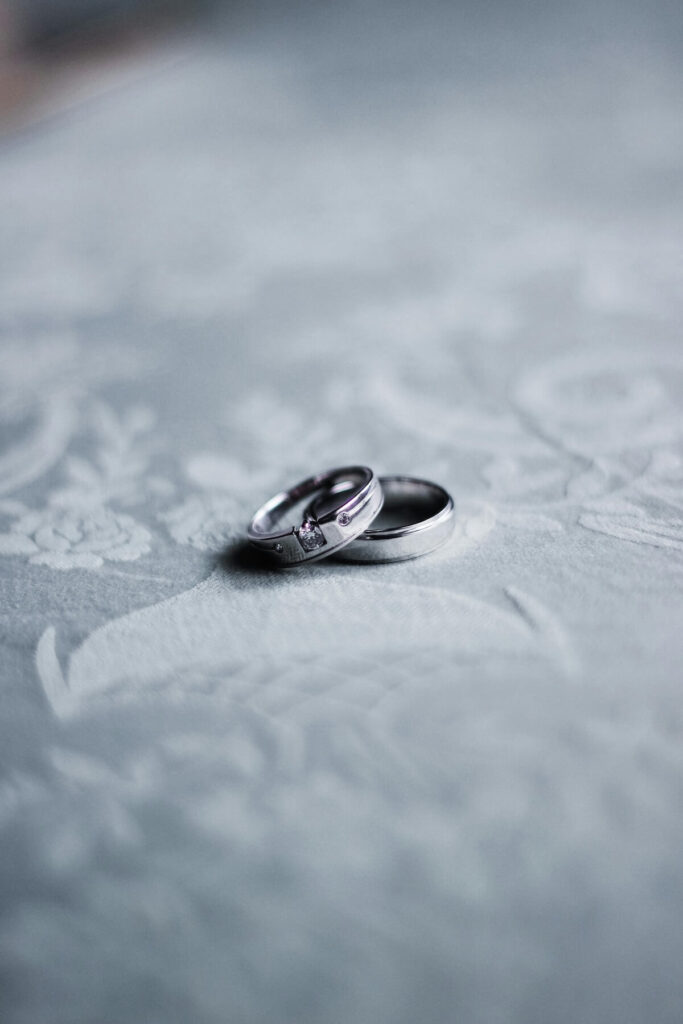
Silversmithing has a long history in Indonesia, with techniques passed down through generations. This is why silver jewelry is a popular souvenir choice from Indonesia.
Here, you’ll find a wide variety of styles, from delicate filigree pieces to bold, contemporary designs. You’ll often see traditional motifs incorporated into the jewelry, reflecting the cultural heritage of different regions.
Bali, particularly Celuk village, is renowned for its silver craftsmanship, so if you’re visiting the island, it’s a great place to find high-quality, intricately detailed pieces. You can also find beautiful silver jewelry in Yogyakarta and other parts of Java, each with its own unique style.
Traditional arts and crafts from Indonesia
5. Wayang kulit puppets
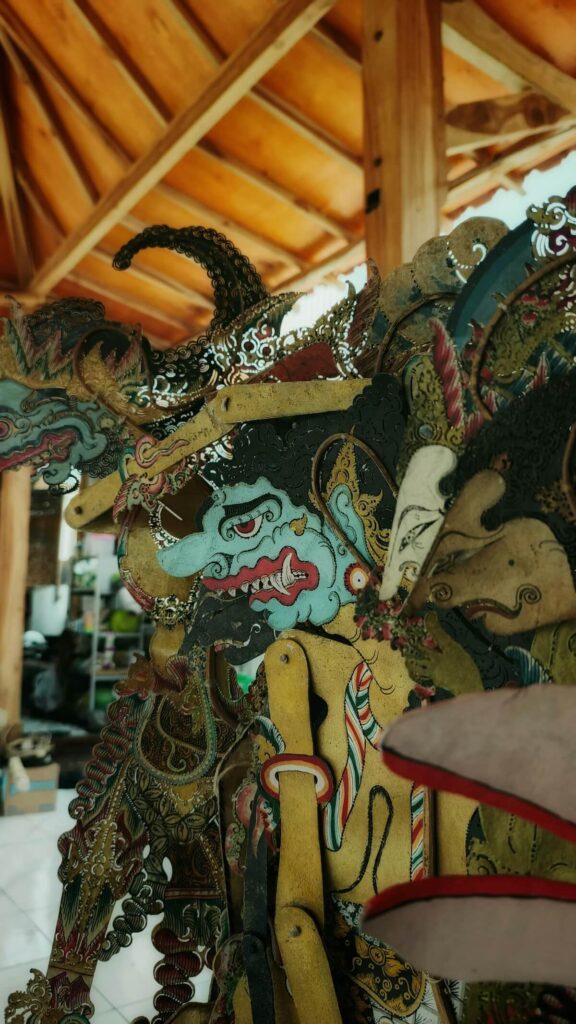
Wayang kulit puppets are shadow puppets, crafted from intricately cut and painted buffalo hide, and they’re used in traditional shadow puppet plays. What sets it apart from other wayang puppet forms, like wayang golek (wooden puppets), is the use of translucent, perforated leather that casts dramatic shadows on a screen.
This art form has a long and rich history in Indonesia, with roots tracing back centuries, blending indigenous beliefs with Hindu and Islamic influences. It’s even inscribed by UNESCO as an Intangible Cultural Heritage of Humanity.
If you’re looking to bring one home, Java, particularly Yogyakarta and Solo, is where you’ll find some of the finest wayang kulit puppets. Make sure to pay attention to the craftsmanship: the detail of the carving, the quality of the leather, and the painting.
6. Hand-carved wooden masks

Hand-carved wooden masks are another fascinating souvenir option from Indonesia. These aren’t just decorative items; they’re often deeply rooted in cultural traditions and rituals.
You’ll find a variety of styles, from the expressive masks used in Balinese dance dramas, which depict gods, demons, and characters from ancient epics, to the more abstract and symbolic masks from other regions. Some masks are used in healing ceremonies, others in harvest festivals, and some even serve as protective talismans.
In Bali, particularly in villages like Mas, woodcarving is a highly developed art, and you’ll find an incredible selection of beautifully crafted masks. But other islands, like Kalimantan and Java, also have their own distinct mask-making traditions.
7. Ceramics

Indonesians have a long history of artistic expression and practical craftsmanship and this shows in its ceramics. Ceramic pottery has been a part of Indonesian life for centuries, used for everything from cooking and storing food to ceremonial purposes.
You’ll find distinct regional styles, often reflecting local materials and cultural influences. For instance, some areas are known for their terracotta pottery with simple, earthy designs, while others specialize in glazed ceramics with vibrant colors and intricate patterns.
Many places make and sell ceramics but if you’re in Bali and looking for high-quality, contemporary Indonesian ceramics, consider Jenggala Keramik Bali. Established in 1976, Jenggala is known for its beautiful ceramic ware that blends traditional Indonesian motifs with modern aesthetics.
8. Bamboo crafts

Bamboo is incredibly versatile, and Indonesian artisans have long harnessed its potential to create a wide range of beautiful and practical crafts. More than just a readily available material, bamboo crafting in Indonesia is a testament to sustainable living and traditional skills. It helps that bamboo is naturally flexible and strong, so it can be turned into diverse final products.
When browsing for bamboo souvenirs in Indonesia, you’ll find everything from small, portable items like woven placemats and wind chimes to larger pieces like lampshades and even bicycles.
Woven bamboo baskets, known as bakul are common and come in various sizes and patterns, perfect for storing or displaying items. Consider bamboo musical instruments, like the bamboo flute and angklung, for something more unique.
9. Kris

The kris, or keris, is a unique and culturally significant dagger from Indonesia. It’s instantly recognizable by its distinctive wavy blade, though straight blades also exist. More than just a weapon, the kris is deeply embedded in Indonesian culture, often carrying spiritual and symbolic meaning.
Traditionally, kris was used for both self-defense and ceremonial purposes, and it’s still considered a powerful heirloom in many families. You’ll often see it worn as part of traditional attire during special occasions.
The art of kris smithing is a highly skilled craft, passed down through generations. Each kris is meticulously forged, often involving the layering of different metals to create intricate patterns on the blade, known as pamor.
Because of its cultural and sometimes spiritual significance, purchasing a kris should be done respectfully and with an understanding of its history.
10. Angklung
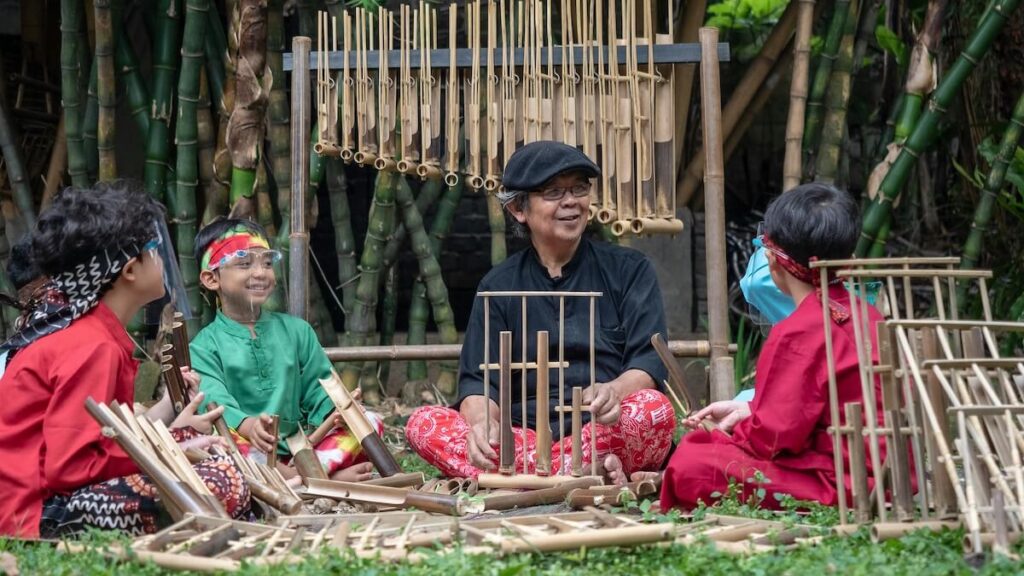
As I’ve mentioned earlier, the angklung is a traditional musical instrument made of bamboo tubes attached to a bamboo frame. When shaken, each tube produces a single note, and by playing multiple angklung together, musicians create beautiful melodies.
Angklung are often played in ensembles, and they’re a common sight at cultural events and ceremonies, particularly in West Java. But while the instrument is impressive, the craftsmanship involved in making one is just as remarkable. Each bamboo tube is carefully cut and tuned to a specific pitch, requiring precision and skill.
You can find angklung in various sizes and styles, from small, portable versions perfect for souvenirs to larger, more elaborate instruments used in performances.
11. Sasando

Another musical instrument worth considering when looking for souvenirs from Indonesia is the sasando. It’s a stringed instrument native to the island of Rote in East Nusa Tenggara.
The sasando’s most distinctive feature is its resonating chamber, which is made from a woven palm leaf basket, creating a unique and captivating sound. Played by plucking the strings, it’s traditionally used in folk music and cultural ceremonies, often accompanying singing and dancing. Its sound is very unique and has a beautiful, almost ethereal quality.
The art of sasando making is a specialized skill, requiring knowledge of both woodworking and stringed instrument construction. You can find larger, performance-quality sasando, but smaller, more portable (albeit less powerful) versions are also available, making them ideal souvenirs.
12. Woven bags
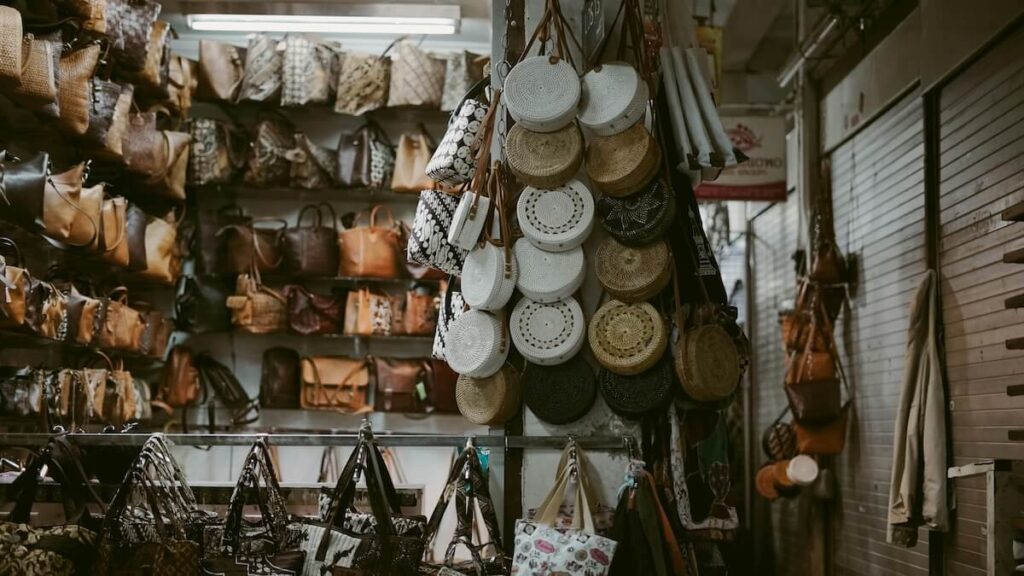
Woven bags are a practical and stylish souvenir option from Indonesia, and you’ll find an incredible variety as you travel across the islands, from sturdy market totes to intricately designed clutches.
The materials and techniques used vary greatly, reflecting the diverse regional cultures. You might find bags made from rattan, pandan leaves, or bamboo, each with its distinct texture and appearance. Some are simply woven with natural fibers, while others feature colorful dyes and intricate patterns.
13. Handmade fans
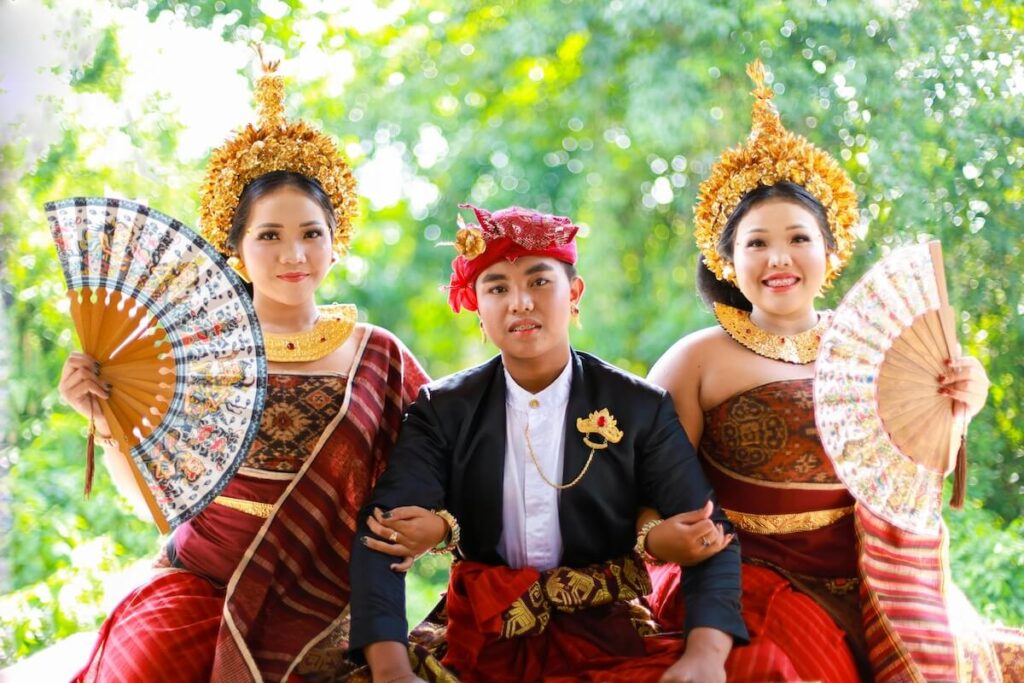
Given Indonesia’s tropical climate, a handmade fan might just be the first souvenir you end up buying, and luckily, they’re beautiful and varied.
You’ll find fans crafted from a range of materials, from delicate bamboo and intricately woven rattan to colorful fabrics and painted paper. These aren’t just practical items to combat the heat though. They’re often works of art, showcasing the skill and creativity of Indonesian artisans.
You’ll see simple, everyday fans in local markets, as well as more elaborate, decorative fans used in traditional dances and ceremonies. They come in various sizes too, either as a small, lightweight, and functional souvenir, or a larger, more elaborate piece for display.
14. Miniature traditional houses

Miniature traditional houses are a charming and unique souvenir choice from Indonesia, offering a glimpse into the country’s diverse architectural heritage.
Each region of Indonesia has its distinctive style of traditional house, and these miniatures capture the essence of those designs in a small, portable form that can be displayed on shelves or desks.
You’ll find models of everything from the iconic Minangkabau houses with their sweeping, horn-shaped roofs to the intricately carved Javanese joglo houses. They’re often crafted from wood, bamboo, or other natural materials, and the level of detail can be quite impressive.
15. Woven mats
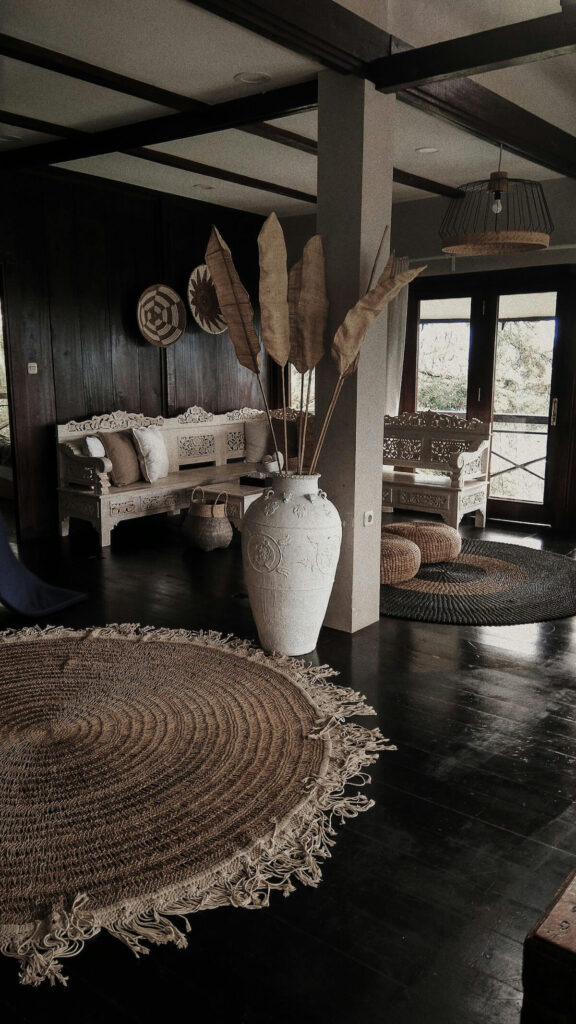
Woven mats are another versatile and culturally rich souvenir you can find throughout Indonesia. These mats are used for everything, from sitting and sleeping to praying to displaying goods at markets.
You’ll find mats made from pandan leaves, rattan, bamboo, and even water hyacinth, each offering a unique texture and aesthetic. Some are plain and functional, while others are adorned with intricate patterns and vibrant colors, reflecting the traditions of specific regions. Lucky for you, many mats are lightweight and easy to pack, so you’ll have no trouble taking them home.
Food souvenirs from Indonesia
16. Indonesian coffee

When considering edible souvenirs from Indonesia, coffee is a must-have. Coffee culture runs deep in the archipelago, with a history that stretches back to the Dutch colonial era. Being an archipelago, Indonesia has diverse landscapes and climates that create the perfect conditions for growing a wide range of coffee varieties.
Among the most popular souvenirs from Indonesia are Sumatran Arabica, known for its earthy and bold notes, and Javanese Robusta, prized for its strong, full-bodied taste. You might also encounter Liberica, a less common variety with a unique, smoky flavor.
And, of course, there’s Kopi Luwak, the famously rare and expensive coffee produced from beans eaten and processed by the Asian palm civet. Just make sure to buy from ethical producers who prioritize fair trade practices and sustainable farming.
17. Spices

Indonesia’s history in the spice trade in the 16th century is legendary, drawing traders from across the globe. The archipelago, particularly the Maluku Islands (the Spice Islands), was once the world’s primary source of coveted spices like nutmeg, cloves, and mace.
For better or for worse, this rich history has left a lasting legacy and given Indonesian cuisine its complex and aromatic flavors.
Beyond the classics like nutmeg and cloves, exploring Indonesian markets may lead you to fragrant cinnamon, pungent ginger, and turmeric, known for its vibrant yellow color and medicinal properties. You might also find unique blends like bumbu dasar, the foundation of many Indonesian dishes, or exotic peppers and chilies.
18. Krupuk

Krupuk, those crispy, airy crackers you often see served alongside Indonesian meals, are a surprisingly delicious and portable souvenir. They come in countless varieties, each with its unique flavor and texture.
Essentially, krupuk is made from a dough of starch, often tapioca or rice flour, mixed with various seasonings and ingredients like fish, shrimp, or vegetables. This dough is then shaped, steamed, or boiled, and finally sliced and dried in the sun.
The dried slices are what you’ll typically find in markets, ready to be fried into those irresistible crunchy snacks. You’ll readily find pre-fried krupuk being sold by street vendors, in restaurants, and in packaged snack form. They’re available in a rainbow of colors and flavors, from the classic shrimp krupuk to spicy chili or fish-flavored versions.
Also read: 40 Mouthwatering Asian Snacks You Can Buy Online
19. Dodol

Dodol is a sweet, sticky confection that makes a unique and delicious Indonesian souvenir. It’s essentially a toffee-like treat but with a chewy, almost fudgy texture.
The main ingredient is coconut milk, which is slowly cooked down with glutinous rice flour and sugar, creating a rich, caramel-like base. The cooking process is crucial and can take hours, as the mixture needs to be constantly stirred to prevent burning and achieve the desired consistency.
Variations abound, with different flavors and additions depending on the region. You’ll find dodol flavored with durian, pandan, or even black sticky rice, each offering a distinct taste. It’s often wrapped in small packages, making it easy to carry and share.
20. Tempeh chips
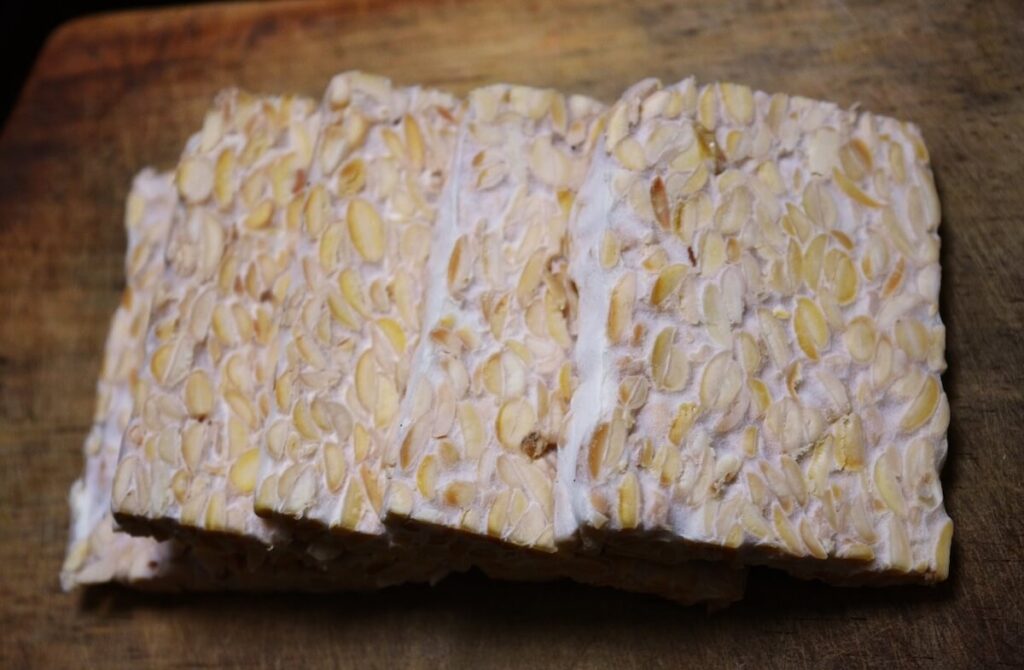
Tempeh chips are a fantastic, healthy snack and a great souvenir from Indonesia. Tempeh itself is a traditional Indonesian food made from fermented soybeans, resulting in a dense, nutty-flavored cake.
To make tempeh chips, thin slices of tempeh are cut and then either deep-fried or baked until they’re perfectly crispy. This process transforms the tempeh into a light, crunchy snack that’s packed with protein and fiber.
You can find tempeh chips seasoned with a variety of flavors, from salty and savory to spicy and sweet. They’re yummy, crunchy, and distinct from other types of chips. Plus, because they are dried, they pack easily and travel well.
Miscellaneous souvenirs from Indonesia
21. Juma (herbal remedies)

Indonesia has a deep-rooted tradition of using herbal remedies, known as jamu, for health and wellness. It’s as much a folk practice as it is a cultural heritage that’s been passed down through generations.
Jamu is deeply ingrained in daily life, with vendors selling freshly brewed concoctions in markets and on street corners. It reflects a holistic approach to health, using natural ingredients to address a range of ailments and promote overall well-being.
You’ll find a wide variety of jamu, each with its unique blend of herbs, spices, and roots. Some common ingredients include ginger, turmeric, galangal, and lemongrass, all known for their medicinal properties.
There are remedies for everything from boosting immunity and relieving aches and pains to improving digestion and promoting relaxation. You can find jamu in various forms, including fresh drinks, dried powders, and capsules.
That said, it’s important to remember that while jamu is a natural remedy, it’s always a good idea to consult with a healthcare professional before using it, especially if you have any existing health conditions.
22. Dupa (incense)

Dupa, or incense, is a common sight and scent throughout Indonesia, playing a significant role in both religious ceremonies and daily life. It’s used in Hindu and Buddhist rituals, as well as in traditional Javanese and Balinese ceremonies, to create a sacred atmosphere and offer prayers.
Beyond religious contexts, dupa is also used in homes and businesses to purify the air, create a calming ambiance, or simply add a pleasant fragrance.
Some dupas are made from sandalwood, known for its warm and woody scent, while others feature floral notes like jasmine or frangipani. You might also encounter incense infused with spices like clove or cinnamon.
Also read: Can You Bring Incense on a Plane? Here’s the Answer
23. Handmade soap
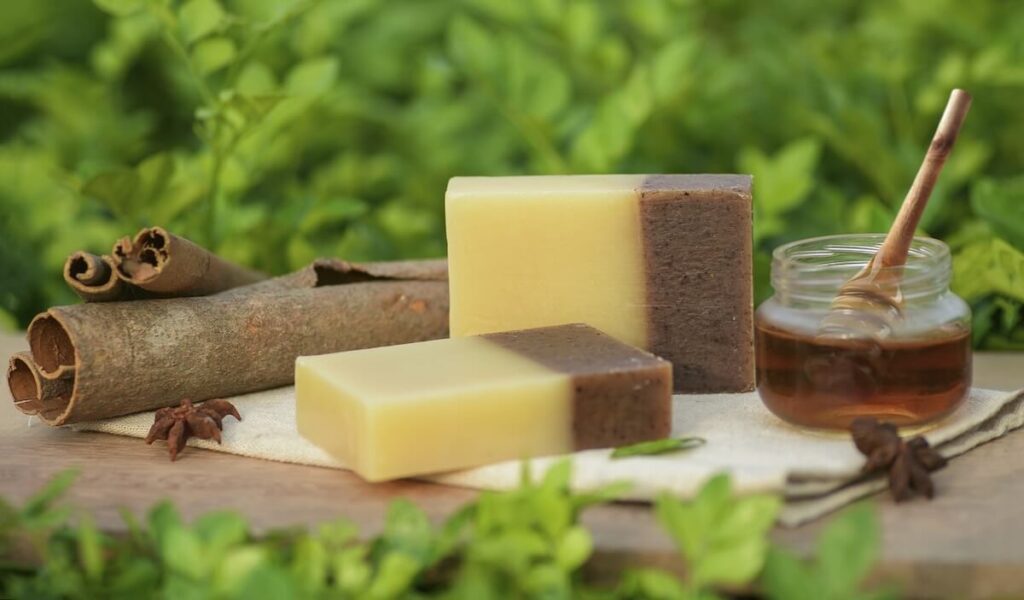
Like many things on this list, handmade soaps in Indonesia also reflect the country’s rich natural resources and traditional crafting techniques. Many artisans use natural ingredients like coconut oil, essential oils, and locally sourced herbs and spices, creating soaps that are not only cleansing but also aromatic and beneficial for the skin.
What’s more, soap making is often a small-scale, artisanal craft, with recipes passed down through families and communities.
You’ll find a delightful variety of handmade soaps blending various ingredients and scents such as frangipani, sandalwood, clove, and cinnamon. You might also encounter soaps infused with volcanic ash, known for its exfoliating properties, or those made with tropical fruit extracts.
24. Essential oils

Speaking of natural products, essential oils are another wonderful souvenir from Indonesia. Essential oils have long been used in Indonesian traditional medicine and aromatherapy, thanks to the country’s abundance of fragrant plants and spices.
Essential oils are used for everything—relaxation and stress relief, treating minor ailments, enhancing skincare routines, and as previously mentioned, making soaps. The practice reflects a deep connection with nature and a belief in the healing power of plants.
You’ll find a diverse range of essential oils, including patchouli, known for its earthy aroma, and ylang-ylang, prized for its sweet, floral scent. You might also encounter lemongrass, vetiver, and nutmeg.
Where to buy souvenirs in Indonesia
Finding the perfect souvenirs from Indonesia largely depends on where you’re traveling, as each region has its specialties. Generally, you’ll find a wide array of options in traditional markets, modern malls, and dedicated souvenir shops.

For food items like coffee, spices, or krupuk, local groceries and supermarkets are a good bet. Craft stores and weekend markets are ideal for handmade items like batik, woven textiles, or wood carvings.
In bustling cities like Jakarta, you can explore places like Pasar Baru for textiles and traditional goods, or Sarinah department store for a mix of modern and traditional crafts. In Bali, Ubud’s art markets and Sukawati Art Market are popular, though bargaining is expected. For more curated selections, check out shops in Seminyak or Canggu.
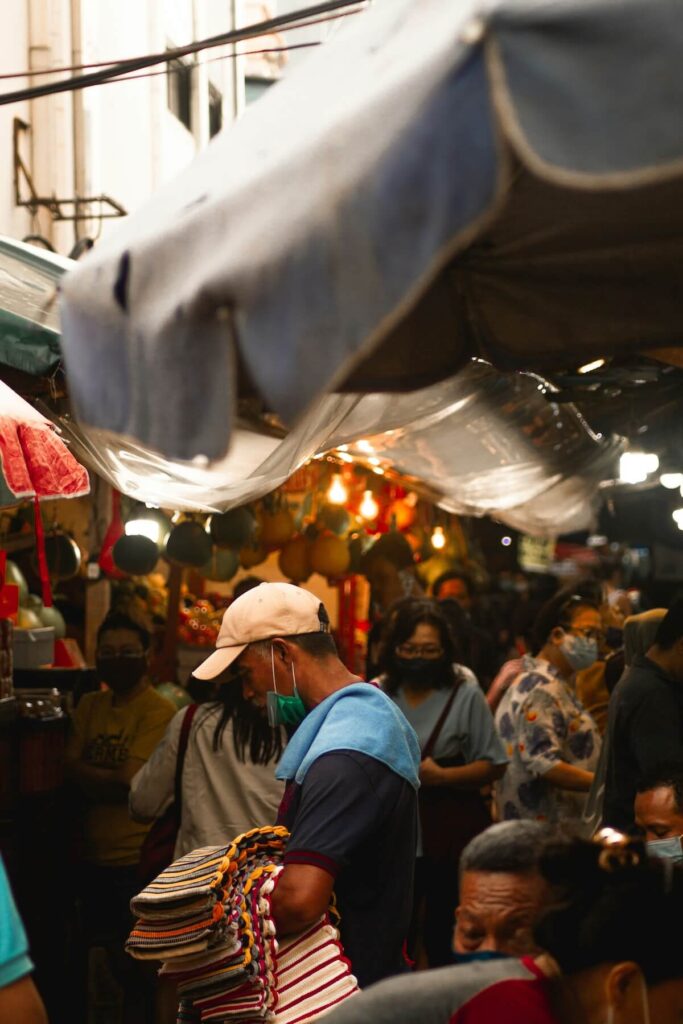
In Yogyakarta, Malioboro Street is a must-visit for batik, silver, and other handicrafts, and Beringharjo Market offers a more authentic market experience. For other tourist destinations, don’t overlook local craft villages, which often provide better prices and a chance to see artisans at work.
When seeking good prices, straying a bit from the main tourist hubs can often yield better deals. Exploring smaller, less crowded markets or shops can lead to unique finds and more affordable options. Remember, a little research into regional specialties can help you pinpoint the best places to shop for specific souvenirs.
Conclusion

So, there you have it, a whole bunch of ideas for bringing a little piece of Indonesia back home with you!
From the intricate details of batik tulis to the fragrant aromas of Indonesian spices, there’s something for everyone. Whether you’re looking for a practical gift, a decorative item, or a tasty treat, these souvenirs offer a glimpse into the country’s rich culture and craftsmanship.
Hopefully, this guide has sparked some inspiration for your next shopping adventure in Indonesia. Feel free to bookmark this page for future travels. Also, check out these articles about Indonesia, Jakarta, and Bali for more inspiration!