
*This article may contain affiliate links. For full information, please see the disclaimer here.
Indonesia, a sprawling archipelago of over 17,000 islands, is a captivating mix of cultures, traditions, and natural wonders. From its vibrant cities to its serene beaches, Indonesia offers a diverse range of experiences for every traveler.
What is Indonesia known for? It’s famous for sun-kissed beaches, ancient landmarks, bustling cities, lush rainforests, and flavorful cuisine. From the serene beauty of Bali to the historic grandeur of Borobudur, this Southeast Asian country packs diverse and unforgettable experiences unlike anywhere else.
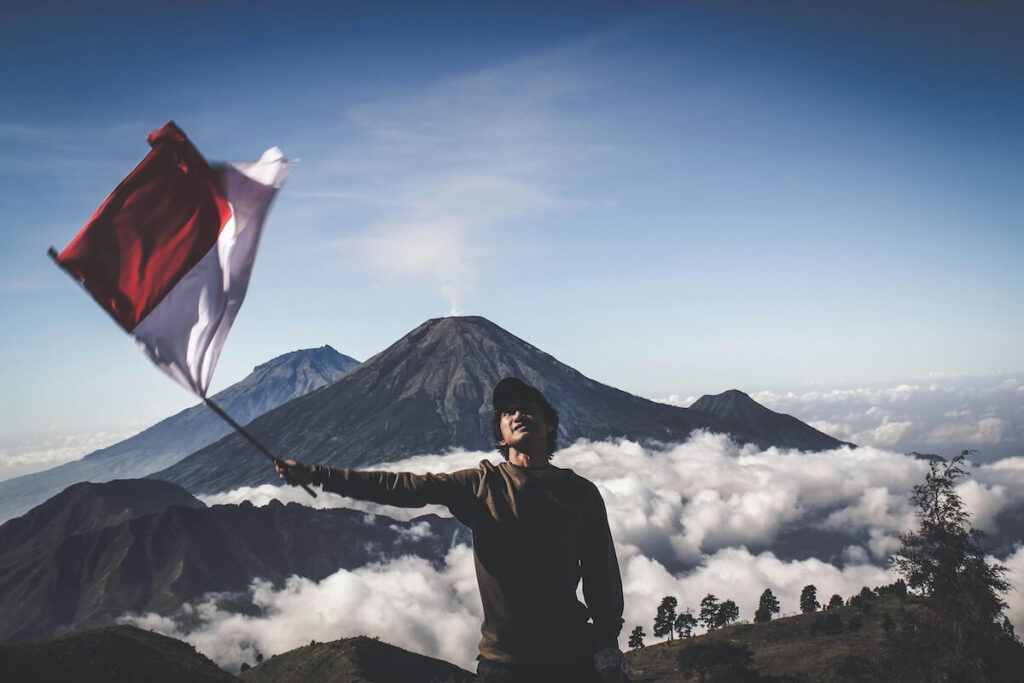
In the following sections, we’ll delve deeper into the many things that make Indonesia a captivating destination. From its iconic landmarks and stunning landscapes to its warm and welcoming people, there’s something for everyone in this extraordinary country.
Table of Contents
1. Bali
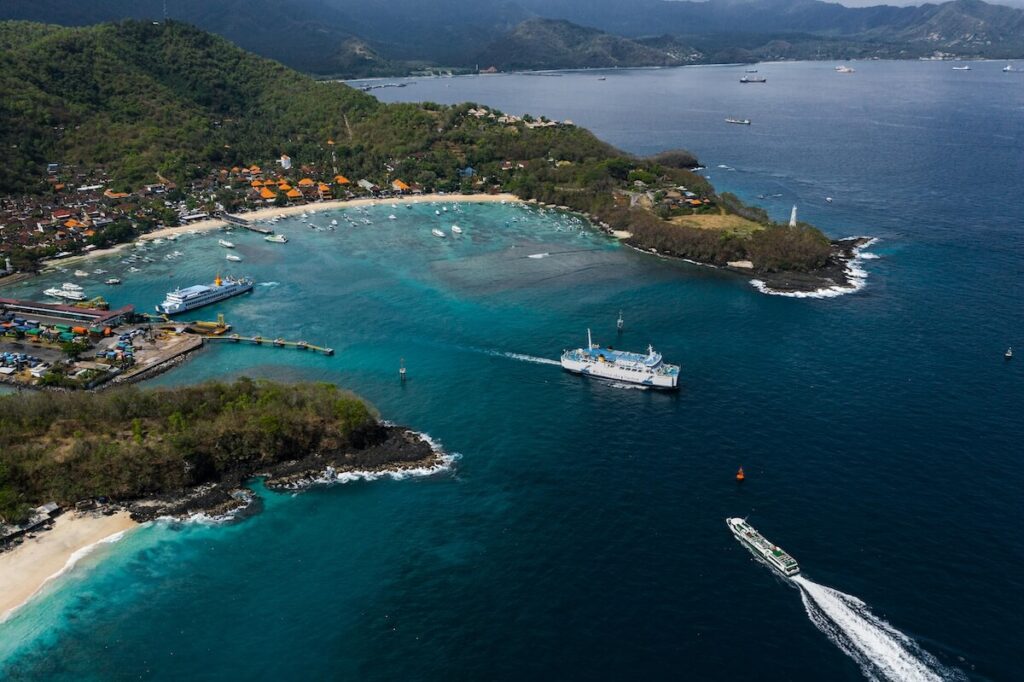
A list of things Indonesia is famous for wouldn’t be complete without Bali.
Also known as the “Island of the Gods,” Bali is a captivating destination that has captured the hearts of travelers worldwide. This Indonesian paradise is renowned for its stunning beaches, lush landscapes, vibrant culture, and warm hospitality.
Historically, Bali was influenced by Hindu-Buddhist kingdoms, and this rich cultural heritage is evident in its intricate temples, traditional dances, and exquisite art. The island’s unique blend of spirituality, artistry, and natural beauty has attracted spiritual seekers and nature lovers for centuries.
Bali started to gain international recognition in the 1960s when it was discovered by Western travelers seeking a tropical escape. It’s not surprising—the island’s natural beauty, coupled with its affordable luxury and laid-back atmosphere, quickly made it a popular destination.
Today, Bali is almost synonymous with Indonesia and it attracts millions of visitors each year, drawn to its world-class surf breaks, yoga retreats, and vibrant nightlife.
Read more: 22 Things Bali is Known and Famous For
2. Largest archipelagic country
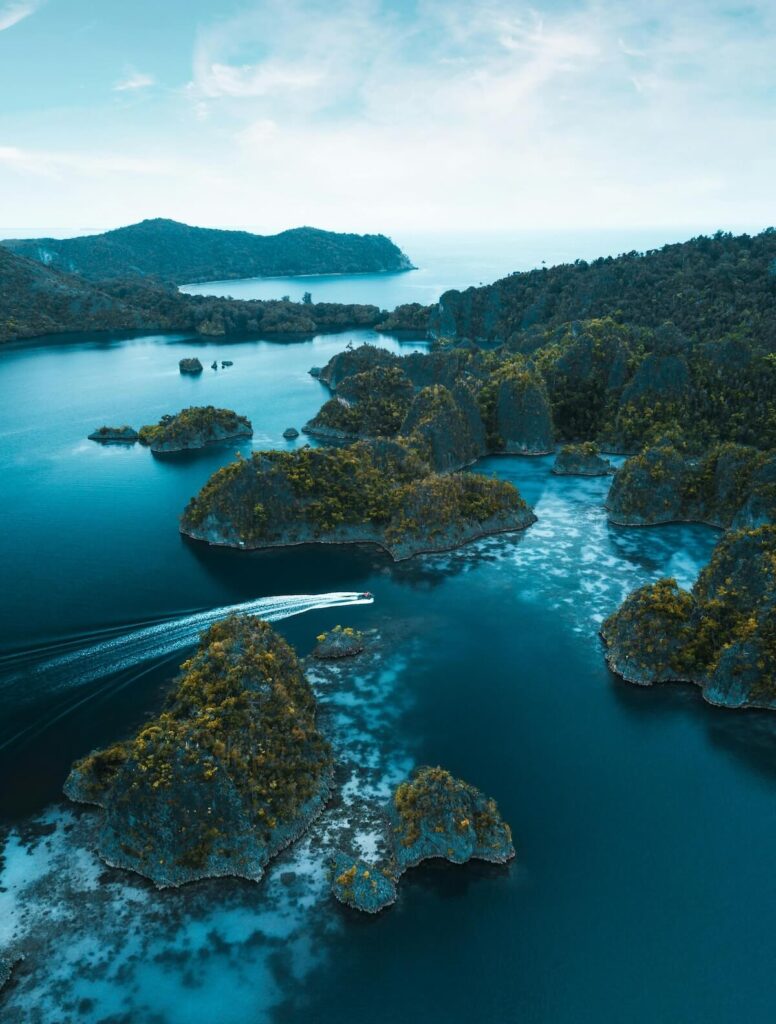
Indonesia isn’t just a country; it’s a vast archipelago, a mesmerizing mosaic of thousands of islands scattered across the equator. In fact, Indonesia is the world’s largest archipelagic nation, a testament to its immensity and diversity.
But Indonesia isn’t just big—it’s part of something even bigger. It’s a key component of the Malay Archipelago, the largest archipelago on Earth. This sprawling maritime region stretches across Southeast Asia, encompassing Indonesia, Malaysia, the Philippines, Brunei, Timor-Leste, and Papua New Guinea.
This region has been a crossroads of civilizations for centuries, influencing trade, culture, and history. Its strategic location has made it a coveted prize for empires throughout the ages, from the Dutch East India Company to the British Empire. Today, the Malay Archipelago is a melting pot of diverse cultures, religions, and ethnicities, making it one of the most fascinating regions on the planet.
3. Dutch colonial empire
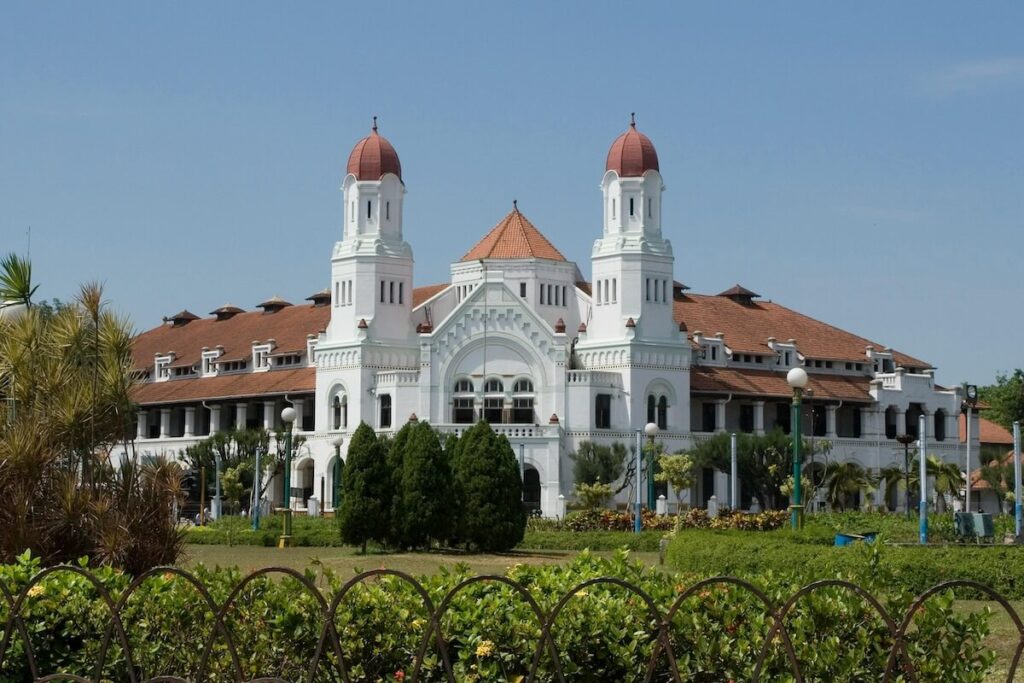
For centuries, Indonesia has been a jewel in the crown of the Dutch colonial empire. The Dutch East India Company (Vereenigde Oostindische Compagnie in Dutch, or VOC), a powerful trading company, arrived in the 16th century, drawn to the region’s abundant spices, particularly cloves and nutmeg. Over time, the VOC expanded its influence, establishing trading posts and eventually colonizing vast swathes of the archipelago.
The Dutch colonial era, which lasted for over three centuries, had a profound impact on Indonesia. The Dutch introduced new crops, technologies, and administrative systems, shaping the country’s economic and political landscape. However, the colonial period was also marked by exploitation, forced labor, and cultural suppression.
The legacy of Dutch colonialism is still felt in Indonesia today. The Dutch language, architecture, and legal system have left a lasting imprint on the country. However, the colonial experience also ignited a strong sense of nationalism and a desire for independence (especially after the Japanese took over during WWII), ultimately leading to the birth of the Republic of Indonesia in 1945.
4. Komodo dragon

The Komodo dragon, a prehistoric creature that roams the Earth, is one of Indonesia’s most iconic animals. These massive lizards are the largest living lizards on Earth! With their powerful jaws, sharp teeth, and venomous bite, they are apex predators in their natural habitat.
If you’re a wildlife lover, you’ll be thrilled to know that you can see these magnificent creatures in their natural habitat on the Indonesian islands of Komodo, Rinca, Flores, and Gili Motang. These islands form part of Komodo National Park, a UNESCO World Heritage Site.
The Komodo dragon is a symbol of Indonesia’s rich biodiversity and a testament to the country’s commitment to conservation. Touring these islands offers a unique opportunity to witness these magnificent creatures in their natural habitat.
5. Kopi luwak
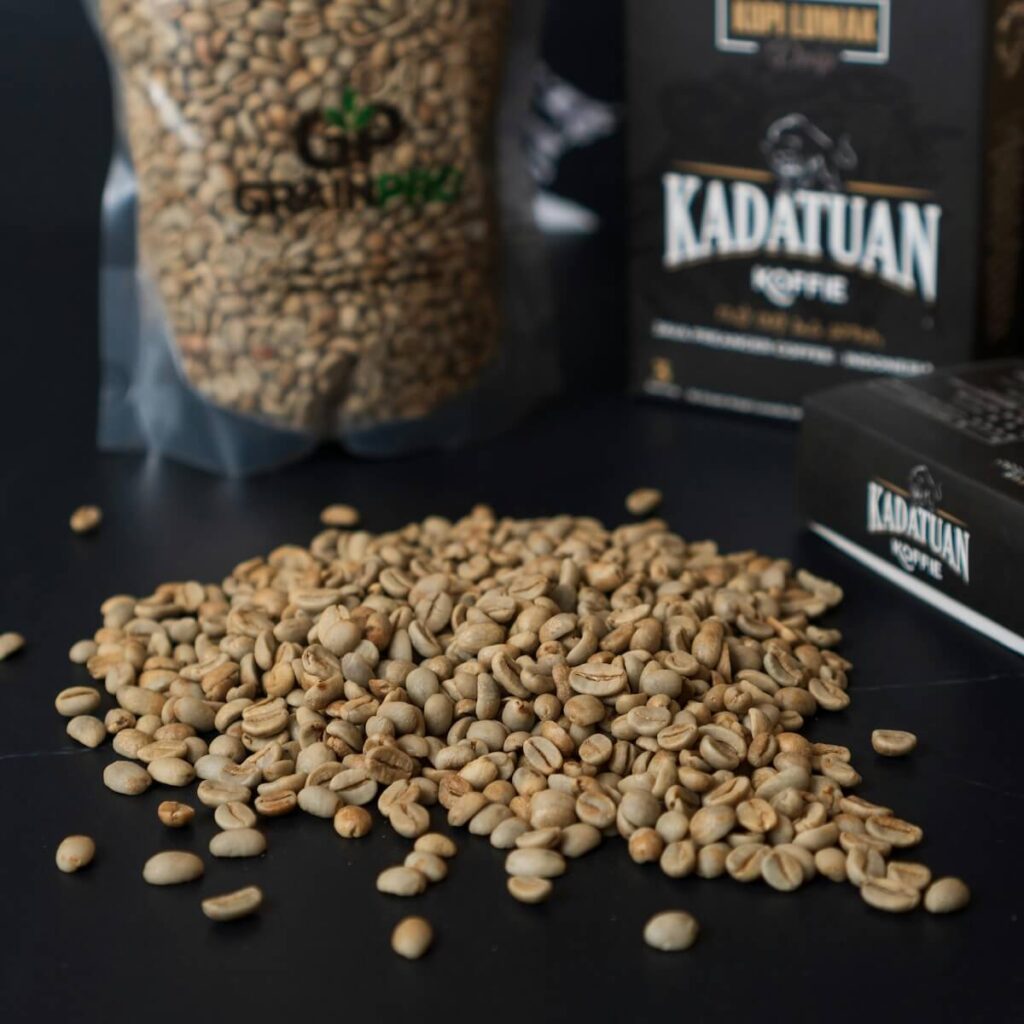
Kopi luwak or civet coffee, often dubbed the “world’s most expensive coffee,” is a unique Indonesian product that has captured the attention of coffee connoisseurs worldwide. This exotic brew is produced from coffee beans that have been partially digested and excreted by the Asian palm civet, a small, cat-like animal.
The digestive process of the civet removes the coffee bean’s bitter compounds, resulting in a smooth, aromatic cup of coffee with a distinctive flavor profile and notes of chocolate, caramel, and a hint of earthiness. While the process may sound unusual, kopi luwak is highly prized for its unique taste and rarity.
If you’re a coffee enthusiast like me, you can try kopi luwak at specialty coffee shops and high-end restaurants in Indonesia. Bali, in particular, is a popular destination for coffee lovers, and many cafes offer a chance to sample this unique brew.
However, it’s important to note that the ethical sourcing of kopi luwak has become a concern in recent years, as some methods of production can be harmful to the civets. When purchasing kopi luwak, it’s essential to choose products that are sustainably sourced and ethically produced.
6. Volcanoes
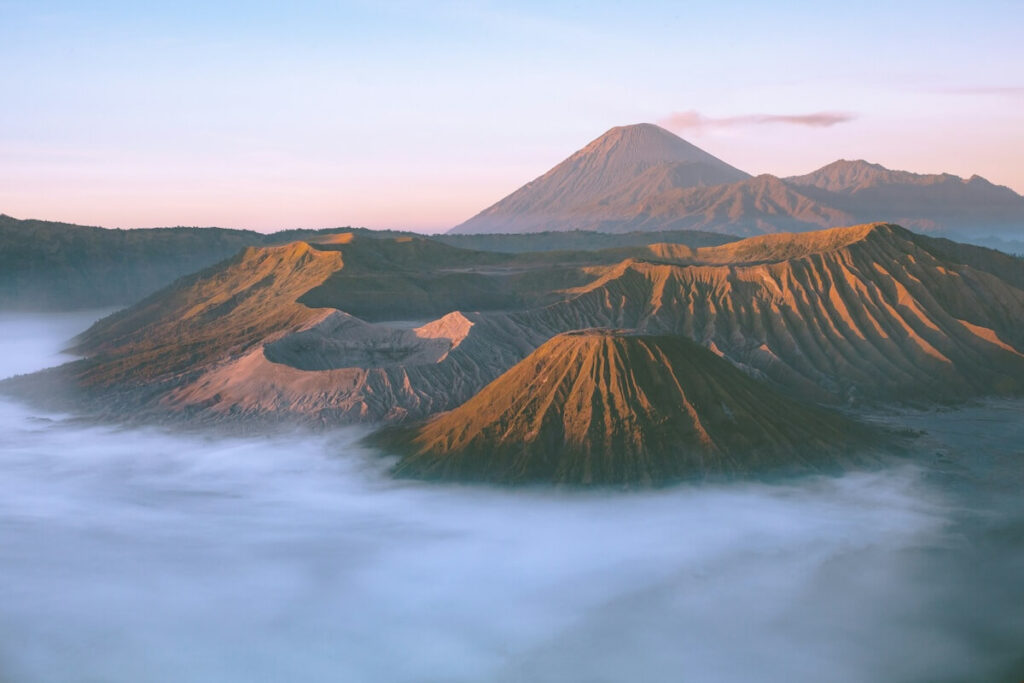
Indonesia is a land of fire and brimstone, with a staggering number of active volcanoes. As part of the Pacific Ring of Fire, the country boasts around 130 active volcanoes, one of the highest concentrations of volcanoes in the world. These fiery mountains shape the Indonesian landscape, creating fertile soil and breathtaking scenery.
Some of Indonesia’s most famous (and infamous) volcanoes include Mount Merapi, Mount Bromo, and Mount Krakatoa.
Mount Merapi, one of the most active volcanoes in the world, has erupted numerous times in recent history. Mount Bromo, with its dramatic landscape of volcanic ash and sulfurous fumes, is a popular tourist destination. And Mount Krakatoa, infamous for its devastating eruption in 1883, continues to be a powerful force of nature.
While volcanic eruptions can be destructive, they also play a vital role in Indonesia’s ecosystem. Volcanic ash enriches the soil, making it ideal for agriculture. Additionally, geothermal energy, harnessed from the Earth’s heat, is a renewable energy source that Indonesia is increasingly tapping into. However, the constant threat of volcanic eruptions requires careful monitoring and preparedness.
7. Lake Toba
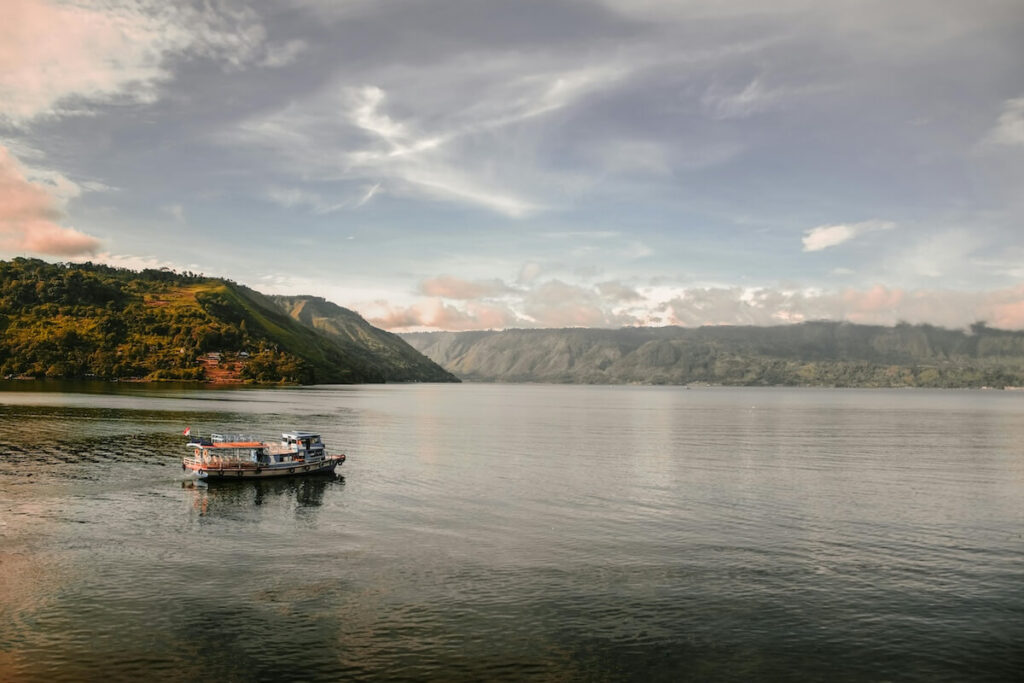
Of course, the sheer number of volcanoes in the country means that there’s bound to be lots of volcanic lakes too.
Nestled in the heart of North Sumatra is Indonesia’s largest lake and the largest volcanic lake in the world, Lake Toba. This massive and breathtaking lake was formed from a supervolcanic eruption thousands of years ago.
The lake’s stunning beauty, with its crystal-clear waters, lush green hills, and picturesque villages, attracts visitors from around the globe. Samosir Island, located in the middle of the lake, is a cultural gem, home to the Batak people, known for their unique traditions, music, and handicrafts.
8. Beautiful beaches

Indonesia is a tropical paradise with a coastline that stretches for thousands of kilometers, offering some of the most beautiful beaches in the world. From the iconic shores of Bali to the hidden gems of remote islands, there’s a beach for every type of traveler.
In Bali, Nusa Dua boasts pristine white sands and crystal-clear waters, perfect for swimming and sunbathing. Seminyak, on the other hand, offers a vibrant beach scene with trendy bars, restaurants, and boutique shops.
But beyond Bali, Indonesia has countless other breathtaking beaches. The Gili Islands, off the coast of Lombok, are a haven for divers and snorkelers. The pink sands of Pink Beach in Komodo National Park are a unique natural wonder. And for those seeking a secluded escape, the remote beaches of Raja Ampat and the Mentawai Islands offer pristine shores and crystal-clear waters.
9. Orangutans

Another one for wildlife lovers. Indonesia is famous for its orangutans, one of the world’s most intelligent primates. A beloved symbol of Indonesia’s rich biodiversity, these gentle giants with reddish-brown fur and long arms spend most of their lives swinging through the trees, foraging for fruit, and building nests.
You can encounter these magnificent creatures in their natural habitat in the rainforests of Borneo and Sumatra. Orangutan sanctuaries offer opportunities to observe orangutans up close. This 3-day eco tour lets you witness their incredible climbing skills, their intricate social interactions, and their ability to use tools.
Unfortunately, orangutans are critically endangered due to habitat loss, poaching, and the illegal pet trade. By supporting conservation efforts and choosing sustainable tourism, you can help ensure the survival of these extraordinary creatures for generations to come.
10. Diverse marine life
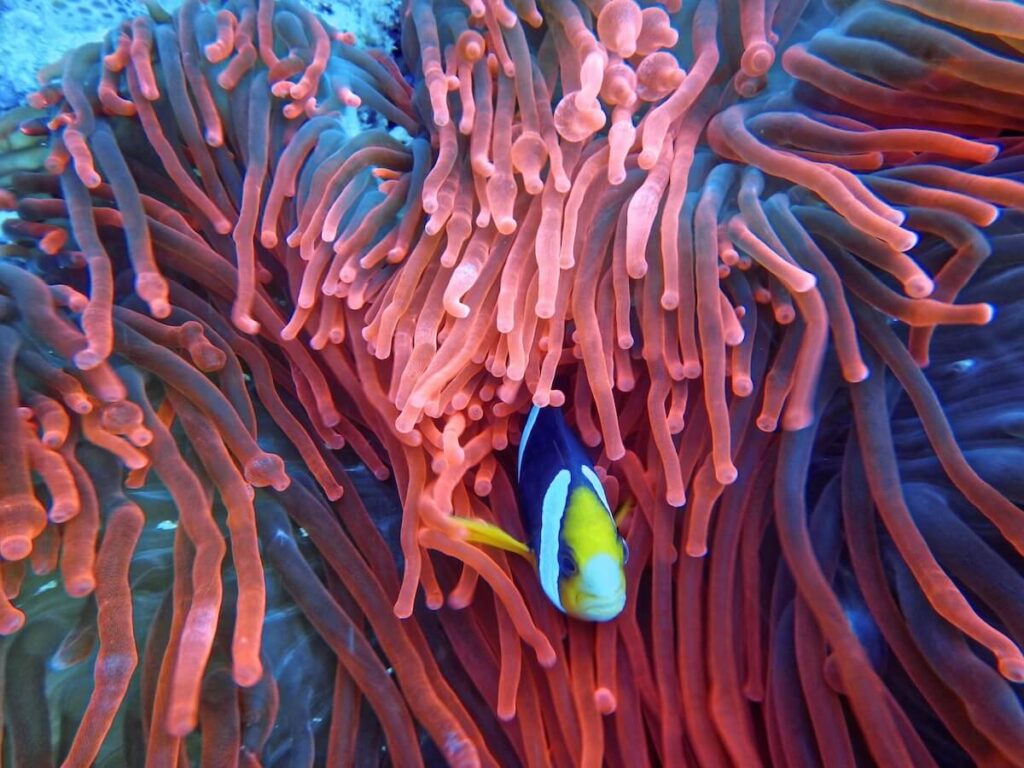
Being an archipelago, Indonesia boasts a stunning diversity of marine life. Its crystal-clear waters, coral reefs, and mangrove forests are home to a myriad of fascinating creatures.
Indonesia’s marine ecosystem is teeming with life— from the smallest plankton to the largest whales, colorful coral reefs, manta rays gliding through the water, and playful dolphins leaping through the waves. The waters surrounding Indonesia are also home to endangered species such as sea turtles, dugongs, and sharks.
If you’re a scuba diving or snorkeling enthusiast, the waters of Indonesia offer some of the world’s best diving and snorkeling spots. These include the Raja Ampat archipelago in West Papua, Pulau Weh in Sumatra, Sangalaki in East Kalimantan, Nusa Lembongan in Bali, and Alor in the remote Lesser Sunda Islands.
11. Borobudur Temple
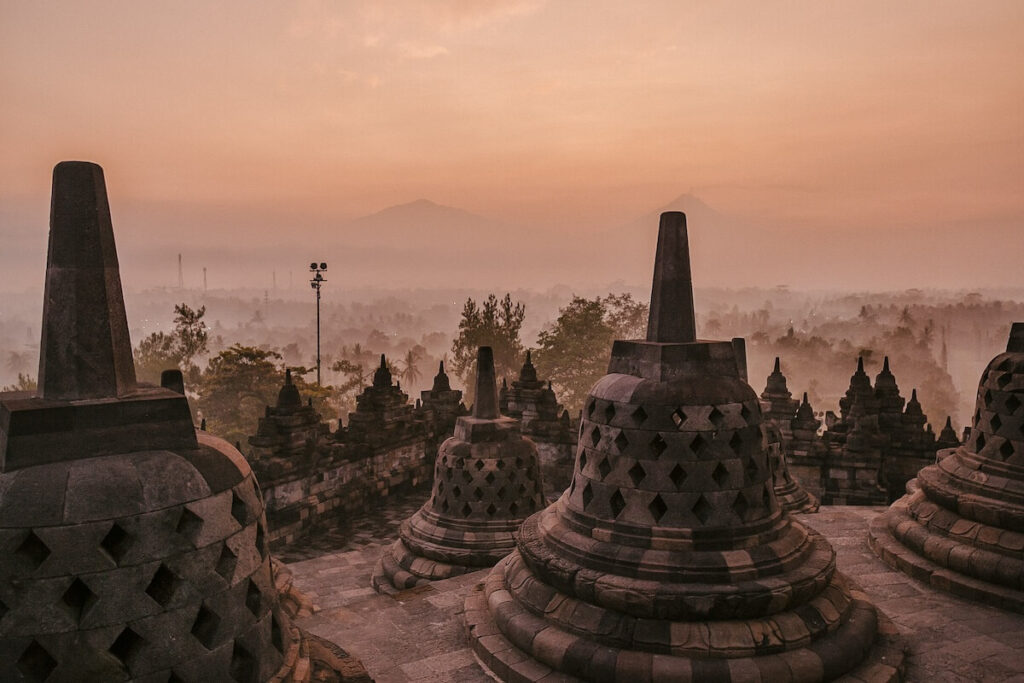
Indonesia’s most famous landmark is undoubtedly the Borobudur Temple, a magnificent Buddhist monument. This ancient temple dating back to the 9th century is one of the world’s largest Buddhist temples and a UNESCO World Heritage Site.
The Borobudur Temple is a massive pyramid-shaped structure with nine stacked platforms, six square and three circular platforms, topped by a central dome. It’s decorated with intricate reliefs, stupas, and hundreds of Buddha statues.
Beyond being an Instagrammable spot, the temple compound offers a spiritual and historical experience. As you ascend the temple’s nine levels, you embark on a symbolic journey towards enlightenment.
For tourists, however, Borobudur is popular as a sunrise spot, offering breathtaking views of the surrounding countryside. Seeing the magical first rays of sunlight illuminating the temple is truly one of the top things you can do in Indonesia. You can sign up for a skip-the-line tour of Borobudur and Prambanan temples or this sunrise tour.
12. Batik
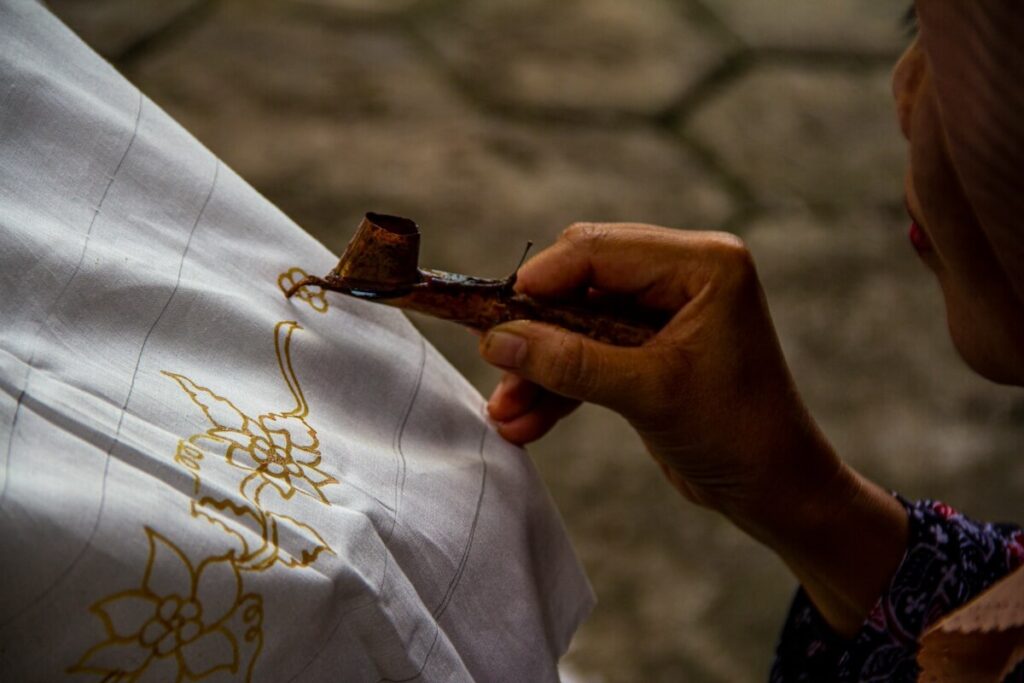
Batik, a traditional Indonesian textile, is a masterpiece of artistry and craftsmanship. This intricate fabric is created using a wax-resist dyeing technique, where patterns are applied to the cloth using a wax-tipped tool called a canting. The cloth is then dyed, and the waxed areas resist the dye, resulting in beautiful and intricate designs.
Batik has a long and rich history in Indonesia, dating back centuries. It was originally worn by the royal families and nobility, but it has since become popular among people of all social classes. Today, batik is not only a cultural symbol but also a thriving industry in Indonesia.
Batik is a great choice if you’re looking for a unique souvenir from Indonesia. You can find a wide variety of batik products, from clothing and accessories to home decor items, in local markets and specialty stores throughout Indonesia. Bali, Yogyakarta, and Solo are particularly known for their high-quality batik.
13. Sukarno

Sukarno, often referred to as the “Father of Indonesia,” is one of the most famous people from Indonesia. He was a charismatic leader who played a pivotal role in Indonesia’s struggle for independence from Dutch colonial rule.
Sukarno’s political career began in the early 20th century when he emerged as a prominent figure in the Indonesian nationalist movement. His powerful speeches and unwavering belief in Indonesian independence inspired millions. So it was no surprise that after years of struggle and negotiation, when Indonesia finally declared its independence in 1945, Sukarno became its first president.
That said, Sukarno’s legacy is complex. He is credited with uniting the diverse Indonesian archipelago and establishing a strong foundation for the nation. However, his later years were marked by political instability and economic decline. Today, Sukarno remains a revered figure in Indonesian history and an important symbol of the nation’s fight for freedom and sovereignty.
14. Jakarta

Indonesia is famous for its bustling capital, Jakarta. This sprawling metropolis, with its towering skyscrapers, historic landmarks, and diverse culture, offers a fascinating blend of old and new and is proof of Indonesia’s rapid economic growth.
Historically, Jakarta, then known as Batavia, was a strategic trading post established by the Dutch East India Company in the 17th century. Over time, it grew into a major colonial city, reflecting Dutch architectural influences in its historic buildings and canals.
After Indonesia gained independence in 1945, Jakarta was designated as the country’s capital, solidifying its position as the nation’s political, economic, and cultural center.
While Jakarta may not be the first destination that comes to mind when thinking of Indonesia, it has its fair share of tourist attractions.
The National Monument, or Monas (pictured above), is a towering obelisk that symbolizes Indonesia’s independence. The Old Town, with its colonial buildings and Chinatown, is a popular destination for history buffs and culture enthusiasts. For a taste of local life, you can explore the bustling markets, such as Pasar Baru and Tanah Abang.
A half-day tour or nighttime tour can help you check out the highlights in a limited time.
15. Nasi goreng
I don’t know about you but food is one of the biggest draws for me when traveling. And if you’re a foodie too and planning to visit Indonesia soon, I’m happy to tell you that you will not be disappointed.
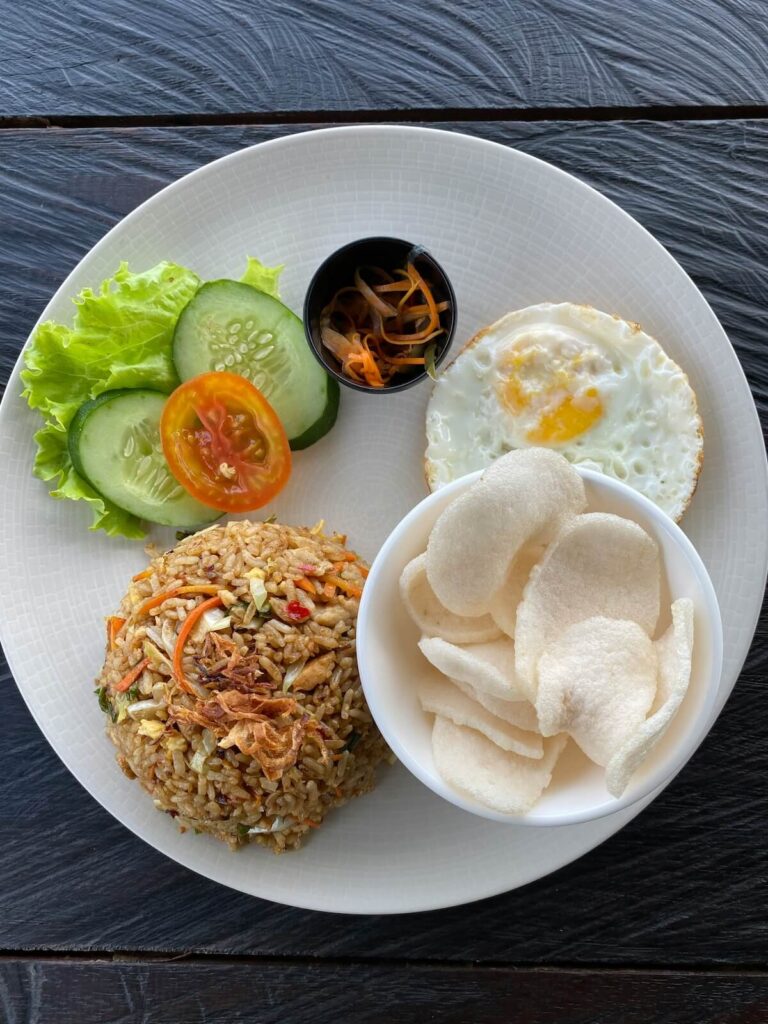
Indonesia takes pride in its diverse culinary scene and countless delicious dishes. However, one dish truly stands out: nasi goreng. This simple yet flavorful fried rice has become a national dish, beloved by locals and tourists alike. And while other countries have their versions of fried rice, Indonesian nasi goreng has a distinct character.
Nasi goreng, which translates to “fried rice,” is said to have been influenced by Chinese culinary traditions. Over time, the dish evolved as it incorporated more local ingredients and spices.
It’s made by stir-frying cooked rice with a variety of ingredients, such as shallots, garlic, chili peppers, kecap manis (sweet soy sauce), and shrimp paste. It’s often served with a sunny-side-up egg, a side of vegetables, and a crispy cracker called kerupuk. Even writing about it makes me hungry!
16. Mie goreng

Another popular dish is mie goreng or fried noodles. Like nasi goreng, this flavorful dish blends Chinese and Indonesian influences.
The origins of mie goreng can be traced back to Chinese immigrants who brought their noodle-making techniques to Indonesia. It is said to have been derived from the Chinese chow mein. It soon became uniquely Indonesian and today, it’s a staple food in Indonesia.
The best thing about mie goreng is its versatility. It can be customized with a variety of ingredients, from chicken and beef to shrimp and vegetables. The noodles are typically stir-fried with a savory sauce made from soy sauce, kecap manis, and sambal (chili sauce). The result is this delicious and satisfying meal that can be enjoyed any time of day.
17. Rendang

Another thing Indonesia is known for is rendang, a rich and flavorful meat dish. This culinary gem hails from the Minangkabau region of West Sumatra but has quickly spread throughout Asia and worldwide.
The secret to rendang’s incredible flavor lies in its long, slow cooking process. Meat, usually beef or water buffalo, is simmered in a blend of aromatic spices, coconut milk, and herbs until it becomes tender and infused with a deep, complex taste. The result is a dish that is both savory and slightly sweet, with a hint of spice.
Rendang is often served during special occasions and celebrations, and it’s also a popular choice for everyday meals. If you’re lucky enough to try rendang in Indonesia, you’ll understand why it’s considered one of the country’s most prized culinary treasures.
18. Spice Islands

The Maluku Islands, often referred to as the Spice Islands, are a captivating archipelago in eastern Indonesia. These islands have a rich history, dating back centuries, and have played a pivotal role in global trade.
The name “Spice Islands” comes from the abundance of aromatic spices that once flourished in the region. Cloves, nutmeg, and mace were highly prized commodities, sought after by traders from across the globe. The Portuguese, Spanish, Dutch, and British fought fiercely for control of these islands, leading to centuries of conflict and colonization. The Dutch eventually emerged victorious, establishing a monopoly over the spice trade.
Today, while the spice trade has diminished, the Maluku Islands remain a fascinating destination for history buffs and nature enthusiasts. The islands offer stunning natural beauty, with pristine beaches, lush rainforests, and vibrant coral reefs. It also has lots of historical sites and traditional villages that help retain their old-world charm and cultural significance.
19. Population size
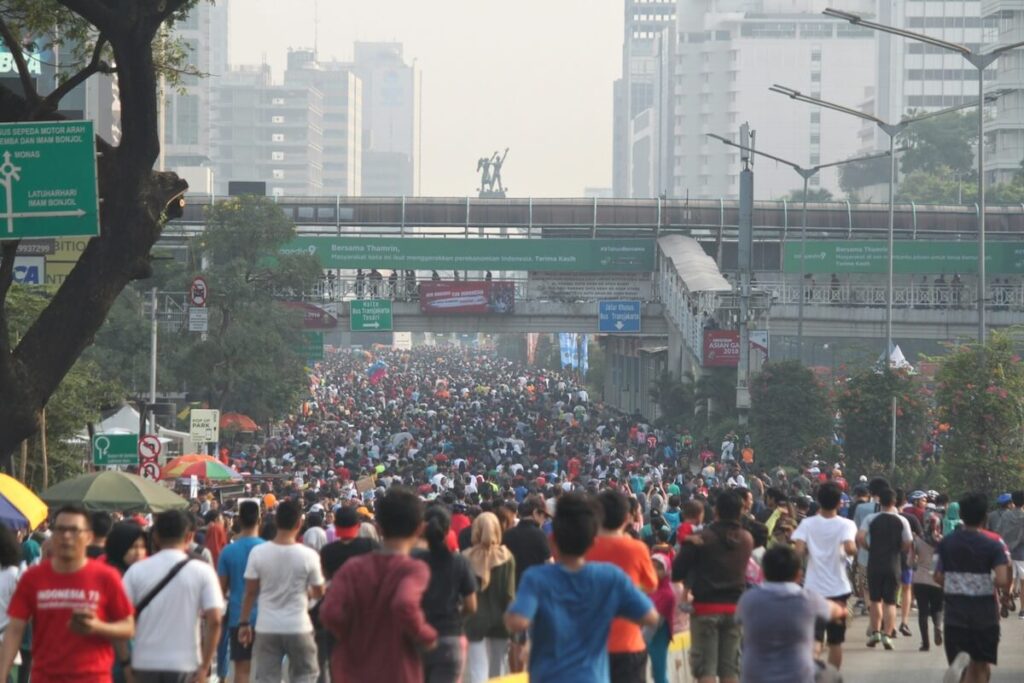
Not only is Indonesia famous for being a big country but also for having a vast and diverse population. As of writing, Indonesia is home to over 283 million people, making it the fourth most populous country in the world, after India, China, and the United States.
This significant population growth is a result of various factors, including high birth rates, decreasing mortality rates, and improved healthcare. This rapid population growth spells both challenges and opportunities for the country. While it has contributed to a strong workforce and a vibrant economy, it has also strained resources and infrastructure.
Despite these challenges, Indonesia’s population continues to grow and it shows no signs of slowing down.
20. Linguistic diversity
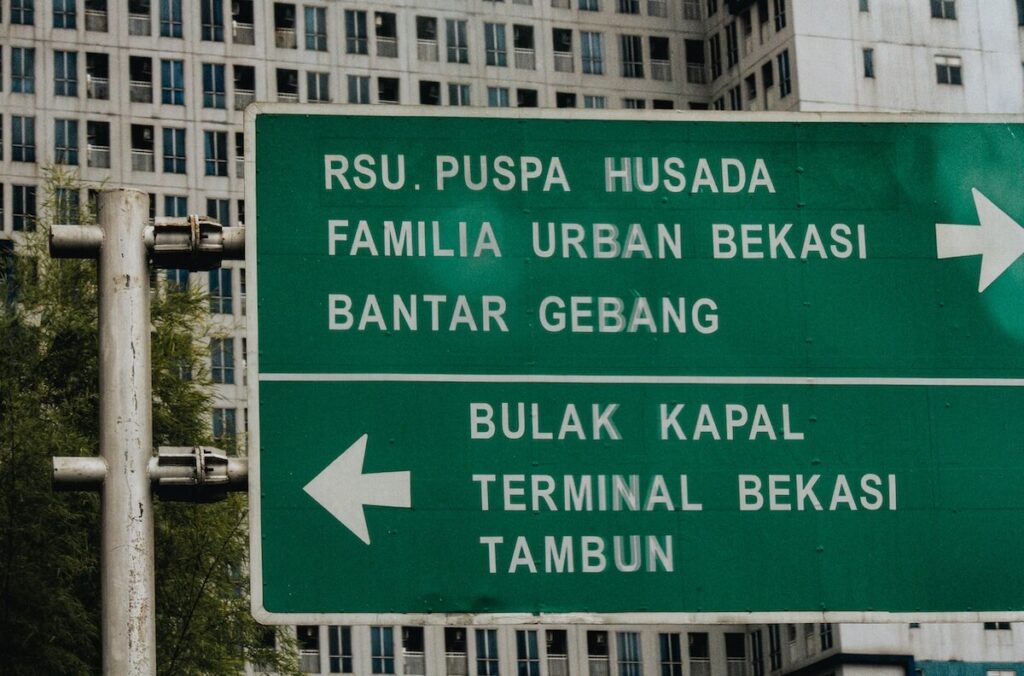
With its archipelagic nature and huge population size, perhaps it’s no surprise that Indonesia is also a linguistic melting pot. With over 700 languages and dialects spoken across the archipelago, it boasts one of the world’s highest levels of linguistic diversity and is second only to Papua New Guinea in terms of language richness.
Some of the most widely spoken languages in Indonesia include Bahasa Indonesia, Javanese, Sundanese, Madurese, and Batak. Bahasa Indonesia, the official language, serves as a unifying force, allowing people from different linguistic backgrounds to communicate. However, regional and ethnic languages continue to thrive, particularly in rural areas.
Beyond the major languages, Indonesia is home to numerous niche languages, spoken by small communities often isolated on remote islands. These languages, while less widely known, are equally valuable and contribute to the country’s linguistic diversity. Unfortunately, many of these languages are becoming endangered or extinct.
21. Affordable travel
Indonesia is a budget traveler’s dream. It’s a country where you can experience luxury and adventure without breaking the bank. From affordable accommodations to delicious street food, Indonesia offers incredible value for money.
One of the biggest draws is the affordability of transportation. Domestic flights are relatively cheap, especially if you book in advance or during off-peak seasons. Additionally, public transportation options like trains and buses are affordable and efficient.
When it comes to accommodation, there’s something for everyone. From budget hostels to luxurious resorts, you can find a place to stay that suits your budget and preferences. And let’s not forget the food! Indonesia’s diverse culinary scene offers a wide range of delicious and affordable dishes, from humble street food to gourmet meals.
Overall, Indonesia caters to all budgets. Whether you’re seeking a relaxing beach vacation, a cultural adventure, or an adrenaline-pumping outdoor experience, you’ll have no trouble finding something to suit your needs and budget.
22. Family and religious ties

Something you’ll notice if you stay long enough in Indonesia is how deeply ingrained family and religious ties are in Indonesian culture. Family is considered the cornerstone of society, and strong familial bonds are highly valued. Extended families often live together or in close proximity, sharing responsibilities and supporting one another.
Religion also plays a significant role in Indonesian life. The country is home to a diverse range of religions, with Islam being the dominant faith. Religious practices, such as prayer, fasting, and attending religious ceremonies, are more often done in community settings.
These strong familial and religious bonds contribute to the warmth and hospitality that Indonesia is known for. If you’ve visited, you might have experienced the local’s kindness and generosity, traits that are rooted in these deeply held values.
Conclusion

What is Indonesia famous for, you ask? A vibrant history and culture, awe-inspiring landscapes, warm hospitality, and so much more! This list barely scratches the surface. Indonesia’s lively cities, serene countryside, delicious food, and outdoor adventures promise unforgettable experiences.
So what are you waiting for? Bookmark this article and start planning your trip to see for yourself just how beautiful this country is.