
*This article may contain affiliate links. For full information, please see the disclaimer here.
When planning a trip around Indonesia, most travelers automatically point their compasses toward the beaches of Bali or the skyscrapers of Jakarta. But if you are looking for the country’s cultural heartbeat, you’ll find it in Yogyakarta.
Often affectionately called Jogja, this bustling city is unique because it still functions as an Indonesian royal city, ruled by a traditional sultanate. It even briefly served as the nation’s capital during the revolution, giving it a profound sense of historical pride.
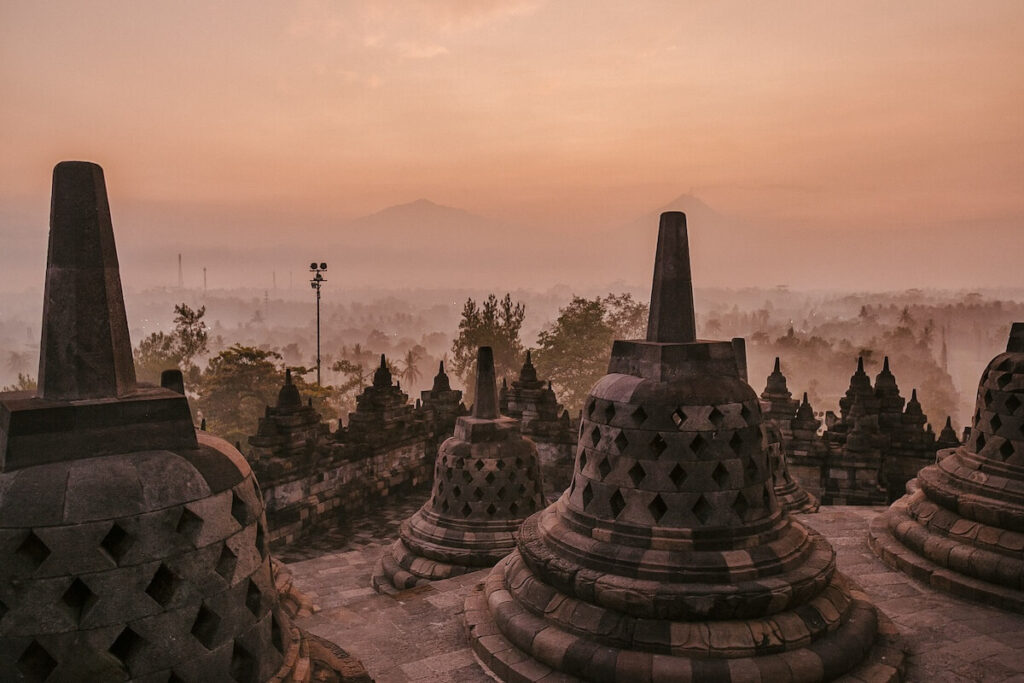
So, is Yogyakarta worth visiting? The short answer is yes, especially if your travel goals involve more than just sunbathing. It is a place where centuries-old traditions mix with a buzzing, youthful energy driven by a massive student population. From the intricate patterns of handmade batik sold in local markets to the ancient stone structures of nearby temples, the city offers a rich cultural heritage.
However, it isn’t without its quirks—the heavy traffic and chaotic city pace can easily overwhelm the unprepared. Here is a balanced look at what makes this city a must-visit, and a few reasons why some travelers choose to skip it.
Table of Contents
Why some travelers avoid Yogyakarta
The traffic congestion is frustrating
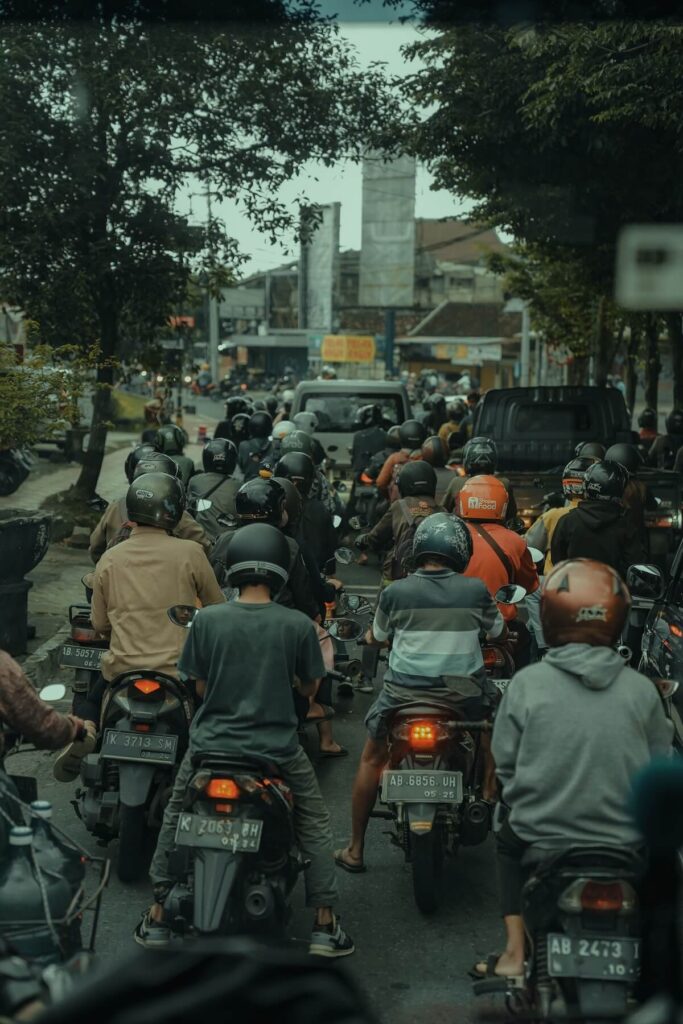
If you picture Yogyakarta solely as a sleepy, ancient town where time stands still, your first ride through the city center will be a painful reality check. The city deals with some pretty intense traffic congestion that can make navigating the streets incredibly frustrating.
Narrow roads often get completely choked with a chaotic mix of motorbikes, tour buses, and local cars, turning what should be a quick ten-minute drive into a prolonged test of patience. Peak hours and holiday weekends can leave you stuck in a sea of exhaust fumes when you’d much rather be exploring.
That being said, it helps to keep things in perspective. While the gridlock is undeniably annoying, it’s nowhere near the legendary, soul-crushing traffic jams you’ll experience in mega-cities like Jakarta or even Bandung. It is still a manageable city if you plan smart.
Skipping the car rentals and jumping on a ride-hailing motorbike app instead lets you easily zip through the tightest lanes and bypass the worst of the delays.
The threat from the active Mount Merapi is very real

Sitting right on Yogyakarta’s doorstep is Mount Merapi, Indonesia’s most active and notoriously volatile volcano. For some travelers, its mere presence is enough to cross the city off their itinerary, and let’s be real—that anxiety isn’t unfounded.
The volcano has been experiencing a serious period of heightened activity, frequently triggering lava avalanches and emitting superheated hot clouds. In 2025, local monitoring agencies have recorded dozens of these incandescent rockfalls tumbling down the slopes into nearby river channels, keeping the volcano strictly under a Level III “Siaga” (alert) status.
However, even with the mountain regularly putting on a dramatic display of fiery activity, it shouldn’t completely deter you from visiting. Indonesia has world-class volcanic monitoring systems in place, and the local geological agency constantly updates strict exclusion zones to keep people well out of harm’s way. The city center itself sits safely outside the typical danger radiuses.
As long as you maintain basic travel preparedness (like checking daily official volcanic reports, avoiding closed hiking trails near the summit, and packing a face mask just in case of light ashfall), you can safely experience the city without a hitch.
There are street scams and pushy tour guides
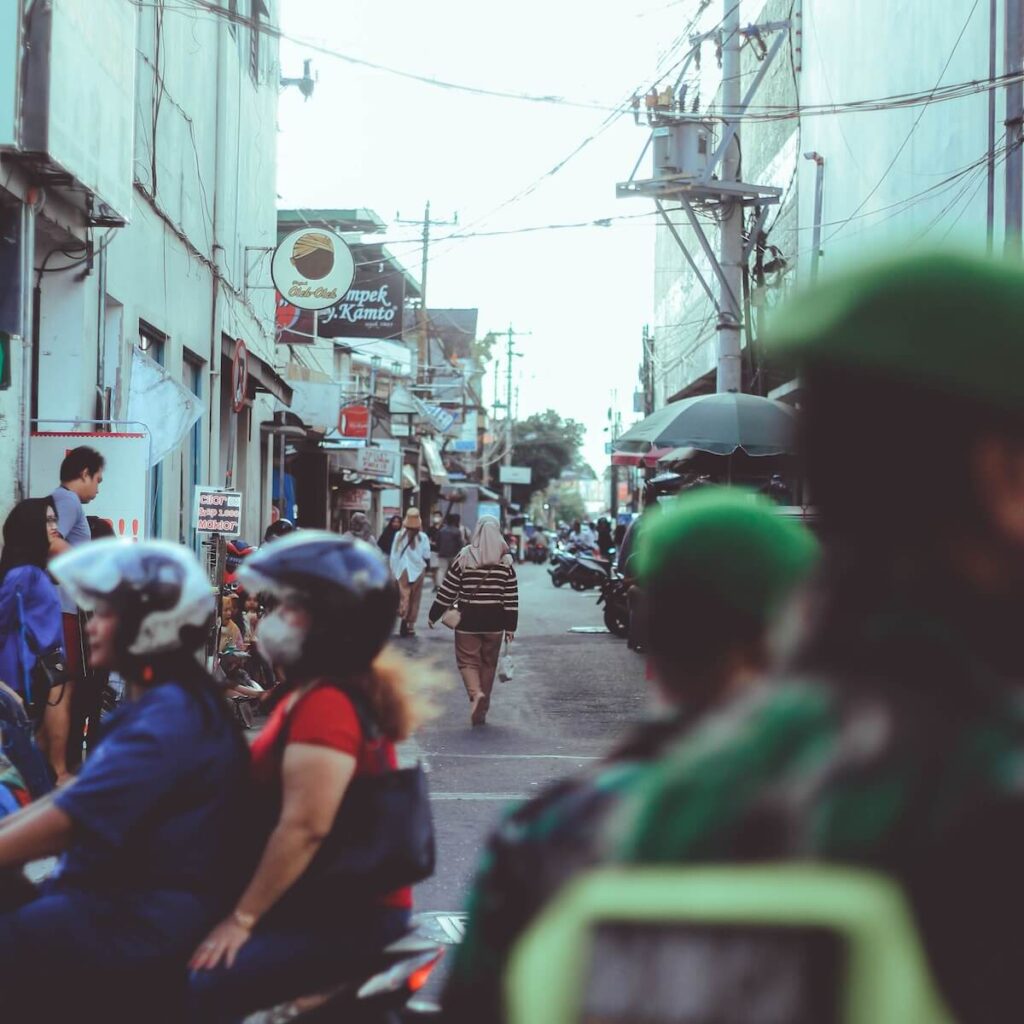
Taking a casual evening walk down Malioboro Street is practically a rite of passage for first-timers, but the aggressive street scams and pushy tour guides can easily ruin an otherwise relaxing stroll.
You will likely be approached multiple times by overly friendly locals offering to take you to “exclusive” art exhibitions, secret batik workshops, or cheap souvenir shops that turn out to be high-pressure sales traps. Having to constantly shake off unwanted solicitations, fake becak (rickshaw) drivers, and persistent guides can quickly turn a fun night out into an exhausting exercise in saying “no.”
Fortunately, this is mostly a minor mental hurdle rather than a genuine safety threat. Sure, the touts are annoying, but they are rarely genuinely hostile or aggressive. Maintaining a polite but firm “no, thank you,” avoiding prolonged eye contact, and walking with purpose is usually all it takes to make them lose interest.
Once you get a feel for the local rhythm, you can easily enjoy the street’s chaotic charm without falling for any tourist traps.
Why is Yogyakarta worth visiting?
1. Yogyakarta has the magnificent Borobudur and Prambanan temples
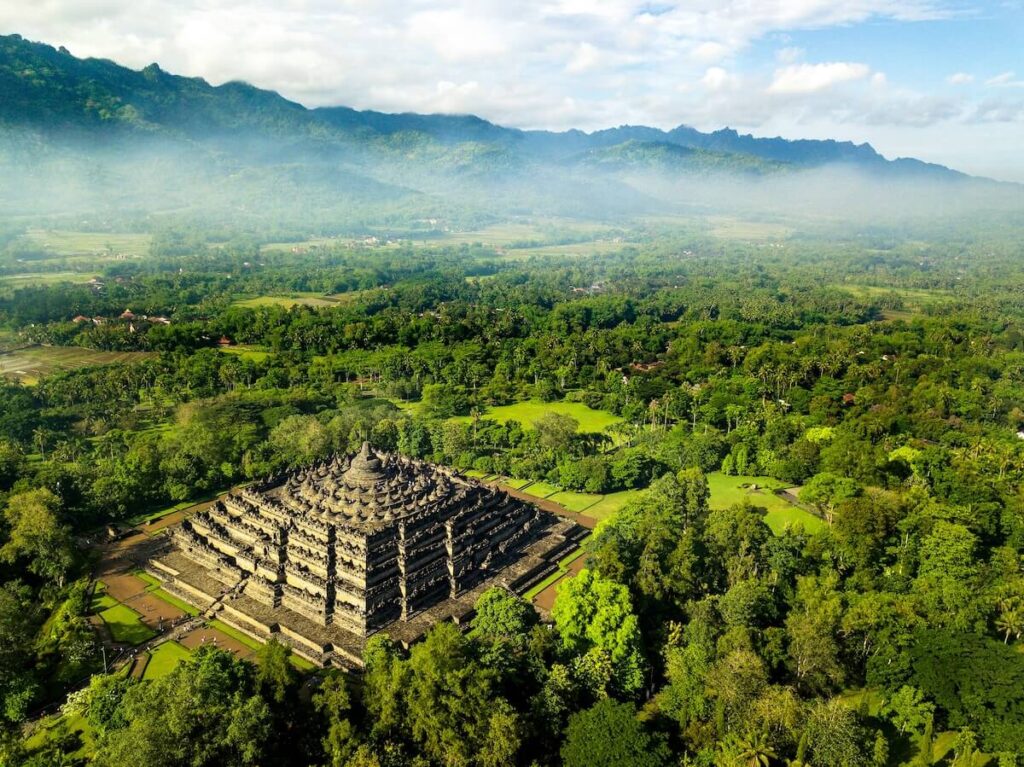
If you are trying to answer the question, “is Yogyakarta worth visiting,” the presence of Borobudur and Prambanan should instantly settle the debate.
These two massive UNESCO World Heritage sites sit just outside the city center, offering a glimpse into ancient history. Borobudur is the world’s largest Buddhist temple, looking like a giant stone mandala rising out of the mist, while Prambanan is a towering complex of pointed Hindu temples dedicated to the Trimurti. Walking through these stone structures truly feels like a journey into the past.

What makes visiting them so memorable is how vastly different they are from one another, despite being built just miles apart over a thousand years ago. You can easily spend an entire morning climbing the steps of Borobudur to marvel at its hundreds of intricate relief carvings and stone stupas. Later that afternoon, you can find yourself wandering the sharp, dramatic spires of Prambanan.
But if you want to skip the hassle of coordinating transport and witness these magnificent sites in the best possible light, this sunrise tour of Yogyakarta and Prambanan is highly recommended.
2. It has a vibrant and thriving art scene
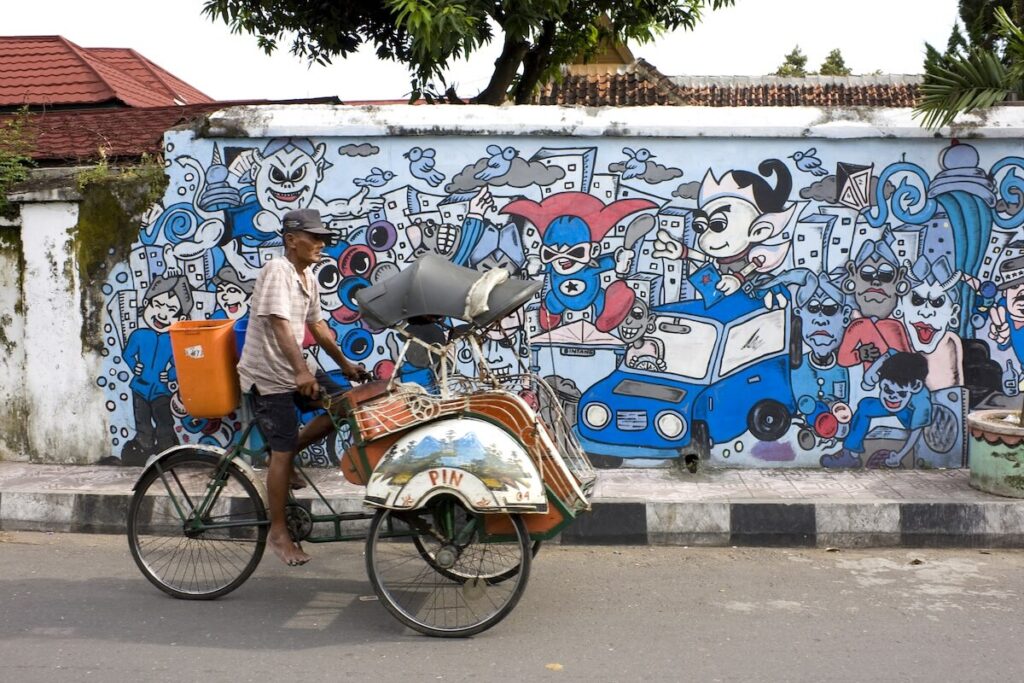
Yogyakarta is not just about ancient history. If you lean more toward contemporary culture, it can still completely win you over. Beyond the traditional palace walls, the city serves as a massive open-air gallery fueled by a deeply passionate, youthful creative community.
Walk down almost any narrow alleyway—especially around neighborhoods like Prawirotaman or the areas surrounding the Indonesian Institute of the Arts—and you will run into incredible, larger-than-life murals, thought-provoking graffiti, and indie art spaces.
What I love about Yogyakarta’s local art scene is how accessible and unpretentious it feels. I love museums, but if that’s not your thing, you don’t have to, because in this city, creativity is woven into everything. From community-run galleries showcasing avant-garde sculpture to the street art that often tackles local social commentary, Yogyakarta radiates a cool, bohemian energy.
3. Yogyakarta’s Malioboro Street is a budget shopping paradise
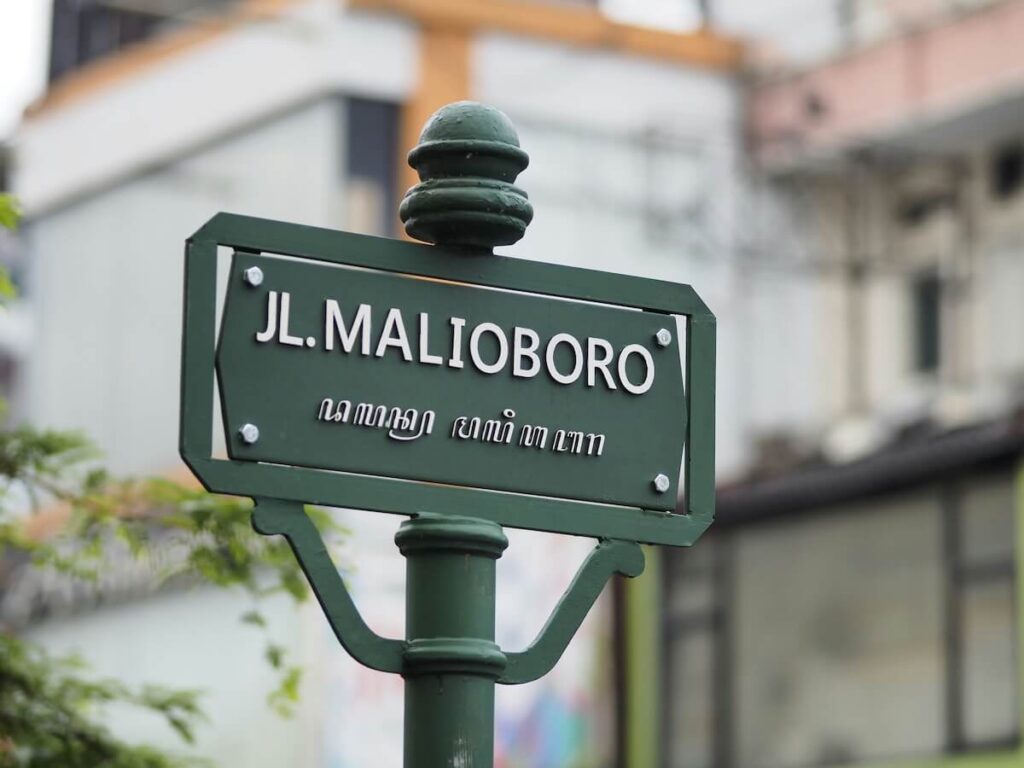
For those who love the thrill of finding a good bargain, a walk down Malioboro Street is a must. This legendary, bustling strip serves as the city’s commercial nerve center and is an absolute paradise for budget travelers.
Malioboro’s sidewalks are tightly packed with hundreds of stalls selling everything from beautifully patterned batik shirts and local handicrafts to unique woven bags and cheap, quirky souvenirs. It’s the ultimate spot to sharpen your bargaining skills, too!
The energy of Malioboro shifts into high gear as day turns to night, transforming the street into a sensory food tour. You can grab a seat on a woven lesehan mat right on the sidewalk to try local comfort foods like gudeg—a sweet, slow-cooked jackfruit dish—or snack on warm, sweet bakpia pastries fresh from the oven.
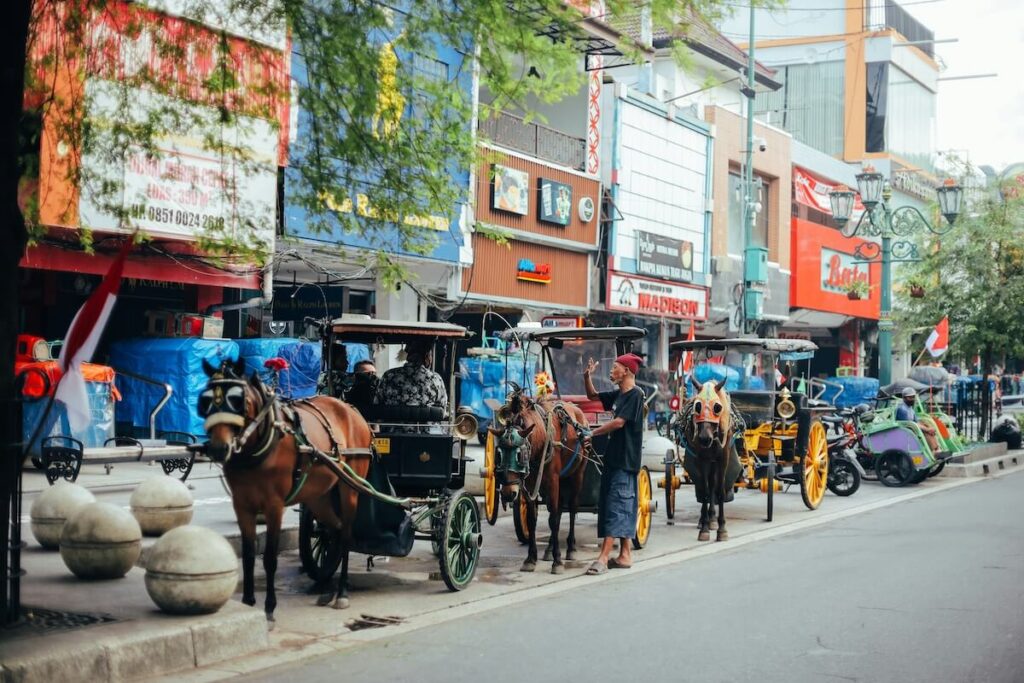
Between eating and shopping, you can take a classic andong (horse-cart) ride to soak in the neon lights and lively street music. Navigating the chaotic evening energy on your own can feel a bit overwhelming, so if you want to experience the absolute best local spots on the strip without the guesswork, check out this night walking and food tour, which includes multiple stops around the street, letting you eat, shop, and explore like a true local.
4. The iconic Sultan’s Palace is a living cultural museum
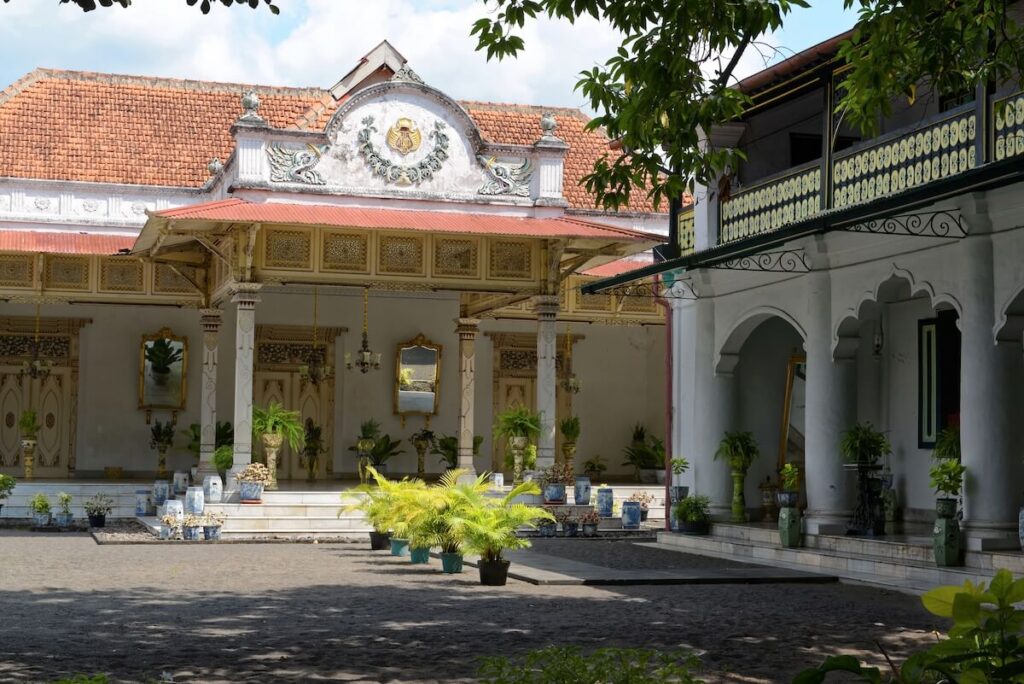
There are many ways to understand the soul of a city. And in a royal city such as Yogyakarta, one of the best ways to do it is to spend a morning at the Sultan’s Palace, locally known as the Kraton. Unlike standard historical monuments that feel frozen in time, this grand compound and UNESCO World Heritage Site remains the actual, functioning home of Yogyakarta’s reigning royal family.
The architecture itself is a fascinating blend of traditional Javanese elegance and subtle European influences, meticulously designed to reflect the Javanese cosmos. Walking through the breezy pavilions and courtyards gives you a genuine look into a royal heritage that has survived continuously for centuries.
What makes the palace even more unique is its lively, working atmosphere. Instead of tour guides in modern uniforms, you will find elderly royal servants, or abdi dalem, wearing traditional Javanese dress and quietly maintaining the grounds. Depending on the day you visit, your entry ticket lets you watch live cultural rituals right in the main pavilion, ranging from classical Javanese dance rehearsals and poetry readings to resonant gamelan musical performances.
5. Yogyakarta has an incredibly rich batik-making tradition

For a deeper exploration into Javanese identity, you only need to look at the intricate textiles worn across the city. Yogyakarta is globally recognized as a premier center for batik, a traditional wax-resist dyeing technique so culturally vital that UNESCO designated it as an Intangible Cultural Heritage of Humanity.
Javanese batik isn’t just about pretty patterns though. Specific designs used to be reserved exclusively for royalty within the Sultan’s palace, with each geometric line and stylized motif carrying deep symbolic meanings of power, good fortune, or protection. It’s this living connection to royal history and the meticulous preservation of natural, earthy dyes that make Yogyakartan batik special.
If you are looking for meaningful souvenirs from Indonesia, skipping the mass-produced shirts and seeking out authentic, hand-drawn batik tulis is a great choice. But the best way to truly appreciate the incredible skill involved is to try it yourself rather than just browsing market stalls. To get hands-on, you can easily sign up for this 2-hour batik-making course.
6. The food alone is worth a trip
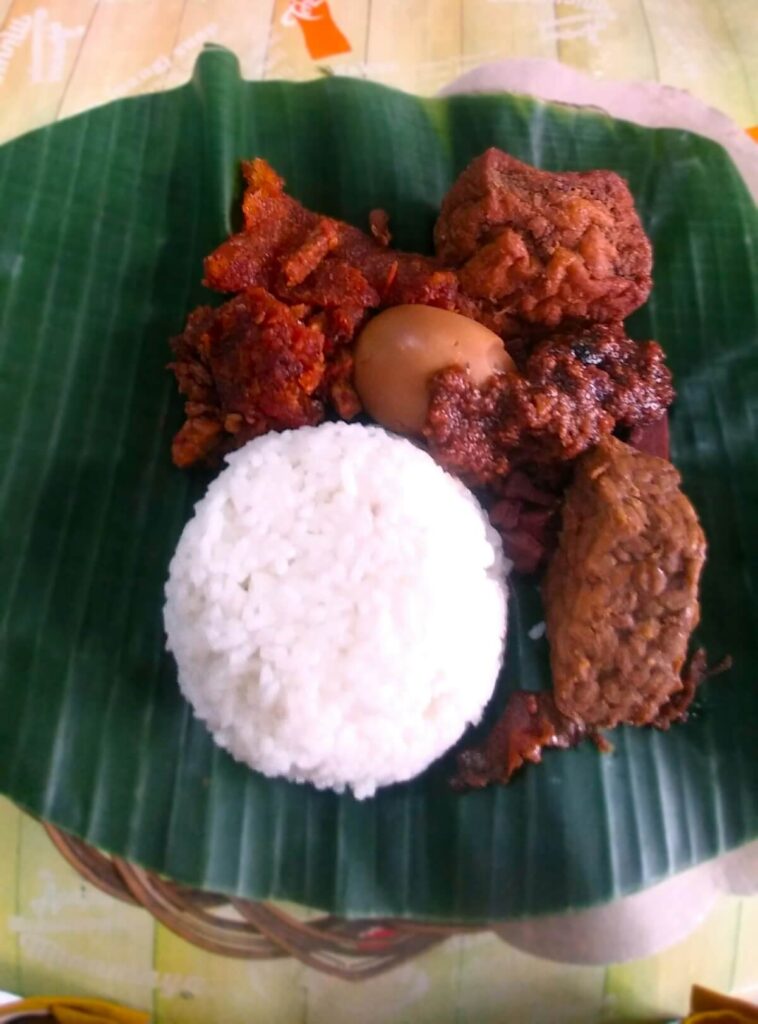
For anyone driven by their stomach (me!), Yogyakarta’s culinary landscape is entirely worth the flight. Javanese cuisine is famous for its distinctively sweet and comforting flavor profiles, perfectly epitomized by gudeg—a local masterpiece of unripe jackfruit slow-cooked for hours in coconut milk and palm sugar until it reaches a rich, melt-in-your-mouth tenderness.
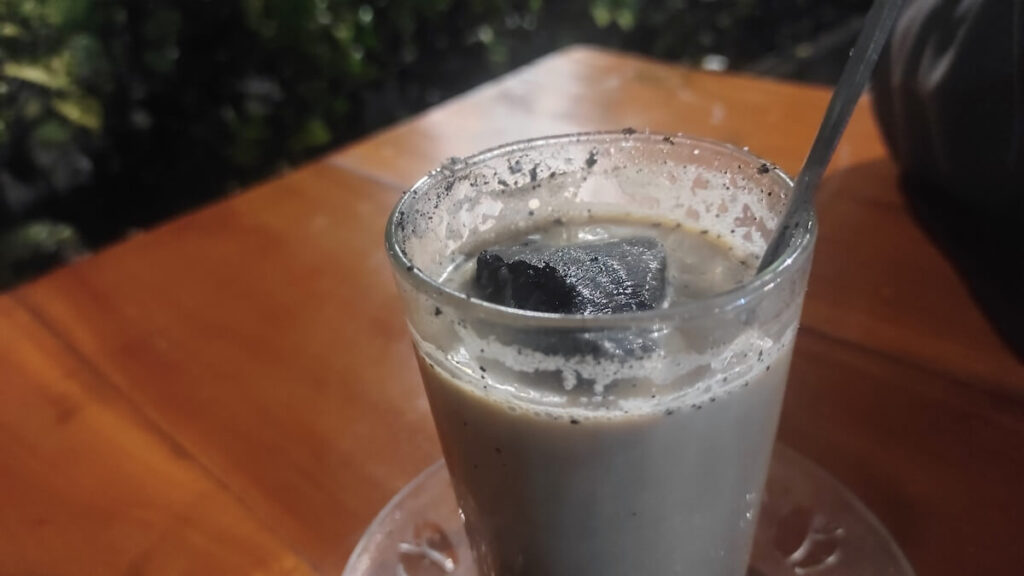
Beyond this iconic dish, you can also find unique local staples like sate klatak, a minimalist mutton skewer grilled over open charcoal on bicycle spokes, or kopi joss, a local coffee specialty served with a glowing chunk of burning charcoal dropped right into the mug.
The city also offers incredible regional renditions of broader Indonesian classics. You will find a distinct, slightly sweeter take on traditional bakso (meatball soup) and locally perfected bakpia pastries stuffed with sweet mung bean paste. Just writing this makes me drool!
7. Yogyakarta’s mysterious Jomblang Cave is an adventurer’s dream
For travelers who prefer adrenaline rushes over standard sightseeing, Yogyakarta holds a massive thrill just a couple of hours outside the city center.
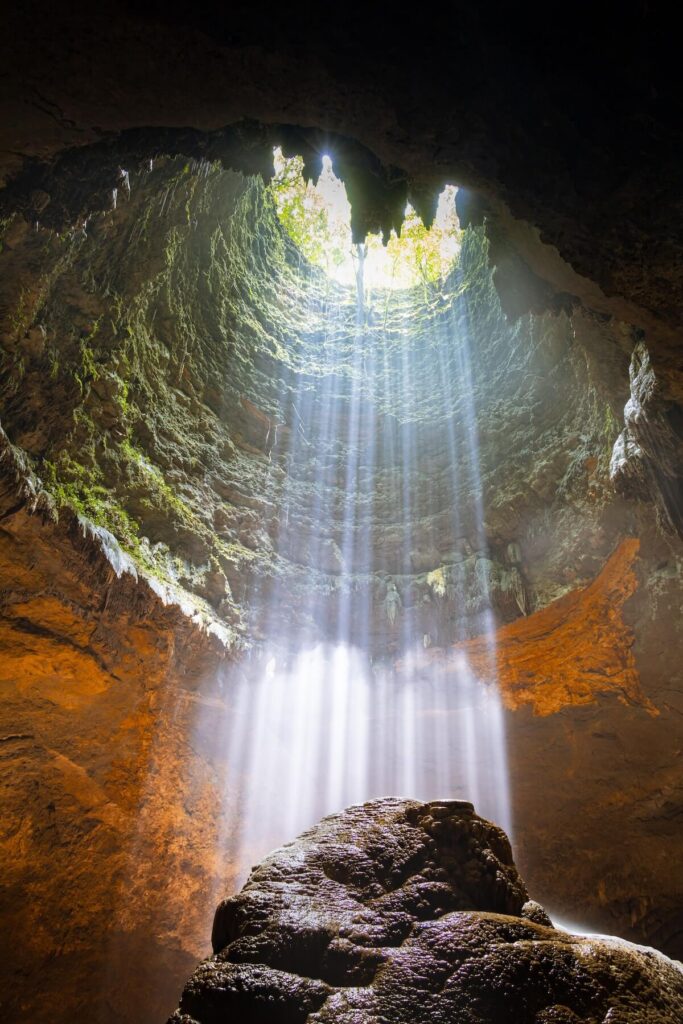
Jomblang Cave is a breathtaking vertical collapse sinkhole that formed thousands of years ago when the ancient limestone bedrock crashed inward. To even enter the cave, you have to be securely strapped into a harness and rappelled down a sheer 60-meter cliff into a hidden, ancient subterranean forest that time completely forgot. Talk about Jurassic Park feels.
The absolute highlight of the journey lies deeper inside the interconnected tunnels at Grubug Cave. Around midday, sunlight pierces through a massive sinkhole roof overhead, creating a bright, ethereal pillar of light—often called the “Light of Heaven”—that illuminates the dark, misty cavern below.
If you want to experience this raw natural wonder safely and pack your day with action, look into booking this Jomblang Cave and Pindul Cave tubing tour. It pairs the thrilling vertical rappel with a relaxing river tubing excursion through nearby Pindul Cave.
8. The majestic Mount Merapi provides a stunning backdrop
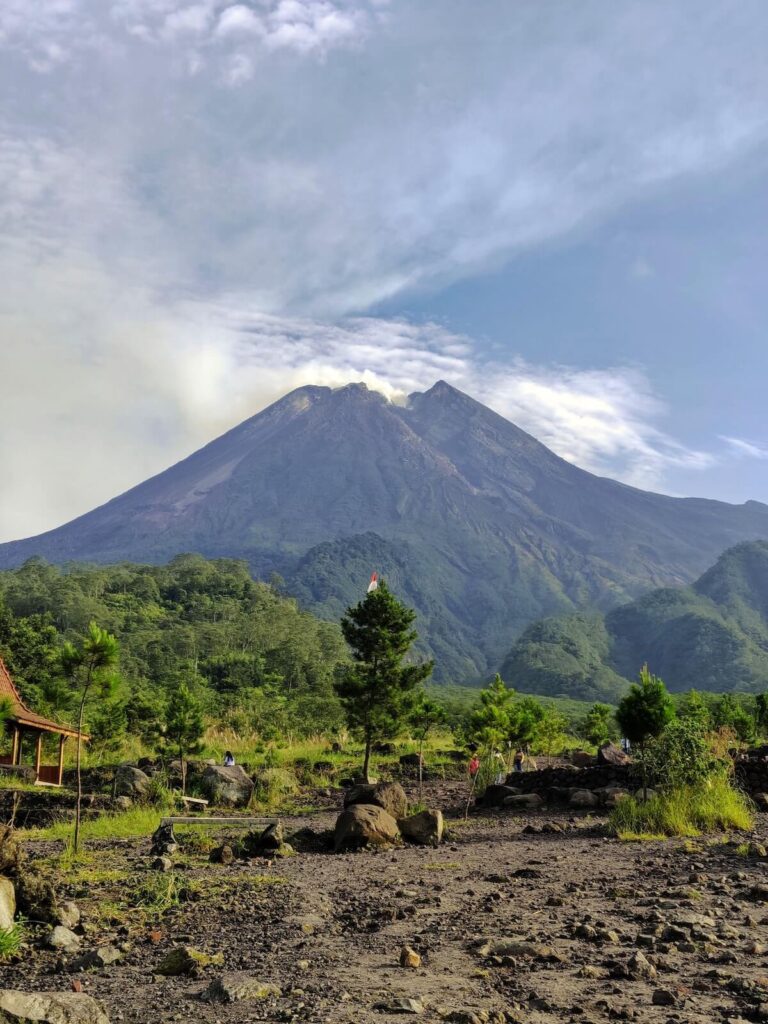
While it undeniably poses a real, underlying threat, the sheer natural majesty of Mount Merapi makes it far too awesome to miss. This towering peak-and-clouds spectacle frames Yogyakarta with a dramatic, almost otherworldly beauty.
As one of the world’s most active and historically significant stratovolcanoes, Merapi has spent centuries shaping both the physical landscape and local Javanese mythology. Its name literally translates to “Mountain of Fire,” a title fully justified by its frequent, awe-inspiring eruptions.
The best way to safely experience its raw power up close is by trading standard tour buses for an open-air 4×4 adventure. A quick trip north takes you straight to Kaliadem, a high plateau area that was once a lush camping ground but was dramatically transformed by major eruptions into a fascinating landscape of volcanic ash and old lava flows. Today, it serves as the ultimate vantage point for unmatched views of the smoking summit.
To explore the rugged terrain smoothly, you can book this private Merapi Kaliadem jeep tour, letting you zip through the off-road tracks to see highlights like the underground Kaliadem bunker and local relic museums.
9. The mesmerizing Ramayana Ballet is a must-see

If you want to experience Javanese performing arts at their absolute grandest, the Ramayana Ballet is something you cannot miss.
This spectacular show translates an ancient Hindu epic poem into a mesmerizing combination of traditional dance, high-energy drama, and rhythmic gamelan music. Rather than using spoken dialogue, hundreds of dancers in intricate, glistening costumes rely entirely on stylized Javanese body movements and expressive gestures to tell the epic story of King Rama rescuing his wife, Sita.
The Ramayan Ballet has been performed regularly for decades, keeping the region’s centuries-old artistic traditions alive and accessible. What makes it even more special is the setting. During the dry season, the show moves outdoors, using the towering, illuminated stone spires of Prambanan Temple as a breathtaking natural backdrop.
To lock in your seats for this legendary cultural display, you can easily secure a ticket to this Ramayana Ballet Prambanan Show.
10. Yogyakarta’s got stunning, untouched southern beaches

When people think of Indonesian coastlines, Bali usually steals the spotlight, but Yogyakarta’s southern coast holds some of the country’s best-kept secrets. Bordering the Indian Ocean, the beaches here are dramatically framed by steep limestone cliffs and powerful waves.
Parangtritis Beach is the most famous. In local folklore, it’s known as the gateway to the mystical underwater kingdom of Nyai Roro Kidul, the Queen of the Southern Sea. Because of these strong spiritual ties and hazardous currents, swimming isn’t recommended, but the sweeping black volcanic sands make it an incredible spot for an evening walk.
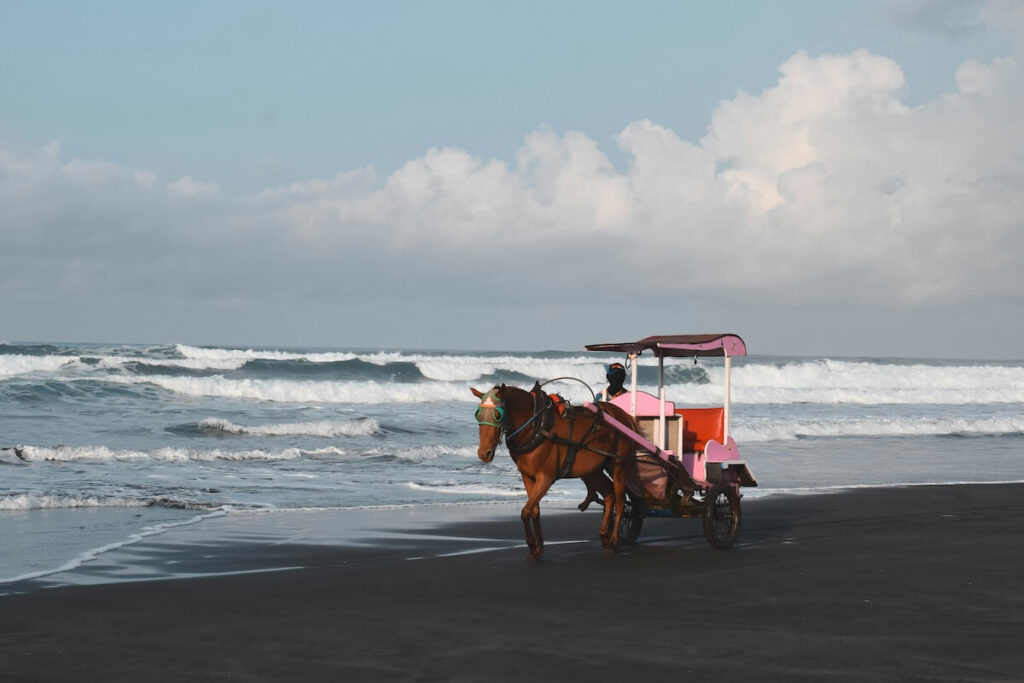
If you travel a bit further east into the Gunungkidul region, the landscape shifts entirely into pristine pockets of white sand and turquoise water. Indrayanti Beach offers a lively, clean stretch perfect for relaxing at a beachfront gazebo with a fresh coconut.
For something even more rugged and unique, Timang Beach features a thrilling, manual wooden cable car used by local lobster fishermen to cross over crashing waves to a jagged rocky islet. These southern shores give you a taste of raw, untouched coastal beauty without the commercial chaos of more mainstream resort destinations.
11. It has breathtaking pine forests
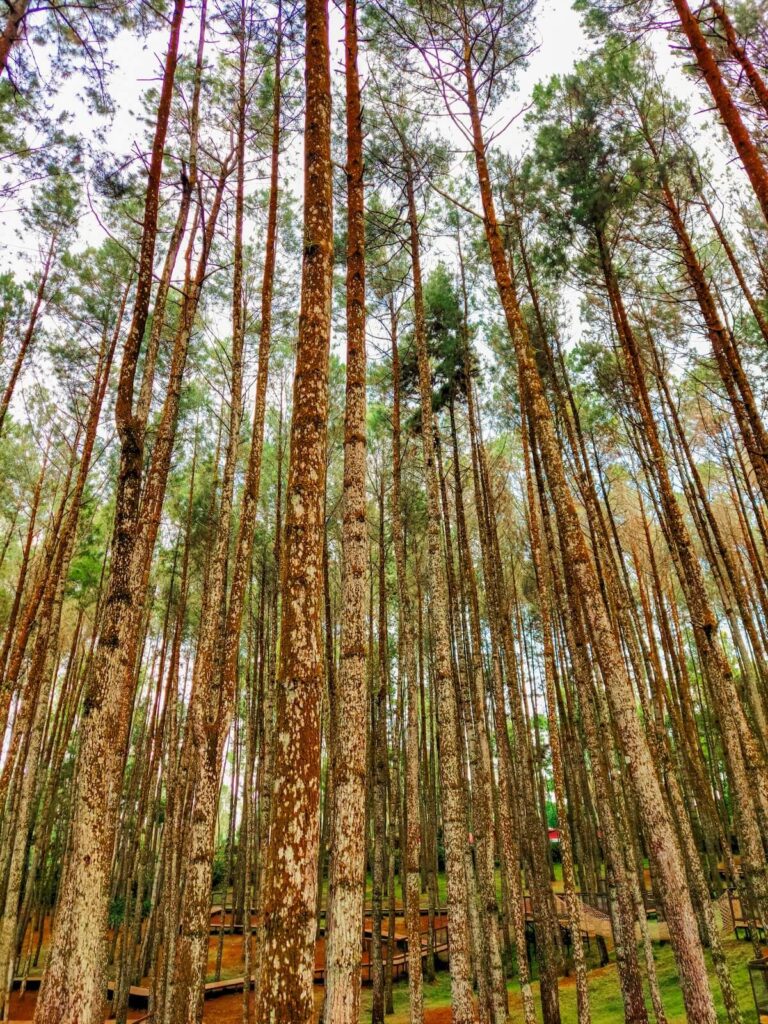
If you are looking for a refreshing break from ancient history and city traffic, Yogyakarta’s lush highlands will completely win you over.
Just a short drive from the city center lies the Dlingo region in Bantul, a hilly area that local communities successfully transformed from a barren, deforested landscape into a thriving ecotourism haven. Today, these densely packed pine forests offer a crisp, refreshing escape from the urban heat.
Among the local favorites is Pinus Pengger, famous for its creative, handwoven wooden art installations—such as a giant open palm framing the city skyline—that light up beautifully after dark. Nearby, Hutan Pinus Mangunan offers a more tranquil, classic woodland experience, complete with an outdoor wooden amphitheater and a viewpoint where you can watch the morning fog roll over the valley.

For a mix of nature and trendy photo spots, Seribu Batu Songgo Langit features whimsical, fairytale-like wooden huts tucked deep within the trees. It’s a gorgeous, green side of the city that most travelers don’t expect to find.
12. Yogyakarta has some of the warmest, most welcoming locals
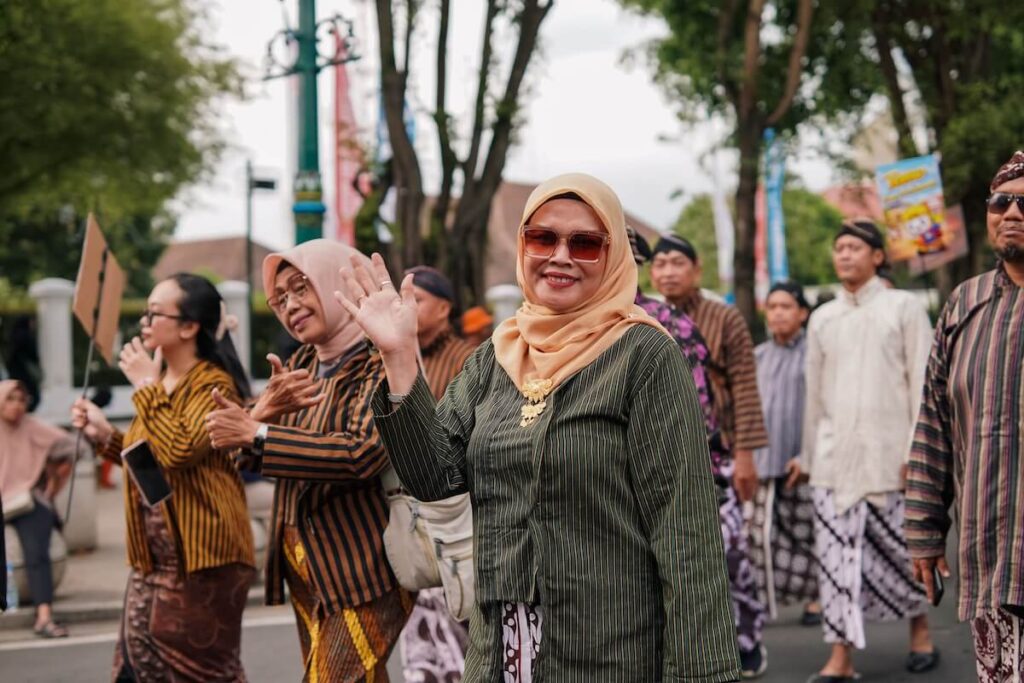
If you ask seasoned travelers what stayed with them long after leaving Yogyakarta, they will rarely just point to the old stone monuments or the food. More often than not, it is the genuine, unforced hospitality of the people who live here.
Javanese culture places a massive emphasis on politeness, humility, and community harmony, and you can feel that philosophy guiding daily life from the moment you arrive. Here, eye contact is met with a sincere smile rather than a suspicious look. You end up feeling like a welcome guest, not a temporary tourist.
The locals’ helpfulness also rarely comes with strings attached. Whether it is an elderly street food vendor patiently explaining the ingredients in your meal or a young college student eager to practice English by helping you navigate a confusing bus route, the warmth is completely real. Even the chaotic street life is softened by the slow, gentle demeanor of the residents.
I don’t know about you, but for me, it’s this human element that ultimately ties the entire travel experience together.
Conclusion

So, is Yogyakarta worth visiting? I’d say it’s an absolute yes! That said, it comes down to what you want out of your travels.
If your ideal trip involves pristine convenience and predictable resort lanes, the city’s intense traffic spikes or active volcanic backdrop might push it down your list. But if you are willing to embrace a bit of urban chaos, you are rewarded with ancient stone wonders, a booming contemporary street art scene, and a rich culinary heritage.
Yogyakarta doesn’t try to hide its rough edges, and that honesty is exactly why its deep cultural soul stays with you long after you’ve headed home.
If I managed to convince you, keep this article bookmarked for your trip planning. Happy travels!