
*This article may contain affiliate links. For full information, please see the disclaimer here.
Jakarta. The name itself (which means ‘complete victory’ in Sanskrit) evokes a sense of bustling energy.
I’ve always been fascinated by the capital of Indonesia. This sprawling Asian metropolis truly has it all – a vibrant mix of old and new, tradition and modernity. It may not be at the top of your bucket list but give it a chance and it won’t disappoint.
What is Jakarta known for? It’s famous for iconic landmarks like the Istiqlal Mosque and Monas, a rich colonial past that left the charming Old Town and several heritage buildings, and Betawi dishes. It is also known as a hub for art, fashion, and commerce, as well as a melting pot of cultures and traditions.
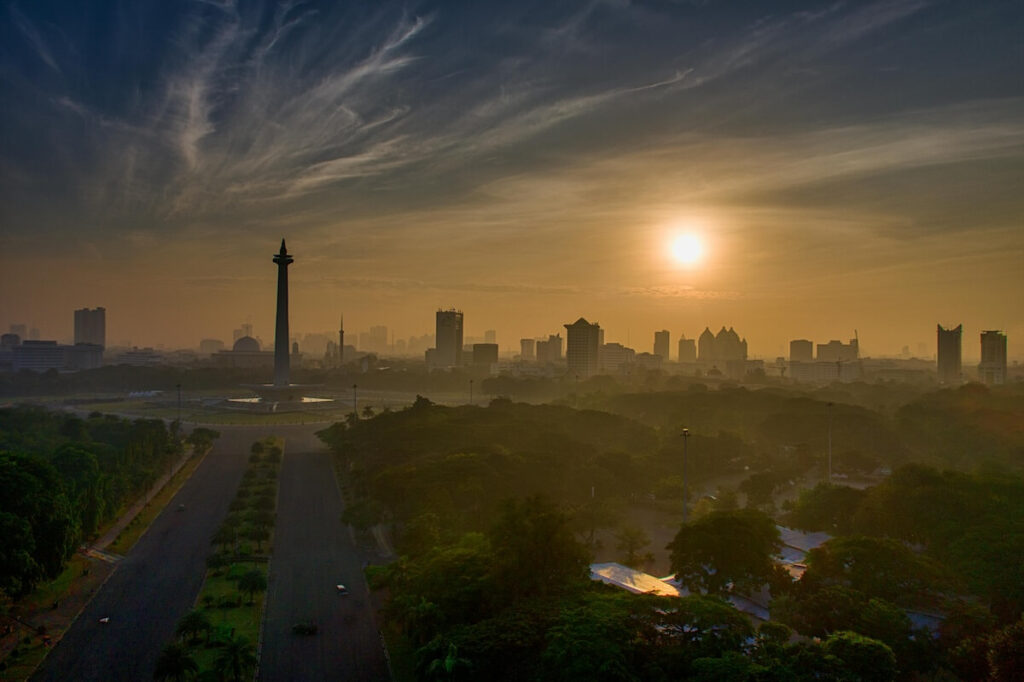
That’s not all though. There’s so much more to see and know about Jakarta, and hopefully, this article gives you a glimpse into the heart and soul of this dynamic city. Let’s get to it, shall we?
Table of Contents
1. Largest metropolitan area in Southeast Asia
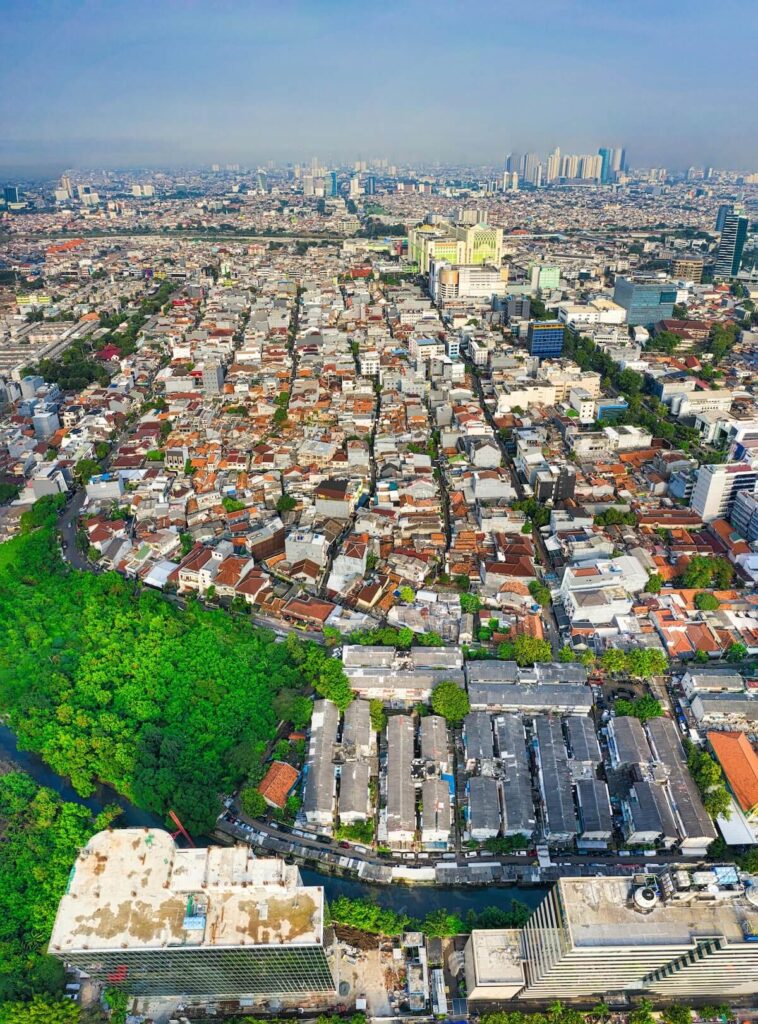
In terms of population, that is.
The sprawling metropolis of Greater Jakarta extends far beyond the city limits. This massive urban area encompasses a collection of cities and districts, including Jakarta proper, Bogor, Depok, Tangerang, Bekasi, Puncak, and portions of Cianjur Regency. You might hear it referred to as the “Jabodetabekpunjur” region—a convenient acronym that rolls off the tongue.
This regional grouping wasn’t just for fun; it was a practical response to the city’s rapid growth. Jakarta, like many major cities, experienced a population explosion, leading to overcrowding and urban sprawl.
As of writing, Greater Jakarta boasts an astonishing population of over 35 million, making it the most populous metropolitan area in ASEAN. Millions of people call this region home, contributing to its buzzing atmosphere. This massive population brings with it a unique set of challenges, from traffic congestion to the need for robust public services. However, it also fuels the region’s economic growth and cultural diversity, making it a truly remarkable place to live and work.
2. Diverse population
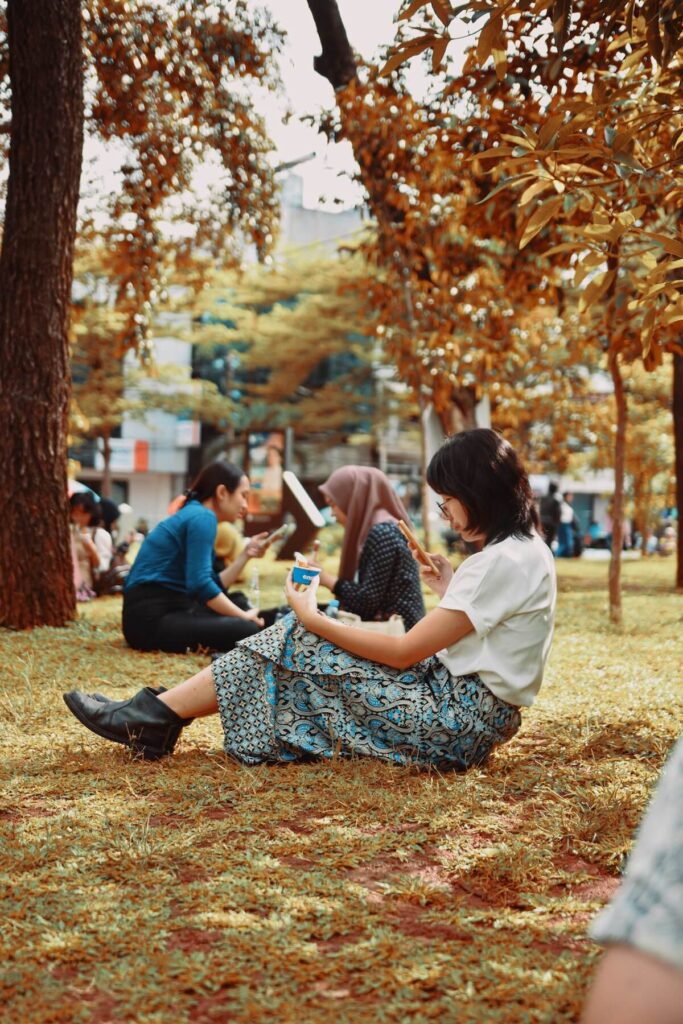
Speaking of population, Jakarta is a true melting pot, a hodgepodge of countless cultures. This incredible diversity is a result of centuries of migration and interaction. As Indonesia’s capital, Jakarta has long been a magnet for people from all corners of the archipelago, seeking opportunities and a better life.
You’ll find people of Javanese, Sundanese, Batak, and Minang descent, each bringing their unique traditions, languages, and culinary delights. The Chinese community also has a strong presence, contributing significantly to the city’s economic and cultural landscape.
And of course, there’s the Betawi people, the indigenous inhabitants of Jakarta, who have a rich cultural heritage and a distinct identity. Plus, many expats from around the world also call Jakarta home.
This results in a cultural fusion that’s evident everywhere you look. From the bustling street food stalls offering a dizzying array of regional specialties to the vibrant celebrations of various religious festivals, Jakarta is a constant reminder of its diverse and inclusive spirit.
3. Dutch colonial past
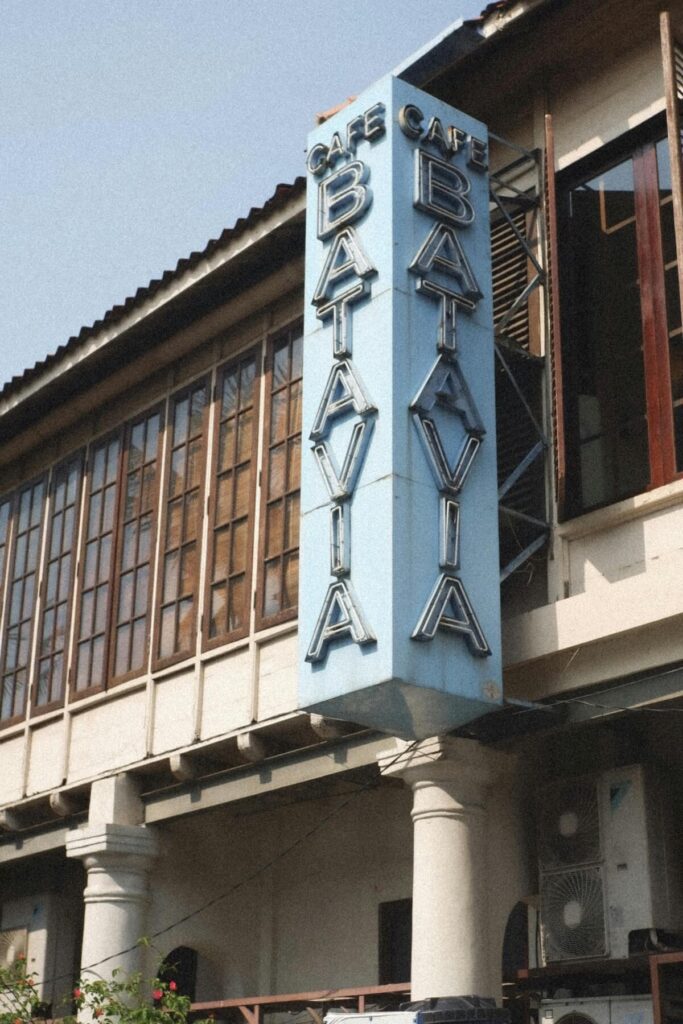
You can’t talk about Jakarta’s history without highlighting the Dutch colonial era. Originally known as Jayakarta, the city was a key strategic point for trade in the region.
The Dutch East India Company (VOC), a powerful trading company, saw its strategic value and, after a fierce battle, seized control in 1619. They renamed the city Batavia, and it became the center of Dutch colonial power in the East Indies.
For centuries, Batavia served as the administrative and commercial hub of the Dutch colonial empire, leaving an enduring mark on the city’s architecture, culture, and social fabric. The city was transformed into a well-planned colonial center, with canals, squares, and grand buildings in the Dutch architectural style.
However, this period also saw the exploitation of Indonesian resources and the suppression of local cultures. The Indonesian people fought against Dutch rule for decades, culminating in the Indonesian National Revolution. Indonesia finally declared its independence in 1945. The city’s name was officially reverted to Jakarta, symbolizing the nation’s liberation from colonial rule.
4. Merdeka Square

Right in the heart of Jakarta lies Merdeka Square, one of the largest city squares in the world. It’s truly a sight to behold, a vast expanse of green space surrounded by some of the most important buildings in the country.
The square was originally conceived by Dutch colonial architects in the 17th century as a parade ground and a symbol of Dutch power. Over time, it evolved into the center of political and social life in Jakarta, witnessing many significant moments in Indonesian history, from independence celebrations to massive protests.
During Dutch colonial rule, the square was known as Koningsplein (King’s Square) and served as a symbol of Dutch power. After Indonesia declared its independence in 1945, the name was changed to Merdeka Square (or Independence Square) to reflect the nation’s newfound freedom. Decades later, the National Monument (more on this below) was erected at its center.
Surrounding the square, you’ll find the Presidential Palace, the National Museum, and the Istiqlal Mosque, all impressive architectural landmarks that tell the story of Indonesia’s rich history and cultural diversity. It’s quite nice to take a stroll in the square and soak in the energy of the city.
5. Monas
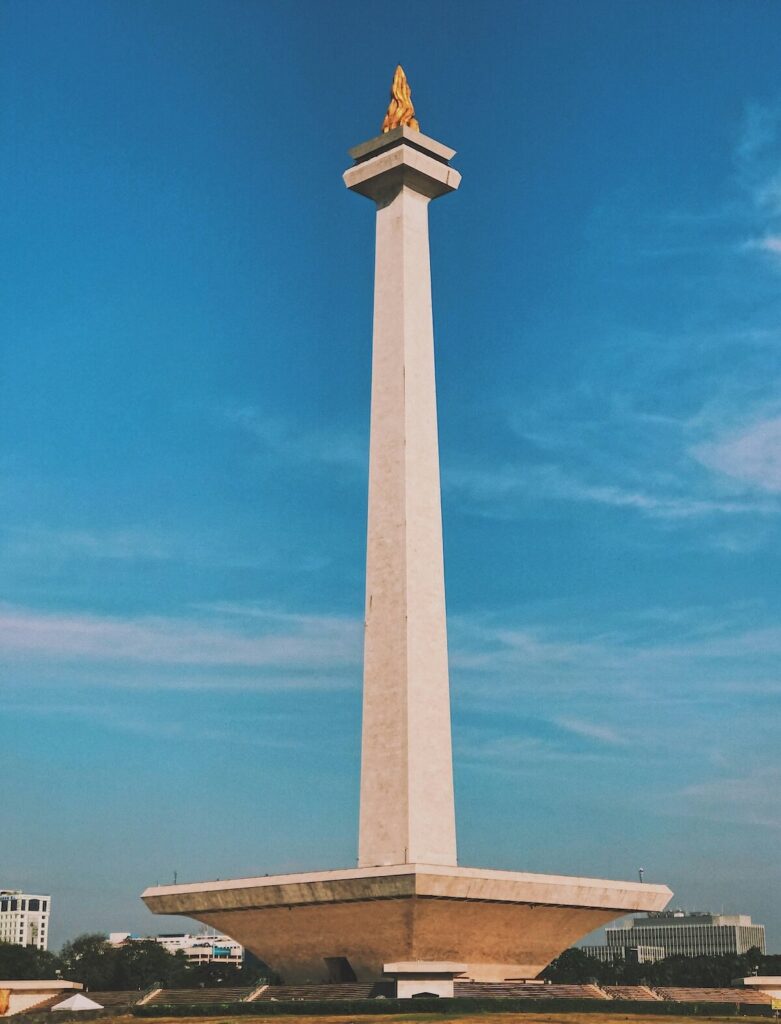
The National Monument of Indonesia (Monumen Nasional in Indonesian, abbreviated as Monas), is an iconic landmark that’s hard to miss when you’re in Jakarta as it dominates the skyline. Located in the heart of the city at Merdeka Square, this towering obelisk is a powerful symbol of the country’s struggle for independence.
The idea for Monas was born from the vision of Indonesia’s first president, Sukarno, who envisioned a monument that would inspire national pride and commemorate the sacrifices made in the fight against Dutch colonial rule. He commissioned renowned Indonesian architects Frederich Silaban and R.M. Soedarsono to design and build it.
Monas is a striking example of modernist architecture. The obelisk, covered in Italian Carrara marble, soars 132 meters into the sky, culminating in a 14.5-meter-tall flame of independence coated in gold leaf. This flame, a symbol of the burning spirit of the Indonesian people, is a breathtaking sight, especially when viewed against the backdrop of the city skyline.
You can explore the monument’s base, which houses a museum showcasing Indonesia’s history and culture. For the adventurous, an elevator ride to the observation deck at the top offers panoramic views of the city. Consider joining a half-day or full-day Jakarta city tour, which typically includes a visit to Monas alongside other key attractions like the Istiqlal Mosque and the Old Town (which we’ll talk about next!).
6. The largest mosque in Southeast Asia
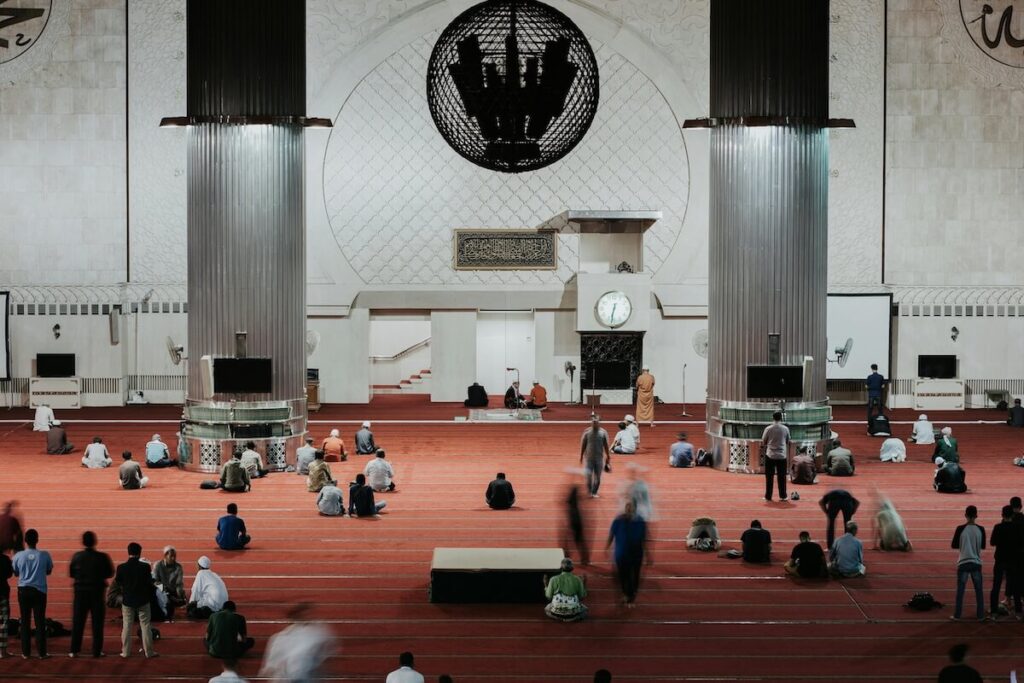
The Istiqlal Mosque, a breathtaking architectural masterpiece, holds the title of the largest mosque in Southeast Asia and one of the largest in the world in terms of worshipper capacity. Located next to the Merdeka Square, its sheer scale and grandeur are truly awe-inspiring.
The name “Istiqlal” itself is a powerful symbol, translating to “independence” in Arabic. In fact, the mosque subtly incorporates elements of Indonesia’s independence throughout its design.
The main dome’s diameter is 45 meters, a symbolic reference to the year Indonesia declared its independence, 1945. The main hall can be reached through an entrance covered by an 8-meter diameter dome; the number 8 symbolizes August, the month of Indonesian Independence.
With a capacity to accommodate over 120,000 worshippers, the Istiqlal Mosque is a place of immense spiritual significance for Muslims throughout Indonesia. During major religious holidays, the mosque comes alive with a sea of worshippers.
7. Kota Tua
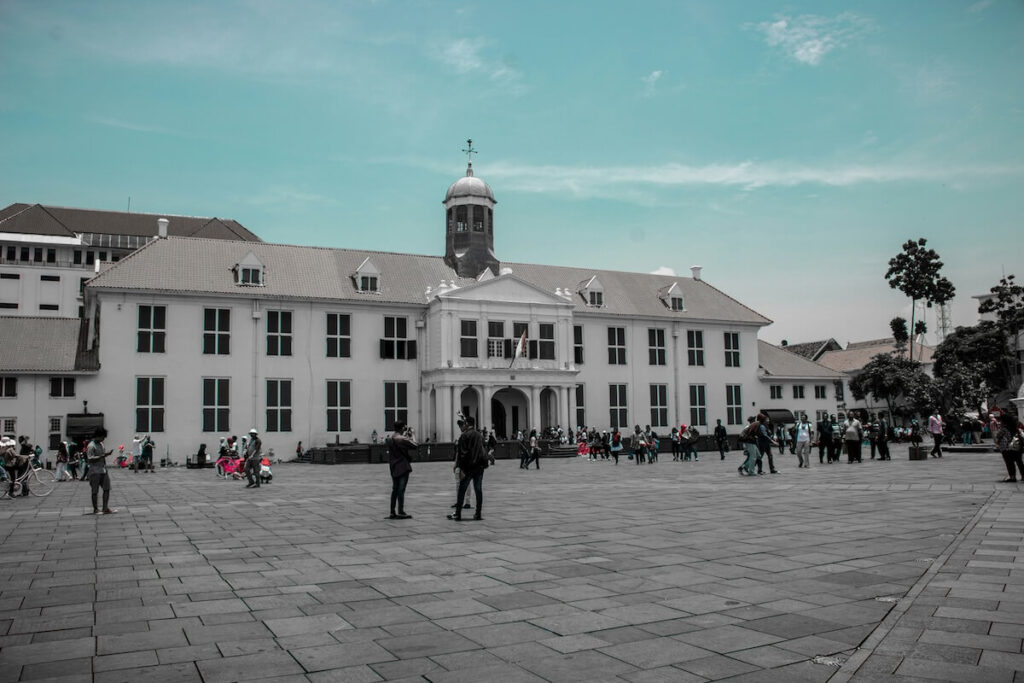
History junkies like me will love Kota Tua, or Old Town, a captivating historical district in Jakarta that offers a glimpse into the city’s Dutch colonial past.
Also known as Oud Batavia, this charming area was once the heart of Dutch administration in the East Indies. Walking through its streets, you can almost feel the echoes of the past—the bustling trade, the whispers of colonial intrigue, and the daily life of the city’s inhabitants during that era.
Today, Kota Tua is a treasure trove of historical landmarks. Don’t miss the majestic Jakarta History Museum (Fatahillah Museum), housed within a beautifully restored Dutch colonial building. And don’t forget to wander through the charming Taman Fatahillah, a vibrant hub of activity where street performers entertain the crowds and local vendors offer delicious snacks. There’s also the nearby Chinatown, where you can sample delicious Chinese delicacies.
At night, the Old Town transforms into a magical place. The street lights cast a warm glow on the historic buildings, and night markets come alive. Whether you want to enjoy a leisurely dinner at one of the many cafes, or simply stroll through the streets, the unique ambiance of this historic district will enchant you.
8. Betawi culture
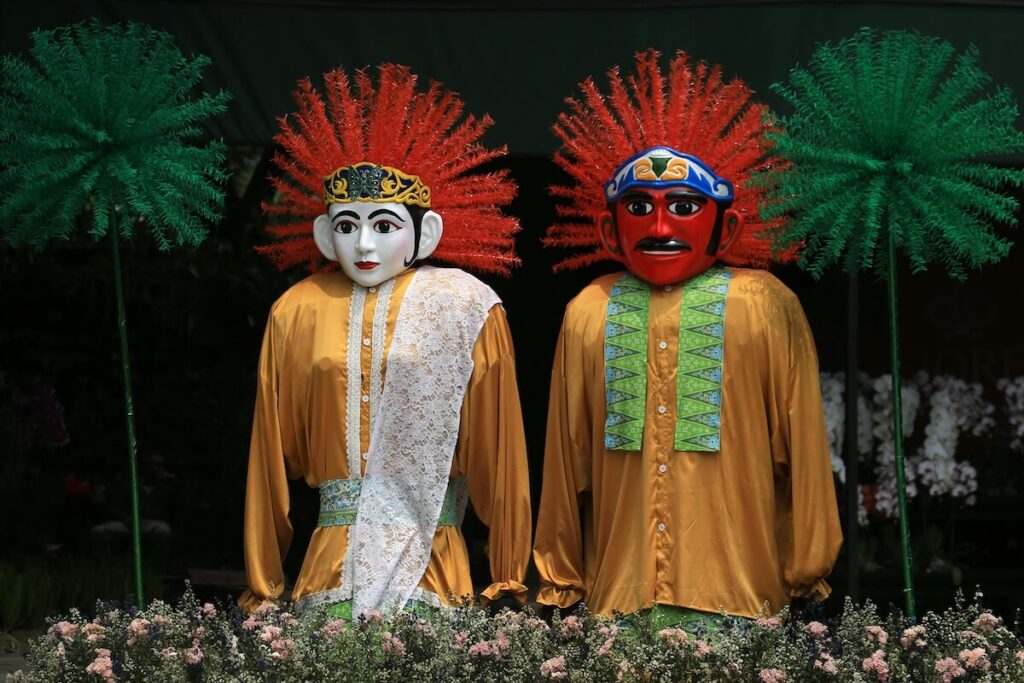
The Betawi people are the indigenous inhabitants of Jakarta. Their origins are a fascinating mix of influences, with theories suggesting a blend of Malay, Javanese, Sundanese, Chinese, and even Arab ancestry. Some scholars believe that a significant portion of the Betawi population descends from former slaves brought to Batavia by the Dutch during the colonial era.
The Betawi’s diverse heritage has resulted in a unique cultural identity that’s so distinct from other Indonesian ethnic groups. Their language, Bahasa Betawi, is a blend of Malay, Javanese, and Sundanese with influences from Dutch and Arabic. Traditional Betawi cuisine is a delightful fusion of flavors—and deserves a separate spot on this list.
Betawi music and dance also reflect this unique blend of influences, with lively performances showcasing an intriguing mix of rhythms and movements. There’s also Silat Betawi, the martial art of the Betawi people.
In recent years, there has been a growing effort to preserve and promote Betawi culture, ensuring that it continues to thrive in the face of rapid urbanization. Festivals and cultural events are held throughout the year, showcasing traditional music, dance, and culinary delights.
9. Betawi dishes
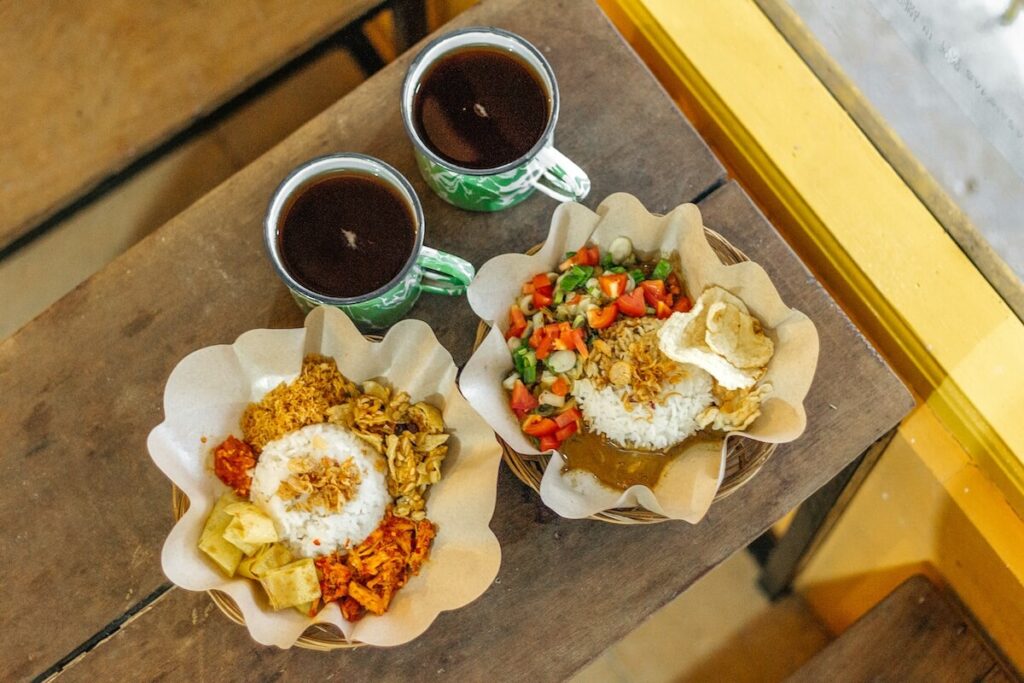
Betawi cuisine is a unique blend of flavors reflecting the rich history of Jakarta. Influenced by Malay, Javanese, Chinese, and even Arab culinary traditions, it offers a delicious variety of dishes. Over time, these influences have been skillfully integrated, resulting in a quite distinct culinary identity.
Some of the most popular Betawi dishes include soto Betawi, a rich and savory beef soup simmered in coconut milk, kerak telor, a savory omelet made with glutinous rice and spices, and dodol Betawi, a chewy and sweet rice cake. Asinan Betawi, a spicy and tangy pickled vegetable salad, and bir pletok, a unique herbal concoction, are also beloved local favorites.
While the rise of modern restaurants featuring cuisines from all over Indonesia and the world has made it a bit harder to find authentic Betawi dishes, they are still available. To truly experience the flavors of Betawi cuisine, consider visiting traditional eateries in areas like Setu Babakan, a cultural village showcasing Betawi traditions, or Pasar Minggu, a neighborhood known for its local food stalls and markets.
10. Fashion

Jakarta’s fashion scene has always been a vibrant mix of traditional Indonesian aesthetics and contemporary global trends. You can see this reflected in the everyday style of Jakartans – from the effortlessly chic women in batik-inspired dresses to the young men sporting streetwear with traditional embroidery. And small wonder, Jakarta has a rich history of talented designers pushing boundaries and experimenting with innovative techniques.
Jakarta Fashion Week (JFW) has undoubtedly played a pivotal role in elevating the city’s fashion scene to the international stage. This annual event (which usually happens in October) showcases the best of Indonesian design, from established names to exciting newcomers, many of whom are now making waves both locally and globally.
Some of the biggest names in Indonesian fashion include Dian Pelangi, renowned for her modern interpretations of traditional Indonesian textiles; Sebastian Gunawan, known for his elegant and sophisticated evening wear; and Barli Asmara, celebrated for his contemporary take on classic silhouettes. There’s also Peggy Hartanto, with her bold and experimental designs, and Jeffry Tan, known for his minimalist aesthetic and innovative use of sustainable materials.
For the fashion enthusiast, check out Grand Indonesia and Plaza Indonesia—iconic malls where you can find high-end international brands alongside Indonesian designers. If you’re looking for something more unique, explore the vibrant markets of Tanah Abang or explore the independent boutiques in Kemang and Senopati, where you’ll discover hidden gems and support local talent.
11. Javanese batik

Speaking of fashion, one of the most iconic and celebrated aspects of Indonesian style is Javanese batik.
This intricate art form involves dyeing fabric using a wax-resist technique, creating stunning patterns that are both beautiful and meaningful. Batik has a rich history, dating back centuries, with each region in Java developing its own unique style and motifs. From the delicate floral patterns of Solo to the bold geometric designs of Pekalongan, Javanese batik reflects the artistic diversity of the island.
The process of creating batik is incredibly time-consuming and requires immense skill and patience. Artisans meticulously hand-draw intricate patterns on the fabric using a special tool called a canting, then apply wax to resist the dye. This process is often repeated multiple times to achieve the desired depth and complexity of color.
Batik is one of the best souvenirs you can take home from Jakarta. You can find a wide range of batik products, from traditional clothing to modern accessories, at Pasar Tanah Abang, Southeast Asia’s largest textile market. You can also explore the boutiques in Kemang and Senopati, where you can find contemporary interpretations of batik by emerging designers.
12. Traffic jams

Let’s face it, Jakarta isn’t exactly known for its smooth sailing commutes. The city has a bit of a reputation for epic traffic jams, and for good reason.
This congestion isn’t exactly a new issue—Jakarta’s been grappling with it for decades. The city’s rapid development, population boom, and car-centric infrastructure have all contributed to the growing gridlock.
If you ever get curious and dive down the rabbit hole of traffic index rankings, you might find Jakarta holding its own…unfortunately. While it might not snag the dubious title of most congested city in the world (looking at you, Barranquilla!), it consistently ranks near the top. And hey, even though Bandung might technically take the crown for worst traffic in Indonesia (as of writing), that’s not exactly a consolation prize for Jakarta commuters.
The daily grind of stop-and-go traffic can definitely take its toll. But as an Asian who hails from another traffic-ridden country, I say just make the most out of it. Observe the bustling street vendors, the colorful street art, and the diverse cast of characters that make Jakarta so unique. It’s a chance to slow down, people-watch, and appreciate the city’s energy from a different angle.
13. Gojek
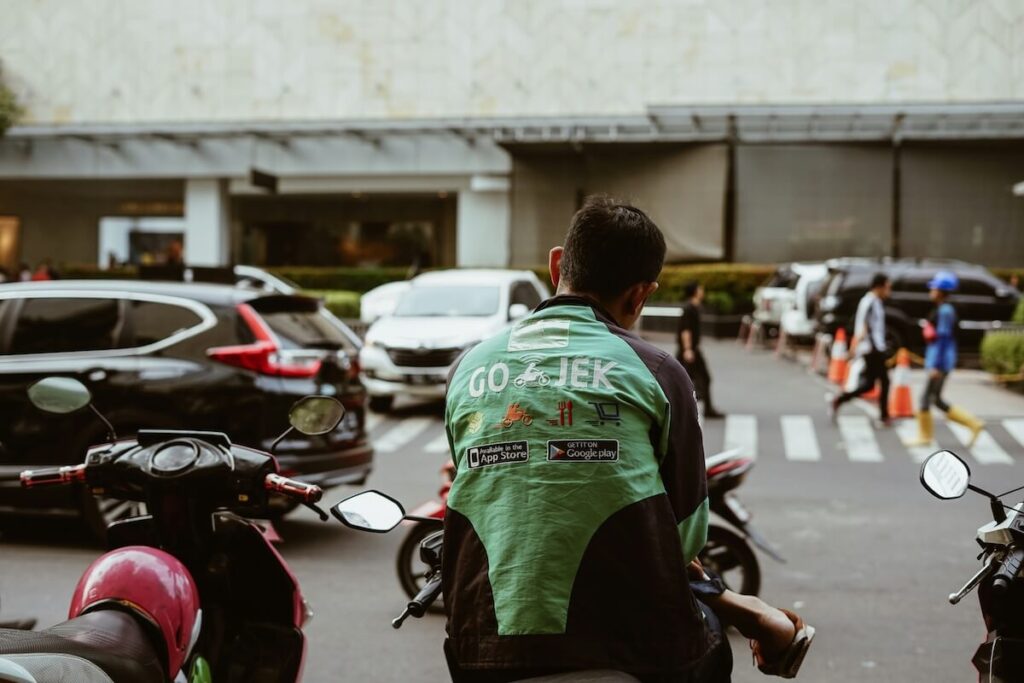
If you’re talking about ride-hailing in the US, Uber and Lyft might be the first names that come to mind. But in Jakarta, and Indonesia in general, Gojek is the name of the game.
This app has revolutionized transportation in the city, offering a wide range of services beyond just ride-hailing. From food delivery and on-demand massages to grocery shopping and even motorcycle taxi rides, Gojek has become an integral part of daily life for many Jakartans.
Gojek started as a motorcycle taxi booking service back in 2010, a response to the growing demand for affordable and convenient transportation in a city notorious for its traffic. Over the years, it has expanded its services significantly. Spotting the green-clad bikers of Gojek has become a common sight on the city roads. And while Grab is a major competitor, particularly across Southeast Asia, Gojek remains a dominant force in the Indonesian market.
14. Indonesian cuisine
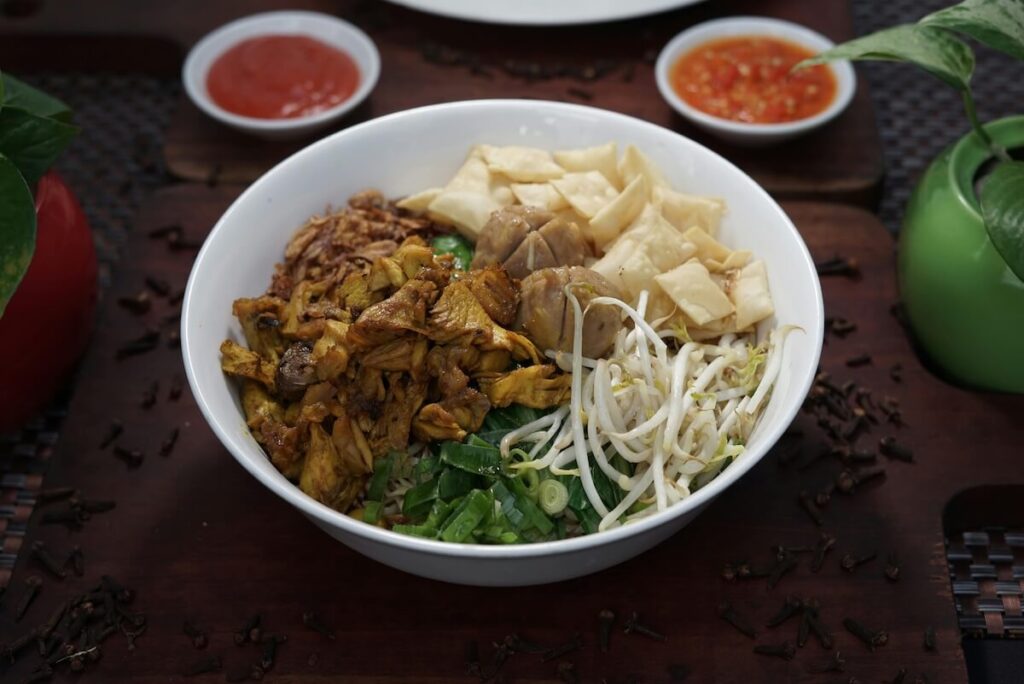
Like I said earlier, Jakarta is a melting pot of flavors, and it’s evident in its vibrant food scene. This diverse archipelago nation boasts a rich culinary heritage, with each region offering its own specialties. In Jakarta, you’ll find a tantalizing array of dishes that showcase the country’s incredible diversity—from spicy Padang curries to sweet and savory Javanese delicacies.
Indonesian dishes range from fiery hot to subtly sweet and savory. Key ingredients like coconut milk, lemongrass, ginger, turmeric, and chili peppers create dishes that are both aromatic and incredibly flavorful. Rice is a staple, often served with a variety of side dishes like stir-fries, curries, and satays.
Some must-try dishes in Jakarta include rendang, a rich and flavorful beef curry from Padang; nasi goreng, a flavorful fried rice dish that comes in countless variations; satay, grilled skewers of marinated meat served with peanut sauce; and gado-gado, a refreshing salad of mixed vegetables served with peanut sauce.
I recommend exploring the local “warungs” (small, family-run eateries) to taste some of these dishes and experience the true essence of Indonesian cuisine.
15. Indonesian coffee

Indonesia is a coffee-loving nation, and Jakarta reflects this passion in every corner. From bustling cafes to hidden gems, the city offers a coffee scene where you can savor some of the world’s finest beans, with varieties like Sumatra Mandheling and Java Arabica renowned for their amazing flavors and aromas.
The archipelago’s diverse volcanic soils and varied climates create ideal conditions for cultivating a wide range of coffee beans, each with its distinct character. You’ll find notes of chocolate, spice, and even a subtle smokiness depending on the region and variety. Whether you prefer a strong, bold brew or a smooth, delicate cup, you’re sure to find something to satisfy your cravings in Jakarta.
When in Jakarta, venture beyond the familiar chains and explore the city’s independent coffee shops. Many roasters and cafes source their beans directly from local farmers, ensuring the highest quality and supporting sustainable practices. You can also find eateries where you can enjoy a simple cup of kopi tubruk (unfiltered black coffee with sugar) alongside local snacks.
16. Lots of museums…

Jakarta is a city that truly embraces its history and culture, and this is reflected in its impressive collection of museums. You’ll find institutions dedicated to everything from ancient artifacts to contemporary art, offering a fascinating glimpse into the city’s past and present.
This abundance of museums is a testament to Jakarta’s commitment to preserving its heritage and fostering a thriving cultural scene. Plus, these museums serve as important centers for education, research, and cultural exchange.
Whether you’re a history buff, an art enthusiast, or simply curious about Indonesian culture, exploring Jakarta’s museums is a must-do. I recommend visiting the following:
- National Museum: a treasure trove of Indonesian artifacts, from ancient ceramics to intricate textiles
- National Gallery of Indonesia: showcases a diverse collection of Indonesian and international art
- Jakarta History Museum: dives into the city’s fascinating past, from colonial times to the present day
- The Wayang Museum: dedicated to the traditional Indonesian puppetry art form
- The Maritime Museum: explores Indonesia’s rich maritime history and its role as a maritime nation
17. …and heritage buildings
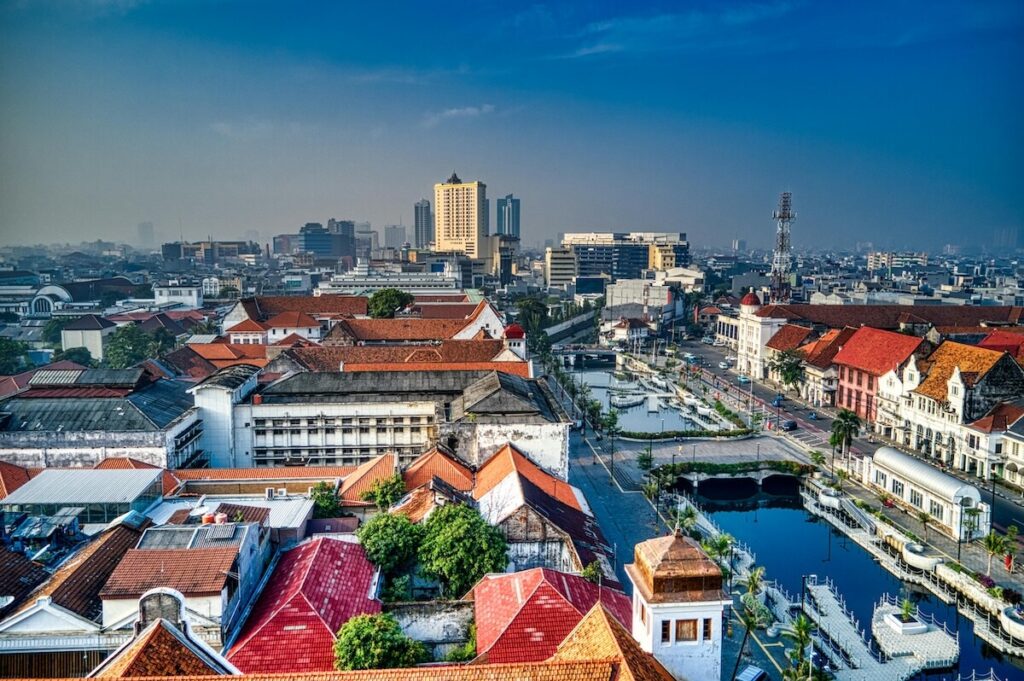
Jakarta is a city that wears its history on its sleeve, and you’ll find stunning examples of this throughout the city center.
Aside from its numerous museums, Jakarta has lots of heritage buildings, many of which date back to the Dutch colonial era. You’ll find them clustered around the Old Town area, where it almost feels like you’re stepping back in time.
These heritage buildings aren’t just pretty to look at—they tell stories. They whisper tales of Dutch governors-general, bustling trading posts, and the city’s slow but steady evolution. They offer a glimpse into the lives of people who came before us, and how the city has transformed over the centuries.
Here are a few must-see heritage buildings you should check out:
- Gedung Kesenian Jakarta: This iconic art deco building is a landmark in itself, hosting a variety of cultural performances.
- Bank Indonesia Museum: Housed in a beautifully restored Dutch colonial bank building, this museum showcases the history of Indonesian currency.
- Cafe Batavia: A historic cafe located in a beautifully preserved colonial building, offering a glimpse into Jakarta’s past.
- Toko Merah: A beautifully restored 18th-century mansion that once belonged to a Dutch governor-general.
- Jakarta Kota Station: A stunning example of Dutch colonial architecture.
Outside the Old Town, it’s worth checking out Museum Satria Mandala, a military museum housed in a colonial-era building in South Jakarta; Museum Sumpah Pemuda (in Central Jakarta), which commemorates the Youth Pledge of 1928; and Gedung Proklamasi (also in Central Jakarta), where Indonesian independence was declared in 1945.
18. Ragunan Zoo

Ragunan Zoo is a beloved Jakarta institution, a sprawling green oasis in the heart of the city. Located in the Pasar Minggu district of South Jakarta, this massive zoo boasts over 140 hectares of land, making it one of the largest zoos in Southeast Asia. Established in 1864, it is Indonesia’s oldest zoo.
A visit to Ragunan Zoo is a journey through the animal kingdom. You can encounter a diverse range of species, from majestic elephants and playful primates to colorful birds and exotic reptiles. The zoo offers a variety of attractions for visitors of all ages, including a primate center, an aviary, and even a small amusement park.
However, beyond its entertainment value, Ragunan Zoo plays an important role in wildlife conservation and education. It participates in various conservation programs, aiming to protect endangered species and raise awareness about the importance of biodiversity. The zoo also serves as an educational center, providing opportunities for children and adults to learn about animals and their habitats.
19. Thousand Islands
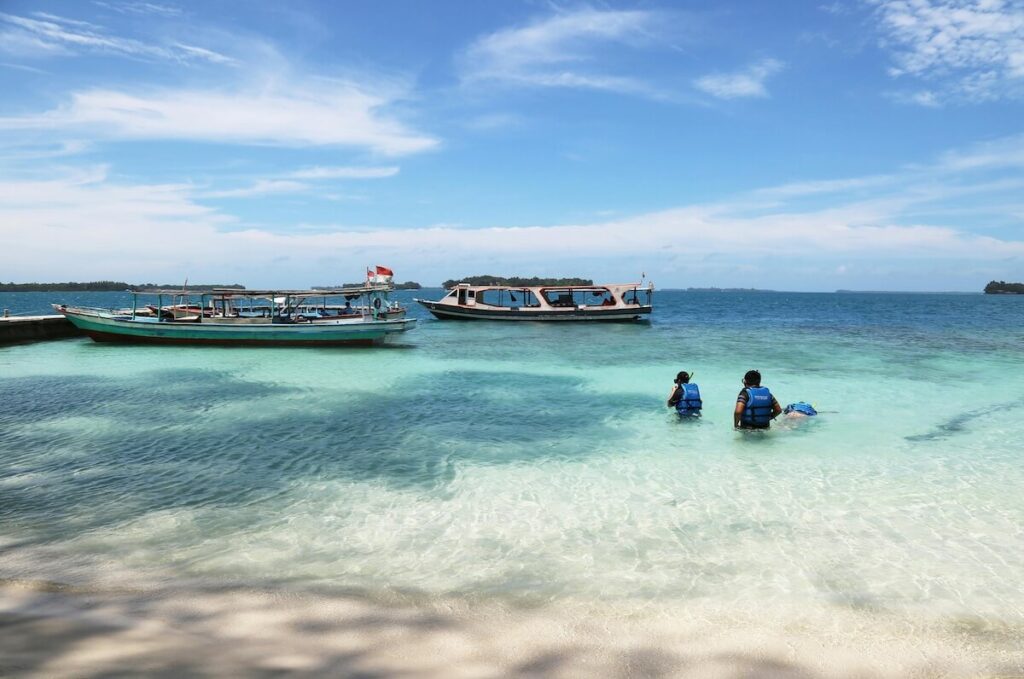
Just off the bustling coast of Jakarta lies a hidden paradise: the Thousand Islands, or Pulau Seribu.
This archipelago, with its pristine beaches, crystal-clear waters, and vibrant coral reefs teeming with marine life, offers a welcome escape from the city’s frenetic pace. It’s a world away from the urban jungle, yet surprisingly close to the city center.
While the name suggests thousands, there are actually around 110 islands in the archipelago. Each island has its unique charm. Some are popular tourist destinations with resorts and water sports, while others remain untouched and offer a truly secluded getaway. You can find everything from luxurious resorts to simple homestays, catering to all budgets and travel styles.
20. Wayang puppet theater

Wayang puppet theater is an iconic art form deeply rooted in Indonesian culture, and Jakarta plays a significant role in preserving this cherished tradition.
Wayang, which translates to “shadow play,” involves intricate leather puppets manipulated by a puppeteer known as a dalang. These performances are accompanied by a gamelan orchestra, creating a mesmerizing blend of music, storytelling, and visual artistry.
The history of wayang stretches back centuries, with various forms found throughout Indonesia. The most famous is perhaps the wayang kulit, where leather puppets are illuminated by a lamp, casting dramatic shadows on a white screen. Other forms include wayang golek (rod puppets) and wayang orang (human puppets). Recognizing its cultural significance, UNESCO declared Wayang an Intangible Cultural Heritage.
If you’re interested in experiencing wayang, check out the Wayang Museum, which houses a vast collection of puppets from across Indonesia and often hosts performances. You can also find wayang shows at cultural centers, universities, and even some hotels. And wayang puppets make for great souvenirs too!
Conclusion

So, what is Jakarta famous for? Delicious food and coffee, architectural wonders, a thriving fashion scene, and so much more! This city of contrasts has managed to become a powerhouse in Southeast Asia while preserving its past.
Whether you’re exploring the bustling markets, marveling at the heritage buildings, or simply soaking up the atmosphere in a traditional coffee shop, Jakarta offers a unique and unforgettable experience. It’s time to book your trip now, if you haven’t yet! And if you’re planning to visit Bali as well, check out this list of things Bali is known for.

Why is Jakarta considered the economic and business hub of Indonesia?