
Colorado’s natural beauty goes without question. The Centennial State is home to 78 of the Rocky Mountain’s 100 highest mountains. Between the snowy peaks and alpine slopes, Colorado boasts many natural wonders, from quaking aspen forests and sand dunes to extensive caves and curious mountains.

So many, in fact, it’s almost overwhelming. Follow the trail with me as we explore 19 awe-inspiring natural wonders in Colorado.
Table of Contents
1. Dinosaur Monument
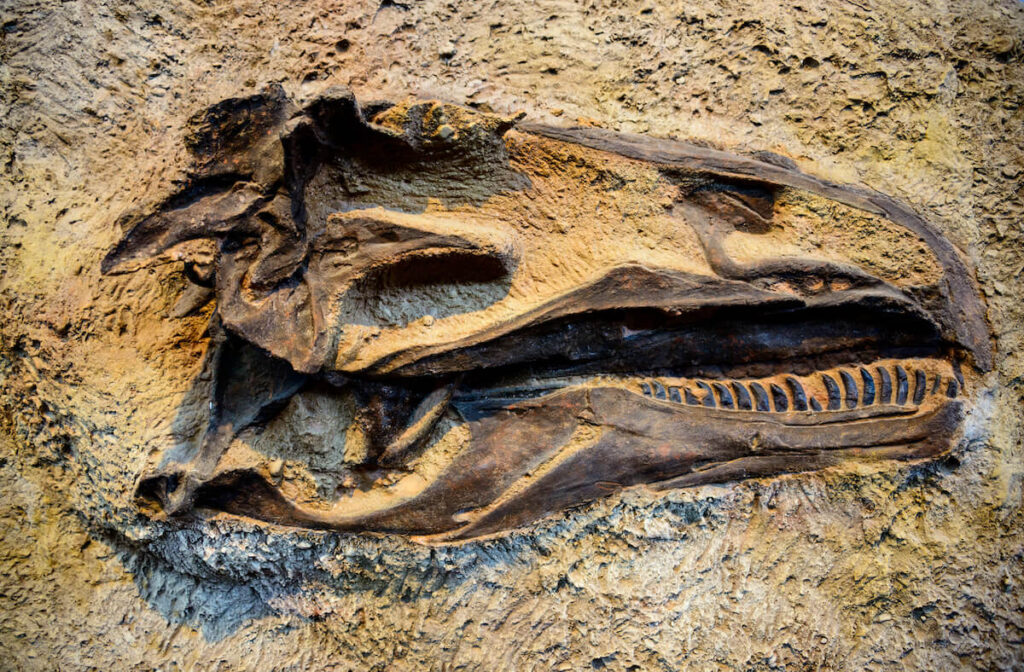
From stegosauruses to outlaws, ancient artists to mountain lions, Dinosaur Monument has been a haven for all walks of life for millions of years. Over 1,500 dinosaur fossils are stunningly preserved in the rocks and stones of this Colorado natural wonder.
Today, it’s a place where visitors can marvel at the great creatures who walked the Earth before us, all while learning about the human history and the ecological richness of the modern day.
2. Great Sand Dunes

In southern Colorado, North America’s tallest sand dunes rise back up against the snow-capped peaks of the Rocky Mountains. The roots of pine trees brush up against fine sand, alpine creeks splice the dunes.
Great Sand Dunes National Park and Preserve is one of the most distant Colorado landmarks. Eastward winds blow sand into this natural pocket at the base of the Sangre de Cristo Range, creating the undulating, towering sand dunes that bring a desert ambiance to the heart of the Rocky Mountains.
3. Black Canyon of the Gunnison

Rare canyon alert! Black Canyon of the Gunnison is one of the world’s only canyons that is, in many spots throughout its course, deeper than it is wide.
Named for the mere minutes of sunlight that some corners of the canyon receive daily, Black Canyon of the Gunnison is a foreboding, dramatic canyon carved out by the Gunnison River.
The Black Canyon’s 48-mile-long course in western Colorado features some of the tallest cliffs in the country. While this Colorado landscape draws in relatively few visitors, it is an attractive spot for experienced rock climbers to attempt challenging routes.
4. Garden of the Gods

Where the Rocky Mountains and Great Plains meet in Colorado Springs, astonishing red stone formations jut up from the ground at the 1,367-acre Garden of the Gods Park.
The name leaves nothing to the imagination — so awestriking is the park that it truly looks like a divine paradise, a mythological Mount Olympus made real.
Natural beauty aside, I’m pretty sure I saw an actual giant when I visited Garden of the Gods as a teenager. If that doesn’t convince you that the park is a Colorado natural wonder, I don’t know what will.
5. Maroon Bells

One of Colorado’s most picturesque landscapes is Maroon Bells, twin peaks that rise over a glassy lake in White River National Forest. Looks, however, can be deceiving. Maroon Bells have a deadly reputation after eight climbers were killed in 1965 in separate accidents due to stone formations that easily fracture.
The destination is most popular from the southwest shore of the lake for the spectacular views, but the wilderness around the peaks features hot springs, hiking trails, and camping grounds.
6. Hanging Lake
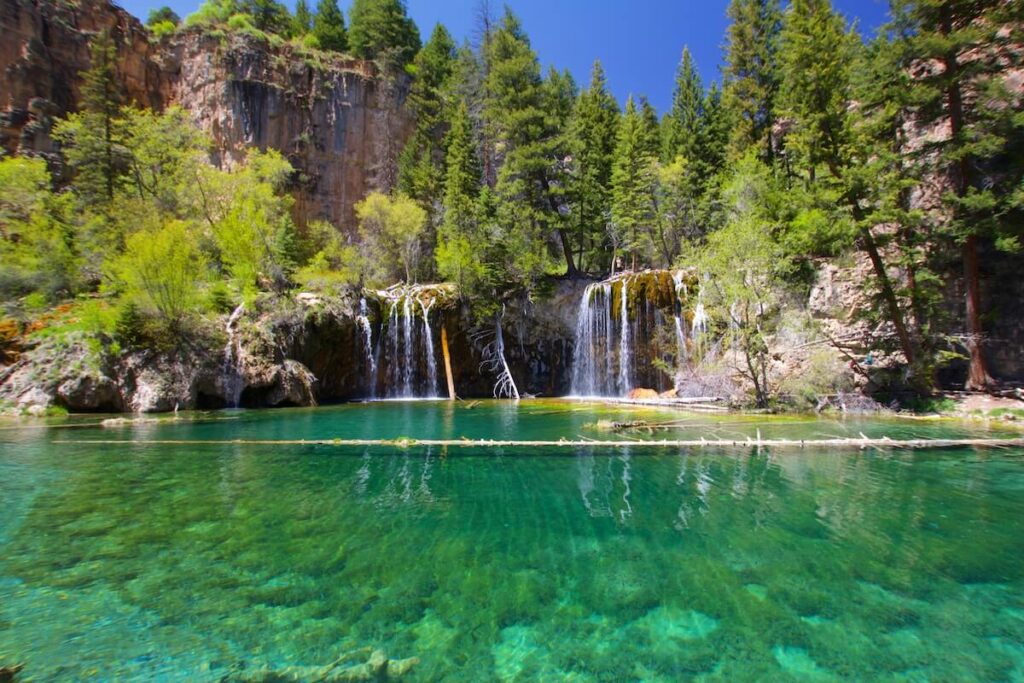
Hanging Lake is a Colorado natural wonder beloved for its translucent turquoise waters and peculiar geology. Located at the end of a 1.2-mile long trail that ascends 1,000 feet through a canyon, Hanging Lake is an oasis of waterfalls, breathtaking scenery, and isolated serenity.
Hanging Lake is also located in a particularly fragile ecosystem. While Leave No Trace is an obligatory policy wherever you go in nature, be even more aware of your presence when visiting a Colorado landmark like this one.
7. Lone Eagle Peak
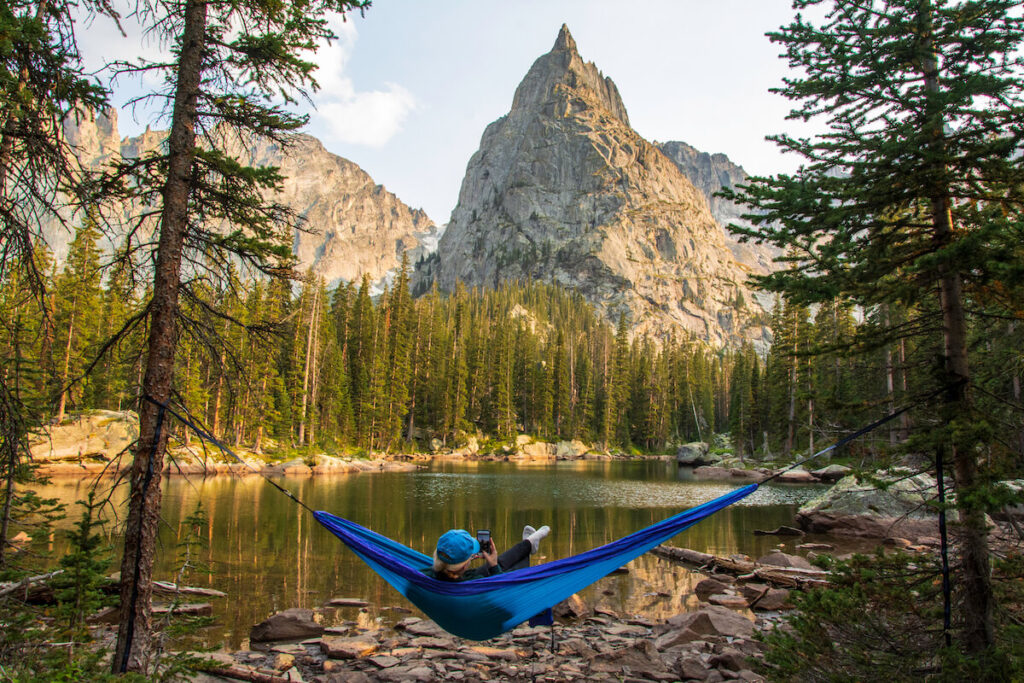
This sharp, solitary peak pierces the sky in the Arapaho National Forest. Lone Eagle Peak can be summited via hiking or climbing. Along the way, you’ll come across fields of wildflowers, grazing moose, roaring waterfalls, and other alpine elements.
Or, you can merely enjoy the dramatic view from the lakes and forests around the mountain’s base. Lone Eagle Peak is a classic natural attraction in Colorado — marvelous, pristine, and unforgettable.
8. Royal Gorge

Among Colorado’s landmarks, Royal Gorge is a peculiar one. Incredibly narrow despite its considerable depth, Royal Gorge is cut by the Arkansas River as it winds out from the Rocky Mountains.
In the past, communities of the Ute people wintered in the gorge, and other Indigenous groups such as the Comanche, Cheyenne, and Sioux used it to access buffalo hunting grounds.
Today, the gorge is a popular spot for whitewater rafting and passengers can hop on a sightseeing train that follows a former transcontinental railway.
9. Pikes Peak

Pikes Peak is the 14,115-foot backdrop to Garden of the Gods, the highest summit of the Front Range of the Rockies. Its long, snow-capped ridge is among the most recognizable of the natural beauties in Colorado.
In the oral history of the Uncompahgre band of the Ute tribe, Pikes Peak is known as Tavakiev, meaning Sun Mountain. It is said to be the birthplace of the people, who traditionally spent summers on and around the mountain.
Also read: 21 Best Mountain Towns in Colorado for Your Next Getaway
10. Aspen clonal colonies

Everyone has heard of the beautiful quaking aspen forests of Colorado. But not so many have had the pleasure of standing amidst an aspen grove as the autumn wind sets the golden leaves fluttering.
Even fewer know that aspens are often grown in clonal colonies, meaning an aspen grove with dozens or hundreds of seemingly-individual trees is actually one organism. Populus tremuloides, the scientific name for quaking aspen, is Colorado’s only native aspen tree and an icon of the state.
Aspen trees are widely-distributed across Colorado, but some of the best places to see aspens are Routt County’s forests and river valleys, Mueller State Park, and the Gold Belt Tour Scenic and Historic Byway.
11. Mesa Verde

Okay, this one’s not entirely natural, but it sure is awe-inspiring. In what is now Mesa Verde National Park, Ancestral Puebloan peoples constructed hundreds of cliff dwellings that were inhabited for centuries.
Beyond these fascinating dwellings that speak to the ingenuity and lifeways of an ancient culture, Mesa Verde National Park is known for its sweeping vistas and stargazing.
12. Cave of the Winds
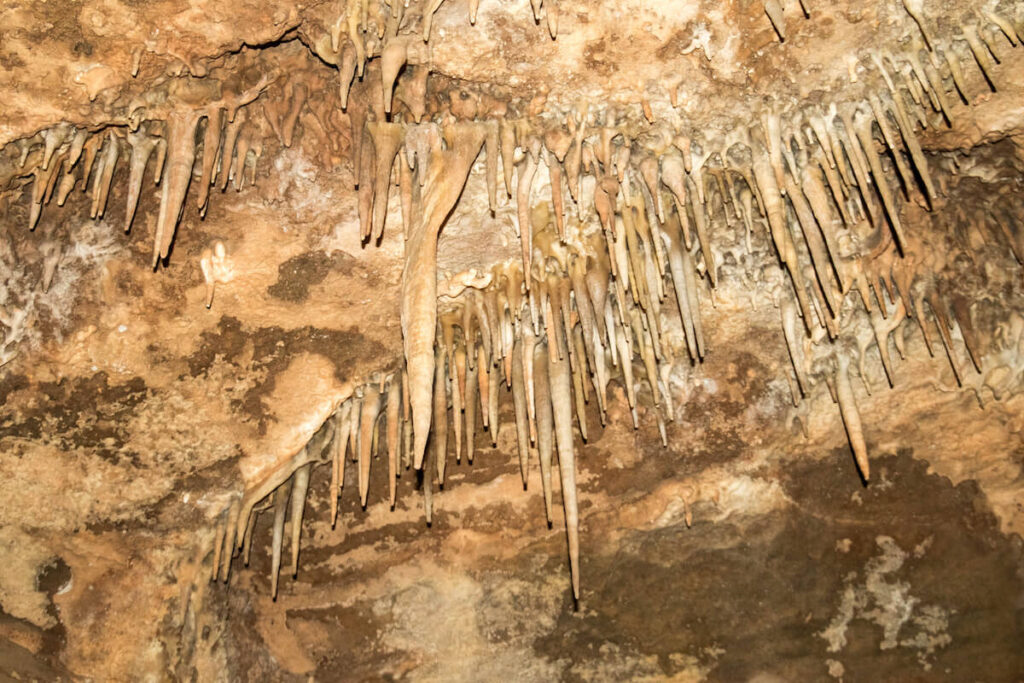
Not far from Pikes Peak, the Cave of the Winds Mountain Park burrows into limestone formations. The cave complex is full of curious geology, such as the Silent Splendor room where crystalline structures grow in apparent defiance of gravity.
The main draw of the Cave of the Winds is those crystalline structures, known as speleothems. While the Silent Splendor room is closed due to the public because of the speleothems’ delicate nature, other fascinating structures can be seen in this Colorado natural wonder.
13. Alpine tundras
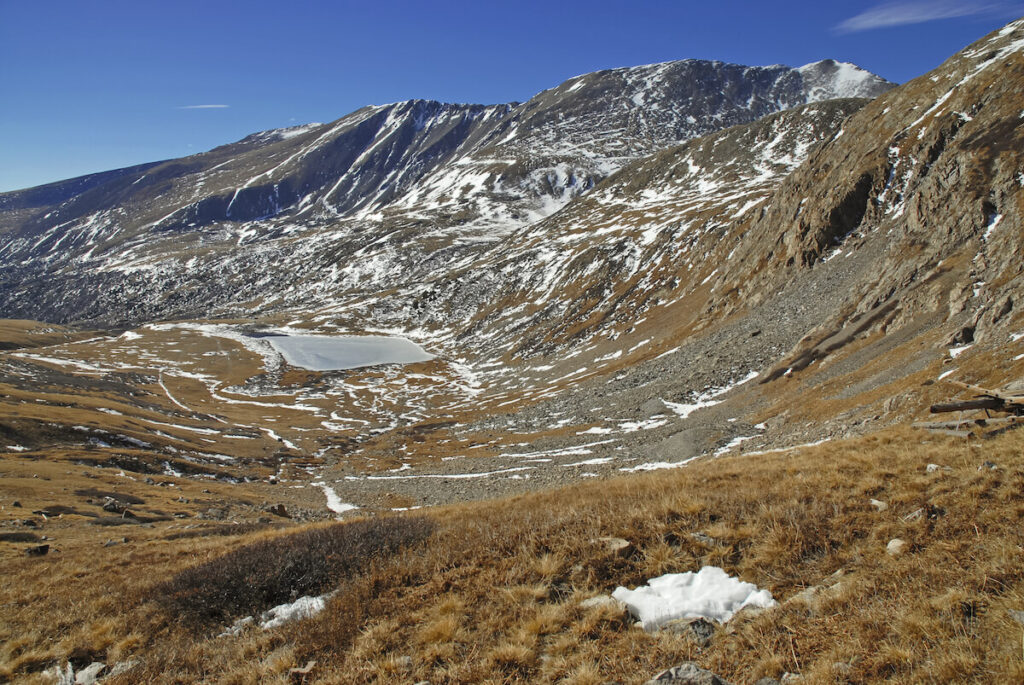
Because Colorado is home to some of the highest peaks in the Rocky Mountains, it has a dense concentration of alpine tundra ecosystems. These ecosystems occur at elevations above the tree line, where plants and animals eke out livings amid harsh, frigid conditions.
Almost one-third of Rocky Mountain National Park is alpine tundra, but the ecosystem can be found across the state. Where there are high peaks, there’s the alpine tundra, a rare biome in the continental United States.
14. Spanish Peaks
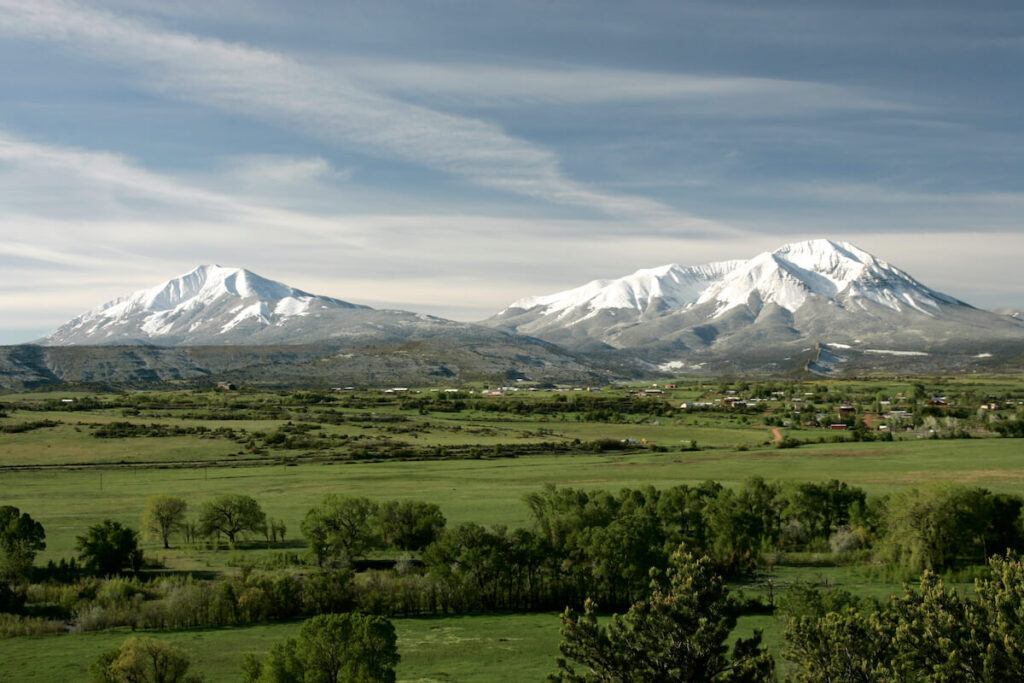
Not to be confused with Picos de Europa in Spain, Spanish Peaks are two prominent mountains that rise from the otherwise low-lying plains of Eastern Colorado.
Known as Huajatolla, or “Double Mountain,” by the Comanche people, these mountains are, in a certain way, the gateway to the Mountain West. East of the 13,631-foot-high Spanish Peaks, no point in the United States reaches such an elevation.
15. Groaning Cave
Another spot of Colorado’s natural beauty is Groaning Cave in White River National Park. In this 15-mile-long cave network, roaring winds in the cave produce a groaning sound that startled early spelunkers.
The cave, which is known for its tight crawls and bat populations, is closed for half of the year to avoid disturbing the bats. A special permit is required to enter the cave.
16. Hot springs

Colorado is bursting with hot springs. Some are accessible by hikes or drives, others are commercialized in luxurious resorts, but all are beloved for their therapeutic properties.
Towns like Steamboat Springs and Pagosa Springs, located on opposite sides of the state, boast a number of hot springs, resorts, and spas. But these hydrothermal features can be found all across Colorado.
17. Wheeler Geological Area

At Wheeler Geological Area, spires and pillars of eroded volcanic ash stick out among the pine copses and rolling hills of Rio Grande National Forest.
The 60-acre geological area is located in the most volcanically active of Colorado’s landscapes. Rain and wind have sculpted the malleable earth into formations reminiscent of great works of architecture.
18. Lost Creek Wilderness

A land of natural arches, granite domes, and disappearing streams not far from Pikes Peak, Lost Creek Wilderness boasts some of the best scenery in Colorado. The 16,000-acre wilderness is popular for outdoor sports, as much in winter as in summer.
Before the recovery of the American Bison population, Lost Creek Wilderness was one of the last havens for the iconic creature.
19. Rocky Mountain National Park

The name alone — Rocky Mountain National Park — strikes wonder into your mind. Less one singular natural wonder of Colorado and rather many, Rocky Mountain National Park is home to some of the best scenery in Colorado: sweeping vistas, towering peaks, glittering lakes, and lush wilderness amid which wildlife flourishes.
Conclusion
As I said, the amount of natural wonders in Colorado is overwhelming but endlessly awe-inspiring Colorado landscapes await you! The mountains are calling — will you go?
Check out our list of natural wonders in North America, South America, the UK, and Asia for more bucket list-worthy trips!