
It’s said that South America is a continent of extremes. From the planet’s largest rainforest and longest river to its driest nonpolar desert and largest waterfall, the continent is full of not just stunning natural wonders, but also great variety and contrast.
Traveling to South America is not just a chance to experience some of the world’s most interesting cultures and cities, but also to see nature like you may have never seen before, and perhaps didn’t even think possible.

So, whether you’re a true nature junkie, or you just need an escape from the city, read on to discover the 25 most beautiful natural wonders in South America.
Table of Contents
1. Amazon Rainforest

Known as the Earth’s lungs, the Amazon is one of the most iconic and well-known natural wonders in South America and on the globe, famous for its emerald jungle, biodiversity, and sheer size. It makes up over half of the planet’s remaining rainforest and is by far the world’s largest.
It is home to over 3 million different species, containing a third of all known plant and animal species on the planet. This makes it the most biodiverse place on Earth.
Spanning nine countries in South America, you can access the rainforest from a variety of points and routes, with each country bringing its own approach to Amazonian tourism and culture.
2. Salar de Uyuni, Bolivia
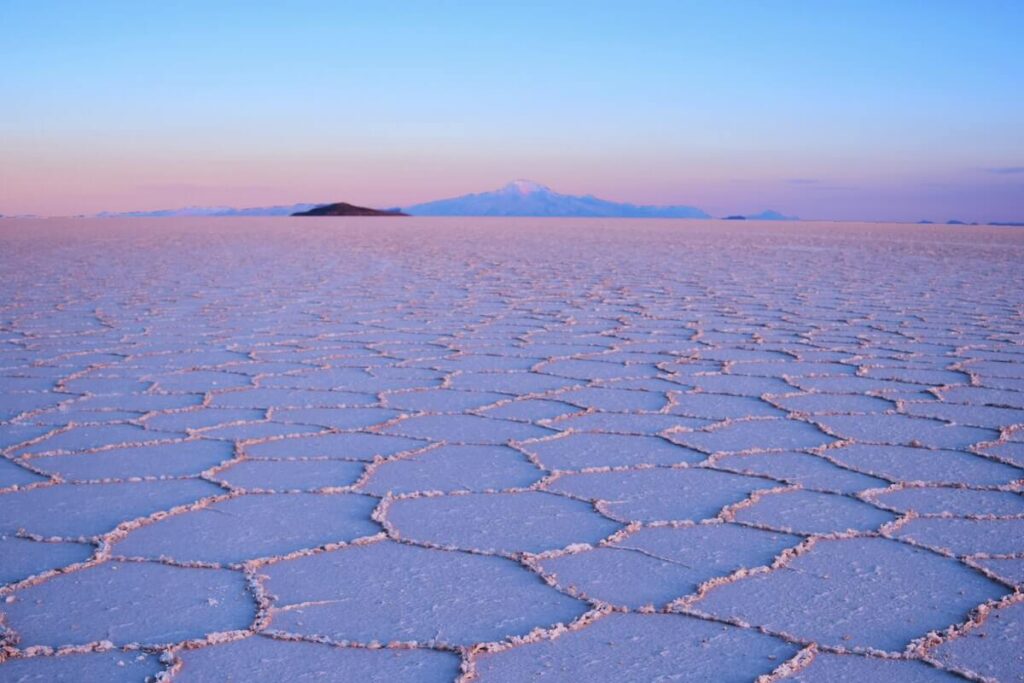
Bolivia’s Salar de Uyuni is one of the most amazing landscapes I have ever seen, and it really can’t be compared to anything else in terms of its individuality and bare expanse.
Over 10,000km2 in size, it is the largest salt flat in the world. Due to the thin layer of calm water that can be found on the salt’s surface during the rainy season, it is also known as the world’s largest mirror, which makes for some stunning photos.
3. Torres del Paine, Chile

Over the past few years, the Torres del Paine has become a global tourist hotspot, with trekking enthusiasts traveling across the world to reach Patagonia’s most famous natural wonder.
The three granite peaks, or towers (torres), are the National Park’s most iconic feature and they’re even more glorious in real life than in the pictures. Similarly, the striking turquoise water of the Mirador Las Torres can’t be done justice on camera, so you’ll have to pay a visit yourself.
Also read: Hiking in Chilean Patagonia: A Guide for First-Timers
4. Sacred Valley, Peru
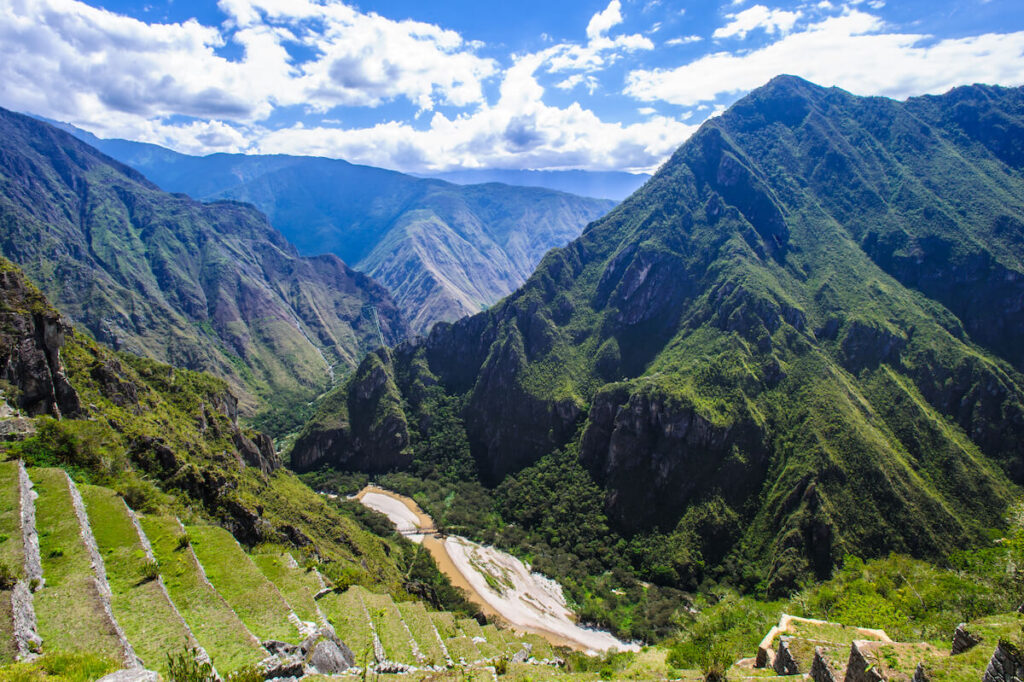
Peru‘s Machu Picchu is obviously famous as one of the world’s most iconic cultural wonders and one of the crowning achievements of the Inca civilization. But it’s not just the ruins that are stunning – the landscapes of the Sacred Valley that surround the citadel are incredible.
In fact, it is thought that Machu Picchu was built in its chosen location because the Huayna Picchu mountain was sacred to the Incas. Towering over the site, it can be seen from miles away, either on the Inca Trail or the Salcantay Trail.
5. Iguaçu/Iguazu Falls, Brazil and Argentina

Iguaçu Falls (in Portuguese) or Iguazú Falls (in Spanish) are a set of waterfalls that together make up the largest waterfall system in the world. There are around 275 separate falls, depending on the season and level of rainfall.
The Falls can be accessed from either the Argentinian or Brazilian side of the border, with both providing a unique way to experience this natural wonder and its surrounding jungle ecosystem.
6. Lençois Maranhenses, Brazil
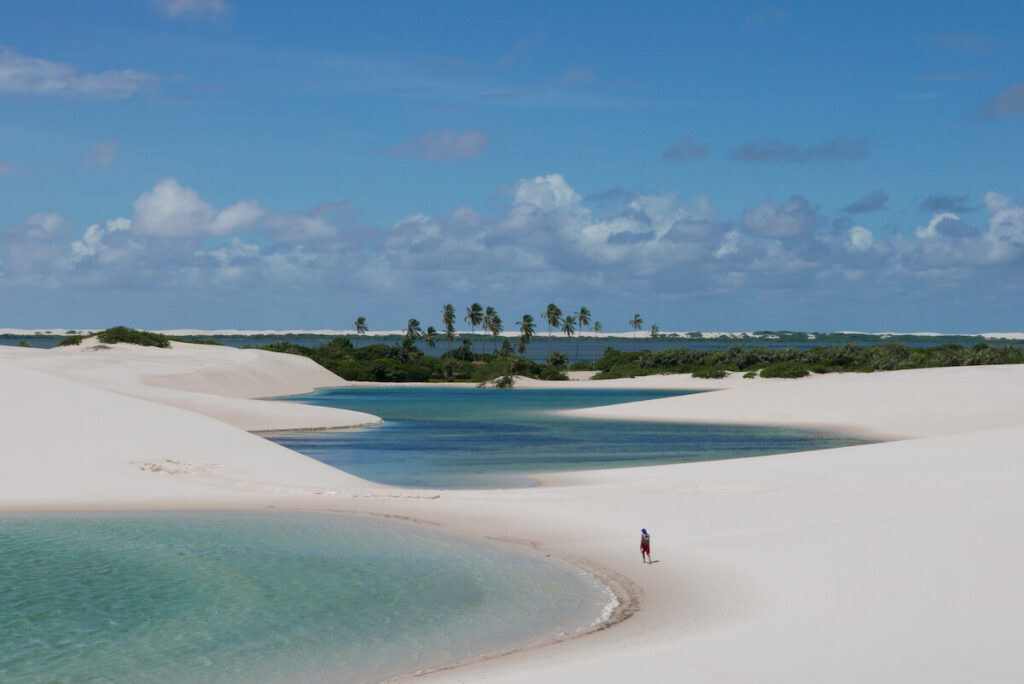
The Lençois Maranhenses national park is home to over 1500km2 of rolling sand dunes and freshwater lagoons. The park is aptly named Lençois, the Portuguese word for bedsheets, for the white ripple look that the dunes provide from a distance.
This is definitely among the most beautiful and idyllic places I’ve ever seen, and a true highlight of any trip to Brazil. Make sure to bring your swimming costume for a dip in the most stunning lagoons you’ll see.
7. Lake Titicaca, Peru and Bolivia

The highest navigable lake in the world, Lake Titicaca is so expansive that it can be seen from space. It separates the countries of Peru and Bolivia, and makes a perfect way to explore these two Andean countries.
Titicaca is home to a number of indigenous groups who have inhabited the lake for centuries and care for its health. Boat trips from the locals, in traditional reed vessels, are a great way to see South America’s largest lake.
8. Perito Moreno Glacier, Argentina

One of the highlights of Patagonia, the Perito Moreno glacier is a must-see attraction if you’re in the region. The ice field is the third-largest reserve of fresh water in the world, and tastes amazing! It is also one of the only glaciers in the world that is still growing rather than shrinking.
From the national park’s walkways, you can see huge bits of ice collapse and fall into the river a few times every hour. It’s a magnificent site. And, with the right tour company, you can even walk on the glacier!
9. Queulat Hanging Glacier, Chile
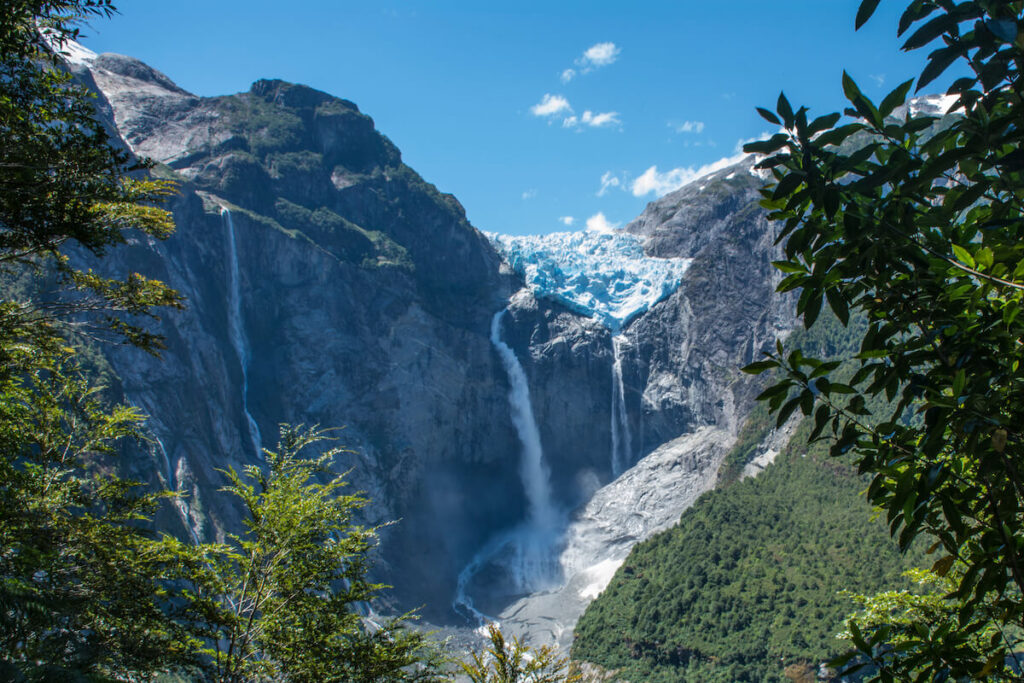
Queulat National Park is home to what is known as the hanging glacier, a glacier perched at the heights of the mountains, with a magnificent waterfall falling down the rock face from the edge of the glacier.
Located along Chile’s Carretera Austral, a mega highway spanning over 1200 kilometers, it’s one of the main highlights of the road’s journey.
And it’s not just the glacier that is so amazing – the Mirador del Ventisquero Trail will take you through some of Patagonia’s most glorious landscapes on the way there.
10. The Pantanal, Brazil

The Pantanal is a natural area spanning the southwest of Brazil, which holds the world’s largest tropical wetlands. The area has a large biodiversity and is one of the best regions for a safari-like experience of South American landscapes.
It is among the best places in the world to see jaguars in their natural habitat, with one of the largest populations in the world. Caimans, capybaras, and macaws all make the Pantanal their home too.
11. Fitz Roy Mountain, Argentina
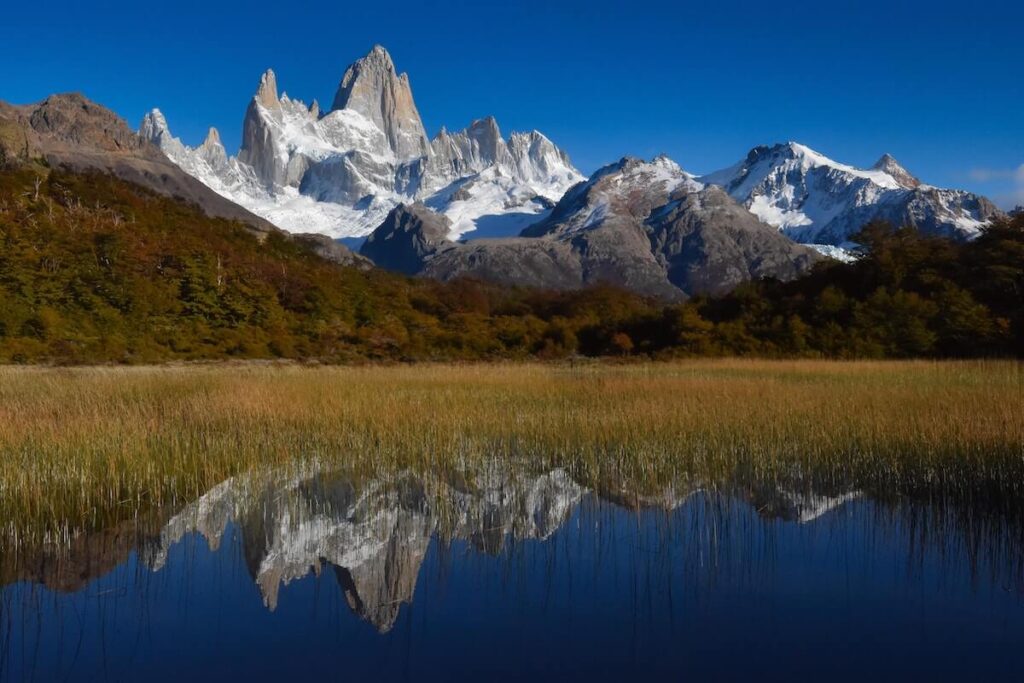
Argentina’s rival to Torres del Paine is Fitz Roy Mountain. Though not as famous as Chile’s towers, Fitz Roy is no less amazing.
Its stone peaks can be seen from a large section of the trails surrounding the trekking mecca of El Chaltén. The most popular and stunning place to view the peaks is Laguna de los Tres, famous for its steep climb to the summit and turquoise mountain lake.
12. Mount Roraima, Venezuela
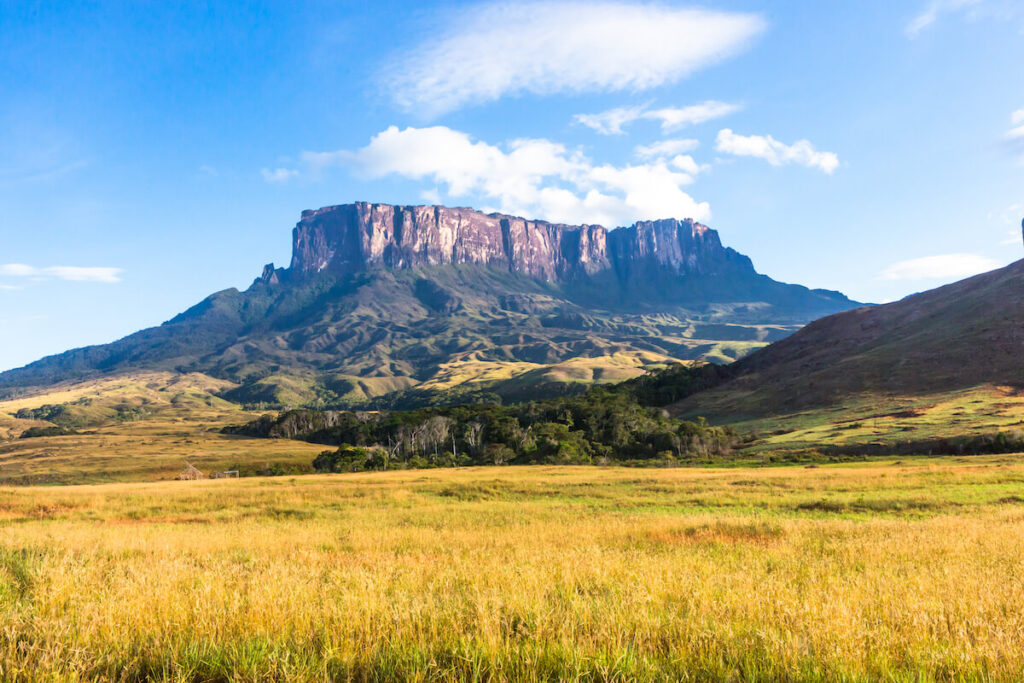
Mount Roraima is a tabletop mountain, meaning that its top is a wide flat plateau. It is home to a wide variety of flora and fauna, which remains largely undisturbed due to the isolated location of the mountain.
Climbing the mountain is a popular activity among tourists, and provides views of the undisturbed South American jungle as far as the eye can see.
13. Atacama Desert, Chile
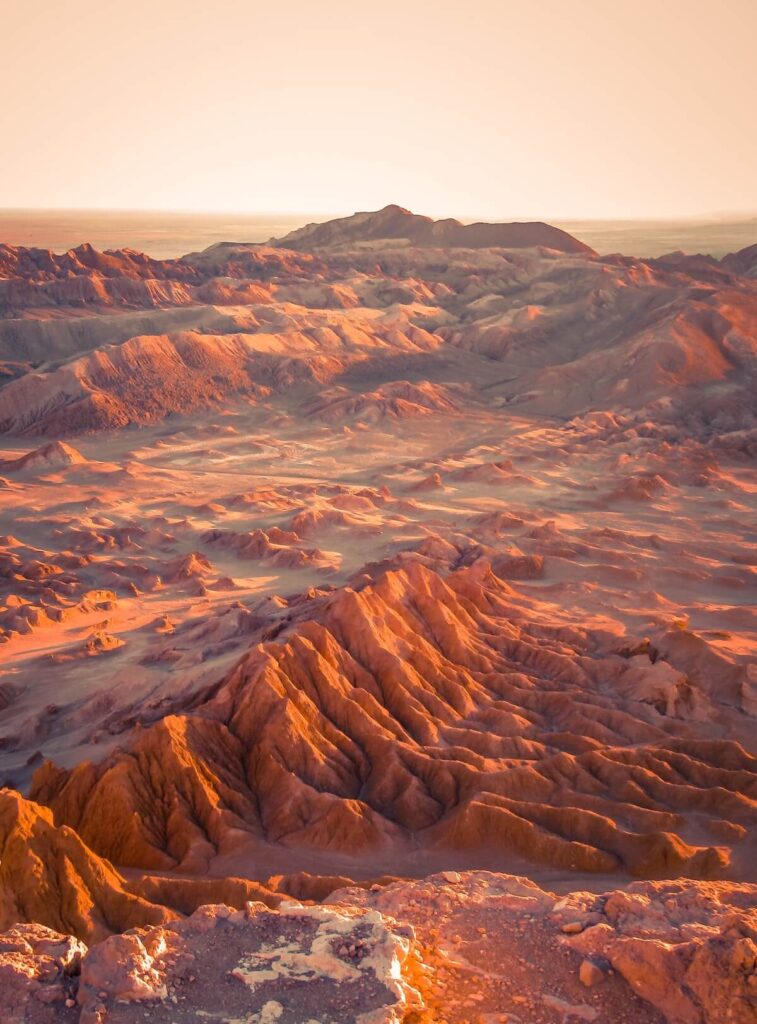
The Atacama Desert is the world’s driest nonpolar desert, producing a landscape reminiscent of Mars that never fails to wonder visitors.
It is one of the most impressive natural wonders in South America, with alluring energy produced in the desert’s barren yet enticing landscape of sand, rock, craters, volcanoes, and geysers.
The Atacama is also said to be the best place on the planet to watch the skies, due to its height, dryness, and lack of pollution.
14. Kaieteur Falls, Guyana

Kaieteur Falls is a must-visit location for anyone who visits the small South American country of Guyana. It is the largest single-drop waterfall in the world, found in the middle of the Guyanese section of the Amazon rainforest.
The Falls are over four times the height of Niagara Falls and twice the size of Victoria Falls. Located deep in the Guyanese Amazon, it is unspoiled, and also counts among the most powerful waterfalls in the world.
15. Colca Canyon, Peru
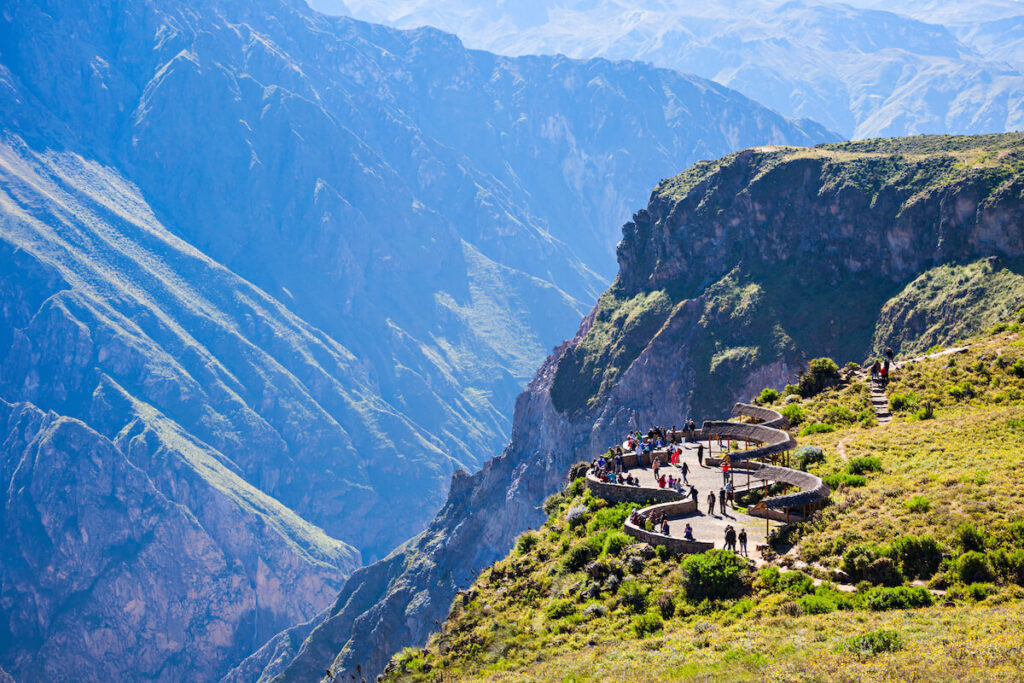
The Colca Canyon is one of the deepest canyons in the world, with a depth of 3400m at its deepest point. Traversing the Andes for more than 100km, the canyon’s rocky abyss is an impressive sight.
It is also a great location in South America to see the close-range flying of native condors, who commonly populate the area. The giant hummingbird, vizcacha (who resemble rabbits with no biological relation), and even pumas, also form part of the canyon’s ecosystem.
16. Galapagos Islands, Ecuador

The Galapagos Islands are one of South America’s most iconic and well-known natural highlights, responsible for the growth of a strong sustainable eco-tourism sector in Ecuador.
Famous for their isolated natural ecosystem, the islands are home to a large number of species not found anywhere else in the world, including the famous blue-footed boobies. It was here that Charles Darwin developed his theories of evolution and natural selection.
17. Tayrona National Park, Colombia

Colombia is famous for its stunning Caribbean beaches, and the Tayrona National Park is no exception. The sandy shore and bluest waters make the park one of Colombia’s most beautiful natural attractions.
The National Park is home to a variety of climates and geographies, meaning there’s plenty to explore beyond the beaches – not that you’ll ever want to leave them.
18. Angel Falls, Venezuela

Angel Falls is the waterfall with the world’s highest uninterrupted drop, at 997 meters and with a plunge of 807 meters.
The Falls can be seen from many kilometers away and can be reached by a river trip or trekking tour. The best time to see the falls is from June to December, during wet season, when the waterfall deposits the largest volume of water.
19. Tierra del Fuego, Chile and Argentina

This island shared between Chile and Argentina is the most southernly inhabited part of the world, excluding Antarctica. It’s home to some wonderful landscapes across the two countries, and a number of national parks filled with natural wonders.
Ushuaia is Tierra del Fuego’s largest city and cultural capital, as well as being a trekking paradise, with a number of trails varied in landscape type and difficulty. The sheer cold and wintery landscape of Ushuaia is a strong contrast to the more northern jungles of South America.
20. Rosario Islands, Colombia

The Rosario Islands are an archipelago found off the north of Colombia’s Caribbean coast, most notable for their wide expanse of coral reefs.
The coral reefs are largely unspoiled, and the reason for the creation of the National Park here is to protect their biodiversity. The Rosario Islands themselves are also very idyllic, providing a beautiful location to explore the Caribbean Sea.
21. Chapada Diamantina, Brazil

For trekking lovers, the Chapada Diamantina in the Brazilian state of Bahia provides a paradise. Formerly an area rich in minerals and diamonds (hence “Diamantina”), it is now a space that is bathed in green landscapes, crazy rock formations, and huge valleys.
The 5-day trek through Valé do Pati will take you to the National Park’s main highlights, and the Cachoeira da Fumaçawhich flows out of the mountain’s rock face is a must-see.
22. Cañon del Inca, Bolivia

The Cañon del Inca trail in Bolivia is one of the lesser-known natural attractions in South America, but also one of the coolest.
Traveling to the canyon will make you feel like you’re walking on Mars, with the landscape’s red rocks reminiscent of a sci-fi film. The three colors of blue sky, red rock, and green arid cacti make for a sensory treat.
It is possible to traverse the trail to the canyon on foot, or even take a local horse from the town of Tupiza, which finds itself bathed in surrounding rock formations.
23. Sangay National Park, Ecuador

The Sangay National Park proves that Ecuador’s natural beauty can be found well beyond its most iconic spot of the Galapagos Islands.
With a range of greatly varied ecosystems, from glaciers to tropical rainforests and two active volcanoes, the Sangay National Park is a perfect example of South America’s natural diversity. The Sangay volcano, which gives the park its name, is one of the world’s most active volcanoes, found at over 5100m above sea level.
24. Caño Cristales, Colombia

Often nicknamed the “River of Five Colors”, the Caño Cristales is a true natural wonder for its vivid kaleidoscope of colors and idyllic natural setting in the middle of La Macarena National Park.
From July to November every year, the water of the river predominantly appears a strong crimson color, due to the presence of local algae. Yellows, greens, and blues also add to the sensory occasion.
25. Sugarloaf Mountain, Brazil
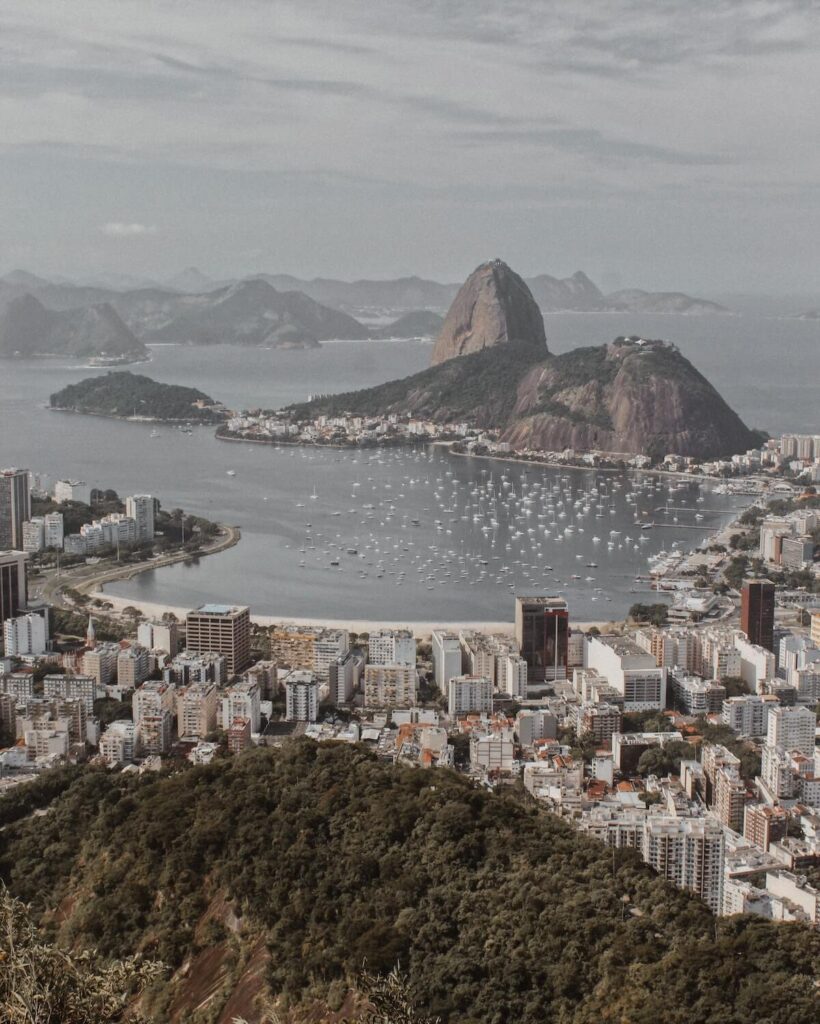
Rio de Janeiro is one of the world’s most famous and beautiful cities, and its stunning natural surroundings are a large reason for that. Sugarloaf Mountain (or Pão de Açúcar in Portuguese) towers over Copacabana beach, leaving tourists and locals alike in awe of its size and beauty.
Via a cable car, you can head up to the top of this natural wonder in Brazil, giving a perfect view of the iconic city and the Atlantic Ocean.
Conclusion
That concludes our list of the 25 most beautiful natural wonders in South America. The continent is indeed replete with natural landmarks that will awe-inspire anyone. Which one’s your favorite?