
Is Italy good for international students? You’re not alone if you’ve been asking yourself that.
That’s not really a hard question, though. From the country’s great education infrastructure to the fantastic artistic heritage you’ll be exposed to, I’ll give you as many as 16 benefits of studying in Italy.

I honestly wish an article like this had been around when I made up my mind about studying in Italy a few years ago.
Luckily, I decided to go anyway — and that turned out to be one of the best things I ever did for myself!
Table of Contents
Why Italy is good for international students
1. You’ll get to pick between countless programs.

Italy has a highly developed and diversified economy where teaching and learning play a major role. That includes the old-school college lecture that you see above — as well as a whole lot more.
Think of a four-week fashion seminar or cooking course, or maybe just five wine-tasting lessons over a few weeks so you can have enough time to explore the country.
Otherwise, if your Italian doesn’t go much beyond buongiorno yet, you could do a full immersion and fly home with fluency in Italian under your belt.
College students, in turn, shouldn’t miss the chance of going on a study-abroad semester or year in Italy like I was able to experience.
2. Learning Italian will be way easier.
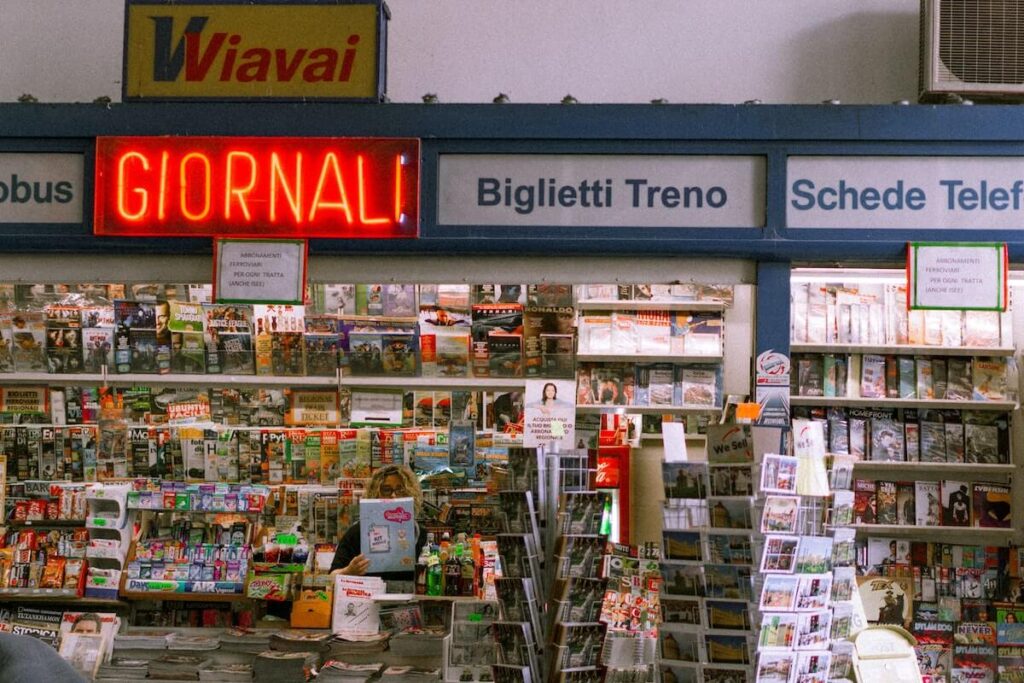
These days, you can rely on multiple resources to learn Italian on your own. Then you have the good ole’ in-person classes, which had me communicating in Italian before traveling to Italy.
Still, nothing beats a full immersion in terms of effectiveness, as you’ll be forced to overcome your insecurities and ignore the minor mistakes you’ll be bound to make.
When you get close to the end of your stay, you can take an exam like CILS or CELI to earn a certificate of proficiency and make it official on your resume.
3. Italy’s artistic heritage is unrivaled.
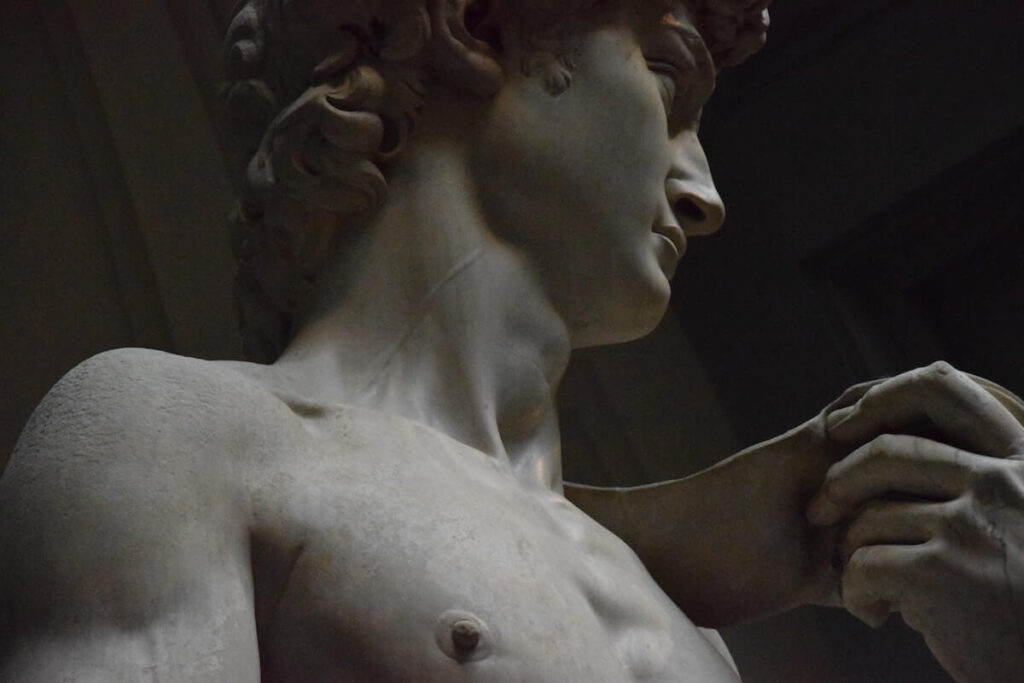
Like all empires, the Roman Empire eventually fell, but it left behind an ideal of beauty and symmetry that artists and intellectuals would rediscover about 1,000 years later — that’s roughly how the Renaissance came about.
Masterpieces like The Birth of Venus, the Sistine Chapel, and The Last Supper, which are now a single ticket away from your awestruck eyes, would go on to influence generations of artists and inspire viewers to this day.
Italy’s artistic achievements didn’t end with the Renaissance, of course. The styles that replaced it cemented the country’s fame as a land of artistic brilliance.
Today, spanning Maurizio Cattelan’s controversial sculptures and Mahmood’s poetry-turned-dance-music and everything in between, Italian contemporary is alive and well.
4. The cuisine is to die for.
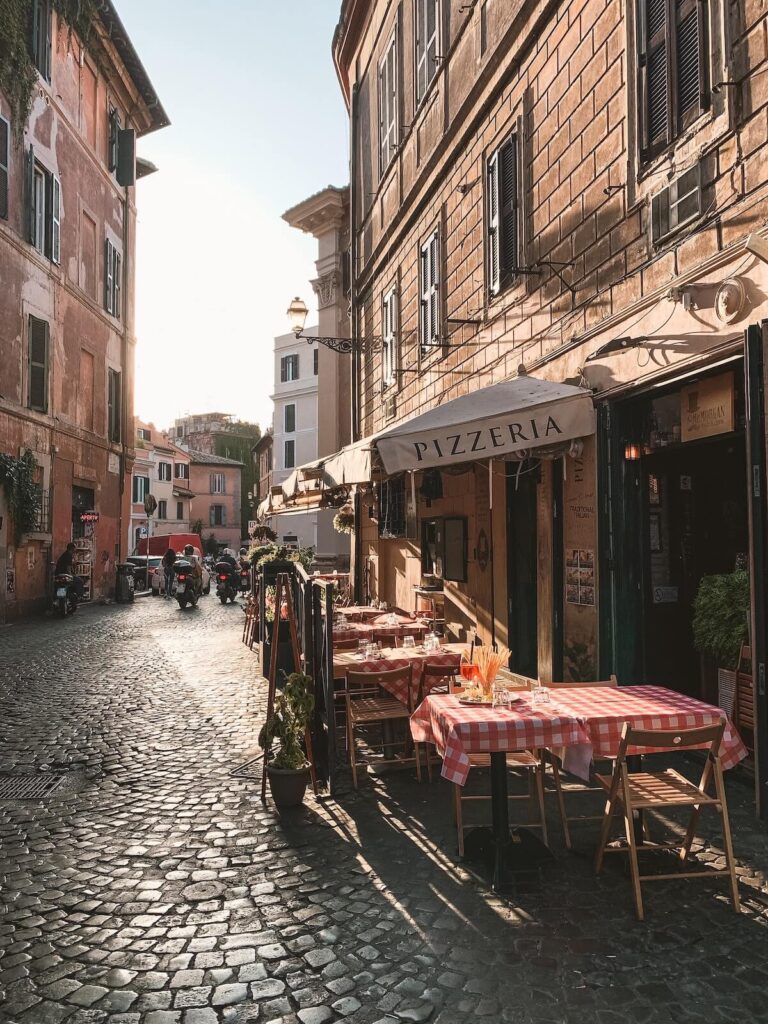
It’s almost funny how Italians seem to have taken it upon themselves to fiercely protect their vast culinary tradition, which has been carefully crafted for centuries.
Only that could explain why fast-food giants like Starbucks and McDonald’s fare so poorly nationwide and are normally restricted to touristy areas in large cities.
You too will get hooked on all the authentic pizza, hundreds of types of pasta, fresh seafood, and refined pastry that you usually need simply to turn the corner to find.
You may even take to cooking if you don’t yet, as chances are Italy will forever ruin Domino’s and Olive Garden for you — at least that’s what happened to me.
5. A huge community of foreign students will welcome you.
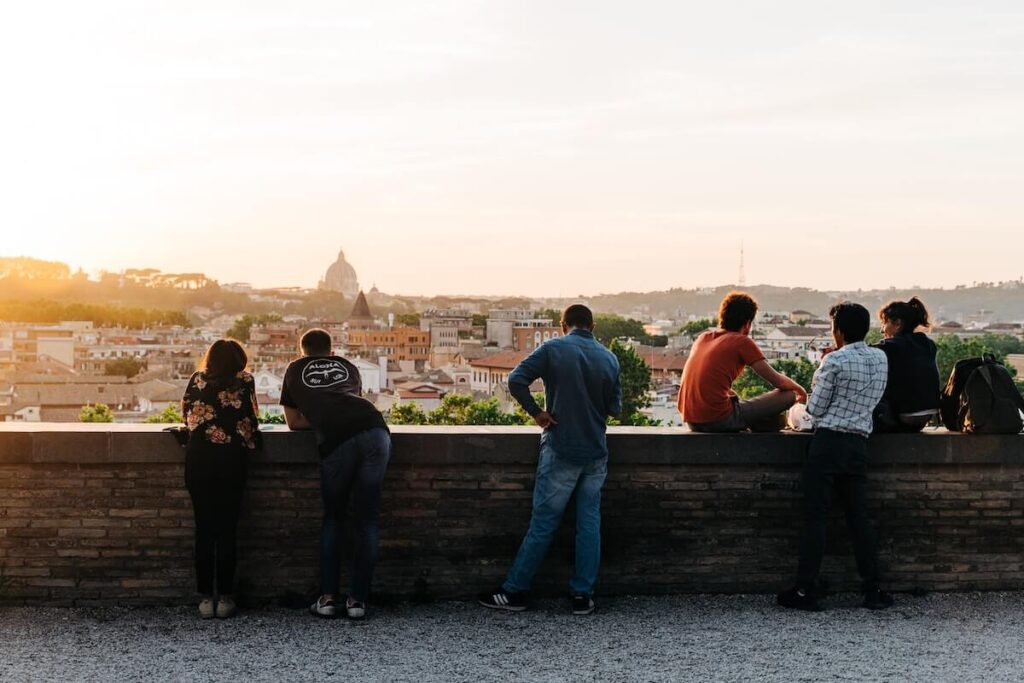
Statistics vary widely, but Italy is consistently among the top 10 nations by international student enrollment. Every year, tens of thousands of students land in the country to stay for a month, a semester, or a year.
And although Italians are typically friendly and outgoing, your first friends will likely be fellow foreign students, who like you will be on their own in a country they know little about.
That makes getting to know them better all the more exciting, as you’ll be able to help one another communicate in Italian, navigate your way through the lessons, and handle the paperwork in case you’re staying for more than three months.
6. Education infrastructure is generally top-notch.

Some of the leading universities in Italy when it comes to infrastructure are private and quite expensive, like the prestigious Bocconi (above) in Milan and Luiss Guido Carli in Rome.
Yet each region of the country is equipped with at least one public university with a large endowment, which allows for top-notch infrastructure and results in an extremely worthwhile investment for international students.
7. For the most part, so is urban infrastructure.
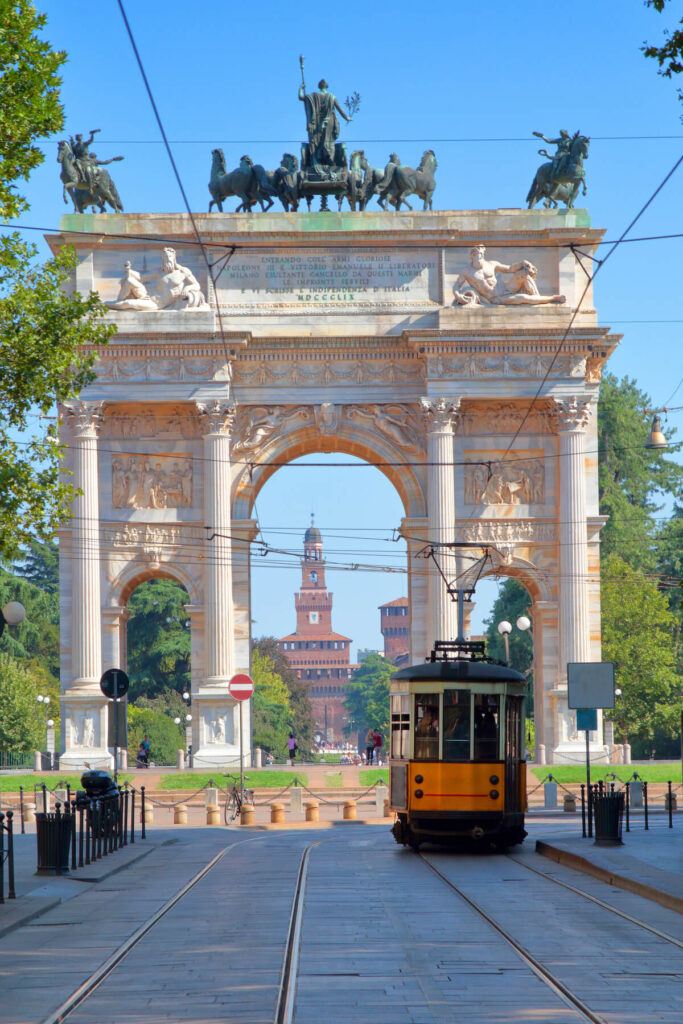
Now, is Italy safe for international students? Luckily, you can walk around both big cities like Milan and smaller ones like Pisa day and night without experiencing that ominous feeling of impending doom that tons of places around the world are notorious for.
You won’t see many cops around because they’re not very much in demand. Of course, you’ll need to be careful around train stations and generally avoid the outskirts of Milan, Rome, and Naples, which shouldn’t be too hard.
As for moving around, all the major cities have a subway system (though only Milan’s is truly comprehensive). Folks in smaller towns ride trams and buses, which are usually clean, reliable, and efficient.
8. The architecture will never cease to amaze you.
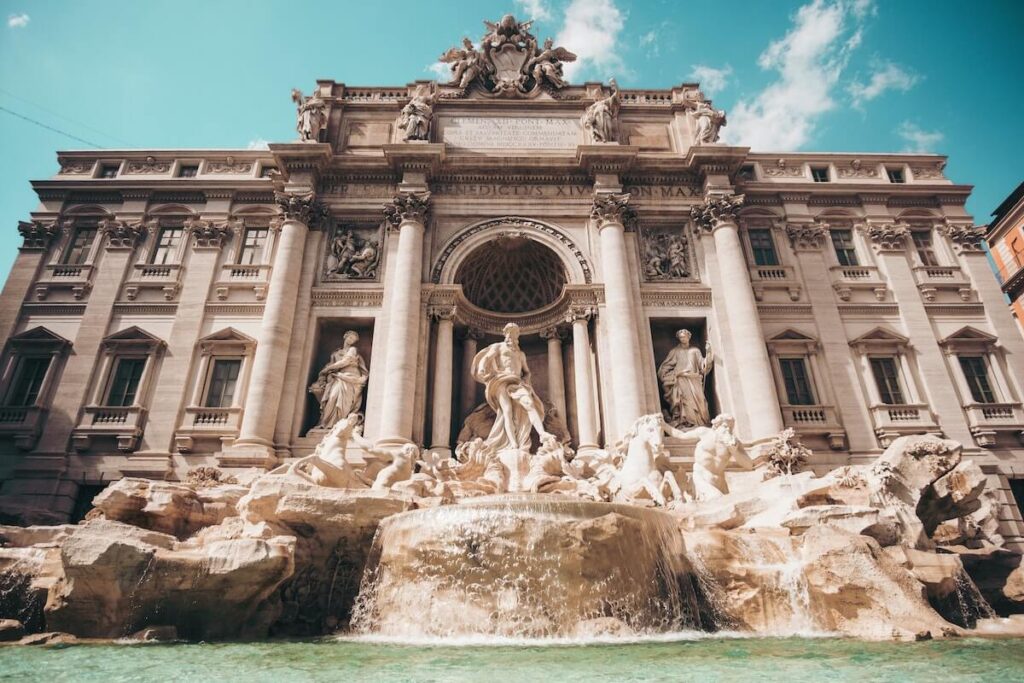
Most Italian cities and towns look like open-air museums, a real feast for the curious traveler. Even Milan, which Italians often loudly write off as an ugly concrete jungle, feels impressive and historic to folks coming from newer corners of the globe like me.
While studying in Italy, you’ll have nothing but time to meander through the ancient ruins of Rome, the Renaissance palaces of Florence, and the Baroque churches of Naples — not to mention medieval towns like San Gimignano and Assisi, which are straight out of a fairy tale.
9. For western European standards, Italy is pretty affordable.
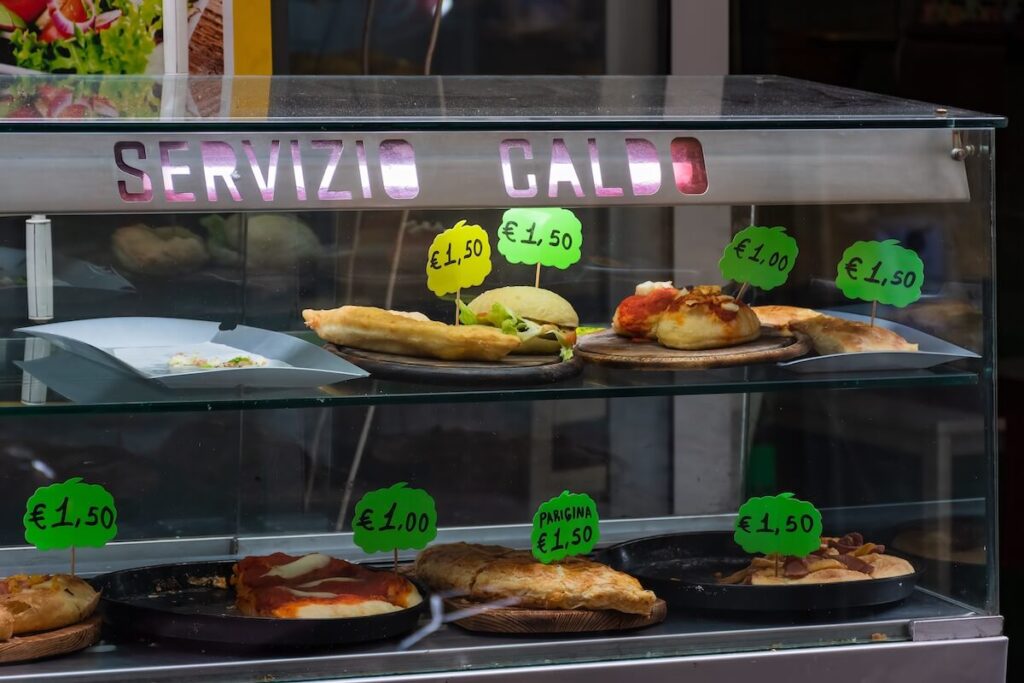
By a bunch of metrics, Italy is cheaper than virtually every country in western Europe, except for Portugal and Spain.
It basically ties with Germany, beats France and Austria, and the UK by a decent margin, and destroys Switzerland and the majority of Scandinavian nations.
Perhaps more astonishingly, Rome ranks as the 75th most expensive city in the whole of Europe, and Florence is 59th. Milan, which is infamously exorbitant on a national scale, ranks 28th, behind London, Paris, and Amsterdam.
What’s more, if you pick a smaller town in the South, you’ll probably be treated to Eastern European prices there.
10. The country is peppered with natural wonders.

Italy’s immense architectural heritage somewhat overshadows its natural beauty, which is to the very least unfair. The Alps may be Italy’s best-known natural wonder, but the entire peninsula is dotted with beaches with teal-blue water, secluded islands, and imposing forests.
The most magnificent of them are protected by their national park status. The reserves are spread across almost four million acres, which accounts for over 5% of Italy’s landmass, and include breathtaking sights like the Three Peaks of Lavaredo in the foothill of the Alps, as you can see above.
11. You’ll have easy access to the rest of Europe.

Traveling by train throughout Italy is easy and cheap. Yet given the country is close to the geographic center of Europe, you’ll be close to all your bucket-list destinations in the Old Continent.
Besides, a marvelous specter is haunting Europe — the specter of low-cost flights. For 30 to 50 dollars, you can be in London, Lisbon, Athens, or Marrakesh in a couple of hours from Milan.
Surely, that means you’ll need to pick a big city to study in. That said, southern cities like Bari in the gorgeous Apuglia region are served by direct flights to Paris or Budapest as well (for 100+ bucks, though).
12. Italy is stunning in all seasons.
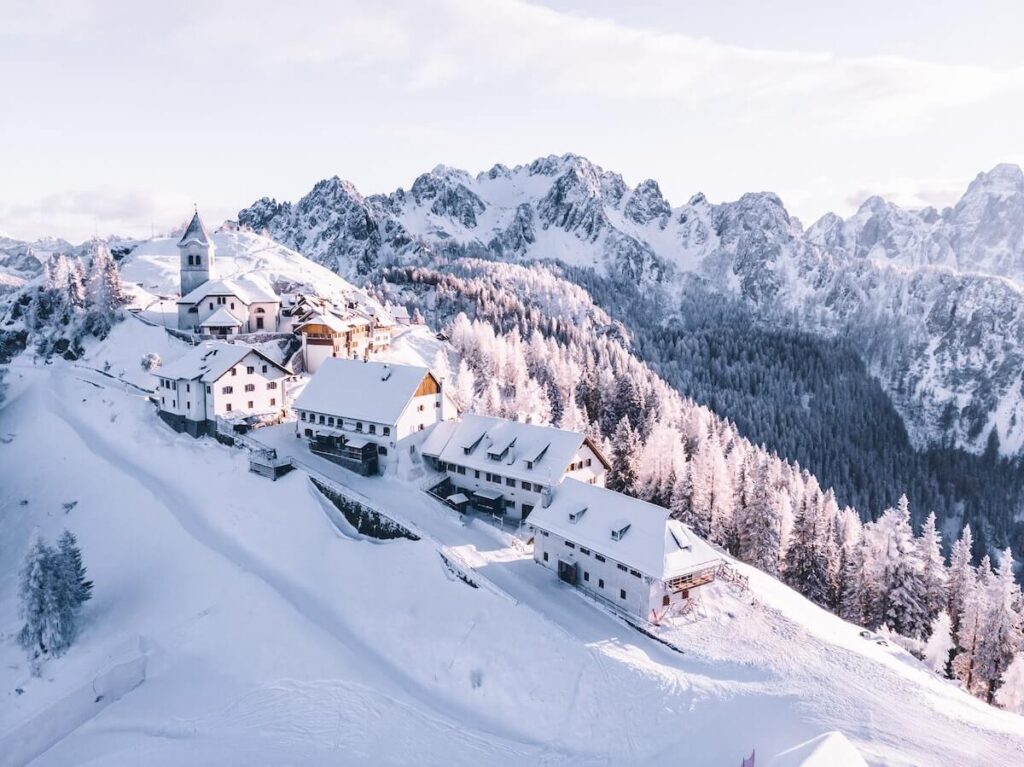
As is typical in the Mediterranean, Italy has a mild climate throughout the year. Sure, the South gets a few more heat waves, and the North receives a few more inches of snow.
But even at the height of summer or winter, you’ll find a dozen reasons to fall in love with Italy. Summers by the beach are just glorious, while in the winter you can always hit the mountains for the coolest snow adventures.
Still, I have to say spring and fall are the best. Temperatures are perfect, crowds are nowhere to be seen, and both cities and the countryside look magical.
13. Nightlife is vibrant year-round.
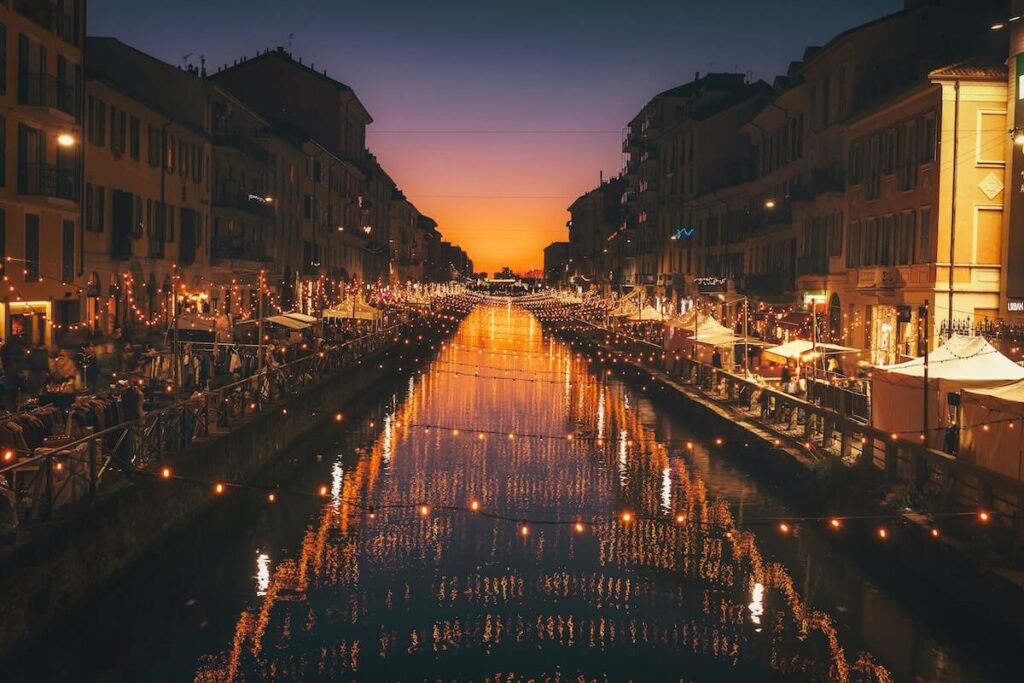
Overall, this will again depend on you staying in a big city. In the warmer months, however, it’s a whole nother story. At each corner of the country, folks linger outside to hang out over a couple of drinks and enjoy the extra hours of daylight.
On top of that, beach destinations like the Versilia coast in Tuscany and the Riviera Romagnola near Bologna reveal their wild side through a hectic party scene.
If you like partying hard year-round, head to Rome, Milan, or Naples instead — or anywhere near these exuberant cities.
14. Italians are just fascinating.

Though Italians can perfectly show their adorable personality when speaking English, this may be something learning Italian will help you get.
The thing is they’re sociable, witty, fun-loving, and passionate (as a rule of thumb, of course). Opinionated people often come across as obnoxious, yet oddly that’s really part of what makes Italians that magnetic.
Even better, they usually enjoy interacting with foreigners and learning what you think of their country or giving you tips on what to do and where to go. Before you know it, you’ve made a new friend.
15. The healthy lifestyle will win you over.
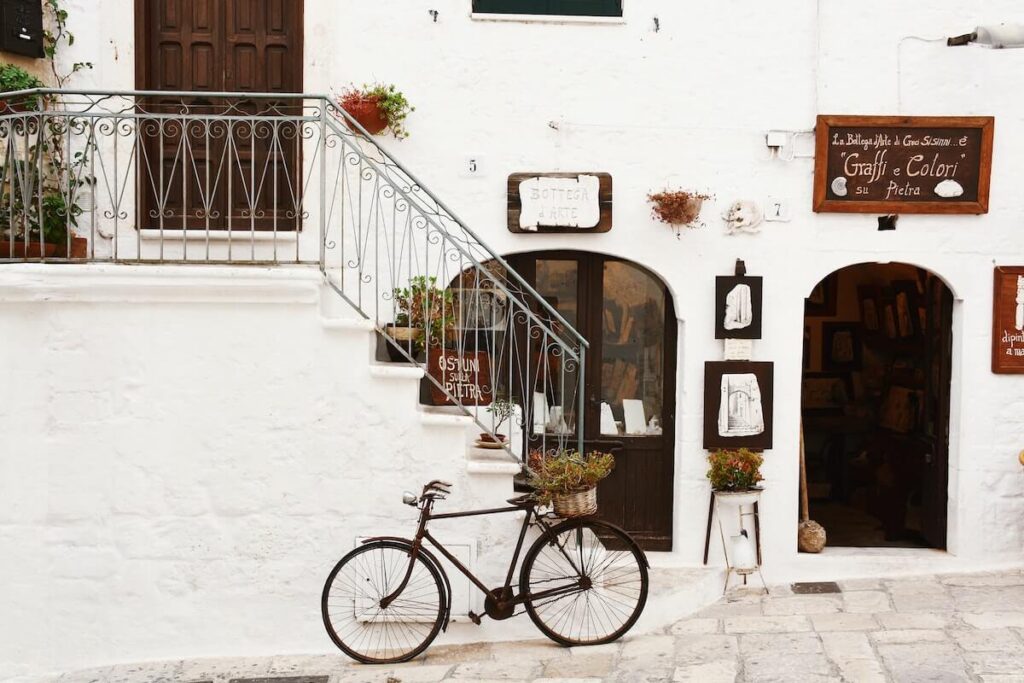
Italians aren’t as obsessed with dieting and exercising as so many other western nations, and ironically that may be their secret to leading long, healthy lives.
They normally like their food to be fresh and balanced in terms of both flavor and nutrients. They’re also used to walking a lot, and most love hiking or cycling without necessarily doing it on a regular basis.
The fact that Italy boasts one of the highest life expectancies on Earth and one the lowest obesity rates in Europe and the developed world shouldn’t come as a shock. Not only that, they have a particular joie de vivre that makes it seem like they’re waltzing through life.
16. Fashion is the name of the game.

While I say this with the obvious bias of someone who studied in Milan, I made a point of noticing how folks dressed in each part of Italy I visited.
Granted, people tend to overdress a little in Italy’s fashion capital, but across the country, almost everyone cares deeply about how they look — and they’ll often show off the designer clothes they snatched during sales season.
I’ll never forget the one time I saw a woman wearing PJs on a train. If it wasn’t for her fluent Italian, I would’ve taken her for a foreigner.
Final thoughts

Studying in Italy as an international student can easily be one the most life-changing experiences you’ll ever have, I promise.
You’ll be surrounded by a unique culture, learn a beautiful language, and get to visit world-famous landmarks both in Italy itself and all around Europe.
So don’t think twice before applying to study in the country for a handful of weeks, several months, or even a year — you’ll never get sick of it!