
Bologna is known for its miles of historic porticoes, its leaning medieval towers, and its gorgeous Piazza Maggiore. It’s also noted for its yummy culinary tradition, which gave us lasagna and Bolognese sauce, and for a thriving culture and music scene.

If you want to find out the top answers to the question “What is Bologna known for?”, tag along and I’ll show you around one of my favorite cities in Italy.
Table of Contents
Bologna boasts stunning landmarks
1. The two towers

Bologna is often called the city of towers thanks to its iconic landmarks, Torre degli Asinelli and Torre Garisenda, which loom over the city and dominate its skyline.
These impressive buildings were erected in the Middle Ages and, despite the passing of centuries, still stand as a testament to the city’s rich cultural heritage.
The Torre degli Asinelli, standing at 318 feet, is the tallest leaning tower in Italy (Pisa’s is a mere 190 feet), whereas the shorter Torre Garisenda is notorious for its dramatic leaning angle.
Similar towers once dotted the cityscape, as the wealthiest families built them higher to show off their power and prestige.
Today, you can climb the Torre degli Asinelli for breathtaking views of Bologna and to experience the thrill of standing atop one of the most suggestive towers in Italy. Though I was really short of breath when I got up there, it was 100% worth it.
2. Porticoes

Stretching for almost 24 miles around the city, the porticoes in Bologna are an architectural marvel. These covered walkways are a defining feature of Bologna and an integral part of its history and culture.
Dating back to the Middle Ages, they were built to provide shelter from the elements, and their purpose has evolved over time. They’re a currently shaded walkway that is perfect for strolling and window shopping.
In recognition of their importance, the porticoes have been designated a UNESCO World Heritage Site. That’s fitting; walking under them you feel like you’re walking through history.
3. Piazza Maggiore
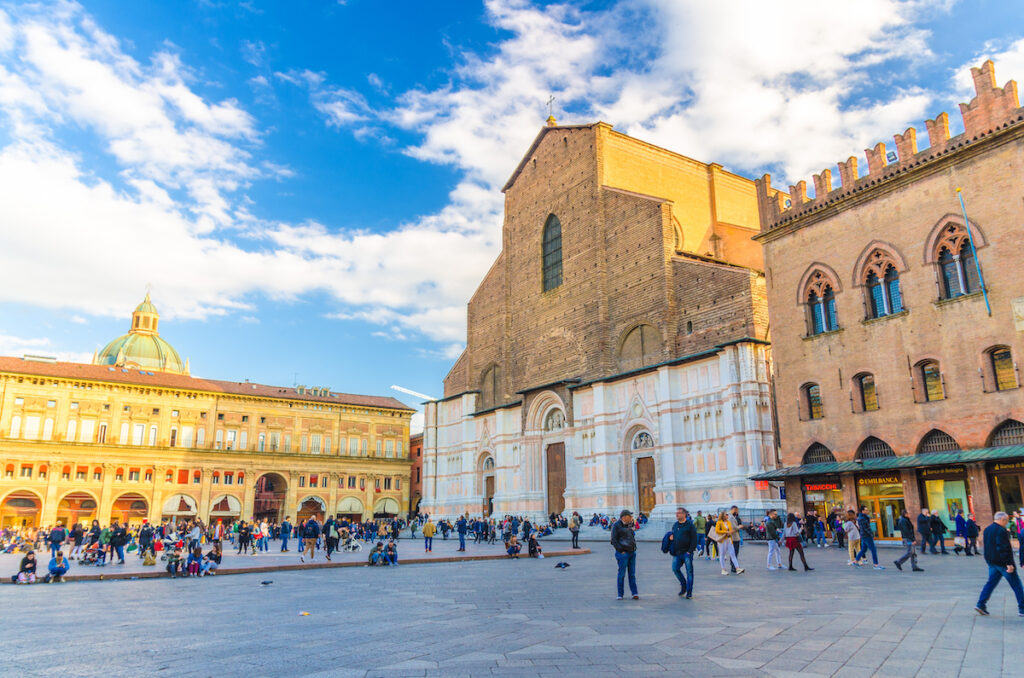
This large and busy square is surrounded by some of the city’s most notable buildings such as the Basilica of San Petronio and the Palazzo Comunale — Piazza Maggiore is the very heart of Bologna.
With its dazzling architecture and lively atmosphere, Piazza Maggiore is a hub of activity day and night. Take a stroll through it and wonder at the imposing structures or relax at one of the cafes that dot its perimeter.
Beyond its beauty and vibrancy, Piazza Maggiore is a symbol of the city’s enduring civic pride too, and has played a major role in shaping Bologna’s cultural identity.
4. Quadrilatero
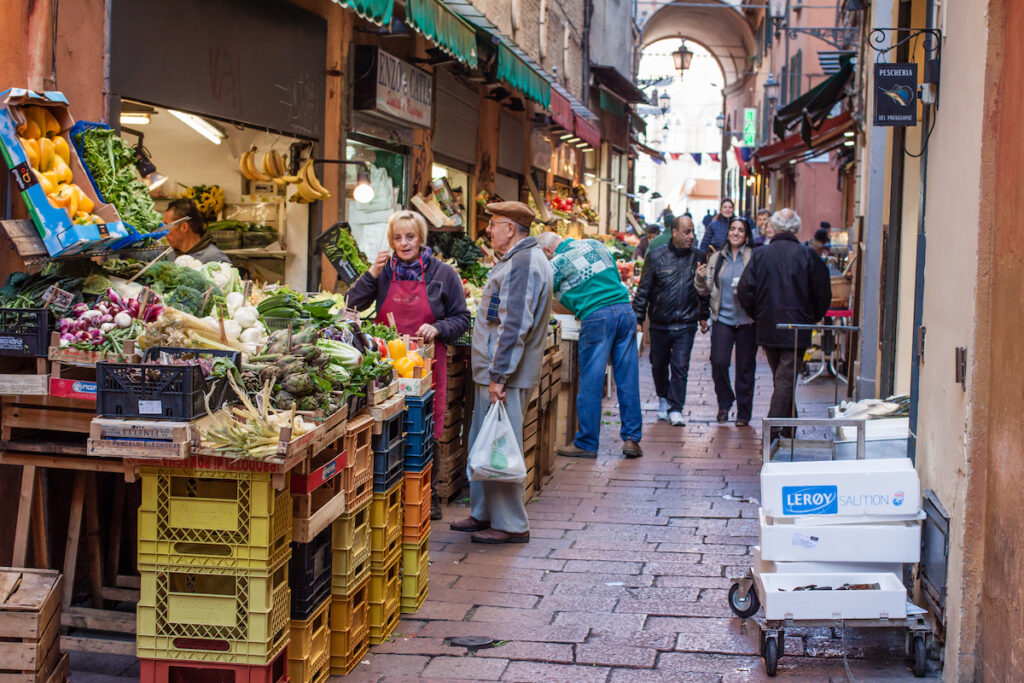
Quadrilatero is a lovely neighborhood to the east of Piazza Maggiore that features a stellar food scene.
The narrow streets of this historic district are lined with colorful stalls and quaint shops selling fresh produce, cured meats, cheeses, and all sorts of scrumptious delicacies.
A stroll through the Quadrilatero feels like a journey through time, back to the days when Bologna was a bustling market town in the Middle Ages.
Now, it remains an epicenter of culinary activity, with down-to-earth trattorias and trendy restaurants serving up Bolognese specialties like tagliatelle al ragù and tortellini in brodo.
5. Via Emilia

Via Emilia is an ancient road that runs through Bologna and links it to other parts of Italy and has played an important role in Bologna’s development and wealth throughout history.
It was laid out by the Romans in 187 BCE and named after consul Marco Emilio Lepido and stretches over 150 miles from Rimini on the Adriatic coast to Piacenza on the Po River.
Along the way, it crosses the heart of Bologna and is lined with striking architecture and historic monuments.
Today, Via Emilia is still an important thoroughfare, with plenty of restaurants, cafes, and shops offering the best of Bologna’s cuisine and culture. It’s a must-visit if you’re looking to taste its charm and history.
Bologna is known for a few nicknames
6. Bologna, la Grassa
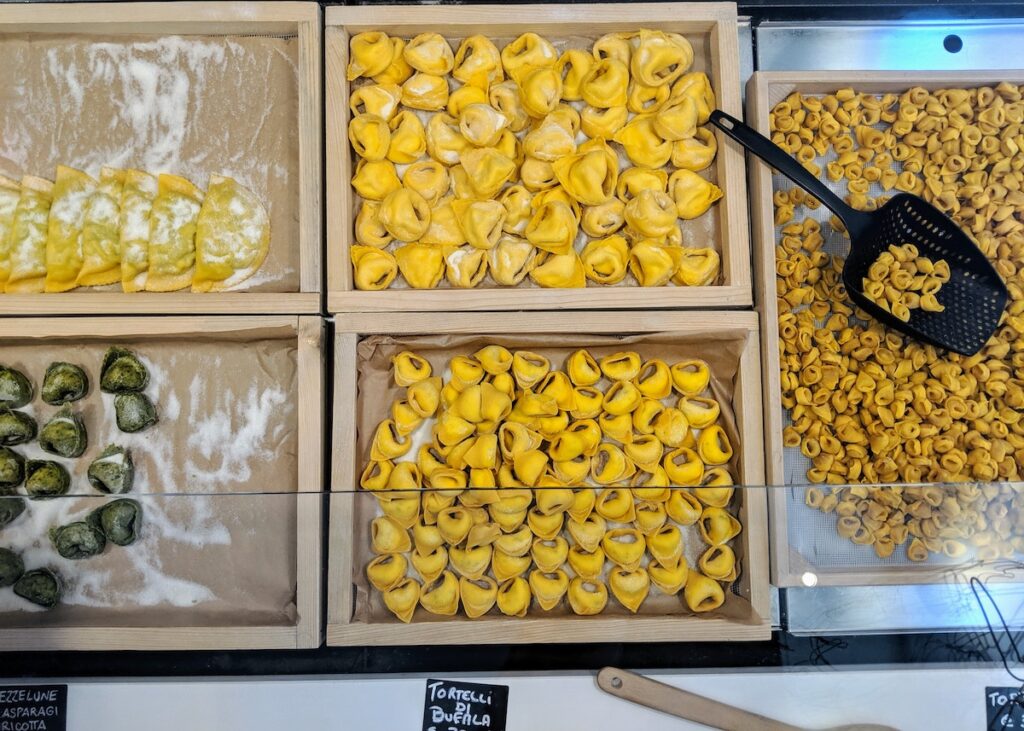
Bologna takes its food seriously, which is mirrored in the nickname Bologna, la Grassa. This moniker, meaning “Bologna, the Fat,” speaks to the city’s magnificent culinary tradition, with dishes like lasagna, mortadella, and, of course, Bolognese sauce (more on these below).
Locals normally use only the freshest ingredients in their dishes, which are often hearty and filling. It’s easy to see why Bologna has made a name for itself as a food lover’s paradise, and the Bolognese pride themselves in sharing their delectable cuisine with the world.
Besides touring the Quadrilatero, you should check out fabulous eateries like Trattoria del Tempo Buono, Al Sangiovese, and Parlor when you visit.
7. Bologna, la Dotta
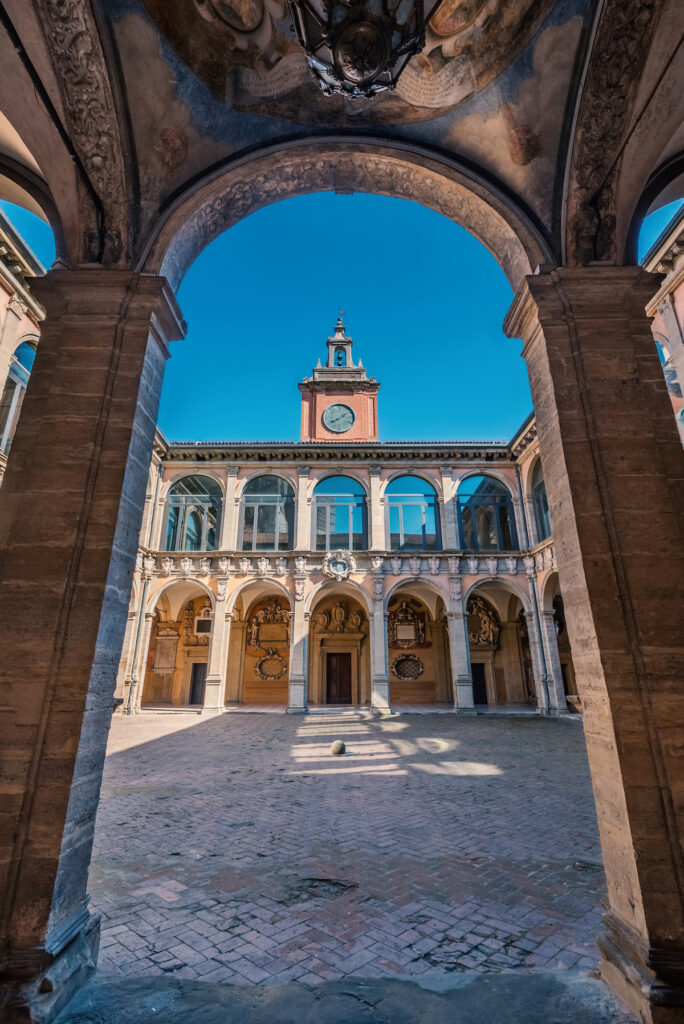
The term Bologna, la Dotta, or “Bologna, the Learned”, refers to the city’s reputation as a city of learning, thanks to its ancient university and the intellectual and cultural heritage it has fostered.
This nickname reflects the city’s grandiose history of scholarship, research, and innovation, as well as its continuing commitment to education and intellectual pursuits.
The University of Bologna has been an important center of higher education for 935 years and has produced countless prominent scholars, scientists, and artists. It is quite possibly the oldest such institution on Earth!
Its reputation as a dotta city is further enhanced by its numerous museums, libraries, and cultural institutions. What’s more, the city continues to be a hub of academic activity and attracts students and researchers from around the planet.
8. Bologna, la Rossa
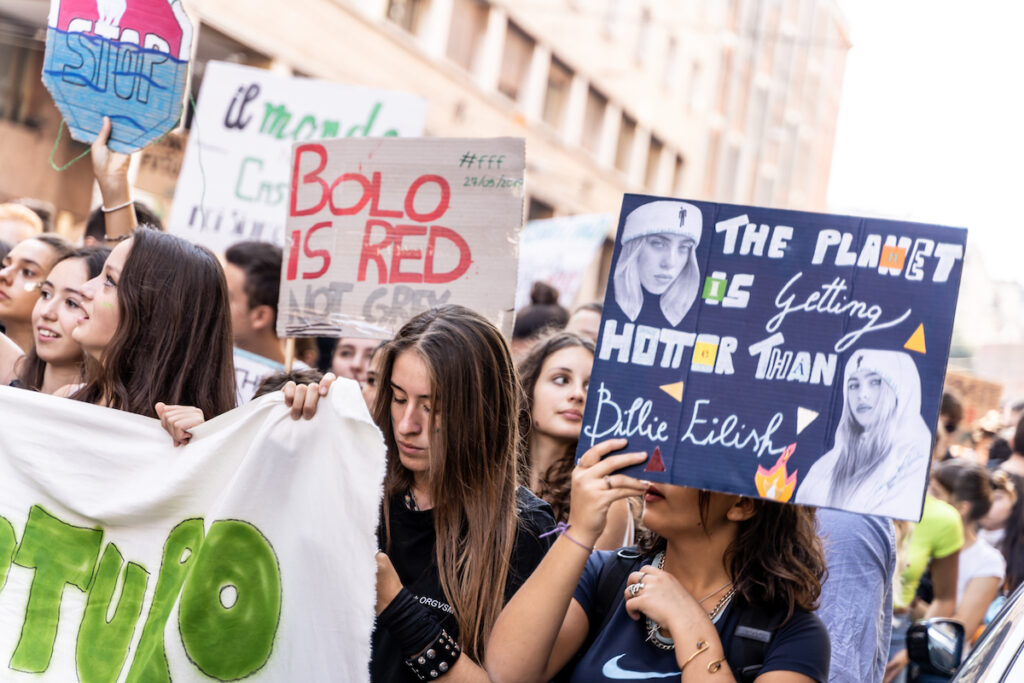
Bologna has been labeled Bologna, la Rossa, literally “Bologna, the Red”, for two reasons: its association with left-wing politics and its many red-brick buildings.
The city’s progressive and rebellious spirit dates back to the Middle Ages, when it was one of the first cities to embrace democracy.
Unsurprisingly, Bologna was at the forefront of the fight for LGBT rights in the country. Now, it remains an epicenter of social and political activity, with a vibrant cultural scene that celebrates diversity and inclusivity.
Mouthwatering cuisine is the calling card of Bologna
9. Lasagna
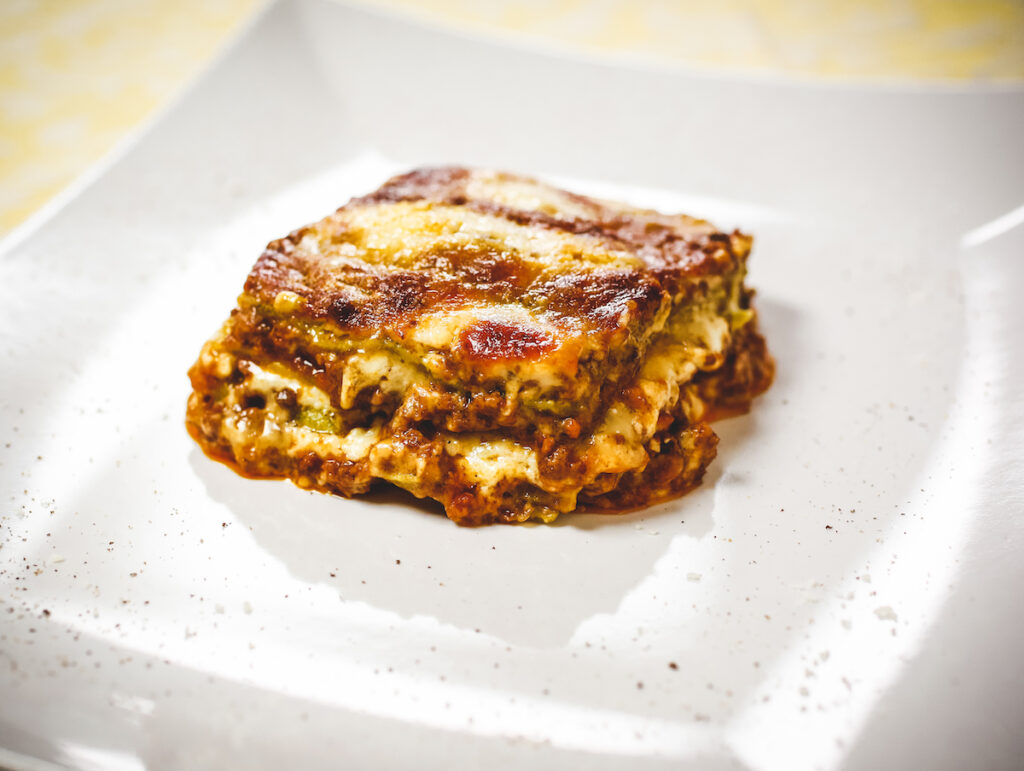
Lasagna is a beloved and world-famous Italian dish, and Bologna is particularly proud of it. The city’s version of lasagna, lasagne alla Bolognese, is a finger-licking concoction.
It consists of alternating layers of wide egg pasta sheets and creamy Bolognese sauce made with beef, pork, tomato sauce, and multiple herbs and spices.
This classic dish’s secret lies in its rich flavors and flawless balance of textures, which melt in your mouth with every bite.
Lasagna has been a part of Bologna’s culinary heritage for centuries, and no wonder; it’s the ideal representation of the city’s commitment to authentic Italian cuisine.
10. Mortadella
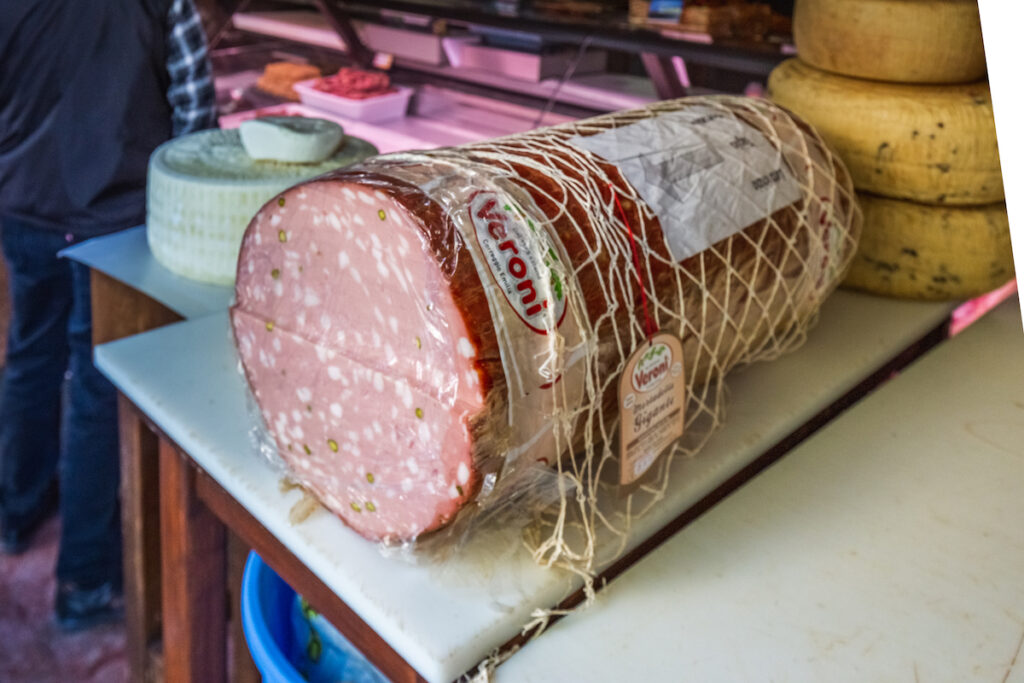
Mortadella is one of the culinary delights that Bologna is famous for, and there’s no mistaking legit Mortadella Bologna IGP (where IGP stands for “protected geographic indication”, a label granted by the European Union).
This pork sausage, made with finely ground meat, is seasoned with spices and herbs to give it a distinctive flavor. It’s a staple ingredient in several of Bologna’s classic recipes, including tortellini in brodo.
Locals love it as a quick snack or as a sandwich filling, and it’s always present at any social gathering or festivity.
The production of Mortadella Bologna IGP is regulated by strict guidelines, ensuring that it’s made to the highest quality standards. Abroad, knock-offs are usually called Bologna sausage, colloquially baloney.
11. Bolognese sauce
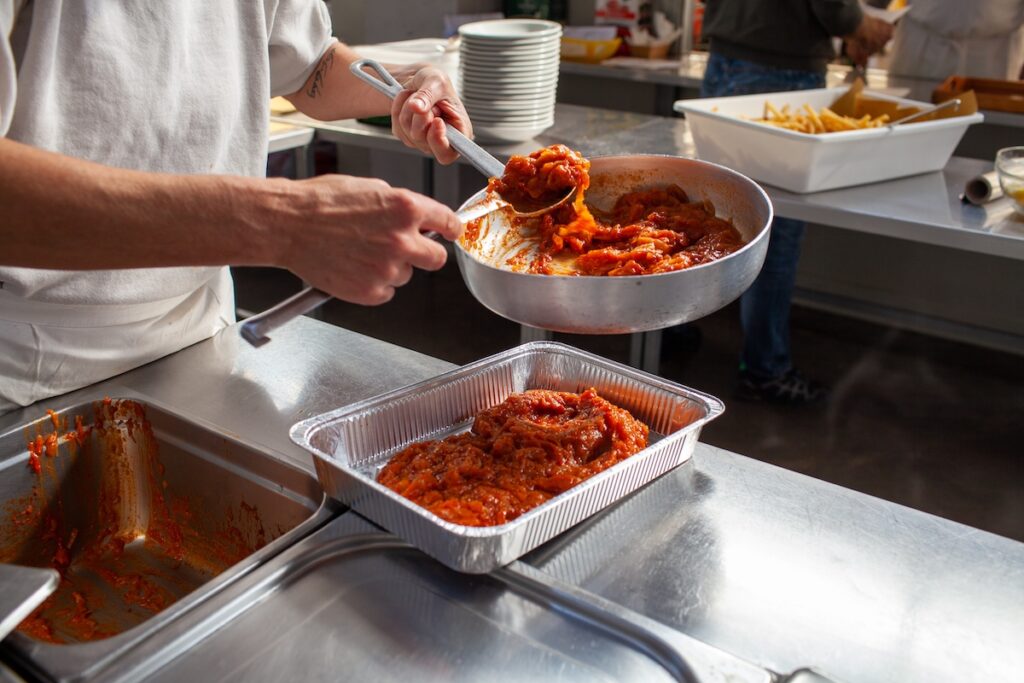
Bolognese sauce, locally ragù alla bolognese, is a hearty meat-based sauce that originates from Bologna. It’s made from a blend of ingredients like ground beef, pancetta, onion, carrots, celery, tomato paste, and wine, all simmered together for hours to create a complex and delicious flavor.
This sauce is typically served over a bed of fresh pasta, such as tagliatelle, and is commonly topped with grated Parmigiano Reggiano.
Other than that, Bolognese is a true trademark of Bologna’s culinary heritage. You can relish the authentic version by visiting one of the many trattorias and osterias throughout the city.
12. Pignoletto wine
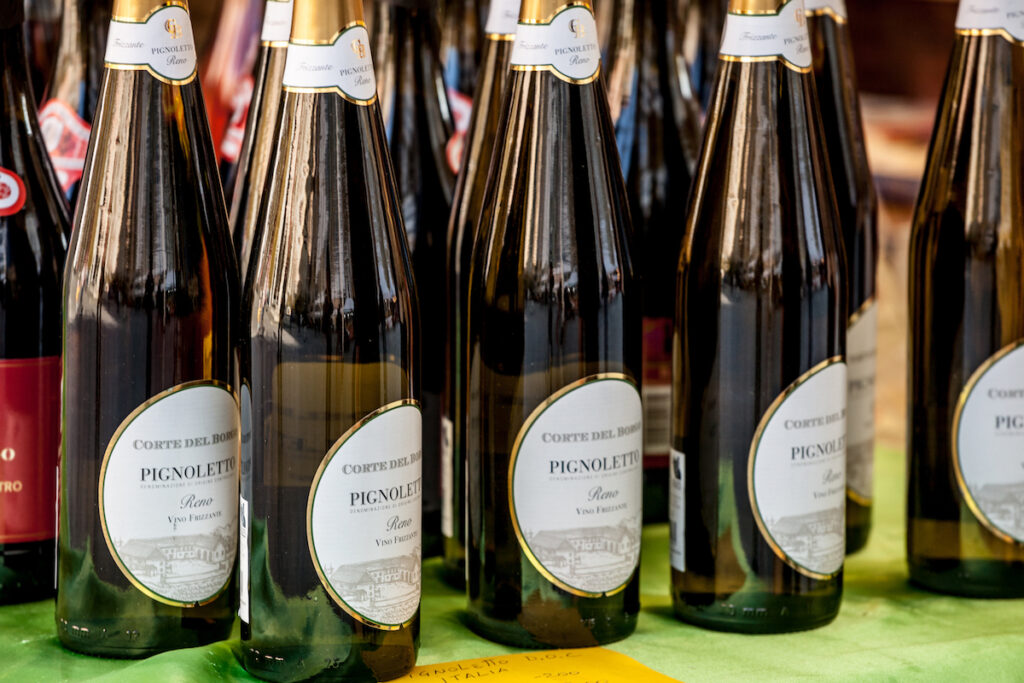
Pignoletto is one of the city’s best-kept secrets. This white wine is produced within the Province of Bologna and boasts a light and refreshing taste and delicate aroma, which make it a superb accompaniment to the savory flavors of Bolognese cuisine.
Pignoletto is centuries-old and is highly regarded for its quality and distinct character. It is a versatile wine that pairs well with a variety of dishes, from pasta to seafood to pizza.
Bologna is famous for its unique cultural identity
13. The crossroads between North and South
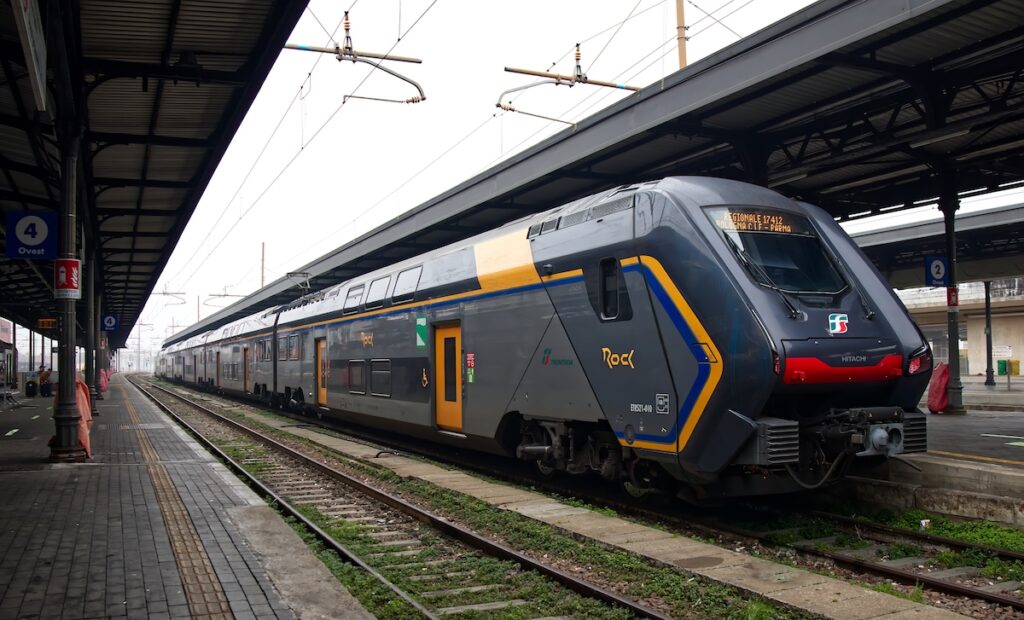
Bologna’s geographical position has played a significant role in its history and culture. One of the things that Bologna is famous for in this context is its peculiar linguistic identity.
The city is located in the Emilia-Romagna region, whose dialects have traits of both northern and southern Italian languages.
This linguistic mix is reflected in the city’s culture, including its cuisine, which blends northern and southern culinary traditions.
Bologna’s central location also makes it a great launchpad for exploring all corners of Italy. You can easily travel to cities like Florence and Venice or nearby towns like Parma and Modena, as well as discover the natural beauty of the Apennine Mountains.
14. A gateway to the Apennines
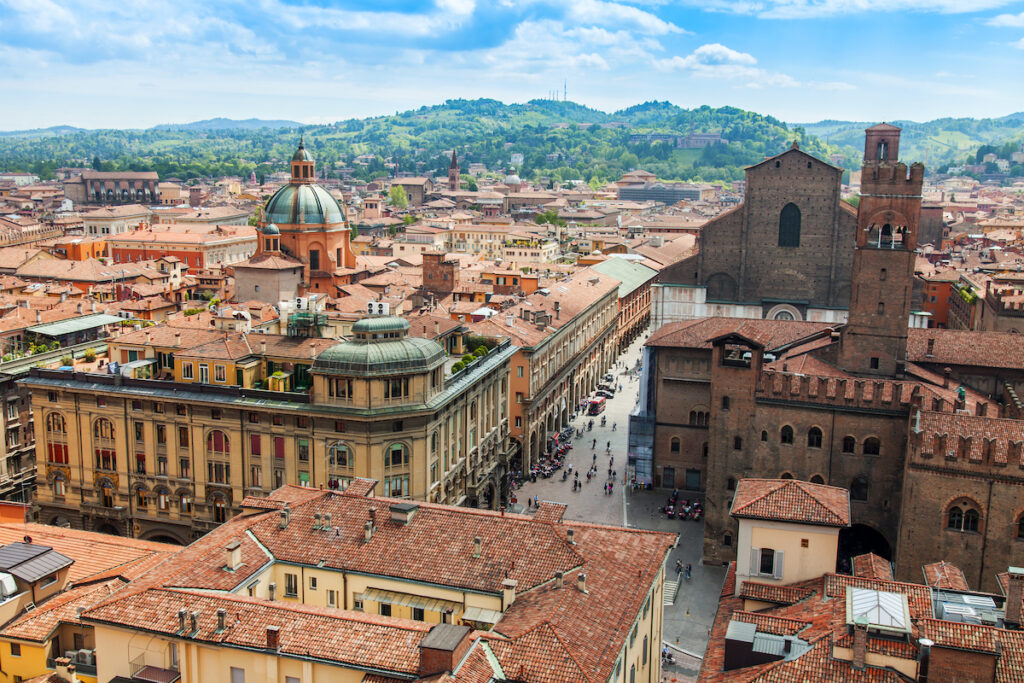
Bologna acts as a sort of gateway between the sprawling Po Valley. which dominates northern Italy, and the rugged Apennines, which make up the north-south “spine” of the country.
The province of Bologna is home to a diverse landscape that spans the fertile plains of the Po Valley and the gorgeous peaks of the Apennines. In fact, you can view the foothills of the Apennines from the city center.
This one-of-a-kind topography has helped shape the city’s culture and cuisine, as Bologna is known for its hearty and rustic dishes that feature a mix of ingredients from both the plains and mountains.
In addition to that, the Apennines offer tons of opportunities for hiking, skiing, and other outdoor activities. That means Bologna is a fantastic destination if you’re seeking a seamless mix of city and countryside experiences.
15. Music scene
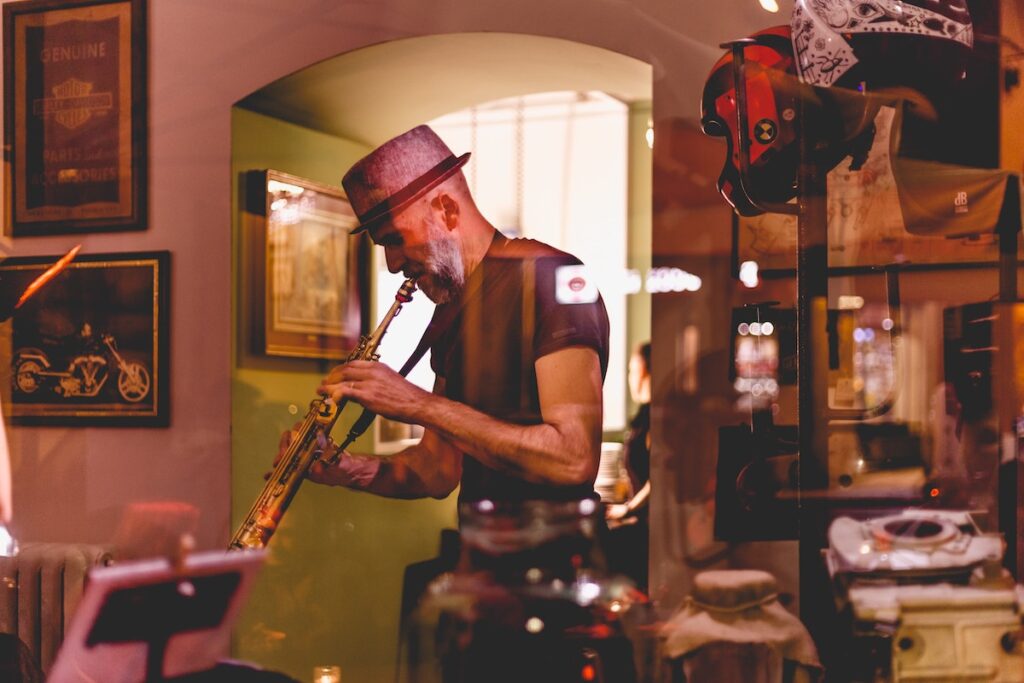
Bologna’s music scene is a crucial part of the city’s culture. Over the years, Bologna has given birth to lots of renowned singer-songwriters and bands who have left a lasting mark on the industry.
From the legendary Lucio Dalla, Francesco Guccini, and Vasco Rossi to more contemporary artists like Cesare Cremonini and acts like Lo Stato Sociale, the city has produced an exuberant musical heritage.
A variety of music venues, festivals, and events are held in Bologna too. Piazza Maggiore itself plays host to free outdoor concerts during the summer months.
The annual Biografilm Festival, Bologna Jazz Festival, and Locus Festival are other high-profile events that draw flocks of music lovers from across the globe.
16. Laid-back vibes
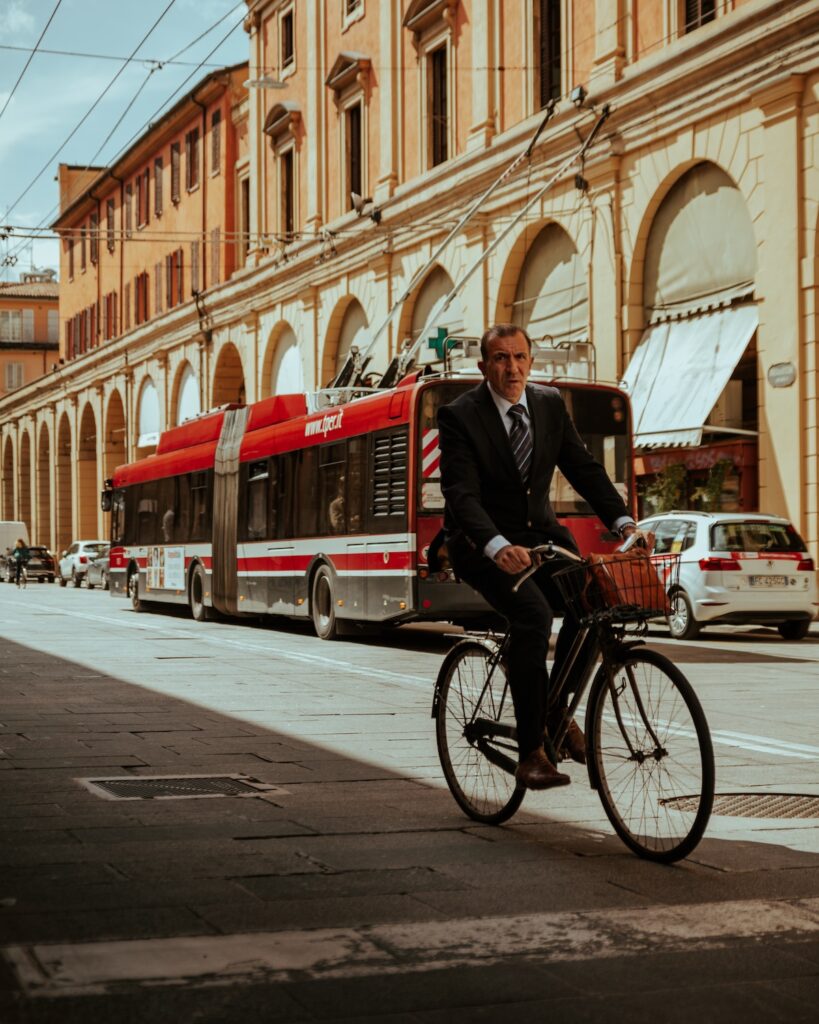
Bologna’s casual and cool environment is one of the city’s most appealing traits. As a student town with a restless underground scene, Bologna’s youthful energy oozes from every corner of the city.
Despite being a metropolis, Bologna has an easygoing atmosphere that makes it easy to explore and experience at a relaxed pace. On top of that, the locals’ friendly attitude and relaxed approach to life will make you feel right at home in Bologna.
Whether it’s grabbing a drink at a cozy bar or wandering the historic streets, Bologna’s relaxed vibes turn it into an amazing place to unwind and enjoy a break from the stresses of daily life.
Final thoughts
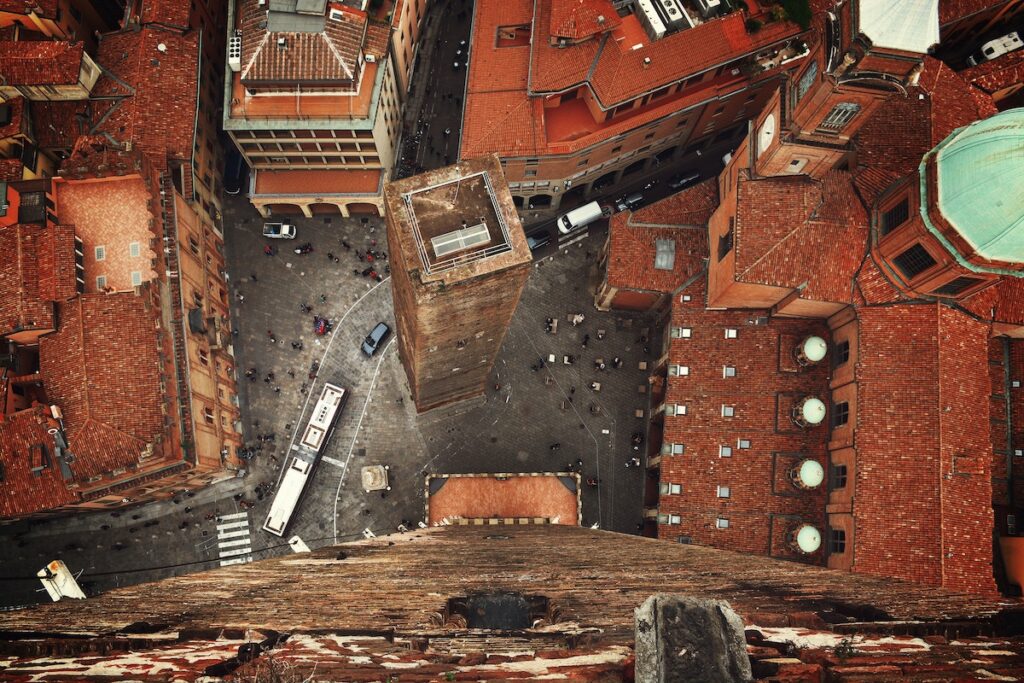
When I visited Bologna on a day trip from Milan a few years back, its reddish cityscape, small-town feel, and fascinating history won me over in the blink of an eye.
As the birthplace of delicacies like mortadella and lasagna, Bologna is one of Italy’s food capitals alongside Naples and Milan. Yet a bunch of other things have helped turn Bologna into one of the most famous Italian cities.
Bologna is known for its stunning old town, where you’ll find its remaining medieval towers, for being home to the oldest university on Earth, and for its long tradition of left-leaning and progressive politics.