
When thinking of Italian landmarks, most people focus on open-air museums like Rome and Venice. That’s fair enough. Still, we shouldn’t ignore the fact that you’ll also find stunning landscapes across the country.

Today we’ll travel between snow-capped mountains, turquoise beaches, and active volcanoes to discover 16 breathtaking natural wonders in Italy. Make sure you add all of them to your bucket list!
Table of Contents
Natural wonders in northern Italy
1. Lake Braies

Lake Braies (aka Pragser Wildsee) is the starting point of Alta Via 1, a 125km (78mi) trail through the Dolomite Mountains, which surround it on all but one side. It should take you between 10 to 15 days to complete the scenic route.
The Seekofel, at 2,810m (9,220ft) tall, is the most prominent peak in the area. The dramatic contrast between the lake and the summit in the background charms visitors from all over Italy, as it has yet to become popular among foreigners.
That of course means you should discover it before the crowds do!
2. Three Peaks of Lavaredo
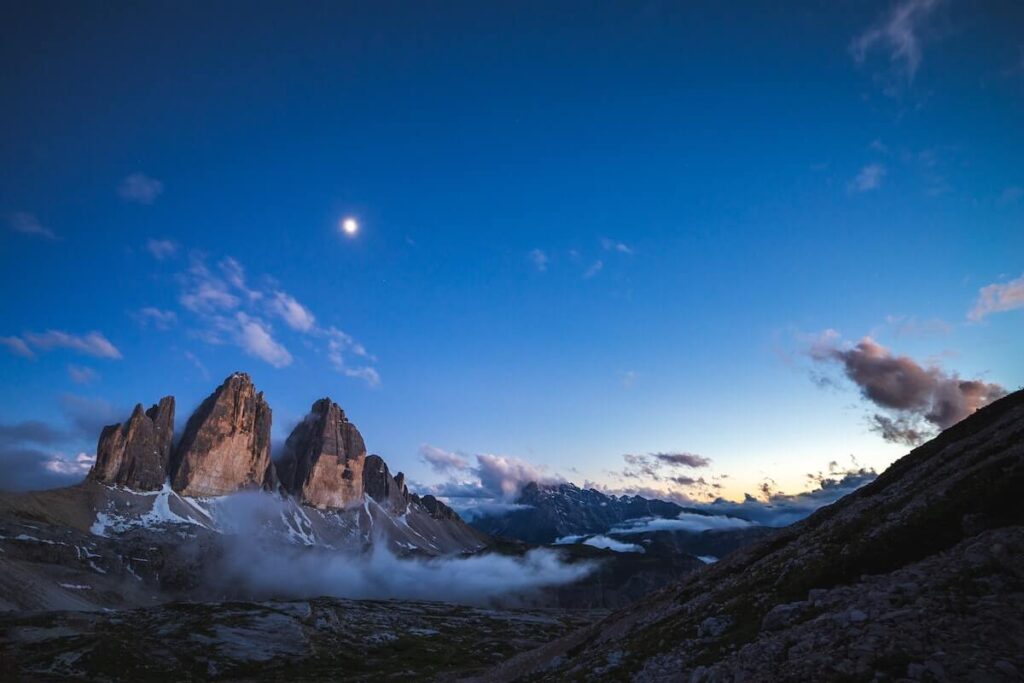
Lake Braies isn’t the only must-see in the Dolomites. In fact, the Three Peaks of Lavaredo are actually the mountain chain’s most iconic sight.
More adventurous visitors can climb the battlement-shaped boulders, but you can hike one of several trails too; all of them boast commanding views of the peaks.
One of the coolest itineraries in the area is the century-old road network connecting the towns of Bolzano and Cortina d’Ampezzo, which you can explore on a day trip through the Dolomites.
Cortina, by the way, is one of the most famous ski resorts nationwide, so you should visit in the colder months if winter sports are your thing.
Also read: 15 Best Mountain Towns in Italy for Your Next Getaway
3. Matterhorn
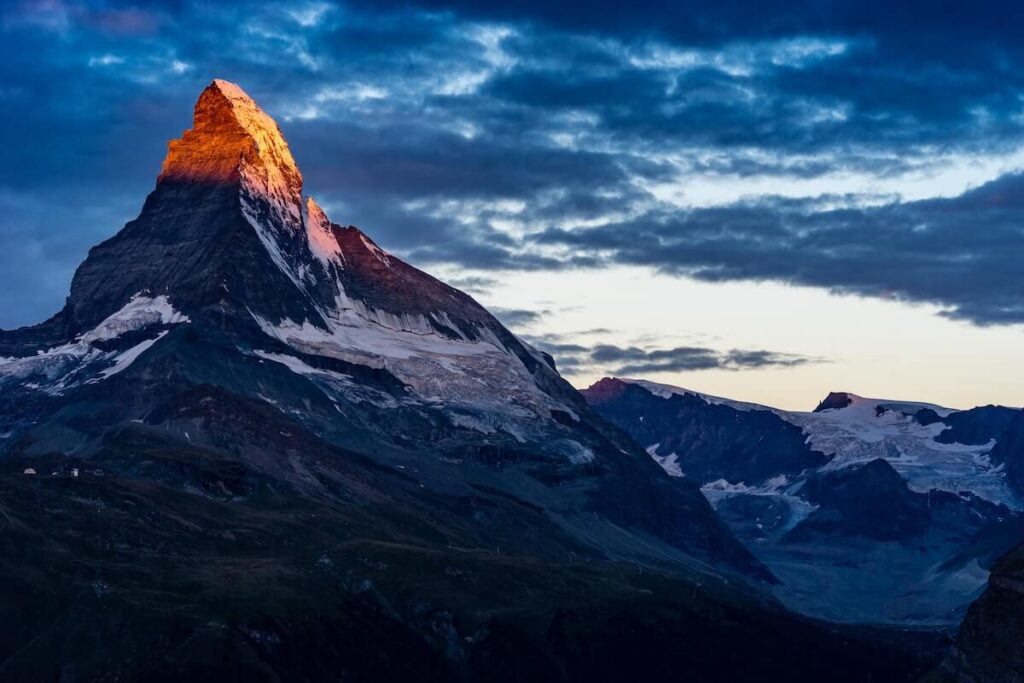
Arguably the most emblematic peak in the Alps — so much so that it inspired the design of Toblerone chocolate bars — the Matterhorn marks the border between Italy and Switzerland.
At 4,478 m (14,692 ft) tall, the peak stands in a remote section of the mountain chain. It towers over the tiny Breuil-Cervinia in the Val d’Aosta region, from which many hiking trails depart.
If that sounds like fun, the most classic itinerary around the Matterhorn lasts about 10 days. Otherwise, you can stick to Disneyland, where Walt Disney himself commissioned a double roller-coaster modeled after the mountain.
Also read: 10 Mountain Ranges in Italy With Breathtaking Views
4. Pyramids of Zone

While these are quite possibly the most obscure of Italy’s natural attractions on our list, they’re definitely worth a visit if you’re in the Milan or Verona areas.
You’ll find these oddly shaped rock formations (typically called hoodoos or fairy chimneys) within a natural reserve right off Lake Iseo. The claystone pyramids were formed some 150,000 years ago, during a local glaciation.
The hiking trails within the park are pretty easy. Yet if you’re short on time you can simply view the pyramids from an overlook on the road surrounding the reserve.
5. Ligurian Riviera
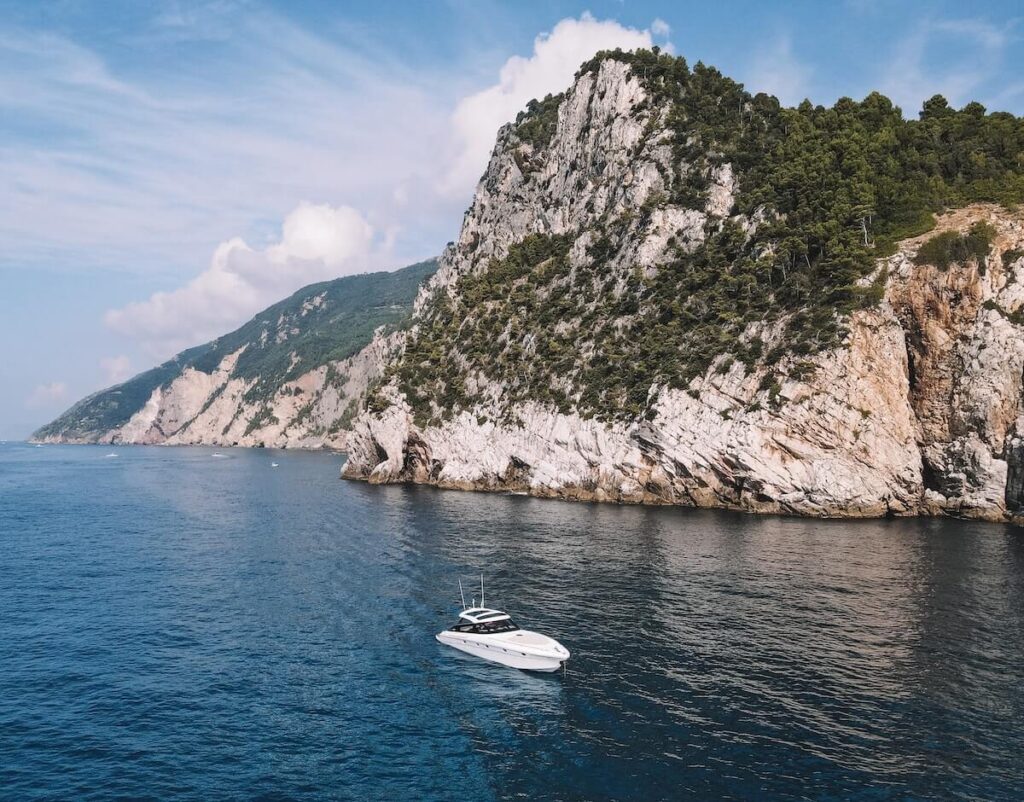
Better known in English as the Italian riviera, the jagged strip of coast along the narrow Liguria region is one of the most dazzling natural wonders in Italy.
The Cinque Terre, a UNESCO World Heritage Site made up of five villages overhanging the sea, as well as the town of Portofino, are the most popular destinations in Liguria.
These days, most towns are connected to a seaside road, but originally they could be reached by boat or through steep trails across the mountains only.
Although modern amenities have long reached the region, watching the sunset out at sea remains one of the most evocative things to do at the Cinque Terre.
Natural wonders in central Italy
6. Frasassi Caves

Here I’m talking about a vast set of caves that are located under Mount Frasassi (which literally means “among rocks” in Italian) in the Marche region.
While the largest section of the caves was discovered in 1971, the area has been inhabited by monks for at least 1,000 years. The whole system is approximately a million years old.
The ancient Sanctuary of Santa Maria infra Saxa and the 19th-century Temple of Valadier (seen above), both built within the caves, are two unique places to visit in Italy.
7. Val d’Orcia

I bet Val D’Orcia, or the valley of the Orcia River in the province of Siena, is what first comes to your mind when you picture the Tuscan countryside.
The rolling hills covered with vineyards and dotted with cypresses make up an instantly recognizable feature of central Italy’s landscape.
The area has been widely used as a movie location, from Fellini’s 8½ to Ridley Scott’s Gladiator.
This is where you can try authentic Brunello di Montalcino wine and some of the tastiest Pecorino cheese in the country.
8. Saturnia Hot Springs

If relaxing at an open-air and free spa sounds like a plan, then don’t leave Tuscany after you’re done at Val D’Orcia.
Head instead to the town of Saturnia in the province of Grosseto, where the sulfur waters of the Mulino waterfalls will invite you for a warm bath.
The spring flows at a constant 37.5°C (99.5F), which is perfect because that’s pretty close to the normal body temperature, and has been popular since Roman times.
The town is in fact named after the god Saturn, who in a fit of anger allegedly cracked it open with a strike of lightning.
Despite being beautiful in their own right, the springs look even more adorable thanks to the 800-year-old water mill that stands right above them.
Natural wonders of Sicily
9. Aeolian Islands
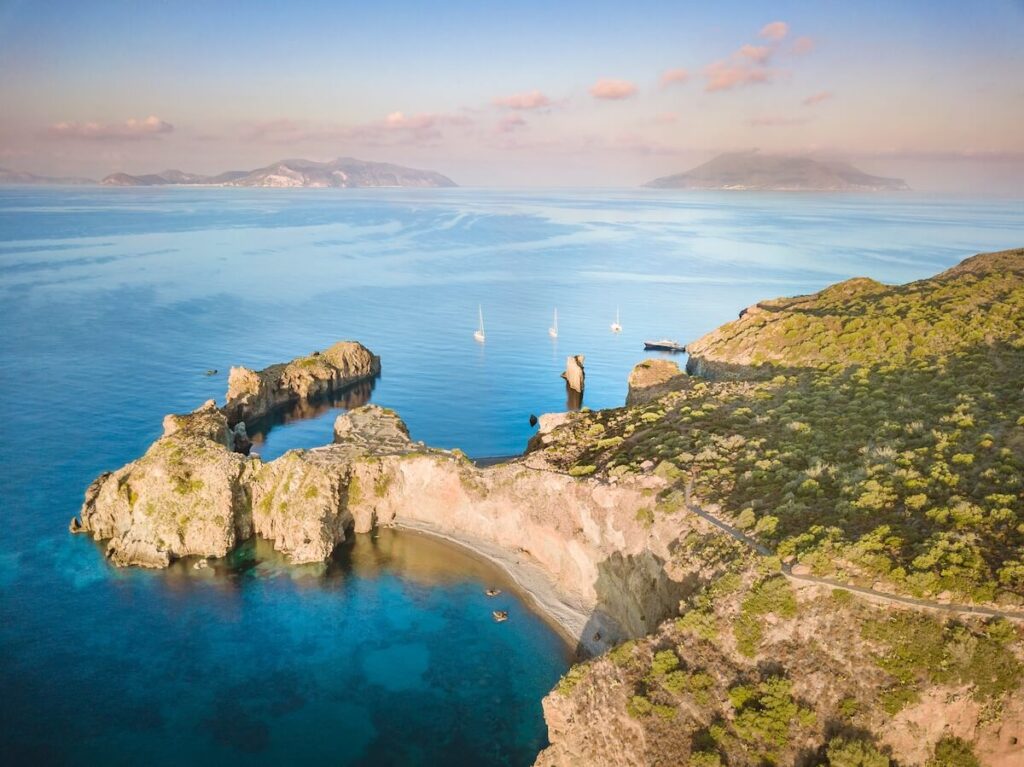
The Aeolian Islands are a volcanic archipelago made up of seven islands (the biggest of which is Lipari), as well as many islets and skerries.
Continuously inhabited for 8,000 years, the islands went on to become a tourist destination ever since filmmakers like Roberto Rossellini introduced them to wider audiences in the 1940s.
Though the smaller islands still have a rural economy based on the harvest of capers and grapes, Lipari has intense nightlife and almost feels like a mini Mykonos.
10. Mount Etna
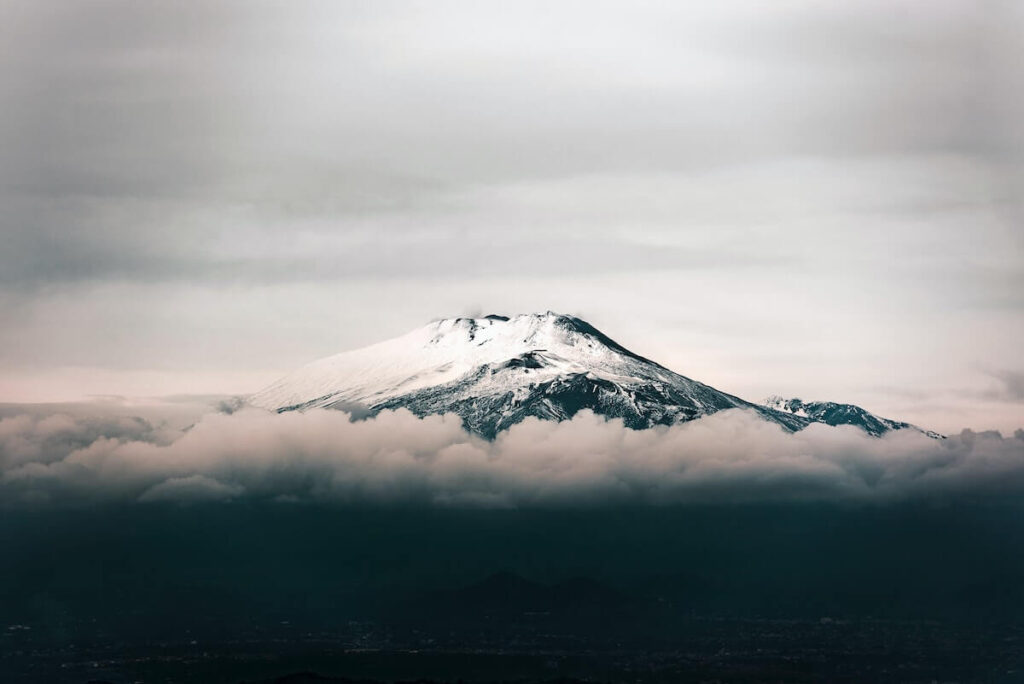
At 3,357 m (11014 ft), Mount Etna is tall enough to receive snowfall during winter. That makes its wintertime eruptions even more impressive, thanks to the gorgeous contrast between lava and snow.
The most active volcano in all of Europe and Asia is one of the most inspiring natural landmarks in Sicily and is one of the highest peaks in Europe, and as such has been listed as a UNESCO World Heritage Site in 2013.
Mount Etna’s eruptions can indeed be monumental: one such event in 1669 lasted 112 days, and its 17-km-long (10.5-mile-long) lava flow ended up reshaping the city of Catania.
11. Scala dei Turchi
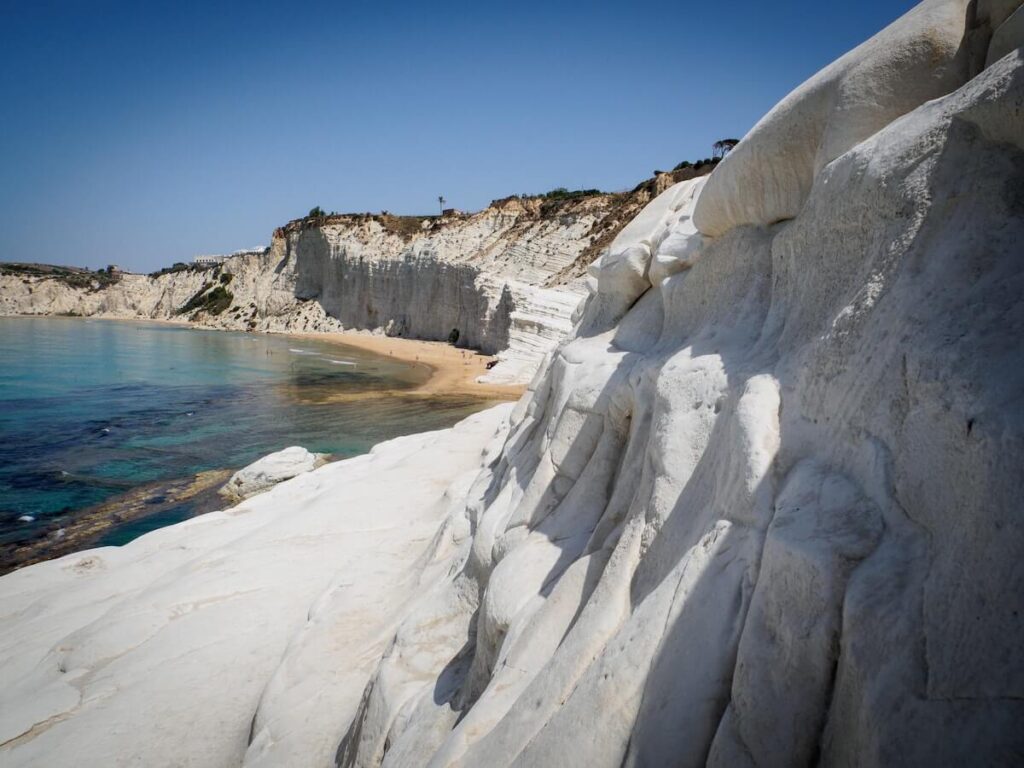
Scala dei Turchi, or the Turkish Steps, is a sort of Mediterranean version of the White Cliffs of Dover — which means it makes for an awesome summer vacay, especially given it’s squeezed between two beaches.
Made famous by Andrea Camilleri’s crime fiction stories, who was born in neighboring Agrigento, the steps derive their name from the early use as a safe port by Middle Eastern pirates (who were incorrectly labeled as Turks).
Scala dei Turchi has been closed to visitors in an attempt to protect it from over-tourism. It’s expected to reopen soon to a limited number of travelers. Still, you can always take a boat tour around it.
12. Isola dei Conigli
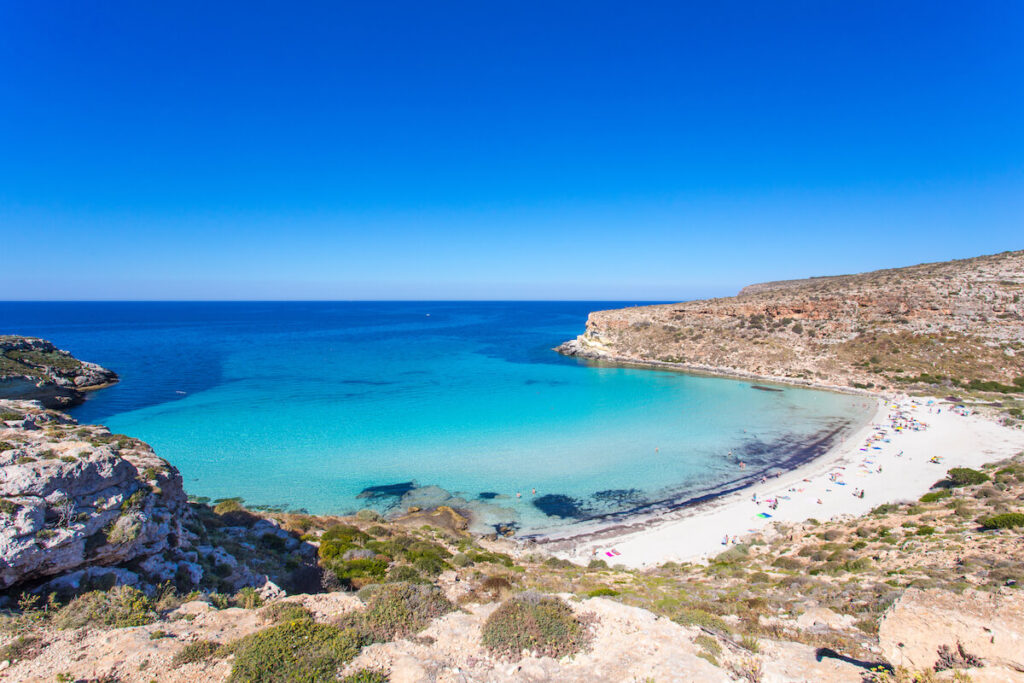
Isola dei Conigli, or Rabbit Island, is a piece of virtually unspoiled nature in Italy. As one of the southernmost parts of the country’s territory, it’s actually located on the African plate and is closer to Tunisia than to the rest of Italy.
Head to the remote island of Lampedusa to check it out. At low tide, you can often wade the narrow channel that separates the islet from Lampedusa.
With its out-of-this-world turquoise waters, the beach on Isola dei Conigli has been consistently ranked one of the most beautiful on Earth.
Natural wonders in the rest of southern Italy
13. Gargano

If the Apulia region is the heel of Italy’s boot, the Gargano peninsula is its spur. A true hidden gem that Italians all but keep to themselves, the area is known for its dramatic rock stacks raising from the azure sea.
The Gargano, like the rest of Apulian coast, is also distinguished by its white villages dramatically overhanging the sea, the largest of them being Vieste.
14. Costa Smeralda

Costa Smeralda is by far one of the most exclusive rivieras on Earth, and for good reason: folks reach it primarily by boat, or by yacht to be more accurate. The town of Porto Cervo is the main hub in the area.
Located in the province of Sassari to the northwest of the island of Sardinia, the summer destination of choice for royals and jet-setters features unspoiled forests, white sand beaches, and crystal clear waters.
Let me tell you, though, that you don’t have to rule out vacationing in Costa Smeralda just for the sake of your finances. While it is on average more expensive than the rest of Italy, it has plenty of affordable accommodation options and can be accessed by plane.
15. Mount Vesuvius

Alongside the Gulf, Mount Vesuvius has been the everlasting symbol of the city of Naples and one of the most (in)famous natural landmarks in Italy.
The volcano notoriously buried the ancient town of Pompeii under 10+ meters (33 feet) of lava in 79 CE.
Despite being only one of two active volcanoes on mainland Europe, Mount Vesuvius rarely erupts; the last smoke and lava outbreak took place in 1944.
It could indeed go off at any minute, yet scientists should be able to warn us up to three weeks in advance — phew! After all, about three million people currently live in its surroundings.
And in case you can’t help feeling intrigued by this imposing summit, go on a day trip and hike around its crater the next time you visit Naples.
16. Amalfi Coast

Last but not least, I couldn’t leave out one of the most emblematic stretches of coastline on the entire planet.
Much like the Ligurian Riviera, the Amalfi Coast is centered on small towns overhanging the Tyrrhenian Sea that remained virtually isolated for centuries.
While it has been a sought-after destination among travelers since at least the mid-1700s, it’s always kept a certain aura of exclusivity.
It’s true that the region’s natural beauty is inseparable from its villages’ cultural and architectural heritage — which is exactly why it’s been declared a UNESCO World Heritage Site.
When you visit, don’t miss the chance to rent a boat and discover the Amalfi Coast from its most distinctive angle: the sea. You won’t even need a permit for that!
Conclusion
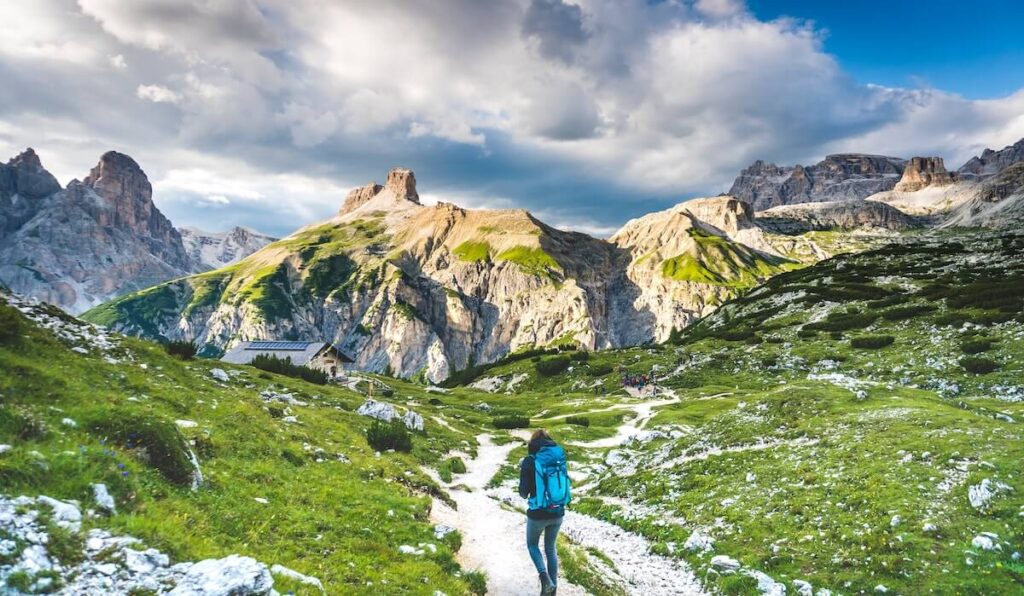
These natural wonders in Italy are just some of the gorgeous landmarks you should visit in the country. Italy is stunning through and through, so no tour of the country should leave out a few of its suggestive landscapes.
Now let me know in the comments which other Italy natural attractions you’d add to our post. I have my own list of runners-up and want to see if it shares any entries with yours!