
Europe is chock-full of natural wonders and fantastic landscapes that beckon to be explored. Its mountains, from the Swiss Alps to the Pyrenees and beyond, are some of the world’s most beautiful and receive millions of visitors each year.
Whether you’re an experienced mountaineer looking for your next challenge or you’re just planning to enjoy the view of some of Mother Nature’s finest from above, this list of the highest peaks in Europe should guide you in the right direction!
Table of Contents
1. Mont Blanc, France/Italy
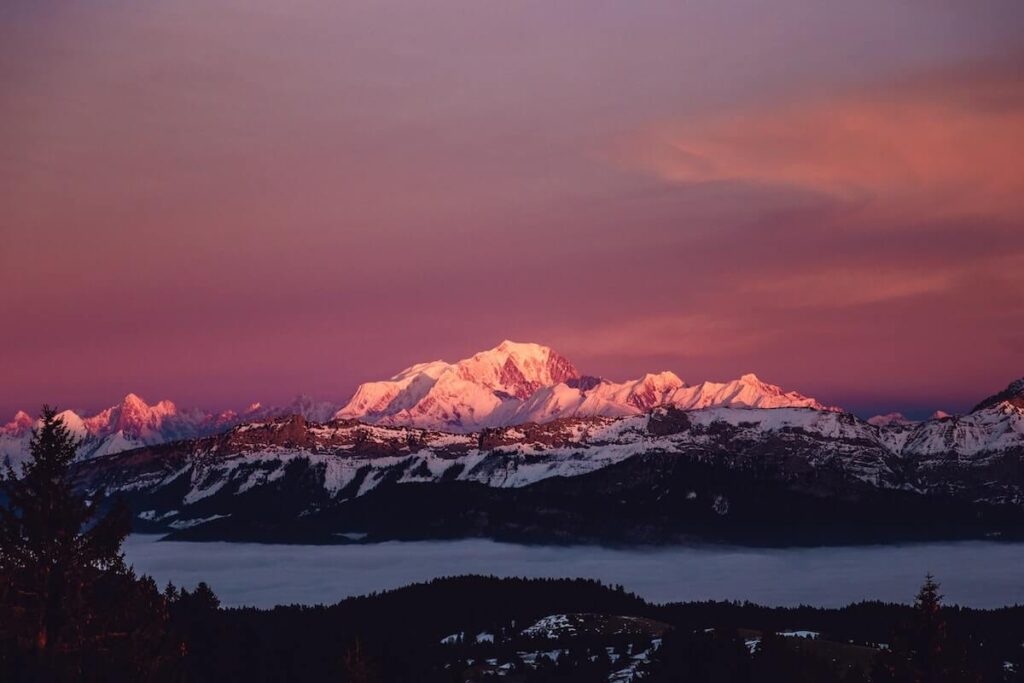
What better way to kick off a list of the highest mountains in Europe than with the crown jewel of the Alps? Mont Blanc, or Monte Bianco as it is also known in Italian, forms the highest summit of the Alpine mountain range.
Since Mont Blanc’s summit lies within French territory, it is also the highest mountain in France.
Historically, Mont Blanc and the massif that it forms were so significant and hard to pass that they formed one of the primary dividing lines between the borders of Switzerland, Italy, and France.
Even today, a hike up the summit, which stands at an amazing 4,808 meters above sea level, is no feat for the uninitiated!
2. Ushba, Georgia

Whether Georgia‘s mountain ranges should be considered part of Europe or Asia (or whether the two are to be seen as separate continents, to begin with) is a timeless debate, and we won’t deal with those kinds of arguments in this list.
Rather, let’s take a moment to appreciate the beauty of Ushba. Standing at a proud 4,700 meters, the “Queen of the Caucasus” is a sight to behold – and that’s not to mention the view of the snowy landscape below!
Be warned, though: even among experienced mountaineers, Ushba is considered a challenge, with the average climb lasting well over a week.
3. Monte Rosa, Switzerland
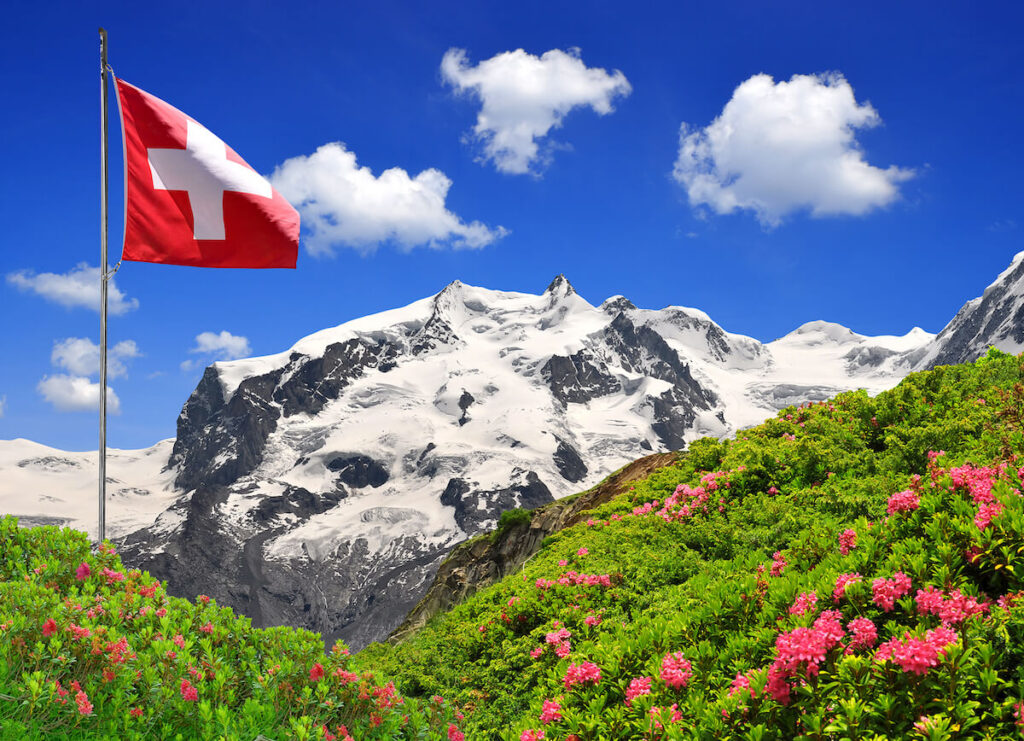
Back to the Alps, Monte Rosa is one of the more famous mountains in Europe.
The proud holder of the title of the highest mountain in Switzerland, it has charmed millions, including artists and important figures throughout European history, with its gentle, but awe-inspiring climb.
Thanks to its four peaks and dozens of possible routes, Monte Rosa is very accommodating to nearly any experience level.
4. Mount Dzhimara, Russia
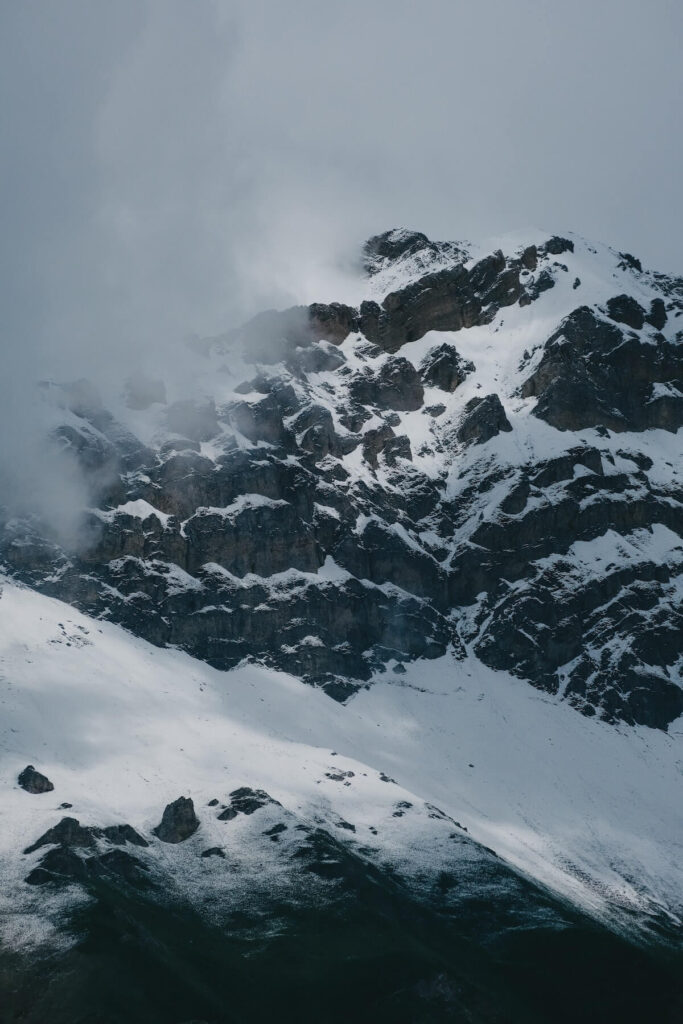
Located in an independent Russian Oblast known as North Ossetia, Mount Dzhimara is somewhat elusive to most Western climbers. Not much documentation exists on popular routes or tours.
If anything, that only makes the prospect of the 4,780-meter race to the summit ever more exciting. The views are also reputed to be among the most dramatically stunning in the whole Caucasus!
5. Koshtan-Tau, Russia

First climbed with success towards the end of the 19th century, Koshtan-Tau is among the highest mountains in Europe at 5,150 meters.
Known for its distinctive pyramid-like profile, it offers one of the most technical and rewarding climbs on the continent.
6. Dykh-Tau, Russia
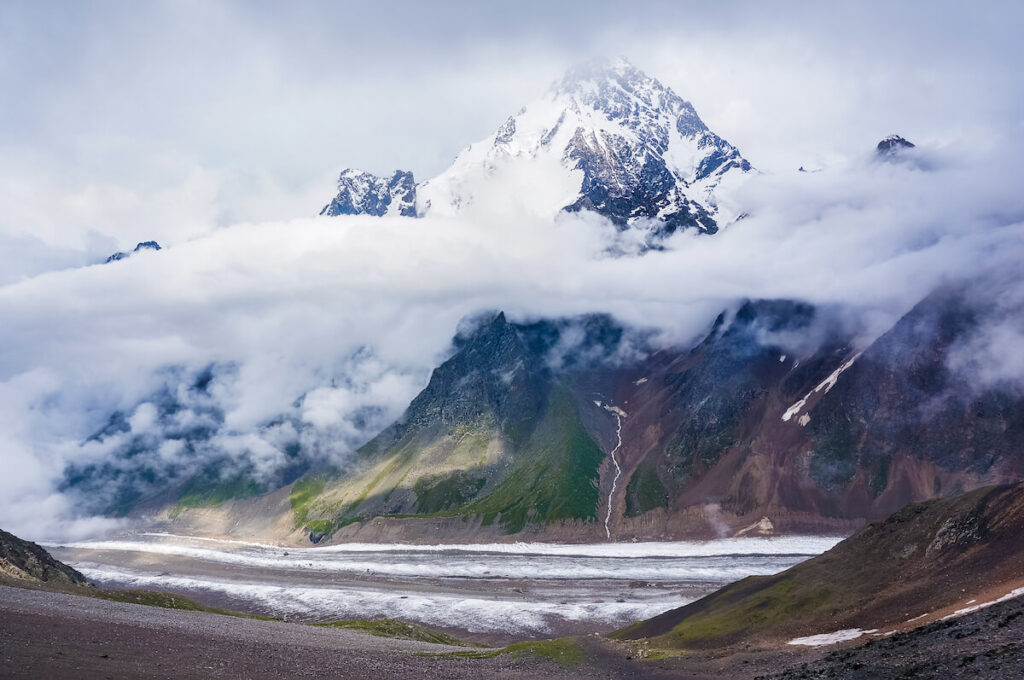
If you’ve seen the top of Koshtan-Tau and didn’t even break a sweat, you might want to take a look at its bigger brother.
Known for its sharp, jagged peaks and high risk of avalanches, Dykh-Tau is feared and admired in equal measure as one of Europe’s most challenging climbs.
7. Matterhorn, Switzerland
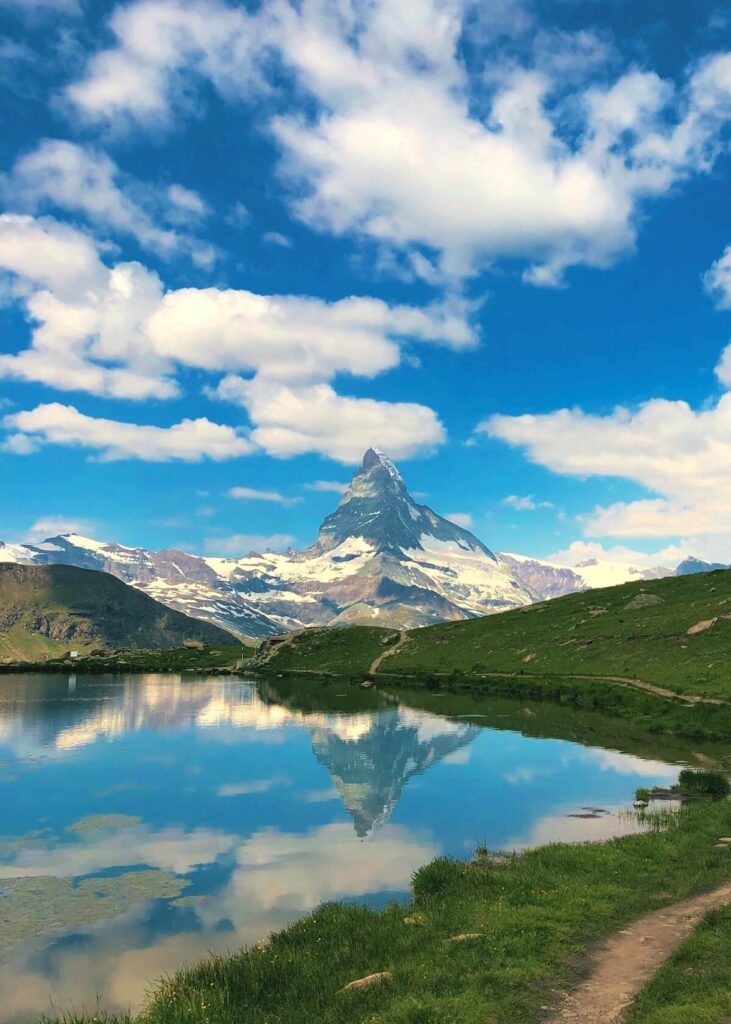
Despite not crushing any global records — or even continental ones, if you include some of the aforementioned Caucasian giants — the rugged, beautifully proportioned Matterhorn is arguably among the most famous mountains in Europe.
At a respectable 4,475 meters, it’s also quite the adventure to climb! Since the 1800s at least, thousands have attempted the majestic journey.
The big appeal behind Matterhorn, or Monte Cervino, is that it remains challenging yet reasonably beginner-friendly, with lovely Alpine sights and resorts all around.
8. Kazbek, Georgia

We’re not done with the Caucasus just yet! Kazbek lies in the same neighborhood as Mount Dzhimara, near the Russo-Georgian border.
First conquered by alpinists in the early 1900s, Kazbek is among the most frequently visited of the Caucasus’ highest peaks in Europe.
Despite its high elevation of just over 5,000 meters at the peak, Kazbek’s topography is relatively gentle to climb. Most common routes to the summit involve shallow glacier walks with easily manageable angles of ascent.
9. Grossglockner, Austria
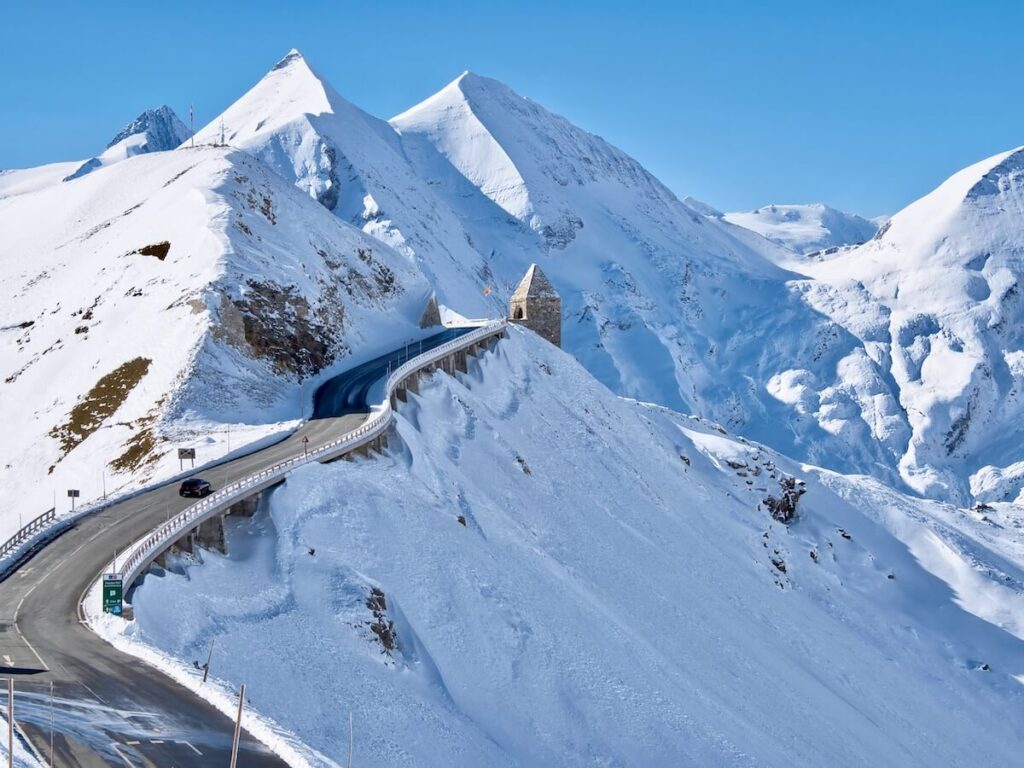
With its twin peaks reaching a chilly 3,655 meters, Grossglockner is the highest peak in Austria and in the Eastern Alps overall.
Considered a moderately difficult climb, the Grossglockner is surrounded by permanent glaciers and harbors a unique ecosystem surprisingly diverse in rare animal species.
10. Mulhacén, Spain

You might have noticed that an overwhelming majority of this list of the highest peaks in Europe are located either in the Alps or in the Caucasus.
Still, that doesn’t mean that Europe hasn’t got any other record-topping mountains to offer elsewhere!
The Mulhacén is an excellent example of this. Located near the Southwestern tip of Spain, it is both the highest peak in Spain as well as the tallest mountain in Europe outside of the Caucasus or the Alps.
At 3,479 meters above sea level and featuring a rocky, arid terrain, Mulhacén is thought of as one of the less technical destinations among Europe’s tallest peaks.
The biggest challenge lies in managing the temperatures. The Iberian climate can get excruciatingly hot near sea level (particularly during summer), yet temperatures drop off dramatically once you ascend.
11. Mount Etna, Italy
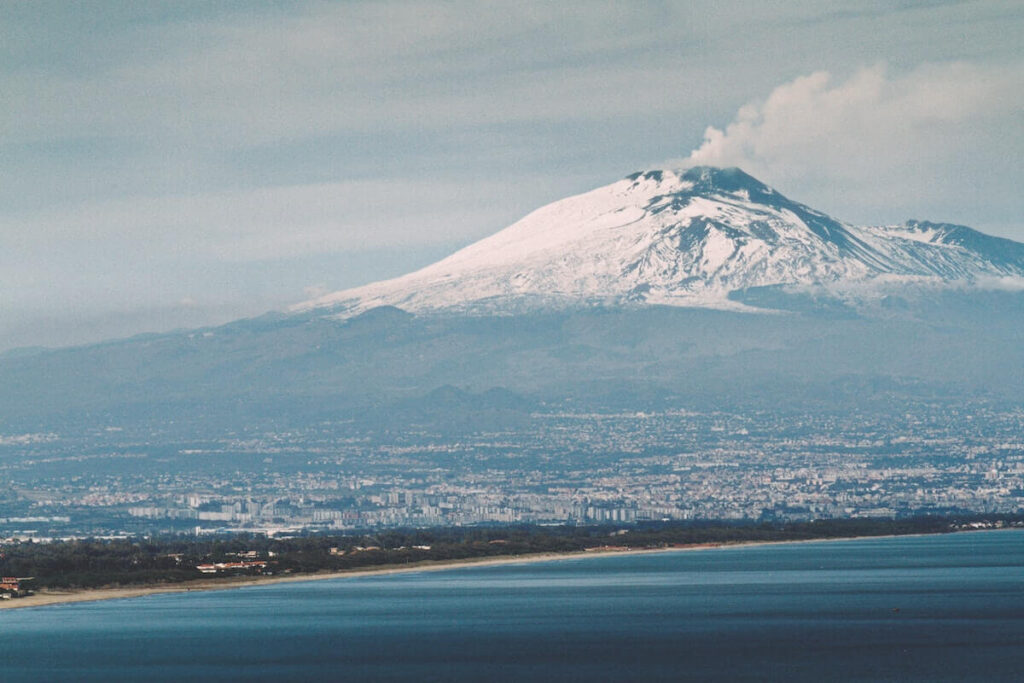
While Monte Rosa remains the highest mountain in Italy, Mount Etna, located in Sicily, actually holds the title of the peak with the highest prominence.
That is to say, the landscape surrounding Etna sits lower and flatter compared to the elevation at the summit than any other Italian mountain.
A highly active stratovolcano, Mount Etna is infamous for its frequent eruptions and its integral role in the Sicilian landscape next to smaller brethren such as Vesuvius. It is also one of the most beautiful natural wonders in Italy.
12. Shkhara, Georgia

Of all the dozens of major peaks throughout the Georgian Caucasus, Shkhara stands tallest. At 5,190 meters, Shkara dwarfs even some of the highest mountains in Europe with its sheer scale!
Known as one of the most intimidating hikes even compared to other members of the Bezengi mountain range, Shkhara is rated up to a Grade 6B on the Russian scale.
In other words, this one is better left to the pros — even the quickest and easiest possible route to the top will challenge trained mountaineers and will require at least two days.
13. Musala, Bulgaria

If there is an overlooked gem among the beautiful mountains in Europe, it is the Balkan peninsula.
With a distinct climate and topology that is completely different from that of the Alps, the Caucasus, or other European mountain ranges, this part of the continent offers a unique challenge to mountaineers of every experience level.
The tallest peak in the Balkans is located in Bulgaria and goes by the name of Musala. At 2,925 meters, it occupies the midfield among all of the highest peaks in Europe and is considered easy to moderately challenging to climb depending on the route you choose.
14. Mount Elbrus, Russia

Standing at an incredible 5,642 meters tall, Mount Elbrus is the highest point in Europe, full stop. An ultra-prominent dormant stratovolcano, Mount Elbrus features two accessible summits; the western one is higher by just about twenty meters.
All the known routes to both peaks are considered quite dangerous and fit for rather experienced mountaineers. As one of the Seven Summits – the highest peaks on each continent, respectively – climbing Elbrus is a monumental challenge that tends to attract some of the most experienced mountaineers from the world over.
Did you enjoy this list of the highest mountains in Europe? Do you have your own experiences climbing or visiting any of these peaks, or others? Let us know in the comments down below!