
When given the choice between visiting two of the most beautiful cities in southern Spain, how are you supposed to decide between Málaga and Seville?

Málaga and Seville are the two biggest cities in Spain’s autonomous community of Andalusia, which is the country’s most populous. Both Málaga and Seville are known for long, sunny days, beautiful architecture, and a cultural inclination toward life in the street, where socializing and enjoying are prevalent.
I’m inclined to tell you to visit both, but I know that’s not always feasible. So let’s break down some aspects of Málava vs. Seville to see which one you should visit on your Spanish vacation.
Table of Contents
Getting there and moving around
Málaga
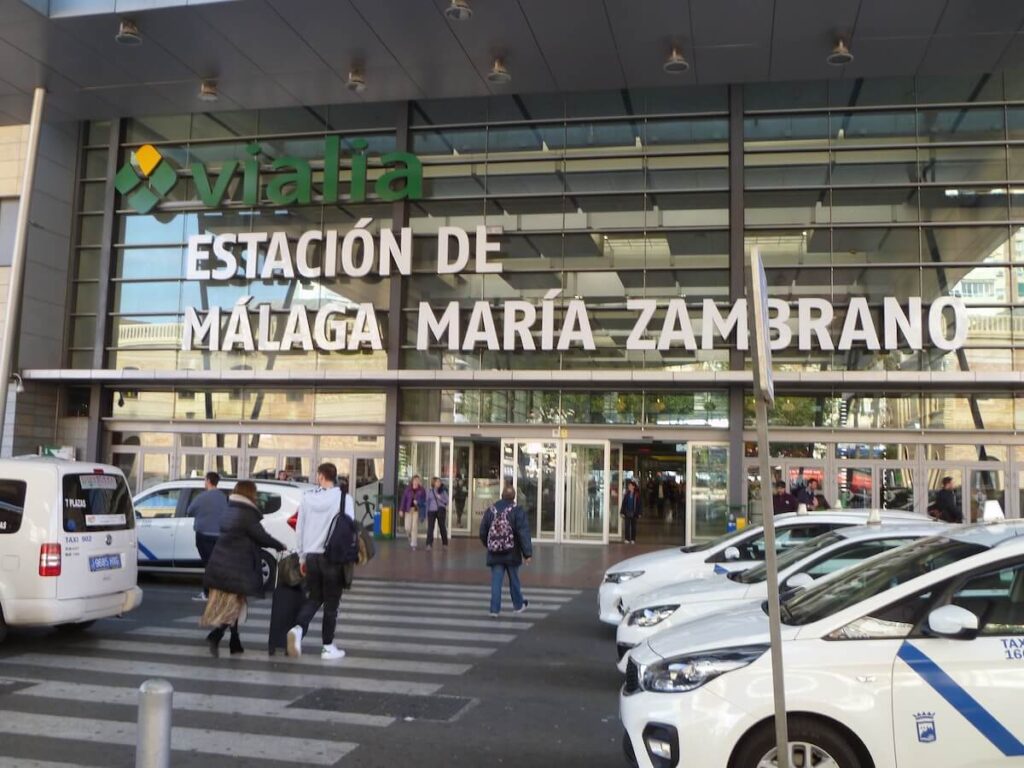
In terms of getting to Málaga or Seville from an international destination, Málaga is more accessible. Costa del Sol Airport is the fourth most-trafficked airport in Spain, meaning there are a lot more international connections than the relatively smaller Seville airport.
Once you’re on the ground in Málaga, getting to your lodging and around the city is pretty easy. The historic center is compact and walkable. Seaside promenades invite pedestrians to stroll along the Mediterranean and bask in the sunlight.
For moving beyond the center, there are many bus lines, a metro system to residential areas, and commuter rail to visit some of the towns along the Costa del Sol.
Seville

Seville’s airport might be a bit harder to reach, but if you can route through Madrid, the high-speed rail gets you to Seville in under three hours.
Seville has similar public transit options to Málaga, like bus, metro, and commuter rail. It even boasts a short but charming tram line with connections to other transit systems.
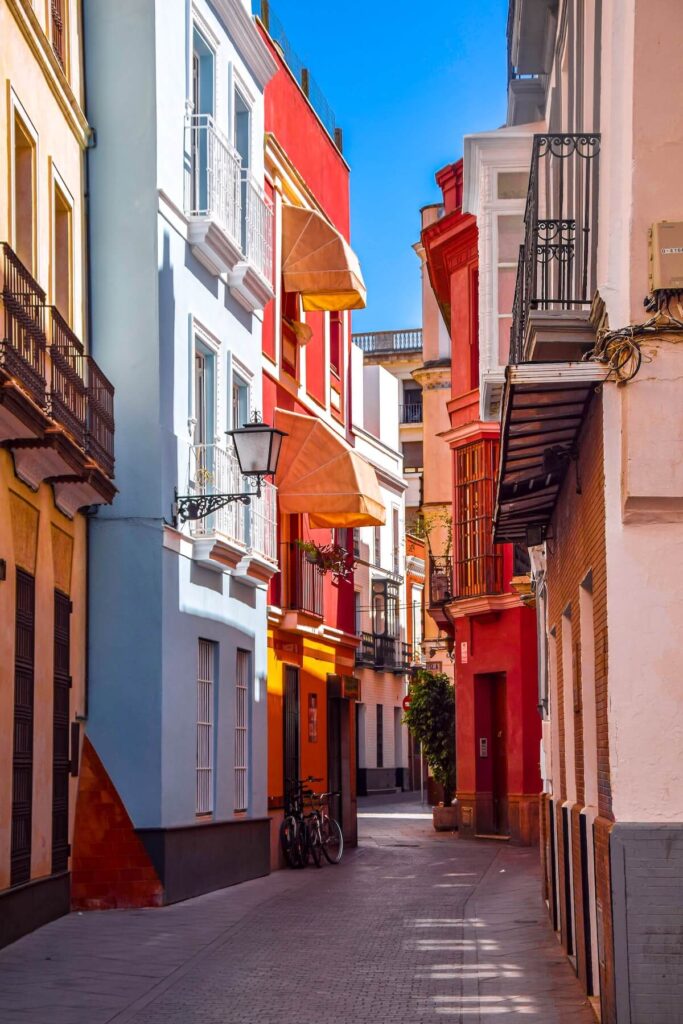
But Seville beats Málaga in all things pedestrian- and bike-friendly. The extensive historic center calls you to explore on foot or take a relaxing bike ride through the streets and along the Guadalquivir River.
Where to stay
Málaga
- Gran Hotel Miramar — a classy, palatial hotel steps from the beach in the heart of Málaga
- La Chancla — This boutique hotel opens its doors onto a lively boardwalk and beach.
- Posada del Patio — Where modern meets ancient, this hotel sits atop the ancient city walls.
- TOC Hostel Málaga — best for budget travelers and backpackers
Seville
- H10 Casa de la Plata — This chic hotel is steps away from Las Setas and lively plazas.
- abba Sevilla — Enjoy modern rooms and a rooftop pool with panoramic views.
- Corral de Rey — Have a luxurious stay at this 17th-century palacio hotel
- San Isidoro Hostel — a quaint hostel that puts you in the heart of the historic quarter
Historic center
Málaga

Málaga is known as an ancient city, but it’s only recently grown into a metropolis. For several reasons, its historical center has always been relatively small compared to other cities in Andalusia.
Within its historic center, you can find ancient walls dating back to the Phoenicians and a two-thousand-year-old Roman theater. Exploring the Alcazaba and the Gibralfaro Castle offers insight into the ancient history of the city. And the views from the hilltop castle are well worth the climb.
The crown gem of Málaga’s historic center is the Cathedral of Málaga, nicknamed La Manquita, or the One-Armed Woman, for its solitary bell tower. This architectural fusion of Renaissance and Baroque styles dates back to the 16th century.
The historic center is also the core of nightlife and dining in Málaga. Keep an eye out for the small details — Spanish tiles, architectural motifs, and twisting alleyways that give Málaga its charm and romance.
Seville
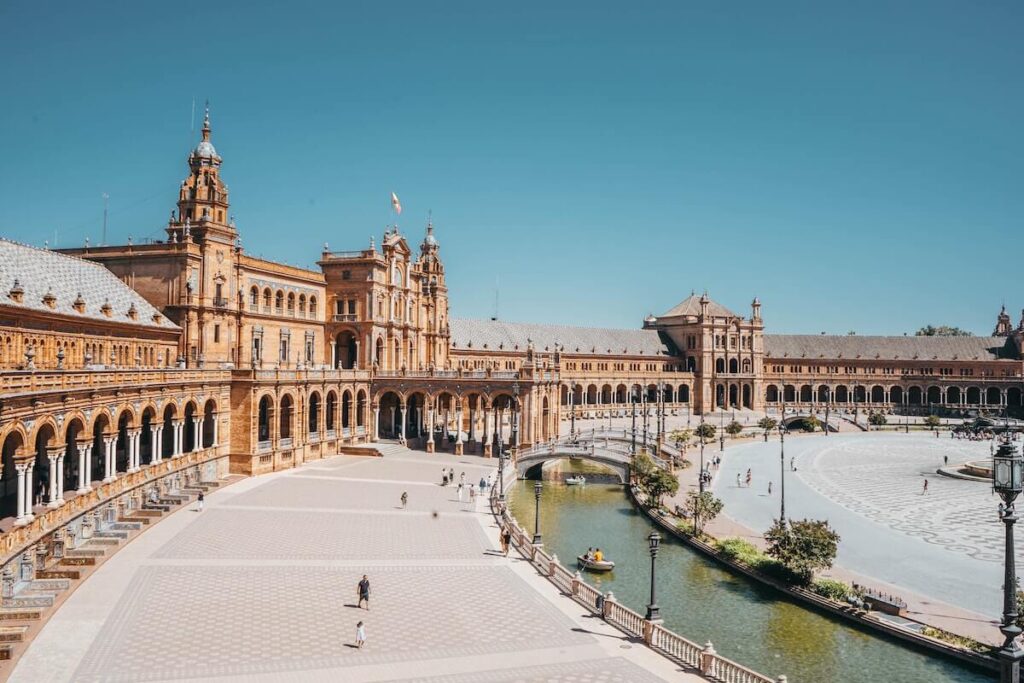
In Seville, you’ll never grow tired of strolling the historic streets, in part because it’s endless — Seville’s historic center is the largest in Spain and the sixth-largest in Europe.
The historic center of Seville features some of the most exemplary architecture in Spain. La Giralda, a minaret-turned-belltower, rises from the Cathedral of Seville to dominate the skyline. Steps away is El Real Alcazar, a royal palace whose Múdejar style and extensive gardens shed light on Andalusia’s fascinating cultural history.
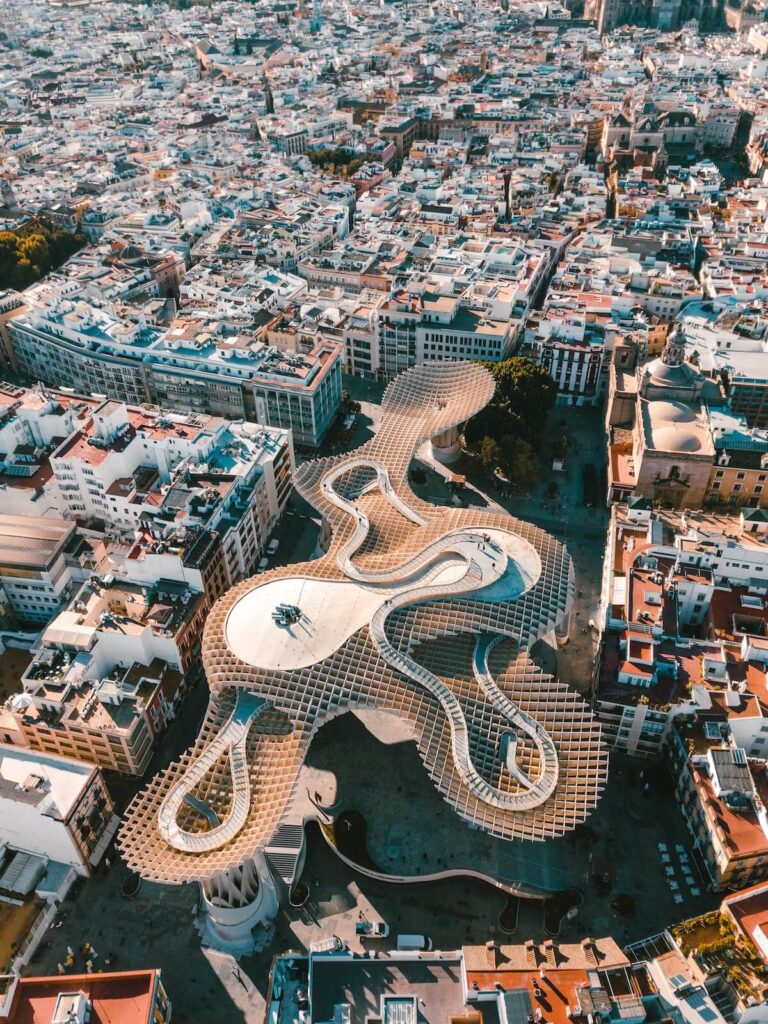
You can’t miss Las Setas, a funky wooden structure resembling mushrooms in the historic center, atop which you can catch panoramic views of the city. Catch a street flamenco performance at the Plaza de España, adjacent to the old quarter, or cool off in the shade along the riverwalk.
What to eat and drink
Málaga

Locals won’t hesitate to say, “En Málaga, se come bien” (in Málaga, you eat well) because, well, it’s true. From international fine dining in the city center to fresh seafood in fishing neighborhoods like El Palo, Málaga is a metropolis you can eat your way through.
Málaga is known for its fresh seafood, particularly dishes like espetos (chargrilled sardine skewers) and anchovies in vinegar. Pescaíto frito, or fried fish, is a mush-try when visiting the capital of the Costa del Sol. You can try the best seafood at some of the markets or any beachside chiringuito restaurant.
Don’t miss out on camperos, Málaga’s distinctive sandwiches served between two slices of round bread. Málaga is also great for sweet wines like pajarete and moscatel.
Seville

Gazpacho has made its way around the world as a beloved dish, but its roots date back to Seville via ingredients introduced by the Roman Empire. The cold tomato soup is the perfect culinary answer to hot Andalusian summers and nowhere does it better than Seville.
As the capital of Andalusia, Seville’s culinary scene is broad and varied. Other typical dishes in the city include huevos a la flamenca and tortilla de patatas.
Sherries from the Sierra Morena mountains, like manzanilla and vino tinto, or red wine, comprise some of the city and province’s most distinct wines. But honestly, simply ordering a crisp caña of beer with a side of olives at one of the city’s many plazas is enough to enjoy the drinking culture of Seville.
Culture
Málaga
Málaga is a modern cultural capital boasting film events, state-of-the-art museums, and music festivals. Málaga is known as the city of museums, with at least 30 distinct museums like the Museo Picasso, Centre Pompidou, and the Collection of Russian Museum.
Multiple film festivals take place in Málaga, such as the Spanish Film Festival and the Málaga French Film Festival. Music festivals like Andalucía Big bring international performances to the Costa del Sol, while the all-women performers at Fulanita Fest keep things local, alt, and Spanish.
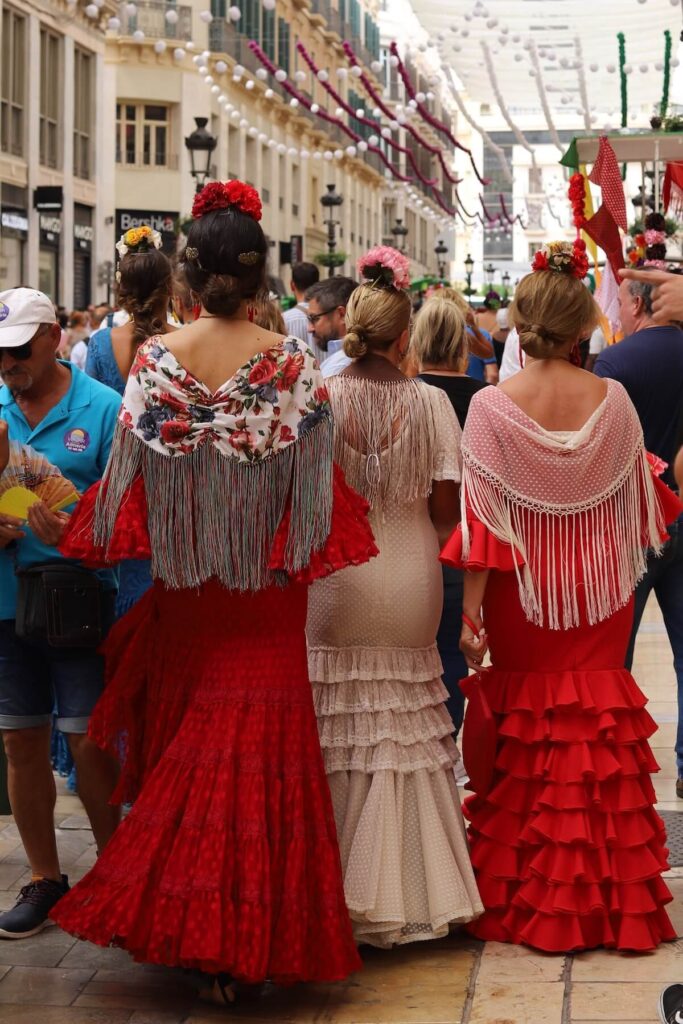
The Spanish tradition is not forgotten in Málaga, which hosts its annual feria, or fair, every August. The city and surrounding province also have no shortage of literary and art events, concerts, and theater.
Seville
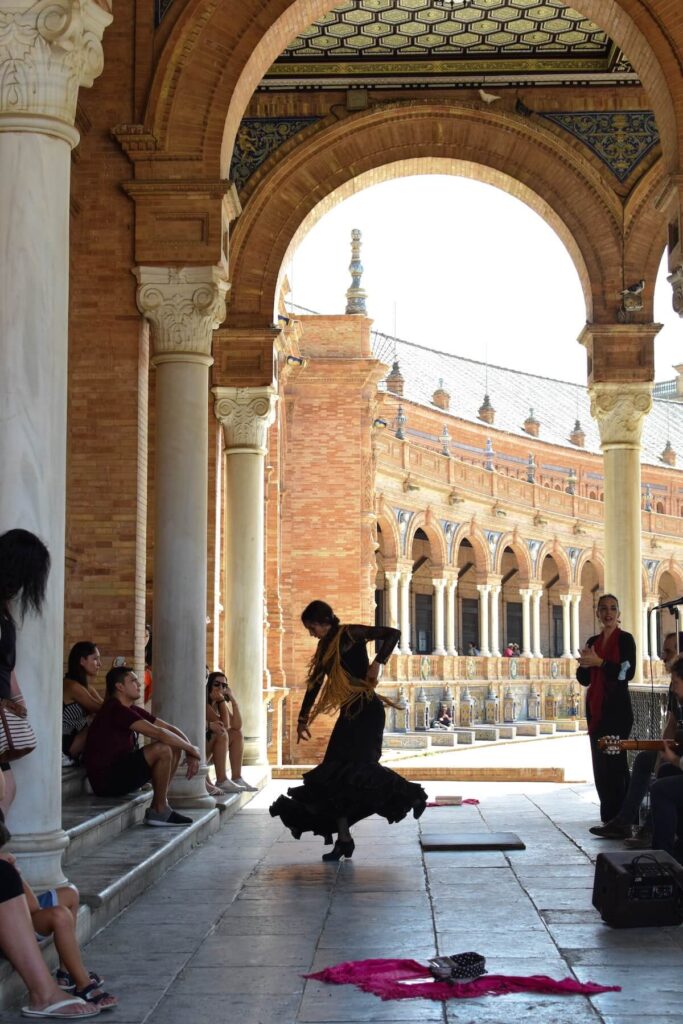
Despite being the largest city in Andalusia, Seville is often called a city that feels like a village. With that comes the tradition and authenticity that makes the city charming, though that’s not to say it’s lacking in modernity.
Flamenco is common all across Andalusia, but the sevillana style of both the dance and music is perhaps the most known worldwide. It’s not unusual to come across street performers or hear the plucky chords of an alegría as you stroll down the iconic Alameda de Hércules.
With many theaters and performing halls, Seville is a great place to watch a flamenco show or catch zarzuela, a Spanish theater style similar to opera.
Like Málaga, Seville celebrates feria once a year. Seville’s springtime feria is one of the most well-known across the country.
When to visit
Málaga
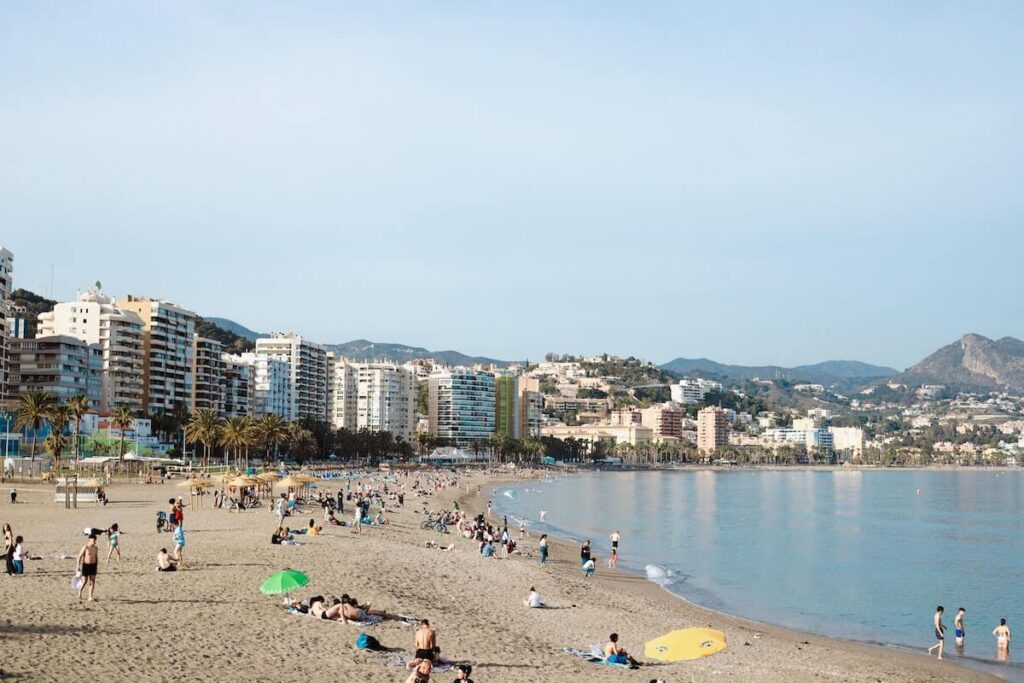
Known as the capital of the Costa del Sol, Málaga is sunny nearly 300 days of the year. Summer temperatures climb rather high, but with coastal winds and miles of beaches, there are plenty of ways to stay refreshed.
As a coastal destination, the prime time to visit is during the long summer, which unfortunately is when it’s most expensive and busy. If you’re coming from a colder locale, a trip to Málaga can be a great way to get some sunlight during the winter, but beware — the humidity and coastal winds make the city colder than the temperature might lead you to believe.
Málaga is also great in the shoulder season, as you can regularly see people lounging on the beach as early as March and until mid-October.
Seville

Without a doubt, Seville is a more pleasant place to visit outside of the summer months. Seville is located in the Guadalquivir River valley, a place known as la sartén de Europa — or the frying pan of Europe — because of sweltering spring and summer temperatures.
Ever heard of la siesta? In Seville summertime, it’s not just a restful afternoon nap. Activity in the city slows considerably from midday until late evening when the incredible heat abates and people can enjoy the city.
When I visited Seville in May, the temperature reached 38 degrees midafternoon. The heat is no joke and, aside from being unpleasant, can cause heat stress and dehydration.
Day trips
Málaga
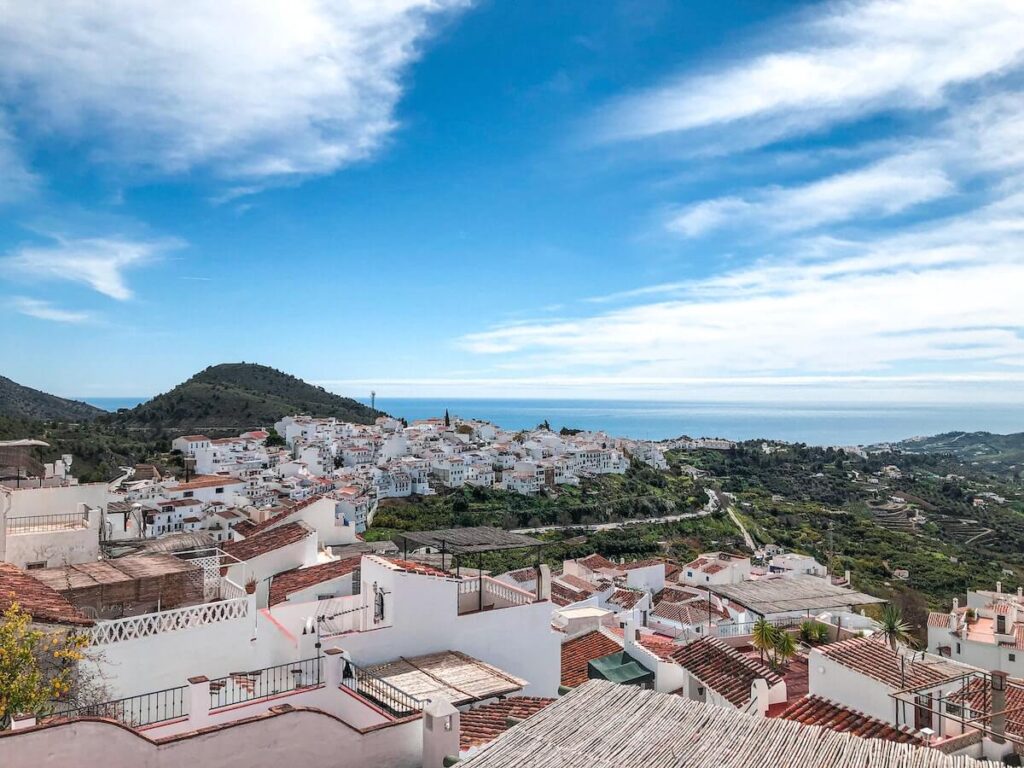
Málaga is the gateway to the Costa del Sol, the nearly 300 kilometers of spectacular coastline along the Mediterranean. Popular seaside towns like Torremolinos and Fuengirola lay a short train ride away, with charming Nerja and ritzy Marbella accessible by bus or car.
But Málaga is as mountainous as it is beachy. Head inland to the pueblos blancos, a loose network of villages known for their all-white buildings. In towns like Mijas and Frigiliana, you can enjoy these iconic locales with Mediterranean views. Or head inland to cliffside Setenil de las Bodegas or Casares.
The impressive city of Ronda, which straddles a canyon, is not one to miss out on, as its architecture whisks you back to ancient Rome and Islamic Spain. Málaga province is one replete with beautiful towns, ample nature, and stunning landscapes.
Seville

Seville brings you close to the pueblos blancos of Cádiz province, as well as the province’s stunning beaches. It’s also not a far cry from the Strait of Gibraltar and therefore the Moroccan city of Tangier. Both Málaga and Seville put other star destinations of Andalusia within reach, such as Granada and Córdoba.
Seville province also includes part of Doñana National Park, one of the most important wetlands in Europe. This critical, biodiverse ecosystem is great for hiking, birdwatching, and other ecological activities.
Conclusion
So, Málaga or Seville? It’s nearly impossible to decide, as both cities have so much to offer. But if you’re only visiting Spain once and you can’t see both, then the verdict is in — Seville.
Seville has an uncanny charm, un encanto, that is unrivaled across the world. From its stunning architecture and sunlit plazas to its cultural impact, Seville is a city that is so itself and so quintessentially Spanish at the same time. You’ll find yourself content with wandering around the twisting streets of the old quarter and basking in an ambiance not found anywhere else.
However, it’s not that far ahead of Málaga. In my opinion, Málaga’s food is worth making a trip for. It’s also much relatively easier to get to. If you’re traveling in the summertime, Málaga has the upper hand because of more pleasant weather and beach access.
If you’re worried you’ll miss one, I have an easy solution for you. Add the other to your itinerary on your next trip to Spain because both Málaga and Seville will leave you wanting to return.

Dear Henry,
I enjoyed reading your piece enormously. Thank you very much.
Freddy