
Spain bursts to the brim with alluring, beautiful, and exciting destinations, some of which are more familiar than others. The name Málaga, which is both a city and province, might ring familiar to your ears, but you’re probably asking, what is Málaga famous for? What is Málaga known for?
Well, Málaga is famous for near-endless sunshine and Mediterranean beaches. Málaga is also known for fresh, delicious seafood and enchanting architecture, from Moorish palaces to cliffside white villages.

Come along as we go through 15 things Málaga is known and famous for.
Table of Contents
1. Pablo Picasso

Pablo Picasso is one of the world’s most recognizable artists and his story begins in Málaga. The Spanish painter was born there in 1881 and lived the first 10 years of his life in this sunny capital of the Costa del Sol.
Picasso’s legacy can be explored in Málaga at Museo Casa Natal, where you can see his birthplace, and at Museo Picasso Málaga, which features many of his sketches and lesser-known works.
Don’t forget to take a seat beside a statue of the artist in Plaza de la Merced before heading off to explore the plaza’s tapas bars.
2. Antonio Banderas

Picasso isn’t the only artistic great from Málaga — world-renowned actor Antonio Banderas also calls the city home. His career began on the stages and streets of Málaga and propelled him far beyond.
Banderas has never forgotten his Málaga roots. He is the creative director and founder of Teatro del SoHo CaixaBank, where local and international theatrical productions debut for Málaga audiences.
He has also opened some restaurants, such as the Italian fine-dining Atrezzo and Tercer Acto, which is adjacent to his theatre.
3. Sunshine
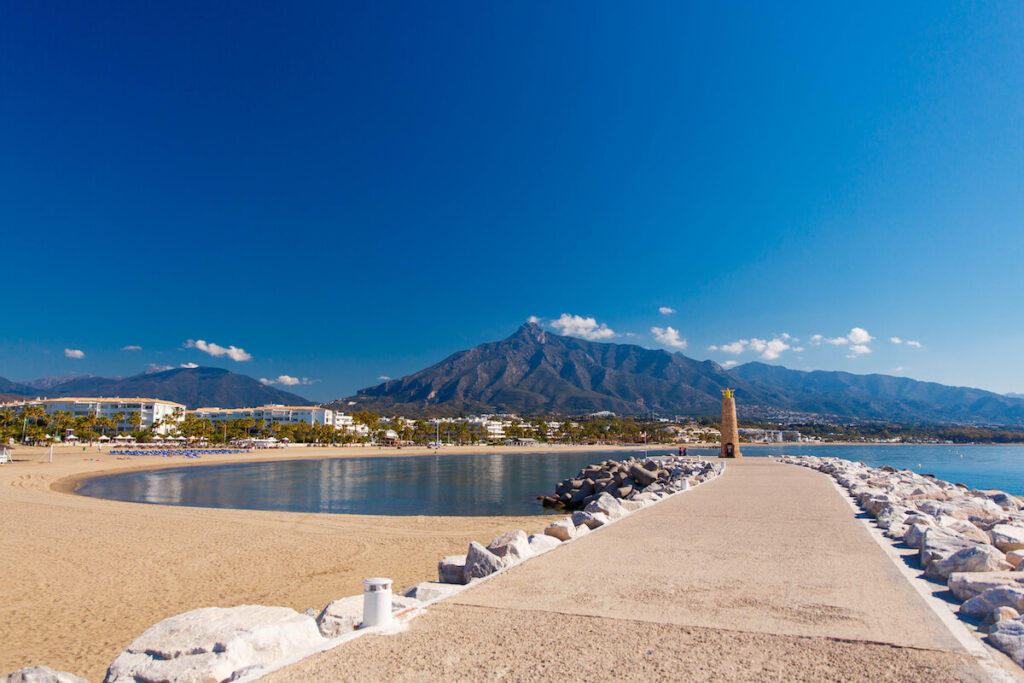
As the capital of the Costa del Sol, of course, Málaga is known for sunlight. The sun is hot and strong in this coastal Mediterranean city, which has over 300 days of sunshine a year. During the summer months, days are eternal, with the sun setting long after 9 p.m.
Don’t forget to bring your SPF creams and sunglasses when visiting Málaga. Whether it’s winter or summer, sunshine is almost guaranteed in Málaga.
4. Caves
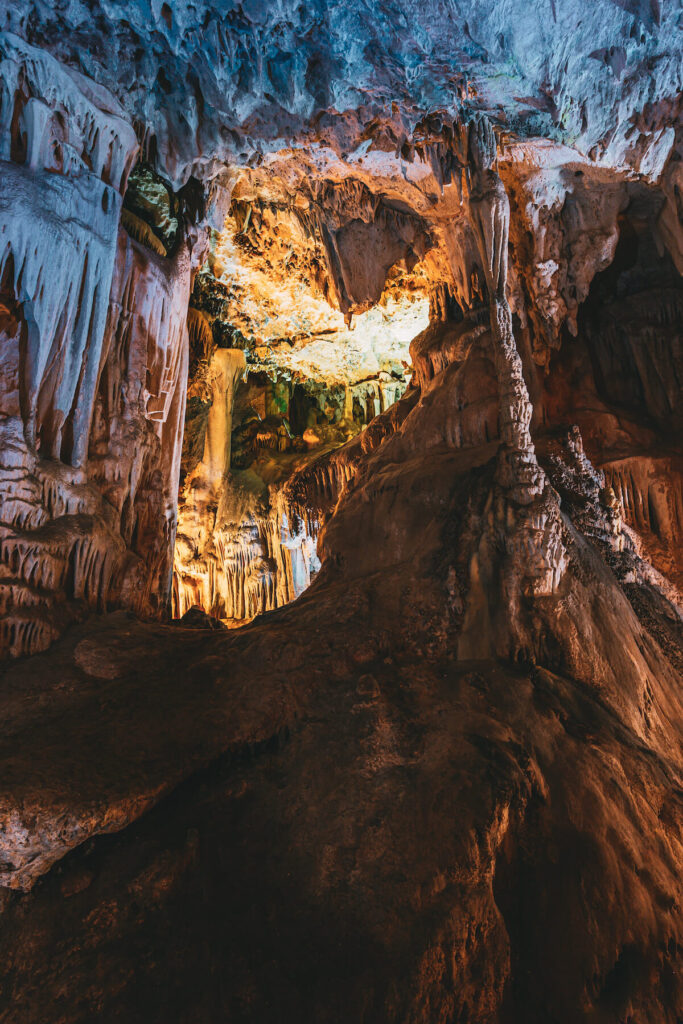
The province of Málaga is famous for cave networks that are geologically fascinating and feature some of the oldest cave art in the world. Modern humans and other hominins have frequented them for millennia, compelled to do what humans always have — create art.
At Cueva de la Pileta near Ronda, you can see firsthand paintings of wildlife against the stone walls. Two other significant caves are Cueva de Nerja and Cueva del Tesoro, whose cave paintings are not accessible to the public. However, both are worth visiting for their natural beauty and anthropological interest.
5. Moorish architecture
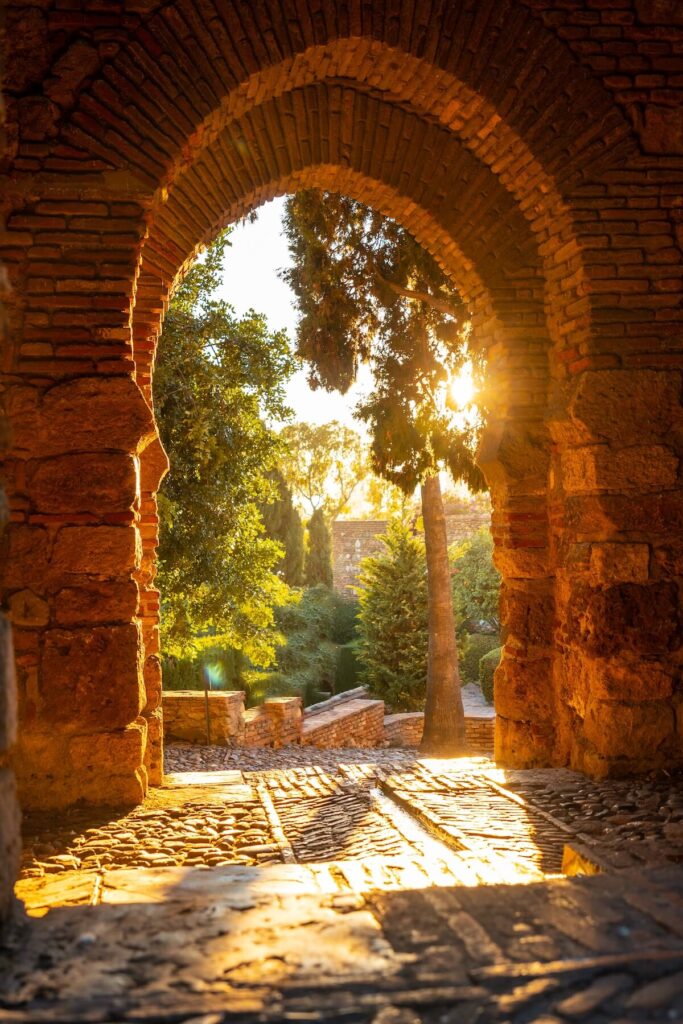
For centuries, Moorish architecture flourished across the Iberian Peninsula and spawned several later architectural movements. From palaces in Málaga to Arabic baths in Ronda, the province of Málaga is famous for stunning examples of Moorish architecture.
In the center of Málaga, the palatial Alcazaba reminds visitors and residents alike of the cross-cultural history of the region. The palace features tranquil gardens, intricate archways, and airy beauty typical of the Moorish style.
An hour or so from Málaga capital, the hilltop city of Ronda is a step back through the eras and boasts well-preserved examples of Moorish architecture. One such site is the ruins of the Arab bathhouse, which served social, religious, and hygienic purposes in the society of Moorish Al-Andalus.
6. Semana Santa processions

Semana Santa, or Holy Week, is observed throughout Spain, but nowhere celebrates it with the dramatic glamor of Andalusia.
As one of the biggest cities in this southern region, Málaga is famous for Semana Santa processions. These processions are visually striking and part of a larger historic, cultural, and religious celebration.
For a week before Easter Sunday, the city’s streets flood with tens of thousands of spectators. They come to watch members of religious associations carry massive, ornate thrones bearing the likeness of Jesus Christ and the Virgin Mary, among other Catholic figures.
A note: The processions include people in robes similar in appearance to those of the Ku Klux Klan (below), but the attire of Semana Santa is part of an older and independent tradition.

Also read: 10 Malaga Festivals and Celebrations You Shouldn’t Miss
7. Pueblos Blancos

Málaga is one of two provinces in Andalusia famous for pueblos blancos, or white villages. These picturesque towns often cluster on hillsides and gleam in the sunlight.
Málaga is known for pueblos blancos like Mijas and Frigiliana, which both offer sweeping views of the Mediterranean from narrow, cobbled alleyways.
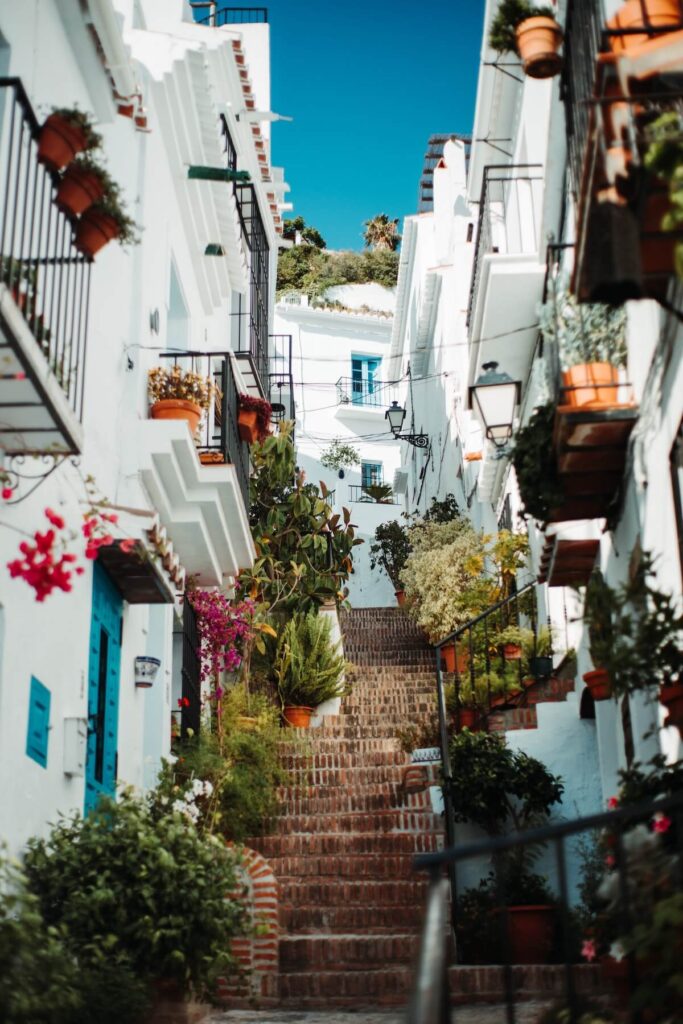
Other pueblos blancos include Setenil de Las Bodegas, which is tucked under a cliff, and Casares, known as the “hanging village” for its steep, winding streets.
8. Seafood

With the glimmering expanse of the Mediterranean right there, it only makes sense that seafood forms a bulk of the Málaga’s gastronomy. Neighborhoods like Huelin, El Palo, and Pedregalejo emerged as fishing communities and remain so to this day.
Along the city’s beaches, you can find chiringuitos. If you’re looking to eat some seafood the Málaga way, these beachside bars are culinary cornerstones you don’t want to miss. Who can say no to enjoying a long lunch of fried fish and cool beer along the sunny coast?
9. Sardines and anchovies

While Málaga is generally famous for seafood, two fish take the cake in the local culture.
First is the sardine, which is commonly eaten skewered and grilled over an open flame on the beach. This dish, known as the espeto, is perhaps the most iconic of Málaga. Peak espeto season is during summertime.
Then there are the anchovies, or boquerones. Boquerones en vinagre is naother iconic dish, so popular in fact that the word boquerón or boquerona refers to someone from Málaga.
10. Málaga CF

Speaking of boquerones, the word also refers to the players of Málaga CF, the city’s professional football club. Málaga might not make the cut to enter into the first division of Spain’s competitive La Liga, but the city still reps the team’s white and blue colors.
Catch a game at La Rosaleda, the 30,000-seater football stadium just across the river from the city’s historic center.
11. Stunning beaches
Málaga is synonymous with the Costa del Sol, so of course, Málaga is famous for its beaches.
Hundreds of kilometers of coastline are home to dozens of excellent beaches — hidden coves, long stretches of sand, family-friendly beaches, clothing-optional beaches… There’s a beach for everyone in and around Málaga looking for fun under the sun.
12. Interesting museums

Looking to try your hand at art criticism or dive into local history? Málaga is the city for you. Its collection of high-quality, affordable museums makes the city one of the best places in Spain for the curious.
Málaga’s museums include ancient palaces like the Gibralfaro Castle and art institutions like Contemporary Arts Center and Museo Carmen Thyssen. But there are also smaller, curious ones, such as the Museum of Glass and Crystal.
And of course, Málaga is home to the Museo Picasso, which showcases many works of the Málaga-born artist.
13. The Cathedral of Málaga
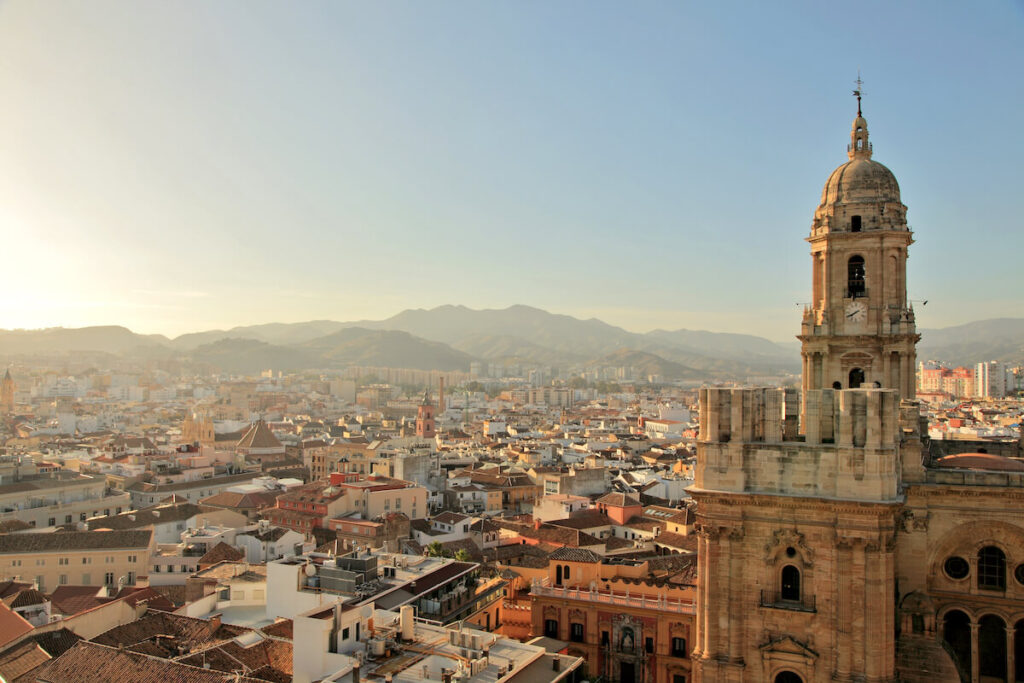
At the city’s heart is the Cathedral of Málaga. Built between the 16th and 18th centuries, this cathedral is unique for two reasons. Firstly, its facade features Baroque styling in contrast to the Renaissance design, a unique marriage of styles uncommon for the era.
The second is that one of the two towers planned was never built. For this reason, it’s known as La Manquita, or the One-Armed Lady.
As long as there are no skyscrapers in Málaga, La Manquita remains the star of the city’s skyline. From almost anywhere in Málaga, you can catch a glimpse of the lone north tower.
14. How you order coffee

It’s not the type of coffee that Málaga is known for, but rather how you order it.
In Málaga you don’t order a café con leche, you order un mitad — or a half. As in half milk, half coffee. Or perhaps you prefer your café light on coffee, heavy on milk. If so, a nube or sombra (cloud or shadow) is for you.
A particular café, Café Central, was the cornerstone of this unique coffee culture. Inside the café, the different ways to order were displayed on a tile mosaic (above). Unfortunately, Café Central closed in early 2022, but anywhere you go in Málaga you can order coffee the local way.
15. Biznaga
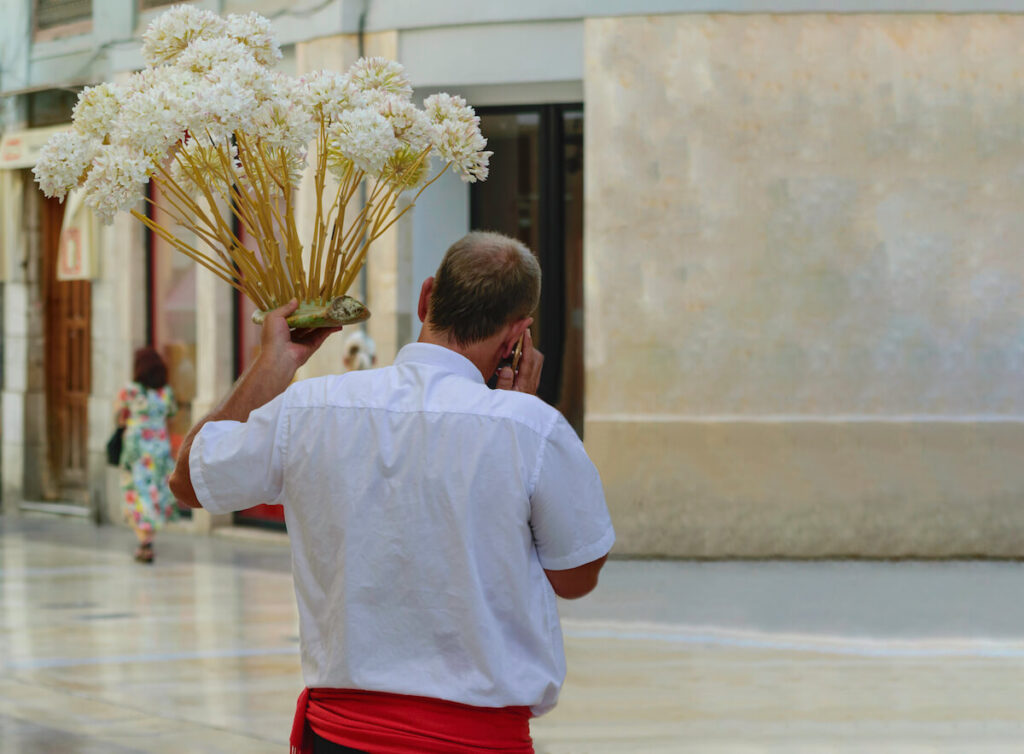
If you’ve ever been to Málaga in the summer, you’ve probably seen men walking around selling bouquets of jasmine. That’s the biznaga, the artful flower arrangement that is an icon of the city that bears the double purpose of providing fragrance and beauty while deterring pesky mosquitoes.
Images of the biznaga can be found across the city, as much in souvenirs as in artwork, such as the statue of a biznaguero, or biznaga vendor, found in Jardines de Pedro Luis Alonso.
Conclusion

Málaga is known and famous for many things and contains some of what makes Spain such a wonderful country — beautiful scenery, stunning architecture, warm people, and delicious food. Let us know what else makes Málaga unique among cities in the comments below.