
Málaga is the gateway to the Costa del Sol, an international tourist destination in the south of Spain known for long, sunny days, good weather, and beautiful, exquisite beaches. This modern metropolis rises along the Mediterranean Coast and offers a plethora of opportunities to anybody looking to experience southern Spain.
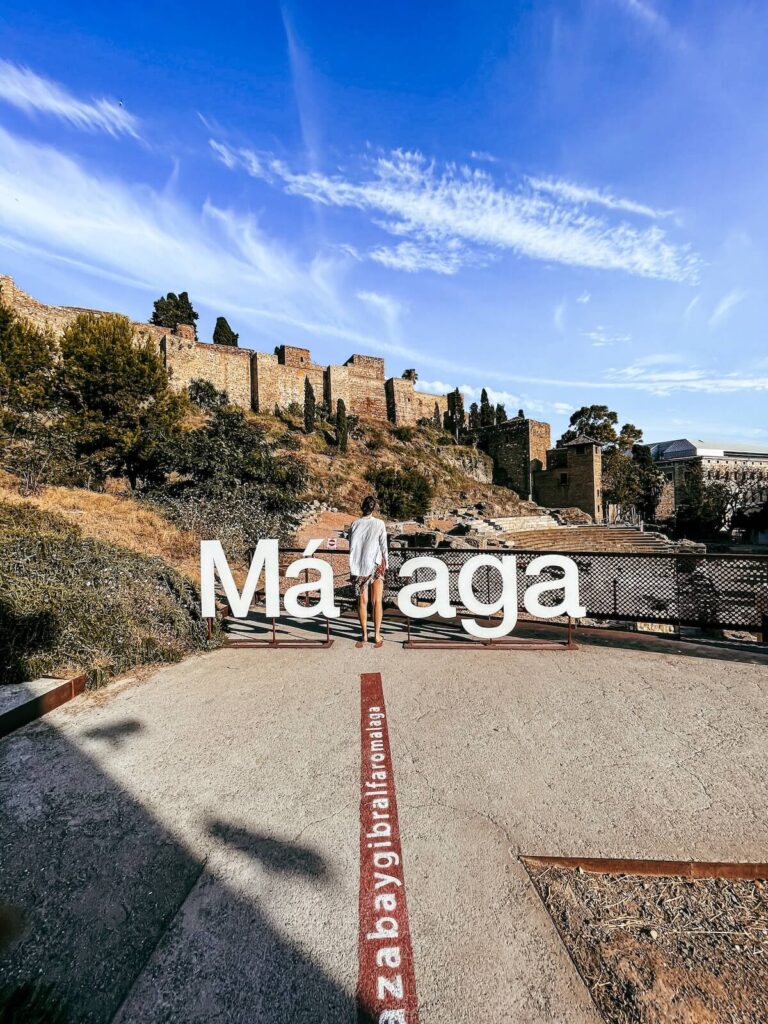
Málaga draws in visitors from all corners of the world, from budget backpackers to those with particular tastes and the cash to accommodate.
Okay, so now you know how Málaga is on paper. But perhaps there’s a more salient question — is Málaga worth visiting? Here are 12 reasons that’s a yes.
Table of Contents
Why you should NOT visit Málaga?
1. In the summer, it’s hot…
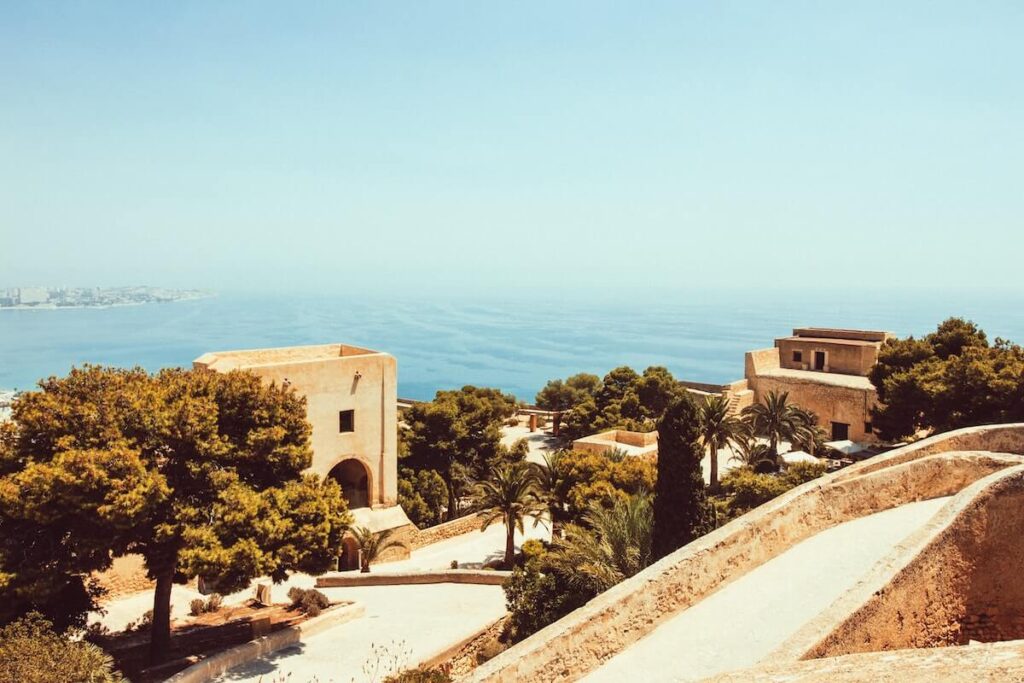
Since Málaga is a coastal, subtropical destination, it’s no surprise that it gets hot. The beach is easily accessible from most parts of the city, meaning there’s always a way to cool off in the summertime.
But the truth is Málaga can be unpleasant for those who prefer milder climates. The sun is relentless and ever-present during the summer months.
Málaga is a built-up city as well with fewer green spaces than many other cities in Spain. If hot weather isn’t your thing, maybe Málaga isn’t the right destination for you.
2. …and crowded
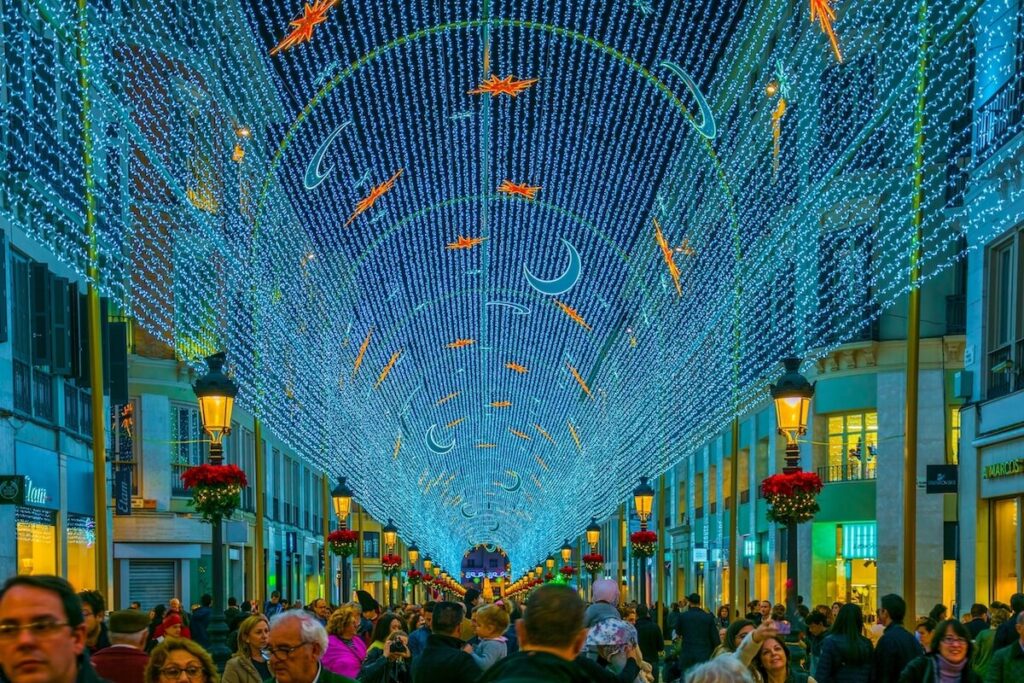
During those hot months, Málaga is not just hot but also crowded.
Since Málaga’s historic center is relatively small, the beautiful streets fill with people throughout the day, as do the hotels, hostels, and apartment rentals. Crowds mean elevated accommodation prices and longer waits. If you prefer places that are off the beaten path, perhaps look elsewhere.
3. Lots of hustle and bustle
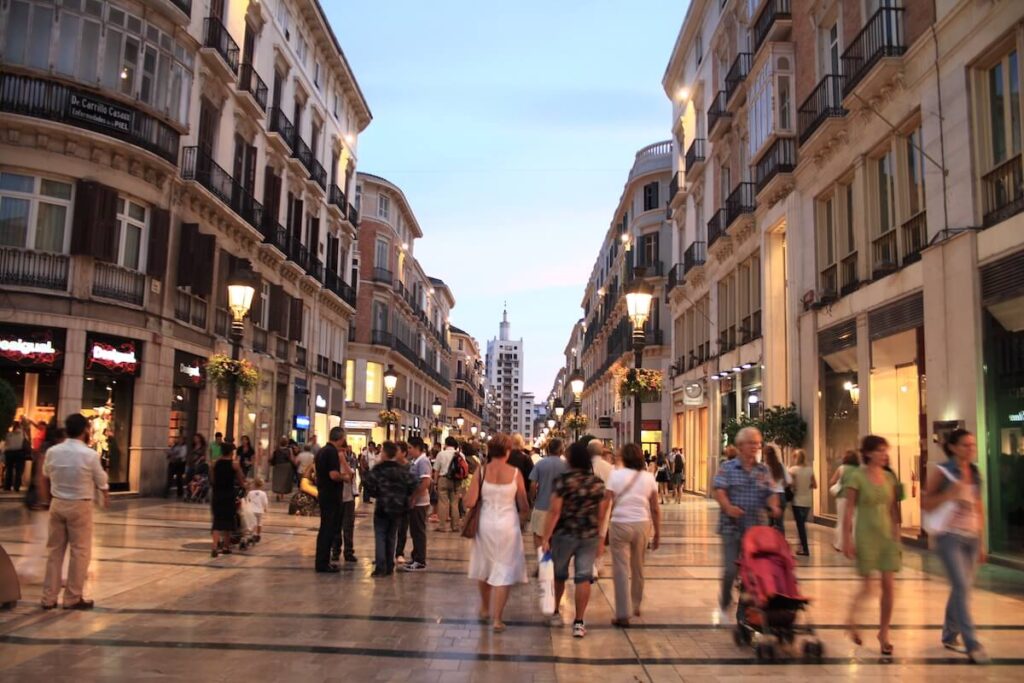
Lastly, Málaga, the sixth-largest in Spain, is a bustling, urbanized city. While Málaga has many merits of its own, it lacks the laidback charm of other Spanish cities like Granada or Córdoba.
Málaga’s ambiance is one of a historic city integrated into a modern metropolis, and that means loud, crowded streets, vehicles zooming by, and other typical features of big cities.
Why you should visit Málaga
1. Málaga has a rich ancient and modern history
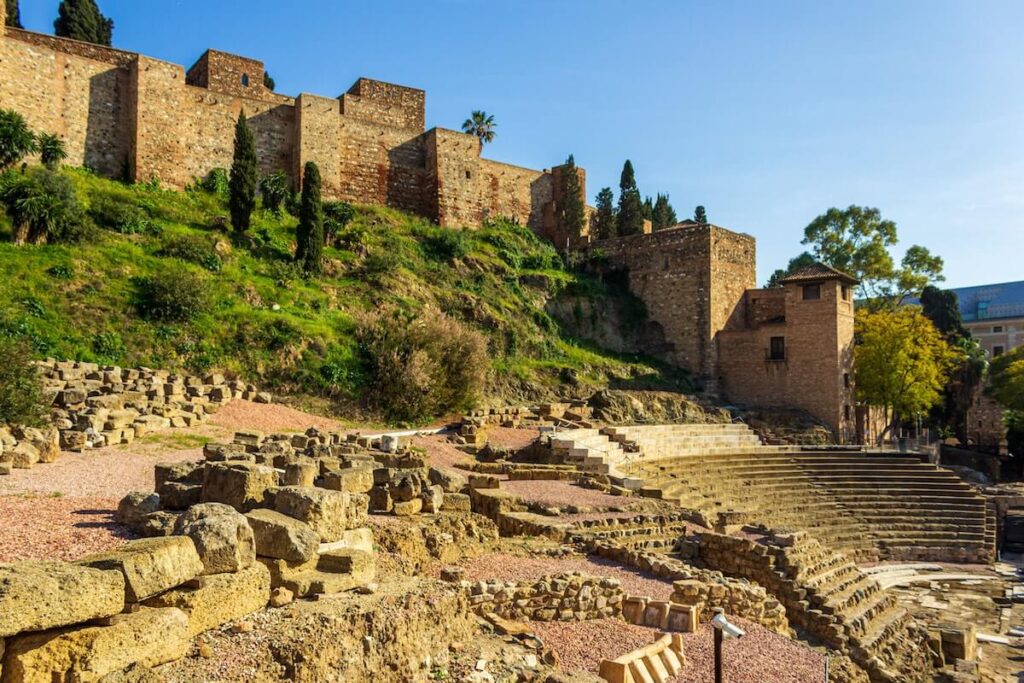
Since ancient times, Málaga has been a crossroads of cultures. Phoenicians colonized the area some 2,500 years ago and the forces of history have not stopped since then.
No place better exhibits the ancient history of Málaga than the adjacent Alcazaba and Gibralfaro Castle. The fortifications climb up along a large hill in the city’s center and have been home to Phoenicians, Romans, Spanish Moors, Catholic Kings, and other civilizations that have crossed the Iberian Peninsula.
Málaga’s history can be explored through many lenses, from walking tours to visiting historical sites or diving into the past in museums like the Museum of Málaga.
2. It’s a crossroads of culture
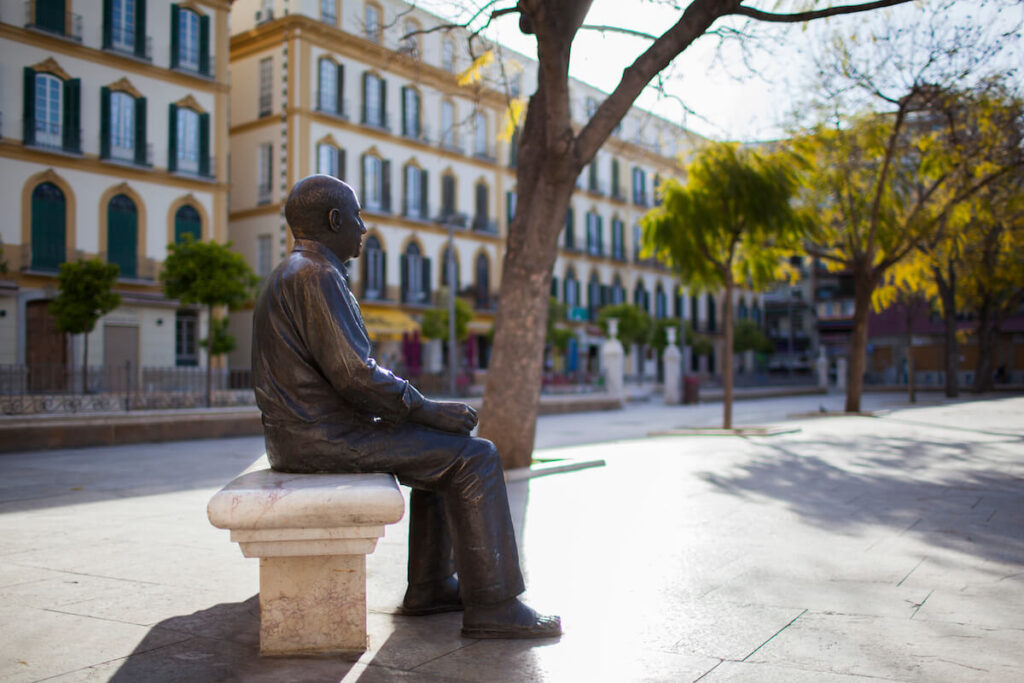
The people of Málaga are considered una gente abierta, or an open people, which only makes sense because of the city’s cross-cultural history.
Across the city, you can find examples of Mudejar architecture, a style developed during and after the Moorish period. Flamenco, a music and dance style pioneered by Andalusian Romani people, is a cornerstone of the city’s culture.
Málaga is also a cradle of fine arts. Pablo Picasso was born and raised in Málaga, as was director and actor Antonio Banderas. The city hosts international festivals, such as the music festival Andalusia Big, the Málaga French Film Festival, and the Málaga Film Festival.
3. The beaches are to die for
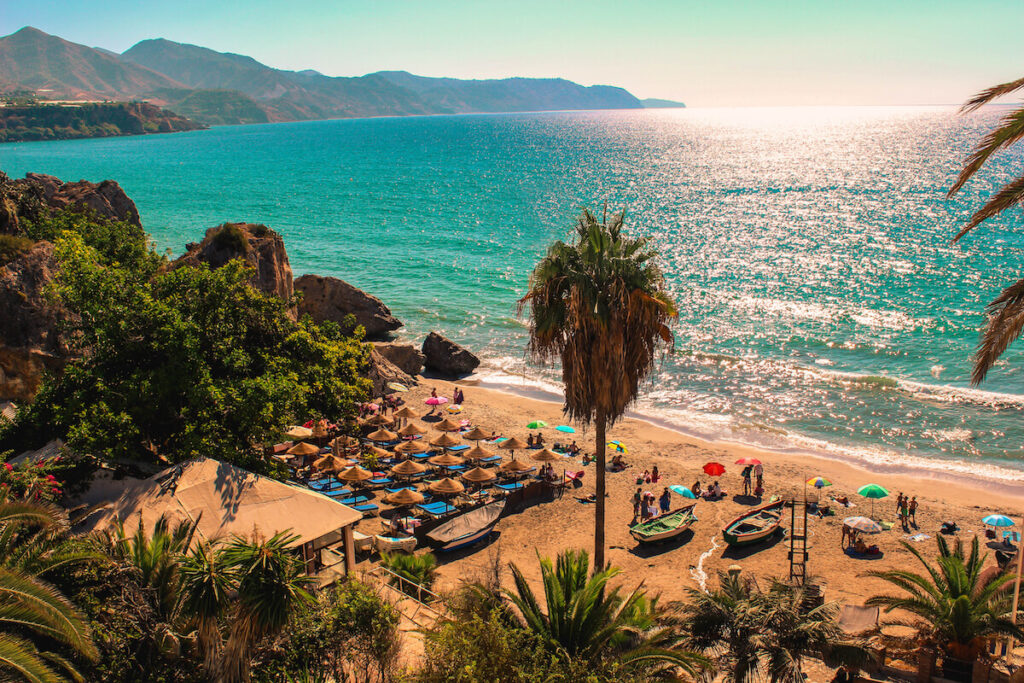
The province of Málaga boasts over 180 kilometers of coastline where you can find dozens of beautiful beaches.
Some of those beaches, like La Malagueta, La Caleta, and La Misericordia, are a short walk from Málaga’s historic center. From sunset walks to long, lazy beach days, they’re perfect for anyone who wants to stay close to the city but get their beach fix.
Other beaches in Málaga are more isolated, whether they’re quiet coves or long, natural stretches of sand. Málaga is the perfect city to beach hop, as many are to some degree accessible by public transportation. The beaches alone prove Málaga is worth visiting.
4. Semana Santa is enchanting

Semana Santa, or Holy Week, is ubiquitous across the Spanish-speaking world, but nowhere is it celebrated quite like it is in Andalusia. As the second-biggest city in Andalusia, Málaga is home to some of the most enchanting Semana Santa celebrations, as well as other festivals.
During Semana Santa, the fabric of the city changes as crowds flock to see the processions, where hundreds — yes, hundreds — of people carry thrones bearing religious icons like the Virgin Mary and Jesus Christ.
The processions occur daily throughout the week and are an absolute spectacle, though they do make moving through parts of the city rather difficult. No pasa nada, that’s part of Semana Santa in Málaga.
5. Málaga is accessible

A woman pushes another one in a wheelchair in Malaga’s oceanside
Bienvenido to the limited mobility travelers — Málaga is one of the most wheelchair-accessible cities in Spain. Although it is surrounded by mountains, most of the city lies on flat terrain. Its sidewalks and promenades tend to be made of smooth marble, not bone-jarring cobble.
Additionally, most of Málaga’s main museums and attractions are wheelchair accessible, as are buses and trains so that you can move around this sunny city sin problema. Even the La Malagueta and Misericordia beaches have wheelchair-accessible ramps!
6. And it’s well-connected
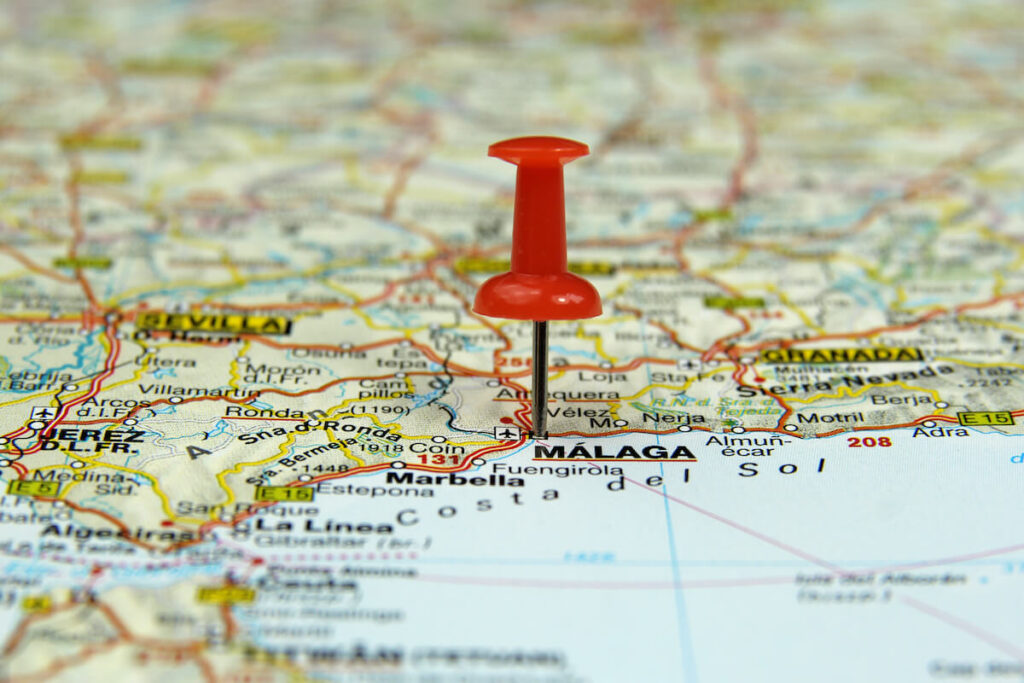
Málaga is a well-connected city, with one of the largest international airports in Spain and a good connection to a number of other must-see places. A high-speed rail line connects Málaga to Madrid, passing through Córdoba along the way.
Cities like Granada and Sevilla are also connected to Málaga by rail. Regardless, most destinations in Andalusia are a train, bus, or car ride away.
Málaga is also less than two hours’ drive from the ports of Algeciras and Gibraltar, from which you can take a transcontinental ferry to Morocco.
7. Málaga’s sunrises and sunsets are worth seeing
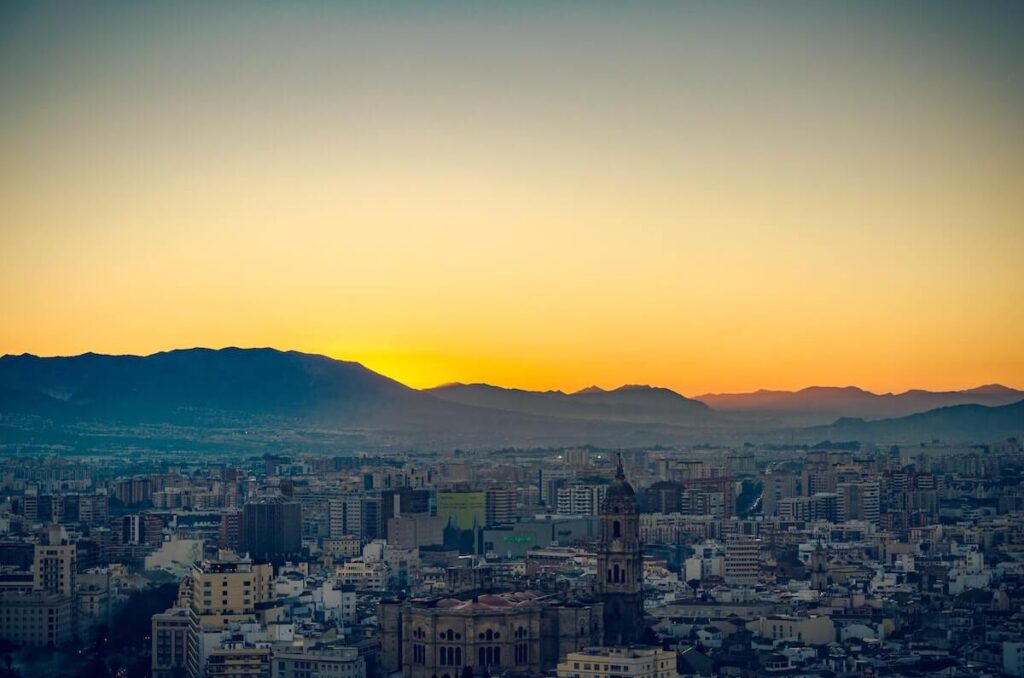
New glimpses of the ever-changing sky are a fascinating part of traveling. Fortunately, Málaga is well-positioned to see the sun both rise and set alongside the coast. Splendid sunrises and sunsets occur almost daily in Málaga, whose fair weather makes them all the more vibrant.
Any spot along the Mediterranean coast offers unspoiled vistas for both sunrise and sunset. For catching the turn of the earth at the end of the day, head to Monte Gibrafaro to watch the sun sink over the city, or grab a drink at one of the many rooftop bars in Málaga.
8. And the pueblos blancos are worth the trip
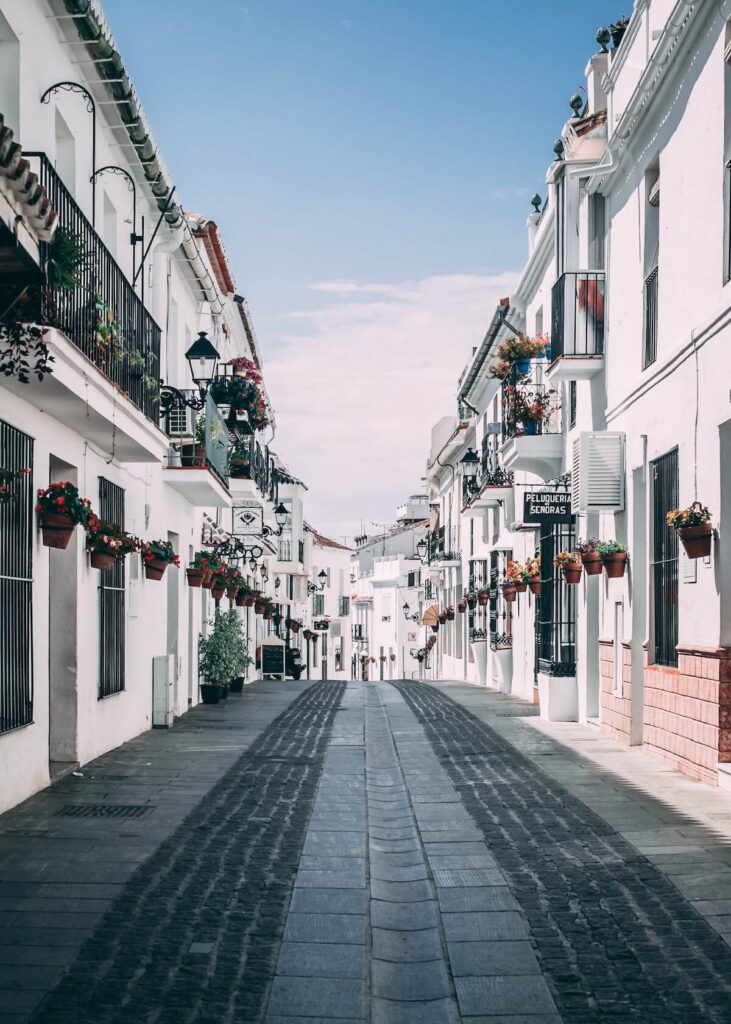
Málaga is not just a city, but also a province home to 1.6 million people. This province of Andalusia rolls from coast to high mountain, holding forests, farmlands, and idyllic pueblos blancos, or white villages.
From the mountainside towns of Mijas and Frigiliana, which overlook the Mediterranean Sea, to the semi-subterranean avenues of Setenil de Las Bodegas, these villages offer an authentic look at Andalusian culture, gastronomy, and beauty.
But they don’t stop there. Other pueblos like Ronda, Gaucín, Benaoján, and Istán are among the pueblos blancos well worth visiting in Málaga.
9. Málaga’s seafood is glorious
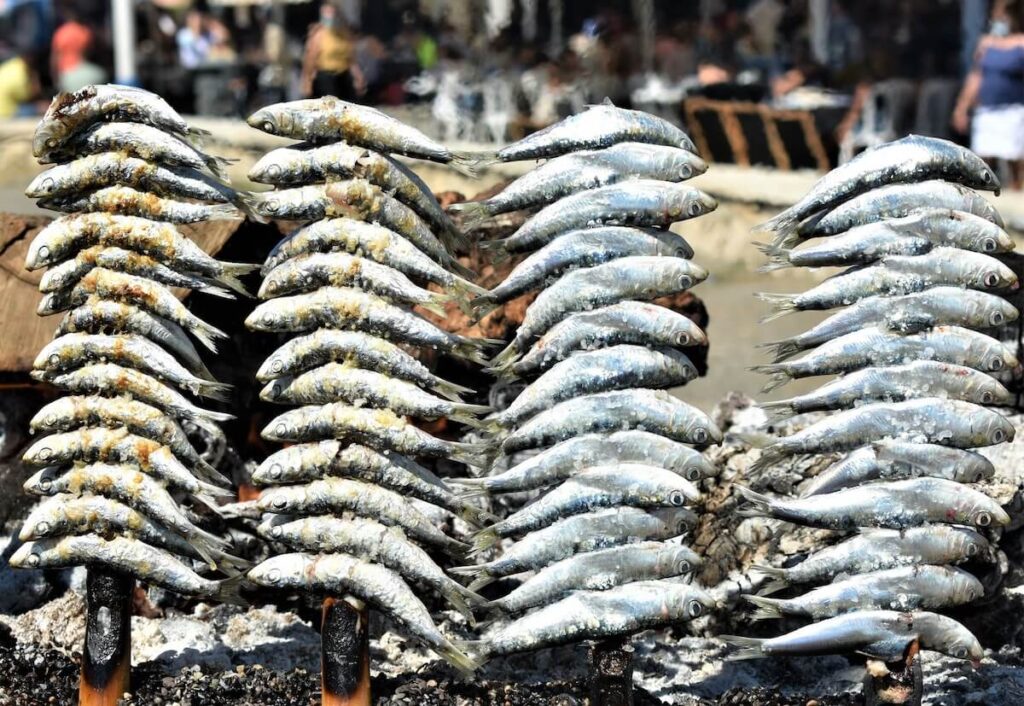
Málaga is a city of the sea, a place where the residents call themselves boquerones, meaning anchovies, and find pride in their seafood gastronomy.
Málaga specializes in pescaito frito, or fried frish. Try a wide range of seafood at a chiringuito, one of the many beachside restaurants in Málaga. Don’t forget to try Málaga’s signature dish of espetos, or sardine skewers grilled over wood fires on the beach.
At the Mercado de Atarazanas market in the historic center, you can browse the fresh catch of the day and other local products. Some of the city’s neighborhoods, like Huelin and El Palo, have their origins as fishing villages later absorbed by the growing capital, where the trade continues to this day.
10. It has a vibrant nightlife
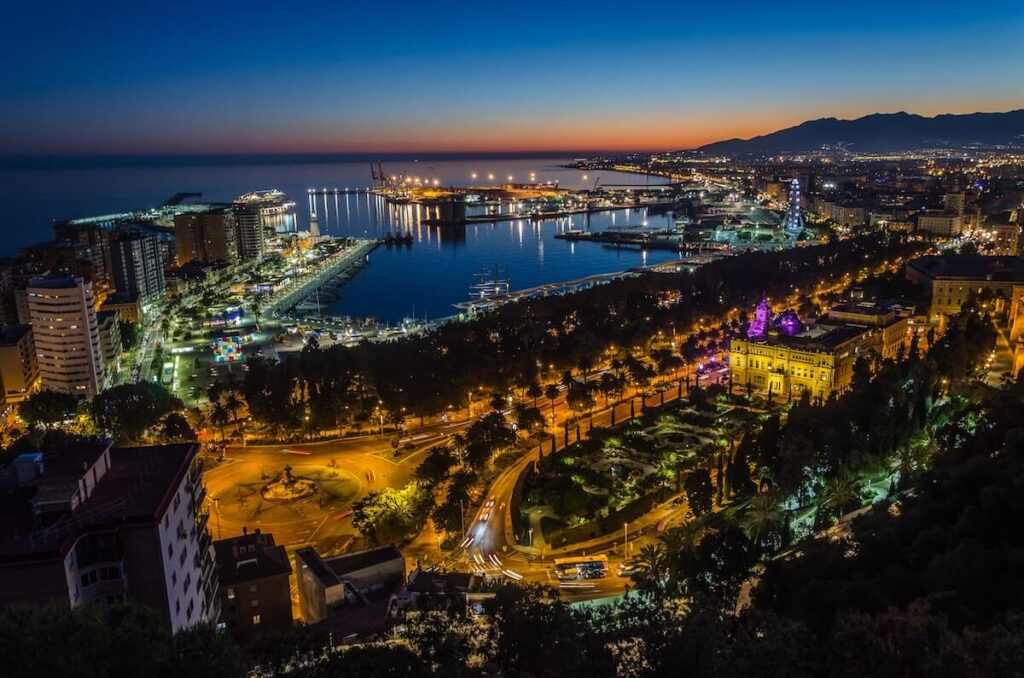
Málaga is a pulsing, nocturnal city with a nightlife that draws in international visitors and locals to crazy nights in the city. The city’s nightclubs are clustered around the historic center, but there are all sorts of bars, lounges, and beachside joints across the city.
Málaga is also a short train ride from Torremolinos, Benalmádena, and Fuengirola, three coastal cities known for their nightlife. Torremolinos is one of the most famous LGBTQ+ destinations in Spain and has a plethora of locales for queer people, as well as an enormous pride parade in June.
11. Málaga is the City of Museums
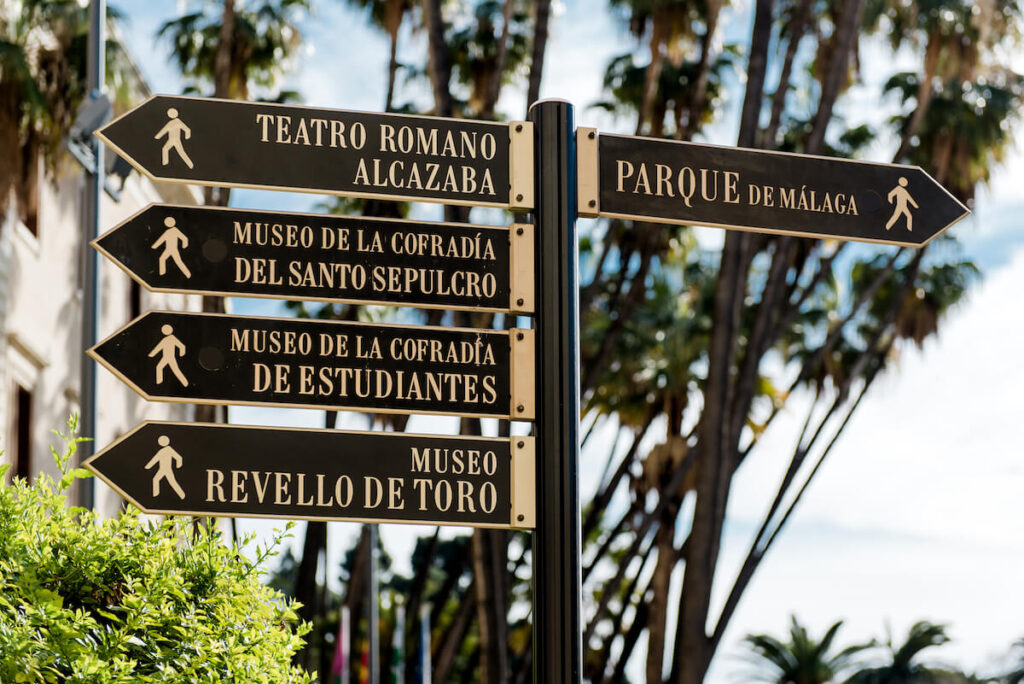
Among many things, Málaga is a city of museums. The capital of the Costa del Sol is home to 40 different museums. The diversity of exhibitions, history, and culture on display across the city make Málaga worth visiting.
Some museums, like the Museum of Glass and Crystal, are small and local, while others, like the Centre Pompidou Málaga, bring international expositions to Andalusia.
Many of Málaga’s museums have some sort of free entrance, but none of them will break your budget. The Contemporary Arts Center in SoHo is completely free, while others, like the Museo Picasso Málaga and Colección del Museo Ruso, can be visited at no cost on Sunday afternoons.
12. And it’s next door to nature
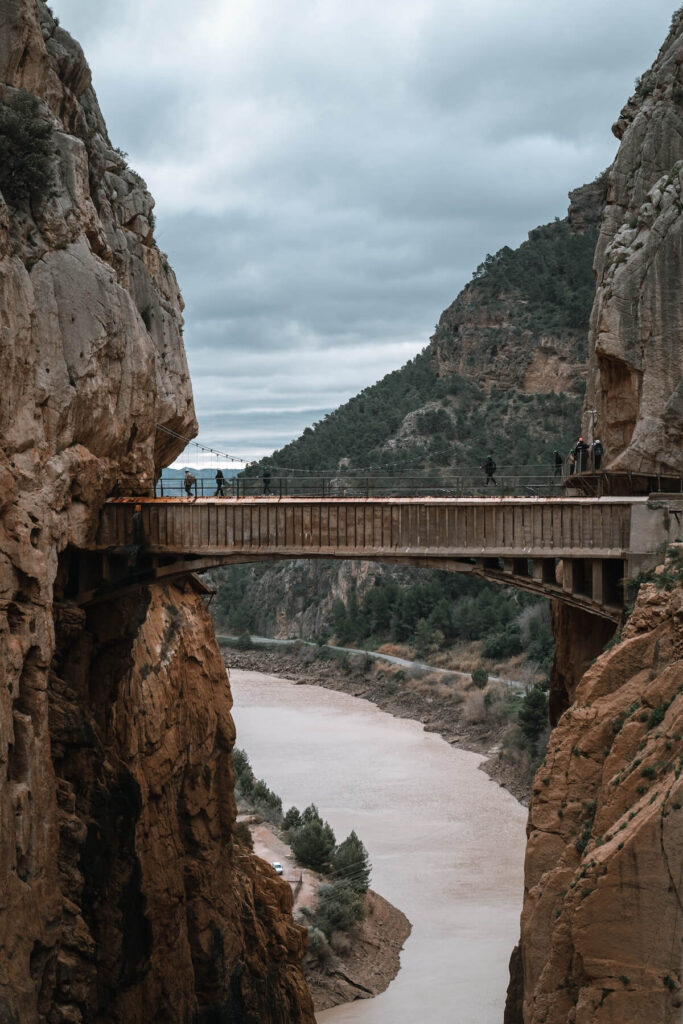
While Málaga is a built-up urban center, it is nestled among beautiful mountains.
Montes de Málaga Natural Park sprawls across the mountaintop a short drive from the city. The park elevates visitors so high that on a clear day you can see the mountains of Morocco across the Mediterranean Sea.
Other outdoor adventures await in Málaga too. You can brave El Caminito del Rey, a cliffside catwalk that was once one of the most dangerous outdoor treks in the world. You can also kayak along the Costa del Sol in Nerja, where rugged coastline and hidden coves await.
Conclusion
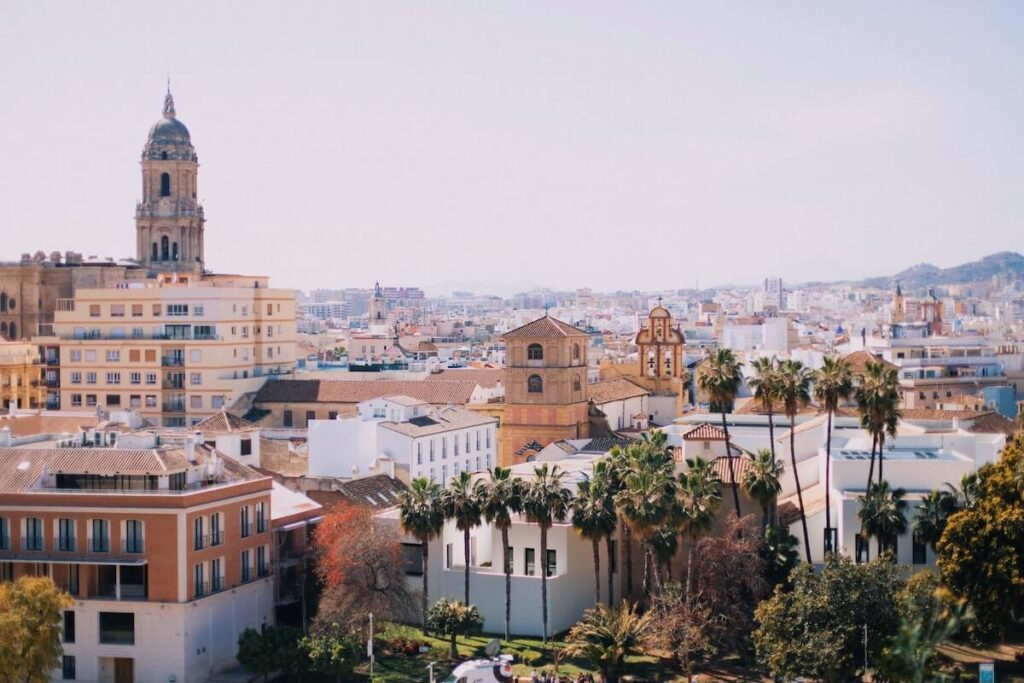
When it comes to destinations in Spain, it’s impossible to choose the best one. But you can never go wrong with Málaga, no matter your fancy. Málaga provides an authentic Spanish experience without breaking the budget.
Let us know if you’ve traveled to Málaga and what made visiting Málaga worth it for you.