
Jakarta, the capital of Indonesia, is a real powerhouse in Southeast Asia, and a city that pulses with a vibrant energy unlike any other. It’s the city of sprawling skyscrapers and heritage buildings, bustling markets, and the tantalizing aroma of nasi goreng.
Yet, when people think of Indonesia, often it’s Bali’s serene beaches or Yogyakarta’s ancient temples that first come to mind. Jakarta, it seems, often gets overlooked, sometimes even avoided by travelers.
It’s understandable, really. It doesn’t have the same postcard-perfect appeal as some other Indonesian destinations. But I’ve always been intrigued by Jakarta’s grit and its authentic urban vibe.

Beyond the historical landmarks and incredible culinary offerings, Jakarta is famous for world-class shopping malls, vibrant nightlife, and a thriving arts and culture scene. You can explore fascinating museums, catch a traditional wayang kulit shadow puppet show, or simply wander through the chaotic but charming backstreets, discovering hidden gems around every corner.
So, the big question: Is Jakarta worth visiting? I’ve come to the conclusion that, while it might not be everyone’s cup of tea, Jakarta has a lot to offer those willing to look beyond the surface. Below, I’ll tell you why you should definitely give this city a chance. But first, let’s see why some choose to skip it.
Table of Contents
Why some travelers avoid Jakarta
It has notoriously heavy traffic
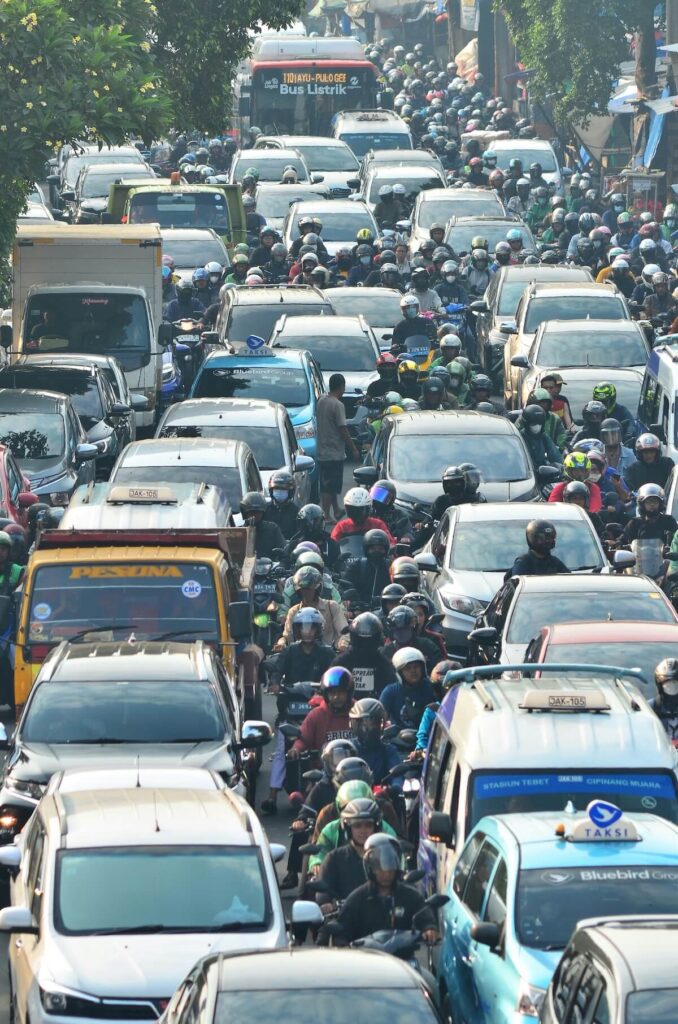
Let’s be real, Jakarta’s traffic has a reputation. And it’s not a good one. It’s often cited as the reason people avoid the city altogether.
Honestly, I get it. The thought of spending hours stuck in a gridlock isn’t exactly my idea of a vacation. It’s a common complaint, and it’s something you definitely need to consider when planning a trip to Jakarta.
There are a few contributing factors. The sheer volume of vehicles on the road, combined with the city’s rapid development and sometimes chaotic infrastructure, creates a perfect storm for congestion. It’s also not a walkable city, so most people opt to drive.
While it’s true that Jakarta’s traffic can be a nightmare, it’s important to put things in perspective. It’s not the most congested city in the world, or even in Indonesia. That dubious honor apparently goes to Bandung (as of writing). However, Jakarta consistently ranks near the top of the lists for traffic congestion, so it’s definitely a major issue.
But don’t despair! There’s hope. Jakarta has a surprisingly extensive and improving public transportation system. From the Transjakarta bus rapid transit, which has dedicated lanes to help avoid the worst of the traffic, to the MRT (Mass Rapid Transit) and commuter trains, there are actually quite a few options for getting around without having to brave the roads yourself.
Exploring the city via public transport can be an adventure in itself, and it’s often a much more efficient way to travel, especially during rush hour. It’s also a fantastic way to experience the city like a local and get a feel for its rhythm and pulse.
It’s hot and humid all year round
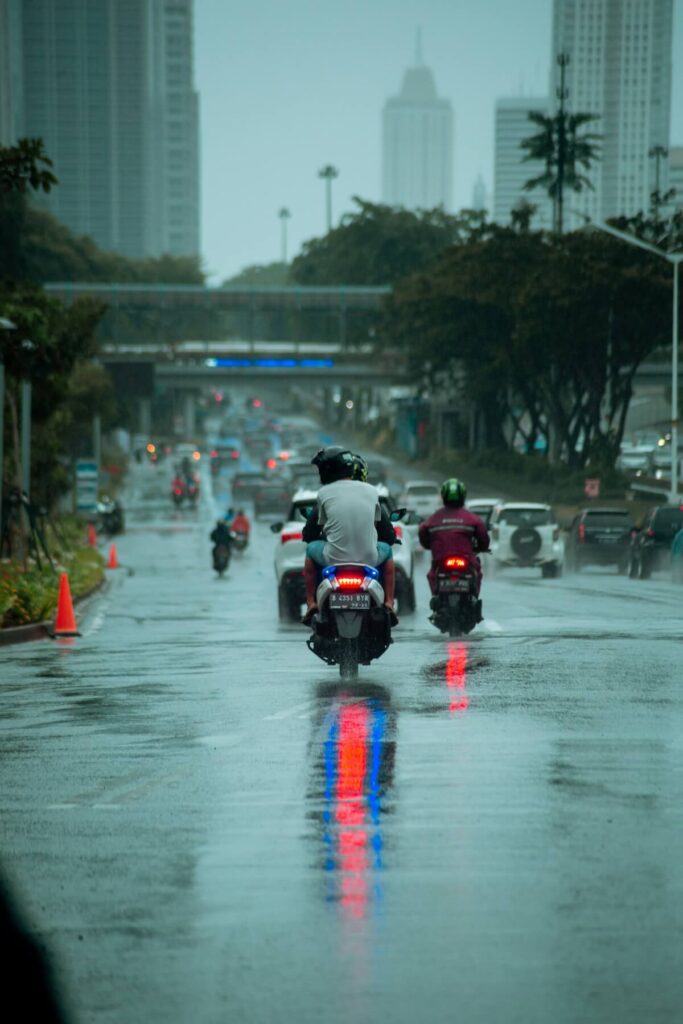
There’s no sugarcoating Jakarta’s weather: it’s hot and humid. All year round.
It’s a tropical climate, plain and simple. So, if you’re someone who wilts in the heat or prefers crisp, cool air, Jakarta might not be your ideal destination.
Traveling in Jakarta means the humidity can hit you like a wall the second you step outside, and you just crave a cold shower and strong air conditioning. It’s something to be prepared for. There’s no real “dry season” in the way some other tropical destinations have, so you can pretty much count on it being warm or rainy, and generally sticky whenever you visit.
Now, before you completely write Jakarta off, there are a few things to consider. While it’s undeniably hot, it’s not unbearable. Millions of people live and thrive there, after all. And honestly, you do get used to it after a while.
Plus, there are ways to cope. Embrace lightweight, breathable clothing. Think cotton, linen, and loose-fitting styles. Hydration is also key—drink plenty of water throughout the day. And don’t be afraid to take advantage of the AC whenever you can, whether it’s in your hotel, a shopping mall, or a café.
Jakarta’s also a city that comes alive at night, when the temperatures cool down a bit, making it a great time to explore the street food scene and enjoy the city’s nightlife.
It has a reputation for petty crime
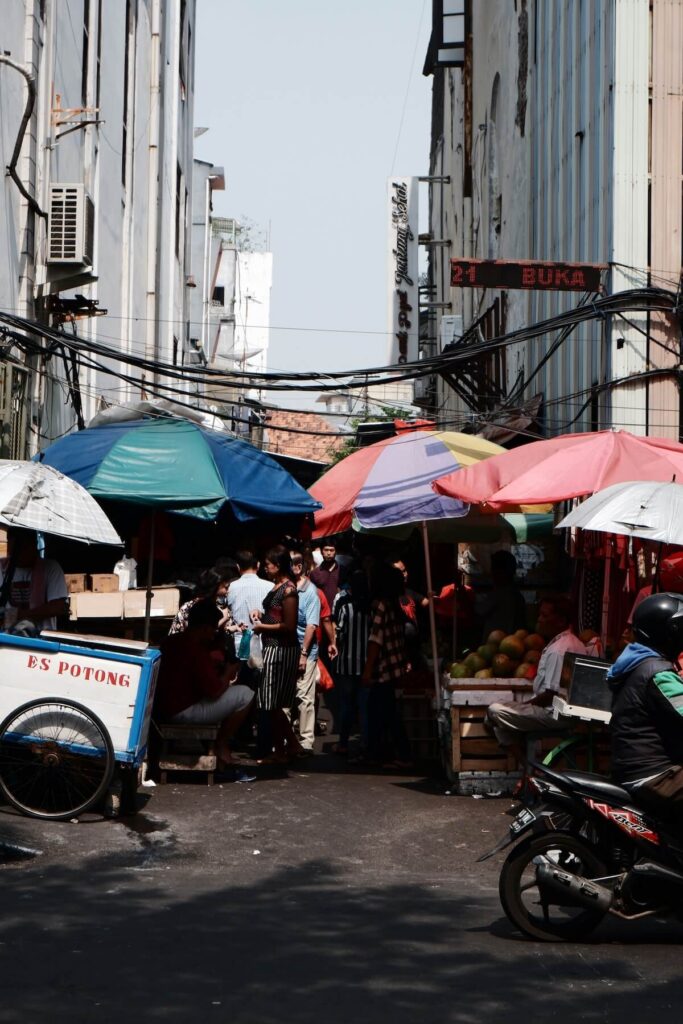
Jakarta, like any large city, has its share of petty crime. Pickpocketing, bag snatching, and scams are probably the most common issues. It’s not necessarily a city overrun by criminals, but it’s wise to be vigilant and aware of your surroundings, especially in crowded areas like markets, public transport, and tourist hotspots.
Honestly, I think Jakarta’s reputation for petty crime is sometimes a bit overblown. While it’s certainly a valid concern, it’s not like the city is teeming with thieves on every corner. But that doesn’t mean you should be careless. It’s always better to be safe than sorry.
Just like you wouldn’t walk through a busy market in any major city without being mindful of your belongings, the same applies to Jakarta. Things like keeping your valuables secure, not flashing expensive jewelry, and being cautious about accepting help from strangers are just common-sense precautions that can minimize your risk.
It’s also helpful to do a little research beforehand about common scams or areas where petty crime is more prevalent. Knowing what to look out for can make a big difference. And, of course, trust your gut. If a situation feels uncomfortable or something seems too good to be true, it probably is.
Why is Jakarta worth visiting?
1. The food is amazing

Food, let’s be honest, is a perfectly legitimate reason to travel anywhere. And Jakarta? Jakarta is a foodie’s paradise.
The culinary scene here is absolutely incredible, an amazing mix of flavors and influences that reflects the city’s diverse history and culture. It’s a true melting pot, drawing inspiration from Indonesian traditions, as well as Chinese, Indian, and even Dutch colonial influences. From the fragrant spices to the fresh ingredients, Jakarta’s food is an adventure for your taste buds.
You can find amazing food almost anywhere you go in Jakarta, from humble street stalls serving up mouthwatering nasi goreng or satay to upscale restaurants offering refined takes on classic Indonesian dishes. Seriously, the street food scene alone is worth the trip. Wandering through bustling markets will reward you with the aroma of sizzling meats, fragrant herbs, and sweet treats.
Some dishes that you must try include gado-gado, a flavorful salad with peanut sauce, and soto ayam, a comforting chicken soup. And don’t forget about martabak, a sweet or savory pancake that’s a popular street food snack.
Beyond the street food, Jakarta also boasts a growing number of modern restaurants showcasing innovative Indonesian cuisine. It’s a chance to sample traditional dishes with a contemporary twist. Whether you’re a seasoned foodie or just someone who appreciates a good meal, Jakarta’s culinary scene is guaranteed to impress.
2. It has a rich history and culture
Jakarta’s history is etched into its very fabric, a fascinating blend of influences that have shaped the city into what it is today. From its early days as a Sundanese port city to its time under Dutch colonial rule as Batavia, Jakarta has witnessed a lot.
Exploring the historical sites and museums is like taking a journey through time, uncovering layers of the city’s past. You can wander through the old town, Kota Tua, with its Dutch colonial architecture, imagining what life must have been like centuries ago. Visiting museums like the Jakarta History Museum and the National Museum provides further insight into the city’s rich heritage and the diverse cultures that have contributed to its unique identity.
For me, this historical depth is a huge draw. It’s not just about seeing old buildings; it’s about understanding the context, the stories behind them. It’s about connecting with the past and gaining a deeper appreciation for the present. Jakarta’s history isn’t just something you read in a book; it’s something you can experience firsthand. It’s woven into the streets, the buildings, and the very atmosphere of the city. And that’s something worth traveling for, in my opinion.
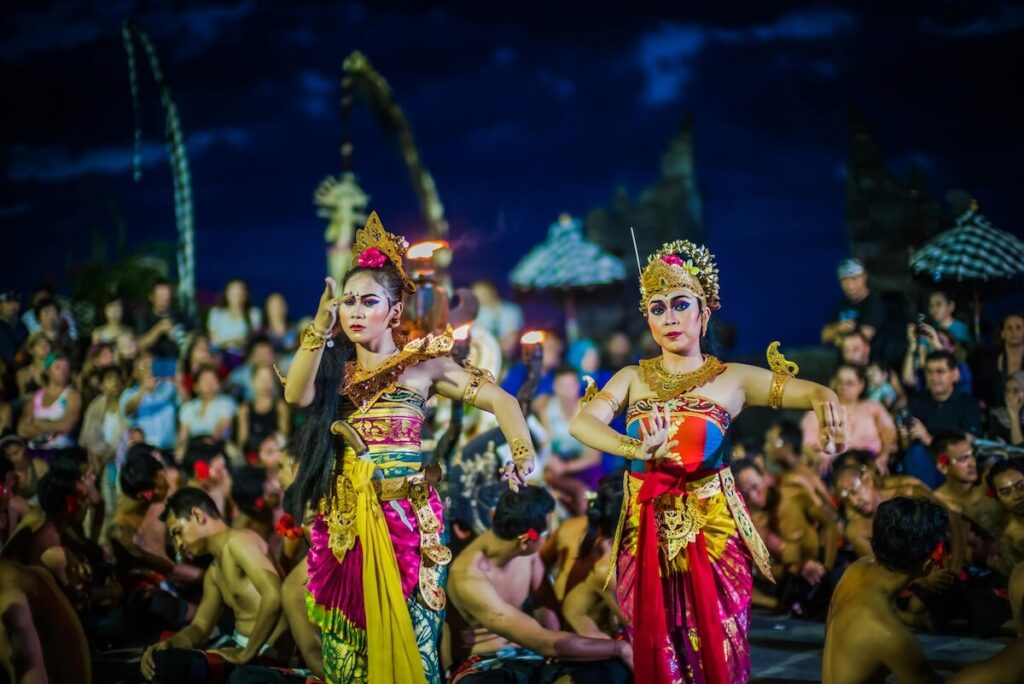
Beyond the historical sites, Jakarta’s culture is equally captivating. You can experience traditional wayang kulit shadow puppet shows, listen to gamelan music, and yes, experience the culture through food. Jakarta’s cultural richness undeniably adds another layer of depth to the travel experience.
3. It’s home to many historical landmarks…

Speaking of history and culture, Jakarta is home to some fascinating historical landmarks and heritage buildings that bring that history to life. Kota Tua, the old town, is a great place to start.
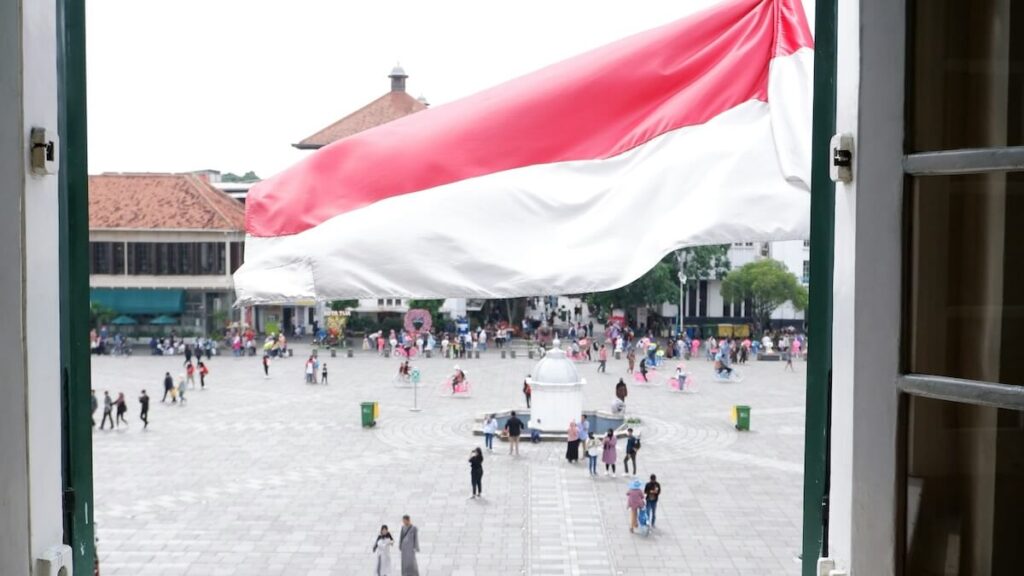
The Fatahillah Square, with its surrounding colonial buildings like the Jakarta History Museum, the Wayang Museum, and the Fine Art and Ceramic Museum, offers a glimpse into Jakarta’s past as Batavia. These aren’t just dusty old buildings; they’re tangible reminders of the city’s diverse history and cultural influences.
Beyond Kota Tua, Jakarta has other historical gems worth exploring. The National Monument, or Monas, is a towering symbol of Indonesia’s independence, standing proudly in Merdeka Square. Merdeka Square itself is a vast open space, a place that has witnessed history’s unfolding. These landmarks, along with others scattered throughout the city, tell a story—a story of colonization, revolution, and ultimately, independence.
For me, these historical buildings and landmarks are more than just tourist attractions; they’re a window into the soul of Jakarta. Standing in Merdeka Square, looking up at the Monas, you can feel the weight of history and the hopes for the future. And that, I believe, is something truly special and worth experiencing.
4. …and impressive museums
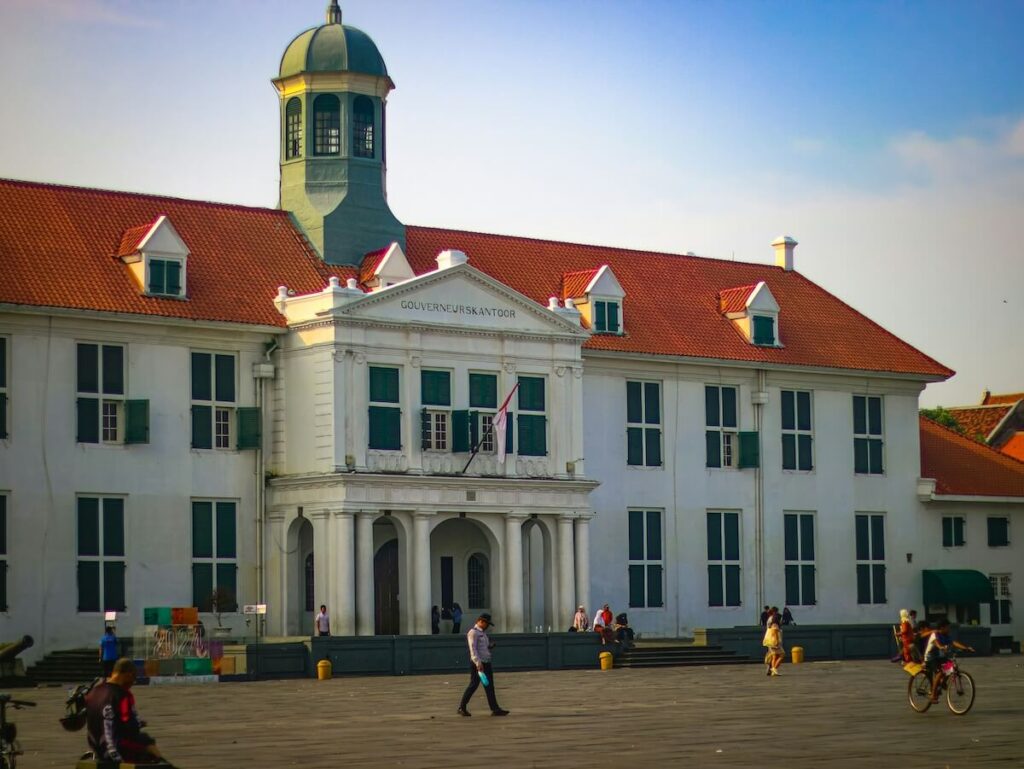
Many of Jakarta’s heritage buildings have been repurposed into excellent museums, contributing to the city’s rich cultural offerings. These museums preserve these historical structures while also showcasing Indonesia’s art, history, and traditions. If you’re a museum fan like me, you won’t be disappointed.
For history buffs, the aforementioned Jakarta History Museum (Museum Sejarah Jakarta) in Fatahillah Square is a must-visit. Housed in the former Stadthuis (town hall) of Batavia, it offers a fascinating glimpse into Jakarta’s past, from its pre-colonial days to the Dutch colonial era and beyond. You can wander through its rooms, admiring the period furniture and artifacts, and imagine what life was like in old Batavia.
Another museum worth exploring is the National Museum of Indonesia (Museum Nasional), also known as the Elephant Museum because of the elephant statue in front. From ancient sculptures and traditional textiles to ethnographic displays, it’s a treasure trove of information and a great place to learn about the archipelago’s rich heritage.
If you’re interested in art, don’t miss the Fine Art and Ceramic Museum (Museum Seni Rupa dan Keramik), also located in Kota Tua. It houses a collection of Indonesian and international art, including paintings, sculptures, and ceramics, displayed in a beautifully restored colonial building.
5. It’s a shopper’s paradise
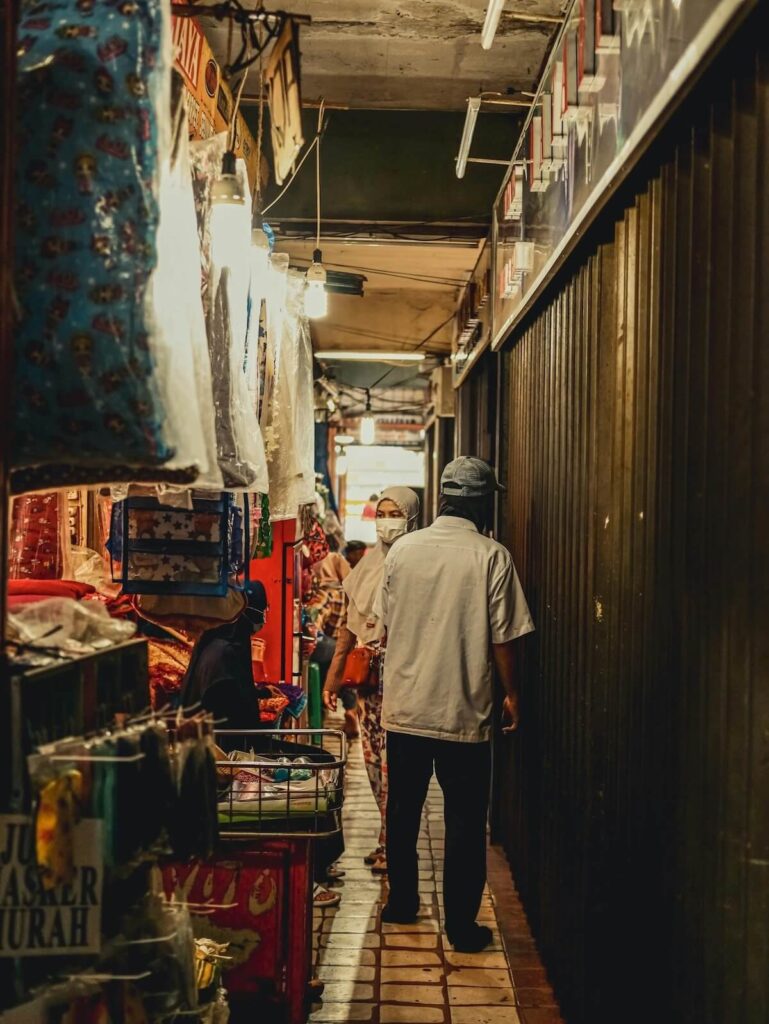
If you love to shop, then Jakarta is definitely a city you need to experience. It’s a shopper’s paradise, offering everything from high-end designer boutiques to bustling traditional markets overflowing with unique souvenirs and local crafts. You’ll be surprised at the sheer variety of goods available and the surprisingly affordable prices, especially if you’re willing to haggle a bit in the markets.
For luxury brands and upscale shopping malls, head to areas like Grand Indonesia, Plaza Indonesia, or Pacific Place. These malls are like mini-cities themselves, housing countless international and local brands, as well as restaurants and entertainment options.
But for a more authentic Jakarta shopping experience, venture into the traditional markets like Pasar Baru or Tanah Abang. Here, you can find incredible deals on textiles like batik, clothing, shoes, and all sorts of unique items. With the vibrant colors, bustling crowds, and the enticing aroma of street food, shopping in these markets is a sensory overload. Just don’t be afraid to bargain—it’s part of the fun!
6. The café scene is thriving
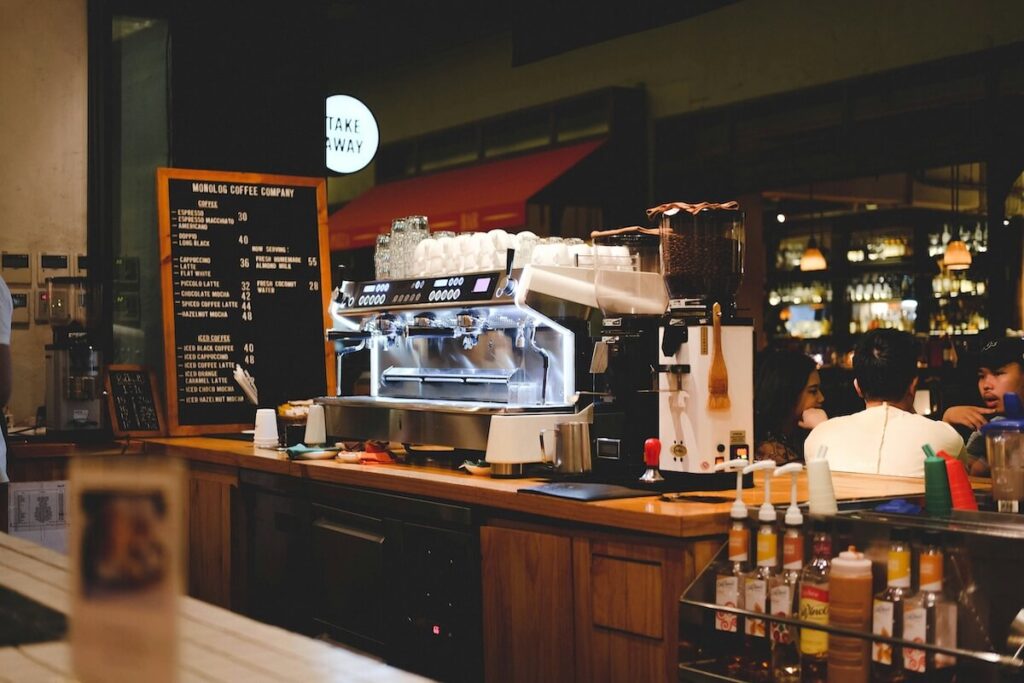
Jakarta might not be the first place that comes to mind when you think of coffee, but it actually has a thriving and surprisingly sophisticated coffee scene.
If you’re a coffee enthusiast like me, the quality and variety of coffee available in Jakarta’s cafes will impress you. Indonesia, of course, is a major coffee producer, and you’ll find a wide range of local beans on offer, from the well-known Sumatran and Javanese varieties to lesser-known but equally delicious beans from other islands.
What’s particularly cool about Jakarta’s coffee scene is the passion and dedication of the baristas and cafe owners. They’re not just serving coffee; they’re creating an experience. You’ll find everything from cozy, traditional warungs (small eateries or cafés) serving strong, sweet kopi tubruk to trendy, modern cafes with sleek interiors and expertly crafted lattes and cappuccinos.
Areas like Kemang, Menteng, and Senopati are known for their concentration of cool cafes, but you’ll find great coffee all over the city if you know where to look. Many cafes also offer light bites and meals, making them perfect spots for a leisurely brunch or an afternoon pick-me-up.
7. It has a buzzing nightlife culture

When the sun dips below the horizon in Jakarta, the city’s energy shifts, and a vibrant nightlife scene comes to life. Whether you’re looking for a sophisticated cocktail at a rooftop bar with panoramic city views, a lively club where you can dance the night away, or a more relaxed pub with live music, this different side of Jakarta will fascinate you.
Jakarta’s nightlife is incredibly diverse. You can find trendy bars and clubs in areas like Kemang, Menteng, and Senopati, where the cool kids hang out. These places often feature international DJs, creative cocktails, and a stylish atmosphere. Rooftop bars are also popular, offering stunning views of the city skyline while you sip your drinks.
For a more local flavor, check out the night markets, which offer not only delicious street food but also a buzzing atmosphere and sometimes even live performances. It’s a great way to immerse yourself in the local culture and experience Jakarta’s vibrant energy after dark.
8. The concrete jungle can be breathtaking

The sheer scale of the city, with its towering skyscrapers and sprawling urban landscape, is impressive in its own right. Anyone who’s had the chance to stop and admire the skyline (particularly at night) will tell you that Jakarta is a dazzling city. Perhaps, as a major economic hub in Southeast Asia, that’s not surprising.
For city enthusiasts, Jakarta offers plenty to explore. Beyond the impressive skyline, there are hidden pockets of green spaces, charming neighborhoods, and interesting architectural details to discover. It’s a city that rewards exploration, whether you’re wandering through the bustling streets, checking out a rooftop bar with panoramic views, or simply enjoying the energy of the urban environment.
While some might see Jakarta’s concrete jungle as overwhelming, it can be strangely captivating. It’s a city that’s constantly in motion, a place where you can feel the pulse of progress and development. And while it might not have the same picture-postcard charm as some other destinations, if you appreciate the energy of a big city and enjoy exploring urban environments, Jakarta’s cityscape is definitely worth experiencing.
9. It’s a contemporary art hub

Jakarta’s art scene might not be as widely known as some other cities in Southeast Asia, but it’s definitely a rising star, particularly when it comes to contemporary art.
Contemporary art in Jakarta is dynamic and evolving, with a fascinating mix of established artists and emerging talents exploring a wide range of themes and mediums. And what’s even more exciting is that it’s becoming more accessible, with new galleries and art spaces popping up all over the city.
Places like the Museum MACAN (Modern and Contemporary Art in Nusantara) are leading the charge, showcasing both Indonesian and international contemporary artists. It’s a world-class museum that’s putting Jakarta on the map as a serious art destination.
Then there are spaces like Art:1 New Museum, which offers a broader range of modern and contemporary art. Smaller, independent galleries like Dia.lo.gue also play a vital role, nurturing emerging artists and fostering a vibrant art community. And if you’re looking to acquire some art yourself, you can check out galleries like BIASA ArtSpace, which often features works by up-and-coming Indonesian artists.
10. It’s close to the beach
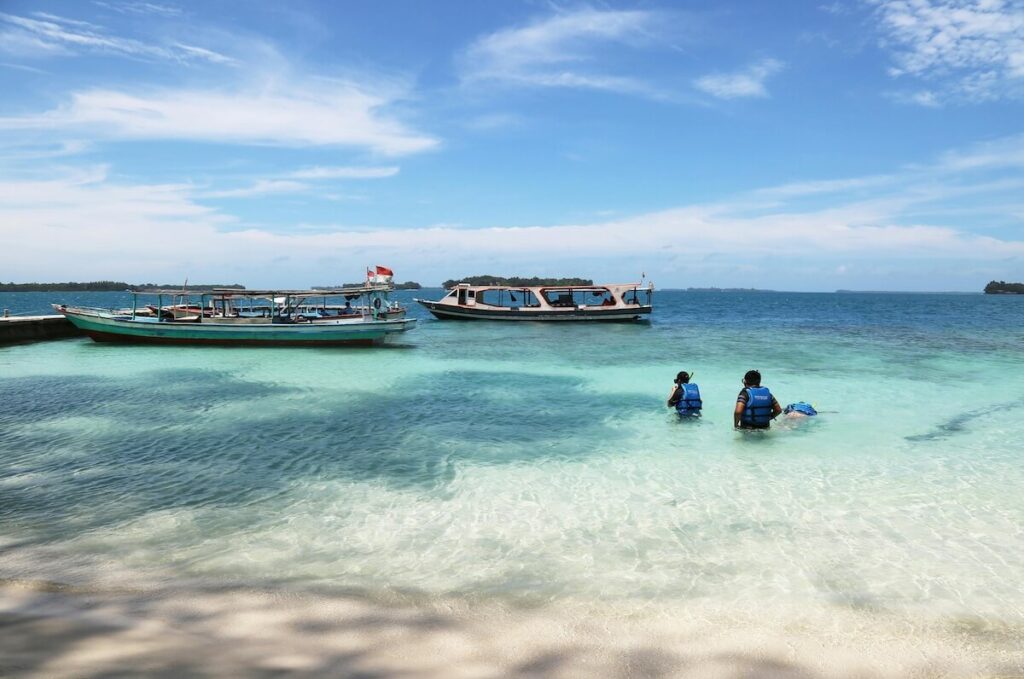
Jakarta itself isn’t exactly a beach destination. It’s a bustling metropolis, and the coastline within the city limits isn’t exactly what you’d call pristine. However, one of the great things about Jakarta is its proximity to some beautiful islands and coastal areas.
If you’re craving some sun, sand, and sea, you don’t have to travel far. The Thousand Islands (Kepulauan Seribu) are a particularly popular getaway, offering a range of islands, from the more developed tourist spots to secluded paradises. Some of the islands, with their clear waters and white sand beaches, offer opportunities for snorkeling and diving.
The Thousand Islands are easily accessible from Jakarta by ferry or speedboat, making them a perfect weekend escape or even a day trip if you’re short on time. Beyond the Thousand Islands, there are also other coastal areas within reach of Jakarta, although they might require a bit more travel. Places like Anyer and Carita Beach are also potential options, offering different vibes and experiences.
Jakarta’s proximity to these beaches is a big plus. It’s the best of both worlds—you get to experience the vibrant city life of Jakarta and then easily escape to a tropical paradise when you need a break. And who doesn’t love a good beach escape?
11. It’s a gateway to other Indonesian destinations

Speaking of quick getaways, Jakarta’s location makes it a fantastic jumping-off point for exploring other parts of Indonesia. Its status as a major transportation hub means you can easily access a wealth of destinations, from bustling cities to serene natural landscapes.
Beyond the nearby beaches and islands I mentioned earlier, there are plenty of other day trip options from Jakarta. Bogor, with its beautiful botanical gardens and cooler mountain air, is a popular choice. You can also visit the Puncak Pass, a mountain resort area offering stunning views of tea plantations and volcanic landscapes.
For a dose of history and culture, consider a trip to Bandung, known for its Art Deco architecture and its role in Indonesian independence. And if you’re interested in volcanoes, you can even take a day trip to see Mount Tangkuban Perahu, an active volcano with a fascinating legend.
But Jakarta’s role as a gateway goes beyond just day trips. It’s also a major hub for domestic flights, making it easy to reach other Indonesian islands and cities. From Jakarta, you can easily fly to Yogyakarta to explore ancient temples like Borobudur and Prambanan, or head to Bali for its beaches, rice paddies, and vibrant culture. Whichever you fancy, Jakarta makes for a convenient and strategic base for exploring Indonesia.
12. It won’t break the bank
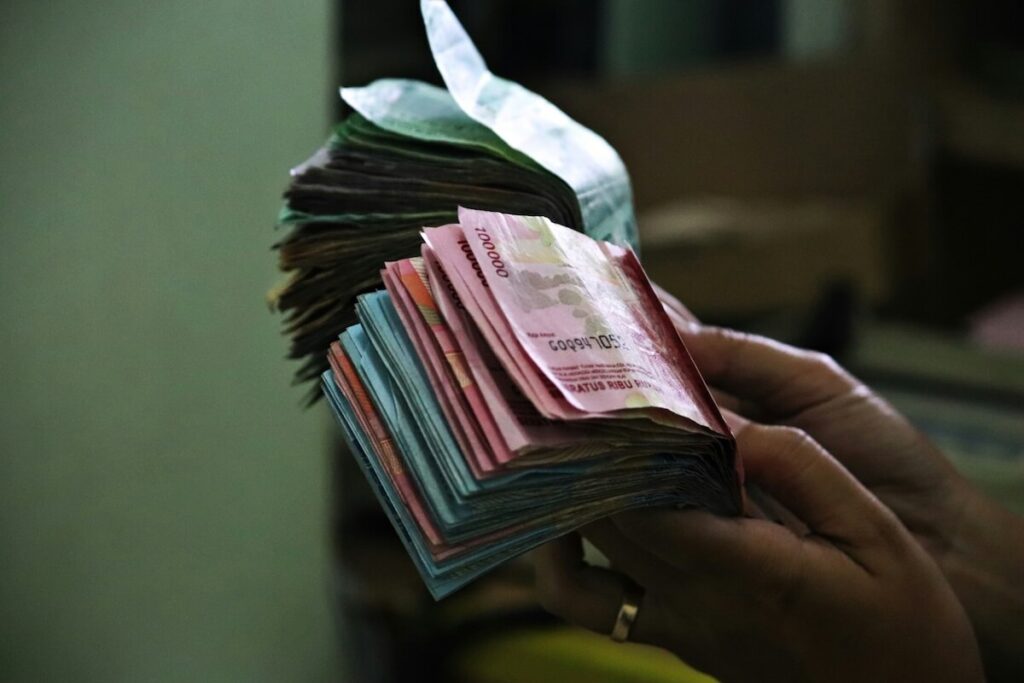
Jakarta is surprisingly affordable, especially compared to other major cities in Southeast Asia. It won’t break the bank to visit, which is always a bonus.
Accommodation options range from budget-friendly guesthouses and hostels to luxurious five-star hotels, so you can find something to fit your budget and travel style. Charming, locally run guesthouses offer great value for money and even the more upscale hotels tend to be less expensive than similar accommodations in other major cities.
Transportation in Jakarta is also quite affordable, especially if you use the public transportation system. The Transjakarta bus rapid transit is a cheap and efficient way to get around, and the MRT and commuter trains are also very reasonably priced. Even taxis and ride-hailing apps are generally more affordable than in many other countries.
Let’s not forget the food. You can eat incredibly well in Jakarta without spending a fortune. The street food is not only delicious but also incredibly cheap, and even restaurants offer good value for money. Take it from me: you can enjoy some amazing meals in Jakarta for a fraction of what you’d pay in other cities.
Shopping in Jakarta can also be very budget-friendly, particularly if you’re looking for local products, souvenirs, or clothing. Traditional markets are a great place to find unique items at bargain prices, and even shopping malls offer competitive deals. Of course, if you’re looking for high-end designer brands, you’ll pay a premium, but even then, the prices might be slightly lower than in other parts of the world.
Conclusion
So, is Jakarta worth visiting? My answer is a resounding yes, but with a few caveats. It’s not a city for everyone. If you’re looking for pristine beaches, tranquil nature, or a perfectly manicured tourist experience, Jakarta might not be your first choice.
However, if you’re open to a city that’s a little rough around the edges, a place with a vibrant energy, a rich history, and a fascinating mix of cultures, then Jakarta is definitely worth considering. It’s a city that gets under your skin, a place that can surprise you with its hidden charms, and a destination that offers a truly authentic Indonesian experience.
So, if you’re willing to embrace the chaos, navigate the traffic, and delve beneath the surface, you might just find yourself falling in love with Jakarta.

How does Jakarta compare to other tourist destinations in Indonesia?