
On the glimmering shores of Spain’s Mediterranean coast, Valencia is a city where rich history meets sleek modernity. Valencia, the nation’s third-largest city, has its roots in a second-century BCE Roman colony and has since served as a center of cultural exchange, a witness to history, and a destination for travelers from across the world.

A destination for good reason, too! Valencia is on par with larger cities like Madrid and Barcelona in almost every sense.
What is Valencia famous for? Valencia is famous for its cuisine, from beloved staples like paella and horchata. Valencia is also known for cultural institutions like the City of Arts and Sciences and Las Fallas festival and, of course, for its kilometers of pristine beaches.
Come along as we check out these 29 things Valencia is known and famous for.
Table of Contents
1. Las Fallas

With a duration of 18 days each March, this explosive holiday is central to la cultura valenciana. Las Fallas is a celebration of artistry where hundreds of ornate sculptural monuments are constructed by passionate citizens and ultimately burned on the final day.
During Las Fallas, pyrotechnics abound. The city bursts with an energy that culminates in La Mascletà, daily displays of fireworks and other decorative explosives. Unique to Valencia, Las Fallas is one of the most iconic festivals in Spain.
2. Architecture

Valencia is famous for its architectural beauty, but what makes Valencia unique is that some of these styles are particular to the region. Architectural styles like Valencian Art Nouveau and Valencian Gothic, both part of larger movements, can be seen in structures like Valencia Cathedral, the Silk Exchange, and the Mercat Central.
These buildings, which I’ll mention later on, are exemplary of the nuance and mastery of architecture seen throughout the Valencian community.
3. Roman history

One of the oldest cities in Spain, Valencia was first founded by the Romans as the colony of Valentia, a sort of retirement colony for former soldiers. Even in the second century BCE, Valencia was treasured as a pleasant destination for coastal relaxation.
Valencia’s Roman legacy can be glimpsed in different historical sites throughout the city, but the best place to explore is La Almoina Archaeological Museum just behind Valencia Cathedral.
4. Bike paths
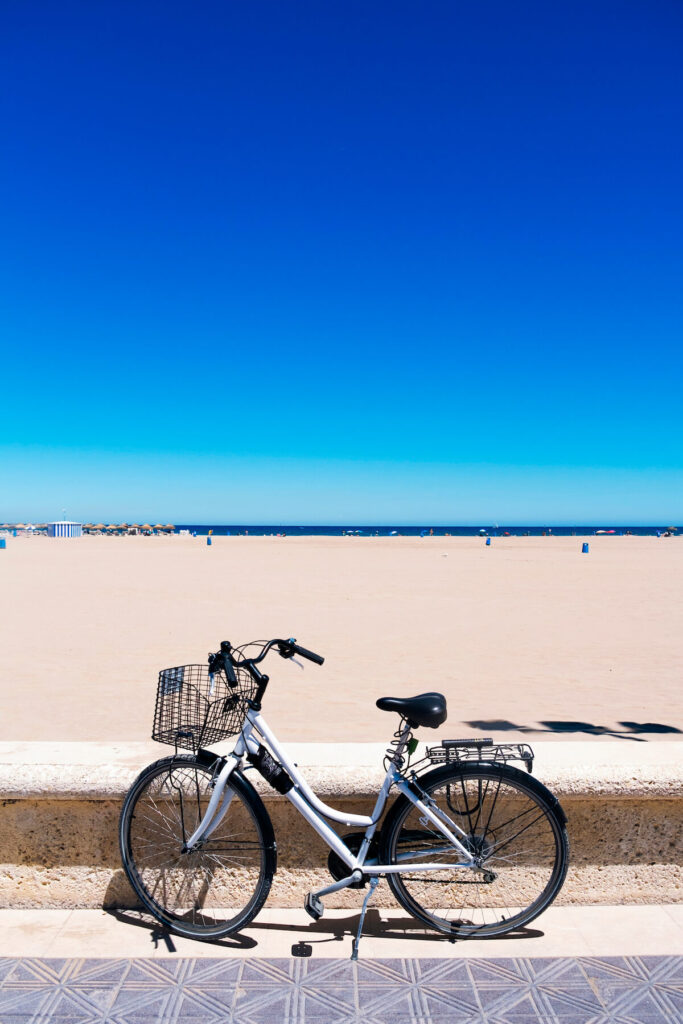
As a mostly flat city of near-constant sunshine, Valencia is perfect for urban biking. Over 150 kilometers of bike paths crisscross the city’s streets, parks, and seaside.
Enjoy bike tours of the city’s historic monuments or pedal out to l’Albufera Natural Park — there are endless options for riding around Valencia in style.
5. Plaza de la Virgen

Spain’s cities are known for their plazas and Valencia is no exception. Plaza de la Virgen is a central location in La Ciutat Vella, or the Old Town, and puts you close to many of the attractions in Valencia, making it an excellent starting point for your sightseeing.
Plaza de la Virgen is also an excellent place to settle down and people-watch. After admiring the artistry of Turia Fountain, grab a seat on a bench or in the shade and soak in the atmosphere of a bustling Spanish plaza.
6. Oranges

Valencia is known for oranges, so much so that there’s even a variety named after the region. Oranges were first introduced to Valencia by the Moors a thousand years ago, which they brought from the Middle East.
Nowadays, the sweet citrus is an icon of the city, similar to the Andalusian city of Seville.
7. Aigua de València
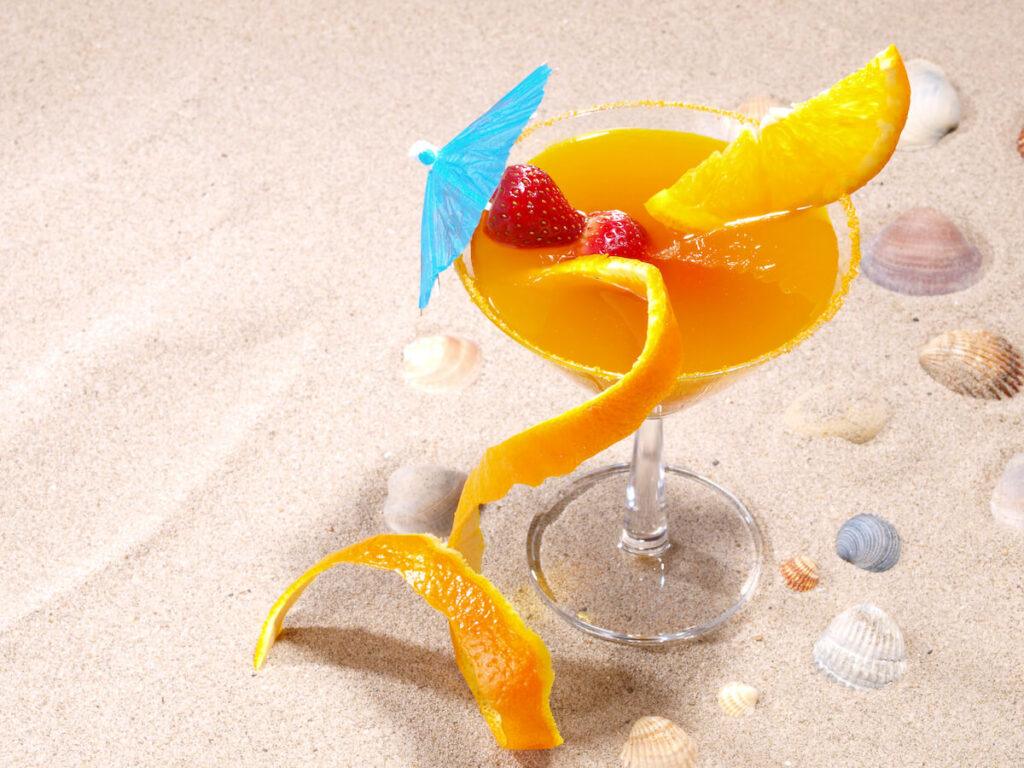
Meaning “Valencian Water” in the regional language, Aigua de València is a concoction combining orange juice, cava (or a similar sparkling wine), vodka, and gin.
A popular drink across Spain, Aigua de València is a refreshing beverage, but drink carefully. I can tell you firsthand this cocktail pega fuerte — it hits hard.
8. Valencia Cathedral

Like any good city in Spain, Valencia is famous for its cathedral. Built on the site of a former mosque, a common trend in Spanish Catholic architecture, Valencia Cathedral is a curious mix of styles like Gothic, Baroque, and Romanesque.
The appearance of Valencia Cathedral is quite curious, featuring an octagonal tower supporting a dome, a rounded facade resembling a coliseum, and the Torre del Micalet, emblematic of the Valencian Gothic style. The cathedral also contains a small collection of sacred art by some of Spain’s most renowned painters, such as Francisco Goya.
9. Holy Grail

Within Valencia Cathedral is a Holy Chalice that some claim is the Holy Grail or the vessel used by Jesus during the Last Supper in Christian theology. Whether or not this chalice is the true Holy Grail is up to debate, but the vessel has called Valencia Cathedral home for centuries now.
10. Paella
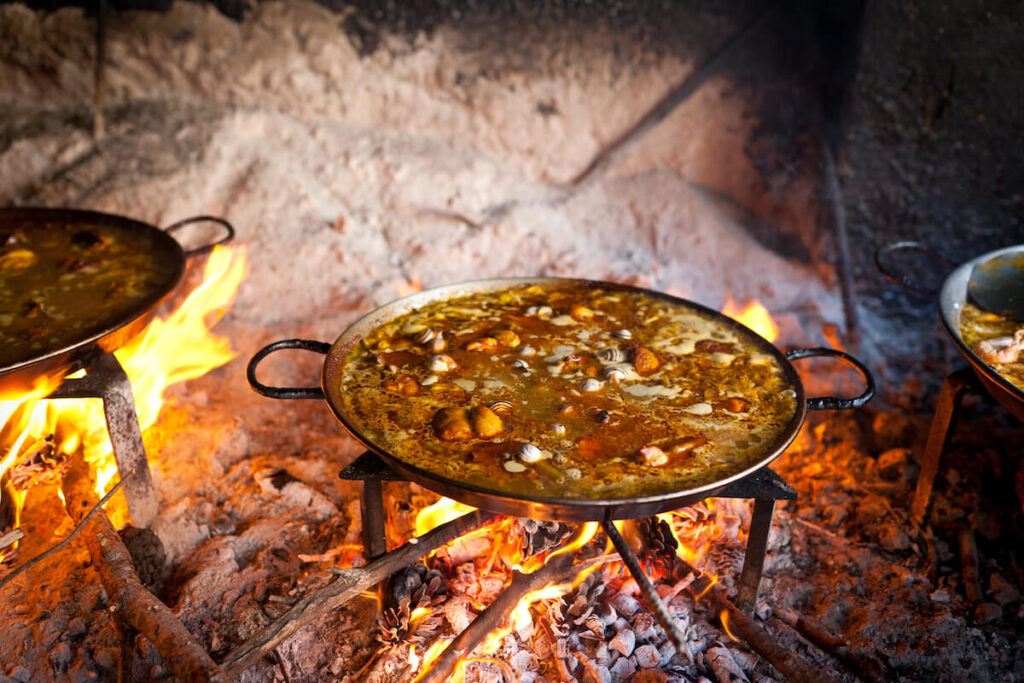
Paella doesn’t need an introduction, so instead I’ll offer some advice. Spain’s food culture is incredibly regional, and while paella is one of the country’s most iconic dishes, it is cien por cien, one hundred percent Valencian in origin.
The original recipe, referred to as paella valenciana, consists of rice, green and lima beans, and meats like rabbit and chicken. Other varieties are made with shellfish, while paella mixta combines it all.
You can find varieties of paella across Spain, of course, but is nowhere as rich and authentic as its homeland. If you’re traveling to Spain, don’t look for paella in Galicia — head to Orange City for the dish Valencia is famous for.
11. Estació del Nord

Whether you come by plane, train, or automobile, you can’t miss Valencia’s Estació del Nord, or North Station. Built in the distinct Valencian modernist style, Estació del Nord maintains the feel of a historic train station while continuing to service millions of passengers a year with its connections to commuter and national rail systems.
12. Horchata de chufa

Valencia is famous for horchata de chufa, a drink made from soaking ground and sweetened tiger nuts. Its history highlights the cross-cultural nature of the Iberian Peninsula. Moors brought tiger nuts to Spain when they conquered the Iberian Peninsula, but the tiger nut-based drink itself has its origins in West Africa.
Varieties of horchata are popular in many countries, particularly in Latin America. If you’re familiar with Mexican horchata, I’ll tell you that horchata de chufa is quite different in taste. Valencian horchata is a great refreshment in the hotter months.
13. Fartons
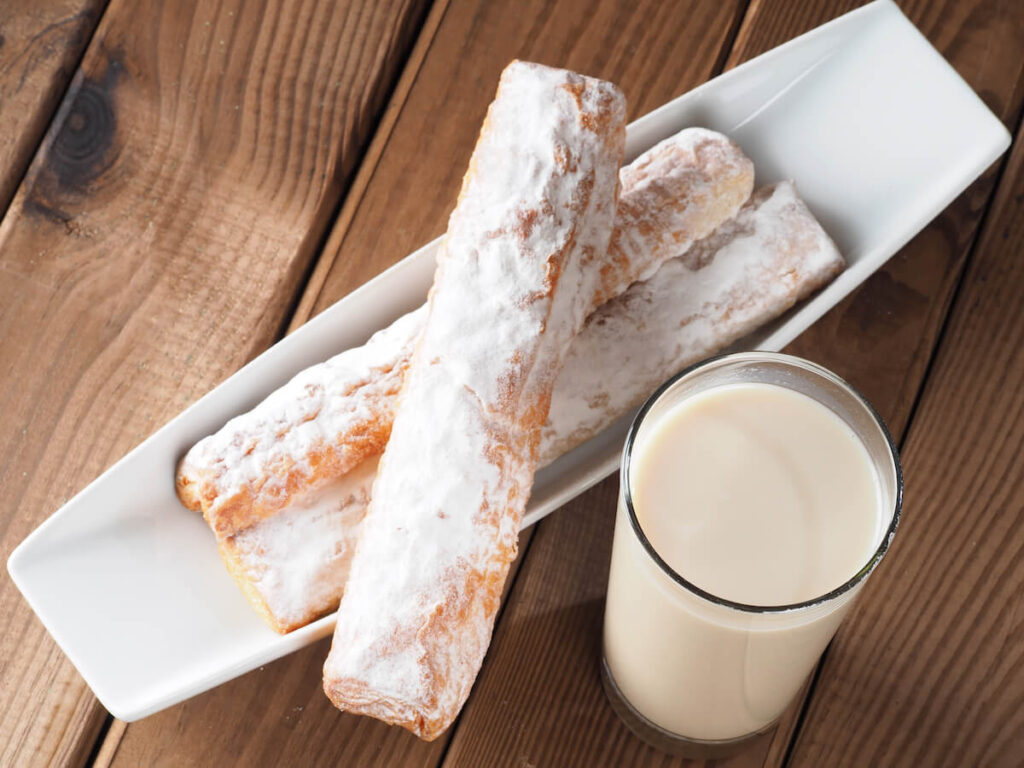
A glass of horchata de chufa is best paired with fartons, a sweet breadstick glazed with sugar. The texture of the fartons is ideal for absorbing the refreshing horchata, so don’t forget to dip the pastry in the tiger nut drink.
Like with churros, another popular Spanish pastry, you can dip fartons in hot chocolate, which may be more common in wintertime.
14. Barchilla Arch

When heading to La Almoina, you might pass under the Barchilla Arch, which connects Valencia Cathedral with the Archibishop’s Palace. This curious construction, reminiscent of the Bridge of Sighs in Venice, features a commemorative Roman plaque that continues to fascinate architecture historians and curious visitors alike.
15. Fideuà

When it comes to Valencian dishes, paella steals the thunder, but don’t skip out on fideuà.
In a lot of ways, fideuà is a seafood dish similar to paella, but it uses noodles as its base instead of rice. Fideuà has its origins in the coastal town of Gandia, 65 kilometers south of Valencia, but the dish is popular across the region.
16. El Cid
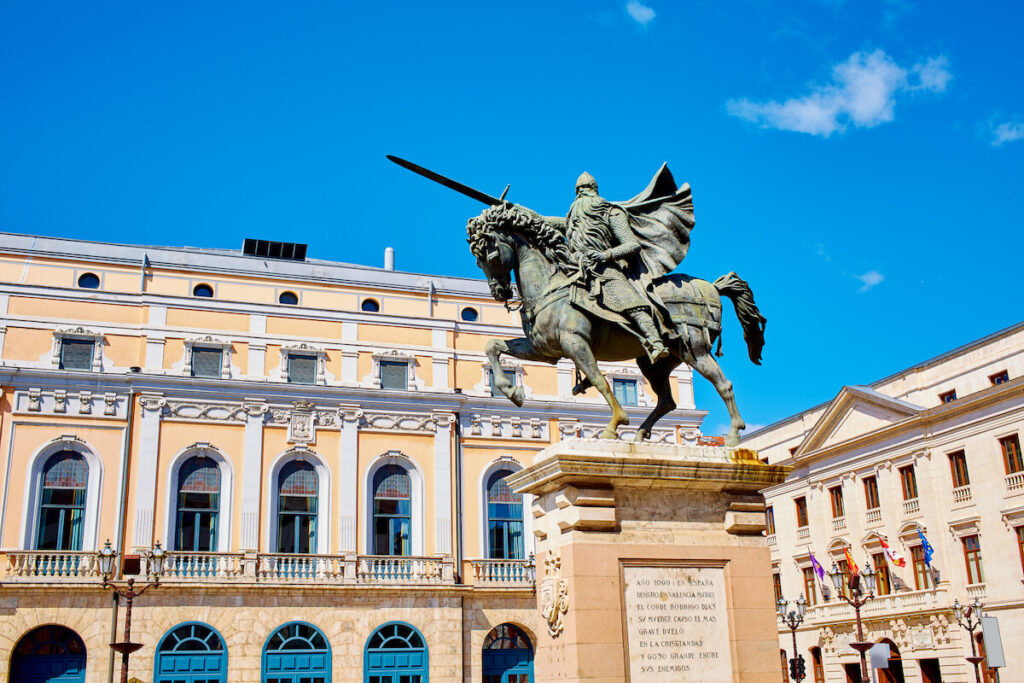
Valencia is known for El Cid, a beloved Spanish folk hero who was enchanted by 11th-century Valencia and eventually became the city’s lord.
El Cid was born in northern Spain, near modern-day Burgos, and went on to become a renowned warrior during his mercenary service among both Christian and Muslim armies, who were constantly clashing in the Iberian Peninsula.
After conquering Valencia from the Muslim Almoravid Dynasty, El Cid ruled as a Christian lord until his death five years later. The city fell under Moorish control again shortly after. Today, El Cid remains a revered figure in Valencian, and generally Spanish, culture.
17. Ancient city wall gates

The history of El Cid makes it clear Valencia was no stranger to conquest and war. A great wall once surrounded the city, which at one point had twelve different gates. Today, only two gates remain standing at the Torres de Quart and the Torres del Serrans.
To this day, these massive structures inspire awe. When visiting these famous Valencian historical attractions, put yourself in the shoes of a traveler or soldier arriving to Valencia and beholding these towering, fortified gates.
18. Mercat Central

The Mercat Central, or central market, is a thriving market in the center of the city known not just as Europe’s largest fresh produce market — Valencia’s Mercat Central is famous for its dazzling architecture.
Built in the Valencian Art Nouveau style in the first half of the 20th century, Mercat Central quickly became renowned for its unique interior and its subtle references to other iconic structures in Valencia.
Whether you love architecture, food, or both, the Mercat Central is a must-visit in Valencia.
19. San Vicente Ferrer
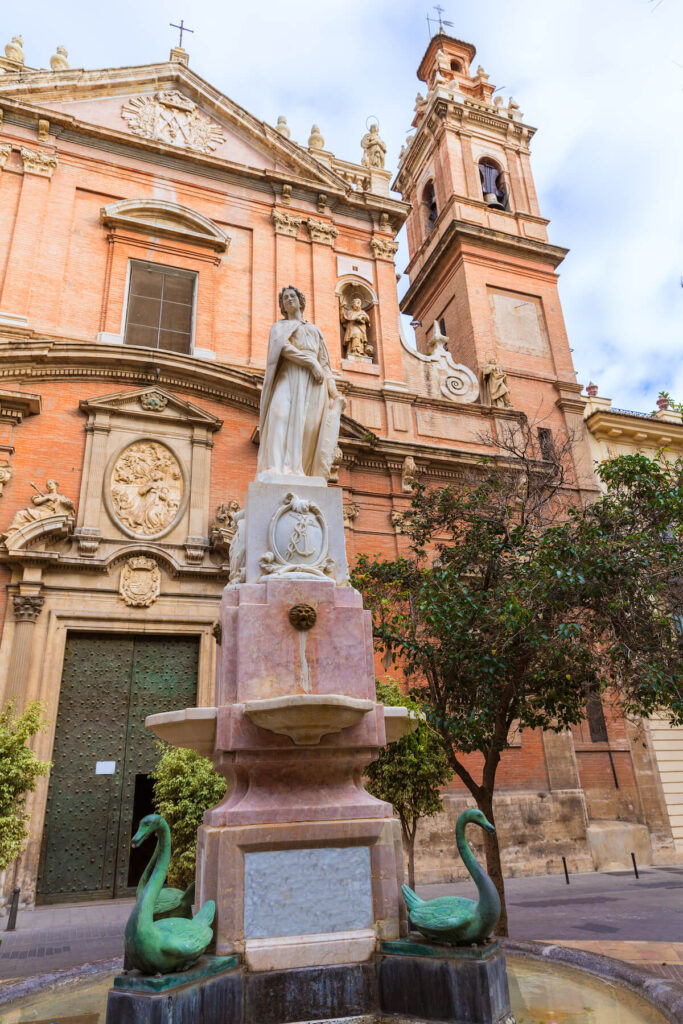
For more than 500 years, Valencia has honored its patron saint, San Vicente Ferrer, with an annual festival in the springtime.
During the festival, which occurs a week after Easter Sunday, faithful Valencians create ornate altars honoring San Vicente Ferrer, who was said to perform miracles by raising his index finger.
20. City of Arts and Sciences
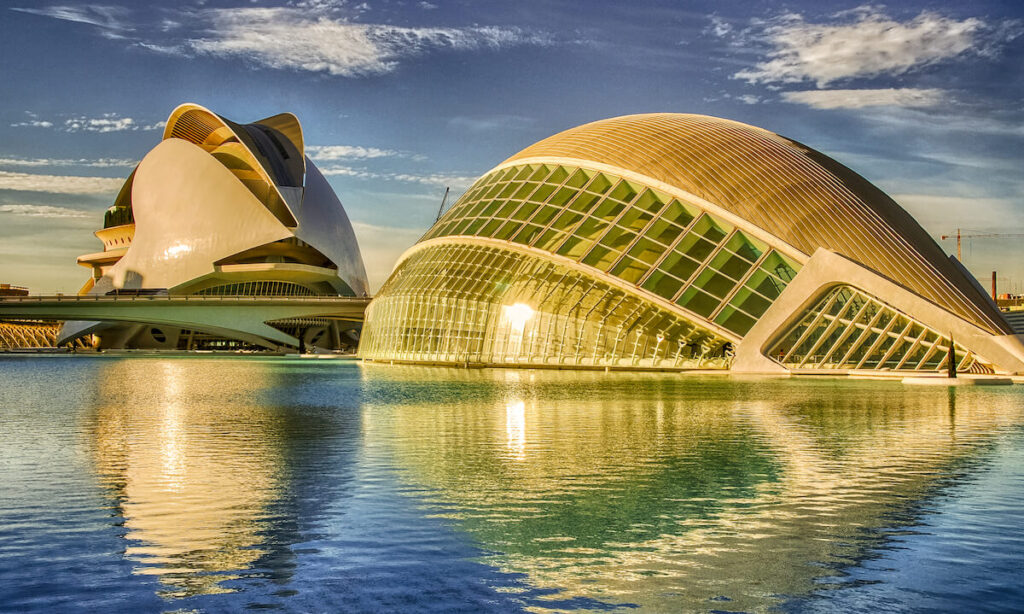
Above all, Valencia is known for the City of Arts and Sciences. This vast complex, considered one of the 12 Treasures of Spain, consists of various sleek, modern structures raised over reflecting pools, some of which elicit images of anatomy like eyeballs and skeletons.
The City of Arts and Sciences is Valencia’s most important cultural center. Among the institutions housed there, you can find a science museum, an opera house, an oceanographic park, a garden specializing in native plants, and a planetarium.
Exemplifying the city’s modern-focused development, the City of Arts and Sciences is a one-of-a-kind attraction in Valencia.
21. Beaches
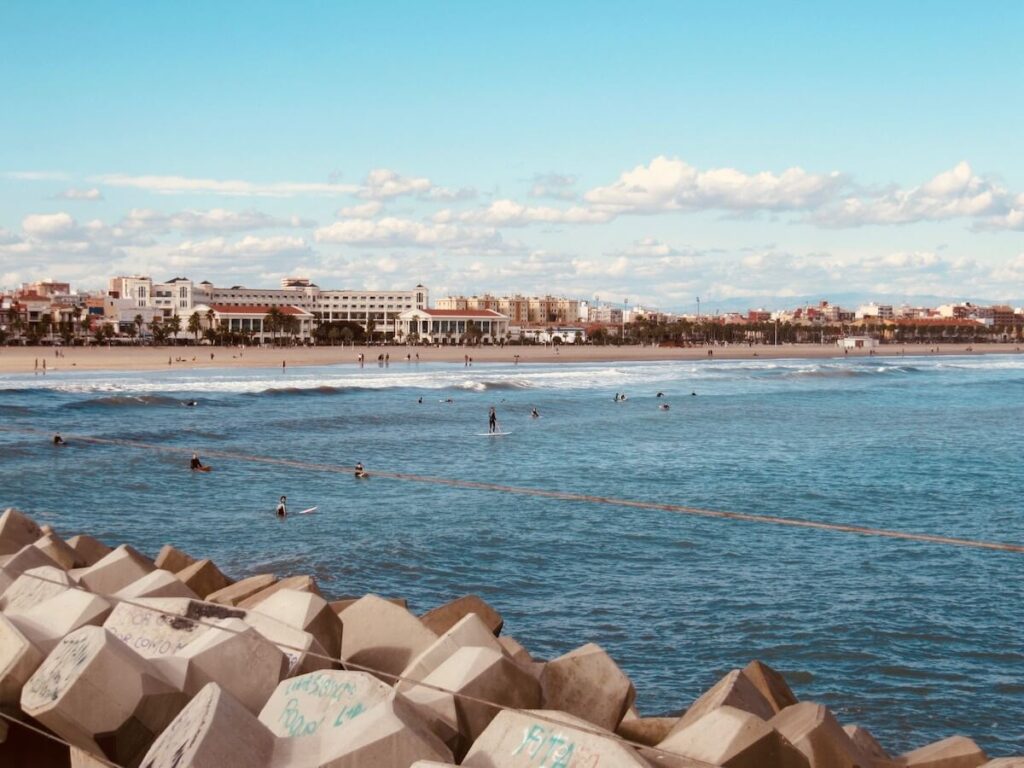
You don’t have to travel far in Valencia for splendid beaches — just a mere 15 to 20 minutes from the city center. Valencia is known for Malvarrosa, and Patacona Las Arenas beaches, which bring the Mediterranean waves directly to the city.
Enjoy a stroll along the seaside promenades, refresh yourself with a beachside horchata or cerveza, or sample local delicacies at the many chiringuitos along Valencia’s urban beaches.
22. Cerveza Tyris

If you know Spain, you know that the beer of choice in any city is highly localized (my personal favorites are Alhambra and Victoria, and not just for nostalgic reasons). The most famous beer in Valencia is Cerveza Tyris, which is distributed across the region and beloved by locals.
Cerveza Tyris has several varieties of beer, from lager and IPA to radler and ale. You can order it in hundreds of establishments across Valencia, or visit the brewery itself.
23. La Tomatina

Celebrated in the town Buñol 38 kilometers from Valencia capital, La Tomatina is a curious Spanish festival that is a testament to the rich celebratory culture that Valencia is famous for. Thousands of people descend on the small town each August to participate in a food fight, where they throw over 115,000 kilograms of tomatoes at one another.
La Tomatina’s origin lies in the 1940s when a spontaneous food fight occurred and quickly became a beloved tradition. Attendees also enjoy live music and a paella contest while some attempt to climb a tall, greased pole.
24. Costa del Azahar

People flock to Valencia for the wonders of the city, but also for the nearby coastline. The Costa del Azahar, or Orange Blossom Coast, is a stretch of 120 kilometers of beach and coastline to the north of Valencia.
Coastal towns like Peñíscola and Morella preserve the charming history of the region behind ancient walls, while white sandy beaches beckon visitors to bask in the Mediterranean sun.
As a region, Valencia is famous for the Costa Blanca, but the less-developed Costa del Azahar provides a more natural alternative for people seeking coastal beauty.
25. Turia Garden

Valencia is famous for Turia Garden, a 12-kilometer-long garden that runs the former course of the Turia River. Turia Garden is one of the most visited parks in Spain and, due to its length, offers an accessible green corridor for residents and visitors across the city.
Turia Garden runs from a Bioparc to the City of Arts and Sciences, passing by the historic city center along the way.
26. Llotja de la Seda

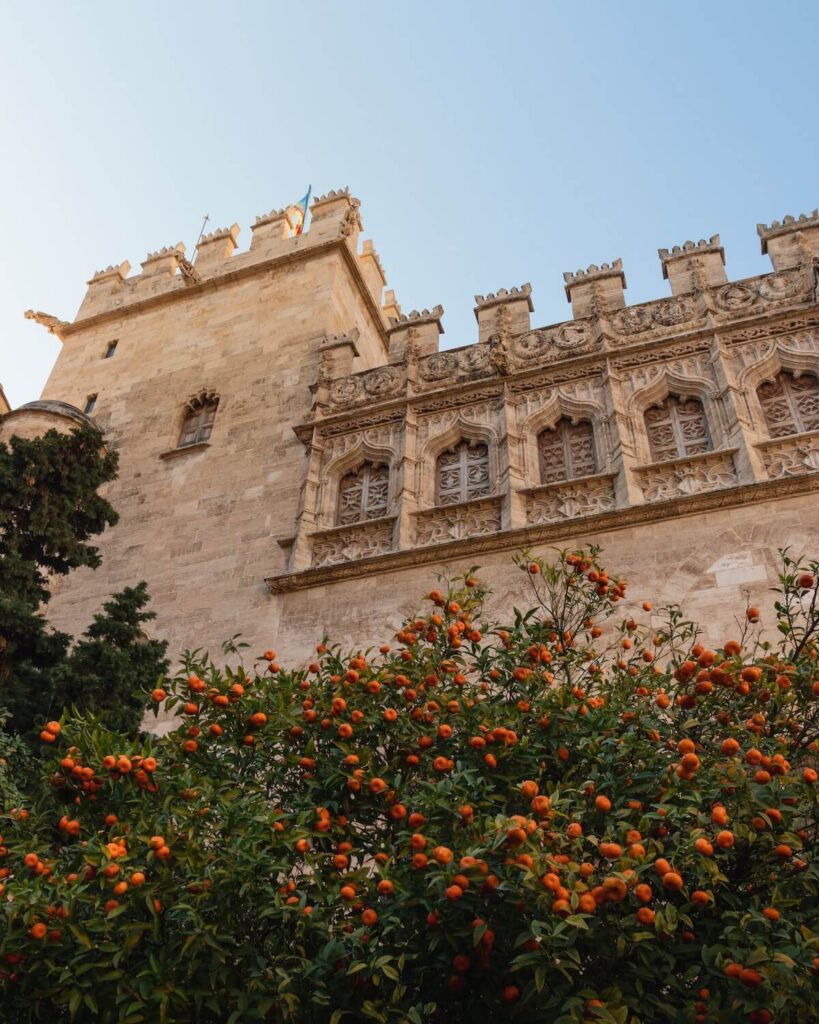
The Llotja de la Seda, or Silk Exchange, is a popular destination for exploring the history of Valencia, which has served as a commercial port for centuries.
At the Llotja de la Seda, the beauty is in the details of this fine Valencian Gothic building — twisting columns, ornate ceiling decor, a walled orange garden, and menacing gargoyles that jut out over the streets.
27. Joaquín Sorolla
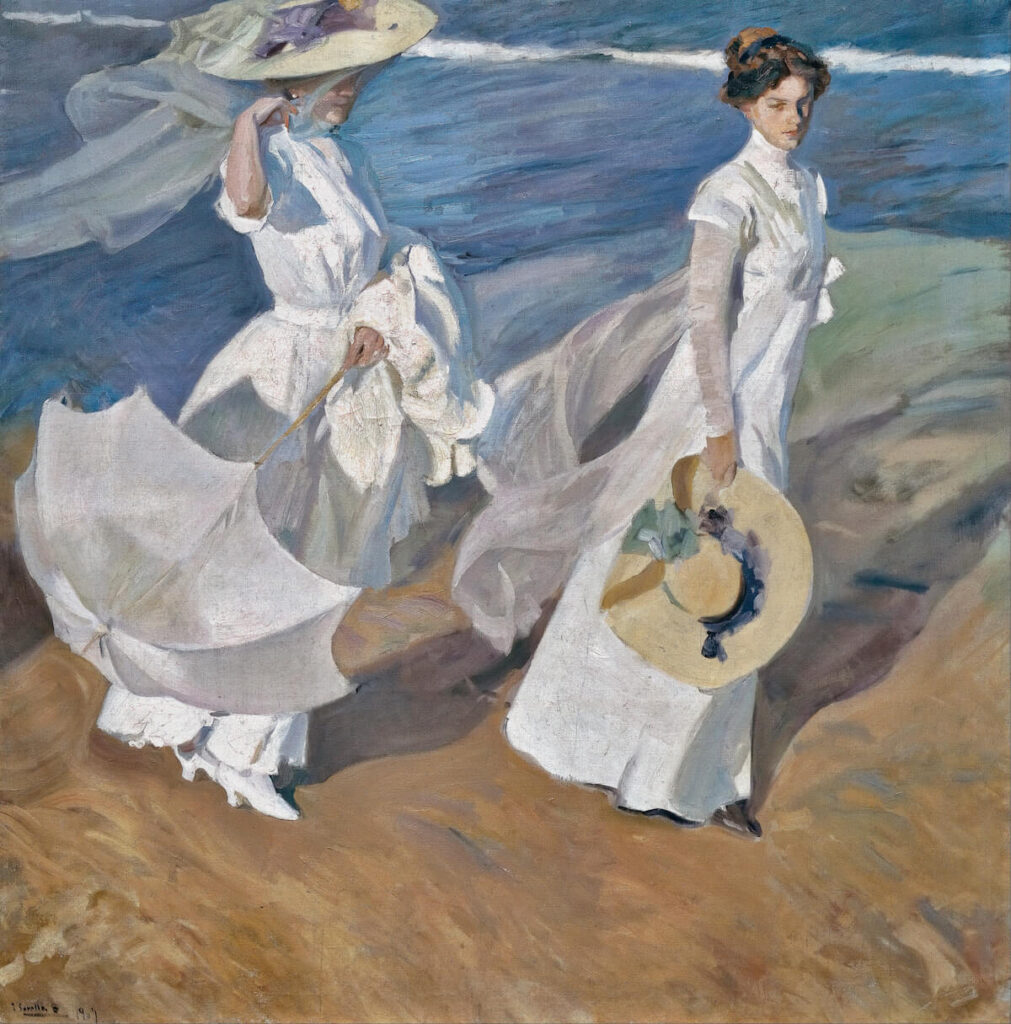
Born in Valencia in 1863, Joaquín Sorolla went on to become not just one of the most important Spanish painters, but one of the most influential painters of the past two centuries. Sorolla helped develop the Impressionist style and is renowned for his use of light, inspired by the bright, constant sun of Valencia.
You can explore Sorolla’s artistic legacy at the Museum of Fine Arts, or at temporary exhibitions the city frequently hosts for its beloved painter.
28. Diverse neighborhoods

Valencia is a city of diverse neighborhoods that are best explored on foot. The Ciutat Vella, or Old Town, alone can be divided into various neighborhoods, like El Carmen with its romantic alleyways and the quiet streets of La Xerea. There, you can find the most famous attractions in Valencia, as well as a bustling food scene.
But don’t hesitate to venture out of the historic center. Ruffasa offers one of Spain’s most thriving nightlife scenes, while El Gran Via offers ritzy lodgings and high-end boutiques. Between the Ciutat Vella and the beaches, El Cabanyal is a great Valencian neighborhood for restaurants and bars favored by locals.
29. La Albufera

On the southern outskirts of Valencia, you’ll find La Albufera, a sprawling freshwater lagoon that cradles biodiversity just beside the urban core. A large natural park surrounds the lagoon, making it a popular place for outdoor recreation among Valencians.
Valencia is also famous for La Albufera’s stunning sunsets, which you can watch from a rowboat on the lagoon. Head to points in the park like Embarcadero de la Gola de Pujol to catch a rowboat tour to round off one of your days visiting this beautiful Spanish city.
Conclusion
If you were wondering if Valencia is worth visiting, I’m sure this list of what Valencia is known and famous for was more than convincing. Valencia is popular with both Spanish and international tourists and continues to be a cultural hotspot in Spain, making Valencia the perfect destination for a Spanish coastal getaway.