
Spain is known to have some of the best food in Europe. The country’s cuisine ranks high among the most beloved in the world. What is it that makes Spanish food so special?
The secret, of course, is fresh, quality ingredients combined with ancient knowledge about the land and climate. Spain is diverse in many ways, including its geography, which has a critical impact on the variety of food from place to place.

But the Spanish aren’t just known for what they eat, but also how. The Spanish food tradition of tapas has spread across the world as an intriguing, efficient, and downright fun way of enjoying. Come along as we check out 20 essential things to know about Spanish food culture.
Table of Contents
Spanish gastronomy basics
1. Spanish food is heavily regional

While united as one nation, Spain’s regions feature a vast diversity in gastronomy that is deeply tied to the land. Typical dishes are as distinct as the geography, accents, and customs between the 17 autonomous communities. Things even change from town to town!
There are, of course, dishes and methods of cooking ubiquitous throughout the country. But people might wonder why you’re looking for Valencian paella in Andalucía or refreshing gazpacho in rainy Basque Country when you could dive into the local traditions as ancient as the land.
2. Simplicity reigns supreme

If there’s one fact about Spanish food traditions, it’s that they go all in on the simplicity of flavors. While some cultures might prefer complex flavor profiles, Spanish food tends to focus on a few flavors simultaneously.
So much so that adding or removing a flavor sparks debate. Take tortilla de patata for example, which can be enjoyed with or without onion. In the words of a student of mine: “It’s not tortilla without onion,” which caused quite a bit of uproar in the classroom.
Olive oil is the star ingredient, the versatile foundation of many Spanish meals. Other typical flavors include onions, garlic, paprika, and herbs like rosemary and oregano.
3. The Spanish meal schedule

It’s hard to talk about Spanish food without discussing the five meals of the day — three primary meals and two secondary meals. The day starts with el desayuno, a light breakfast centered around coffee, juice, and toast with marmalade or tomato jam and cured ham.
Midmorning, there’s the second breakfast, which often consists of a small sandwich called a bocadillo with fruit, cookies, and juice or coffee. This bridges the gap between breakfast and lunch, known as la comida or el almuerzo, which is the most culturally important meal of the day.

Spanish dinners are famously late, so the midafternoon snack, la merienda, tides people over. This social snack might consist of a coffee and a sweet pastry with friends at a café, but one can merendar with just about anything.
The Spanish meal routine ends with la cena, usually eaten between 8 and 10 p.m. Spanish dinners are typically light, where people eat soup, salad, or some other smaller meal alongside a dessert of fruit or yogurt.
Who’s who in Spanish cuisine
4. Protein from the land and sea
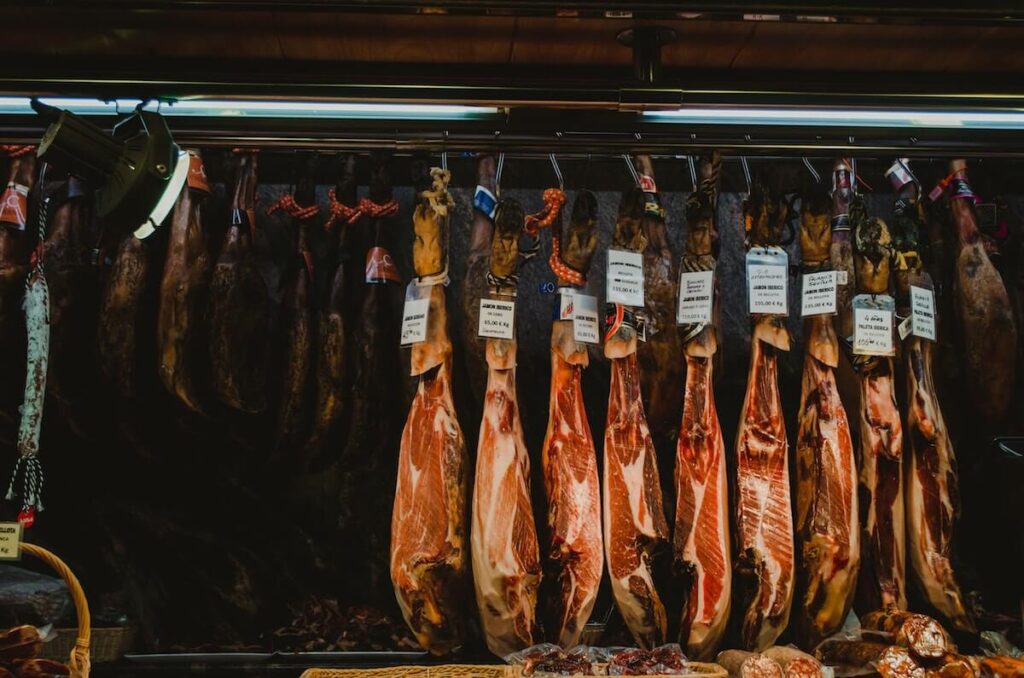
Spanish cuisine includes a lot of meat and fish, but what kinds vary by region. In addition to the world-famous jamón ibérico, you might find tasty rabbit in your paella valenciana, octopus on your dinner plate in Galicia, or tender beef in the central plateau.
But wait, why is jamón ibérico so good? Spanish pigs raised for ham production usually graze on open ranges. Some graze in oak forests and eat fallen acorns, which contributes to the meat’s tenderness.
It’s impossible to list all the different varieties of meat and fish across this culinarily diverse country. Wherever you are, feel free to ask locals about famous Spanish dishes in that region.
5. A melting pot of cheeses
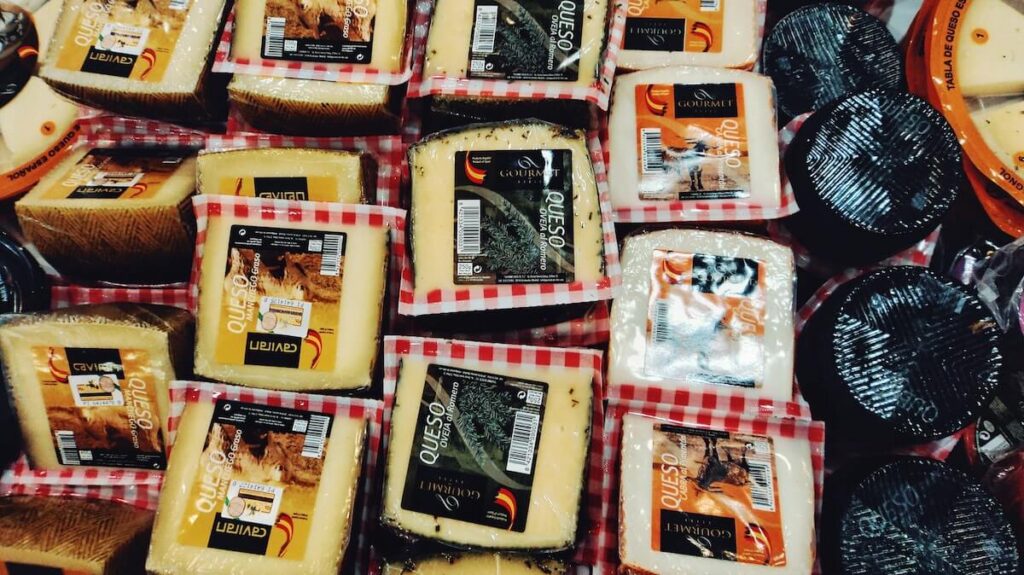
Cheesemaking is a traditional Spanish food process that presents an endless array of delicious cheeses to compliment your meals or snack on with tapas. Hard cheeses are more common than soft cheeses, and many are combinations of milk from cows, sheep, and goats.
6. Beer and cider flow like water

All across Spain, you can find cheap, well-crafted, and crisp beer. People tend to have a preference, often associated with their regions. Some familiar names include Estrella Galicia, El Águila, and Alhambra.
Hard cider is also a common drink in Spain, especially in the northern community of Asturias. There, cider drinking is a social ritual. Don’t be surprised when your waiter comes by to escanciar, or pour you sip-sized cups of cider to aerate the drink.
7. It’s wine o’clock
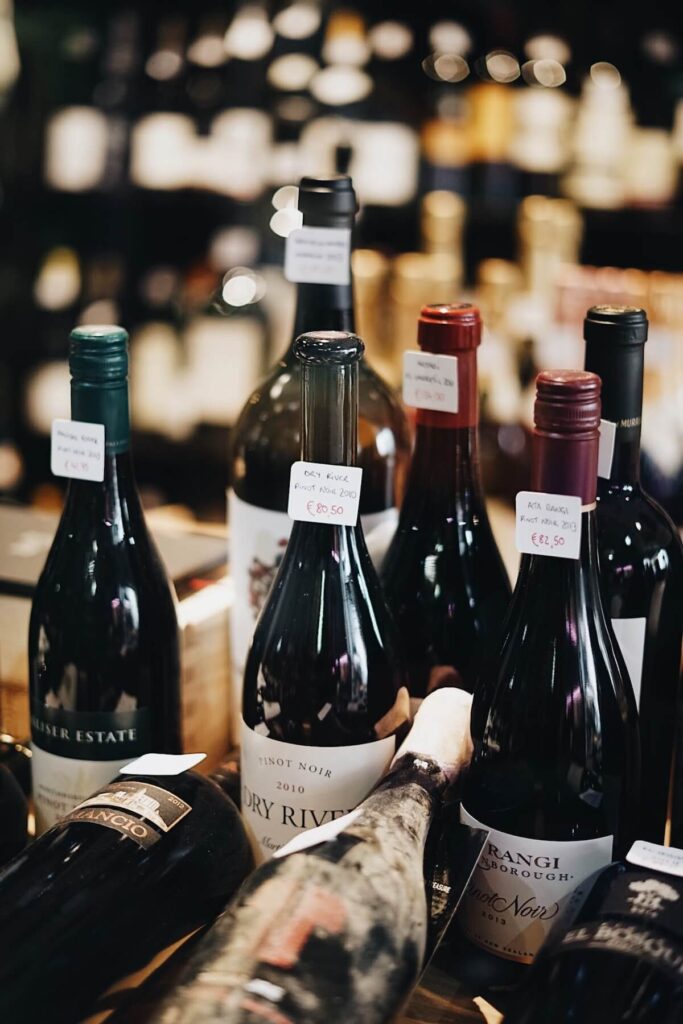
There are 96 destinations of origin for wine in Spain, known as denominaciones de origen, leading to rich Spanish viticulture. The noble tempranillo grape from La Rioja region is Spain’s boozy poster child, but the wine culture has a wide range.
Savor sweet sherries from Jeréz in Andalusia and sip crisp whites from the northeast alongside some Galician seafood. Or hop to the Canary Islands, where you can drink wine from grapes grown on volcanoes. The archipelago displays a range of wines as diverse as the many islands’ ecosystems.
8. The Spanish have a sweet tooth

Spanish food culture could be described as goloso, or sweet-toothed. From the carrot cakes and pastries of la merienda and early morning churros con chocolate to Christmastime turrón, or nougat, and curiosities like leche frita, or fried milk, some of the most popular foods in Spain are sweet treats.
Desserts and other sweet dishes vary widely from region to region, but wherever you go, there’ll be something for your craving.
Also read: 10 Best Spanish Chocolate Brands and Must-Buy Chocolates
Spanish food history
9. Olives are ancient

If one thing unites Mediterranean cuisine, it’s the use of olives. Since time immemorial, Mediterranean cultures have cultivated hundreds of varieties of the emblematic olive.
Olive cultivation began in the Iberian Peninsula around 3,000 years ago. Today, Spain is the world’s leading producer of olive oil, with Andalusia being the cradle of this liquid gold production.
Olives are also commonly incorporated into dishes or served alongside drinks in many bars across the country, usually free of charge.
10. Spanish traditions have international roots

Spain has always been a crossroads of cultures. From Phoenicians and Romans to Visigoths, peoples have moved through and conquered these Iberian lands for millennia.
But no culture has had as much impact on the history of Spanish cuisine as we know it today as the Moors. This North African culture spread across the Iberian Peninsula in the 8th century and stayed for eight hundred years, turning much of Spain into a mosaic of religions, languages, and customs.
This region was known as Al-Andalus and its connection with the Arabic world led to new foods, such as citruses like sweet oranges, cold soups like gazpacho, and staples like rice. Al-Andalus also saw the introduction of new cooking and agricultural methods that revolutionized the Iberian Peninsula.
11. Many food words come from Arabic
More than 1,000 Spanish words have Arabic roots, a large portion of them being food-related. Many words that start with al- or a- are Arabic in origin, such as arroz (rice), azúcar (sugar), albahaca (basil), and aceite (oil). Some fruits, like naranja (orange) and limón (lemon), draw their names from Arabic, too.
12. Tapas has murky origins

The tradition of tapas (or pintxos, in some northern regions) has existed for centuries, but its origin is not quite clear. The word tapa literally means cover or lid, referring to the tradition of using a small plate to cover the cup.
Some say tavern- and innkeepers served a bit of food with wine and beer to keep their patrons from getting too drunk. Others say placing a small plate atop the cup kept out flies or sand or any other unpleasant object from sullying the drink.
I’ve heard a dozen different anecdotes and they all sound plausible, but historical context isn’t necessary to enjoy this rich Spanish food tradition.
Food and society: Spanish meal customs
13. Lunch is an event

Of all the Spanish meals, lunch, known as la comida or el almuerzo, is the most important. Lunch is when families get together to sit down and share in the company and food. Common weekend plans include eating a big lunch with friends and family, which can often last the whole afternoon.
This midday meal typically starts around 2 p.m. It’s where you’ll find some of the heaviest of Spanish meals, like paella or fabada, and usually consists of several courses, including salad, bread, and a protein like fish or meat.
14. And so is siesta
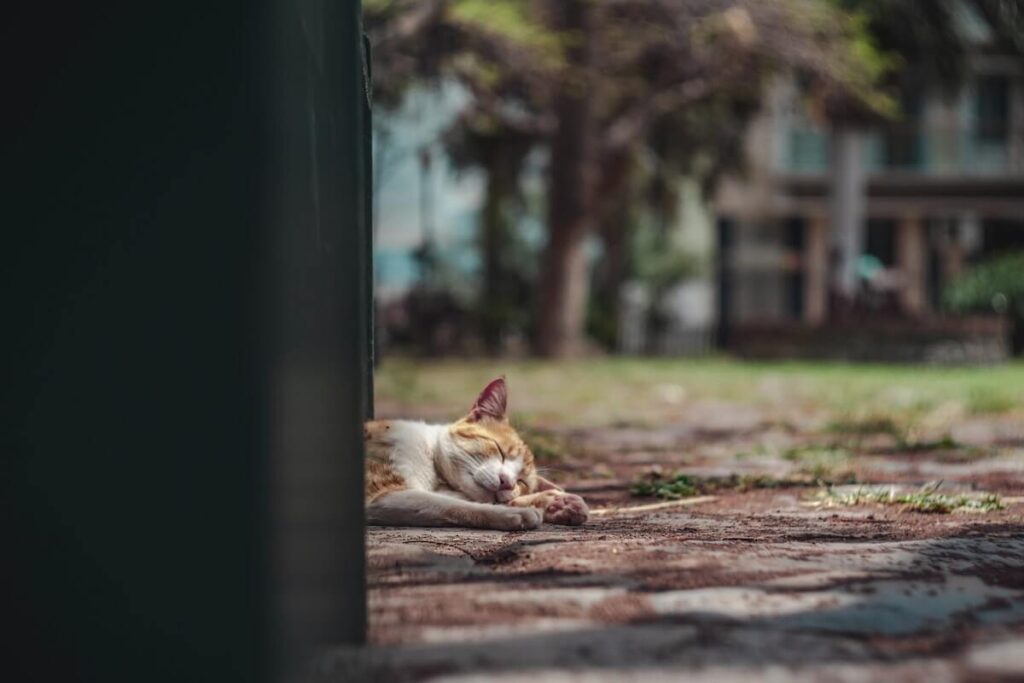
Spanish culture honors the siesta, the midday period of rest after lunch. And after such a heavy meal, it’s necessary to sit back for a while. Many restaurants, stores, and businesses close for a few hours between 2 and 6 p.m. as people head home to eat lunch and rest.
The siesta is particularly honored in southern regions like Andalusia, where summer temperatures exceed 100 degrees. When it’s that hot, what else is there to do but sleep of the delicious lunch and wait for the cooler evening?
15. Don’t forget sobremesa
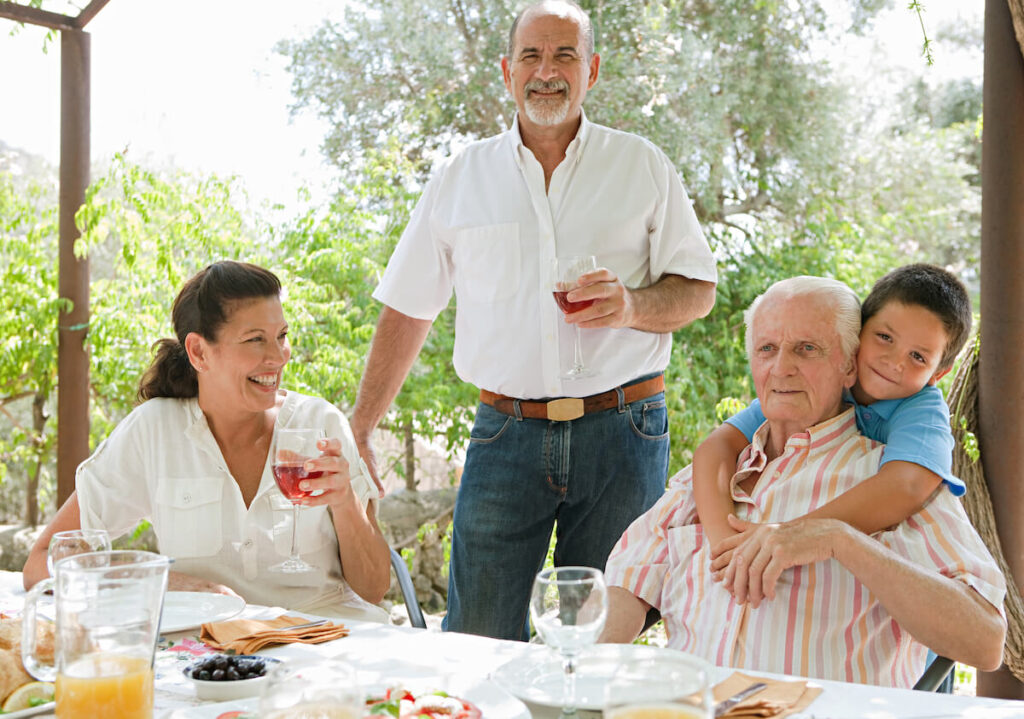
If you’re invited to a Spanish lunch, it’s important to know you’re going to be there for a while. After lunch, expect sobremesa, the lengthy table talk that often includes coffee, a digestif, and dessert.
Sobremesa is a Spanish cultural staple that allows for rest and digestion as well as quality family time. In the modern day, the hours of sobremesa happen to be primetime television.
16. Tapeo is an intangible Spanish food tradition

Tapeo, or tapas culture, is an intangible element of Spanish food culture that goes beyond mere eating. It is an unbreakable union between food and socializing and allows you to explore the different flavors of Spanish food and drink in bite-sized pieces.
Also known as pincheo in northern regions like Basque Country and Asturias, this practice is a common way to enjoy lunch or dinner with friends, especially on weekends.
It’s also an economical way to enjoy Spanish dining culture. If you plan properly, you can visit the remaining provinces where tapas are served free of charge, like Granada in Andalusia.
Navigating restaurants
17. Skip the tip, if you’d like
When you get around to glancing at the bill after sobremesa, there’s no expectation to add a tip. Tipping culture is neither common nor obligatory in Spain unless you’re in a high-class restaurant.
However, some people do round up the bill instead of asking for change. For example, if the total is 47€, some patrons might leave 50€ and not ask for change. No Spanish waiter will turn down some extra cash and generosity is always welcome.
18. The menú del día is your friend

Many restaurants in Spain feature a menú del día, or a menu of the day. This is where you’ll get your most budget-friendly options at a typical restaurant.
Menús del día are most common during lunchtime and typically include a starter, an entree, and dessert with a drink or coffee for a flat fee. However, you can also find menú desayuno in many cafés.
If you don’t see an offer on a standing sign outside the restaurant or on the menu itself, feel free to ask a waiter. Ojo, in Spanish it’s pronounced meh-NOO, not men-yew.
19. It’s not about the service

Unless you’re at a five-star restaurant, don’t have high expectations for service. They’ll ask for your order the moment you sit down and then leave you alone for a while if you aren’t ready. Don’t be afraid to get their attention — a confident but polite “Perdona?” goes a long way.
When you’re ready to go, ask for the la cuenta, as they probably won’t bring you the check until you request it. Eating at a Spanish restaurant is sometimes survival of the fittest, but that’s just part of the experience.
20. Street food isn’t so trendy

Spanish street food culture is not as prevalent as in countries like Mexico and Vietnam. However, street food culture does exist, especially seasonally.
In some cities, you can find stalls roasting chestnuts, or castañas, during the autumn and winter. During Christmastime, markets and fairs offer sweet treats like churros con chocolate.
Food trucks of all culinary origins are also becoming more popular in urban areas.
As for late-night street food, kebab is the go-to in Spain. The post-nightclub favorite of partygoers, kebab joints are often open late into the night for to-go food.
Conclusion

As Spain’s food culture is infinitely variable, it’s impossible for me to list all culinary varieties and dining customs in one article. This list should provide a fair overview of many aspects of Spanish cuisine, but it never hurts to ask around about the cities and regions you’re visiting to know the best ways to enjoy the local gastronomy.
Tell us about your favorite aspect of Spanish food culture below, and in the meantime, ¡que aproveches!