
Between its beautiful landscapes, charming towns, bustling cities, and cultural diversity, Spain as a country has a lot to offer. In theory, that’s no problem — until it’s time to book your trip.
This time, your dilemma is one of urban destinations. How can you possibly decide between Seville and Valencia? I’m here to help (or at least try). I’ve visited Seville a number of times, and planning to visit Valencia soon.
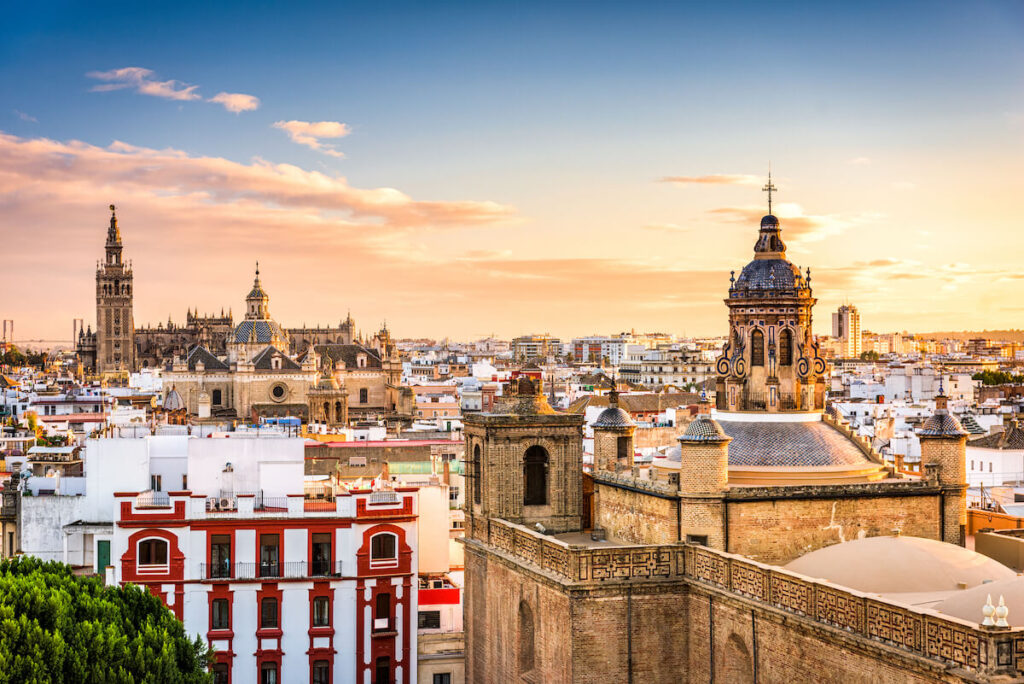
Two of the biggest cities in Spain, Valencia and Seville are both overflowing with cultural, historical, and culinary richness. Comparing Valencia and Seville is difficult because of how different the cities are. Each one is going to cater to different travelers for different reasons.

So, Valencia or Seville? Let’s take a look at the deciding factors to make your trip ideal for you.
Table of Contents
Where to Stay
Valencia
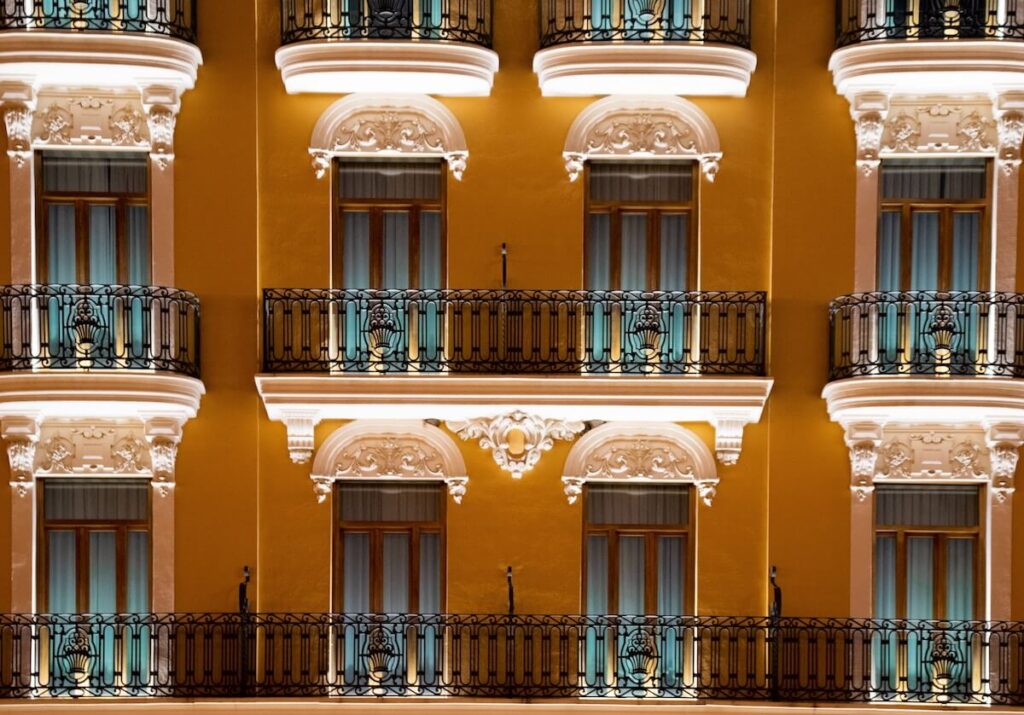
- Caro Hotel — Lavish in luxury in the heart of historic Valencia
- YOURS boutique — Catch beautiful views from this minimalist boutique hotel’s terrace
- Las Arenas Balneario — This magnificent beachside resort is great for couples
- The River Hostel — A garden-side backpackers’ hostel adjacent to the city center
Seville

- H10 Casa de la Plata — This chic hotel is steps away from Las Setas and lively plazas.
- abba Sevilla — Enjoy modern rooms and a rooftop pool with panoramic views.
- Corral de Rey — Have a luxurious stay at this 17th-century palacio hotel
- San Isidoro Hostel — A quaint hostel that puts you in the heart of the historic quarter
Getting there and around
Valencia

Despite being the third-largest city in Spain, Valencia’s airport doesn’t make the top five most-traveled airports. However, Valencia is still well-connected by plane. Consider routing through Madrid and adding a few days in the capital to your trip. You can get to Valencia in an hour and a half on high-speed rail.
Once in the city, you can get around Valencia by bus, tram, and metro via the Valencia tourist Card, which has 24, 48, and 72-hour options. Six Cercanías commuter lines can take you all across the vast metropolitan area.
Not in a hurry? Valencia has a wonderful pedestrian environment and 150 kilometers of bike lanes across the city.
Seville

Like Valencia, Seville has a comparatively small airport and high-speed rail connection to Madrid, which takes just under three hours.
Seville has similar public transit options to Valencia, like bus, metro, and commuter rail but on a smaller scale. It even boasts a short but charming tram line with connections to other transit systems.
Seville, in my opinion, is a perfect pedestrian city. Walking around the city is comfortable and, if you’re in the historic quarter, often faster than public transit. Seville is also a lovely city for an afternoon bike ride along the Guadalquivir River.
Summertime sunshine
Seville
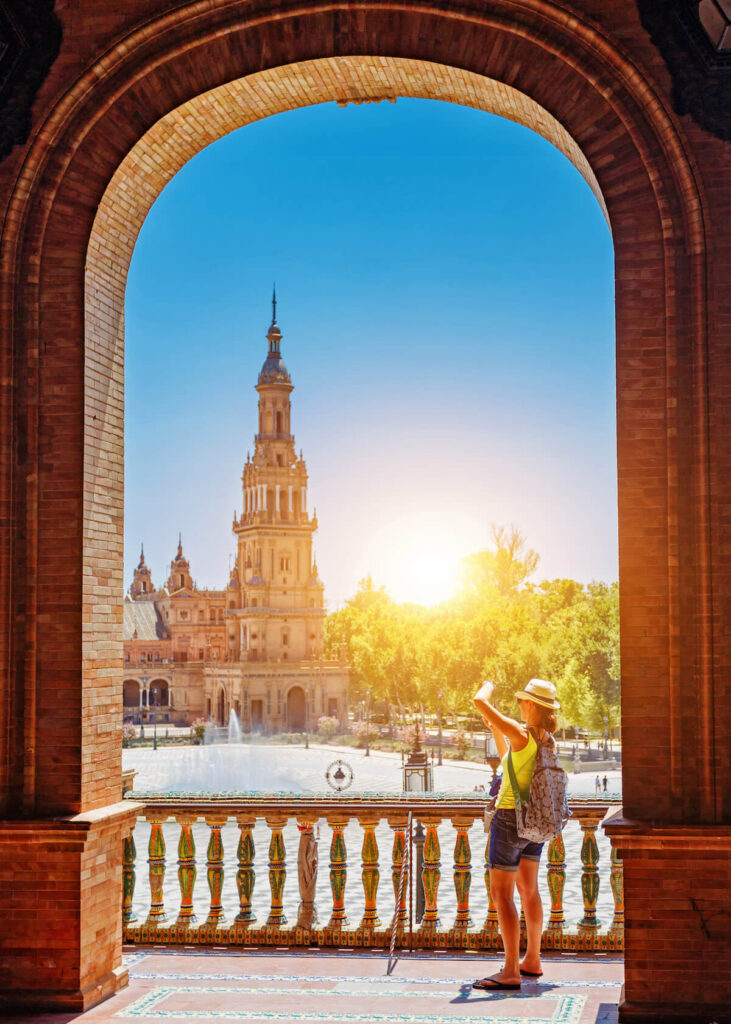
Spain generally boasts a warm, sunny climate. Seville is no exception, except that in the summer it takes the heat of the sun to another level — and there’s no nearby coast to escape to.
Seville is located in the Guadalquivir Valley, a region of Spain known as la sartén de Europa for its summertime temperatures that frequently exceed 40 degrees Celsius (104 Fahrenheit). As lovely as Seville, a trip during the summertime to this inland city could be downright unpleasant, even for lovers of hot climates.
Valencia
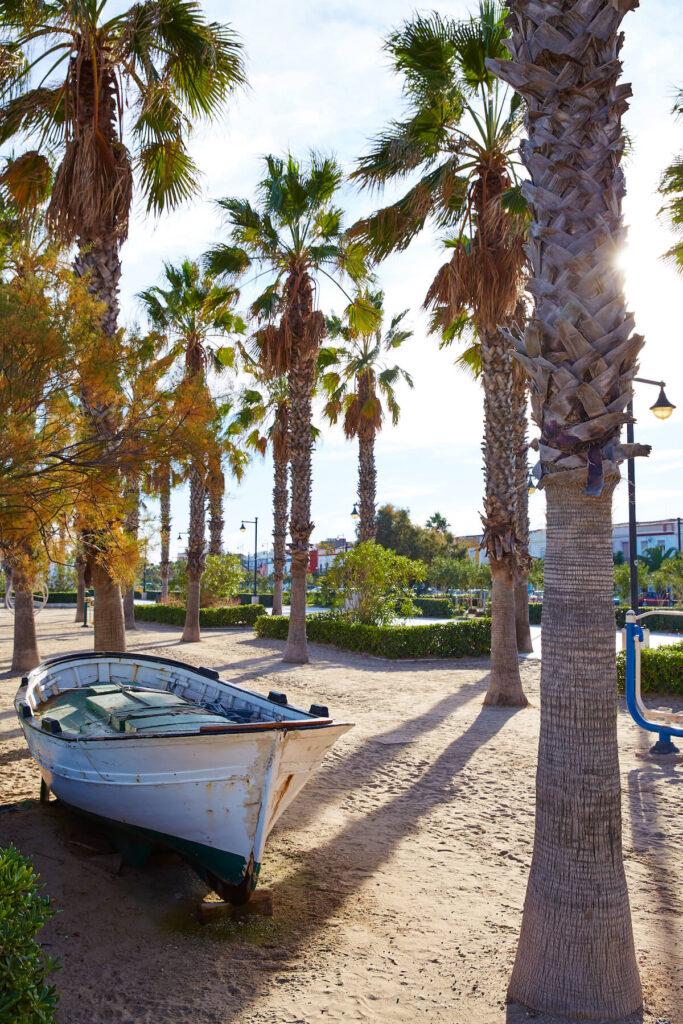
Valencia is no stranger to Mediterranean heat, but in this coastal city, the sea is never far. Along the city’s coast are long stretches of platjas (the word for ‘beach’ in Valencian, the dialect of Catalan spoken in the region), such as Malvarossa and Cabanyal beaches.
A bit beyond the city, you can find Albufera Natural Park, a freshwater lagoon offering a coastal escape from the urban heat. You can reach the park and its many beaches on public transportation.
Beyond Valencia, you can explore the Costa Blanca and the Costa Azahar, some of the most cherished beaches in Mediterranean Spain.
Cultural festivals
Valencia
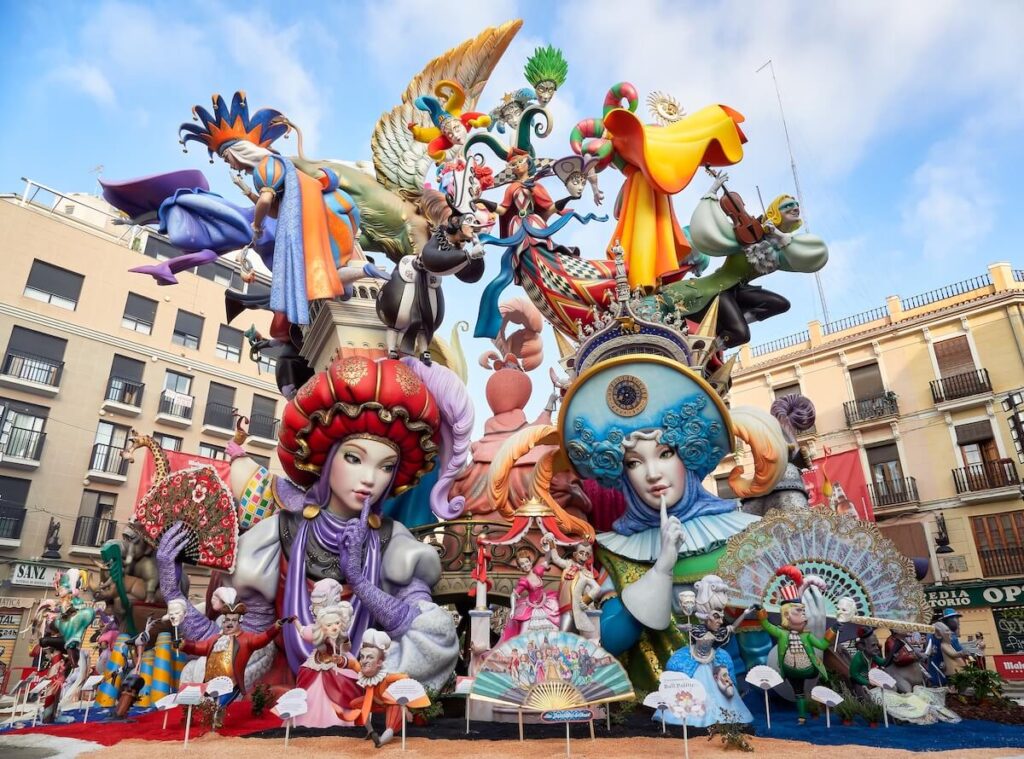
Valencia is famous for Las Fallas, a significant cultural celebration that involves street parties, massive sculptural monuments, and lighting things on fire. What more could you want?
Las Fallas lasts for 18 days (yes, you read that right — 18 days) from March 1st to March 19th. Throughout the holiday, you can watch La Mascletà, daily pyrotechnic shows seen through the Valencia region, and enjoy the celebratory mood.
The festival climaxes toward the end. During La Plantà, the period of a day or two before March 16th, artists work to finish las fallas, or the grandiose sculptural monuments emblematic of the festival. It’s an intense work of passion because las fallas are not long for this world.
On March 19th, known as La Cremà, Valencians set fire to the hundreds of monuments constructed for the festival.
So much more happens during the 19 days of Las Fallas, so you might as well head there to see for yourself.
Seville

The people of Spain’s Andalusia region know how to have fun, and Seville as the regional capital is no exception. Seville sees two massive back-to-back festivals each year — the dramatic, somber processions of Semana Santa and the festive Feria de Abril.
Semana Santa is a truly fascinating spectacle that I love to observe, but it is not tourist-friendly (and nor should it be!). By that, I mean parts of the city can become unnavigable as hundreds of people participate in long, slow-moving processions.
The Feria de Abril is a week-long period that does away with the somber religious tones of Semana Santa and brings in celebration. Parties erupt in the streets, where people eat tapas, drink Sherry wine, and enjoy performances of sevillanas, a dance similar to flamenco.
Must-sees
Valencia
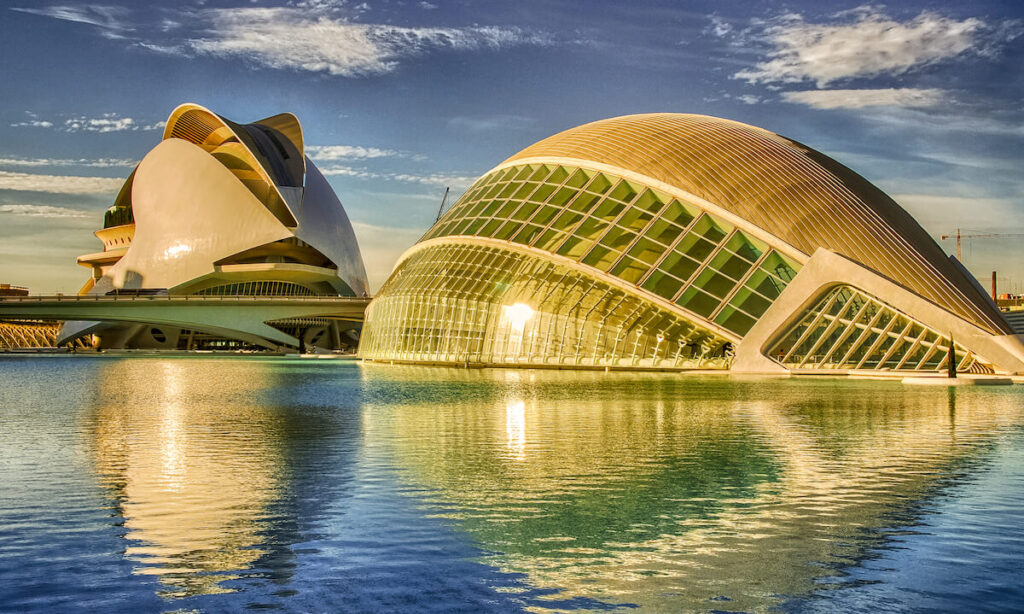
While Valencia has no shortage of architectural heritage, when I think of this coastal city, the City of Arts and Sciences is what comes to mind. The City of Arts and Sciences is a sprawling complex of gleaming, graceful buildings that curve like flowers or the bones of some fantastic beast.
Within its nine structures, you’ll find a science museum, open gardens, an opera house, a planetarium, the City of Arts and Sciences is considered one of the treasures of Spain.
In addition to the City of Arts and Sciences, you can’t miss out on the Valencia Cathedral or the historic Old Town.
Seville
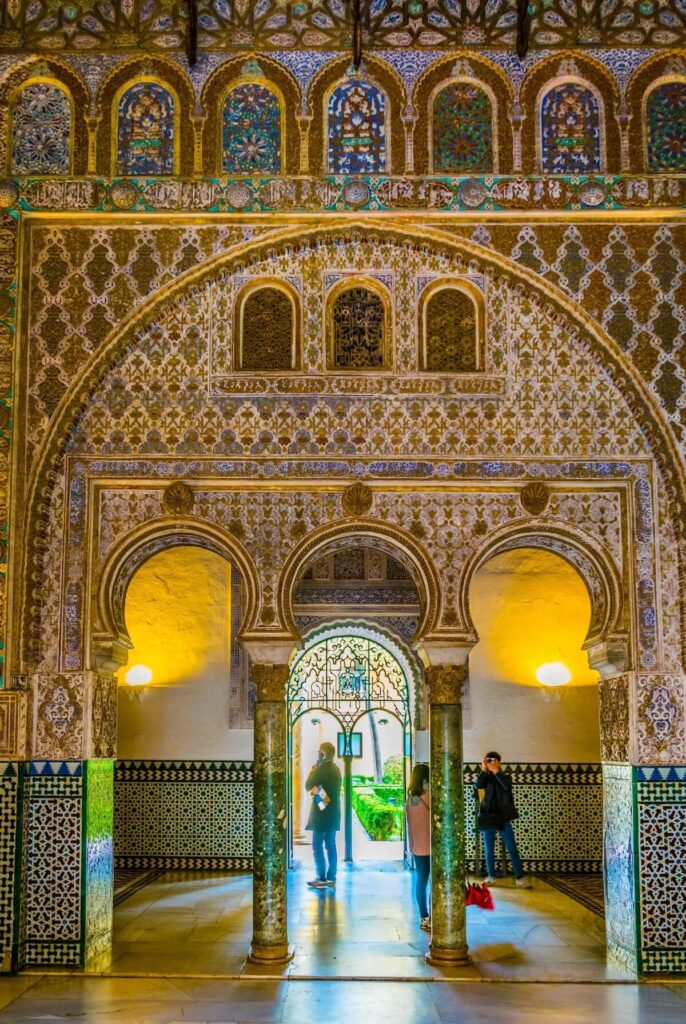
Seville is an architectural paradise and boasts the largest casco antiguo, or old quarter, in Spain. Across the river from the old quarter, the historic neighborhood of Triana has long been a cradle of flamenco culture and strong cultural identity.
In and around the old quarter, you’ll find some of the city’s most well-known attractions. I can’t recommend enough the Royal Alcazar of Seville, a mudéjar palace whose history lays clear the mixed cultural heritage of the city, and La Giralda, a minaret-turned-belltower that dominates the skyline.
Another must-see in Seville is the Plaza de España, a stunning neo-mudéjar building that has made cameos in movies like Star Wars: Attack of the Clones (2002). Here, you might find flamenco street performers, or you can admire the mosaic maps of Spain’s provinces.
What to eat
Valencia
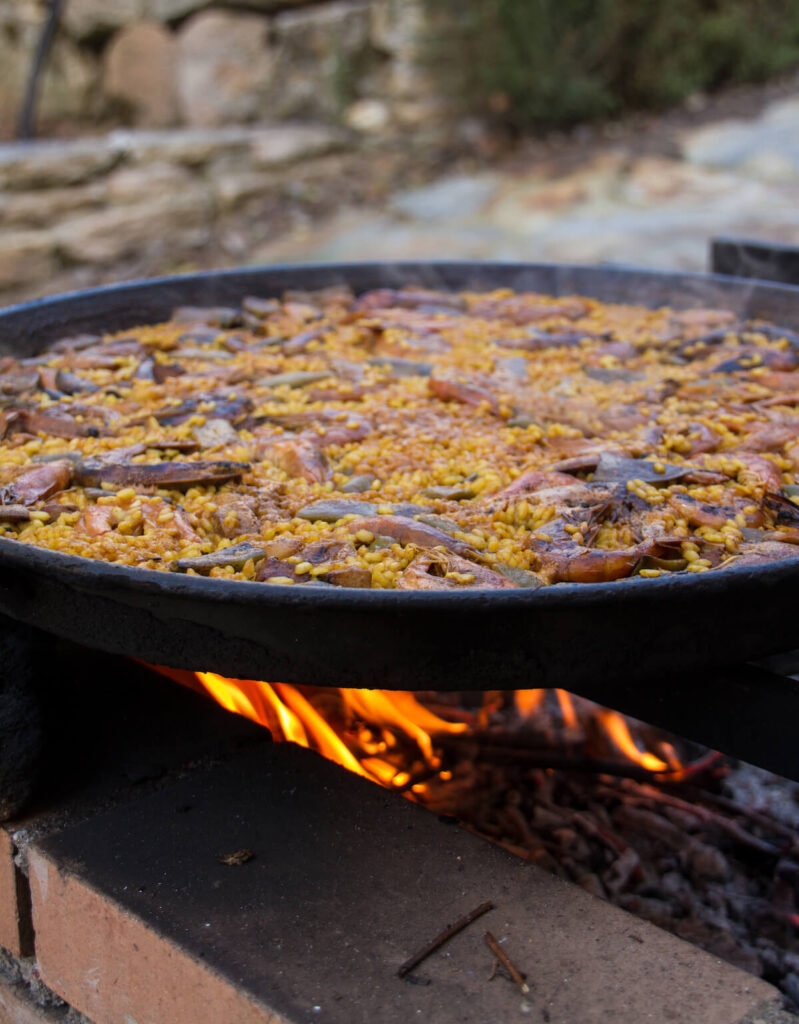
I often meet people traveling to Málaga who really want to eat paella, but I always recommend trying regional plates over paella — they’re not in Valencia.
Valencia is the home of paella, a rich rice dish that is within Spain recognized as something wholly Valencian while internationally it defines Spanish cuisine.
The original dish, paella valenciana, contains rabbit and chicken meat, green beans, and various legumes all cooked in a massive pan over an open fire. You can also try different varieties, such as paella de marisco with seafood.
Other foods Valencia is famous for include fideuà, which is similar to paella but swaps rice for noodles, and the soft nougat known as torró.
Seville
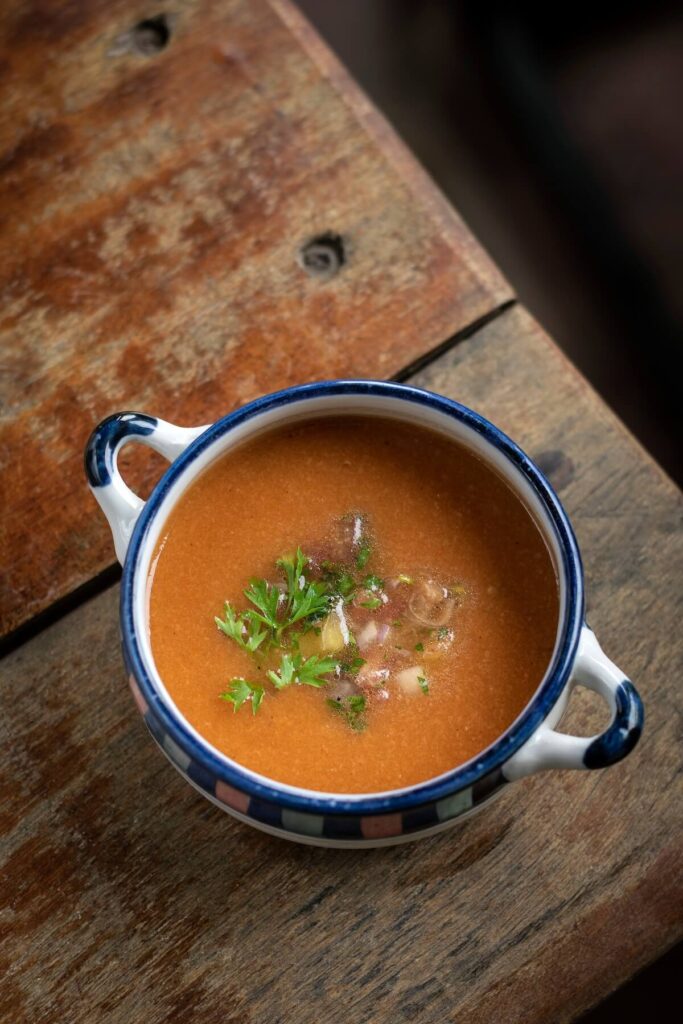
Seville is the capital of Andalusia, a region with a rich culinary culture that varies from province to province. However, there are some regional staples that you can find anywhere and Seville has no lack of variety.
Seville is famous for its cold soups like gazpacho, which provide lunchtime refreshments during the hot months. Another popular dish is huevos a la flamenca, a concoction of fried eggs, chorizo, ham, and vegetables like green beans, that you find at many restaurants in Seville.
No meal in Andalusia is eaten without a good drink. Try rebujito, the local drink made from Andalusian sherry and lemon-lime soda, with a few sprigs of mint for good measure.
So…where should you go?
Because it’s a difficult question, I’ll take the easy way out — it’s a tie. But let’s see why one or the other might appeal to you.
Seville is a city that emulates what someone might think of Spain — endless sunshine, stunning architecture, winding streets, and plazas where flamenco seems to float on the wind.
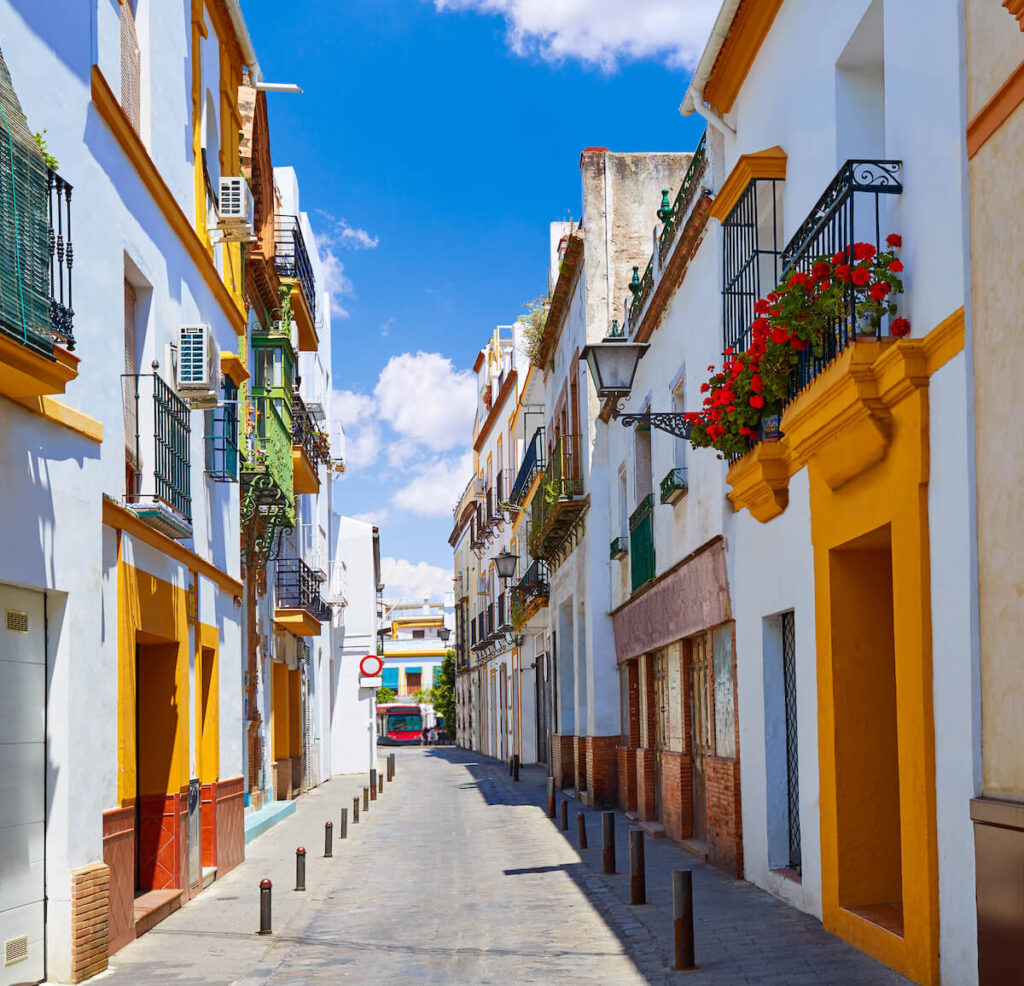
While you might find that in Valencia too, it is the essence of Seville (but the city also has so much more to it!). Despite its population, this beautiful city sometimes feels like a pueblo, lending to a romantic ambiance that I personally love and think you will, too. Just avoid it during summer.
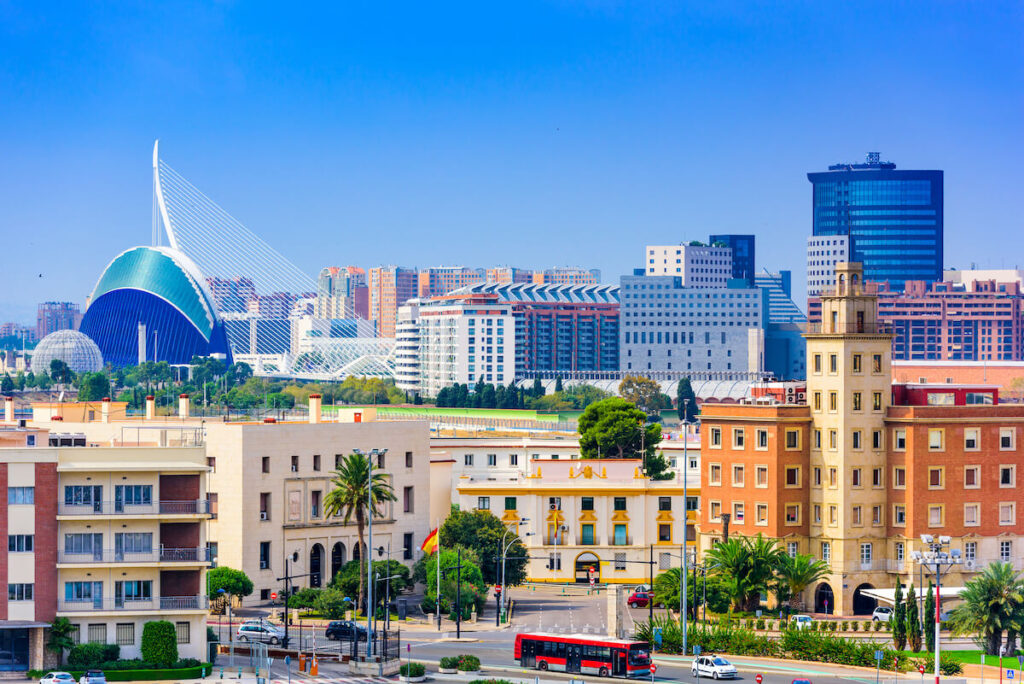
Valencia, on the other hand, is the beautiful collision of a modern metropolis with the historical foundation of an ancient Spanish city. If you want that cosmopolitan feel and are drawn by the kilometers of Mediterranean beaches, then Valencia is for you. Also, there’s paella. Like, really, really good paella.
I’ve said it before about Spanish cities and I’ll say it again. You really can’t go wrong. Whether you pick Valencia or Seville, your Spanish trip will be unforgettable. Let us know what you think about Seville vs Valencia in the comments below.