
*This article may contain affiliate links. For full information, please see the disclaimer here.
Hailed as the Land of the Rising Sun, Japan is an archipelago of 6,853 islands. Combining history and futuristic advancements, Japan is famous for creating the world’s leading electronics and car brands, while remaining deeply connected to ancient traditions.
What else is Japan famous for? What’s in Japan?
Japan is famous for natural sights like cherry blossoms and Mount Fuji, cutting-edge technology like Japanese cars and bullet trains, wacky inventions like karaoke and vending machines, cultural values like politeness and punctuality, popular anime and manga, and mouth-watering food like ramen and sushi.
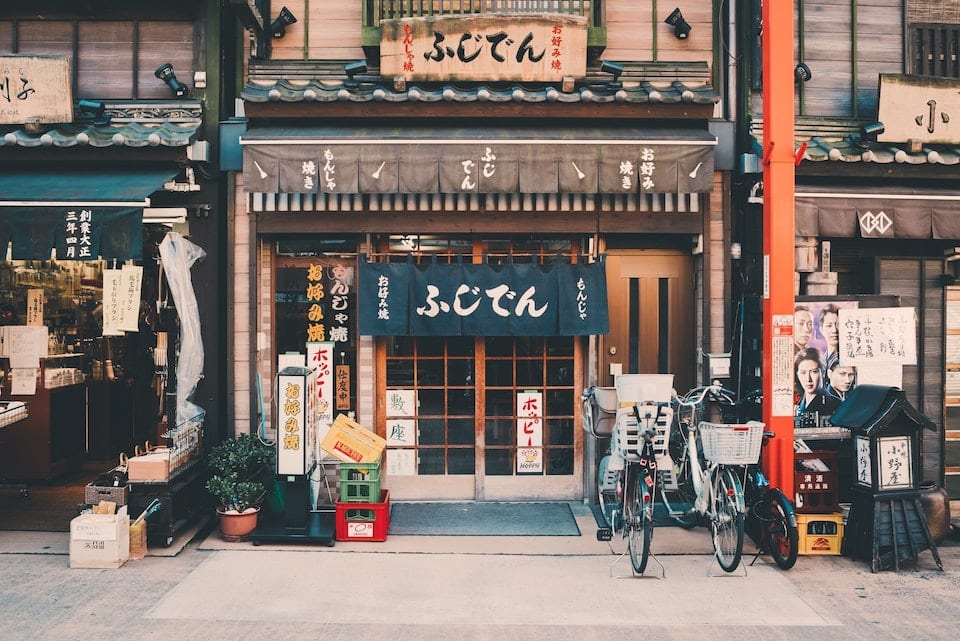
Ready for your adventure in Japan? Here are the top things that Japan is known and famous for!
Table of Contents
1. Tokyo

No other city in Japan captures the mix of tradition and modernity better than Tokyo.
Known as the biggest metropolis in Japan, Tokyo is famous for the latest Japanese fashion trends in Ginza and Harajuku, iconic monuments like Hachiko and Gundam statues, skyscrapers like Tokyo Skytree, and futuristic tech havens like Odaiba and Akihabara.
Plus, you’ll never find a frenzy quite like the Shibuya Scramble Crossing, where thousands of people cross the world’s busiest intersection without colliding with each other.
While being amid this scramble is a memorable experience, seeing it from above is something else. For an unobstructed vantage point to witness the hustle and bustle of these vibrant streets, I recommend ascending to the top of Shibuya Sky. Just don’t forget to bring a coat especially if you’re coming at night; it can get very windy up there.
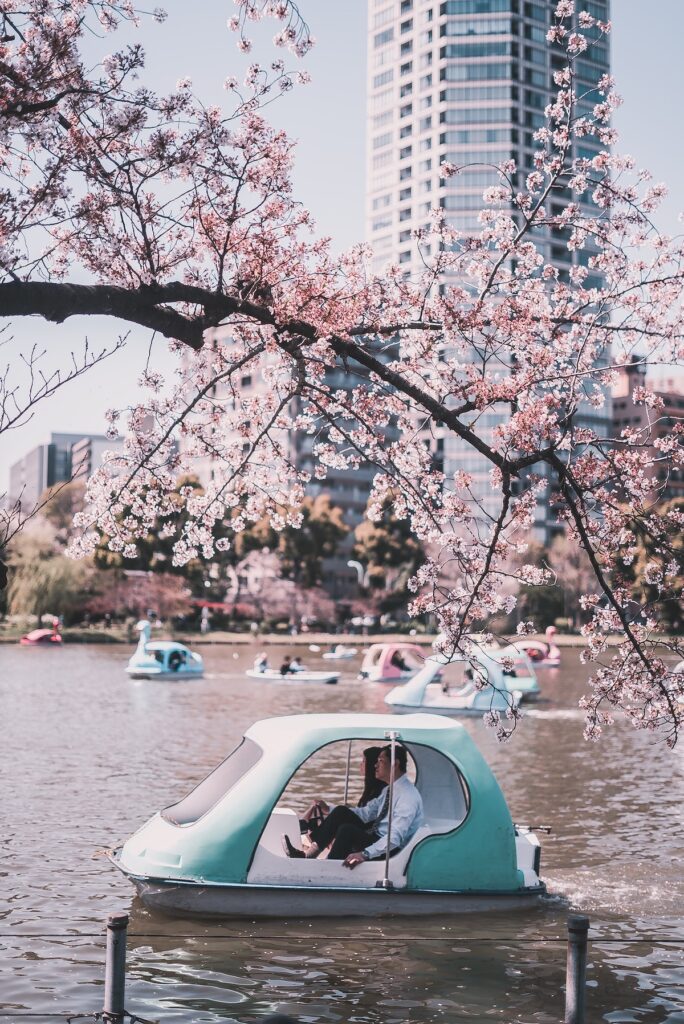
Not a fan of the chaos? Tokyo also has plenty of serene gardens like Yoyogi Park and Ueno Park — not to mention iconic Japanese landmarks like Meiji Shrine and Sensoji Temple.
If you are visiting Tokyo for the first time and you’re not sure where to start, I suggest joining this “Must-Sees” tour. I loved that it allowed me to see as many places as possible in one day without feeling rushed.
2. Mount Fuji

Standing at 3,776 meters, Mount Fuji is Japan’s famous icon.
Mount Fuji isn’t just the tallest mountain in Japan; it is, in fact, an active stratovolcano that last erupted in 1707, during the Edo period. It comprises three successive volcanoes: Komitake, Ko Fuji (“Old Fuji”), and Shin Fuji (“New Fuji”).
This is a popular hiking spot during the climbing season of July to September. There are four routes to summit the mountain. The most popular of them is Yoshida Trail which requires about six hours of ascent.
To make the most out of the beautiful Fuji area, I recommend signing up for this group tour, which includes visits to Mount Fuji, Hakone, and more. Alternatively, you can avail of this join-in day trip that comes with lunch.
3. Cherry blossoms

Cherry blossom viewing is popular in Japan for good reason.
Every spring, the cherry blossom season in Japan attracts visitors for its sakura flowers, whose fleeting beauty is a symbol of the seasons changing. Definitely one of my favorite Japanese things!
Sitting beneath the cherry blossoms for a picnic is a leisurely pastime and an age-old tradition for Japanese people. Often, you will see crowds gathering in places where the flowers bloom aplenty, such as Ueno Park, Meguro River, and Shinjuku Gyoen in Tokyo.
4. Japanese cuisine

Did you know that Japan has more Michelin-starred restaurants than France?
From top-notch ramen eateries to sushi conveyor belts to robot-run restaurants, Japan has many creative ways of serving your dinner. Foodies like me won’t regret taking part in this food tour of Tokyo. It comes with seven to nine food stops, a chance to taste regional food, and get a crash course in Japanese cuisine.

Of course, Japanese food isn’t just sushi and ramen. There are noodle dishes like soba and udon, rice bowls with deep-fried shrimp tempura and pork katsudon, grilled chicken skewers of yakitori that go well with a cup of sake, and desserts like mochi and taiyaki. Fortunately, these are all pretty easy to find everywhere in Japan!
Also Read: 40 Interesting Facts About Japanese Cuisine
5. Torii
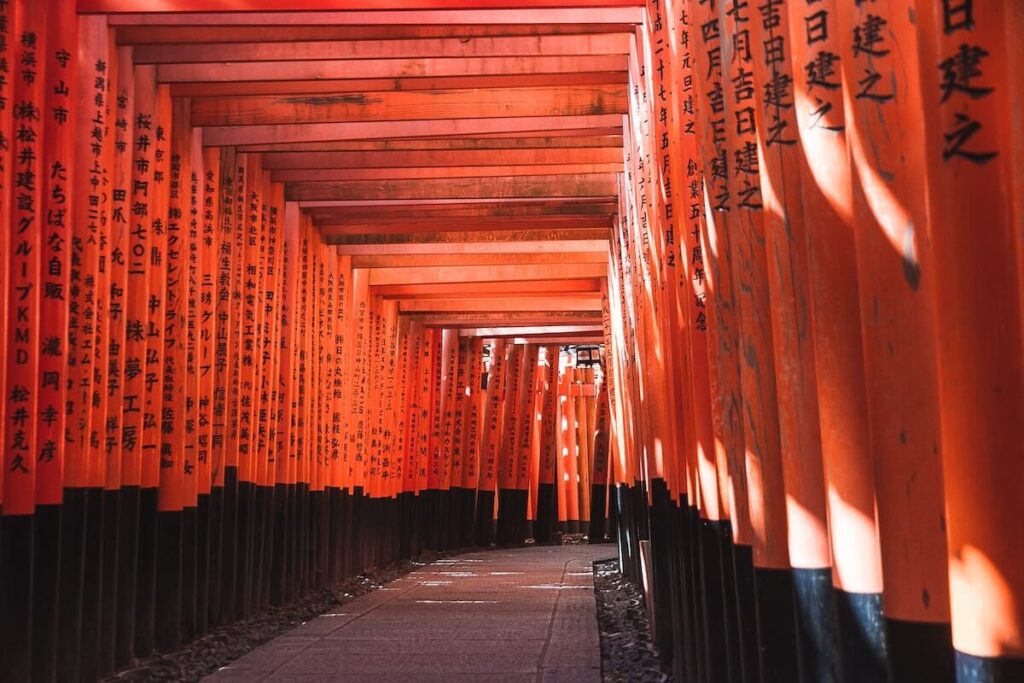
You’ve probably seen those tall red-orange gates on postcards or anime and documentaries about Japan. Or maybe you’ve seen the long row of red gates (pictured above) forming a tunnel. Those red gates are called torii and you can find tens of thousands of them in Japan.
A torii is a traditional Japanese gate commonly found at the entrance of or within a Shinto shrine to symbolize the transition from the mundane and human to the sacred. They’re traditionally made from wood or stone, but can also be made of concrete, copper, steel, or other materials. They’re usually either unpainted or painted vermilion.
Japan has two main religions, Buddhism and Shintoism. You can find tons of shrines and temples for both religions but the easiest way to identify a Shinto shrine is by spotting a torii. Many maps of Japan also include small torii icons to indicate shrines.
The most iconic torii gates in Japan include the ones at Fushimi Inari (above), Itsukushima Shrine, Meiji Shrine, and Hakone Shrine.
6. Koi

Also popular in Japan is its national fish of Japan, this colorful carp called koi is famous for its ornamental beauty.
Incredibly pleasing to the eyes, Japanese koi can be seen swimming in the ponds of zen gardens and temples in Japan. They can grow up to three feet long, appearing in combinations of red, white, orange, and yellow.
As they’re valued for aesthetic reasons and good luck, this isn’t a fish you’re likely to find served on a sushi platter!
7. Green tea

Japan is known for its tea-loving and drinking culture, especially when it comes to green tea or matcha. Rich in antioxidants, green tea is the most popular type of tea in Japan.
During tea ceremonies, powdered green tea is traditionally prepared inside a tea room with tatami floors.
If you’re eager to know more about the Japanese tea ceremony, this matcha and kimono workshop in Shinjuku should be on your to-do list.
Read more: 25 Fun Facts About the Japanese Tea Ceremony
8. Sake
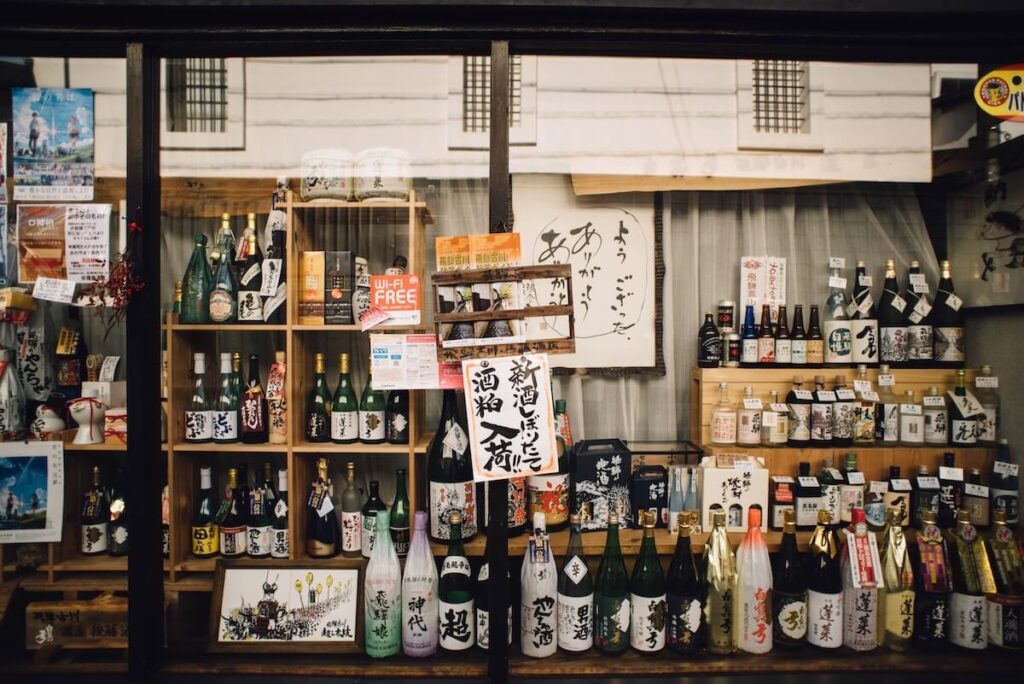
We can’t mention Japanese drinking culture and not bring up sake, Japan’s national alcoholic beverage.
Sake, or Japanese rice wine, is made by fermenting polished rice with yeast, koji, mold, and water. This drink dates back to the 3rd century and comes in several regional varieties depending on methods of pasteurization, filtration, and the amount of distilled alcohol added.
Interestingly, sake can be served either warmed or chilled. When served during special ceremonies, it’s often warmed. But fruity sakes are recommended to drink chilled to maximize the fruity flavor. Something to remember when you visit an izakaya.
9. Karaoke

We have the Japanese to thank for pioneering the karaoke craze!
Invented by a Japanese drummer named Daisuke Inoue in the 1970s, the karaoke machine began as a way for people to sing at the club without live back-up singers.
Over the years, it has evolved into a popular form of live music entertainment.
“Kara” is means “empty” in Japanese, while “oke” is the shortened version of “okesutora,” which translates to “orchestra.” Together, it means “empty orchestra,” which is exactly what you get when you sing along to an instrumental track on a screen.
10. Osaka

Step right into a world of takoyaki and affordable shopping finds in!
Full of energy and lights, this famous city in Japan is known for delicious food markets like Kuromon Market, vibrant shopping arcades like Dotonbori, iconic photo-taking spots like the Glico Running Man and Kani Doraku crab signs.
Of course, you can’t visit Osaka and not check out the Osaka Castle and Universal Studios Japan.
After exploring, you’d want to score bargains on Japanese souvenirs. My tip? Keep an eye out for the Don Quixote branches and 100-yen shops around the city.
11. Kyoto

For a glimpse of Japan’s traditional past, what better place to start than Kyoto?
Formerly the imperial capital of Japan, this city is famous for peaceful sites like Arashiyama Bamboo Grove and Fushimi-Inari Shrine, historic structures like Kinkaku-ji Temple and Nijo Castle, and old wooden houses and tea rooms in the Gion district.
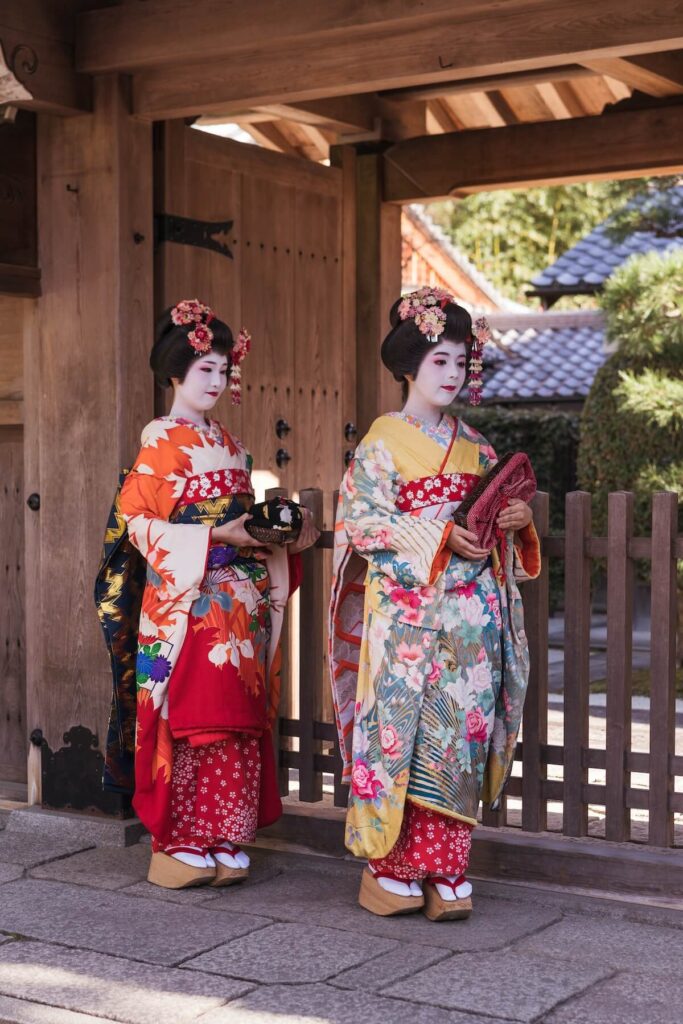
Chances are, you’ll even see the elegantly dressed geisha (known as geiko in Kyoto) and their maiko apprentices. Geisha refers to female entertainers who are adept at performing various traditional Japanese arts, such as music and dance.
Want to see the best of the city in a day? This excellent private tour lets you tick off 10 of the best spots in Kyoto in one day!
12. Geisha
Which leads me to this next item.
Japan is famous for geisha, an iconic and mysterious figure in Japanese culture. Many people mistake them for courtesans who provide entertainment and sexual services. But present-day geisha are actually forbidden from selling sex.
In fact, the word geisha means ‘person of the arts’ in Japanese. These women perform art and entertain guests by singing, dancing, or playing instruments. Some of them also perform tea ceremonies.
13. Kimono
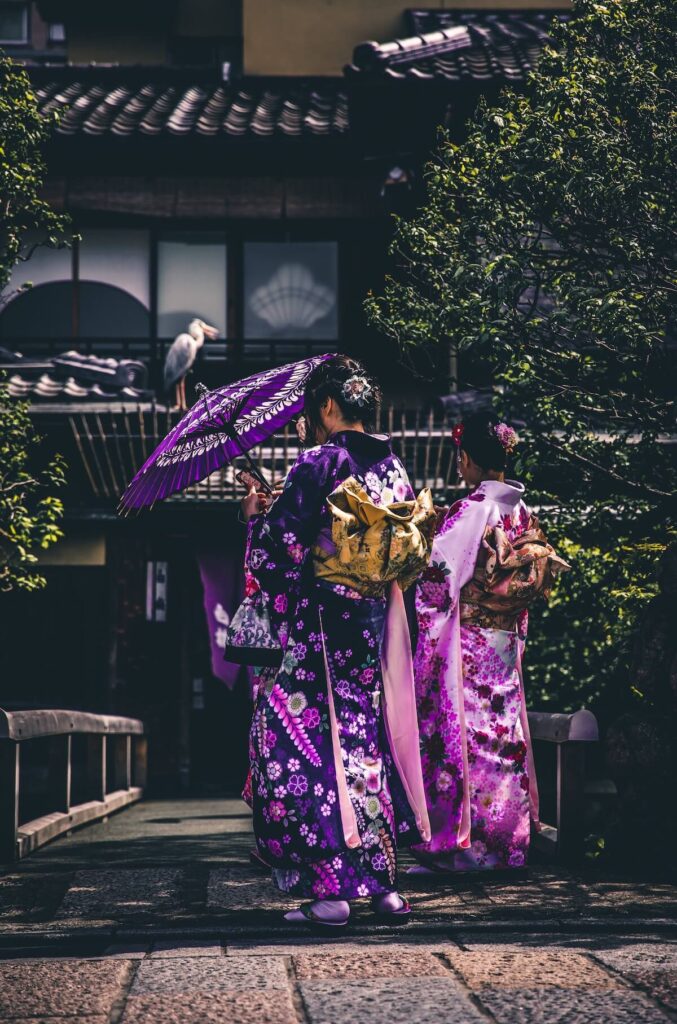
Although rarely worn as an everyday dress these days (except by geisha), Japan is still famous for kimono, the national dress of Japan.
The kimono is a wrapped-front garment with square sleeves and a rectangular body, often worn with a broad sash (obi) and paired with accessories such as the zori sandals. And although colorful patterns are common these days, this wasn’t the case in the feudal era.
Colors used to be restricted by class. Indigo-dyed clothing, for instance, were allowed for all classes while reds and purples were only allowed for those in the upper classes. There were also restrictions in design patterns and various types depending on gender and formality.
14. The Imperial Family
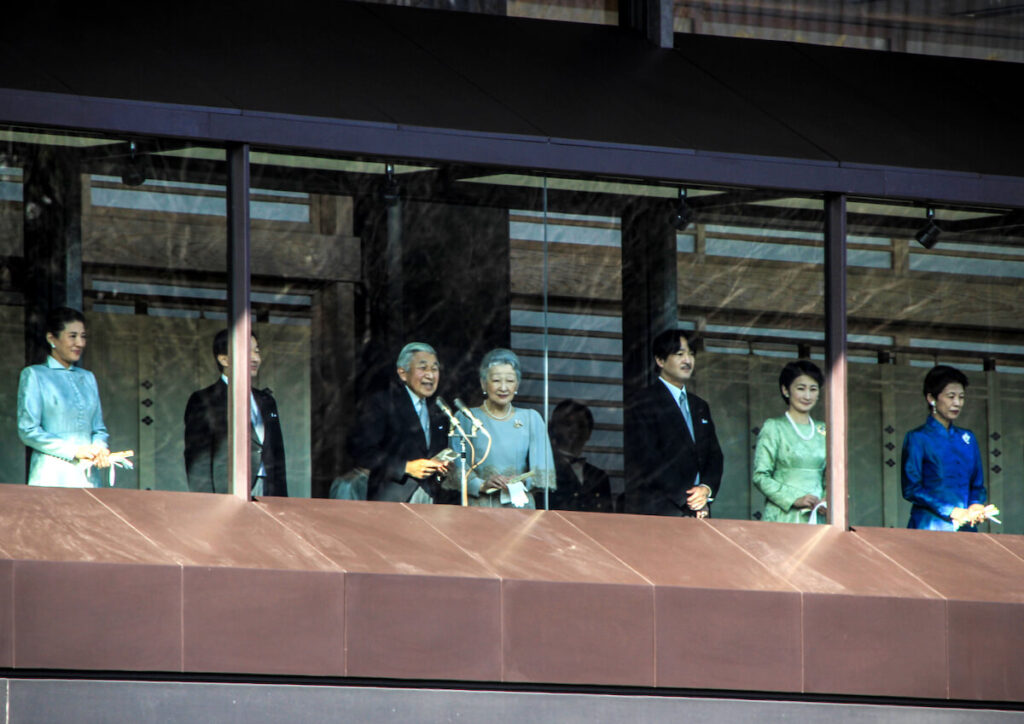
Japan is famous for having the oldest continuous hereditary monarchy in the world and for being the only country with an emperor.
The Imperial Family, the royal family of Japan, is led by the Emperor who acts as “the symbol of the State and the unity of the people” despite lacking political power. The current emperor, Emperor Naruhito, succeeded his father Akihito in a historical abdication.
Aside from the emperor, the Imperial Family includes 16 members. In 2021, former Princess Mako famously gave up her title after marrying her childhood sweetheart and becoming an ordinary citizen.
15. Japanese castles
What’s an imperial family without an imperial palace? The Tokyo Imperial Palace (Kokyo), the main residence of the Emperor, is located on the former site of Edo Castle, a large park area surrounded by moats. The castle’s main building has sadly burned down but some moats, thick walls, and bridges remain, certain sections of which are open to the public.
Fortunately, this isn’t your only option if you want to see feudal castles.
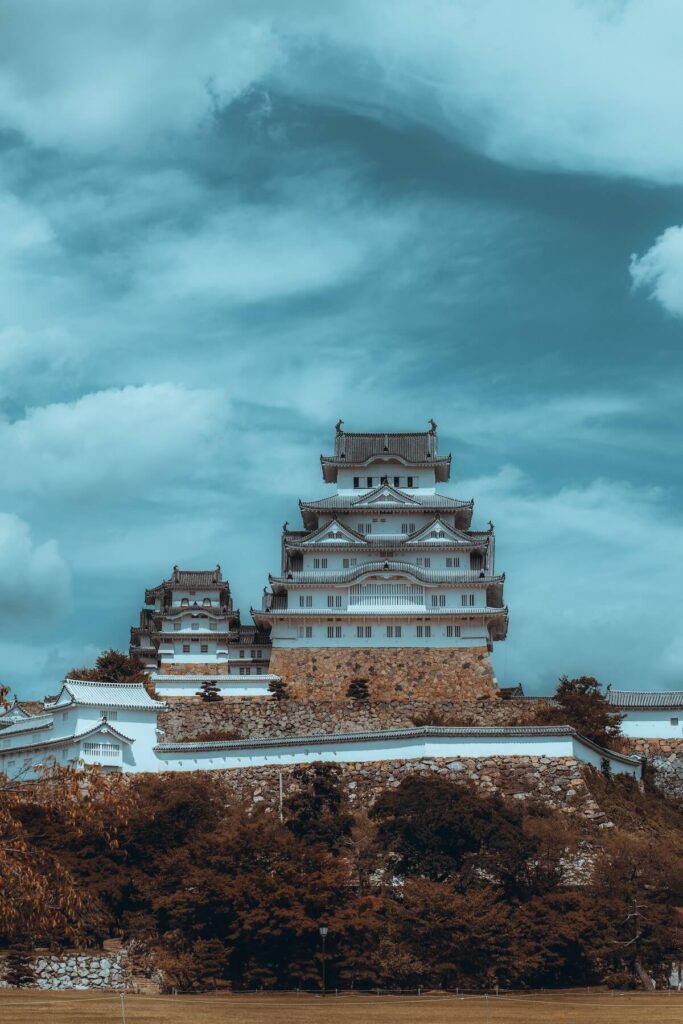
Himeji Castle in Hyogo Prefecture is the most well-preserved Japanese castle and is a great example of traditional Japanese castle architecture. This half-day private tour of the castle comes highly recommended!
Osaka Castle (which you can easily access with this skip-the-line ticket), also a former imperial palace, is particularly popular in spring, with all its surrounding cherry blossom trees.
Also worth visiting are the black-hued Okayama Castle and Matsumoto Castle, the hilltop Hikone Castle, and the bright crimson Shuri Castle.
16. Samurai

Ever wondered about the history of samurai?
During the Heian Period (794–1185), Japan was divided into independent kingdoms fighting with each other. To protect their territories, the Japanese feudal lords required men for defense — and thus, a class of trained warriors called the samurai began to emerge.
Legendary for their courage and exceptional skills on the battlefield, the samurai of Japan followed a strict code of honor. The way of the samurai features heavily in Japan’s pop culture, inspiring anime series like Rurouni Kenshin and Samurai Champoo, classic Japanese movies like Akira Kurosawa’s Ran and Throne of Blood, and even Hollywood movies like The Last Samurai.
Sure, these shows and movies are all great. But if you want to take a step further, you can unleash your inner warrior with this Samurai hands-on experience in Kyoto or join an action-packed tour of the Samurai and Ninja Museum.
17. Sumo wrestling

Many historians believe that sumo wrestling began as an ancient Shinto ritual. Today, it’s the national sport of Japan.
Physical strength plays an important role in this famous sport, where a professional sumo wrestler must force their opponent out of the ring or make them touch the floor with a part of their body that isn’t the soles of their feet.
To do this, the wrestlers will push, grapple, or shove their opponent down with sheer force.
One of the most memorable (if not brave) things you can do in Japan is to challenge a sumo wrestler into a match — and you can actually do that during this sumo demonstration that comes with an authentic Chanko Nabe meal.
18. Onsen
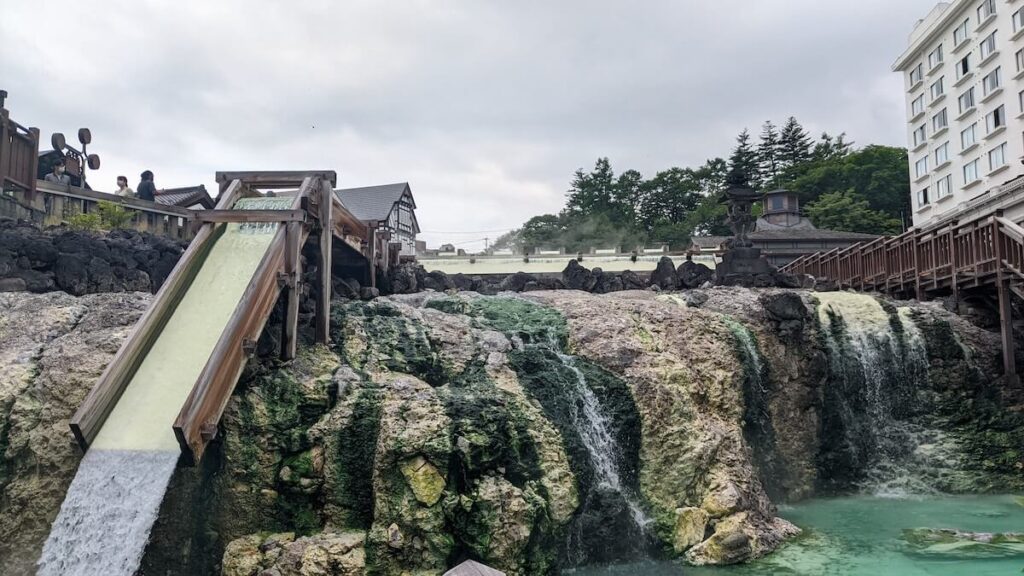
As Japan sits on or near the boundary of four tectonic plates, it comes as no surprise that there’s plenty of volcanic activity. Thanks to this, there are also lots of onsen or hot springs.
Japan is famous for its onsen towns, the perfect location for relaxing and experiencing a unique facet of Japanese culture. Popular ones include Kinosaki Onsen in Hyogo Prefecture, Kusatsu in Gunma, Noboribetsu in Hokkaido, Beppu in Oita, and Hakone, which offers a great view of Mount Fuji.
A word of caution though: You usually have to enter an onsen naked. If the idea of getting naked with total strangers throws you off, make sure to find an onsen that allows wearing a swimsuit like this family-friendly onsen in Osaka.
19. Tatami rooms

Japan is famous for washitsu or what’s known as “tatami room” in English. But what exactly is tatami?
A tatami is a type of mat made from grass-like plants and hemp. It’s used as flooring in traditional Japanese-style rooms and as flooring for martial arts training rooms (dojo).
Tatami rooms typically have sliding doors (fusuma), and sometimes translucent sliding doors (shoji). This unique interior design and room style dates back to the Muromachi Period. Back then, tatami rooms served as study rooms for the wealthy.
Today, tatami rooms are commonly used as reception and living quarters. Some ryokan (traditional Japanese inns) and temple lodgings also offer this type of room to tourists.
20. Origami
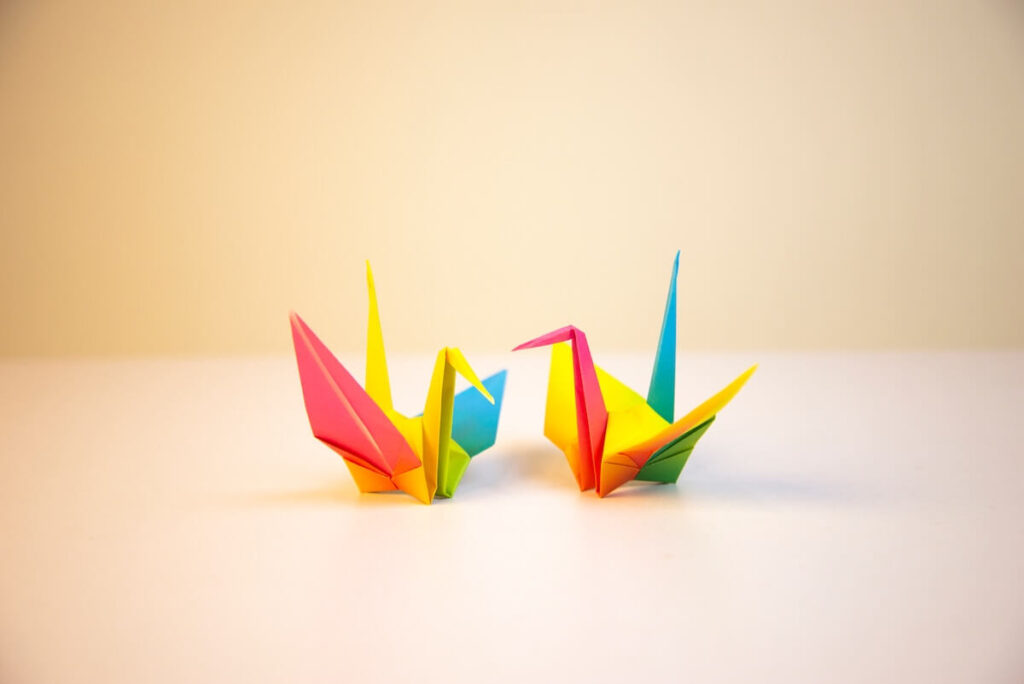
Another thing Japan is famous for is origami, the Japanese art of paper folding.
In origami, the goal is to transform a flat square sheet of paper into a model through folding and sculpting techniques. Cutting was traditionally part of origami but modern practitioners generally discourage not only cutting but also ripping, marking, or using glue on the paper.
I’m sure you’ve seen the paper crane as it’s the most well-known origami model. Also popular are the fortune teller, lotus, swan, and the masu box.
21. Japanese cars

Toyota, Mitsubishi, Nissan, Mazda, Honda, and Subaru are some of the most famous car brands in the world.
Leading the global automotive industry since the 1960s, Japanese car manufacturers have been known to produce durable and reliable cars at affordable prices.
22. Shinkansen bullet trains

Operated by Japan Railways (JR), the Shinkansen is a railway network of high-speed trains with nine lines connecting the major cities of Japan.
Featuring a sleek design and a nose shape, the Shinkansen bullet trains carry passengers in different directions around Japan, running up to 320 km an hour.
With a Japan Rail Pass, you can enjoy unlimited access to the Shinkansen bullet trains — easily your fastest and most comfortable option for long-distance travel in Japan.
23. Electronics and gadgets

Looking for the latest trends in technology? Japan is known for creating high-quality electronic products with homegrown brands like Sony, Panasonic, Nikon, Canon, and Nintendo.
Head to Tokyo’s famous Akihabara district — or Electric City, as its nickname goes — for a dizzying array of cameras, video games, computers, home appliances, anime merch, and all kinds of futuristic gadgets under the neon lights.
24. Anime and manga

Speaking of geek cultures, we can’t ignore one of Japan’s greatest contributions to global entertainment: anime and manga. Anime is a term that describes Japanese animation, while manga refers to Japanese comics or graphic novels. Both are among the biggest reasons people visit Japan.
You have your classic anime series of the 90s, such as Sailor Moon, Cowboy Bebop, Slam Dunk, and Neon Genesis Evangelion. Or Pokémon, Dragon Ball, Yu-Gi-Oh, and Mobile Suit Gundam, which have cultivated strong international followings and launched popular franchises.
Meanwhile, other highly successful titles like One Piece, Naruto, and Full Metal Alchemist have gained wide mainstream appeal.
If you’re a fan of anime and gaming, I recommend joining this Akihabara walking tour that includes a visit to a retro video game store, a maid cafe, a photo booth, and more.
25. Cool toilets

Nothing says “welcome to Japan” quite like sitting in one of their toilets!
These Western-style toilets are well-equipped with heated seats and several bidet options, which you can adjust using the control buttons on the side of the toilet.
Out of politeness to other people in the washroom, you can even play the sound of flushing water while you relieve yourself.
26. Vending machines
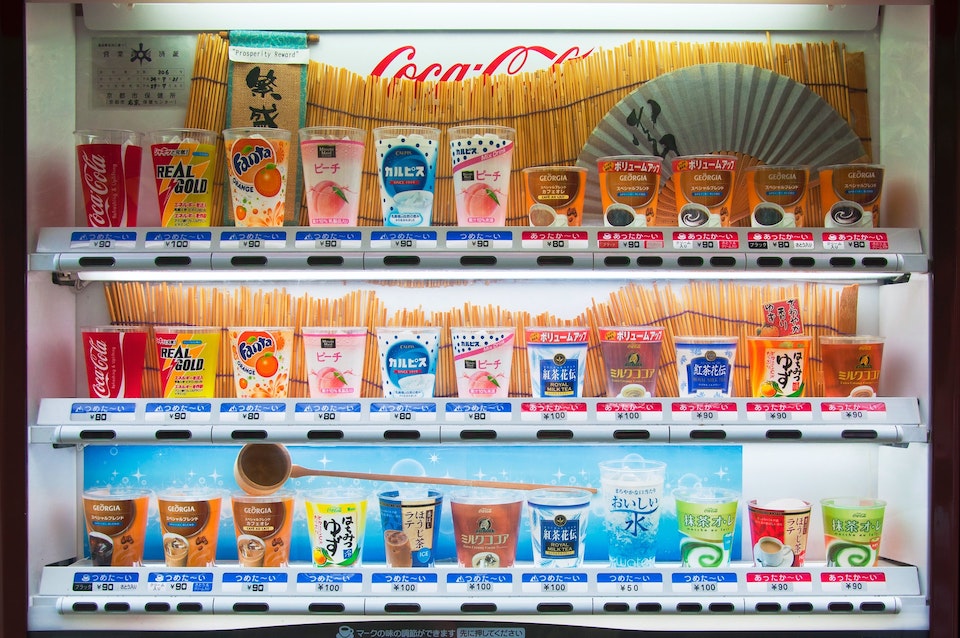
When it comes to wacky and colorful inventions, the vending machines of Japan will definitely catch your eye! These machines can be found almost anywhere you go, be it in a big city or a rural town in the countryside.
Ranging from typical to downright eccentric, they display all kinds of surprises: cup ramen, ice cream, coffee, eggs, rice, canned soup, umbrellas, surgical masks, and even condoms.
27. Capsule hotels
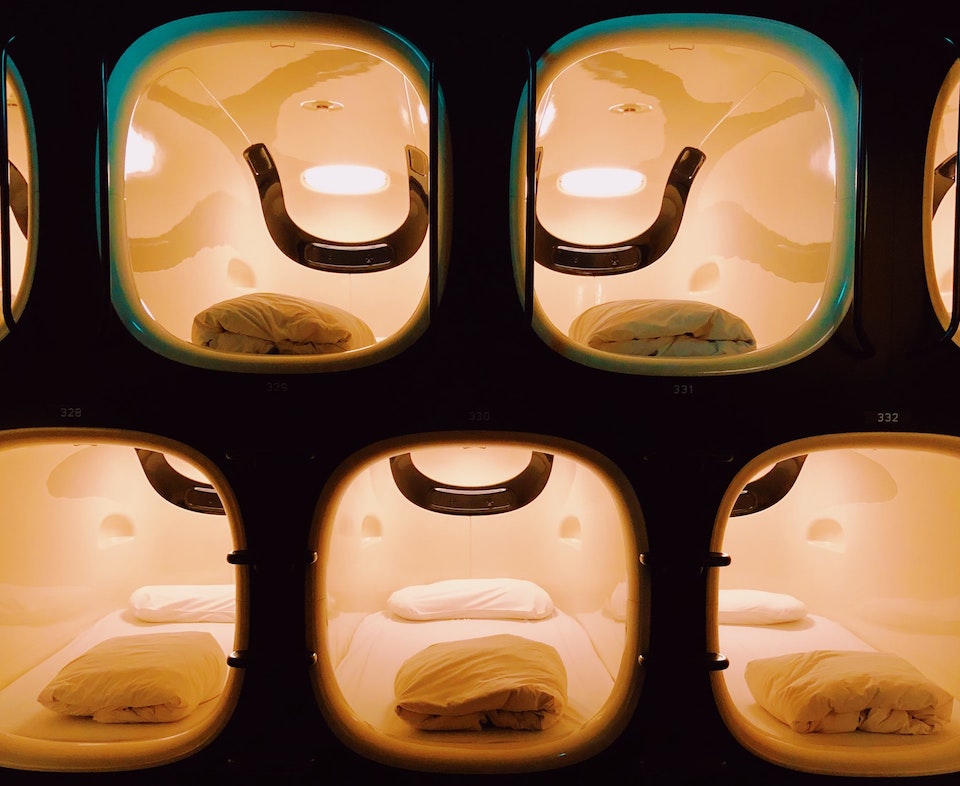
Japan is famous for capsule hotels, a unique style of lodging that caters to budget travelers.
Costing anywhere from ¥2000 ($19) to ¥5000 ($47.50) per night, a capsule hotel has just enough room for a single futon mattress and one person. Personal lockers are available in a separate area of the hotel, while the showers and toilets are communal.
If staying in Central Tokyo, 9H Nine Hours Hamamatsucho offers comfy capsule rooms, while the First Cabin Nishi Umeda comes highly recommended when in Osaka.
28. Punctuality and politeness

Few people can rival the Japanese in terms of showing respect, courtesy, and hospitality to others. Japanese people are famous for their polite behavior, which includes greeting superiors with a bow or waiting patiently in line.
Moreover, you can always expect Japanese people to be extremely punctual. Time is valued to such a degree in Japanese culture that the trains almost never run late; and in the case of delay, the railway company will actually hand out certificates that you can show to your employer.
29. Safety and low crime rates

Besides trains that arrive on time, Japan is famous for being one of the safest and most peaceful countries in the world.
While Japan is not immune to national disasters like earthquakes, it benefits from low crime rates, limited access to firearms, and the constant presence of police officers and law enforcement. Even petty crimes like theft occur less frequently in Japan.
Some tourists have experienced misplacing their mobile phones in Japan, only to return to the same place to find that it’s still there.
30. Kawaii

A culture that Japan is famous for is kawaii, the culture of cute. The epitome of Japan being Japan, kawaii permeates pretty much anything in Japan from anime to fashion to pop artists. Kawaii is the culture behind cute government mascots, cat cafes, and colorful snack wrappers.
Kawaii can refer to objects, places, and even humans that are charming, adorable, and cute. Its earliest forms include cute handwriting from the 70s and 80s and Sanrio characters such as Hello Kitty, My Melody, and Keroppi.
And unlike in other cultures where pining over cute things as an adult can be seen as childish, it’s completely acceptable in Japan.

Really, I can go on and on about the list of things Japan is famous for. I hope this list tickled your curiosity, and I wish you good luck in your future travels to Japan!
Before you go, read about other countries in our Explore the World series: South Korea and Hong Kong!
What is Japan famous for? – Pin it!


uh hi my name is sakura rose and im going to japan in 2-3 years and this info was really usefull thank you!
Animes and Mangas are the most popular things in Japan and that is a fact.
You forgot the cleanliness in Japan.
Hi guys this was such a cool experience it was like I was actually in Japan 🇯🇵 so cooooooooooool thanks bye 😜
Japan is so cool!!
I love Japan ! I am from America and I am very glad that we are allies.
🇯🇵❤️🇺🇸
we are allies because we bombed them out of existence and conquered them.
Japan is cool country!! I’m my opinion anime and manga and the food is the best part. I want to go someday
don’t forget toxic work culture, lack of freedom to even own non ceremonial weapons, and war crime denial.
WHY IS THE TRAFIC IN JAPAN ON THE LEFT — THE ENGLISH WEREN’T THERE ???
Japan is always one of my favorite countries, I wish i can visit Japan once in my life, & thank you so much for sharing these interesting facts about Japan with us.
What is Mount Fuji known for, and what are some recommended activities related to visiting this iconic landmark?
Japan is an amazing country, but it is hard to actually know everything about it without lots of research.