
*This article may contain affiliate links. For full information, please see the disclaimer here.
If you’re the type of traveler who loves intriguing cultural heritage, good food, and alluring scenery, then Japan is worth visiting for sure. Among the many famous cities in Japan, my favorite is Kyoto.
If you’ve never visited Kyoto before, I highly recommend you do so because it’s a whole different experience compared to other locations in Japan.
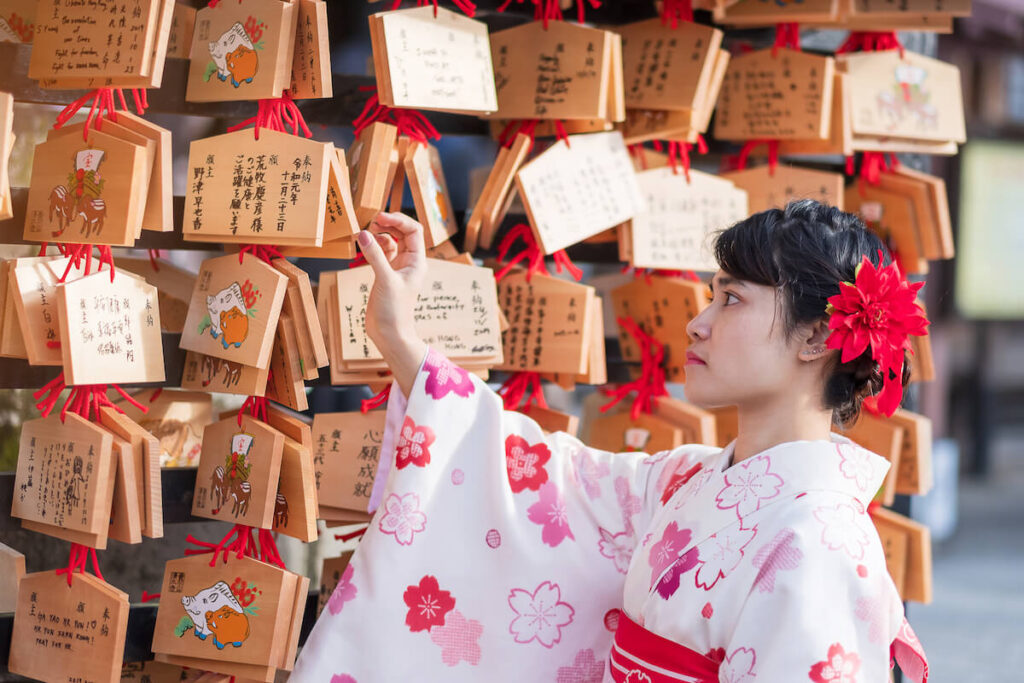
What is Kyoto famous for? Its majestic temples and shrines, vibrant historical districts, stunning scenery, and a plethora of mouthwatering traditional dishes! In addition, Kyoto is also known for its deep cultural heritage that offers a glimpse into what life was like in Japan during the medieval era.
Ready to learn more about the wonderful city of Kyoto? Here are 35 things that Kyoto is known and famous for!
Table of Contents
What is Kyoto known and famous for?
1. Its many temples and shrines
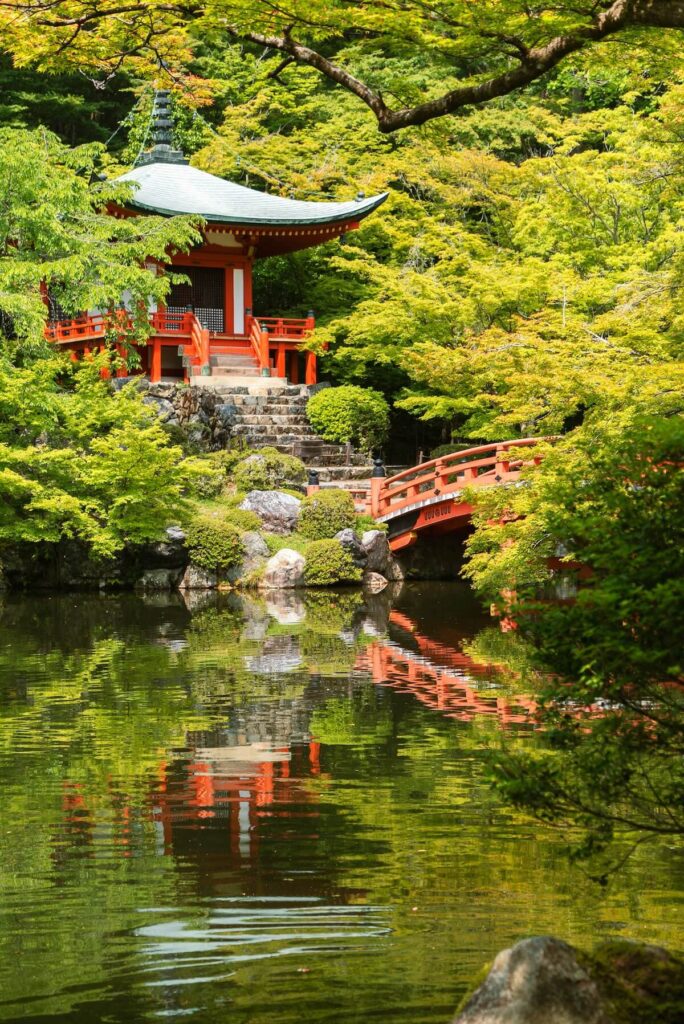
When I first visited Kyoto, I had just left the bustling metropolis of Tokyo behind. So when I first arrived, the first thing I noticed was how contrastingly beautiful Kyoto was. Gone were the ultra-modern facade of skyscrapers, replaced by traditional houses and plenty of serene temples and shrines. Unsurprising, since that is what Kyoto is famous for!
The city of Kyoto is home to some of Japan’s most famous Buddhist and Shinto shrines and temples. In fact, there are over 1,600 temples and 400 shrines in Kyoto alone, many of which are UNESCO World Heritage Sites!
We’ll take a look at some of the more famous shrines in Kyoto later on. But one thing’s for sure: If you want to hop between temples and shrines in Japan, then Kyoto is worth visiting for sure!
2. Being the cultural capital of Japan
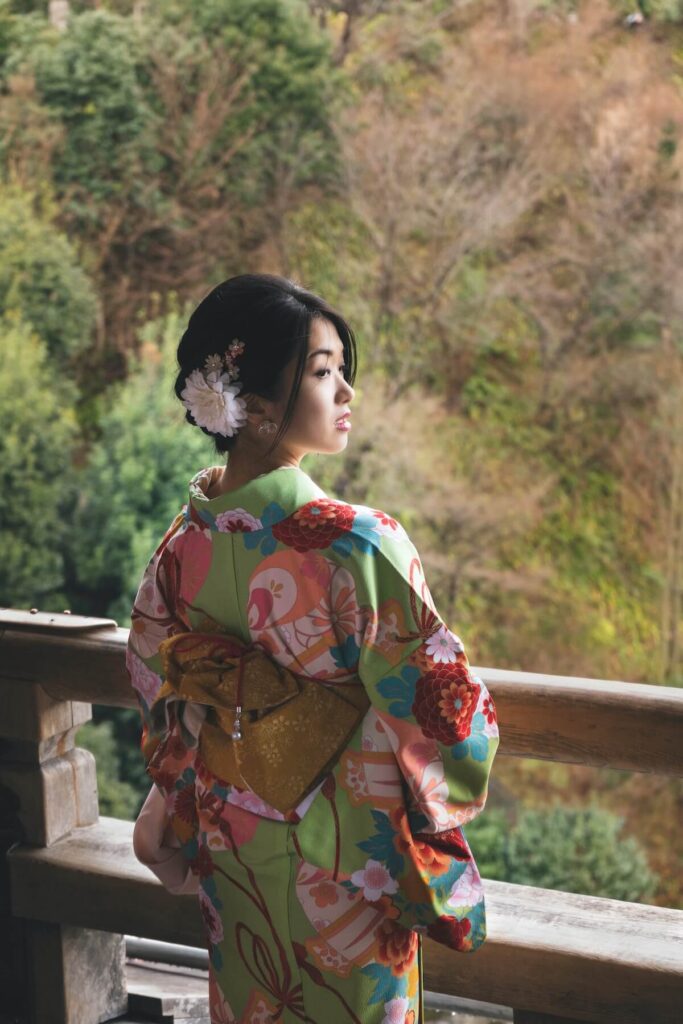
As you gaze upon the many historical temples, shrines, and buildings around you, you surely won’t be surprised to know that Kyoto is famous for being the cultural capital of Japan.
You’ll often see locals going about their business in traditional attire, and many parts of the city are so well-preserved that you’d feel as if you’ve taken a step back in time when you see them. In addition, there are plenty of historical attractions and museums in Kyoto to check out, providing a mirror into the city’s storied past.
What’s more, in Kyoto, rather than staying at a hotel, you can instead opt to spend a night in a traditional Japanese Ryokan — Japanese inns complete with sliding doors, tatami rooms, and wooden baths. While these establishments are slowly disappearing in Japan’s mega cities, they are easy enough to find in Kyoto.
3. The former capital city of Japan
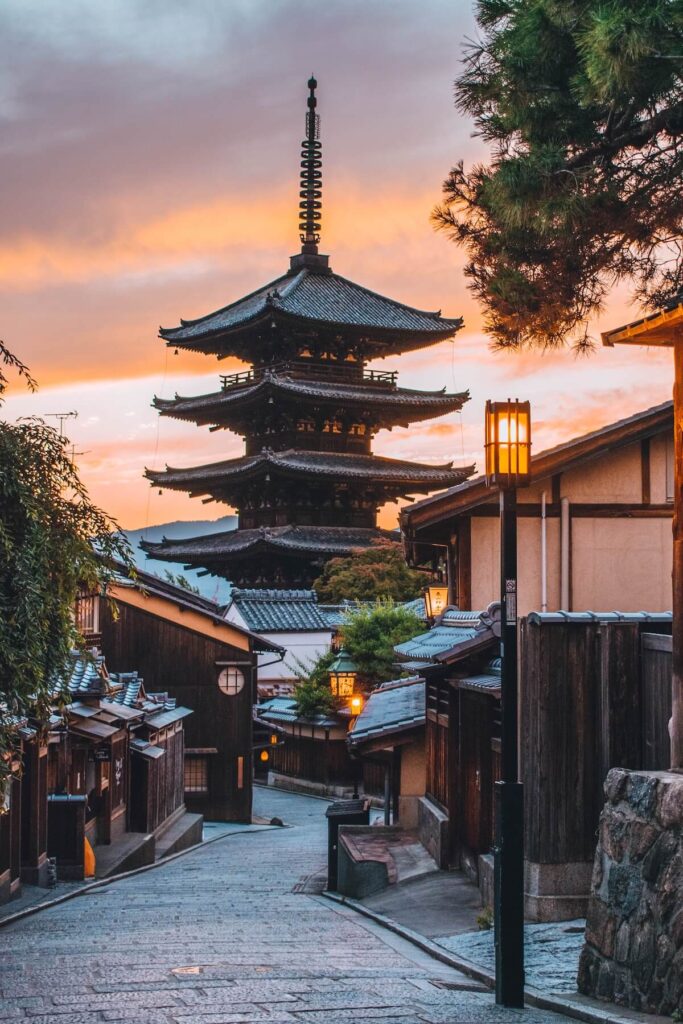
And why is Kyoto able to offer such a whimsical sneak peek into Japan’s history? Simple: Kyoto is famous for being the former capital city of Kyoto. Heck, the name itself translates to “capital city”!
Before Tokyo became the capital city of Japan, Kyoto served as the seat of power for over 1,000 years. If you visit Kyoto today, you’ll be able to visit the old Imperial Palace, one of the best attractions in Kyoto, along with plenty of historical buildings from that era. We’ll dive a little more into those locations in just a bit.
4. Vibrant festivals, especially Gion Matsuri and Jidai Matsuri

Naturally, given Kyoto’s deep-rooted connection with Japanese culture, the city is known for having some of the most vibrant matsuri (festivals). Two of the most famous festivals in Kyoto are the Gion Matsuri and Jidai Matsuri.
The former, also known as the Yasaka Shrine Festival, is a major festival held in July, culminating in a huge parade filled with large, intricately designed floats through the streets. What’s even more interesting is that the festival is said to date back to the 9th century, when it was originally a way to appease the gods and end an epidemic.
On the other hand, the Jidai Matsuri is said to have started in 1895 to commemorate 1,100 years of the city’s founding. Known in English as the Festival of Ages, the Jidai Matsuri is held in October every year and celebrates Kyoto’s rich history with a procession featuring participants dressed in historical costumes.
5. Cherry blossom spots in spring

What is Kyoto famous for in spring? Cherry blossoms, of course! Okay to be fair, sakura is something that Japan is famous for as a whole. However, ask any traveler and they’ll tell you that Kyoto is known for being one of the best places in Japan for hanami (viewing cherry blossoms).
Some of the most popular locations to see cherry blossoms in Kyoto include Philosopher’s Path, a lovely stretch of road beside a canal that links Ginkakuji Pavilion with Nanzenji Temple; Maruyama Park, which is famous for its nighttime cherry blossom illumination event and its iconic weeping cherry tree; and Heian Shrine, which is one of the must-visit landmarks in Kyoto.
6. Home to geisha culture

If you ask culture vultures the question, “what is Kyoto famous for?”, you’ll likely be met with a simple answer: geisha! For the uninitiated, geisha (which roughly translates to “woman of the arts”) are female Japanese performing artists and entertainers.
Known for their iconic traditional hairstyles and face paint, geisha often perform at traditional tea ceremonies, entertaining guests by singing and playing instruments. Training to become a geisha is no easy task, with some maiko (apprentices) taking around five years to master the art.
Kyoto is one of the few remaining cities where you can see this fading facet of Japanese culture. If you have the budget for it, you can also dine at specific geisha diners but be warned, they aren’t cheap!
7. Traditional tea ceremonies
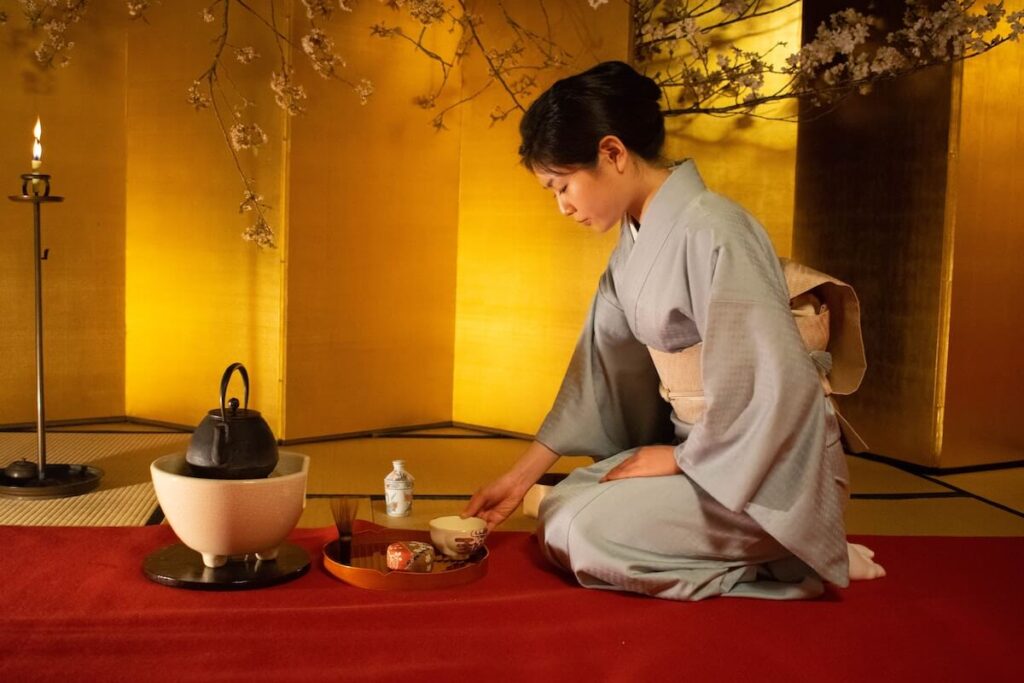
Speaking of traditional tea ceremonies, that’s another thing that Kyoto is known and famous for. Traditional Japanese tea ceremonies often center around the preparation of matcha (which is another thing Kyoto is famous for!).
However, it’s not just a simple tea-sampling session! Tea ceremonies in Kyoto are social traditions, a reflection of the cultural nuances of Japan.
One of the best things to do in Kyoto is to rent a kimono and partake in a traditional tea ceremony at Jotokuji Temple. The zenful nuance is just incredible.
8. The birthplace of Nintendo

Given how Kyoto is a city that’s steeped in history and culture, you might be surprised to know that it is also the birthplace of the video game company Nintendo (for non-gamers, it’s the brand that created Mario and Pokemon).
This is one of the things that Kyoto is known for among avid gamers. Founded by Fusajiro Yamauchi in 1889, Nintendo used to sell handmade Japanese playing cards, before they dived into the business of video game consoles in the 70s. The rest, as they say, is history.
If you visit Kyoto today, you’ll be able to visit the original Nintendo headquarters, which was transformed into a hotel in 2022 (called Hotel Mafaruku).
Attractions Kyoto is famous for
9. Fushimi Inari Taisha
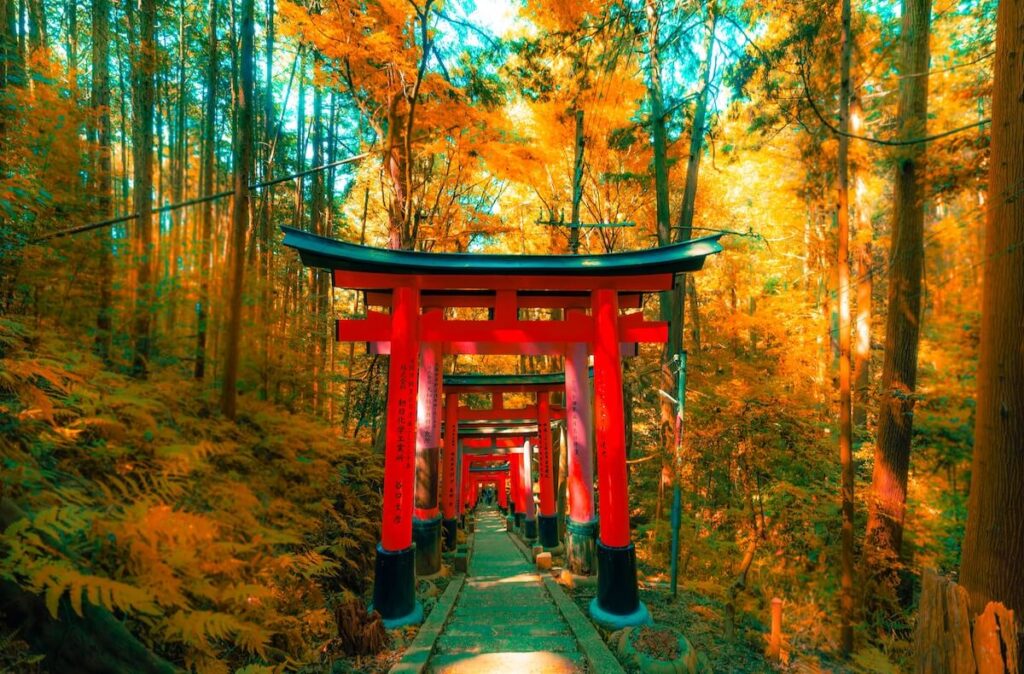
Fushimi Inari Taisha is undoubtedly one of the best attractions in Kyoto. You could even say that it is THE postcard destination in the city, thanks to its iconic red torii gates which are almost synonymous with Kyoto itself.
The Shinto shrine itself, located high up in the hills, was originally built way back in 711 AD in honor of Ukanomitama-no-Mikoto, the deity of rice cultivation. However, the iconic red torii gates, which Kyoto is famous for, were only added in 1589.
The surrounding natural scenery makes visiting Fushimi Inari Taisha a lovely experience, promising a tranquil hike as you head up toward the shrine. Here’s a tip for you: Since the area gets super crowded as the day goes on, it’s a good idea to join an early morning tour so you can enjoy the peace and quiet!
10. Kinkaku-ji
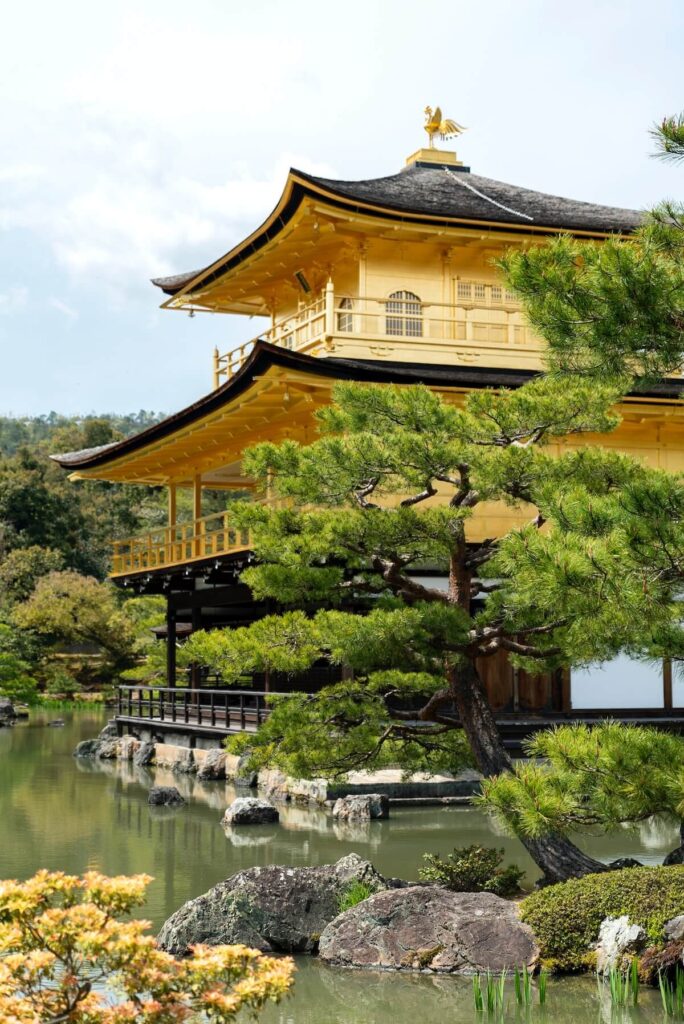
Another one of the temples that Kyoto is famous for is the Kinkaku-ji, otherwise known as the Golden Pavilion. As you might have guessed, this Zen Buddhist temple’s claim to fame is its unique upper stories coated entirely in golden leaf, giving it a gleaming exterior in the sunlight.
But beneath the temple’s sophisticated facade is a history that is equally as stunning. Originally built in the late 1300s, Kinkaku-ji used to be known as Rokuonji and was once the retirement villa of the shogun Ashikaga Yoshimitsu before being turned into a temple.
It was burned down several times in history — twice during the Onin War (a civil war in Kyoto), and once more in 1950 before being rebuilt in 1955.
11. Arashiyama Bamboo Grove

Another postcard-worthy location that Kyoto is known for is the whimsical Arashiyama Bamboo Grove. As the name suggests, it is a tranquil bamboo forest that’s home to shrines, temples, and plenty of lovely nature trails.
Unsurprisingly, the Arashiyama Bamboo Grove is one of Kyoto’s most popular Instagram spots. You’ll likely see tourists, local and foreign alike, stopping at various points of the main trail to pose for photos. Nearby, there is also the Arashiyama Monkey Park, where you can spot macaque monkeys.
If you want to visit the area, don’t fret because you’ll easily be able to find a Kyoto Arashiyama Tour that covers both the bamboo forest and the monkey park! Just ask at your accommodation, and you’ll likely find what you need.
12. Kiyomizu-dera Temple
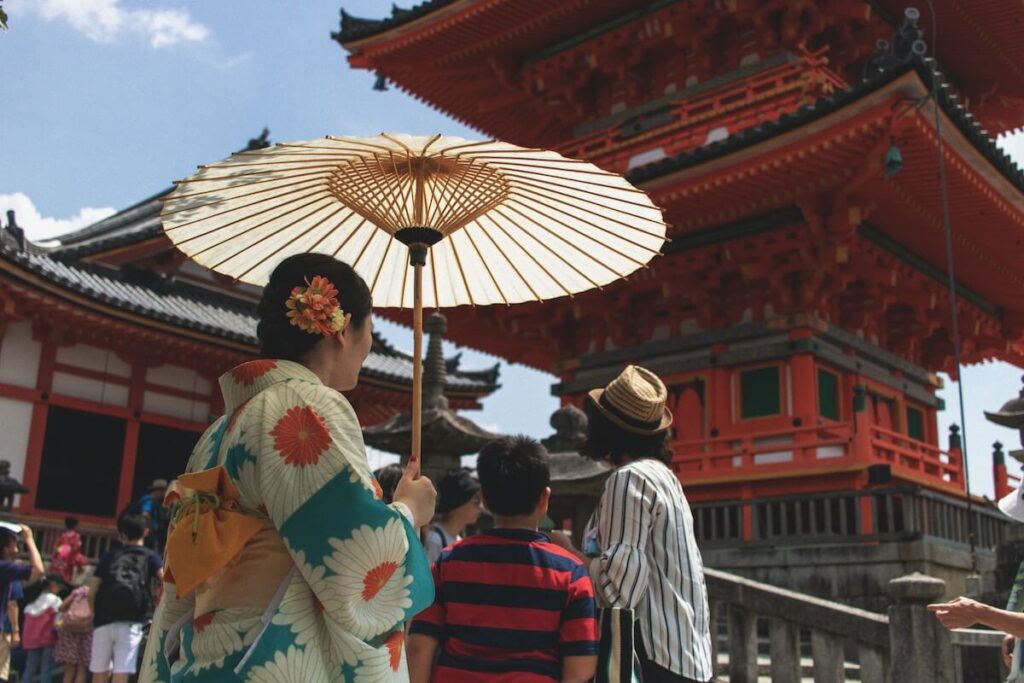
If you find yourself in Kyoto during the height of spring or autumn, then you need to visit the Kiyomizu-dera Temple, one of the most famous landmarks in Kyoto. Known for its breathtaking surroundings (it is nestled amidst verdant hills) and majestic architecture, the Pure Water Temple offers mesmerizing views of cherry blossoms during spring, and fiery foliage in autumn.
That said, the historical temple, a UNESCO World Heritage Site, is worth a visit any time of the year. The Otowa Waterfall, which is said to be the origin of the temple’s name, still flows beneath the main hall. It’s said that drinking from the falls brings love, success & longevity! You can also have your fortune read at the temple complex.
My advice to make the most of your time in Kyoto is to book a UNESCO and historical sites bus tour as it usually covers all the essential temples in Kyoto, including the ones mentioned above!
13. Nanzenji Temple

Visiting the underrated Nanzenji Temple is another one of the best things to do in Kyoto. The Zen Buddhist temple was originally built in the 13th century as a retirement home for Emperor Kameyama before it was converted into its present-day place of worship.
Like most other temples and shrines in Kyoto, Nanzenji Temple has undergone plenty of rebuilding and refurbishment. Interestingly, the oldest surviving cluster of structures in the temple can be traced back to the late 1500s, making it one of the oldest temples in Kyoto to have retained its original architecture.
You’ll want to visit Sanmon Gate and head up to its main complex. There, you can enjoy sweeping views of the temples from the balcony.
14. Gion District

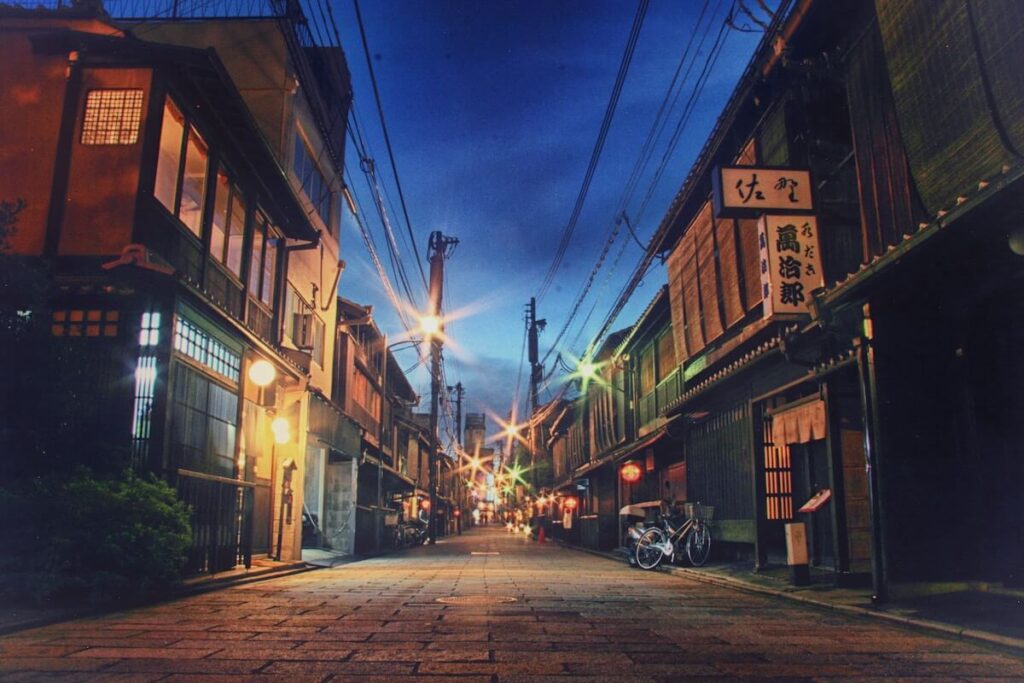
The Gion District is hands down one of the best attractions in Kyoto. It is here where you can truly experience the rich culture and heritage of the city, punctuated by a laid-back ambiance that makes you feel as if you’ve taken a step back in time.
One of the main attractions here is the historic Yasaka Shinto Shrine which can be traced back to the 7th century. For an immersive cultural experience, don’t miss Hanami Lane, a long street lined with teahouses and restaurants housed in preserved machiya houses.
For the best experience, I recommend joining a guided night walking tour in Gion. If you’re lucky, you may even spot a Geisha while on your tour!
15. Higashiyama
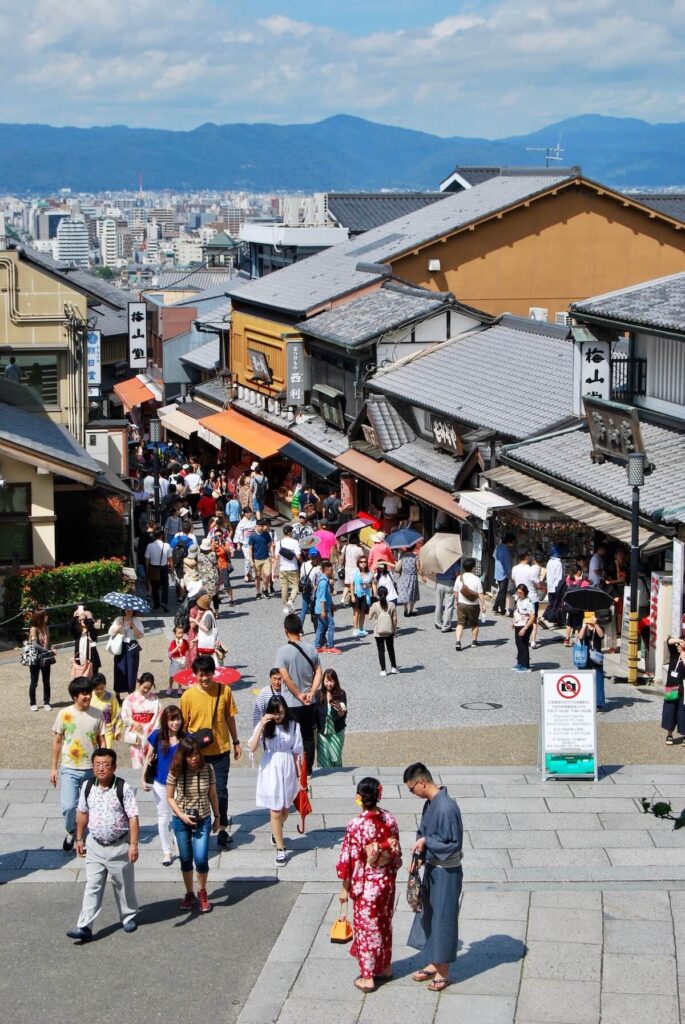
Another one of the best attractions in Kyoto is Higashiyama. Located along the slopes of the city’s eastern mountains, Higashiyama is one of Kyoto’s best-preserved historic quarters, home to many of the city’s most famous temples and teahouses offering tea ceremony experiences.
Best of all, it is located adjacent to the aforementioned Gion District. What’s more, the Kiyomizu-Dera Temple is located in between the two areas, so you could potentially plan an entire itinerary around just those locations. How convenient!
16. Pontocho

Completing the trifecta of cultural districts Kyoto is known and famous for is Pontocho, a famous alleyway running between Shijo-dori and Sanjo-dori that is arguably THE foodie spot in the city.
Here, you’ll find everything from traditional cuisine and cheap eats (picture grilled meat with cold beer!) to fancy international restaurants. For me, it wasn’t just the food that made Pontocho special. It’s the surrounding atmosphere.
For some reason, as I walked along the alleyway in search of dinner, it finally hit me that I was in Kyoto. And thanks to its proximity to the Gion District, Pontocho is the perfect addition to any food and culture tour in Kyoto.
17. Nishiki Market
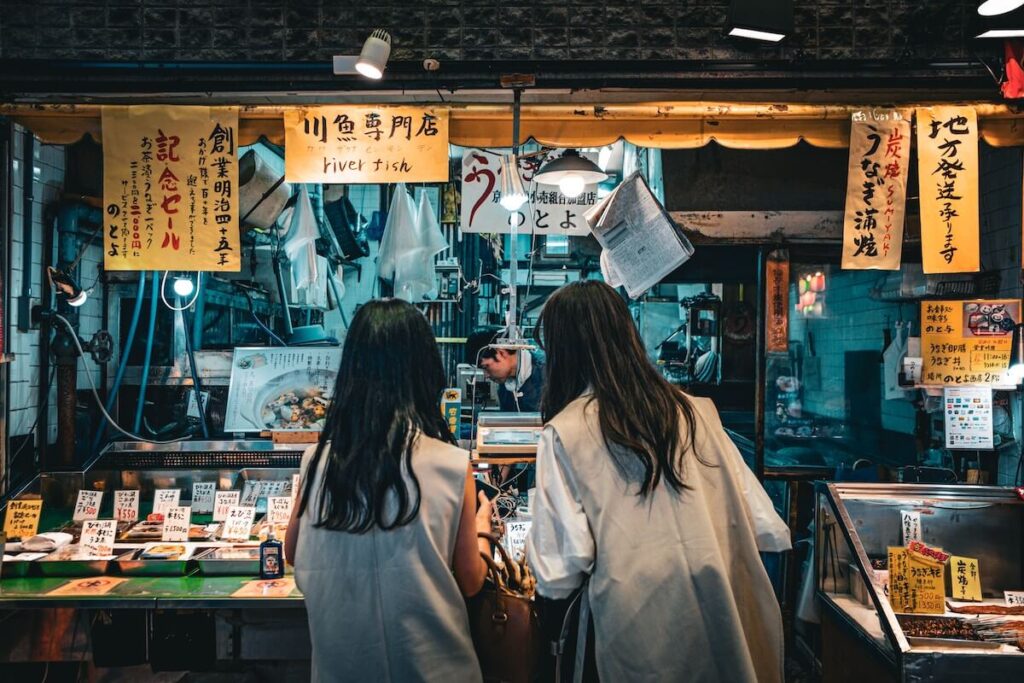
I remember when I first stepped into Nishiki Market. The vibrant atmosphere, coupled with the pleasing aroma of freshly-cooked food probably altered my brain chemistry. In a good way, of course!
Known by locals as Kyoto’s “Kitchen”, this bustling market has been operating for over 400 years. With over 130 shops and restaurants scattered around the area, the market offers some of the best food in the city during the day.
One of the best things I did in Kyoto was sign up for a walking food tour of the Nishiki Market. While I’m always confident in my ability to travel solo, I’ll admit that I would have missed quite a few food gems had I chosen to explore the market on my own.
18. Kyoto Imperial Palace

Remember when I said Kyoto used to be the capital of Japan? One of the landmarks that Kyoto is famous for is the Kyoto Imperial Palace, once the primary residence of the Japanese emperor.
The palace complex is located inside a park dotted with ponds in the middle of the city. While visitors are free to wander around the buildings and explore the park itself, entry into the innermost halls of the imperial palace is prohibited.
While there, you can also check out Sento Palace, which remains, to this day, an imperial residence. That said, you can still join a guided tour where you can explore the gardens and peek into some of the outer buildings to get a sense of how the Japanese imperial family lived.
19. Nijo Castle

Nijo Castle is one of the most famous Edo Period landmarks in Kyoto. It is a UNESCO World Heritage Site that offers a glimpse into architectural styles and the history of Japan’s feudal period, something that Kyoto is known and famous for.
Unlike the Imperial Palace, you can step into the heart of Nijo Castle once you’ve grown tired of exploring the stone walls and walking paths along the moat (highly recommended during spring!). Inside, you’ll find masterfully crafted interiors and corridors steeped in historical allure.
If you ask me, a Kyoto Imperial Palace and Nijo Castle guided walking tour is the best way to explore the two attractions. It’s the best way to fully appreciate the intertwining history that both locations contain.
20. Kyoto National Museum

The Kyoto National Museum is one of the must-see attractions in Kyoto. Having opened its doors in 1897, it is one of the oldest museums in all of Japan.
Inside, you’ll find bits and pieces that date back to the Heian era (Japan’s medieval period), helping you weave a story of what life used to be during those times. In addition to historical exhibits, the museum also hosts temporary collections by local artists.
Visiting the museum is pretty convenient since it is one of the stops of the Kyoto Hop-on Hop-off Sightseeing Bus.
Food that Kyoto is famous for
21. Matcha

Matcha-flavored snacks are arguably one of the most popular souvenirs from Japan. But did you know that Kyoto is famous for producing the best quality matcha in Japan?
For those not in the know, matcha is Japanese green tea that’s known for its health benefits and slight bitterness. It’s also what’s used in most traditional Japanese tea ceremonies.
The best matcha in Kyoto is produced in Uji, a little area located in the south of Kyoto, where you can sign up for plenty of matcha tours to see how the tea is cultivated and produced.
Apart from drinking matcha on its own, you can also find matcha KitKats, matcha soft serve, and more matcha snacks in Kyoto.
22. Kaiseki cuisine
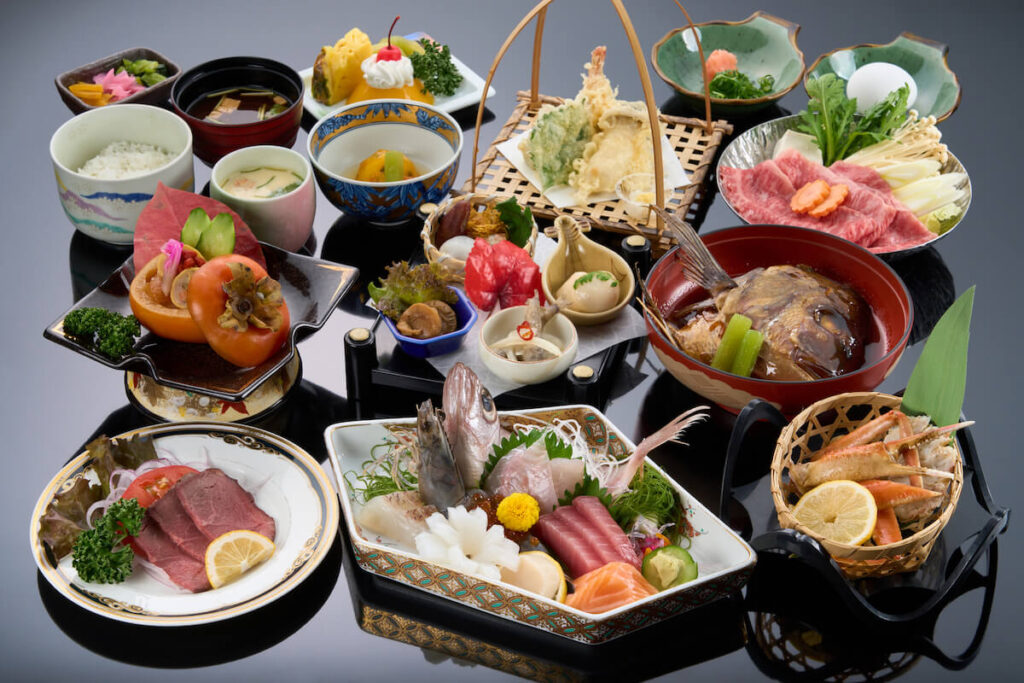
When it comes to culinary experiences in Japan, Kyoto is known for Kaiseki cuisine and one of the best things to do in Kyoto is to sign up for a food tour in Gion to fully experience it.
Simply put, Kaiseki is a traditional Japanese dinner that comprises multiple courses of food. Consider it the food version of the Japanese tea ceremony. It is often served in a ryokan and follows a specific order. The ingredients and dishes are often reserved only for special occasions, earning it the moniker, “Japanese haute cuisine”.
Usually, a typical meal contains staples like soup, steamed dishes, raw seafood, sake, and rice. Kyoto is one of the best places to try Kaiseki, especially in the Gion District.
23. Shojin Ryori
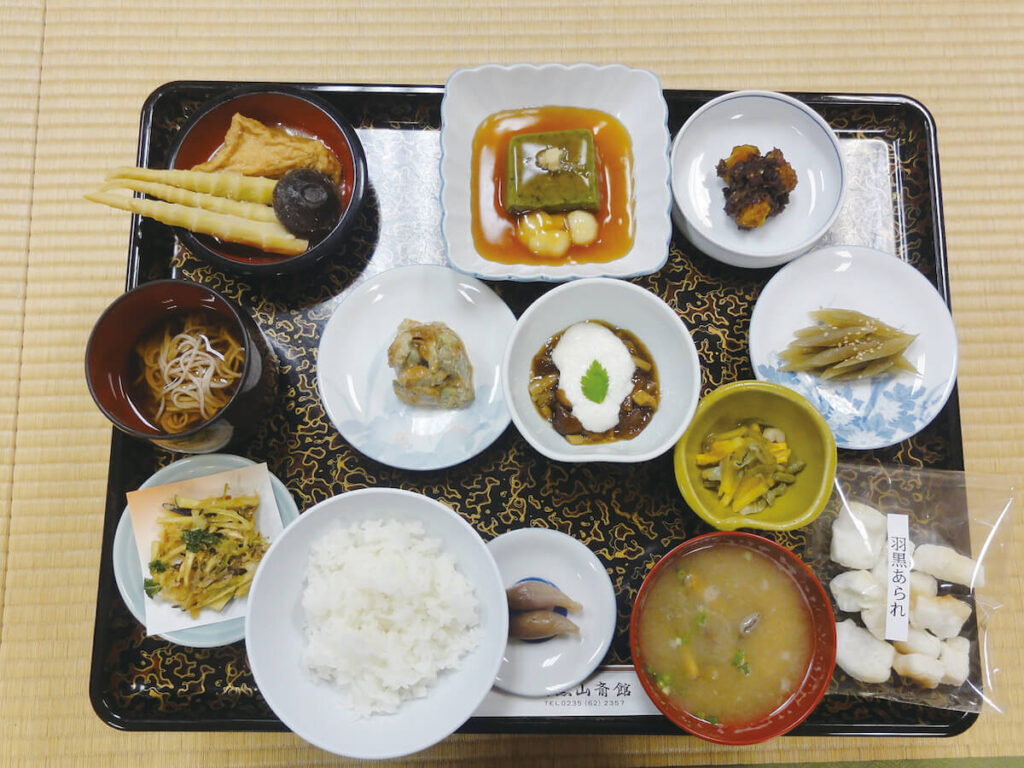
Given the city’s deep-rooted ties with Zen Buddhism, one of the more underrated cuisines that Kyoto is known for is Shojin Ryori — a type of vegetarian cuisine that avoids any meats or fish. It’s mostly found in the dining halls of Buddhist temples in the city.
Invented by Zen Buddhists, a Shojin Ryori meal typically consists of soy-based foods like tofu, served alongside fresh vegetables, wild mountain plants, miso soup, and rice. The meal is believed to bring balance to the body, mind, and spirit. Plus, it’s good for your digestive system!
What is interesting is that this simple meal is largely believed to be the original form of Kaiseki before evolving into the elegant course meal that it is today.
24. Nishin Soba

Soba (buckwheat noodles) is quite a popular dish in Japan and an integral part of Japan’s food culture. However, did you know that different areas prepare it a little differently?
Kyoto is famous for nishin soba, where each bowl of buckwheat noodles is served with dried herring that’s been simmered in hearty dashi broth.
The combination of the savory broth and the subtle sweetness of the soba noodles is a combination that you can only truly appreciate when you try it yourself. Also, nishin soba hits different during those cold autumn and winter nights. Just saying.
25. Kuzukiri
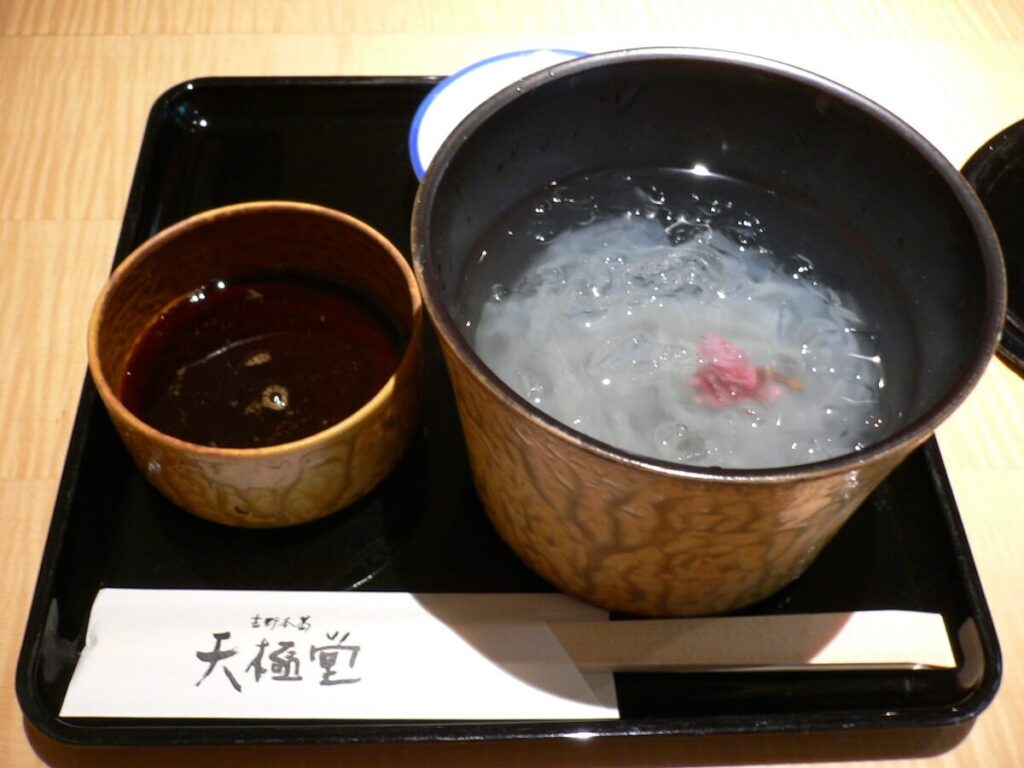
One of the most unique dishes that Kyoto is famous for is kuzukiri, a cold noodle dish that consists of translucent strands of kudzu (Japanese arrowroot) starch noodles that have a silky-smooth texture.
The noodles themselves don’t taste like anything, but when served with brown sugar syrup, kuzukiri provides a refreshing taste with just a hint of sweetness. While it is a noodle dish, I’d classify kuzukiri as more of a dessert than a main dish.
26. Yudofu

One of my favorite things to eat in Kyoto is, surprisingly, yudofu, an authentic tofu soup dish that is famous in Kyoto. It’s so incredibly simple but so delicious that I was completely taken aback when I tried it for the first time.
It’s just soft tofu boiled in an umami-rich kelp broth. Once the tofu is cooked, you just eat it with some sweet soy sauce. Simple, yet satisfying in every way, especially during the colder months.
27. Yatsuhashi

Speaking of authentic traditional food that Kyoto is known for, those of you with a sweet tooth need to try yatsuhashi when you’re in the city.
Invented as far back as the Edo Period in Japan (that’s what I was told), yatsuhashi is a sweet snack made with glutinous rice and filled with red bean paste or matcha powder. It is then folded into a triangular shape and eaten as it is or baked until crispy (I prefer the former cuz it feels like mochi). You can sample some at sweet shops or bring them home as souvenirs.
28. Sake

Here’s something you might not have known: Kyoto is known for being one of the sake capitals of Japan.
The Fushimi District, in particular, is renowned for its pristine sake (Japanese rice wine), one of the best Japanese beverages, brewed by the historic breweries alongside the area’s willow-lined streets.
As you might have guessed, joining a brewery tour is one of the best things to do in Kyoto if you’re a sake enthusiast. Not only can you learn more about how this famous Japanese drink is produced, but you’ll also be able to sample some incredible sake at the end of the tour!
29. Kichi-Kichi Omurice

“Is Kyoto worth visiting?” For some foodies, the answer to that is a resounding yes, thanks to this viral eatery!
Kichi-Kichi Omurice is arguably one of the most famous restaurants in Kyoto thanks to viral videos of the restaurant’s chef, Yukimura Motokichi, who interacts with customers in memorable ways as he prepares and serves the omurice at his restaurant’s cozy eight-seater bar counter.
You’ve probably seen videos of him on Instagram or TikTok too, even if you didn’t know who he was. Psst, he’s the jovial chef with the iconic red beret!
If you want to dine at Kichi-Kichi Omurice, you’ll have to make an online reservation. Don’t be surprised to find out you have to wait months before you can dine there. The place IS social-media-famous, after all!
30. Menbaka Ramen

Another Insta-famous restaurant that Kyoto is famous for is Menbaka Ramen. You may be thinking, “I’ve never heard of that place”. Let me refresh your memory: It’s the restaurant where they set your ramen on fire!
As you might expect, this viral eatery sees plenty of customers every day, eager to enjoy the spectacle. However, setting your ramen alight is said to be more than just for show. Supposedly, it helps bring out more flavor and enhance the aroma!
Famous people from Kyoto
31. Haruki Murakami

When it comes to people whom Kyoto is famous for, perhaps none are as well-known to avid bookworms as Haruki Murakami, whose fictional masterpieces like Norwegian Wood, Kafka on The Shore, and more, have achieved global success.
He was born in Fushimi, in case anyone was curious. Maybe there really IS a link between sake and creative literature!
32. Tasuku Honjo
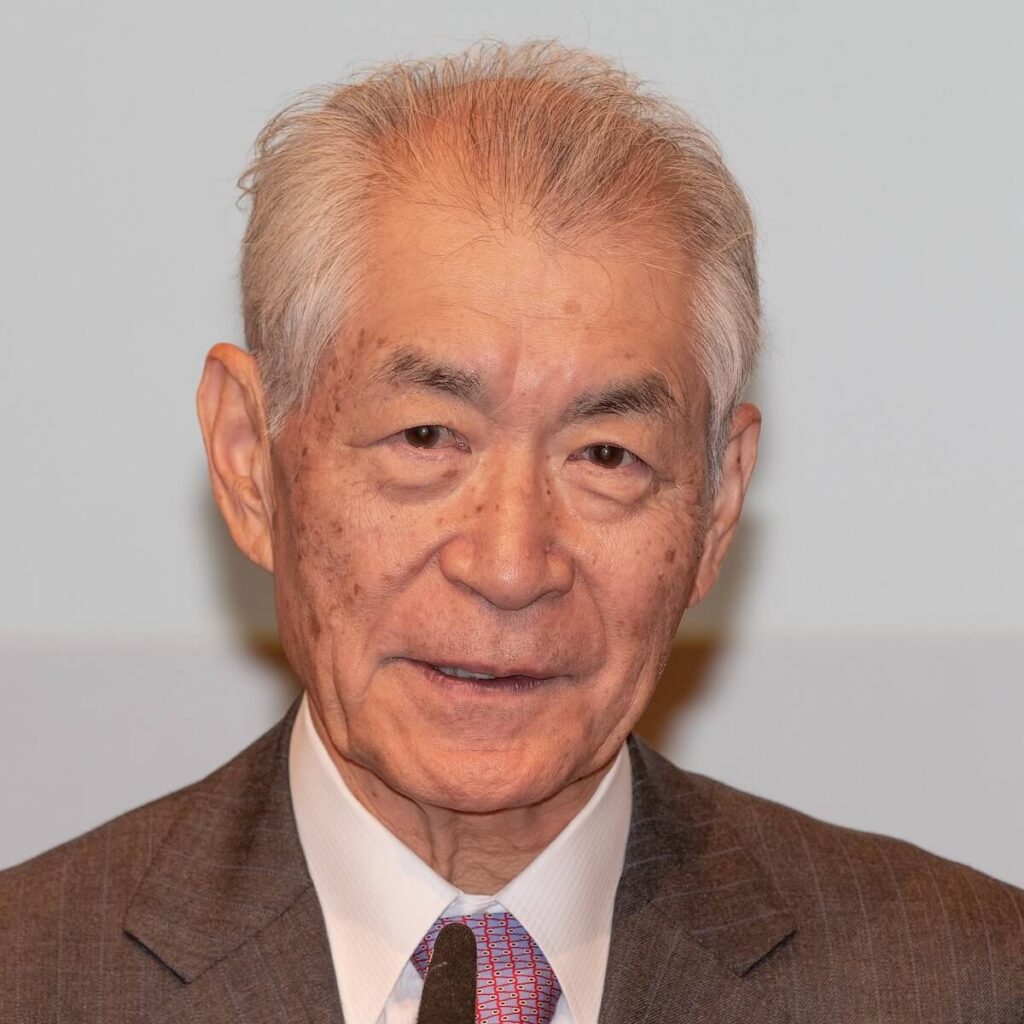
Another famous person from Kyoto is Tasuku Honjo, a Nobel Prize winner who was accorded the award in 2018 for his groundbreaking work in medicine and cell signaling.
Not only was Honjo born in Kyoto, but he also graduated from Kyoto University, one of the most highly reputable universities in Asia.
33. Shinsuke Nakamura

Wrestling fans will no doubt recognize WWE superstar, Shinsuke Nakamura, known for his hard-hitting strikes, and killer entrance theme.
A multi-time champion during his time wrestling in Japan and in America, Nakamura was born in Kyoto and often talks about his hometown.
34. Momo Hirai

Another celebrity from Kyoto is Momo Hirai, a member of the popular K-Pop girl group Twice.
Known for her skillful dancing and jovial persona, Momo is currently one of the most famous K-Pop idols in the industry and often returns home to Kyoto during her time off.
35. Miyamoto Musashi

While Murakami and Momo are famous contemporary figures from Kyoto, the one person whom Kyoto is most famous for has to be the legendary swordsman and philosopher, Miyamoto Musashi.
One of the most famous samurai in history, Musashi was a legend when it came to duels, having never lost a fight. So impressive is Musashi that he is often regarded as an icon of martial arts in Japan. His life story, documented in his book, The Book of Five Rings, has also been turned into movies and video games.
Final thoughts
And there you have it: 35 things that Kyoto is known and famous for. How many of these were things you already knew, and how many of them caught you by surprise?
If you’re in the mood to learn more about Japan, check out this article about things Japan is famous for!