
*This article may contain affiliate links. For full information, please see the disclaimer here.
My friends know that I’m a coffee person, through and through. Besides giving me the boost I need on sleepy mornings and slow afternoons, I just love savoring the flavor notes and the aroma of fresh (ideally black) coffee.
But I also appreciate a good cup of tea every now and then. And when it comes to tea, no culture does it quite like the Japanese.
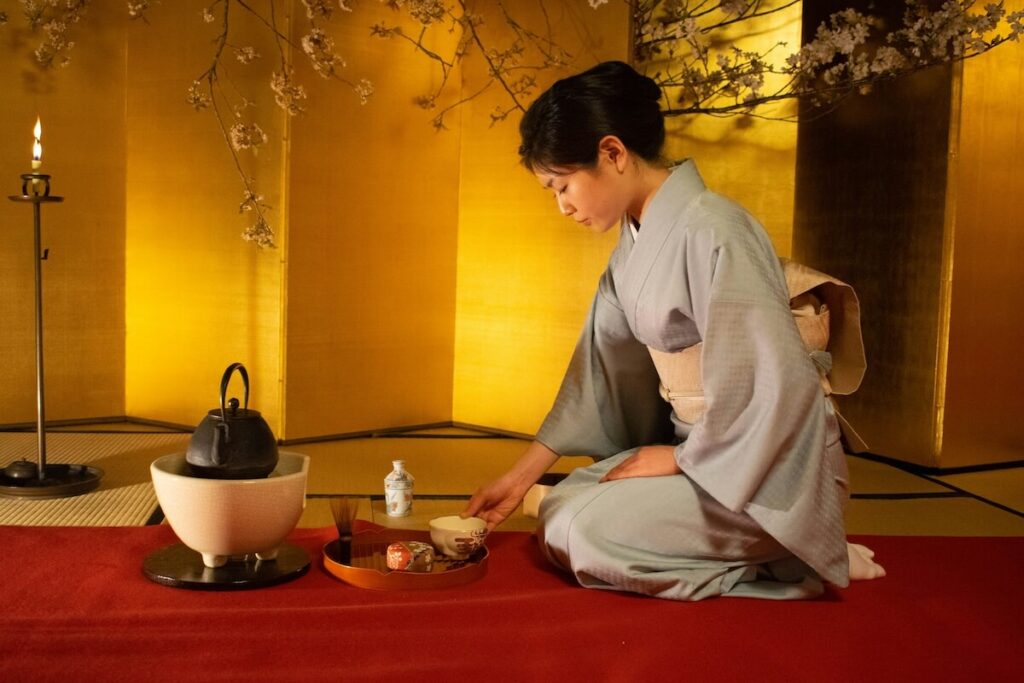
I’ve always been fascinated by everything Nippon — its colorful history and cuisine, the anime shows I grew up watching, the Japanese literature I now enjoy reading, and of course, their impeccable sense of aesthetics. So, when I started digging deeper into the world of tea, I discovered a whole new level of appreciation for this humble beverage.
Since you’re here, I’m sure you’re also fascinated or, at the very least, intrigued about this Japanese cultural activity. So, without further ado, let’s look into some fun facts about the Japanese tea ceremony, or chado.
Table of Contents
Facts about the history and philosophy of the Japanese tea ceremony
1. Tea was introduced by Buddhist monks

The humble tea leaf is indeed steeped (pun intended) in a fascinating history.
Tea’s journey to Japan began in the 9th century when Buddhist monk Eichu introduced it to Emperor Saga. This initial encounter laid the groundwork for what would eventually become a deeply ingrained part of Japanese culture.
However, it was another monk, Eisai, who is credited with popularizing tea and its medicinal properties in the 12th century. He brought back from China a specific method of preparing powdered green tea (what we now know as matcha), which would later become the cornerstone of the Japanese tea ceremony.
So, the Japanese tea ceremony, or chado, is essentially an evolution of Chinese tea culture and Zen Buddhist practices, refined and elevated to an exquisite art form.
2. Matcha was once a status symbol among the warrior class

You now know that matcha was introduced to Japan by Eisai. You also know that it’s now fairly easy to find matcha anywhere in the world. But did you know that this beverage wasn’t always enjoyed by the masses?
Matcha, the powdered green tea at the heart of the Japanese tea ceremony, was initially a luxury reserved for the elite. During the Kamakura period, when the samurai class rose to prominence, matcha was more than just a drink; it was a status symbol.
The warrior monks, who often practiced Zen Buddhism, held the tea ceremony as a way to cultivate mindfulness and discipline, qualities essential to their profession. Matcha was an integral part of their training, a way to foster focus and mental clarity.
As the tea ceremony evolved, it became a refined pastime for the samurai and nobility. The intricate process of preparing matcha, the precise movements, and the serene atmosphere of the tea room all contributed to its allure. You can just imagine how the nobles then used to demonstrate their cultural sophistication and social standing.
Interestingly, over time, the tea ceremony also served as a bridge between different social classes. While its origins were firmly rooted in the upper echelons of society, the practice (and matcha itself) became more accessible and gradually spread to a wider audience, just like how it has spread beyond Japan in the last decade or so.
3. Tea parties weren’t always Zen
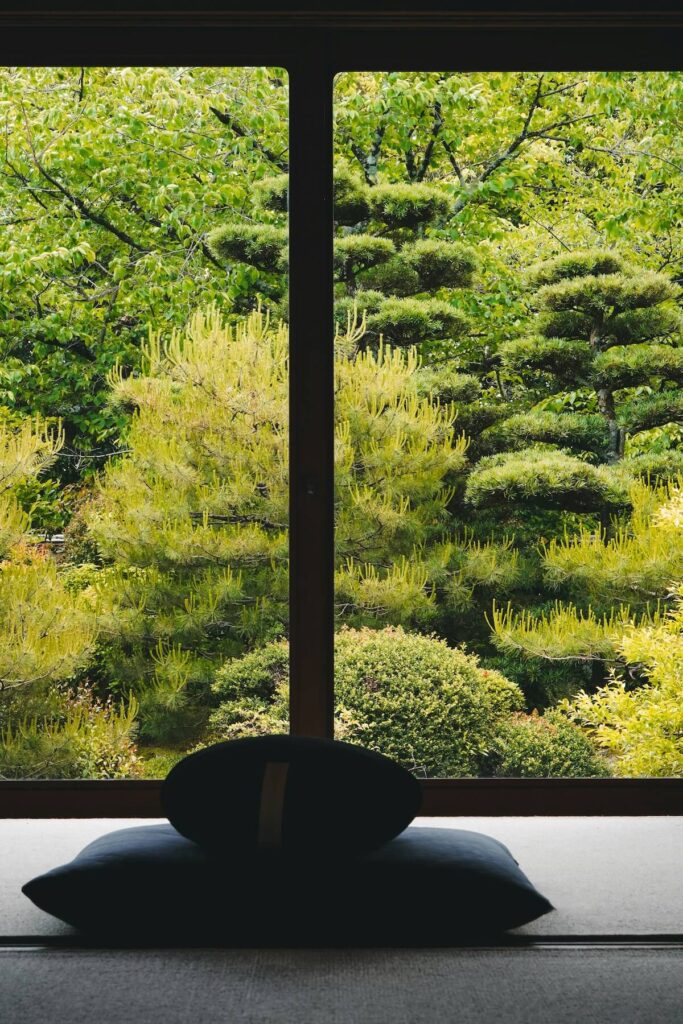
Contrary to the serene and meditative image we often associate with the Japanese tea culture, its origins were far less solemn.
Sure, Zen Buddhism undoubtedly shaped the ceremony into the refined ritual we know today. But its beginnings were more casual and social. Early tea gatherings were lively affairs, often accompanied by music, poetry, and games. People would come together to enjoy the company of friends, share stories, and appreciate the simple pleasure of drinking tea.
It was also during these early gatherings that the aesthetics began to take shape. People started to pay attention to the quality of the tea, the utensils used, and the overall ambiance of the tea space.
Eventually, the focus shifted towards a more contemplative and spiritual experience. However, the social aspect of the tea ceremony has never entirely disappeared.
4. The Japanese tea ceremony was closely intertwined with politics
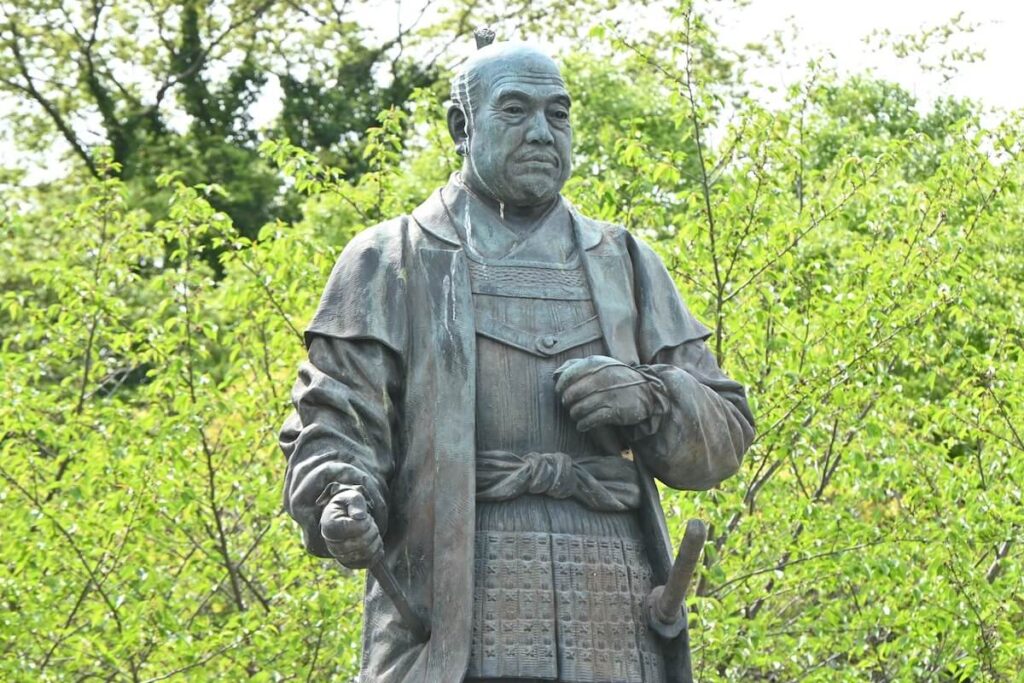
It sounds strange to us as we associate tea with calm and peace, but the Japanese tea ceremony wasn’t merely a spiritual or aesthetic pursuit. For centuries, it was deeply intertwined with the political landscape of Japan and it was a stage for power plays and alliances.
Powerful figures like Oda Nobunaga, Toyotomi Hideyoshi, and Tokugawa Ieyasu, the unifiers of Japan, were keen patrons of the tea ceremony. They understood its power as a tool for diplomacy, social control, and image building. By mastering the intricacies of the tea ceremony, these leaders could demonstrate their cultural sophistication, connect with different social classes, and even solidify their political positions.
The relationship between tea and politics reached its peak during the Sengoku period, a time of intense warfare. Tea masters like Sen no Rikyu were caught in the crossfire of political intrigue. Their lives and even their art and career were linked to the fortunes of their patrons, showing the high stakes involved in this seemingly serene art form.
5. Sen no Rikyu is known as the father of chado

Speaking of Sen no Rikyu, the tea master is often hailed as the father of the modern tea ceremony.
While tea had been enjoyed in Japan for centuries, it was Rikyu who elevated it to an art form in the 1500s. His emphasis on wabi-cha, a concept that values simplicity, harmony, and respect for nature, revolutionized the tea ceremony. He departed from the opulent tea gatherings of the time, opting for a more austere approach, focusing on the essence of the tea experience rather than material possessions.
Rikyu’s teachings and practices have been passed down through generations, shaping the traditions and etiquette that continue to define the art form today. Many of today’s schools of tea ceremony follow his teachings.
6. There are various schools and styles of the Japanese tea ceremony
The Japanese tea ceremony, despite its rich history and profound philosophy, is not an immutable practice.
Over centuries, various schools and styles have emerged, each with unique interpretations and emphases. Among the most prominent schools are the Urasenke, Omotesenke, and Mushanokōjisenke, all tracing their lineage back to Sen no Rikyu. Some schools prioritize formality and strict adherence to tradition, while others embrace a more relaxed and contemporary style.
These different schools and styles offer a fascinating glimpse into the diverse ways in which the tea ceremony has evolved and adapted to changing times.
7. The Japanese tea ceremony embraces imperfection
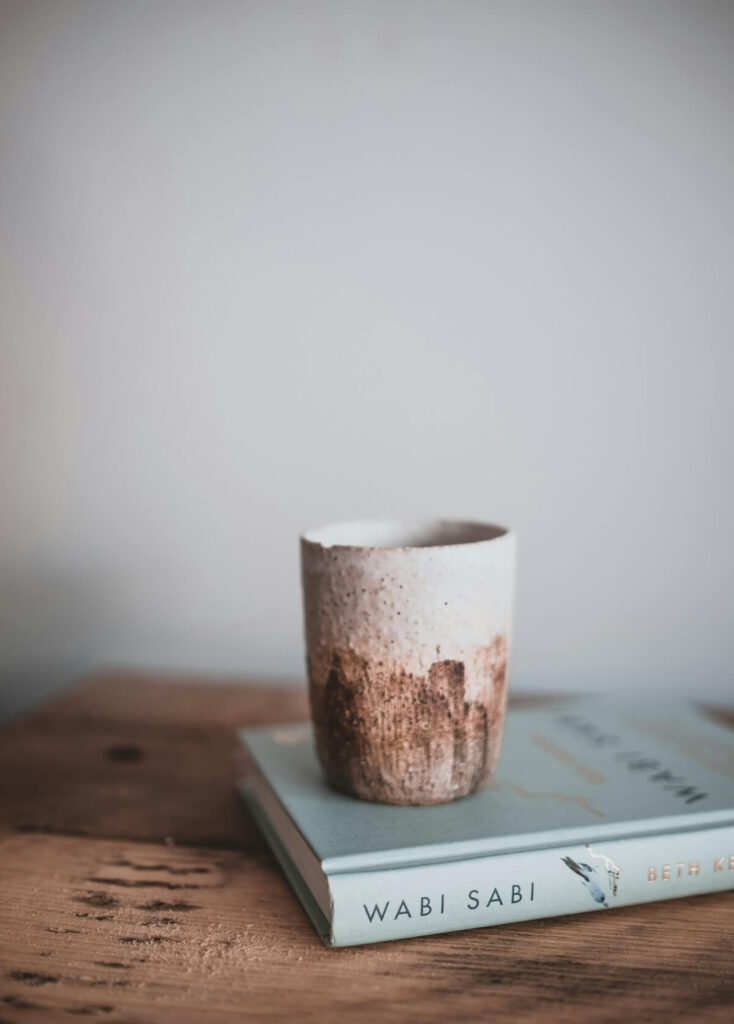
Wabi-sabi, one of the foundations of Japanese aesthetics, is a core philosophy in the tea ceremony. The term has been thrown around in recent years, especially in the interior design world, but what exactly is wabi-sabi?
Wabi-sabi is a philosophy that embraces imperfection, impermanence, and simplicity. It is finding beauty in the imperfect and incomplete.
In the Japanese tea ceremony, wabi-sabi is manifested in various ways. This includes the tea room, which is often small, rustic, and devoid of ornate decorations. The tea utensils, with their natural imperfections and signs of use, embody the concept of embracing the passage of time. Even the preparation of the tea, with its focus on mindfulness and the present moment, aligns with wabi-sabi’s emphasis on impermanence.
Participants of the tea ceremony are invited to connect with the natural world and to let go of attachments to material possessions and societal expectations. In essence, the tea ceremony offers a way to develop a deeper appreciation for life’s simple pleasures.
Facts about the equipment and ingredients in the Japanese tea ceremony
8. Matcha is at the heart of chado

The role of matcha in the Japanese tea ceremony can’t be undermined. Since around the end of the 12th century, matcha has been the tea of choice for ceremonies.
Matcha is a unique form of green tea where the leaf (deveined and de-stemmed) is stone-ground into a fine, bright-green powder. Unlike regular green tea, which is steeped and then discarded, matcha allows for the consumption of the entire leaf, providing a concentrated dose of nutrients and antioxidants.
Something to remember though: not all matcha are created equal. It comes in various grades, with the ceremonial-grade being the highest quality. There’s also culinary matcha, which is often used in cooking and baking. Premium matcha sits between the two and is the best choice for drinking in the comforts of your own home.
And another trivia: the ratio of water to matcha varies depending on whether the tea ceremony requires thick (koicha) or thin (usucha) tea.
9. Loose leaf tea is sometimes used

Senchado, a less commonly performed variant of the Japanese tea ceremony, is a tradition that centers around the preparation and appreciation of sencha or loose leaf green tea.
Unlike chado, which uses powdered matcha, senchado emphasizes the delicate flavors and aromas that unfold when high-quality tea leaves are steeped in hot water. The practice also emerged as a counterpoint to the formal and intricate rituals of the traditional Japanese tea ceremony.
While senchado is more relaxed and more accessible, it places greater emphasis on the natural qualities of the leaf and the simplicity of the brewing process.
10. The tea bowl is a work of art

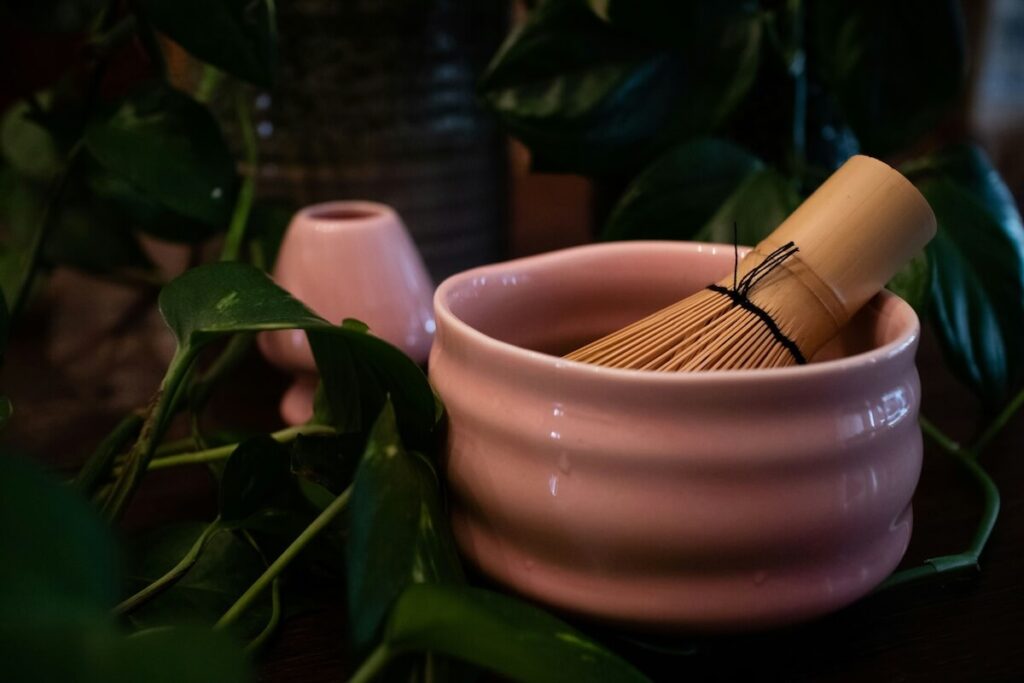
The tea bowl, or chawan, is more than just a vessel to drink from; it’s a work of art, often handmade by skilled artisans. The aesthetic of the bowl, its shape, color, and texture, is deeply considered.
Tea bowls originated from simple, rustic bowls used by Zen monks and evolved to become refined (and highly prized) art pieces. The choice of bowl can significantly influence the atmosphere and experience of the tea ceremony.
The concept of a “front” or “face” of a chawan is crucial in chado. To the untrained eye (and yes, that includes me), the difference may not be easy to spot. But traditionally, the front is the side considered most aesthetically pleasing or the side with the most intricate design or glazing. The host presents the bowl to the guest with the front facing them. The guest then rotates the bowl slightly to admire the entire piece before taking a sip.
11. The tea ceremony would be incomplete without bamboo
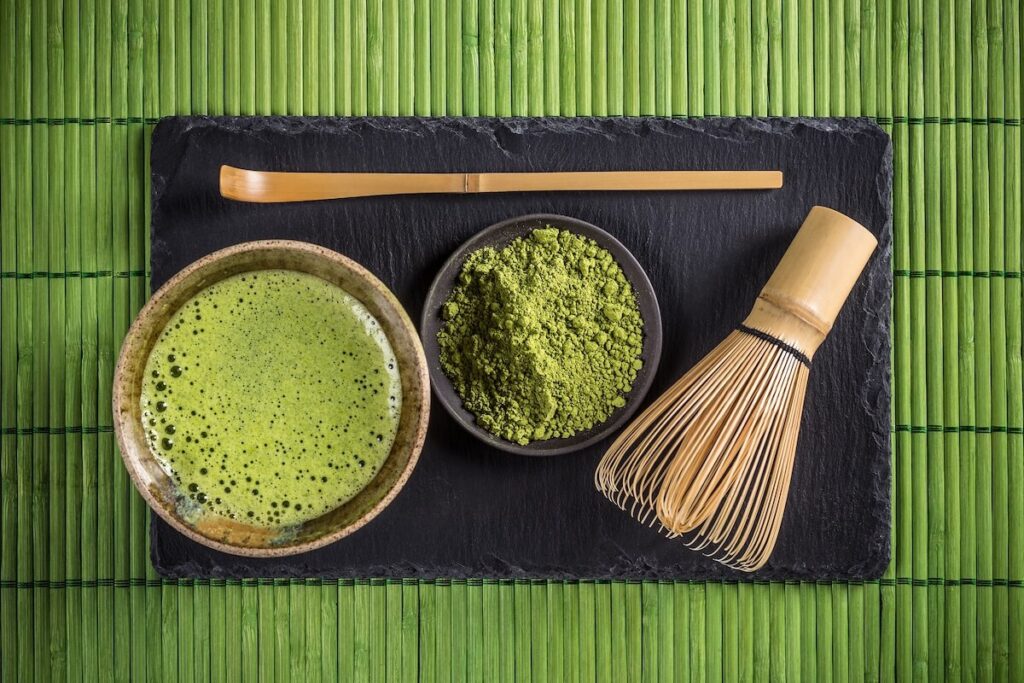
Bamboo represents strength, simplicity, and prosperity in Japanese culture, so it makes sense that it’s incorporated in the tea ceremony.
From the tea room’s architecture to the meticulously crafted utensils, the versatile plant is omnipresent.
The chashaku, a tea scoop carved from a single piece of bamboo, measures the precise amount of powdered tea for each bowl. The chasen, which resembles a bamboo broom, is a whisk used to froth the tea. Its creation is a delicate art, requiring skilled craftsmanship to achieve the perfect balance of flexibility and strength. Even the chakin, a small cloth for cleaning the tea bowl, is often stored in a bamboo case.
12. Not all tea caddies are the same
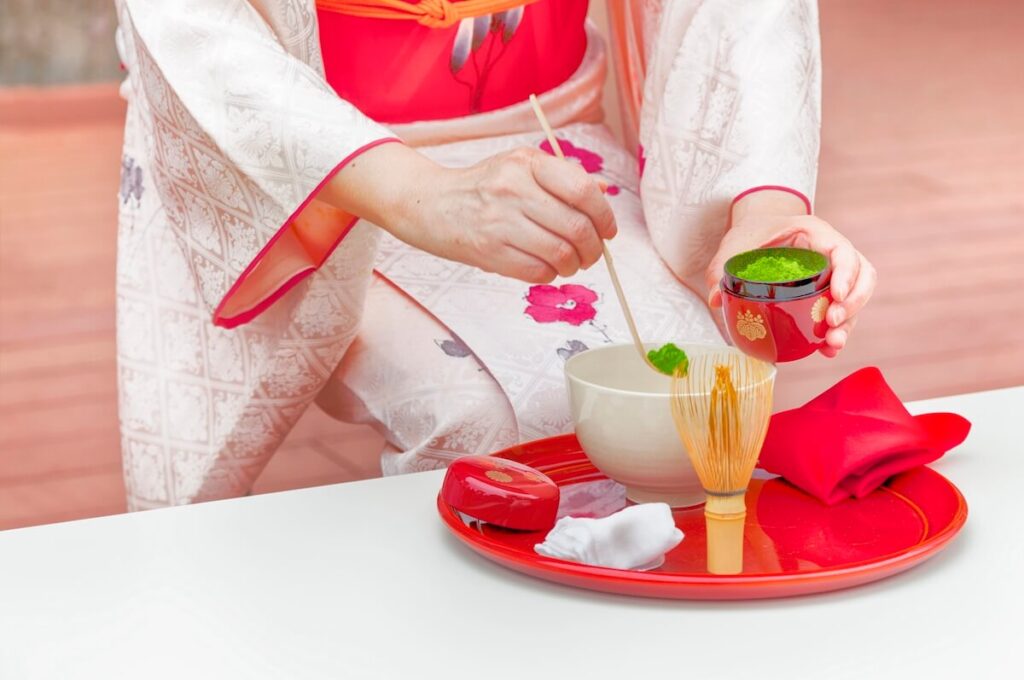
A tea caddy, or container for storing tea, is another essential component of the Japanese tea ceremony. However, not all tea caddies are the same. And no, I’m not just talking about the material used or the design.
There are two primary types of tea caddies: the natsume and the chaire. The natsume is typically made of wood and lacquered, often featuring intricate designs or motifs. It holds the powdered tea for thin tea (usucha) ceremonies. On the other hand, the chaire is usually ceramic and contains the powder used for thick tea (koicha).
The selection of the tea caddy is a crucial aspect of the tea master’s artistry. It reflects the overall aesthetic and theme of the ceremony. And while many tea caddies are used only prior to serving, you can also use one for everyday tea storage, as long as it’s airtight.
Facts about the Japanese tea ceremony venue
13. There are specially designed tatami rooms for tea ceremonies

Japanese tea ceremonies take place in specially designed rooms called chashitsu. These rooms are typically small, intimate spaces built to foster a sense of tranquility and harmony.
Chashitsu are traditionally constructed with natural materials like wood and bamboo, and their size is often measured in tatami mats, with most rooms ranging from four and a half to eight mats. The architecture emphasizes simplicity and a connection to nature, featuring large windows with views of the garden.
The interior design of a chashitsu is equally important. The walls are often covered in earthy-toned paper, and the room is devoid of unnecessary decorations. A tokonoma (a recessed alcove) serves as a focal point for a hanging scroll, flower arrangement, or other artwork.
The room is furnished with low tables and zabuton cushions for sitting, and the overall atmosphere is one of understated elegance. Every element of the chashitsu is carefully considered to create a serene environment that is conducive to the spiritual practice of the tea ceremony.
14. Traditional tea ceremony venues are surrounded by gardens…

The architecture and interior design are not the only things that matter in chashitsu. The surrounding setting is just as important!
A traditional tea ceremony is often held in a serene setting enclosed by a carefully tended garden. It’s like having a little slice of nature right there to help you relax and appreciate the moment.
You see, the garden is meant to be a transition space between the outside world and the tea room. As you walk through the garden, you’re supposed to slow down, take a deep breath, and leave behind any worries or stress. It’s a way to prepare your mind for the peaceful atmosphere that awaits you inside. Plus, the garden often features elements like a koi pond or stones that symbolize purity and simplicity, which are key ideas in chado.
15. … and decorated with flowers
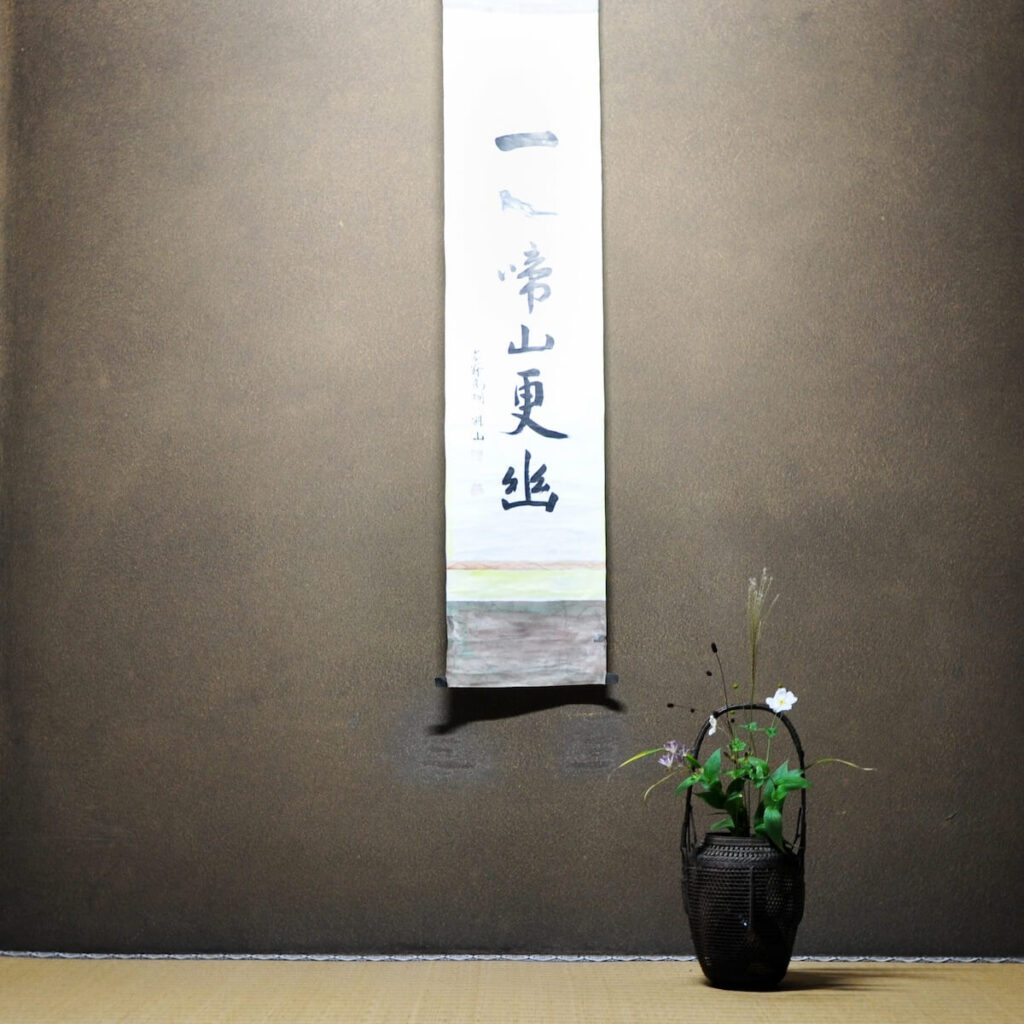
Flora isn’t limited to the gardens surrounding the tea ceremony venue. You’ll often notice beautiful flower arrangements, or ikebana, when you step into a chashitsu. These arrangements aren’t just for decoration; they’re a really important part of the tea ceremony.
The flowers you see are carefully chosen to represent the changing seasons. So, you might find blooming cherry blossoms in spring or colorful autumn leaves in fall. It’s a way to connect with nature and appreciate the beauty of the moment.
Plus, the way the flowers are arranged has a special meaning and can represent different philosophical ideas. It’s like a little piece of art that adds to the overall experience of the tea ceremony.
16. You can take your tea ceremonies outdoors

Yup, Japanese tea ceremonies aren’t always held indoors!
There’s a special kind called nodate where the ceremony takes place outdoors. Here, you can enjoy a cup of matcha while basking in nature, with the gentle breeze and the sounds of birds chirping. It’s hard to think of a more refreshing experience.
Aside from being a great way to connect with the natural world, outdoor tea ceremonies also let you appreciate the beauty of the changing seasons. It’s also a more casual and relaxed atmosphere compared to the traditional indoor setting, so it can be a lot of fun for beginners and experienced tea lovers alike.
17. A golden tea room was constructed for tea ceremonies
Can you imagine a tea room that sparkles? Well, there actually was one!
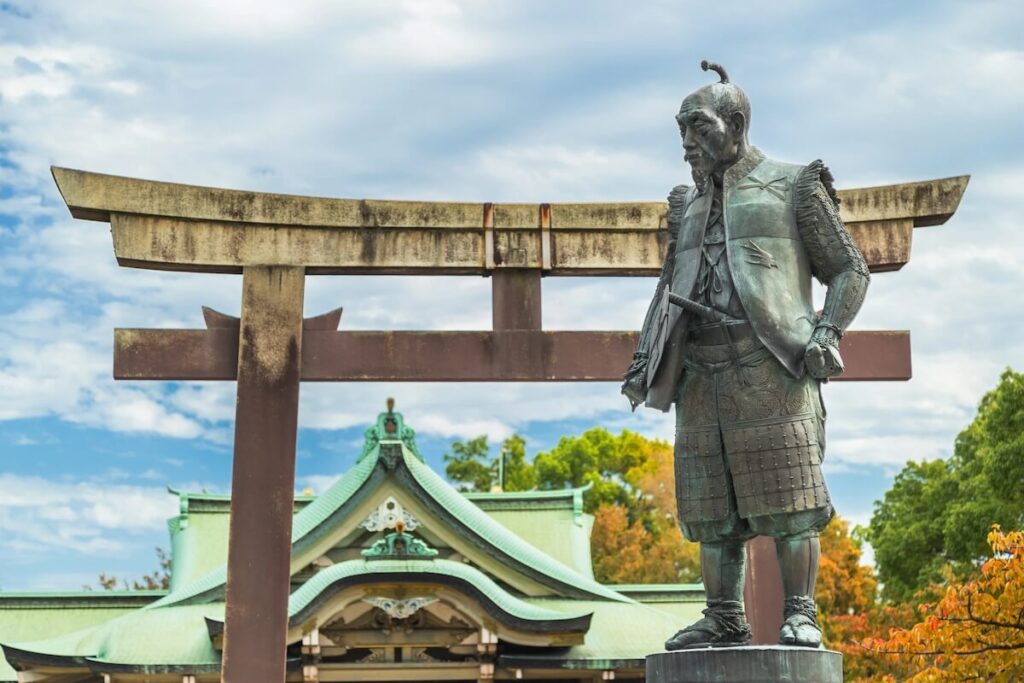
A long time ago, a powerful samurai named Toyotomi Hideyoshi built a tea room that was completely covered in gold. It was incredibly dazzling and luxurious, a total contrast to the usual simple and natural style of most tea rooms.
Now, this golden tea room was more of a showpiece than a place for everyday tea ceremonies. It was a way for Hideyoshi to show off his wealth and power. But even though it was different, it still followed the basic rules of the tea ceremony, like focusing on harmony and respect.
Facts about the Japanese tea ceremony etiquette and procedures
18. Japanese tea ceremonies can be as formal or as casual as you like
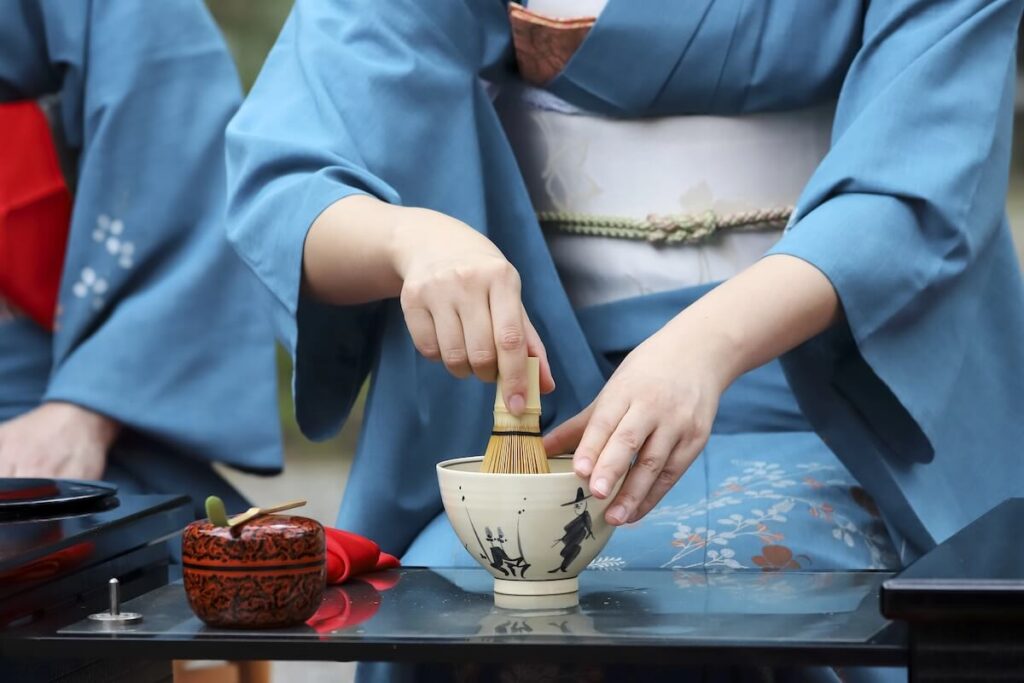
There are two types of Japanese tea ceremonies, which is like the difference between a fancy dinner party and a cozy afternoon tea with friends.
The first one called chaji is a super formal gathering that can last for hours and includes a fancy meal before the tea. These ceremonies are full of tradition and etiquette, and they’re usually held in special tea rooms.
Don’t worry if that sounds too serious for you. You can join chakai instead. This is the more relaxed and shorter type of tea ceremony. Chakai is much more laid-back and can be enjoyed in different settings, even outdoors.
19. Hosts and guests have specific roles to play
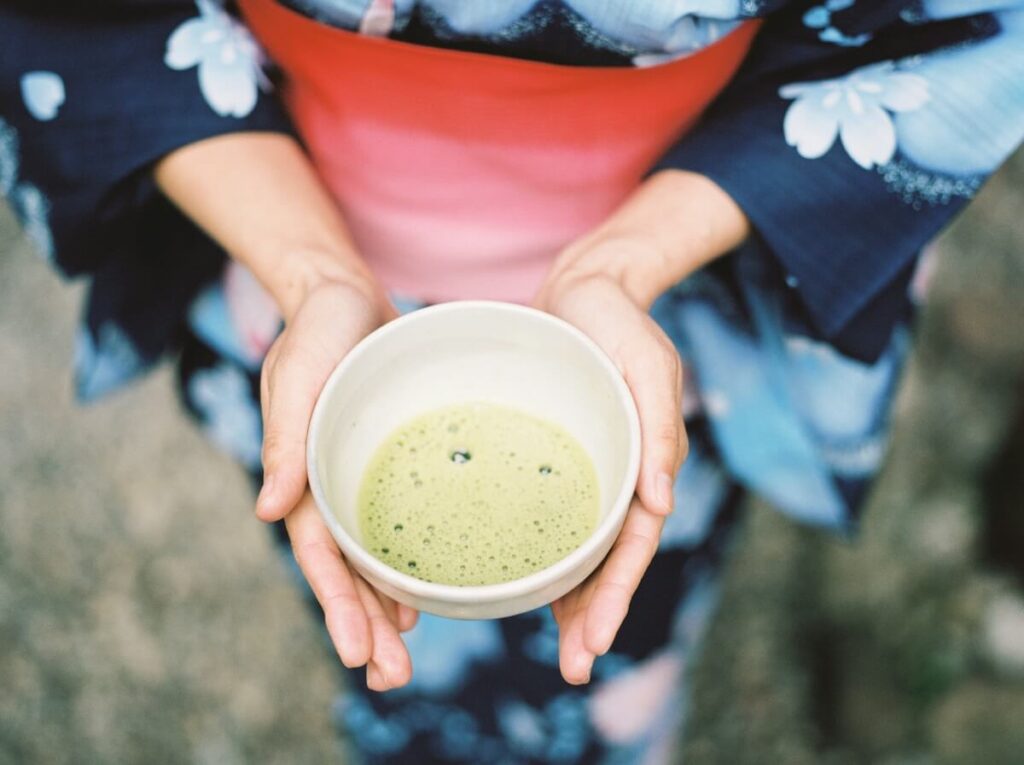
A Japanese tea ceremony is a social event, and like any gathering, it has hosts and guests.
The host, or hostess, is responsible for preparing everything for the ceremony, from the tea room to the utensils. They also follow a specific order of steps, making sure everything flows smoothly.
As a guest, you have a role to play too. It’s important to show respect for the host and the tea ceremony traditions. There are certain things you should and shouldn’t do, like how to sit, how to hold the tea bowl, and how to appreciate the tea.
It might seem a bit complicated at first, but it’s all about creating a harmonious and enjoyable experience for everyone involved.
20. Patience is a virtue
Whether it’s a formal or informal tea gathering, patience is a must.
You’ll notice that the host takes their time preparing the tea and setting the scene. So, it’s considered polite to wait until you’re offered the tea or sweets. This allows everyone to enjoy the process and appreciate the moment together.
Rushing or reaching for something before it’s offered can disrupt the flow of the ceremony and make the host feel uncomfortable. So, take a deep breath, relax, and enjoy the company. Remember, the tea ceremony is as much about the experience as it is about the actual tea.
20. Bowing is a must…
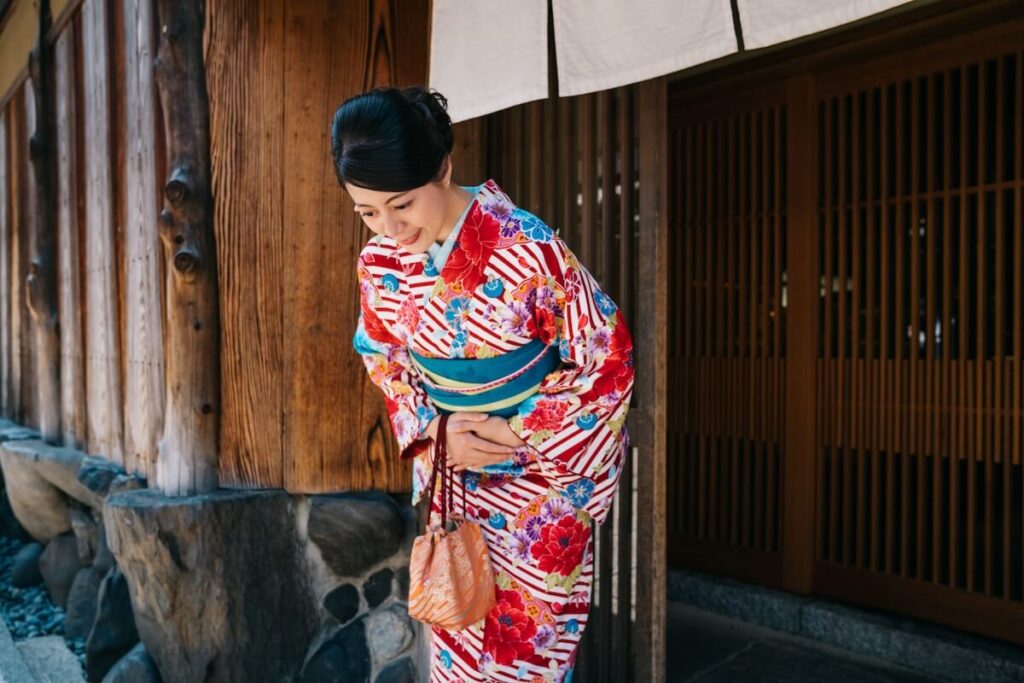
Bowing is a fundamental part of Japanese culture, and it’s especially important in tea ceremonies.
Whether it’s a formal or informal gathering, you’ll find yourself bowing quite a bit. When you enter the tea room, it’s customary to bow as a greeting to the host and other guests. You might also bow when receiving the tea bowl or thanking the host at the end of the ceremony.
What’s more, the depth and length of your bow can vary depending on the formality of the occasion. A deeper bow is generally reserved for more formal settings, while a shorter bow is suitable for casual gatherings. The important thing is to bow with sincerity and respect.
21. …and so is kneeling

Seiza, or kneeling with your legs folded under you, is the traditional sitting position used in several Japanese practices, including tea ceremonies.
This posture shows respect and humility. While it might feel a bit uncomfortable at first, it’s an important part of the experience. Regardless if you’re attending a formal or informal tea ceremony, seiza is the expected sitting position. Fortunately, tatami provides a more comfortable surface for sitting seiza-style.
Of course, if you have any physical limitations that make seiza difficult, it’s okay to discuss alternative seating arrangements with the host beforehand. The most important thing is to enjoy the tea ceremony and feel comfortable.
Facts about the cultural significance of the Japanese tea ceremony
22. The Japanese tea ceremony is built upon four essential principles
Chado is built on four main ideas that guide the entire experience. Say it with me: wa kei sei jaku.
The first one is wa, which means harmony. It’s all about creating a peaceful and friendly atmosphere where everyone feels connected. The second is kei, which means respect. This is shown by being polite, appreciating the host’s effort, and treating the tea with care.
The third idea is sei, which means purity. It’s about keeping everything clean and fresh, from the tea utensils to your mind. The last one is jaku, which means tranquility. It’s about finding peace and quiet amid the ceremony and enjoying the moment.
23. Chado is meditation in motion
The Japanese tea ceremony is often described as a form of moving meditation. It’s not just about drinking tea; it’s a mindful practice that involves every step of the process.
From preparing the tea room to serving the guests, each action is done with intention and focus. It’s like a slow-motion dance where every movement has meaning.
As you participate in the tea ceremony, you’re encouraged to let go of your thoughts and worries and simply be present in the moment. It’s a chance to connect with your inner self and find peace amidst the hustle and bustle of everyday life. Ultimately, it helps you cultivate a sense of mindfulness and tranquility.
24. It’s a demonstration of Japanese hospitality and graciousness
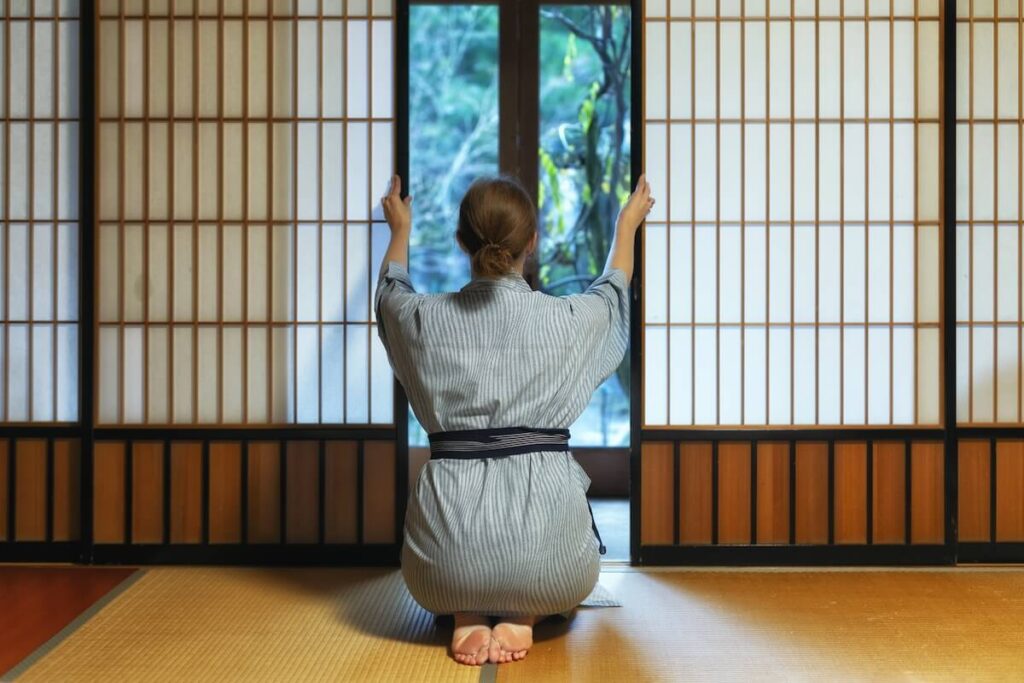
Few Japanese practices express hospitality and graciousness as beautifully as the tea ceremony does.
From the moment guests arrive, they are welcomed with warmth and respect. The host carefully prepares the tea room, creating a serene and inviting atmosphere. Every detail, from the flower arrangement to the placement of the utensils, is thoughtfully considered to provide a pleasant experience for the guests.
Sharing tea itself is a gesture of friendship and goodwill. The host offers the tea with care and attention, and the guests receive it with gratitude. The entire ceremony is a delicate dance of peace and connection, giving and receiving, where everyone plays a role in creating a harmonious and enjoyable experience.
25. The Japanese tea ceremony is a living tradition
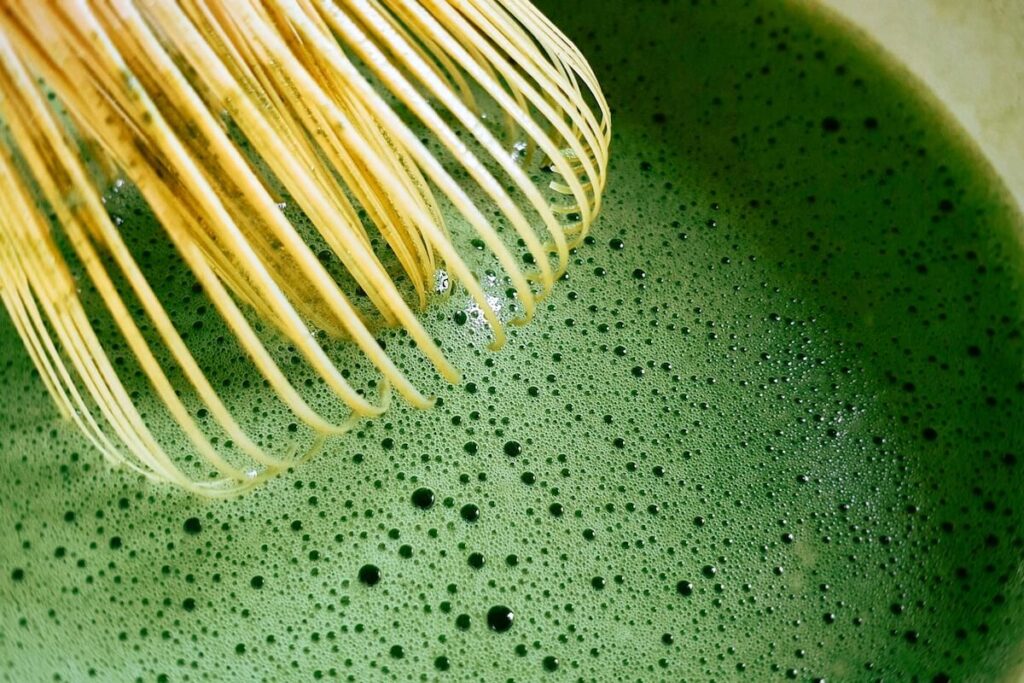
The Japanese tea ceremony, a ritual that some see as a rigid and ancient tradition, is actually a living art form that continues to evolve. While the core principles of harmony, respect, purity, and tranquility endure, the interpretation and application of these ideals shift with the times.
From the selection of tea to the design of the tea room, elements of modernity subtly infuse the ceremony without compromising its essence.
Today, tea ceremony masters and students alike explore new perspectives and approaches while honoring the tradition’s rich history. Although not as popular with young people, younger generations bring fresh ideas and energy, revitalizing the ceremony for contemporary audiences.
I guess, we can expect the tea ceremony to remain relevant for years to come.
Wrap-up
Whether you’re a seasoned tea enthusiast or simply curious about Japanese culture, the tea ceremony offers a world of artistry to explore and harmony to enjoy.
Discovering the above facts about the Japanese tea ceremony is just a start — taking part in one will surely lead you to appreciate it more! You’ll find many temples and tea houses offering Japanese tea ceremony experiences, especially in Kyoto and Osaka.
Which of these facts did you find the most fascinating? Chime in below!