
The question “is Sao Paulo worth visiting?” seems to pop into the minds and keyboards of globetrotters around the world. So today I’m on a mission to show you why you should add Brazil’s largest city to your bucket list in case you haven’t yet.

Enormous, hectic, and even intimidating, the powerhouse of South America boasts a dazzling cityscape where you’ll find virtually anything — including food from all over the planet, architecture spanning several centuries, and widely praised street art.
Table of Contents
Why you may not enjoy Sao Paulo
Some areas are pretty sketchy.

Brazil is notorious for its dismal social inequality, which brings about high crime rates in big cities. Though Sao Paulo is among the safest cities nationwide, petty crime is a problem in the central parts of town, while the outskirts can be somewhat violent.
Sao Paulo is generally perceived as safer than Rio, to a certain extent because it’s also more segregated. The region around Paulista Avenue and the districts to the west and southwest of it (which is where most travelers tend to stay) feel almost like southern European cities safety-wise.
But sections of downtown are rundown and face drug use and homelessness issues, which makes venturing out on your own (especially without speaking the language) potentially dangerous.
It’s a gritty concrete jungle.

With a population of 12 million, Sao Paulo can come across as scarily big. I’m from Rio, another huge city, and whenever I visit Sao Paulo I’m convinced it will swallow me up at any moment.
A workaholic and frenetic place, Sao Paulo is home to the largest helicopter fleet on Earth and churns out 600,000 pizzas a day, second only to New York.
Speaking of which, Sao Paulo is the best candidate for the title of city that never sleeps in South America — except it’s way more chaotic than the Big Apple.
To me, Sao Paulo’s stupid size is a quintessential part of its charm. That said, I see how it can keep away a bunch of travelers.
It doesn’t care enough for the environment.

This is another drawback that is more national in nature rather than local. Despite being at the forefront of environmental protection in many areas, Brazil doesn’t take good care of its air, water, and waste.
Since everything is bigger in Sao Paulo, these issues are far more visible as well. Air quality is often subpar, and the city’s two rivers and minor canals are open sewers.
What’s more, many waterways have been covered, which has made the city all the more vulnerable to flash floods. Still, none of that should actually affect your trip.
Is Sao Paulo worth visiting? Absolutely!
1. It’s one of the oldest cities on the continent.

Founded in 1554, Sao Paulo remained a backward village for a couple of centuries. From the mid-1800s, it slowly transitioned into the major city it eventually became, thanks to the newfound wealth brought about by coffee exports.
Like many cities that grew so much so fast, Sao Paulo didn’t manage to preserve a lot of its early past. But it’s been trying to make amends for at least half a century.
A great example of that is how, in the late 19th century, the city demolished its first building, the Jesuit school pictured above — only to rebuild it less than 100 years later.
2. Sao Paulo is incredibly cosmopolitan.
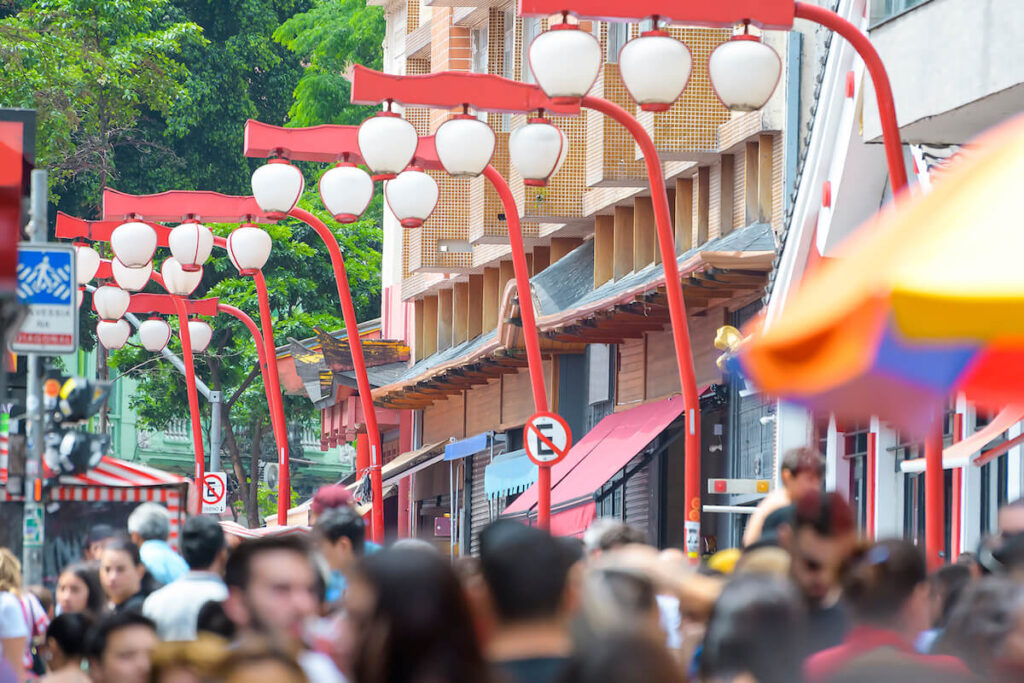
Home to the largest Italian, Japanese, and Arab diasporas on Earth, Sao Paulo has turned into one of the most cosmopolitan corners of the planet.
For nearly 50 years starting at the beginning of the 20th century, the city welcomed millions of foreigners to work in its then-thriving factories.
Now, Latin Americans (particularly Bolivians and Haitians) and Western Africans (Angolans and Congolese above all) continue to move there in search of better opportunities.
Yet the most fantastic thing about this enormous diversity is that Sao Paulo isn’t strictly ghettoized (though problems do exist). Instead, the majority of foreigners come upon a welcoming local community and become fully Brazilian within a single generation.
3. The food is to die for.
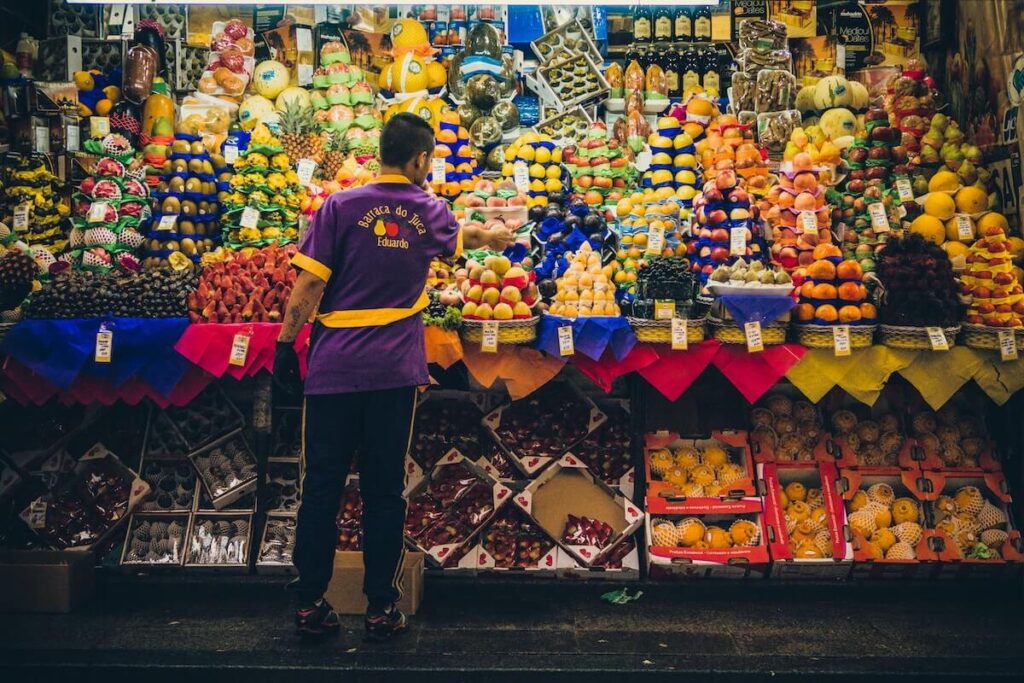
Thanks to its striking cosmopolitanism, Sao Paulo is the one place in Brazil where you can savor delicious concoctions of your favorite culinary traditions.
The city features nine Michelin-starred restaurants, including two with two stars. D.O.M. serves classics of Brazilian cuisine with a contemporary twist, and Ryo Gastronomia is known for its mouthwatering Japanese fusion.
Fancy dining aside, Sao Paulo can also offer you a proper introduction to Brazil’s decadent food culture, which spans generous breakfasts, tons of fresh fruit, and the juiciest meat cuts you can think of.
When you land in this culinary mecca, make sure you stop by Liberdade, Sao Paulo’s vibrant Japantown, Pinheiros, to discover the hottest bistros, and Jardins if you’re after a fine dinner.
4. There’s great art and culture everywhere.
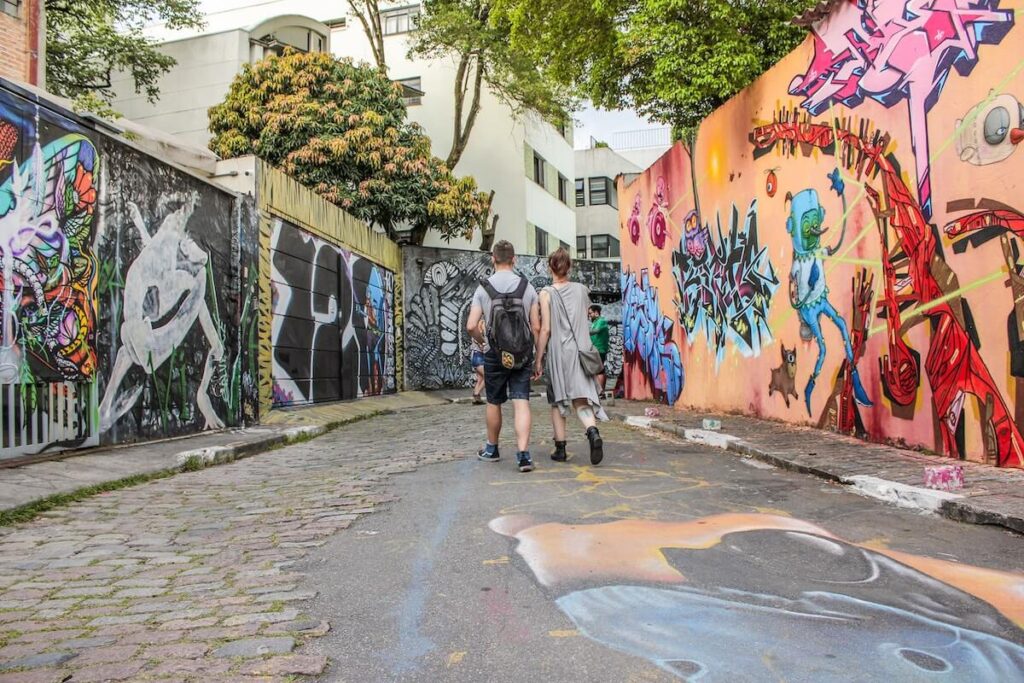
The institutional art world is well represented in Sao Paulo. You can marvel at your favorite painters in the Museum of Art (MASP) and the Pinacoteca do Estado, for example.
In terms of high-profile events, Sao Paulo leaves nothing to be desired either. It hosts the Art Biennial, one of the three most important contemporary art shows at a global scale, a White Night festival (the Virada Cultural), and the largest Gay Pride on the planet.
What’s more, Sao Paulo is a true playground for street artists, who have been splashing bright colors over the gray buildings for 40 years. Beco do Batman, a winding alley in the Vila Madalena district, is the best spot to view the city’s multicolored murals.
5. The architecture is striking.
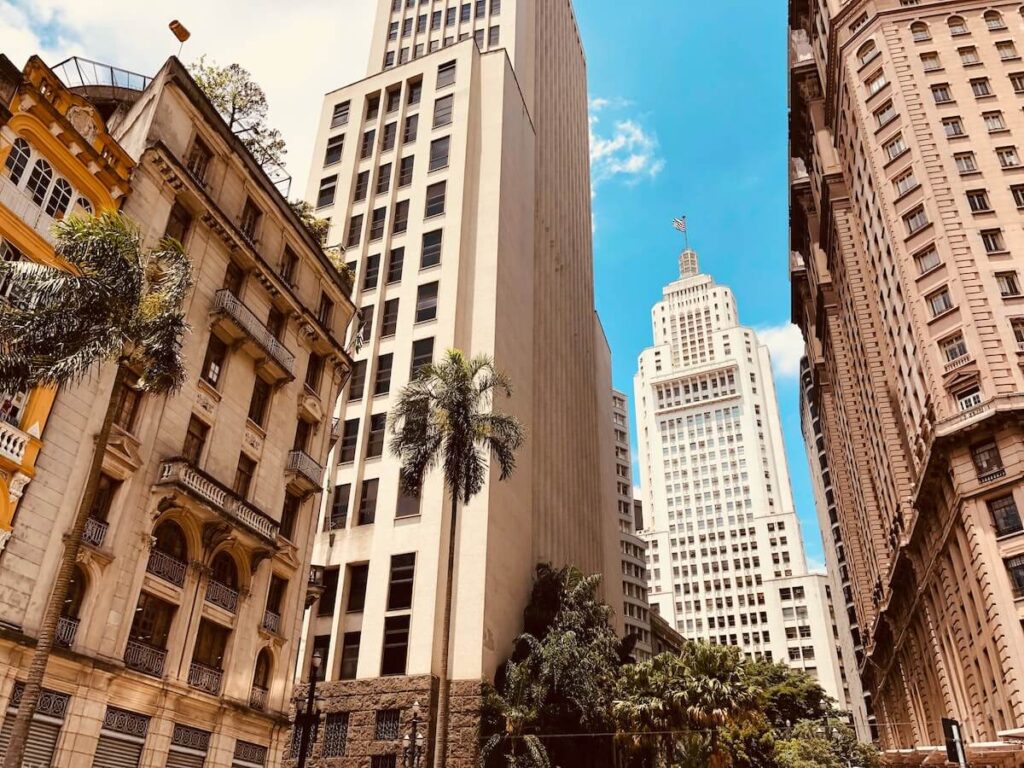
Though the march of progress may have stripped Sao Paulo of its early buildings, over the past 150 years or so the city was dotted with architectural masterpieces in several styles.
You have the Beaux Arts Municipal Theater, the gothic revival Cathedral, the Oscar Niemeyer-designed Copan, the brutalist Museum of Art, the edgy Hotel Unique… The list goes on.
This amazing variety is turned into a feast for the eyes by Sao Paulo’s hilly topography, which creates unexpected angles at every corner. Architecture buffs can dive into this sea of shapes by taking a walking tour around the city center.
6. The weather is pleasant year-round.
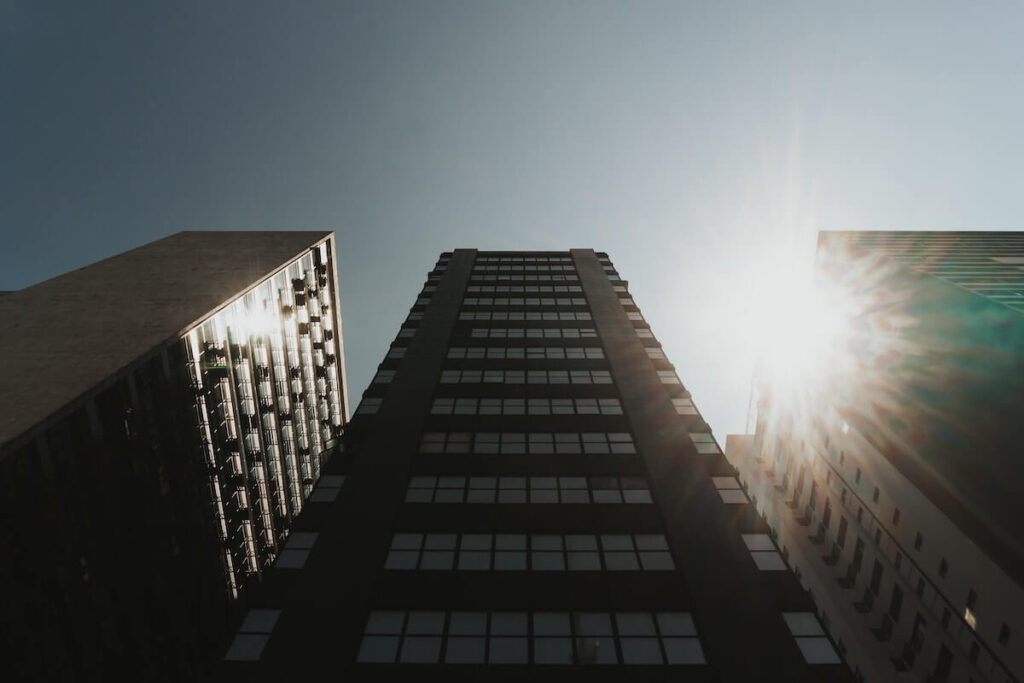
The Tropic of Capricorn crosses the northern end of Sao Paulo, which means the bulk of the city lies right outside the tropics.
In addition to that, Sao Paulo’s medium altitude is 2,500 feet. Its climate, then, is between subtropical and temperate, which is mild by all measures.
Average temperatures range between the low 70s in the summer and the low 60s during winter. The single red flag is rain. In the warmer months, over half of the days are rainy.
If you visit between April and September, however, chances are a clear, sunny sky’ll welcome you.
7. It has the best nightlife scene in Latin America.
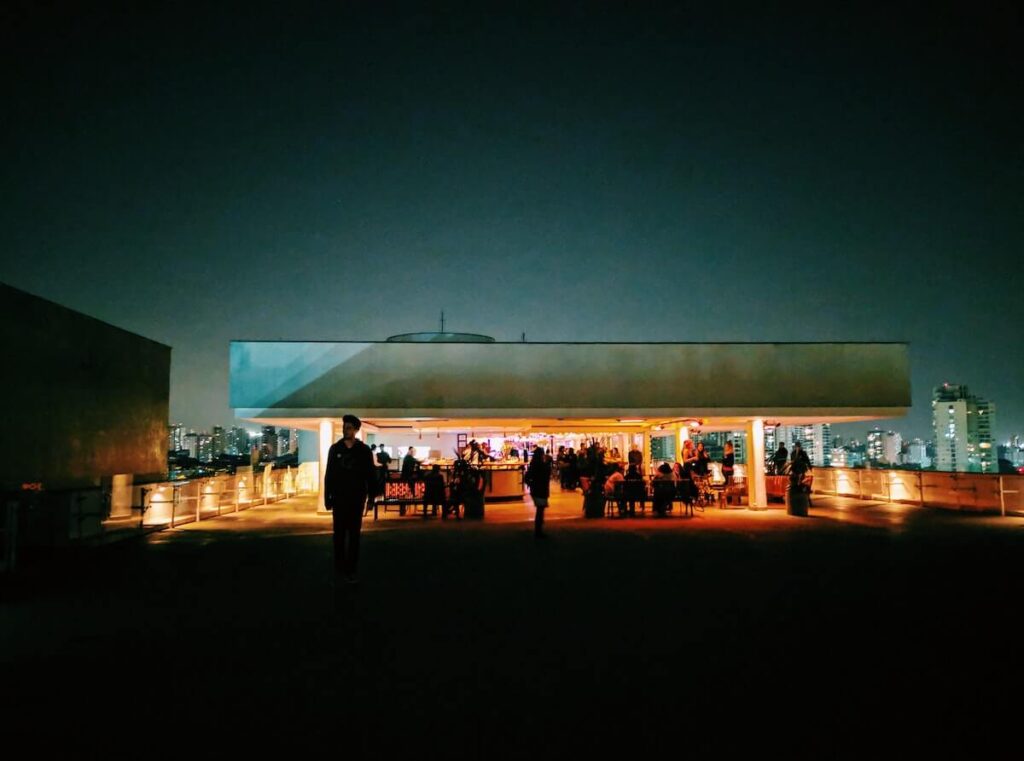
If Rio is a sun-loving city, Sao Paulo reveals its true, wild self after dark. Its nightlife is consistently ranked as one of the liveliest in the world, second only to capitals of after-hours fun like New York, Berlin, and Ibiza.
Hundreds of laidback dives, upscale cocktail bars, and stylish clubs will be waiting for you, not to mention the mandatory rooftops overlooking Sao Paulo’s astonishing skyline. On top of that, boroughs like Pinheiros and Vila Madalena are ideal for a good ol’ pub crawl.
8. The parks offer a welcome respite from the hustle and bustle.

Sao Paulo isn’t the greenest city out there, but the city is dotted with well-maintained parks where you can escape whenever you need a few moments of peace amid Sao Paulo’s chaotic pace.
In and around downtown, you can’t miss the commanding views of the skyline from Ibirapuera Park, a local favorite, and lush Parque Trianon in the heart of buzzing Paulista Avenue.
As you head toward the outskirts, you’ll find more spacious green areas, among which gorgeous Atlantic rainforest reservations like Itaim Municipal Park and Serra do Mar State Park.
9. The infrastructure is top-notch.

Top-notch will probably sound like a heck of an overstatement if you’re coming from, say, Singapore or Frankfurt.
Still, Sao Paulo is quite efficient by Latin American standards. The subway system is comprehensive, clean, and punctual, the touristy neighborhoods are relatively safe, and customer service is good.
Plus, the city features an outstanding hotel infrastructure for all tastes and pocket sizes, including charming boutique hotels like Emiliano and the only six stars on the continent, Rosewood Sao Paulo.
10. Visiting can be pretty affordable.
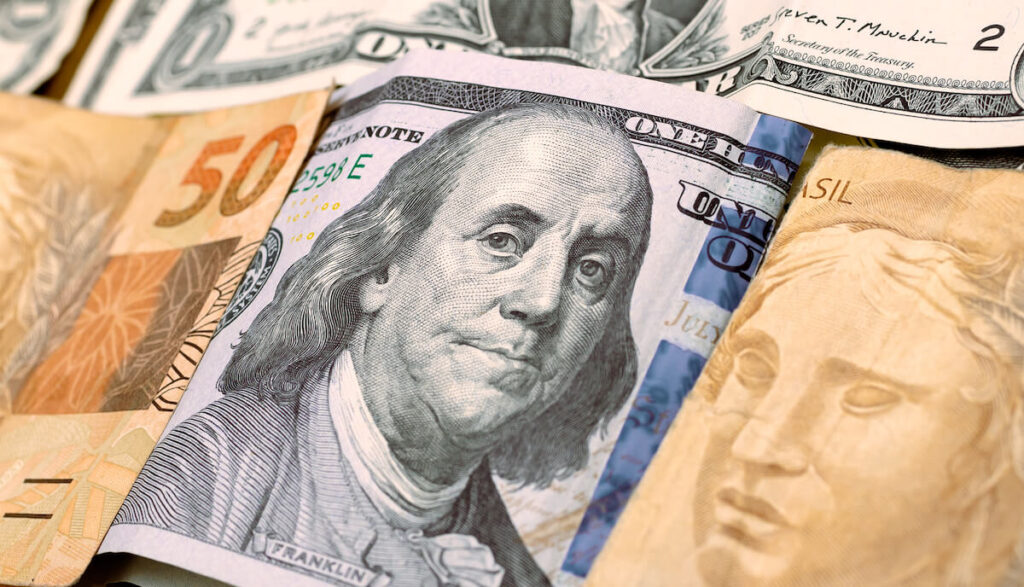
For a city of its size, Sao Paulo is really budget-friendly. You can get a private room near Paulista Avenue for approximately $60, and you’ll hardly need more than $40 a day for all the other expenses.
In terms of affordability, the city is far ahead of places like Santiago, Rio de Janeiro, and Machu Picchu, and slightly behind Buenos Aires.
Air tickets can be a tad pricier, yet if your schedule is flexible you can manage to fly in from New York for $650 and from London for less than $1,200, roundtrip.
11. Sao Paulo is a soccer fan’s paradise.

Sao Paulo is the home ground of three of the most successful soccer teams in Brazil, Corinthians, Palmeiras, and Sao Paulo FC. While not well-known outside of Latin America, these teams are marked by a common trait of Brazilian soccer: the passion of their supporters.
Palmeiras and Corinthians are both over 100 years old and draw the biggest crowds, who chant, set off fireworks, and wave huge flags nonstop.
All of these teams have revealed star players who went on to play abroad, but watching them play is a spectacle in its own right — especially with the fans’ contagious vibes.
12. It’s the perfect launchpad for the rest of the country.

Sao Paulo is connected to almost 60 foreign airports in virtually all regions of Earth, except for Oceania. It’s the no. 1 entry point to the country, and long domestic flights often lay over in the city.
If you’re planning to visit Rio de Janeiro, the Amazon, or the pristine beaches of northeastern Brazil, you’ll likely stop by Sao Paulo first. Why not use that as an opportunity to spend a few days resting from your international flight in the city?
That can be particularly good for your pocket if you have to catch more than two flights to reach your final destination in the country.
Also read: 16 Fantastic Day Trips from Sao Paulo Worth Doing
Final thoughts

If I asked you “is Sao Paulo worth visiting?” now, what would you reply? Sao Paulo is an underrated destination relative to other places in Brazil like Rio de Janeiro and even South America as a whole like Buenos Aires.
Still, boasting a thriving art and culture scene, exhilarating nightlife, yummy cuisine, and much more, Sao Paulo can make a wonderful stop in a two-week Brazil itinerary, for example.

thanks Diego appreciate the candor and the endorsements