
Sao Paulo is known for being a major Latin American financial hub, for its restless nightlife, and for its thriving art scene. Brazil‘s largest city is also famous for landmarks like Paulista Avenue and Ibirapuera Park, as well as for the Italian heritage that helped shape the city we know today.

Whenever I visit Sao Paulo, I’m taken aback by how huge and hectic it is. If you are eager to learn more about this sprawling and fascinating metropolis, tag along to find out the most compelling answers to the question “what is Sao Paulo known for?”.
Table of Contents
What is Sao Paulo known for?
1. Brazil’s financial capital

Sao Paulo, Brazil’s most populous city, is not just a bustling metropolis; it’s the financial heartbeat of South America.
At the heart of Sao Paulo’s financial might is Faria Lima Avenue, often dubbed the “Wall Street of Brazil.” Along this avenue, skyscrapers house the headquarters of national and international banks, financial institutions, and major corporations.
Yet unlike some financial capitals, Sao Paulo’s strength lies in its economic diversity. The city is a hub for Brazil’s burgeoning tech scene, home to countless startups, and a powerhouse in manufacturing and services.
2. Paulista Avenue
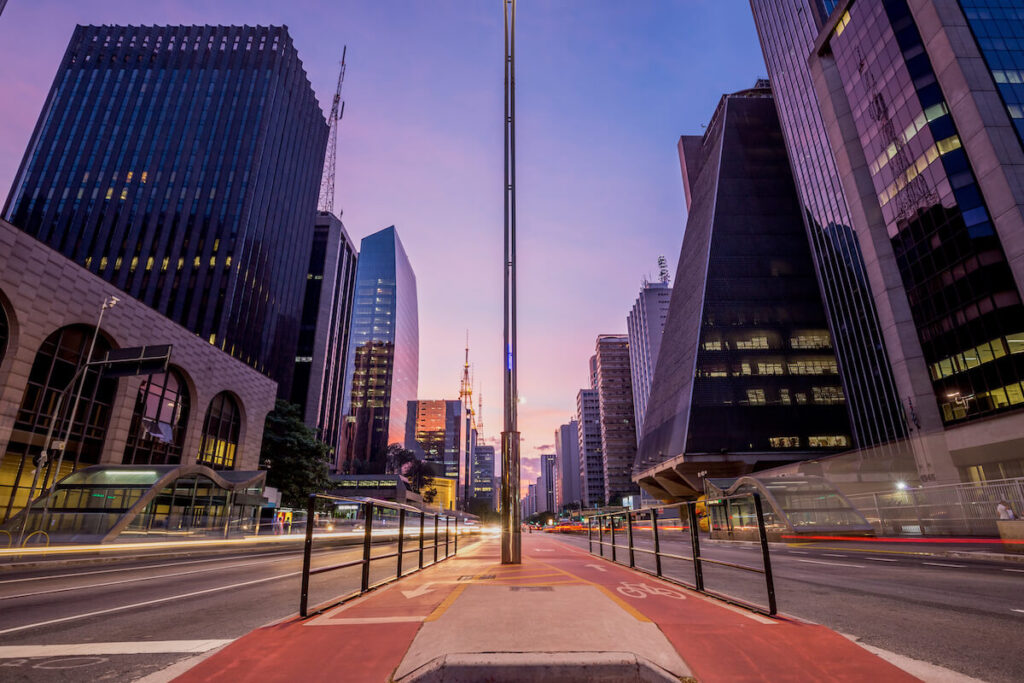
Nestled in the heart of Sao Paulo, Avenida Paulista, or Paulista Avenue, is more than just a street; it’s a symbol of the city’s vibrant spirit. Stretching for over two miles, this iconic thoroughfare represents Sao Paulo’s diversity, culture, and financial prowess.
At first glance, Paulista Avenue is a concrete jungle of towering skyscrapers and bustling commuters. Yet it is a major cultural hub too.
The Sao Paulo Museum of Art (MASP), an architectural masterpiece itself, graces the avenue. What’s more, the avenue hosts cultural events, street fairs, and celebrations that make it a melting pot of ideas and creativity.
3. World-class food
The sheer diversity of Sao Paulo’s food landscape is staggering—locals and visitors can cross the globe with their tastebuds. Want traditional Brazilian feijoada? Craving Japanese sushi that rivals Tokyo? How about authentic Italian pasta? Sao Paulo delivers it all with flair.
Sao Paulo boasts an impressive collection of Michelin-starred restaurants; names like D.O.M. and A Casa do Porco have elevated Brazilian cuisine to the international stage.
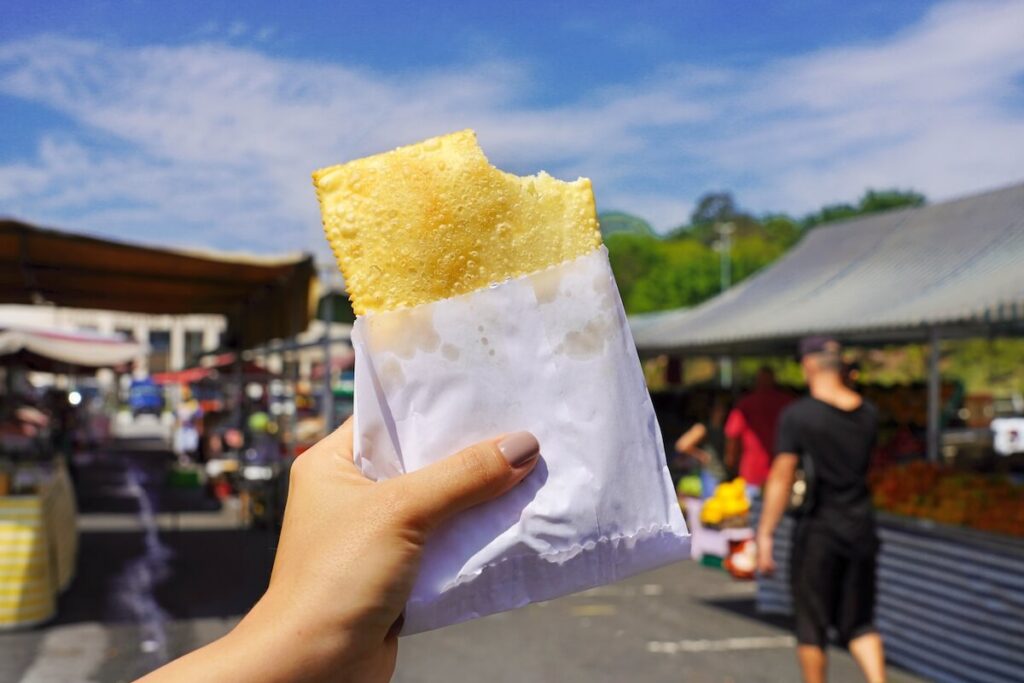
Beyond the Michelin stars, the city’s food stalls are an attraction in their own right. Try pastel, a Brazilian street food staple, or feast on acai bowls packed with the freshest toppings.
4. Municipal Market

Open since 1933, Sao Paulo’s Municipal Market is a culinary wonderland. The first thing that hits you is the kaleidoscope of colors. Stalls overflow with exotic fruits, fresh vegetables, and aromatic spices from all corners of Brazil and beyond.
Perhaps the most famous delight here is the colossal mortadella sandwich. Served in generous portions, it’s a mouthwatering masterpiece that brings together layers of creamy mortadella, cheese, and condiments.
Beyond the food, the market itself is a cultural landmark. Its stained glass windows, intricate columns, and vibrant mosaics are a sight to behold. The architecture alone is worth the visit, and it provides a glimpse into the history of Sao Paulo.
5. Italian heritage
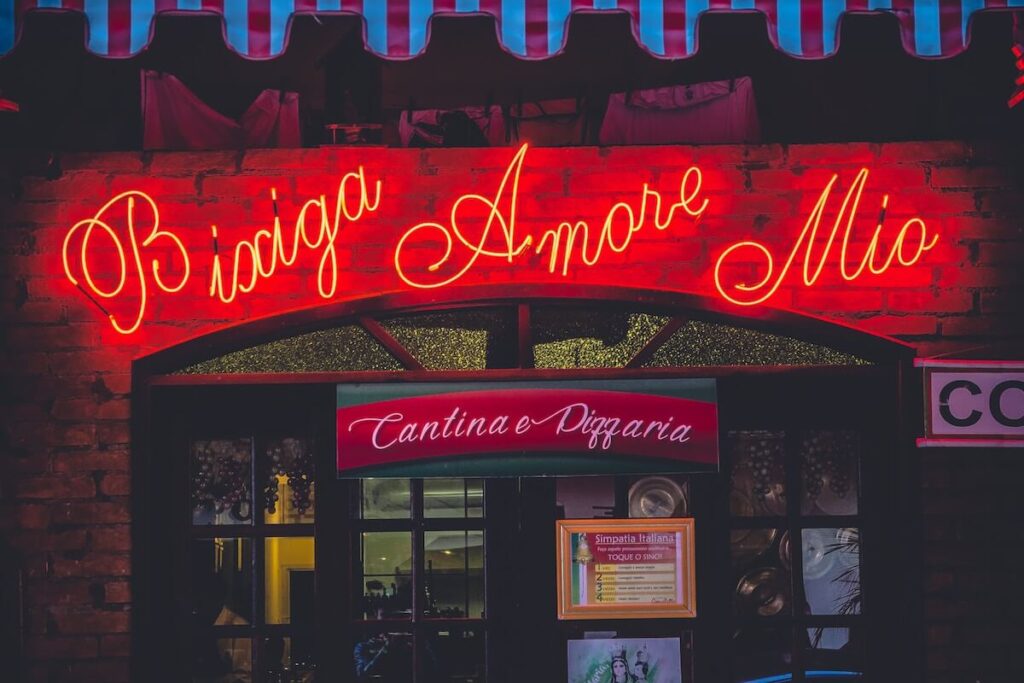
Sao Paulo’s vibrant Italian heritage is deeply woven into the city’s cultural fabric. With the largest Italian population outside of Italy, it’s no surprise that the city is home to an assortment of traditions, flavors, and influences.
One of the most authentic expressions of Sao Paulo’s Italian roots can be found in the historic neighborhood of Bixiga.
This charming district, once a hub for Italian immigrants, exudes a warm, old-world ambiance. Stroll through its narrow streets and you’ll discover traditional bakeries, trattorias, and cafes that transport you to the heart of Italy.
6. Liberdade district

Strolling through Liberdade is like taking a mini-vacation to Japan. The streets are adorned with iconic red torii gates, lanterns, and intricate tiles, creating an immersive experience reminiscent of Kyoto.
Sao Paulo’s Japantown—or more accurately “Asiantown”, given that, ironically, Liberdade hosts the local Chinese New Year’s celebrations too—is a testament to Sao Paulo’s remarkable ability to celebrate diversity.
The district’s bustling Sunday market is a must-visit. Here, you’ll find an array of Japanese street food, from takoyaki (octopus balls) to okonomiyaki (savory pancakes). To dive deeper into this microcosm, embark on a mouthwatering food tour around Liberdade.
7. A city that never sleeps

Sao Paulo is a city that defies the conventional concept of time. This sprawling urban jungle is renowned for its relentless energy, drawing people from all walks of life into its vibrant nightlife.
The city is indeed synonymous with legendary clubs, where DJs from around the world spin tracks until dawn. So if someone ever asks you “What is Sao Paulo known for?” you can confidently reply it is almost like a New York of the tropics.
From the underground vibes of Vila Madalena to the upscale glamor of Jardins, there’s a night out for every taste. And don’t forget the street parties that erupt spontaneously, turning ordinary streets into dance floors.
8. Ibirapuera Park
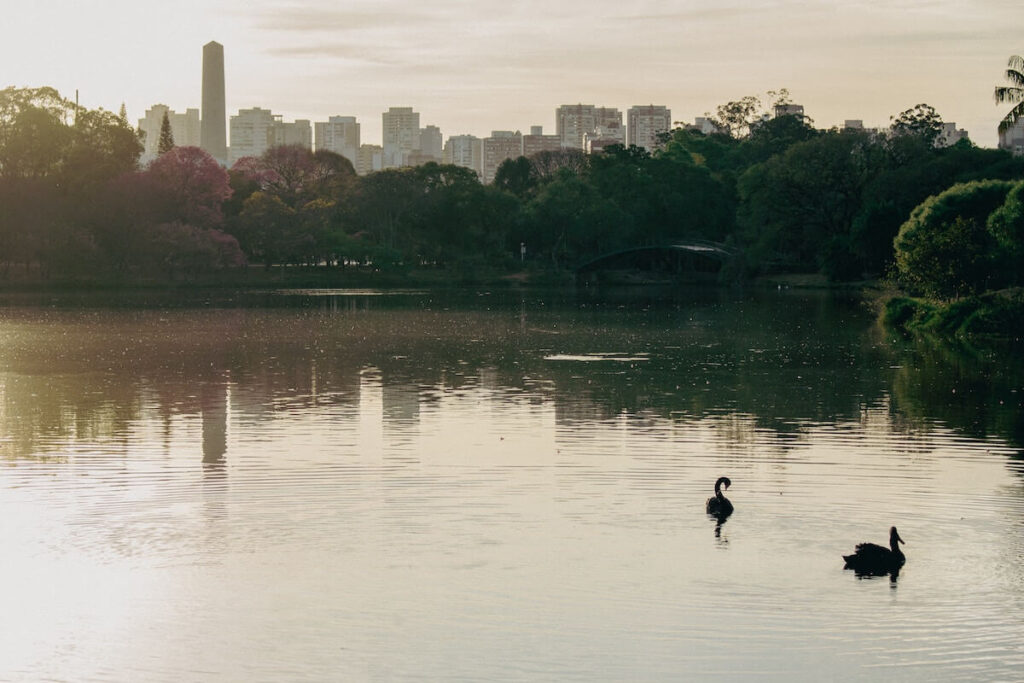
Tucked amid the skyscrapers and restless streets of Sao Paulo lies a green oasis—Ibirapuera Park, or affectionately Ibira. This sprawling urban park is not just a recreational space; it’s the center of the city’s outdoor life.
Upon entering Ibirapuera Park, you’re immediately struck by the contrast between the lush greenery and the city’s concrete jungle. The park boasts expansive lawns, serene lakes, and lots of tree-lined avenues.
But Ibirapuera Park is more than just a pretty landscape. The Sao Paulo Museum of Modern Art (MAM) and the Afro Brazil Museum call the park home, showcasing a rich collection of art and history.
9. Street and contemporary art scenes

In Sao Paulo, art isn’t confined to museums or galleries; it flows through the city’s very veins. The Sao Paulo Art Biennial, for example, which is held every two years, is one of the world’s oldest and most prestigious art exhibitions.
For a taste of the city’s vibrant street art instead, venture to Beco do Batman (i.e. Batman’s Alley) in the Vila Madalena neighborhood. This narrow alleyway bursts with colors and creativity thanks to its ever-changing graffiti and murals.
What’s remarkable here is that you don’t need to seek out galleries or exhibitions to experience art in Sao Paulo; it’s all around you. That said, the best guides will show you tons of hidden gems on a street art walking tour.
10. Altino Arantes Building
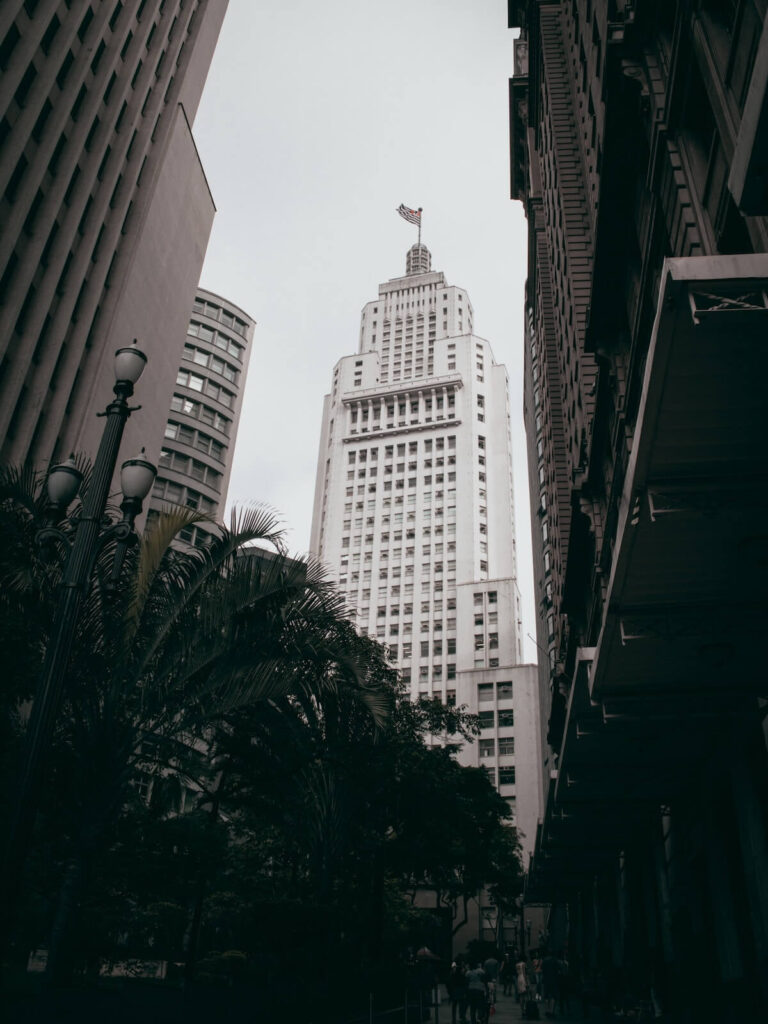
Piercing the Sao Paulo skyline, the Altino Arantes Building—formerly called Banespa Building and currently known as Farol Santander—is an Art Deco masterpiece that has become an enduring symbol of the city itself.
Completed in 1947, the Altino Arantes Building once reigned as the tallest skyscraper in Brazil and Latin America. Its 35-story height and the iconic radio tower that crowns it make it a visual landmark from almost anywhere in Sao Paulo.
Today, one of the building’s main attractions is its observation deck on the 32nd floor. From up there, you’ll be treated to breathtaking views of the whole city—which notoriously extends in all directions as far as the eye can see.
11. Bold architecture

Sao Paulo’s cityscape doesn’t just boast towering skyscrapers; it’s a canvas where architects have unleashed their creativity.
As you wander Sao Paulo’s streets, don’t be surprised to encounter avant-garde designs everywhere. From daring residential spaces to quirky street art installations, the city’s architecture is a living homage to creativity and innovation.
Highlights include mid-century masterpieces like Edifício Pauliceia and Oscar Niemeyer’s Copan, brutalist gems like the Sao Paulo Museum of Art and SESC Pompeia, and postmodern wonders like Instituto Tomie Ohtake and Hotel Unique.
12. Ponte Estaiada

This cable-stayed bridge, officially named after media mogul Octávio Frias de Oliveira, is a striking symbol of architectural ingenuity, gracing the city’s landscape like a work of art.
Its central pylon, rising over 450 feet into the sky, supports the bridge with a web of steel cables, resembling a harp.
Completed in 2008, it spans the Pinheiros River, connecting two vital parts of the city. Its clean lines and white steel gleam against the Sao Paulo skyline, making it a true urban gem.
13. “Independence or death!”
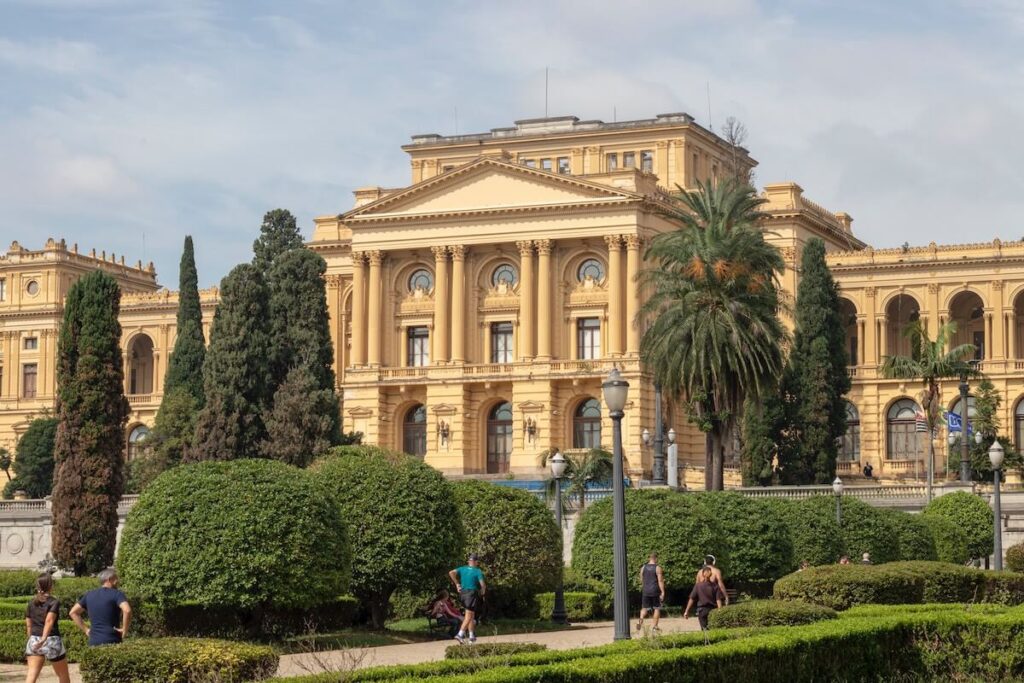
On September 7, 1822, Sao Paulo—then still a tiny village—was a witness to a pivotal moment in history: the cry of Ipiranga.
It was right here, along the banks of the Ipiranga Brook, that Dom Pedro I, the young prince regent of Portugal, made Brazil’s resounding proclamation of independence by shouting “Independence or death!”.
The Museum of Ipiranga, located at that very site, pays a monumental tribute to this defining moment. It houses an extensive collection of artifacts and artworks that tell the story of Brazil’s journey to independence.
14. Luz Station

Dating back to 1901, Luz Station, with its grandiose façade and ornate details, reflects the opulence of a bygone era. Its architecture is a blend of Victorian and European styles, a striking contrast to the modern cityscape surrounding it.
Nestled within the station is the Museum of the Portuguese Language, a true gem for language enthusiasts and history buffs. This innovative museum celebrates the Portuguese language in all its wealth, offering interactive exhibits and a fascinating journey through linguistic evolution.
15. Fashion and shopping
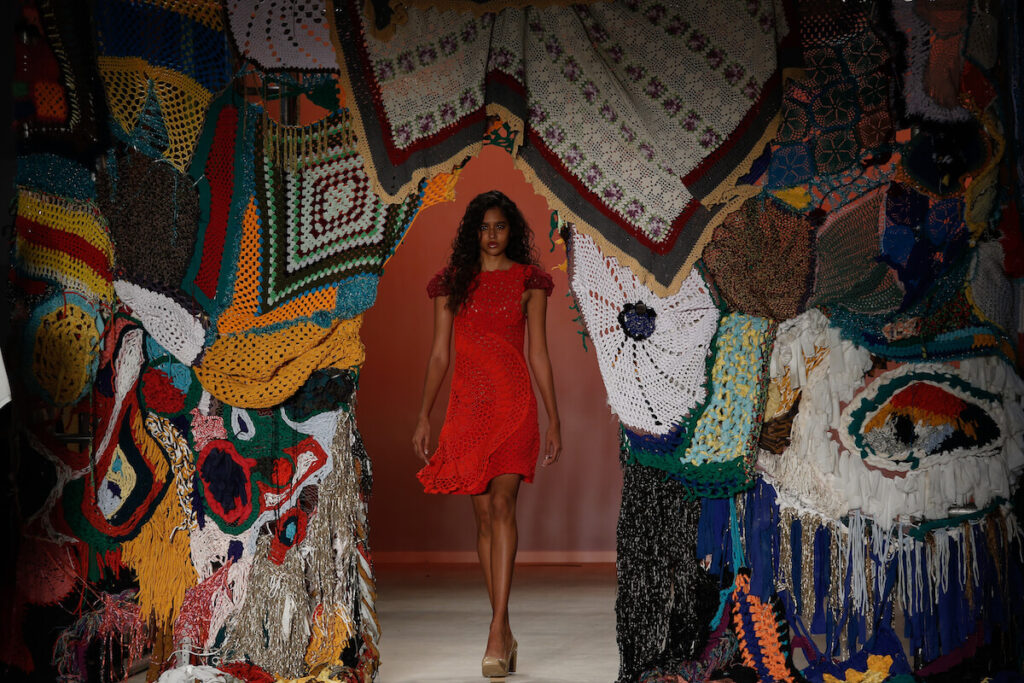
Sao Paulo’s fashion scene is a dynamic blend of high-end boutiques and street markets, which turns it into a mecca for fashion lovers.
Any fashionista worth their stilettos knows that Oscar Freire Street is the epicenter of style. This tree-lined street in the upscale Jardins district is a runway in itself. Boutiques of renowned Brazilian designers, international brands, and charming cafés line the sidewalk.
Now SPFW, Sao Paulo’s answer to global fashion events, is a biannual extravaganza that propels the city into the global fashion limelight. It’s where top Brazilian designers showcase their collections, setting the tone for upcoming trends.
Also read: 38 Brazilian Fashion Brands You Should Know About
16. Galeria do Rock
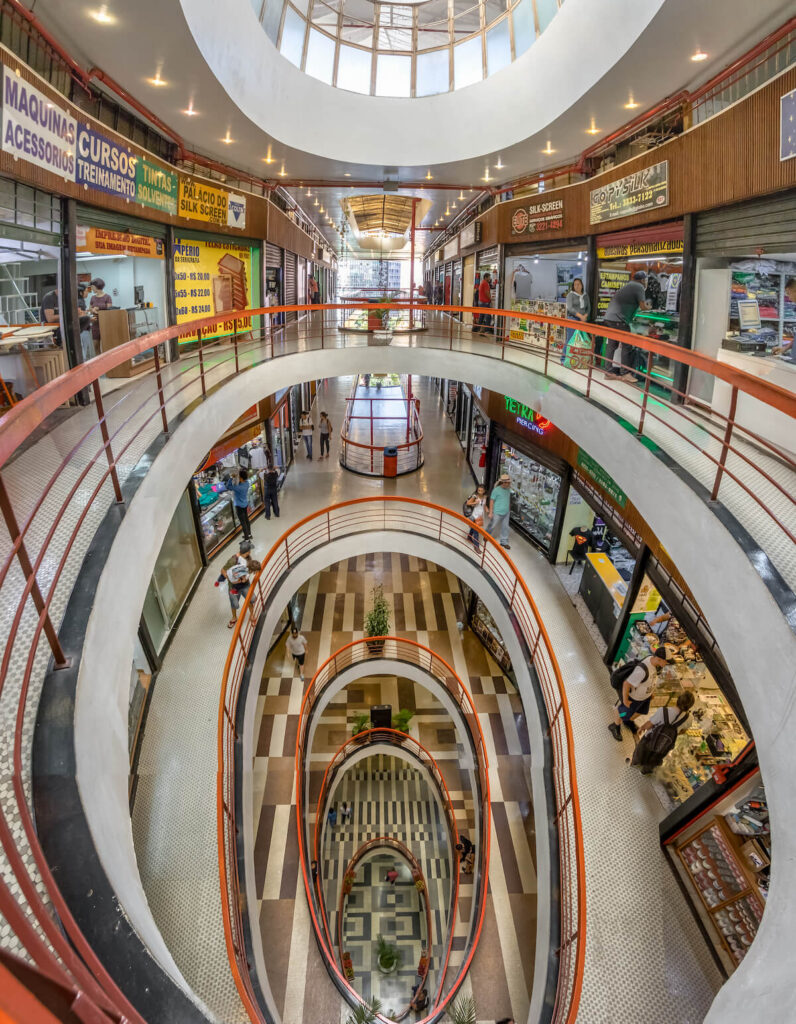
Galeria do Rock is a seven-story maze of shops, each offering a unique slice of Sao Paulo’s music scene. Whether you’re into rock, punk, hip-hop, or electronic beats, you’ll find an array of vinyl records, CDs, and band merchandise.
Beyond music, this gallery actually celebrates alternative culture. Tattoo parlors, piercing studios, and streetwear boutiques line the halls. It’s the go-to place for those looking to express their individuality through body art and style.
17. Festivals

This sprawling metropolis is a hub of cultural diversity and creativity, and its festivals reflect that in the most exuberant way.
Virada Cultural, for instance, is a colossal arts and music festival that takes over Sao Paulo’s streets, parks, and cultural centers, featuring an eclectic mix of live music, theater, dance, and more.
For music aficionados, Lollapalooza Sao Paulo is a pilgrimage. This international music festival brings some of the biggest names in the industry to the city’s stages.
And beyond these giants, São Paulo hosts an array of niche festivals celebrating everything from LGBTQ+ pride to culinary delights, which make the city even more worth visiting.
18. Tietê River
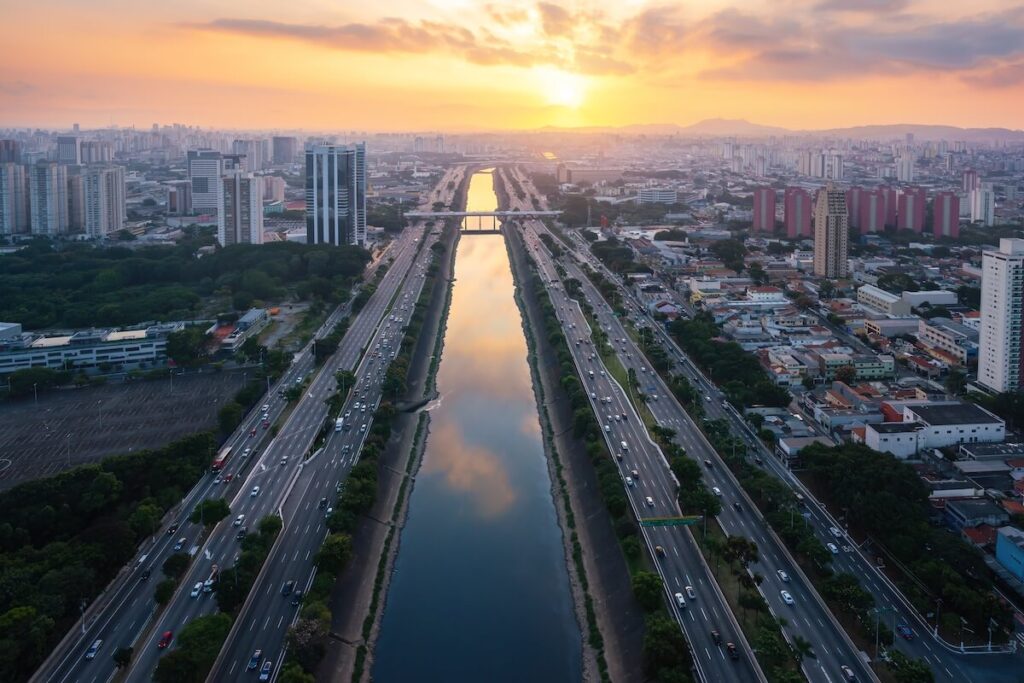
The Tietê River has been a lifeline for Sao Paulo since the city’s founding, offering not just a source of water but also a means of transportation for the early settlers.
Over time, though, pollution and urbanization took their toll, transforming the section of the river that flows through the city into an open sewer.
The good news is that, in recent years, there’s been a concerted effort to rehabilitate the Tietê. Government initiatives and environmental groups have been working tirelessly to clean up its waters and revive its natural beauty.
19. Soccer

In Sao Paulo, soccer isn’t just a sport; it’s a way of life. The city breathes, lives, and celebrates this beautiful game like few places on Earth. The city is unique in hosting three of Brazil’s most popular soccer teams.
Sao Paulo FC, with its rich history and numerous championships, represents the city’s soccer aristocracy. Corinthians, from the working-class district of Itaquera, is the embodiment of grit and determination. And Palmeiras, often linked with the Italian community, carries a legacy of excellence.
If you’re not in the mood to watch a live match when you visit Sao Paulo—it can be a pretty intense experience—make sure you book a guided tour of some of Corinthians Arena, the most iconic stadium in town.
20. Saint Silvester road race

Every year, on the morning of December 31st, Paulista Avenue comes alive with the pounding of thousands of runners’ feet. This is the Saint Silvester Road Race, a beloved Sao Paulo tradition that has been ringing in the New Year since 1925.
The race covers a challenging 9-mile course through the heart of the city, taking participants past some of the city’s most iconic landmarks, including the historic core and Ibirapuera Park.
Wrap-up
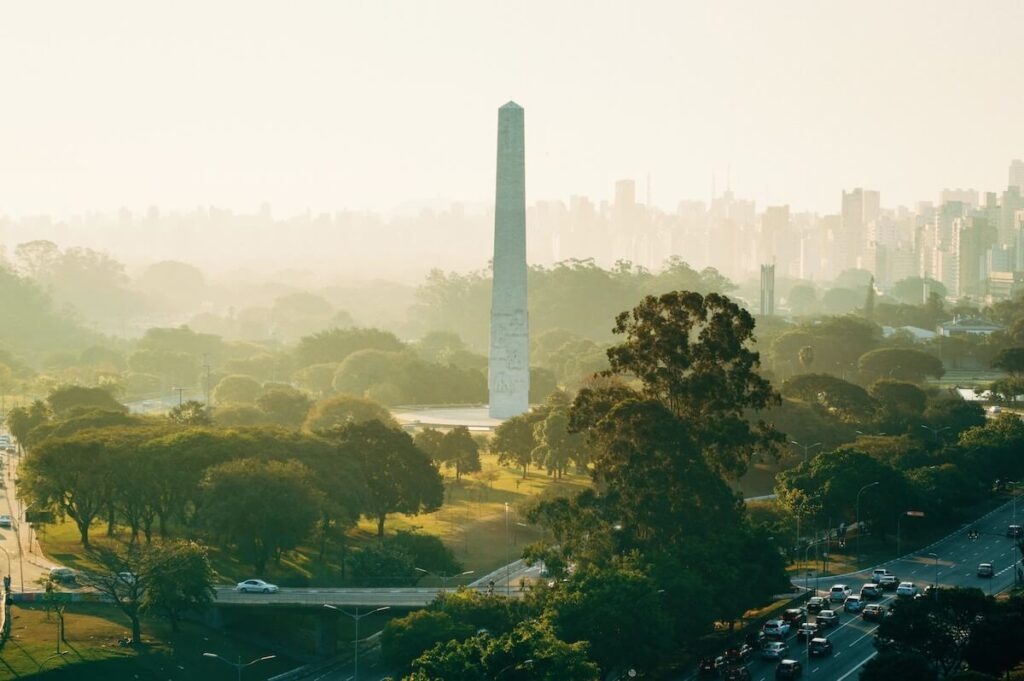
From the heart of southeastern Brazil, Sao Paulo stands as a living showcase of culture, cuisine, and cosmopolitanism. Whether you’re a foodie, an art lover, or a shopaholic, it promises a trove of experiences that will leave you simply enchanted.
Answering the question “What is Sao Paulo famous for?” is no easy task, given how larger-than-life the city is. I gave it an honest shot, but I’d love to hear what else you’d include in the list. Let me know in the comments below!