
What is Buenos Aires famous for? Buenos Aires is known for its historic architecture and delectable cuisine, which spans a mouthwatering barbecue tradition and classics like empanadas and alfajores. The capital of Argentina and birthplace of tango boasts a vibrant art scene and intense nightlife as well.

I’ll show you around one of my favorite cities on the planet through a list of the coolest things Buenos Aires is known for.
Let’s do this!
Table of Contents
1. The heart and soul of Argentina

Buenos Aires isn’t just the political capital of Argentina, as symbolized by the Casa Rosada pictured above (i.e. the seat of the federal government).
It’s also the nation’s cultural and economic capital. No wonder; over 13 million people, or almost 30% of Argentina’s population, live within its metropolitan area.
While many Argentinians from other corners of the country resent Buenos Aires’ bloated centrality (much like non-Parisians in the French context), to travelers that status only makes the city an even more exciting place.
2. La Boca

Buenos Aires’ southernmost neighborhood is remarkable for its multicolored houses, which came about out of necessity: poor immigrants who landed in the city in the late 19th century used leftover paint brought over by sailors.
Caminito, La Boca’s main street, is currently a major tourist attraction, but the district never lost its working-class identity.
Apart from a strong immigrant heritage, La Boca is the birthplace of Argentina’s most beloved soccer team, Boca Juniors, whose home ground is the legendary La Bombonera stadium.
3. Plaza de Mayo
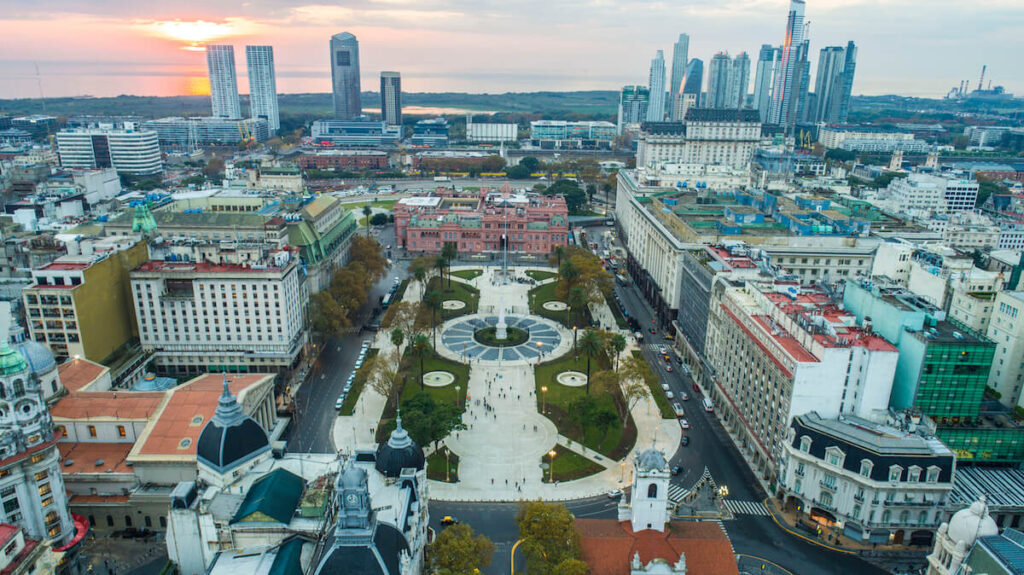
Plaza de Mayo was the stage of the revolution that kickstarted Argentinian independence in May 1810 — which it was renamed after — and has served as the headquarters of the Argentinian government since colonial times.
Home to the Casa Rosada, the city’s neoclassical cathedral, and other significant buildings, Plaza de Mayo plays host to massive demonstrations and celebrations on a regular basis. As such, the very founding site of Buenos Aires remains its prominent landmark to this day.
4. Cuisine

This item could easily become an article in its own right. Buenos Aires originated a self-indulgent cuisine where steak, cheese, and dulce de leche (i.e. caramelized milk) are the stars.
The Argentinian capital is a great place to sink your teeth into prime beef cuts, juicy empanadas, and alfajores, the decadent, chocolated-coated dulce de leche cookie sandwiches pictured above.
As one of Latin America’s largest and richest cities, Buenos Aires is also dotted with world-class restaurants serving dishes from all over the globe.
5. Turn-of-the-century architecture
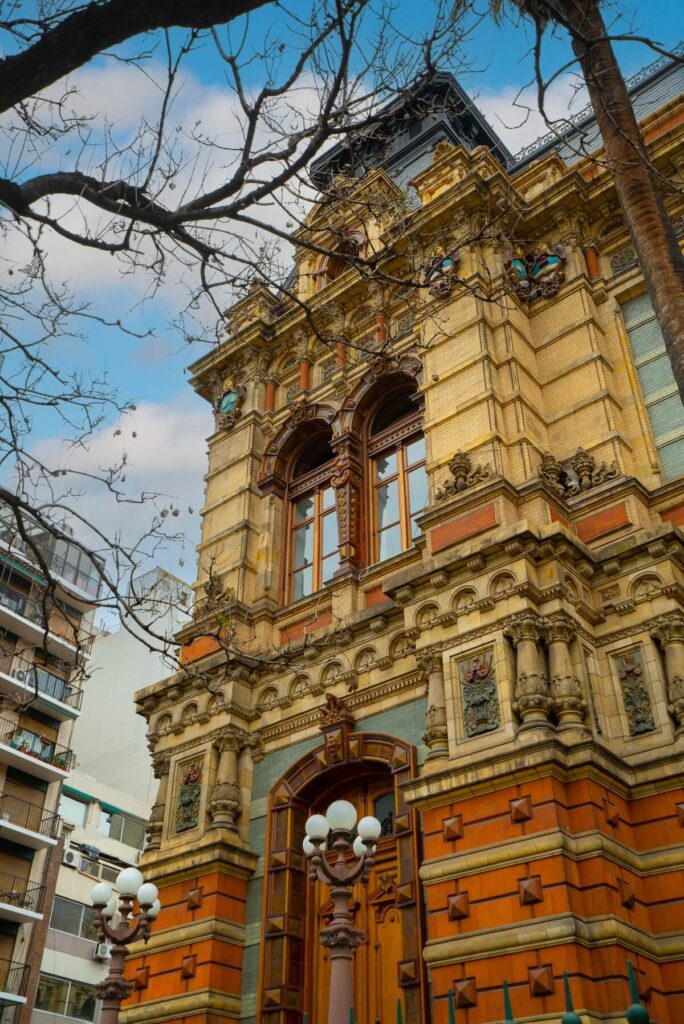
Buenos Aires has a diverse housing stock spanning five decades of history and architectural styles. Yet between the late 19th and the early 20th centuries, local and national authorities aimed at transforming it into a “Paris of the South” by building lavish palaces, plazas, and avenues.
Avenida de Mayo (literally May Avenue), dedicated in 1894, is where you’ll find a great deal of these ornate buildings. But the whole area between the historic core and the wealthy Recoleta district (especially along the high-end Alvear Avenue) is filled with them.
6. Tango

One of the sexiest and most complicated of all dances, tango was born in sleazy bars between Buenos Aires and Montevideo.
It was held in low repute for decades before being embraced by Argentinian society. Now, it’s performed on the streets, in clubs, and in cafes and is one of the ultimate symbols of the city and the country.
7. Teatro Colón

Dedicated in 1908, the massive Teatro Colón is highly renowned for its perfect acoustics, which is considered by experts one of the best in the world alongside that of La Scala and the Vienna State Opera.
8. Cosmopolitanism

It shouldn’t come as a shock that Buenos Aires natives are called Porteños: throughout its history, the port has been a major element of the city’s economy and culture.
These days, Paraguayan, Bolivian, and Chinese immigrants no longer arrive by boat. Yet the capital has kept its diverse, tolerant, and free-spirited nature.
9. 9 de Julio Avenue

With up to fourteen lanes, 9 de Julio is the widest avenue on the planet. It runs north-south through the eastern section of town and features the Obelisk, one of the capital’s most iconic monuments.
10. Río de la Plata

The Río de la Plata is alternatively called River Plate in English, yet it’s actually an immense bay at the mouth of the Uruguay River. The estuary is so wide you can’t see Uruguay on the other side.
While the Río de la Plata has been essential to the development of the city (and the nation), it is often said Buenos Aires “turns its back” on it, as locals will rather flock to the Atlantic coast instead of enjoying the city’s waterfront.
11. Eva Perón
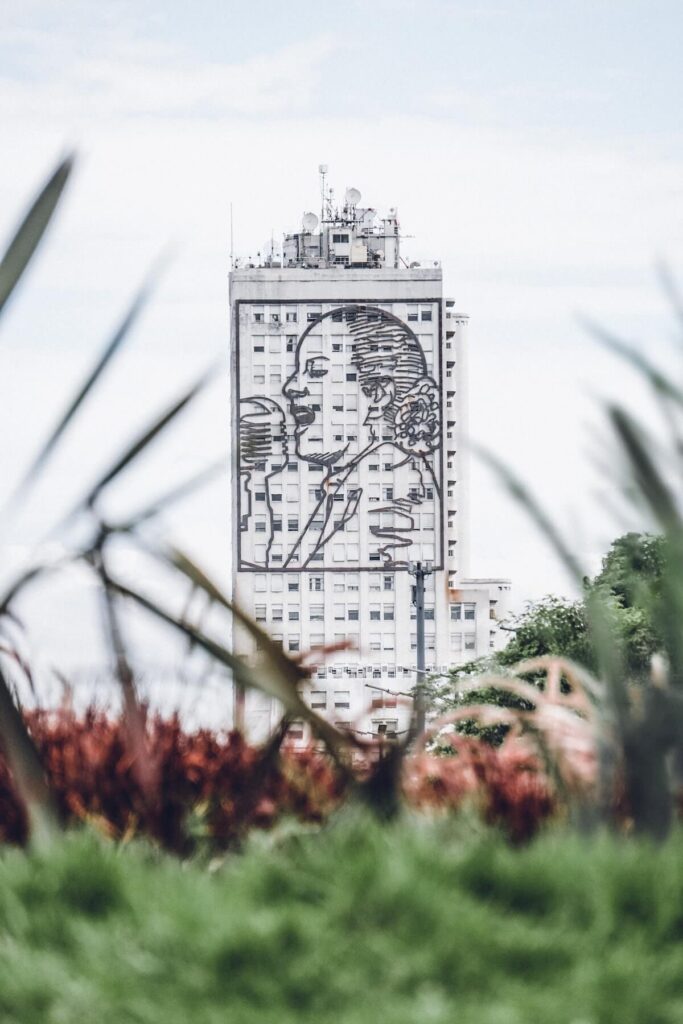
Born in a small town 200 miles from the capital, Eva Perón rose to stardom as a radio actress in the 1940s. Then, as the wife of President Juan Domingo Perón, she turned into a fierce defender of the working class and eventually a national hero.
Following her premature death by cancer at age 33, Evita was given a state funeral and awarded the title of “spiritual leader of Argentina”.
Her dramatic life history was immortalized in pop culture by a 1970s musical and a 1996 movie starring Madonna and Antonio Banderas.
12. Recoleta Cemetery
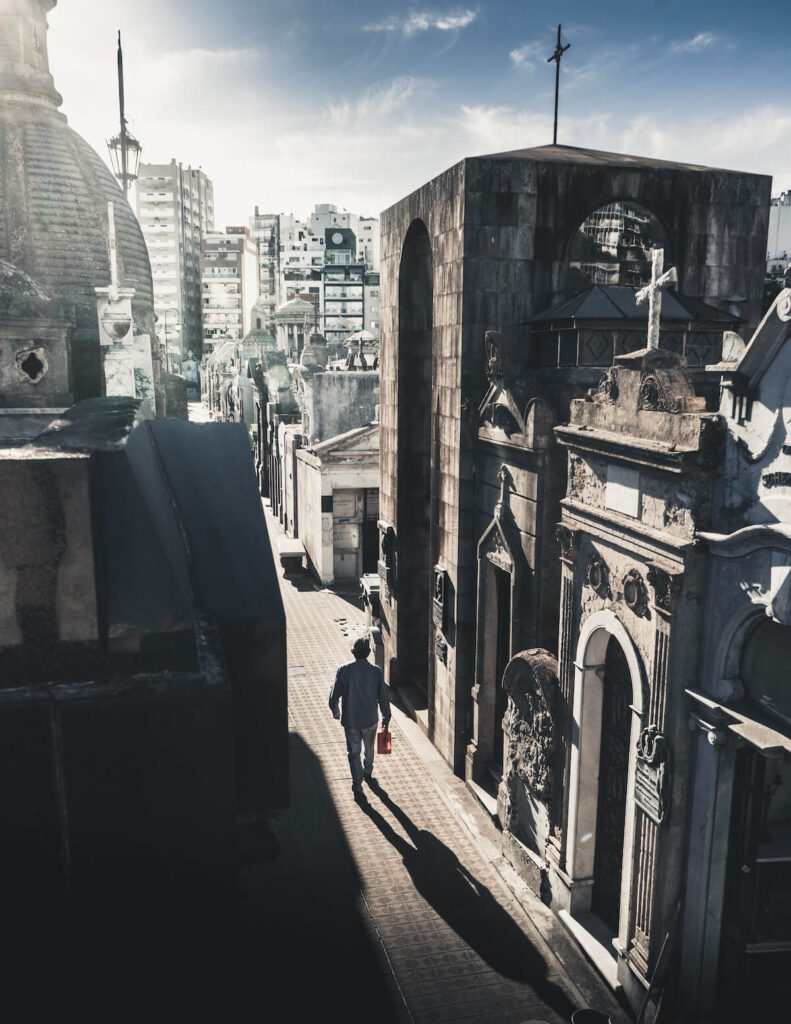
Two-century-old Recoleta Cemetery is the centerpiece of the lovely neighborhood it’s named after and the final destination of major personalities in Argentinian history, including Evita and several presidents.
Though visiting a graveyard may come across as morbid to some travelers, the cemetery contains hundreds of graves of great artistic value and thanks to that was listed as a national history museum.
13. San Telmo

Buenos Aires’ tiniest borough is also its most suggestive. Its cobblestone streets are lined with one-floor colonial houses and attractions like the Central Market (above) and the Casa Mínima, the narrowest building in town.
Locals and visitors flock to San Telmo each Sunday, when the city’s biggest antique and craft market takes over 10 blocks along Defensa Street.
14. Nightlife

Like the city itself, the nightlife in Buenos Aires is a melting pot, with plenty of options for every taste, age, and pocket size.
You have the upscale restaurants of Puerto Madero, the theaters and classic pizzerias along Avenida Corrientes, the trendy speakeasies of Palermo Soho,…
If you’re into clubbing, however, you must be ready for a long night: nightclubs in the capital normally get hot after 2 and keep the stereos blasting till the morning.
15. The Subte

With about 106 stops spread across approximately 44 miles, the Buenos Aires metro — locally el subte — isn’t too impressive in terms of extension.
Still, it’s the oldest such system in Latin America and the Southern Hemisphere and an integral part of life in the city.
More astonishingly, the La Brugeoise trains ran on the first line of the subway for a hundred years following its opening in 1913. When they were decommissioned, they remained the least prone to failure in the entire network.
16. Boca Juniors vs. River Plate
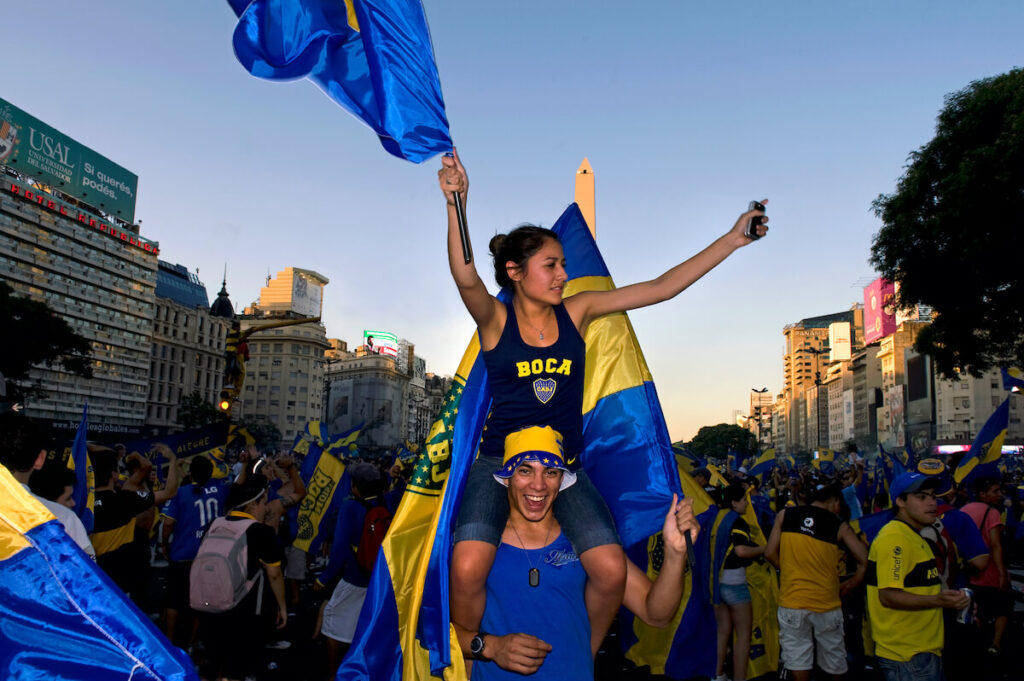
Sometimes labeled as the most intense soccer derby on Earth, any match between Boca Juniors and River Plate showcases the passion that Porteños put into everything.
Buenos Aires is the home turf of several other teams, but those two are by far the most successful and popular nationwide; the city stops to watch them play.
17. El Ateneo Grand Splendid

For 80+ years, the Grand Splendid was one of the most sumptuous theaters in Buenos Aires. Then, in 2000, it was transformed into one of the largest bookstores in town and one of the most stunning in the world, as it’s been consistently ranked ever since.
18. Activism
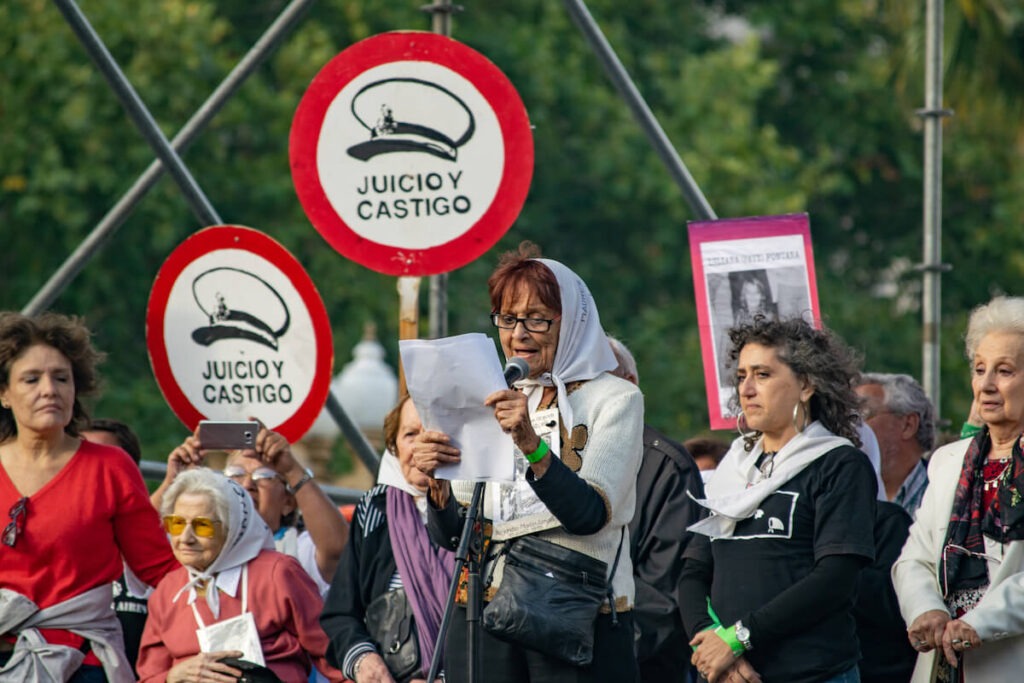
Although Argentina was plagued by a handful of dictatorships throughout the 20th century, Porteños never lost their passionate and rebellious spirit.
The country owes a lot of its civil rights advances to that insistence, like when it became the tenth nation to legalize same-sex marriage in 2010.
Demonstrations are held in the city center a few times a week, and traditionally Thursdays are Occupy Plaza de Mayo Day.
19. Cafe culture
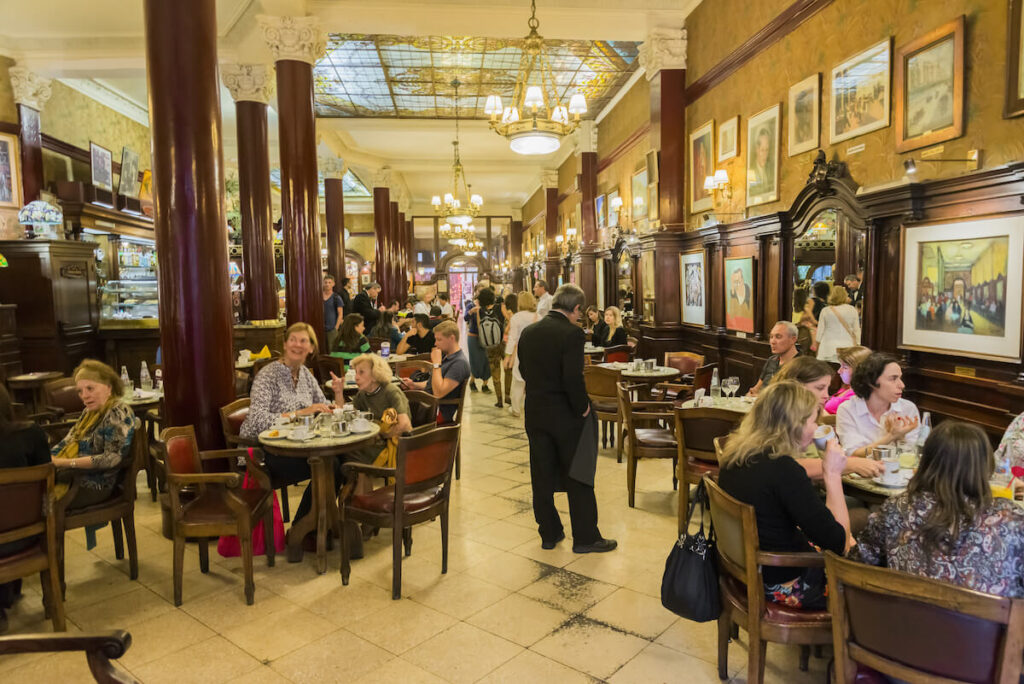
Porteños love their espresso with a splash of steamed milk, i.e. café cortado. They’ll order it in century-old cafes like Café Tortoni and Café de los Angelitos or in craft breweries that have been springing up all over the city to cater to a younger crowd.
20. Museums

As the cultural capital of Argentina, Buenos Aires boasts around 120 museums that focus on all kinds of subjects, including Evita, the Beatles, and Latin American Art.
Still better, most have extremely affordable tickets or are altogether free, like the first-rate National Museum of Fine Arts and the Kirchner Cultural Center (the third-biggest on Earth).
21. Fileteado
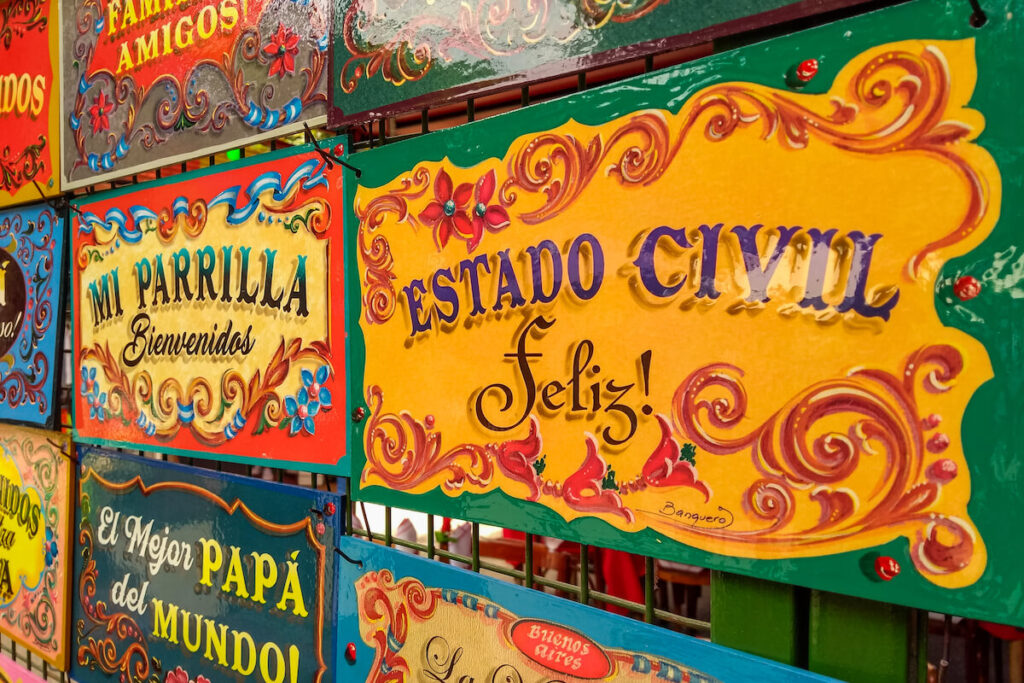
Fileteado is the brightly colored and highly detailed drawing and lettering style that came to become synonymous with the visual identity of Buenos Aires.
It started as a simple way of embellishing animal-drawn carts but went on to spread over shopfronts and even buses.
These days, handwritten fileteado signs are one of the most popular and charming keepsakes you can bring home from the city.
22. Floralis Generica

The most gorgeous sculpture in Buenos Aires is a 75-foot-tall stainless steel flower. Besides its reflective surface and beautiful lighting scheme, Floralis Generica is notable for opening its petals in the morning and closing them in the evening.
Within walking distance from the Recoleta Cemetery and the National Museum of Fine Arts, the sculpture is definitely one of the city’s must-sees.
23. Puerto Madero
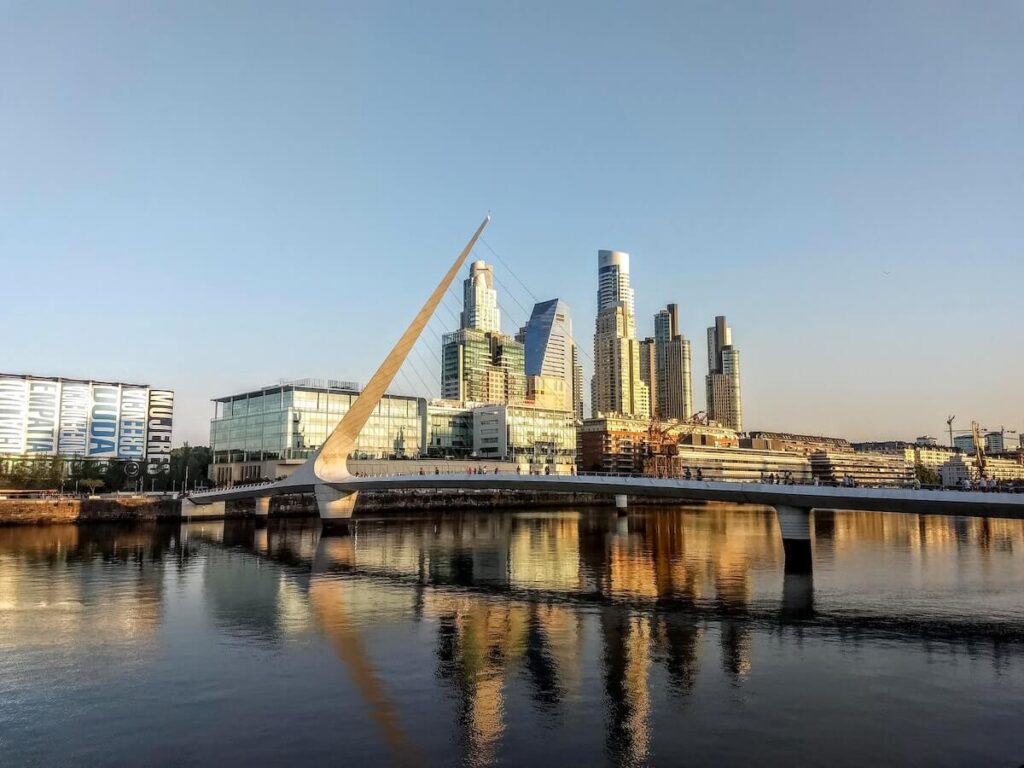
In the waterfront district of Puerto Madero, Buenos Aires’ second of its three ports was opened in 1889. It was replaced by the current port a mere 30 years later, and the entire region soon fell into disrepair.
In the last three decades, though, Puerto Madero had its warehouses repurposed into shops and restaurants. Its wharf was refurbished as a promenade, and many high-rises were built.
Now, it’s ironically one of the fanciest and safest neighborhoods in town and features monuments like Santiago Calatrava’s Puente de la Mujer (or “Woman’s Bridge”) above.
24. Street art scene

Buildings in Buenos Aires often have an empty side wall, which makes the city a breeding ground for eye-popping murals. A dozen of subway stations across town have colorful pieces on display too.
Street art is responsible for turning Buenos Aires’ notoriously gray cityscape into a more welcoming one. While the pleasure of surprise is always nice, you can join a graffiti walking tour to view the most celebrated artworks.
25. Bosques de Palermo

Parque 3 de Febrero, or Bosques de Palermo as it’s commonly called, is an enormous park complex on the northern side of Buenos Aires.
It’s the locals’ go-to green space because of all the attractions clustered within it: the zoo, the botanical garden, and the planetarium as well as a rosarium and a Japanese garden.
You can spend as much as an entire day strolling through the Bosques de Palermo and taking a break from the city’s hectic pace.
Wrap-up
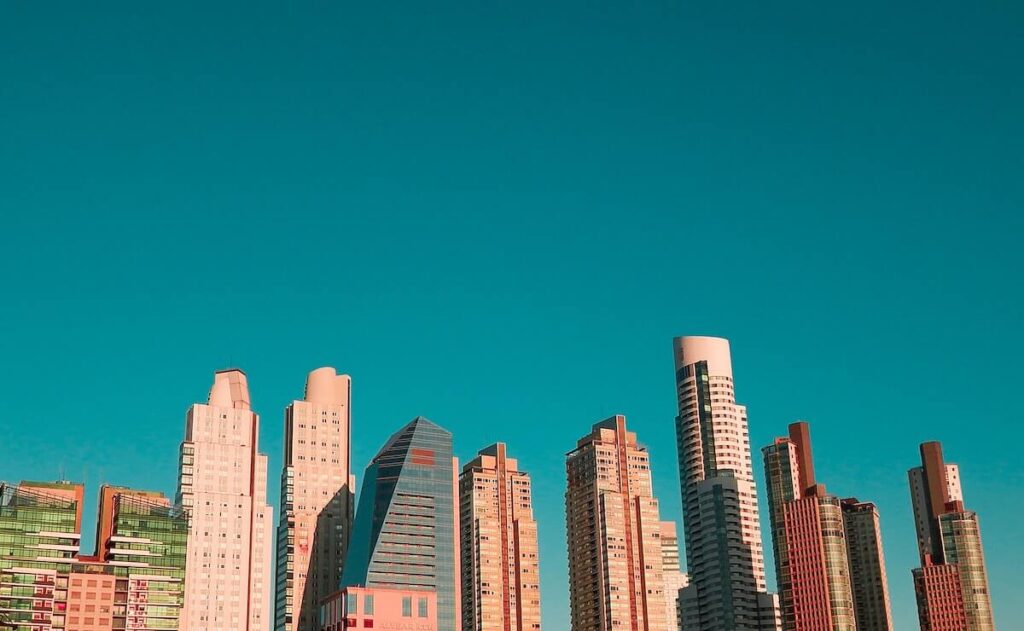
Buenos Aires is famous for fascinating landmarks like Plaza de Mayo and the Recoleta Cemetery. Home to both quaint neighborhoods like San Telmo and sleek ones like Puerto Madero, the city prides itself on its artsy vibes and strong cafe culture too.
Now that you can successfully answer the question “What is Buenos Aires known for?”, you should go ahead and plan your trip to the Argentinian capital ASAP. Let me know in the comments what you can’t wait to see or experience firsthand!