
Our Blues. Welcome to Samdal-ri. One Sunny Day. Warm and Cozy. Jewel in the Palace. Do you know what’s common about these K-dramas? Yup, their main shooting locations were on Jeju Island.
If, like me, you’re a fan of Korean dramas and travel variety shows, you’ve probably seen how beautiful Jeju is on screen. Maybe you’ve dreamed of visiting it too.
Jeju Island, a picturesque volcanic island off the southern coast of South Korea, is known for its breathtaking natural landscapes, including the majestic Hallasan Mountain, the serene coastal shores, and cute cafés. The island’s unique culture, influenced by centuries of history, is evident in its traditional villages, ancient temples, and local customs.
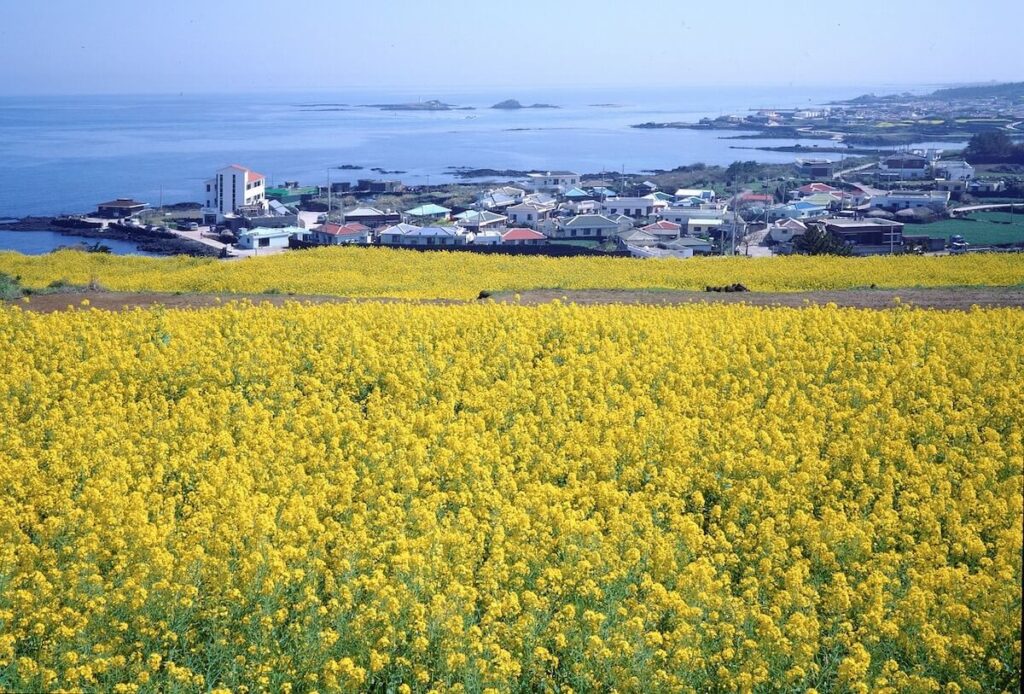
But you may be wondering, is Jeju worth visiting? While it’s a popular tourist destination, especially among Koreans, you may wonder if it’s worth the hype. Fortunately, this article will answer exactly that question!
Table of Contents
Why some travelers avoid Jeju
It can be expensive
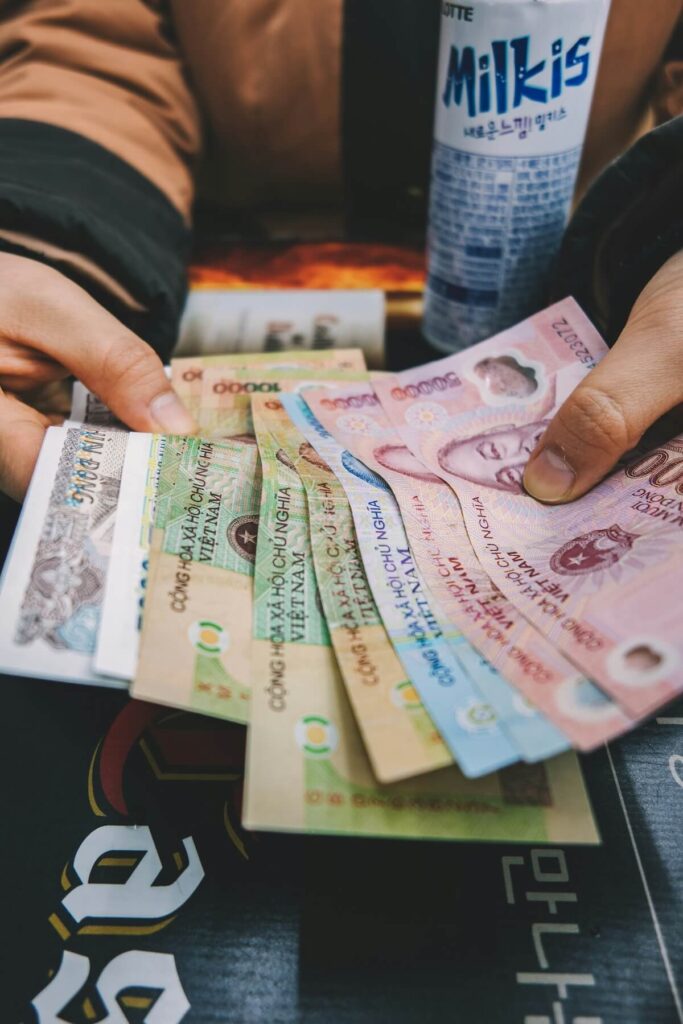
Jeju, often dubbed the “Hawaii of Korea,” is a popular tourist destination. It is because of this popularity that it’s a bit pricier than other parts of South Korea. While it’s a beautiful island with much to offer, the costs can add up quickly, especially for those on a budget.
Accommodation, for instance, can be quite pricey, particularly during peak seasons. From luxury resorts to cozy guesthouses, options abound, but they come with varying price points.
Additionally, dining out can also be expensive, especially in popular tourist areas. While there are budget-friendly eateries, the average cost of a meal can be higher than in mainland South Korea. Transportation costs can also contribute to the overall expense. While public transportation is relatively efficient, renting a car or scooter, a popular choice for exploring the island independently, can incur additional fees.
Jeju’s allure can be somewhat dampened by its price tag. However, it’s important to note that you can still enjoy a budget-friendly trip by planning, choosing affordable accommodations, and taking advantage of free activities like hiking and exploring nature.
It can be challenging to get around without a car
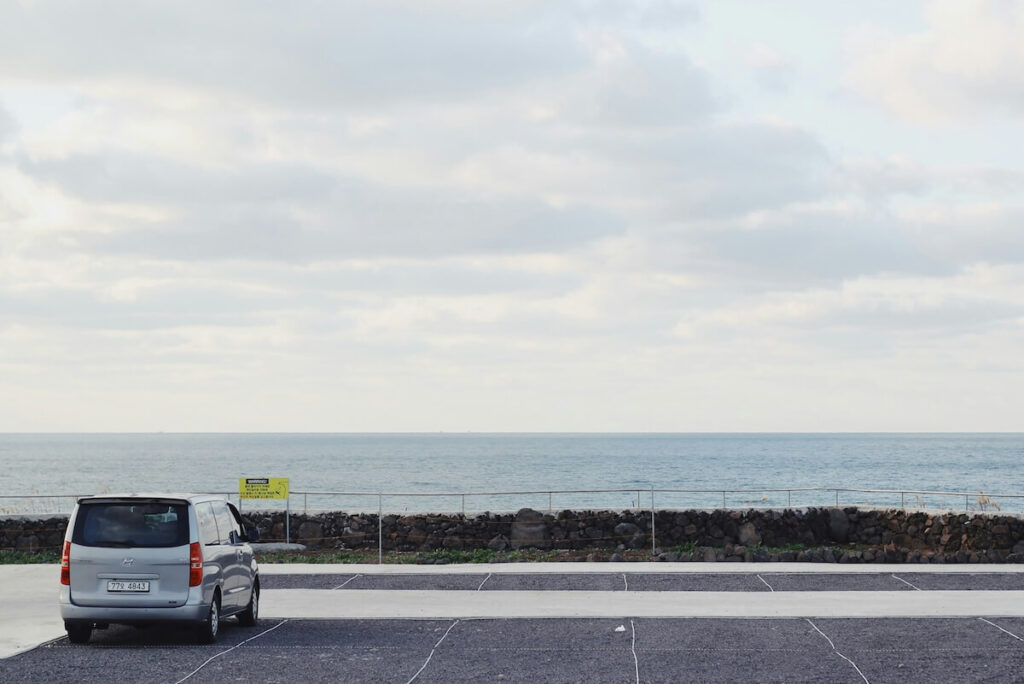
Speaking of transportation, it can be a bit challenging to navigate Jeju without a personal vehicle. As a relatively large island, it can be time-consuming to rely solely on public transportation, especially if you’re aiming to explore multiple attractions.
Sure, there are buses and taxis available in Jeju but their routes may not always align with your specific itinerary. This can mean significant travel time and potential compromises on your sightseeing plans. Also, public transportation can be less frequent, especially in off-peak hours or in more remote areas.
The most convenient option is to rent a car as it offers more flexibility and efficiency. It allows you to create your own schedule, visit off-the-beaten-path destinations, and explore at your own pace. However, driving in Jeju can be a bit daunting for some, especially due to the island’s unique road conditions and traffic patterns. Plus, rental car costs can add up, impacting your overall budget.
It can be touristy
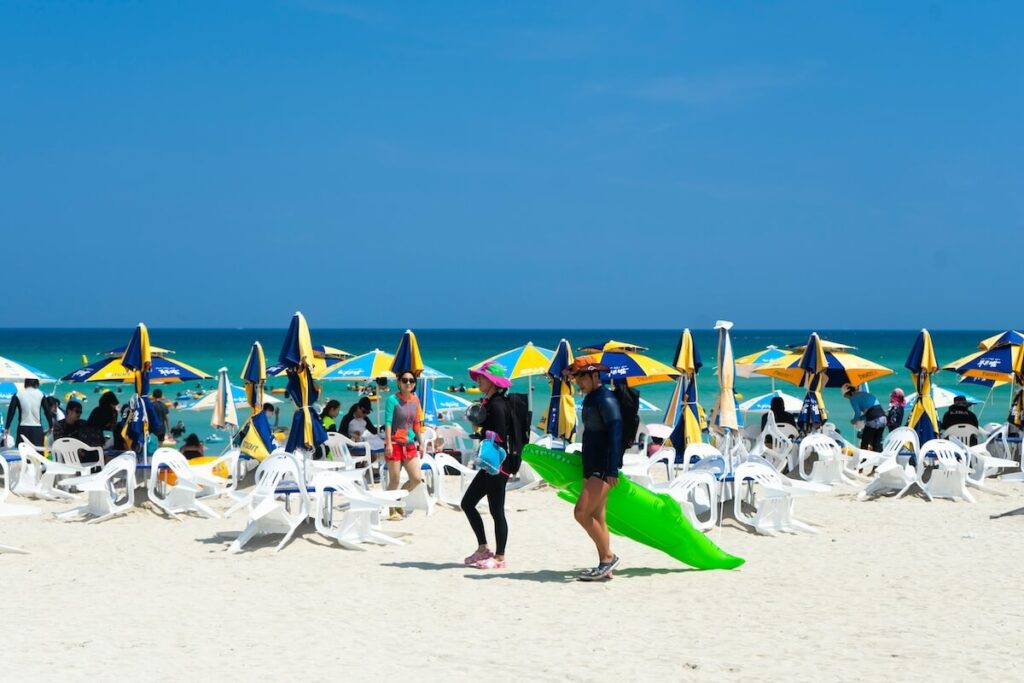
Jeju’s fame is a bit of a catch-22. Its stunning landscapes draw tons of visitors, which inevitably leads to crowds, particularly at the famous spots.
Arriving at a breathtaking waterfall, only to find it packed with people taking selfies, is a common experience in Jeju. For some travelers, this kind of atmosphere can be a major downside. If you’re looking for a more tranquil getaway, you might find the bustling crowds a bit overwhelming.
This heavy tourism focus can also sometimes make parts of Jeju feel less authentic. Areas catering mainly to tourists might feel a bit commercialized, with less emphasis on showcasing the real local culture. While quieter, more genuine corners of the island definitely exist, the more popular areas can sometimes feel a bit generic, which can be a dealbreaker if you’re seeking a more immersive experience.
Why is Jeju worth visiting?
1. It’s a UNESCO World Heritage Site
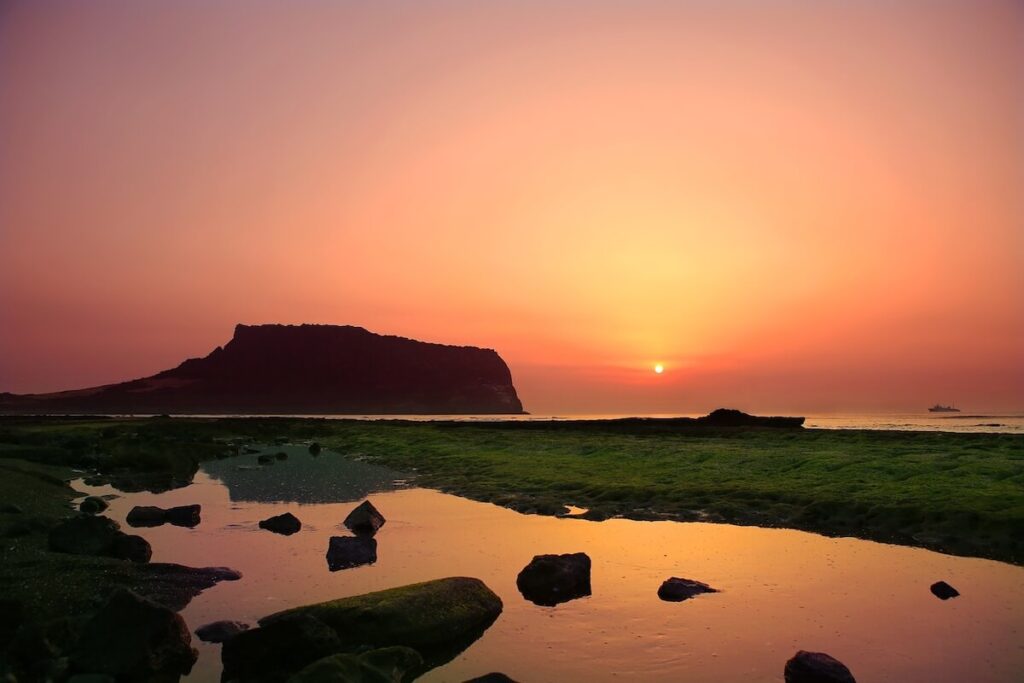
Is Jeju worth visiting? UNESCO thinks so. And when a place gets the UNESCO World Heritage stamp of approval, you know it’s something special. Jeju earned this distinction in 2007 for its remarkable volcanic landscapes, specifically the Jeju Volcanic Island and Lava Tubes.
This includes some seriously impressive spots like the Geomunoreum Lava Tube System, a network of underground caves formed by flowing lava; Seongsan Ilchulbong, a dramatic volcanic crater rising from the sea; and Mount Hallasan, the island’s majestic central peak. These sites are not just visually stunning; they tell a story of volcanic activity spanning millions of years.
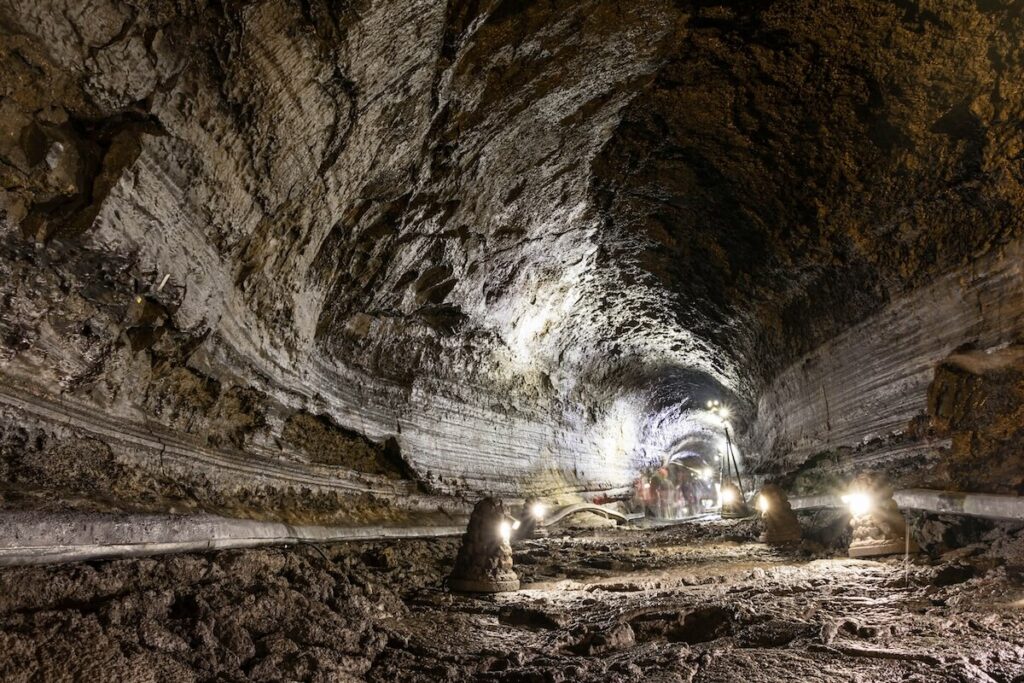
The UNESCO designation also means there’s a focus on preserving these natural wonders. Visitors can explore these protected areas knowing that efforts are being made to maintain their integrity.
To get the most out of your visit, consider joining one of the UNESCO-focused tours. These tours are available on the east, west, and south of the island, offering a more in-depth understanding of Jeju’s unique geological heritage.
2. Jeju has stunning volcanic landscapes
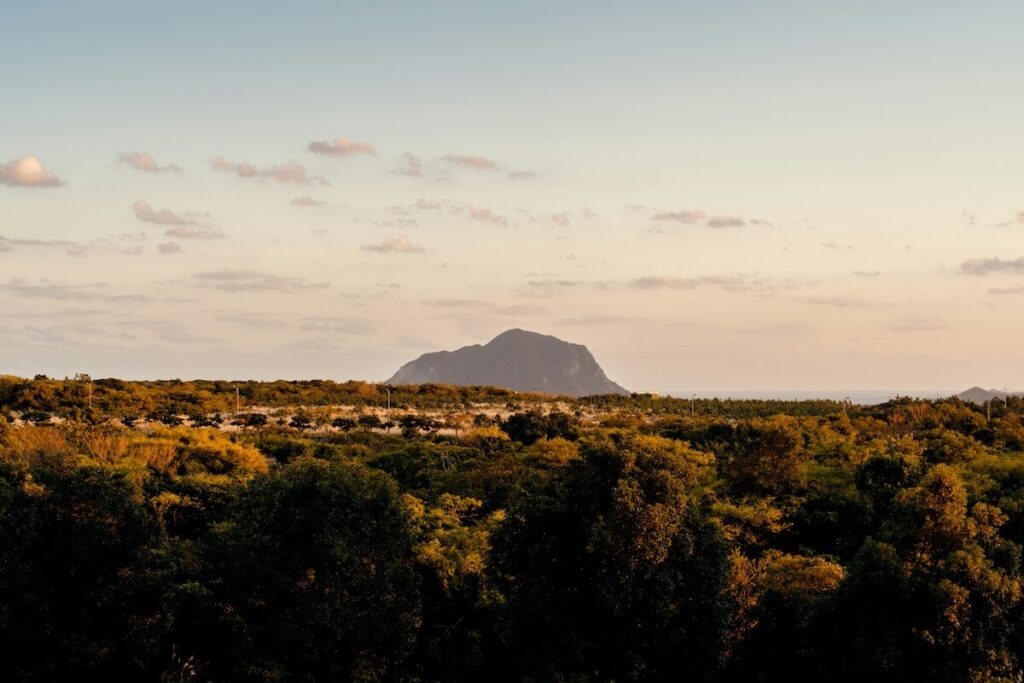
Speaking of geological heritage, Jeju’s volcanic landscapes are truly something else. The island itself is a massive shield volcano, with Mount Hallasan at its center, towering over everything else.
It’s not just about the mountain though. The volcanic activity that formed Jeju has left behind a stunning array of geological formations. Think dramatic coastlines with jagged cliffs, unique rock formations sculpted by wind and waves, and the previously mentioned lava tubes.
These volcanic features aren’t just interesting from a scientific perspective — they create some seriously beautiful scenery. You can hike along trails that wind through volcanic craters, explore dark and mysterious lava tubes, or watch the sunrise from the peak of an oreum (small volcanic cone) overlooking the ocean. It doesn’t take much to appreciate the raw power and beauty of Jeju’s volcanic activity.
3. It’s a great place for hiking and trekking
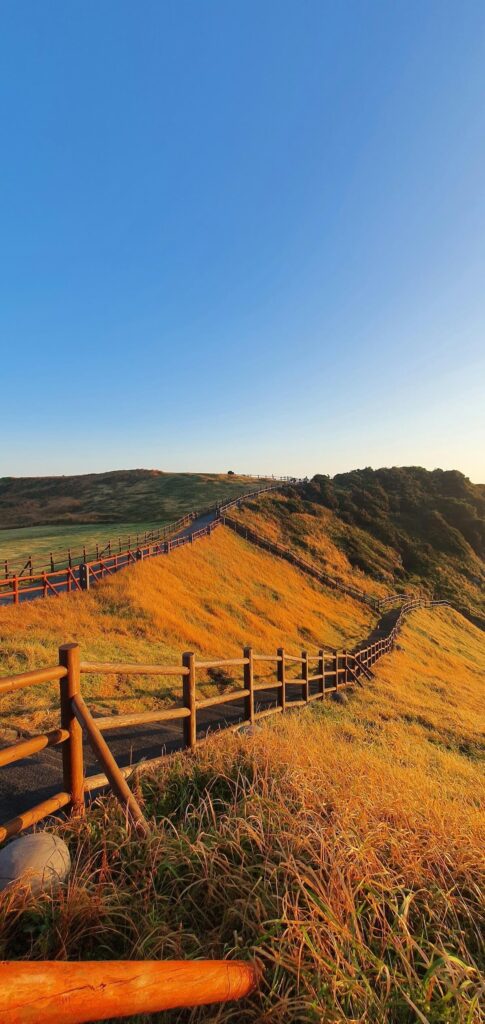
If you’re into hiking and trekking, Jeju should definitely be on your radar. The island offers a fantastic mix of trails, ranging from easy coastal walks to challenging climbs up its volcanic peaks.
Mount Hallasan, the island’s highest and central peak, is a major draw for hikers. My first real introduction to Hallasan was watching My Lovely Sam Soon. That scene where Kim Sam Soon is trekking up the mountain in the rain? Iconic. It definitely sparked my interest in seeing it for myself.
Beyond Hallasan, numerous smaller volcanic cones offer shorter, less strenuous hikes with equally stunning panoramic views. And, of course, Seongsan Ilchulbong is a favorite for sunrise chasers.
The great thing about hiking in Jeju is the diversity of the scenery. You can trek through dense forests, explore volcanic craters, and enjoy breathtaking coastal views, all in one place. Plus, there are trails suitable for all levels of fitness, so whether you’re a seasoned hiker or just starting out, you’ll find something to suit you.
4. It has gorgeous beaches…
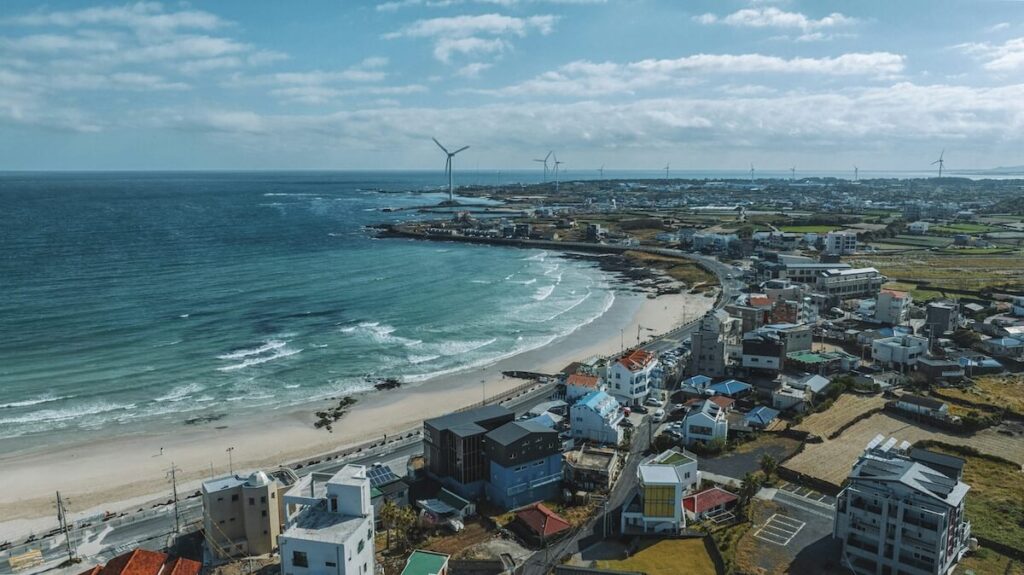
Is Jeju Island worth visiting? If you’re a beach lover, the answer is a resounding yes.
One of the best things about Jeju is its diverse coastline, which means you’re spoiled for choice when it comes to beaches. From pristine white sand to unique black volcanic shores, there’s a beach for every taste.
Hyeopjae Beach is a classic favorite, with its shallow, clear water and views of Biyangdo Island just offshore. Hamdeok Beach is another popular choice, known for its beautiful white sand and calm waters, perfect for swimming and sunbathing. If you’re after something a little more dramatic, Jungmun Saekdal Beach is a must-see, with its sand that shifts between different colors and its interesting rock formations.
For a more rugged, natural feel, Gwakji Gwamul Beach, with its dark volcanic sand and rock pools, offers a unique experience. And if you’re an early riser, make sure to head to Seongsan Ilchulbong Beach to catch a breathtaking sunrise over the ocean.
Check out this list of must-visit beaches in Jeju.
5. …and world-class diving and snorkeling spots
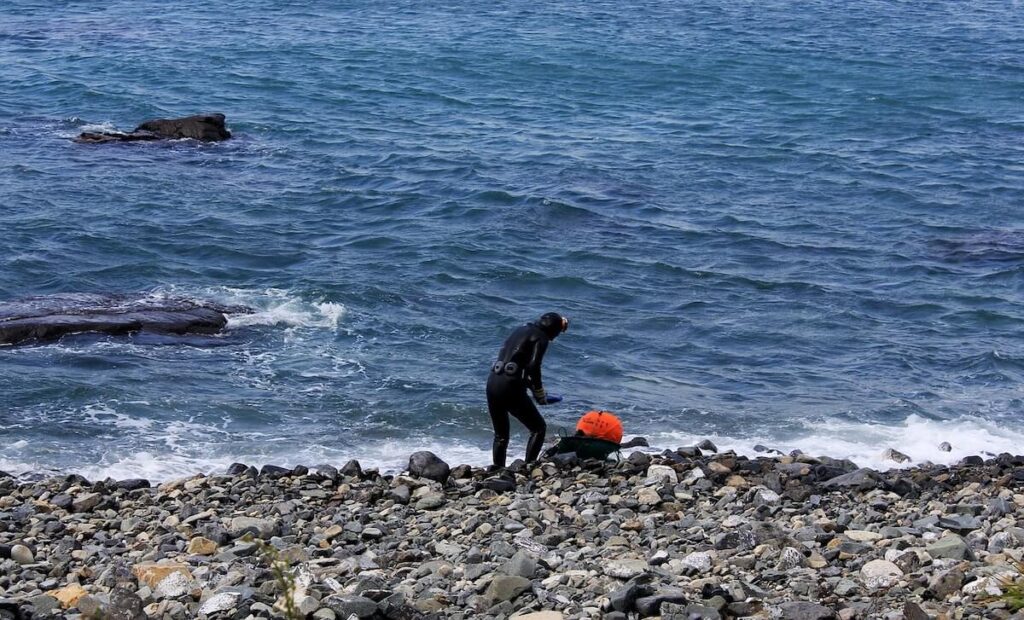
Jeju isn’t just beautiful above the water. It’s a fantastic destination for exploring the underwater world as well.
You’ll find great diving and snorkeling spots all around the island, but the waters around Seogwipo are particularly popular for diving, thanks to the vibrant coral and abundant marine life. The area around Jeju City also offers some interesting dive sites with rock formations and underwater caves. Munseom Island is also a must-visit for divers.
What makes Jeju’s underwater experience even more special is the presence of the haenyeo. These female divers, often referred to as “sea women,” have been free-diving for generations, harvesting shellfish and other seafood without the use of scuba gear.
These incredible women are a symbol of Jeju and Korean culture, and their traditional practices are recognized by UNESCO as an Intangible Cultural Heritage. The Haenyeo Museum allows you to learn more about their history, techniques, and cultural significance — it’s a worthy stop in Jeju City.
6. Its local cuisine is worth its own trip
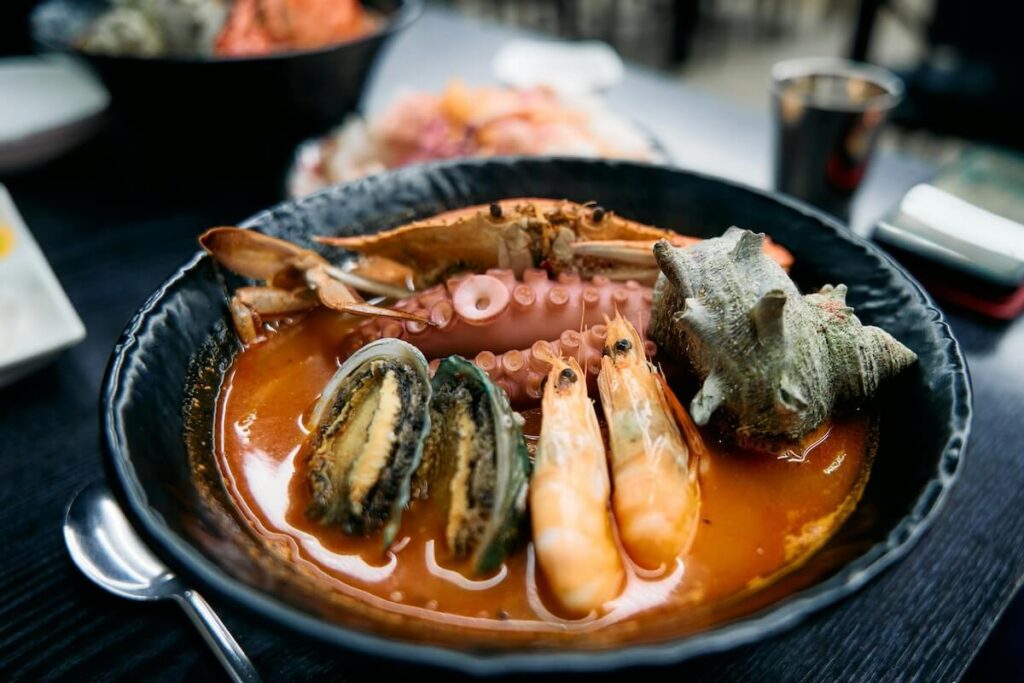
Jeju’s food scene is a delicious blend of fresh seafood, local produce, and unique regional specialties.
You’ve probably heard of some of the more popular dishes, like heuk dwaeji (black pork), known for its rich flavor, and galchi jorim (braised cutlassfish), a flavorful seafood stew. Momguk (pork bone soup with seaweed) is another Jeju favorite. Seongge miyeokguk (sea urchin seaweed soup) is a must-try for seafood lovers. And for a lighter meal, jeonbokjuk (abalone porridge) is a delicious and nutritious option.
But beyond these well-known dishes, there are plenty of local gems waiting to be discovered. Look out for local snacks like bingtteok (buckwheat crepes) filled with radish or other vegetables, or fresh seafood stews enjoyed by locals.
And let’s not forget the local produce. Jeju is famous for its juicy tangerines, which are incredibly sweet and flavorful. You’ll find them everywhere, from fresh fruit stands to tangerine-flavored everything.
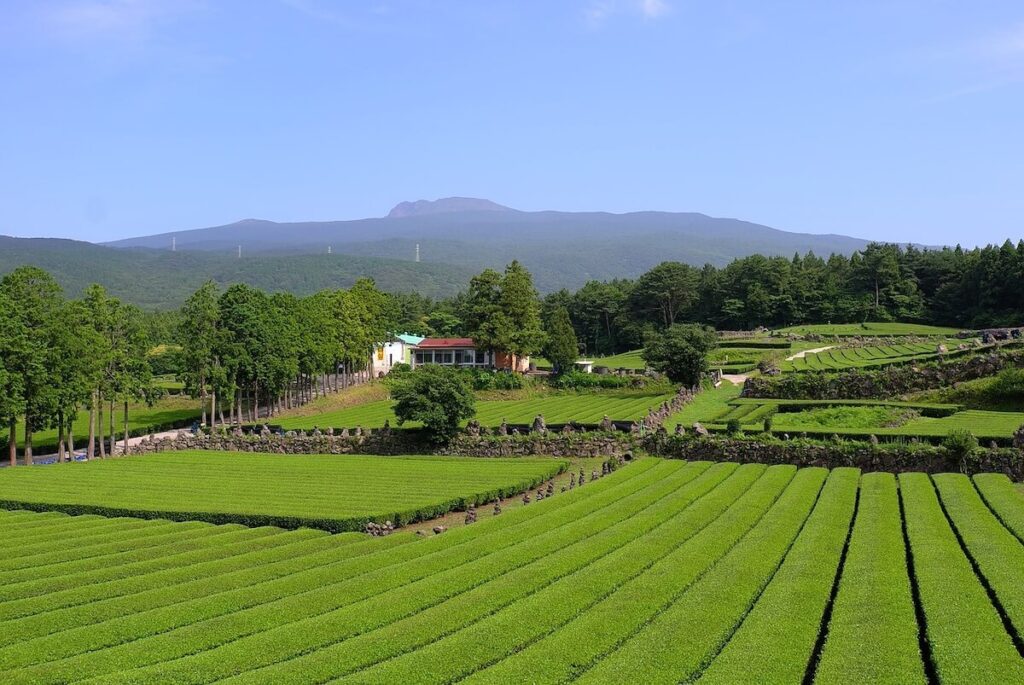
Jeju is also known for its green tea, particularly from the famous Osulloc Tea Farm. Visiting the plantation and museum is a great experience in itself, and you can sample various teas and enjoy the beautiful scenery.
7. Jeju has a unique island culture and interesting traditions
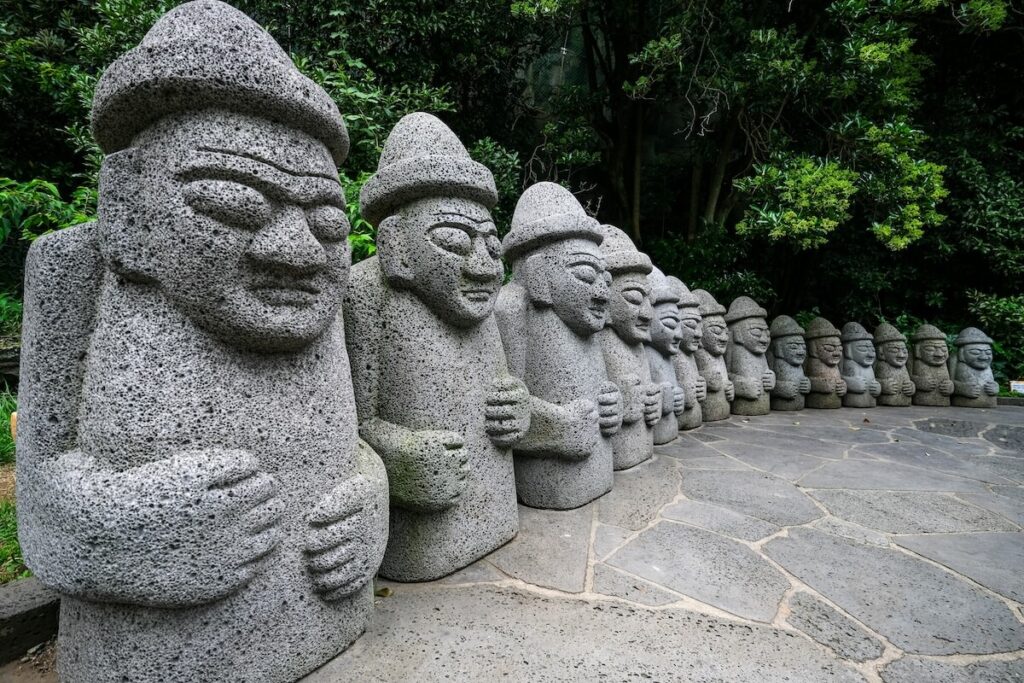
Jeju isn’t just about stunning landscapes; it has a rich and distinct cultural identity that sets it apart from mainland Korea. Beyond the well-known haenyeo divers, Jeju has its own dialect, customs, and traditions that have been shaped by its island location and volcanic environment.
One example is the unique stone culture you’ll see throughout the island. Look out for the dol hareubang, the iconic stone statues that are considered guardian deities. You’ll also see stone walls everywhere, built to protect homes and fields from the strong winds.
Another interesting aspect of Jeju culture is its unique social structure, which historically placed a strong emphasis on female roles, largely due to the haenyeo’s economic contributions. While mainland Korea has a more patriarchal history, Jeju’s history shows more of a matriarchal influence.
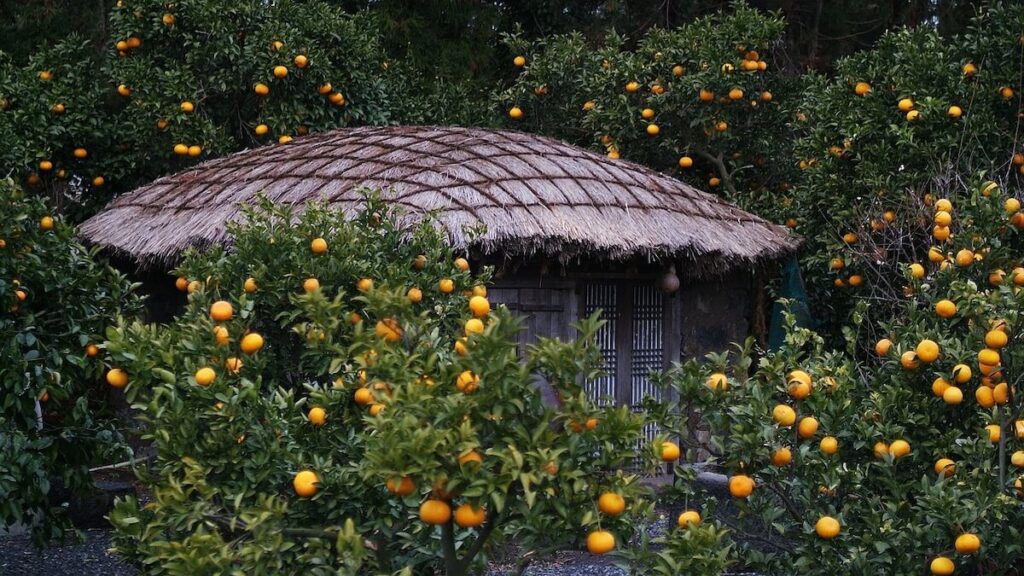
If you’re interested in diving deeper into Jeju’s culture, there are plenty of opportunities to do so. The island has numerous museums dedicated to showcasing its history, folklore, and art. For a more immersive experience, you can visit the Jeju Folk Village (where some of the scenes of Jewel in the Palace were filmed), a living museum that recreates traditional Jeju life.
8. It offers lots of opportunities for relaxation and wellness
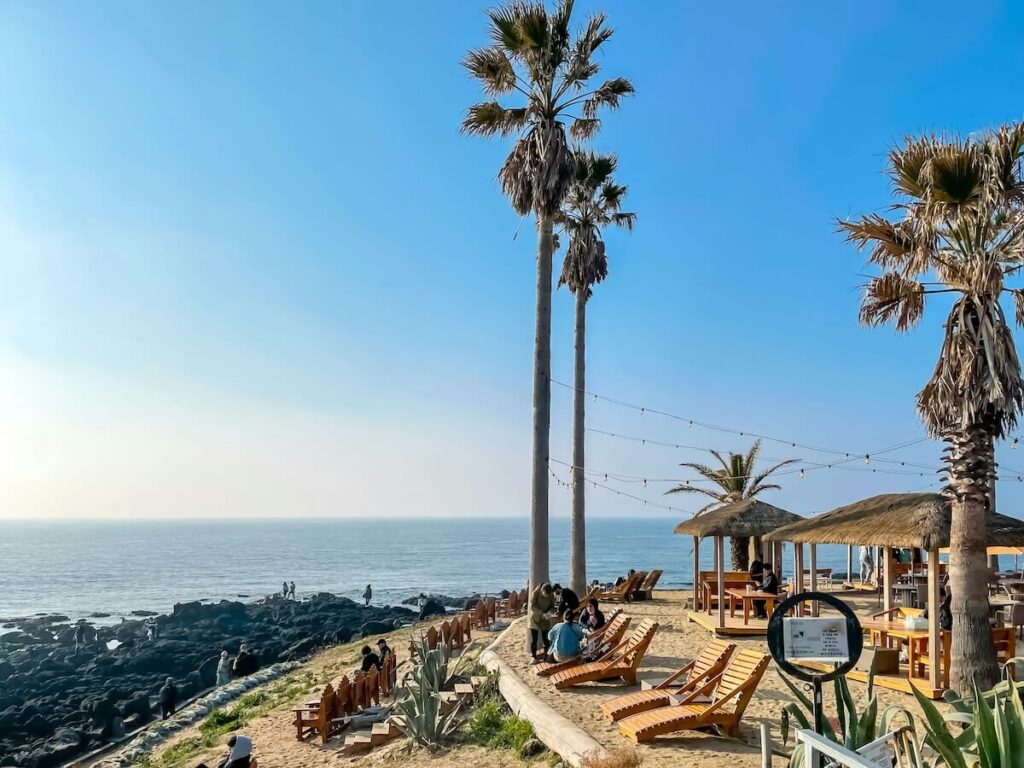
Jeju is more than just stunning scenery; it’s also a fantastic place to relax and rejuvenate.
The island’s laid-back vibe and natural beauty make it easy to unwind. Whether you prefer relaxing on the beach, taking a leisurely hike through the forest, or simply enjoying the peaceful surroundings, Jeju offers plenty of opportunities to escape the stresses of everyday life.
Beyond the natural setting, Jeju also offers various options for wellness activities. You can find a range of spas and wellness centers offering everything from traditional Korean massages to aromatherapy and hydrotherapy. Many resorts also offer yoga and meditation classes, as well as saunas and pools, providing the perfect setting for some much-needed downtime.
9. Jeju is relatively easy to get to from many parts of Asia

Getting to Jeju is surprisingly easy, especially if you’re traveling from within Asia!
Jeju International Airport is well-connected to various cities across the region, with numerous direct flights available from places like Tokyo, Osaka, Shanghai, Taipei, and several Southeast Asian cities. This means you can often find convenient and relatively short flights, making it a great option for a quick vacation.
Good flight connections mean less time spent traveling and more time enjoying the island. The increasing number of direct flights has also made Jeju a more attractive option for international tourists, contributing to its growing popularity.
10. It’s a visa-free destination for many nationalities!

Perhaps one of the most appealing aspects of visiting Jeju is its visa-free entry policy for many nationalities. This makes planning a trip incredibly convenient, as you don’t have to worry about the often time-consuming and complicated visa application process. You can simply book your flight and go!
This visa-free entry was temporarily suspended in 2020 due to the pandemic. However, thankfully, this policy was reinstated in June 2022, meaning that eligible travelers can once again enjoy hassle-free entry to the island.
It’s always a good idea to double-check the specific requirements for your nationality before traveling, just to be sure, but for many, Jeju offers a very accessible international travel experience.
Conclusion
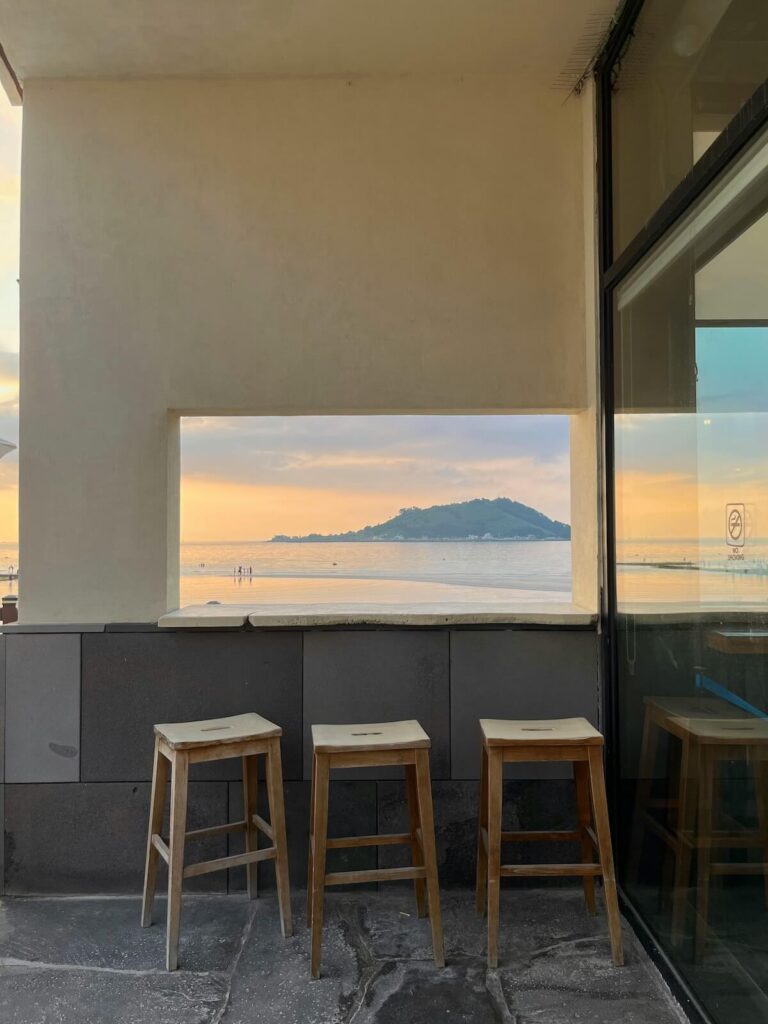
So, is Jeju worth visiting? Absolutely!
From its stunning volcanic landscapes and pristine beaches to its unique culture and delicious food, Jeju offers a diverse range of experiences that cater to all kinds of travelers. And with its easy accessibility and visa-free entry for many, there’s really no reason not to add Jeju Island to your travel bucket list.
Need ideas for your trip? This 3-day Jeju itinerary can help you map out your days on the island. If you’re considering traveling to other parts of South Korea, do check out articles about Seoul, Busan, and other famous cities in South Korea. Happy travels!