
Greek food is delicious: that’s a fact everyone knows. But if you’re curious and want to expand your knowledge beyond the classic “moussaka, tzatziki, souvlaki” triptych, you’ve come to the right place.
In this piece, we will be focusing on lesser-known Greek food facts, some of which may really surprise you!
Table of Contents
Classic Greek dishes food facts
Kicking off our list are some facts about iconic Greek foods.
1. Greek salad is called a “village salad” in Greek.
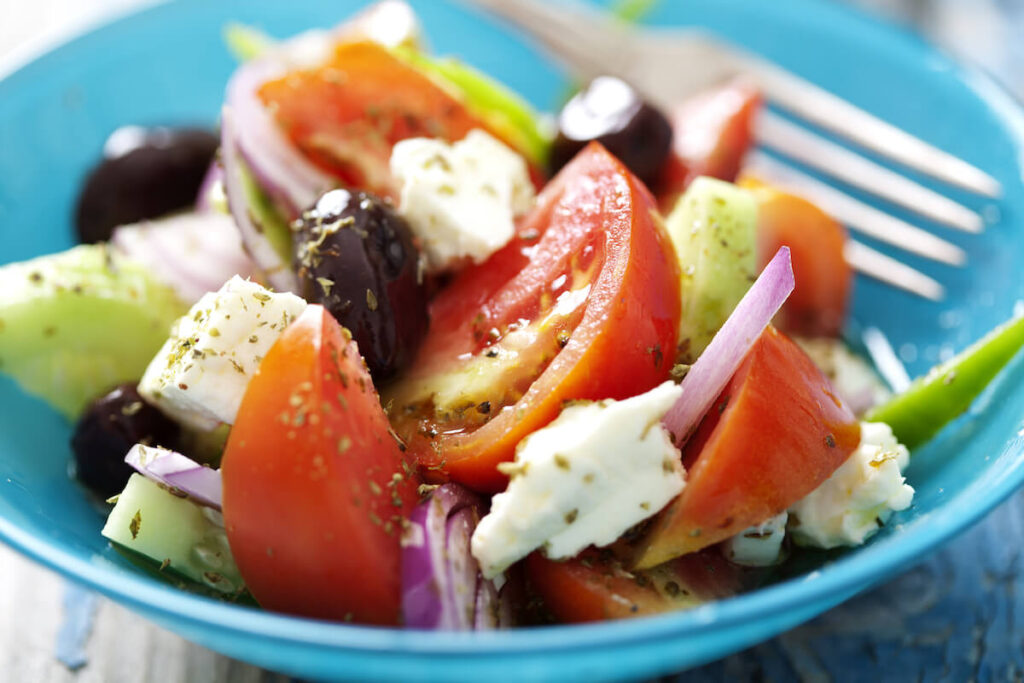
If you want to pass off as Greek (or at least knowledgeable about Greek culture!), try ordering a “horiatiki” instead of a Greek salad next time you’re at a taverna. This translates to “village” salad and is the proper name for what is known worldwide as the “Greek salad”.
“Horiatiki” got its name from the fact that it is a simple dish villagers were always able to put together quickly from ingredients they had on hand.
2. Souvlaki can mean various things.

Souvlaki is the most popular Greek fast food. But you should know there is a lot of ambiguity around the term ‘souvlaki’.
Depending on where you are in Greece, souvlaki can mean different things. It can be either a meat skewer or meat wrapped in pita bread, so try to be extra clear about what you want when you’re ordering one.
Luckily, there is no ambiguity about one thing: it’s always delicious.
3. Greek yogurt is the best.

Greek yogurt is basically yogurt that’s been strained to remove its whey. This means it has a thicker consistency than “regular” yogurt and, if you ask me, a better flavor too!
If you find yourself in Greece, definitely try some yogurt with local honey for breakfast. Just don’t make the mistake of calling it “Greek yogurt”. Here in Greece, it’s just plain old yogurt!
4. Almost anything that ends in ‘-pita’ is good.
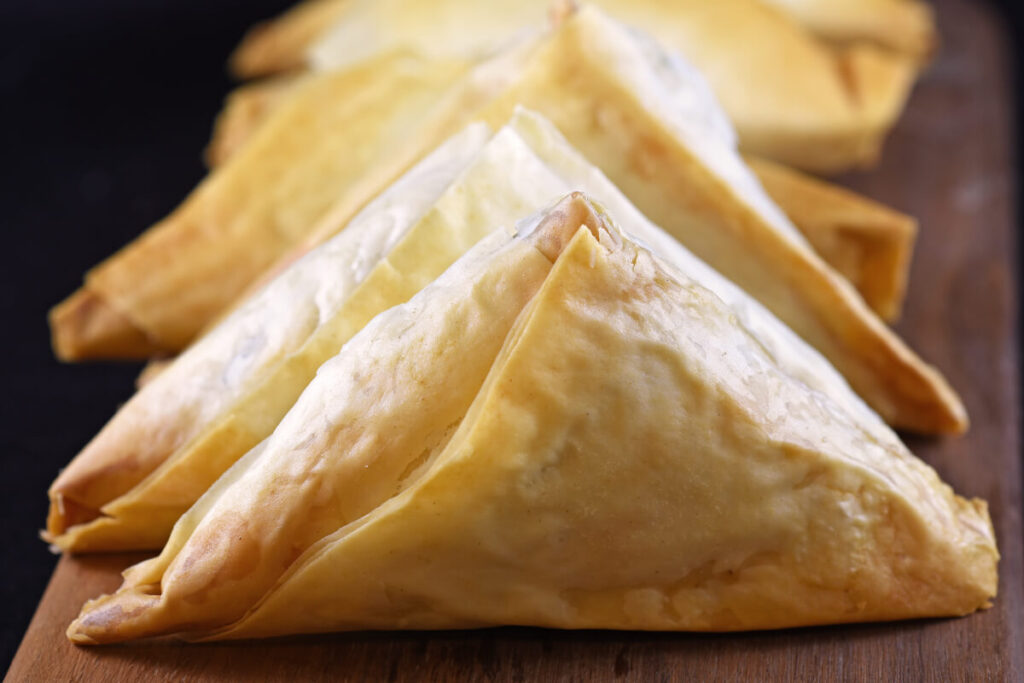
‘Pita’ means ‘pie’ in Greek. The most famous Greek pie around the world is probably spanakopita, i.e., spinach pie.
But in Greek bakeries, you will find pies with any kind of filling imaginable: cheese, mushroom, sausage, ham, potato, chicken, and more.
Do yourself a favor and experiment with different pies during your travels in Greece!
Facts about Greek dishes that aren’t considered classics… but should be!
Greek cuisine features many underrated gems.
5. Pastitsio is better than lasagna.

Pastitsio is a Greek baked pasta dish with ground meat and béchamel sauce. It is similar to lasagna, only (like any Greek will tell you) better.
Even though it is not a classic Greek dish that is globally famous, like moussaka, it is extremely popular in Greece.
Most Greeks, including me, will tell you that their mother’s or grandmother’s pastitsio is one of their all-time favorite foods. If they don’t think that, there’s something wrong with them!
6. Papoutsakia is a great moussaka alternative.

Greece is known for moussaka. As it should be. Moussaka is delightful. But it’s also a nightmare to prepare and takes ages!
A faster and equally yummy dish for aubergine lovers is papoutsakia: aubergines cut lengthwise and stuffed with minced meat and spices. The dish takes its name, which translates to “little shoes”, from the fact its shape resembles shoes.
7. Horta is the yummiest side dish.
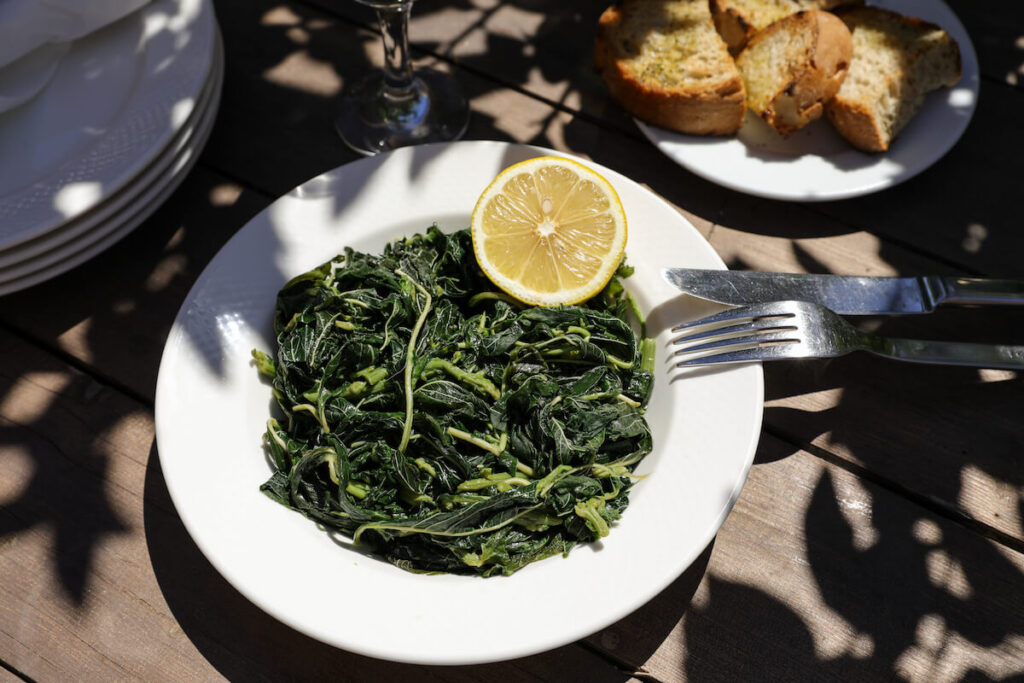
Horta is a simple dish of boiled wild greens, drizzled with olive oil and lemon that you will find in every Greek tavern.
Typically, horta greens consist of a mix of pigweed, chard, chicory, and sow thistle. This mix is always locally foraged, so the dish will never be exactly the same everywhere you go.
8. Balls make the (Greek food) world go round.
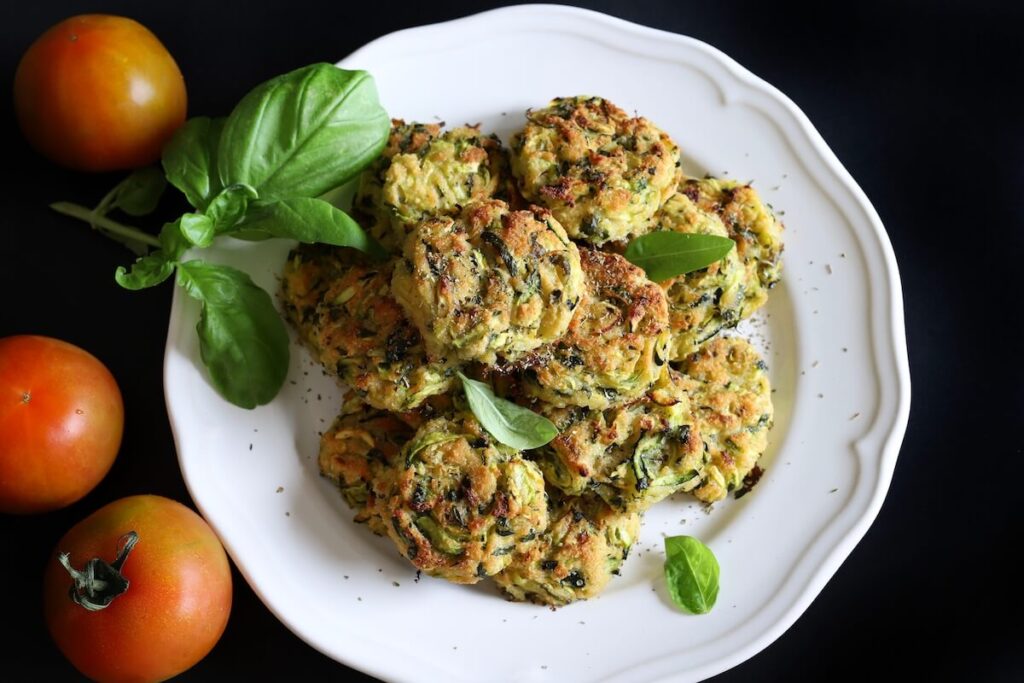
Plenty of countries do meatballs, but how many of them can claim they will make a ball out of any vegetable? Ok, maybe that’s a slight exaggeration, but still.
To the delight of vegetarians, Greece boasts a wide variety of balls that do not involve meat (‘keftedes’). Some popular options are tomato balls (domatokeftedes), zucchini balls (kolokithokeftedes), chickpea balls (revithokeftedes) and cabbage balls (lachanokeftedes).
9. Greek cheeses go beyond feta.
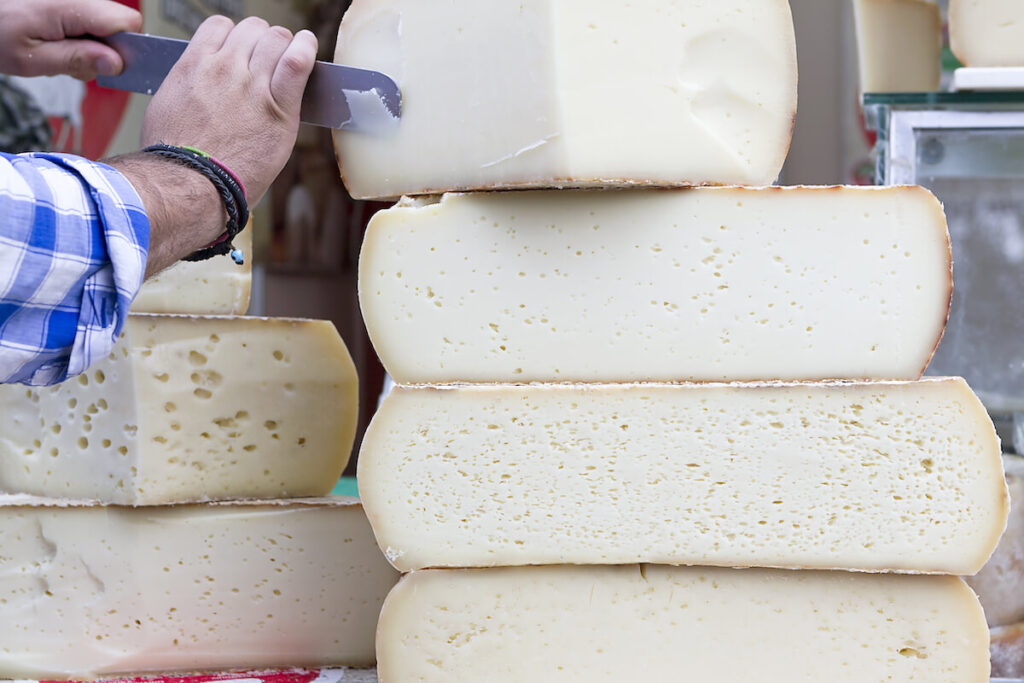
Feta cheese is the first thing that pops into people’s minds when it comes to famous food from Greece. There is no denying that feta is good.
But did you know it is not the only good Greek cheese? Cheese aficionados should not leave Greece without giving mizithra, galotiri, graviera and arseniko from Naxos, and Metsovone a chance — all worthy souvenirs from your Greece vacay!
10. Saganaki is not a type of cheese.

Speaking of cheese, you might be surprised to learn that saganaki is not one. Saganaki is actually a type of small frying pan.
While many types of food can be prepared in a saganaki, it is most commonly used for cheese. Hard yellow cheeses that don’t melt easily, like kefalotiri and kefalograviera, are what is normally used to create the popular Greek dish known as ‘saganaki’.
11. Tzatziki is not the only Greek dip.
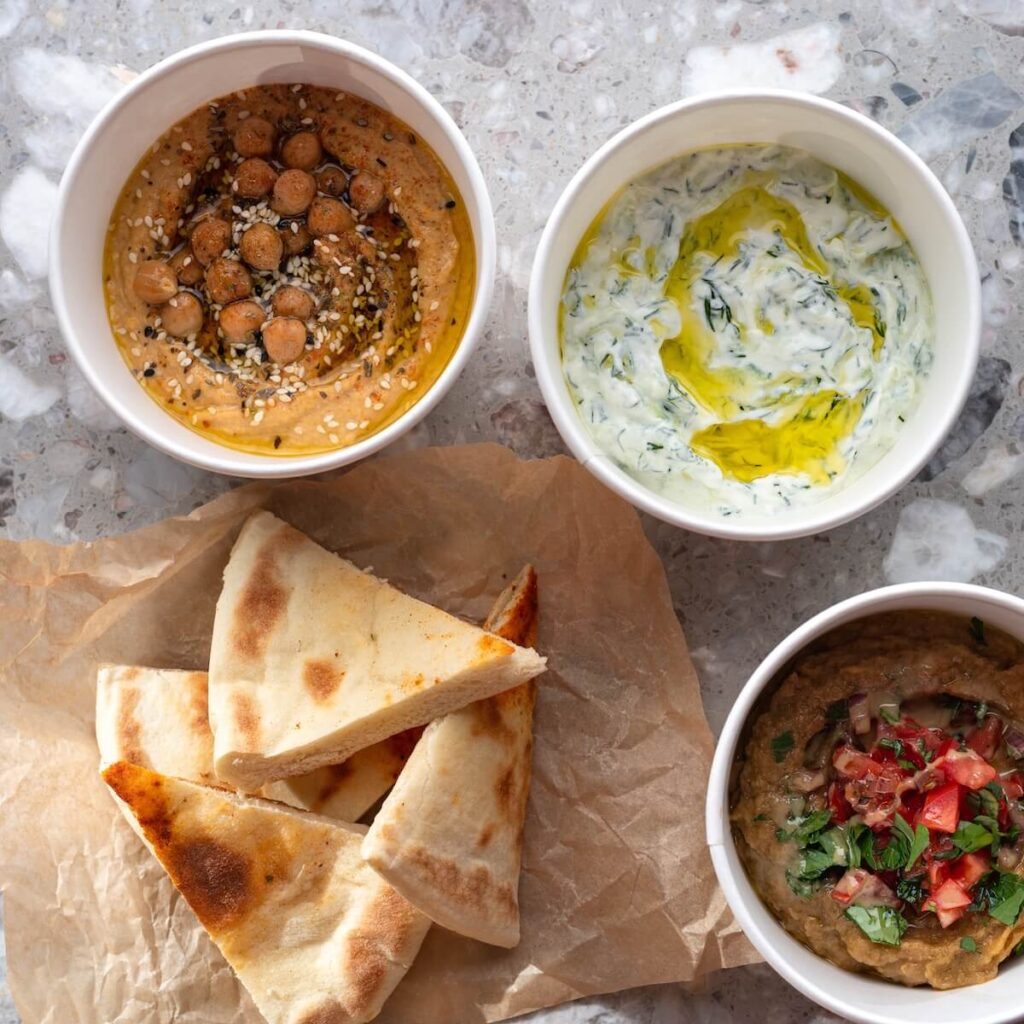
Are you on a trip to Greece and bored of tzatziki? That’s impossible, because, in my opinion, you can never have enough of the divine yogurt dip! But, for the sake of making a point, let’s assume you are.
The great news is that tzatziki is far from the only delicious Greek dip. Try some tirokafteri (cheese dip), melitzanosalata (aubergine dip), taramosalata (fish roe dip), or fava (yellow split pea dip) to spice things up!
Food facts about the staples of Greek cooking
The secrets of Greek cuisine come down to its staples.
12. Herbs make all the difference in flavor.
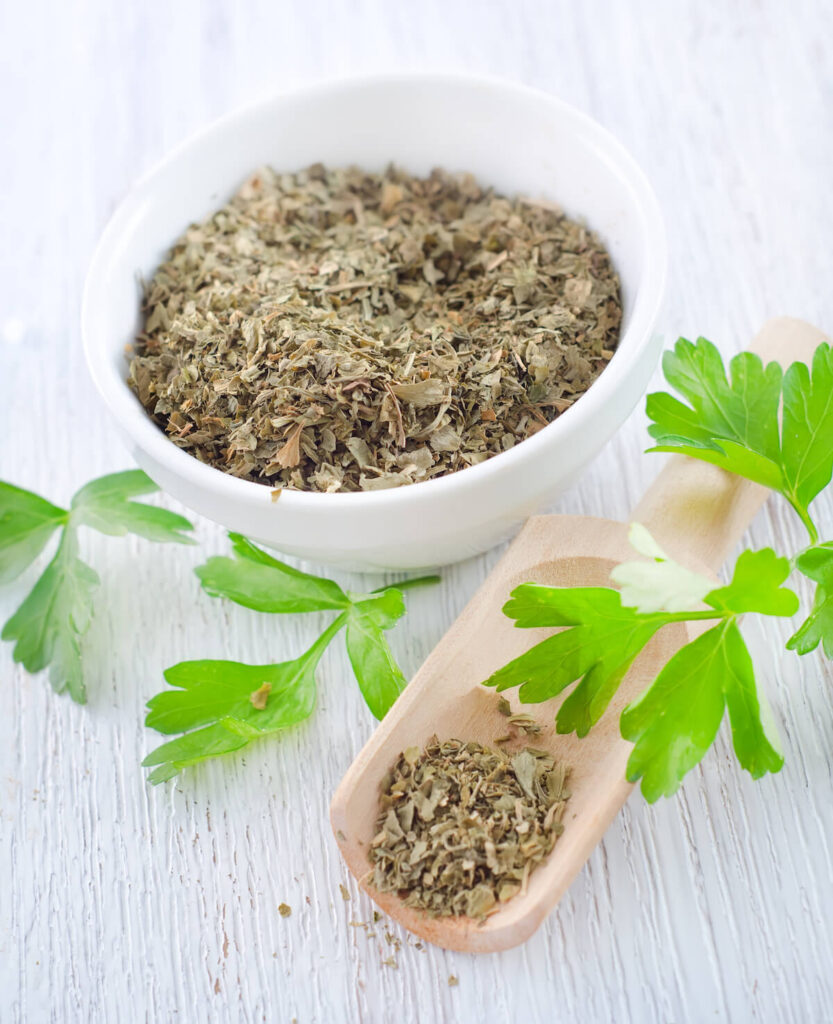
If you try to replicate a dish you had in Greece back home, you might find that it doesn’t taste quite the same. The difference probably comes down to herbs, which are an absolute must of a souvenir to buy during your travels.
Greek cuisine heavily (and expertly) uses dill, fennel, oregano, parsley, and other aromatic herbs that turn the blandest of foods into gastronomic masterpieces.
13. Greece is a vegetarian’s paradise.
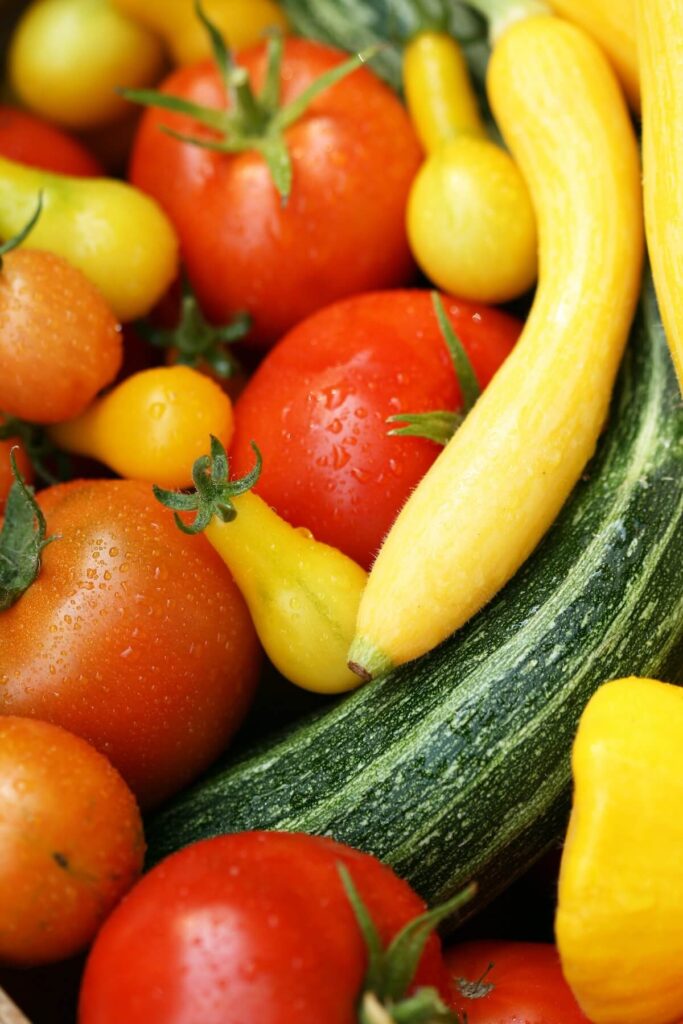
The popularity of gyros around the world makes people think Greek cuisine is predominantly based on meat. This is simply not true. There are, of course, many tasty meat and fish dishes, but Greek cuisine is vegetable-heavy.
Most popular dishes are based on olive oil, grains and pulses, tomatoes, and other veg. Vegetarians will never struggle for food options in Greece!
14. You can’t go wrong with ladolemono.

Simplicity is key when it comes to Greek cooking. You won’t find any Greek recipes calling for complicated sauces, since the fresh, seasonal ingredients used are typically enough to wow any palate.
On the rare occasion that some extra flavor is needed, ladolemono will do the trick. This is a simple but delicious vinaigrette made of olive oil, oregano, and lemon that works as a perfect accompaniment to fish and vegetables.
15. Olive oil is king.
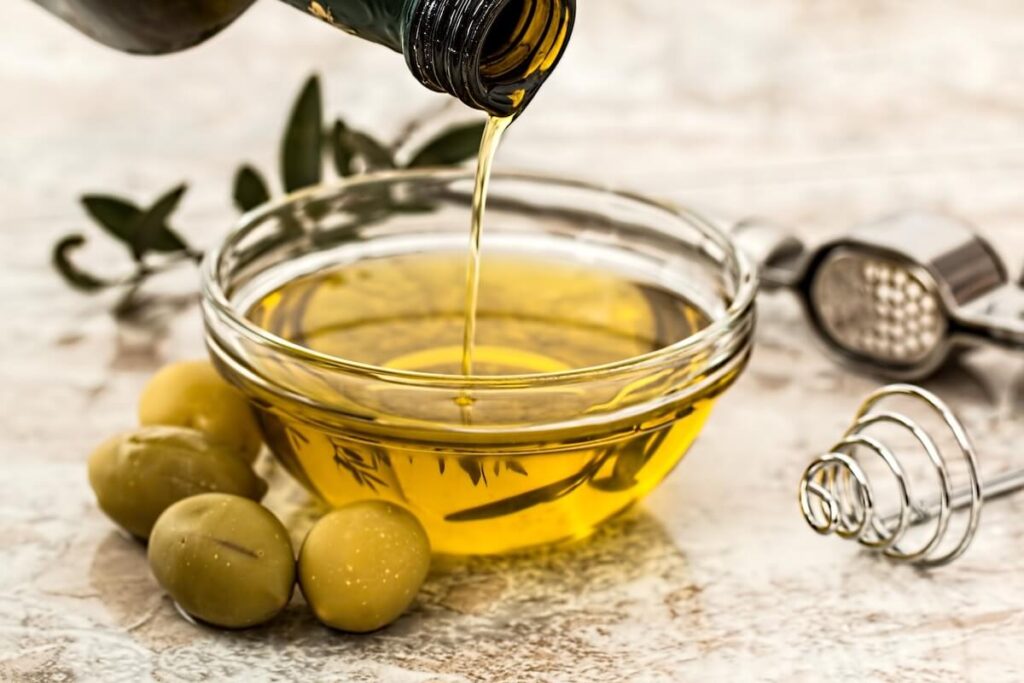
Greek olive oil is regarded as the best in the world. It should, therefore, come as no surprise that it is a very important feature of Greek cuisine.
It is the basic fat used for cooking, it is always added to salads and it is even the star of a whole category of dishes, known as ‘ladera’, i.e. oily dishes.
16. Bay leaves are often the secret ingredient.
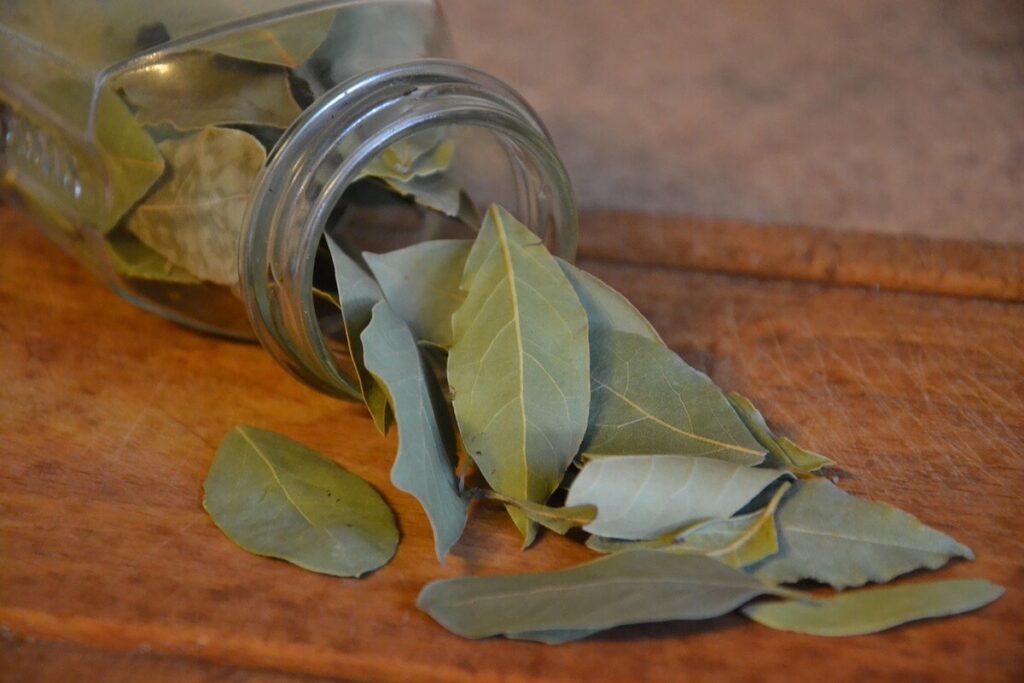
You would never know a Greek dish contains bay leaves because they are removed before serving.
Yet, bay leaves add a subtle menthol flavor to foods that helps lighten up hearty, heavy dishes like soups and stews. A proper Greek cook would never dream of not using them!
17. Greeks don’t do spicy.
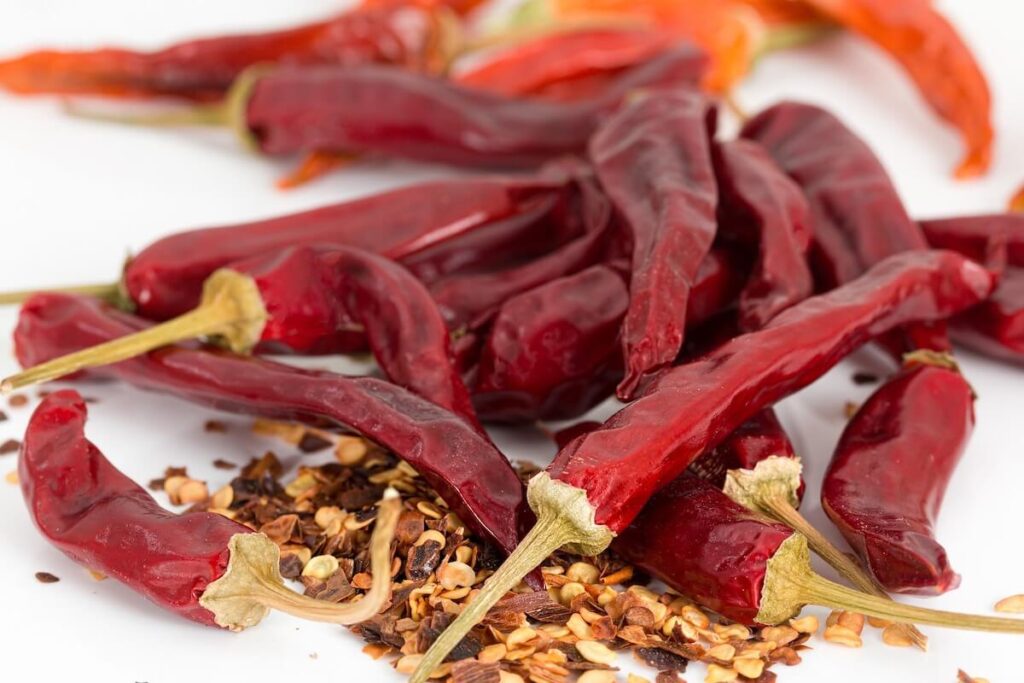
It is not that spicy ingredients do not exist in Greece. In fact, boukovo, a spice consisting of dried pepper flakes that’s often referred to as “Mediterranean chili”, is quite popular in Northern Greece.
Greeks, however, never really developed a taste for spicy food. This is probably because, throughout the country’s history, herbs have always been used to season food instead of spices.
18. Rusks are an integral part of the Greek diet.
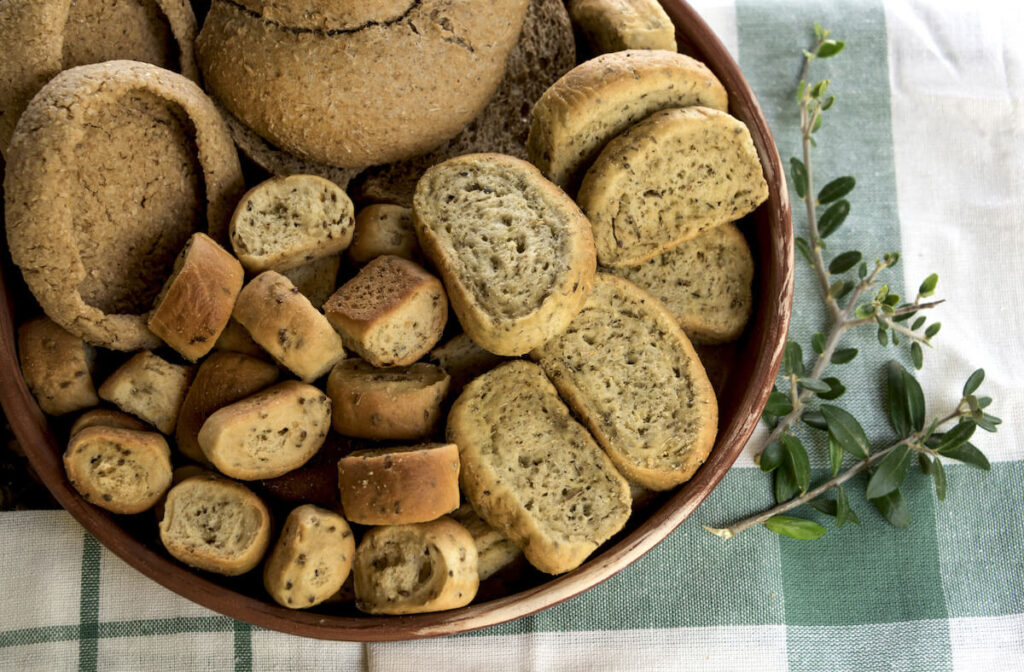
Rusks are basically stale bread, so it’s easy to dismiss them as not being that exciting. However, the large amounts and varieties of them sold at Greek bakeries tell a different story.
Rusks have always been an integral part of Greek food history, as they were invented many centuries ago to preserve bread for a longer time.
They still feature in many Greek dishes, such as the Cretan dakos.
Greek food facts about holidays and special occasions
There is a place and time for every Greek dish.
19. Christmas is all about kourabiedes and melomakarona.
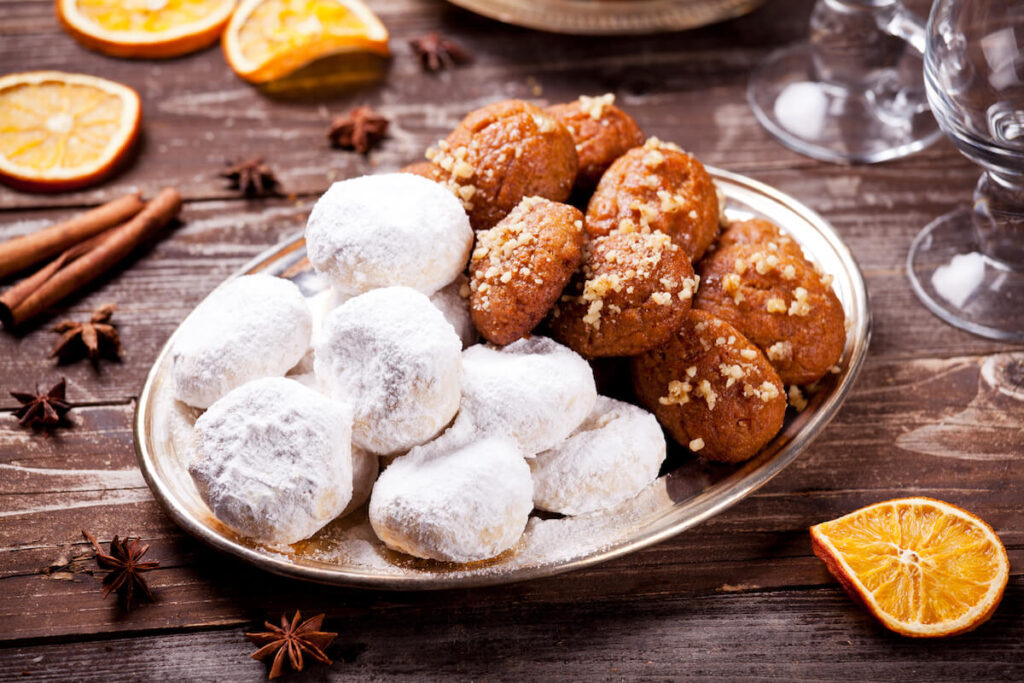
Christmas is not the biggest religious holiday in Greece. There is no standard meal that is served on the day, and gifts are traditionally exchanged on New Year’s Day.
Despite that, every Greek looks forward to the run-up to Christmas. The reason? One of the best Greek food traditions: melomakarona and kourabiedes!
From late November onward, these sweet treats start appearing in bakeries and shops all over the country.
Both are tasty, but every Greek has a preference for one or the other. Personally, I’m a melomakarona kind of girl and will absolutely judge you for choosing kourabiedes over them.
20. Fasolada is the ultimate winter food.
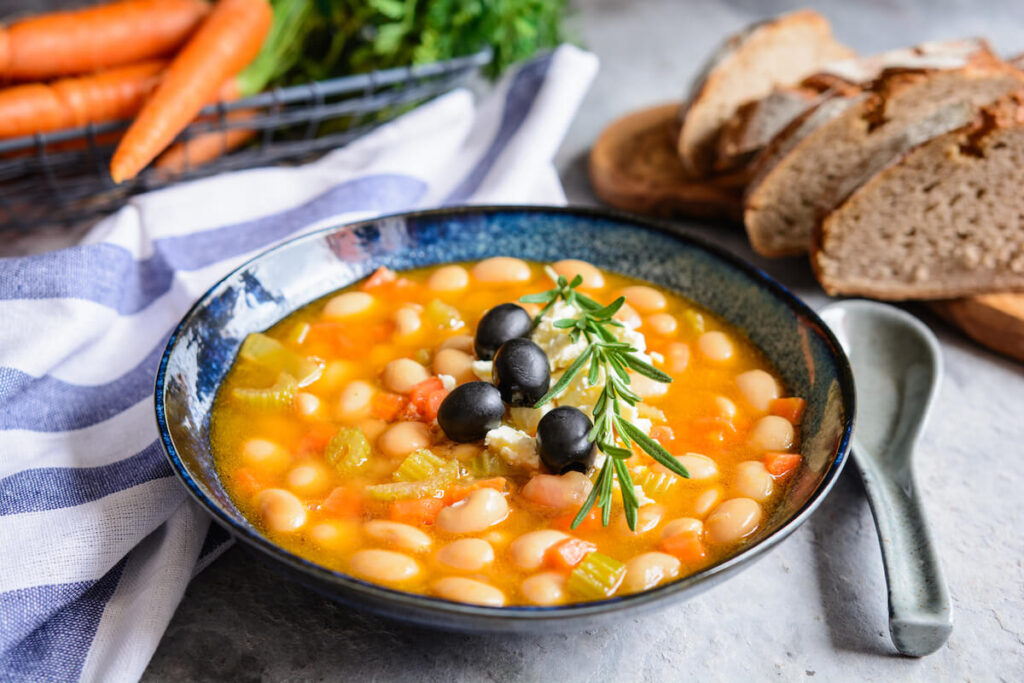
One of the greatest misconceptions about Greece is that it is a land of eternal summers. Winters in Greece can be harsh and this calls for extra nourishment.
A Greek salad simply won’t cut it when you have to face the wind, rain, and, yes, even snow! So, what do Greeks eat in cold weather? Why, fasolada, of course!
This is a hearty white bean and vegetable soup that is considered a winter staple in Greece.
21. Patsas is the best hangover remedy.
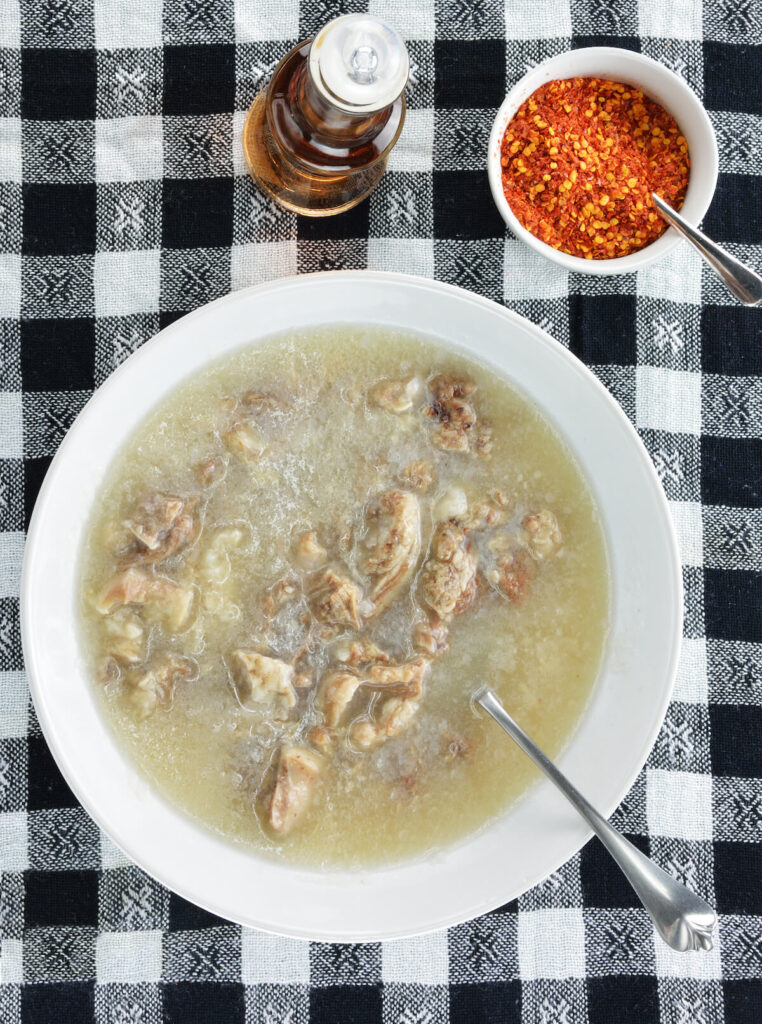
Patsas is a soup made from the intestines of a pig. While it is very much a polarizing love-it-or-hate-it kind of dish, it is generally thought of as the ultimate hangover cure.
If you’re brave enough to try it, keep in mind you won’t find it in your average restaurant or tavern.
It is normally served in very traditional joints and the best time to eat it is when the sun is rising, after a big night out.
22. Tsiknopempti is a meat lover’s favorite day.

Fat Thursday is known as “Tsiknopempti”, which translates to “Charred Thursday”, in Greece. That is when families and friends get together to grill and feast on large quantities of meat.
The idea behind the day is that it gives people an opportunity to get rid of all the meat in the house before Lent. Most meat lovers treat it as an excuse to eat like there’s no tomorrow, though!
23. Greek Easter means lamb.
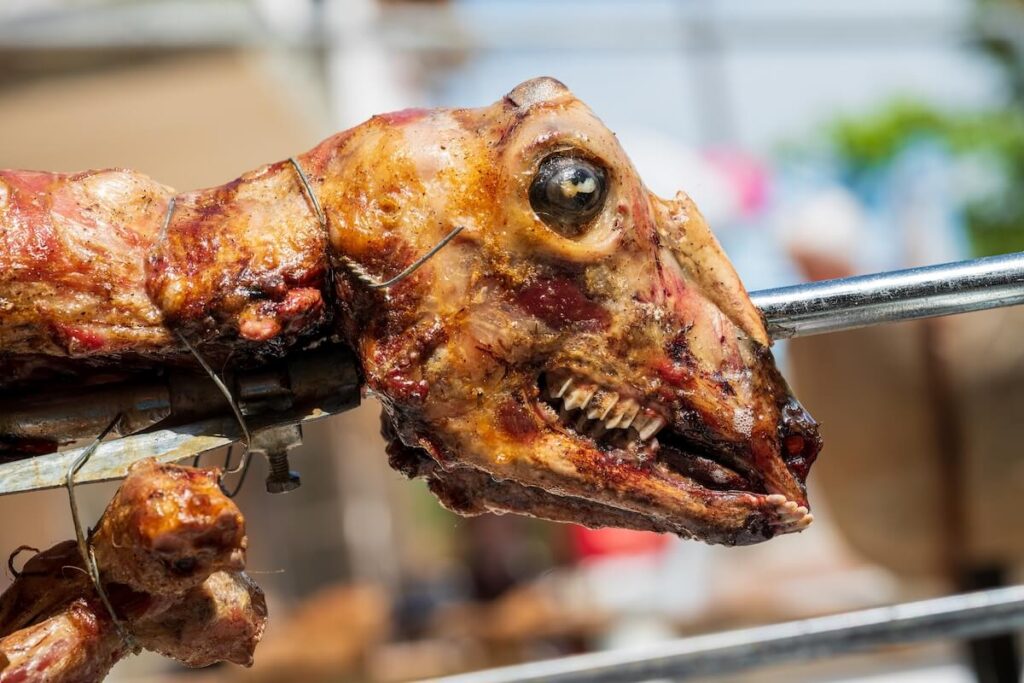
Easter is the most celebrated holiday in Greece. And the pièce de résistance of any Greek Easter celebration is the spit-roasted lamb.
Families normally buy an entire lamb and cook it outdoors for several hours. All of the lamb’s parts are eaten, with the most hardcore meat eaters even going for its eyes and brains!
Fun food facts about Greek drinks and desserts
Consuming alcohol in Greece is not about getting drunk. It is about bringing people together. And Greek desserts are a whole ‘nother world of wonder!
24. Retsina wine is made with pine resin.

Contrary to popular opinion, retsina is not really a wine. It is a wine process that has been made in Greece for thousands of years, resulting from the addition of pine resin to white wine.
Even though it has a distinctive flavor, best described as an “acquired taste”, it has a surprising amount of sworn fans.
25. Tsipouro and raki are just as popular as ouzo.
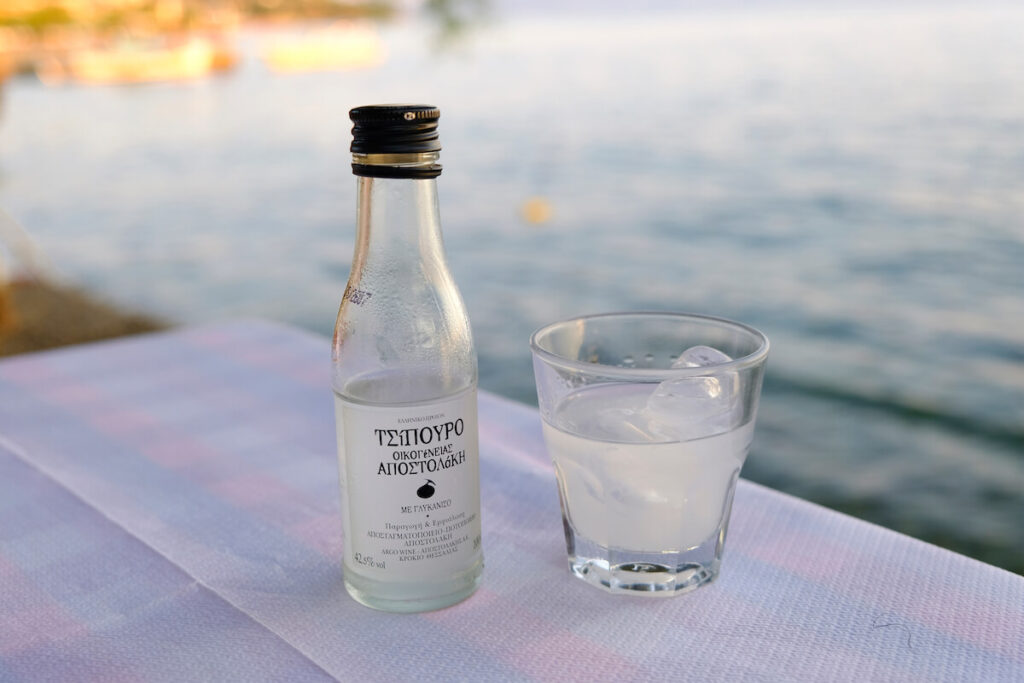
Yes, ouzo is pretty much the national drink of Greece. And it is certainly the one that has made the biggest name for itself abroad.
But, throughout Greece, tsipouro and raki, which are both grape distillates stronger than ouzo, are just as popular. In fact, tsipouro is a massive part of Greek food culture (and, especially, the city of Volos) and raki is a symbol of Cretan hospitality.
26. Mastiha is produced exclusively on Chios Island.
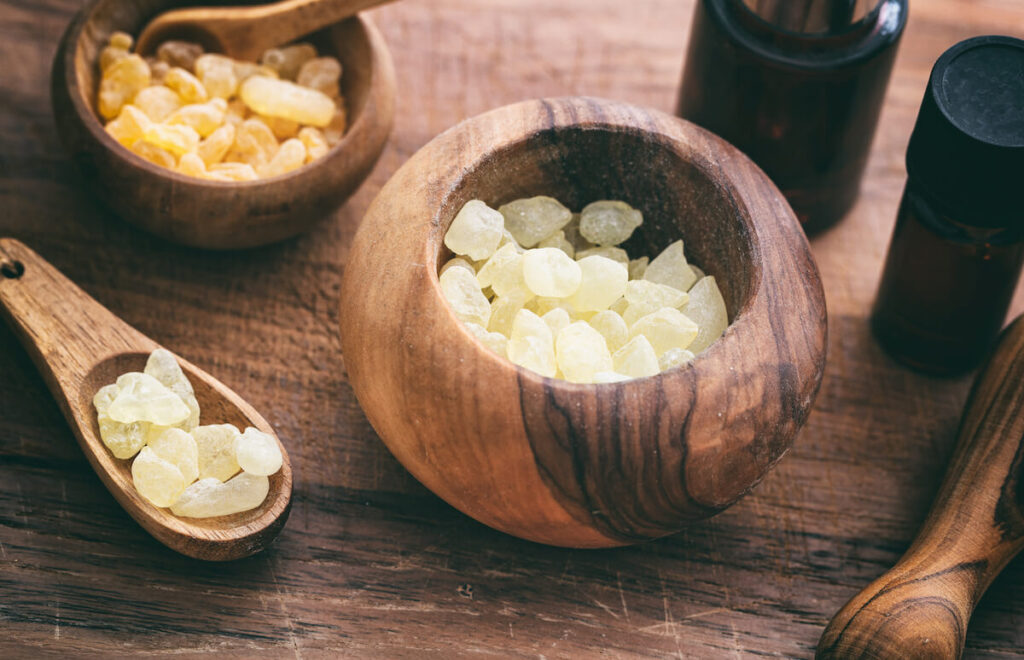
Mastiha is a love-it-or-hate-it traditional Greek beverage. It is a liqueur made from a resin that comes from the mastic tree.
The mastic tree, also known as the skinos tree, only grows on Chios Island in the Northeast Aegean. This makes mastic products extremely exclusive!
27. Greece produces many top-notch wine varieties.
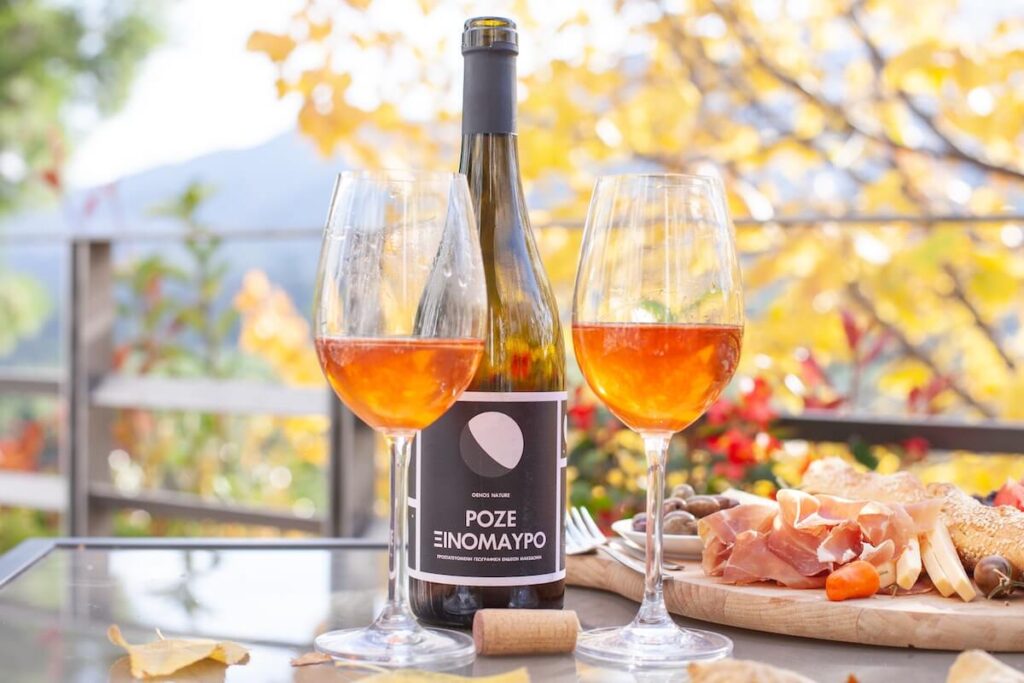
Greece doesn’t get anywhere near enough credit for its wine. The country has over 200 indigenous grape varietals.
If you are a wine enthusiast, start with the basics. Agiorgitiko from Nemea, Xinomavro from Naoussa, Assyrtiko from Santorini, and Moschofilero from Mantinea are going to delight you!
28. The best Greek desserts are doused in syrup.

Something sweet to finish off: facts about Greek desserts.
Greece is not especially famous for its desserts. Indeed, cakes are not a big thing in the country and taverns’ dessert menus are less than impressive. This is why Greeks are more than happy to settle for a piece of fruit or some yogurt with honey after a meal.
Once in a while, though, they will indulge in a ‘siropiasto’. ‘Siropiasta’ is a special category of pan-baked desserts drenched in a syrup made of sugar, lemon and water.
These include baklava, kataifi and — my personal favorite — galaktoboureko. If you do give in to them, keep in mind they are incredibly rich, so it’s best to stick to one piece only!
Wrapping up
Greece is a perfect destination for foodies. Hopefully, these facts about food in Greece have inspired you to get out there and explore the country’s many culinary delights!