
Get ready to discover 30 fun and interesting facts about Bolivia, this incredible country that will make you fall in love with its rich culture, stunning landscapes, and intriguing history.
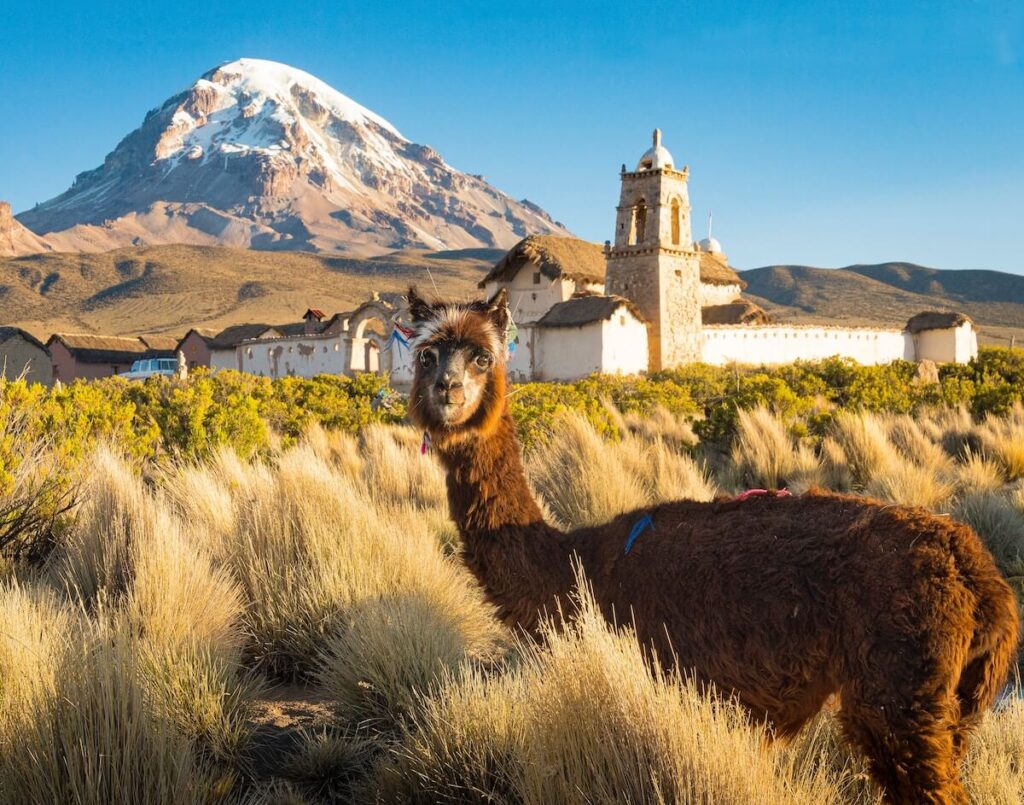
From boasting the most extensive salt flat on the planet to having as many as 37 official languages, Bolivia is full of surprises that will leave you in awe.
I’ll take you on a journey through its diverse geography, vibrant culture, fascinating history, and remarkable landmarks, sharing tidbits that will spark your curiosity and ignite your wanderlust.
Table of Contents
Geography facts about Bolivia
1. Bolivia’s one of the highest countries in the Americas.
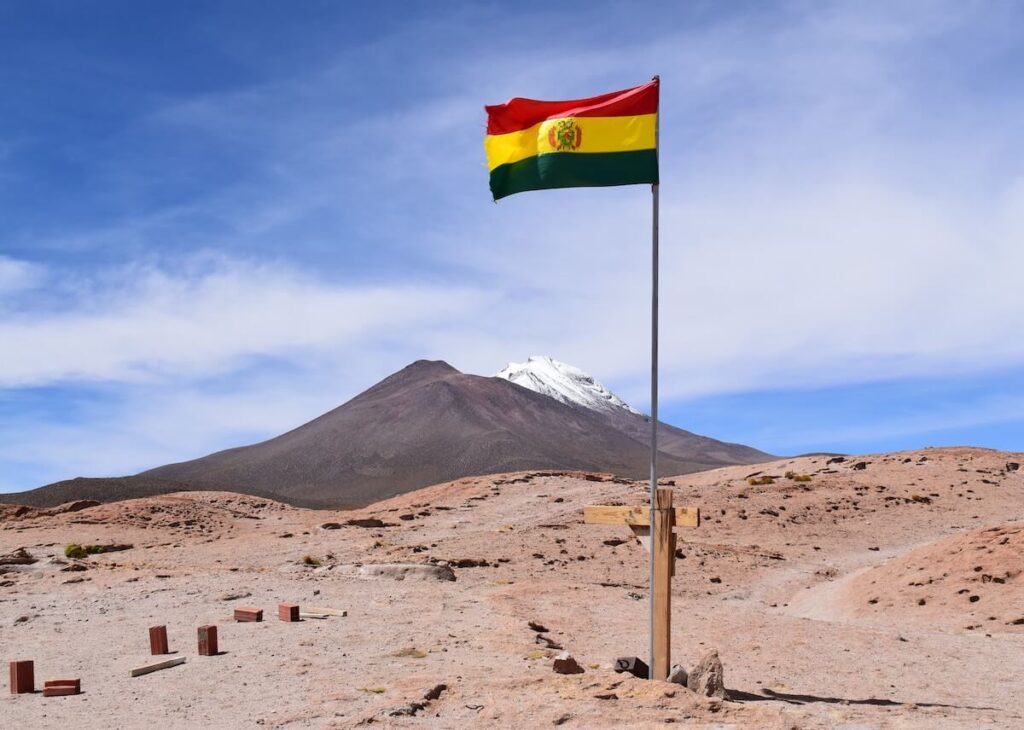
With an average elevation of almost 4,000 feet, Bolivia is only behind Chile and Peru in terms of altitude. Thanks to this, it boasts breathtaking peaks and stunning landscapes that will leave you in awe.
From the snow-capped Andes Mountains to the immense salt flats of Uyuni, Bolivia’s diverse topography offers a playground for adventure seekers and nature lovers alike.
2. And it’s home to the tallest city in the world.
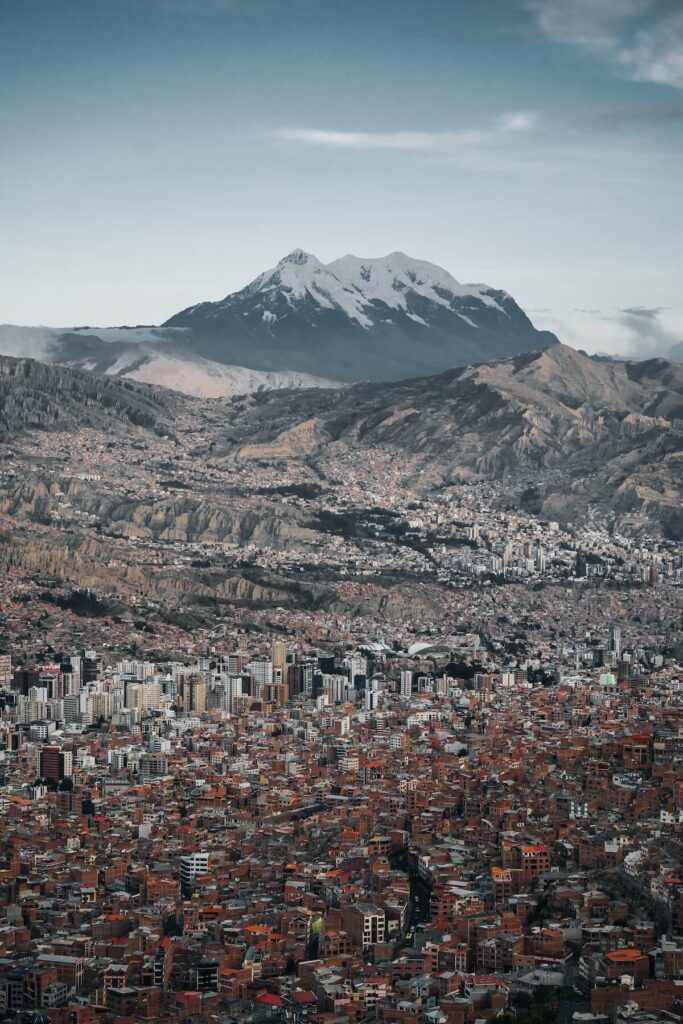
In El Alto, you can often experience the thrill of being above the clouds. Located at an altitude of 13,615 feet, this vibrant city surrounding La Paz offers panoramic views of the capital and the stunning Mount Illimani and serves as a gateway to Bolivia’s highland wonders.
3. Bolivia is the most indigenous country in South America.
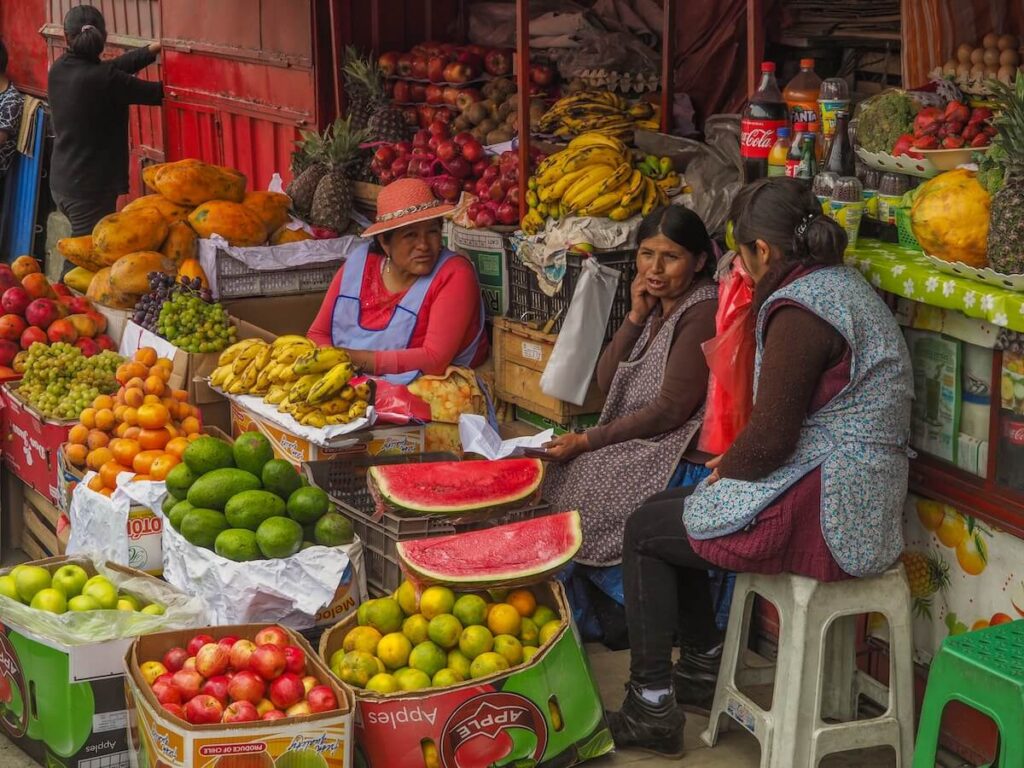
From colorful traditional clothing to ancient rituals and festivals, the indigenous heritage is an integral part of Bolivia’s cultural tapestry.
Though only 20% of Bolivia’s population identifies as purely indigenous, almost 70% of it is of mixed race. The country strives to preserve its rich indigenous cultures and traditions, which add depth to its vibrant identity.
4. That’s why it has nothing short of 37 official languages.
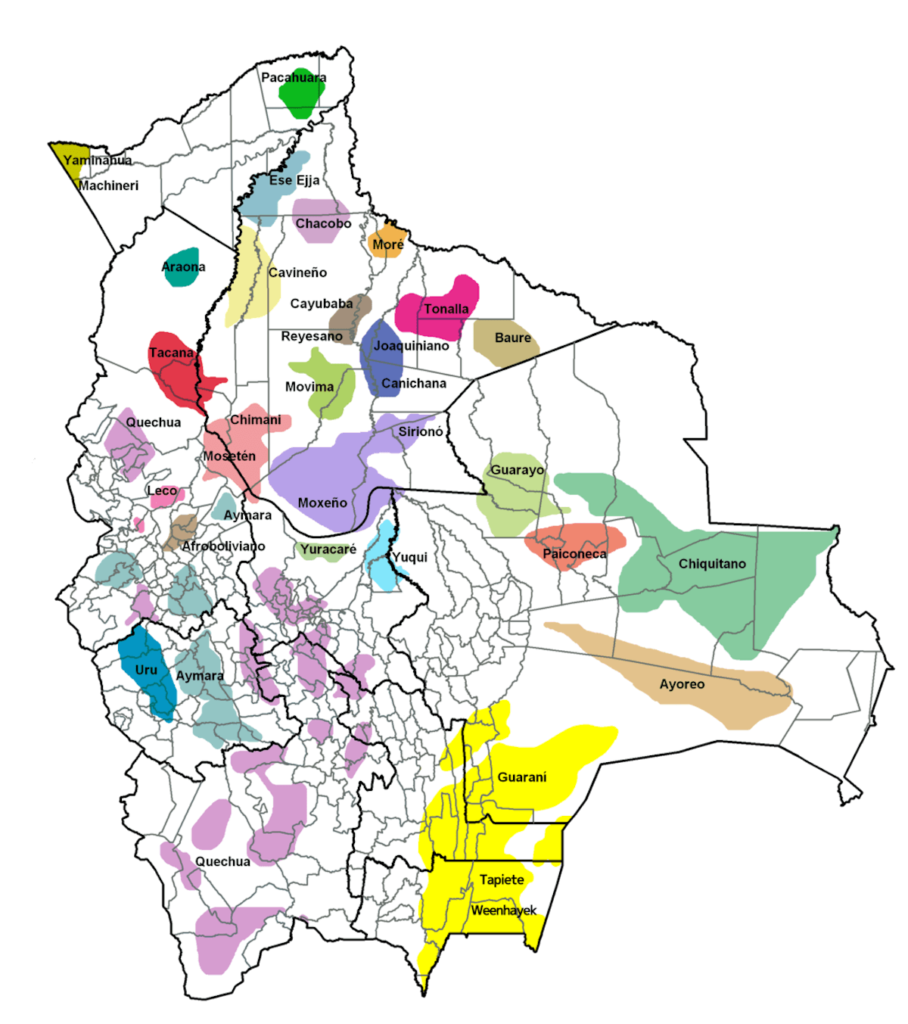
That mirrors the incredible linguistic diversity found within its borders. From Aymara and Quechua to Spanish and Guarani, the multilingual nature of Bolivia showcases its rich cultural heritage and offers a fascinating linguistic journey.
The recognition of this many indigenous languages as official was made possible by the adoption of Bolivia’s current constitution, which took place in 2009 following the accession to power in 2006 of Evo Morales, Bolivia’s first indigenous President.
5. It actually has two capitals.
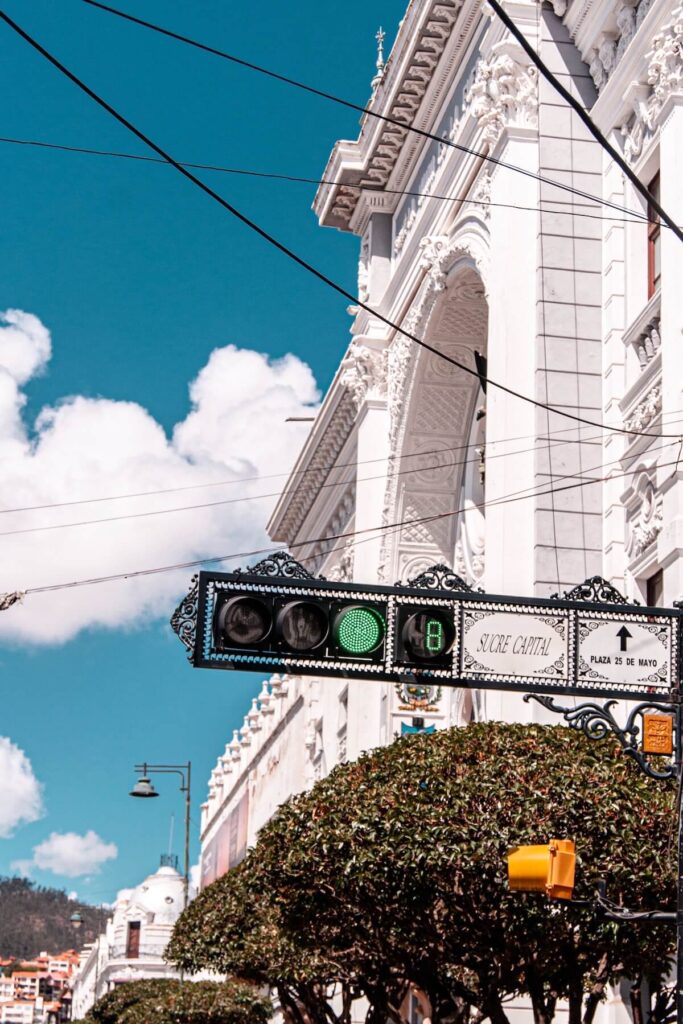
La Paz, though home to the Executive and Legislative branches of the federal government, isn’t really the official capital of Bolivia.
Its constitutional capital is in fact Sucre, noted for its whitewashed buildings and colonial charm. That’s where you’ll find the seat of Bolivia’s Supreme Court.
Each capital offers a unique perspective on Bolivia’s history and cultural heritage, making them captivating destinations for exploration.
6. Despite being landlocked, Bolivia maintains a full-time navy separate from the army.
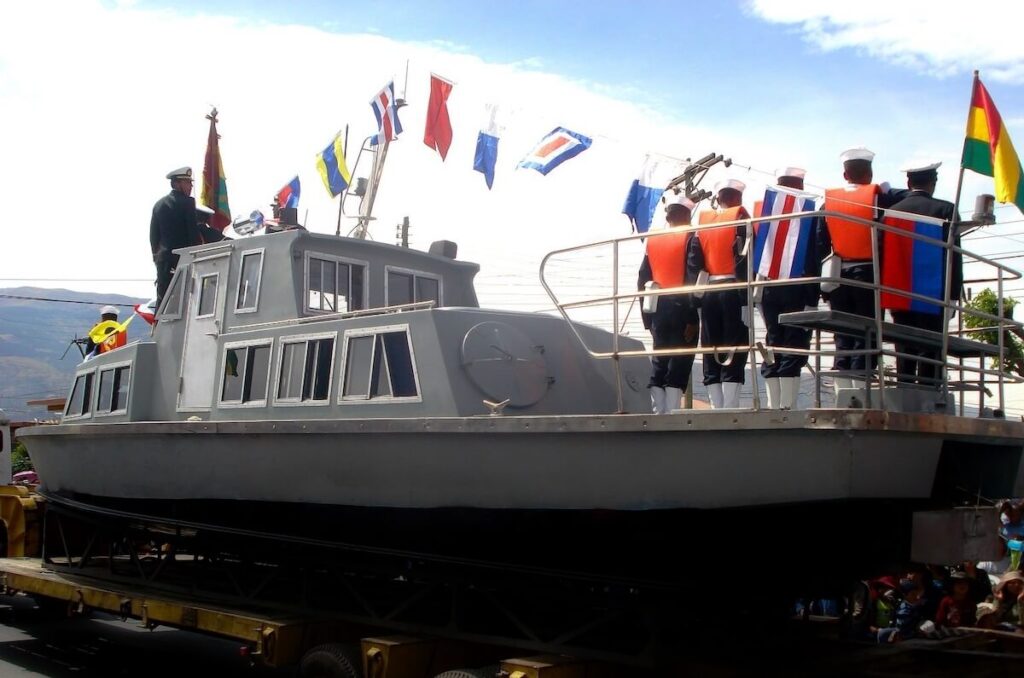
The Bolivian Navy patrols Lake Titicaca, the highest navigable lake in the world, to ensure its waters remain protected and accessible for trade and tourism.
That’s important for Bolivia’s national security because it shares the lake with neighboring Peru (which, by the way, can be coupled with Bolivia to make a fantastic eight-day itinerary). About 44% of the lake’s area is located within Bolivia’s borders.
7. Bolivia probably has the largest lithium reserves worldwide as well (but hardly explores them).
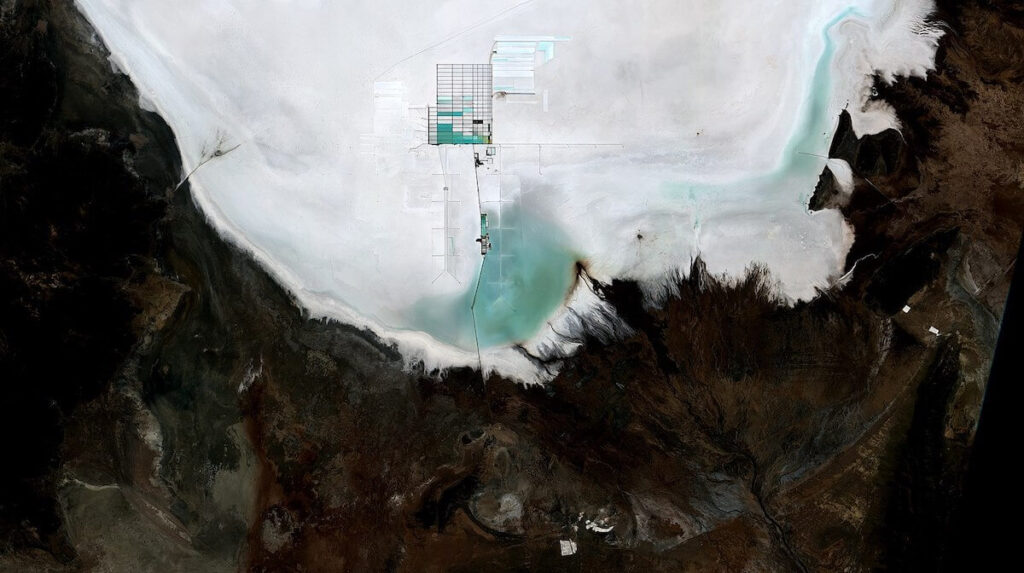
Hidden beneath its vast salt flats, waiting to be tapped into for future advancements, this valuable resource holds significant potential for renewable energy storage and has put Bolivia on the global stage as a key player in the energy industry.
Still, local communities have consistently opposed the advancement of lithium extraction within the salt flats, for fear they might disrupt the environment and damage the area’s enormous tourism potential.
8. Bolivia is one of the most sparsely populated countries on Earth.
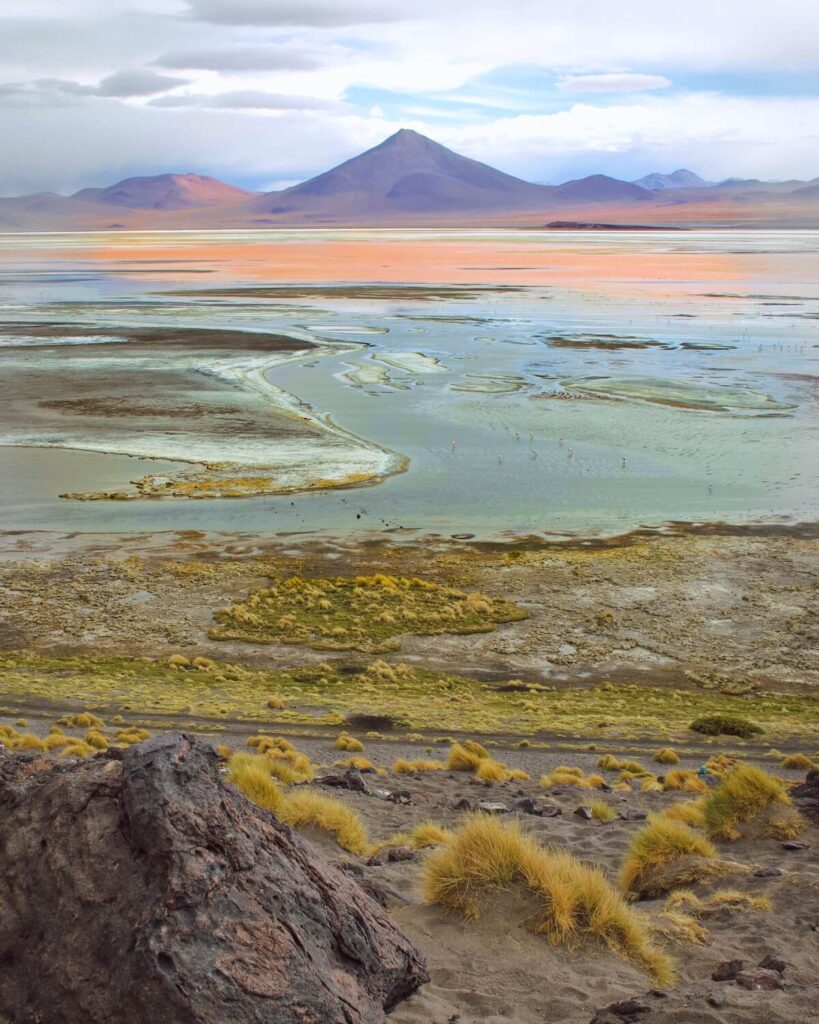
Currently at over 12 million, Bolivia’s population isn’t exactly tiny. Yet that’s hardly enough to properly settle the country’s total area of 424,164 square miles (the 27th biggest in the world).
That’s not really surprising when you factor in Bolivia’s often inhospitable landscapes, which span vast deserts, high-altitude steppes, and thick jungles.
This makes Bolivia the third-least densely populated country in Latin America (after Suriname and Guyana) and 15th among the independent nations of the world.
Facts about Bolivian culture
9. There’s an immense divide between western and eastern Bolivia.
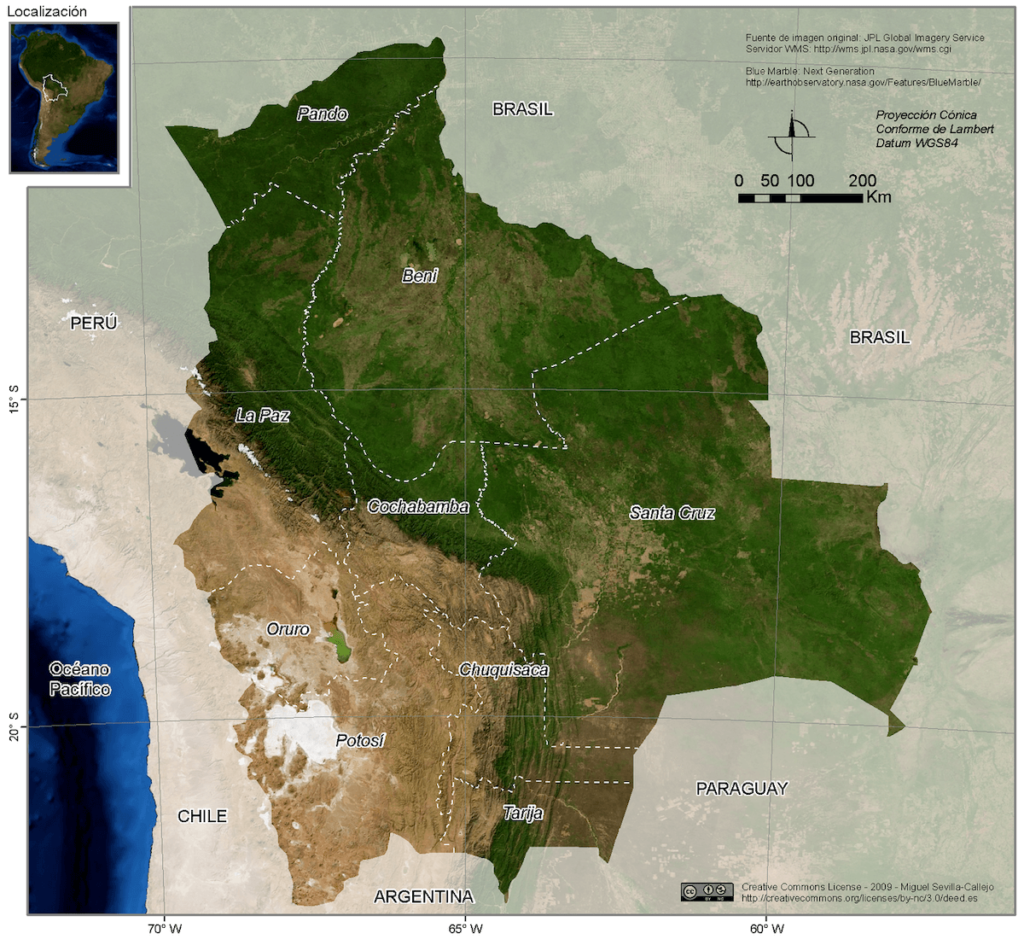
Each region of Bolivia features its distinct cultural traditions and influences. The western part, which is centered on the Andes, embraces its indigenous roots and Quechua and Aymara heritage,
The eastern region, made up of the Bolivian Amazon, showcases a blend of European and indigenous cultures instead.
The east is richer than the Bolivian Andes thanks to its vast gas reserves, which is also reflected in a stark socioeconomic gap and often heated political clashes between the two regions.
10. Coca leaves are sacred in the country.
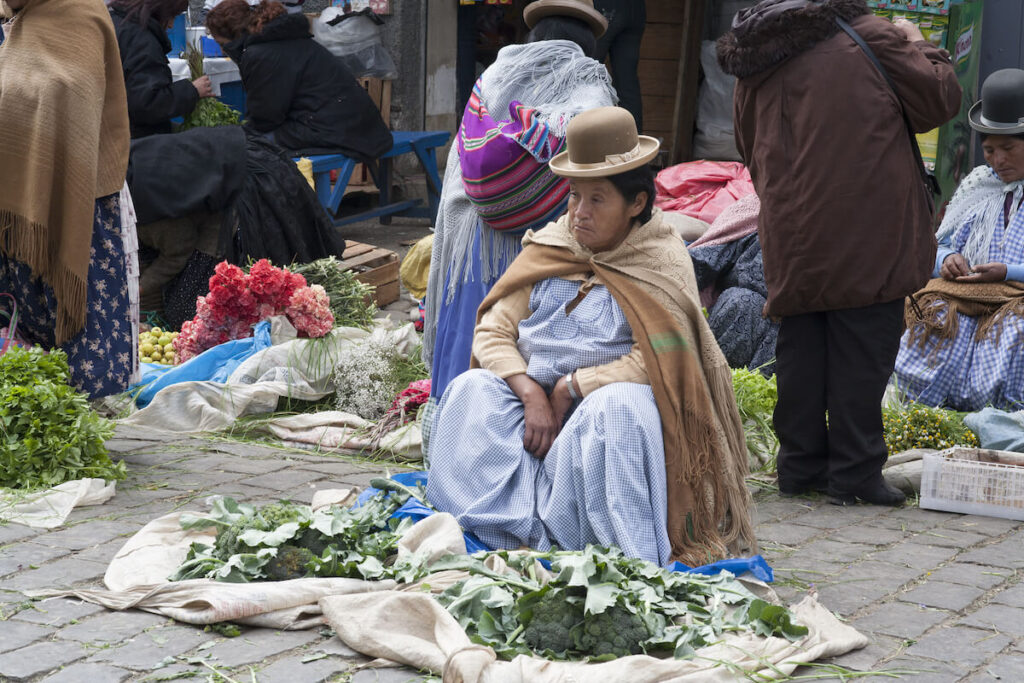
Coca has a long history of traditional use and cultural significance in Bolivia and the upper Andes as a whole. Bolivians often chew coca leaves to combat altitude sickness, endure hard labor more easily, and maintain a connection to their ancestral traditions.
11. Cholitas are indigenous women who proudly wear traditional clothes and have recently taken to… wrestling.
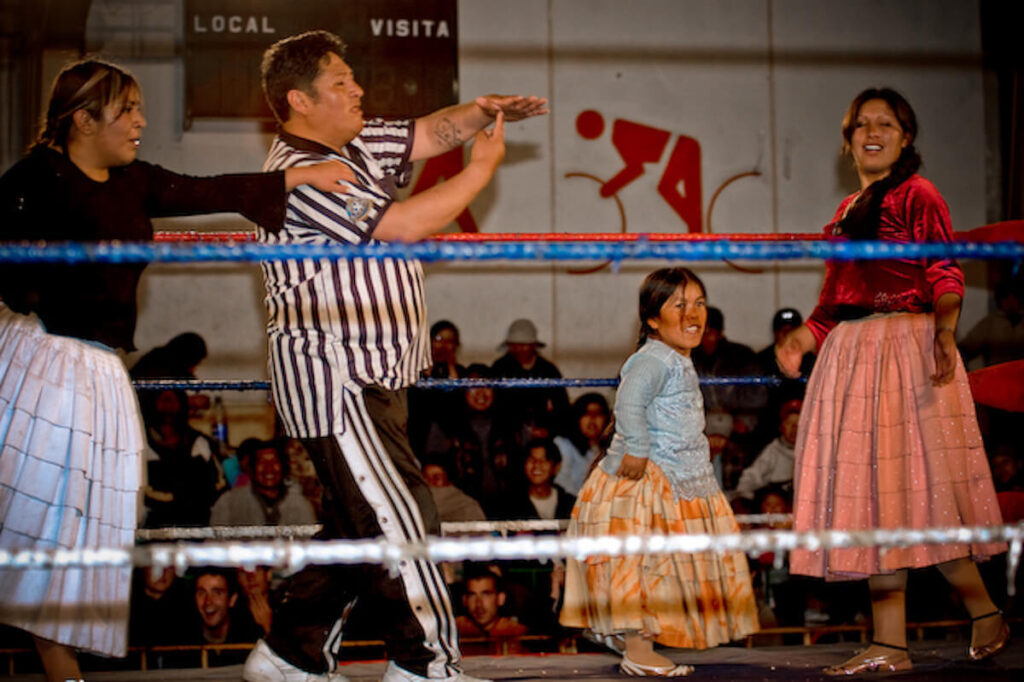
Breaking stereotypes and showcasing their strength, these empowered women challenge societal norms through their participation in the unique sport of “cholita wrestling,” which combines athleticism with cultural pride.
12. Oddly, the clock on the National Congress’ bell tower in La Paz runs backward.
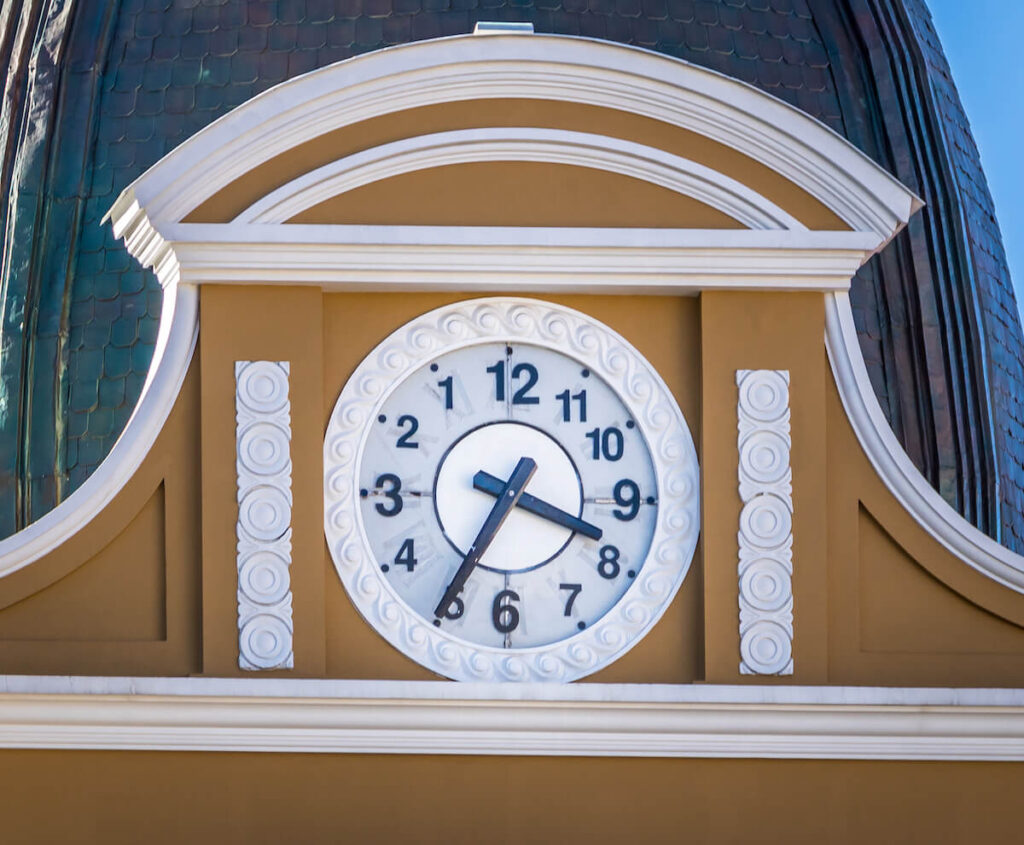
This of course adds a touch of uniqueness to Bolivia’s capital city. This quirk of the clock has become a symbol of the country’s unconventional spirit and is a favorite among locals and visitors alike.
It’s been dubbed “the clock of the south” and is meant to embody the Bolivian government’s concern with protecting the nation’s age-old cultural heritage and not submitting to imperialism.
13. Architect Freddy Mamani has created a brand-new architectural style for Bolivia’s up-and-coming indigenous upper class.

Known as Neo-Andean architecture or even Andean Neo-Baroque, these multicolored striking buildings stand out against the brownish landscape of Bolivia’s big cities (and especially El Alto)
Blending vibrant colors and geometric patterns into modern designs, they celebrate indigenous culture in contemporary settings through their bold aesthetics.
What’s more, the buildings’ multiple purposes serve indigenous families perfectly: many keep a shop on the ground floor, a ballroom on the second, and their own house on the top floor.
14. Guinea pigs are considered a delicacy in some parts of Bolivia.
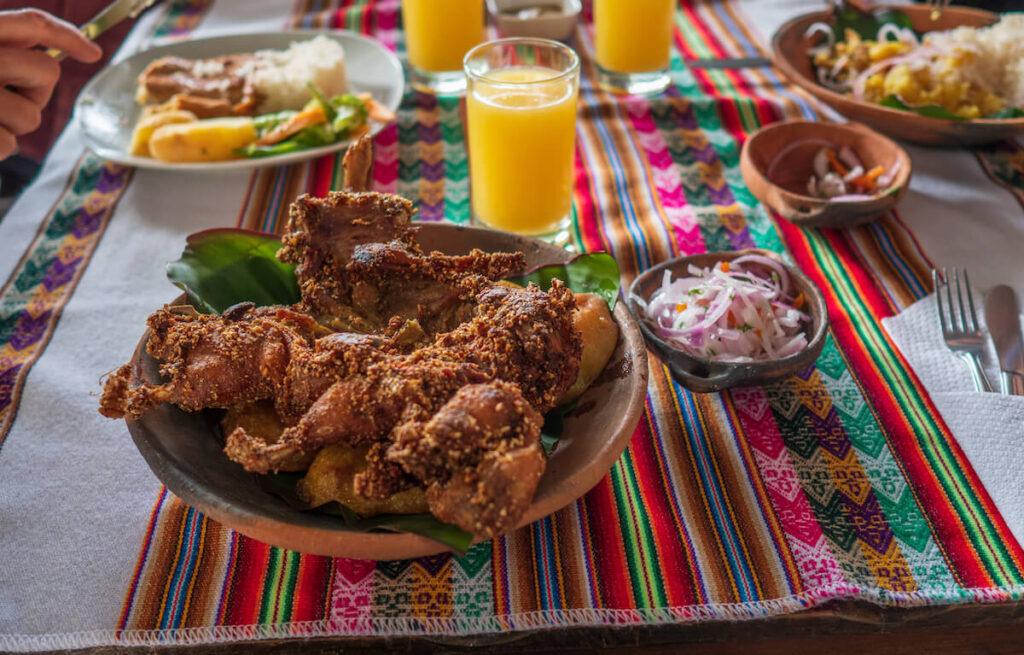
Locally called cuy, this traditional dish is enjoyed during special occasions and showcases Bolivia’s diverse gastronomy. It offers a culinary adventure for curious food enthusiasts—which I admit I wasn’t enough of when I visited Bolivia.
Also read: 20 Essential Things to Know About Bolivian Food Culture
15. McDonald’s? Nah, Bolivians like their fried chicken better.
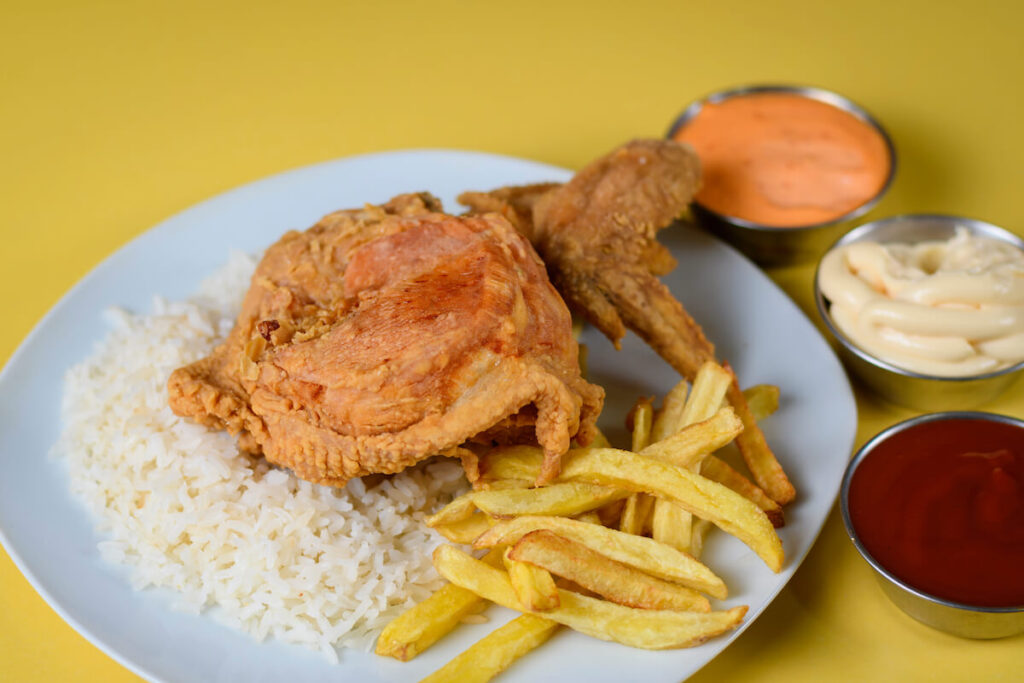
The country’s love affair with fried chicken has given rise to numerous local fried chicken chains, serving up crispy and flavorful delights to satisfy any craving. McDonald’s did keep a few locations in the country until 2002 when it closed shop due to low demand.
16. In Bolivia’s biggest cities, “zebras” help you cross the street.
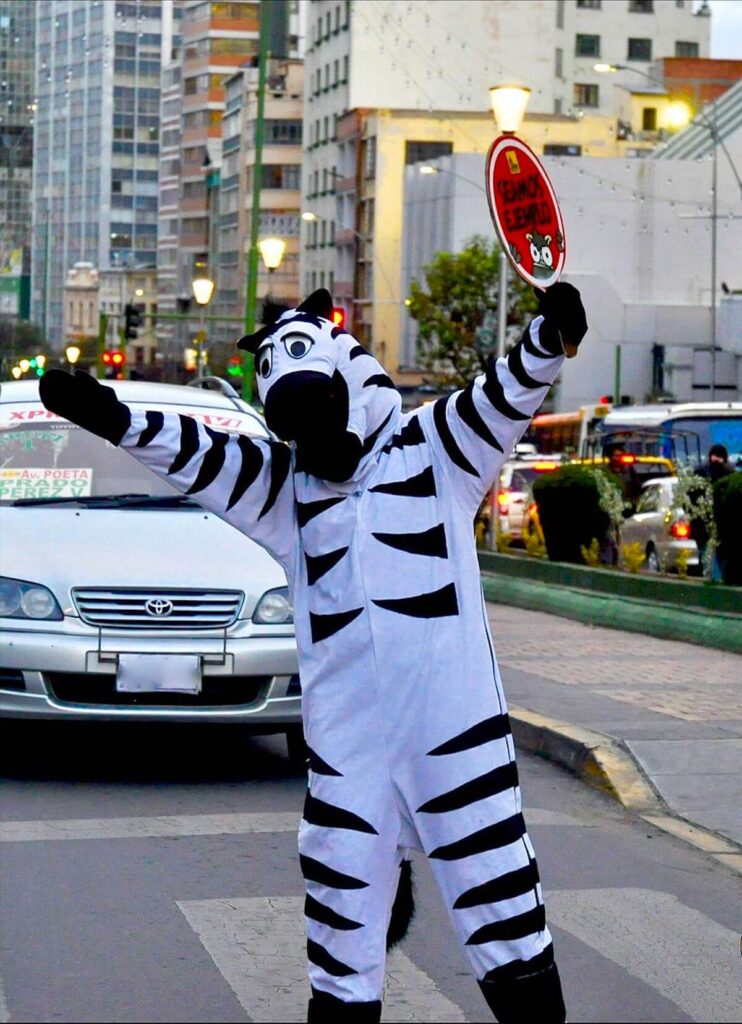
Adding a whimsical touch to pedestrian safety with their striped costumes, these friendly traffic guides entertain and educate pedestrians, reminding them to follow the rules of the road while spreading joy with their playful presence.
This program started in La Paz and was soon replicated in other big cities across Bolivia. That’s more than welcome, as traffic in busier districts is often quite messy to navigate.
History facts about Bolivia
17. Bolivia is home to one of the largest collections of dinosaur footprints on Earth.
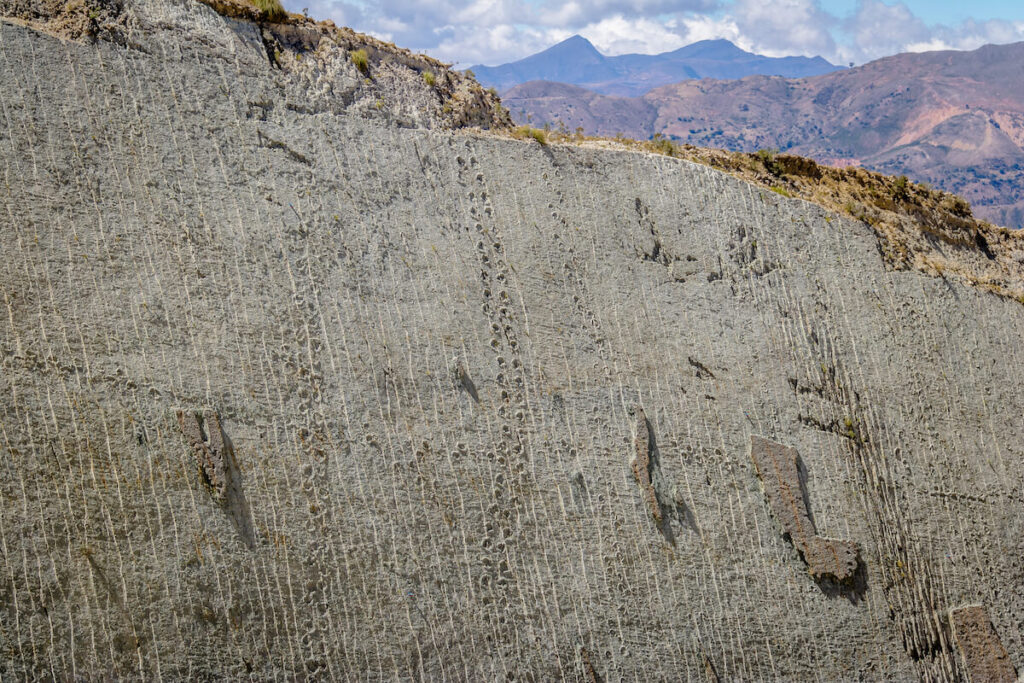
Providing a glimpse into the ancient world that once roamed its lands, these prehistoric imprints allow you to step back in time and marvel at the remnants of these magnificent creatures. Bones are actually scarce but the imprints are marvelous nonetheless.
Visit the Cal Orck’o fossil bed in Sucre, which is home to 5,000 to 10,000 footprints, and see for yourself.
18. It is dotted with pre-Columbian ruins too.
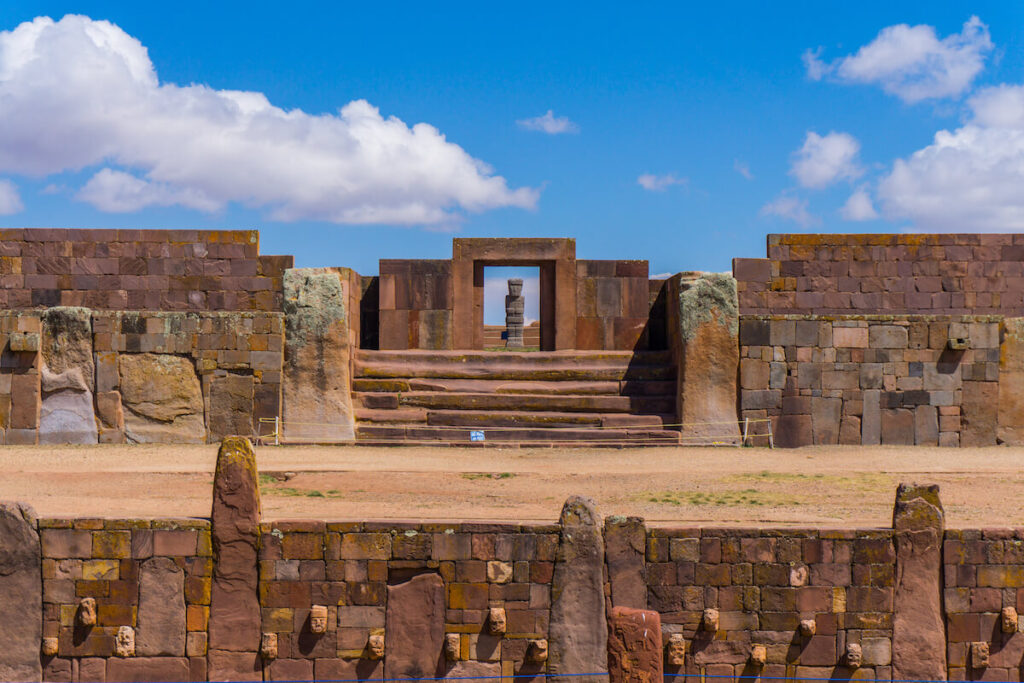
Exploring the ancient city of Tiwanaku or the mysterious ruins of Samaipata — two of Bolivia’s archaeological sites — offer a window into the country’s rich pre-Columbian history. Several civilizations, including the Incas, thrived in this region long before European arrival.
19. For almost 300 years, 20% of all the silver in the world was extracted from a hill in the city of Potosí.
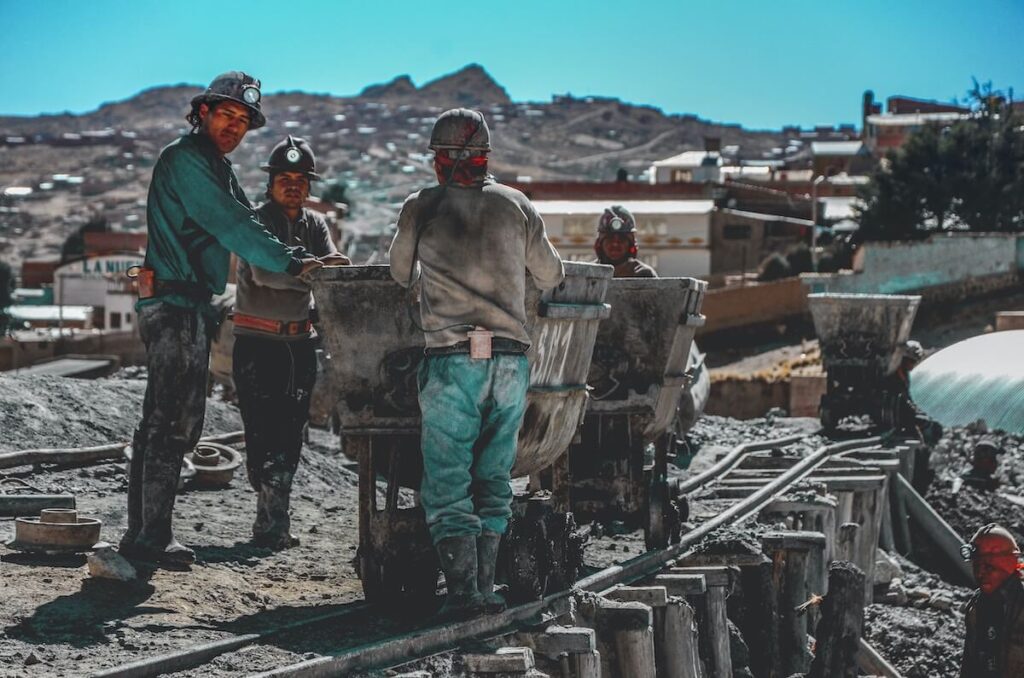
A staggering testament to Bolivia’s historical wealth, the fittingly named Cerro Rico (i.e. “Rich Hill”) silver mines were once the lifeblood of the Spanish empire.
During that period, Potosí was the richest city in the world and witnessed the construction of lavish Baroque palaces and churches.
20. Bolivia was named after the general that helped it achieve its independence, Simon Bolivar.
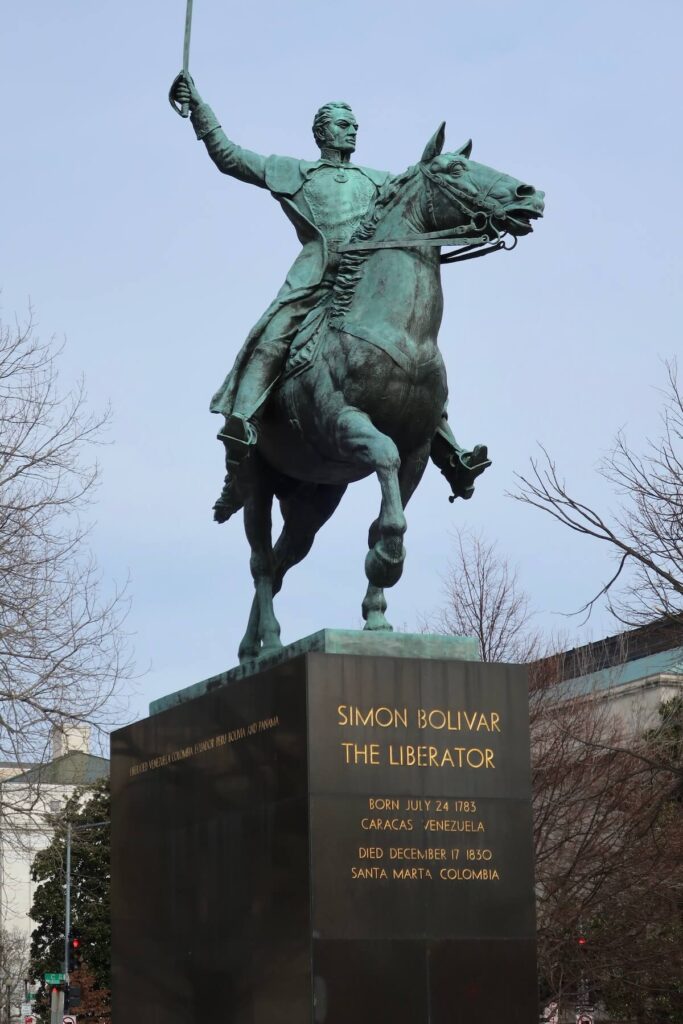
A revered figure in South American history. Bolivar put his leadership and vision to service of the independence movements in South America and paved the way for the liberation of several nations in the region, including Bolivia, Venezuela, Colombia, and Ecuador.
21. It was once twice as big—and had access to the Pacific.
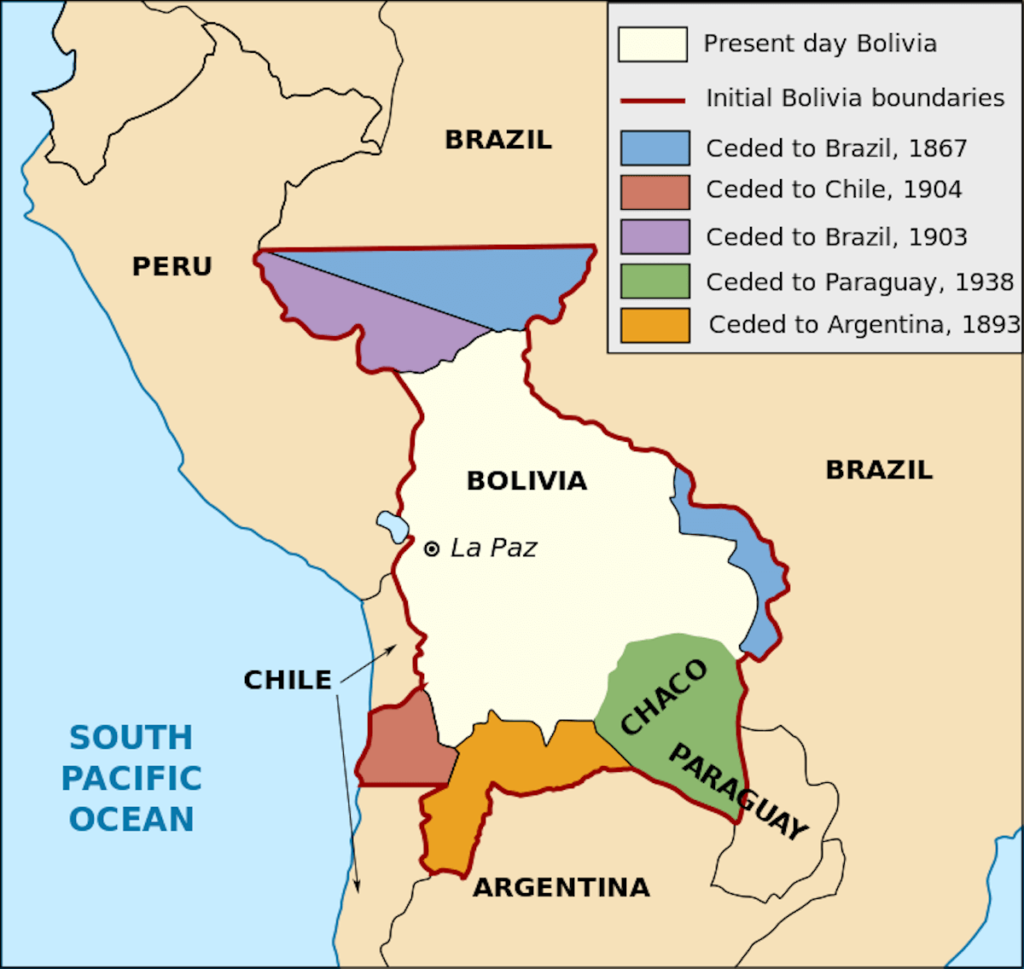
Bolivia’s territorial loss in the War of the Pacific in the late 19th century changed its borders, resulting in the country being landlocked and igniting a sense of longing for the coast that was once within its reach.
It lost a significant portion of its Amazonian region, which was shamelessly annexed by Brazil on two occasions and later transformed into the Brazilian State of Acre. Then, in the 1930s, Bolivia lost large swathes of its southern wetlands following a war against Paraguay.
22. The presidential palace is widely known as the “burned palace”.
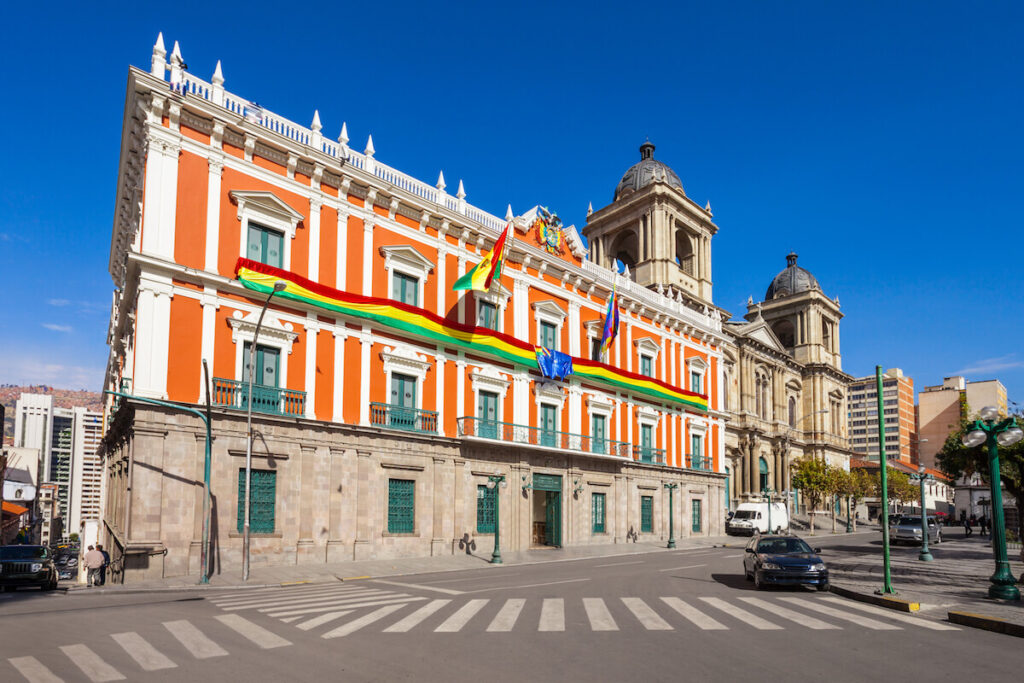
The Spanish name of Palacio Quemado derives from its history of fires and reconstructions, adding an air of mystery to this significant landmark. The iconic building has withstood various challenges throughout its existence and stands as a symbol of resilience.
23. Bolivia has had a whopping 17 constitutions throughout its history.
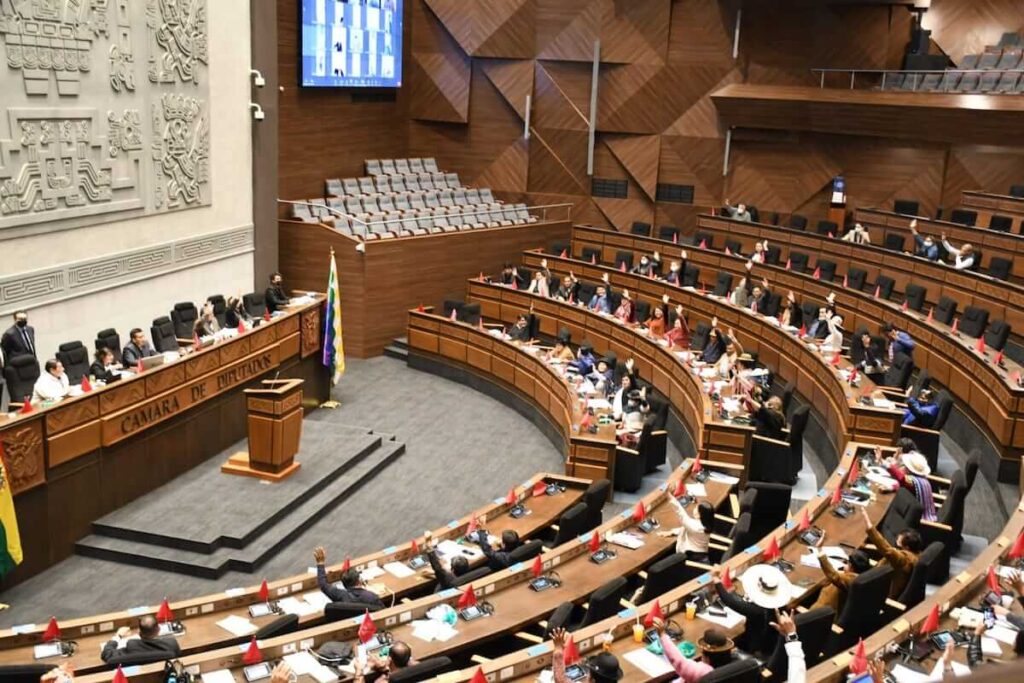
Reflecting its evolving political landscape and the quest for stability, these constitutional changes represent the nation’s ongoing pursuit of democratic ideals and the desire to shape its future through governance—though many of these constitutions resulted from coups.
Facts about Bolivian landmarks and attractions
24. Some folks travel to Bolivia just to cycle down the so-called Death Road.
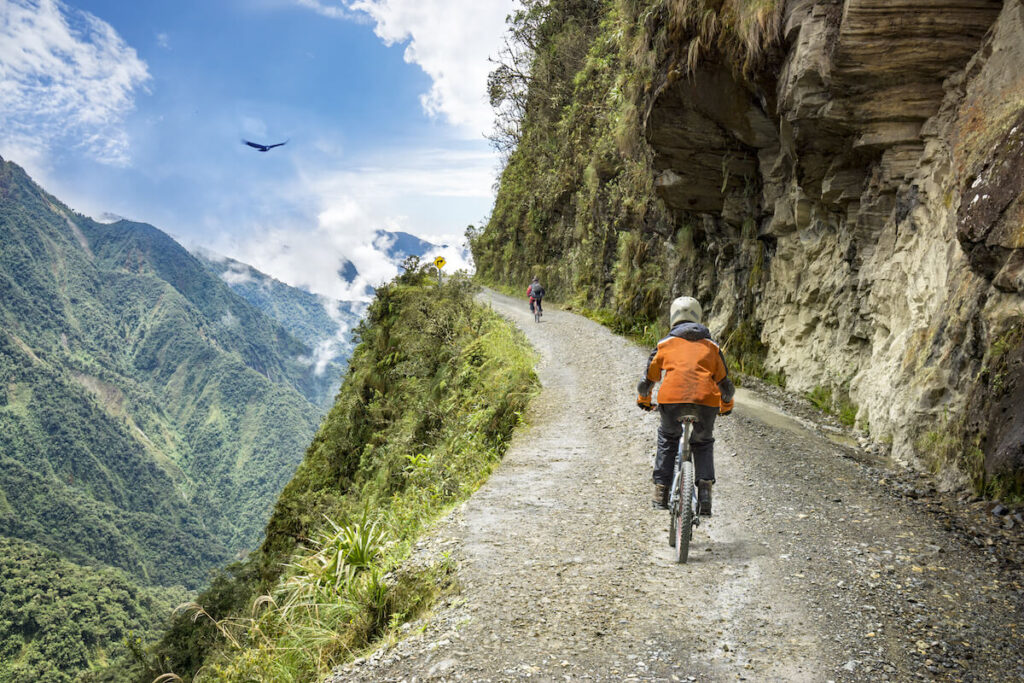
This legendary route offers adrenaline-pumping descents and rewards riders with awe-inspiring views of the surrounding valleys. It’s an exhilarating (if slightly dangerous) adventure that takes you through awe-inspiring mountainous landscapes.
25. Until 2009, San Pedro Prison in La Paz was a major tourist attraction.
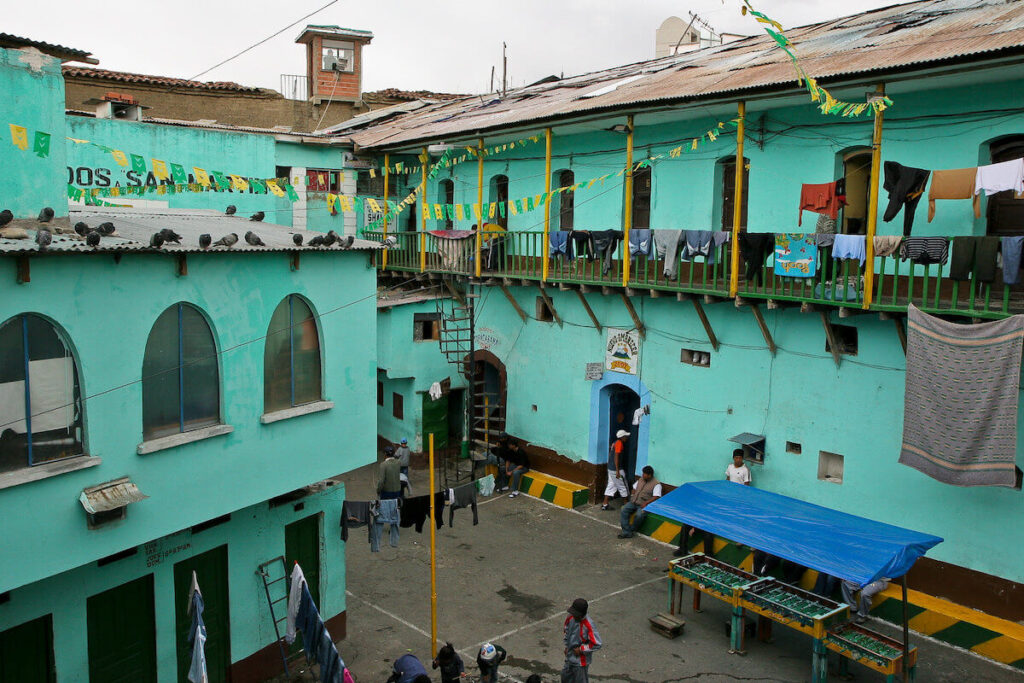
A visit to this jail in central La Paz provided a unique glimpse into the life of inmates living in a self-governed community. While tours of the prison are no longer allowed because of a few serious incidents, its intriguing history remains a topic of fascination.
26. The Witches’ Market of La Paz is often as spooky as it sounds.
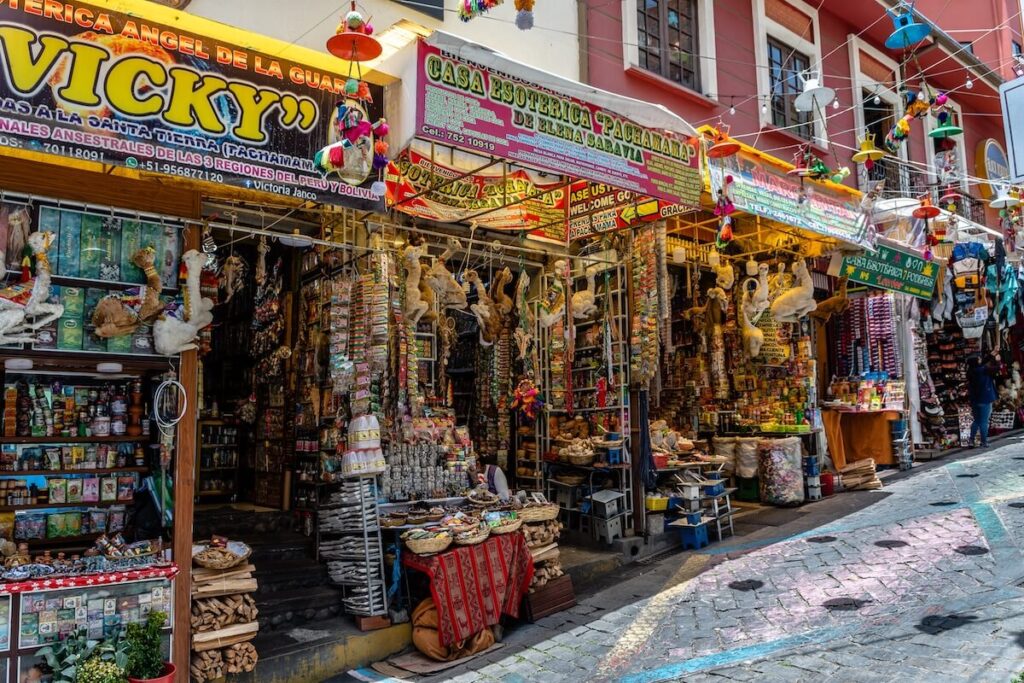
This collection of cobblestone alleys within old La Paz is where you can find curious items like potions, lucky charms, and even dried llama fetuses used in folk medicine.
The market is a reflection of Bolivia’s syncretic culture, where indigenous beliefs and elements of Catholicism and mysticism are seamlessly and uncontroversially blended. It’s also a great spot to load up on souvenirs from Bolivia.
27. Bolivia is home to the most expansive salt flat on the planet.
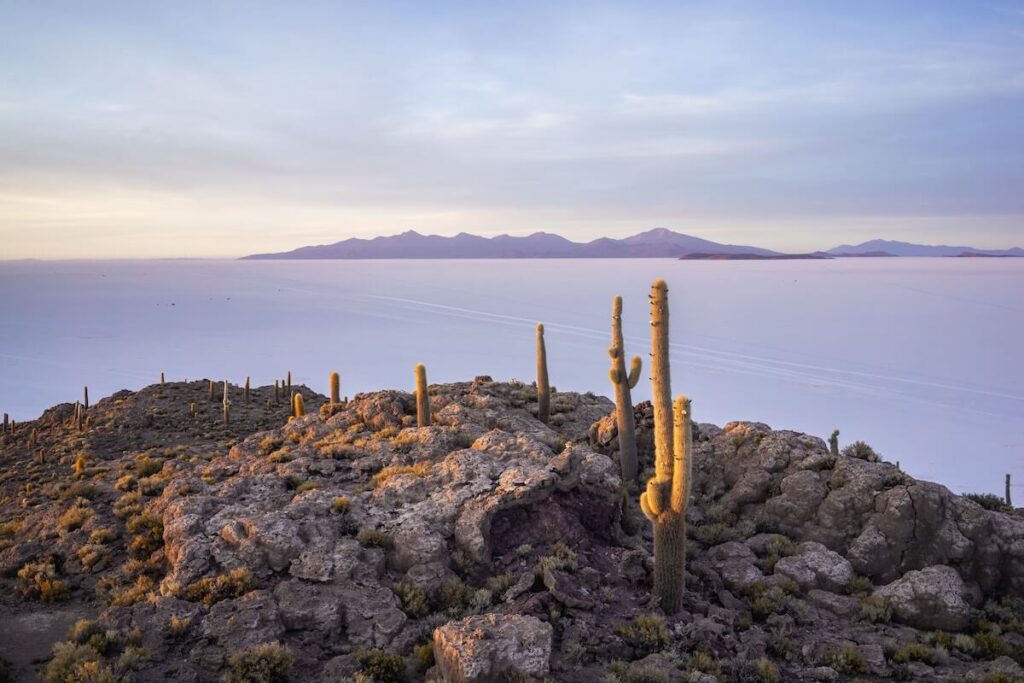
I’m talking about the jaw-dropping Salar de Uyuni, where the vast white expanse stretches as far as the eye can see. This natural wonder—which 30,000 years ago made up the floor of a lake—offers surreal photo ops and the chance to witness nature’s wonders up close.
28. That’s where you can stay in a hotel that is made of salt.
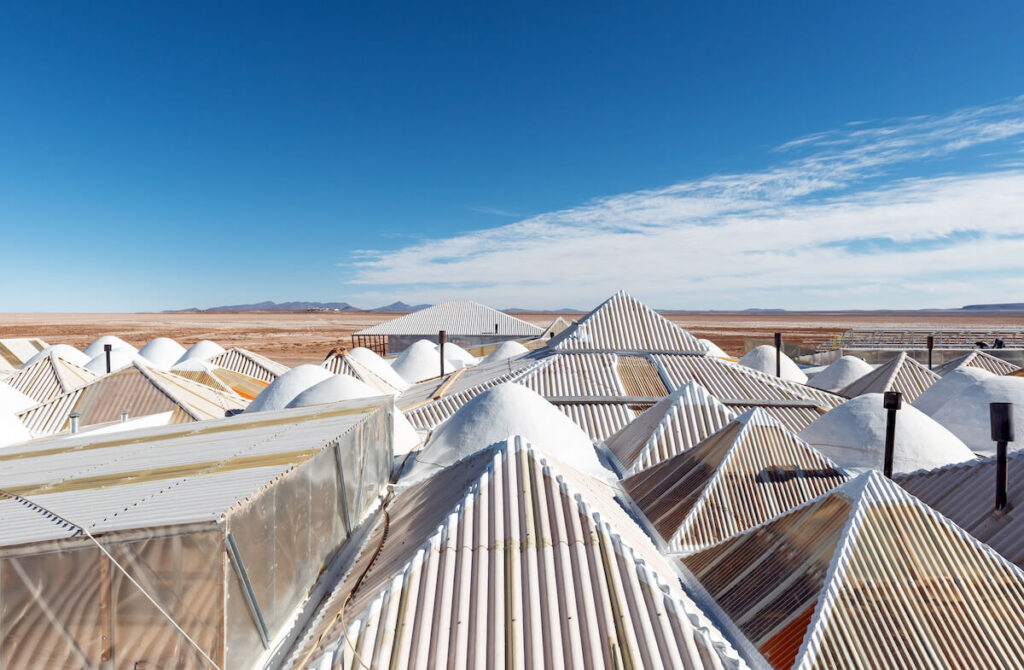
Providing an unforgettable experience that blends natural beauty with architectural marvel, these unique hotels accommodate you in rooms built entirely from salt blocks, which allows for a one-of-a-kind stay in the heart of Uyuni.
29. One of the country’s best-known landmarks is so alien-looking that it was dubbed the “Salvador Dalí desert”.
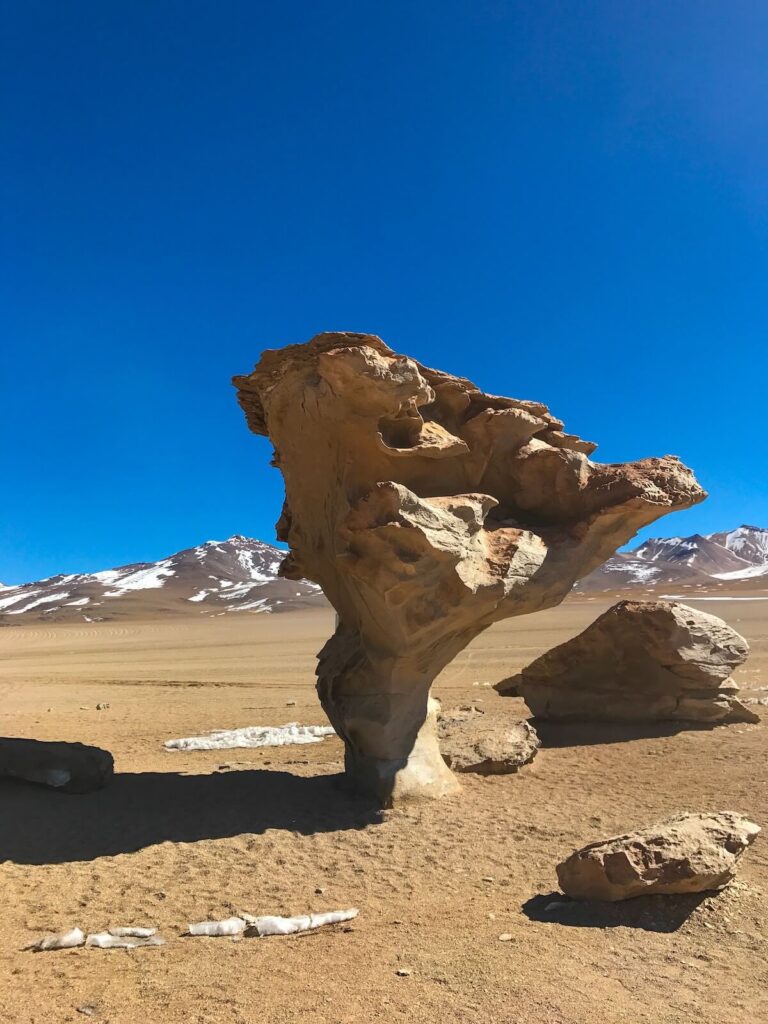
Reminiscent of the surrealist landscapes created by the Spanish painter Salvador Dalí, this section of Eduardo Avaroa Andean Fauna National Reserve boasts extraordinary rock formations and striking colors, which make up a mesmerizing setting that enchants visitors.
30. At almost 4,700 acres, Madidi National Park is one of the world’s largest protected areas.
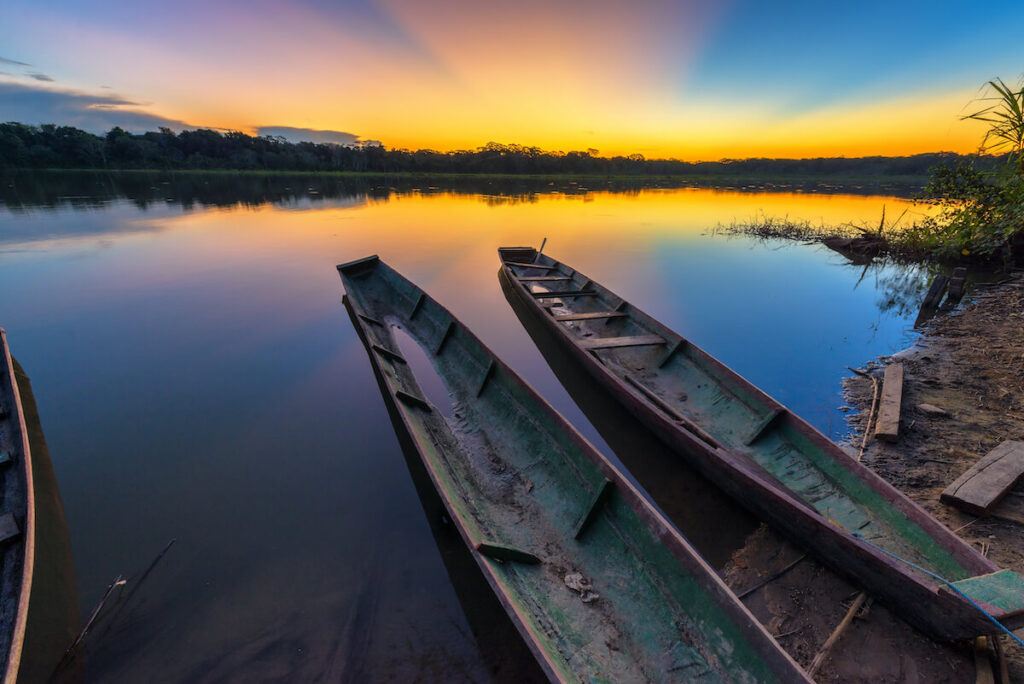
Teeming with biodiversity and offering nature enthusiasts a paradise to explore, this wildlife sanctuary in the heart of the Bolivian Amazon is home to an array of fauna, flora, and beautiful landscapes from lush rainforests to pristine rivers, providing a haven for conservation and ecotourism.
Final thoughts
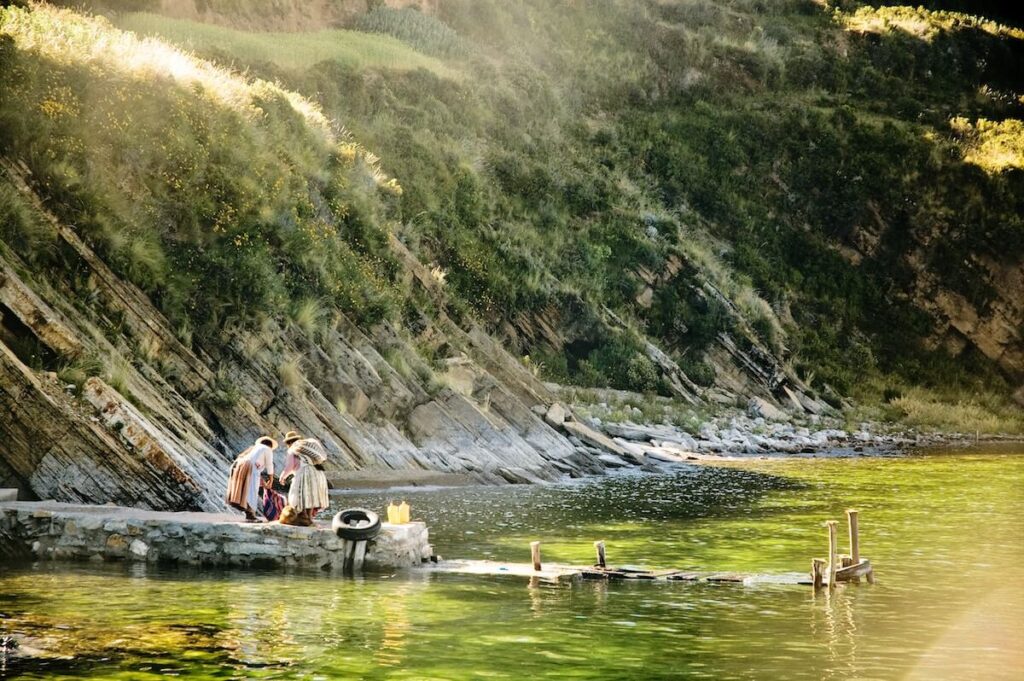
From its lofty heights to its vibrant indigenous culture, Bolivia is a treasure chest of surprises waiting to be explored.
Whether it’s cycling down the Death Road, wandering through the mysterious Witches’ Market, or marveling at the incredible landscapes of the Salar de Uyuni, Bolivia offers an unforgettable experience for every adventurer.
So, next time you’re dreaming of your next travel destination, remember that a place where ancient traditions meet modern wonders is waiting for you.