
Bolivian food culture, thanks to the South American country’s diverse landscapes and rich cultural heritage, is as captivating to the senses as your favorite cuisines in the world—though it’s definitely underrated.

From the heights of the Andes to the lush Amazon rainforest, the nation’s culinary tradition has been woven from ancient traditions and modern influences.
If you’re ready to explore the mouthwatering wonders of this vibrant country, you’ve come to the right place: I’ll tell you everything you need to know to navigate Bolivian food culture next time you visit.
Table of Contents
The basics and history of Bolivian cuisine
1. Bolivia owes its cuisine to the fusion of several cultures.

Long before the Spanish conquistadors arrived in the 16th century, indigenous peoples like the Inca and the Aymara had their own culinary traditions deeply rooted in the fertile Andean soil.
The techniques of preserving food and the art of creating hearty stews, for example, were indigenous culinary contributions that remain cherished today.
The Spanish brought wheat, rice, and European livestock, forever altering Bolivia’s culinary landscape. Then, enslaved people from Africa, brought to Bolivia’s lowland regions by the Spanish, contributed their unique flavors to the mix.
And let’s not forget the Asian influence, particularly from Chinese immigrants who arrived in the late 19th and early 20th centuries. They brought with them a flair for stir-frying and an array of exotic spices that found their way into Bolivian dishes.
Also read: 30 Fun and Interesting Facts About Bolivia You’ll Love to Know
2. Indigenous ingredients like potatoes, quinoa, and corn are foundational to Bolivian cuisine.

Potatoes, corn, and quinoa are the unsung heroes of Bolivian cuisine, forming the very core of its culinary identity.
With over 4,000 native potato varieties grown across the country, you can imagine the incredible diversity they bring to the table.
Corn is another pillar of Bolivian cuisine. It’s not just a cereal there; it’s a versatile ingredient that can be ground into flour for dishes like huminta (corn tamales) or used as a base for soups and stews.
Then there’s quinoa, often referred to as a superfood globally, but to Bolivians, it’s a life-sustaining grain that’s been cultivated for thousands of years. Quinoa’s high protein content makes it an ideal substitute for meat in a largely vegetarian diet.
3. Cassava is another major staple in Bolivia, especially in the Amazonian East.

This starchy root vegetable is a real workhorse in Bolivian cooking. From hearty stews to crispy snacks, cassava is incredibly versatile.
In the Amazonian East, cassava is genuinely a daily staple. You’ll find it as a side dish, transformed into flatbreads, or even fried to crispy perfection.
Now, when it comes to preparing cassava, there’s a bit of a process involved. You see, cassava contains natural compounds that can be toxic if not removed properly.
But locals have mastered the art of cassava preparation. They peel, grate, soak, and squeeze the cassava to remove those toxins, turning it into a safe and delicious ingredient.
4. Bolivian cuisine has amazing regional diversity.

As you move through the different regions of Bolivia, you’ll encounter distinct traditions and ingredients that have been shaped by local cultures and histories.
In the valleys, where the climate is milder, you might find dishes that are influenced by Spanish colonial heritage.
When you explore big cities like La Paz and Cochabamba, be prepared for cosmopolitan vibes with a fusion of international flavors.
Bolivian cuisine has this incredible ability to reflect the landscapes and cultures that make up this diverse country.
Bolivian food culture traditions
5. Bolivians have been chewing and brewing coca leaves for centuries.

The coca plant is native to South America—and won’t grow anywhere else on the planet. Now, you might have heard about coca in relation to cocaine, but chewing coca leaves is a whole different story.
The leaves themselves contain a mild stimulant that’s far from the intense effects of cocaine. Locals chew these leaves to fight altitude sickness, boost energy, and even ease hunger pangs.
But that’s not all: coca leaves also have a ceremonial side. In indigenous rituals, coca leaves are used to connect with the spiritual world and to share thoughts and intentions.
Besides chewing the leaves, Bolivians also brew them into a tea that’s believed to have numerous health benefits.
6. In some areas of the country, a food offering to Mother Earth is customary.

Pachamama, the Andean earth goddess, is considered the mother of all things in the local cosmology. She’s seen as a provider of life, fertility, and abundance. So, it’s only natural that people would want to express their appreciation before eating.
The ceremonies can vary in scale and complexity, from simple acts at home to more elaborate rituals involving entire communities.
You might witness families burying food offerings in the ground or see people burning items as a symbolic act of giving. Sometimes, these offerings are timed with significant events like planting seasons or harvests.
7. Fermented corn makes a sacred beverage: chicha.

In Bolivia, chicha isn’t just something you casually sip on; this fermented corn beverage has deep roots in tradition and history.
During the fermentation process, natural yeasts and bacteria work their wonders, converting the corn’s sugars into alcohol. This gives the drink its characteristic tangy taste and a slight fizziness.
In many Bolivian communities, making chicha is a communal effort. Families and neighbors come together, sharing stories, laughter, and music while they prepare the beverage.
Chicha is deeply connected to spirituality too. In many indigenous communities, chicha is offered to Pachamama as a way of showing gratitude and seeking blessings.
8. With the chuño technique, Bolivians have been freezing potatoes way before it was cool.

Chuño starts with tiny potatoes known as papas nativas. These little spuds are washed and soaked to soften them up. Then, they’re spread out in the open, where the freezing night temperatures work their magic.
As the potatoes freeze, the water inside them crystallizes, forming ice. Now, here’s the clever part: Bolivians step in to help. They step on the frozen potatoes to squeeze out the ice.
Once the ice is removed, the potatoes are left with a distinct texture and flavor. They’re somewhat dry, dense, and chewy.
Chuño potatoes can last for years without spoiling. This made them a vital survival food for communities in the Andes, where long winters and high altitudes made fresh produce a rare commodity.
9. Llamas and alpacas aren’t raised for their wool only.

Llamas and alpacas are not just rocking their fabulous wool coats—they’re also making their way onto the menu in Bolivia. In fact, these animals have been an essential part of Bolivia’s food culture for centuries.
It’s all about sustainability and making the most of what nature provides. Llamas and alpacas thrive in the high-altitude regions of the Andes, where other livestock might struggle. The locals have figured out how to use every part of these animals to make sure nothing goes to waste.
Famous Bolivian foods and dishes
10. You won’t find that much seafood in Bolivia, but trouts are a must-try.

As a landlocked country, Bolivia might not have a seashore to flaunt. Yet it’s got something special simmering in its lakes and rivers—and that’s trouts.
Locals have refined the art of cooking the national dish of Bolivia to perfection. Whether it’s a smoky char from the grill or the tenderness of oven-roasting, you’re in for a taste sensation.
The fish is often served with a side of local flavors—maybe some Andean potatoes or a refreshing salsa made from indigenous ingredients.
11. The country’s ají peppers are a chili lover’s dream come true.

A dive into a world of vibrant colors and fiery tastes is precisely what Bolivia’s ají peppers bring to the table.
These little powerhouses of flavor come in a range of shapes, sizes, and, most importantly, heat levels. From mildly tangy to oh-my-goodness spicy, there’s an ají for every tastebud.
And trust me, Bolivians don’t hold back when it comes to incorporating ají into their cuisine. You’ll find them starring in sauces, marinades, and even as a condiment on the dining table.
12. Anticuchos and salteñas are two of the juiciest street-food treats in South America.
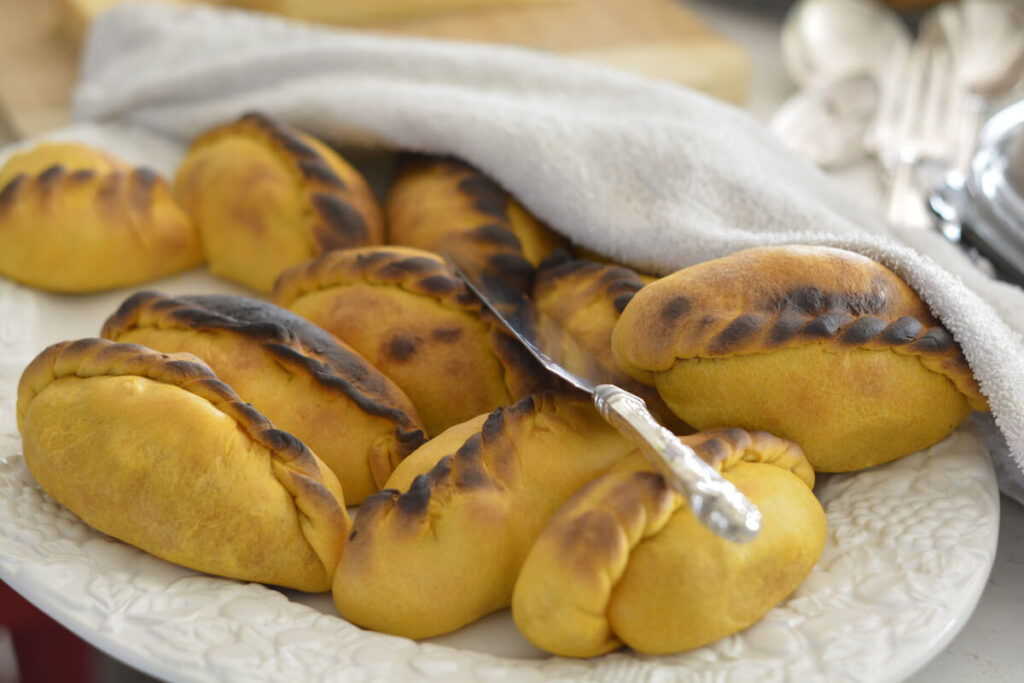
These goodies are more than just Bolivian traditional food; they’re an explosion of flavor that you won’t want to miss when you’re in need of munching on some good ol’ street food.
Imagine skewers of marinated, succulent meat, sizzling over an open flame: that’s the magic of anticuchos. These skewers aren’t just any meat; they’re often made from beef heart, which might sound unusual, but trust me, it’s a flavor-packed adventure.
And if you’re in the mood for something with a bit of a surprise, cue in salteñas. Bolivia’s answer to empanadas is a handheld pastry, beautifully baked to golden perfection, and then filled with a heavenly mixture of meat, vegetables, olives, and a slightly sweet, savory sauce.
13. Peanut or quinoa soups can keep you warm on a chilly night in the Andes.
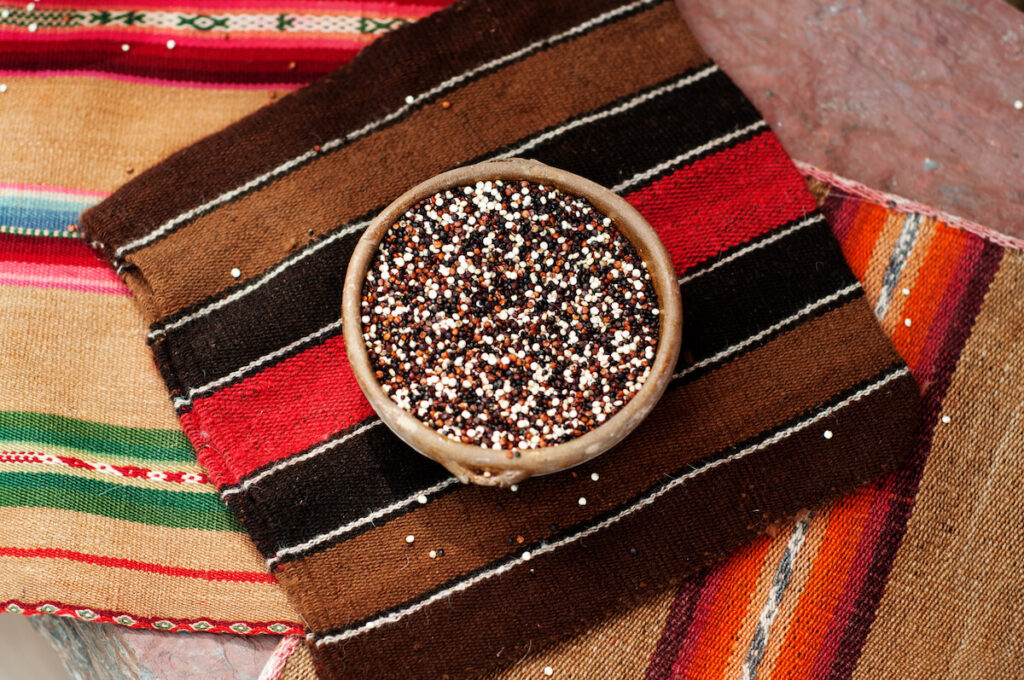
The chill in the air on an Andean night should be enough to make you reach for something warm and comforting. And that’s where peanut and quinoa soups step in.
These soups are not just a meal; they’re a tradition, a taste of the Andean highlands that’s as comforting as wrapping yourself in a warm blanket.
The beauty of these soups lies not just in their flavors but in their cultural significance. They’ve been cherished by generations in the Andes, passed down as family recipes that bring warmth and togetherness.
A short guide to Bolivian desserts
14. If you have a sweet tooth, try alfajores, cocadas, and tawa-tawas.

Brace yourself for a delightful adventure into the world of Bolivian sweets, where three treats in particular—alfajores, cocadas, and tawa-tawas—are ready to satisfy your cravings in the most mouthwatering way.
Alfajores are made of two buttery, melt-in-your-mouth cookies hugging a luscious filling, often made with dulce de leche—that creamy caramel goodness.
Cocadas, in turn, are made from grated coconut, sugar, and a dash of vanilla. Coming in various shapes and sizes, they’ll take you on a mini vacation with each bite.
And then there’s tawa-tawas, deep-fried snacks that are often coated in a sprinkle of sugar. Their crisp exterior gives way to a soft, fluffy interior that’s pure bliss for your tastebuds.
15. On a hot day, treat yourself to cinnamon ice cream instead.

If you’re in Bolivia and the heat is cranking up, swap that regular ice cream for something with a twist. Get ready to cool down with a scoop of delicious cinnamon ice cream.
Besides its fantastic flavor, cinnamon is known for its natural cooling properties. And trust me, when you’re strolling through the colorful streets of Bolivia’s towns or exploring its stunning landscapes, you’ll appreciate anything that can help you beat the heat.
16. Api, Bolivia’s unique hot chocolate is made of… corn, of course.

A warm, comforting Bolivian treat might just challenge your idea of hot chocolate. Meet api, the nation’s cozy cup of comfort that’s made of corn, not cocoa.
To make api, the corn is ground into a fine powder and mixed with spices like cinnamon and cloves. Hot water is added, creating a velvety concoction that warms you from the inside out.
Tips to best enjoy Bolivian food culture
17. Hit the local market to find the freshest delicacies.

Picture this: rows upon rows of colorful stalls, each overflowing with an array of fresh produce, aromatic spices, and mouthwatering treats. From bustling city markets to quaint village bazaars, Bolivia’s local markets are a feast for the senses.
Hitting the market is all about getting up close and personal with the heart of Bolivian cuisine. How about sampling a handful of exotic fruits you’ve never even heard of?
This is also, of course, the best place to load up on souvenirs from Bolivia. And don’t even get me started on the assortment of local snacks that practically beg you to give them a try.
18. Go hunting for good coffee.
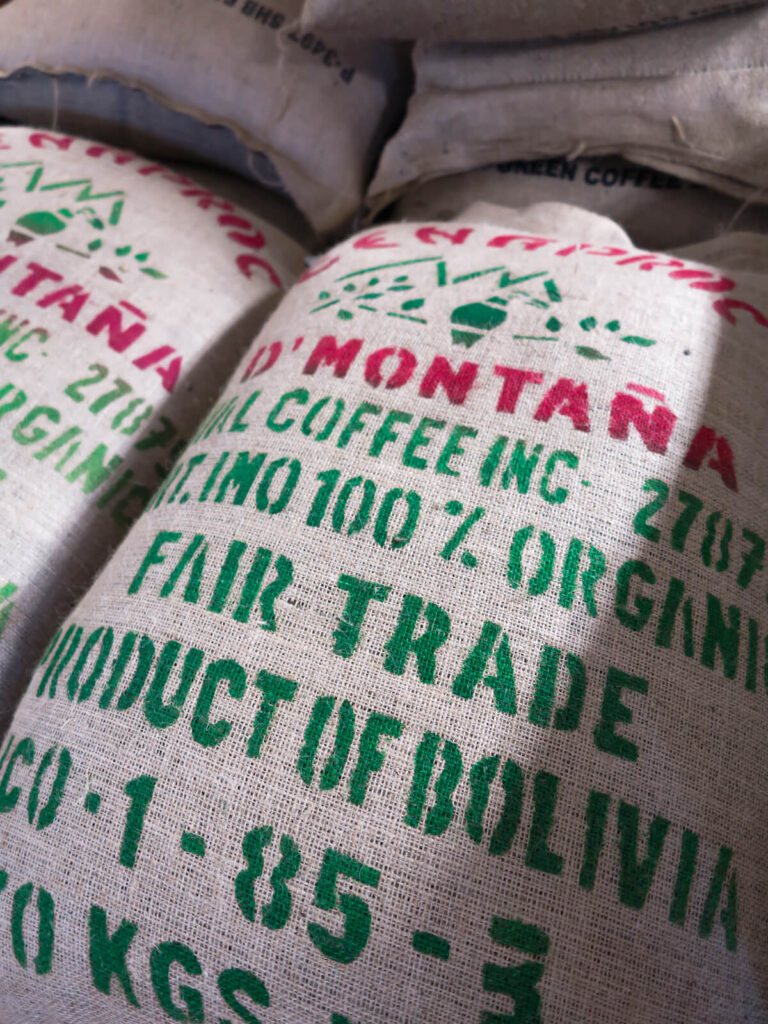
Bolivia might not be the first country that springs to mind when you think of coffee, but that’s exactly why you should give it a shot (pun intended).
Unlike coffee giants like Colombia or Brazil, Bolivia’s coffee scene is still finding its feet. And that’s what makes it so special.
The beans are lovingly grown in high-altitude regions, where the chilly mountain air and nutrient-rich soil give them a flavor profile that’s genuinely unique.
19. Chug a shot of Singani to get the party started.

If you’re in Bolivia and ready to kick things up a notch, you’ve got to try Singani. This clear, grape-based spirit isn’t just a drink—it’s a whole vibe. Made from white Muscat grapes grown in the high Andes, this drink is all about packing a punch of flavor and fun.
You can throw back a shot like a true Bolivian, but if you’re up for a little mixology adventure, then say hello to the Chuflay. This is Bolivia’s signature cocktail, and it’s super simple to make. Just pour some Singani over ice and top it off with ginger ale.
20. You don’t have to tip—but if you do tip, 10% should be enough.

Here’s the scoop: tipping isn’t really the norm in Bolivia like it might be in some other places. In Bolivia, service charges are often included in the bill, which can be a refreshing change of pace. So, when you see that little “10%” or something similar tacked onto your bill, you’re good to go.
Now, if you’re feeling generous and you want to tip, a little kindness is always appreciated. And here’s the magic number: around 10% of the bill is generally considered a nice gesture.
Final thoughts

From the gooey warmth of a traditional salteña to the intricate flavors of the best Bolivian coffee, it’s easy to see how Bolivian cuisine is more than just food—it’s a celebration of ancient cultural heritage and the joy of sharing.
On this expedition through Bolivian food culture, we’ve toured both bustling markets and the heart of family kitchens, savoring the essence of the nation’s identity through its dishes.
Now you need to make happen it in real life! No matter whether you fly straight into Bolivia or embark on a fantastic Peru and Bolivia itinerary like I did, you simply have to experience everything Bolivia has to offer first-hand.