
So, you’ve spent weeks planning the perfect getaway…a trek through a humid tropical rainforest or maybe a weekend camping under the stars. You’re halfway through packing when you grab a can of repellent and pause—

It’s a common dilemma because bug sprays often sit in a confusing gray area of airport regulations. Between aerosol cans, flammable ingredients, and strict liquid limits, it’s easy to feel unsure about what will actually clear the checkpoint. Navigating TSA rules can be the difference between a smooth start to your trip and the frustration of watching your expensive repellent get tossed into a bin.
In this guide, I’ll break down exactly how to pack bug spray in both your carry-on and checked luggage, covering everything from size restrictions to safety tips. Knowing these details ahead of time helps you avoid unnecessary delays and ensures you arrive at your destination ready to enjoy the outdoors—without the itchy souvenirs.
Please note: The following has been written using the FAA and TSA guidelines for flights in the U.S. If you are traveling from or in another country, please ensure you check their guidelines (e.g., EASA, CATSA) for safe flight and permitted substances before check-in.
Table of Contents
Can you bring bug spray on a plane? (The quick answer)
The short answer is yes, you can bring bug spray on a plane, but the “how” depends entirely on the size and type of container.
According to the Transportation Security Administration (TSA), bug repellents applied to the body are generally categorized as medicinal or toiletry items. If you’re packing it in a carry-on, it must follow the 3-1-1 rule for liquids and aerosols (3.4 ounces or less).
For checked bags, you can bring larger quantities, provided they aren’t labeled as hazardous materials or heavy-duty insecticides not intended for skin application.

Because many bug sprays are pressurized aerosols or contain flammable ingredients, they often trigger extra scrutiny during screening. TSA officers are primarily looking for safety risks, like potential leaks or combustion, so never try to conceal your repellent. Being transparent is the best way to avoid delays. (I wrote about TSA’s guidelines on aerosols here, so go check that out too.)
Just keep in mind that even if an item technically meets the guidelines, the final decision on whether it’s allowed through the checkpoint always rests with the individual TSA officer on duty.
Can you bring bug spray in your carry-on luggage?
As mentioned earlier, if you’re planning to keep your repellent in your carry-on, you’ll need to play by the standard 3-1-1 rule. This means any liquid or aerosol bug spray must be in a container that is 3.4 ounces (100ml) or smaller. All your travel-sized bottles then need to fit comfortably inside a single, quart-sized, clear plastic zip-top bag to head through the scanner.
Thanks for asking! Containers of insect repellent must be 3.4oz or less when packed in carry-on bags. They must fit comfortably in a single, quart-sized, zip-top bag with any other travel-sized liquid items. For more details, please watch: https://t.co/U2WYTuxree
— AskTSA (@AskTSA) July 24, 2023
This 3-1-1 rule applies to makeup, perfume, essential oils, and even food items.
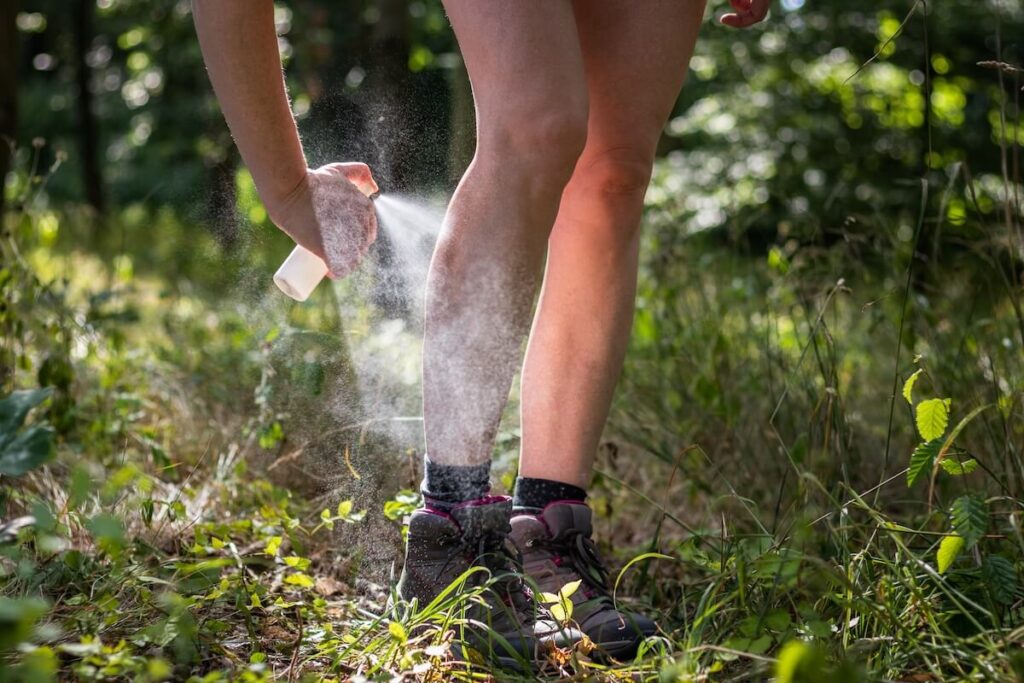
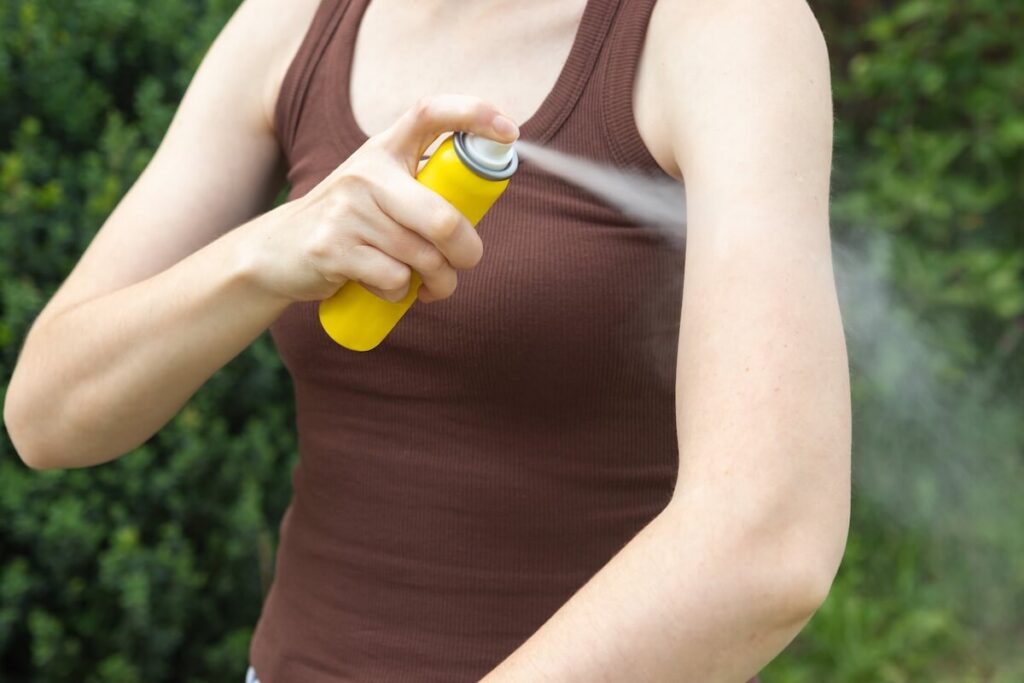
Both small pump sprays and aerosols are generally fine to bring along, provided they are designed for use on the skin. Just make sure they have a secure cap or a recessed trigger to prevent any “accidental discharge” inside your bag—nobody wants their snacks smelling like DEET.
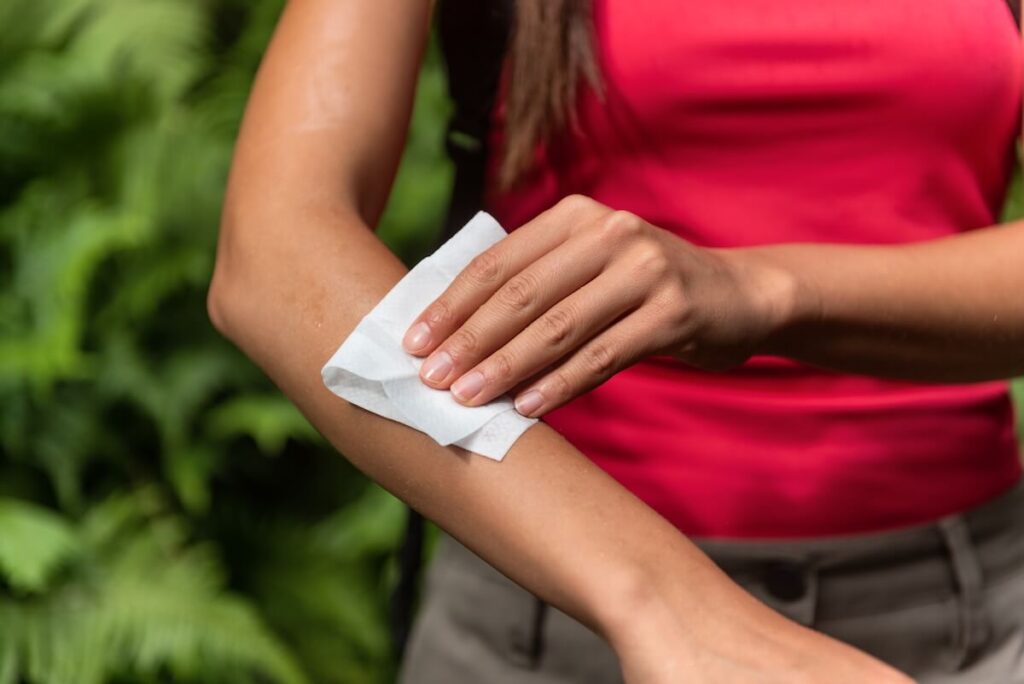
If you want to skip the liquid stress entirely, here’s a pro travel hack: pack bug repellent wipes or solid sticks. Since these aren’t liquids or gels, they don’t fall under the 3-1-1 restrictions. You can toss as many as you need into your bag without taking up precious space in your clear toiletry pouch.
Can you bring bug spray on a plane via checked luggage?
Checking your bug spray is usually the easiest way to bring a full-sized bottle, but there are still specific FAA (Federal Aviation Administration) and TSA rules to follow.
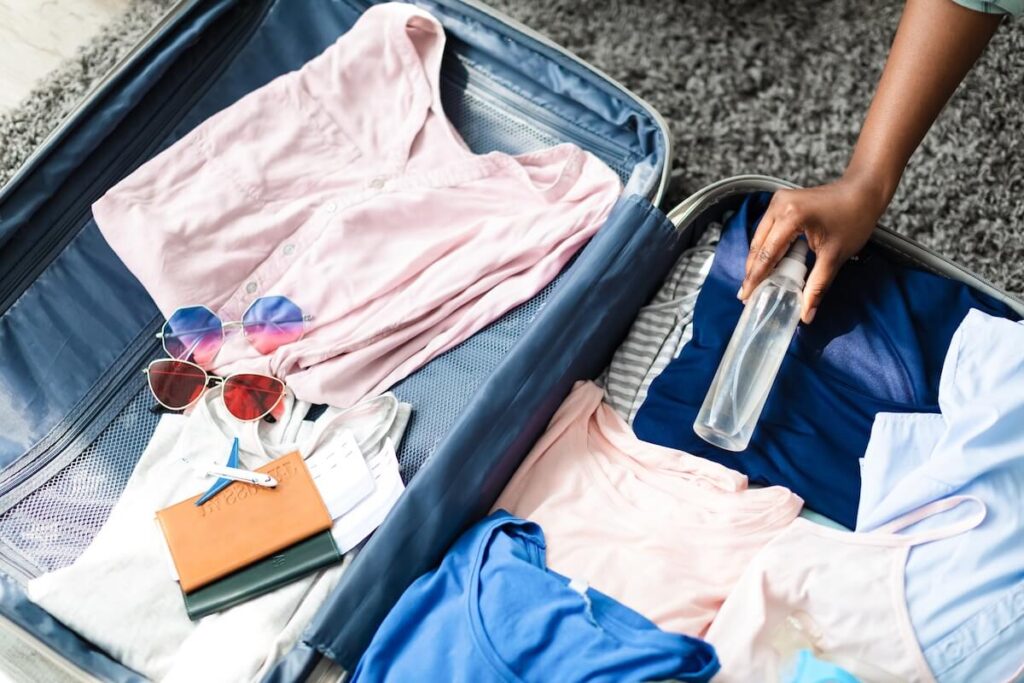
As I said above, bug repellent for the skin is considered a “medicinal or toiletry” item, so you can pack it in your checked luggage as long as you stay within the quantity limits. Generally, the total amount of these items per person cannot exceed 2 kg (70 oz) or 2 L (68 fl oz), and each individual container must be 0.5 kg (18 oz) or 500 ml (17 fl oz) or less.
1: Insect repellents that are sprayed or applied directly on a person's skin and clothing are allowed in checked bags. The container must be 18oz or less. However, repellents designed to be sprayed in the air or at the insect aren't allowed. Pls visit: https://t.co/N0viIcGJUK
— AskTSA (@AskTSA) May 10, 2024
To keep things safe in the cargo hold, every bottle must have a cap or a recessed nozzle to prevent the spray from accidentally going off during the flight.
However, be careful with what you pack, as not all repellents are treated equally. While standard skin sprays are fine, heavy-duty insecticides like yard foggers or specialized canisters labeled as “hazardous materials” are strictly prohibited.
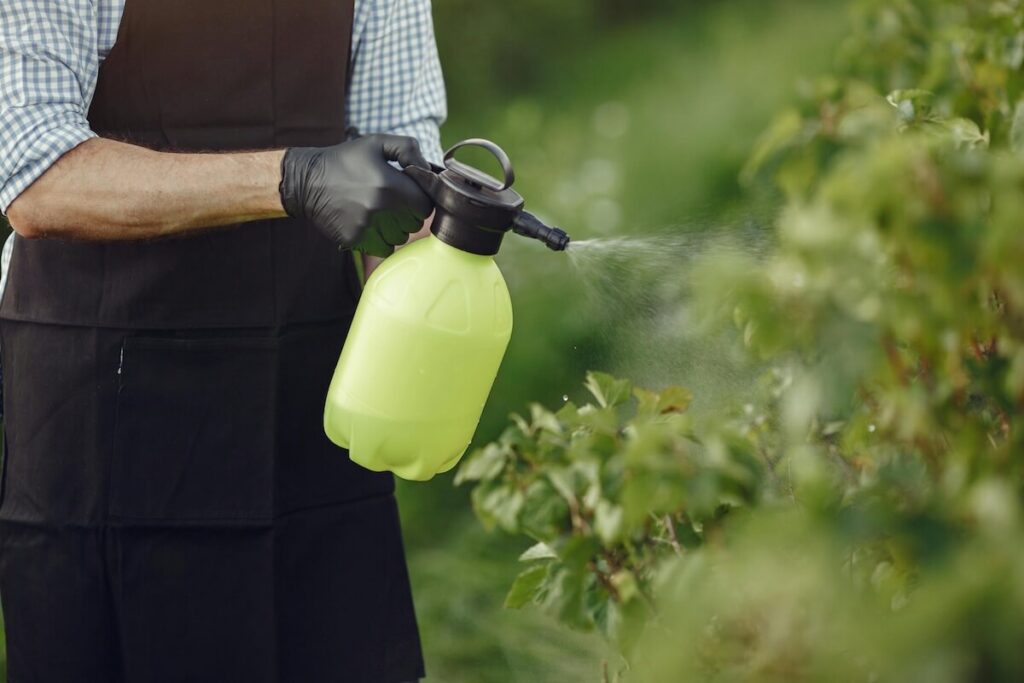
These often contain flammable gases or high concentrations of chemicals that aren’t cleared for air travel. If your repellent is meant for gear rather than skin, or if it carries a “flammable” warning without being a toiletry, it’s best to leave it behind and buy a bottle at your destination to avoid any issues with ground crews.
Beyond TSA: Important considerations
While following airport rules gets you through the gate, there are a few practical and safety details that matter just as much once you’re in the air.
For starters, be mindful of high DEET concentrations. While DEET is incredibly effective at repelling bugs, it is also a powerful solvent. If a high-DEET spray leaks in your suitcase, it can actually melt or permanently “fog” plastics and damage synthetic fabrics like nylon, spandex, or rayon.
Keeping your bottle in a separate, durable dry bag can save your favorite sunglasses and workout gear from a messy chemical reaction.

It’s also important to remember that these regulations aren’t just red tape—they are rooted in flight safety. Most bug spray aerosols are pressurized and contain flammable gases. In the rare event of a leak or fire, an undeclared or improperly packed aerosol can become a serious hazard in a pressurized cabin. Sticking to the size limits and ensuring your bottles have protective caps helps keep the entire aircraft safe.
Finally, keep your destination in mind. Some regions, particularly island nations in the Caribbean or countries like Australia, have very strict biosecurity and environmental laws. They may have specific rules about importing certain chemicals to protect their unique ecosystems or local insect populations.
If you’re heading somewhere eco-sensitive, it’s a good idea to check if they prefer “reef-safe” or biodegradable repellents to ensure you aren’t accidentally carrying something prohibited. In general, it’s best to check the rules of your destination, as well as your airline’s guidelines.
We manage the security screening operations for flights within or departing the U.S. Since your flight originates from outside the U.S., we advise asking your airline for guidance on packing your items.
— AskTSA (@AskTSA) March 1, 2023
Practical tips for packing bug spray
Double bag for extra security
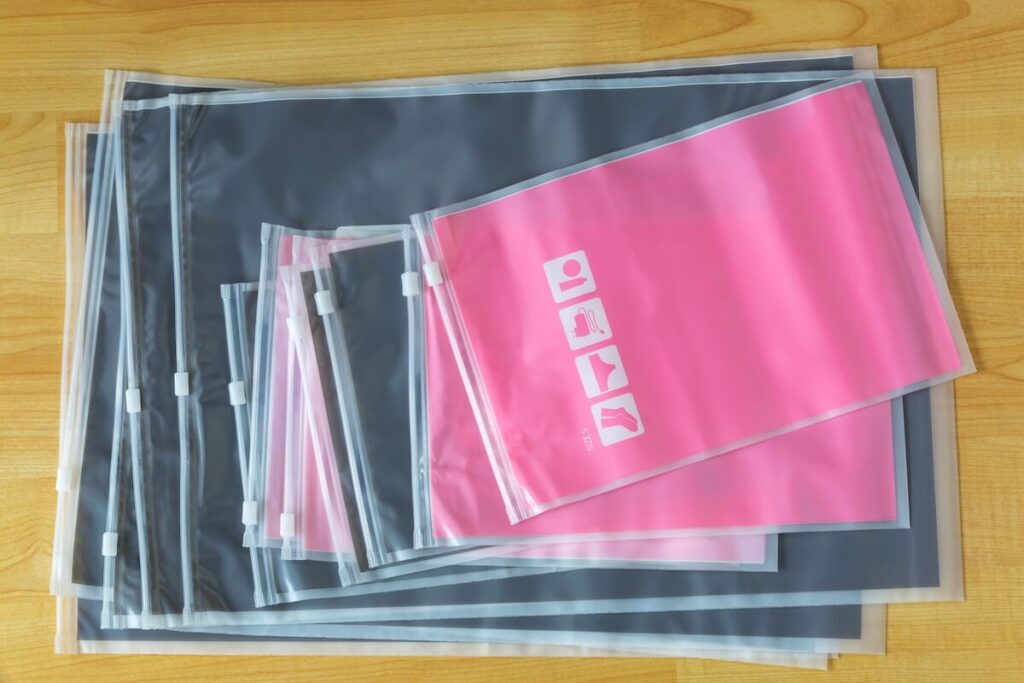
Pressure changes in the cargo hold can occasionally cause bottles to leak. You wouldn’t want accidental spills. To prevent a DEET-soaked wardrobe, place your bug spray inside a dedicated toiletry bag and then seal that inside a secondary leak-proof gallon freezer bag.
Tape the cap and nozzle
Even with a lid, caps can pop off during transit. I’ve learned to apply a small piece of painter’s tape or electrical tape around the base of the cap to keep it firmly attached to the bottle. For pump sprays, a quick strip over the nozzle ensures it won’t get compressed and spray the inside of your luggage.
Buy when you arrive
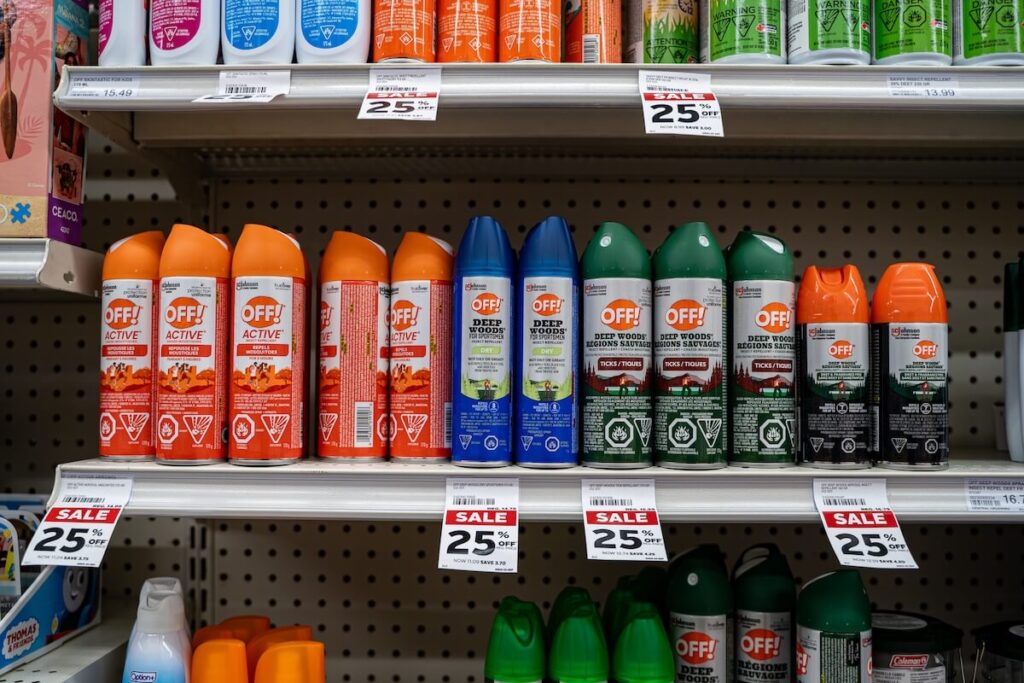
If you’re heading out on a long trip and need a large supply, consider buying your repellent at your destination. It saves valuable luggage weight and eliminates any stress about TSA rules or potential leaks. Most drugstores in buggy areas will carry effective local brands that are specifically designed for the regional pests.
Conclusion
Turns out, getting your bug spray from point A to point B isn’t too difficult if you keep the basics in mind!
Just remember the 3.4-ounce limit for your carry-on liquids and ensure any full-sized bottles in your checked luggage have secure safety caps. And because rules can occasionally shift, it’s always smart to do a quick final check of the latest TSA rules and your destination’s prohibited items list before you head to the airport. Taking these small steps helps you breeze through security so you can focus on the trip itself.
Have a fantastic, stress-free vacation—and hopefully, a completely bite-free one! If you’re still finishing up your packing list, be sure to check out our other TSA guides covering everything from sand and wine to razors and rocks.