
Planning a trip and wondering if you can pack your favorite fruits? I know, it’s a common query among travelers, especially if you’re like me and you enjoy fresh produce. While fruits can be a healthy and delicious snack (or treats for your loved ones), there are specific rules and regulations to follow when bringing them on a plane.
The primary concern when transporting fruits is the risk of introducing pests and diseases to new regions. Many countries have strict biosecurity measures in place to protect their local ecosystems. As a result, bringing fruits across borders can be subject to restrictions or even outright bans.

The answer to the question, “Can you bring fruits on a plane?” isn’t always straightforward. To ensure a smooth travel experience and avoid any potential issues or delays in your itinerary, familiarize yourself with the specific regulations of your destination country.
In this article, we’ll get into the specifics of bringing fruits on both domestic and international flights from the U.S. We’ll cover what you can and cannot bring, as well as tips for packing and transporting your fruits safely and legally.
Please note: The following has been written using the FAA and TSA guidelines for flights in the U.S. If you are traveling from or in another country, please ensure you check their guidelines for safe flight and permitted substances before check-in.
Table of Contents
Can you bring fruits on a domestic U.S. flight?
Yes, you can bring fruits on a domestic U.S. flight! The Transportation Security Administration (TSA) allows solid food items, like whole fruits or dried fruits, to be carried in both your carry-on and checked baggage.
@TSA can I bring fresh fruit thru TSA? These fruits in particular? pic.twitter.com/XjTiil4YlP
— maeyonnaise (@maeyonnaise) July 30, 2024
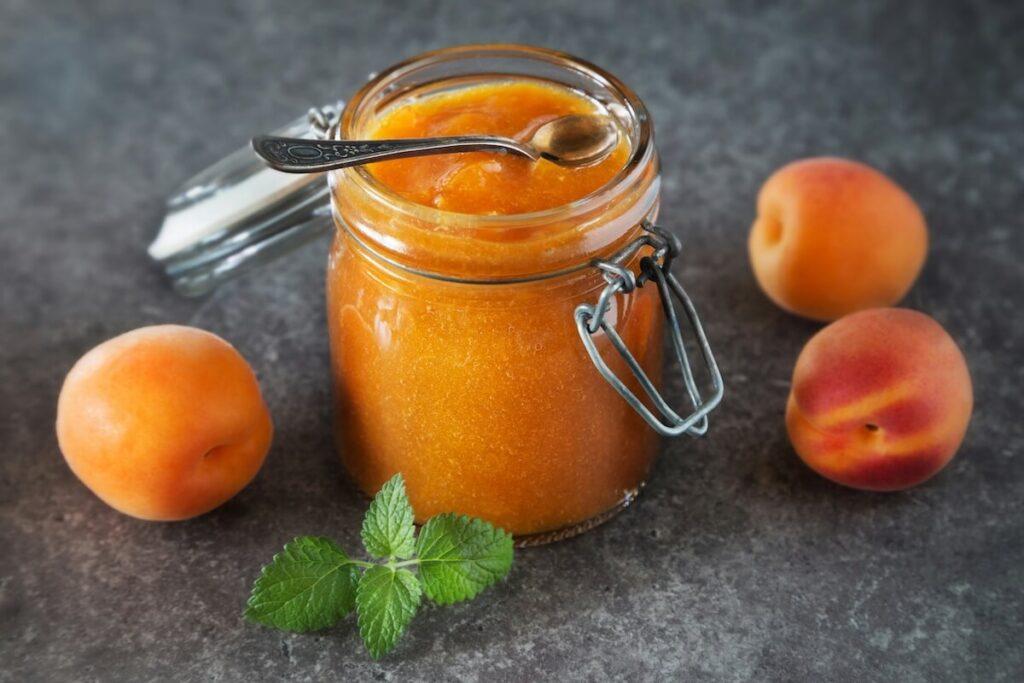
However, there’s a catch when it comes to liquid or gel food items, like fruit sauces, preserves, and fruit-based jams and jellies. These items must adhere to the 3-1-1 rule, meaning they should be in containers of 3.4 ounces or less, placed in a quart-sized bag, and limited to one bag per passenger.
Alternatively, you can pack these items in your checked baggage. Canned fruits and vegetables that have liquid should also go to your checked baggage.
It’s also important to note a special rule for travelers flying from Hawaii, Puerto Rico, or the US Virgin Islands to the U.S. mainland. Due to biosecurity concerns, most fresh fruits and vegetables are prohibited from being brought to the mainland. So, if you’re planning a trip from one of these locations, be sure to check the specific regulations and avoid packing any prohibited items.
Can you bring fruits on international flights?
Here’s where it gets trickier. The rules and regulations vary widely between countries, and customs officials are particularly strict about food items, especially fresh fruits and vegetables.
If you’re flying from the U.S. to another country, you may be able to bring fruits, but it’s essential to check the specific regulations of your destination country. Some countries have strict biosecurity measures in place to protect their local agriculture. It’s best to call your airline beforehand.
When returning to the U.S., things are just as complicated. The U.S. has strict rules about allowing travelers to bring fresh produce into the country. This is because of the risk of spreading pests and diseases to U.S. crops.
Whether you can bring fruit back into the U.S. will depend on the country from which you are arriving. The U.S. Department of Agriculture’s website can help you check the restrictions on specific fruits and vegetables from foreign countries.
🚨ATTENTION TRAVELERS! 🚨 Don't let your goodies get confiscated at the border! It's mandatory to declare all meats, fruits, veggies, plants, seeds, soil, animals, and animal products when entering the US. Stay informed and avoid any surprises ➡️ https://t.co/L7tFmtKF6n pic.twitter.com/vHY7oc5F4P
— CBP (@CBP) August 21, 2024
Even if the fruit you want to bring into the United States is allowed by the USDA, you’ll still need to declare it to US Customs and Border Protection (CBP) and permit it to be inspected by a CBP agent. This can be a time-consuming process, and failure to declare food items can result in penalties.
If you’re just bringing a few Fuji apples from Japan or Jeju tangerines as souvenirs for your loved ones back home, I suggest thinking long and hard about whether this is worth it.
Can you bring fruits on a plane via hand carry?

Yes, you can definitely bring fruits on a plane as part of your carry-on luggage on a domestic U.S. flight. There are generally no restrictions on the amount of fresh or dried fruit you can bring. Whether it’s a bunch of grapes, a few lemons, or a bag of dried mangoes, you’re good to go.
However, there are a few things to keep in mind. If you’re bringing sliced fruits, ensure they’re packed securely to avoid spills. Using airtight containers or food-grade bags is a good way to keep your fruit fresh and prevent any mess.
Thanks for the question, Sherry! Fresh fruits, including grapes, oranges, apples and grapefruits, are allowed in carry-on and checked bags. We don't restrict how many you can pack. Add'l screening may be required.
— AskTSA (@AskTSA) March 7, 2020
Also, if you have fruits in a liquid or gel-like consistency, such as fruit purees or canned fruits with syrup, as mentioned above, you’ll need to follow the TSA’s 3-1-1 liquids rule. This means they must be in containers of 3.4 ounces or less, placed in a quart-sized bag, and limited to one bag per passenger.
Note that this doesn’t apply to travelers flying from Hawaii, Puerto Rico, or the US Virgin Islands to the U.S. mainland.
Can you bring fruits on a plane via checked luggage?

Yes, you can pack fruits in your checked baggage for a domestic U.S. flight. This can be a good option for larger or heavier fruits that you don’t want to pack in your carry-on bag.
However, it’s important to pack them properly to minimize damage and spoilage during transit. Use sturdy containers or bags to protect the fruits from being crushed or bruised. You might also consider wrapping them in bubble wrap or packing paper for extra protection.
Keep in mind that checked baggage is often handled roughly, so it’s best to avoid packing delicate fruits or those that are easily bruised.
Packing tips for traveling with fruits
When packing fruits for your trip, a little extra care can go a long way. To ensure your fruits arrive fresh and ready to enjoy, here are a few tips:
Choose the right container: Opt for sturdy, reusable containers that can withstand the rigors of travel. Plastic containers with airtight lids are a great choice, as they can help prevent leaks and spills. For softer fruits like berries, consider using small, individual containers to keep them separated and protected.

Pack smart: To minimize damage, wrap your fruits individually in soft, protective materials like bubble wrap or tissue paper. This will help cushion them and prevent them from bruising. If you’re packing multiple fruits, separate them with dividers or layers of packing paper to avoid them rubbing against each other.
Consider the temperature: If you’re traveling to a warm climate, choose fruits that can withstand higher temperatures, such as apples, oranges, and pears. For cooler climates, fruits like berries and grapes may be more suitable. If you’re concerned about temperature fluctuations, consider using insulated bags or coolers to keep your fruits at the optimal temperature.
Conclusion

So, can you bring fruits on a plane? The answer, as you’ve seen, is not a straight yes. While you can generally bring solid fruits in your carry-on or checked baggage on domestic U.S. flights, international travel has stricter regulations.
Remember, the specific rules and restrictions can vary depending on your destination country. It’s always best to check the customs regulations of the country you’re visiting to avoid any issues.
To ensure a smooth journey, also remember to pack your fruits properly, declare them to customs officials, and avoid bringing prohibited items. Follow these guidelines and practice responsible travel so you can enjoy your favorite fruits wherever your travels take you!