
*This article may contain affiliate links. For full information, please see the disclaimer here.
Anyone who’s ever been to Chiang Mai in Thailand will understand why this city is dubbed the “Rose of the North.” A city steeped in history and culture, Chiang Mai has so much to offer.
Chiang Mai is known for historic temples such as Wat Phra That Doi Suthep and Wat Chedi Luang, jungle-covered hills, night markets, a thriving coffee culture, fun festivals, and local cuisine. A favorite among Thais and tourists alike, it boasts natural beauty, moderate weather, and cultural experiences.
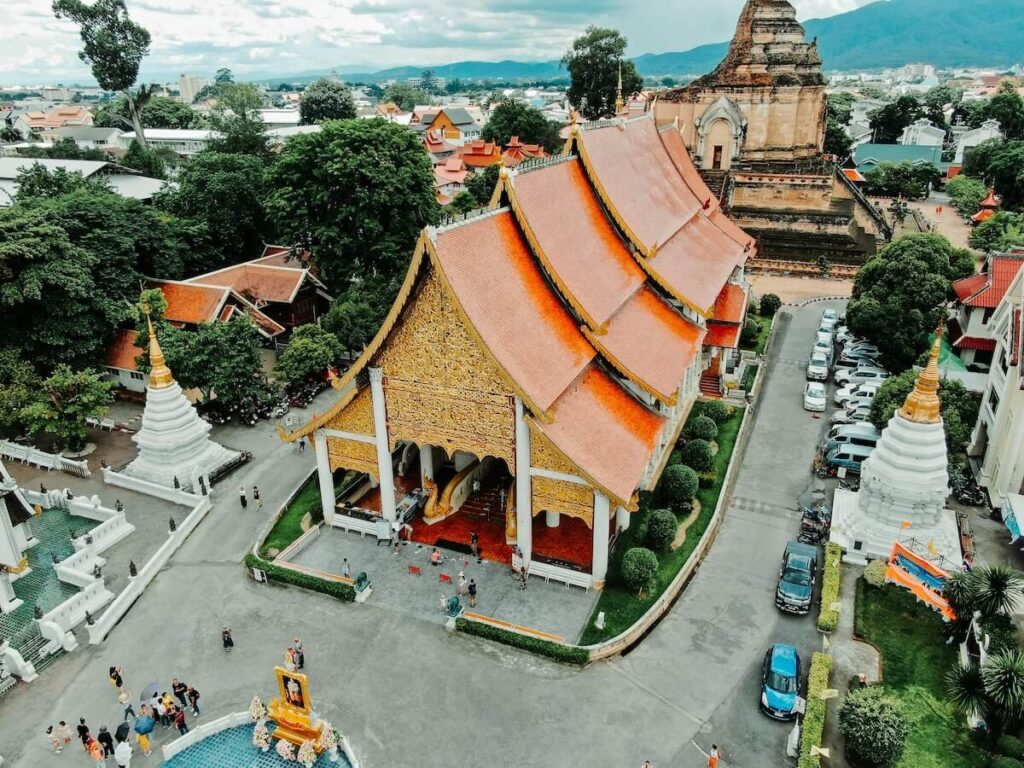
It has often been said that Chiang Mai is the laid-back alternative to Bangkok’s chaos. But while it’s true that Chiang Mai is generally calmer, that’s not the only reason it’s worth visiting. Below are some of the things Chiang Mai is famous for — and why you should definitely visit it.
Table of Contents
1. A fascinating history
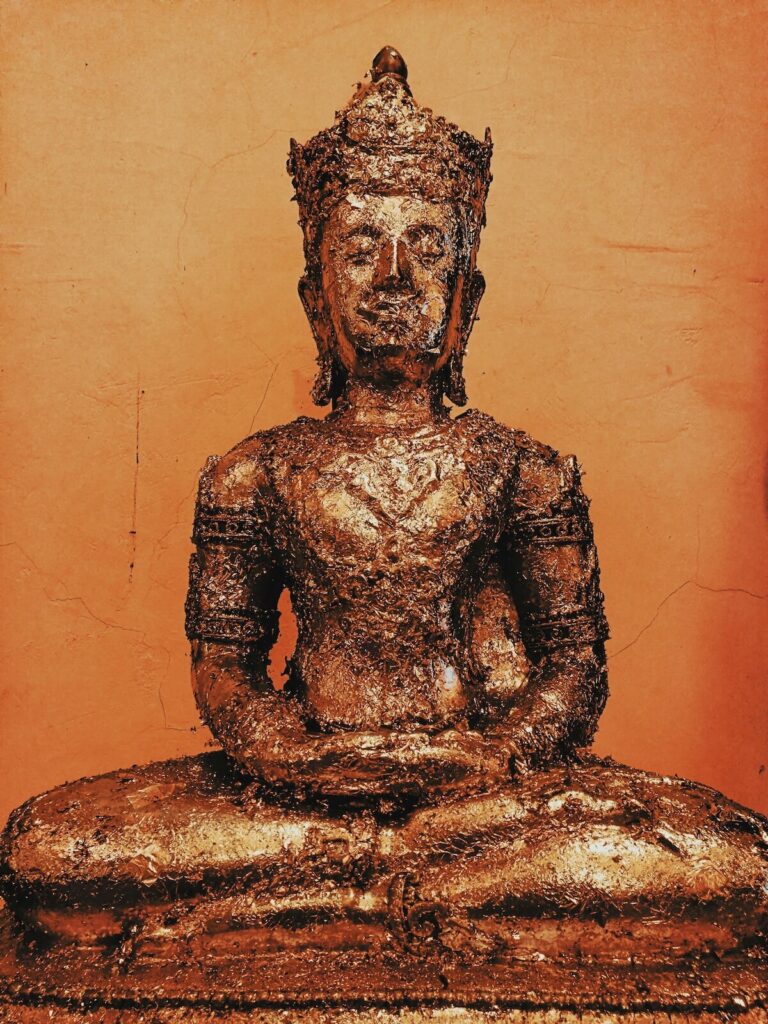
As a city that takes pride in its rich and captivating history dating back centuries, Chiang Mai is a paradise for history enthusiasts. Founded in 1296 by King Mengrai, Chiang Mai served as the capital of the Lanna Kingdom and as the center of Buddhism in northern Thailand.
The Lanna people, known for their intricate art, architecture, and cultural traditions, flourished under the kingdom’s rule. Chiang Mai’s strategic location along the ancient trade routes between China, Burma, and India contributed to its economic prosperity and cultural exchange.
Over the centuries, Chiang Mai has witnessed various periods of political upheaval and foreign influence. The city was conquered by the Burmese in the 16th century and later fell under the control of the Siamese Kingdom (now Thailand). Despite these changes, Chiang Mai has managed to preserve much of its Lanna heritage, evident in its numerous temples, traditional crafts, and cultural practices.
2. Wat Phra That Doi Suthep
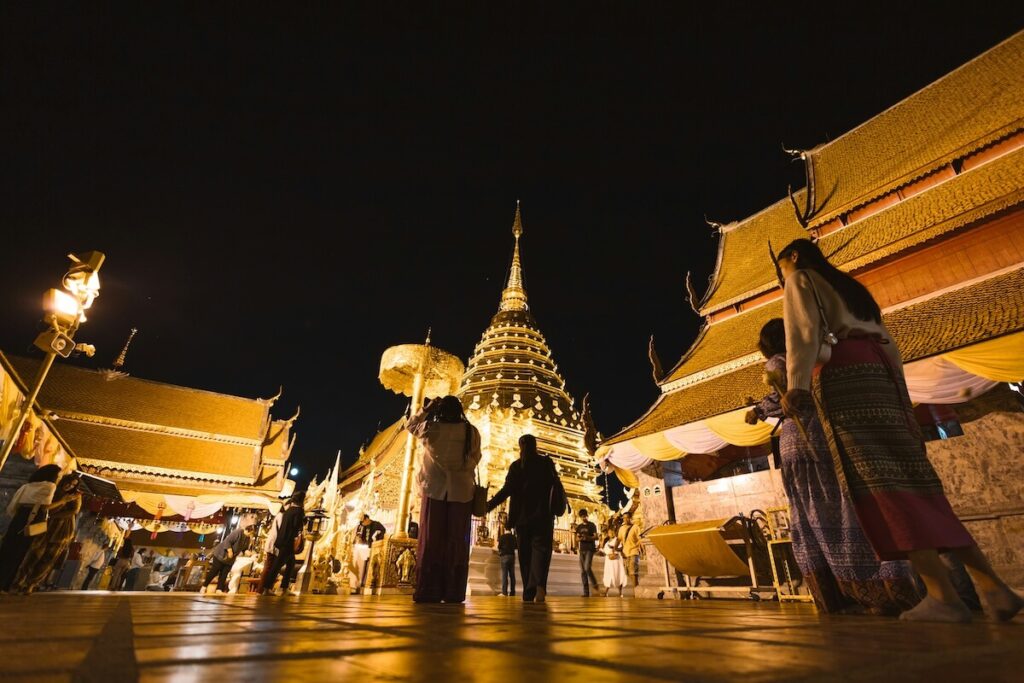
Speaking of temples, Chiang Mai is known for Wat Phra That Doi Suthep, a majestic temple perched atop Doi Suthep. It is so representative of Chiang Mai that the city emblem shows the temple’s stupa.
This historic mountainside temple was built in the 14th century when a sacred relic, the footprint of the Buddha, was discovered on the mountain. King Kuena, the fifth king of the Lanna Kingdom, constructed a chedi (stupa) to house the relic, which later became the main structure of Wat Phra That Doi Suthep.
To reach the temple, visitors must climb a series of steps or take a funicular railway. The journey is rewarded with breathtaking panoramic views of Chiang Mai city and the surrounding countryside.
Beyond the grandeur of Wat Phra That Doi Suthep, Chiang Mai is home to a multitude of other stunning temples and pagodas such as Wat Chedi Luang, once the tallest temple in Thailand, Wat Phan Tao, which is known for its famous teakwood façade, and Wat Pra Singh, a popular pilgrimage site.
3. Bhubing Palace
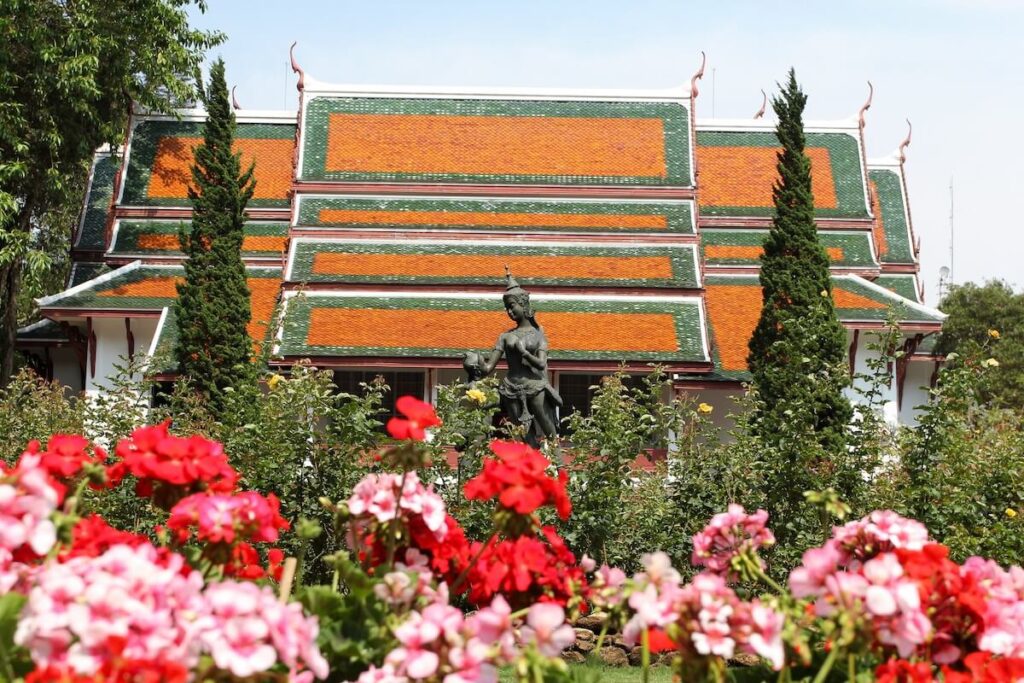
Chiang Mai is home not just to temples but also to a palace. The Bhubing Palace, nestled amidst lush greenery on Doi Bhubing, is a royal residence built to accommodate the royal family and their guests during state visits to Chiang Mai.
Built in 1961 by the order of King Rama V, the palace features a northern Thai architectural style called “Reun Mu” (Group of Houses). The palace buildings are off-limits to the public, however, so the main attraction is the beautifully landscaped and well-maintained gardens showcasing a variety of blooms. The most popular section is the rose garden called Suan Suwaree.
4. Night markets
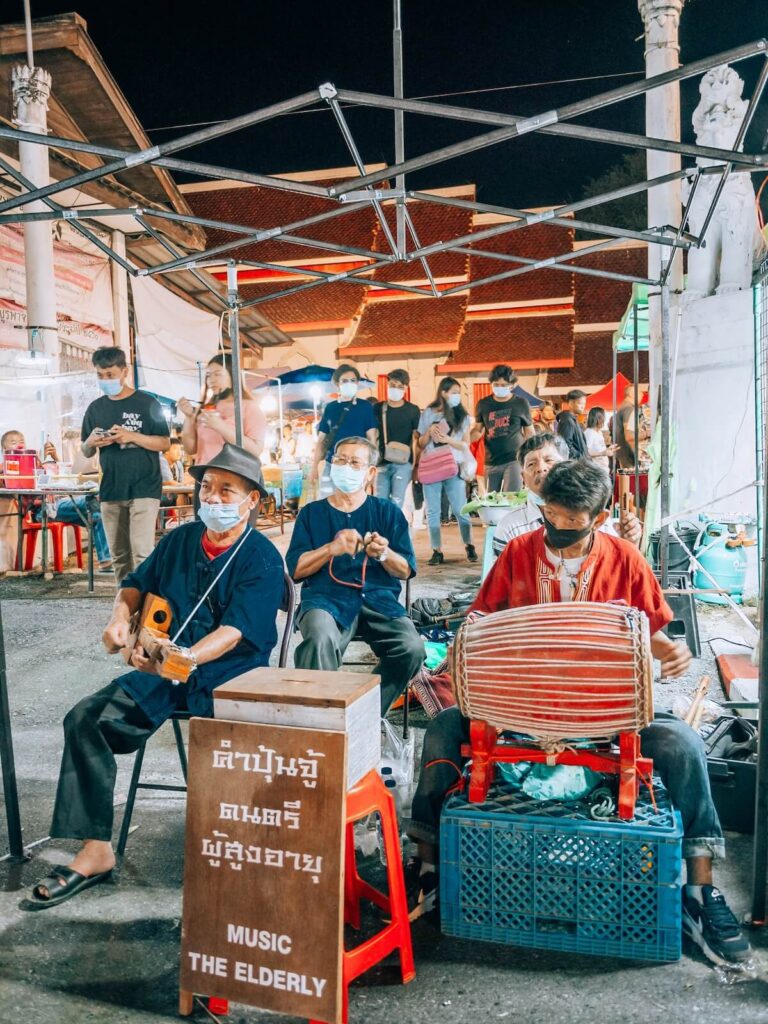
Shopaholics, rejoice! If you’re looking to immerse yourself in the city’s vibrant culture while discovering an array of affordable local products and souvenirs, look no further. Chiang Mai is known for its bustling night markets where you can’t help but shop ‘til you drop.
The most famous night market in the city is the Chiang Mai Night Market, a sprawling space with hundreds of vendors selling everything from clothing and souvenirs to handcrafted items and local delicacies. Another popular night market is the Sunday Walking Street, a pedestrian-only street transformed into a vibrant market on Sundays, where you can find a diverse range of goods, live music, and street food stalls.
Warorot Market is also worth visiting. This historic market is known for its affordable prices and wide selection of local products, including fresh produce, textiles, and household items.
If you’re not a fan of crowds, I recommend Anusarn Market, which offers fresh produce, crafts, souvenirs and clothing. The White Market at One Nimman, which combines Japanese and Lanna cultures, is another good option. This one feels more like a European flea market, with trendy fashion items, high-quality vintage goods, and international cuisine.
Whichever you choose, do allot at least a couple of hours to see and experience everything these markets offer.
5. Northern Thai cuisine
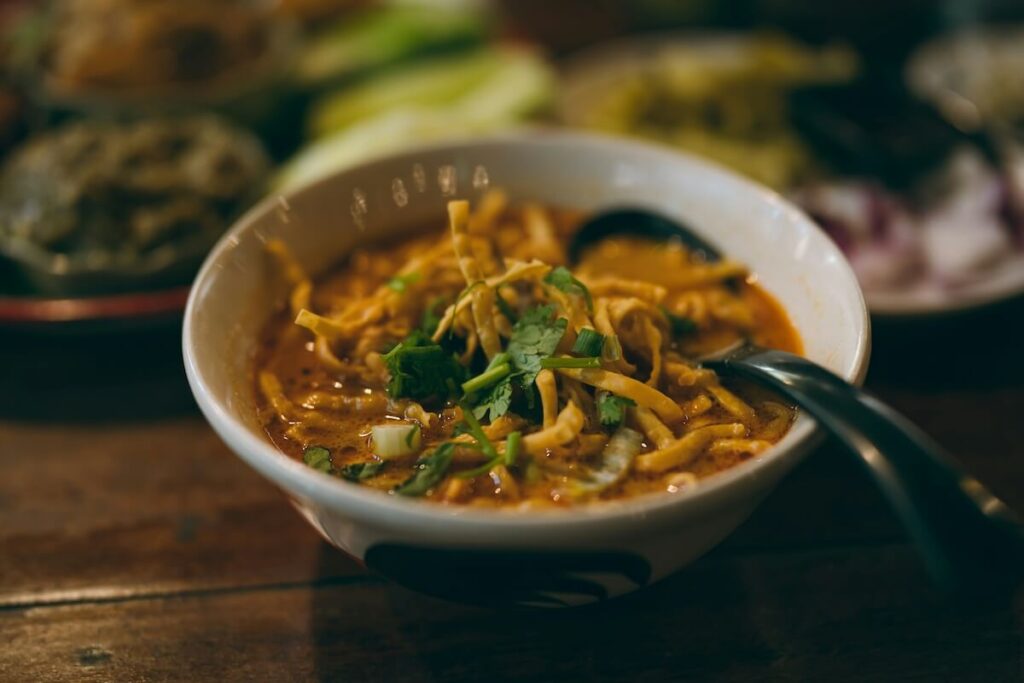
Part and parcel of the ultimate Chiang Mai experience is falling in love with the local food. Chiang Mai is known for Northern Thai cuisine, a wonderful fusion of flavors influenced by Chinese, Burmese, and Laotian cuisines. Many Northern Thai dishes feature bold and aromatic flavors, thanks to their use of fresh herbs, spices, and locally sourced ingredients.
An exhaustive list of Northern Thai dishes worth eating merits a whole article, so let me suggest just a few notable ones:
- Khao Soi: A rich and flavorful curry noodle dish with coconut milk, crispy noodles, and often topped with pickled mustard greens and lime wedges
- Gaeng Dang: A fiery red curry with chicken or pork, bamboo shoots, and eggplant, known for its intense heat and bold flavors
- Sai Ua: A spicy Northern Thai sausage made with minced pork, rice, and a variety of herbs and spices.
- Khanom Jeen Nam Ngiao: A rice noodle dish with a tangy and slightly sweet curry sauce, often topped with crispy pork rinds and chili oil
- Kaeng Khanun: A slightly sweet curry dish featuring young jackfruit as its main ingredient
- Laab Kua: A flavorful and spicy meat salad, typically made with ground pork or chicken.
6. Khantoke
For a more unique cultural and dining experience in Chiang Mai, indulge in a khantoke dinner and show. But what exactly is khantoke?
Khantoke is a traditional Northern Thai dining experience that involves sitting on the floor around a low table, enjoying a meal served in small dishes (which include some of the ones I listed above) arranged on a wooden tray. The word “khantoke” refers to the woven basket that holds the tray.
What makes khantoke special is that it’s not just about the food but also about the cultural performances that accompany it. While dining, guests are entertained by traditional dancers, musicians, and singers who showcase the region’s vibrant arts and traditions.
This combination of delicious and authentic food, cultural performances, and the festive atmosphere of a khantoke makes for an unforgettable experience that you can’t have anywhere else.
7. Elephant sanctuaries

Chiang Mai has gained a reputation as a hub for ethical elephant sanctuaries, offering visitors the opportunity to interact with these majestic creatures responsibly and compassionately. Unlike the cruel and exploitative practices found in some elephant camps, these sanctuaries prioritize the well-being of the elephants and promote their natural behaviors.
Ethical elephant sanctuaries can give you a chance to observe elephants in their natural habitat, learn about their behavior and ecology, and participate in activities that support their care and conservation. Here, you can feed elephants, bathe them in the river, or simply spend time with them.
These sanctuaries often work to rescue elephants from illegal logging and tourism operations, while providing them with a safe and nurturing environment. Some of the sanctuary tour providers worth considering are Pon Elephant Thailand and Smile Elephant Chiang Mai.
8. National parks
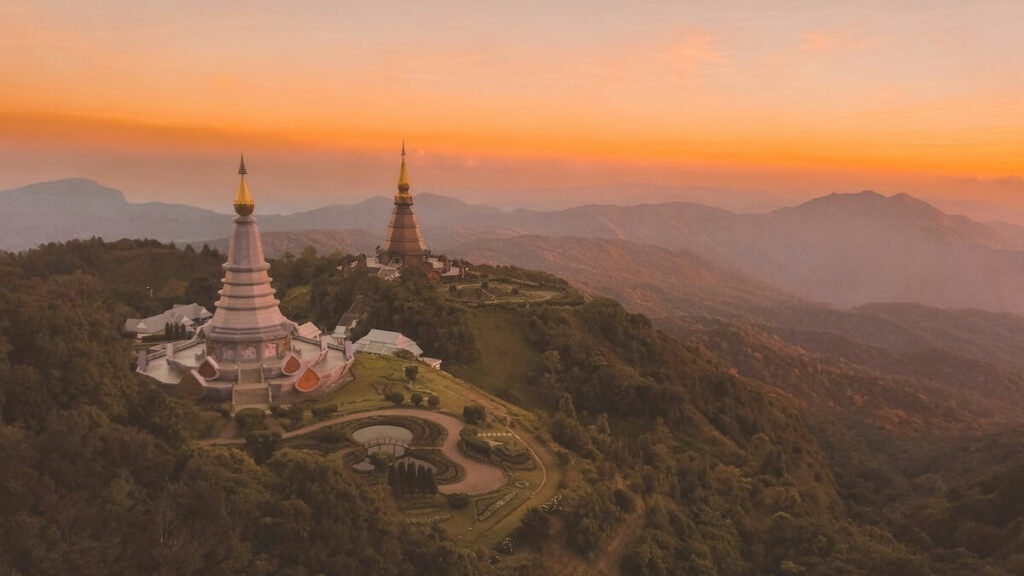
Chiang Mai is also famous for its breathtaking national parks, where you can explore diverse ecosystems and encounter a wide range of wildlife. These protected areas are home to lush forests, cascading waterfalls, and majestic mountains — perfect for nature lovers and adventure seekers.
One of the most popular national parks in Chiang Mai and the whole of Thailand is the Doi Inthanon National Park. Thailand’s highest peak, Doi Inthanon, is located within this park. Visitors can hike to the summit, explore the park’s waterfalls, and visit the Karen Hill Tribe villages.
Another popular national park is the Doi Suthep-Pui National Park. This park surrounds Doi Suthep mountain, home to the previously mentioned Wat Phra That Doi Suthep. This is the best place for hiking, birdwatching, and wildlife spotting.
Beyond these two, the province of Chiang Mai has several other national parks, such as the Mae Takhrai National Park, Ob Khan National Park, and Si Lanna National Park.
9. Lantern festivals
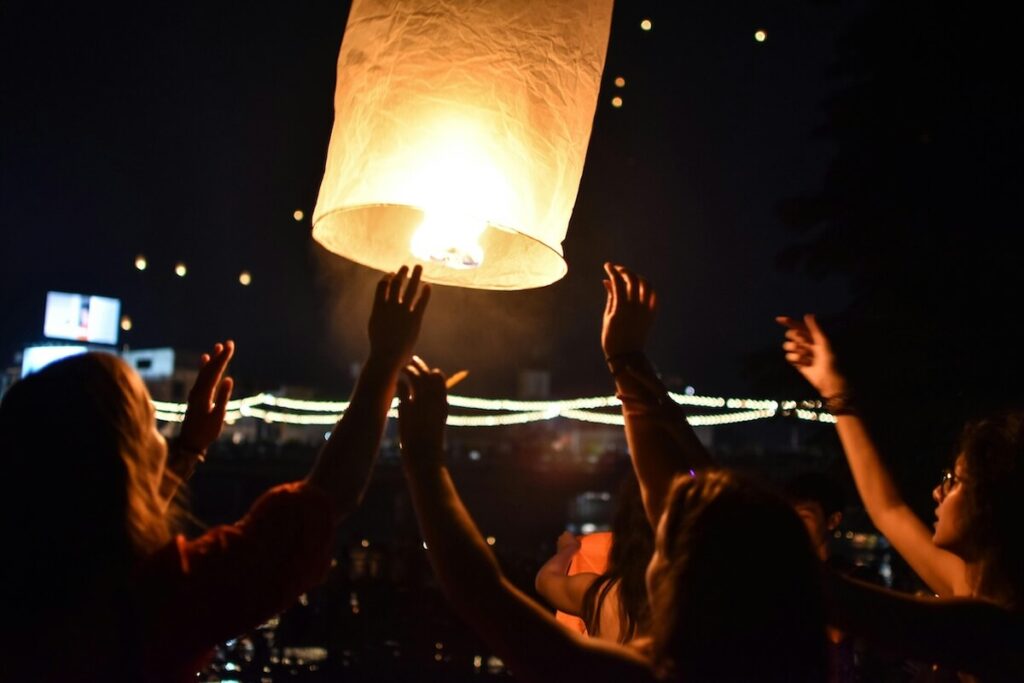
Chiang Mai is known for its stunning lantern festivals — the highlight of the city’s cultural calendar. Two of the most famous festivals are Yi Peng and Loy Krathong, which coincide with each other during the full moon of the twelfth lunar month.
Yi Peng, also known as the Festival of Lights, is deeply rooted in Lanna culture. During this festival, thousands of lanterns are released into the sky, illuminating the night sky with a breathtaking display of light. These lanterns, called khom loy, are believed to carry away bad luck and bring good fortune.
Loy Krathong, on the other hand, is a festival celebrated throughout Thailand and is associated with paying respect to the water goddess. During this festival, people release krathongs, small floating lanterns made of banana leaves and decorated with flowers and candles, on rivers and canals.
These lantern festivals are celebrated with great fanfare and create a magical atmosphere in Chiang Mai.
10. Hill tribes
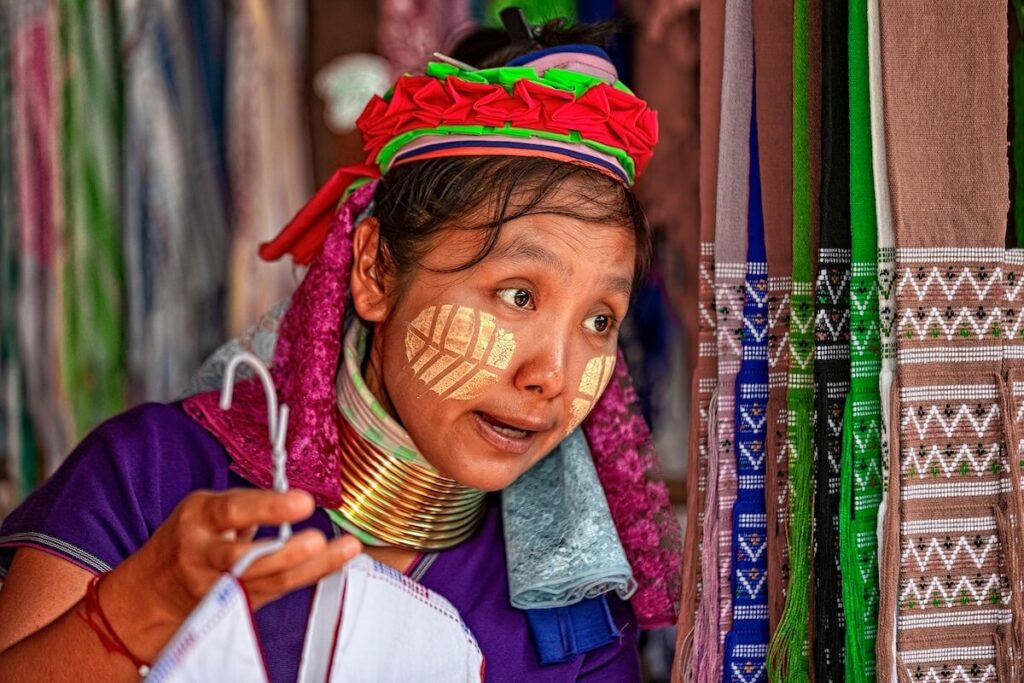
Chiang Mai is home to a diverse population of hill tribes, each with its own unique culture, traditions, and way of life. These indigenous groups, such as the Hmong, Karen, Lahu, and Akha, have inhabited the mountainous regions surrounding Chiang Mai for centuries.
Visiting hill tribe villages offers a fascinating glimpse into their traditional lifestyles and a chance to appreciate their rich cultural heritage. That said, it’s important to be respectful when visiting hill tribe villages. Avoid taking photos without permission, and refrain from touching or handling their belongings. It is also helpful to support local businesses and purchase handicrafts directly from the villagers.
11. Coffee culture
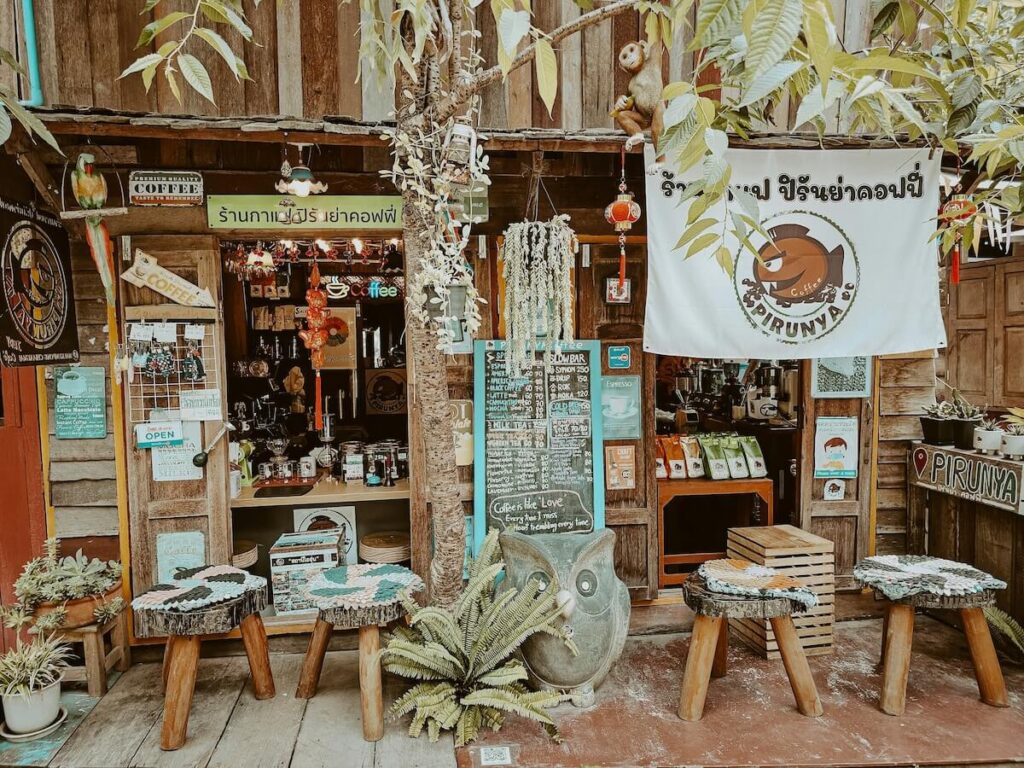
Chiang Mai is the undisputed coffee capital of Thailand, boasting a thriving coffee culture that rivals many Western cities. Chiang Mai’s history as a trading center and agricultural hub definitely factors in. The region has long been known for its production of various crops, including coffee.
A walk along the city’s streets will prove how coffee-obsessed the city (and the region) is. Here, you’ll find a plethora of Instagrammable cafes, bustling espresso bars, and neighborhood stalls and rickshaws selling Thai beans, artisanal brews, and even cheap instant coffee.
What’s unique about Chiang Mai’s coffee scene is the abundance of specialty and third-wave coffee shops. These establishments prioritize quality beans, skilled baristas, and innovative brewing methods, from pour-over to cold brew, and latte art to espresso shots. The city’s growing number of roasters also contributes to the vibrant coffee culture, ensuring a steady supply of fresh, high-quality beans.
12. Arts and crafts
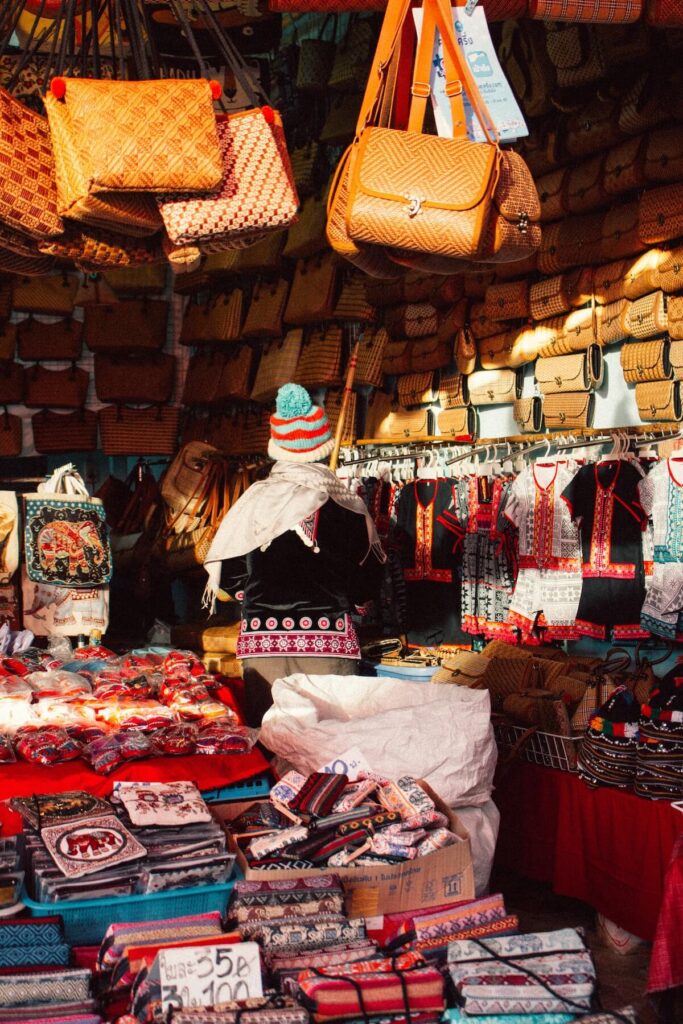
Artsy folks will love Chiang Mai’s vibrant arts and crafts scene, which reflects the city’s rich culture and the creativity of its people. The city is home to numerous arts and crafts shops, galleries, and handicrafts villages, where you can explore a wide range of traditional and contemporary works.
One of the most popular handicraft villages in Chiang Mai is Bo Sang Village, famous for its umbrella production. Skilled artisans in Bo Sang create delicately painted umbrellas using traditional techniques that have been passed down through generations.
Other notable handicrafts villages include San Kamphaeng, known for its teakwood carvings and furniture, and Baan Tawai, which specializes in silver and gemstone jewelry. For those seeking contemporary art and design, InClay Studio offers a unique collection of ceramic pieces, while Rada Loom showcases stunning textiles woven by local artisans.
13. Opium trade and the Golden Triangle

While Chiang Mai is now a bustling tourist destination, it had a dark past. The city was once a key hub in the Golden Triangle, a region notorious for opium production and trafficking. The Golden Triangle, which includes parts of Thailand, Myanmar, and Laos, was a major source of opium for the global market, particularly during the Cold War.
The opium trade had a devastating impact on the region, leading to poverty, crime, and addiction. However, in recent years, Thailand has made significant strides in combating the opium trade, and the Golden Triangle is no longer the opium-producing powerhouse it once was.
Today, many former opium poppy fields have been converted to other crops such as peaches, coffee, tea, cabbages, and apples.
14. Hot springs and waterfalls

Chiang Mai is blessed with a stunning natural landscape that includes several hot springs and waterfalls. If you’re after stunning views, refreshing swims, and opportunities for hiking and nature exploration, Chiang Mai should be on your bucket list.
One of the most popular hot springs in Chiang Mai is San Kamphaeng Hot Spring, where visitors can soak in mineral-rich waters and enjoy the therapeutic benefits. Other notable hot springs include Mae Kampong Hot Spring and Doi Suthep Hot Spring.
Chiang Mai is also home to a variety of breathtaking waterfalls, including Huay Tueng Thao Waterfall, Mae Sa Waterfall, and Bua Tong Waterfall, which is known for its sticky limestone rocks.
15. White water rafting

Thanks to Chiang Mai’s mountainous terrain and abundant waterways, it’s an ideal destination for white water rafting. The Mae Taeng River, located just north of the city, is particularly popular among adventure seekers.
This scenic river winds through lush forests and offers a variety of rapids suitable for all levels of experience, from gentle Class II to challenging Class IV. Rafting trips on the Mae Taeng River typically include transportation to and from the river, safety equipment, and professional guides who provide instruction and ensure a safe and enjoyable experience.
You can choose from half-day or full-day trips, depending on your preferences and skill level. Regardless of your choice, white water rafting in Chiang Mai is definitely a thrilling and challenging way to experience the region’s beautiful outdoors.
16. Bamboo rafting

Not all of us are cut out for exhilarating adventures like white water rafting. If you’re looking for something more leisurely, you’ll be glad to know that Chiang Mai is famous for bamboo rafting.
Bamboo rafting is a unique and eco-friendly activity that has become increasingly popular in Chiang Mai. This traditional form of transportation has been used by locals for centuries to navigate the region’s rivers and canals. Today, bamboo rafting offers visitors a sustainable and immersive way to experience the natural beauty of Chiang Mai.
Bamboo rafting trips are available on several rivers in the region, including the Mae Taeng, Mae Chaem, Mae Wang, and Mae Ping. Each river offers a different experience, with varying levels of rapids and scenery.
17. Digital nomads

In the last decade or so, Chiang Mai has emerged as a popular destination for digital nomads seeking a more affordable and relaxed lifestyle. The city offers a high-quality internet infrastructure, a vibrant coworking scene, and a diverse community of freelancers, entrepreneurs, and remote workers.
So, why Chiang Mai? Well, many digital nomads are drawn to Chiang Mai’s affordable cost of living, which allows them to enjoy a comfortable lifestyle while saving money. The city’s relaxed atmosphere and great outdoors also contribute to its appeal.
It also doesn’t hurt that Chiang Mai offers a unique cultural experience, with opportunities to learn about Thai traditions, explore ancient temples, and enjoy delicious local cuisine. And, of course, there are tons of coffee shops for remote working (and sometimes, socializing).
18. Burning Season
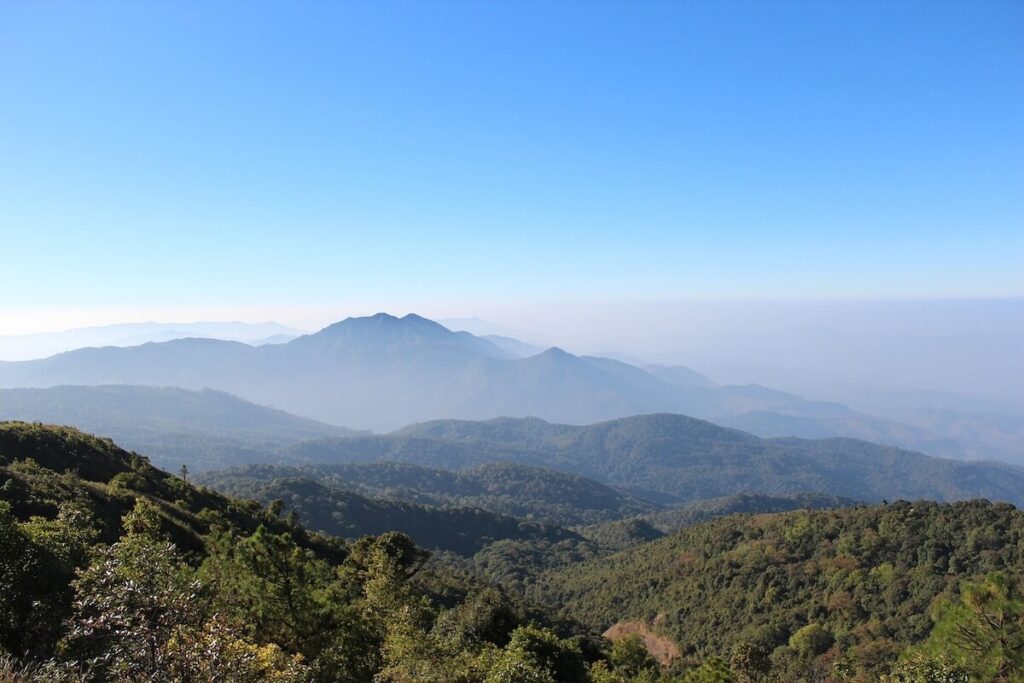
Between January and April, Chiang Mai experiences a period known as the “Burning Season,” characterized by dry weather and frequent forest fires. This phenomenon is primarily caused by slash-and-burn agriculture practices, which involve clearing land for farming by burning existing vegetation.
During the infamous Burning Season, the city’s skyline is often obscured by a thick haze of smoke, and residents may experience respiratory issues, eye irritation, and other health problems. At this time of the year, Chiang Mai often tops the list of the world’s worst cities for air pollution. The smoke also affects tourism, as visitors may be deterred by the poor air quality.
19. Cycling routes
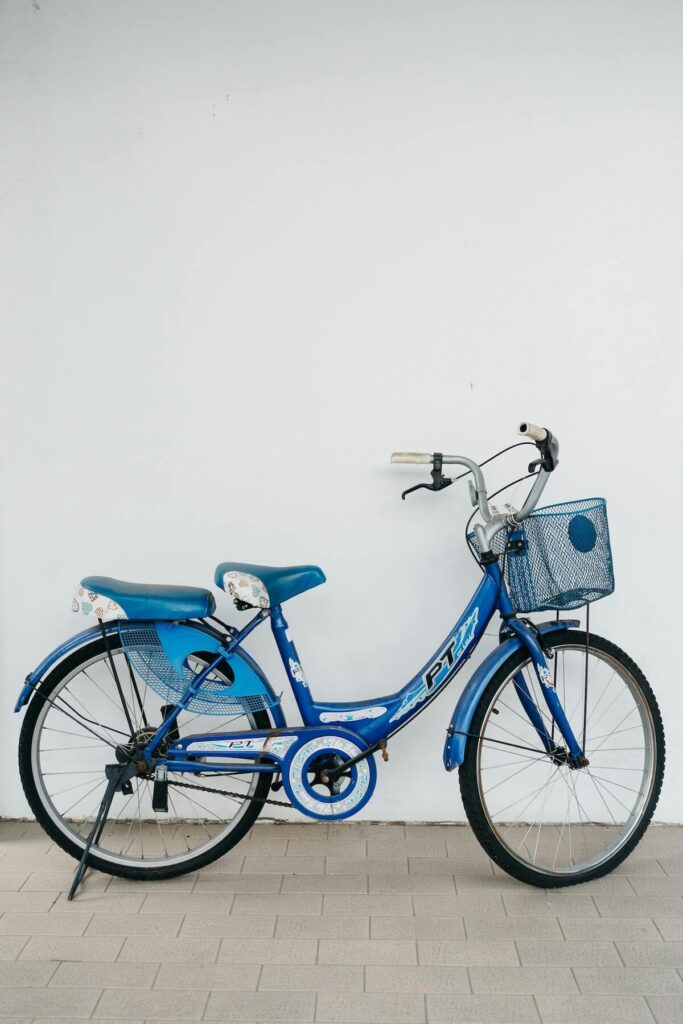
Chiang Mai’s well-maintained roads make it a cyclist’s dream. Whether you’re a seasoned rider or a casual peddler, you’ll find plenty of opportunities to explore the city and its surrounding countryside on two wheels.
One popular route takes cyclists to Doi Suthep National Park, home to the iconic Wat Phra That Doi Suthep temple. The climb to the summit is challenging but rewarding, with breathtaking panoramic views of the city and the surrounding mountains. For those seeking a more leisurely ride, the Ping River bike path is a scenic option, providing a tranquil escape from the city’s hustle and bustle.
Other popular cycling routes in Chiang Mai include the Chiang Mai Old City Wall Route, the Samoeng Loop, and the Huay Tueng Tao Loop.
20. Longest ziplines

Yup, I said ziplines. Chiang Mai boasts not just one but two record-breaking ziplines. The Jungle Flight, with its twists, swoops, and spirals, is the world’s longest jungle zipline roller coaster. The King Kong Smile zipline, on the other hand, is Asia’s longest and highest zipline at 1,200 meters.
Chiang Mai’s lush forests and rugged terrain provide the perfect setting for adrenaline junkies and nature lovers alike. In addition to these record-breaking attractions, there are other excellent zipline experiences such as the Skyline Adventure, which offers a variety of ziplines, platforms, sky bridges, and stunning scenery. If you’re traveling with kids, the Phoenix Adventure Park offers family-friendly experiences.
21. Muay Thai
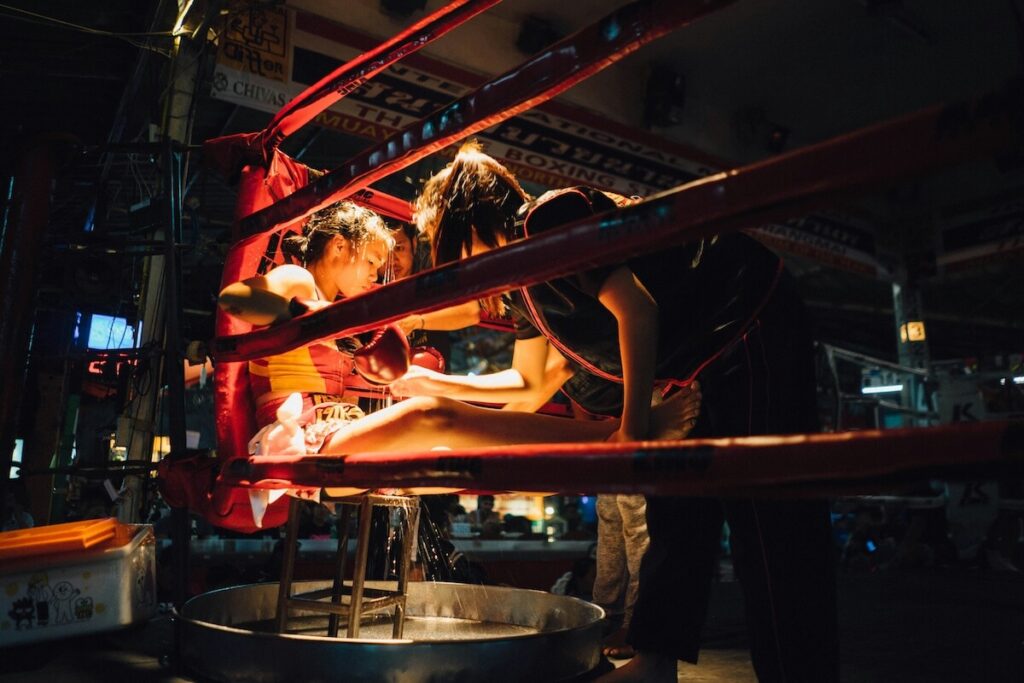
Thailand is known for its national sport, Muay Thai. Known as the “Art of Eight Limbs,” Muay Thai utilizes fists, elbows, knees, and shins in combat, making it a physically demanding and challenging sport.
Chiang Mai has a deep love for this sport. The city is home to numerous training camps and gyms where practitioners of all levels can learn and hone their skills. From world-renowned champions to enthusiastic amateurs, Muay Thai enthusiasts flock to Chiang Mai to experience the sport’s intensity and discipline.
Beyond the competitive aspect, Muay Thai is also a cultural symbol of Thailand. Visiting Chiang Mai can be a great opportunity to witness exciting Muay Thai matches at local stadiums, learn the basics of the sport through training classes, or simply enjoy the vibrant atmosphere of the Muay Thai community.
22. Yoga retreats
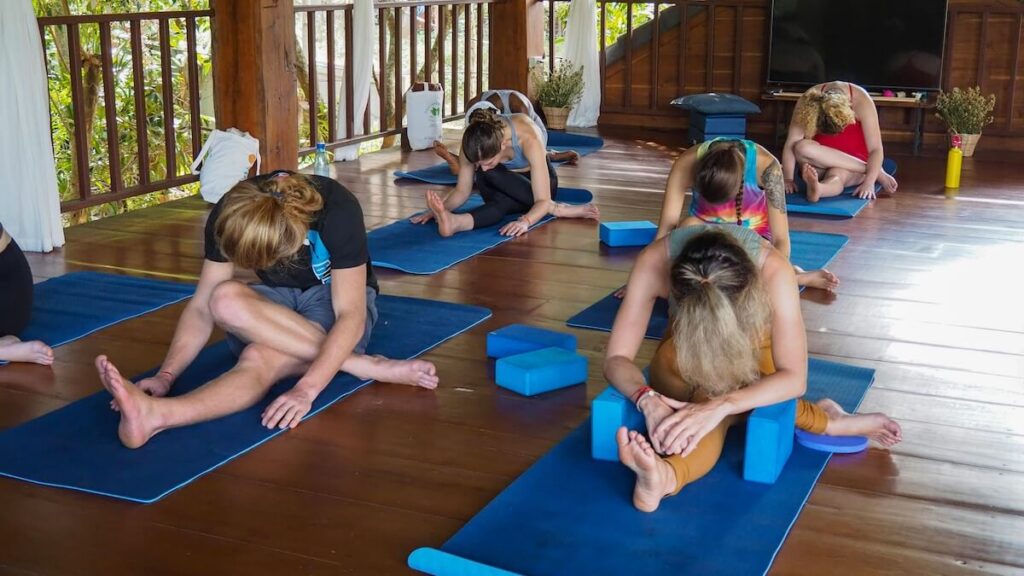
Chiang Mai is not all about thrilling adventures and adrenaline-pumping sports. Thanks to its serene atmosphere and natural beauty, it’s also a favorite destination of yogis.
While spas and Thai massage parlors are common across Thailand, yoga retreats offer a more immersive and transformative experience. A yoga retreat typically involves daily yoga classes, meditation sessions, healthy meals, and opportunities for relaxation and reflection.
These retreats cater to a wide range of practitioners, from beginners to experienced yogis. Participants can learn new techniques, deepen their practice, and connect with like-minded individuals. These yoga retreats can take anywhere from a half-day experience or a 3-day meditative affair to a week-long immersion.
23. Weather advantage
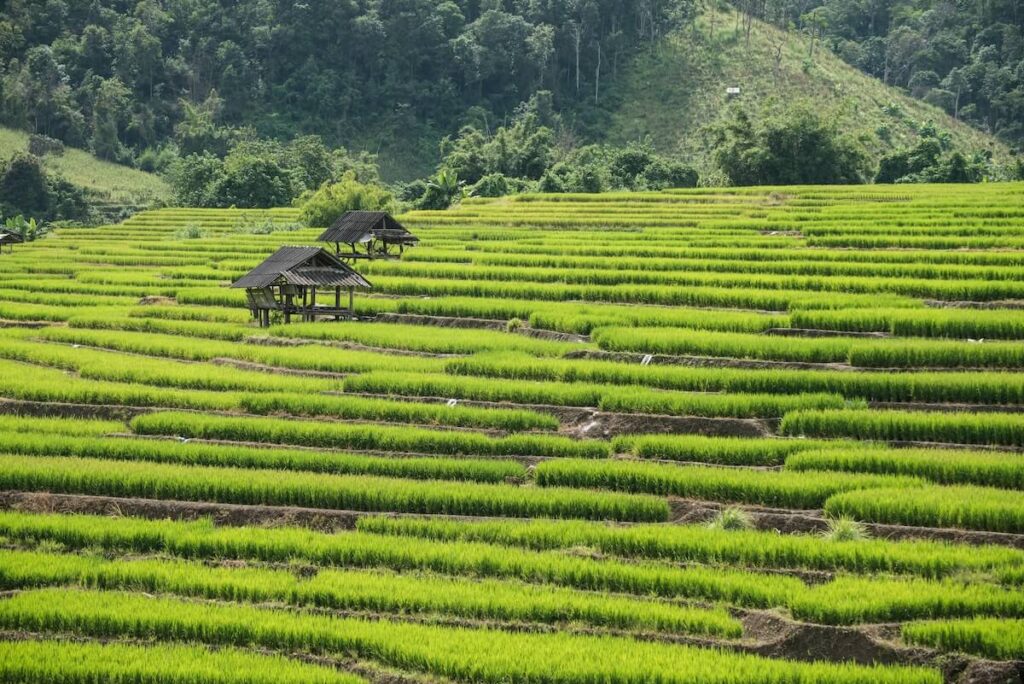
One reason Chiang Mai attracts visitors is its comfortable weather. Chiang Mai enjoys a significantly more pleasant climate compared to Bangkok, making it a popular destination for those seeking respite from the intense heat and humidity of Thailand’s capital.
The city experiences distinct seasons, with cool and dry winters from November to February, and hot and rainy summers from May to October. Average temperatures in Chiang Mai range from a comfortable 60°F (15°C) in the winter to around 90°F (32°C) in the summer. While the rainy season brings occasional showers, it’s generally less intense than in Bangkok.
However, it’s important to exercise caution during the previously mentioned burning season, which typically occurs from mid-January to April. It’s best to monitor the air quality index and take necessary precautions before heading to Chiang Mai.
24. Lower cost of living
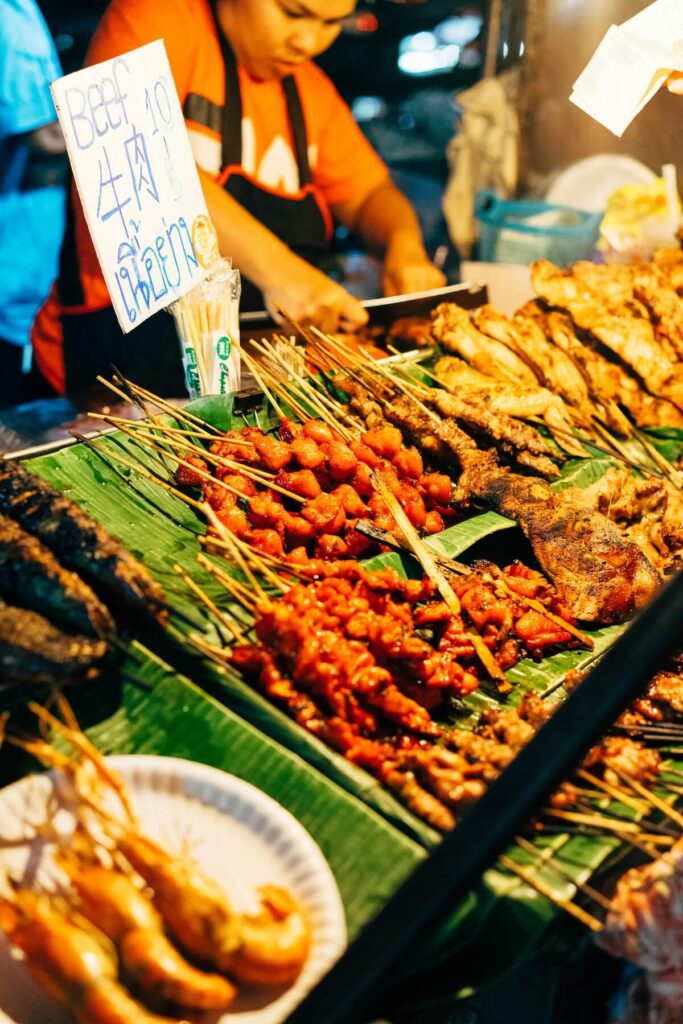
Compared to many other popular tourist destinations, Chiang Mai offers a surprisingly affordable cost of living. Accommodation, food, and transportation are generally more budget-friendly than in larger and more popular cities like Bangkok. This is why Chiang Mai is a favorite among travelers on a tight budget, digital nomads, and retirees seeking a more affordable lifestyle.
While prices have risen in recent years due to increased tourism, Chiang Mai remains a relatively cost-effective destination. You can easily find affordable accommodations, from budget hostels to mid-range hotels. The local food scene is also very affordable, with many delicious but inexpensive options available. Plus, public transportation is relatively cheap, making it easy to explore the city and its surrounding areas without breaking the bank.
25. Laid-back charm
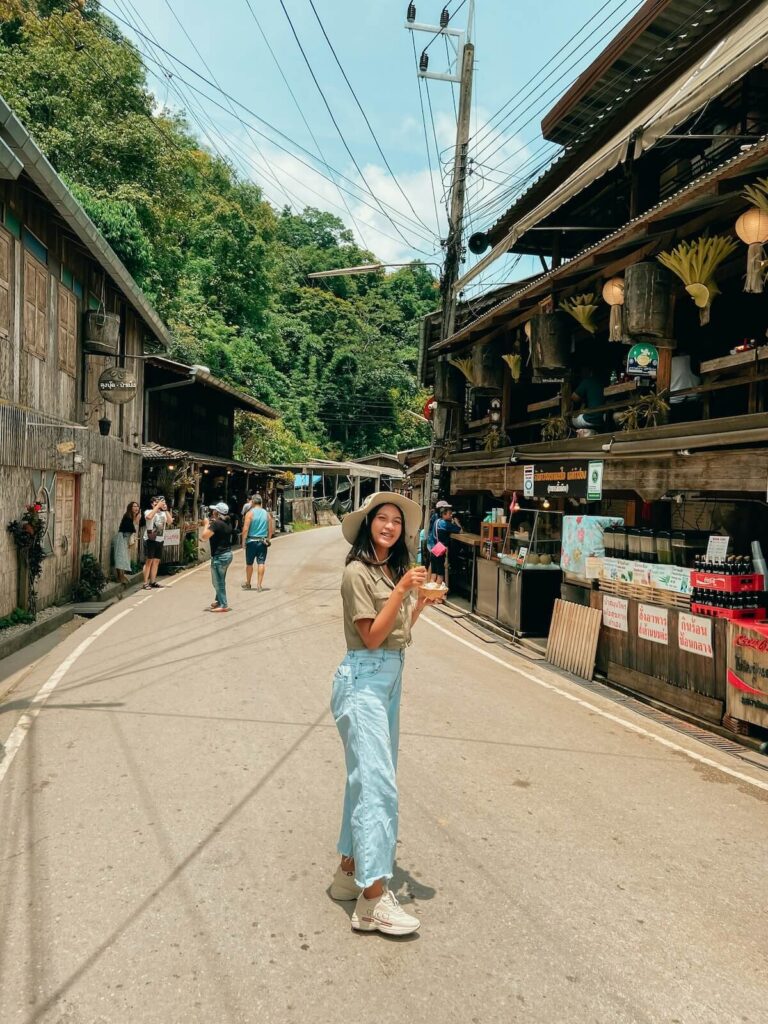
While Bangkok is known as the city that never sleeps, Chiang Mai is known for its laid-back atmosphere and slower pace of life. The city’s relaxed vibe is evident in its narrow, winding streets, quaint cafes, and serene temples. Here, you can easily escape the hustle and bustle of daily life and immerse yourself in a more contemplative environment.
Whether you’re strolling through the historic Old City, exploring the vibrant night markets, or simply enjoying a leisurely meal at a local restaurant, you’ll be greeted by a sense of tranquility and hospitality in Chiang Mai. The city’s laid-back charm is one of its greatest attractions, and perhaps one of the biggest reasons why tourism in Chiang Mai continues to rise.
Wrap up
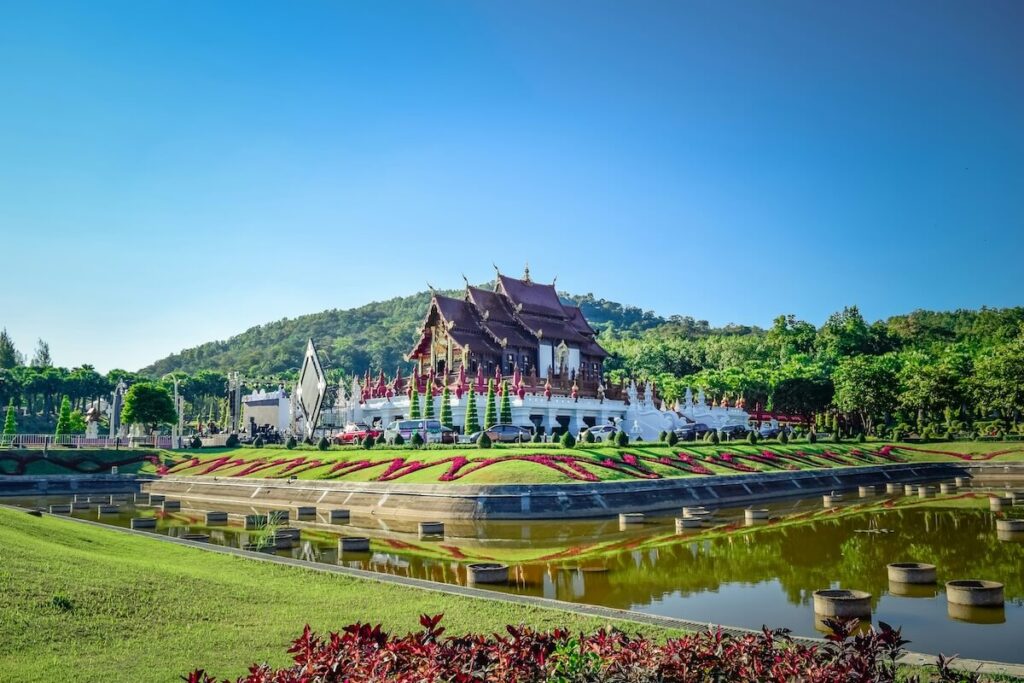
And there you have it — 25 things Chiang Mai is known for! Chiang Mai’s unique blend of history, culture, natural beauty, and laid-back atmosphere makes it a truly unforgettable destination.
Planning to visit Chiang Mai soon? Which item on this list are you looking forward to witnessing for yourself? Chime in on the comments below!

Thanks for the CM info. Is it possible to hire a personal guide to bring me around to some of the experiences you list?