
*This article may contain affiliate links. For full information, please see the disclaimer here.
The terraced rice fields of Sapa, bustling street markets of Ho Chi Minh, the towering limestone pillars of Ha Long Bay, the pagodas of Hoi An, and the busy train street of Hanoi… These are the landscapes and sceneries you’d often see in postcards and social media posts about Vietnam. But surprise, surprise, that’s not all there is to Vietnam!
The reality is, Vietnam is known for stunning and diverse landscape, from soaring mountains and lush rice paddies to pristine beaches and vibrant cityscapes. And yes, you can find more than one of these in any city.
One of the best ways to experience this variety is by exploring the famous cities in Vietnam. While there are plenty of cities and towns worth visiting, I’m listing just 15 of the best cities, towns, and districts in Vietnam, scattered across the north, central, and southern regions. Hopefully, this helps you decide which ones to visit on your next trip!
Table of Contents
Famous cities in North Vietnam
1. Hanoi

Let me start off with my favorite city in Vietnam, the country’s capital, Hanoi.
Steeped in history, Hanoi is a captivating city that blends ancient traditions with modern energy. Founded in 1010 AD as Thang Long (Rising Dragon), it served as Vietnam’s capital for centuries, witnessing the rise and fall of dynasties and enduring French colonial rule.
Today, Hanoi retains a timeless charm. Wide boulevards lined with French architecture weave through Old Quarter alleyways, where generations of families have run shops selling everything from silk to pho.
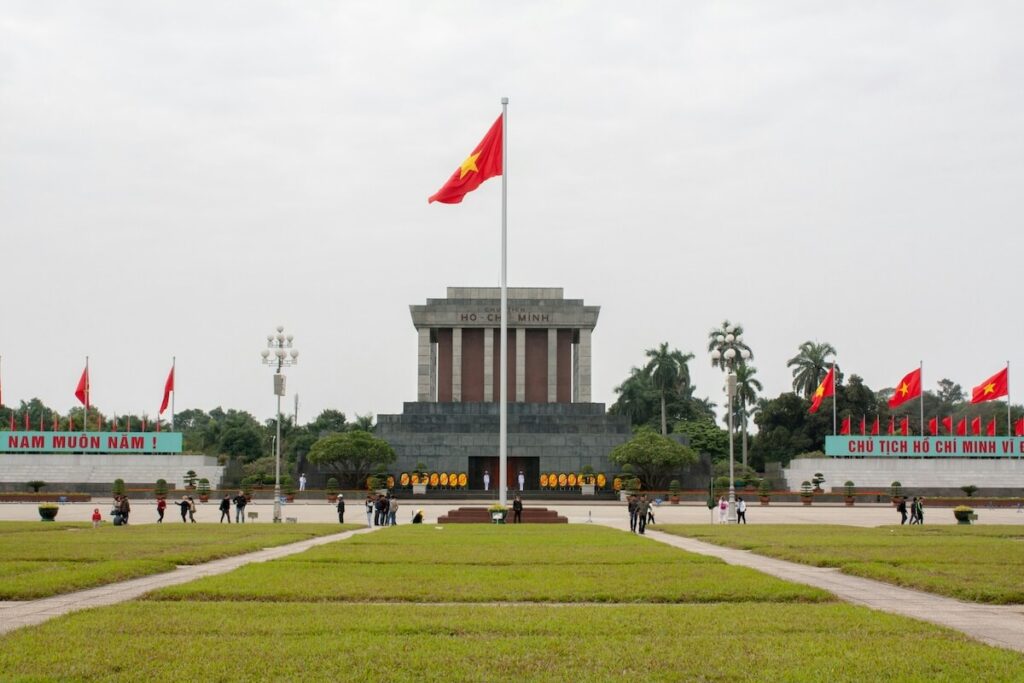
This city is famous for the Temple of Literature (which used to host Vietnam’s first university), the stately Ho Chi Minh Mausoleum, the historic Hoa Lo Prison, the yellow buildings of the French Quarter, and the lively Hoan Kiem Lake where locals gather for morning exercise and artists busk at night.
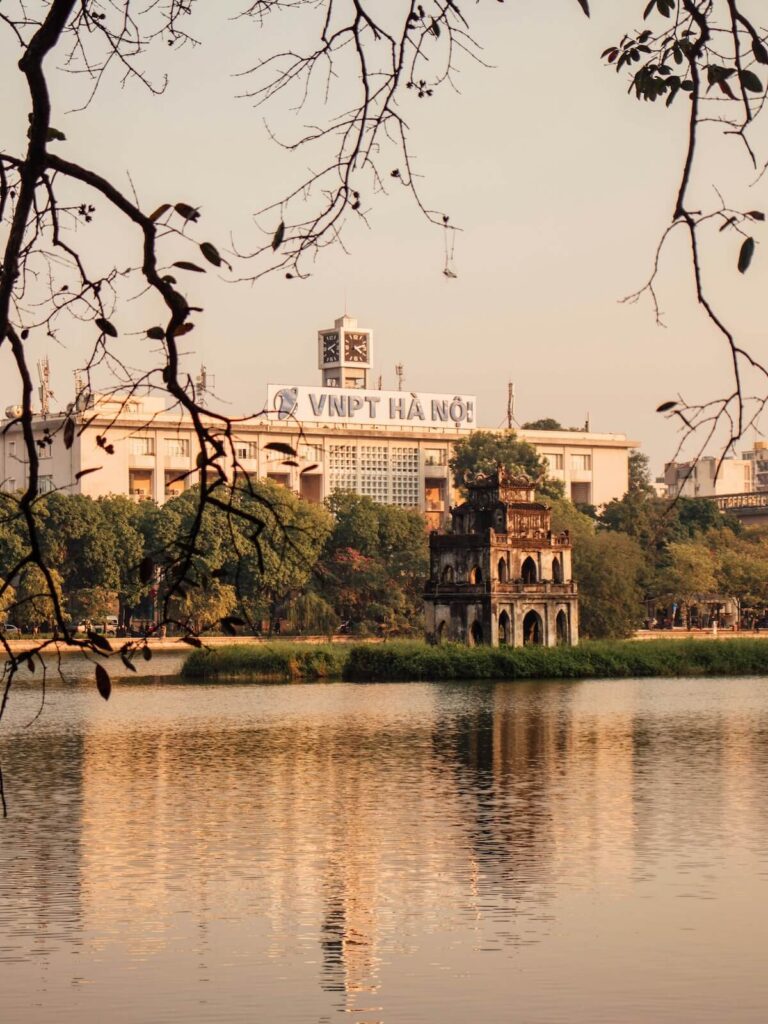
After visiting Hanoi thrice, I can confidently say that it has so much to offer to every type of traveler. The double-decker bus is a great way to sightsee but zooming through the city via motorbike will make you feel just like a local.
Food tours are a must, but personally, I had much more fun learning how to cook Vietnamese dishes in this cooking class. Don’t miss out on a cup of ca phe sua da, you can easily find a Vietnamese coffee shop at any part of the city.
Find more trip-planning ideas with my 3-day Hanoi and Ninh Binh itinerary.
2. Ha Giang

Tucked away in the far north of Vietnam, Ha Giang is a province that feels untouched by time. Its capital, Ha Giang City, was once a humble market town that rose to prominence during the Nguyen dynasty and later became a French military outpost.
Today, it’s a charming and vibrant city, where ethnicities like the Kinh and Tay people continue to thrive.
Ha Giang’s true magic lies beyond the city limits. It’s the gateway to the captivating Ha Giang Loop, a route famed for its breathtaking mountain passes, winding roads, postcard-perfect scenery, and encounters with ethnic minority villages. The good news is that if you have little to no experience riding motorcycles, you can still enjoy this loop with an easy rider tour.
While exploring the city itself, be sure to visit the Ha Giang Provincial Museum. This museum houses exhibits showcasing the rich heritage of the province’s diverse ethnicities. In the evenings, head to the main square, especially on weekends, where the lively atmosphere takes over with food stalls, local vendors, and sometimes even entertainment on a makeshift stage.
3. Sapa
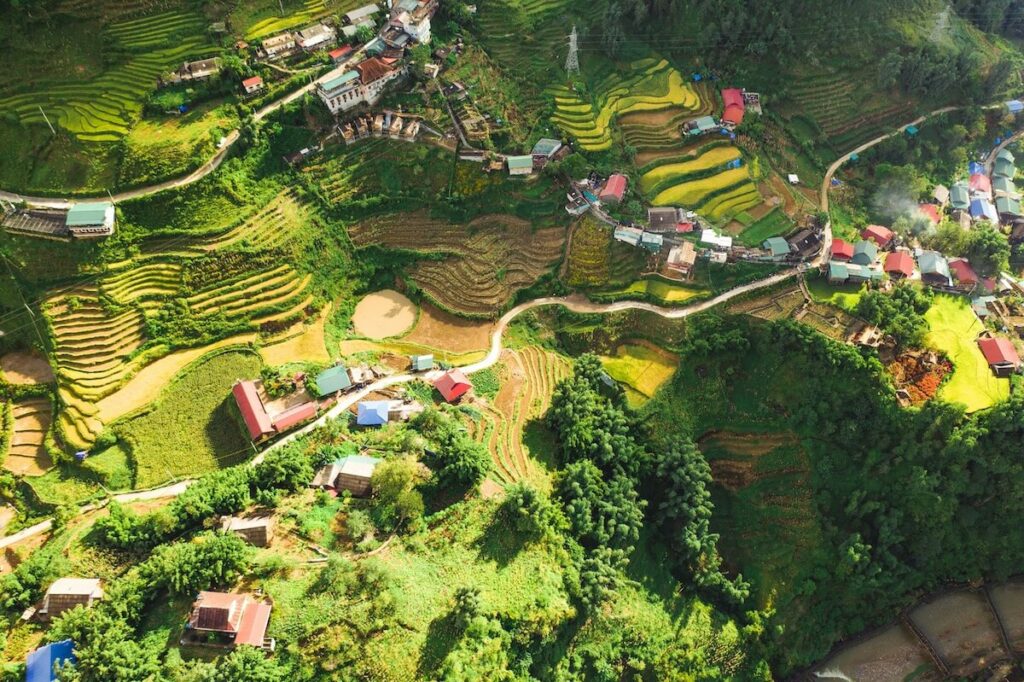
While Sapa is technically not a city, this district-level town is one of the most visited places in Vietnam. Once a colonial French hill station, Sapa is now known for its breathtaking natural beauty and deep cultural roots.
Set amidst the Hoang Lien Son mountains in northwestern Vietnam, Sapa is a trekker’s paradise. It’s home to lush valleys like Muong Hoa, adorned with cascading rice terraces. Treks can range from leisurely village visits to multi-day expeditions that lead to the summit of Fansipan, the highest peak in Vietnam.

Sapa’s charm extends beyond its scenery. The town itself is a vibrant mix of French colonial architecture and ethnic minority influences. Here, you can explore the Sapa Stone Church, a legacy of French missionaries, or immerse yourself in the culture of the Hmong, Tay, and Dao people who populate the surrounding villages.
Just remember to be respectful of local customs, especially when visiting these minority villages.
4. Ha Long
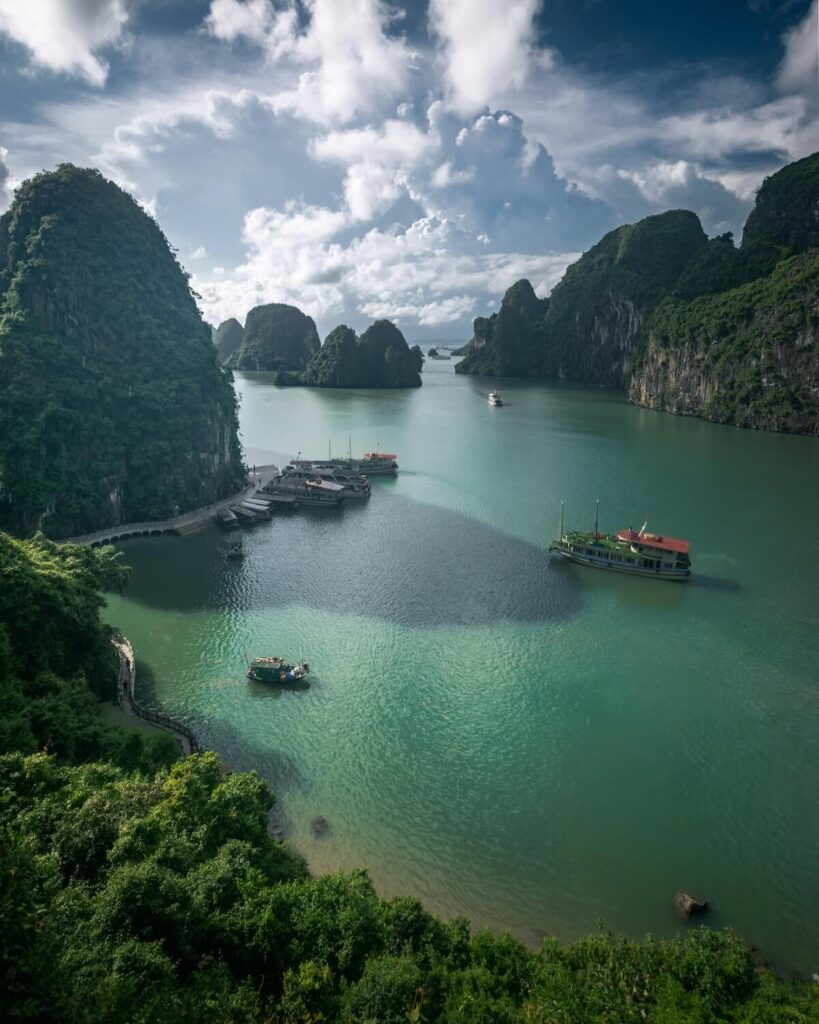
Ha Long, one of the most famous cities on Vietnam’s northeastern coast, is a relatively young city. It was formed in 1993 after the merging of the bustling harbor town of Hon Gai and the scenic tourist area of Bai Chay. This led to Ha Long’s dual character — a historical harbor city and a modern resort destination.
Of course, you probably know that the true star of Ha Long is Ha Long Bay, one of the most popular UNESCO World Heritage Sites in Asia. This sublime bay boasts thousands of dramatic limestone karst formations jutting out of the emerald waters.
Traditional junk boat cruises, with options for day tours or overnight cruises, are a quintessential Ha Long experience, allowing you to sail amongst these towering islands and hidden caves.
That said, Ha Long Bay is one of the most visited sites in Vietnam, so expect crowds. If you prefer a quieter experience, consider visiting during the low season but be prepared for unpredictable weather.
5. Haiphong
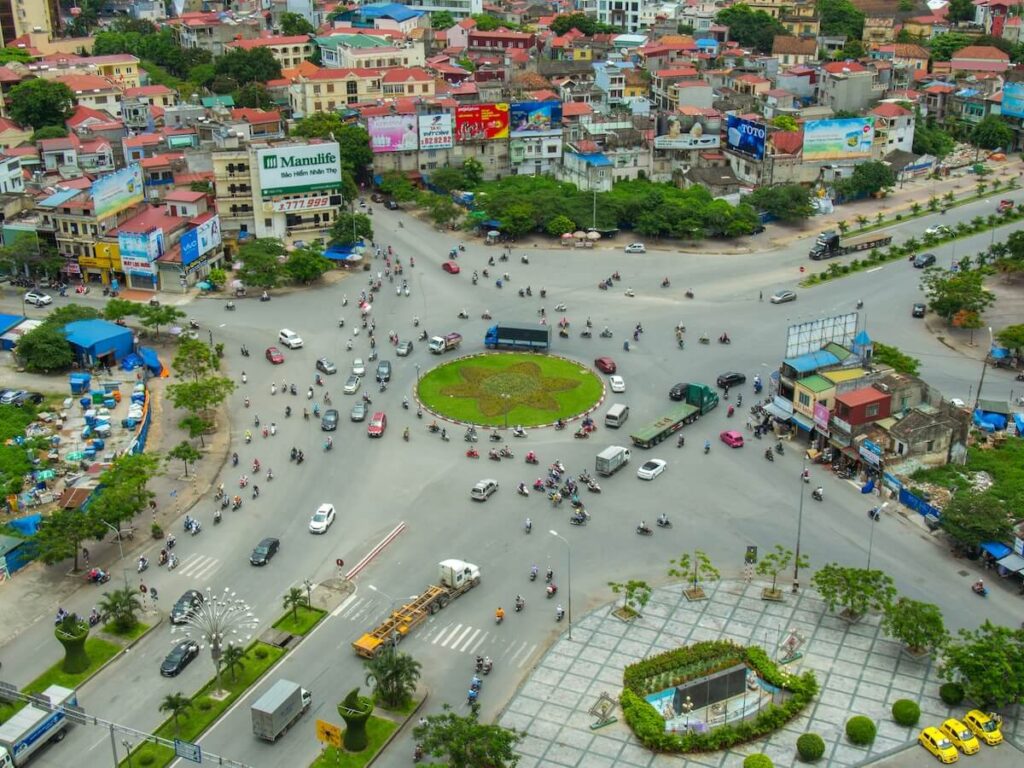
Haiphong, Vietnam’s third-largest city, is a fascinating blend of history and modern pulse. Established as a port city in the 1880s by the French, it’s one of the major cities in Vietnam where you can see striking French colonial-era buildings, like the neoclassical Opera House and the 19th-century Queen of the Rosary Cathedral.
Beyond its historical charm, Haiphong is known for its vibrant culture and delicious cuisine. If you’re a coffee lover like me, you’ll love the city’s thriving cafe scene. Foodies won’t be disappointed either; Haiphong’s unique specialties include nem cua be (crab spring rolls) and banh da cua (crab noodle soup).
What makes Haiphong even more unique is its proximity to Cat Ba Island. This emerald beauty in the Gulf of Tonkin offers pristine beaches, national parks, and floating villages, all accessible by ferry from Haiphong or through a local-guided tour.
6. Ninh Binh

About a couple of hours’ drive away from Hanoi is Ninh Binh, the capital of the Ninh Bình Province.
Though the city of Ninh Binh itself is a destination, the province is the real gem. This region boasts two UNESCO World Heritage Sites, the Trang An Landscape Complex and the ancient capital of Hoa Lu, both of which you can visit on a full-day Ninh Binh tour.
Ninh Binh’s nickname is also known as “Ha Long on Land” because of its towering limestone mountains protruding from emerald rice paddies and glassy waterways. Don’t miss out on a cruise down the rivers on a traditional sampan boat to get a closer look at these dramatic karst formations.
Most tours also include climbing the 500 stone steps leading to Hang Mua, a cave and viewpoint offering 360-degree views of the surrounding rivers and mountains. This can be exhausting on a hot day but the views are well worth it.
Famous cities in Central Vietnam
7. Hue

History lovers like me will love Hue. This captivating and historic city in central Vietnam served as the capital of the Nguyen Dynasty for over 140 years, from 1802 to 1945. During this period, the city flourished, leaving behind a legacy of grand imperial architecture.
Hue’s centerpiece is the ancient citadel, another UNESCO World Heritage Site. Within its fortified walls is the Purple Forbidden City, a palace based on Beijing’s Forbidden City and once the emperor’s private residence, and the Imperial City, a complex of palaces and ceremonial buildings. Get tickets to the royal palaces and tombs here.
Aside from its imperial past, Hue is known for its tranquil setting along the Perfume River. This scenic waterway bisects the city, giving visitors a chance to explore its historic sites by boat. For the foodies, I recommend joining this fun and informative Hue street food tour that includes stops at several restaurants and the Dong Ba Market.
8. Da Nang

I still daydream about the day I get to visit Da Nang again. This beautiful coastal city captured my heart and it’s not hard to see why.
One of the most famous cities in Vietnam, Da Nang was once a quiet port town. After gaining independence from Quang Nam province in 1997, it has since transformed into a gleaming metropolis that’s home to high-rise condos, pristine beaches, majestic mountains, and some of the most incredible bridges I’ve ever seen.
While Da Nang attracts visitors with its picturesque beaches like My Khe Beach, there’s more to the city than meets the eye. For a unique experience, head to the Marble Mountains, a cluster of five marble and limestone outcrops that jut out dramatically from the coastline. Each mountain holds religious grottoes and pagodas, offering a glimpse into Vietnam’s spiritual heritage.
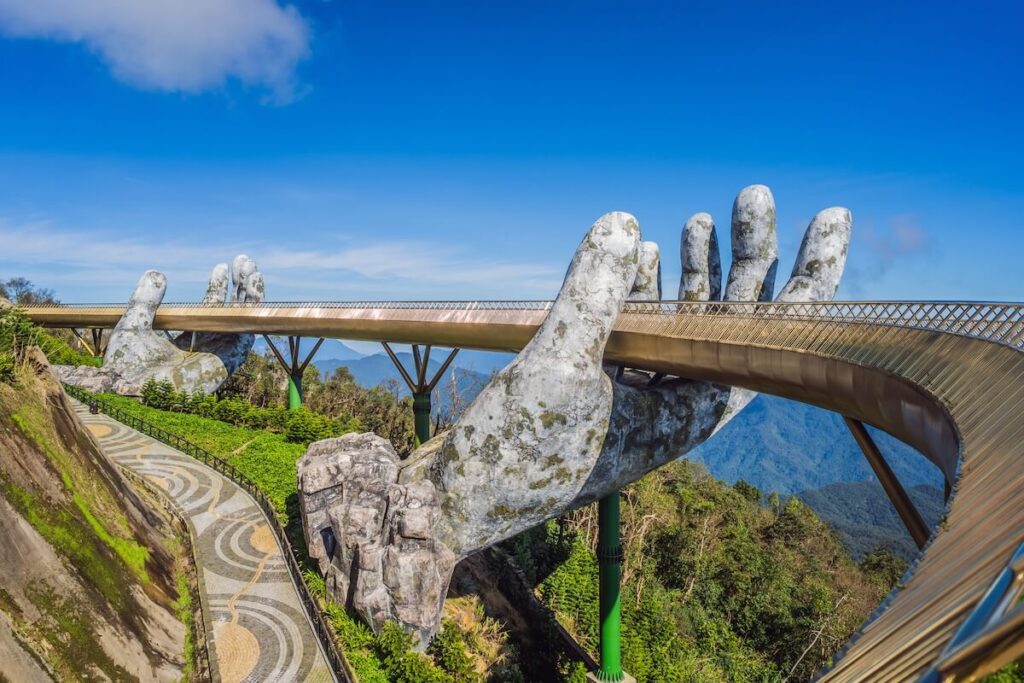
In recent years, more and more tourists flocked to Da Nang to see the Ba Na Hills, a hill resort reachable by a record-breaking long cable car ride. Here you’ll find a French village, a fantasy theme park, a giant Buddha statue, and — you’ve likely seen this on Instagram — two giant hands holding a golden bridge.
For a hassle-free Ba Na Hills experience, I recommend booking a ticket with round-trip cable car rides and buffet lunch.
Also read: 20 Things Da Nang is Known and Famous For
9. Hoi An

Hoi An, a charming city in central Vietnam, was a Southeast Asian trading port that thrived from the 15th to the 19th centuries. Today, it’s a UNESCO World Heritage Site (I know, Vietnam has lots of those), recognized for its incredibly well-preserved ancient town.
This city is a captivating maze of narrow streets lined with colorful shophouses, ancient temples, and pagodas. Here, you’ll see architectural influences from Vietnam, China, and Japan, reflecting the city’s past as a cultural crossroads.
Hoi An is especially worth exploring during the full moon. During the monthly Hoi An Lantern Festival, the old town transforms into a wonderland as thousands of colorful lanterns illuminate the streets.
Aside from its magic and romance, Hoi An is also known for its skilled tailors who can whip up custom-made clothes at very reasonable prices, making it a shopper’s paradise. It’s also worth digging into Hoi An’s delectable dishes like cao lau (rice noodles with barbecued pork), banh bao vac (white rose dumpling), and Hoi An-style chicken and rice.
10. Da Lat
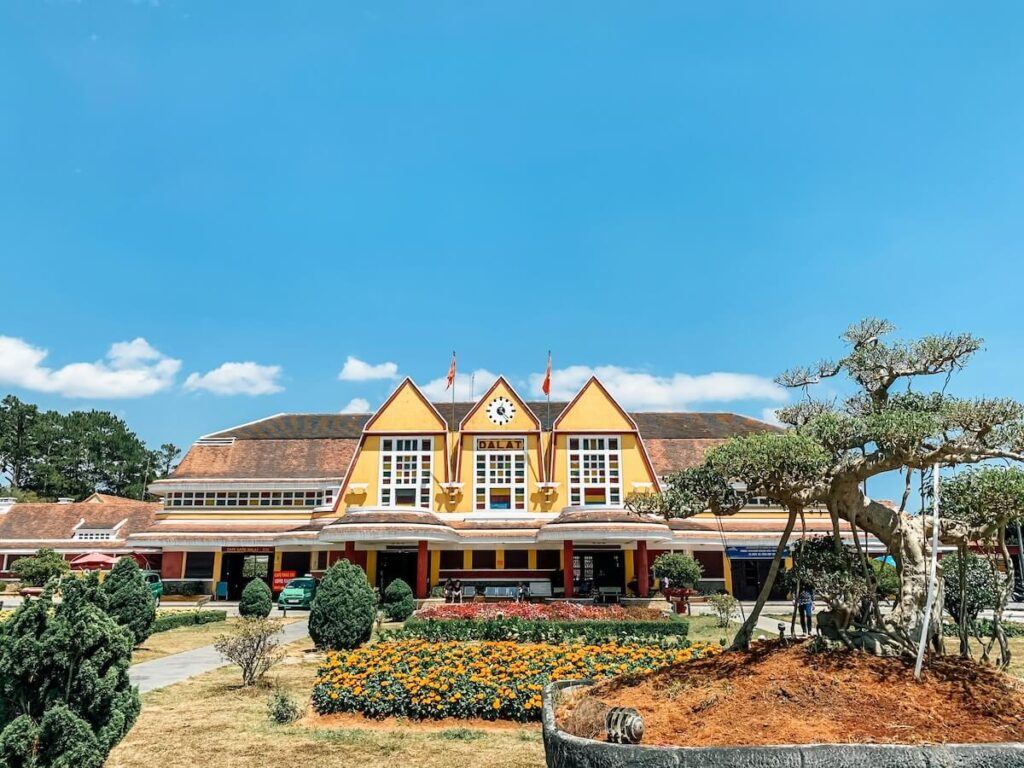
The largest city of Vietnam’s Central Highlands, Da Lat is a city with a distinctly European flair. Founded by the French in the early 1900s as a hill station escape from the sweltering heat, Da Lat earned the nickname “City of Eternal Spring” for its cool, year-round climate. Even today, it’s a popular resort town attracting Vietnamese and international tourists alike.
One of Da Lat’s unique features is its vibrant flower farms. Take a trip to one of these farms to witness a breathtaking sea of flowers. Another must-do is a visit to Xuan Huong Lake, the heart of the city, which offers scenic walking paths, swan paddle boats, and quiet picnic spots.
You can also hike through the verdant trails of Bidoup Nui Ba National Park, home to waterfalls and diverse flora and fauna. For a touch of adventure, conquer the slopes of Langbiang Mountain, the highest peak in the area, and be rewarded with panoramic vistas.
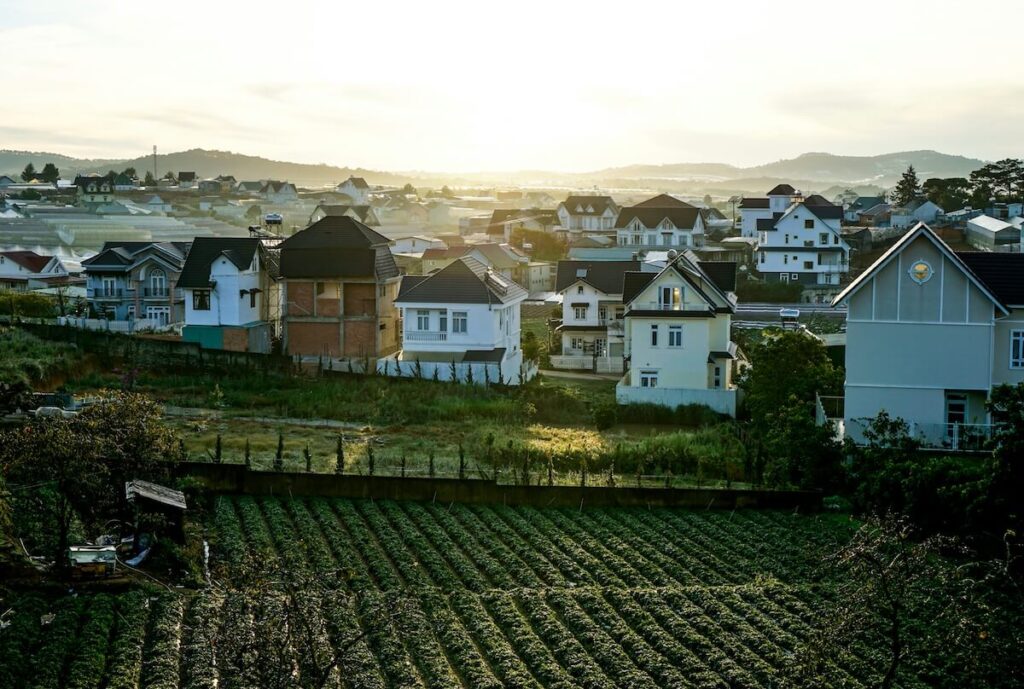
Some of the best Vietnamese coffee I’ve had originated from Dalat; the region’s climate and fertile soil make for ideal growing conditions. If you get a chance, do sign up for a coffee farm tour or purchase a bag of beans from any of the specialty coffee shops in the city.
11. Nha Trang
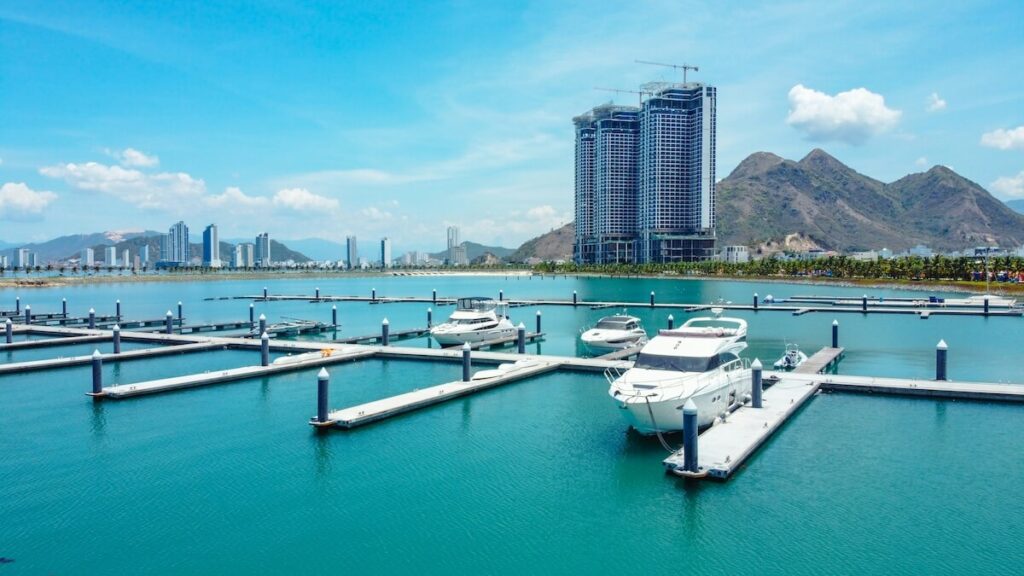
Nha Trang, a jewel along Vietnam’s south-central shore is a bustling coastal city renowned for its stunning beaches and vibrant atmosphere.
Its claim to fame is undoubtedly its six-kilometer stretch of exquisite coastline, fringed with soft, white sand and lapped by turquoise waters. Tran Phu Street, which runs parallel to the beach, pulses with activity, offering a mix of beachfront restaurants, resorts, and souvenir shops.

But Nha Trang offers more than just sun and sand. It’s also the gateway to the nearby Hon Mun Island, a UNESCO World Biosphere Reserve, where you can explore vibrant coral reefs or snorkel alongside colorful fish. For a touch of history, venture inland to the Po Nagar Cham Towers, a complex of ancient Hindu temples built between the 7th and 11th centuries.
Nha Trang is also famed for its exciting nightlife scene. From rooftop bars with panoramic ocean views to live music clubs beaming with energy, there’s something for everyone.
Famous cities in Southern Vietnam
12. Ho Chi Minh City

Another Vietnamese city I love is Ho Chi Minh. Still fondly referred to as Saigon by some, Ho Chi Minh is the most populous city and is the largest financial center in Vietnam. Once the capital of French Indochina, this bustling city is now known for its rivers and canals, French colonial architecture, historical landmarks, nightlife, and tasty street food.
As a history junkie, the spots that left a lasting impression on me when I visited this city were the War Remnants Museum and the Independence Palace. You can explore both historic places on this walking tour. If you’re not claustrophobic, you can also take a day trip to the Cu Chi Tunnels for a glimpse into the ingenuity of the Viet Cong fighters during the Vietnam War.
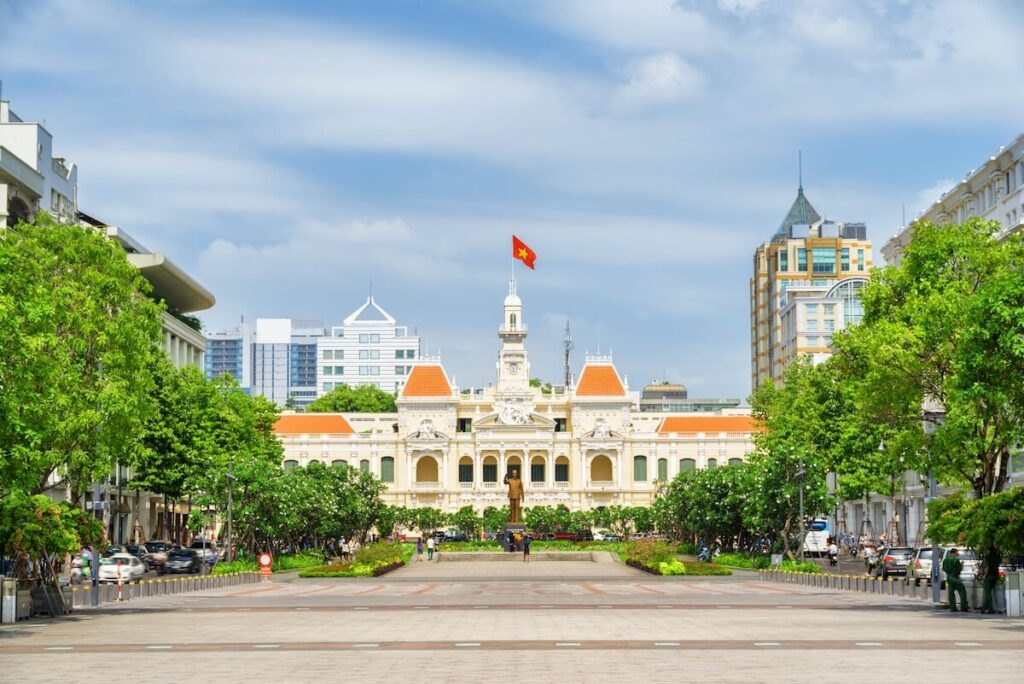
For fans of French architecture, don’t miss the Notre Dame Cathedral, the Central Post Office, and the Ho Chi Minh City Hall. If you make it to the latter, I suggest strolling along the Nguyen Hue Walking Street and enjoying a cup of coffee or tea at any of the shops in the Café Apartment Building.
Before you leave the city, make sure to stop by Ben Thanh Market for delicious treats and handmade souvenirs.
Read more: 30 Souvenirs From Vietnam to Bring Home With You
13. Can Tho
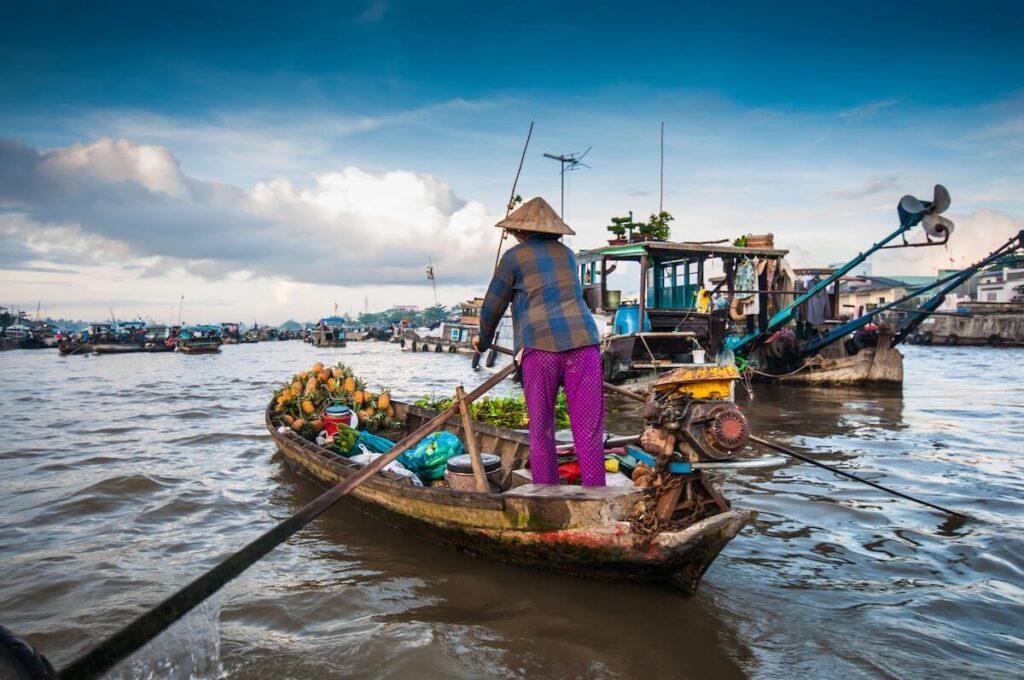
Can Tho, the largest city in Vietnam’s Mekong Delta, boasts a modern cityscape but its soul lies in its waterways. Established in the 17th century, it thrived due to its strategic location along the Hau River, a Mekong Delta distributary.
One of Can Tho’s highlights is undoubtedly its floating markets. Visit Cai Rang and Phong Dien floating markets, two of the most popular floating markets in the region. Here, you can witness the lively trade of fresh produce, flowers, and local delicacies directly from boats.
Even if you’re not shopping for fresh produce, exploring the canals by sampan is a must. Glide past verdant rice paddies, serene orchards, and traditional wooden houses on stilts, getting a glimpse into the idyllic life along the Mekong Delta.
Away from the scenic waterways, you can explore the Cai Rang rice paper-making village to learn about this traditional craft, or visit the Can Tho Museum for a deeper dive into the city’s history and culture. In the evening, savor a delicious meal of fresh river fish and local specialties at the Ninh Kieu waterfront, a lively hub adorned with colorful lights
14. Phu Quoc Island
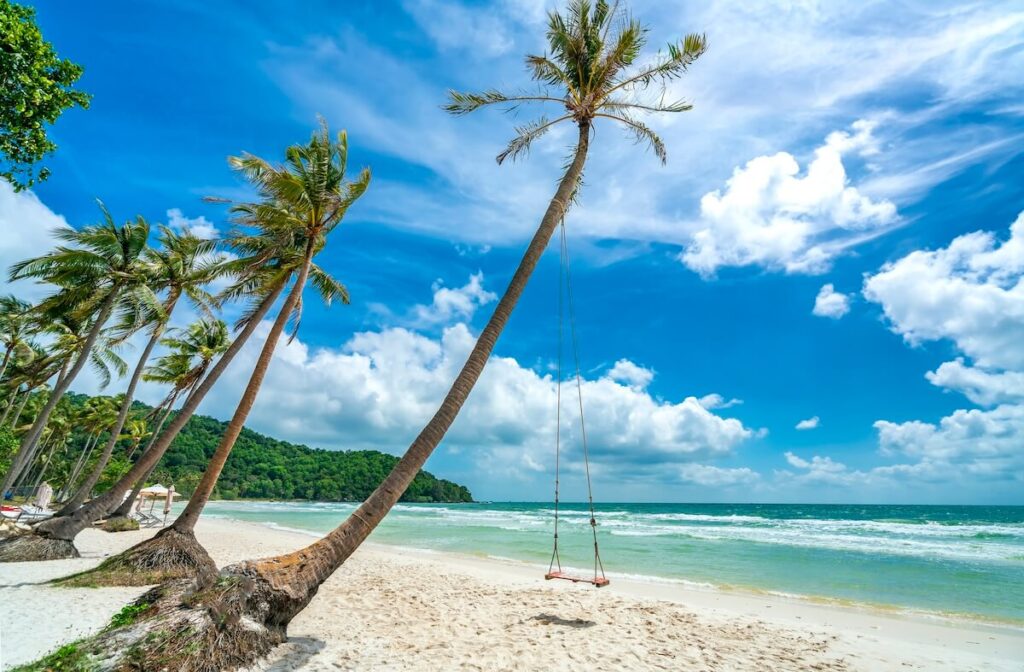
Phu Quoc, though technically an island, also holds the status of a city within Vietnam. With a history dating back centuries, Phu Quoc was once a quiet fishing community. Today, it hosts wonderful beaches, lush rainforests, and emerging resort towns — all of which you can enjoy for 30 days, visa-free!
Phu Quoc’s crown jewel is no doubt its coastline. Here, you’ll find long stretches of powdery white sand beaches lined with palm trees and coral reefs prime for diving and snorkeling. The most popular is Long Beach, known for its resorts, restaurants, and water sports activities. For a more secluded experience, venture further south to Bai Sao Beach.
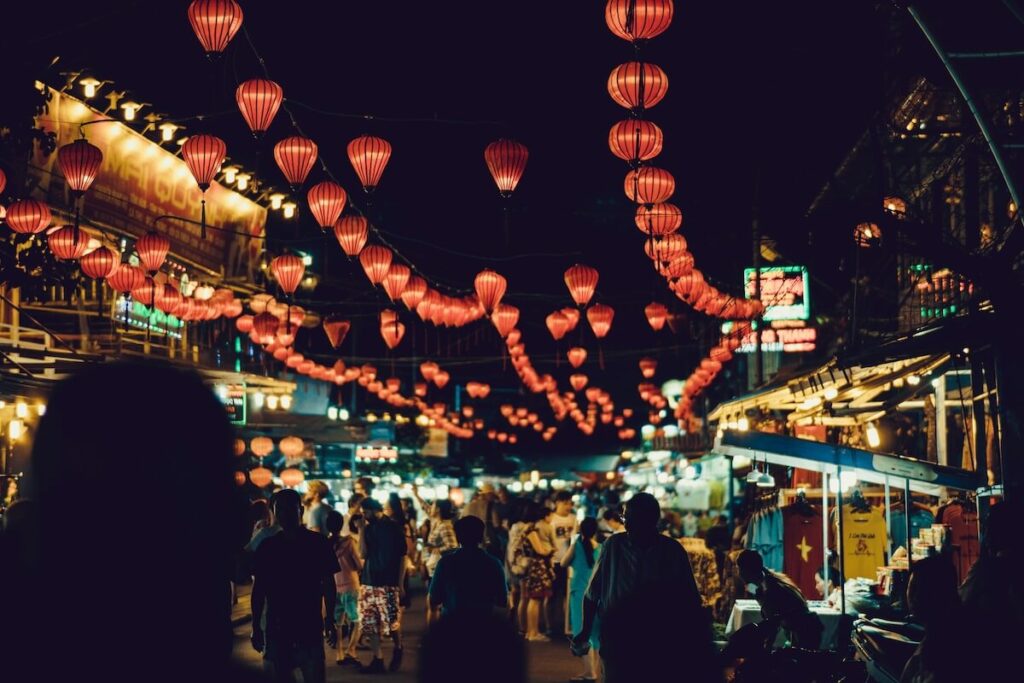
Nature lovers can also hike through the lush rainforests of Phu Quoc National Park, home to diverse wildlife and breathtaking scenery. Into history? Consider exploring Phu Quoc Prison, a haunting reminder of the island’s past. And if you want to sample local fare, especially seafood, the best place to visit is the Duong Dong night market.
15. Vung Tau
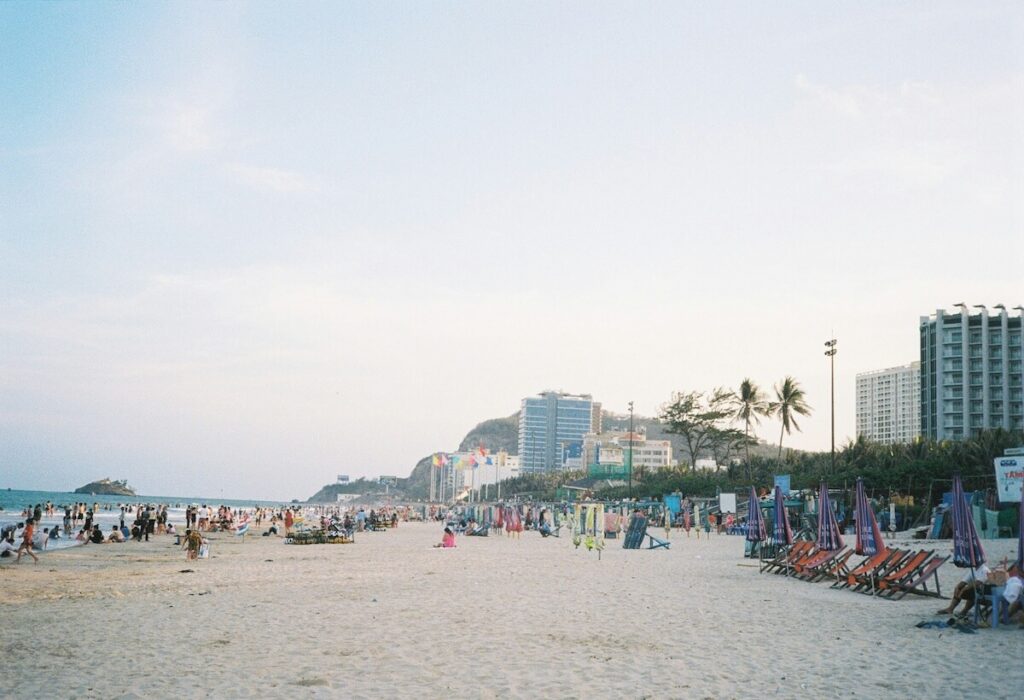
Vung Tau, a coastal city in southern Vietnam, was once a French colonial retreat. Today, with its mixed bag of beautiful beaches, historical sights, and relaxed atmosphere, it has become a popular seaside destination, particularly for travelers seeking a quick escape from Ho Chi Minh City.
Like Phu Quoc, Vung Tau’s main draw is its beaches. Front Beach, a thriving stretch of coastline, is perfect for swimming, sunbathing, and indulging in fresh seafood at beachfront restaurants. For a calmer experience, head to Back Beach, a more secluded spot known for its gentle waves and laid-back atmosphere.
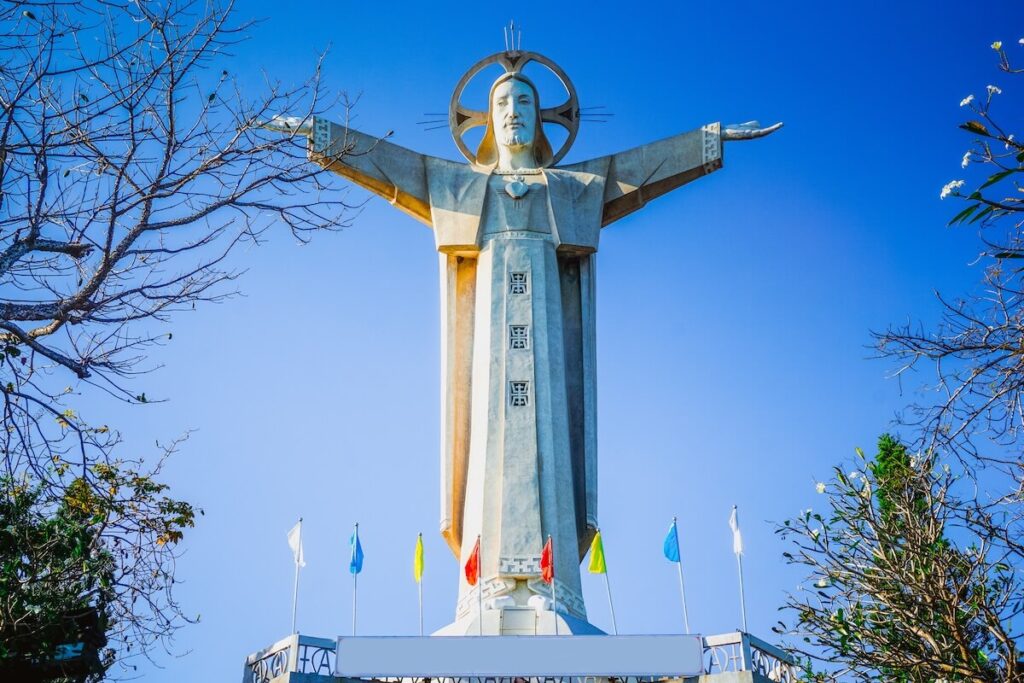
But Vung Tau offers more than just beach bliss. For breathtaking panoramic views, hike up to Bach Dinh (White Palace), a French colonial mansion perched on a hilltop, or climb to the top of the Christ the King statue.
You can also explore historical sites like the Worldwide Arms Museum (Vietnam’s largest private arms museum) or the Pagoda of the Celestial Lady. In the evening, stroll along the lively Vung Tau night market, a treasure trove of local crafts, souvenirs, and delicious street food.
Wrap up
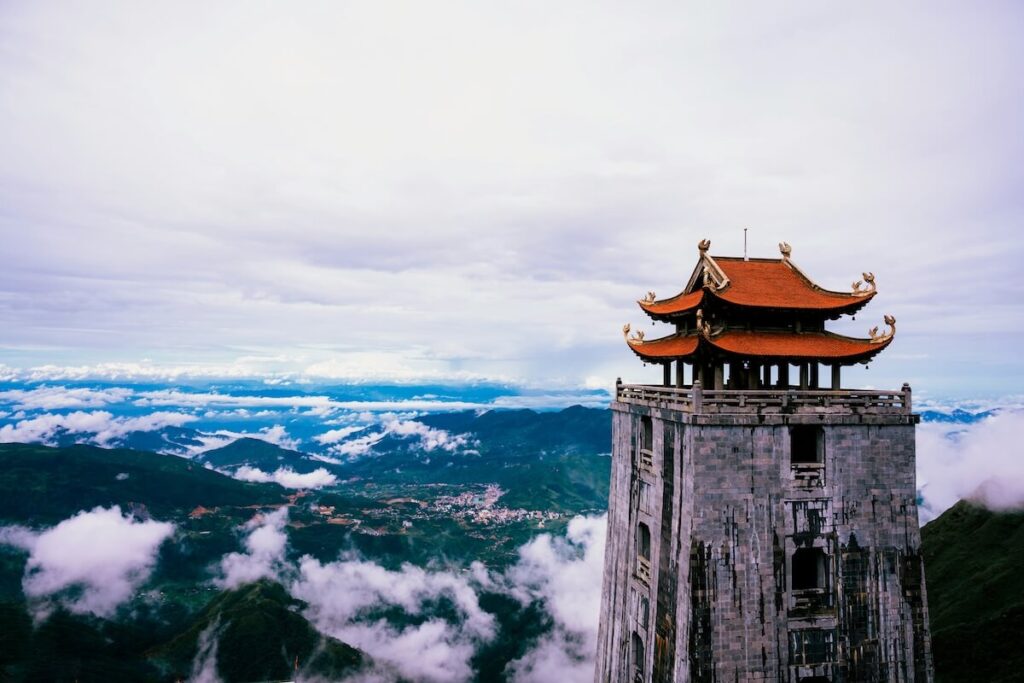
There you have it — 15 most famous cities in Vietnam! Regardless of the type of traveler you are — a foodie, history junkie, beach bum, or thrill seeker — you’ll find a Vietnamese city that’ll scratch the itch for you.
But with only 15 cities, this list isn’t exhaustive. If you’ve been to other Vietnamese cities that you think are worth visiting, drop a comment below!
And if you’re eager to know more about this beautiful country, check out this list of things Vietnam is famous for.