
The more you travel, and the more you talk about travel, the more you hear about certain countries and destinations. Some of them are helpful tips to remember based on personal experience, others are stories that “I heard from a friend of a friend” — in short, stereotypes.
Among my friends and family in Hong Kong, one particular country that often comes up is Malaysia. I’ve been to Malaysia several times before so some of my relatives often ask me what it’s like. The conversations often veer towards “I want to visit Malaysia but I heard this and that. Is it true?”

Well, if you’ve heard of stories about Malaysia and you’re wondering if these Malaysia stereotypes are actually real, don’t fret. Here are some of the most common stereotypes about Malaysia that I know of, and whether or not they’re true!
Table of Contents
Stereotypes about Malaysia
1. Malaysia is culturally diverse

At this point, this isn’t so a stereotype as it is a commonly-known fact. Yes, one of the truest and most beautiful Malaysian stereotypes is that the country is a vibrant melting pot of multiple different cultures and races all living harmoniously. In fact, it is one of the things that Malaysia is famous for.
Is it true though? Having been to Malaysia several times, I can say it is. Whenever you visit a restaurant, for example, you’ll often see Malaysians of different races all enjoying a meal together, and no one bats an eye.
While I’m sure that, like most people around the world, Malaysians sometimes bicker with each other, overall I think of Malaysia as a peaceful, multicultural country.
2. Malaysia is a food paradise
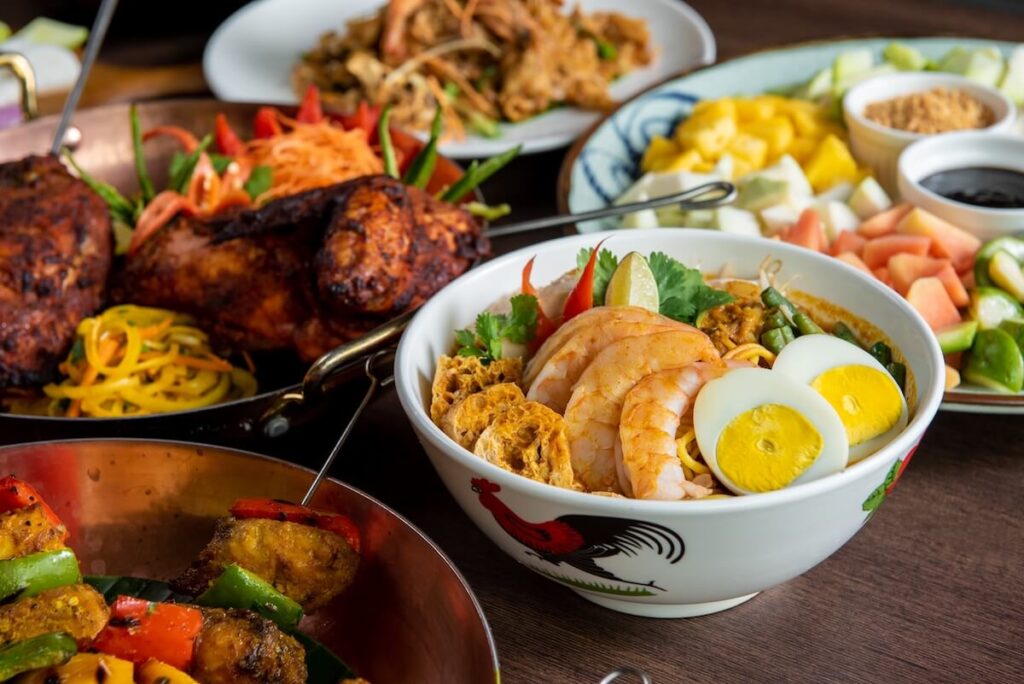
Now this is one of the stereotypes about Malaysia I can definitely confirm to be true! Thanks to the country’s multiculturalism, the food in Malaysia is every bit as diverse as its people!
Whether you like authentic Chinese, Indian, or Malay cuisine, or would prefer unique local delicacies that came about as a result of cross-cultural exchange, there’s an endless array of food options in Malaysia to satisfy your palette.
From experience, the only real problem with eating in Malaysia is deciding WHERE to eat. Ask 10 locals where the best place for nasi kandar in Penang is, and you’ll likely receive 12 different answers! And all 12 of them are equally delicious!
3. It is extremely hot and humid
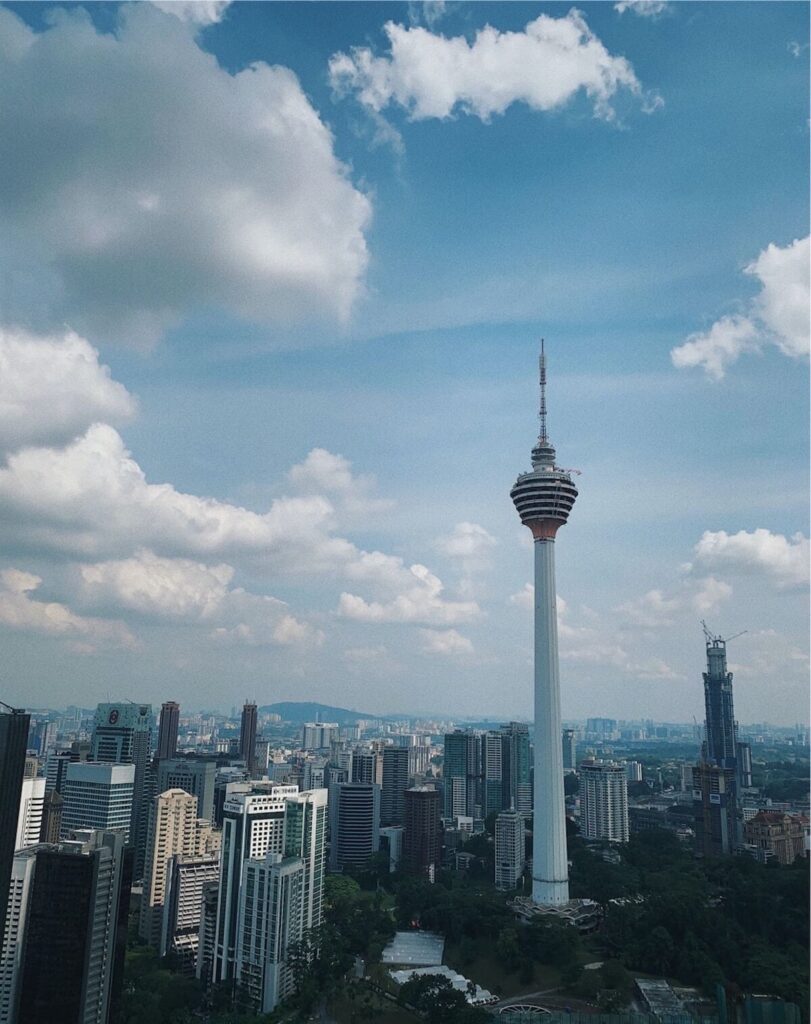
I used to think late summers in Hong Kong were unbearable (to be fair, they still are) but I must confess I was NOT prepared for the hot and humid climate in Malaysia. As far as stereotypes about Malaysia go, this one is 100% true.
The sweltering heat in Malaysia is often at its worst between March and August, which is the unofficial dry season in Malaysia. Expect less rain and extremely hot weather. Like my friend says, it’s like living in an open-air oven. Even when it does rain, it just makes the air humid!
And how do Malaysians escape the heat? By going to the mall where the air conditioning is always on full blast!
4. It is a religiously conservative country
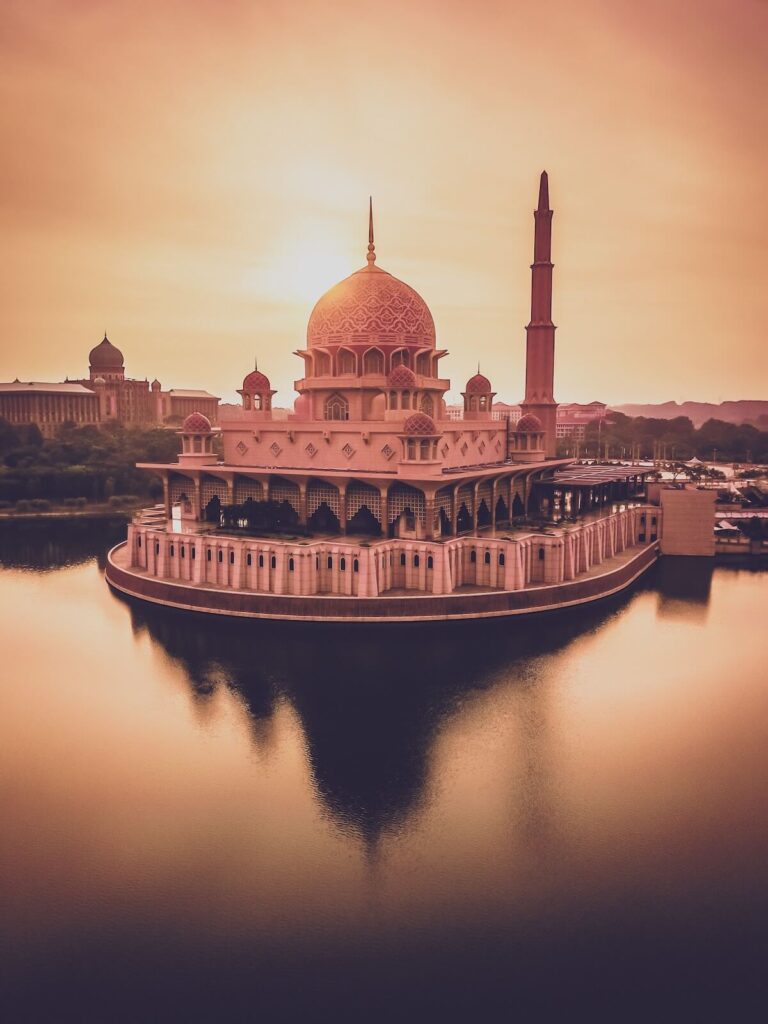
I would say that this is one of those Malaysia stereotypes that are partially true but it depends. Yes, Malaysia is by and large a conservative country, with Islam being the official and most widely-practiced religion. However, conservatism varies according to the region or area you visit.
For example, the northern and eastern parts of Peninsular Malaysia are often considered the most conservative “Malay states” due to a large population of the inhabitants being Muslim. However, along the west coast, where cities like Penang, Kuala Lumpur, and Ipoh are found, you’ll realize that people here are more moderate.
5. There’s plenty of natural beauty in Malaysia

This stereotype about Malaysia largely comes from the fact that a large portion of the country is covered by ancient rainforests, while the rest of it borders the ocean.
As you might expect, Malaysia is indeed a treasure trove of natural wonders, ranging from majestic mountains and pristine islands to virgin rainforests as old as the dinosaurs!
If you’re ever in Malaysia, I highly recommend visiting Taman Negara and visiting the Cameron Highlands. The more adventurous of you should also try diving near Sipadan Island, or hiking up Mount Kinabalu. There’s also Kundasang, which locals call the “New Zealand of Malaysia”, where you can admire Malaysia’s natural beauty!
Stereotypes about Malaysians
6. Malaysians are linguistically talented

Anyone whose been to Malaysia can confirm the validity of this Malaysian stereotype. In fact, one of the things many people from Hong Kong and China will say about Malaysia is that they feel like they’re right at home when they visit because of how many Malaysians can speak Mandarin and Cantonese!
Yes, most Malaysians can speak multiple languages, or, at the very least, English and Bahasa Melayu, the national language, both compulsory languages to learn at school. Beyond that, Malaysians of different backgrounds often speak their mother tongue, as well as regional dialects!
7. They are the friendliest people

For me, this is perhaps the truest of all the Malaysian stereotypes! Malaysians are incredibly warm and welcoming, especially to tourists!
There’s genuine friendliness and hospitality within Malaysians that makes you feel instantly welcome when you visit. Perhaps it’s because Malaysians are used to living in a multicultural society that they are so acceptive of foreigners.
While not everyone is bright and bubbly, most Malaysians will greet you with warm smiles and a friendly greeting, even in areas that aren’t usually filled with tourists!
8. Punctuality is not their strong point

For others, saying that one is not good at punctuality is seen as an insult, but this stereotype about Malaysians is often considered an inside joke among the locals!
As they themselves call it, “Malaysian timing” is a unique personality trait of Malaysians, where people are expected to show up several minutes later than initially agreed. It’s such a common occurrence that my friend often takes into consideration the late arrivals when he sets an appointment time. If a Malaysian says to meet at 8:30, they expect to meet at 9!
That said, this isn’t always the case. The lateness is usually when meeting friends or for casual occasions. Generally, Malaysians are still punctual when it comes to important matters like work.
9. Malaysians love durians
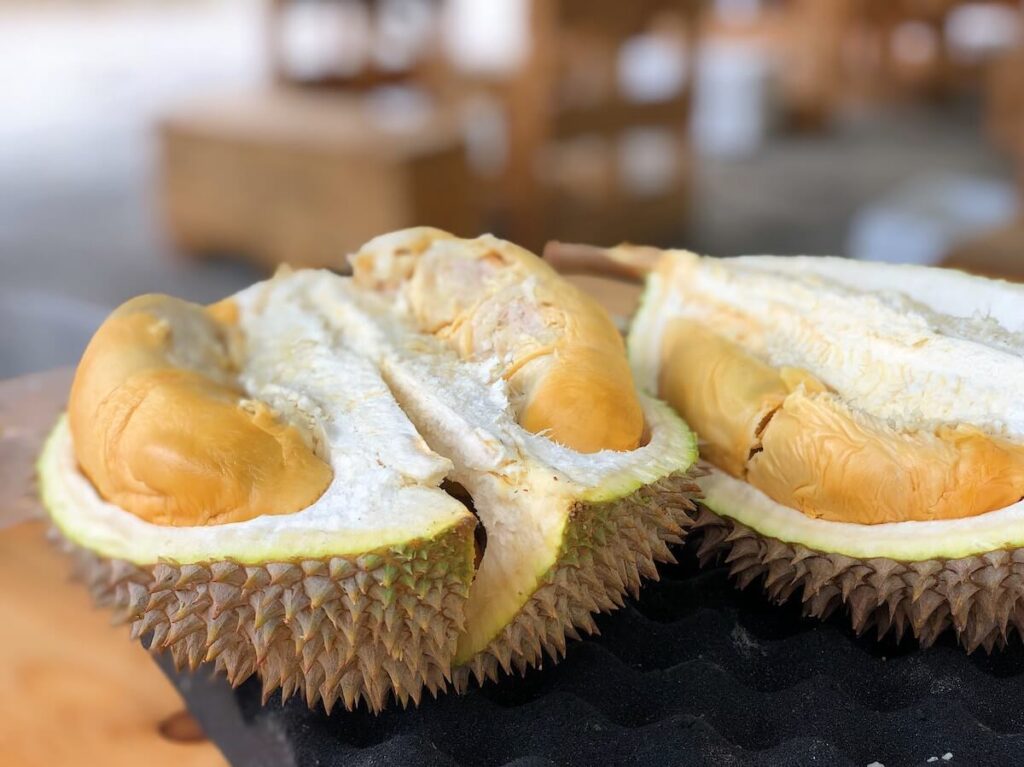
If you’ve never had durian before or never had much love for the pungent fruit, trust a Malaysian to convince you with passion. Malaysians love durians — that is a Malaysian stereotype that I can’t help but agree with.
Such is the love for durians that whenever the fruit is in season, you’ll see countless stalls selling the fruit almost everywhere you go. When I was in Penang, I counted, at best, 50 meters between one durian stall and the next! In locations near durian orchards, there are even all-you-can-eat durian buffets!
What’s more, even when durians aren’t in season, you’ll find a plethora of durian-flavored snacks in Malaysia, from popcorn to chips, and even cheesecake!
10. Malaysians are fiercely proud of their food
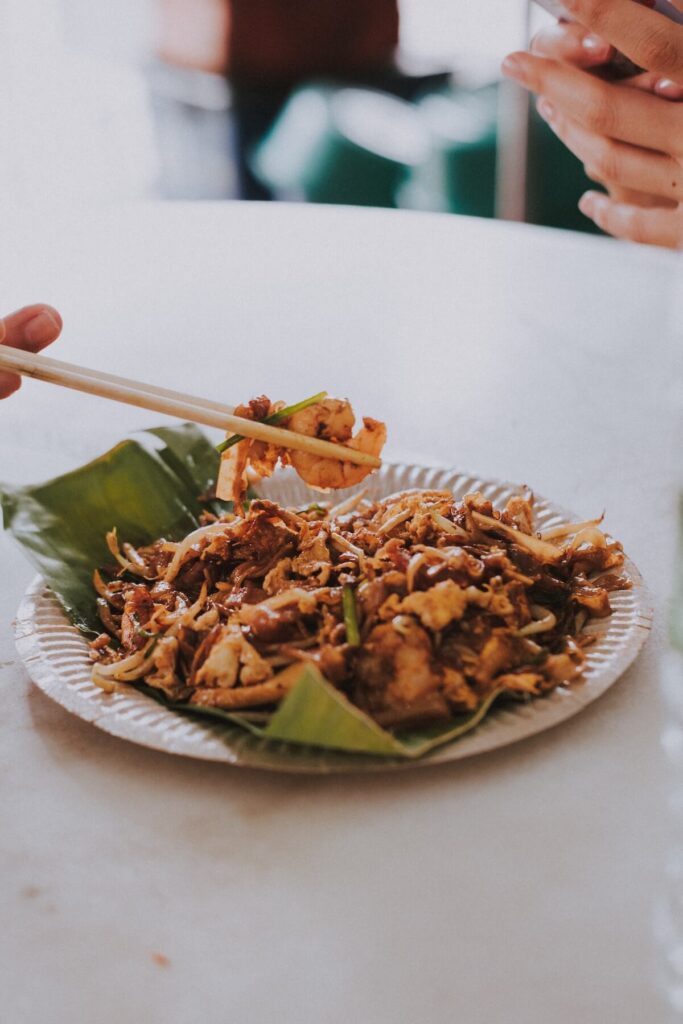
If you wanna know if this Malaysian stereotype is true or not, just say something bad about Malaysian food. I dare you!
Based on how my friends reacted when I told them Hong Kong dim sum was better, I can confirm that Malaysians will defend their food as fiercely as their families. They especially take great pride in their national dish — nasi lemak. Apparently, there was once huge internet beef because some publications claimed that Singapore’s version of the dish was better!
Even among local foodies, there is a heated, ongoing rivalry between different states! For example, one popular debate is whether Sarawak laksa or Penang laksa is better; or whether Penang or Kuala Lumpur’s version of Hokkien Mee is the truly authentic version!
11. East Malaysians buy bread in Peninsular Malaysia

This is a funny one because apparently, it’s one of the Malaysia stereotypes that are true! When I was boarding a flight from Kuala Lumpur to Sabah, I noticed a lot of East Malaysians stocking up on bread, particularly, prepacked buns with filling from the brand Gardenia.
I asked my friends about this and they told me it’s because the same brand in East Malaysia is three times more expensive, has less variety, and often only stocks the typical sliced bread. That’s why many East Malaysians stock up on these buns before heading back to Sabah and Sarawak!
12. Common racial stereotypes

This might be a sensitive topic, but some of the more common stereotypes about Malaysians are based on one’s racial background. While I was here, I learned from my friends that generally, certain races were perceived to be greedy, while others are thought to be lazy, rude, or drunks.
From what I hear, these racial stereotypes actually stem from Malaysia’s colonial history, when the different races were split into different economic and social sectors to keep them divided.
Nowadays, these stereotypes no longer hold much weight, and, judging by my own personal circle of friends, I agree that these stereotypes are nothing more than misconceptions of the past.
Stereotypes about locations in Malaysia
13. Kuala Lumpur is super expensive

This is perhaps one of the most common stereotypes about Malaysia and when you think about it, it makes sense.
Kuala Lumpur is the capital city of Malaysia, home to many of the country’s biggest financial districts. Basically, it’s Malaysia’s version of New York. Naturally, this means that the cost of living in Kuala Lumpur is comparatively higher than most other locations in Malaysia.
Being from Hong Kong, I don’t feel that Kuala Lumpur is exceptionally expensive when compared to the cost of living in my hometown. But, I can certainly see why this stereotype is true for most locals.
I remember having to pay double for a Full English Breakfast while I was in Bukit Bintang when the same cost me a lot less in Penang! Despite the higher cost of living, I would still say that Kuala Lumpur is definitely a city worth visiting whenever you’re in Malaysia.
14. Selangor is Kuala Lumpur

According to my friend, this is one Malaysian stereotype that annoys only people who live in Selangor and Kuala Lumpur! Because of how closely located the state of Selangor is to the federal city of Kuala Lumpur, most Malaysians simply refer to both those locations as KL (Kuala Lumpur)!
That is obviously not the case as both locations have different postal codes and, depending on where you live, can actually be quite far from each other!
15. The capital city is super crowded and hectic

Yes! This one is true, and that’s coming from someone who lives in Hong Kong, the very epitome of a crowded city!
This Malaysian stereotype becomes painfully obvious the moment you leave the airport (or even before that even!) and arrive in the city center. Everywhere you look, you see hordes of people (both locals and tourists) and a seemingly endless wave of cars trying to get in and out of the city.
While Kuala Lumpur is a beautiful city, the concrete jungle moniker also rings true, and life here is every bit as hectic as life in Hong Kong.
16. Trains in Kuala Lumpur never work
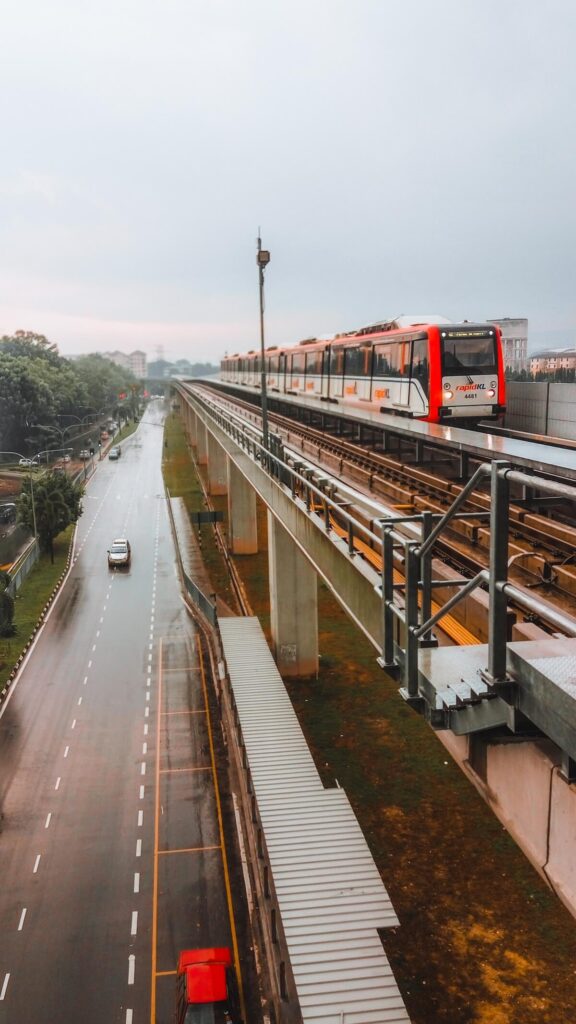
This one, for me, is something of a double-edged sword. On one hand, as a tourist, I felt that Kuala Lumpur had a pretty decent rail network (although not as interconnected as Hong Kong’s MTR). But I can see why this stereotype about Malaysia holds true for some locals.
One of the problems is the frequency of the trains in Kuala Lumpur (the LRT). I remember waiting upwards of 10 minutes for a single train once, and this was during the afternoon when there were virtually no crowds. So I can only imagine what this would have been like during rush hour!
What’s more, from what I hear from my friend, a few trains that service certain routes are prone to breaking down every now and then, which only serves to reinforce this stereotype.
17. Driving in Penang is a nightmare

My friend from Penang staunchly disputes this but, having driven in Penang before (I had my international license), I am somewhat inclined to say that this is one of the Malaysia stereotypes that hold weight. In fact, it’s one of the things Penang is known and famous for.
It’s not like Penangites drive on the wrong side of the road or whatever (most of the time they don’t, anyway), it’s more to the fact that everyone seems to be in a rush, and there are a lot of cars in Penang. Cue impatient drivers, incessant honking, and heart-stopping moments. And don’t get me started on the parking situation in George Town!
18. Everyone lives in treehouses in East Malaysia

This is one of those Malaysian stereotypes that really annoy East Malaysians in Sabah and Sarawak. Mostly because it started as a jibe at the slow development of Borneo but has now become an outdated, distasteful, and misinformed joke.
I’ve been to both Sabah and Sarawak and I can confirm that, no, East Malaysians do NOT live on trees. They have houses and apartments just like most other people in Malaysia! And as an extension to this misconception, no, they do not climb trees or swim to school every day along the Sarawak River!
19. The East Coast is a backwater area devoid of development
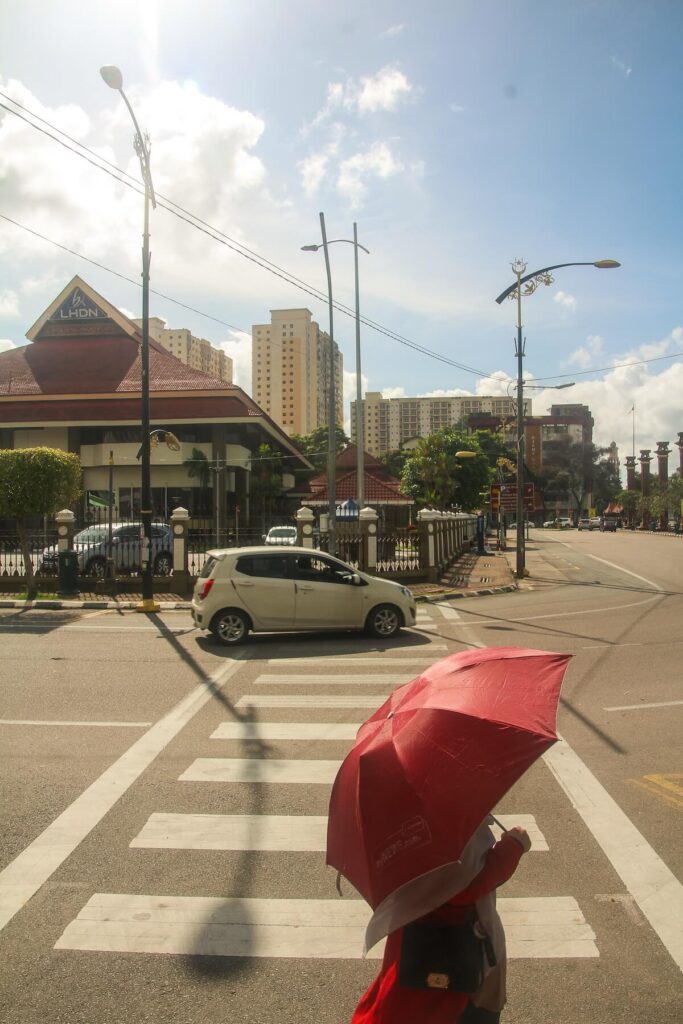
Perhaps one of the more political stereotypes about Malaysia is that the East Coast of the Peninsular — namely Kelantan and Terengganu, are extremely conservative backwater states. Common things one might hear would be stuff like, “There’s no clean water in Kelantan” or “You can’t drink alcohol in Terengganu”.
Much of this is to do with the fact that these states are often seen as the stronghold of the religious conservative parties. While it’s true that there is a wealth gap between the east and west coasts of Peninsular Malaysia, many of the stereotypes you hear are exaggerated.
For example in Terengganu, you can find alcohol and pork in the Chinatown area of the state. In Kelantan, while the supply of water is sometimes disrupted and some rural folks need to rely on wells, it’s not as if the state doesn’t have any clean water entirely!
What’s more, despite their reputations for being backward states, Kelantan and Terengganu are actually home to some of the most beautiful islands in Malaysia, such as the Perhentian Islands.
Conclusion

And there you have it! As you can see, some of the stereotypes are actually true, while others are simply misconceptions. Some are also partially true depending on how you look at it. Of course, none of these explanations beats jetting into Malaysia and experiencing the country yourself!
And if you’re in the mood for some more reading, check out these common stereotypes about London and Sweden!