
As the saying goes, “the grass is always greener on the other side.” And when you visit Barcelona, the grass sure seems greener.
There are not many cities in the world where you can run on a dirt mountain trail one moment, and thirty minutes later rinse off at a gorgeous beach. Nor will you find many cities to waltz underneath ancient Roman aqueducts just moments before witnessing mansions designed by one of the world’s foremost modernist architects.
As a quick sidebar for readers of this article, it’s important to note that this is written from the perspective of someone who did not grow up in Barcelona, and does not currently live in Barcelona. Yet it is written from the perspective of someone who lived there for months, visited numerous times, and is, in fact, seriously evaluating a move to the great city on the Mediterranean.
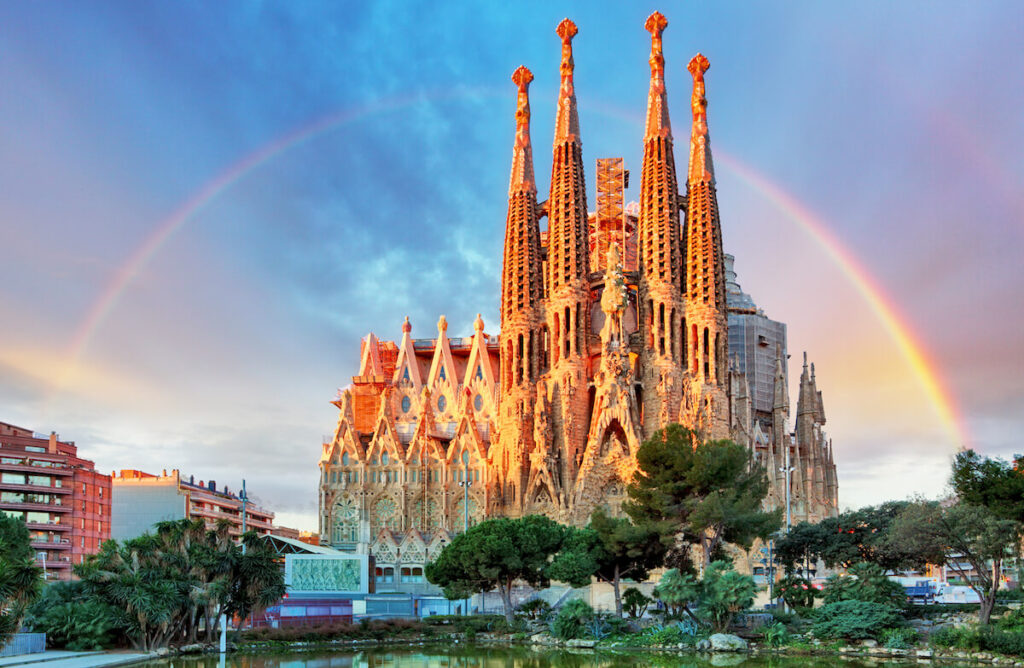
Barcelona is a city of deep living. There’s the art, the simple yet profoundly flavorful food, the feeling of love in the air, and beauty from mountain to sea. Many view the Barcelona lifestyle as an attractive one. But moving to a place is different from visiting, and it requires prudent reflection.
So, let’s take a close look at living in Barcelona pros and cons.
Table of Contents
1. Pro – Barcelona Airport
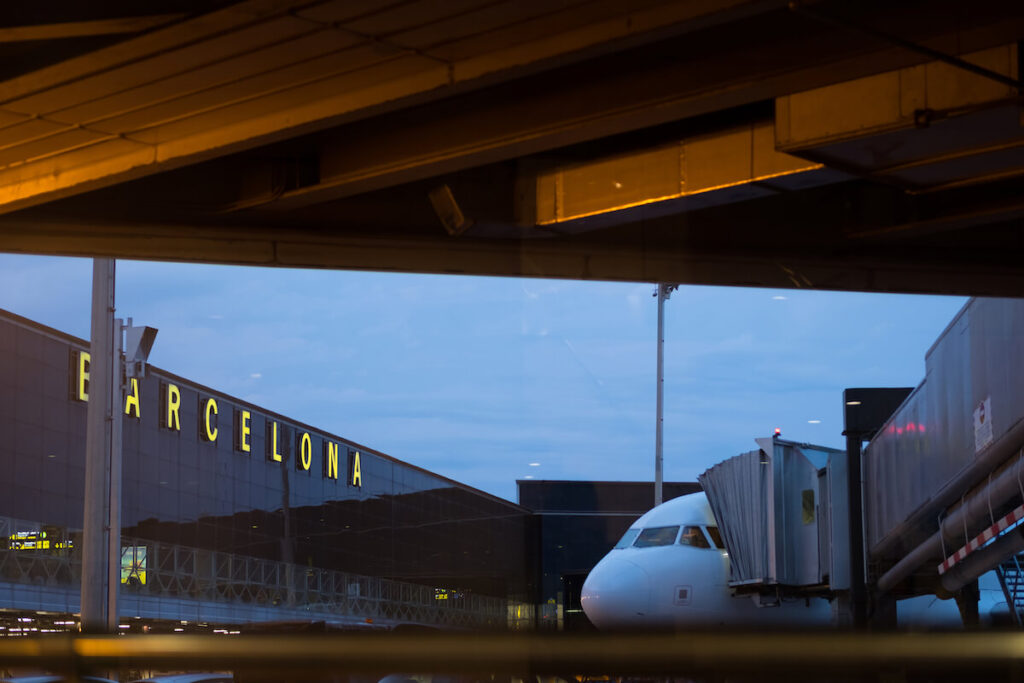
One of the benefits of living or traveling in the European Union (EU) is the ease of travel. Once you’re in the EU, travel to over 20 countries is wonderfully easy due to the Schengen Agreement, which removes many of the barriers to free travel between member countries.
Given that Spain is a member country, a person living there has nearly seamless access to the rest of Europe. The Barcelona airport (code BCN) is a hub for Vueling and Level, and is a key airport for airlines including RyanAir, Iberia, and many others.
The city of Barcelona has also made the airport accessible via the Metro (train system) directly, or through the Aerobus that picks up and drops off in the heart of the city in Plaça de Catalunya.
The city has set itself up to be an excellent launching pad for other European explorations.
2. Pro – Art & architecture
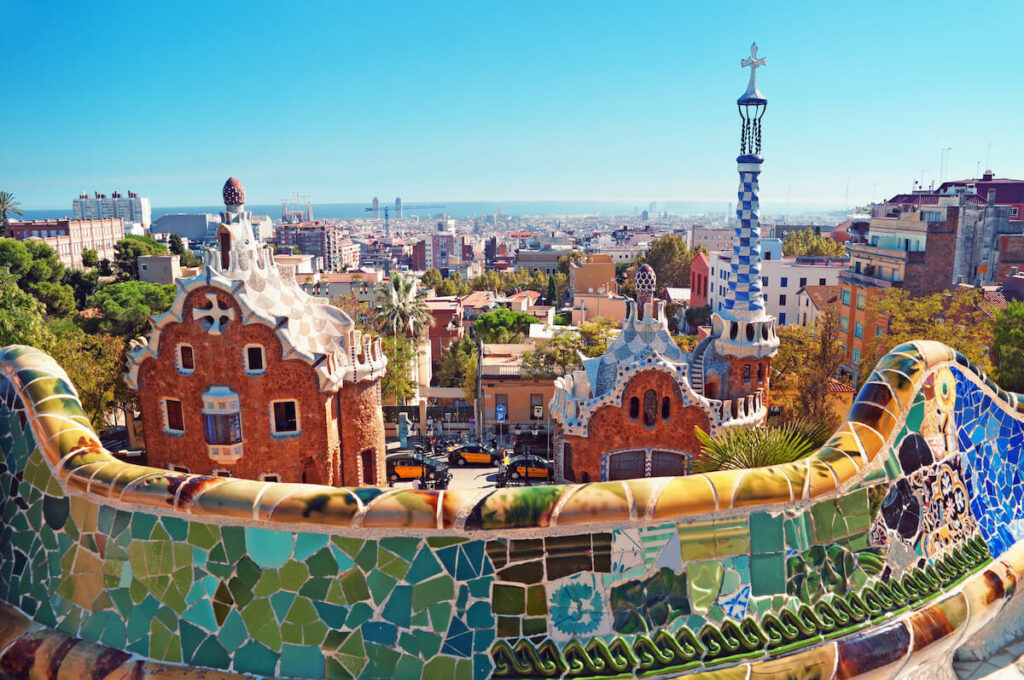
Move to Barcelona, and you’ll find yourself surrounded by work from some of the world’s most famous artists.
If you’re a fan of art museums, Barcelona is a paradise. There’s of course the Picasso museum, the Joan Miro Foundation, the sprawling Museu Nacional d’Art de Catalunya (National Museum of Catalan Art), and many others.
It’s impossible not to mention Antoni Gaudí, or “God’s Architect,” when writing about Barcelona. The artist and architect that was part of the modernista movement has his fingerprints scattered all over the city.
Most iconically, there is the (still unfinished) Sagrada Familia, one of the most beautiful and unusual cathedrals on earth. Gaudí also designed the now-famous sites of Parc Güell, Casa Batlló, and Casa Milà, as well as many other lesser-known works, and even a handful of lampposts.
But living in Barcelona means you can enjoy the artistic beauty outside of the world-famous sites. There are Roman ruins, gothic archways, cobblestone streets, cool graffiti, and unassumingly beautiful streets and alleyways.
3. Con – It’s not the best place to learn Spanish
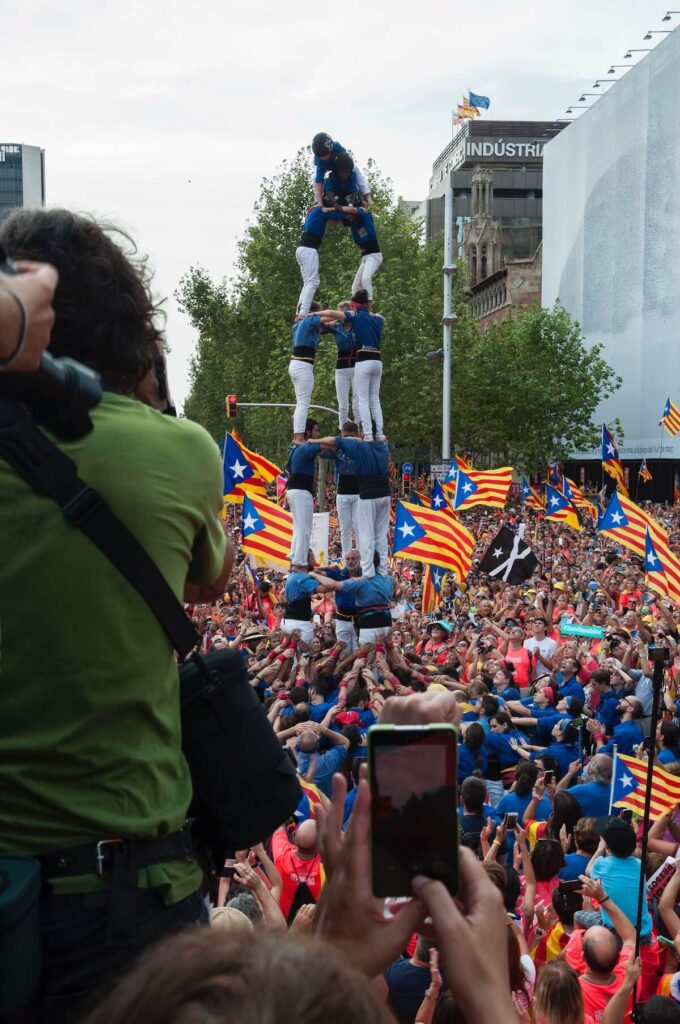
One con about Barcelona is that, despite being in Spain, it’s not really the optimal place to learn Spanish. That’s because the city has another official language, Catalan.
A common misconception surrounding Catalan is that it is a dialect of Spanish. It is not. It’s a distinct language spoken by an estimated nine million people in the region.
It does share a common thread with Spanish through its Latin base, but even Spanish speakers who hear it may quickly find it incomprehensible.
Oftentimes, Catalan bears a closer resemblance to French (though it does not stem from French). For example, the word for cheese in Catalan is “Formatge,” which is notably more similar to the French “Fromage” than the Spanish “Queso.”
Barcelona is the capital of the region of Catalonia, which encompasses Northeastern Spain.
During the years of oppression under dictator Francisco Franco from 1939-1975, the language (as well as many other non-Spanish languages) was banned in Spain.
Catalonia has a strong sense of regional pride in its culture, and even a thriving independence movement. As a result, the language is part of the Catalan identity and has gained prominence in the post-Franco years.
In my experience while living in Barcelona, Catalan was the primary language spoken in the home, rather than Spanish. Catalan is also spoken in public office, in schools, and amongst friends.
Because it’s spoken throughout Barcelona by nearly everyone, as a visitor you’ll do just fine if you are comfortable with Spanish. However, because Catalan is its own distinct language that is spoken with pride in Barcelona, it can complicate things for visitors looking to perfect their Spanish skills.
4. Pro – Mediterranean weather
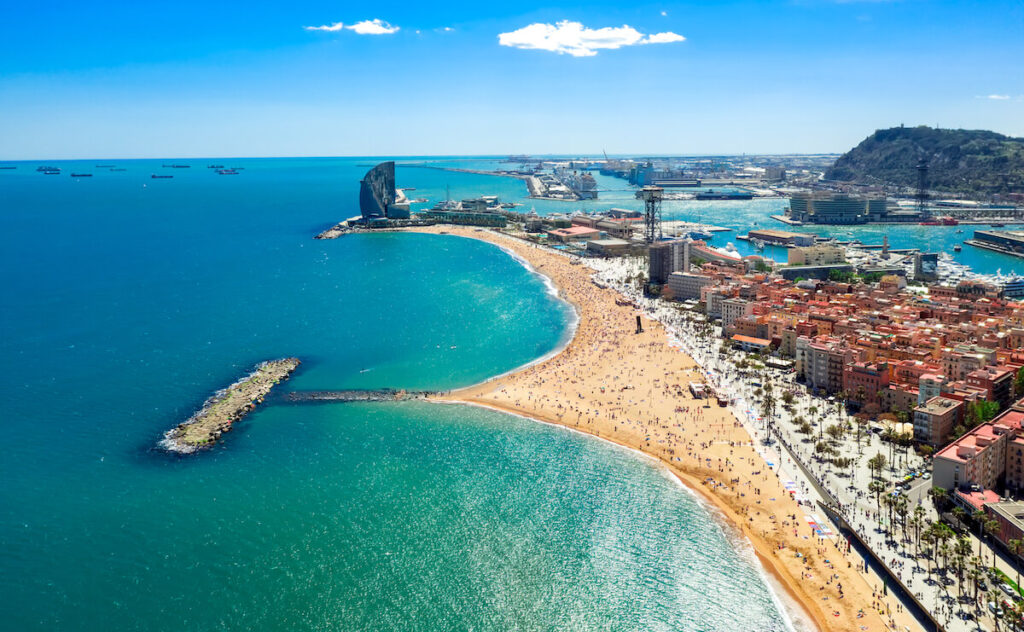
A simple benefit to living in Barcelona is the wonderful weather. It rarely rains, as the city sees an average of just 55 rainy days per year. Outside of some hot periods in the summer when the average high temperature is north of 85 degrees Fahrenheit (~30 celsius), the weather is nearly always comfortable.
Barcelona isn’t on the equator, so coats are necessary in the winter. But with the average temperatures during the coldest months of the year sitting near 55 degrees Fahrenheit (~14 celsius), it’s still very possible to bask in the city’s sunny courtyards year-round.
For those living in Southern Italy, the weather may not be much of an improvement, but for those considering coming from anywhere in the world outside of the inner rim of the Mediterranean, it’s likely an improvement.
5. Pro – Living near the beaches…
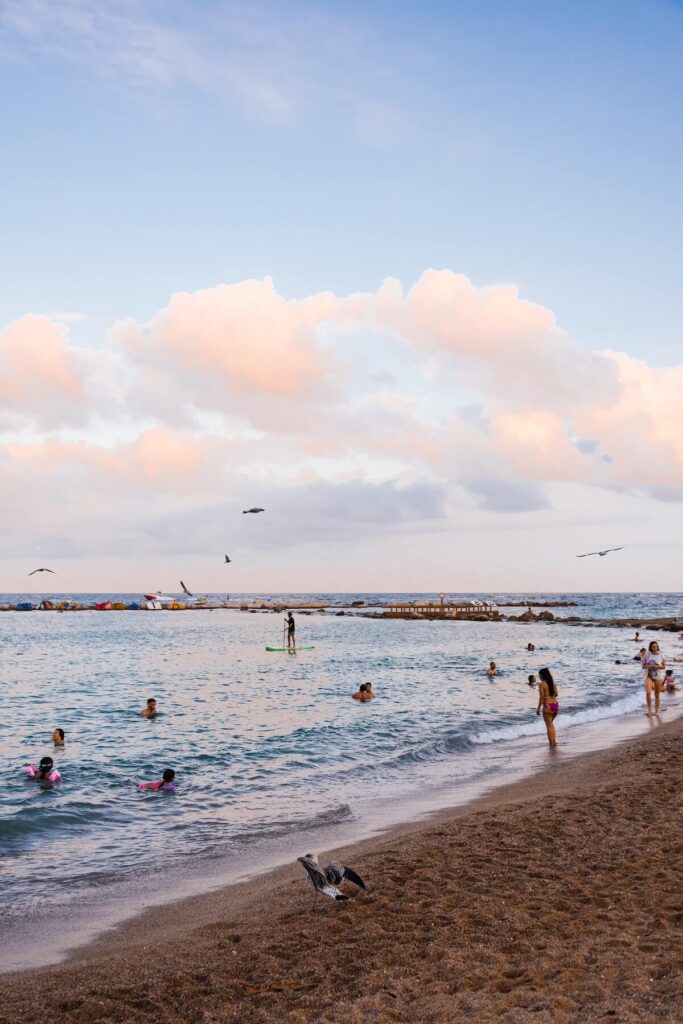
And because of the weather, one of the biggest benefits to living in Barcelona is access to the beach. There are over two miles (about 4 kilometers) of open beach in the city proper, making it easy to get some sea breeze and work on that tan.
People who live in Barcelona know how to take advantage of the beach, as it’s used for a variety of activities. There are volleyball games, pickup football games, outdoor weightlifting gyms, a continuous boardwalk for running and cycling, and numerous restaurants and bars open up to the sand.
The beaches are part of the Barcelona identity. The beach is a place to enjoy the weather, mingle with friends, exercise, and unwind. The slower pace compared to city life seems to come from the beach, where locals and expats alike can stick their toes in the sand, any day of the week.
There are also many other gorgeous beaches reaching up and down the Costa Brava region north of Barcelona, with a smattering of quant, old sea-side towns that offer day trips from the city.
6. Pro – …and also the mountains
Moving to Barcelona means that you don’t have to make the choice between mountain life and sea life. With public transit, you can get a taste of both in less than an hour.
There are, in fact, two distinct mountain ranges in Barcelona.
The largest and most prominent in the city is the Sierra de Collserola, which lines the western boundary of the city, separating Barcelona from the Vallès county behind it. Its tallest peak, Mount Tibidabo, is 512 meters (~1,700 feet) tall and accessible by funicular, bus, or on foot. At the summit, you’ll find panoramic views, an amusement park, and a well-known church.
As a national park, the Collserola provides plenty of hiking, running, and cycling opportunities for outdoor enthusiasts, and is the perfect place to emerge from the city for fresh air.
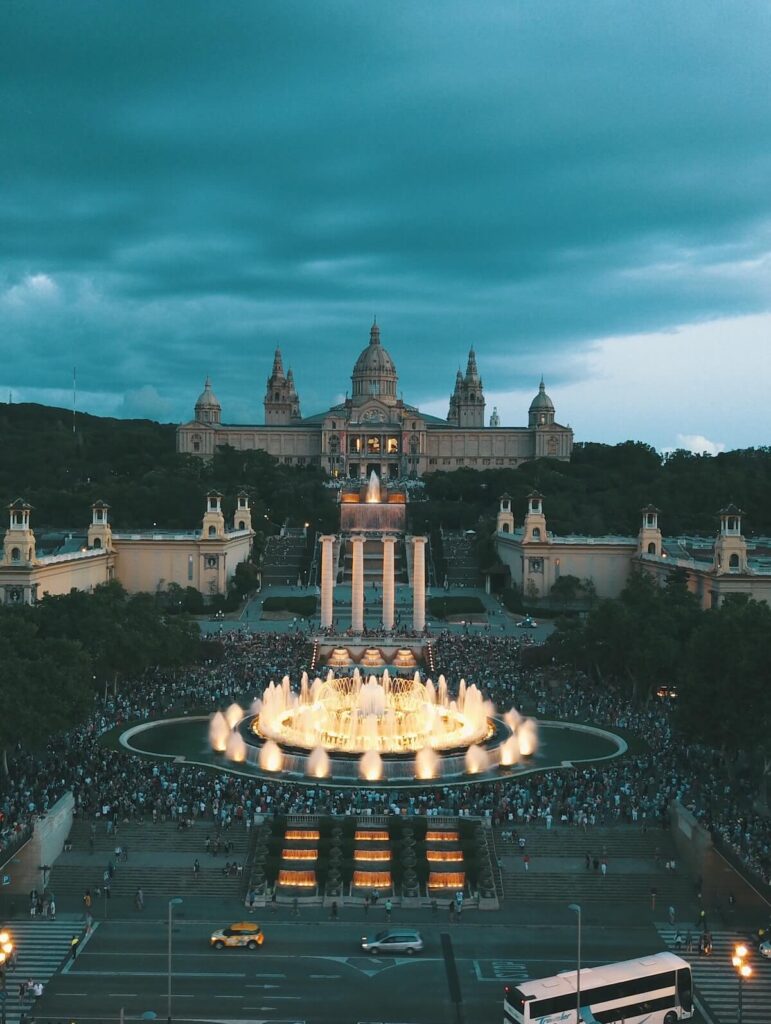
The second mountain range is essentially a free-standing mountain, named Montjuïc. Located on the southwest edge of the city near the Poble Sec neighborhood, it borders the Mediterranean, and offers sweeping views of both the sea and the cityscape.
You could spend the majority of the day in Montjuïc alone. There’s Montjuïc Castle, the Joan Miró Foundation, the Olympic Park, and the National Art Museum of Catalonia.
There is even a gondola that can be taken to the top. My personal advice is to take on the mountain on foot, starting the climb at Plaza D’Espanya, walking up towards the Palau Nacional, and proceeding to ascend towards the castle and eventual peak.
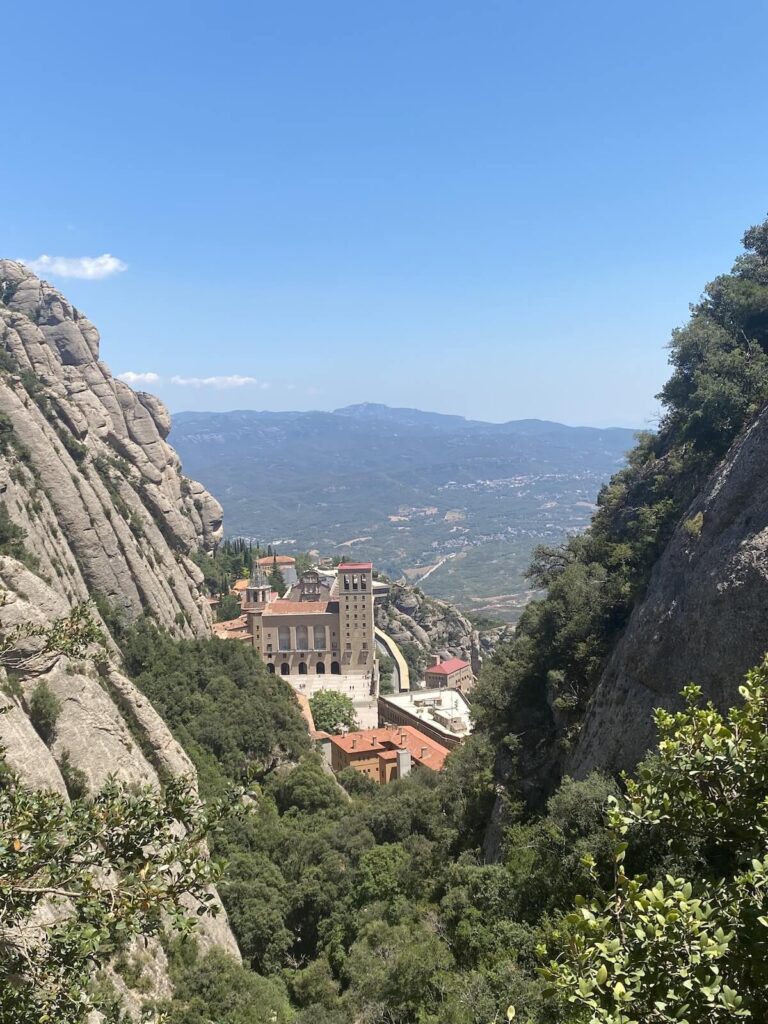
Beyond the city limits, there are also plenty of mountains to explore. One of the most common and well-worth day trips is heading to Montserrat. About an hour away from the city by train, this jagged mountain outcrop (the name translates to “saw mountain”) has miles of steep hiking trails, and a monastery that dates back to the 11th century.
7. Con – Eating hours
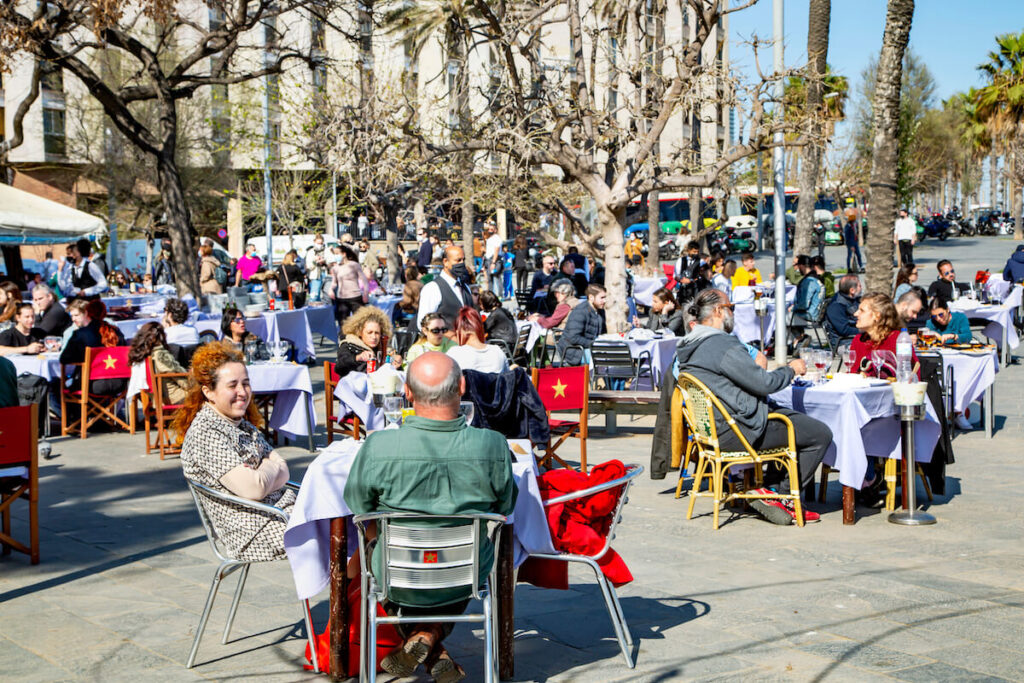
While acknowledging that this is only a “con” for those accustomed to an earlier eating schedule, it can be a transition for many to acclimate to the late dining routines of Barcelona and the rest of Spain.
Breakfast in Barcelona is generally one of the lesser meals of the day, so expats can often find themselves a bit wanting early on in the day. That said, Barcelona is a great city for pastry lovers, so it’s not difficult to find food to have with your café con leche.
Dinner is often eaten after 21:00 (9:00 pm), and during my experience living there, the meal was quite frequently served after 22:00 (10:00 pm) . Yet, the city has adapted to expats and tourists, with restaurants now serving dinner earlier than locals may eat in their homes. But better yet, the best way to stave off some pre-dinner hunger is to post up with a drink and some pintxos or tapas in your local bodega.
8. Pro – Sports
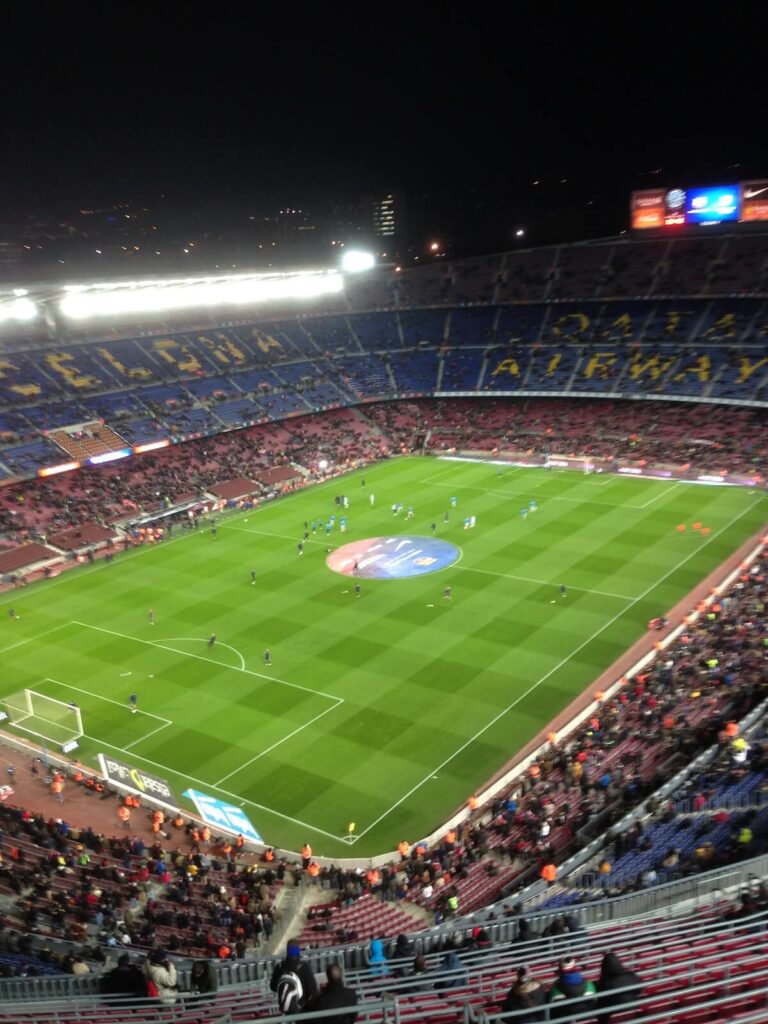
Sports are part of the identity of modern-day Barcelona. The redevelopment (not without its share of controversy and pushback) of the city in the lead up to the 1992 Olympics changed many neighborhoods, and the event placed Barcelona firmly onto the global tourist map.
While the local football team, F.C. Barcelona, has one of the largest fan bases in the world, living in Barcelona can give you a little more “street cred” as a fan. If you’re not a fan prior to moving, just wait until your first game at Camp Nou. You’ll be wearing blue and garnet (the team’s shade of red) for the rest of your life.
The team, particularly in the last couple of decades, has been amongst the most competitive teams in all of Europe, and the team is a source of unity and bonding for those living inside and out of Barcelona. Bars are packed on gameday, the streets swell after championships, and jerseys are seen everywhere you look. Fandom is a great way to feel part of a new city.
But for those who’d like to do a little more than just watch, Barcelona is a playground for athletes, both serious and casual. Walking around the city you’ll see countless bike lanes, tennis courts, basketball courts, and of course, football fields.
As a runner, Barcelona is a wonderland. There are the paths on La Diagonal that slice through the city, the waterfront, and winding trails on both Montjuïc mountain and Ciutadella park.
But my personal, hands-down, favorite place to run on earth is the Carretera de les Aigües – a miles-long dirt trail that winds in the mountains right above the city, providing gorgeous views and a respite from the energy below.
To cap it off, there is a massive community of other runners to meet and train with, and all of this running passion culminates with the Barcelona Marathon, which normally sees about 15,000 finishers.
9. Pro – Transit and accessibility

With so much to do and see in Barcelona, the city has thankfully made it remarkably easy to get around. The Barcelona metro, operated by the TMB (Transports Metropolitans de Barcelona), is one of the best public transit systems in Europe. The maps are easy to follow, and you’ll almost never wait longer than five minutes for a subway train.
With a timed Hola Barcelona transit card, you’ll be able to access the main subway system, regional trains, buses, and even funiculars and trams throughout the city. Just purchase an unlimited card, with options ranging from two to five days, and you’ll be free to roam.
Barcelona is also known for its layout with wide open streets and large sidewalks, designed by Ildefons Cerdà in the 1800s. The city is currently improving its walkability by embarking on a project to create superblocks, or groups of blocks that give streets back to pedestrians.
Additionally, the city is welcoming to cyclists, with over 240 kilometers of bike lanes (and counting). One of the best ways to see the city is to rent some bikes and get cruising!
10. Con – Overtourism
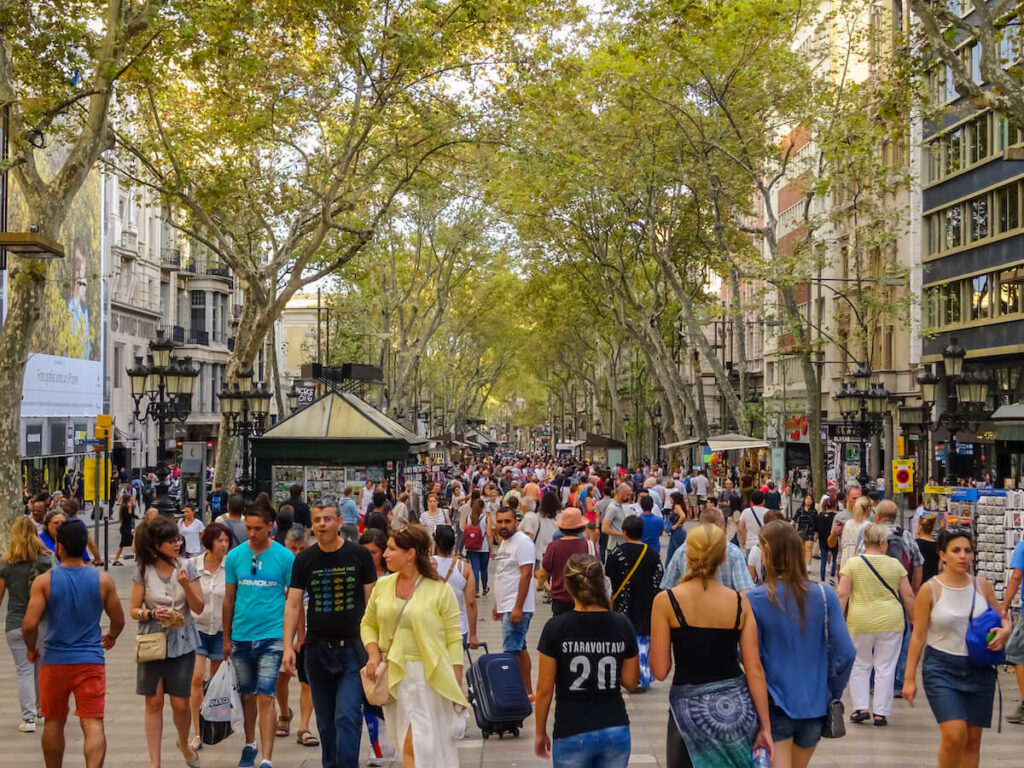
One of the biggest complaints of locals, and ironically, other tourists, is that there are too many tourists in Barcelona. Tourism numbers vary by definition, but Barcelona is among the top ten most visited cities in Europe. This is of course because it is a wonderful city, but it’s become an understandable source of tension for locals.
Overtourism is often hard to define, but it has presented itself perhaps most obviously in the overcrowding of streets.
Walk down La Rambla (one of the main pedestrian thoroughfares in the city) in peak season, and you’ll be surrounded by tourists buying overpriced “I heart Barcelona” t-shirts while drinking Sangria by the liter. Or sit in the wrong section of the beach and you’ll overhear someone in English loudly asking people to join their clubbing crew that night.
But what’s more detrimental is that locals have been priced out of apartments that have been converted to AirBnB’s. The wealth gap has increased as tourism companies expand. And many feel that a loss of culture has been felt as space is converted to cater to visitors (think souvenir shops and chain restaurants).
The last time I was in Barcelona, an expat himself confided in me that the drop in tourism during the Covid pandemic actually saved several cultural institutions in the city. Locals were able to visit La Boqueria, Barcelona’s most iconic market, for an astonishing first time. They were also able to explore beautiful neighborhoods that are often overrun with tourists, such as El Raval and El Barri Gòthic.
The city relies on tourism now more than ever, but tourists and expats bear some responsibility for how they live and visit the city. To travel more responsibly, tourists can prioritize off-peak travel, visit non-chain restaurants, explore less touristy neighborhoods, stay in legally-recognized housing (that pays taxes), and simply be respectful visitors.
11. Pro – Proximity to other Spanish cities
Not only is Barcelona a great base for other European travel, but it finds itself in close proximity to many other beautiful Spanish cities. Barcelona is the heart of Catalonia, but to get a deeper understanding of the region, it pays to experience some of the smaller, lesser-known towns.
To the south, there’s Tarragona, a city that’s been around for thousands of years. The Romans once occupied much of Spain, but few cities have retained the old ruins of those years quite like Tarragona, with its aqueducts, amphitheater, and towers.
To the North, there’s Sitges, a gorgeous seaside town that is a perfect day trip. It’s known for its beaches, its wild Carnaval festival, and its thriving LGBTQ+ community.
Cadaqués, another Costa Brava town to the north, is worth a visit for any art lover. It was once the home of Salvador Dalí, the legendary surrealist artist, and there’s a well-renowned museum dedicated to his work.
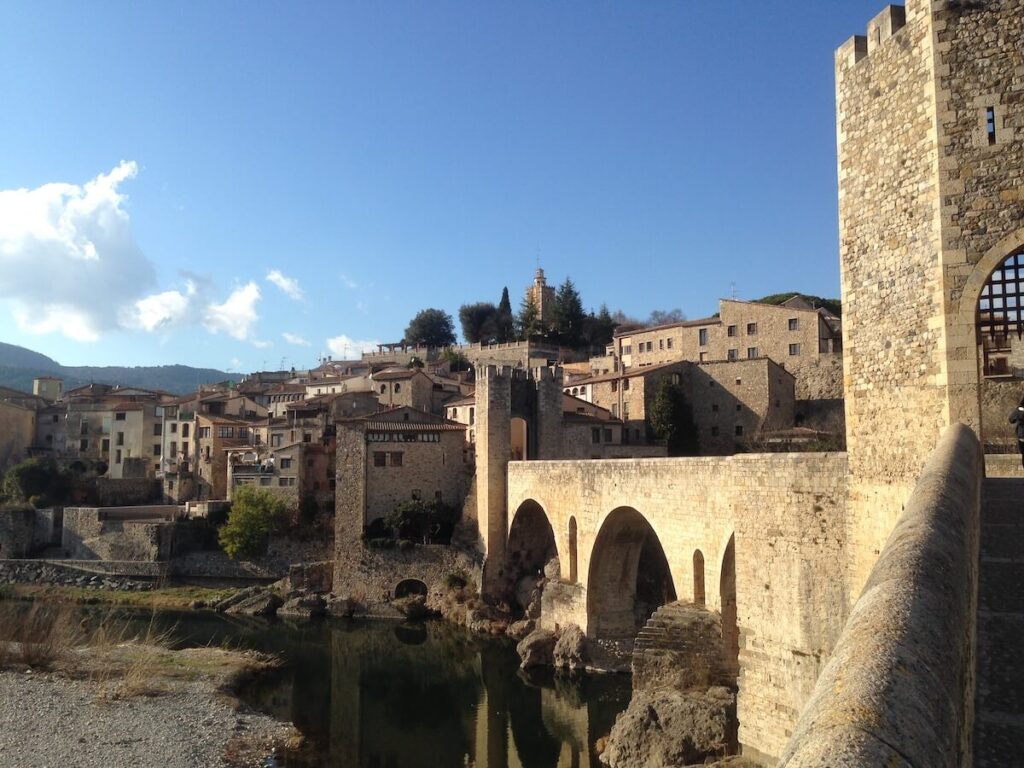
One of my personal favorites is the nearby Besalú. A quiet town that takes you back to medieval times through its appearance, it’s known for its Jewish history, calm city square, and picturesque bridges.
12. Con – Job market
As an expat, finding a job can be difficult. Navigating a new labor market, learning and speaking the language, and differences in economic structure can all make it challenging for someone who moves to Barcelona.
Spain has historically had a very high unemployment rate, particularly for youth, with recent measures showing a national rate of 12.5%. This is the highest in the European Union, which has an average rate of about 7% as of late 2022.
Some attribute high unemployment in Spain to the fact that a significant portion of employment is through temporary contracts, rather than full-time positions. Spain has strong worker protections, and as a result, some employers hesitate to hire permanent roles. The common use of contract work can be unsettling to those trying to establish themselves in a new city.
For those moving to Barcelona from the EU, no work visa is required. But if you’re moving from outside the EU and looking to work, you’ll need to get yourself a visa, a work permit, and a tax ID number.
Outside of the bureaucratic hurdles, there’s the ever-present challenge of potentially navigating the workplace in a new language. There’s a difference in using Spanish, or Catalan, for that matter, in a professional setting. Some employers require fluency, which can further narrow the scope of jobs available to expats.
On the bright side, Spain recently introduced legislation that will open up the opportunity for remote workers, or “digital nomads,” to get a work visa that allows for a stay of up to five years.
13. Pro – Nightlife
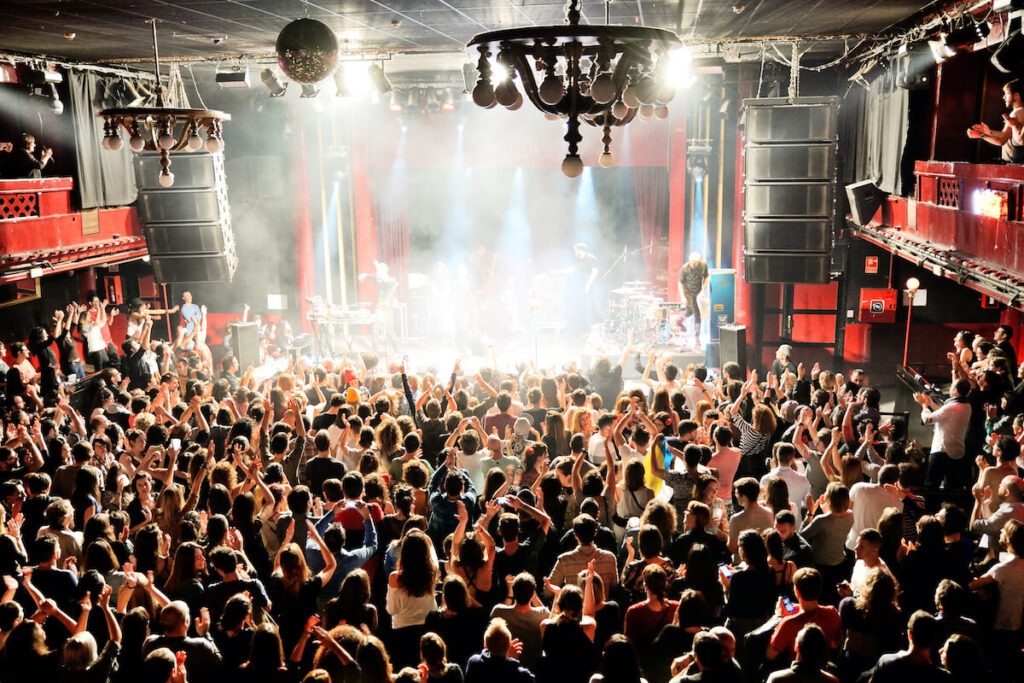
Nightlife is part of Barcelona’s identity. For some, simply getting dinner after 21:00 (9:00 pm) can feel like “nightlife.” But the city is known for some of its nightclubs, and if you’re up for it, the city makes it easy to party until (or after) the sun rises.
Most bars in Barcelona close between midnight and 2:00 am, which is not unusual for most major cities in the world. However, when most places would shut down and call it a night, partiers in Barcelona head for the clubs.
Show up at a nightclub before 2:00 am (sometimes even 3:00 am) and you’ll find yourself with an empty dance floor and might get approached by the one guy who’s already had too many Red Bull vodkas. So it’s best to show up fashionably late.
There are a number of clubs lining the beach, where you can hop from one to the next depending on the vibe of the club. However, in my experience, the best clubs in the city are not on the beach, which is often packed with study-abroad students.
Try Sidecar, Razzmatazz, and definitely Apolo, which is famous for its “Nasty Mondays” night.
14. Con – Subway hours
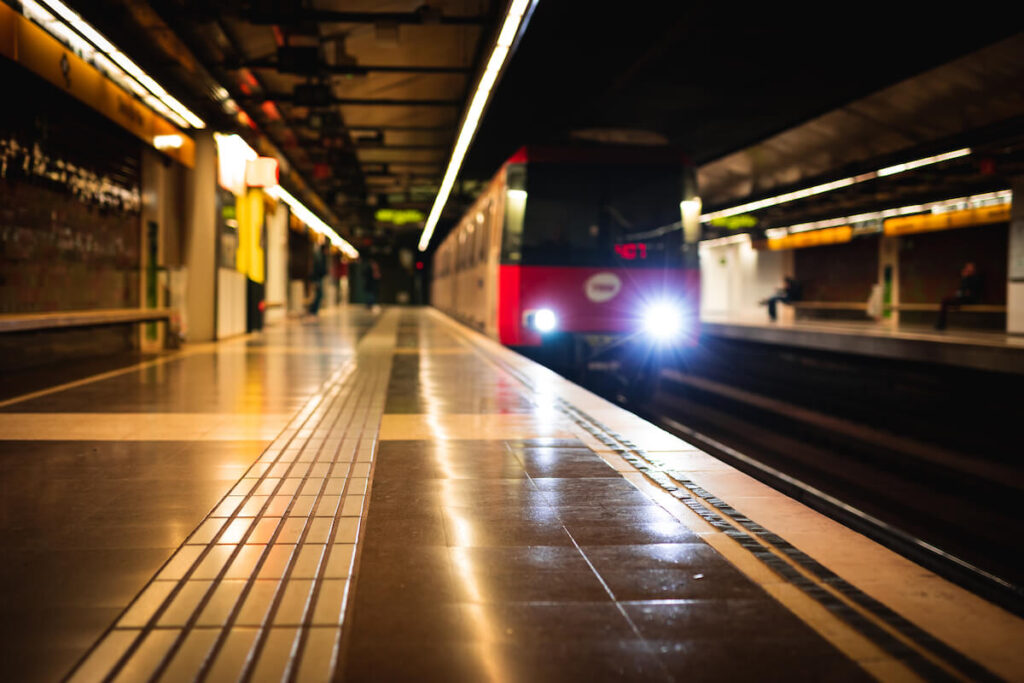
Unlike subway lines in a place like New York City, the metro in Barcelona is generally not open 24 hours, which can be inconvenient given the city’s penchant for nightlife.
On weekdays, the metro runs from 5:00 am to midnight. On Friday night it runs until 2:00 am. Then from Saturday to Sunday, it operates like many of the city’s beachfront nightclubs and stays open all night.
If partying is not your thing, you’re mostly safe from any metro inconvenience. However, if you’re out at one of the city’s clubs, having a late dinner with friends, or find yourself sipping on vermouth past midnight on a weeknight, that cab home could get expensive.
15. Pro – The views

Move to Barcelona, and you’ll find that the city truly is beautiful inside and out. With its many vantage points, sometimes it’s best seen from above.
There are sweeping views from the bar of the W Hotel at the southern end of the city’s beaches. There are 360-degree views from Turó de la Rovira, the old civil war bunkers where young people sit, drink, and watch the sunset every night. And from Tibidabo, you’ll see the highest and most expansive view of all.
The city doesn’t have any skyscrapers, but it has the sea, it has the mountains, and it has the Sagrada Familia. Barcelona is a romantic city, and there are few things more romantic than drinking in its sensational views.
16. Pro & Con – Cost of Living

The cost of living in Barcelona can be either a pro or a con, depending on who is considering the move, and how it’s framed.
Relative to the rest of Europe, particularly Western and Northern Europe, Barcelona is quite affordable. There are many European cost of living rankings, and Barcelona is typically not even in the top 50.
However, Barcelona is one of the most expensive cities in Spain. It’s often comparable to cities along the Northern coast like San Sebastian and Bilbao, and more costly than major cities in the South like Sevilla or Valencia.
Most estimates for the average monthly cost of living in Barcelona, including rent, are in the range of €1,500-€1,800.
However, the true cost of living in a city also needs to take into account many intangibles, including lifestyle. Income and personal relationships with money also come into play, so who am I to say whether the cost of living in Barcelona is a pro or a con?
17. Con – Paperwork
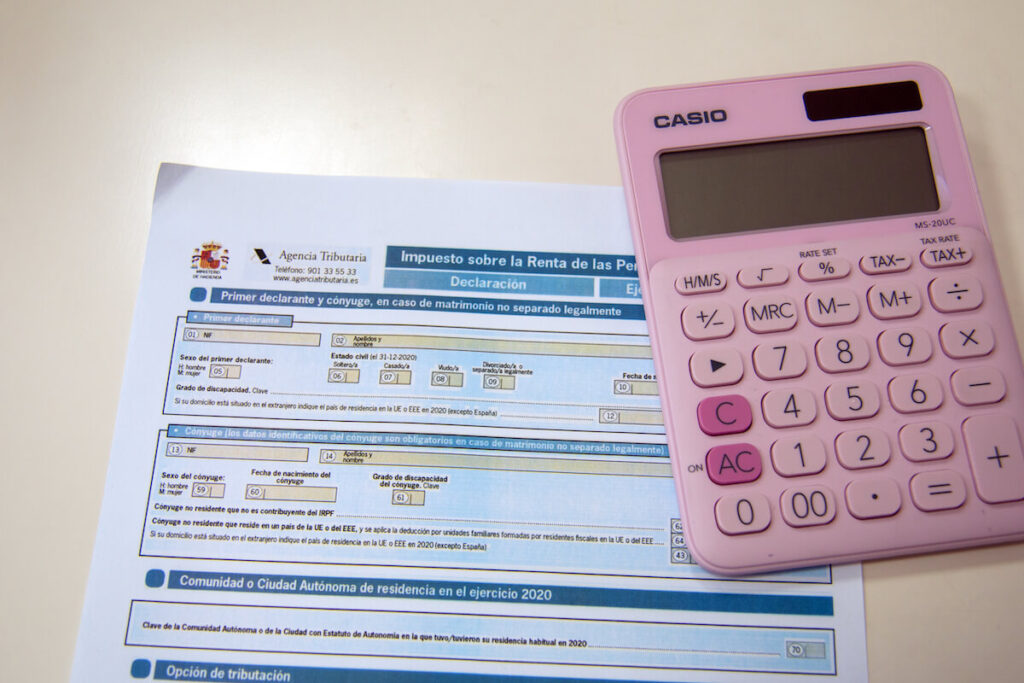
In order to make the move to Barcelona official, you’ll need to get through the necessary paperwork. Moving to any city can be difficult, but as an expat it only gets more complicated.
One of the most essential tasks is receiving an NIE (Foreign Identity Number) if you’re not a Spanish Native. This will allow you to get an apartment, pay taxes, open a bank account, get a job, and all the other necessary prerequisites to truly call Barcelona home.
You’ll also want to consider health insurance to make sure you’re covered in the event of an emergency. The insurance you had in your previous non-Barcelona life might not have you covered, and depending on your new employment situation, publicly-funded insurance may not be part of the compensation package.
There’s also applying for a work visa so you can retain employment. There’s getting set up with your Certificado Digital, a personal information document that proves your identity. The Certificado de Empadronamiento, a municipal registration card, is also necessary to become an official resident at a local level.
Paperwork can be time-consuming, confusing, and a pain to get through. The aforementioned list of forms is not all-inclusive, and anyone seriously considering a move to Barcelona should make sure to familiarize themselves with all requisite forms.
18. Pro – Traditional Catalan food

Ask anyone about their trip to Barcelona, and they’ll no doubt mention the food. Spain is broadly known around the world for its cuisine, but Barcelona and Catalonia have their own identity.
As a key port city on the Mediterranean, seafood is unsurprisingly one of the pillars of Barcelona cuisine. There’s salt cod (bacalao), anchovies (boquerón), and plenty of squid (calamar).
Perhaps the most dramatic component of all of Catalan cuisine is the cooking of calçots. These are a type of green onion that is in season during the winter months, and they’re packed tight and charred over flaming open grills. Once the charred layer is peeled off, they’re traditionally dipped in romesco sauce.
The eating of calçots, or the calçotada, is often a large party with plenty of wine and lots of other food, and is always outdoors.
Much of what makes Catalan cuisine great is how individual ingredients are given the spotlight. One of the most traditional dishes is Pan con Tomate, where raw tomatoes are simply rubbed over a piece of toast and finished with a little olive oil and salt. There’s also the Bacallà a la llauna, simply salt cod baked with a little paprika, garlic, and olive oil.
There’s an endless list of amazing dishes to try in Barcelona, and living there gives anyone the luxury to attempt to try them all.
19. Pro – Wine

Living in Barcelona will ensure that you’re surrounded by good wine, and much of it is affordable. While the region doesn’t carry the same name recognition as some of its counterparts to the North in France, Catalonia has plenty of well-renowned vineyards of its own.
Cava is the most well-known of Catalan wines. It is a beautiful sparkling wine with designated origin status (meaning only wines produced in Spain using a method unique to Cava can actually be labeled “Cava”) in Spain. Over 90 percent of all Cava is produced in Catalonia, making Barcelona one of the best places on earth to try it!
There are plenty of wineries directly bordering the city limits of Barcelona, making for easy day trips. But the best way to appreciate the variety of Catalan wine is through exploring the city’s bodegas, tapas bars, and pintxos bars. Ordering the small plates that are common throughout Barcelona is a great way to play with food and wine pairings.
The most enjoyable way to drink wine is through a porrón, a traditional Catalan wine pitcher that is made for pouring directly into your mouth. The porrón is often broken out at outside gatherings, especially when calçots are cooked.
Because the spout is not meant to touch the lips of the drinker, it is inherently communal. Experienced porrón drinkers will pull it as far away from themselves as possible while still maintaining a stream of wine in their mouth. Pro-tip: if you find yourself around porrón, wear a dark shirt – unless you want a permanent wine stain as a souvenir.
You’ll also find plenty of Sangria in Barcelona, though much of what you’ll find is overly sweetened and catered to tourists.
20. Con – Not the home of some famous Spanish foods

While yes, you’ll find plenty of places in Barcelona serving tapas or pintxos, it is not actually home to these specific cuisines.
Tapas originated in the Andalusia region in Southern Spain. In cities such as Sevilla or Granada, you can still find restaurants and bars dishing out tapas in the traditional way, served free with every drink. Unfortunately, you would be hard-pressed to find any free tapas in Barcelona.
That said, if you’re willing to pay, one of the best, if not the best tapas in Barcelona is located a bit off the well-touristed path, at a restaurant called La Esquinica. Expect to wait!
Pintxos (the Basque language spelling), which are similar, yet smaller than tapas dishes, are typically bite-sized and served atop bread pierced with a skewer. Native to the Basque region in Northern Spain, these are made for trying a variety of dishes and hopping from one restaurant to the next.
If you’re looking to “pintxos-hop” from bar to bar in Barcelona, your best bet is Carrer de Blai in the Poble Sec neighborhood.
Even paella, a dish that has become synonymous with Barcelona and is seen in every restaurant up and down La Rambla, actually originated in Valencia.
In fairness to many restaurants in Barcelona, the tapas, paella, and pintxos are actually very good (hence the recommendations of where to give this food a try). But it’s important to pay homage to the true origins of other Spanish cuisines, and to note that Barcelona is not in fact the home of some of the food it has become famous for.
21. Pro – “It” factor

Barcelona has an aura, an intangible quality, an “it” factor to it that is difficult to put my finger on. It’s a city where one plus one seems to equal three.
Something as simple as sitting in a sunny courtyard drinking a cortado feels thrilling. Exiting the supermarket to face the city as it slopes up the Sierra de Collserola can be the highlight of the day. There’s a romantic quality to even the mundanity of daily life.
Maybe it’s the Mediterranean air, maybe it’s the natural beauty, maybe it’s the endless art, maybe it’s the people. But the city has got “it.”
Wrapping up
As I’ve written this, there’s clearly a bias towards living in Barcelona. But my pros don’t equal the next person’s pros, and other factors must be weighed before making the leap to a new city. There’s potentially leaving family, leaving home, and a drastic change in lifestyle, all of which need to be considered.
Barcelona is one of the most jaw-droppingly beautiful cities in the world, it has delicious and unique food, and a pace of life that is attractive to many. But it has an overtourism problem, a difficult job market, and it’s not home to certain things that people often associate with Spanish culture.
To move to another city is to get the best parts along with the worst, so consider these pros and cons prior to a move to Barcelona.
