
Barcelona is the capital of Catalunya, a historical region of Spain. It’s home to over 1.6 million inhabitants, making it the second-most densely populated city in Spain, after Madrid. Some also consider it the capital of the Mediterranean, as it is the largest metropolis that borders these waters.
So, what is Barcelona known for? Barcelona is known for its exceptional soccer and the brilliant architecture of Antoni Gaudi. It’s also famous for its modern art museums, serene parks, golden shoreline, and tasty tapas.

Let’s go over the 30 things that Barcelona is known for.
Table of Contents
1. Roman Barcelona

Barcelona was born over 2,000 years ago from the Roman colony of Barcino, founded by Emperor Augustus. Many remains of Barcino still exist in various locations of Barcelona’s Gothic Quarter.
You can take a stroll along a Roman road called Vía Sepulcral, between tombs that mark the resting places of lower and middle-class Roman citizens.
But if you’d rather keep your distance from the deceased, then you should visit the ruins beneath Plaça del Rei that will surely transport you two millennia into the past.
Or you could stare at the magnificently tall columns at the Temple of Augustus instead, in what is now Plaça de Sant Jaume.
2. Basílica de la Sagrada Família

Did you know that the second most visited church on the planet is unfinished?
The Basílica de la Sagrada Família has undoubtedly become the symbol of Barcelona. It is essentially a huge church, designed by the notorious Catalan architect Antoni Gaudí. Unfortunately, he passed away before he could see his greatest masterpiece complete.
It’s said that construction will end in 2026 but I wouldn’t hold my breath… After all, it’s been over 100 years in the making.
This entry ticket lets you explore Barcelona’s most-visited landmark at your own pace with an informative audio guide.
3. Antoni Gaudí
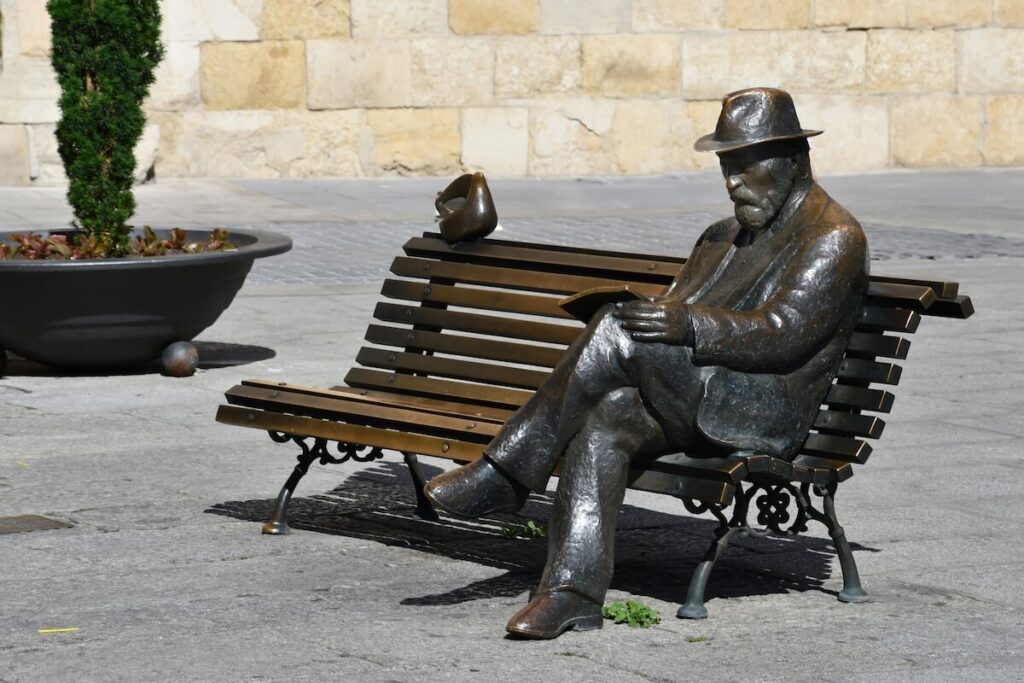
It’s impossible to talk about Sagrada Família without looking at the visionary man behind it: Antoni Gaudí.
This genius Catalan architect spent his life shaping the city’s skyline with his groundbreaking, nature-inspired Modernist (Art Nouveau) style. Seven of his creations (many of which we’ll talk about below) in Barcelona are so culturally significant that they’ve been named UNESCO World Heritage Sites.
Born in 1852, Gaudí was a deeply religious man known for his eccentric, quiet, and secluded lifestyle. Tragically, his life came to a sudden end in 1926 when he was hit by a tram at age 73—looking so modest and unkempt that passersby initially mistook him for a beggar.
Today, his burial site lies in the crypt of the Sagrada Família, the very building he spent 43 years bringing to life. You can see a collection of furniture and objects designed by him when you tour his house-turned-museum located within Park Güell.
4. The Gothic Quarter

The Gothic Quarter is the historic center of the old city of Barcelona. It encompasses the aforementioned old Roman wall and ruins, as well as plenty of medieval landmarks.
Now, don’t let the name fool you, as most of the buildings don’t actually date back to the Middle Ages! There was a massive restoration effort in the late 19th and early 20th centuries to transform the dark neighborhood to lure tourists.
But the main attraction, the Gothic Cathedral, is an exception to the rule. Although it was part of the restoration plan, the cathedral is authentic to medieval times
Most of the quarter is closed to regular traffic, so you’re free to stroll through the same narrow streets that were once a young Picasso’s stomping grounds. Alternatively, discover the quarter with a local guide—highly recommended if you want to learn about the history of the sites.
5. Parque Güell

Parque Güell is an enormous urban park filled with beautifully landscaped gardens and peculiar architectural elements, done by none other than the legendary Antoni Gaudí.
It was named after Eusebi Güell, a wealthy entrepreneur that was a great fan of Gaudí’s work and ended up financing the project. What was originally meant to be a luxury residential complex, later transformed into a fairytale-worthy scenery.
The park opened nearly a century ago, in 1922, and has since become one of the city’s main tourist attractions. It was declared a World Heritage Site by UNESCO in 1984. Get fuss-free access to the park and the Gaudí House Museum by booking your ticket here.
Some say you can enjoy the best view of Barcelona at the highest point in the park, a hill with three crosses named Turo de Les Tres Creus, which was initially intended to be a church.
6. La Rambla
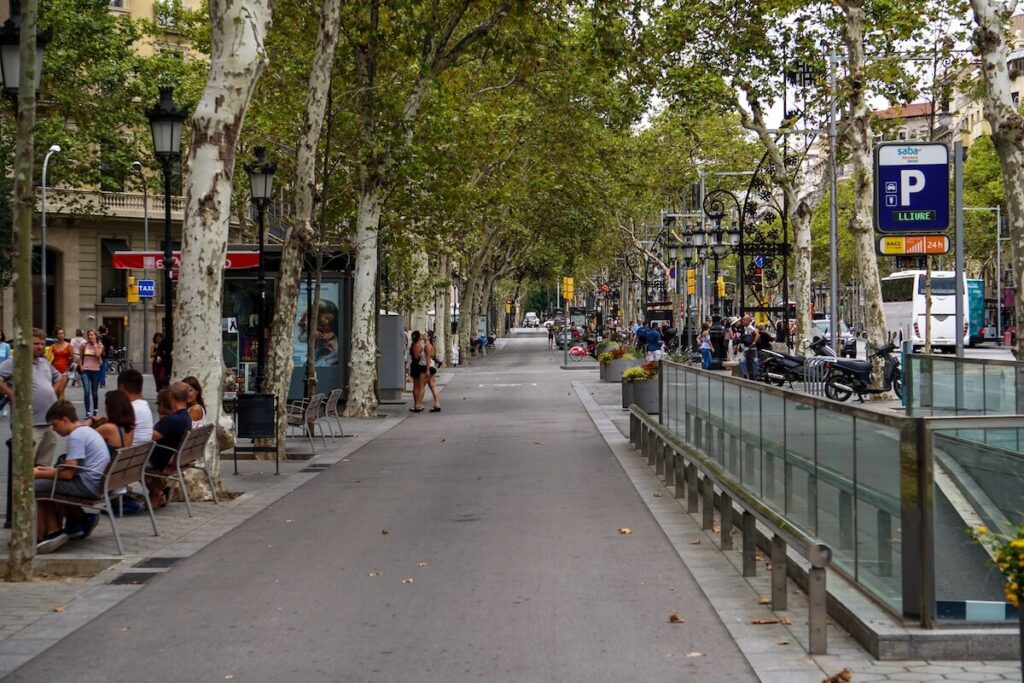
If you want to feel the true pulse of the city, taking a walk down La Rambla is an absolute must.
Barcelona is known for this world-famous tree-lined boulevard stretching 1.2 kilometers from Plaça de Catalunya all the way to the waterfront. Interestingly, it isn’t just one long road—it is actually a seamless chain of five distinct streets, which is why locals often refer to it in the plural as Les Rambles.
Originally an old sewage stream outside the medieval city walls, the tree-shaded street transformed over centuries into Barcelona’s bustling central artery. Strolling past its flower stalls, street performers, historic cafes, and grand 19th-century architecture is a great way to spend an afternoon.
7. Casa Batlló

Casa Batlló is another masterpiece of Gaudí and a key piece of Barcelona’s modernist architecture. More than a building, the former residence of the Battló family hides an entire fantasy universe.
Its façade alone offers numerous elements to interpret and is decorated with a beautiful ceramic mosaic of golden orange and ocean blue. From top to bottom, you’ll find more wonders than you can count, as even the roof of the building is reminiscent of the back of a great reptile.
Located right in the heart of the city, Casa Batlló is one of the most visited and well-rated tourist places in Barcelona. Find skip-the-line tickets here.
8. Mediterranean beaches

Barcelona is famous for its several beaches of white sand and crystal clear waters, all perfectly equipped with restaurants, bars, volleyball courts, and anything you might need on your beach trip.
The most famous beach in Barcelona is Barceloneta. It’s easily accessible by public transport which makes it one of the foreign tourists’ favorites, also welcoming young locals who enjoy beach and water sports.
9. 1992 Summer Olympics
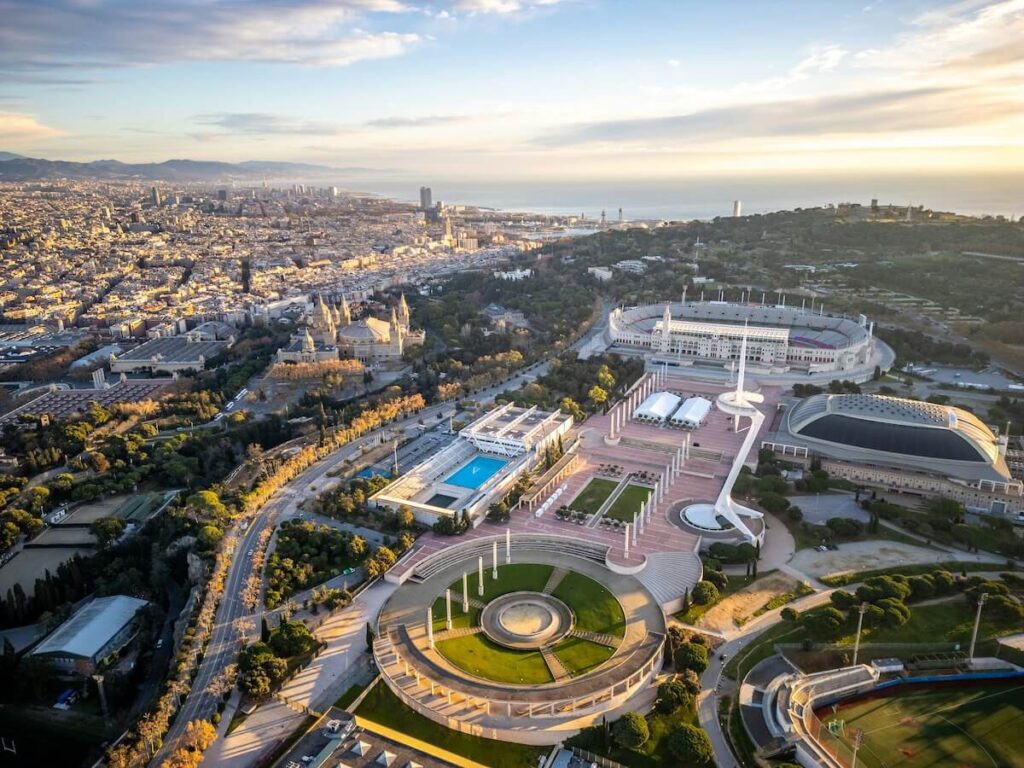
Speaking of beaches, when it comes to events that completely reshaped a city’s destiny, few compare to the 1992 Summer Olympics.
Before 1992, Barcelona was largely an industrial port city that turned its back on the sea. Hosting the Games sparked a massive urban transformation, famously replacing old coastal factories with 2.8 miles of golden beaches and beautiful seaside promenades.
The games hosted over 9,300 athletes from 169 nations—most famously featuring the legendary U.S. basketball “Dream Team.” The event also served as a giant springboard for tourism. Which leads me to the…
10. Port Olímpic Barcelona

Built for the 1992 Olympic Games, the Olympic Port of Barcelona is one of the most recognized leisure harbors on the Mediterranean coast. It is also one of the city’s main touristic points.
It’s located in front of the Olympic Village, nestled between the beaches of Somorrostro and Nova Icària.
There’s plenty to do here: you can take a pleasant walk at any time of the day, enjoy its vibrant nightlife or even just go shopping at the Marina Village mall.
11. Museo Picasso
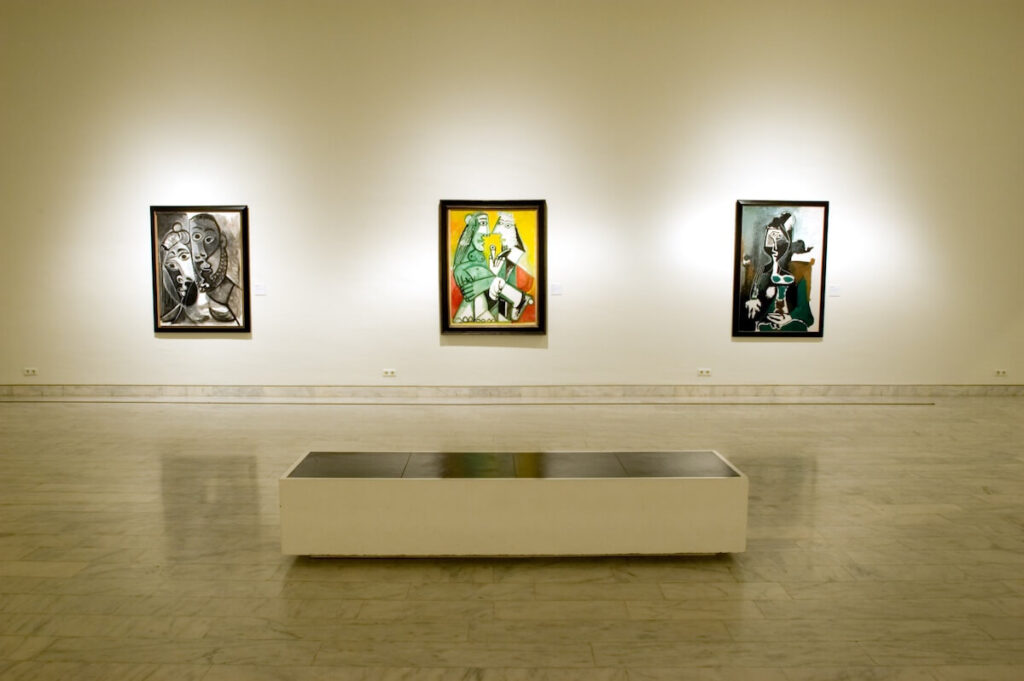
With a collection of over 3,500 pieces, the Picasso Museum of Barcelona contains the most complete collection in the world of Picasso’s early work. It is the best reference point for the artist’s formative years.
Like mentioned before, Picasso spent a great part of his youth in Barcelona. The city sort of became his muse, which is why the painter himself decided to gift it this eternal souvenir, instead of his hometown of Malaga.
12. La Pedrera

Another of Gaudí’s works, La Pedrera (or Casa Milà) is so named after its stony appearance.
The most peculiar part of La Pedrera is the rooftop, where you’ll discover the vents and chimneys are shaped like petrified warriors. There, you can also appreciate a spectacular view of the center of Barcelona from above.
Go straight inside La Pedrera with this skip-the-line ticket.
13. Parc de la Ciutadella

Built on the grounds of the ancient fortress of the city, Parc de la Ciutadella is one of the main lungs of the city and an oasis away from traffic and stress. This magnificent park was built for the Barcelona Universal Exhibition of 1888 and Antoni Gaudí himself collaborated on the project.
The most remarkable element of the park might be the stunning cascade formed by an enormous monumental set and Castillo de Los Tres Dragones (Three Dragon Castle), which is the current Museum of Zoology.
14. Flamenco

Since the beginning of the 20th century, with the arrival of many Andalusians to the city, live flamenco shows blossomed all across Barcelona.
Currently, this city is considered the third capital of flamenco in Spain, surpassed only by Andalusia and Madrid.
You might have heard of Rosalía, a Barcelona native singer-songwriter known for her contemporary interpretations of flamenco music which received international attention and praise.
Great flamenco shows can be seen at the Palacio del Flamenco (the largest flamenco theatre in the city) or at the Palau de la Música Catalana (a spectacular modernist auditorium declared World Heritage Site, more on this below).
You may also enjoy a show at one of the many restaurants that have a flamenco stage, like Tablao Cordobés or Tablao de Carmen.
15. Palau de la Música Catalana
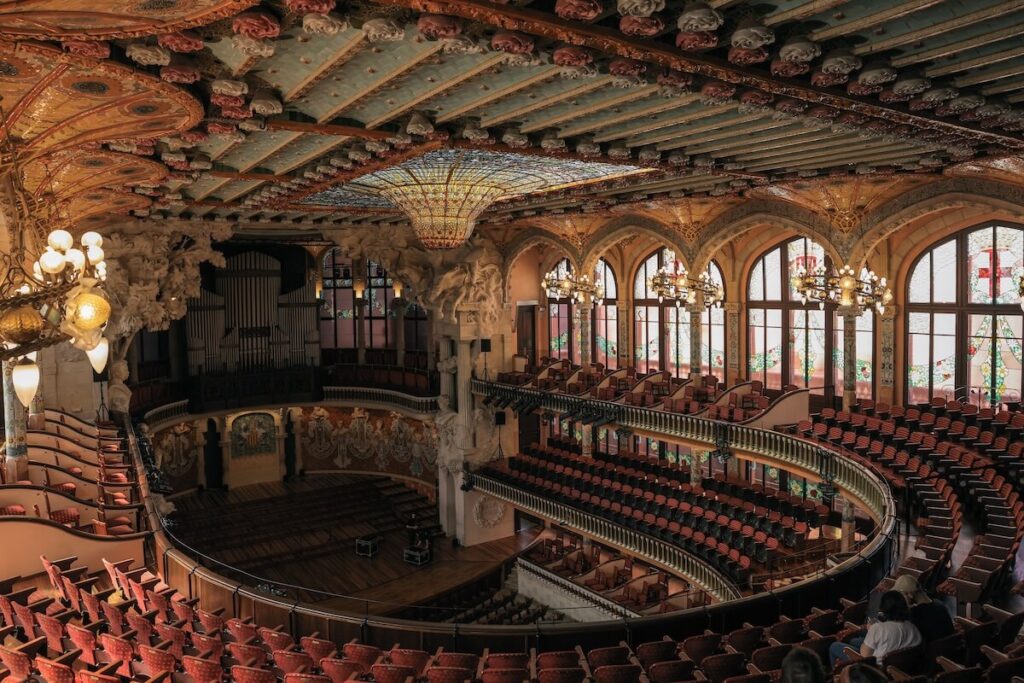
Looking like a fantasy castle straight out of a fairy tale, the Palau de la Música Catalana is one of the world’s most stunning concert venues. Designed by renowned Modernist architect Lluís Domènech i Montaner and built between 1905 and 1908, this showstopping hall is recognized as a UNESCO World Heritage Site.
What makes it so famous is its main auditorium—it is the only concert hall in Europe illuminated entirely by natural daylight during the day. At its center hangs an extraordinary inverted dome made of multicolored stained glass, glowing like a giant droplet of sunshine surrounded by ornate sculptures, vibrant mosaics, and intricate floral metalwork.
Learn from an expert guide when you sign up for this skip-the-line tour.
16. Music festivals
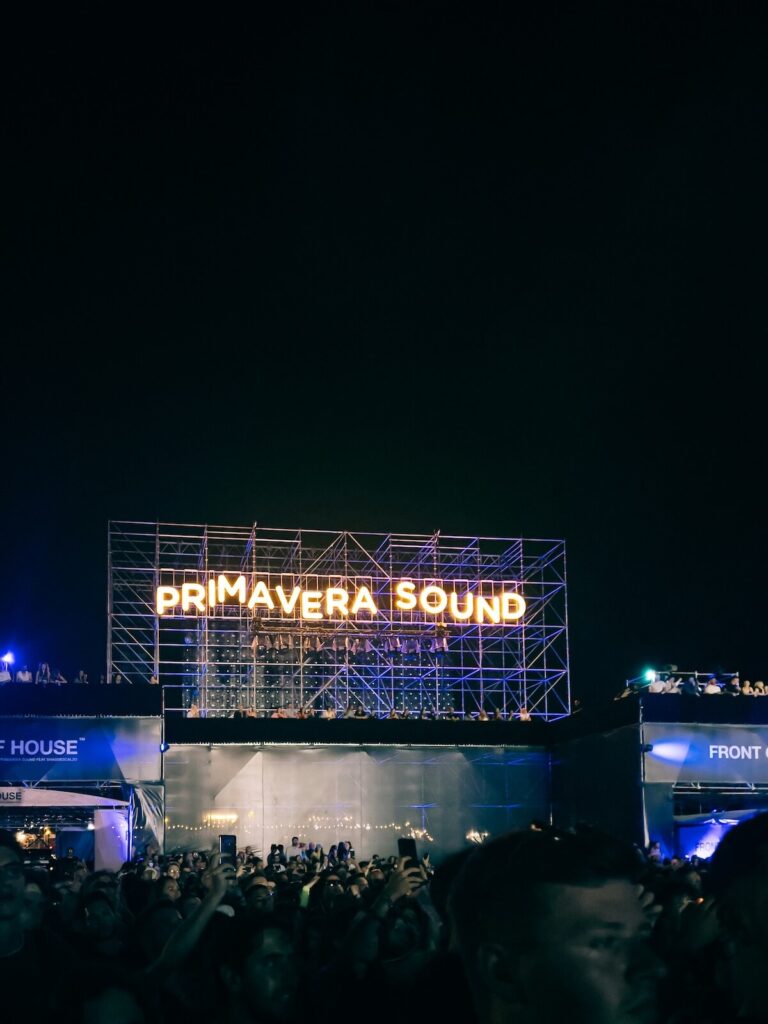
If you’re looking to dance the night away, few cities in Europe can match Barcelona’s legendary live music scene.
Barcelona is known for hosting two of the world’s most iconic annual music festivals: Sónar and Primavera Sound. Every summer, hundreds of thousands of fans from around the globe descend on the city to catch world-class artists, cutting-edge beats, and unforgettable seaside performances.
First launched in 1994, Sónar is a pioneering festival of electronic music, creativity, and technology, split into “Day” and “Night” events. Meanwhile, Primavera Sound—which began in 2001—sprawls across the massive waterfront Parc del Fòrum, offering massive, genre-defying lineups packed with indie rock, hip-hop, pop, and dance heavyweights.
Together, they cement Barcelona’s reputation as the ultimate global capital for music lovers.
17. Paella
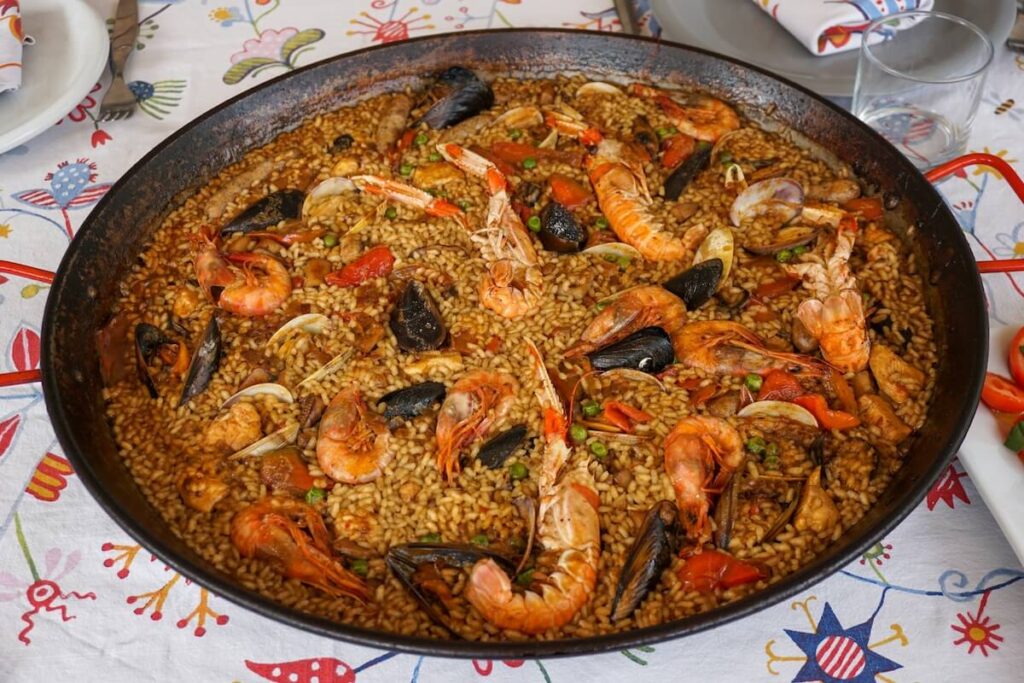
You simply can’t visit the Catalan capital without eating your weight in rice. Lucky for you, Barcelona is known for a very specific style of paella.
While traditional paella actually originated down the coast in Valencia, Barcelona has made coastal seafood variations its specialty. Instead of the classic inland recipe with rabbit and chicken, seaside Barcelona shines with paella de marisco, overflowing with fresh squid, prawns, mussels, and clams.
Beyond seafood, local chefs often flavor their rice using sfrito—a rich, slow-cooked base of tomatoes, onions, and garlic—and rich fish stock. For an authentic local twist, try arròs negre (black rice cooked with squid ink).
18. Escalivada and fideuá

Surely you’ve heard of tapas, the popular appetizers of Spanish cuisine, but you might want to write down a few of these suggestions of what to eat in Barcelona.
Escalivada is a healthy, typically Catalán delight. It’s made with roasted red pepper, aubergine and onions, seasoned with olive oil and garlic. It may be served on a nice piece of toasted bread (greased with olive oil, of course) or as a side to a meat or fish main.
Fideuá is a great pasta alternative to the aforementioned paella. The rice is swapped for a spaghetti-like pasta and it’s accompanied by a lovely aioli sauce that enriches the seafood elements.
Lastly, I’d recommend the queen of Catalán desserts: Crema Catalana. It’s a cream made with milk, egg yolks, sugar, starch, lemon zest, and cinnamon. The final touch is a crunchy caramel surface, made out of torched sugar.
19. La Boqueria Market
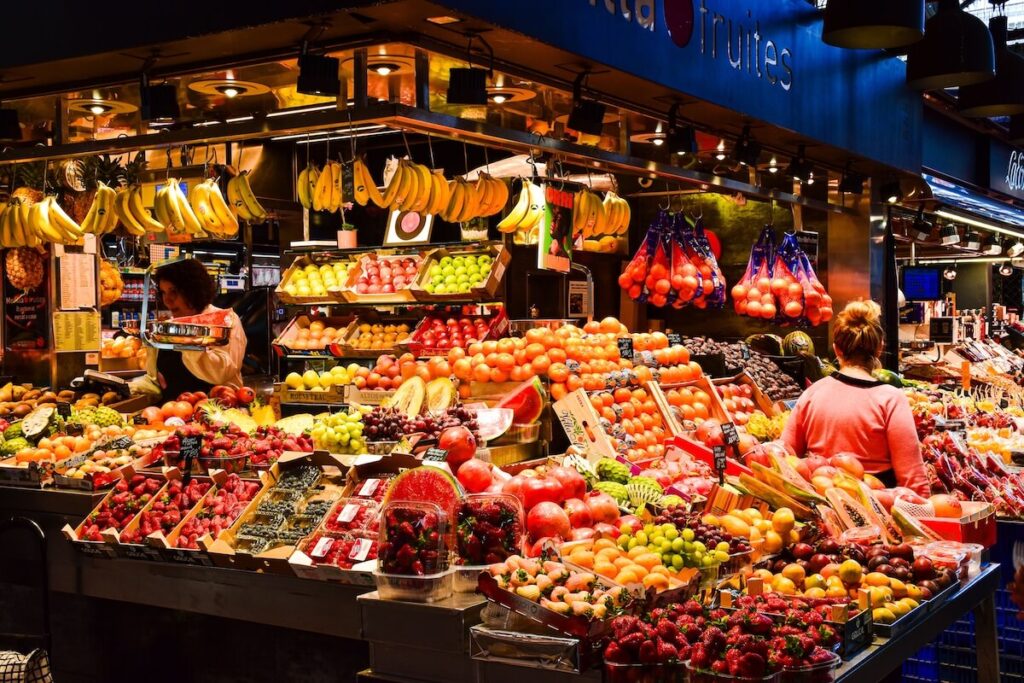
If you want to dive headfirst into Barcelona’s vibrant culinary culture, Mercat de Sant Josep de la Boqueria, or La Boqueria Market, is the best starting point.
Located right off the bustling La Rambla, Barcelona is known for this world-famous public food market that has been serving locals in various forms since 1217. What began centuries ago as an open-air goat market has grown into a bustling food hall housing over 200 stalls.
Stepping under its iconic 1914 iron entrance, you’ll find an explosion of colors and aromas, offering everything from fresh seafood and cured Iberian ham to tropical fruit juices and bustling tapas counters where you can grab a bite on the spot.
20. FC Barcelona

Barcelona is famous for its hometown soccer club FC Barcelona, also known as Barça. Locals are extremely passionate about the sport and competition, just like you would expect from other major European cities.
Founded in 1899, the club has since become a symbol for the region and has seen some of soccer’s greats wear its colors, like Argentinians Diego Maradona and Lionel Messi or Brazilian Romario.
If your trip falls during soccer season, make sure to score tickets and experience the thrill of this sport at Camp Nou Stadium.
21. Great souvenirs

At the end of your trip, you might want to shop for Spanish souvenirs, either for yourself or your loved ones back home. For magnets, ceramics, keychains, and all those other souvenir staples, you’ll surely come across plenty of small shops in tourist areas.
If what you seek is a unique item, you should consider visiting Carrer de la Princessa e Carrer de l’Argenteria, with its trendy fashion boutiques and exclusive shops, located in the Born neighborhood. If you’d rather bring back an edible gift or an old book, Antoni Market is known as the meeting point for collectors and will surely not let you down.

22. Passeig de Gràcia
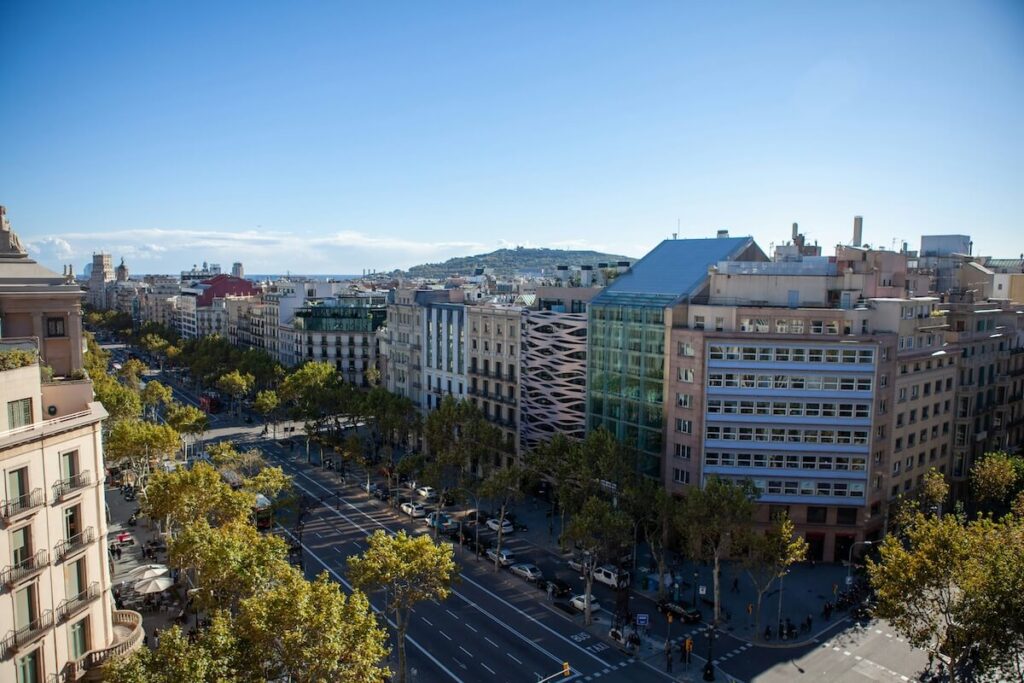
In the mood for high-end luxury paired with incredible architecture? Passeig de Gràcia is the place to be.
Stretching 1.3 kilometers from Plaça de Catalunya to the Gràcia district, this grand, tree-lined avenue serves as the city’s premier shopping boulevard. It’s widely considered the most expensive street in all of Spain, packed with flagship designer boutiques like Chanel, Hermès, and Loewe.
What makes Passeig de Gràcia truly unique, however, is its breathtaking Modernist heritage. It boasts the rare distinction of housing two separate UNESCO World Heritage Sites on a single street: Antoni Gaudí’s whimsical Casa Batlló and undulating Casa Milà (La Pedrera).
As you stroll past its iconic cast-iron streetlamps and tiled sidewalks—also custom-designed by Gaudí—you’ll quickly see why it rivals Paris’s Champs-Élysées.
23. Catalan language and identity
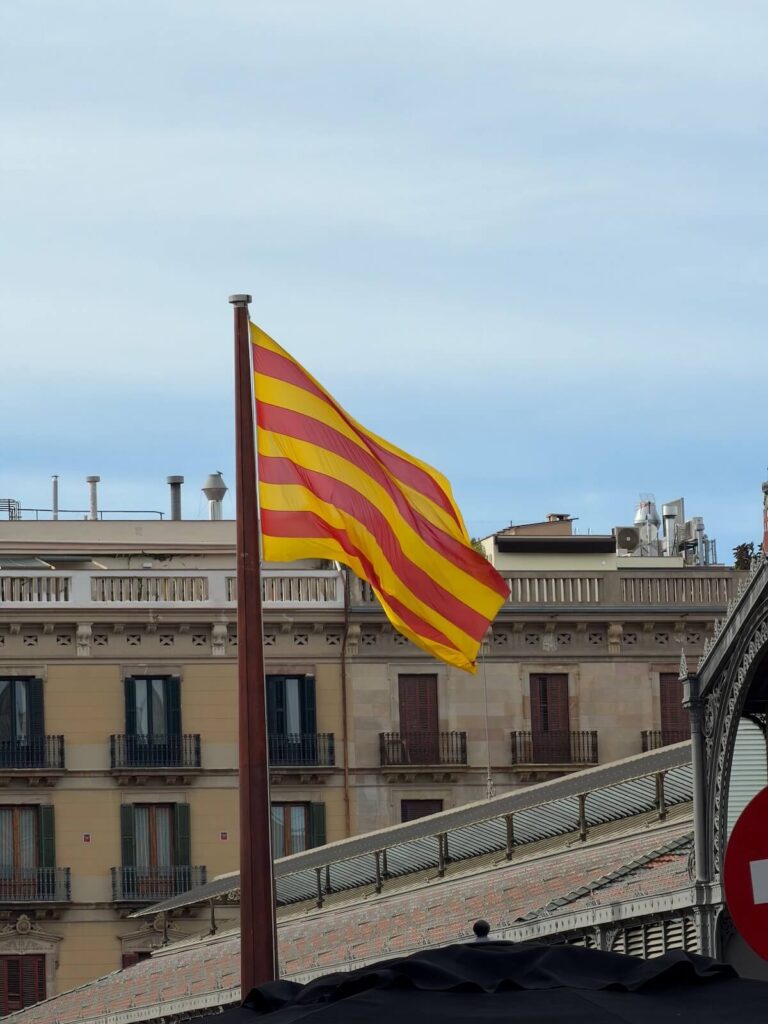
As the proud capital of Catalonia, an autonomous region in northeastern Spain, Barcelona operates with its own unique language (Català), rich history, and deep-seated cultural pride. You’ll see Catalan spoken alongside Spanish (Castellano) on street signs, public transportation, and local menus throughout the city.
Spoken by millions across Catalonia, the Valencian Community, and the Balearic Islands, Catalan isn’t a dialect of Spanish—it’s a distinct Romance language closer to French and Occitan.
Embracing this regional culture also means discovering unique local traditions like the Sardana dance or towering Castells (human pyramids, which we’ll talk about later), giving you a genuine appreciation for the city’s fierce local pride.
24. Montjuïc Hill
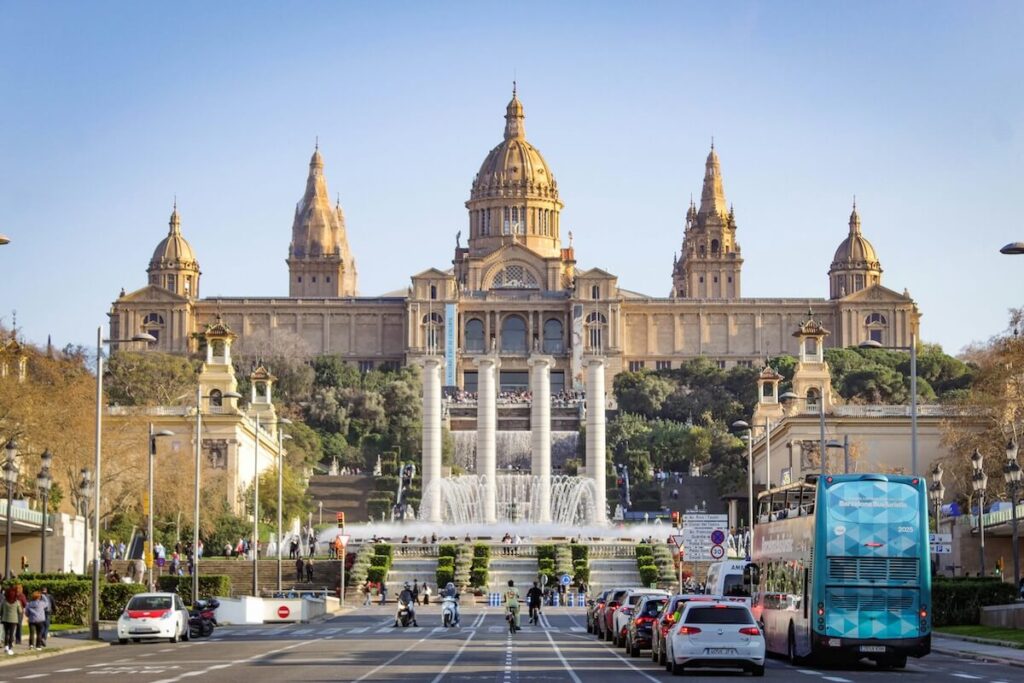
For sweeping panoramic views and a rich mix of history, Montjuïc Hill is an essential stop on any Barcelona itinerary. Rising 173 meters above the harbor, this broad coastal hill served as a military fortress for centuries, anchored by the 17th-century Montjuïc Castle at its peak.
The area underwent a massive makeover for the 1929 World Exposition and the 1992 Summer Olympics, turning it into a vibrant cultural hub filled with lush gardens, iconic sports venues, and world-class destinations like the Montjuïc National Palace, Fundació Joan Miró and the Museu Nacional d’Art de Catalunya.
While you can hike or take the funicular up the hill, the most thrilling way to arrive is from above. Booking a cable car ride lets you glide 750 meters through the air in a modern glass cabin, offering breathtaking 360-degree views of the sprawling city grid and the Mediterranean coastline as you ascend toward the castle.
At night, head down to the base to catch the famous Magic Fountain, where water, lights, and music combine for a spectacular free evening show.
25. La Diada de Sant Jordi
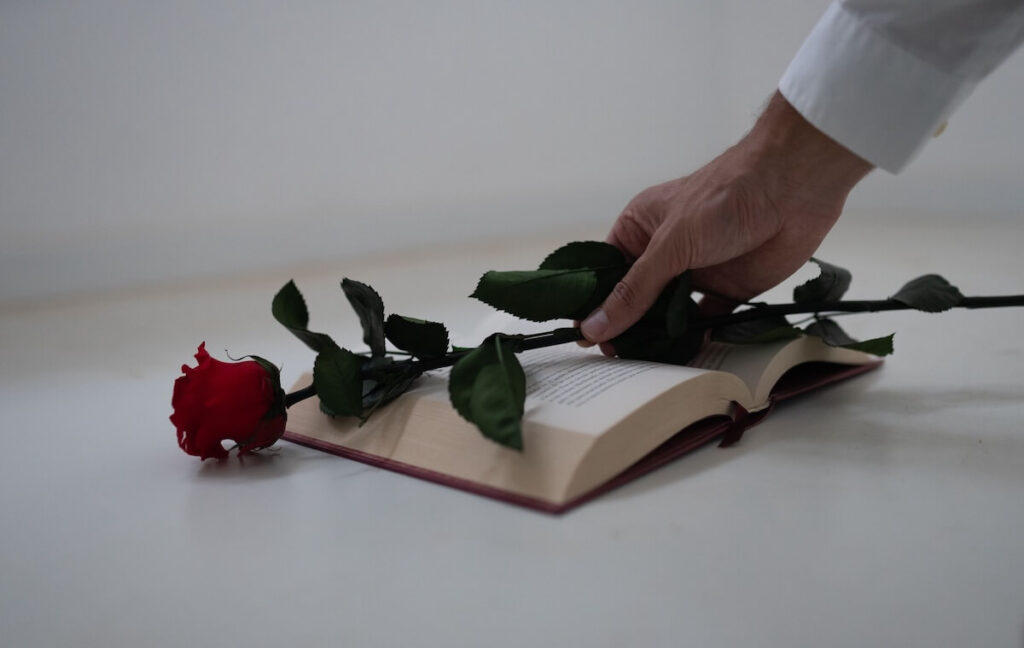
Every April 23rd, Barcelona transforms into a giant outdoor bookshop and flower market for La Diada de Sant Jordi (St. George’s Day).
Honoring Catalonia’s patron saint, this festive day of romance and literature centers on a charming tradition where sweethearts and friends exchange red roses and books. In fact, Sant Jordi’s gift-giving tradition proved so inspiring that UNESCO used it to establish World Book Day in 1995.
Streets like La Rambla and Passeig de Gràcia fill up with colorful stalls and crowds browsing the latest releases, making it one of the absolute best days to experience local Catalan culture. During the day, roughly seven million roses and over a million books are sold across Catalonia in a single day!
26. The Royal Gold Medal for Architecture
Did you know that Barcelona holds a record no individual person can ever beat?
In 1899, the Royal Institute of British Architects (RIBA) awarded its prestigious Royal Gold Medal for Architecture to Barcelona—making it the only city, rather than a single architect, to ever receive the honor.
The award recognized the city’s visionary urban design and rapid transformation leading up to the 1888 Universal Exposition, alongside its stunning Modernist movements led by master architects like Antoni Gaudí and Lluís Domènech i Montaner.
From its sprawling grid system in Eixample to its breathtaking landmarks, the award solidifies Barcelona’s status as an architectural powerhouse.
27. Cava
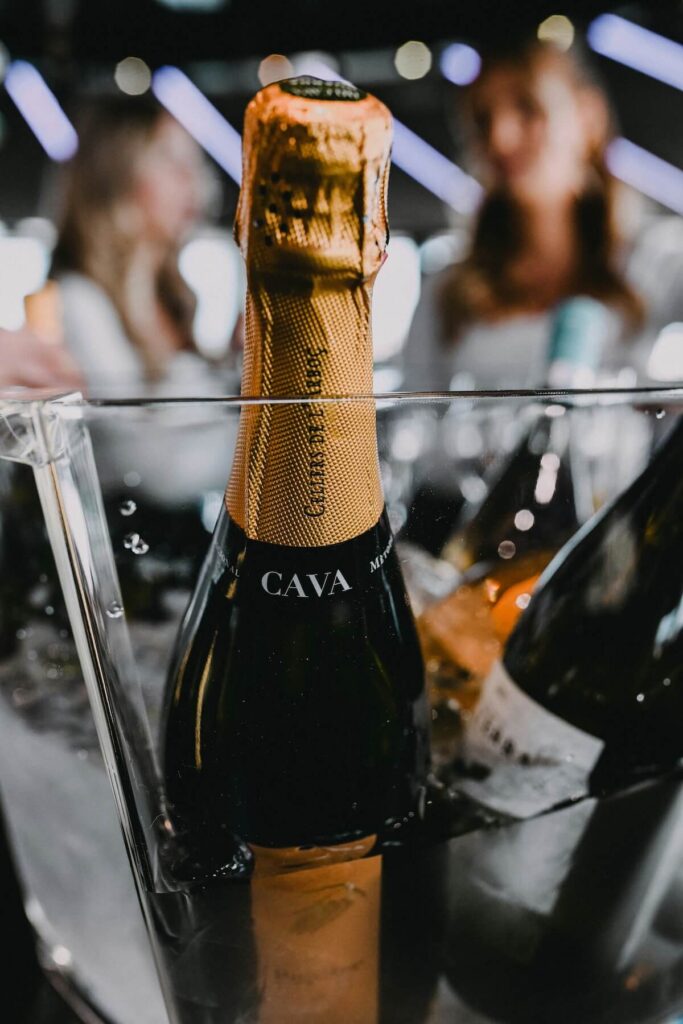
If you want to toast like a true local in Catalonia, ditch the champagne and order a glass of cava.
Barcelona is known for serving this world-class sparkling wine, which was first created in the nearby Penedès region back in 1872 by winemaker Josep Raventós. Today, roughly 95% of all cava is produced right here in Catalonia.
While crafted using the exact same traditional secondary bottle fermentation method as French champagne, cava is made with native Catalan grapes like Macabeu, Xarel·lo, and Parellada. This gives it a crisp, dry, and vibrant citrus flavor profile that makes it pair effortlessly with local tapas, cured hams, and fresh seafood.
28. Vermut
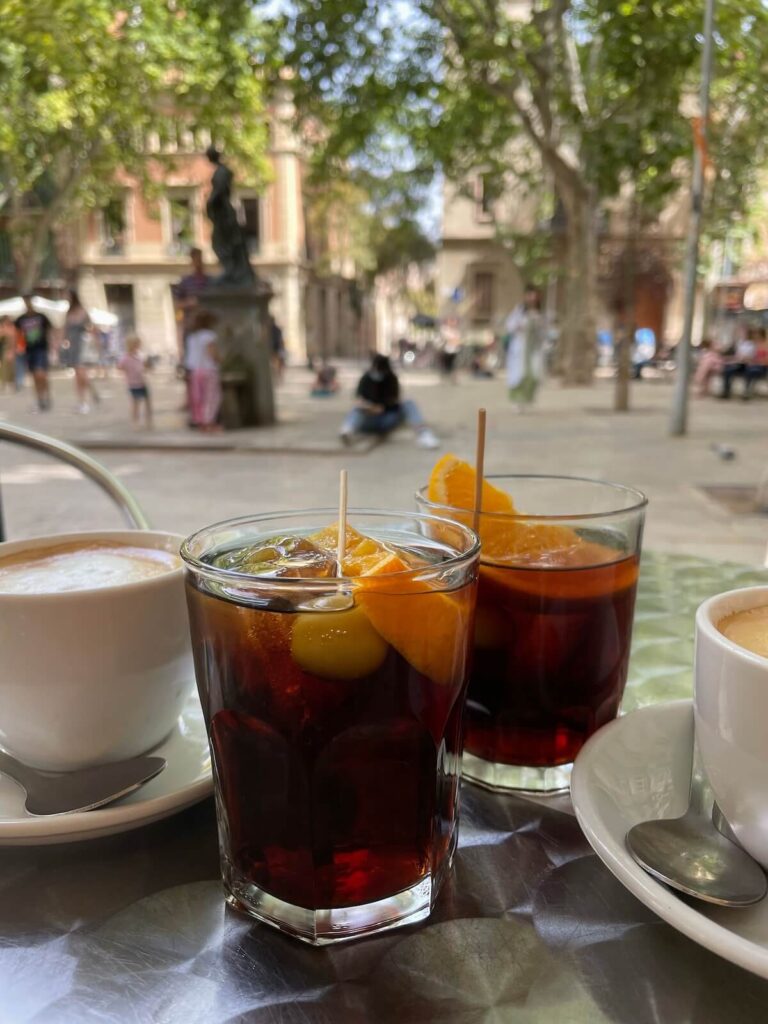
To experience Barcelona like a local, get acquainted with the city’s cherished vermouth ritual.
Far more than just a drink, el vermut is a beloved weekend tradition where friends and families gather, usually between 12:00 PM and 2:00 PM before lunch, to catch up over glasses of chilled, sweet fortified wine on tap.
First introduced to Catalonia from Italy in the late 19th century, this botanical-infused wine is served on the rocks with a slice of orange and an olive. It is almost always enjoyed alongside salty, savory bites like canned seafood (mussels, cockles, and anchovies), potato chips, and stuffed olives to balance the wine’s rich sweetness.
29. Superilles
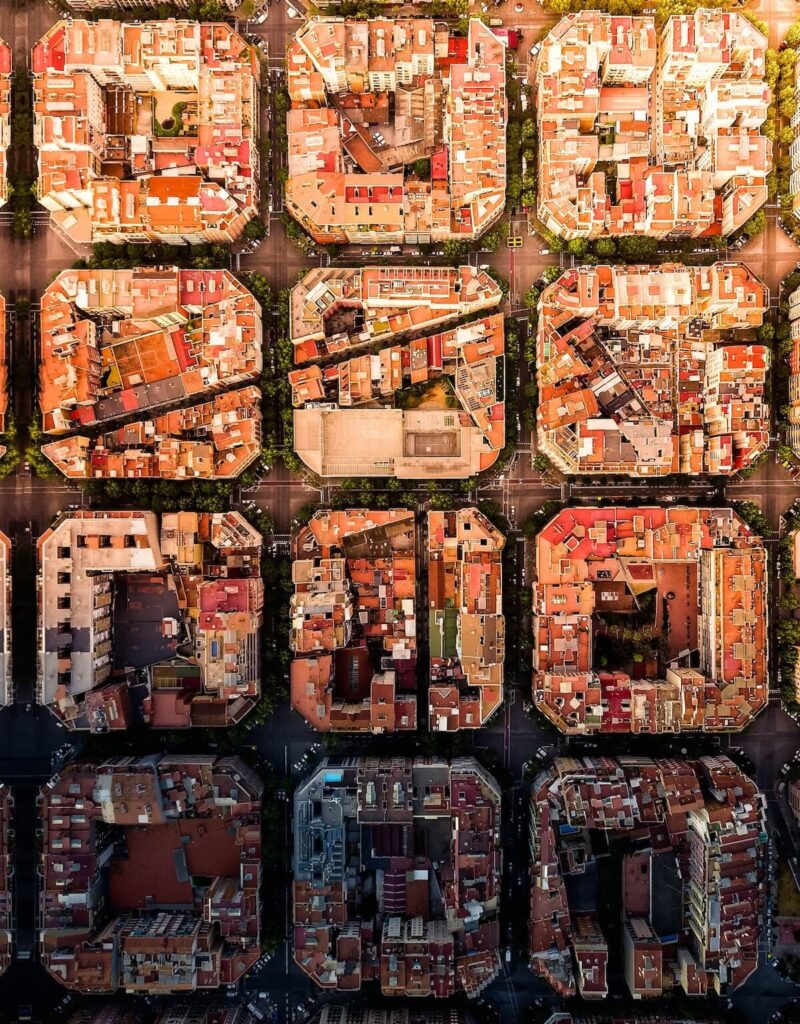
If you’ve ever seen a satellite view of the city’s perfectly neat, grid-like streets, you’re already familiar with one of its most radical urban experiments. As made evident by the previous entries, Barcelona is world-renowned for pioneering urban planning, and its innovative superilles (superblocks) are taking that reputation into the future.
First introduced in 2016, this visionary system takes a three-by-three grid of nine traditional city blocks and restricts through-traffic around its perimeter. By reclaiming the inner streets for pedestrians and cyclists, the initiative creates green plazas, trees, and play areas out of former asphalt—drastically reducing traffic noise and air pollution while giving the city back to its residents.
30. Castells
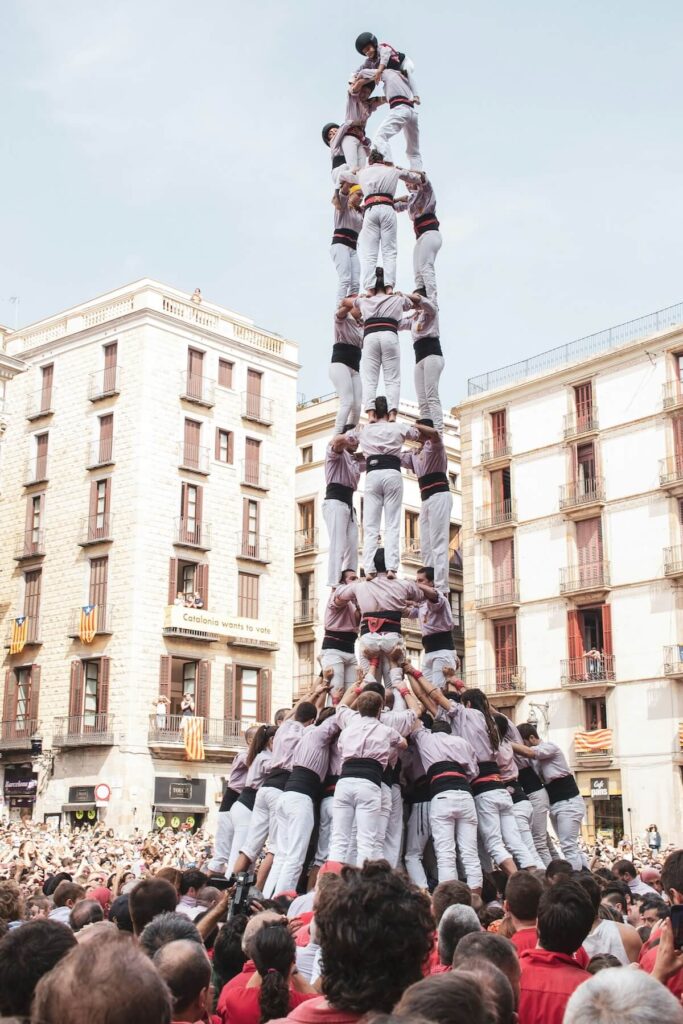
Few local traditions are as jaw-dropping to watch in person as Catalonia’s famous castells (human towers).
Originating in the late 18th century in the town of Valls, these staggering human structures feature coordinated groups (colles) building living towers up to ten stories high. The tradition is so culturally unique that UNESCO officially designated it an Intangible Cultural Heritage of Humanity in 2010.
Built in public squares during major town festivals, a castell relies on pure teamwork, trust, and balance. Hundreds of people form the sturdy pinya (the dense base level) to absorb weight and cushion potential falls, while nimble adults climb up to build the middle levels. In a tense finale, a small child wearing a helmet climbs all the way to the top and raises four fingers to signal completion before the team safely dismantles the structure.
Wrap up
It’s hard to resist the enchantments of beautiful Barcelona. It’s a place where the sea meets the city and the architecture, history, culture, art, nightlife, and music will provide you with more than enough to explore.
If you’ve been to Barcelona and are seriously considering moving there, check out our list of pros and cons of living in Barcelona.
Now that you know what Barcelona is known for, it’s time to plan your trip! While doing so, read this article about what Spain is famous for!
