
*This article may contain affiliate links. For full information, please see the disclaimer here.
If you want to experience the sensation of standing inside a time machine that can look into the past and the future all at once, go to Shanghai. Walk along the riverfront at the Bund and you are surrounded by 1920s European-style architecture, but turn around to face Pudong and you’re staring at a futuristic, sci-fi skyline.
In this global city, you can step off the world’s longest metro network right into a tranquil, centuries-old Ming Dynasty garden, or watch giant cargo ships drift past from the world’s busiest container port.
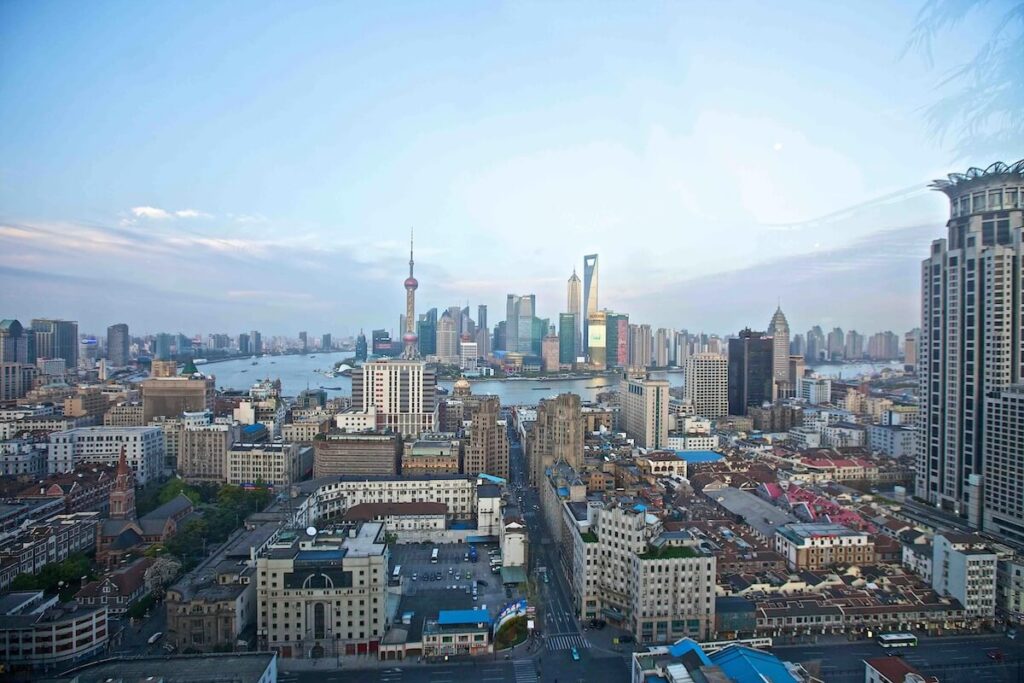
So, what is Shanghai known for? Beyond its striking architecture, it’s a sensory overload of incredible street food, local quirks, and a fascinating history. It’s the home of xiaolongbao, those delicate, pleated soup dumplings, and the weekend marriage market where parents aggressively pitch their kids’ dating resumes on umbrellas.
Shanghai moves at a breakneck speed, effortlessly blending old-school Chinese traditions with cutting-edge global trends. It can be exciting, exhausting, wildly inspiring, all at the same time.
Ready to know more about this culturally rich metropolis? Read on.
Table of Contents
What is Shanghai known for?
1. The Bund
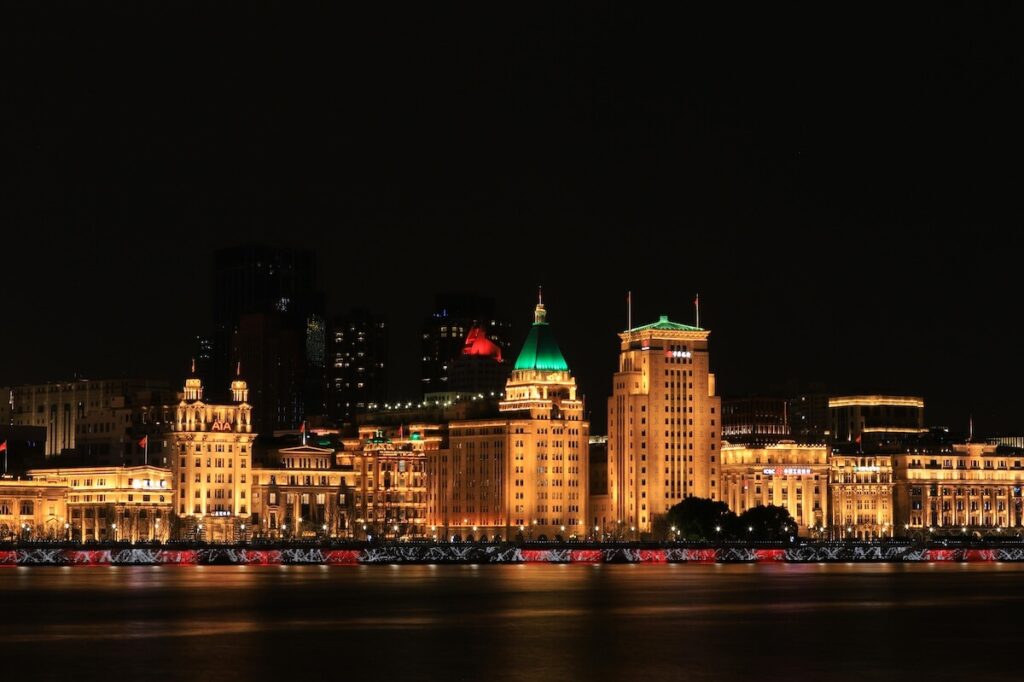
The Bund is the definitive, non-negotiable starting point for anyone trying to understand what Shanghai is known for.
Stretching for about a mile along the western bank of the Huangpu River, this historic waterfront promenade is lined with over 50 grand, early 20th-century European-style colonial buildings. Seeing these massive stone facades—ranging from Gothic and Baroque to stunning Art Deco—made me feel like I stepped onto a film set or into an open-air architectural museum.
Looking across the water gives you a spectacular, front-row seat to the staggering contrast between old and new Shanghai, framing the futuristic skyscrapers of Pudong directly opposite the historic docks.
To see these iconic views right from the water, you can book a luxury night cruise that glides past the illuminated skyline for a truly cinematic perspective. It’s a world-class view that perfectly captures the city’s dual soul.
2. The Lujiazui skyline
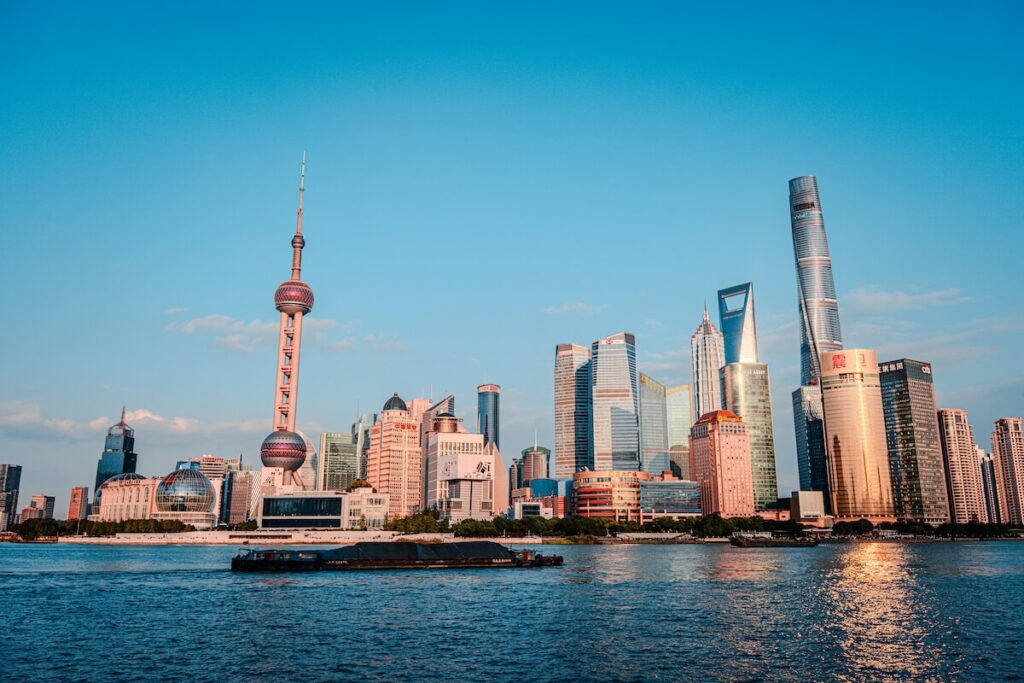
If you cross the Huangpu River from the historic architecture of the Bund, you will step straight into the futuristic heart of modern China: the Lujiazui skyline in Pudong.
Once just a quiet expanse of farmland and warehouses a few decades ago, this area has transformed into one of the most recognizable financial centers on the planet. At night, the entire district lights up like a living, breathing science-fiction movie set.
The skyline is anchored by an incredible trio of megastructures: the retro-futuristic Oriental Pearl TV Tower, the sleek Jin Mao Tower, and the soaring, twisted peak of the Shanghai Tower.
If you want a break from standard observation decks, you can actually book a ticket to the Museum of Art Pudong, which sits right at the base of the skyline. Its rooftop terrace offers an absolutely stunning, low-altitude panoramic view of the river and the glittering towers above.
3. Shanghai Tower
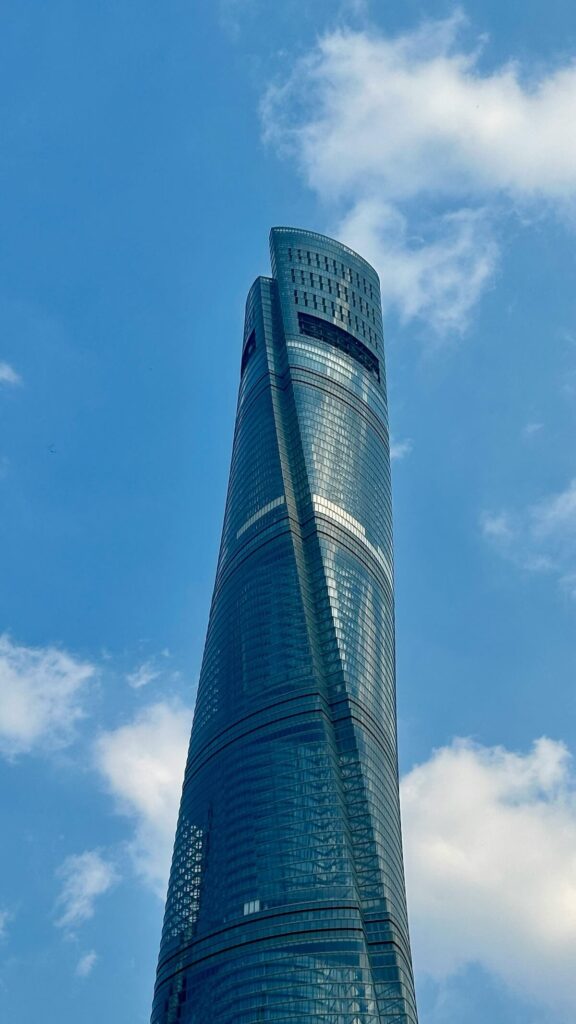
If you look up from anywhere in the Lujiazui skyline, one building clearly dominates the clouds: the spectacular Shanghai Tower.
Piercing the sky at a massive 632 meters (2,073 feet), this architectural marvel is the tallest building in China and the third-tallest skyscraper in the entire world. Its sleek, asymmetrical design features a unique 120-degree twist that isn’t just for looks—it actually reduces wind loads by 24 percent, allowing the tower to easily withstand fierce typhoon seasons.
To experience being on top of the world, you can secure standard tickets to the 118th floor to step onto one of the world’s highest observation decks via a lightning-fast elevator that climbs in just 55 seconds.
For a truly unique experience, you can also upgrade your booking to gain exclusive access to the upper 125th and 126th floors. Here, you can stand face-to-face with the building’s “heart”—a massive, 1,000-ton tuned mass damper that stabilizes the skyscraper—and witness an incredible, high-tech musical light show at the very peak of the tower.
4. Xiaolongbao
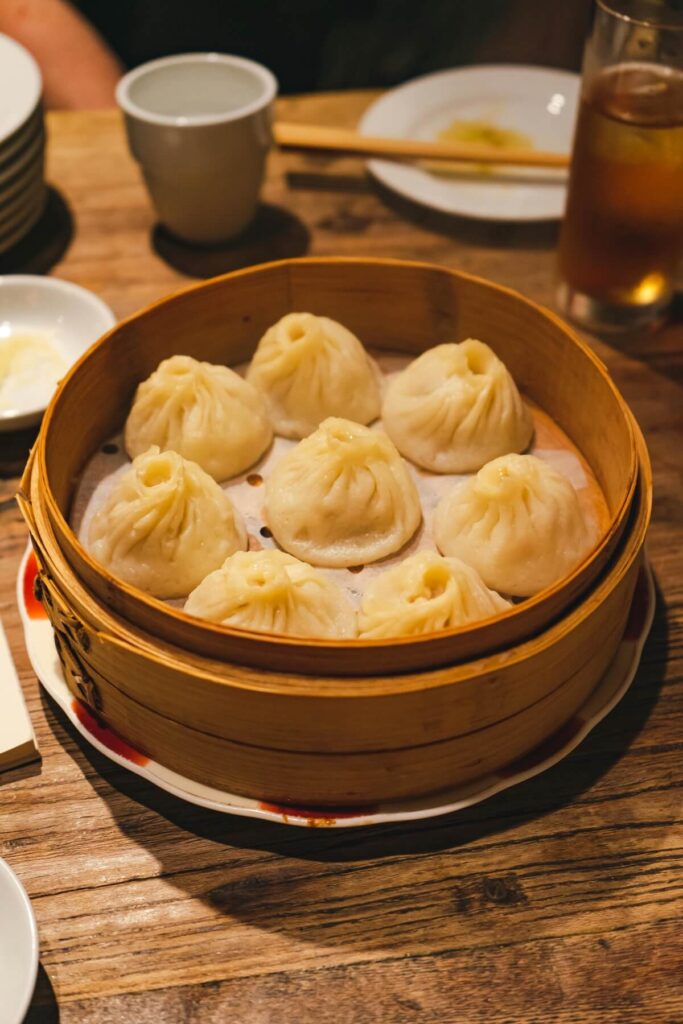
My favorite! No food crawl through the city counts if it doesn’t include a steaming bamboo basket of xiaolongbao.
When asking what food is Shanghai known for, these delicate, globally adored soup dumplings are the undisputed answer. Technically originating in Nanxiang, a historic suburb of Shanghai, in the late 19th century, these pleated dough pockets contain a marvel of culinary engineering: a rich, savory pork meatball surrounded by a burst of boiling, flavorful broth.
Eating one without piercing the translucent skin and spilling the precious soup is an art form that separates the locals from the tourists. The proper technique requires gently transferring the dumpling to your soup spoon, nibbling a tiny hole in the wrapper to let the steam escape, slurping the hot broth first, and then eating the rest.
To taste the absolute gold standard of this local treasure, skip the global chains and head to historic downtown institutions like Jia Jia Tang Bao or the legendary Nanxiang Steamed Bun Restaurant right inside the Yu Garden bazaar.
5. The French Concession
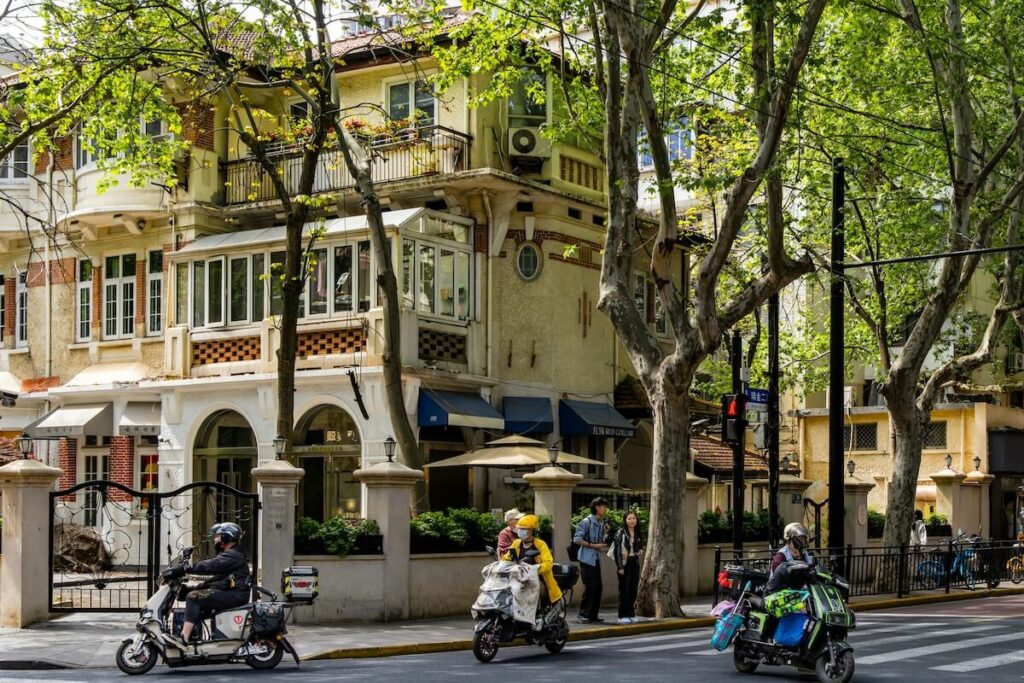
Established in 1849, the French Concession is a sprawling, historic neighborhood characterized by quiet, tree-lined avenues, hidden European-style brick villas, and an endless array of trendy, independent cafes. It is the exact pocket of the city that historically earned Shanghai its glamorous nickname, “The Paris of the East,” and the romantic vibe is still very much alive today.
The secret to enjoying this area is entirely down to ditching your map and exploring on foot. The streets are famously shaded by massive, decades-old London plane trees that form a beautiful green canopy overhead, making it the perfect escape from the city’s concrete towers.
Head down Wukang Road or Fuxing Road to spot stunning Art Deco architecture, browse through quirky local boutiques, or simply grab an iced latte and watch local residents go about their day in this remarkably relaxed, European-infused neighborhood.
6. Oriental Pearl TV Tower
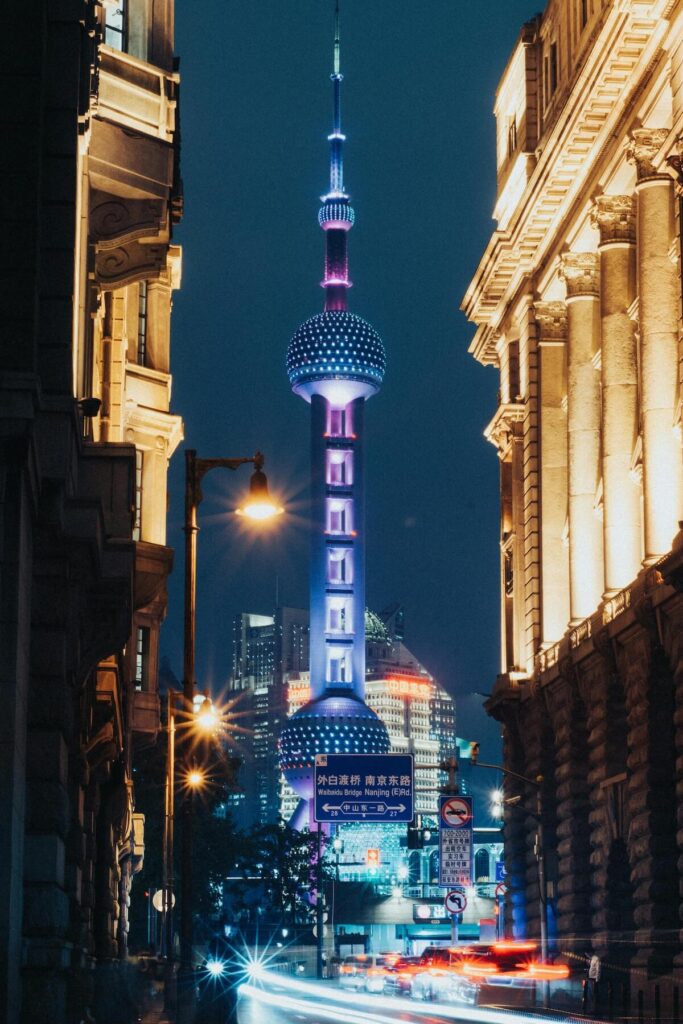
While newer skyscrapers now soar past it, the Oriental Pearl TV Tower remains the ultimate throwback queen of the Pudong skyline.
Rising 468 meters (1,536 feet) over the riverbank, its wildly unique design of eleven interconnected spheres is instantly recognizable. Locals affectionately describe its futuristic 1990s aesthetic as “large and small pearls dropping into a jade plate,” a poetic image that contrasts perfectly with its bold, space-age look.
As a pioneering structure of Shanghai’s modern era, it is packed with entertainment that goes way beyond a simple viewing platform. Standard entry gets you up to the main 263-meter sightseeing galleria and the nerve-wracking, 360-degree transparent glass skywalk just below it, where you can look straight down at the street beneath your feet.
It also houses a revolving buffet restaurant, an indoor VR roller coaster, and a highly rated history museum at the ground level that lets you wander through lifelike recreations of old 1920s Shanghai.
7. Nanjing Road Shopping District
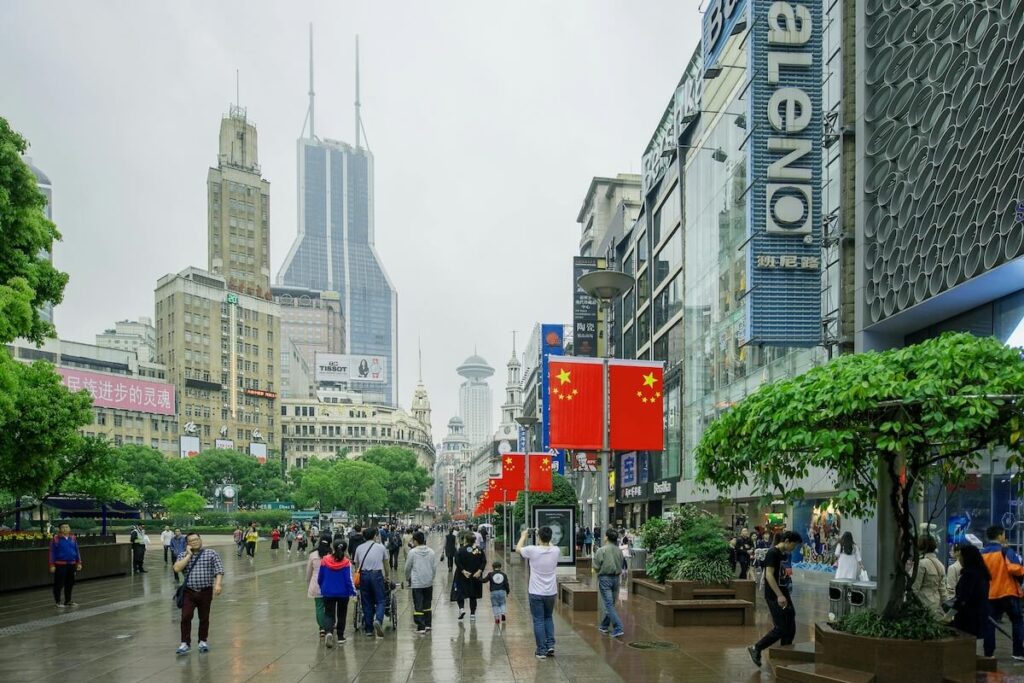
If you want to feel the raw, unfiltered heartbeat of commercial China, I highly recommend walking through Nanjing Road.
Running for over three miles from People’s Square all the way to the Bund, this legendary thoroughfare is one of the world’s busiest shopping districts, famously drawing in over a million eager visitors every single day. The car-free pedestrian core takes you through flashing neon billboards, hyper-modern malls, and massive global flagship stores.
Yet, despite its glossy, high-tech surface, the street is actually steeped in historical charm. Interspersed between the futuristic storefronts are classic, century-old department stores like the Shanghai No. 1 Department Store, which have been operating since the concession era.
This road offers an incredibly fun, high-energy walk, especially at night when the neon signs paint the pavement in brilliant colors. And if your feet get tired from exploring the endless side-alley street food stalls, you can hop on one of the iconic, cute electric trams for a cheap, breezy sightseeing ride down the avenue.
8. Yu Garden
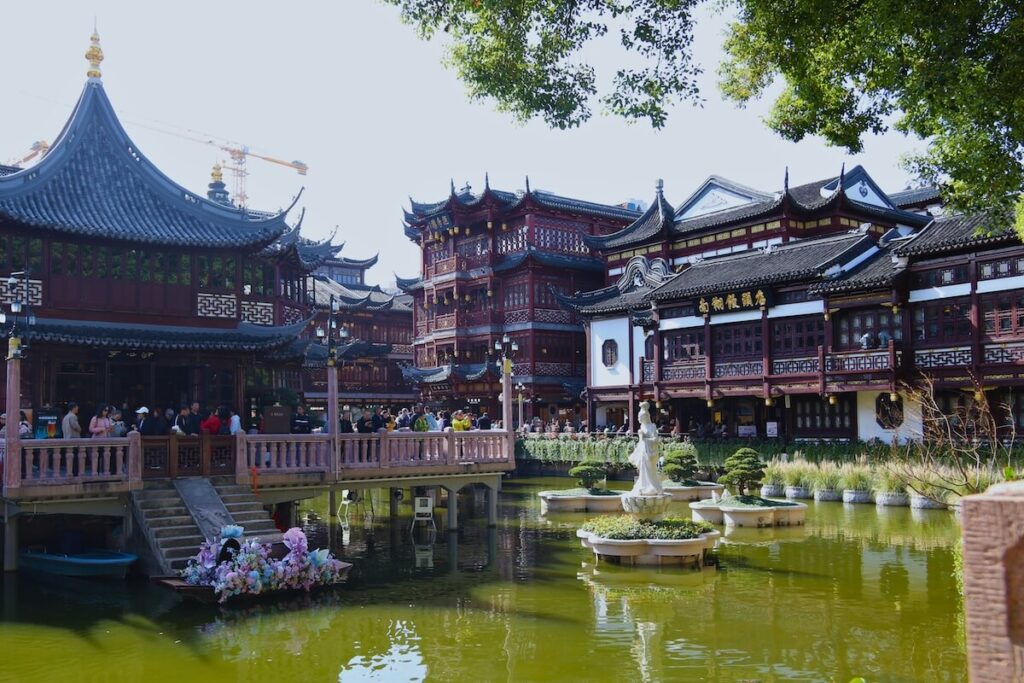
Hidden right in the middle of a massive, roaring metropolis lies Yu Garden or Yuyuan—a stunning, five-acre sanctuary that looks like a traditional ink painting.
Dating back to 1559 during the Ming Dynasty, this classical Chinese garden was originally built by a devoted government official as a peaceful retirement haven for his aging parents. Today, it stands as a masterclass in ancient landscaping, with its intricate stone bridges, zigzagging pathways, shaded pavilions, and thick jade-green ponds filled with hundreds of swirling koi fish.
To reach the entrance, you have to weave through the Yu Garden Bazaar, a sprawling, lively neighborhood filled with traditional, sweeping pagoda-style buildings that house tea shops, souvenir stalls, and some of the city’s most famous street vendors.
For the ultimate local afternoon, time your trip to grab a late lunch of hot pan-fried buns at the bazaar, and then head past the garden’s famous Exquisite Jade Rock to unwind in the quiet bamboo groves. The bazaar is free to enter but the garden itself requires paid entry. Find admission tickets here.
9. The world’s busiest container port
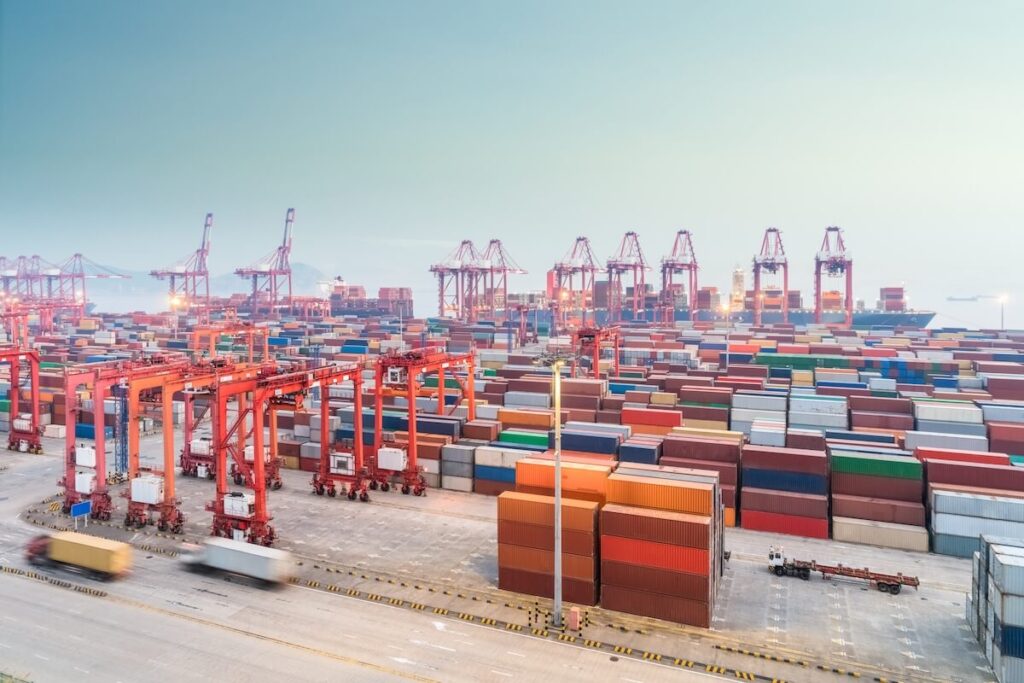
While it’s easy to get distracted by Shanghai’s glossy financial skyscrapers and historic tree-lined avenues, the city’s true muscle lies right at the edge of the water.
Shanghai is the absolute engine room of global trade, operating a massive maritime network that has held the crown as the world’s busiest container port for over 16 consecutive years. Processing over 55 million shipping containers annually, this port single-handedly manages roughly a quarter of China’s entire import and export traffic.
The container port is a real engineering genius, and it is best seen in the Yangshan Deep Water Port.
Because the mainland shoreline was too shallow for modern mega-ships, engineers built a colossal, fully automated terminal out on an island in the open sea, connecting it back to the city via a mind-boggling 32-kilometer bridge. Run largely by AI, automated guided vehicles, and giant robotic cranes that calculate container placement 13 times faster than humans, it operates 24/7 as a hyper-efficient sci-fi marvel fueling the global economy.
10. Shanghainese language
If you listen closely to the chatter in a neighborhood wet market or an old alleyway, you will quickly notice that the local language sounds nothing like the Mandarin you hear on the news. This is Shanghainese, a fascinating and completely distinct branch of the Wu Chinese language family.
To the untrained ear, Shanghainese doesn’t even sound like a dialect of Chinese. It is a much softer, highly fluid language packed with smooth vowels and sharp glottal stops that give it a unique, melodic rhythm.
For locals, speaking Shanghainese is a badge of deep cultural identity and fierce hometown pride. Because decades of standard Mandarin in schools caused its usage to slip among younger generations, the city has rallied behind it, introducing local language programs in preschools and broadcasting transit announcements in Shanghainese.
Learning just a couple of words, like saying “Nong ho” instead of “Ni hao” for hello, or shouting “Mei de” to say “no problem,” is an instant way to get a big, warm smile from any local taxi driver or restaurant owner.
11. The People’s Park Marriage Market
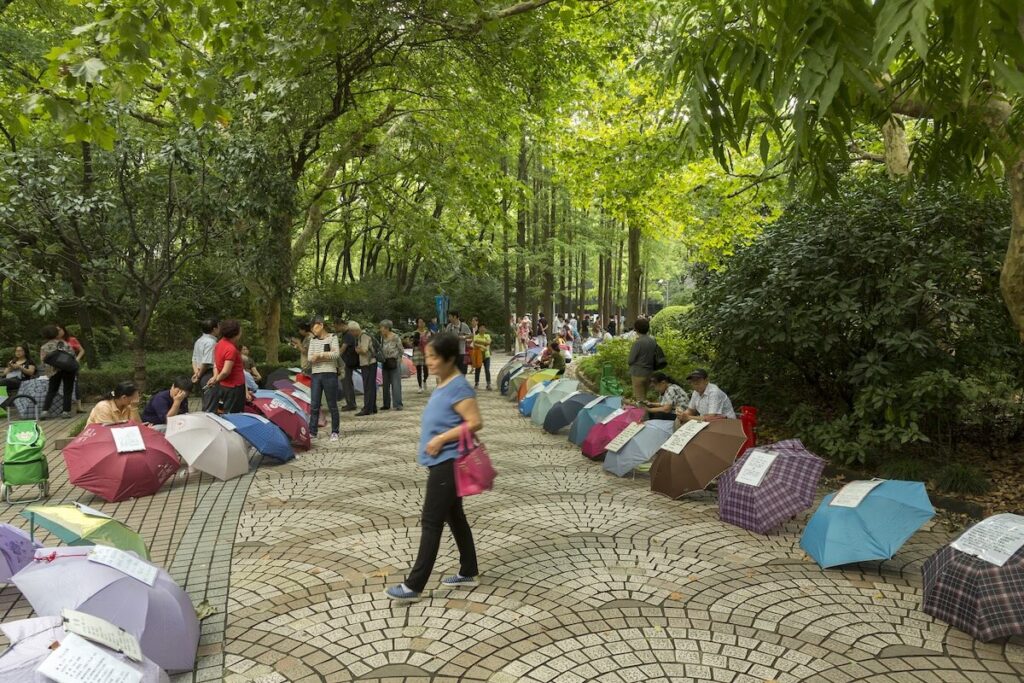
If you wander into People’s Park on a Saturday afternoon, you will run straight into one of the most fascinating cultural spectacles that Shanghai is known for: the famous weekend Marriage Market.
On weekends, the park looks like an open-air job fair, where hundreds of anxious, elderly parents gather to passionately broker matchmaking deals for their unmarried adult children. The scene is dominated by rows of open umbrellas resting on the pavement, each acting as a literal billboard for a dating resume.
These highly standardized resumes skip the romantic fluff and get straight to the hard metrics, listing the child’s exact age, height, education, monthly income, Chinese zodiac sign, and—most importantly—whether they own an apartment in Shanghai.
While it might look like high-stakes trading to outsiders, it’s a deeply human, traditional display of parental love and worry in a fast-paced city. It is entirely free to walk through and observe, just be respectful and avoid taking direct photos of the parents’ faces while they negotiate.
12. The largest metro network on earth
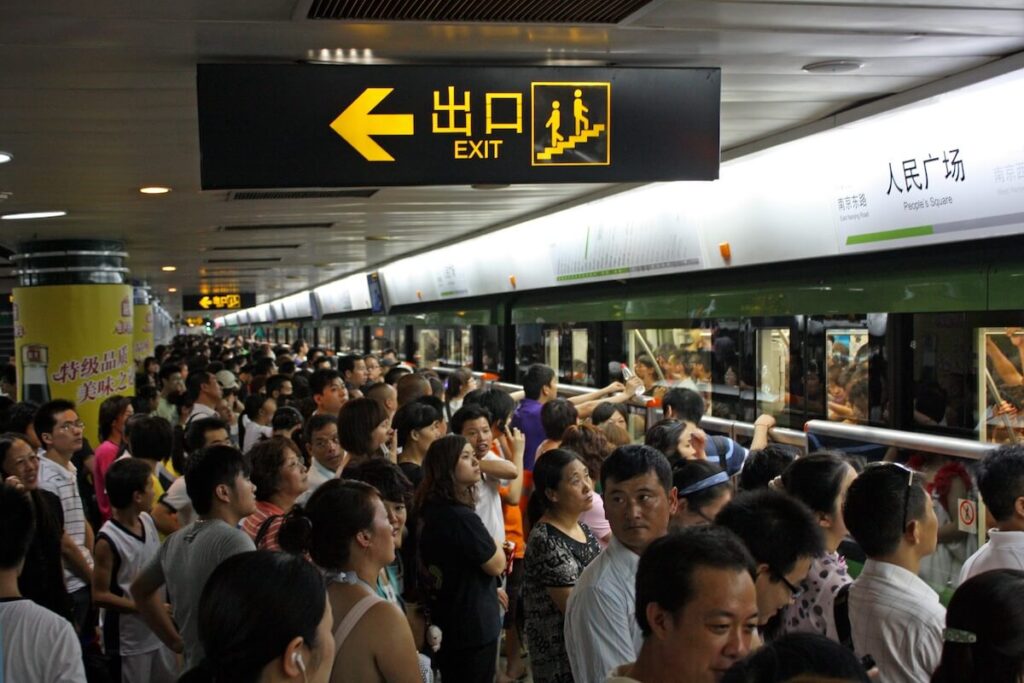
If you want to experience a true marvel of modern urban planning, look no further than the Shanghai Metro.
Spanning over 900 kilometers of track across more than 20 lines, it officially ranks as the world’s largest and longest subway network. On any given workday, this subterranean giant effortlessly moves up to 12 million passengers, acting as the main transport system for a metropolis of over 30 million people.
However, its sheer scale means it can be incredibly intimidating for first-timers. I completely lost my bearings multiple times navigating the massive, multi-level transfer hubs like People’s Square.
Fortunately, the system is surprisingly human-centric, featuring crystal-clear English signage, color-coded transfer paths on the floors, and cheap fares. Just download a local transit app, avoid the intense 7:30 AM rush hour crush, and embrace the fact that taking a wrong turn is practically a local rite of passage.
13. Maglev trains
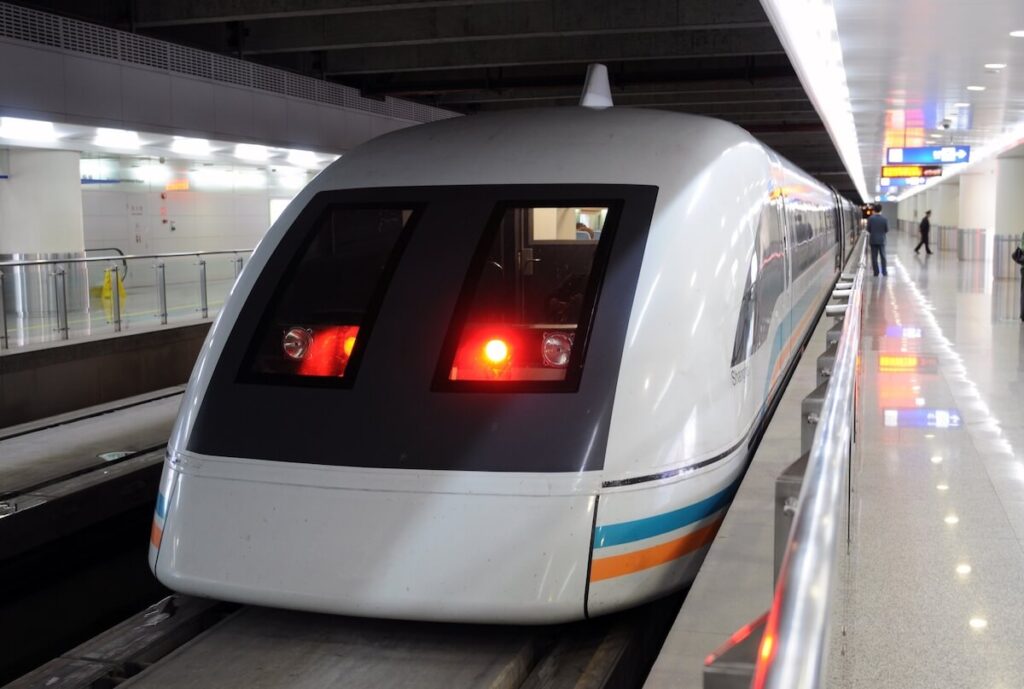
While the city’s massive subway network handles the daily commute, Shanghai also lays claim to a piece of pure transit sci-fi: the maglev train.
As the world’s fastest commercial electric train, maglev trains don’t run on traditional wheels. Instead, it uses powerful electromagnetic suspension to literally hover just a fraction of an inch above its elevated track, completely eliminating friction to deliver an unbelievably smooth, whisper-quiet ride.
The train connects Pudong International Airport directly to Longyang Road Station on the city’s outskirts, turning a grueling, 50-minute airport commute into an exhilarating sprint. In just a little over seven minutes, it covers 30 kilometers, routinely hitting a blistering operational speed of 300 km/h, with select morning runs pushing all the way up to its legendary top speed of 430 km/h (267 mph).
14. Xintiandi and Shikumen architecture
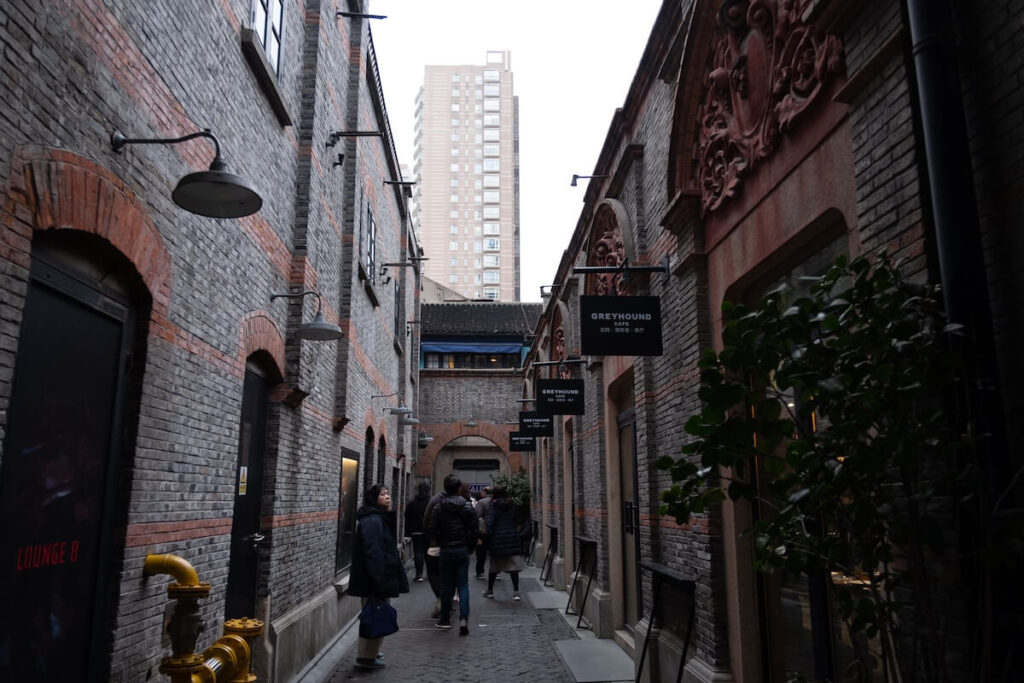
To see where Shanghai’s past and present seamlessly collide over coffee or a cocktail, head straight to Xintiandi. This trendy, car-free entertainment and shopping district is built entirely around beautifully restored shikumen (“stone gate”) houses.
Developed in the late 19th century, this unique architectural style combined Western terrace-house layouts with traditional Chinese courtyard elements. Walking through these narrow alleys is like stepping back into the roaring 1920s, but with a highly modern twist.
The neighborhood is cleverly split into two sections: the South Block, which features sleek contemporary architecture wrapped around traditional structures, and the North Block, which preserves the historic brick facades. Today, instead of residential families, those heavy stone gateways lead into high-end international boutiques, upscale restaurants, and open-air bars.
15. Sheng jian bao
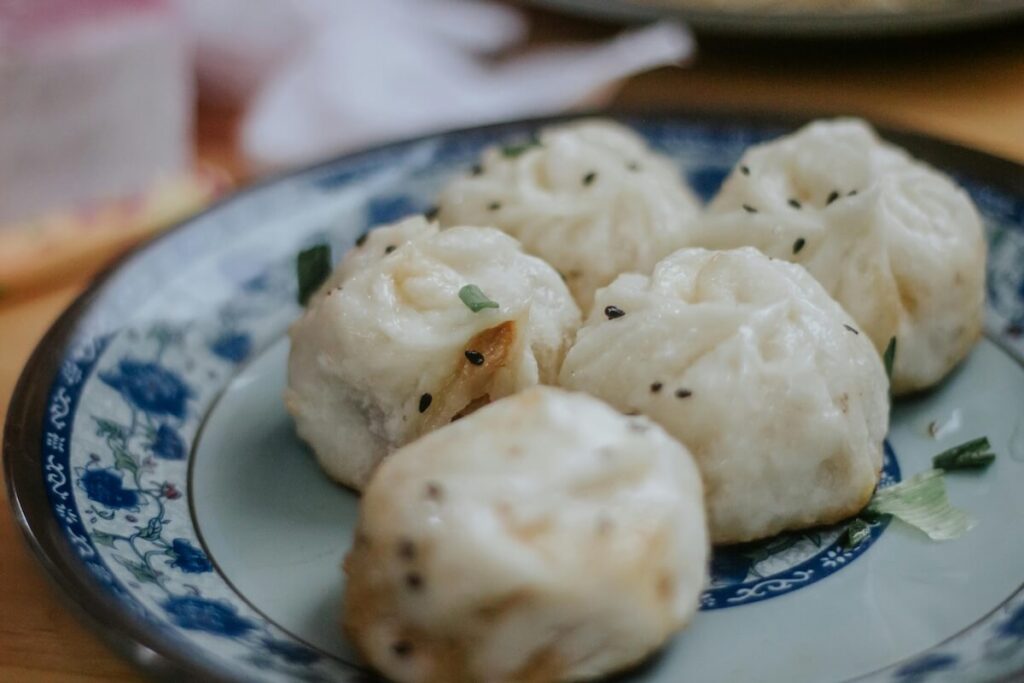
If xiaolongbao is the delicate royalty of Shanghai’s food scene, then sheng jian bao is its rugged superstar. These pan-fried pork buns are the ultimate local comfort food, functioning as a thicker, crunchier cousin to the standard soup dumpling.
Made with a slightly leavened dough, these buns are packed with a savory pork meatball and a rich pocket of soup, then lined up tightly inside massive, shallow cast-iron skillets to cook over an open flame. During the frying process, the bottoms of the buns develop an incredibly thick, golden, shattered-glass crispy crust while the tops steam to a pillow-soft finish.
Sprinkled with black sesame seeds and chopped scallions, they are served blistering hot straight from the pan. For an authentic breakfast, head to a local institution like Yang’s Fry-Dumpling or Da Hu Chun.
16. Haipai culture
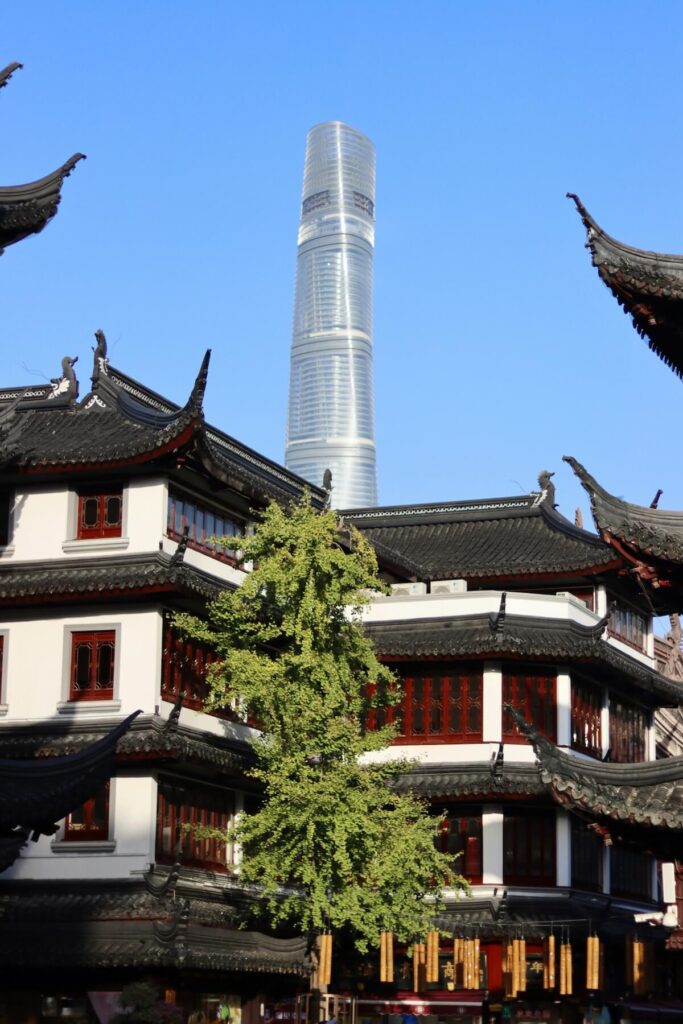
Something that sets Shanghai apart (and contrasts it with traditional Beijing) is Haipai culture.
Literally translating to “Shanghai style,” this mindset answers the question of what Shanghai is known for at its core: a unique blending of traditional Jiangnan culture with Western avant-garde influences. Born during the treaty-port era of the 19th and 20th centuries, Haipai is all about being deeply rebellious, highly adaptable, and obsessively open to new global concepts.
This unique cultural fusion completely revolutionized Chinese art, literature, theater, and fashion. It is the very movement that gave birth to the modern qipao (cheongsam)—altering a loose, traditional Manchurian robe into the sleek, form-fitting dress that became a global fashion icon in the 1930s.
Today, you can still feel this vibrant spirit alive in the city’s experimental art galleries, its boundary-pushing culinary scene, and the effortlessly stylish, modern locals walking down Huaihai Road.
17. The 1930s Golden Era

Long before its modern tech boom, Shanghai was already holding court as the undisputed financial and cultural capital of Asia during its legendary 1930s Golden Era.
The city morphed into a roaring, cosmopolitan melting pot where international tycoons, jazz musicians, political spies, and Hollywood celebrities all rubbed shoulders. It was a decadent, chaotic, and sometimes dangerous playground that earned nicknames like “The Pearl of the Orient,” leaving behind a glamorous history.
This era essentially birthed the modern Chinese entertainment industry, acting as the epicenter for early Chinese cinema and the iconic, sultry Shidaiqu jazz music scene. It was a time when wealthy socialites drank champagne at the glamorous Paramount Ballroom while underworld syndicates ran high-stakes operations in the shadows.
Today, you can still catch a tangible vibe of this intoxicating era by visiting the historic jazz bar at the Fairmont Peace Hotel, where vintage musicians still play tunes from that bygone age.
18. Shanghai Disney Resort
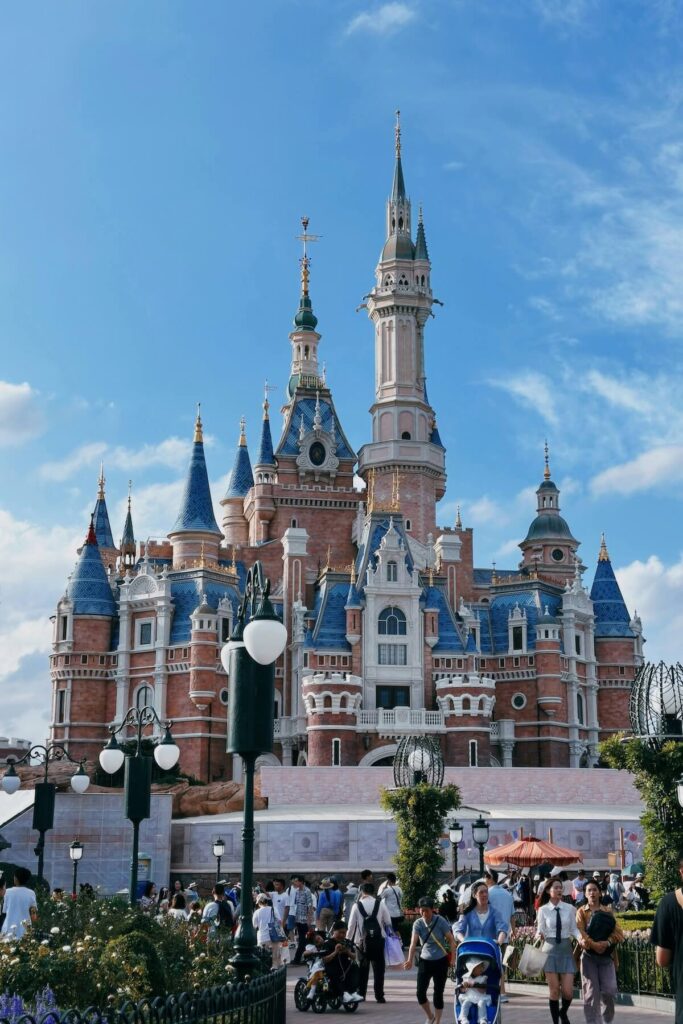
If you think you know what a Disney park feels like, Shanghai Disney Resort will completely recalibrate your expectations.
Opened in 2016 as Disney’s first park in mainland China, it serves up a brilliant mix of classic movie magic and massive, high-tech scale. During my own visit, I was absolutely blown away by the Enchanted Storybook Castle. It’s the tallest and largest castle ever built in Disney history, and it is a genuinely breathtaking sight to stand under.
What makes this place so special is how beautifully it tailors the experience to Chinese cultural tastes (such as the zodiac animals), blending traditional storytelling with cutting-edge tech. You can skip the standard Space Mountain and ride TRON Lightcycle Power Run instead—an incredibly fast, futuristic coaster that was easily the highlight of my trip.
Get your Shanghai Disneyland tickets here and make sure to download the official park app beforehand to secure your virtual ride queues.
19. Wukang Building
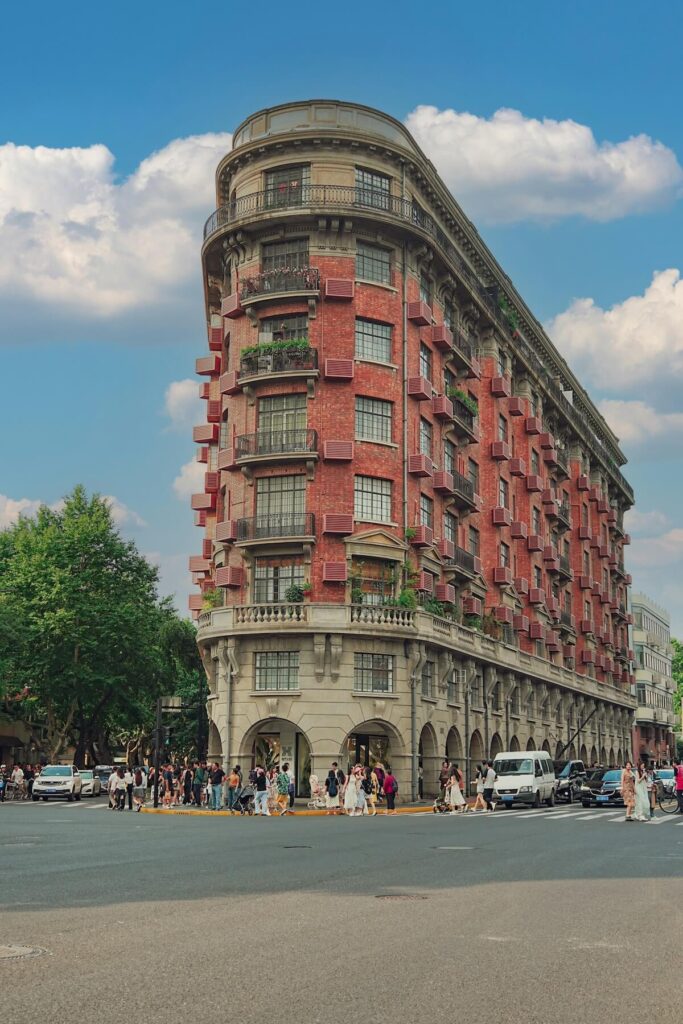
Standing like the prow of a massive brick flagship slicing through a sea of green plane trees, the Wukang Building is a masterpiece of historic Shanghai design.
Designed in 1924 by legendary Hungarian architect László Hudec, this striking, wedge-shaped Art Deco building anchors a prominent intersection in the former French Concession. Its dramatic, narrow profile looks a lot like New York’s Flatiron Building, making this street corner one of the most photographed landmarks in China.
Originally called the Normandie Apartments, the red-brick building once housed famous cultural icons and actors. Today, the lively ground-floor arcade is packed with sophisticated coffee shops and quiet bookstores, while stylish locals snap photos outside. Truly a perfect starting point for a relaxed afternoon walking tour.
20. Shanghai fried noodles
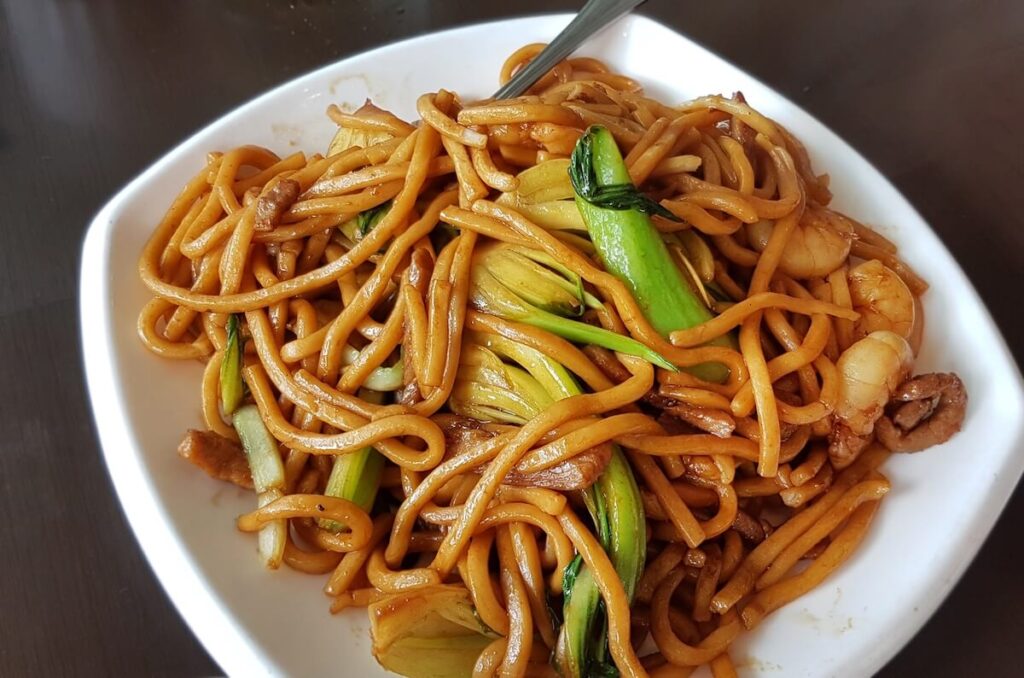
If you think all stir-fried noodles are light and delicate, Shanghai’s signature cu chao mian is here to completely change your mind. This beloved staple is the ultimate local comfort food, built around thick, heavy, ropy wheat noodles that offer a seriously satisfying, chewy bite.
Instead of getting tossed lightly, these are thrown into a blistering hot wok and furiously stir-fried with tender pork strips, crunchy local greens like bok choy, and a generous splash of both regular and dark soy sauce. The intense wok heat caramelizes a touch of added sugar directly into the soy sauce to coat every single strand in a glossy, deeply savory, and slightly sweet glaze.
Cu chao mian is a wonderfully unpretentious, satisfying meal that you can find anywhere from late-night street food stalls to legacy restaurants like Lao Sheng Chang. For the best experience, splash a little local black vinegar over the top right before eating to cut through the richness and wake up all the deep, smoky flavors.
Wrap up

So, what is Shanghai known for? Honestly, a single list barely scratches the surface of this massive, hyper-energetic metropolis. From the high-speed thrill of the maglev train and the sprawling lanes of Xintiandi to the savory perfection of a hot plate of cu mian, this city packs centuries of history, futuristic tech, and incredible food into every single corner.
If you are ready to experience the intense contrast of Haipai and futuristic skylines firsthand, it is time to start planning your trip and lock in your itinerary. Don’t stop your exploration here, though—bookmark this guide and check out our deep dives into what Beijing is known for, what the rest of China is famous for, and what other incredible Chinese cities have in store for your next adventure.