
As the only country in the world that is an isthmus (a narrow piece of land connecting two larger areas of land), Panama may not look like it contains much besides a skinny strip of land, a lot of beaches on that long coastline, and the Panama canal.
Panama does indeed contain all of these things, but did you know that Panama is also known for coffee highlands, tropical jungles, volcanoes, and a whole lot of islands?
Panama is famous for the Panama Canal. Panama is also famous for specialty coffee, traditional textiles, surfing, and having the only rainforest in its capital city. Panama is known for adventure sports like surfing and sailing, the Panama Papers, and the Darien Gap, and being more biodiverse than the U.S., Canada, and Europe combined.

So whether you’re chasing waterfalls, coffee tasting in Boquete, snorkeling in the Bocas, or sailing in the San Blas, Panama is vibrant and surprising, a unique meld of the Caribbean, Central America, and South America.
Fun fact: you can have breakfast in the Caribbean and lunch in the Pacific (not to mention a whole adventure in between). For more fun facts, check out 19 things Panama is known and famous for, below!
Table of Contents
1. Panama Canal
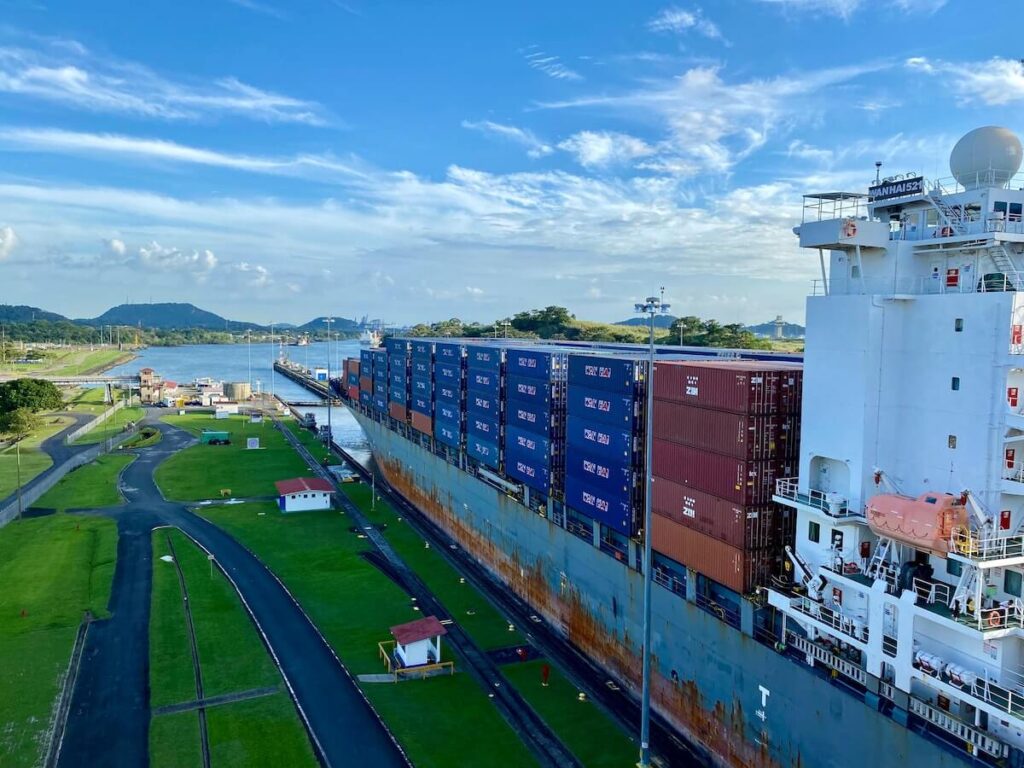
It’s no exaggeration to say that the Panama Canal changed the world. Instead of having to circle the bottom of South America, ships can cross from the Caribbean to the Pacific in around 8 to 10 hours (as opposed to, well, weeks or even months).
About 14,000 ships pass through the Panama Canal every year, and it generates a full third of the country’s economy.
The best place to visit this feat of engineering (that took over ten years to build, and killed quite a few workers in the process) is at the Miraflores locks, near Panama City.
2. Panama City
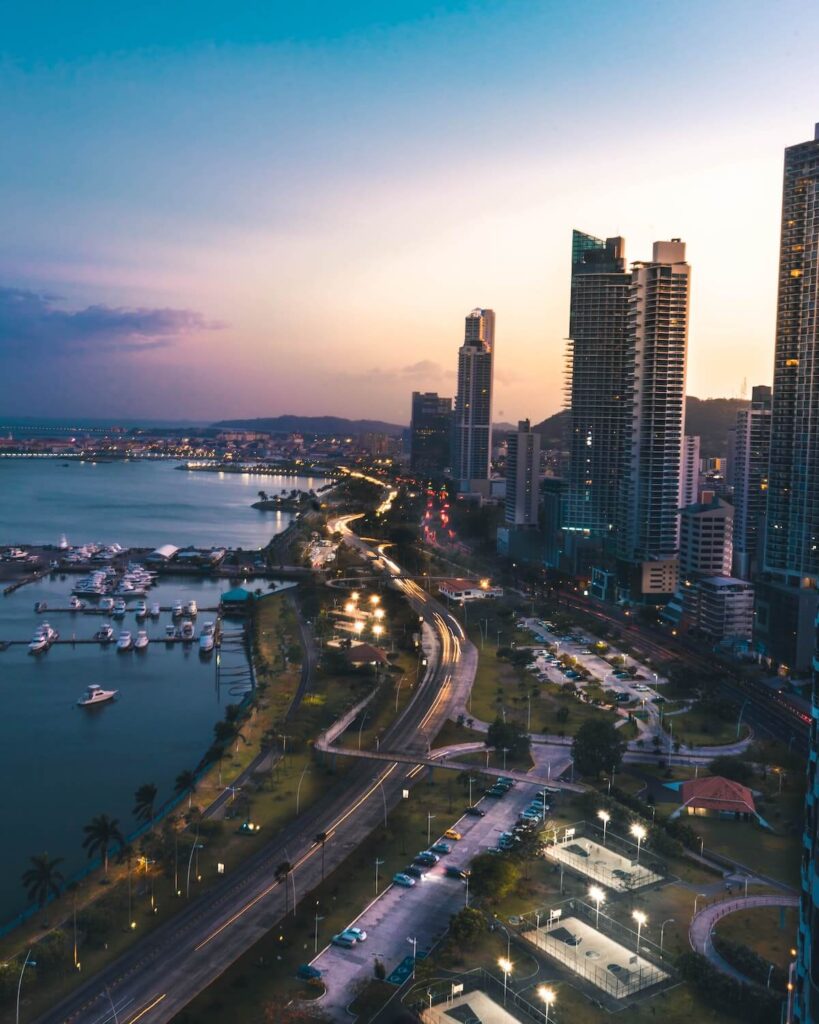
Panama City is known as the “Dubai of Latin America” or “Little Miami,” due to its cosmopolitan flair. It’s the most developed and metropolitan city in Central America, with its wild nightlife, skyscrapers, and efficient metro system.
Panama City is also home to several UNESCO heritage sites, the Amador Parkway (which connects the city to three islands in the bay) as well as a rainforest within city limits.
3. Only rainforest in a capital city
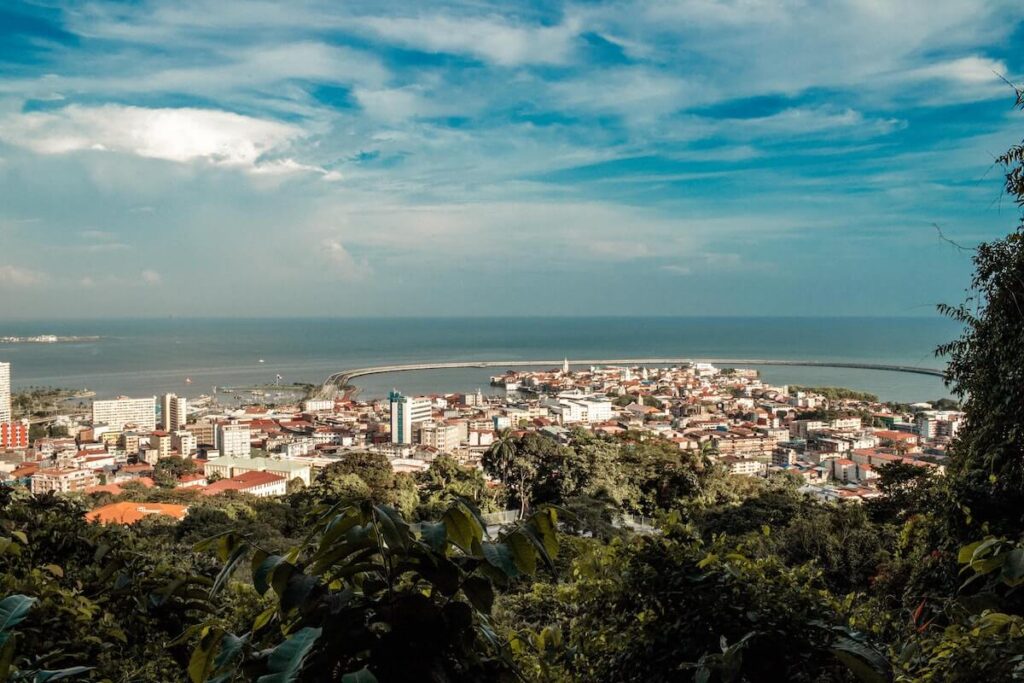
Panama City holds a rainforest within its boundaries and is the only capital city in the world to do so. The Parque Natural Metropolitano is over 500 acres, smack in the middle of the lively Panama City.
The park has nature trails, panoramic views of the city all the way to the Miraflores locks, and tons of wildlife: sloths, monkeys, toucans, iguanas, and other iconic tropical species.
4. Casco Viejo

Casco Viejo is the historical center of Panama City, and a UNESCO Heritage Site as well. It was originally built in 1673 after the original settlement, Panama Vieja, was destroyed by pirates (including Henry Morgan).
Casco Viejo is a must-see for tourists with its lively nightlife, beautiful colonial buildings, and historical significance.
5. Geisha coffee
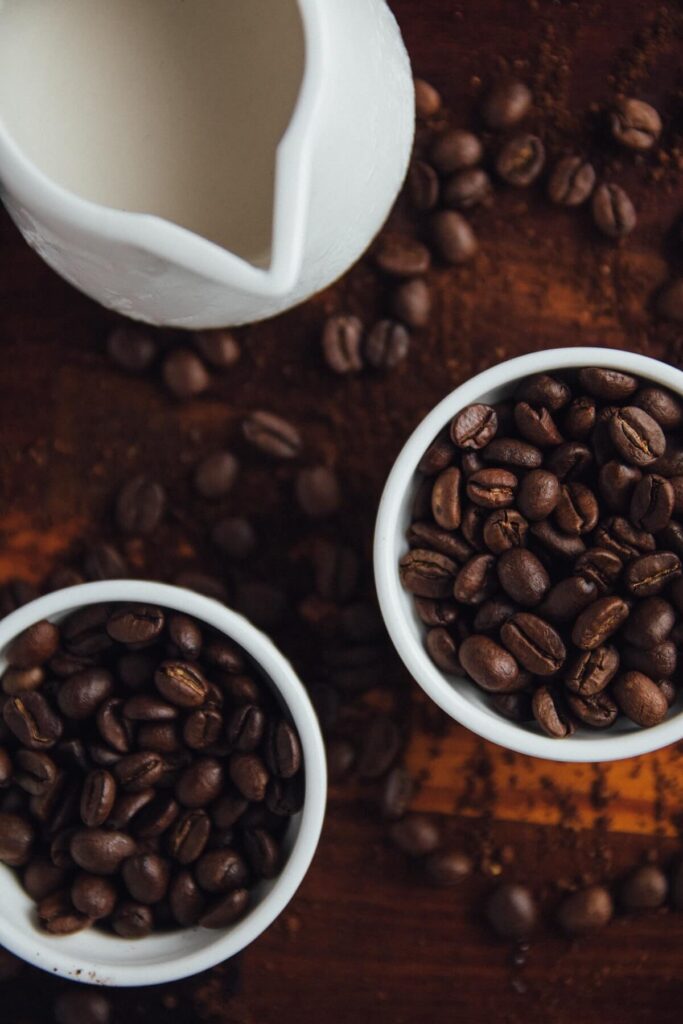
As coffee connoisseurs like to say: “There is Geisha coffee. And then there is the rest.” The Geisha coffee bean originally hails from Ethiopia (an area called Gesha, hence the name—nothing related to Japan!), and made its way to Panama in the 1960s.
It seems to have grown in relative obscurity until 2004 when a coffee estate in the Boquete Valley noticed this unique varietal seemed unusually resistant to disease. In 2004, this variety was isolated for the first time and quickly became the most expensive coffee in the world.
Panamanian Geisha recently broke records again in 2021, selling for over $2000 a pound. To try this uber-specialty coffee, you have to be willing to shell out around $75 for a single cup!
6. Sun rises and sets over two different oceans
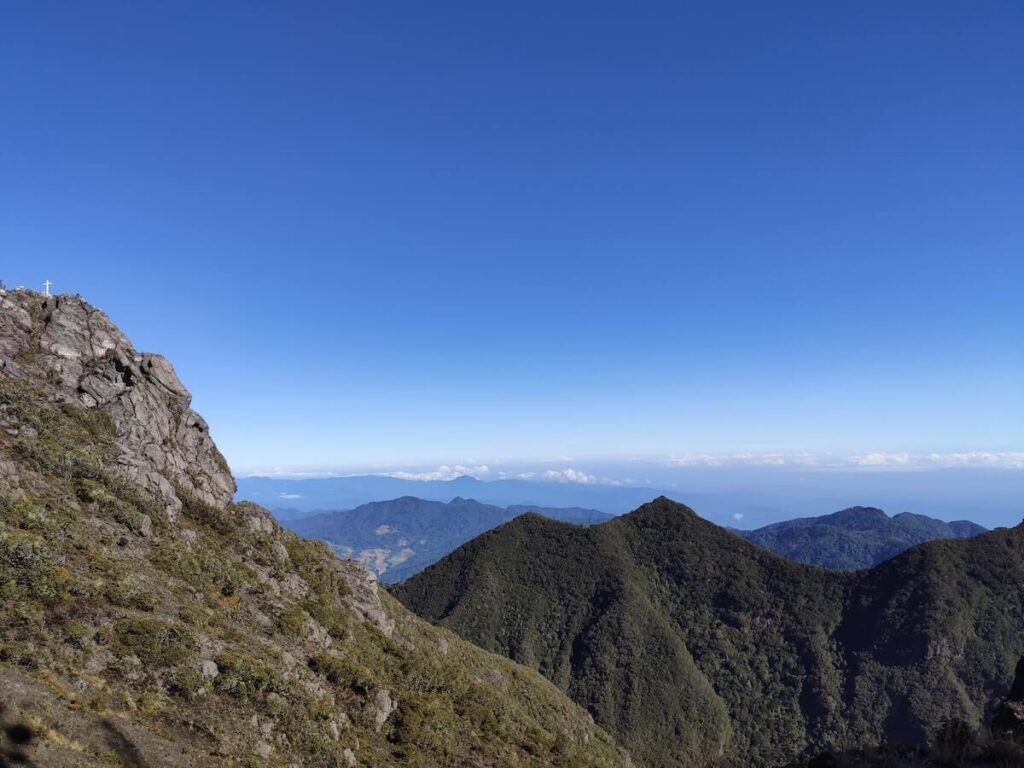
The only place in the world where you can see this unique phenomenon—watching the sun rise over one ocean, and set over another—is in Panama. From the top of Volcán Barú, the highest point in the country, you can see the sunrise over the Caribbean Sea and set over the Pacific Ocean.
7. Two independence days

Yep, those lucky Panamanians get an extra holiday each year, with two independence days! (Of course, that means they had to be liberated from two separate colonizers, so they deserve all the celebration they can get).
Panama gained independence from Spain on November 28, 1821, and joined the Republic of Greater Colombia. Then, on November 3, 1903, Panama (with the aid of the United States, who wanted to build a certain canal) gained independence from Colombia.
Both are national holidays and are celebrated with parades and fireworks in Panama City.
8. Biodiversity
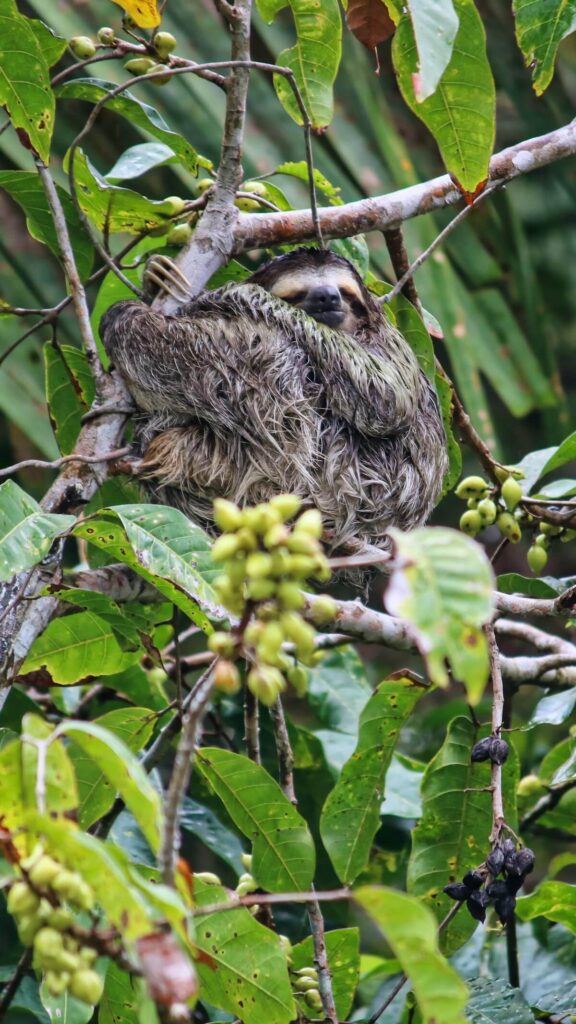
Like much of Central America, Panama has incredible biodiversity.
In fact, Panama has more bird species than the entire United States—986 at last count (the United States has 913). Panama also has over 10,000 plant species, 255 species of mammals, and 222 different types of amphibians.
Panama is known as a “biodiversity hotspot,” thanks to its integral location between the Americas. The isthmus of Panama was the last link between the Americas, which enabled the migration of animals (and humans!) between the two continents.
9. The Darien Gap

The infamous Darien Gap, on the border of Panama and Colombia, is the missing link in the Pan-American Highway that otherwise stretches, unbroken, from Argentina to Alaska.
The Darien Gap is dangerous in multiple ways: this sixty-mile stretch is ripe with natural dangers, from steep terrain, impassable swamps, and dense jungles full of disease-ridden insects, human-eating big cats, poisonous snakes, and venomous spiders.
The Darien Gap is also one of the most dangerous places in the world due to the lawlessness of the area. Beyond the peaceful tribes that inhabit the area, it is generally run by drug cartels and sometimes violent anti-government factions.
Although many desperate migrants must traverse the Darien Gap, it is rife with robbery, rape, and murder, not to mention extortion. The Darien has no cell phone service, and often something as simple as a blister or broken leg can be fatal.
10. Scuba diving and snorkeling
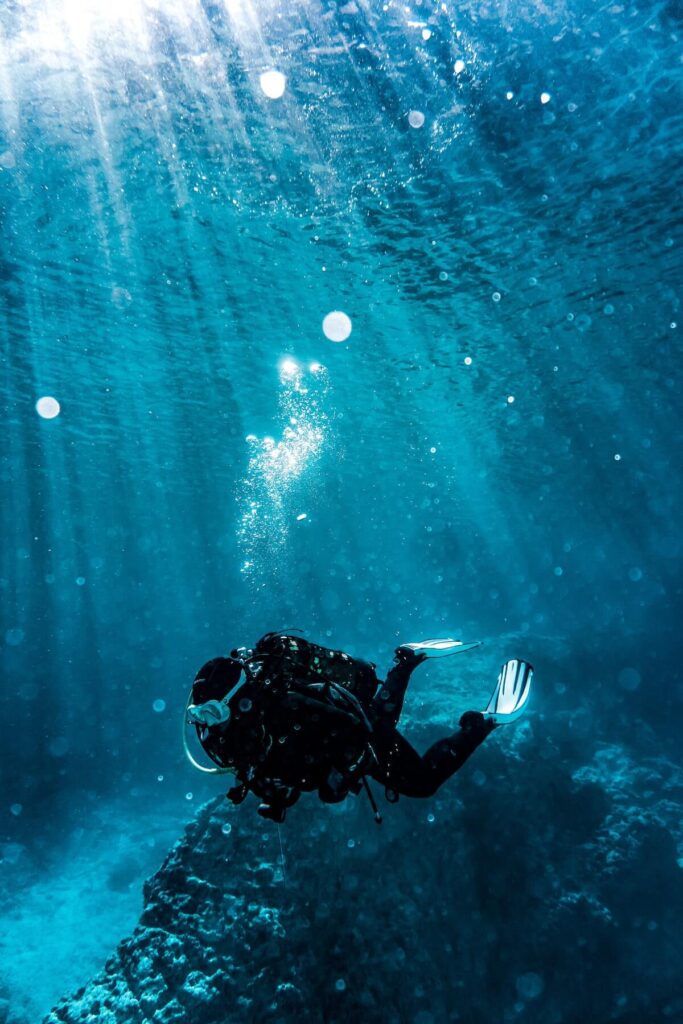
Thanks to its crystal-clear waters and vast coastline (I mean, the country is basically a land bridge!), not to mention hundreds of islands, Panama is a hot spot for scuba diving and snorkeling. It is especially excellent diving for divers who love shark diving.
If you’re into diving, make sure to visit Coiba National Park on the Pacific side and the Bocas del Toro islands in the Caribbean.
11. Islands

Speaking of islands—Panama has over 1,400 of ‘em! Scattered across the Pacific, the Caribbean, and even at the mouth of the Panama Canal, you could spend a lifetime hopping between these unique island paradises.
The four main different groups of islands are the archipelagos of Las Perlas and Las Paridas on the Pacific, and the Bocas del Toro and San Blas Islands (also called Guna Yala) on the Caribbean.
Many of the island chains are still home to local indigenous groups, such as the Guna Yala in the San Blas Islands, famous for their molas textiles.
12. Molas textiles

Molas or mola are handmade textiles originating in Panama. The women in the Guna culture originally painted the designs straight onto their bodies before they transferred their designs to fabric brought by missionaries and other colonizers.
“Mola” means a shirt, or clothing, in the Guna language, and molas are still first used as dresses or blouses. When a woman tires of wearing the mola, she will dismantle it and sell the intricate design.
So, pro tip: molas with a little wear are the most authentic! With the intricate stitches and layers, a mola can take up to six months of careful sewing to make.
13. Sancocho

Sancocho (full name: sancocho de gallina Panameño) is one of Panama’s most well-known dishes. This rustic chicken stew originated in southwestern Panama before spreading throughout South and Central America.
Even within Panama, there are different variations, but the base ingredients are generally chicken, yam, and culantro (a wild version of cilantro), plus water and salt.
Although there may be disagreements on how to cook it, most Panamanians agree that sancocho is an excellent cure for hangovers, homesickness, and heat stroke.
Sancocho symbolizes the cultural roots of Panama, as it takes elements of the Caribbean and Africa, adds local and Spanish ingredients, and can change depending on the region of Panama where it’s made.
14. Seco Herrerano

Panama is known for the production of Seco Herrerano, a locally made alcohol distilled from sugar cane. A crystal-clear rum, seco is the national alcoholic beverage of Panama and is usually consumed straight or mixed with various specialty drinks.
Depending on the region, Seco Herrerano can be mixed with grapefruit juice, coconut milk, or just straight leche. You’ll find seco on every special occasion, especially in rural areas.
15. Surfing
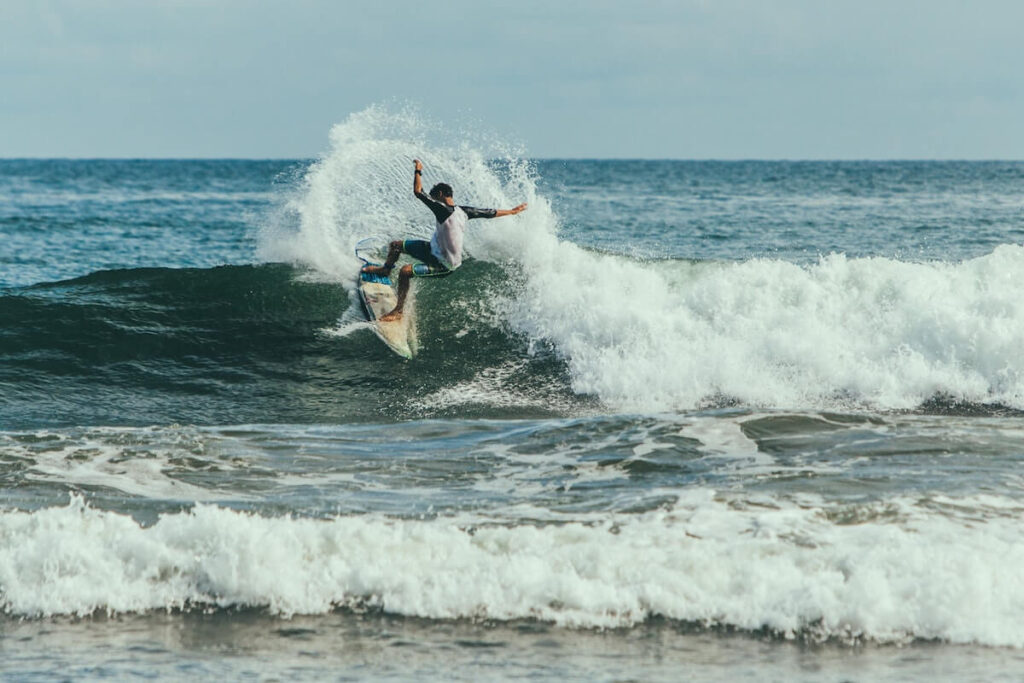
It probably won’t come as a surprise that Panama is known for being a surfer’s haven. Panama’s 1,700-mile coastline boasts surfing for every level.
In Panama, you can surf just outside Panama City, on secluded Pacific Islands, or in the lively Bocas del Toro archipelago in the Caribbean. For the most reliable swells, seek out Santa Catalina, Los Santos, Riviera Pacifica, Morro Negrito in the Gulf of Chiriqui, or Isla Colon in the Bocas.
16. Carnaval

Move over, Rio! Carnaval in Panama is one of the largest and rowdiest festivals in all of Latin America. Falling on the days preceding Ash Wednesday (usually in February or March), you’ll find celebrations all over the country.
Panamanians take their celebrations very seriously: businesses shutter their doors and streets close to traffic, while the locals leave their homes in elaborate and colorful costumes.
Hit up the town of Las Tablas for the most famous celebration (which is saying a lot!).
17. Chicheme
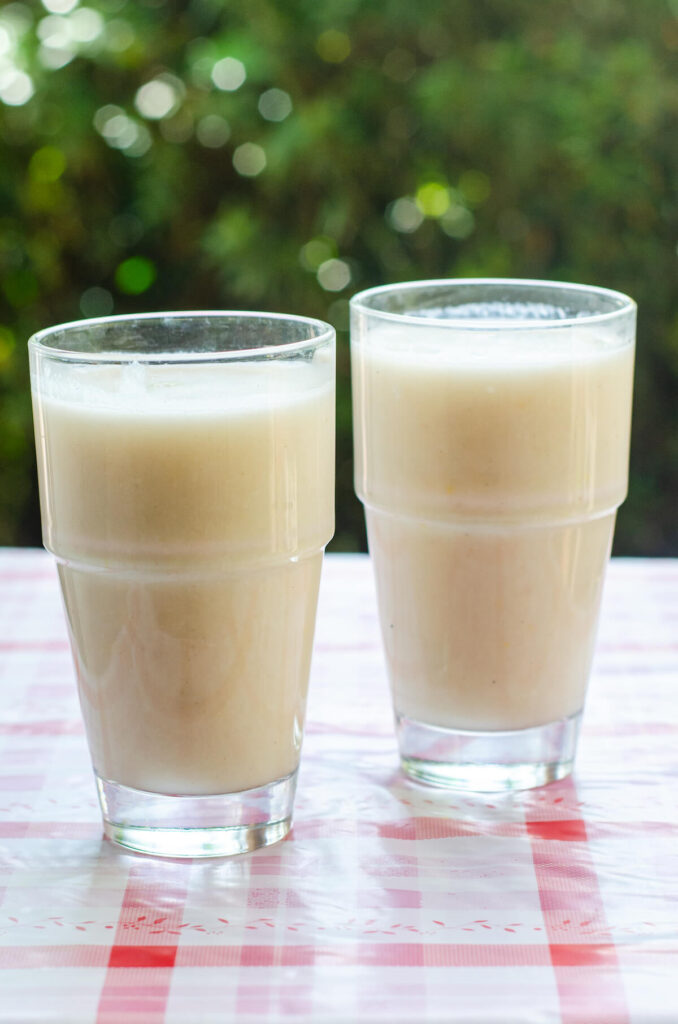
A small town in Panama, La Chorrera, is thought to be the original home of chicheme, a traditional Panamanian drink made from hominy (corn), milk, and spices.
Often drunk in the summertime as a refreshing respite from the heat, it can also be warmed up for some wintertime coziness. The recipe varies, but chicheme is most often sweetened with sugar and spiced with cinnamon.
Hot tip: La Chorrera is not only the origin of chicheme, but it’s also still supposed to make the best in the country!
18. Panama Papers
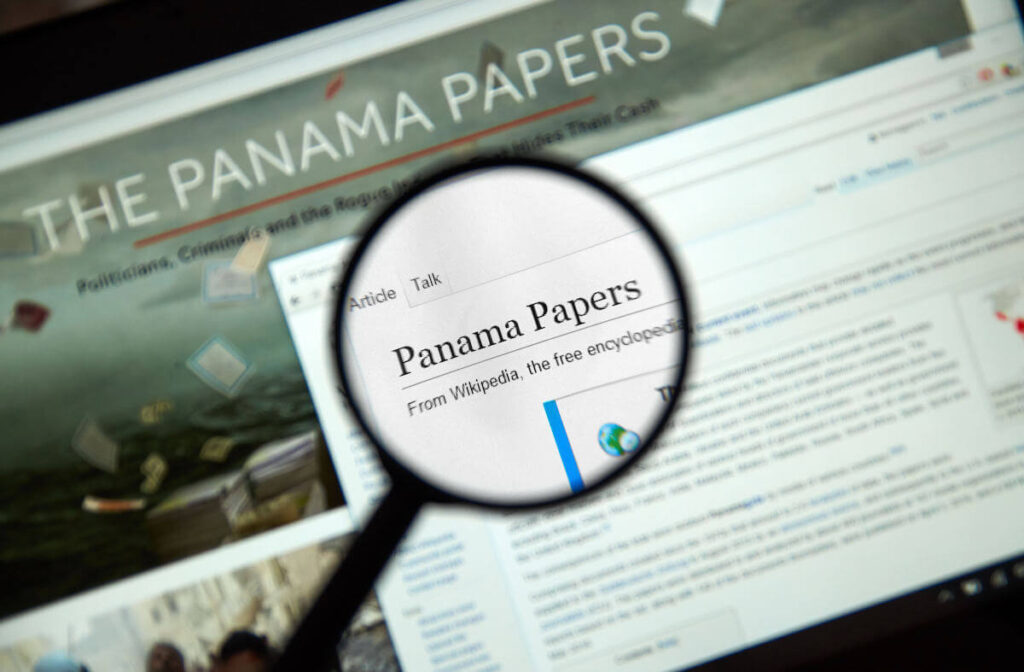
In 2016, Panama gained some notoriety when 11.5 million documents from the Panama-based law firm Mossack Fonseca were leaked, exposing many cases of tax evasion, fraud, and evasion of international sanctions in offshore accounts.
These papers were dubbed the “Panama Papers” and were leaked by an anonymous source, who was motivated by the extensive income equality present in these offshore accounts.
19. Sailing
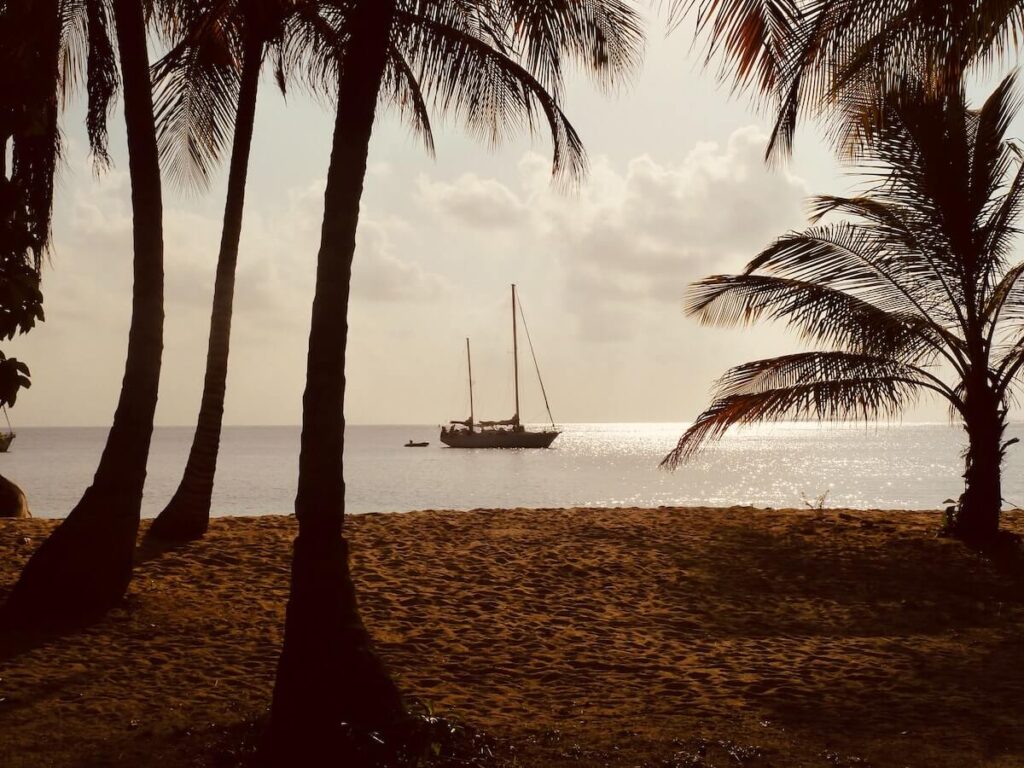
The best to truly explore the extensive waters around Panama, on both coasts, is by sailing!
Offering world-class sailing, often between islands or to and from the mainland, sailing in Panama is truly a bucket list item. One of the most famous spots for sailing is the San Blas archipelago in the Caribbean.
Wrap up

Not only is Panama a unique country full of contrasts: breathtaking beaches, rainforests, and mountains, all within driving distance of a vibrant capital city, but it’s also integral to life as we know it (at least in the Americas).
Without the volcanic activity that created the isthmus of Panama, humanity as we know it might not be the same, not to mention hundreds of different animal and plant species.
Add in the impact of the Panama Canal on humanity, and this little country has actually made quite the impression throughout history.

So, tell me: have you been to Panama? What were your favorite spots? Let’s discuss below, and spread the Panama love a little more.