
Oaxaca de Juarez, the capital of the state of Oaxaca in southern Mexico, lies far outside the usual tourist spots of Cancun, Cabo, and Mexico City—but Oaxaca more than holds its own. Oaxaca has the ruins, the beaches, the culture, and the food that you’re looking for when you come to Mexico.
Oaxaca is known for its food and as the most ethnically and linguistically diverse state in Mexico. But what else is it known for? What is Oaxaca famous for?
What is Oaxaca known for? Oaxaca is famous as the “Land of the Seven Moles,” for its Dia de los Muertos celebration, and as the Culinary Capital of Mexico. Oaxaca is known for mezcal, the Monte Alban ruins, and the petrified waterfall, Hierve el Agua.

Oaxaca is for eating, and you’ll do plenty of that—but you’ll also want to explore the ruins, discover the many local customs, witness the incredible and ancient festivals, shop for one-of-a-kind souvenirs, and hit up the beach. If you’re thinking Oaxaca kind of has it all…you’d be right!
Table of Contents
1. Culinary Capital of Mexico
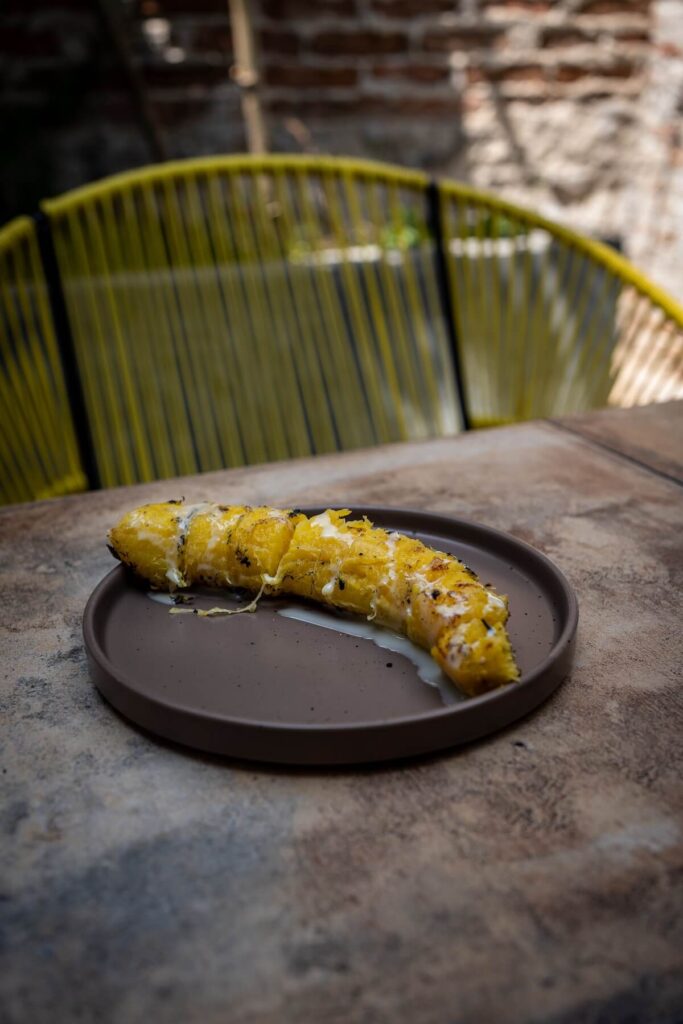
Considering that Mexico, in general, is known for its incredible food, it’s saying something that Oaxaca is often dubbed the “Culinary Capital of Mexico.” Oaxaca is especially known for its mole (more on that later!), a specialty sauce often served with rice and beans.
Other foods to sample in Oaxaca, besides one (or…all) of the various mole varieties? Try tlayudas (a Mexican version of pizza), pan de yema (a type of bread), tejate (a corn-based chocolate drink), and chapulines (barbecued grasshoppers).
2. The Land of the Seven Moles
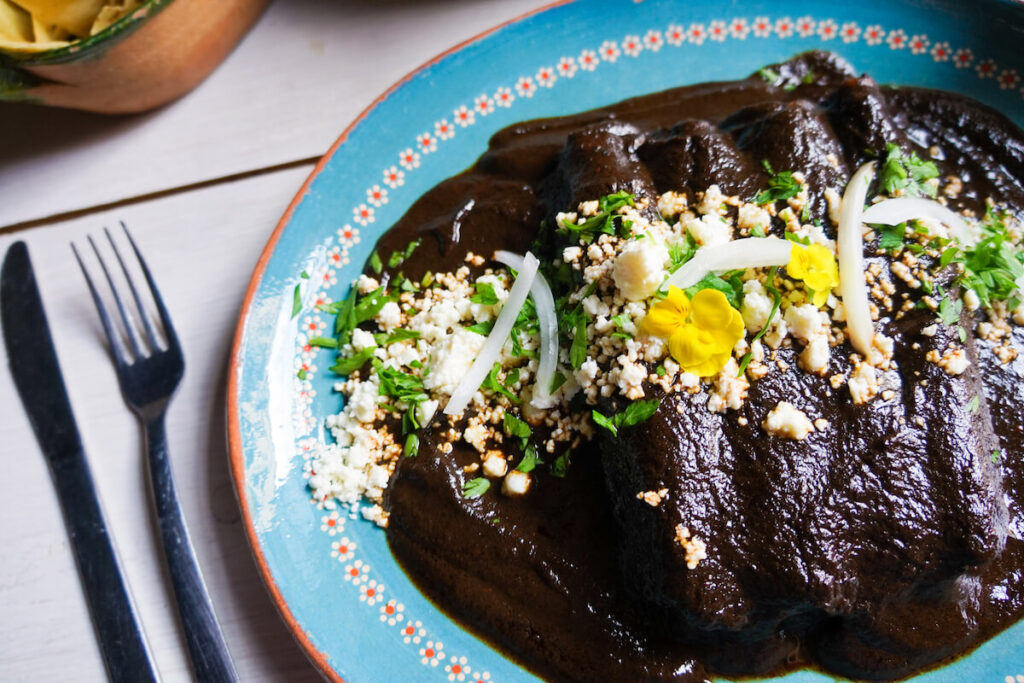
Oaxaca is known as the “Land of the Seven Moles,” referring to the traditional local sauce (which is what the word “mole” actually means) and its many varieties.
Although some estimate that there are actually over 200 different types of mole in Oaxaca, there are seven main types, which differ in their main ingredients: negro (black), amarillo (yellow), rojo (red), coloradito (“little red”), verde (green), chichilo (burnt mole), and manchamantel (“tablecloth-staining” thanks to its bright red color).
Although they’re all technically in the same “mole” family, each one is quite unique, and you probably should try them all in Oaxaca. I suggest one a day for a seven-day stay!
3. Day of the Dead (Día de los Muertos)
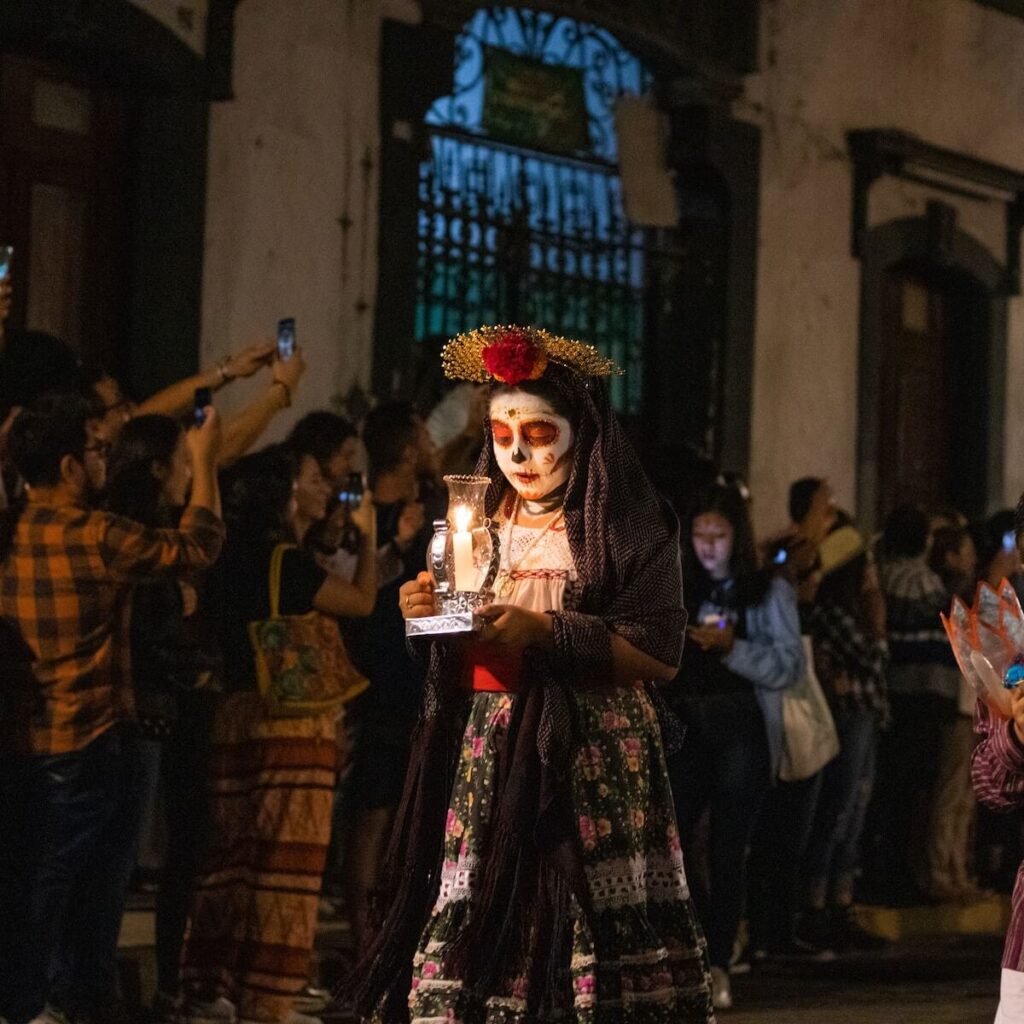
You can celebrate the Day of the Dead (Día de los Muertos) all over Mexico annually on November 1 and 2—and Oaxaca is the best place to do it! Oaxaca retains the most traditional celebrations in Mexico, but they also welcome tourists to take part in the festivities.
The holiday officially begins at midnight on October 31, when the spirits can cross worlds, according to legend. To get the most out of your visit, book ahead, come a day or two before, and try to find a tour or a local connection.
4. Colonial architecture

Oaxaca is known for its amazing architecture (and also ruins—more on those later!).
The colonial architecture in the center of Oaxaca City is outstanding—in particular the Basilica of Nuestra Señora de Soledad (built in 1690), the Metropolitan Cathedral of Oaxaca (opened in 1733), and the Church of Santo Domingo (completed in 1724).
5. Chocolate
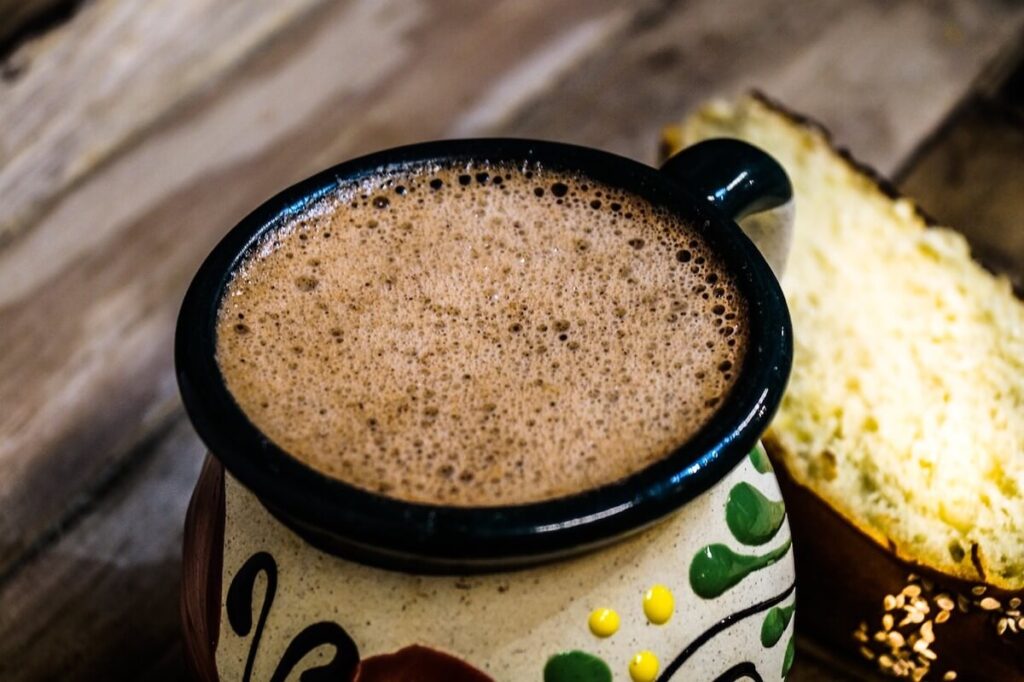
Mexico has some pretty great chocolate…and the best place in Mexico to get chocolate? You guessed it…Oaxaca!
Chocolate has been an integral part of Oaxacan culture since pre-Hispanic times and was even used as currency. Nowadays, the best ways to try the famous Oaxacan chocolate is in mole negro, hot chocolate, or the Oaxacan specialty tejate (a corn and cocoa mix).
6. Coffee

Oaxaca is known as one of Mexico’s most important coffee-producing states. Traditionally medium-roasted with notes of caramel and chocolate, you’ll definitely want to sample this in all forms while visiting (and you should bring a whole lot home to share. With me).
7. Mezcal

Mezcal, a spirit distilled from agave, is made throughout Mexico, but the majority of it comes from Oaxaca. This means when in Oaxaca…you gotta sample some mezcal! As mezcal is made from every variety of agave (which, spoiler alert, there are a lot!), many of which thrive in Oaxaca.
So, there are many different types of mezcal right in Oaxaca for you to try. Find a tasting room, a palenque (traditional distillery), or book a tour with an expert to truly get the mezcal experience.
8. Hierve el Agua
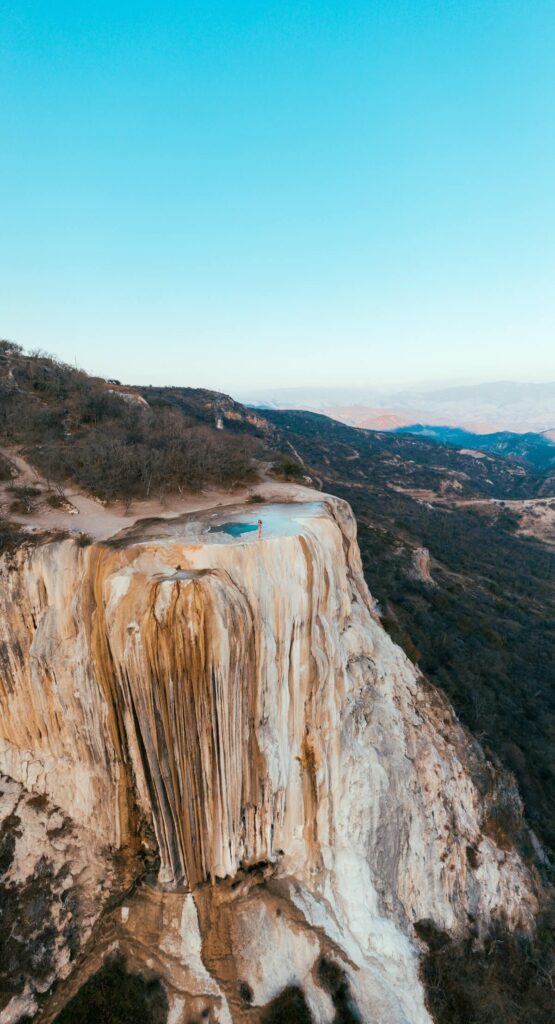
Oaxaca is famous as the site of one of the few petrified waterfalls in the world. Hierve el Agua, about 40 miles outside of Oaxaca City, resembles a waterfall from a distance—but is really a rock formation!
This natural wonder in Mexico was made over thousands of years by mineral hot springs bubbling over the side of the cliff. You can also swim in the springs on your visit. (Which, you should do!)
9. Monte Albán

One of the most significant ruins in Mexico was built neither by the Aztec nor the Maya, but by the mysterious Zapotec culture. Monte Albán outside of Oaxaca City was the capital of the Zapotec empire, which predates the Aztecs by around a millennium.
Visit early in the morning to avoid the heat and the crowds (and avoid Sundays, as Mexican citizens get in for free that day).
10. Handicrafts

Oaxaca is known for its ancient handicraft traditions, such as hand-carved animal sculptures (“alebrije”), intricate embroidery, and colorful textiles. This also means Oaxaca is epic for souvenir shopping!
For even more specialized artwork, the Oaxaca Valley is full of small towns (pueblos), that each has its own generational specialty.
Visit Teotitlan del Valle for hand-woven rugs, San Bartolo Coyotepec for black clay pottery, or San Martin Tilcajete for particularly whimsical alebrijes (to name a few!).
11. Most ethnically and linguistically diverse state in Mexico

As you may have guessed from the long handicraft traditions, Oaxaca is also known as the most ethnically and linguistically diverse state in Mexico. 418 of Oaxaca’s 570 municipalities are considered indigenous, with separate traditions and languages unique to each group.
12. Night of the Radishes

Oaxaca is famous for one of the most unique (some might say…weird) festivals in all of Mexico: the Night of the Radishes, or “Noche de los Rábanos.” Every year on December 23, the city gathers to view the intricate radish carvings entered in the annual contest.
Many of the carvers choose a religious theme as the festival is closely related to Christmas, but there’s also a children’s contest and a more flexible “free” category.
13. El Tule

Near the city of Oaxaca, you can find the world-famous “Tule Tree” (El Árbol del Tule or El Tule), a rare Montezuma Cypress. This tree has the distinction of being the widest tree in the world (as well as the oldest in Mexico, at over 2,000 years old).
El Tule is old enough that its existence was documented during the time of the Aztecs and the early European explorers.
14. Guelaguetza Festival

Oaxaca is the home of the Guelaguetza Festival, or “Los lunes de Cerro,” an annual festival that centers and celebrates local indigenous culture and traditions.
Guelaguetza, which takes place the last two Mondays of July, brings locals from each of Oaxaca’s seven regions for dance performances, music, food, and artisanal handicrafts.
15. Birthplace of corn and squash

The Mixtec and the Zapotec (builders of Monte Alban), early civilizations in the Oaxaca Valley, are credited with harnessing Oaxaca’s temperate climate and fertile terrain to establish corn and squash.
In addition to being known as the birthplace of said corn and squash, pineapples, avocados, beans, peppers (and a whole lot more) all grow wild in Oaxaca.
16. The Mexican Pipeline
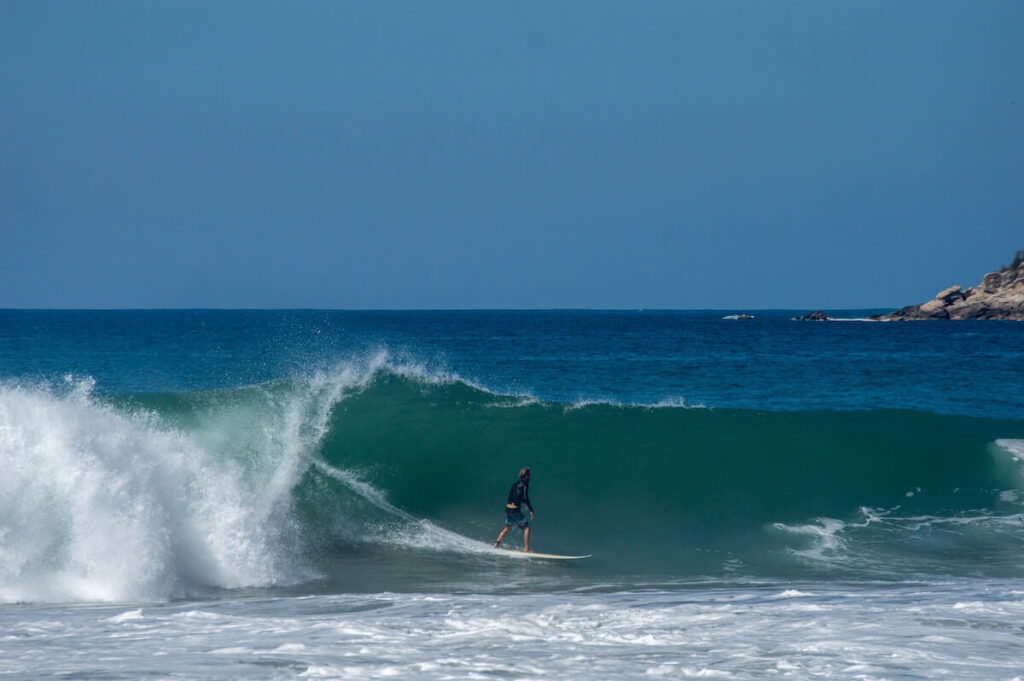
Nearby Oaxaca is Puerto Escondido on the Pacific Coast, often called the “Mexican Pipeline” thanks to the shape (and power) of its surf. Zicatela Beach attracts surfers from all over the globe and hosts many international tournaments.
If you’re not into surfing, you can try bodyboarding (fun and possible for everyone, signed, by this very uncoordinated writer). Oh, and did I mention the beaches in the area are totally gorgeous, too?
Conclusion

Oaxaca has all the best of Mexico in one place: rich cultural tradition, incredible (I mean, incredible!) food, architecture—both ancient and colonial, and enticing festivals. Oh, and you can’t forget the coffee, chocolate, handicrafts, beaches, and radishes.
What, your vacations don’t include radish carving contests? You’re missing out!
Which of these things that Oaxaca is known and famous for makes you want to visit this part of Mexico the most? Besides the food? Let’s discuss this in the comments below!