
The state of Minnesota may be a mystery to you. Sandwiched between the Midwestern United States and Canada to the North, it’s far off the well-worn tourist trail. Yet, perhaps flying under the radar isn’t so bad. People continue to move there, and with many liveable cities, many who reside there never leave.
The natural beauty of the North ranks up there with anywhere else in the country, and the winters, for those willing to embrace them, can open up some unique adventures. So, what is Minnesota known for?
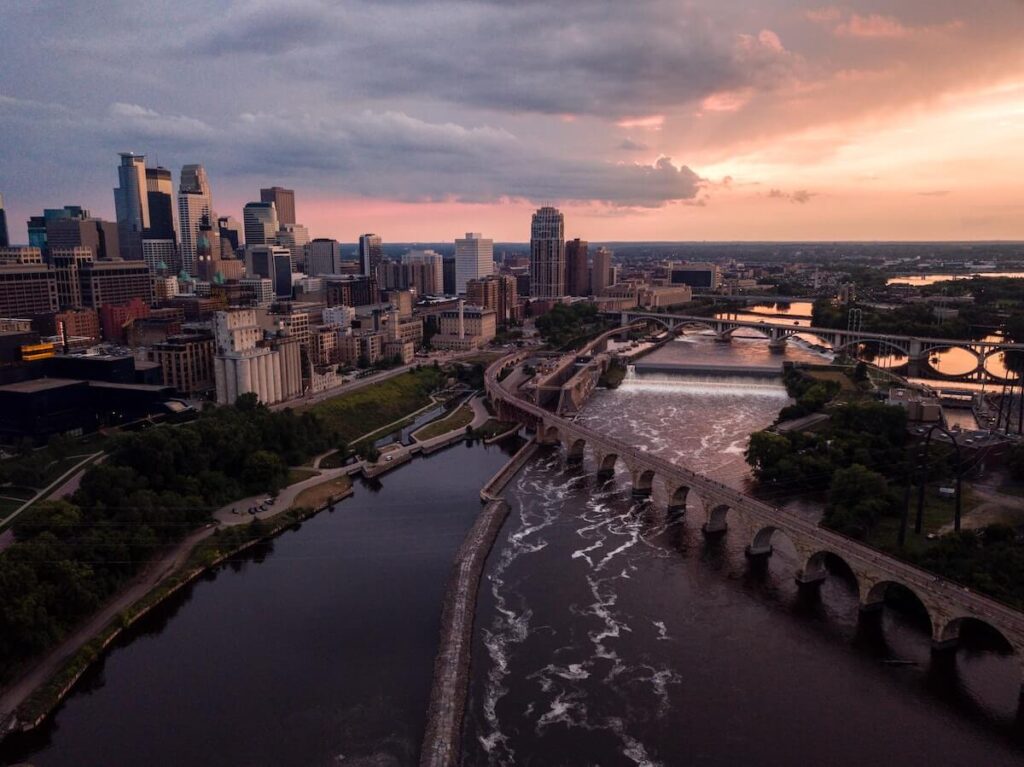
Minnesota is known for being cold and having many lakes, but it’s also famous for introducing the world to incredible musicians, interesting food, and a passion for embracing the outdoors. For a state that is often missed on road trips, Minnesota has plenty worth experiencing.
Table of Contents
1. The Mississippi River

Few know that the fourth-longest river in the world and the longest in the United States actually gets its start in Minnesota! The Mississippi begins as a small stream flowing out of Lake Itasca in northern Minnesota, about 200 miles north of Minneapolis.
The Mississippi played a large role in the development of the Twin Cities (Minneapolis and St. Paul), providing a source of transportation, energy, and drinking water to what eventually became the state’s two largest cities.
You can actually walk across the river at its headwaters, something that would be quite treacherous anywhere further down the river. You may experience a powerful feeling standing at the start of the river, knowing that the water will eventually head south, passing through 10 different states and ultimately emptying into the Gulf of Mexico.
2. Prince

Any list about Minnesota is going to include a reference to the “Purple One,” or Prince, and this list is no different. There is a reason Minnesotans are proud (For reference, I have Prince’s symbol tattooed onto my forearm).
Prince was born and raised in Minneapolis, and always stayed loyal to his hometown despite rocketing to superstardom in his 20s. He was a prolific musician, who was not only an incredible singer, but also a dancer, and he could play just about every instrument.
He was genre-bending, combining funk, R&B, rock, soul, jazz, electronica, and many other sub-genres throughout his career.
Some of his more famous tunes include “Purple Rain,” “Let’s Go Crazy,” “Raspberry Beret,” “Kiss,” and “Little Red Corvette.” He is also known for his unforgettable Super Bowl halftime show performance, which ranks amongst the best ever.
Prince built the famed Paisley Park in Chanhassen, Minnesota, where he constructed a recording studio, a performance venue, and a home for himself. Many famous musicians came through Paisley Park over the years to record and write songs, including Stevie Wonder, Paula Abdul, R.E.M., Judith Hill, and many others.
Paisley Park is now an active museum where Prince fans from around the world come and pay tribute.
When Prince died in 2016, the city of Minneapolis mourned collectively. A shrine was built right outside of the downtown First Avenue music venue, and for nearly a week straight thousands of fans celebrated with all-night dance parties in his memory.
3. Juicy Lucy (or Jucy Lucy)
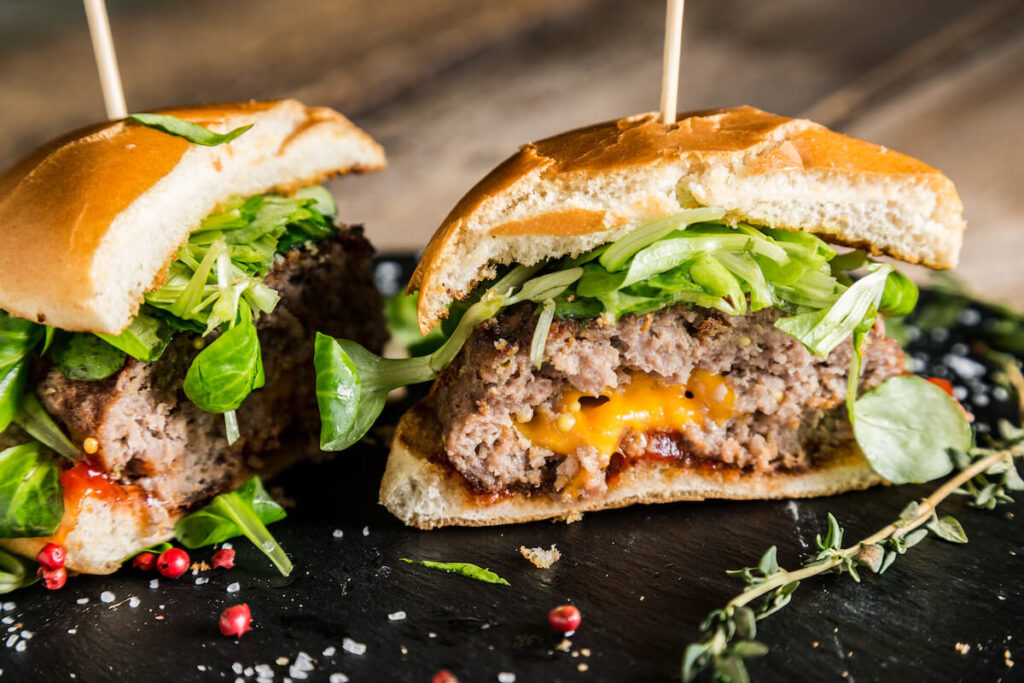
Minnesota is famous for having invented the Juicy Lucy. A unique style of cheeseburger where the cheese is tucked into the middle of the patty rather than on top, the Juicy Lucy has been a Minnesota staple since the 1950s.
While nowadays there are many places throughout Minnesota, and now the country, to grab yourself a “Lucy,” there are two places in Minneapolis that have been slinging them from the flat top longer than anyone: the 5-8 Club and Matt’s Bar, both located a few miles apart on the same street (Cedar Avenue).
I might lose some readers on this one due to the intense competition between the two bars, but the “Jucy” Lucy (how it is spelled on the menu) from Matt’s Bar reigns supreme. I said it. The bar is a true dive, with no plates or utensils, and decor that has barely changed since its opening.
When President Barack Obama came to Minnesota in 2014, he made an appearance at Matt’s, giving the bar some firepower in the debate for best Juicy Lucy on Cedar Avenue. Nonetheless, anyone making their way through Minneapolis should try a Juicy Lucy (or two) to feel like a local and opine on the great Minnesota debate.
But be careful and “Fear the Cheese,” as the t-shirts at Matt’s say. The pocket of beef keeps the cheese piping hot, and can be scalding if you dive in too quickly.
4. Cold
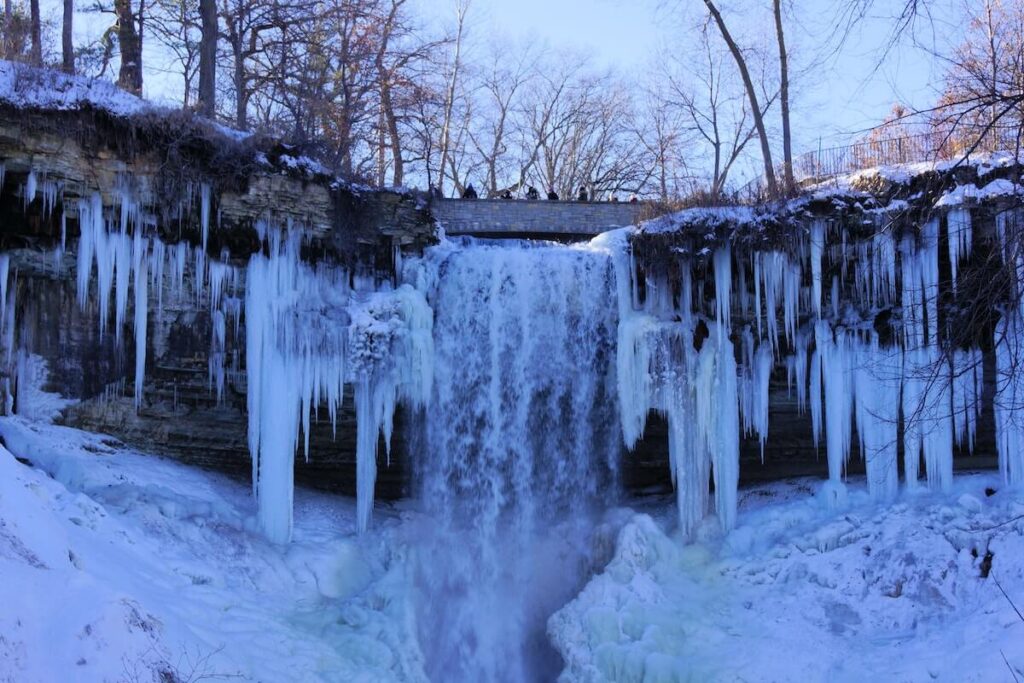
If there’s one thing that people know about Minnesota, also known as “Minnesnowta,” it’s that it is cold. Really cold. As Prince said in his 1986 song, sometimes it snows in April.
In a typical January in Minneapolis, the average low temperature hovers near 10 degrees Fahrenheit (or -12 Celsius). There are also typically cold spells where the temperature falls to -20 degrees Fahrenheit (or -29 Celsius). The winters in Minnesota pack a punch.
The cold manifests itself in daily life in Minnesota in ways that might seem foreign to those who don’t live in the Upper Midwest. There is frequent shoveling and snow-blowing driveways and sidewalks. There is monitoring the “Snow Emergency Routes” so that cars don’t get towed while plows come through. Scraping ice off cars, packing extra blankets, or wearing face masks to protect the skin are also daily practices.
However, there are two things that are important to note about the Minnesota climate. For one, Minnesota has summers just like anywhere else. And they are spectacular and warm. Second, the cold winter weather opens up some exciting opportunities to explore the outdoors in ways many have never experienced…stay tuned for that.
5. Minnesota State Fair
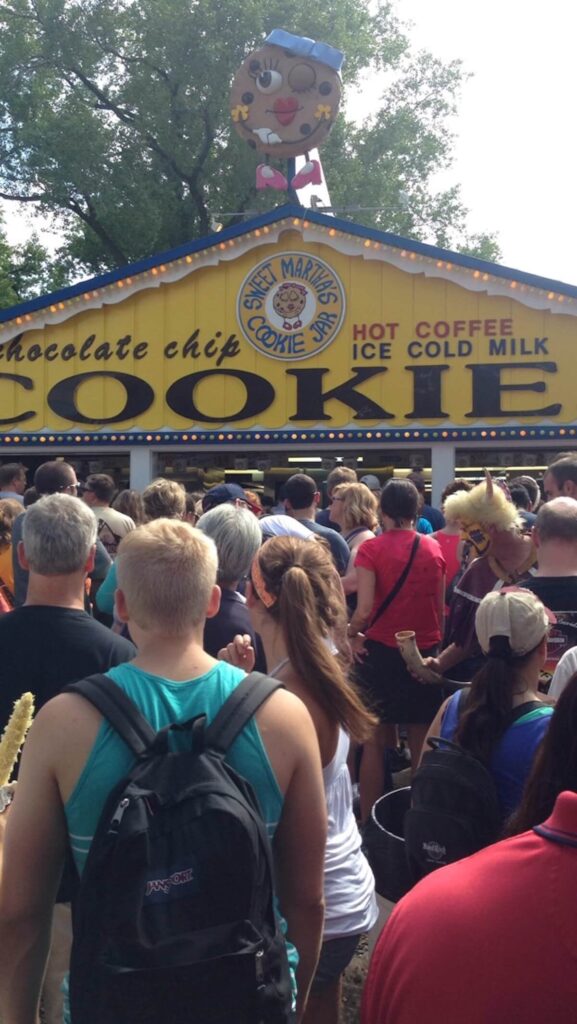
Consistently voted one of the best in the United States, Minnesota is famous for its State Fair. Known as the “Great Minnesota Get Together,” the fair is held annually for two weeks late in the summer. Despite Minnesota being just the 22nd most populous state in the U.S., it ranks second in overall fair attendance, with over two million visitors annually.
The fair contains classic elements like livestock, rides, carnival games, and great live music, but it is really popular because of the food. Like most state fairs, vendors attempt to put almost anything on a stick.
There are a few food items that have become iconic at the Minnesota state fair, including pronto pups (corn dogs), deep-fried candy bars, mini donuts, and foot-long hot dogs.
Perhaps the most famous food of all is the behemoth bucket of chocolate-chip cookies from Sweet Martha’s. These cookies are served in heaping portions to thousands of fairgoers each year, and they are best eaten fresh (however, they do freeze well, so feel free not to eat the entire bucket and take the rest home).
Here is another veteran cookie tip: Immediately after buying the cookies, head to the “All you can drink” milk stand. As you eat the cookies and drink the milk, simply get back in line for your refill until you just can’t eat anymore.
6. Grandma’s Marathon

Minnesota is famous for having a great running community, and hosts a number of well-organized running races throughout the year. One of the greatest small-town marathons in the country, Grandma’s Marathon, is held in Duluth every June. It has been around since 1977.
The race got its unique name from its first sponsor, Grandma’s Saloon. The restaurant is a Duluth mainstay, serving up burgers, milkshakes, and beers to runners and spectators alike.
The course is nearly a straight shot from the small town of Two Harbors to Duluth, running along the gorgeous Lake Superior the entire way. With the beauty of the lake and minimal elevation gain, it has become a gathering point for some of the country’s fastest runners.
I have personally run this race many times, and it will always have a special place in my heart. If you’re a first-time marathoner, this is an excellent introduction to the marathon!
Olympian Gary Bjorklund put it well when he said, “What else could you want in a marathon? Grandma’s Marathon starts in the middle of the woods, runs along the beautiful shores of Lake Superior, and finishes at a pub.”
7. Nimrod

Minnesota is home to one of the more amusing town names in America — Nimrod. Located in the middle of the state, it has a population of under 100 people, but because of its name it is often listed on major maps.
The name actually comes from the Biblical hunter named Nimrod, a descendant of Noah that is referenced in the book of Genesis. Despite this, the name is frequently associated with the word’s slang meaning of “fool” or “idiot.”
If you ever happen to find yourself driving up Highway 71, perhaps to visit Bemidji and Paul Bunyan and Babe the Blue Ox, you won’t be too far from Nimrod. If that day happens to be Labor Day, go check out the annual “The Nimrod Jubilee Days” celebration, which features music, food, and even bull riding and mud runs.
8. Land of 10,000 Lakes
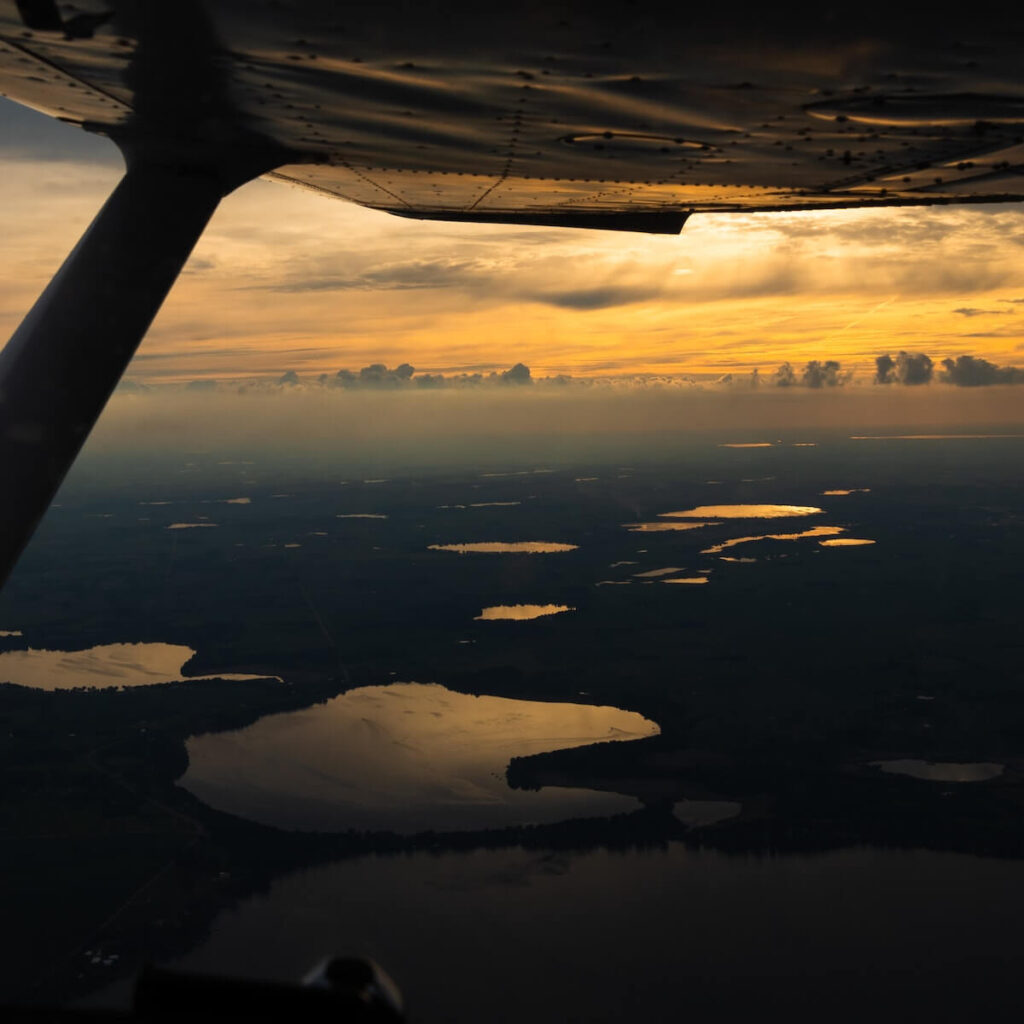
On almost every license plate in Minnesota, you’ll see “10,000 Lakes,” referencing the state’s unofficial nickname. While many know the state actually has nearly 12,000 lakes, 10,000 has a better ring to it.
Lakes are a crucial part of the Minnesota identity, as they are the source of fishing, ice fishing, swimming, boating, and many other ways of life that are quintessentially Minnesotan. Many residents in the metropolitan areas also have lakeside cabins, or smaller second homes, located in the Northern part of the state.
There are so many lakes in Minnesota that the state started repeating names. There are more than 100 lakes named “Long Lake,” “Mud Lake,” and “Rice Lake!”
9. Hmong Community
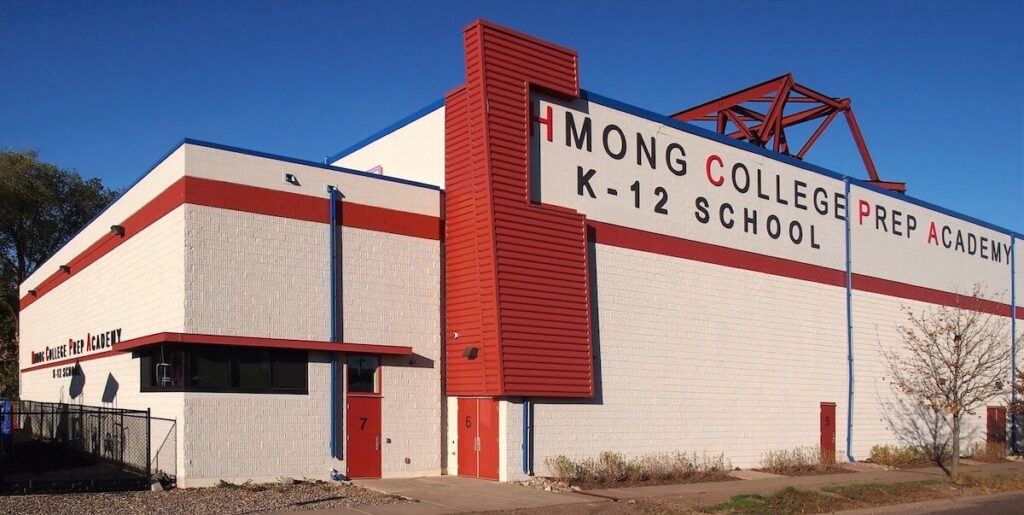
Minnesota has the largest Hmong population in the United States.
The Hmong ethnic group originally comes from an area spanning Southeast Asia, primarily Southern China, Vietnam, Laos, and Thailand. In the wake of the Vietnam War, many Hmong fled the region and came to the U.S.
As is the case with many immigrant groups, once a few people established themselves in their new home, many more came to join as relatives sought to reunite and a common culture was formed. About a quarter of the Hmong population in the entire U.S. is living in Minnesota, and the community has added much to the local culture.
In 2016, the Hmong-Lao Veterans Commemorative Memorial was built in St. Paul, in an acknowledgment of the many Hmong that died during the “Secret War” to further the aims of the U.S. during the Vietnam War.
For anyone visiting the Twin Cities, it is worth making a stop at the new Hmong Village, a large indoor marketplace that includes many food stalls and restaurants, farmers markets, and a wide variety of crafts. This is one of the best spots to find great souvenirs.
One chef named Yia Vang has helped bring Hmong cuisine to prominence in the Twin Cities, opening restaurants such as Union Hmong Kitchen, Hai Hai, and a new one named Vinai.
10. Grand Marais
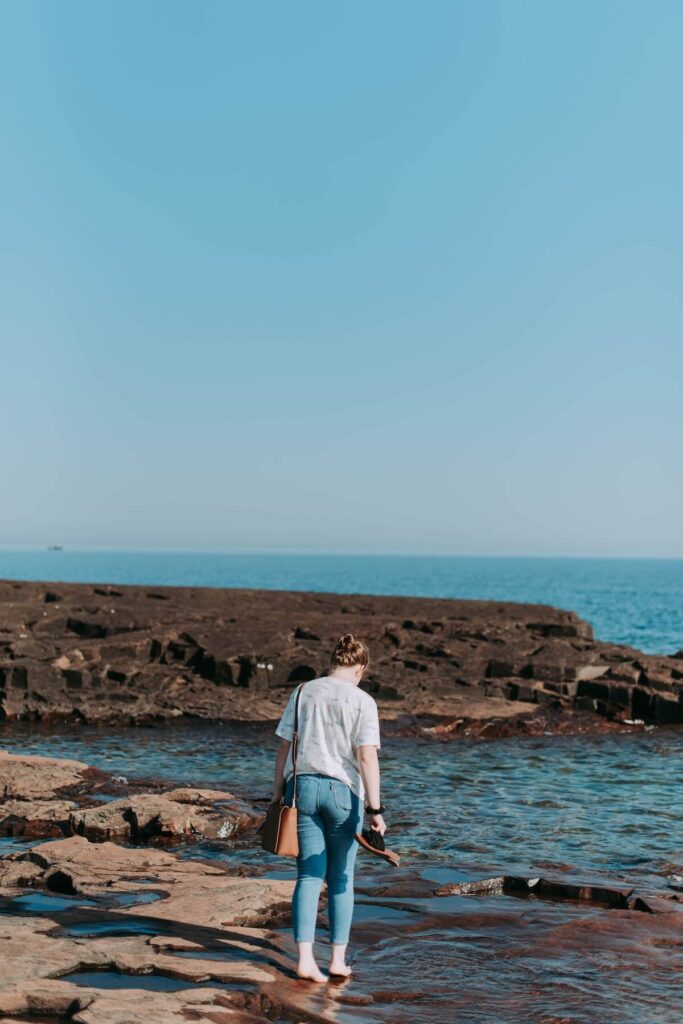
Minnesota is known for its many beautiful lakeside towns, but one of them, named Grand Marais, stands above the rest. In fact, according to Budget Travel, Grand Marais was the coolest small town in the United States!
Located right on Lake Superior (more on that later) near the Canadian border, Grand Marais is a town of just over 1,000 people, but has a thriving tourist scene that increases its population, particularly in the summer.
There is sailing, hiking, fishing, and Minnesota’s best ski resort (Lutsen) is also nearby. The town has a well-renowned food scene, particularly due to its access to fresh seafood, and it has a number of breweries as well.
Grand Marais also sits as a great jumping-off point for camping and hiking trips, as it is near the Boundary Waters Canoe Area, Grand Portage trail, Voyageur National Park, the Gunflint Trail, and Isle Royale National Park.
11. The “State of Hockey”
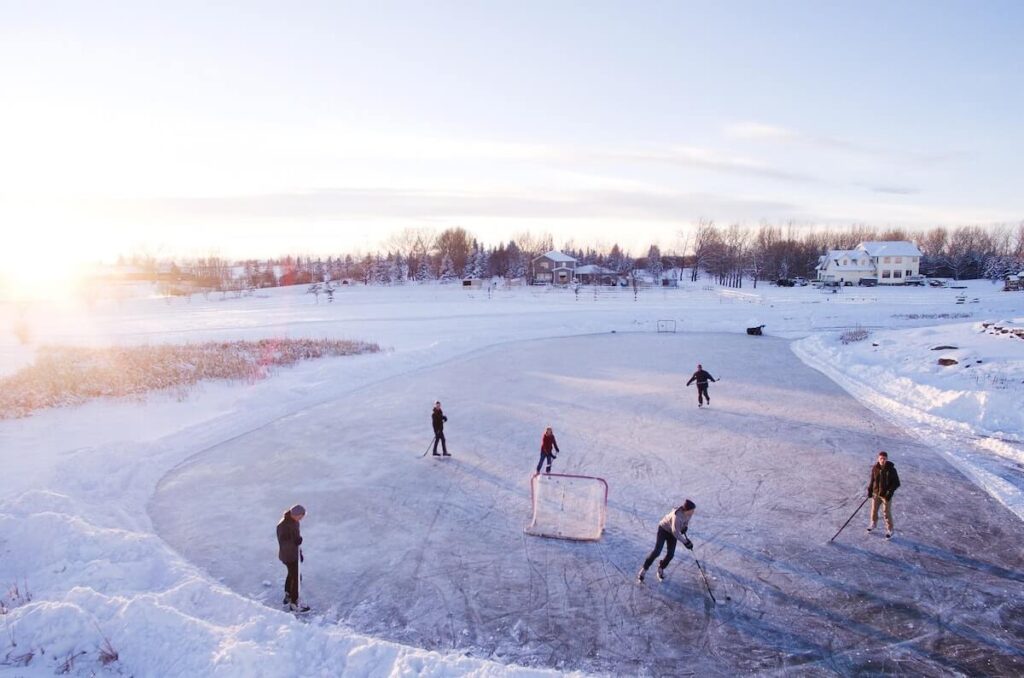
Minnesota is known for being nicknamed the “State of Hockey,” and hockey was officially named the state sport in 2009. The icy cold winters make it easier to play in Minnesota than in many other states, and it is widely embraced at all levels, from professionals to backyard amateurs.
Hockey is a far more popular youth sport in Minnesota than in most other states, and has produced a significant number of NHL (National Hockey League) players over the years. According to the New York Times in 2011, Minnesota had the most youth hockey players in the U.S., with 53,000.
The professional team, the Minnesota Wild, is popular, as are the college teams from around the state. Throughout Minnesota, you’ll find backyards flooded to create homemade rinks, and lakes are plowed to create places to skate.
The Minnesota State Hockey tournament is an event that many Minnesotans look forward to every year. It’s held at the Xcel Energy Center in St. Paul, and regularly draws thousands of fans, and the championship game can draw over 20,000 people.
The tournament has taken on a life of its own, as people skip work to watch the broadcasts, students miss school, and a tradition of ranking the best “hockey hair” is put out on video every year.
12. SPAM

Minnesota is famous for having invented SPAM, the canned meat that has become ubiquitous in grocery store canned food aisles.
The food originally was created in the southern Minnesota town of Austin during the Great Depression. It was also used to feed soldiers in WWII because it was canned and easily storable.
What’s in a can of Spam? There are a variety of flavors now, but the original version is essentially pork, salt, water, sugar, and some starch.
Spam often gets a bad rap because it comes in a can, but it can be used for some delicious meals, including Spam and eggs, Spam fried rice, and Spam musubi (a Hawaiian dish similar to sushi).
Spam has long been popular in East Asian countries like South Korea, Hong Kong, Japan, and others, as the meat brought by U.S. troops outlasted the soldiers. It has seen a resurgence in popularity in the U.S. as of late, largely driven by Asian chefs who are destigmatizing the food that is popular overseas.
There is even a Spam Museum in Austin that receives more than 100,000 visitors annually. Don’t knock it until you try it!
13. The Boundary Waters
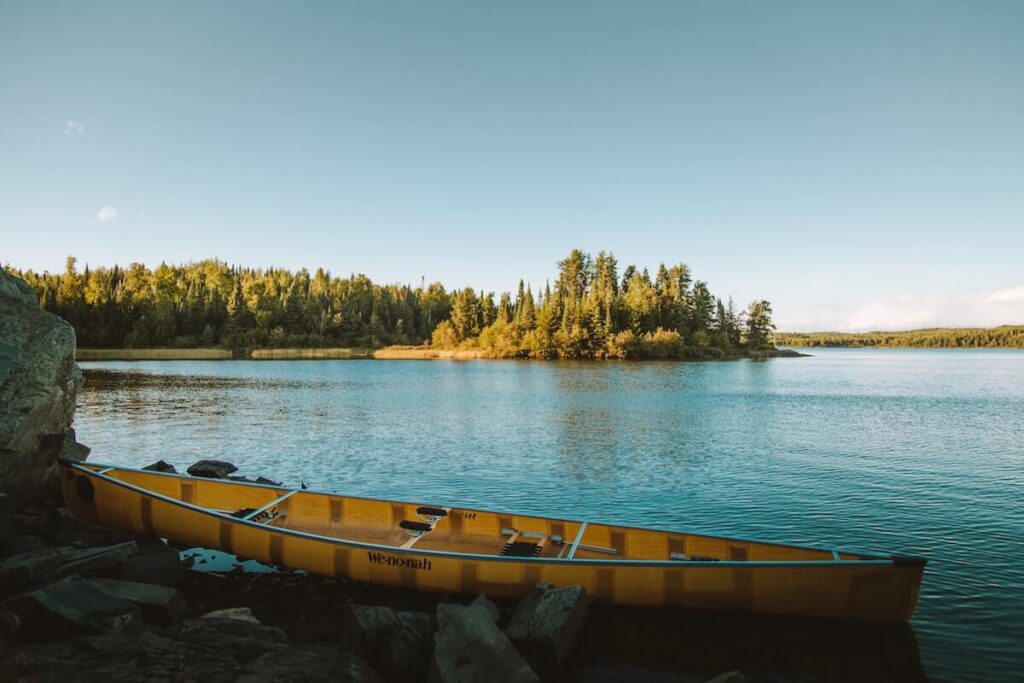
Minnesota is famous for being home to the Boundary Waters Canoe Area (BWCA). The BWCA is one of the most beautiful, pristine places in the world that is visited for camping, and little else. It spans the Northeastern part of Minnesota, touching the Canadian border to the North.
The BWCA is not a national park, but a designated Wilderness Area, which better preserves its serenity and wildness. This means that the park is largely untouched by human development, aside from a handful of trails and a small fire grate and latrine at each campsite. There are no roads, no communal campsites, and boat motors are banned on the vast majority of lakes.
The BWCA is unique in that canoes are the main form of transportation. There are nearly 2,000 lakes, with small trails between them called “portages.” Visitors are required to reserve permits prior to entry, which helps minimize crowds and preserve the peacefulness of the wilderness.
There is an abundance of wildlife in the BWCA, including black bears, wolves, moose, deer, turtles, and many varieties of fish. It’s one of the best places in the world to lose yourself in nature, and the BWCA holds a special place in the hearts of many Minnesotans.
14. Bob Dylan
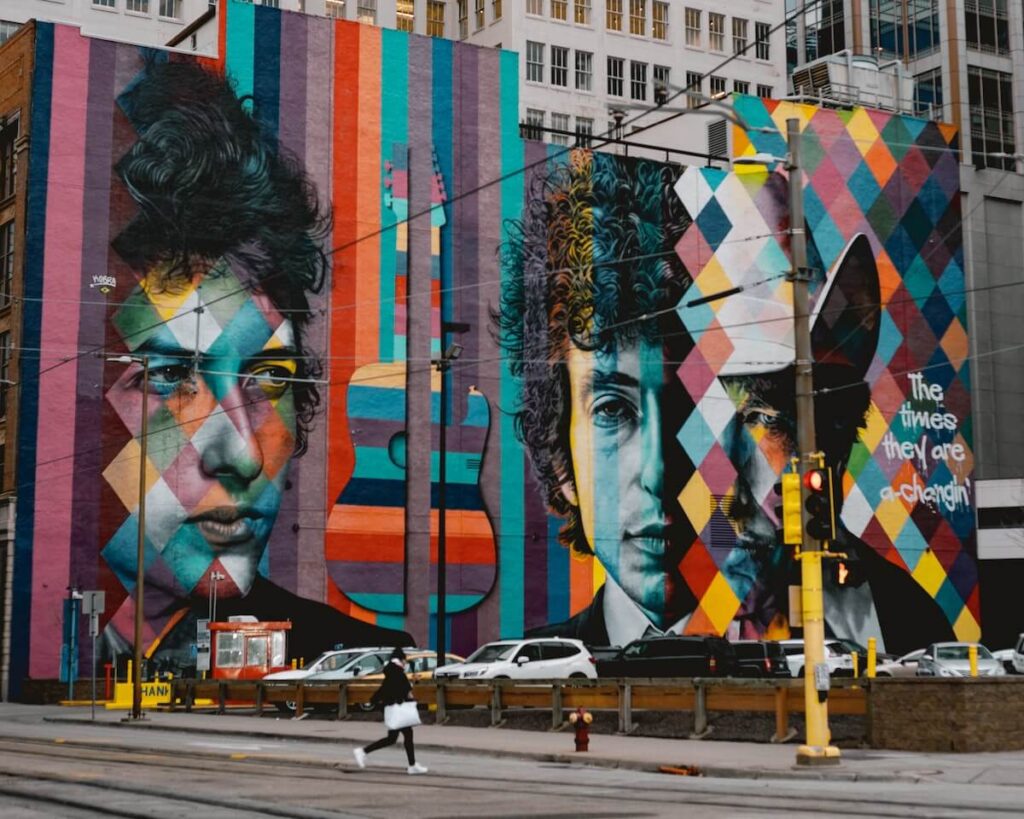
Another musician with some name recognition hails from Minnesota, and his name is Bob Dylan.
Born as Bob Zimmerman in Duluth in 1941 and raised in the nearby city of Hibbing, Dylan moved to Minneapolis for college. He spent a few years living in the Dinkytown neighborhood and barely going to school, and left with his guitar for New York City as a 20-year-old.
Primarily known as a folk singer, Dylan is widely considered one of the greatest songwriters music has ever seen. He gained popularity in the 1960s through his protest songs and has been writing music ever since. Some of his more famous songs include “Blowin’ in the Wind,” “Like a Rolling Stone,” “All Along the Watchtower,” and “Mr. Tambourine Man.”
Dylan has been notoriously mysterious in his older years. In 2016 he was awarded the Nobel Prize in Literature for his poetry and songwriting, but didn’t show up to the ceremony. He eventually accepted the award a few months later, performing to an audience in Sweden.
15. Winter sports

Minnesotans are famous for embracing the cold weather in unique ways, particularly through winter sports. When the weather gets cold, people get outside. There is cross-country skiing, sledding, snowmobiling, snowshoeing, skating, and ice fishing.
Every year in Minneapolis, the City of Lakes Loppet Winter Festival is held, which features multiple cross-country races, fat-tire bike racing, and snowshoe running.
For a less athletic pursuit, ice fishing is a great way to experience some Minnesota culture. Ice fishing has become more of a social event than anything else, best enjoyed in a warm icehouse out on a lake with a few friends, a few beers, and a fishing line dropped into a hole in the ice.
16. Lake Superior
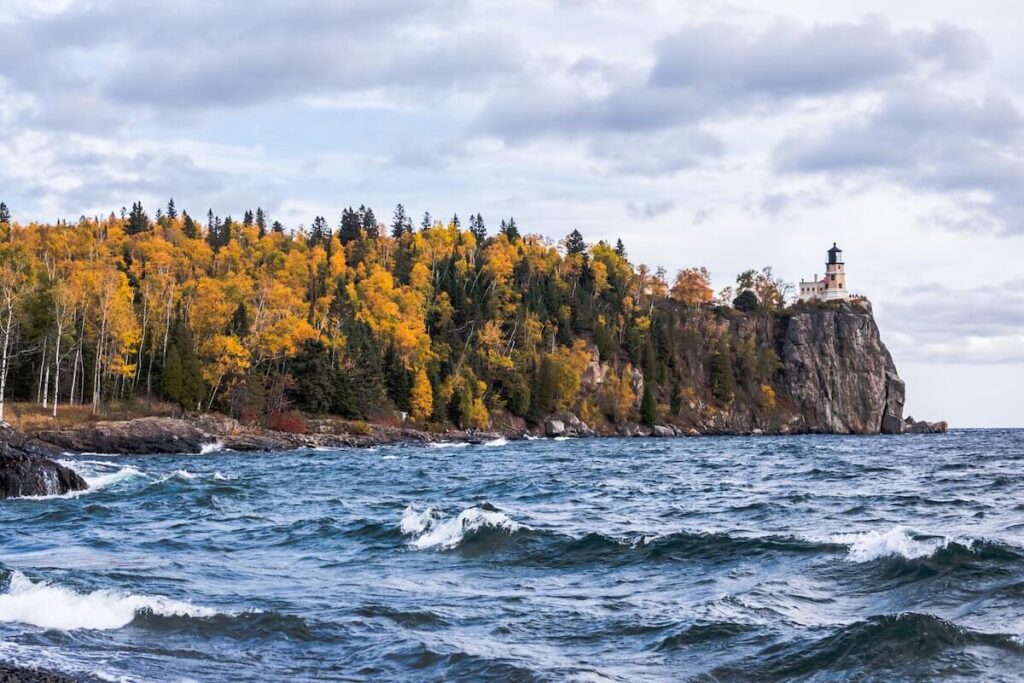
Minnesota is famous for bordering Lake Superior, the largest of the Great Lakes, and the largest freshwater lake by area in the world (third largest by volume).
The Northeastern edge of the state has hundreds of miles of shoreline on Lake Superior, also known as “Gichigami,” the name given to the lake by the Ojibwe tribes that once lived nearby.
The shoreline varies, with sandy patches, rocky patches, and stunning cliffs. One of the most beautiful, most photographed sights on the lake comes from Split Rock Lighthouse, built in 1910 to prevent boats from crashing into the rocky shore.
Lake Superior is very cold year-round, but is used heavily by locals. It is a source of drinking water, fishing, sailing, camping, surfing, and boating. The lake is culturally important, as it is yet another example of something so natural, and so harsh, that is embraced and used to the fullest extent by Minnesotans.
The size of the lake is staggering, and looking out from the shoreline, you’ll swear it’s the ocean.
17. First Avenue
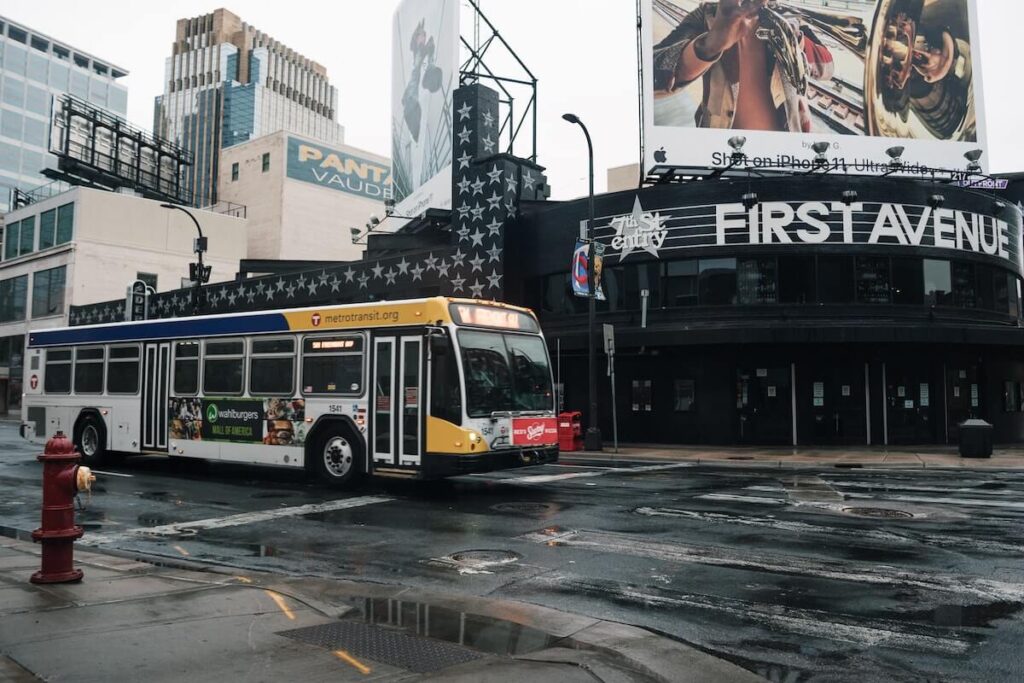
Minnesota is home to the famed First Avenue music venue, one of the most legendary places to see live music in the U.S. First Avenue (or “First Ave”) gained some name recognition after Prince filmed much of the Purple Rain movie there, but beyond Prince, the venue has a deep history.
The venue opened in 1970 in the shell of an old bus depot and went through phases of being named “The Depot” and “Uncle Sam’s” prior to landing on the name of First Avenue.
First Ave is famous for its stars. Lining the venue are hundreds of painted stars that highlight various bands and artists that have performed there over the years. The only one painted gold is for Prince, otherwise, the rest are silver.
The great Minneapolis music scene has supported First Avenue, and First Avenue has supported the music scene. Many iconic Minnesota-based bands have played there, including Semisonic, Atmosphere, Husker Du, The Replacements, The Jayhawks, Trampled By Turtles, and many more.
The venue, and its small sidekick next door called 7th Street Entry is alive and thriving, and anyone making their way to Minneapolis would be wise to make a pilgrimage to this Minnesota landmark!
18. Minnesota Nice
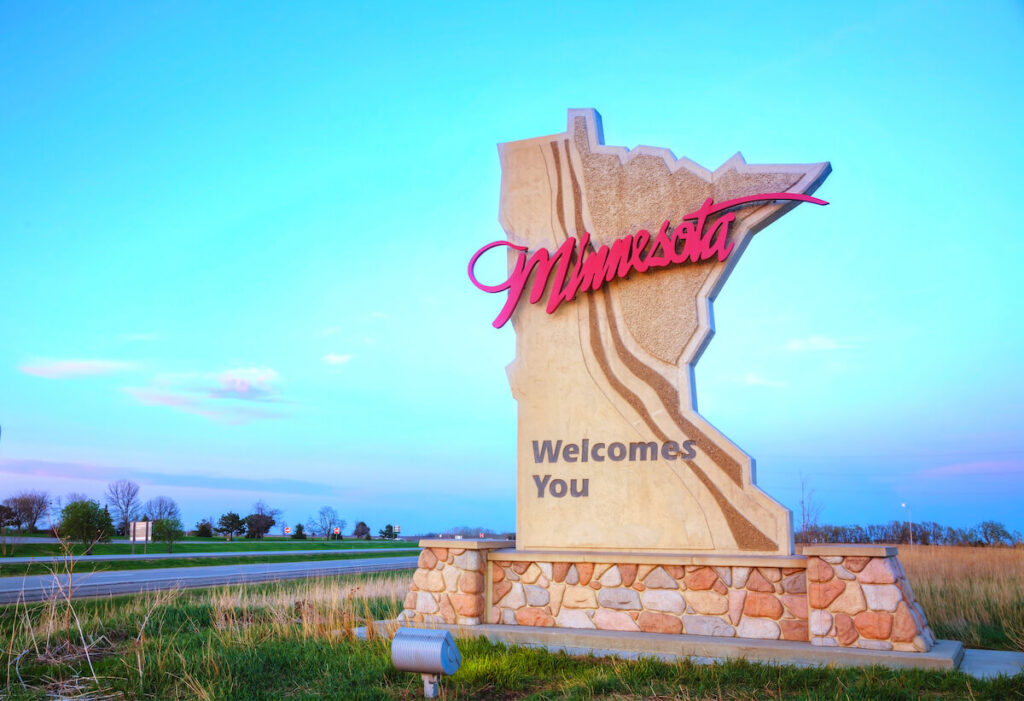
Minnesotans are famous for being “Minnesota Nice.” But that can mean a number of things.
Calling someone from Minnesota “Minnesota Nice” isn’t always well received. It can be perceived as a slight or a pseudonym for being passive-aggressive. That said, the phrase can also simply imply that someone is kind, personable, or relatively conflict-averse.
To avoid stereotyping an entire state, I’ll withhold my judgment on what type of “Minnesota Nice” is most common. As with any state, it depends!
19. Somali community
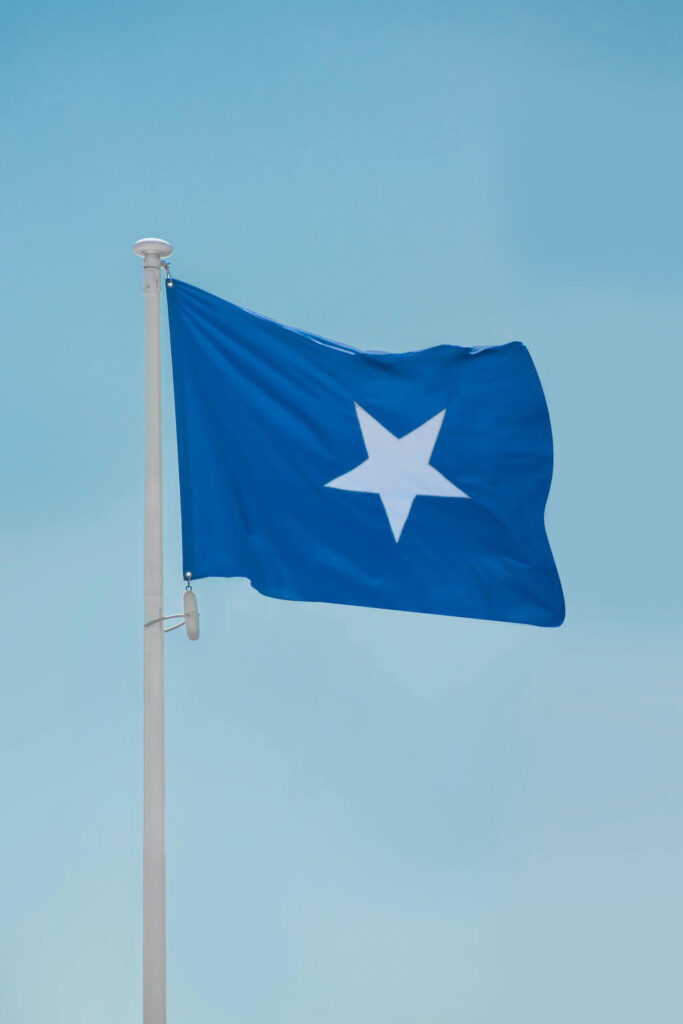
Minnesota has the largest Somali population in the United States, where immigrants and their families have established themselves primarily in the Twin Cities and St. Cloud.
The wave of Somali immigration began with people seeking refugee status in the 1990s, as a civil war broke out in Somalia. Many found their way to Minnesota, and like the Hmong population, once a foothold was established, it encouraged the creation of a larger community.
Minnesota had job opportunities and an infrastructure for refugees at the time, making the transition somewhat easier than elsewhere in the U.S.
The Somali and Somali-American population in Minneapolis has become an important part of the community, and there is now a neighborhood nicknamed “Little Mogadishu,” after the capital city in Somalia.
During Ramadan, coffee shops in the neighborhood are open later, there are Somali musicians playing in local venues like the Cedar Cultural Center, and there are a number of great restaurants to try. Afro Deli, Barakallah, and Hamdi Restaurant are all great options!
20. Northernmost continental point in US
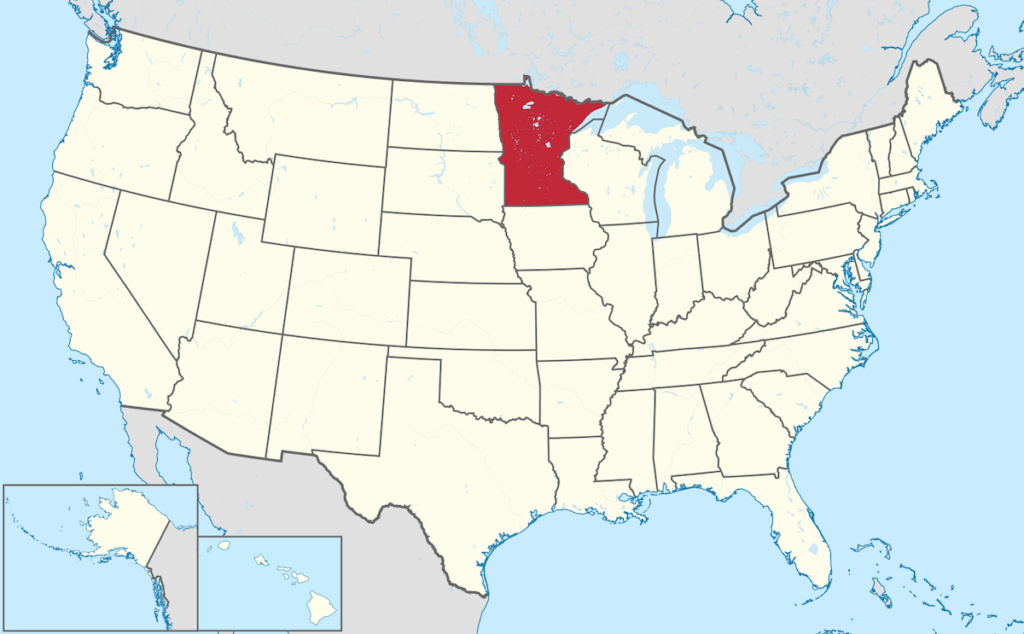
Minnesota is known for having the claim to the northernmost piece of land in the continental United States. If you look closely at a map of the U.S., you will see a little point at the top of the state, a place called the Northwest Angle. It’s also referred to as “The Chimney” because of its shape.
The Northwest Angle was Native American land for many years, and eventually was taken by European explorers and fur traders.
The “Chimney” was actually mistakenly marked as U.S. territory by surveyors during the boundary-setting between Canada and the U.S. following the American Revolution. The size of Lake of the Woods was misjudged to be smaller than it really was. But by the time the mistake was realized, Minnesota wasn’t far from gaining statehood and the government didn’t want to give the land back.
The piece of land sticks right into Canada and sits atop Lake of the Woods. It is a relatively difficult place to get to, as it must be reached by boat (in the summer), by snowmobile (in the winter), by charter plane, or by driving through Canada.
Nowadays, few people live there, but it is frequented by outdoor enthusiasts looking for fishing, hunting, hiking, and even golf.
While there are plenty of options for outdoor exploration in Minnesota, many enjoy the feeling of finding themselves at this remote piece of land that is as far north in the U.S. as you can get without flying to Alaska!
21. Skyways
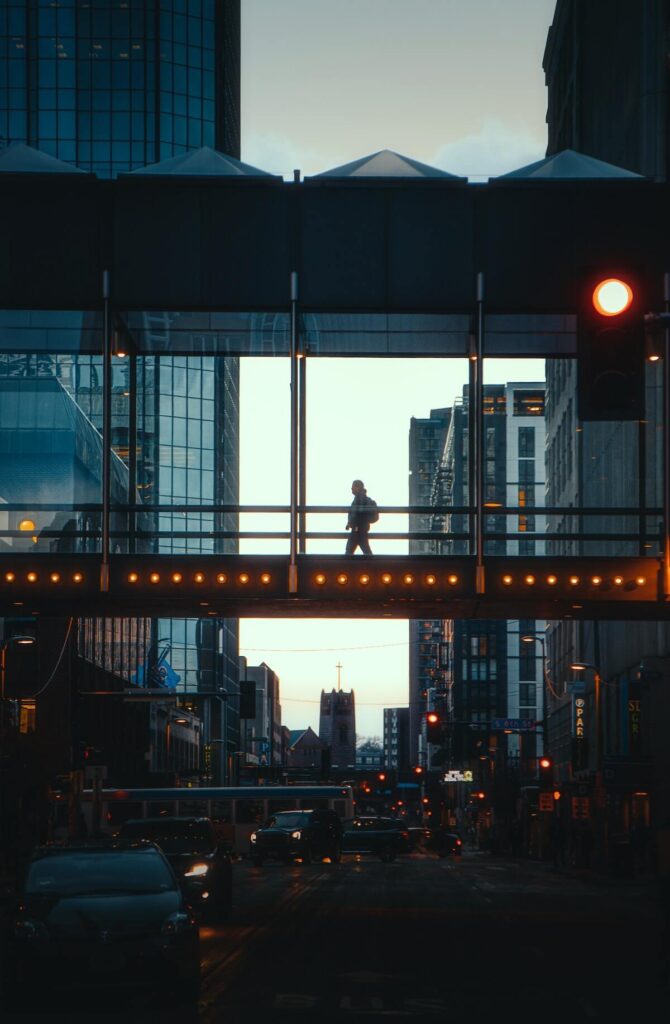
What is a skyway? A skyway is an elevated, covered walkway connecting buildings together. Because Minnesota is famous for being cold, locals have embraced the skyways as a way to navigate the downtowns of its bigger cities without having to step outside.
The first skyway in Minneapolis was built in 1962, originally as a way to reduce street congestion downtown, but as the city grew, skyways proliferated alongside new buildings. If you head to downtown Minneapolis or St. Paul, you’ll see skyways connecting most buildings.
Despite the convenience of avoiding the biting cold, navigating the skyways can be confusing to outsiders, as the entrances between the older buildings can be inconspicuous. Many locals profess to have the fastest route between two locations.
If you find yourself winding through the skyways a little lost, don’t worry, someone that is “Minnesota Nice” should be able to help you out!
To hear an ode to Minnesota skyways by a Minnesota band, listen to “Skyway” by The Replacements.
22. Dinkytown
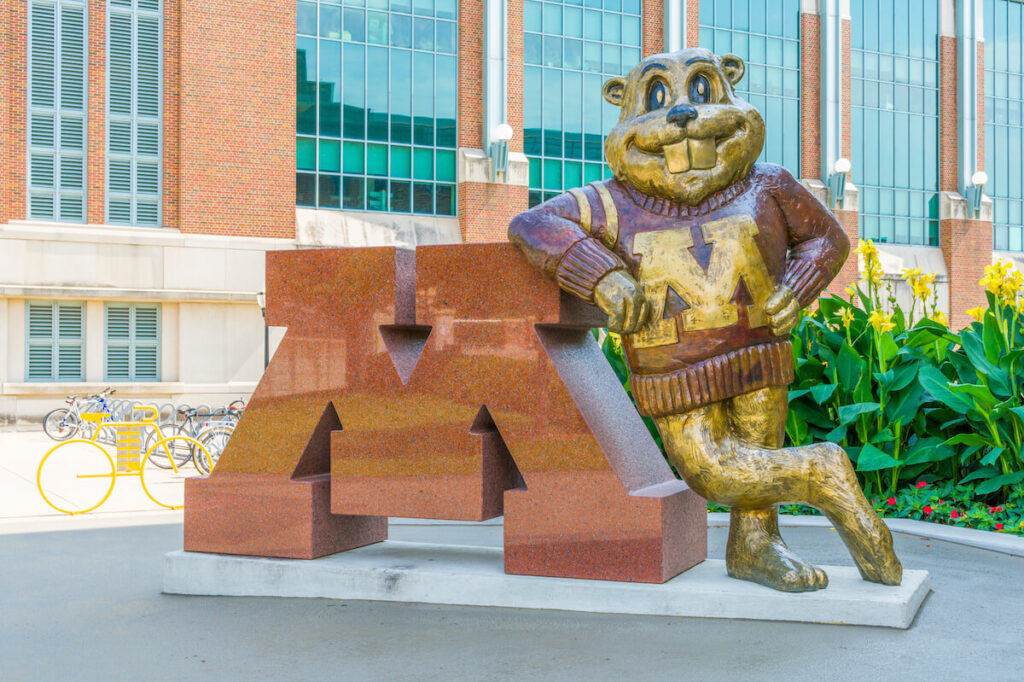
Dinkytown is a neighborhood near the University of Minnesota campus that is popular with college students. It is packed with bars and restaurants, and on weekend nights it can feel like one massive party.
It’s not entirely certain how Dinkytown got its name. It could be due to the fact that the neighborhood is fairly small (or “dinky”), or it could be named after the nickname for the trolley cars that once passed through the main thoroughfare. Regardless, the name stuck and is an excellent name for a lively college town.
Dinkytown is constantly changing, with new condos for students and new restaurants, but a few restaurant and bar mainstays remain, to the delight of University of Minnesota Alumni.
There’s the Kitty Cat Klub, a lounge/bar with live music. There’s Annie’s Parlour, which serves up milkshakes and burgers. And there’s Al’s Breakfast. Operating since the 1950s, Al’s is as small of a restaurant as you can imagine with just 14 seats, but it is one of the city’s best diners.
The University of Minnesota is, depending on the exact measure, one of the top 10 largest schools in the country. The school is tucked right into the middle of the Twin Cities, with a beautiful campus and easy access to all that the cities have to offer.
Wrapping up
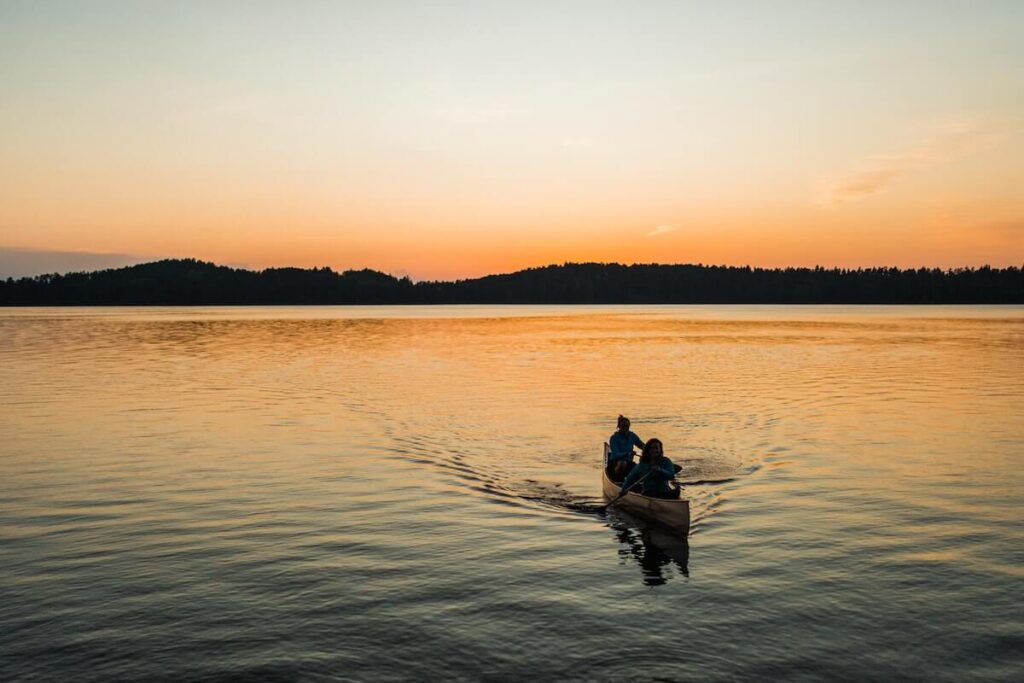
As an oft-overlooked state, there is much to discover in Minnesota. It’s a state of hardy people that embrace the wild outdoors, some funny quirks, and a punchy music scene. It is truly a beautiful place with lots to experience in all seasons, and is worth a visit on your next road trip.
Minnesota is my home state, and as the song from Atmosphere (the Minnesota-born hip-hop group) goes, “I’m always coming back home to you.”

Can’t argue with these great highlights!