
If you think of Kansas as just miles of endless cornfields, you are in for a pleasant surprise.
Anchoring the American heartland, this vibrant state is a fascinating blend of rich American history, dramatic landscapes, world-class comfort food, and iconic pop-culture heritage. Whether you are a history buff, a road-tripper looking for quirky roadside stops, or a foodie chasing authentic local flavors, Kansas subverts expectations.
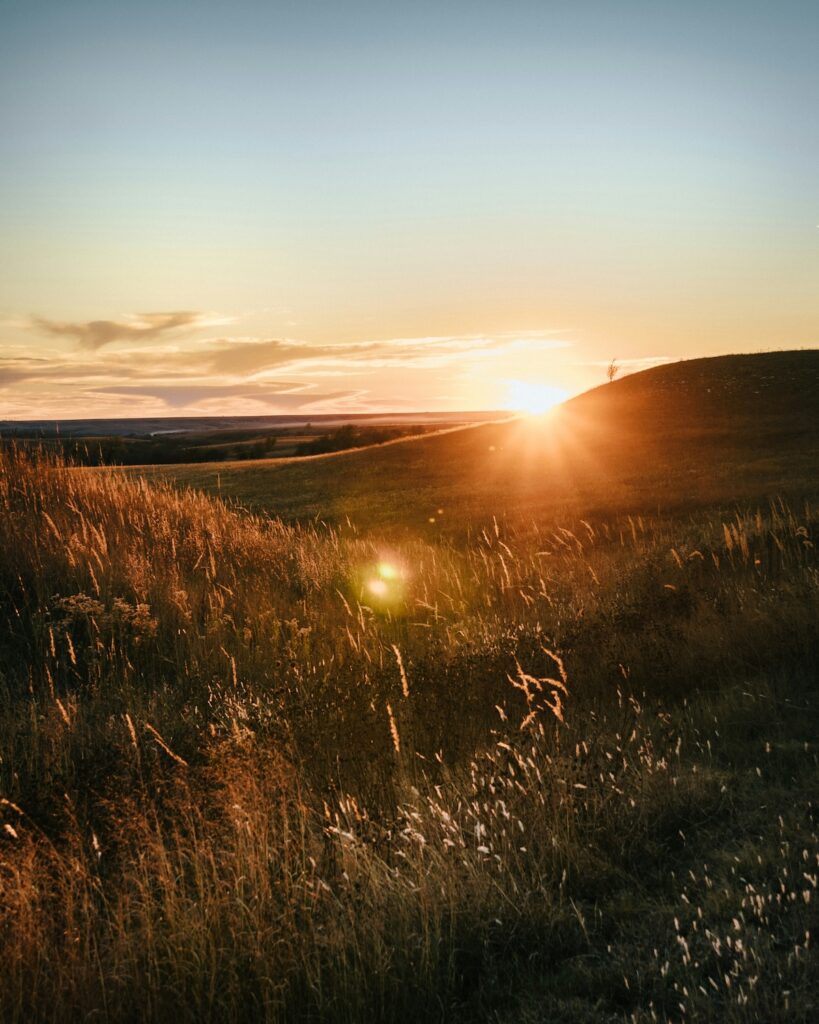
So, what is Kansas famous for? Beyond its iconic title as the Sunflower State and the tornado-swept plains of The Wizard of Oz, it’s the birthplace of Amelia Earhart and the aviation hub of Wichita. It’s a place where you can trace the wagon ruts of the Oregon Trail, dive into Civil Rights history, sample Kansas City-style barbecue, or bite into a savory, traditional German-Russian bierock pastry.
From storied Wild West towns to vast tallgrass prairies, here is a look at what truly puts Kansas on the map.
Table of Contents
What is Kansas famous for?
1. The Wizard of Oz
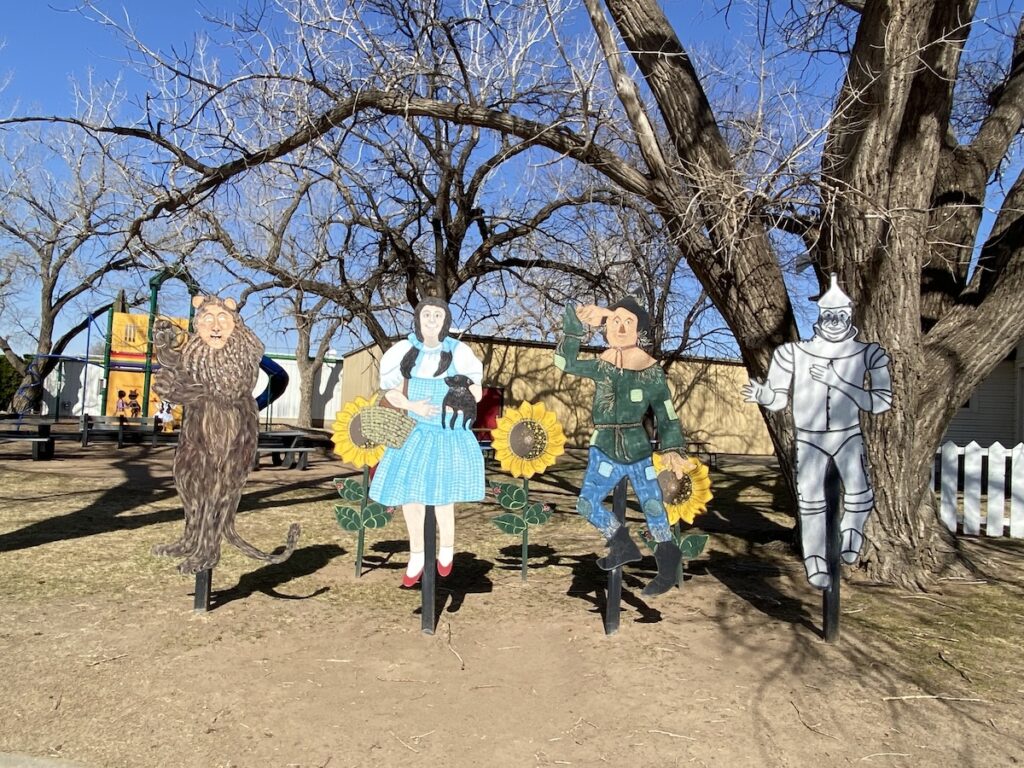
No matter where you go in the world, the moment you mention Kansas, there is a high chance someone will smile and quote, “We’re not in Kansas anymore.”
That single line from the classic 1939 film The Wizard of Oz forever tied Kansas to pop culture royalty. Long before Judy Garland skipped down the Yellow Brick Road, author L. Frank Baum chose Kansas as the humble backdrop for Dorothy, Toto, and their quiet heartland farm life.
Interestingly, Baum had never actually lived in Kansas when he wrote the 1900 book The Wonderful Wizard of Oz. He was living in South Dakota and Chicago, but he picked the state to represent the stark, quiet rural contrasts to the colorful land of Oz.
Today, Kansas fully embraces this famous tie-in. You will find themed attractions scattered across the state, including the Oz Museum in Wamego and Dorothy’s House in Liberal—beloved pieces of local pride that still draw travelers from around the globe.
2. The Sunflower State
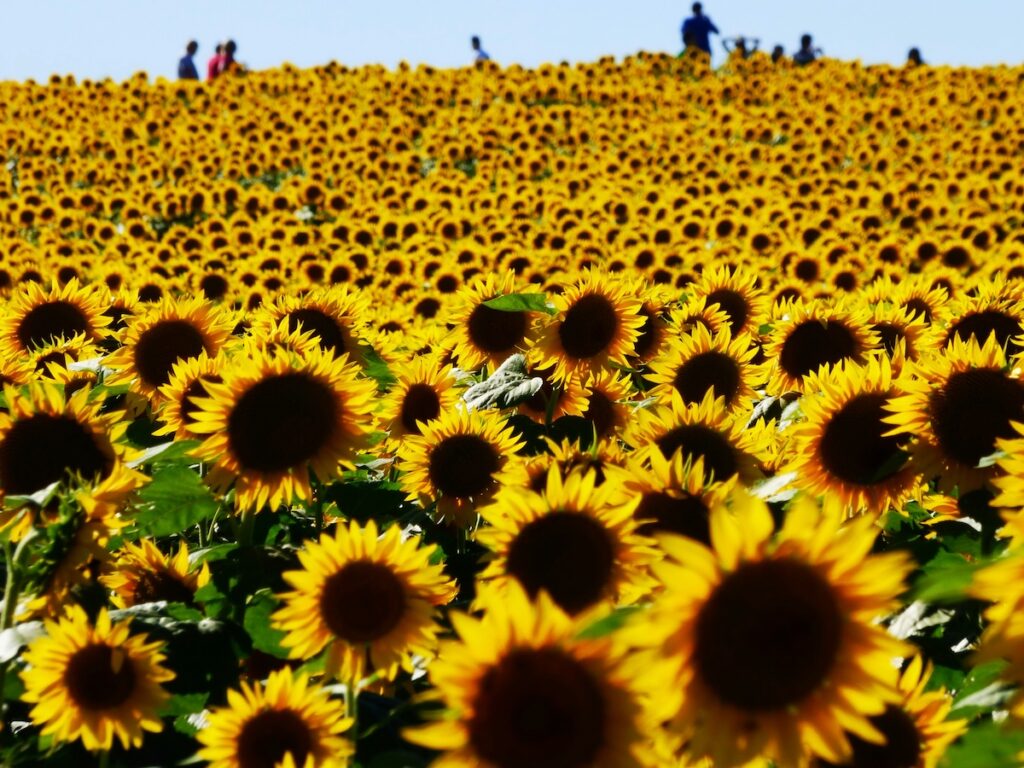
If you drive through Kansas in late summer, it won’t take long to realize how the state earned its most famous moniker, “The Sunflower State.” That’s because bright yellow wild sunflowers blanket the open plains, roadside pastures, and fields!
Kansas officially adopted the wild sunflower as its state flower and floral emblem back in 1903. Lawmakers loved how resilient the plant was—thriving in harsh prairie heat and dry soil—viewing it as a symbol of the state’s hardy pioneer history.
Today, the iconic yellow bloom takes center stage on both the official state flag and the Kansas state quarter. If you want to catch the scenery at its absolute best, late August through September is peak blooming season.
3. The Wheat Capital
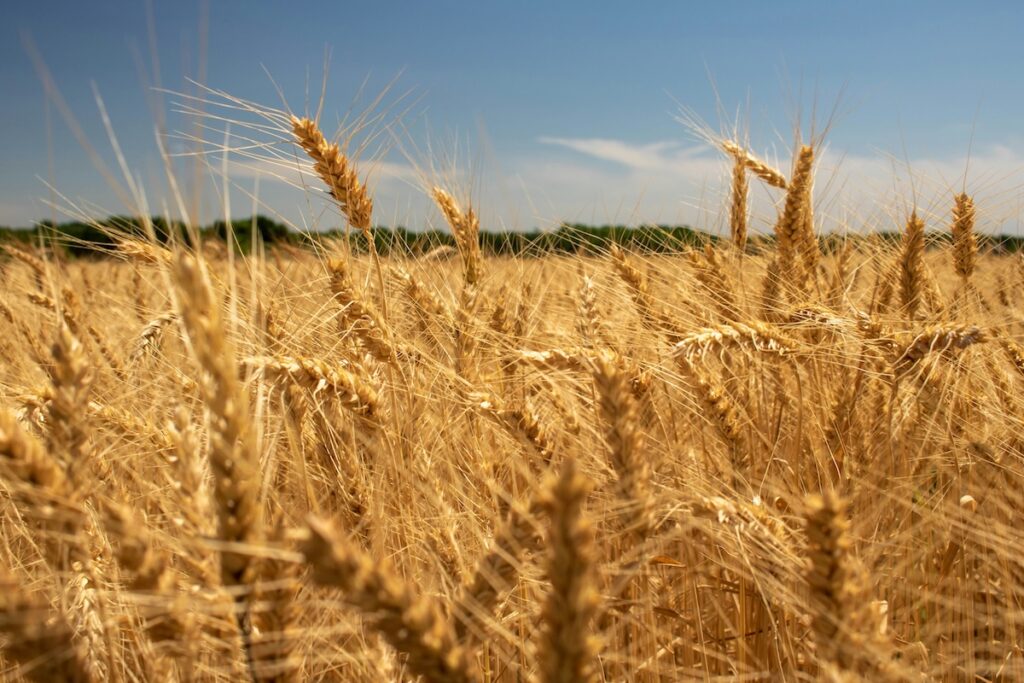
What is Kansas famous for? Answering this question will always require talking about agriculture.
Earnest titles like the “Wheat Capital” and “Breadbasket of the Nation” are well-earned, as Kansas remains one of the leading producers of wheat in the United States. Every summer, vast golden fields stretching across the plains yield hundreds of millions of bushels that help feed people around the globe.
This legacy began in the 1870s, when Russian Mennonite immigrants brought a drought-resistant seed strain called Turkey Red wheat to the state. The hardy crop thrived in the prairie climate, and Kansas soon became an agricultural powerhouse.
4. Kansas City-style barbecue
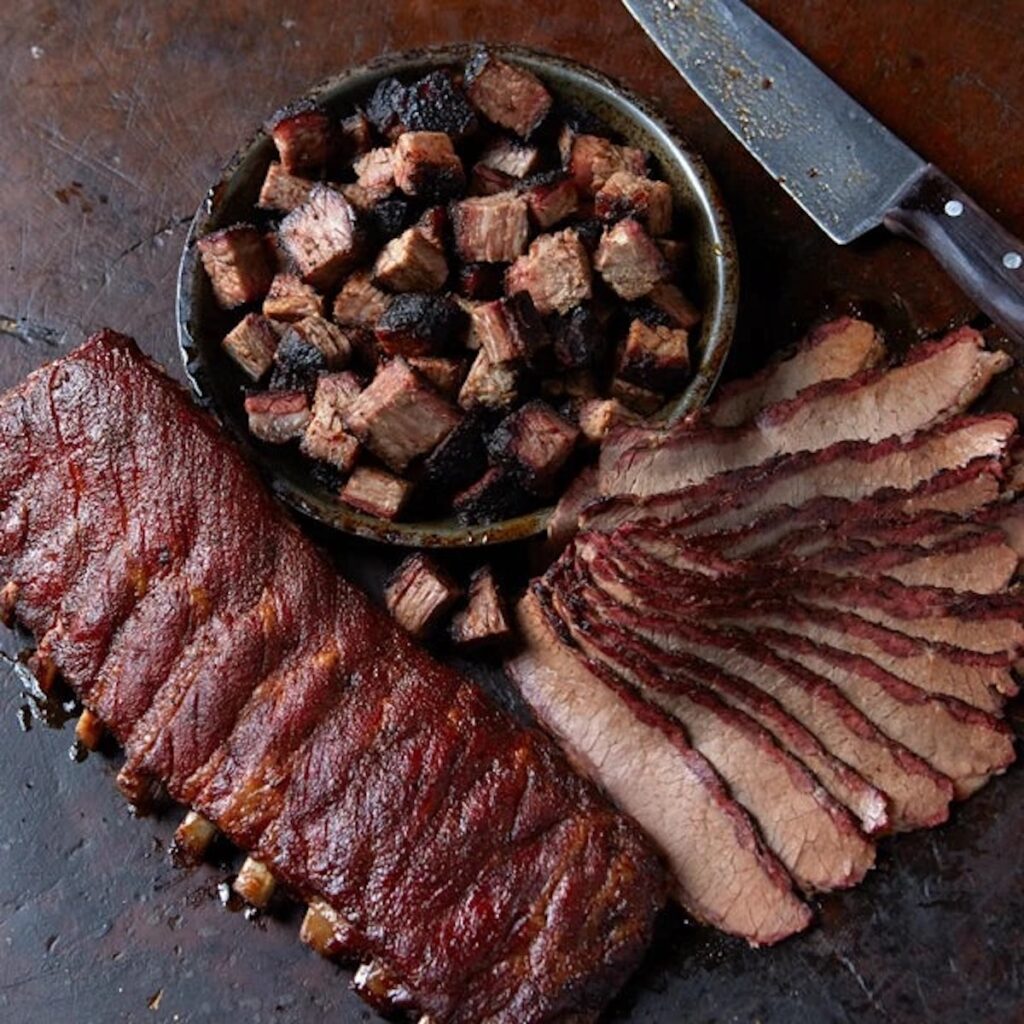
You can’t talk about Kansas without bringing up the mouthwatering world of Kansas City-style barbecue. Famous for slow-smoked meats slathered in a thick, sweet, tomato-and-molasses-based sauce, Kansas—especially Kansas City, KS—is world-renowned for its tender ribs, juicy brisket, and iconic burnt ends.
This legendary pit tradition dates back to the early 1900s. Henry Perry, known as the “Father of Kansas City Barbecue,” began cooking smoked meats in makeshift alleyway pits. You can enjoy this iconic dish in local spots like Joe’s Kansas City Bar-B-Que.
5. Dwight D. Eisenhower
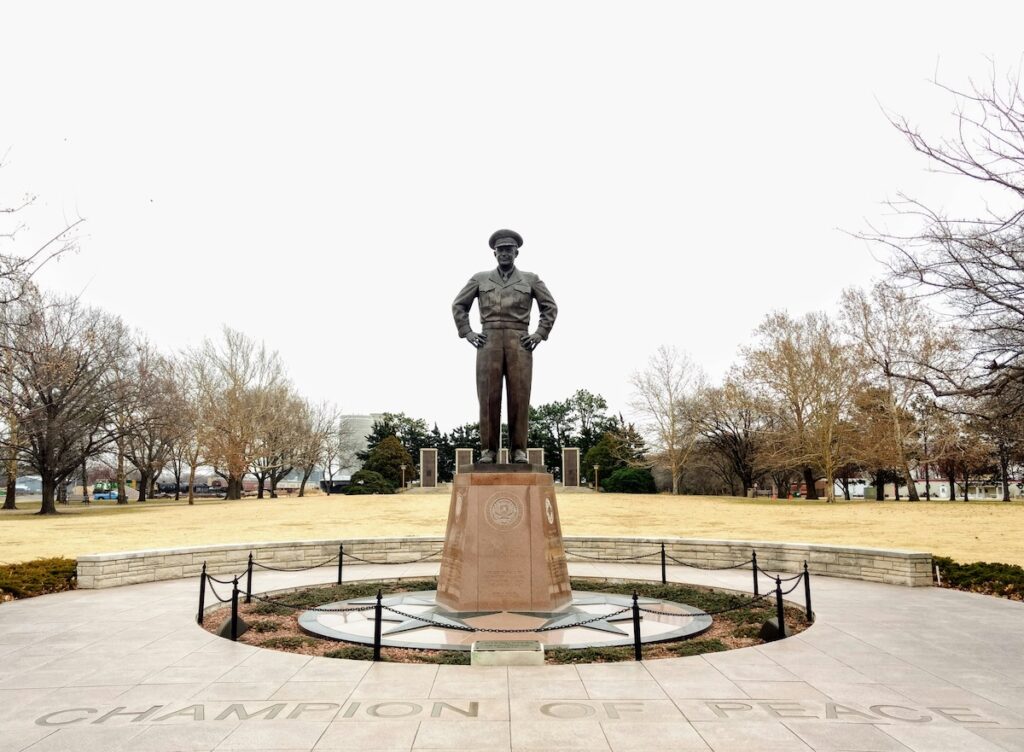
When it comes to famous people from Kansas, few names carry as much historical weight as Dwight D. “Ike” Eisenhower.
Before serving as the 34th President of the United States and Supreme Allied Commander of NATO forces, Eisenhower spent his boyhood years growing up in the small town of Abilene, Kansas. Despite his massive global influence and legendary military leadership during World War II, Ike always proudly considered Abilene his hometown roots.
Visitors can explore his legacy at the Dwight D. Eisenhower Presidential Library, Museum, and Boyhood Home in Abilene. The historic site offers a fascinating look at his journey from a modest Midwestern upbringing to orchestrating the D-Day invasion and shaping post-war America.
6. Amelia Earhart
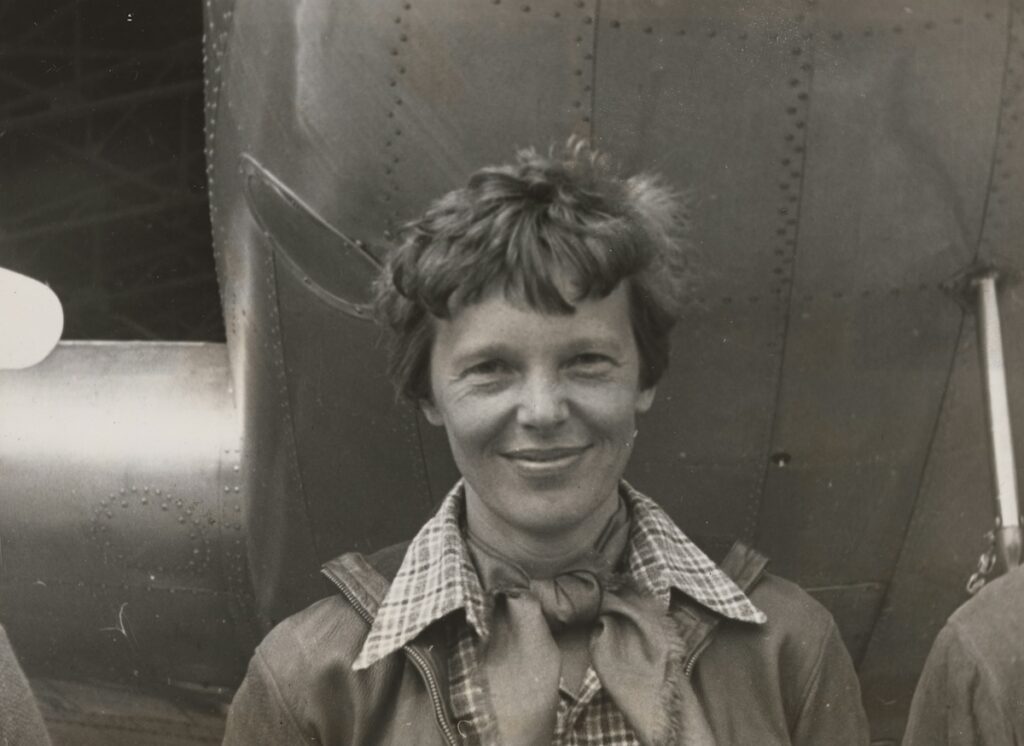
Kansas is famous for another historic figure: the trailblazing aviation pioneer Amelia Earhart. Born in Atchison in 1897, she shattered ceilings and set records as the first female aviator to fly solo across the Atlantic Ocean.
Her 1861 Gothic Revival childhood home sits on a bluff overlooking the Missouri River and operates as the Amelia Earhart Birthplace Museum, run by the Ninety-Nines organization of women pilots.
Just down the road, Atchison is also home to the Amelia Earhart Hangar Museum, featuring interactive STEM exhibits and Muriel, the last remaining Lockheed Electra 10-E plane identical to the one Earhart flew on her final flight.
7. Bleeding Kansas
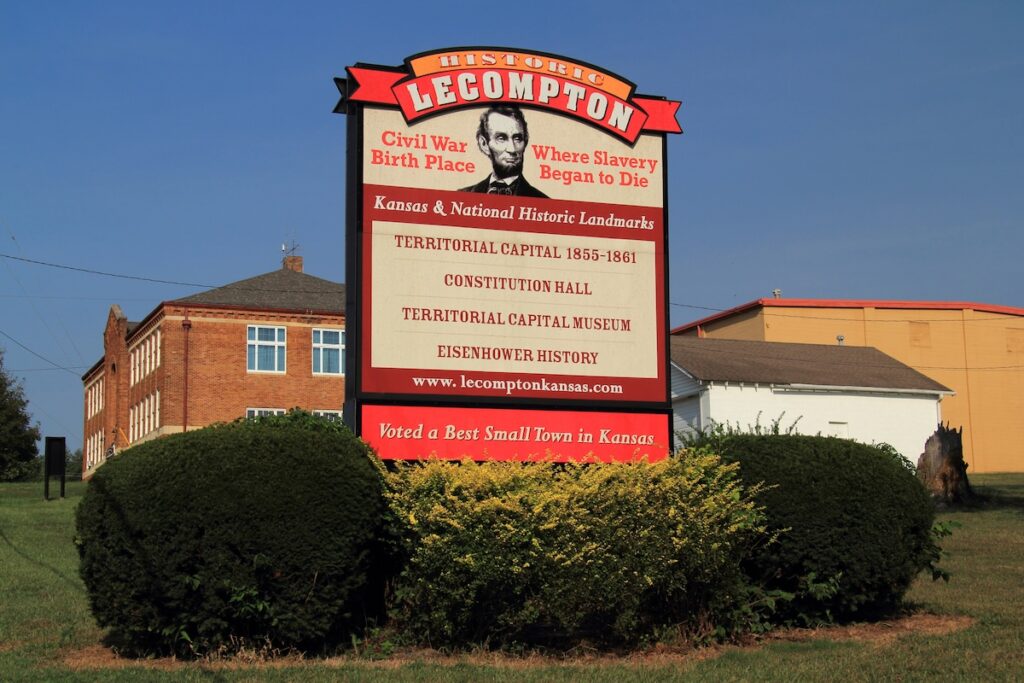
Before it officially became a U.S. state, Kansas was the explosive battleground for a dark chapter known as “Bleeding Kansas.” During the 1850s, violent clashes broke out across the territory between pro-slavery and anti-slavery settlers, each fighting to determine whether Kansas would enter the Union as a free or slave state.
This period of intense political guerrilla warfare featured notorious abolitionist figures like John Brown and saw armed raids, burned towns, and fraudulent elections. When Kansas finally joined the Union as a free state in January 1861, the brutal territorial conflict had already directly set the stage for the outbreak of the American Civil War.
8. Brown v. Board of Education

Kansas is famous for being the starting point of one of the most pivotal civil rights milestones in American history: Brown v. Board of Education.
In 1951, Oliver Brown filed a lawsuit against the Topeka Board of Education after his daughter, Linda, was denied enrollment at a nearby all-white elementary school. The case eventually reached the U.S. Supreme Court, leading to a unanimous 1954 ruling that declared state laws establishing racial segregation in public schools unconstitutional.
When you visit Topeka, make sure to drop by the Brown v. Board of Education National Historical Park, housed inside the historic Monroe Elementary School—the very school Linda Brown attended.
9. Air Capital of the World
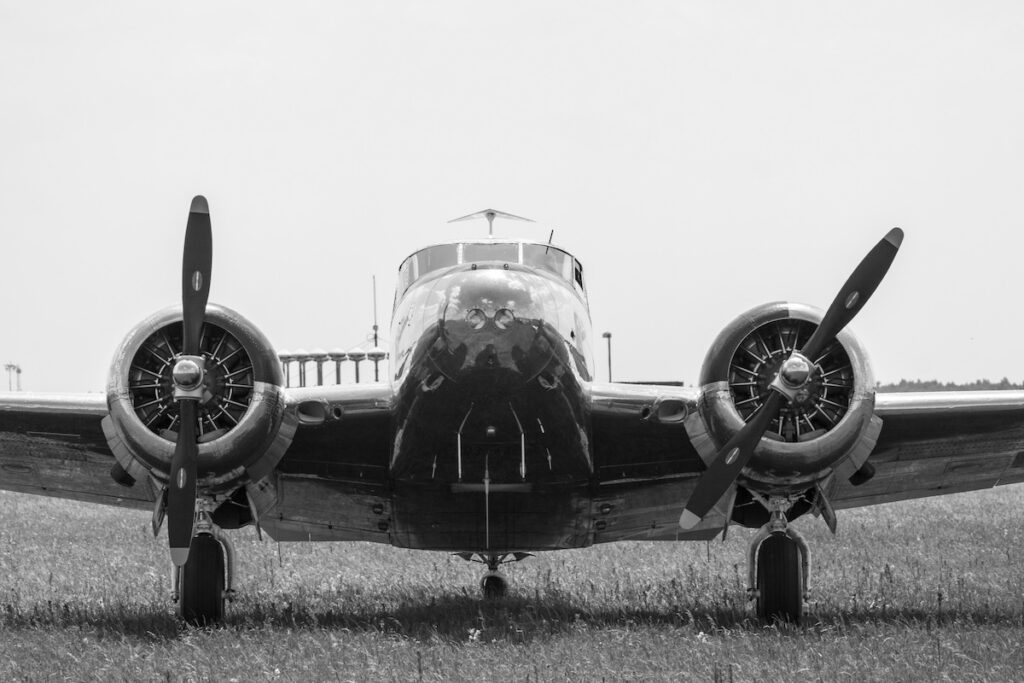
If you’ve ever flown on a commercial airliner or a private jet, there is a good chance parts of it were built right in Wichita, Kansas.
Known globally as the “Air Capital of the World,” this Midwestern city transformed into an aviation manufacturing powerhouse during the early 20th century, driven by flat open terrain, ideal flying weather, and early oil boom capital. Legendary aerospace brands like Cessna, Beechcraft, Stearman (which became part of Boeing), and Learjet all established major operations here.
Today, Wichita continues to build a massive portion of the world’s general aviation aircraft, establishing Kansas as a true industry leader.
10. KU Jayhawks and James Naismith
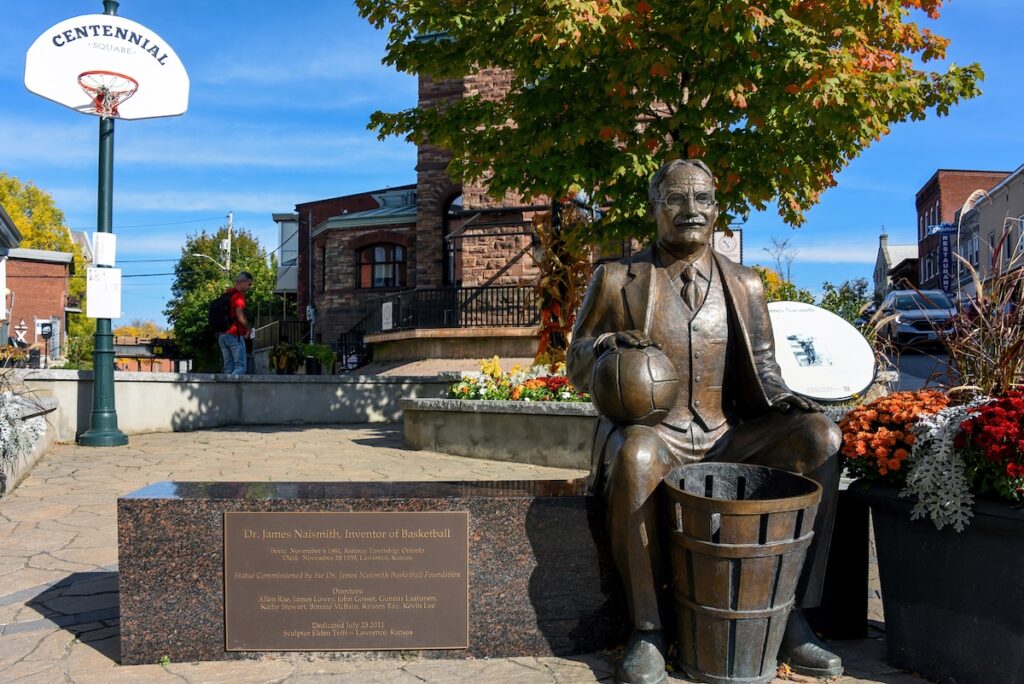
When it comes to college basketball, few places carry as much historic prestige as the University of Kansas (KU) in Lawrence. The Jayhawks boast one of the most storied programs in the nation, complete with multiple national championships, a passionate fan base, and a buzzing atmosphere inside historic Allen Fieldhouse.
What makes KU’s basketball heritage truly unmatched is its direct line to the creation of the game itself. Dr. James Naismith, who invented basketball in 1891, moved to Lawrence in 1898 to become KU’s very first basketball coach. In fact, the original two-page document containing Naismith’s 13 Original Rules of Basketball is permanently displayed at the DeBruce Center right next to Allen Fieldhouse.
11. Tornado Alley
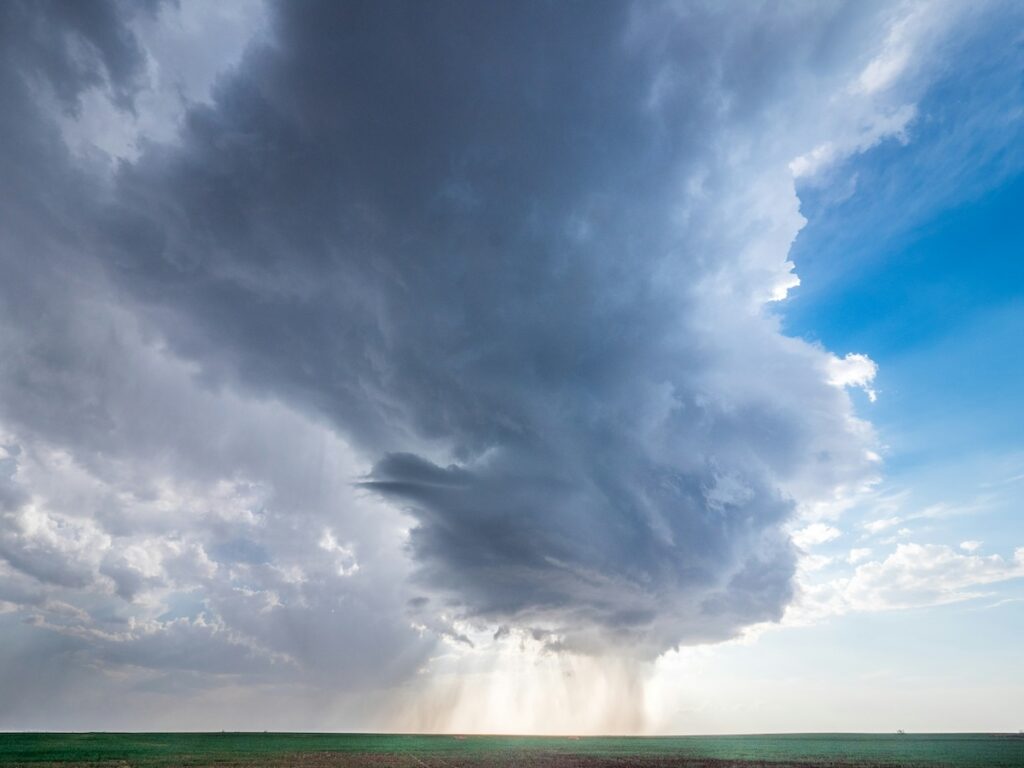
When people ponder what Kansas is known for, extreme weather almost always comes to mind.
Situated right in the heart of the U.S. Great Plains, the state sits smack-dab in the center of “Tornado Alley.” It has a front-row seat for dramatic weather, high-speed winds, and powerful supercell storms. This unique atmospheric theater happens when cold air from Canada collides with warm, moist air from the Gulf of Mexico right over the flat Kansas plains.
While spring is peak severe storm season, the state’s world-renowned storm-chasing culture and advanced Doppler radar history draw meteorologists and atmospheric researchers from around the world.
12. The Flint Hills and Tallgrass Prairie
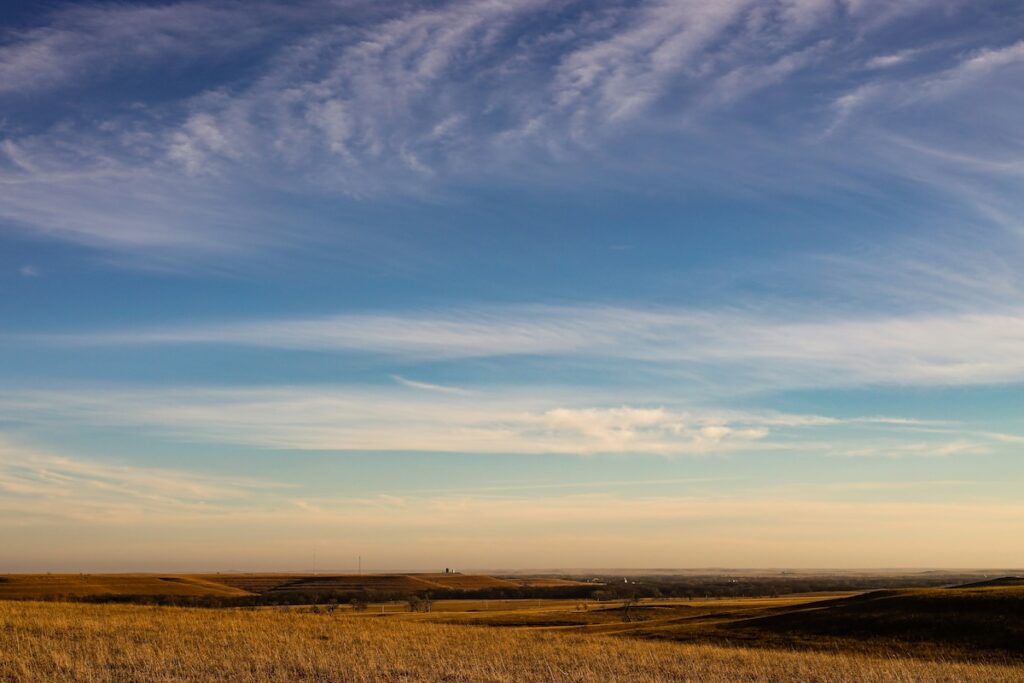
If you think Kansas is completely flat, a trip to the Flint Hills will quickly change your mind.
Spanning eastern Kansas, this breathtaking region is home to one of the world’s last remaining large-scale tallgrass prairie ecosystems, offering vast, rolling vistas that stretch as far as the eye can see. Because shallow limestone and flint deposits made the land difficult to plow, early settlers used it primarily for cattle grazing, accidentally preserving this rare natural landscape.
Visitors can explore the Tallgrass Prairie National Preserve near Strong City to hike scenic trails, spot free-roaming bison herds, and experience a peaceful, ancient side of the heartland.
13. Wild West history
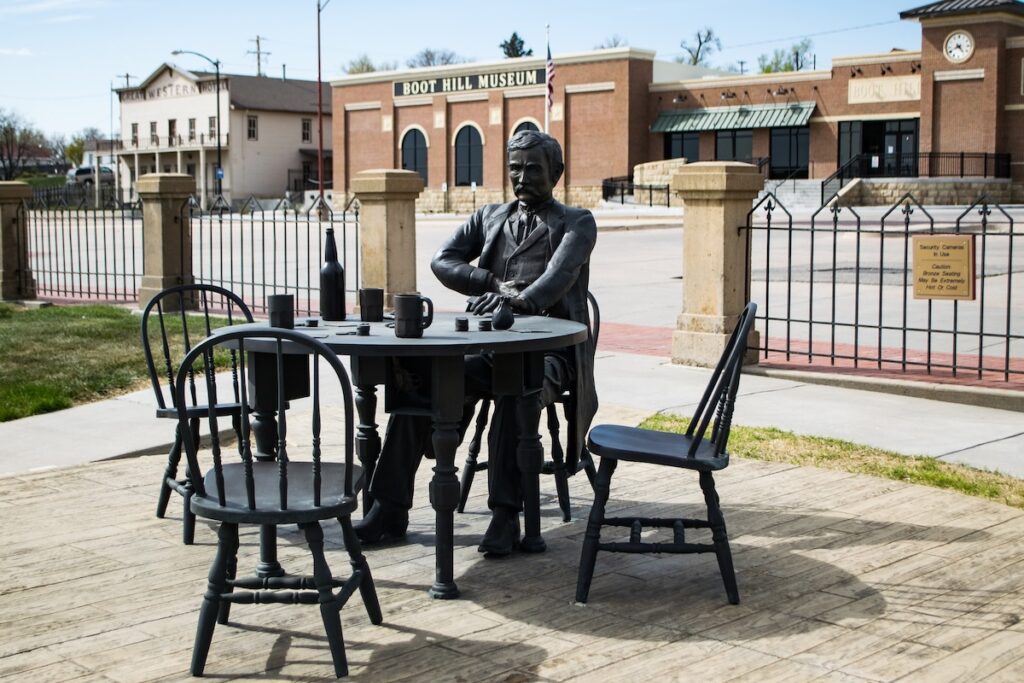
Did you know that Kansas was basically the real-life stage for the American Wild West?
During the post-Civil War cattle drive boom, millions of Longhorns were driven up trails from Texas to Kansas railhead towns like Dodge City, Abilene, and Hays. These bustling frontier outposts quickly became famous for their rowdy saloons, gambling halls, and legendary gunfights.
Naturally, that chaotic environment called for tough lawmen, giving rise to iconic Western figures like Wyatt Earp, Bat Masterson, Doc Holliday, and Wild Bill Hickok. If you’re into cowboy lore, you can step back in time by walking along Dodge City’s Boot Hill Museum.
14. Geographic Center of the Contiguous U.S.
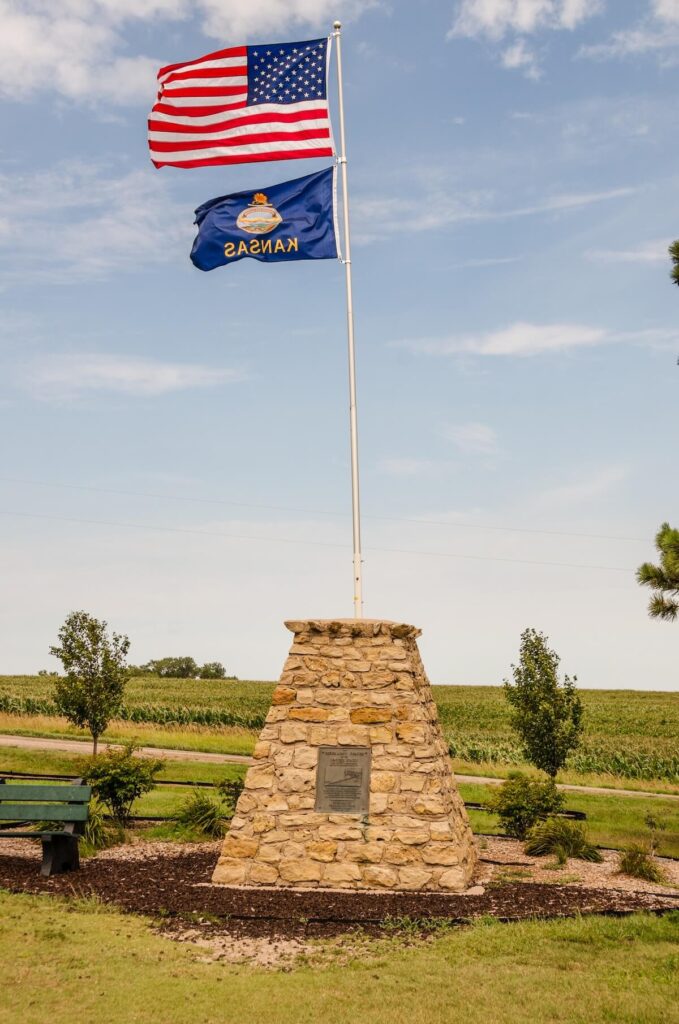
If you ever wanted to stand right in the middle of lower 48 states, Kansas is where you need to go.
Just outside the small town of Lebanon, a stone monument and flag site mark the exact geographic center of the contiguous United States. Officially established by the U.S. Coast and Geodetic Survey in 1918, this spot was determined by balancing a cardboard cutout map of the country on a point until it stayed level.
Today, visitors can check out the stone marker, relax at the adjacent picnic park, and even sign the guestbook in the tiny on-site chapel.
15. Pizza Hut’s birthplace
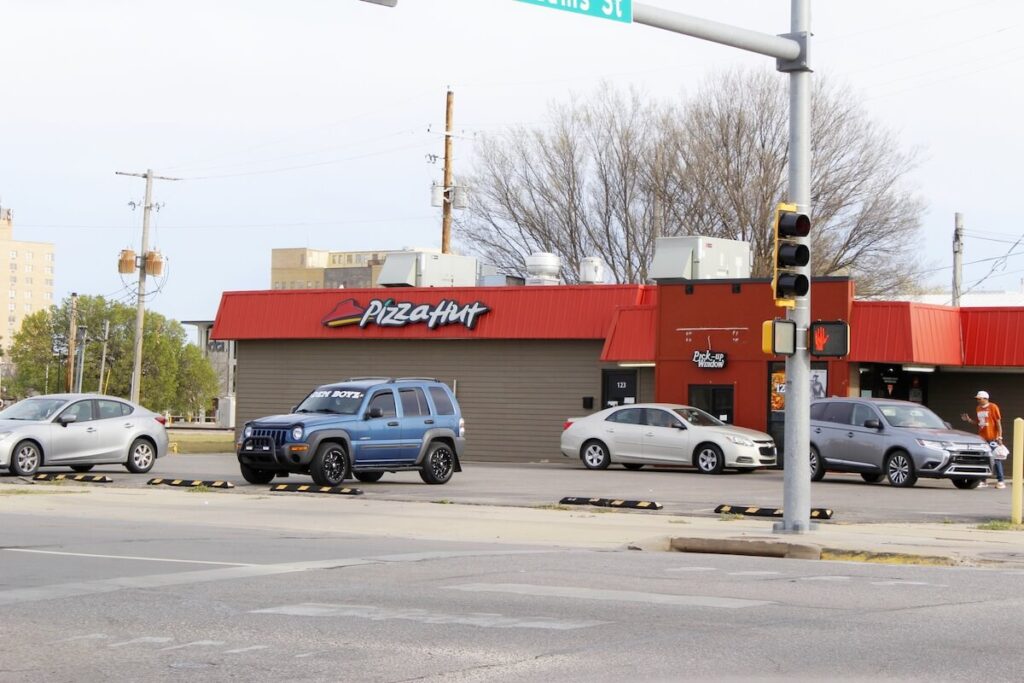
Long before it became an international chain, Pizza Hut got its start right in Wichita, Kansas.
In 1958, brothers Dan and Frank Carney borrowed $600 from their mother to open a small pizzeria while studying at Wichita State University. With only enough space on their sign for eight letters, they settled on the name “Pizza Hut” because the original building literally resembled a tiny hut.
That original brick building was later moved to the WSU campus, where it now serves as a museum highlighting the company’s history and global growth.
16. American bison
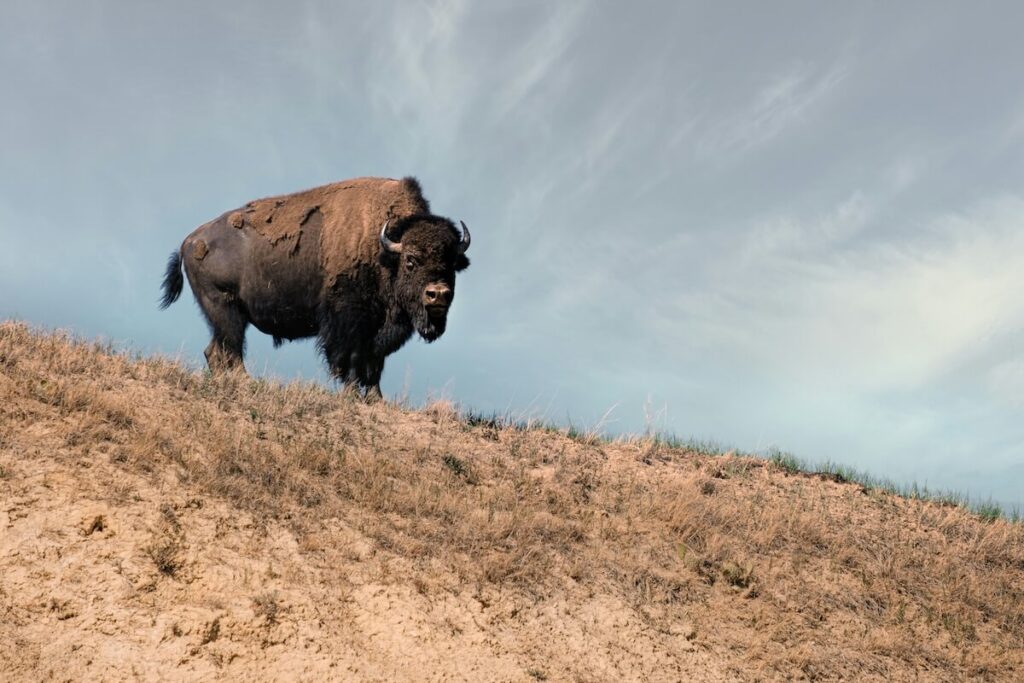
Before highways split the Plains, tens of millions of American bison thundered across Kansas, shaping its ecology and serving as a vital resource for Indigenous tribes. Overhunting in the 19th century pushed these massive creatures to the brink of extinction, but conservation efforts pulled them back.
Today, the bison proudly stands as Kansas’s official state mammal, serving as an enduring symbol of the American West. While you won’t see them roaming every backyard, protected herds have returned to their native turf.
You can watch these 2,000-pound giants grazing at sites like the Tallgrass Prairie National Preserve or the Sandsage Bison Reserve.
17. Home on the Range
You’ve almost certainly hummed it before, but you might not know that Home on the Range—the unofficial anthem of the American West—was born right in Kansas.
Dr. Brewster M. Higley wrote the classic poem back in 1872 inside his tiny log cabin near Smith Center, captivated by the surrounding prairie and wildlife. Set to music shortly after, the tune quickly spread among cowboys, pioneers, and eventually the entire country, leading Kansas to officially adopt it as the state song in 1947.
You can actually visit Higley’s restored cabin, tucked away in peaceful Smith County, to see where the magic started. It’s a quiet, surprisingly moving stop into the exact landscape that inspired the iconic lyrics.
18. World’s largest ball of twine
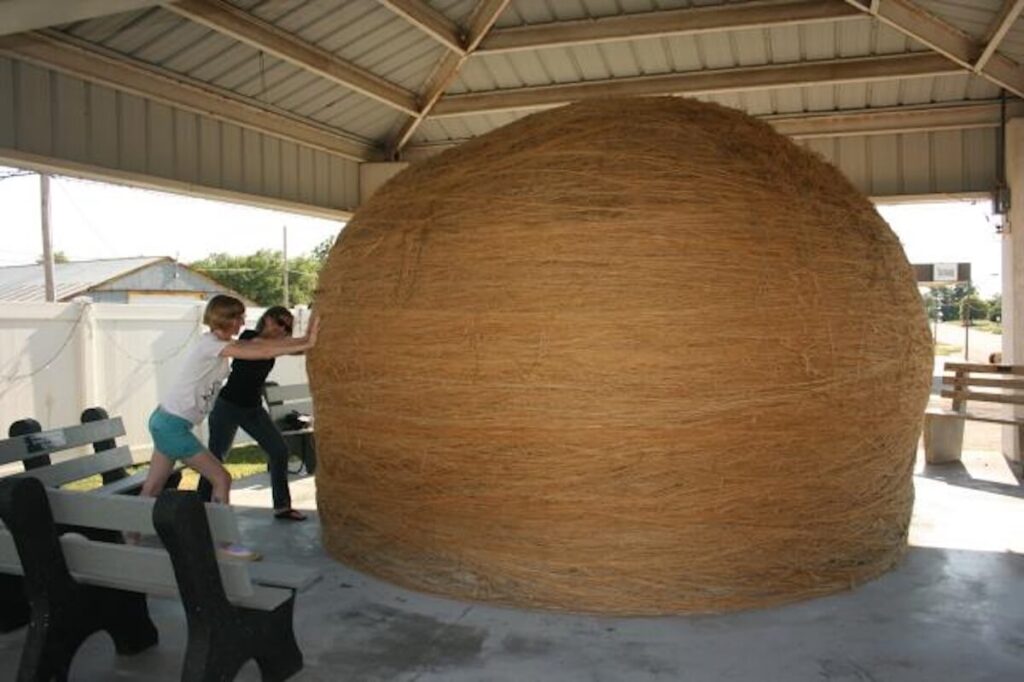
If you love quirky roadside stops, Kansas is famous for housing one of the absolute classics: the World’s Largest Ball of Sisal Twine in Cawker City.
Local farmer Frank Stoeber started winding leftover twine in 1953, and by the time he passed away, it had grown into a massive local legend.
The best part is that it’s still growing. Visitors can actually stop by during the annual Twine-a-thon—or contact the local visitor center year-round—to add their own strip of sisal twine to the ball.
Today, this giant sphere weighs over 29,000 pounds and stretches at least 46 feet around, holding decades of history in its woven layers.
19. Monument Rocks
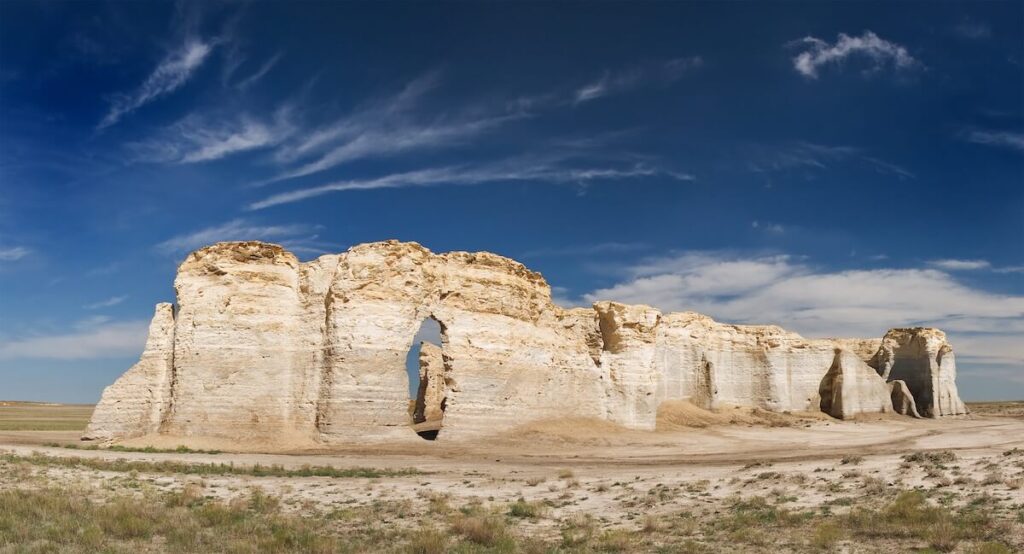
Rising suddenly out of the flat western Kansas prairie, Monument Rocks look like something straight out of a sci-fi film.
Also known as the Chalk Pyramids, these towering 70-foot limestone formations in Gove County were carved millions of years ago when an ancient inland sea covered the region. Designated as a National Natural Landmark, they hold rich deposits of marine fossils, giving paleontologists and visitors a dramatic window into prehistoric history.
Because they sit on private land, the site remains wonderfully uncommercialized and free to visit. Just keep in mind that you’ll need to drive down a few miles of unpaved dirt roads to reach them.
20. Strataca
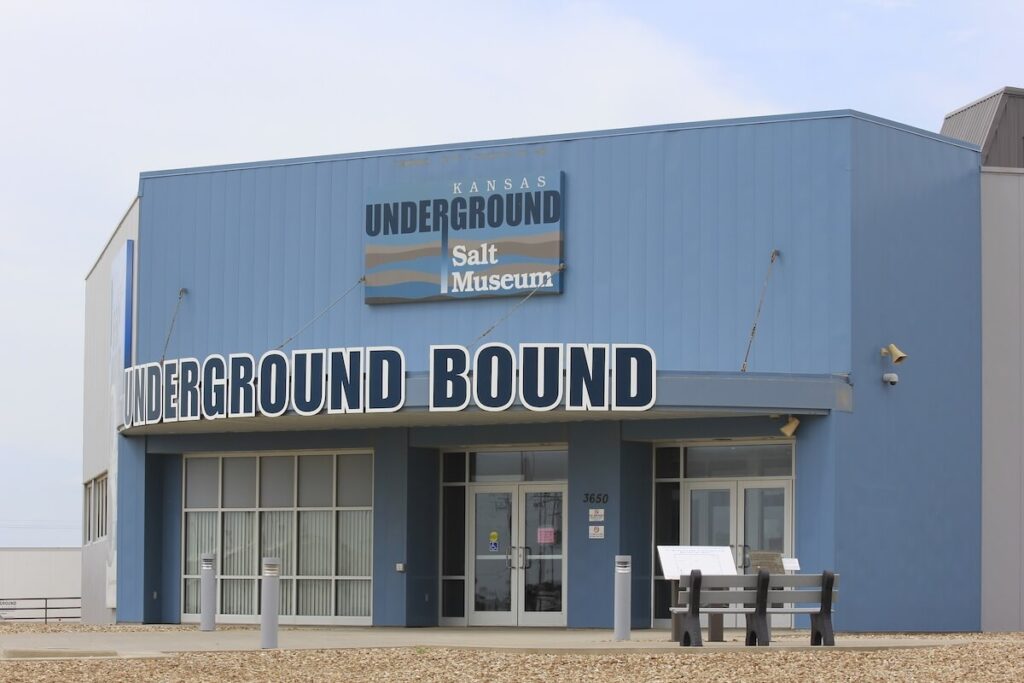
You might not expect a world-class adventure 650 feet below the Kansas prairie, but Strataca (formerly known as the Kansas Underground Salt Museum) in Hutchinson offers exactly that.
Located inside a salt deposit formed 275 million years ago, this working salt mine doubles as a massive underground museum. Guests ride a dark, thrilling elevator shaft straight down into vast, dimly lit salt caverns carved out over a century of mining.
Beyond the salt formations, the mine’s pitch-black darkness, constant humidity, and strict security make it a premier underground storage facility, much like a secret vault. Hollywood studios and national archives actually store original film reels, medical records, and historical documents down here!
21. The Cosmosphere

It might seem strange to find a world-class space center tucked away in a small Kansas town, but the Cosmosphere in Hutchinson is an absolute gem.
What started as a humble local planetarium in 1962 has evolved into a powerhouse Smithsonian affiliate with one of the world’s most extensive combined collections of U.S. and Russian space artifacts. I’m talking over 13,000 spaceflight artifacts!
The museum’s crown jewel is the restored Apollo 13 command module (Odyssey), giving you an up-close look at one of NASA’s most famous survival stories. Beyond American spaceflight, it also houses an extraordinary gallery of Soviet-era spacecraft and gear.
22. The Sunflower Showdown
If you’re traveling through Kansas during college sports season, you might want to pick a side carefully.
The “Sunflower Showdown” is the state’s iconic rivalry between the University of Kansas (KU) Jayhawks and the Kansas State (K-State) University Wildcats. Dating back to 1902, this long-standing battle pits Lawrence against Manhattan, dividing families, workplaces, and entire towns across the state.
While football games bring plenty of tailgating energy, the rivalry hits a fever pitch on the basketball court. KU has long dominated the hardwood nationally, but K-State fans make every matchup a tense, high-stakes battle.
Do catch a game in person—whether at Allen Fieldhouse or Bramlage Coliseum—to get a front-row seat to this authentic Midwestern passion.
23. The invention of the ICEE slushie
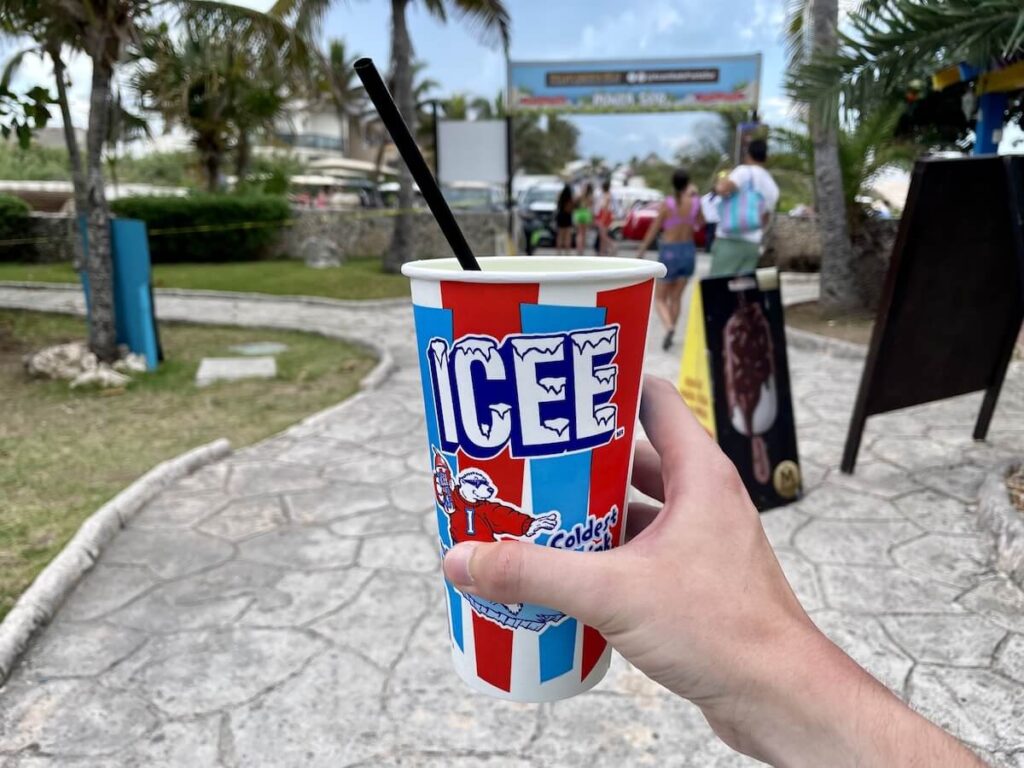
Did you know that the bright red-and-blue frozen drink you grab at the movies actually traces its origins back to a small Kansas soda fountain/
In the late 1950s, Dairy Queen owner Omar Knedlik in Coffeyville didn’t have a soda fountain, so he improvised by placing bottles in his freezer. When customers loved the slushy, semi-frozen soda, he built a custom machine using an old car air conditioner to recreate the effect.
The invention was an instant hit, eventually rebranded as the ICEE (and later licensed to 7-Eleven as the Slurpee). Today, Knedlik’s happy accident satisfies millions of sweet teeth daily.
24. Gordon Parks
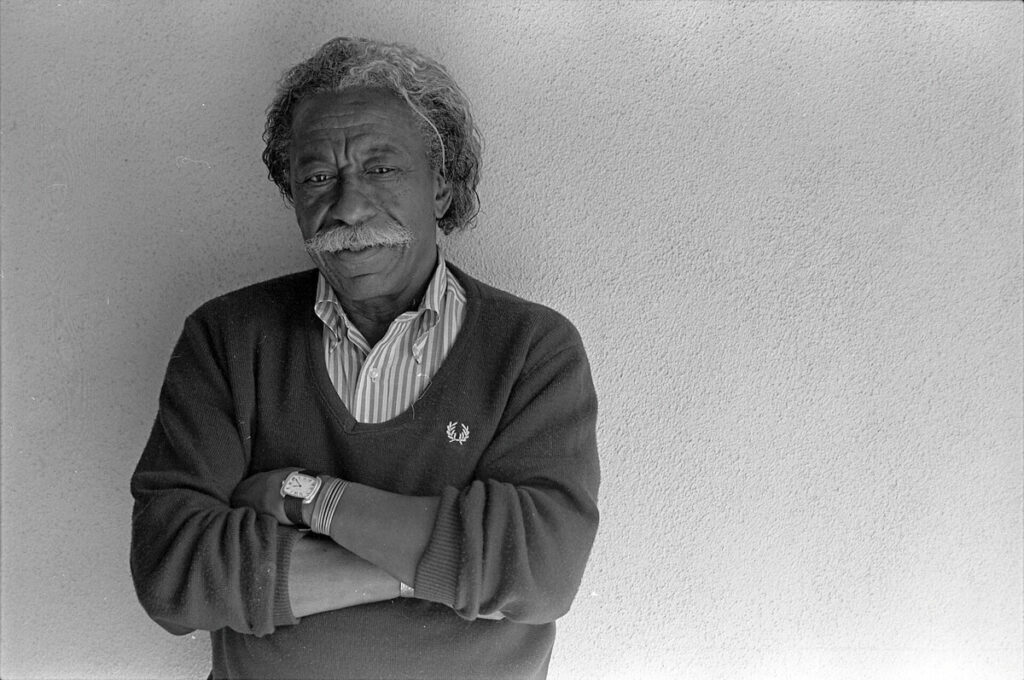
Few small-town stories are quite as impressive as that of Gordon Parks, a creative powerhouse born in Fort Scott, Kansas, in 1912.
Despite growing up in poverty and facing severe racial discrimination, Parks taught himself photography and eventually became the first Black staff photographer for both Life and Vogue magazines. His powerful photojournalism brought crucial national focus to civil rights, poverty, and American life throughout the 20th century.
Parks didn’t stop behind the camera lens, either. He was a gifted musician, writer, and groundbreaking film director who helmed the 1971 classic Shaft, helping pioneer Hollywood’s Blaxploitation genre.
You can honor his legacy at the Gordon Parks Museum in Fort Scott, which showcases his photography, films, and lasting impact on American arts.
25. The Santa Fe and Oregon Trails
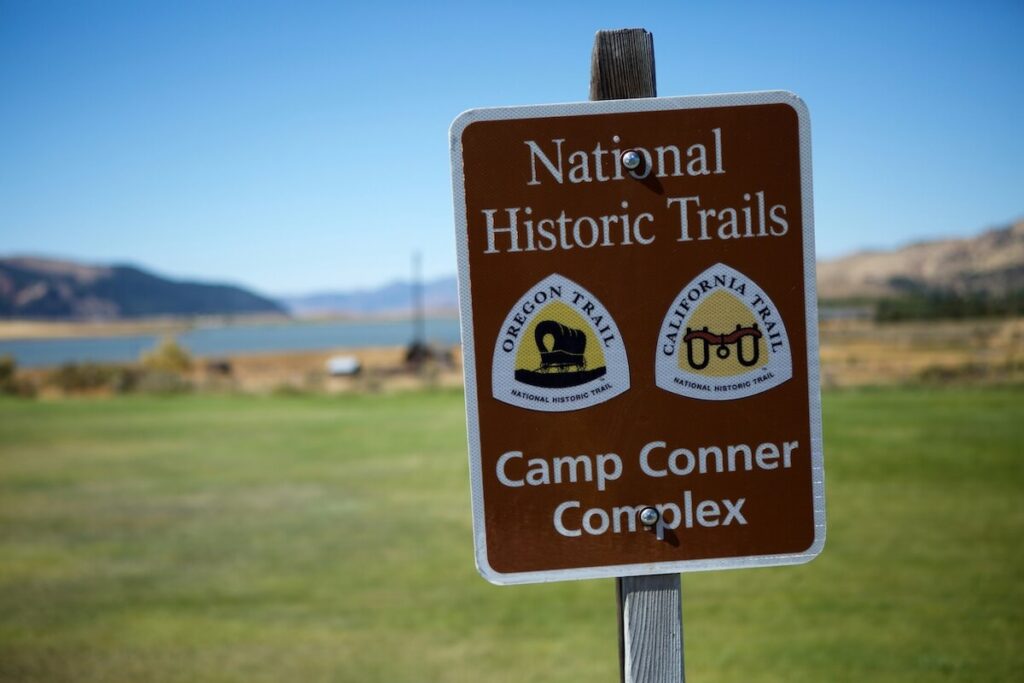
If you’ve ever wanted to trace the steps of 19th-century pioneers, Kansas is one of the best places to do it. During America’s era of westward expansion, major routes like the Santa Fe, Oregon, and California Trails all cut through the state. Thousands of emigrants, traders, and gold-seekers traveled these paths, which turned Kansas into a busy highway for covered wagons heading toward new frontiers.
Because the journey was so grueling, these heavy wagons packed down the earth so hard that you can still see deep ruts etched into the prairie today. Sites like the Minor Park ruts or the Santa Fe Trail tracks near Dodge City let you stand in the exact tracks carved by travelers nearly two centuries ago.
26. Bierocks

Finally, rounding out this list is a comforting local staple you might not find in many other states: the bierock.
Brought to Kansas in the 1870s by Volga German immigrants, this savory handheld pastry is pure Midwest comfort food. It consists of a soft, slightly sweet yeast-dough pocket stuffed with a seasoned filling of ground beef, shredded cabbage, and chopped onions, baked to a golden brown.
While you’ll find similar variations across the Plains—like Nebraska’s runza—bierocks hold a special place in Kansas church suppers, school lunchrooms, and local bakeries. They’re warm, filling, and best enjoyed fresh out of the oven.
Conclusion
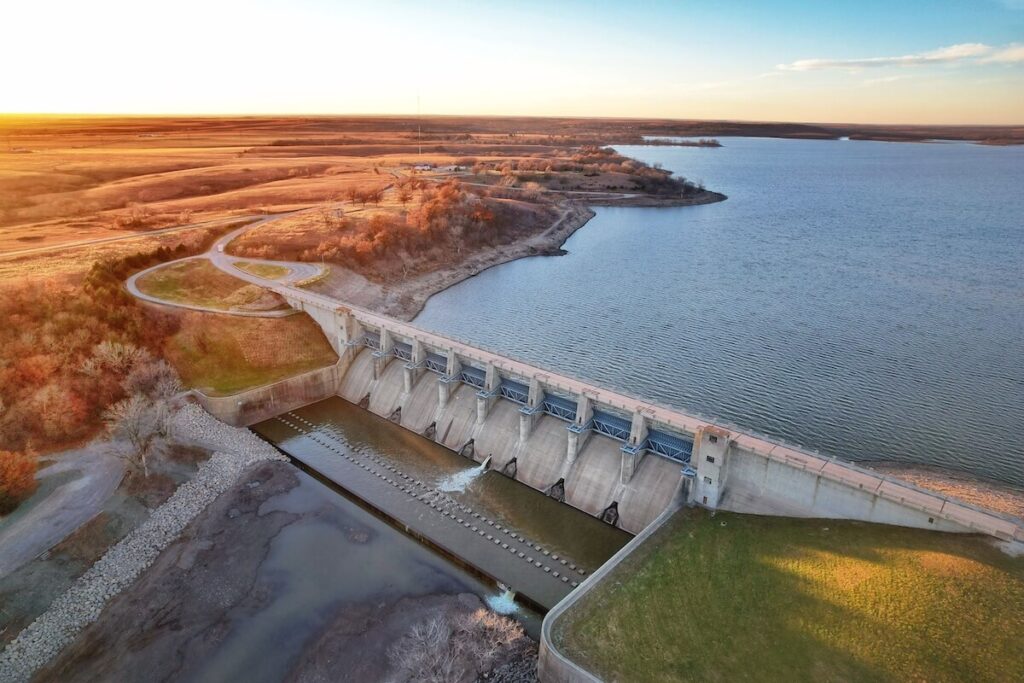
So, what is Kansas famous for? From the magical yellow brick roads of The Wizard of Oz and sprawling fields of amber wheat to high-stakes college basketball and deep Wild West history, the Sunflower State packs far more variety than most travelers realize!
Whether you’re staring up at the towering Chalk Pyramids, diving into spaceflight history, or tracing the roots of aviation giants, Kansas delivers a surprising mix of natural wonder and American heritage. So, if you’re ready to start planning your trip to the heartland, be sure to bookmark this guide for your itinerary.
And don’t stop here—check out our other regional guides exploring Kansas’ scenic neighbors, including Colorado, Oklahoma, and Nebraska!