
*This article may contain affiliate links. For full information, please see the disclaimer here.
As someone raised in the Philippines, I’ve always found Cebu to be one of the most fascinating places in our entire archipelago. It strikes a beautiful balance of buzzing urban life, rich historic roots, and breathtaking tropical outdoors.
So, what is Cebu known for? Beyond the bustling capital that is Cebu City, the entire island province is packed with world-famous attractions. It’s known for mouthwatering lechon and sweet dried mangoes, historical landmarks like Magellan’s Cross and the site of Lapu-Lapu’s stand at Mactan, and thrilling adventures like swimming with whale sharks in Oslob and canyoneering through Badian’s Kawasan Falls.

Add in the colorful Sinulog Festival and the traditional guitar-making workshops, and you’ll find that there’s no shortage of culture. It’s easy to see why the province captivates travelers from all over the globe and why many people choose to migrate here!
If you’re thinking of visiting or even living in Cebu, you’re in for a treat. Read on to know what’s waiting for you.
Table of Contents
What is Cebu known for?
1. Cebu lechon

If you talk to any Filipino food lover, it won’t take long before lechon (roasted pig) comes up—and Cebu is known for making the undisputed absolute best.
Whole pigs are stuffed with a fragrant blend of native lemongrass, garlic, scallions, sea salt, and local spices, then slow-roasted over open charcoal. The skin turns crackling-crispy while the meat gets so rich and flavorful you don’t even need a dipping sauce.
This iconic dish traces its history back to traditional whole-animal roasting practices on the island before Spanish colonizers arrived in 1521. Its international stardom truly exploded when late celebrity chef Anthony Bourdain visited and famously proclaimed it the “best pig ever” on his travel show.
Today, picking up a kilo of freshly chopped lechon from local powerhouses like CnT, Zubuchon, or Rico’s is a non-negotiable ritual for anyone visiting the province.
2. Sinulog Festival
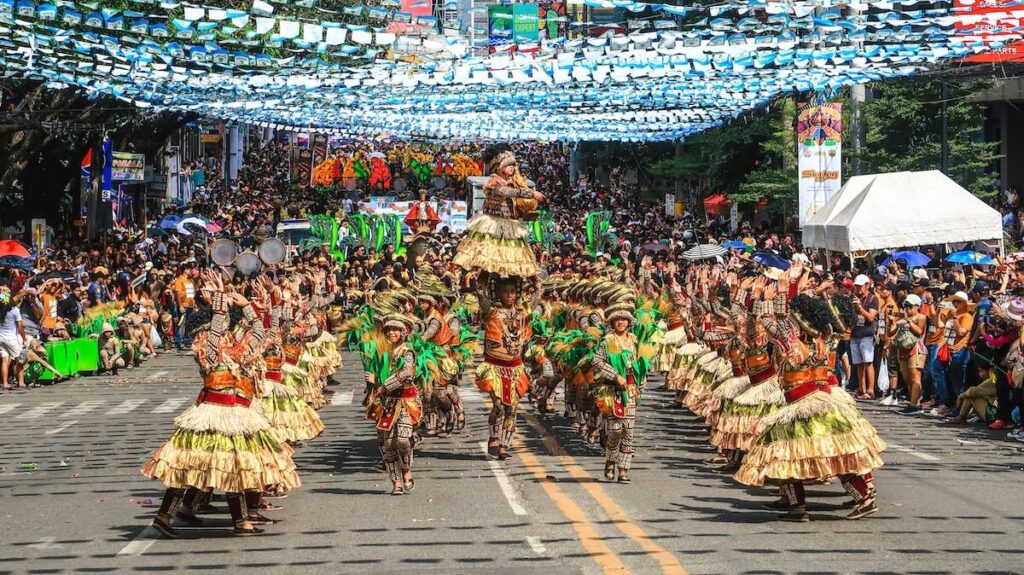
Every January, the streets of Cebu City erupt into one of the Philippines’ grandest, most electrifying celebration: the Sinulog Festival.
Held in honor of the Santo Niño (holy child), this massive event blends deep religious devotion with a massive island-wide street party that draws millions of visitors every year.
What makes the festival iconic is its signature dance—a moving two-steps-forward, one-step-back rhythm set to the thunderous beat of drums, mimicking the movement of the current (sulog). This dance originally commemorated the 1521 moment when Queen Juana accepted the Santo Niño statue.
Today, with its vivid costumes, street parades, and lively music, it’s an unforgettable cultural spectacle.
3. The “Queen City of the South”
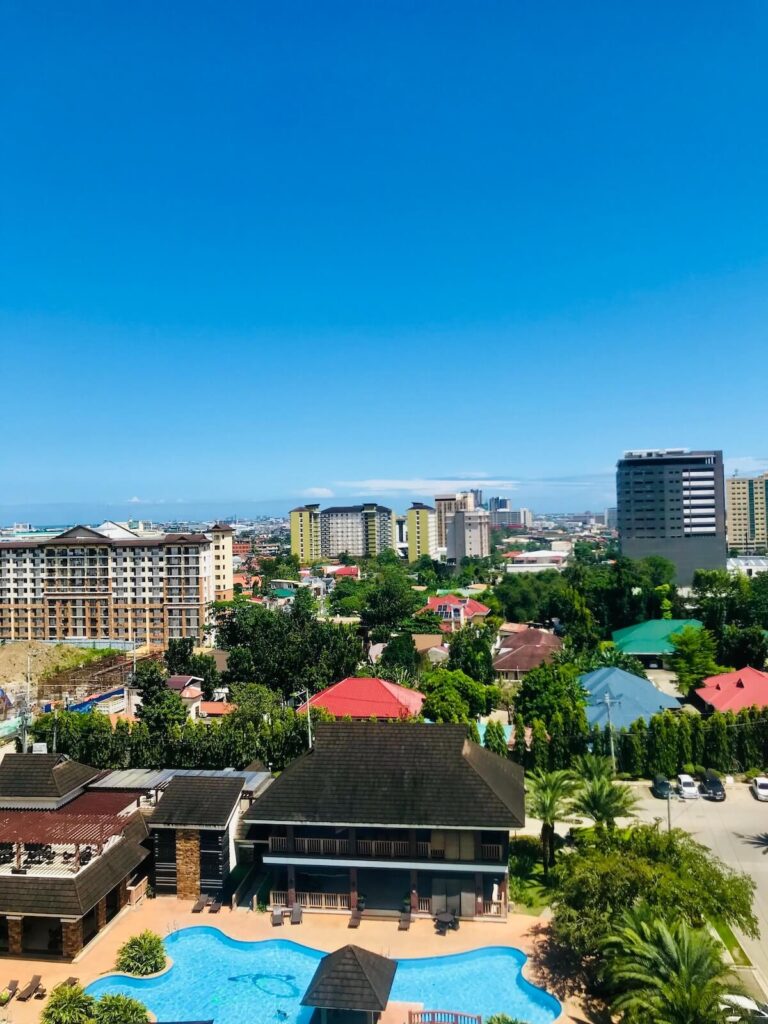
Cebu City holds the distinguished title of the “Queen City of the South.” As the oldest city in the country—and the first capital established during Spanish rule in 1565—it has centuries of history packed into its vibrant streets and serves as the economic, educational, and cultural heartbeat of the Visayas region.
The city earned this majestic title due to its prominence as a crucial maritime trading port. Over the centuries, it grew from a busy pre-colonial trade center into a modern metropolis that hosts both ancient historic sites and booming IT hubs, bustling seaports, and top-tier universities.
Cebu City also acts as the primary gateway to the entire province. Whether locals are heading south for dive trips, traveling north for beach getaways, or doing business downtown, this urban hub is the perfect jump-off point and remains the island’s proud, beating center.
4. The Cradle of Christianity in the Philippines

Long before Spain consolidated control over the archipelago, Christianity already took root on the island of Cebu in 1521.
It began when Portuguese explorer Ferdinand Magellan landed on its shores, paving the way for the historic baptism of Rajah Humabon, his wife Hara Amihan (renamed Queen Juana), and hundreds of local rulers. This pivotal moment officially marked Cebu as the “Cradle of Christianity in the Philippines.”
As a baptismal gift, Magellan presented Queen Juana with the image of the Santo Niño. Miraculously surviving a fire decades later during Legazpi’s 1565 expedition, the original wooden statue is housed today inside Cebu City’s Basilica Minore del Santo Niño, the oldest Catholic church in the country.
5. Battle of Mactan and Lapu-Lapu

If you ever want to pinpoint the moment Philippine history took a dramatic turn, look no further than the shores of Mactan Island. It was right here in 1521 that the local ruler, Lapu-Lapu, famously stood his ground against Portuguese explorer Ferdinand Magellan.
Magellan had waded ashore with armored Spanish troops to enforce foreign rule, but Lapu-Lapu and his warriors fought back, killing Magellan and driving the expedition out. Lapu-Lapu’s fierce resistance against foreign colonization is why he’s honored as the very first national hero of the Philippines.
If you visit Mactan today, you can explore the Mactan Shrine (also known as the Liberty Shrine), which features a massive bronze statue of the chieftain standing proudly near the exact spot where the historic battle went down.
6. Magellan’s Cross
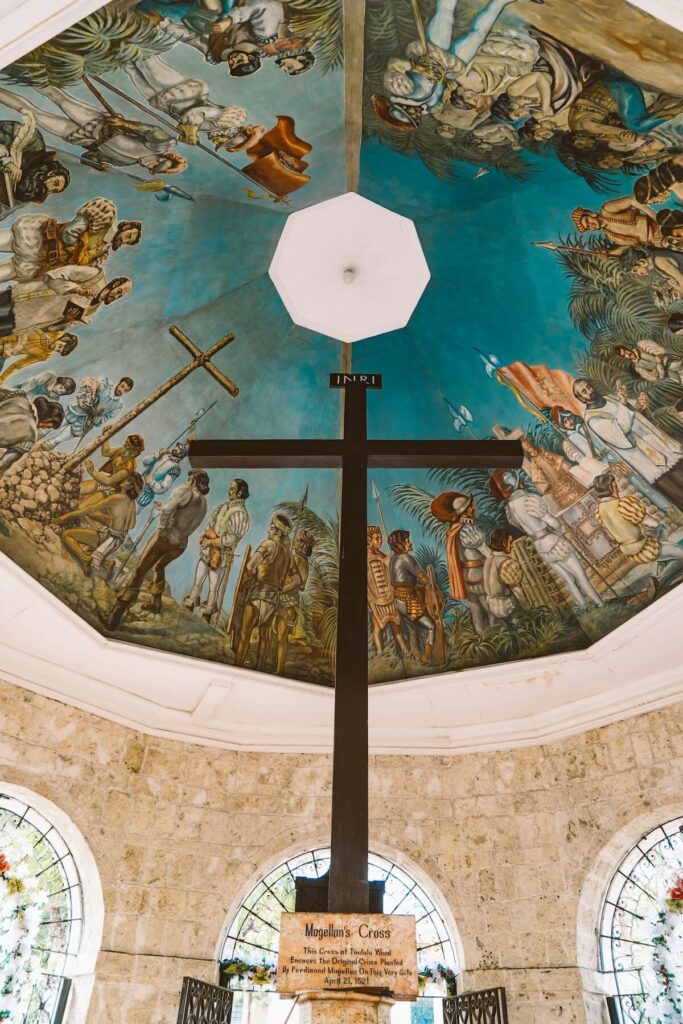
No visit to Cebu is complete without stopping by Magellan’s Cross in downtown Cebu City. Encased inside a stone kiosk, this iconic wooden cross was planted by Portuguese explorer Ferdinand Magellan in 1521 to mark the island’s very first Christian conversions. To protect the original relic from souvenir-hunters, it was later encased inside a protective outer wooden shell, where it still stands today.
Right next to the cross sits the previously mentioned Basilica Minore del Santo Niño. Founded in 1565, this majestic basilica houses the most treasured religious icon and the oldest religious relic in the country: the original Santo Niño statue given by Magellan to Queen Juana.
Together, these two landmarks offer an unforgettable look right into the origins not just of Cebu but of modern Philippine history.
7. Whale sharks
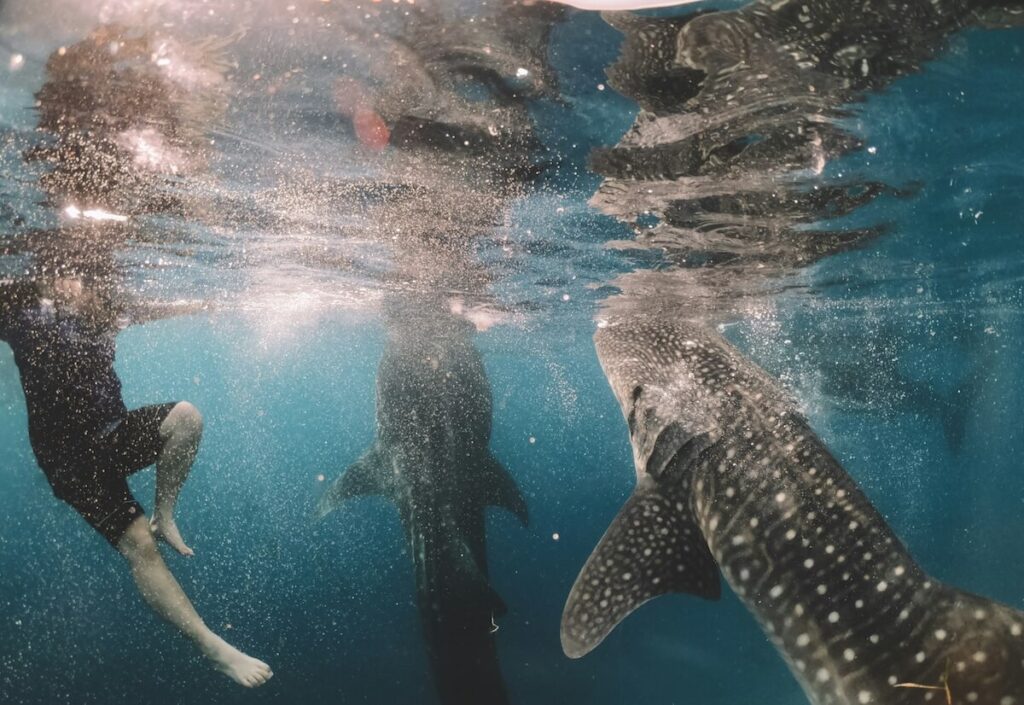
Head down to the municipality of Oslob in southern Cebu, and you’ll find one of the island’s most world-famous outdoor experiences: swimming alongside massive whale sharks (butanding or tuki).
Once a quiet fishing village, Oslob transformed into an international tourism hotspot after local fishermen realized that these gentle giants kept returning to the coastal waters. Visitors can hop onto small motorized outrigger boats and snorkel just meters away from these filter-feeding creatures as they glide peacefully through the water.
It’s an incredible, bucket-list encounter, though it’s best to go early in the morning when the sea is calmest. You can pair your swim with other top spots in the area by booking this swimming and snorkeling tour to make the absolute most of your day trip down south.
8. Strong economy

Beyond its breathtaking beaches and rich history, Cebu stands out as one of the country’s undisputed economic heavyweights. The province functions as a booming financial hub and major economic driver for the entire Visayas and Mindanao regions, balancing rapid urban expansion with a resilient, multi-industry trade network.
Cebu’s economic strength comes from its impressive industrial diversity. It houses thriving sectors in IT-BPO, international maritime shipping, furniture manufacturing, real estate, and heavy export production. This economic vitality creates countless job opportunities, attracting not only skilled professionals from across the Philippines but also expats drawn to its ideal balance of modern career growth and island lifestyle.
9. Pusô

If you wander through any food market in the province, you’ll notice rice served in a unique way: in pouches of handwoven leaves.
Cebu is known for pusô, or hanging rice. This clever staple consists of white rice wrapped in coconut fronds woven into a pouch, then boiled until perfectly cooked. This way of making rice dates back to pre-colonial times, when native Cebuanos prepared wrapped rice as sacred offerings to spirits before farming or fishing trips.
What’s amazing is that the woven palm leaf acts as a natural pressure cooker that preserves the rice without needing refrigeration—making it the ultimate portable meal for workers and travelers way beyond lunchboxes were invented.
Pusô is an indispensable part of local street food culture. To eat like a local, you simply slice the pouch open and pair the fragrant, compressed rice with lechon, grilled pork skewers, or tuslob buwa at open-air food stalls across the island.
10. World-class diving spots

Cebu’s surrounding waters are a dream for divers and beach lovers alike as it’s home to some of the most vibrant marine sanctuaries in Southeast Asia.
Coastal hubs like Moalboal draw travelers from across the globe to witness its famous “sardine run”—a breathtaking phenomenon where millions of sardine fish swim together in tight, swirling formations just meters from shore, right alongside wild sea turtles.
For a completely different underwater encounter, head north to Malapascua Island, globally renowned as one of the few places where divers can reliably spot majestic thresher sharks in their natural habitat.
If you prefer relaxation on dry land, neighboring Bantayan Island beckons with its stunning white-sand beaches, crystal-clear turquoise waters, and laid-back island atmosphere. You’re spoilt for choice!
11. Colon Street

If you want to walk through centuries of history while taking in the energetic pulse of downtown Cebu City, head straight to Colon Street. Built during the Spanish colonial era in 1565 under the command of conquistador Miguel López de Legazpi, it holds the historic title of the oldest street in the Philippines.
Named after Cristobal Colon (Christopher Columbus’ name in Spanish), it served as the original heart of early urban planning in the country. During the late 19th and mid-20th centuries, the street transformed into Cebu’s premier commercial and cultural hub, packed with fashion boutiques, grand movie theaters, and bustling department stores.
While mega-malls have since popped up across the city, Colon remains a bustling, vibrant stretch filled with night markets, budget shopping centers, historic universities, and street food vendors. Walking down its sidewalks today lets you experience a unique layer of old-world charm alongside the daily hustle of modern Cebuano life.
12. Kawasan Falls and Badian
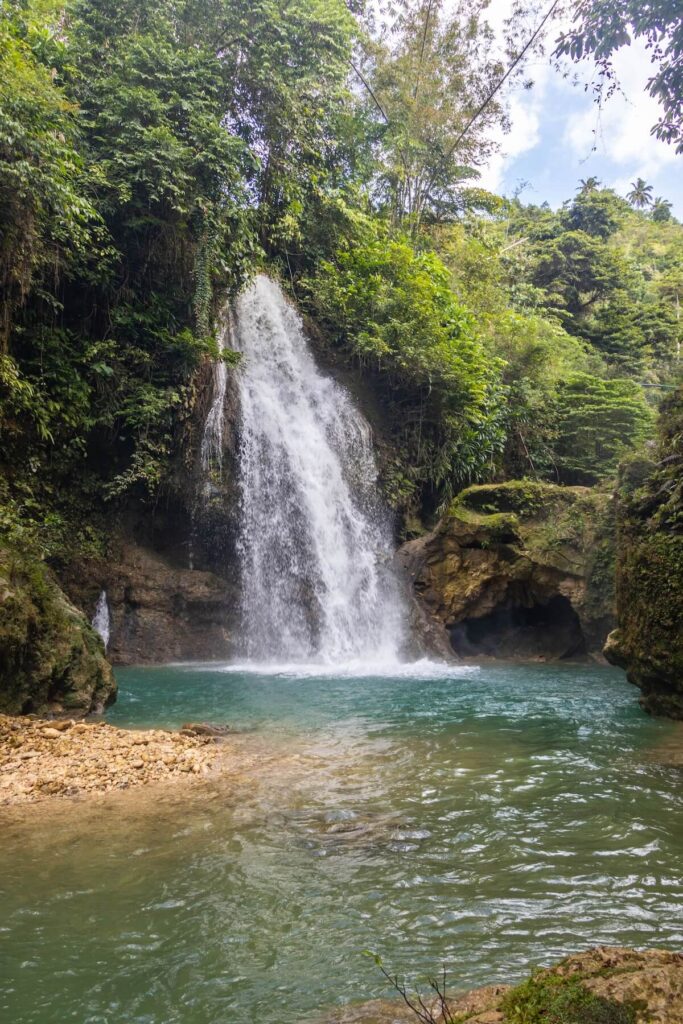
If you’re looking for the ultimate adrenaline rush in the Philippines, Badian’s Kawasan Falls is where you need to be.
Famous for its surreal, bright turquoise-blue water, this multi-tiered waterfall is one of the most stunning natural attractions in the Visayas—and the ultimate reward at the end of an action-packed day.
The real highlight here is canyoneering, a thrilling adventure where you scramble, trek, float, and cliff-jump your way through the dramatic river canyons of Badian. Clad in a helmet and life jacket, you’ll leap off rocky ledges ranging from gentle three-meter dips to heart-pumping 15-meter drops into crystal-clear pools.
To secure a safe, guided, and completely hassle-free day out on the river, book this canyoneering adventure and get ready for an unforgettable trip.
13. Dried mangoes
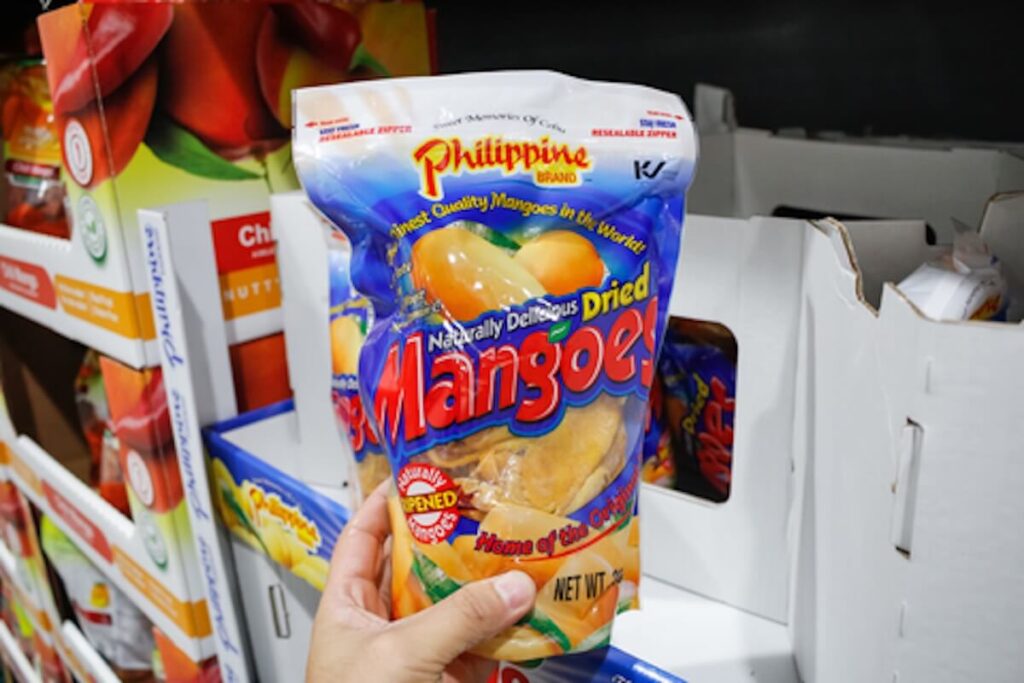
Complete your trip to the province by taking home a few edible treats! Cebu is known for producing world-famous dried mangoes, renowned for their naturally sweet, tangy flavor and chewy texture.
Commercial production took off in the 1970s with iconic Cebuano brands like 7D and Profood, turning these golden fruit slices into top-tier souvenirs from the Philippines that are exported worldwide today.
Beyond dried fruits, the province boasts a rich baking heritage packed with traditional sweet treats. Local favorites include otap—a crispy, oval-shaped flaky puff pastry dusted with sugar—and rosquillos, the ringlet-shaped cookies born in Liloan back in 1907 at Titay’s bakery.
14. Fort San Pedro
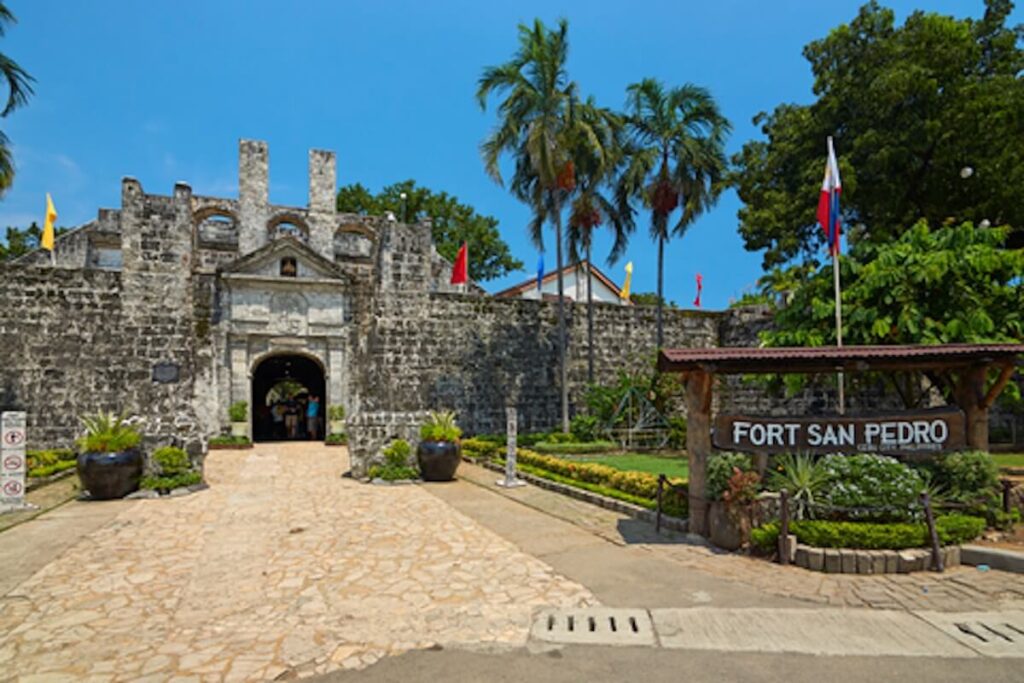
Step back into the 16th century by visiting Fort San Pedro, a historic military defense structure standing in downtown Cebu City. Commissioned in 1565 under the command of Spanish conquistador Miguel López de Legazpi, it holds the dual distinction of being both the oldest and the smallest fort in the Philippines!
Originally built as a wooden palisade to fend off hostile local raiders, it was replaced with stone walls in the 1700s to create the triangular fortress you see today. Over centuries of changing rulers, it served as a Spanish army garrison, a rebel stronghold, a prison camp during the American colonial era, and an emergency hospital during WWII.
Today, this charming stone fort offers a peaceful escape from the busy city streets. Visitors can stroll along its raised ramparts, view historical artifacts inside its small museum, and relax in its garden courtyards.
15. Handcrafted guitars

When it comes to world-class craftsmanship, Cebu can boast its rich, generations-old tradition of guitar making.
Head over to Mactan Island—specifically Lapu-Lapu City—and you’ll find local luthiers who have spent decades building acoustic guitars, ukuleles, and traditional stringed instruments like the bandurria. This tradition has earned the province an international reputation for stellar tone and meticulous handwork.
The industry dates back to Spanish colonial times, when local artisans were initially tasked with repairing and replicating worn-out instruments brought by European friars. Over decades, that skill turned into a thriving cottage industry centered in neighborhoods like Abuno and Pajac.
Master luthiers combine imported tonewoods like spruce and cedar with native Philippine woods—such as jackfruit, acacia, and mango wood—to construct stunning instruments completely by hand.
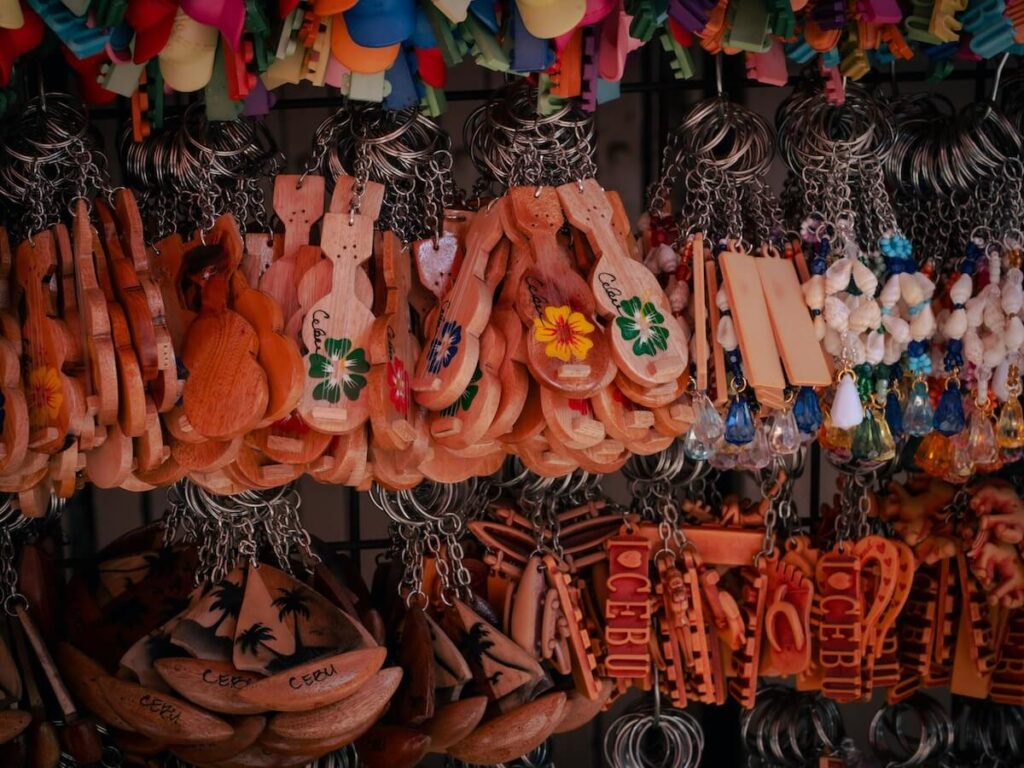
Today, visiting local guitar workshops like the famed Alegre Guitar Factory or Ferangeli Guitar Handcrafter is a favorite stop for travelers. You can watch master craftsmen hollow out wood, set frets, and string instruments in real time, and pick up anything from a budget-friendly travel ukulele or souvenir keychain to a custom-crafted concert guitar.
Conclusion
So, what is Cebu famous for? From savoring world-renowned lechon and swimming alongside whale sharks to tracing centuries of rich history at Magellan’s Cross and dancing at the Sinulog Festival, this island province delivers an unforgettable tropical getaway.
If you’re ready to start planning your dream trip down south, be sure to bookmark this guide for your upcoming itinerary! While you’re at it, don’t forget to check out our other guides to discover the best of the Philippines, including Manila and other awesome cities across the archipelago.