
*This article may contain affiliate links. For full information, please see the disclaimer here.
As a Filipino, I’ve had the privilege of exploring some truly incredible spots in our beautiful country. So, when people ask me about the “famous cities the Philippines” has, my mind doesn’t just jump to the usual big names.
Sure, Manila’s got its chaotic charm, and Cebu’s energy is infectious, but there’s so much more to discover. For me, it’s about the places that leave a mark, the ones that make you feel that unmistakable Filipino warmth that the Philippines is known for. It’s the hidden beaches, the historical towns, and the spots where you can just breathe and soak in the Filipino spirit.
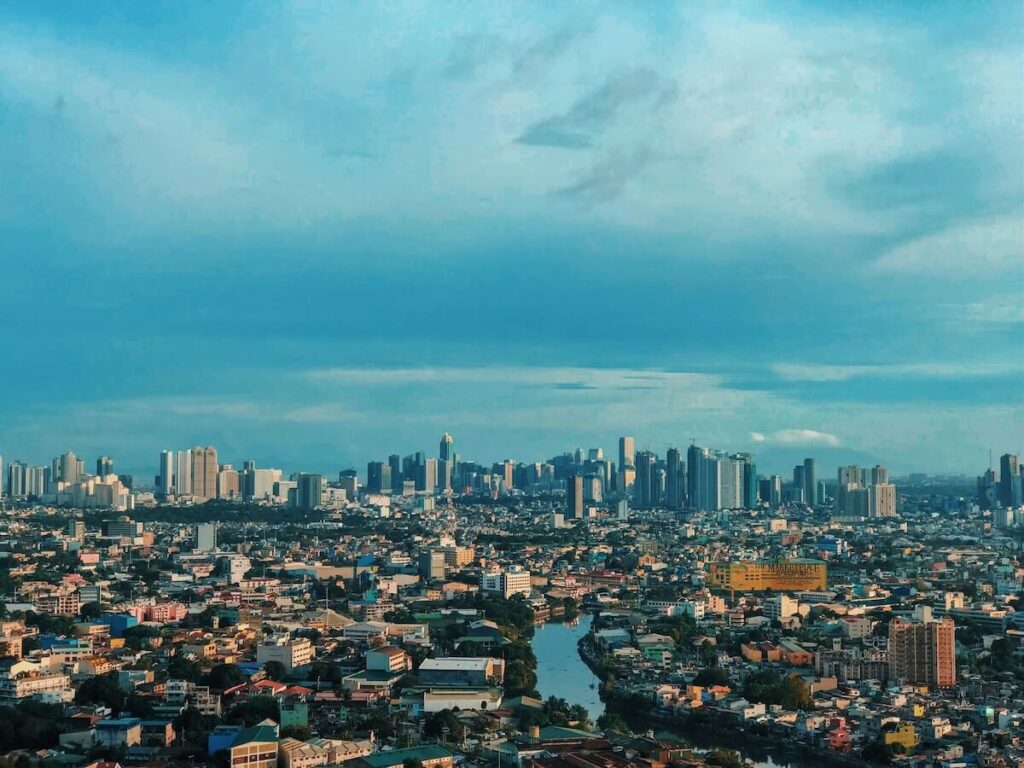
So, while this article will touch on the major urban hubs, this isn’t just a list of concrete jungles. Think vibrant island escapes, charming little towns and municipalities, and even a few hidden gems you might not find in the typical tourist brochures.
Whether you’re a seasoned traveler or planning your first trip, let’s check out the famous cities in the Philippines—from Luzon to Visayas to Mindanao—that are worth visiting.
Table of Contents
Famous cities in Luzon
1. Manila

“Manila, Manila, I keep coming back to Manila…” And so the song goes. Honestly, it’s true. There’s just something about this city.
Now, when we say “Manila,” it can mean two things: the actual City of Manila and the capital city of the Philippines, or Metro Manila, which is this sprawling urban jungle of 16 cities and a municipality, all mashed together. For clarity, I will be referring to the actual city in this article.
Manila is a place of contrasts, that’s for sure. You’ve got the historical Intramuros, whispering stories of Spanish colonial times, right next to towering skyscrapers and bustling markets. It’s where you can find everything from amazing street food to high-end restaurants, and where the energy is just… intense. The heart of the Philippines, Manila is a place where history, culture, and modern life collide.
If you’re short on time but want to get a real feel for the city’s roots, I’d suggest dedicating a good four hours to exploring Old Manila. Alternatively, you can wander the Walled City, Intramuros, on a bamboo bike tour. It’s a fun way to cover more ground and glimpse into a time when Manila was the center of Spanish power in Asia.
2. Quezon City
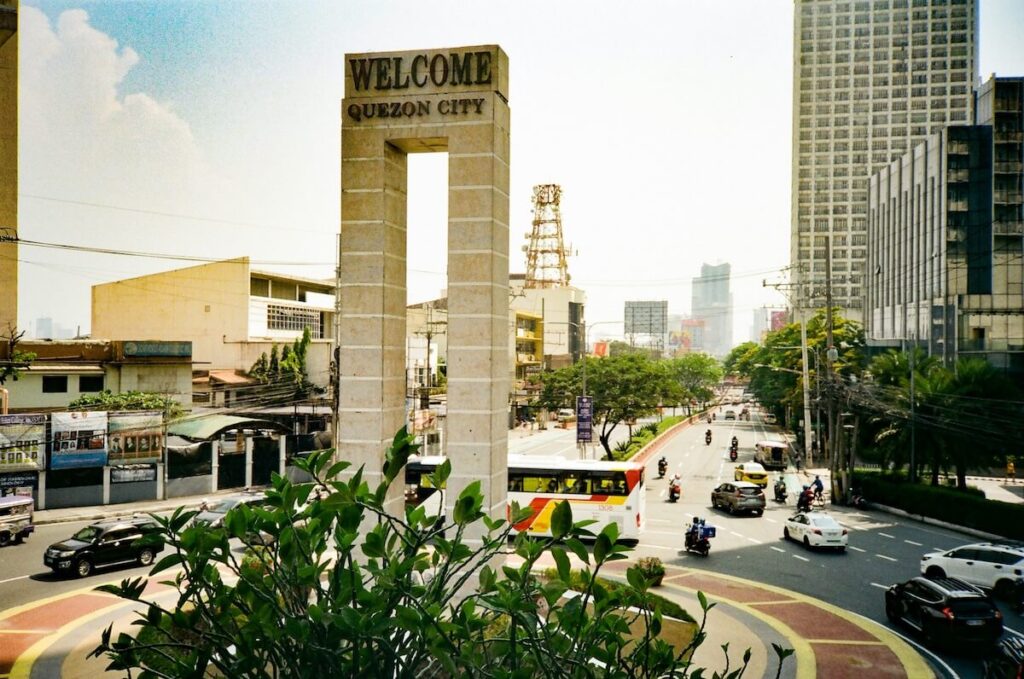
Quezon City, or QC as we locals call it, is a massive part of Metro Manila, and honestly, it’s got a vibe all its own. It’s the most populous city in the Philippines, so expect it to be busy. It’s also known for its entertainment scene, with a lot of TV studios and production houses located here.
You’ll find everything here, from universities and government offices to some of the best eats in the metro. It was planned to be the country’s capital after Manila was heavily damaged in World War II, which is why you see a lot of important government buildings here. It’s like a city within a city, with its own distinct character.
If you’re heading to QC, don’t miss the food scene! Maginhawa Street is a must-visit for foodies, with tons of restaurants serving up everything from local delicacies to international cuisine. And if you’re into history, the Quezon Memorial Circle is a great place to wander around, learn about our second president, and just enjoy the park. The memorial shrine is just a few minutes walk to the Ninoy Aquino Parks & Wildlife Center, a little slice of nature in the middle of the city.
3. Makati
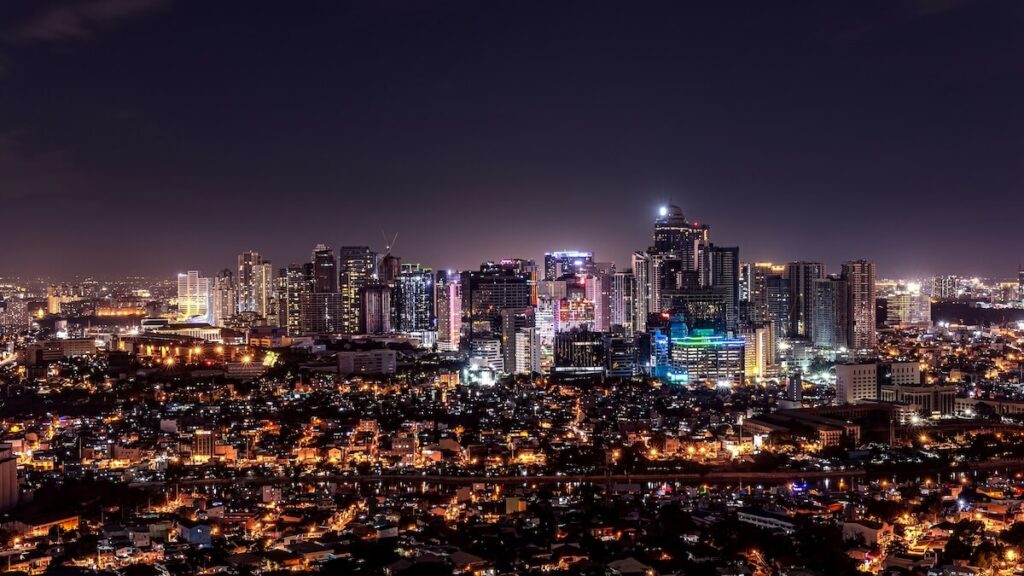
Makati was my second home for over a decade. And yes, it’s that place you picture when someone says “city” in the Philippines. Shiny skyscrapers, the buzz of business deals, and traffic that could test anyone’s patience. But it’s more than just that.
Back in the day, it was all farmland, part of the vast Hacienda Pedro. Then, the Ayalas came along and transformed it into what it is now, a financial hub. You can still feel that old-meets-new vibe, tucked between the sleek buildings and the older, more lived-in neighborhoods.
What makes Makati stick with you isn’t just the fancy malls or the high-end restaurants, though those are part of the charm. It’s the energy. The sheer number of people from all walks of life, all crammed into this relatively small space. You’ve got the after-work crowd grabbing drinks in Poblacion and the artists setting up shop in the galleries.
You can’t miss the Salcedo and Legazpi weekend markets for some seriously good local food and unique finds. And if you want a taste of old Makati, a walk through the streets around Poblacion will give you that blend of old houses and new coffee shops and bars.
4. Taguig
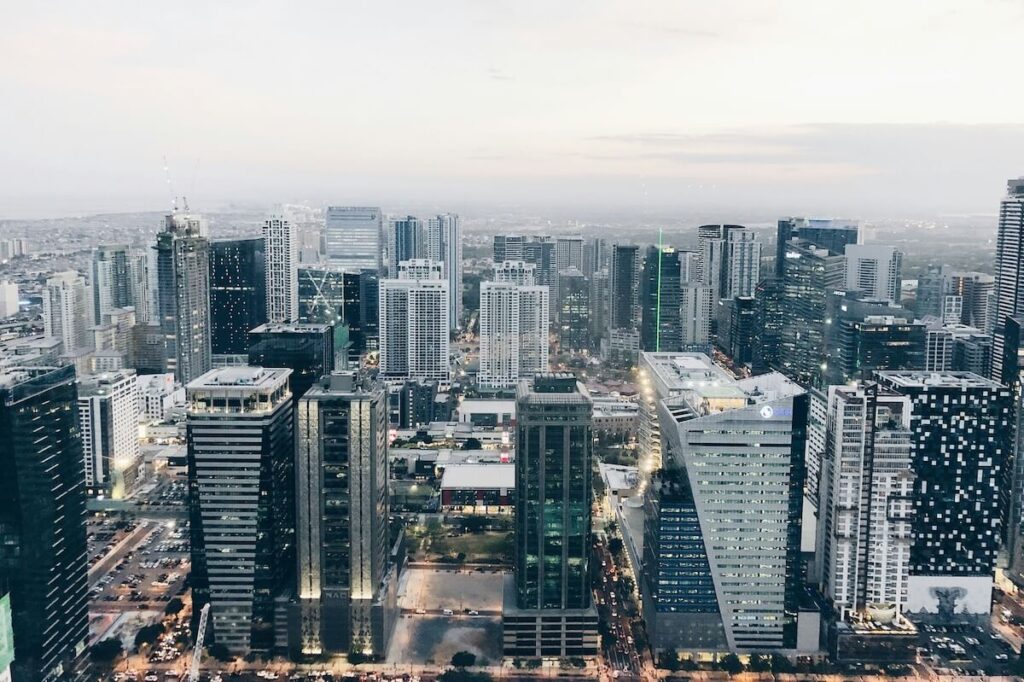
Taguig is a city that’s exploded in the last decade or so. It used to be this quiet, almost sleepy place, and then bam! Bonifacio Global City (BGC) happened.
BGC is like a whole other world compared to the older parts of Taguig. The modern buildings and wide open spaces are a far cry from the fishing village it once was, and even further from the military base it was during the American occupation.
The whole “who owns BGC?” thing between Taguig and Makati, now, that’s a whole can of worms. It’s been a long-running dispute, and honestly, it gets pretty complicated. Both cities have historical claims, and there’s been a lot of back-and-forth over the years.
Putting that aside, BGC is definitely the star of Taguig. You’ve got High Street, which is perfect for just wandering around while checking out the shops and restaurants. Then there’s the Mind Museum, which is actually cool, even if you’re not a kid. And don’t forget the parks, like Track 30th, great for a chill afternoon.
Beyond BGC, you can still find those pockets of old Taguig, with its local markets and traditional houses, if you’re willing to explore a bit.
5. Baguio

Baguio, ah, that place has a special spot in my heart. I’ve been up there a bunch of times, even spent my honeymoon there, which tells you something, right?
It’s not just the cool mountain air that gets you, though that’s a huge part of it. It’s the feeling of being somewhere completely different from the rest of the Philippines. You’re surrounded by pine trees, the air smells fresh (as long as you’re not in Session Road), and you’re always bundled up a bit. It’s a nice change of pace.
It was the Americans who developed Baguio, seeing its potential as a retreat from the lowland heat. They laid out the city and built roads, and it became this hill station, a place for relaxation and recuperation. You can still see that influence in some of the older buildings and the way the city is planned.
The best part about Baguio isn’t any one specific thing—it’s the whole experience. You’ve got to hit up the public market and the night market, chaotic but amazing experiences. Then there’s Burnham Park—yes, it’s touristy, but it’s still fun to rent a boat and just paddle around.
A walk through Camp John Hay, especially in the early morning fog, is just magical. And if you’re into art, the BenCab Museum is a must-see. More and more cafés and art spaces are also emerging in this city. Plus, just driving around the winding roads, stopping at viewpoints, and grabbing a cup of hot chocolate at a roadside cafe, that’s what Baguio is all about.
6. Vigan

Vigan offers a trip back in time if there ever was one. Here, you can walk down those cobblestone streets, past the old Spanish-style houses, and feel like you’ve stepped into a different era. It’s got this unique charm, a quiet kind of beauty.
It wasn’t always this preserved, of course. Vigan was a major trading post even before the Spanish arrived, and then it became an important colonial city. It’s got layers of history, from the pre-colonial influences to the Spanish architecture, all kind of melded together. Fortunately, the UNESCO-listed city has managed to keep that old-world feel.
When in Vigan, the best thing to do is just wander. Don’t rush it. Calle Crisologo is an iconic street, and while it’s packed with tourists, it’s still worth seeing. Admire the old houses and take the kalesa rides. But do get off the main drag, explore the side streets, and you’ll find these hidden courtyards and quieter corners.
Do check out the Bantay Bell Tower, it’s a short drive away, and the view from the top is great. And if you’re into food, you’ve got to try the local specialties—bagnet, Vigan longganisa, and the empanadas are must-haves.
7. Puerto Princesa
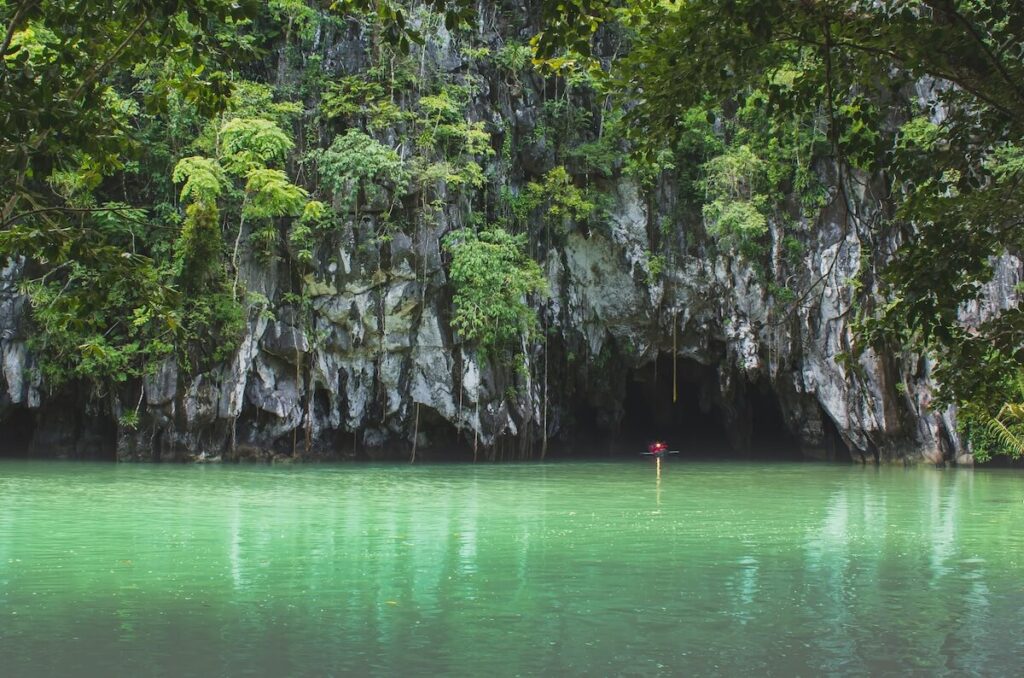
Puerto Princesa, the capital of Palawan, feels like a breath of fresh air compared to your typical bustling city. It’s spread out, with a laid-back vibe, and you’ll notice right away how green it is. It’s actually got a reputation for being super clean and eco-conscious.
Historically, it wasn’t always a tourist hotspot; it was more of a sleepy coastal town. During World War II, it saw some tough times, but it bounced back. Now, people flock there for the natural wonders, and rightly so.
You can’t talk about Puerto Princesa without mentioning the Underground River. That’s the big draw, and honestly, it lives up to the hype. Taking a day tour is practically a rite of passage—drifting through those caves, seeing the rock formations, and hearing the guide’s stories is pretty unique.
Beyond that, though, don’t miss Honda Bay for some island hopping. Each little island has its own charm, whether it’s great snorkeling, white sand beaches, or just a chill spot to relax. And if you’re into wildlife, the Iwahig Firefly Watching is a magical experience.
8. El Nido

El Nido, technically a municipality in Palawan and not a city, feels like stepping into a postcard. Picture towering limestone cliffs that jut straight out of turquoise water, hidden lagoons, and powdery white sand beaches. It’s the kind of place that makes you want to ditch your phone and just soak it all in.
Historically, El Nido was a sleepy fishing village. And while tourism has obviously boomed, it still retains a bit of that laid-back island vibe. Word has it, its name comes from the swiftlet nests (“nido” in Spanish) found in the cliffs, which were once a valuable commodity.
What puts El Nido on the map is its island-hopping scene. You’ve got tours A, B, C, and D, each offering a different slice of paradise. Don’t just pick one; if you have the time, try a couple.
Kayaking through the Big Lagoon is a must-do, and Secret Lagoon lives up to its name. Snorkeling in the clear waters reveals a vibrant underwater world, and just chilling on beaches like Seven Commandos or Nacpan is a guaranteed good time. The whole area is a natural wonder, and it’s easy to see why it’s become such a sought-after destination.
9. Coron
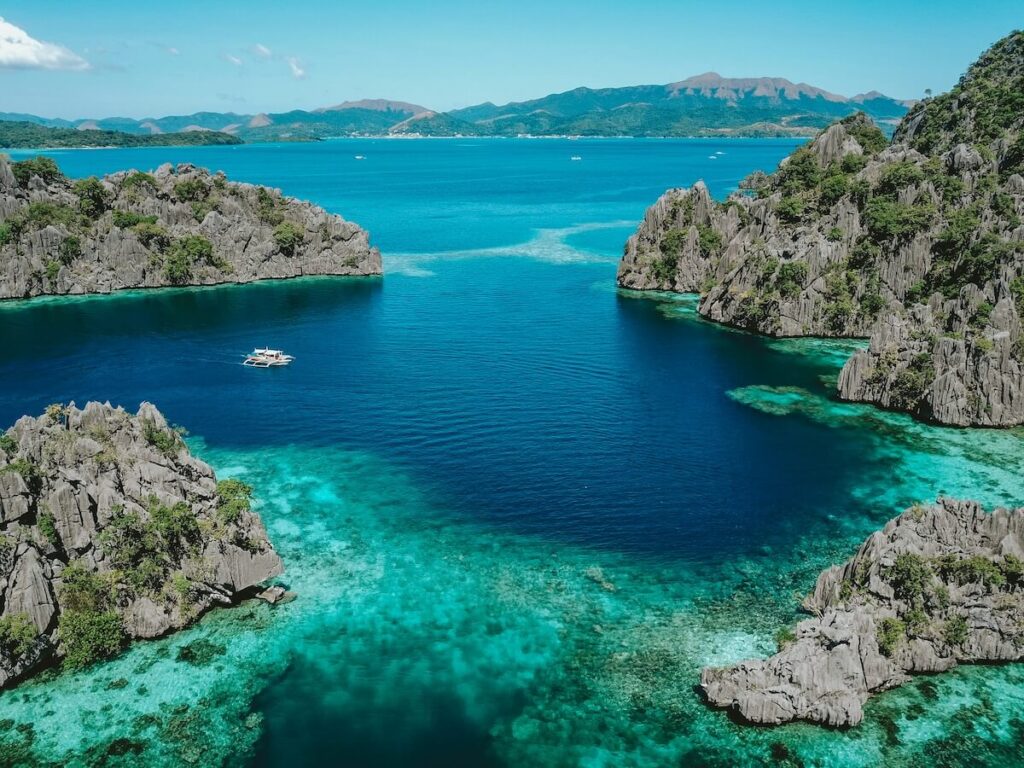
Coron, another Palawan gem (and like El Nido, a municipality, not a city), has this raw, almost rugged beauty that stuck with me when I visited. It’s less polished than some other tourist spots, but that’s part of its charm. Think dramatic limestone cliffs, like something out of a fantasy movie, and crystal-clear lakes tucked away in the islands.
Like El Nido, Coron was a fishing community, and you can still feel that connection to the sea. During World War II, it became a strategic point, and the Japanese shipwrecks left behind have turned into a unique underwater playground.
The shipwreck diving and snorkeling are what make Coron stand out. Even if you’re not a hardcore diver, just snorkeling around the wrecks is incredible. Do visit Kayangan Lake; the photos don’t quite capture the sheer beauty of the place. And then there’s Barracuda Lake, with its thermoclines and otherworldly feel.
Island hopping in Coron is less about powdery beaches and more about exploring these hidden lagoons and lakes. Don’t miss Malcapuya Island for a postcard-worthy beach experience.
10. Legazpi
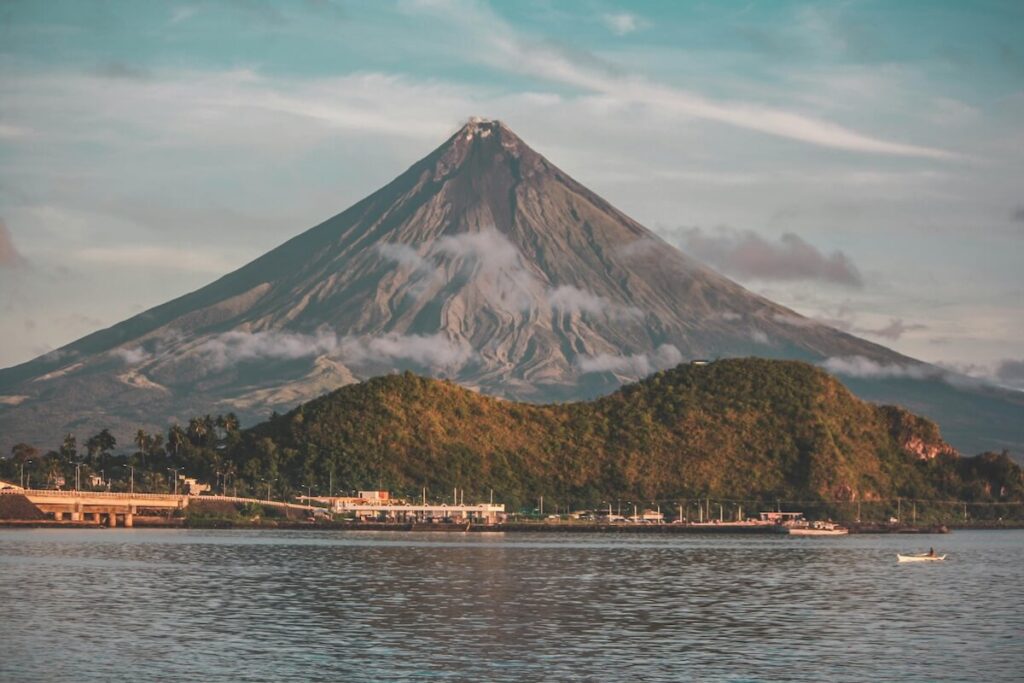
Legazpi City, in Albay, is a city that’s constantly overshadowed, in the best way possible, by the majestic Mayon Volcano. I’ve seen pictures of this volcano in textbooks and magazines, but being there in person, with Mayon’s perfectly conical shape looming over everything, is something else entirely.
Legazpi is a bustling place, a regional hub, but it feels grounded, connected to the land. It’s also an old city, with roots going back to pre-colonial times, and it’s seen its share of volcanic activity, naturally. But the people there seem to have this resilience, this understanding of living alongside nature’s power.
Obviously, Mayon is the star. But there’s more to Legazpi than just gazing up at the volcano. The ATV rides that take you close to its slopes are a wild experience, and the views are unreal. Cagsawa Ruins, with the church belfry peeking out from the volcanic rock, is a poignant reminder of Mayon’s power.
Don’t skip Lignon Hill; the 360-degree panorama is worth the climb, especially at sunset. And if you’re into food, Albay’s spicy Bicolano cuisine is something you have to try.
11. Angeles

Angeles City, nestled in the heart of Pampanga, gives off a pretty distinct energy. It’s a spot where you’ll see a real mix of folks, thanks in part to its history with Clark Air Base, which led to a noticeable expatriate community. That history left its mark, and you can still feel it in certain areas.
Angeles is not just a relic of the past though; it’s a living, breathing city with a strong Kapampangan identity. You’ll find that culture woven into everything, from the way people talk to the local festivals.
If you’re heading to Angeles, you’ve got to dive into the Kapampangan food scene. This region is known for its culinary prowess, and you’ll find some seriously good sisig and other local dishes that’ll blow your mind.
Because it is the urban core of Metro Clark, a lot is going on in Angeles in terms of entertainment and leisure. It’s also a great jump-off point for exploring the rest of Pampanga. You should also take some time to experience the local culture, whether it’s checking out its cottage industries (e.g., rattan furniture, woodcraft) or just wandering around the city and soaking it all in.
12. Subic Bay

Subic Bay, that stretch of coastline north of Manila, is a pretty interesting mix of natural beauty and historical significance. It’s got this laid-back, outdoorsy vibe, thanks to its lush forests and the bay itself. You’ll find people here for everything from diving and hiking to just chilling by the water.
Subic Bay’s past as a major U.S. Naval base isn’t just a footnote; it’s woven into the area’s identity, influencing everything from the architecture to the way the locals approach tourism.
Just as fascinating about Subic now is how it’s transformed. The old naval base has been turned into a freeport zone, which means it’s a hub for businesses and tourism. You can explore the remnants of the base, like the old barracks and parade grounds, which offer a glimpse into its past.
The beaches are also great for water sports, and the nearby forests are perfect for hiking and wildlife spotting. Plus, you’ve got Ocean Adventure and Zoobic Safari, which are always a hit, especially if you’re traveling with family.
13. Tagaytay

Tagaytay’s always been one of my go-to spots for a quick escape from Manila. There’s just something about that cool, breezy air and the view of Taal Lake that never gets old. It’s easy to forget you’re just a couple of hours away from the city chaos.
Just to be clear, while everyone associates Tagaytay with Taal Volcano and its lake, those are actually in Batangas. Tagaytay itself is nestled in Cavite, offering that perfect vantage point. It’s got that laid-back, almost provincial feel, but with a touch of modern comfort. You’ll find a mix of cozy cafes, local eateries, and those stunning viewpoints that make it so popular.
People sometimes call it “Little Baguio,” but Tagaytay has its own charm. Sure, it shares that cool climate, but the vibe is different. Here, you can spend the day just soaking in the view while sipping hot chocolate or coffee, or you can check out the local markets, where you’ll find fresh produce and handcrafted goods. And, of course, you’ve got to try the bulalo, a hearty beef bone marrow soup that’s practically a Tagaytay staple.
14. Antipolo

Antipolo, the capital of Rizal, is that sweet spot just east of Manila where you can escape the city grind without going too far.
It’s a classic day trip destination for a reason—the higher elevation gives you these incredible panoramic views of Metro Manila, especially at night. It’s got a relaxed, almost serene atmosphere, and you can feel the blend of urban accessibility and a more laid-back, provincial vibe.
Historically, Antipolo has always been a place of pilgrimage, centered around the Antipolo Cathedral and the image of Our Lady of Peace and Good Voyage. That spiritual connection is still a big part of the city’s culture.
Antipolo has also become known for its art scene, with numerous galleries and cafes popping up. You’ve got to check out Hinulugang Taktak, the iconic waterfall. Even if it’s changed a bit over the years, it’s a symbol of the city.
Food-wise, you’ll find plenty of spots serving up local delicacies, like cashew nuts and suman. And don’t forget to try the roasted pig (lechon), a Filipino staple that is done very well in the area.
15. San Juan, La Union
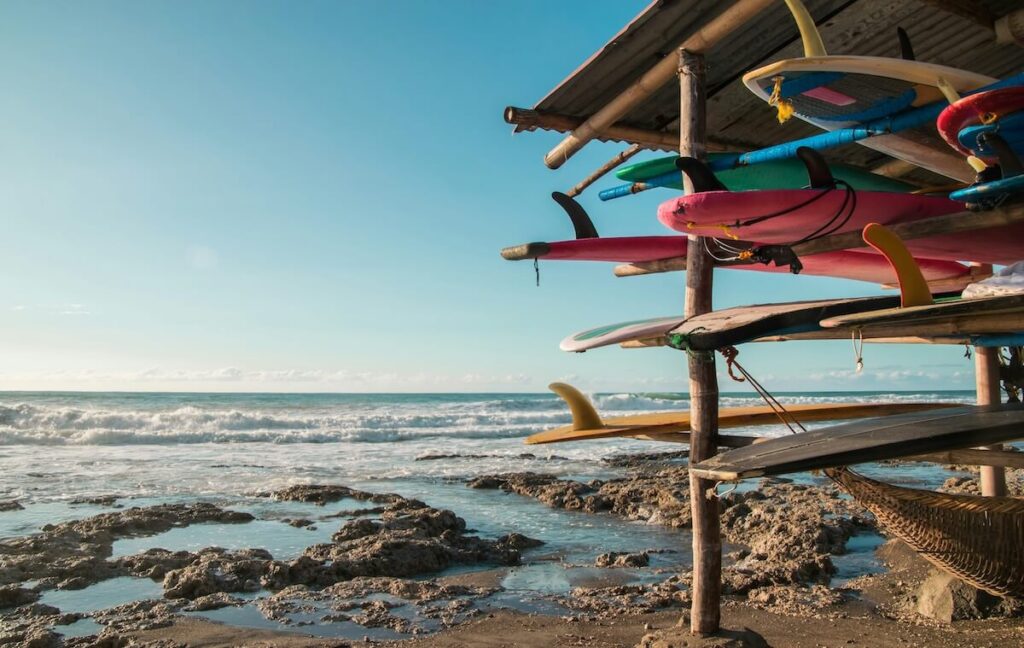
San Juan, La Union, is one of those places that just has a cool, laid-back energy. This municipality is known as the ‘Surfing Capital in the North.’
A lot of people from Manila pile into their cars for a weekend road trip up there, and having done so myself, it’s easy to see why. The vibe is eclectic but chill, the waves are consistent, and you’ve got that mix of beach life and local charm that makes it so appealing.
It’s more than just a surf town, though. You get a sense of the local culture through the cottage industries—the pottery, blanket weaving, and bamboo crafts are all worth checking out. It’s a reminder that there’s more to San Juan than just the beach.
The surfing scene is the main draw, and it’s pretty unique because you get two distinct seasons. From July to October, the south swells roll in, and then from November to March, the north swells take over. So, basically, you can catch waves almost year-round. It’s not just for pros, either; there are plenty of surf schools and spots for beginners.
Even if you’re not into surfing, there’s a lot to do. The beach itself is great for just hanging out, and the growing number of cafés and restaurants means you can find everything from local eats to international cuisine. Plus, the beach resorts offer a range of options, from simple accommodations to more upscale stays.
Famous cities in Visayas
16. Cebu
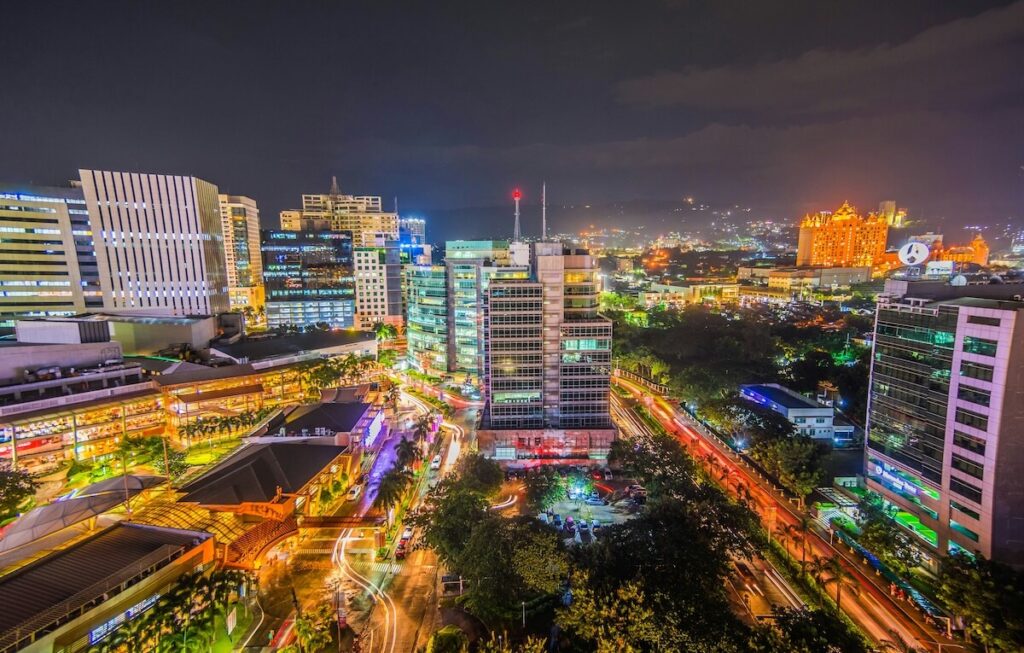
Cebu City, the heart of the Visayas, is a place where history and modernity collide in a dynamic way. It’s the main shipping port and a major trading hub in the south, so there’s always this busy, energetic vibe.
You’ll find a mix of old and new, from historical sites like Magellan’s Cross and Fort San Pedro to modern malls and a thriving business district. It’s also a major travel hub with the second busiest airport in the country, making it a great jumping-off point for exploring the rest of the Visayas islands. You can feel the city’s rich history in its heritage buildings and the stories they hold.
We can’t talk about Cebu without mentioning the Sinulog Festival, a massive celebration that showcases the city’s deep religious roots and creative spirit. This creative culture is why it was designated a British Council Creative City of Design in 2008, the ASEAN City of Culture in 2015, and a UNESCO Creative City of Design in 2019. For those willing to travel a bit further south, a day trip to Oslob for whale shark snorkeling is also a popular activity.
And let’s not forget the food! You’ve got to try the lechon, which is practically a religion there. Then there’s the puso (hanging rice), danggit (dried fish), and sweet treats like torta, pintos, dried mangoes, and rosquillos. Honestly, you could spend your entire trip just eating your way through the city.
17. Tagbilaran

Tagbilaran City, the capital of Bohol, is a pretty laid-back place with a surprising amount going on. It’s the gateway to all the natural wonders Bohol is famous for, so you get this mix of island charm and a buzzing little city.
Tagbilaran is a key jump-off point for exploring the Chocolate Hills, spotting tarsiers, diving into crystal-clear waters, or just chilling on those gorgeous white sand beaches. You can feel the historical vibe in the old stone churches and heritage sites, and it’s definitely become a thriving tourist destination, but it still retains that relaxed, island feel.
One of the big highlights is the Sandugo Festival, which celebrates the historic blood compact between Datu Sikatuna and Miguel López de Legazpi. It’s a colorful and lively event that showcases the local culture.
When it comes to food, Bohol doesn’t disappoint. You’ll find fresh seafood everywhere, and you’ve got to try the kalamay, a sweet delicacy made from coconut milk and sticky rice. The local peanut kisses are another must-try.
18. Boracay
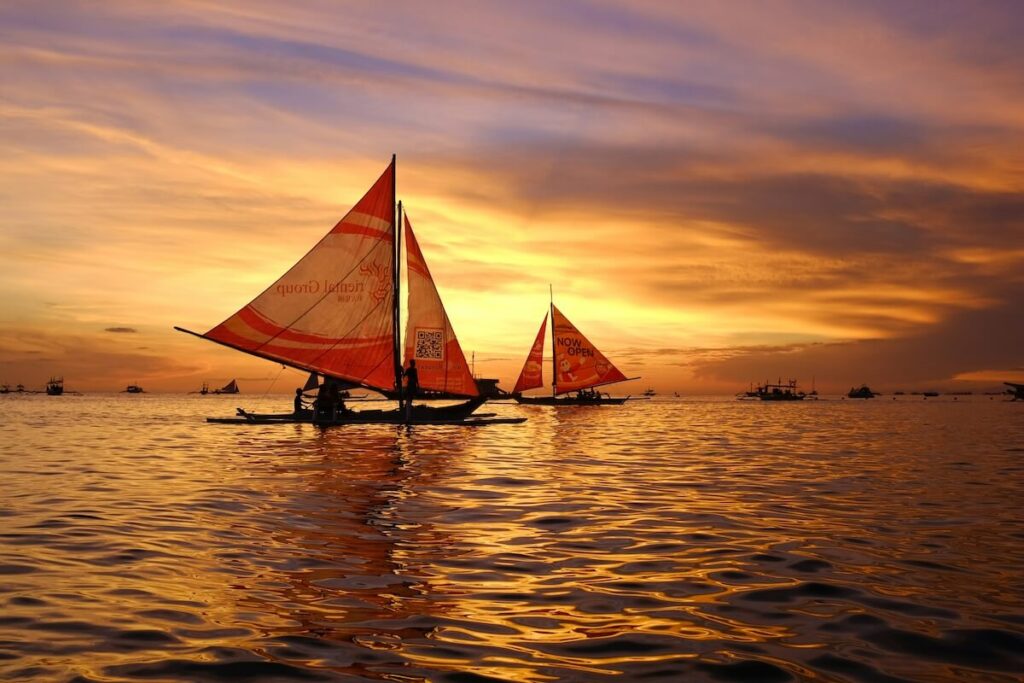
Boracay, often topping lists of the best islands in the world, isn’t actually a city or even a municipality. It’s a small resort island, but it’s become the most popular tourist destination in the Philippines. And for good reason—it’s undeniably one of the most beautiful places the Philippines has to offer.
Boracay has everything you picture a tropical paradise to be: powdery white sand, crystal-clear turquoise water, and sunsets that paint the sky in vibrant hues. And while it’s known for its stunning natural beauty, there’s also a vibrant culture here, shaped by the island’s locals and visitors.
Beyond the iconic White Beach, Boracay offers a ton of activities. You can go parasailing, island hopping, diving, or just relax on the beach with a fresh fruit shake. The nightlife is also pretty lively, with bars and restaurants offering everything from local cuisine to international dishes. Don’t miss trying the fresh seafood, especially the grilled specialties.
The island also hosts various festivals and events throughout the year, adding to its vibrant atmosphere. While it has been developed for tourism, the island has made efforts to improve sustainability, making it a more responsible destination.
19. Iloilo City

Iloilo City, the capital of Iloilo province, has this charming, old-world feel that I adore. For me, Iloilo is one of the most beautiful cities in the Philippines, especially because of how well-preserved the heritage buildings are and the city’s appreciation for history and culture.
You can feel the Spanish influence in the architecture (especially in Calle Real) and the way the city is laid out. Walking around, you’ll see stunning colonial-era buildings blending in with modern, vibrant structures. And despite being the biggest city in the province, Iloilo doesn’t feel overwhelming.
Beyond the historical sights, Iloilo has a lively culture and a fantastic food scene. The Dinagyang Festival is a must-see, a colorful and energetic celebration that showcases the city’s spirit.
Iloilo was also designated a UNESCO Creative City of Gastronomy, so you know the food is going to be top-notch. You can’t leave without trying La Paz Batchoy, a hearty noodle soup that’s a local specialty. Also, the KBL (kadyos, baboy, langka), Pancit Molo, and Ilonggo-style inasal are dishes that will make you want to keep coming back. I know I want to!
20. Bacolod City
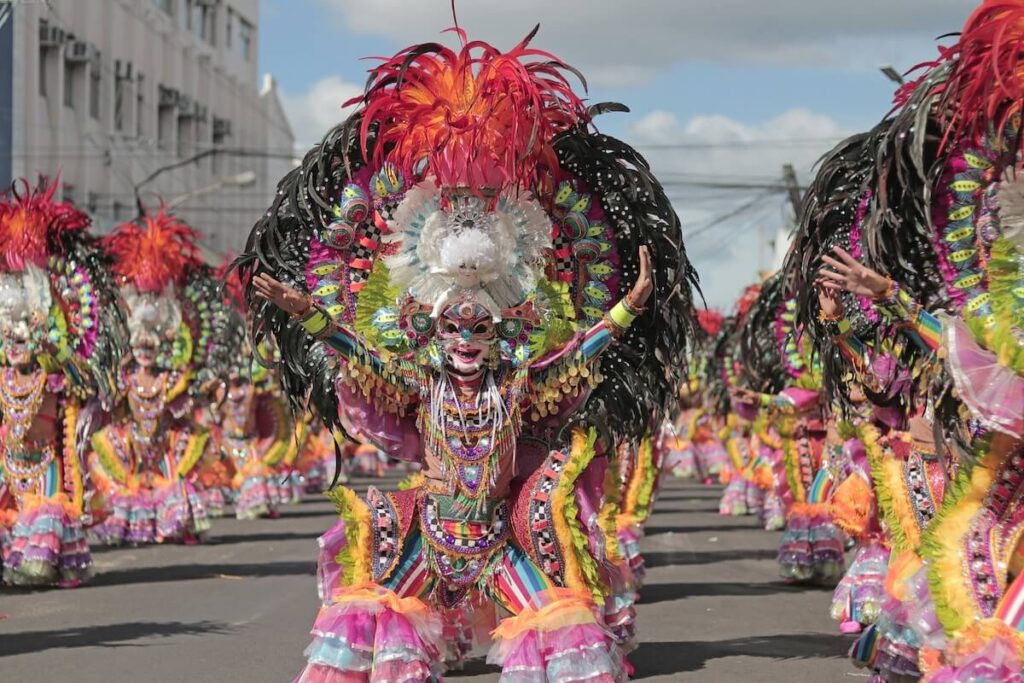
Bacolod City, the capital of Negros Occidental, is known as the “City of Smiles,” and you can feel that friendly vibe as soon as you arrive. It’s a place with a rich history, deeply rooted in the sugar industry, which shaped much of its culture and development. You’ll see this reflected in the mansions (grand old houses) and the city’s overall sense of prosperity.
Beyond its historical ties to sugar, Bacolod is famous for its vibrant festivals, especially the MassKara Festival, a colorful and energetic celebration that’s a must-see. And of course, the food scene is a major draw.
You absolutely have to try the Bacolod-style chicken inasal, which is arguably the best in the Philippines. Then there’s the piaya, a sweet, flaky pastry, and kansi, a sour and savory beef soup. Don’t forget to indulge in napoleones, a multi-layered pastry that’s a local favorite. You can also explore the heritage sites (especially in the neighboring city Silay), visit the museums, and enjoy the local parks.
21. Dumaguete

Moving on to Negros Oriental, Dumaguete City is a place that feels both laid-back and surprisingly lively. It’s the capital and largest city of the province, but it’s got this charming, small-town vibe.
Dumaguete is known as a university city, with Silliman University being a major landmark. This gives it a youthful energy, with students and academics adding to the city’s vibrant atmosphere. You’ll also find a mix of historical landmarks, like the Dumaguete Belfry and Dumaguete Presidencia, alongside modern cafes and hangouts. It’s a place that balances its historical roots with a contemporary feel.
Dumaguete’s also a great base for exploring the surrounding natural beauty. You can easily take day trips to Apo Island for diving, or head inland to explore the mountains and waterfalls. And when it comes to food, Dumaguete doesn’t disappoint. Don’t miss trying the budbud kabog, sikwate, and silvanas.
Famous cities in Mindanao
22. Davao City
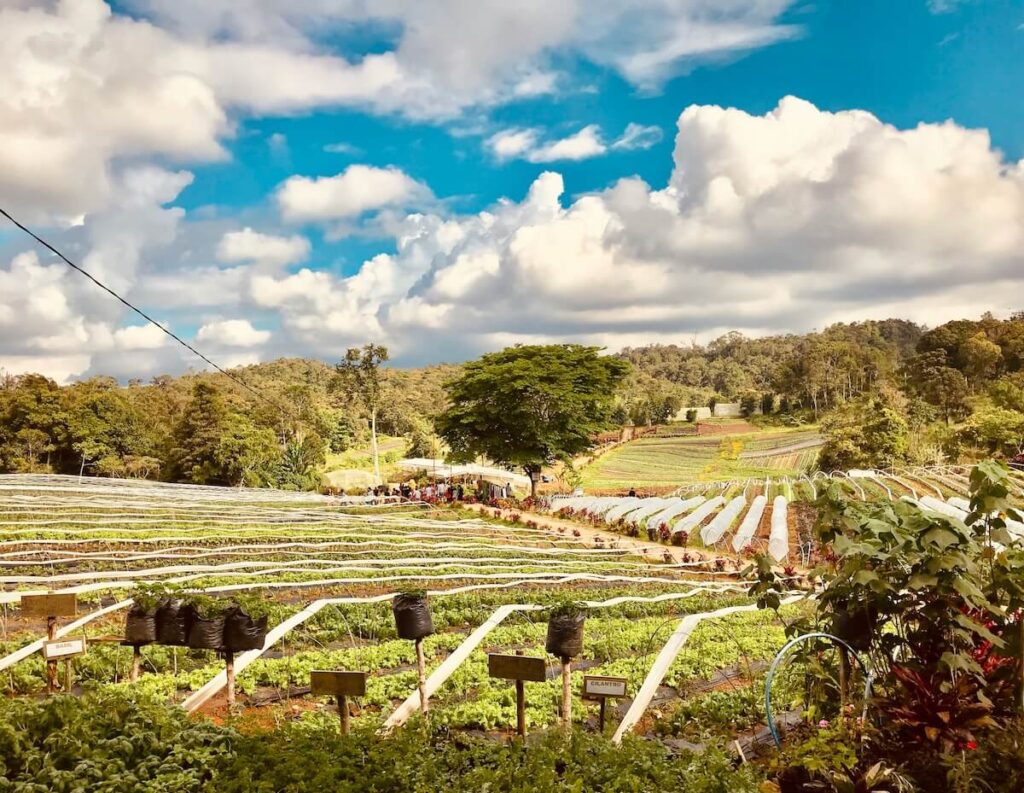
Davao City, recognized as one of the most famous cities in the Philippines, is a place of striking contrasts. It’s the regional hub of the Davao Region, and as the country’s largest city by land area, it blends urban development with vast stretches of nature. Its history, however, isn’t without its darker chapters.
While it’s now known for its order and progress, it’s also been associated with figures like Rodrigo Duterte, and has navigated periods of conflict. This history, while complex, adds a layer of depth to the city’s identity.
That said, it’s a place of incredible natural beauty. It’s home to Mount Apo, the Philippines’ highest peak, which shelters the endangered Philippine eagle and the exquisite waling-waling orchid. Plus, it’s the undisputed “Durian Capital,” and the rise of Malagos Chocolate has cemented its reputation as a foodie destination.
Speaking of food, don’t miss popular dishes such as kinilaw and sinuglaw. Aside from durian, Davao’s mangosteens and local bananas are also worth trying.
23. Siargao
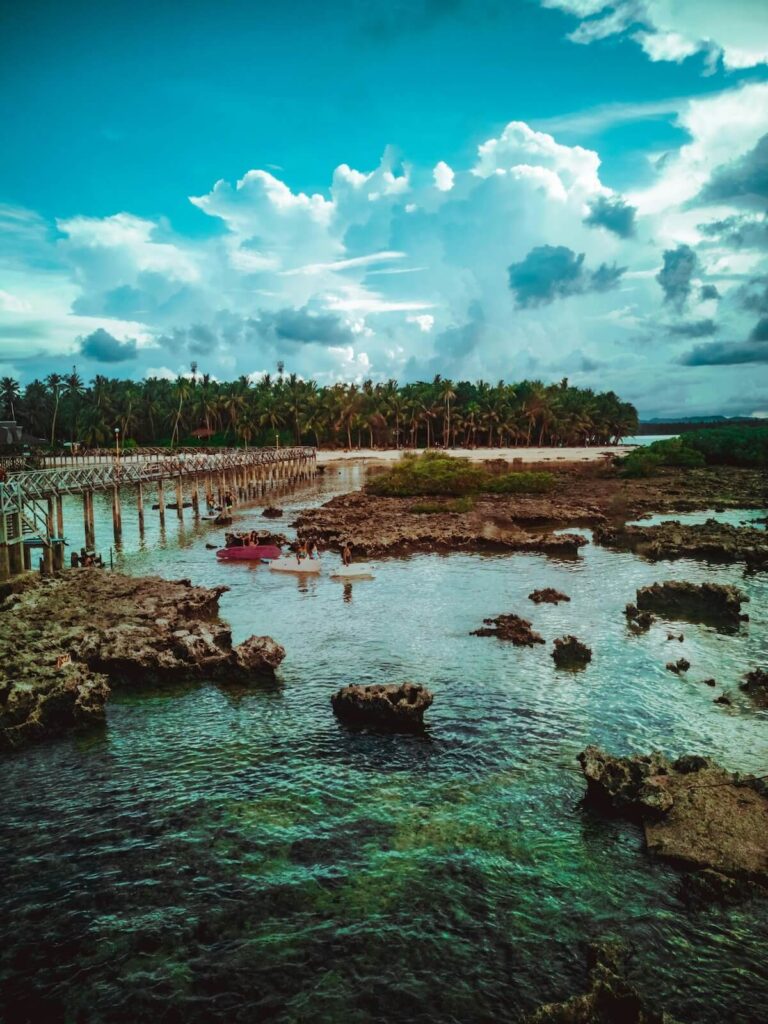
Siargao Island, tucked away in the southeastern part of the Philippines, has become synonymous with laid-back surf culture. It’s earned its reputation as the surfing capital of the south, with Cloud 9 being the iconic spot that draws surfers from all over the world.
More than its waves, the island has a unique charm as seen in its local island vibe. You’ll find a mix of traditional fishing villages and trendy cafes, creating a cool, eclectic atmosphere. And beyond Cloud 9, there are plenty of other stunning beaches to explore, each with its own character.
If you’re heading to Siargao, expect a mix of adventure and relaxation. Island hopping is a must, with spots like Naked Island, Daku Island, and Guyam Island offering pristine beaches and clear waters. You can also explore the Magpupungko Rock Pools during low tide, or go inland to discover hidden lagoons and waterfalls.
Wrap up

From the busy streets of Manila to the serene shores of Siargao, the Philippines offers a remarkable mix of urban and island experiences. With the colonial charm of Iloilo, the surf culture of San Juan, the culinary delights of Cebu, and the natural wonders of Davao, the diversity cannot be denied.
So, whether you’re seeking adventure, cultural immersion, or simply a taste of paradise, the Philippines has a destination that will surely capture your heart. And if you’re keen to know more about my beautiful country, check out this list of things the Philippines is famous for.