
*This article may contain affiliate links. For full information, please see the disclaimer here.
Perched high in the mist-shrouded peaks of northern Luzon, Baguio is a mountain sanctuary that completely subverts the tropical Philippine experience. For generations of Filipinos like me, pulling into this hillside city has always felt like stepping into an entirely different world, where mornings start with a thick blanket of fog and the comforting scent of pine needles.
But what is Baguio known for beyond being our go-to escape from the Manila humidity? Beyond its high altitude, the city is known for its indigenous Cordillera heritage and American colonial history. Baguio is famous for its vibrant flower-filled festival, fresh strawberries, thrift-shopping night markets, and a hauntingly beautiful, ghost-story-filled past.
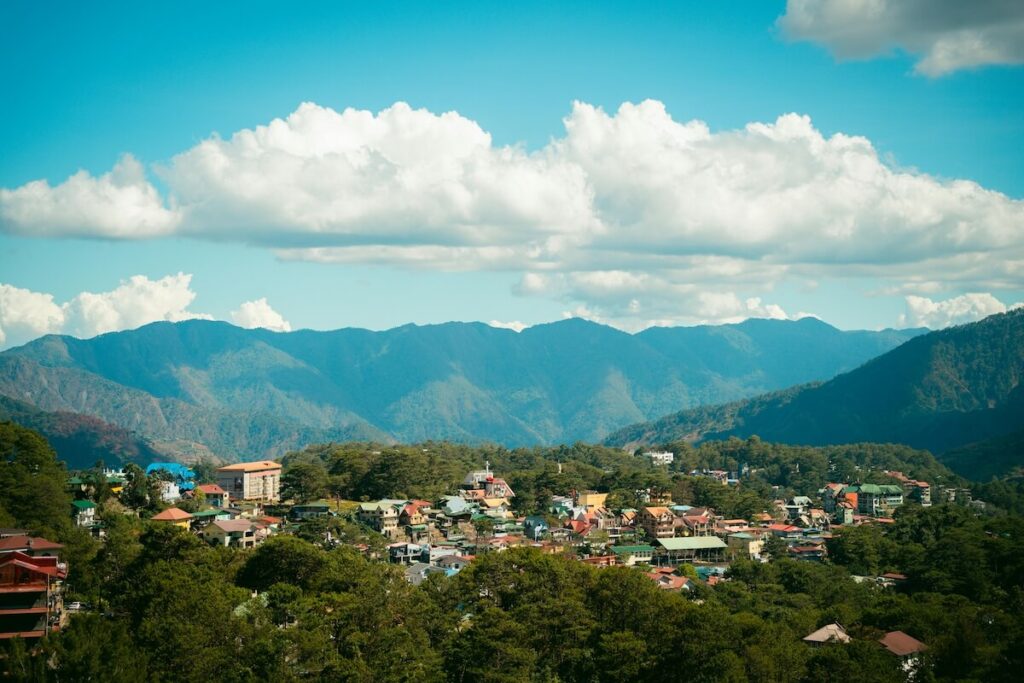
Baguio is also an artistic hub that somehow balances urban chaos with cozy, slow-paced mountain charm. It’s no wonder so many of us keep driving up those winding mountain roads, year after year.
If you’re planning a trip to this cool (literally and figuratively) city, or simply want to learn about one of the Philippines’ popular holiday destinations, the list below will help. Keep reading!
Table of Contents
What is Baguio known for?
1. The Summer Capital of the Philippines
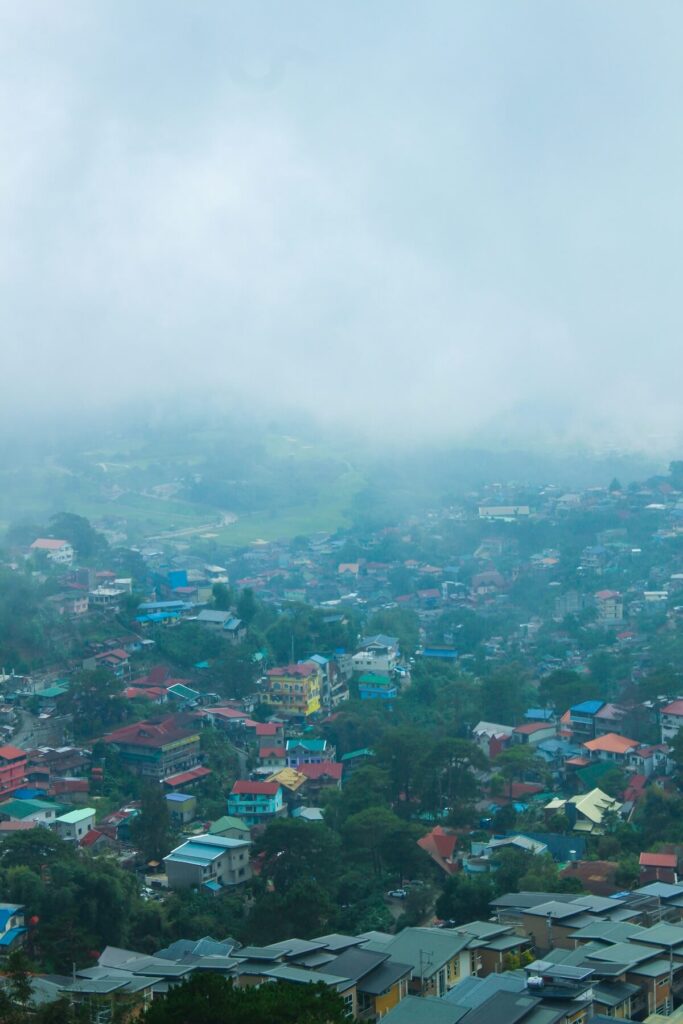
Nestled roughly 1,500 meters above sea level, Baguio is known for holding the official title of the “Summer Capital of the Philippines.”
However, long before it became a bustling urban center, Baguio was engineered specifically to be a sanctuary from the heat. The American colonial government designated it as its mountain retreat in the early 1900s, carving roads through the rugged terrain just to build a cooler seat of power.
Even today, Baguio remains the only major city in the country where temperatures regularly drop between 12°C and 15°C—and sometimes lower—during the peak of the Amihan season. While the Philippines doesn’t experience actual winter snow, our “Bagyo weather” from December to February brings down the temp. And in Baguio, this means a chilly frost.
During the peak of summer (April to May), the city draws millions of lowlanders eager to escape the stifling tropical heat. It’s the only place where we can use our sweaters, after all.
This guided day tour fits many of the city’s highlights—worth considering if you have limited time and want to see as many places as possible.
2. Panagbenga Festival
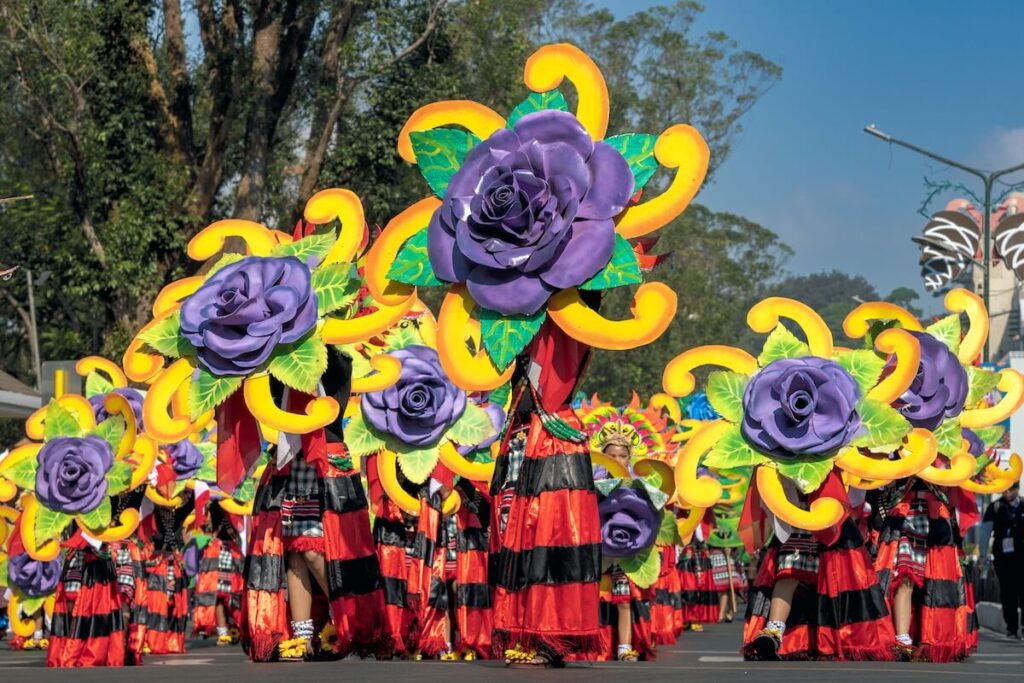
If you want to see the entire city burst into a kaleidoscope of colors, February is the absolute best time to go. The Panagbenga Festival is Baguio’s biggest and most vibrant annual celebration, an event that transforms the mountain town into a month-long street party.
Derived from the Kankanaey term meaning “a season of blooming,” the festival was actually born in 1996 out of a profound need for healing and renewal following the devastating 1990 Luzon earthquake. Today, it stands as a massive testament to the city’s resilient spirit.
The undisputed highlights are the grand weekend parades, where towering, incredibly detailed floats made entirely of real, fresh flowers roll down Session Road. Alongside them are hundreds of energetic street dancers wearing intricate, floral-infused costumes. They perform routines deeply inspired by the Bendian, a traditional Ibaloi dance of celebration, beautifully bridging the city’s modern tourism with its proud indigenous Cordilleran roots.
3. Pine trees
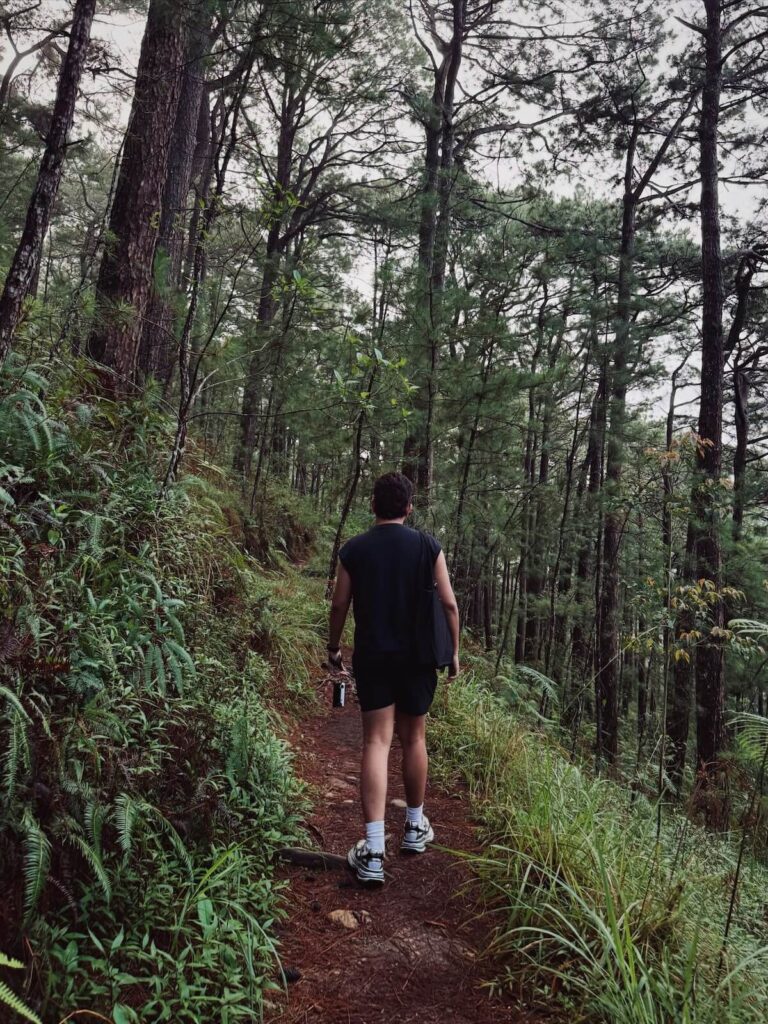
Baguio is famous for its towering Benguet Pines (Pinus insularis), earning it the beloved moniker “City of Pines.” The moment you step off the bus or roll down your car windows, it’s the crisp, earthy scent of resin that welcomes you first.
These native trees do more than just frame the iconic mountain scenery. Their dense canopies act as natural air conditioners, trapping moisture to create that signature, fog-laden atmosphere we all love.
Sadly, decades of rapid urban development have put these majestic giants at risk, prompting local government and environmental groups to aggressively enforce protection laws and tree-planting initiatives. Thankfully, green pockets like Camp John Hay and the Yellow Trail remain pristine sanctuaries where you can still walk among thousands of pines.
4. Strawberries and strawberry farm
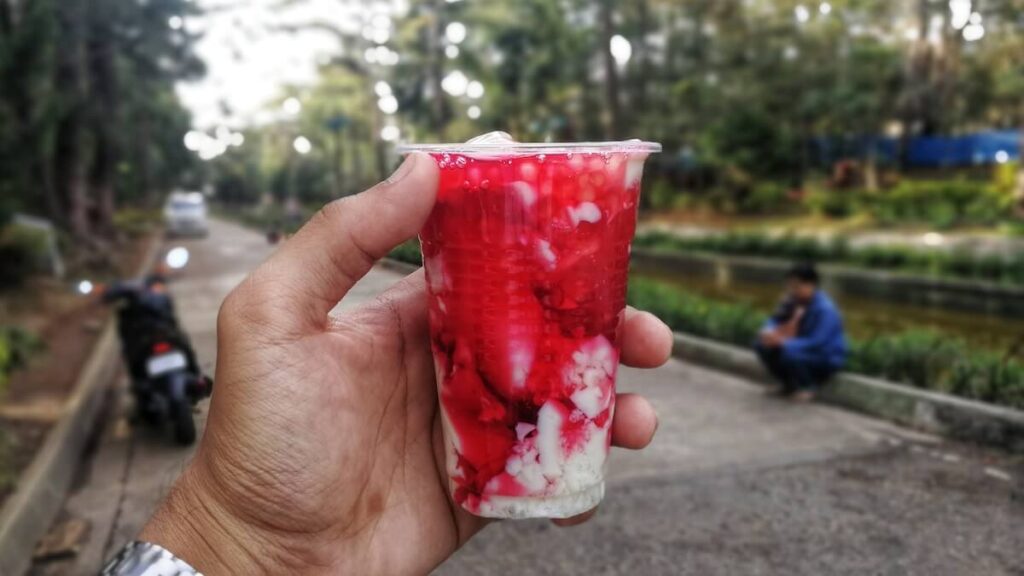
It’s been years now, but I still remember the absolute delight of tasting my first warm cup of strawberry taho (a warm tofu snack, pictured above), where the standard sweet syrup is traded for tart, fresh berry compote.
While most of the region’s massive agricultural fields are technically nestled in the neighboring valley of La Trinidad, the fruit remains utterly synonymous with the Baguio experience. You cannot walk through tourist hubs like Burnham Park or Mines View without encountering vendors carrying steaming metal buckets of this iconic snack.
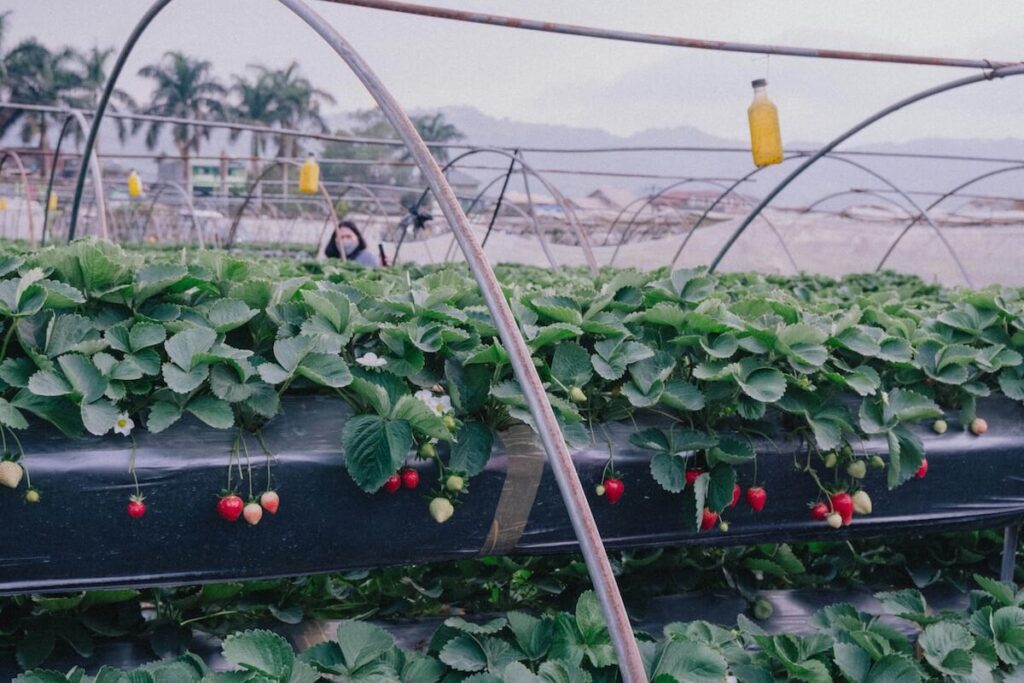
For the ultimate berry experience, a quick ten-minute drive to the La Trinidad farms lets you grab a basket and pick giant, sun-ripened strawberries straight from the vine—a messy, fun activity that yields the sweetest souvenirs.
5. Mines View Park

If there is one classic landmark that almost every single Filipino family has a vintage photo of, it is this one.
Mines View Park is one of Baguio’s oldest and most enduring tourist hubs, sitting on a natural ridge on the extreme northeastern outskirts of the city. It features a stone-covered stairway leading down to an iconic, winding observation deck that has served as a window to the region’s geography for over a century.
The main draw here is the breathtaking, panoramic view overlooking the sweeping Amburayan Valley and the rugged Cordillera mountains. The park was established during the American colonial period in the early 1900s as a vantage point for watching the bustling, American-run gold and copper mining operations in the neighboring town of Itogon.
Those old terraced mines are long abandoned, but the park remains a lively cultural market where you can shop for silver crafts, rent traditional Igorot attire for photos, and grab a warm bite of grilled sweet corn in the mountain breeze.
6. Burnham Park
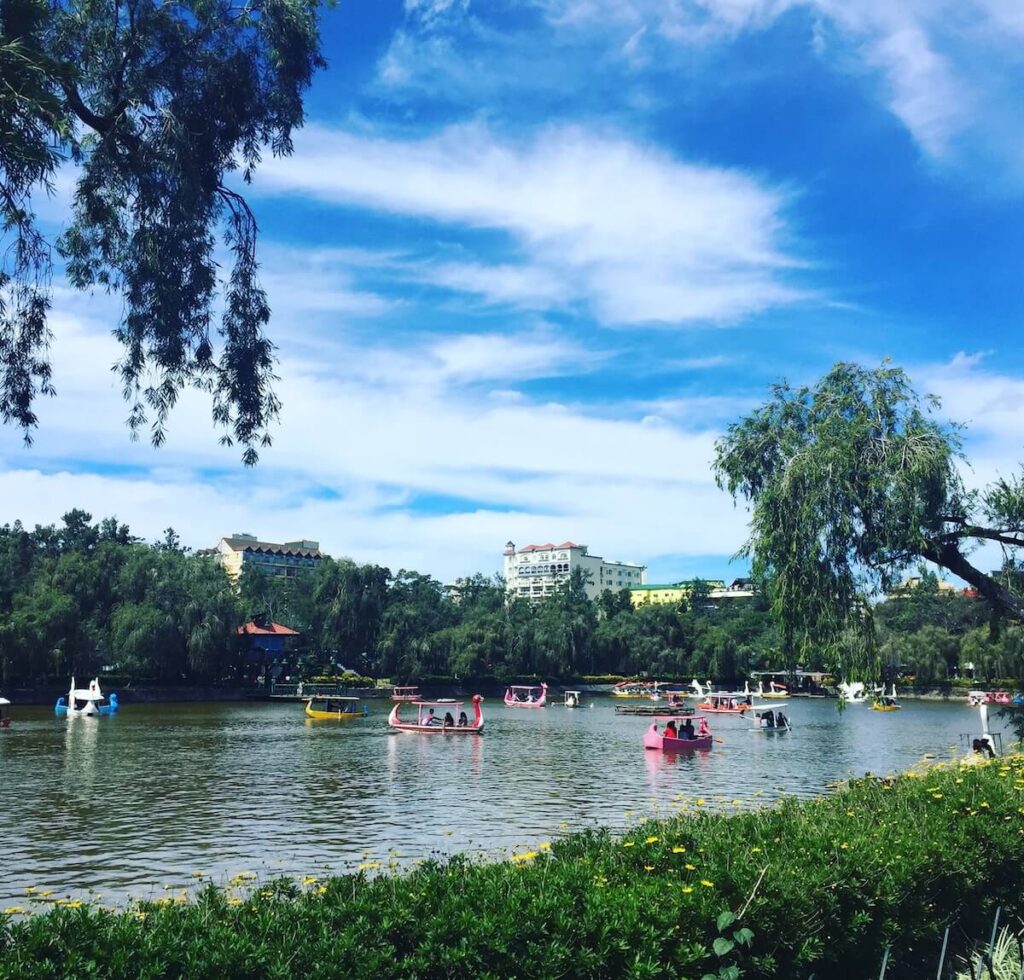
Swan boats, flowers, taho, and senior citizens doing Zumba workouts or morning tai chi—this is the picture of Burnham Park in my mind.
Affectionately dubbed the “mother of all parks,” Burnham Park was personally designed by premier American urban planner Daniel Burnham in 1904 as the green centerpiece of his master-planned city. Its famous centerpiece is a wide, century-old man-made lake where families can rent quirky swan-shaped pedal boats for a relaxing cruise.
Surrounding the water are lively paved pathways packed with roller-skating rinks, rose gardens, and a massive biking area famous for its colorful “chopper” tricycles. It is the ultimate laid-back spot where locals and tourists alike mingle. It’s perfect for an early morning jog or a slow afternoon snacking on strawberry ice cream under the shade of the willow trees.
7. Session Road
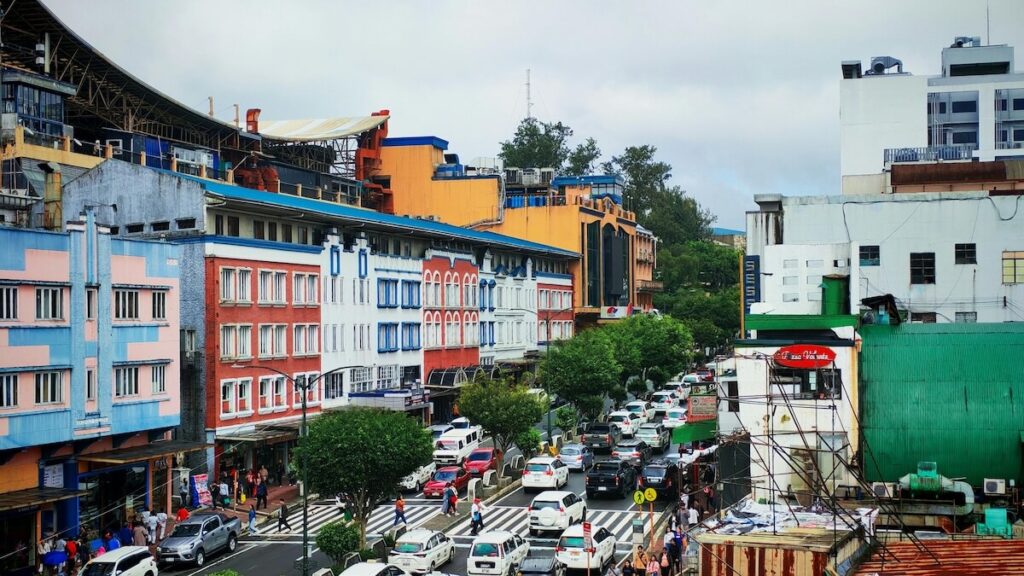
Baguio is known for Session Road, a vibrant main artery and commercial hub that got its name back in 1904 because it led straight to the Baden-Powell Hall, where the first Philippine Commission held its official legislative sessions.
Tackling this famously steep, bustling incline is an absolute rite of passage for anyone trying to truly experience the city’s pulse. Walking this road feels like an architectural journey, as it’s lined with vintage Art Deco buildings housing everything from homegrown legacy cafes to modern boutiques.
The thoroughfare truly comes alive during the grand finale of the Panagbenga Festival for “Session Road in Bloom.” The entire street closes to vehicular traffic for a week, transforming the asphalt into a massive, pedestrian-only carnival of street buskers, local artisanal craft stalls, and incredible open-air food spots.
8. The Cordillera culture & Igorot heritage
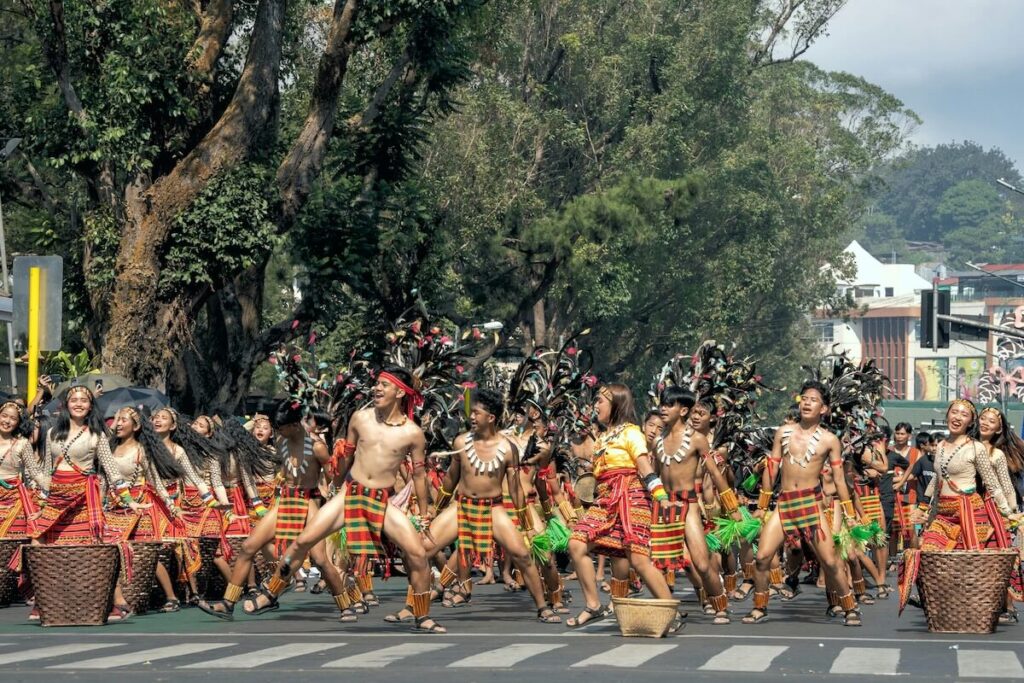
While the city boasts plenty of modern comforts (and is becoming too modern too fast, in my opinion), its true soul belongs to the ancient mountains that cradle it.
Baguio serves as the vibrant gateway to the Cordillera Administrative Region, acting as a cultural melting pot where the traditions of the indigenous Ibaloi, Kankana-ey, and Ifugao peoples mix. Long before colonial roads were paved, the Ibaloi were the original inhabitants, calling the vast, grassy valley Vacnang before it was renamed.
Now, this rich heritage is woven directly into the city’s daily life. You can explore it visually through the geometric, hand-woven textiles at the local markets or the intricate, heavy woodcarvings lining the shops in Asin Road. The city’s residents are fighting to preserve the living culture where traditional rituals, sacred chants, and community dances are not just kept in museums, but actively practiced and celebrated even by the younger generation.
9. Ukay-ukay
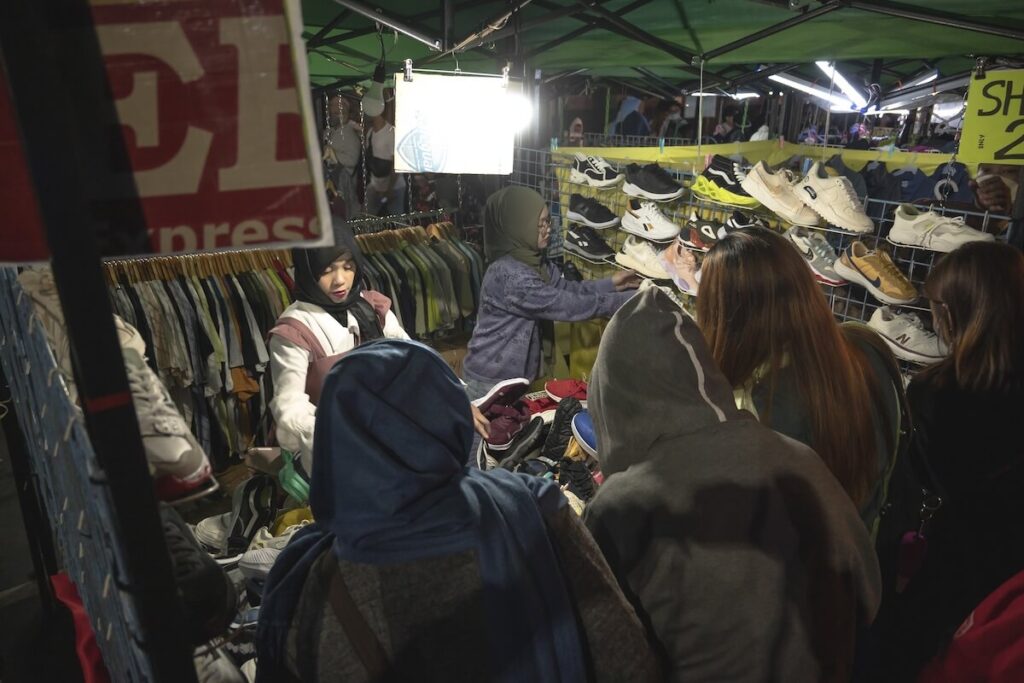
For fashion hunters and budget shoppers, the real excitement in Baguio begins when the sun goes down and the thrift racks roll out. The city is widely celebrated as the birthplace and unofficial capital of ukay-ukay in the Philippines.
The word itself comes from the Cebuano verb ukay, which literally translates to “to dig” or “sift through” piles of garments. The word hukay in Tagalog also means “to dig,” so in English, the term technically means “dig-dig.” Locally, however, it’s just as famously known as wagwagan—an Ilocano term that describes the distinct snapping motion of shaking off the dust from a newly claimed piece of clothing.
The phenomenon traces its roots back to the mid-1990s post-earthquake era, when relief clothing from global humanitarian agencies accumulated and was eventually sold to the public at rock-bottom prices. This has evolved into a massive cultural trend.
If you brave the vibrant Night Market along Harrison Road, you will find blocks of stalls tightly packed with high-quality winter coats, rare vintage street wear, and designer boots shipped from across the globe. Here, patience and sharp eyes reward you with incredible fashion treasures for just a fraction of their retail cost.
10. Good Shepherd ube jam
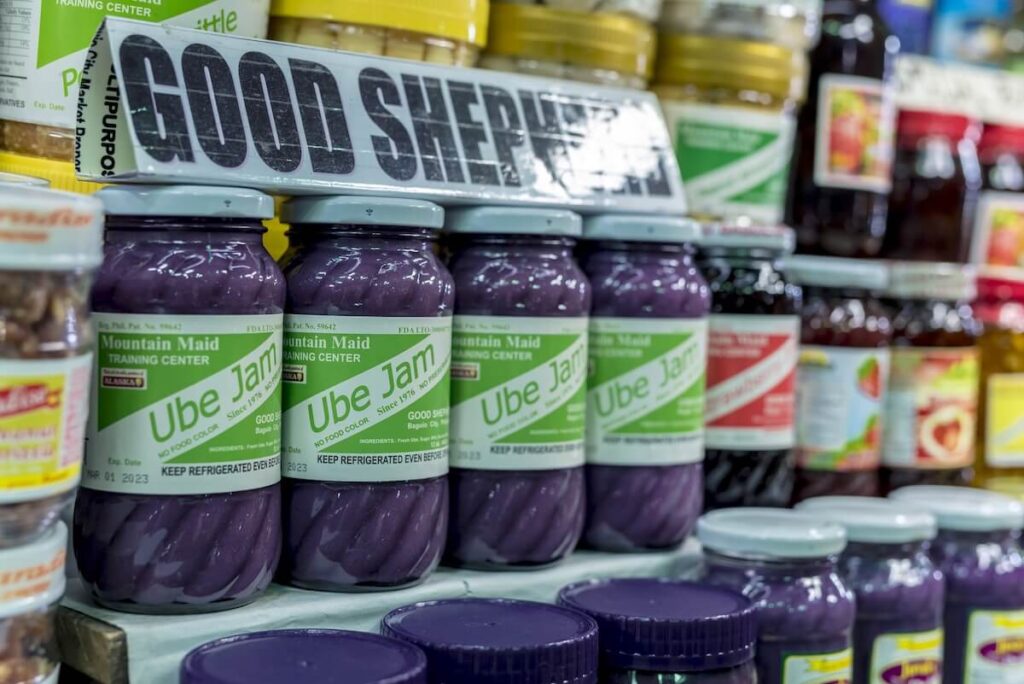
If your suitcase isn’t packed to the brim with plastic jars of purple and brown sweets before you head down the mountains, did you even really visit?
Baguio is known for hosting the Good Shepherd Convent, an operational convent of the Good Shepherd Sisters that has accidentally become the most legendary culinary destination in the city.
Bringing home pasalubong—souvenirs for loved ones—is a deeply ingrained Filipino tradition, and Good Shepherd’s iconic, velvety-smooth ube jam and crunchy peanut brittle have stood as the undisputed gold standard for decades.
What began in 1952 as a small kitchen project by Sister Mary Christine Tan to utilize surplus local mountain crops has evolved into a massive, highly efficient sweet-making enterprise. Every single jar purchased carries a deeper purpose though, as the proceeds directly fund the tuition, board, and lodging of hundreds of indigenous Cordilleran student scholars working at the convent. So, yes, buying these yummy souvenirs directly translates into changing a young student’s future!
11. Camp John Hay
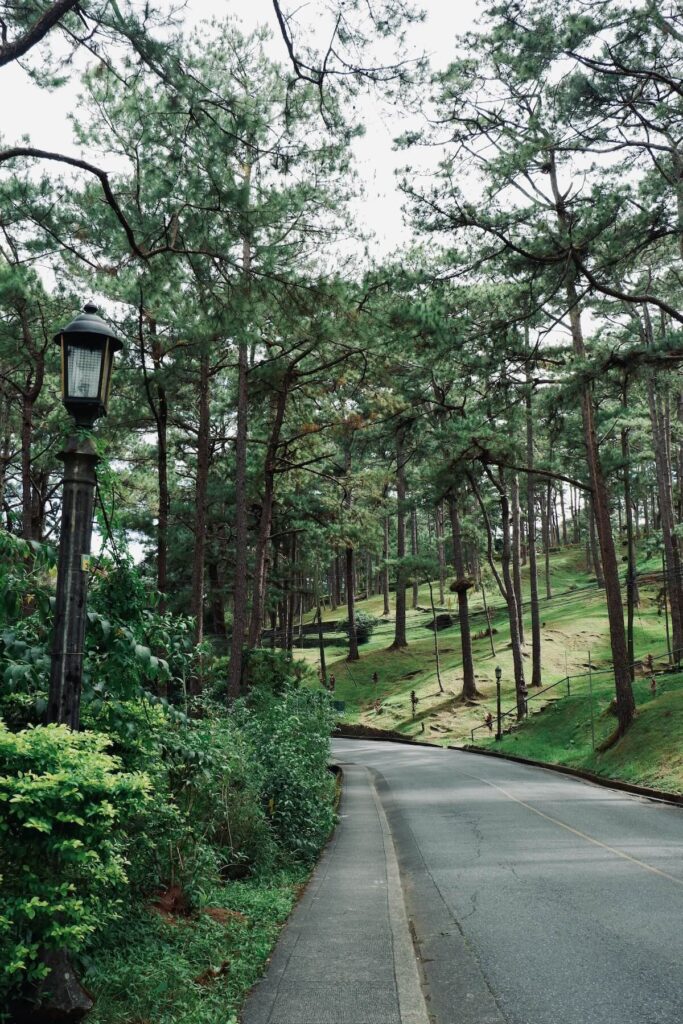
Camp John Hay, one of the most beautiful spots Baguio is known for, was originally established in 1903 as a rest and recreation sanctuary exclusively for the US Armed Forces. It was named after President Theodore Roosevelt’s Secretary of State, John Milton Hay.
Walking into this beautifully preserved mountain estate truly feels like slipping into a completely different era of history. One of my favorite spots here is the Bell House, a stunning example of American colonial architecture that lets you glimpse how military generals relaxed over a century ago.
The camp has also been transformed into a premier luxury resort area (The Manor and Forest Lodge don’t disappoint) that boasts some of the city’s most pristine pine forests. You can spend a quiet morning hiking the scenic Yellow Trail, breathing in the dense pine scent, or grab a hot meal at the nearby restaurants (like at my fave, Choco-Late de Batirol)—all while completely surrounded by the crisp mountain air.
12. The Mansion and Wright Park
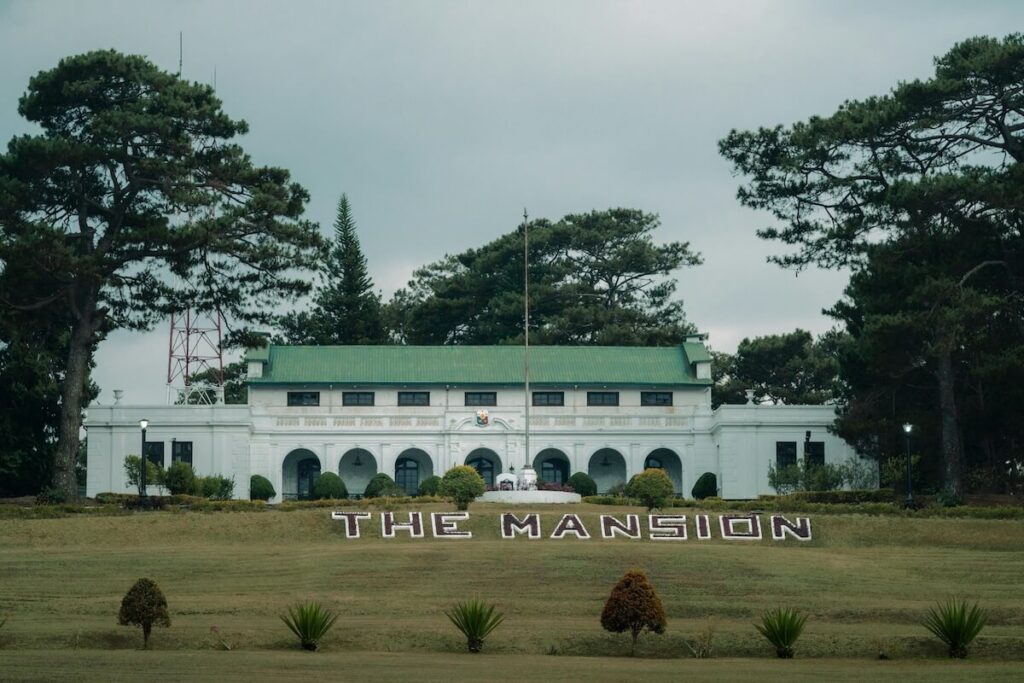
The Mansion serves as the official summer residence of the President of the Philippines. Standing before the towering, ornate iron gates of this presidential compound feels like catching a glimpse of a European palace dropped right into the Philippine highlands.
Originally built in 1908 to house American Governor-Generals, the elegant Spanish Colonial Revival structure was severely damaged during World War II but was meticulously rebuilt in 1947 to preserve its grand colonial legacy.
Directly across the road is Wright Park, named after Governor-General Luke E. Wright, which serves as the estate’s scenic visual extension. Its defining feature is the “Pool of Pines”—a long, rectangular reflecting pool bordered by towering trees that provides one of the city’s most iconic postcard views.
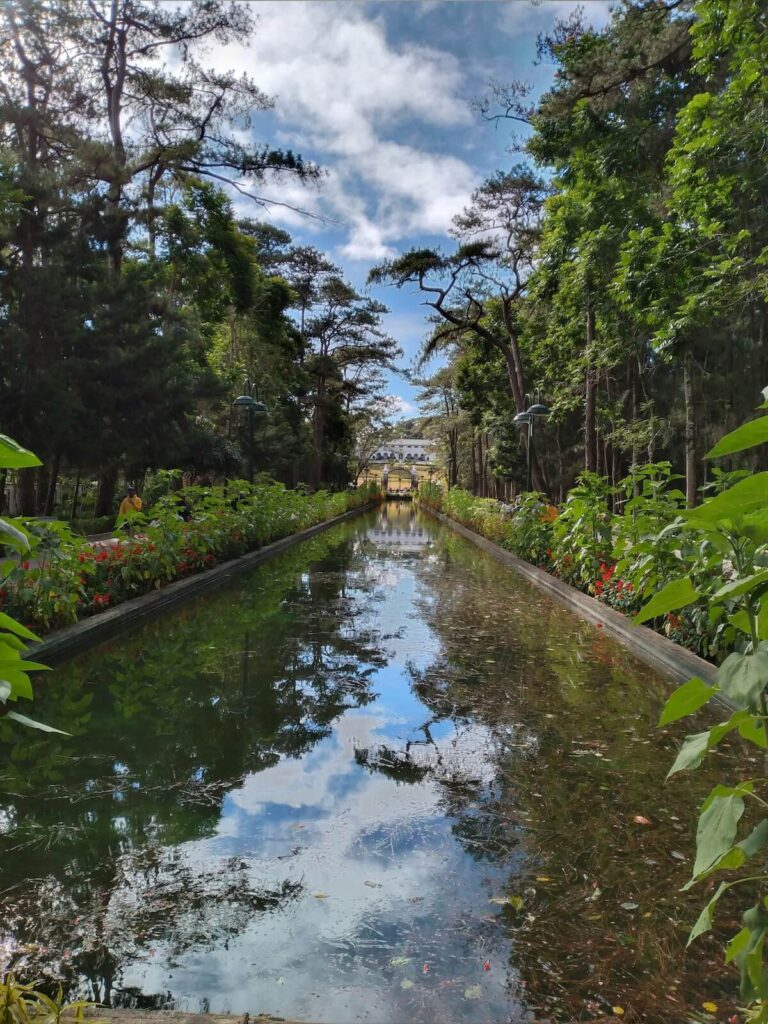
If you walk down the grand stone steps at the end of the walkway, you’ll reach the famous riding circle, where generations of tourists have rented horses guided by the city’s legendary local Ibaloi “pony boys.”
13. Baguio Public Market
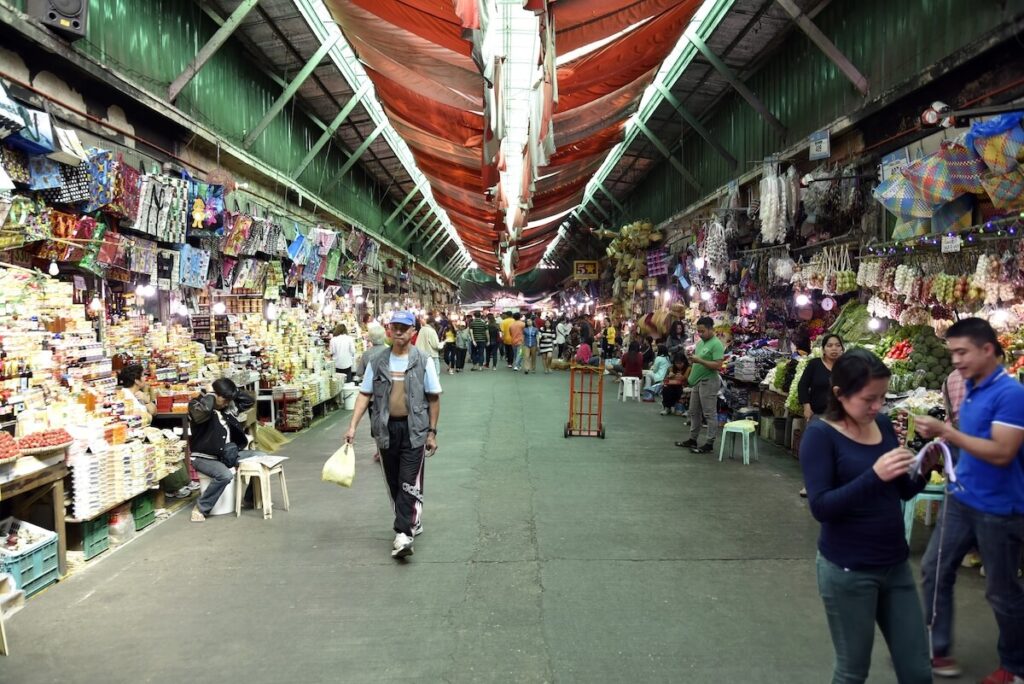
No trip to Baguio is complete without visiting this institution. Navigating the dizzying, vibrant alleyways of this trading hub is the absolute best way to experience the city like a true local.
The Baguio Public Market is widely celebrated as one of the cleanest, safest, and most organized wet markets in the entire country. Established during the early American colonial era, it has evolved over a century from a modest weekend trading post into a massive, multi-level commercial center.
This is the definitive place to load up on incredibly fresh, budget-friendly highland produce like crisp broccoli, lettuce, and stringy “Baguio beans.” As you explore deeper, your senses will be hit by the rich aroma of locally roasted Sagada coffee beans being ground to order. Don’t leave without picking up native woven handicrafts or a premium walis tambo (soft broom)—meticulously crafted from local reed grass—which remains the ultimate functional souvenir of any Baguio trip.
14. Creative City Status
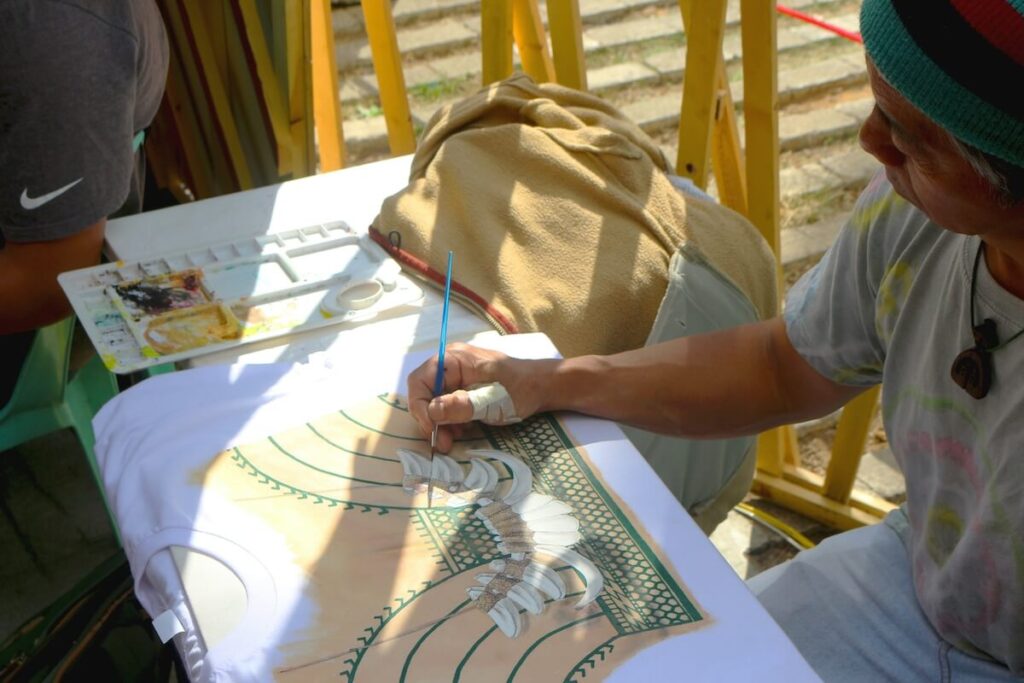
Beyond its breathtaking natural landscapes, the city possesses an artistic pulse that has officially put it on the global map.
Baguio is famous as the first Philippine city to be designated a UNESCO Creative City for Crafts and Folk Art in 2017. This prestigious international title formally recognizes what locals have known for decades: the mountain town is a thriving, deeply passionate sanctuary for exceptional creative talent.
This vibrant artistic ecosystem is fueled by generations of traditional woodcarvers, silver-smiths, indigenous weavers, and contemporary painters who call these highlands home.
The UNESCO status has breathed new life into the community, inspiring annual events like the Ibagíw Creative Festival. It’s a wonderful modern movement that ensures ancient Cordilleran artistic techniques are not only preserved but are actively celebrated alongside cutting-edge, contemporary Filipino art forms.
15. Tam-awan Village
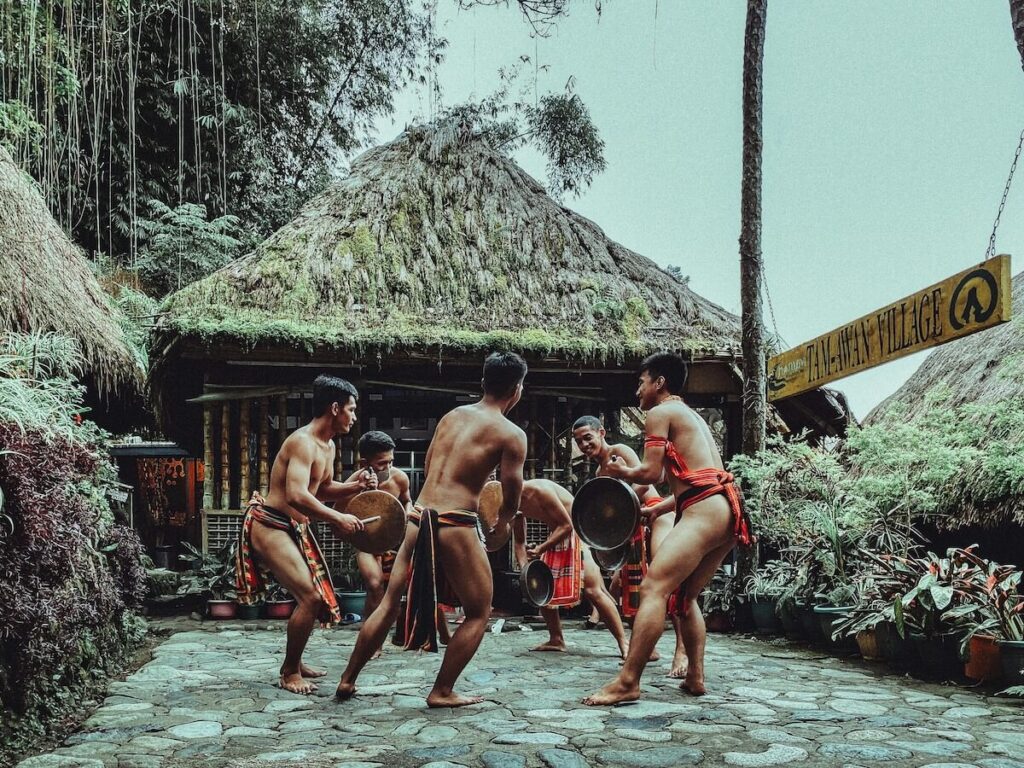
Speaking of creativity, Baguio is also known for its unique hillside sanctuary that offers a rare, immersive look into the intersection of traditional indigenous life and modern art.
Established in 1998 by the Chanum Foundation, Tam-awan Village was envisioned as an “artists’ village” that could bring Cordilleran culture closer to the public. The founders painstakingly transported and reconstructed authentic Ifugao and Kankana-ey huts from across the highlands, placing them seamlessly along a lush, terraced mountain slope.
Today, the village functions as a living, open-air gallery where local painters and sculptors showcase their work inside these historic structures. Visitors can hike the steep stone paths (not very steep but sturdy, comfy shoes are recommended), participate in traditional sketching workshops, or watch local artisans demonstrate intricate weaving and woodcarving techniques.
It’s an incredibly peaceful, deeply respectful space for cultural immersion that lets you experience the true aesthetic soul of the Cordillera region.
16. The 1990 Earthquake
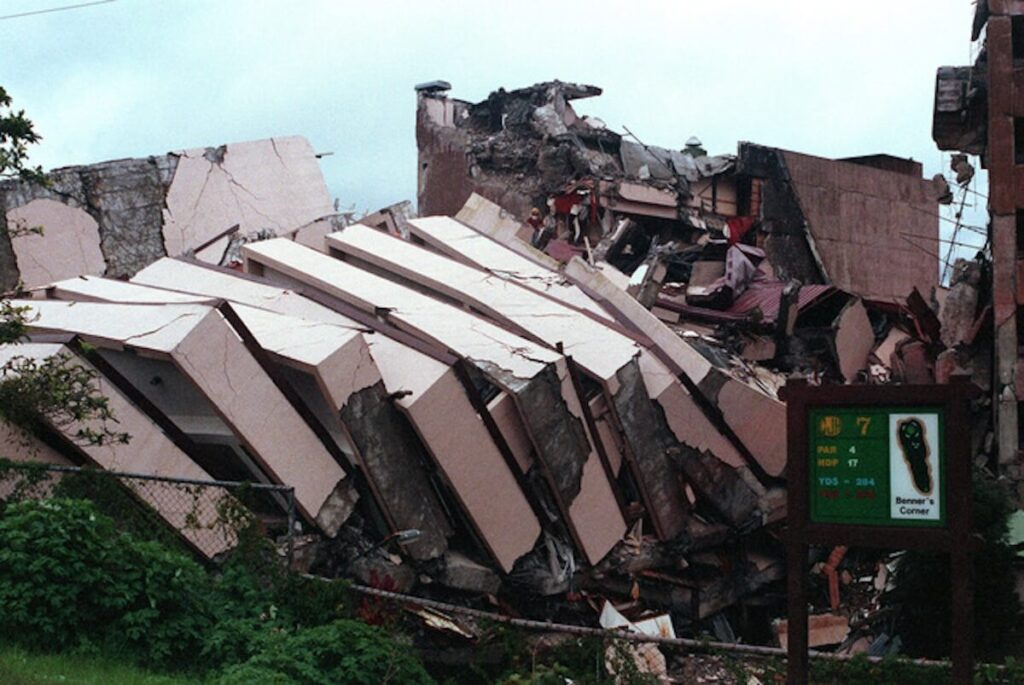
While Baguio is famous for its joyful festivals and vibrant scenery, its modern identity was forged through a moment of absolute, heart-wrenching catastrophe.
On July 16, 1990, a devastating 7.7-magnitude earthquake struck Luzon, collapsing major luxury hotels, cutting off crucial access roads, and leaving the mountain city completely isolated from the rest of the country for days. It remains a deeply somber but defining chapter in the city’s historical narrative.
Remarkably, this tragedy gave rise to an extraordinary story of community survival. Local residents, students, and miners immediately banded together to dig through the rubble with bare hands, sparking a massive, years-long rebuilding effort.
This collective push not only completely reshaped the modern urban landscape into a safer, more structured city but also deeply reinforced the unbreakable, resilient spirit that still defines the tight-knit Baguio community today.
17. Haunted places
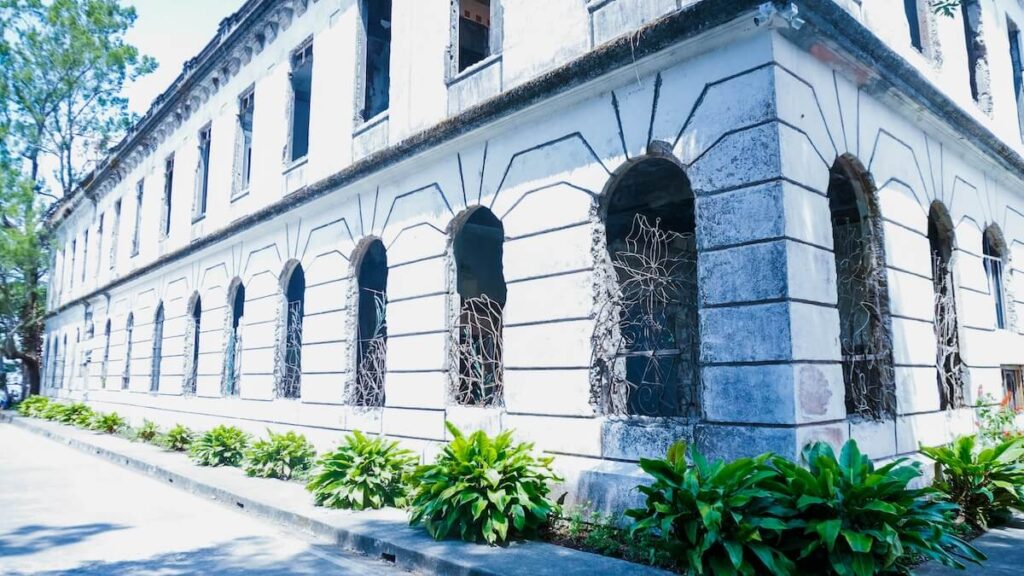
Partly due to the historic earthquake and its brutal, dark history during World War II, Baguio has earned a chilling reputation as one of the most haunted cities in the Philippines.
But far from keeping tourists away, these ghostly legends have turned the city into a prime destination for paranormal enthusiasts and history buffs alike. The mountain fog rolling in at dusk only adds to the naturally eerie, cinematic atmosphere.
The undisputed epicenter of this spooky allure is the ruined Diplomat Hotel on Dominican Hill. Originally a 1911 vacation house for Dominican friars, it became a tragic site of wartime atrocities during the Japanese occupation before being converted into a hotel, and today, its weathered concrete shell attracts ghost hunters and photographers.
Nearby, the grand, American-colonial Laperal White House also stands as a famous hotspot, known for its dark tales of wartime spirits whispering through the wooden hallways.
Visitors and locals also report hearing disembodied screams and phantom footsteps near the site of the Hyatt Terraces Hotel, which completely collapsed during the 1990 earthquake, trapping hundreds inside.
Meanwhile, Teacher’s Camp—a century-old training site established in 1908, which the Japanese used to imprison hundreds of people—is famous for its own eerie occurrences. Guests frequently report hearing the clanking of heavy invisible chains and spotting the spirits of its early American founders wandering the dark cottage hallways.
Wrap up
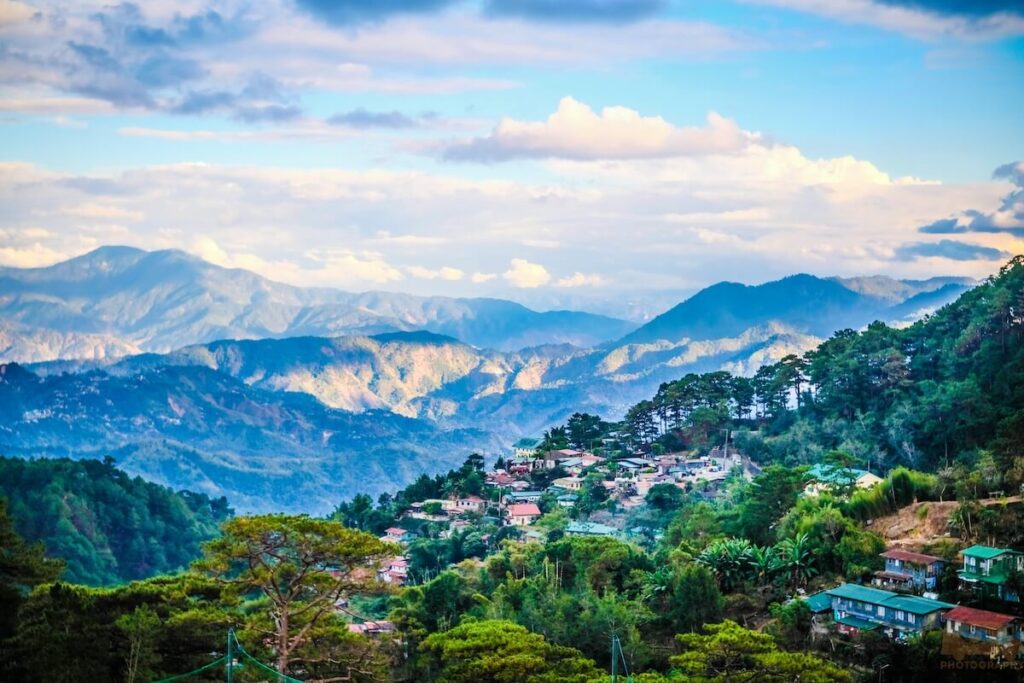
I know I ended on a rather somber note, but that is the beauty of this mountain escape—it holds so many layers of history, culture, and unexpected flavor.
So, when people ask, “What is Baguio famous for?” you know that the answer is a beautiful mix of crisp pine air, sweet strawberries, brilliant UNESCO-recognized artistry, and legendary thrift finds. Honestly, this list barely scratches the surface of its true identity.
Whether you are craving a comforting cup of tsokolate or a chilly walk down Session Road, there is always something new to discover up here. Go ahead and bookmark this article, grab your favorite sweater, and start planning your next mountain getaway!
While you’re at it, don’t forget to explore our other guides to find out what the rest of the Philippines is known for, discover what Manila is known for, and see what other fun Philippine cities have in store for your next adventure. Happy travels!