
*This article may contain affiliate links. For full information, please see the disclaimer here.
Alaska’s a bit of a legend. I’m sure everyone’s got some image in their head. I don’t know about you but for me, it’s grizzlies fishing for salmon, those crazy sled dog races, and large sheets of ice.
Alaska’s way bigger than any postcard can portray. It’s a land where the sheer scale of things hits you—the skies, the mountains, the coastline.
So, what is Alaska known for? More than just snow and bears, Alaska is famous for the raw, untamed beauty of Denali, the Northern Lights dancing across the night sky, and the deep-rooted traditions of the Alaska Native cultures. It’s the rush of the Iditarod, the taste of fresh-caught salmon, stunning landscapes you will never forget, and a history as rich as its natural beauty.

We’re talking about a state where flying is often quicker than driving, and where the sun barely dips below the horizon in the summer. It’s where forests stretch endlessly and the quiet is almost tangible. It’s a land of extremes, and yes, it’s got its quirks—like a capital city you can’t drive to, and the fact that “going outside” in winter is a whole different ballgame.
I’ve teased enough, so let’s get down to it and talk about what makes Alaska so unique.
Table of Contents
1. Largest U.S. state

When people say Alaska is big, they’re not kidding. With an actual size of 663,268 square miles (1,717,856 km2), it’s the largest U.S. state by area.
To get a sense of it, picture this: you could fit Texas, California, and Montana inside Alaska’s borders, and still have room to spare. And that’s just landmass.
It’s also a non-contiguous state, meaning it’s separated from the rest of the continental U.S. by Canada. This geographical separation is a huge part of what makes Alaska feel so distinct. It’s not just a state; it’s a world unto itself. And fun fact, due to the curve of the earth and the Aleutian Islands, Alaska is also the northernmost, westernmost, and easternmost state in the U.S.
That said, the vast majority of Alaska is wilderness and population size is a different story.
2. Low population density

We’ve established Alaska’s massive size. Now, let’s talk about the other side of that coin: its incredibly low population density.
Being the largest U.S. state and the most sparsely populated go hand in hand. In Alaska, you can drive for hours, sometimes days, and barely see another soul. It’s a stark contrast to the crowded cities many of us are used to.
Even though Alaska boasts some of the largest cities by area in the U.S. (Sitka, Juneau, Wrangell, and Anchorage), the actual number of people living in those cities is relatively small. Wrangell, for instance, covers 2,556 square miles but has only a little over 2,000 residents! Population decline is even predicted in some cities.
This sparse population is a huge part of what is Alaska famous for. It creates a sense of remoteness, a unique kind of urban landscape, where nature still feels like the dominant force. It also fosters a strong sense of community, where people rely on each other and value the space they share. Life in Alaska often requires subsistence, homesteading, and a connection to the environment, and its low population density is a huge factor in that way of life.
3. Denali
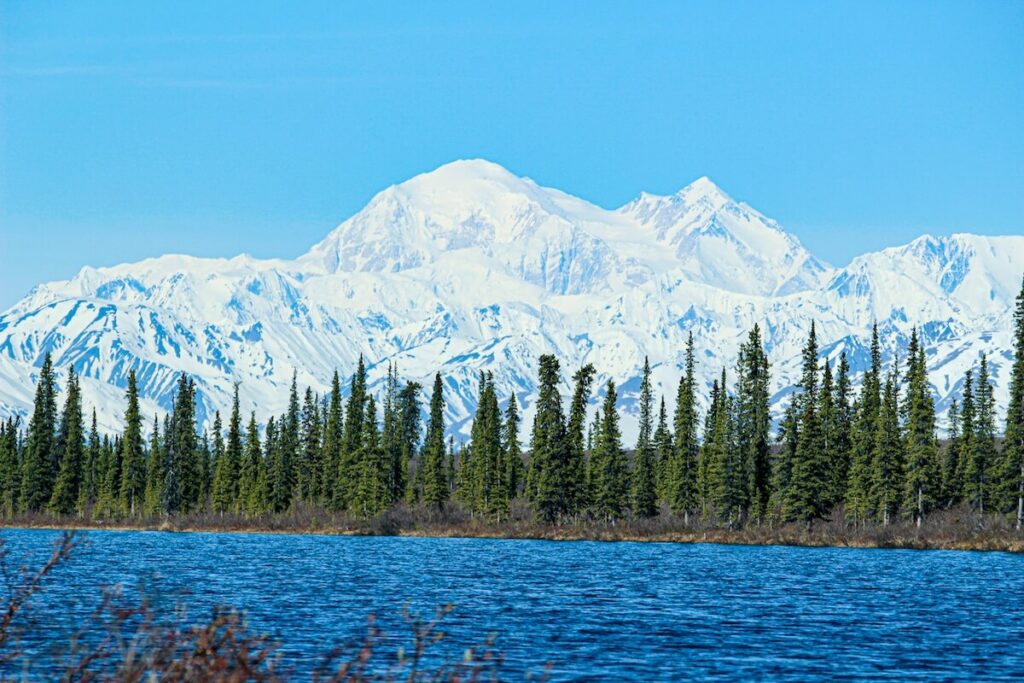
Denali, smack-dab in the middle of Denali National Park and Preserve, is not just a mountain; it’s the mountain. Rising over 20,000 feet above sea level, it’s North America’s highest peak.
For a long time, it was called Mount McKinley, but the Alaska Native name, Denali, meaning “the high one,” was officially restored. And honestly, that name just fits. It’s a massive presence and it stands relatively isolated, so it just dominates the skyline. It’s a challenging climb, and the weather up there can be brutal, which adds to its legendary status.
For Alaska, Denali represents the raw power and untamed beauty of the state. For the U.S., it’s a reminder of the vast wilderness that still exists. It also has a rich history, with early explorers and climbers facing incredible odds to reach its summit.
To truly grasp Denali’s majesty, consider soaring above it on a scenic flight or getting down and dirty on an ATV adventure; either way, you’ll experience a perspective few ever see.
4. Glaciers

Simply put, glaciers are massive, slow-moving bodies of ice formed by the accumulation and compaction of snow over many years. Alaska is practically overflowing with them, from the massive Malaspina Glacier, which is larger than Rhode Island, to the countless smaller ones tucked away in mountain valleys.
These icy giants have played a huge role in shaping Alaska’s terrain, carving out fjords and valleys, and leaving behind debris that creates those picturesque landscapes. They’re not just pretty to look at; they’re a powerful force of nature.
You can take boat tours (such as this one in Kenai Fjords National Park) to get up close and personal with tidewater glaciers, where you might witness them “calving,” when huge chunks of ice break off and crash into the sea. It’s a pretty spectacular sight and a great opportunity to witness one of Alaska’s most dramatic landscapes.
5. Northern Lights

Dancing ribbons of light that shimmer across the night sky, caused by charged particles from the sun colliding with atoms in Earth’s atmosphere—this is one of nature’s most dazzling displays, the Northern Lights, or Aurora Borealis.
In Alaska, they’re a frequent and breathtaking sight, especially during the long winter nights. The further north you go, and the darker it is, the better your chances of seeing them. Places like Fairbanks, the Yukon, and areas above the Arctic Circle are prime viewing spots.
Historically, Alaska Native cultures have woven the aurora into their folklore and spiritual beliefs, adding a layer of mystique to the already magical phenomenon. They’ve been observed and recorded for centuries, and still, they hold a sense of wonder that’s hard to describe.
Seeing the Northern Lights is a truly unforgettable experience. The colors can range from vibrant greens and purples to subtle reds and blues, and they’re constantly shifting and changing. To maximize your chances of seeing this incredible display, consider booking a full-day adventure to the Yukon and the Arctic Circle, or a tour combining the Northern Lights with the relaxing Chena Hot Springs. You’ll be glad you did.
6. Diverse wildlife
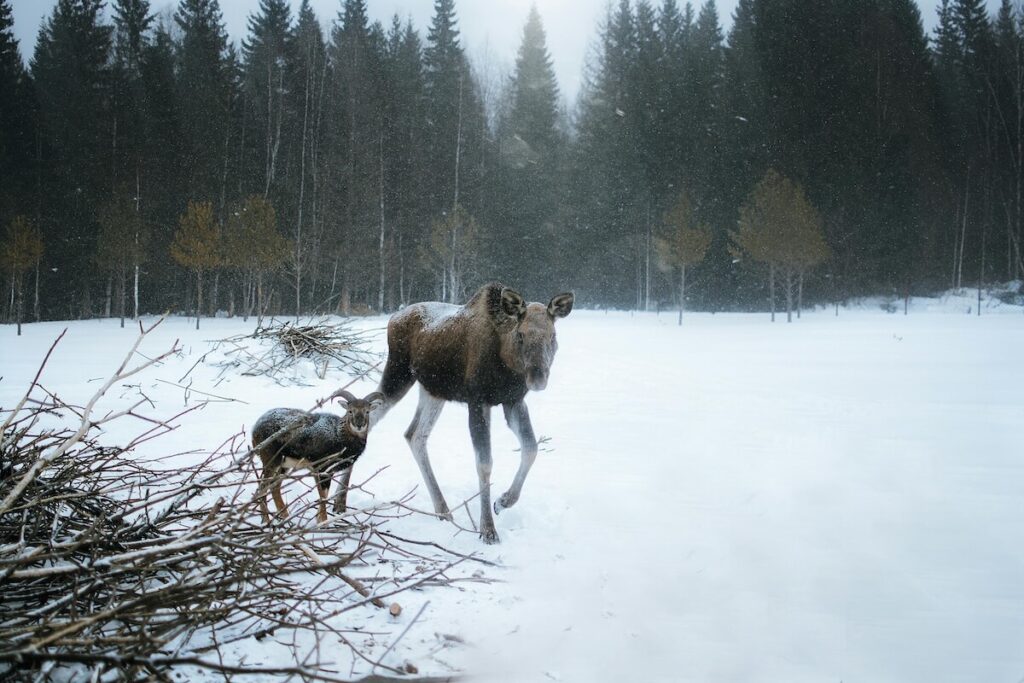
Alaska is a wildlife lover’s paradise. The sheer variety of creatures that call this place home is astounding.
From the iconic grizzly bears and moose to the elusive lynx and the majestic whales that breach the coastal waters, Alaska’s ecosystems support an incredible range of life. You’ll find caribou herds migrating across the tundra, Dall sheep clinging to rocky mountainsides, and bald eagles soaring overhead.
What makes it even more special are the animals that are uniquely Alaskan or found in very few other places. This includes the mighty Kodiak bear, the largest bear in the world, found only on the Kodiak Archipelago, and the elusive ice seals, perfectly adapted to the frigid Arctic waters.
The abundance of wildlife isn’t just a matter of numbers; it’s about the scale and the raw, untamed nature of it all. You can witness massive gatherings of animals, like the salmon runs that draw bears and eagles in droves, or the whale migrations that bring these giants close to shore.
7. Dog sledding
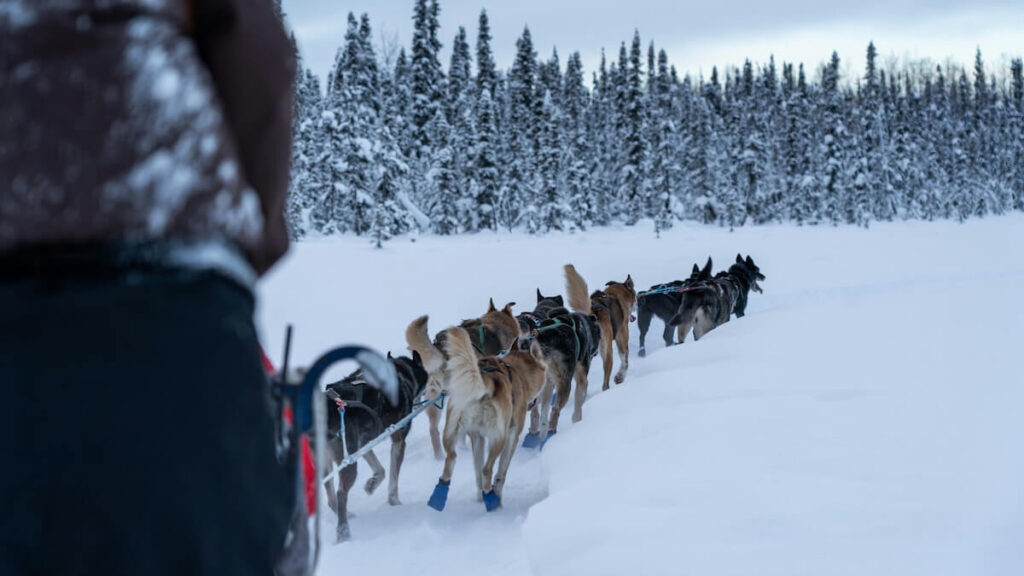
Dog sledding, or mushing as it’s often called, is more than just a sport in Alaska; it’s woven into the very fabric of the state’s history and culture. It’s a way of life, a tradition that dates back centuries, when dog teams were the primary mode of transportation across the vast, snow-covered terrain.
Picture yourself relying on a team of powerful, intelligent dogs to navigate through blizzard conditions and deliver vital supplies to remote villages. That’s the legacy of mushing in Alaska. The dogs themselves are incredible athletes, typically Alaskan Huskies, known for their endurance, speed, and resilience. They’re bred for this purpose, with a deep connection to their mushers.
Today, while snowmobiles have largely replaced dog teams for everyday travel, mushing remains a beloved tradition and a thrilling sport. The Iditarod Trail Sled Dog Race, a thousand-mile trek held every March across Alaska, is a testament to the enduring spirit of mushing.
You can find opportunities to try dog sledding yourself, and it’s an experience that’s hard to forget. This dog sledding experience in Fairbanks is a must in winter but you don’t need to bundle up in the snow to experience dog sledding—a summer dog sledding adventure in Willows is perfectly fine too!
8. Alaskan Malamute
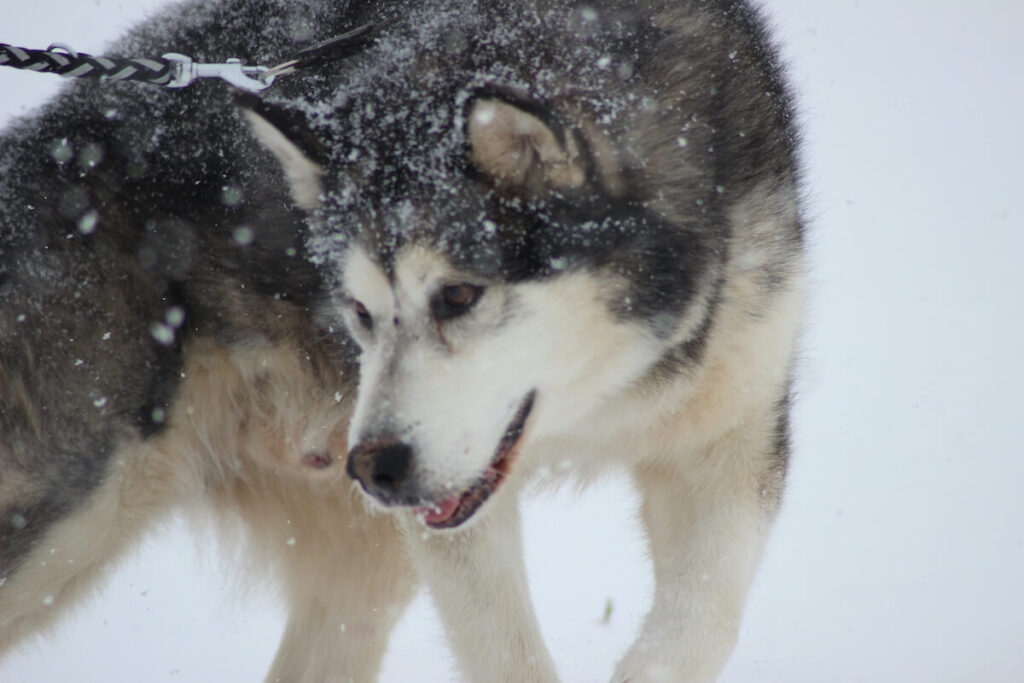
Speaking of dog sledding, let’s talk about one of the most iconic breeds associated with Alaska: the Alaskan Malamute. These are powerful, sturdy dogs, built for endurance and strength.
These dogs were originally bred by the Mahlemiut people, an Inuit tribe in the Norton Sound region of Alaska, for hauling heavy loads over long distances. They were integral to the survival and transportation of early Alaskans. Plus, they played a crucial role in delivering supplies during the Gold Rush and even served in military operations. Their strength and stamina made them invaluable in the challenging terrain.
Alaskan Malamutes aren’t just workhorses, though; they’re also known for their loyalty and affectionate nature. And while they’re still used for recreational mushing and sled dog tours, many Malamutes now live as beloved family pets.
9. Kodiak bears
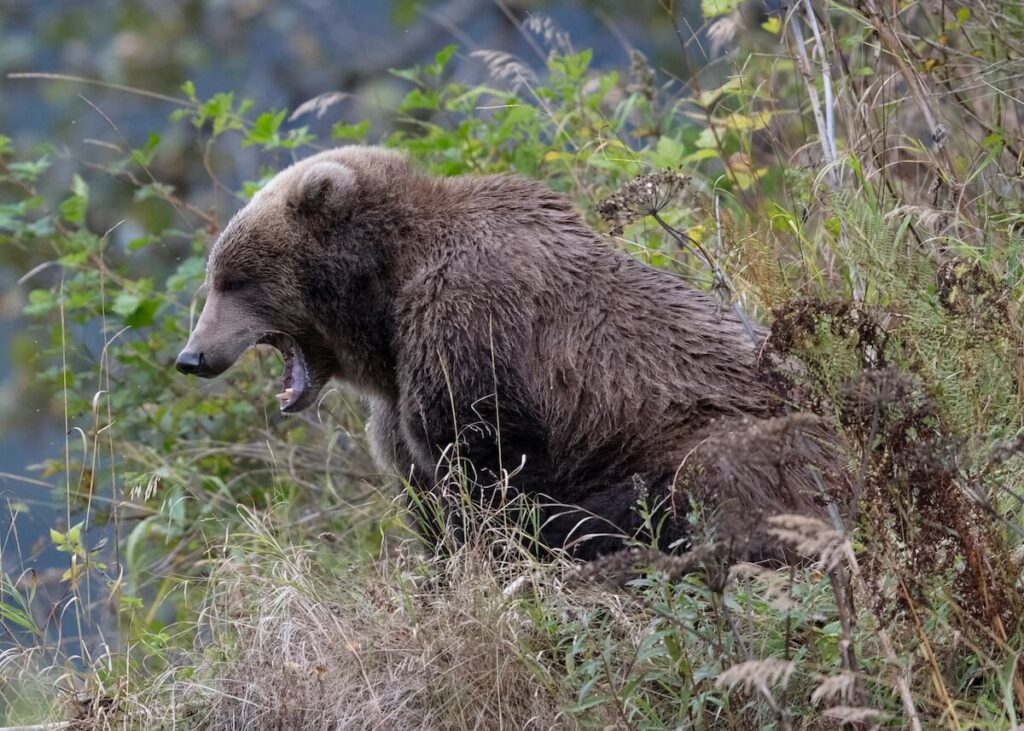
I previously mentioned Alaska’s diverse wildlife and the magnificent Kodiak bear. These giants are a subspecies of the brown bear, found exclusively in the Kodiak Archipelago in southwestern Alaska.
What sets Kodiak bears apart is their sheer size—they’re said to be the largest bears in the world, rivaling even polar bears in weight. Imagine a bear standing over 10 feet tall on its hind legs! They’ve evolved in isolation on the islands, with an abundant food supply, which has contributed to their impressive growth.
The Kodiak bear’s existence is deeply connected to the ecosystems of the islands. They’re omnivores, feeding on salmon, berries, and vegetation, and their presence plays a crucial role in maintaining the health of the environment.
10. Long winters
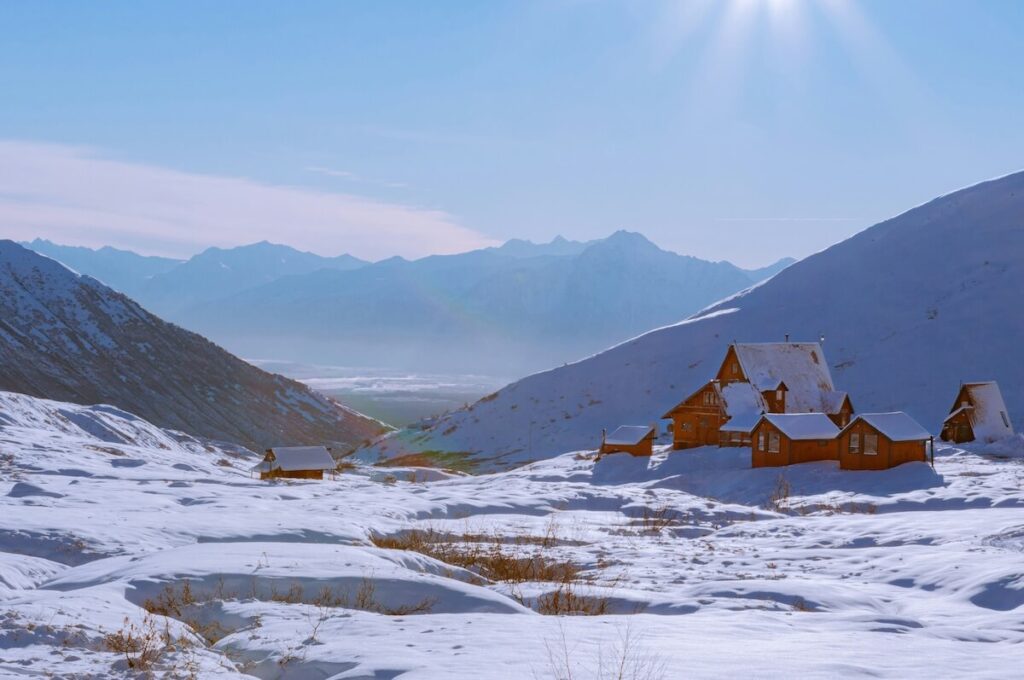
Let’s be real, when you think of Alaska, you think of winter. And rightly so. Alaska’s climate is characterized by long, cold winters, especially in the interior and Arctic regions. And it’s not just about the cold; it’s about the duration.
In places like Fairbanks, you can expect winter conditions to last for six months or more. This means extended periods of darkness, with limited daylight, and temperatures that can plummet far below zero.
It’s a challenging environment and one that fosters a unique way of life. People adapt, finding ways to embrace the season, whether it’s through winter sports, cozy gatherings, or simply appreciating the beauty of a snow-covered landscape.
The long winters also have a profound impact on the natural world. Animals adapt in incredible ways, from hibernation to thick fur coats. And the landscape itself transforms, becoming a pristine, snow-covered wonderland, the image of Alaska that most of us have.
11. Midnight sun
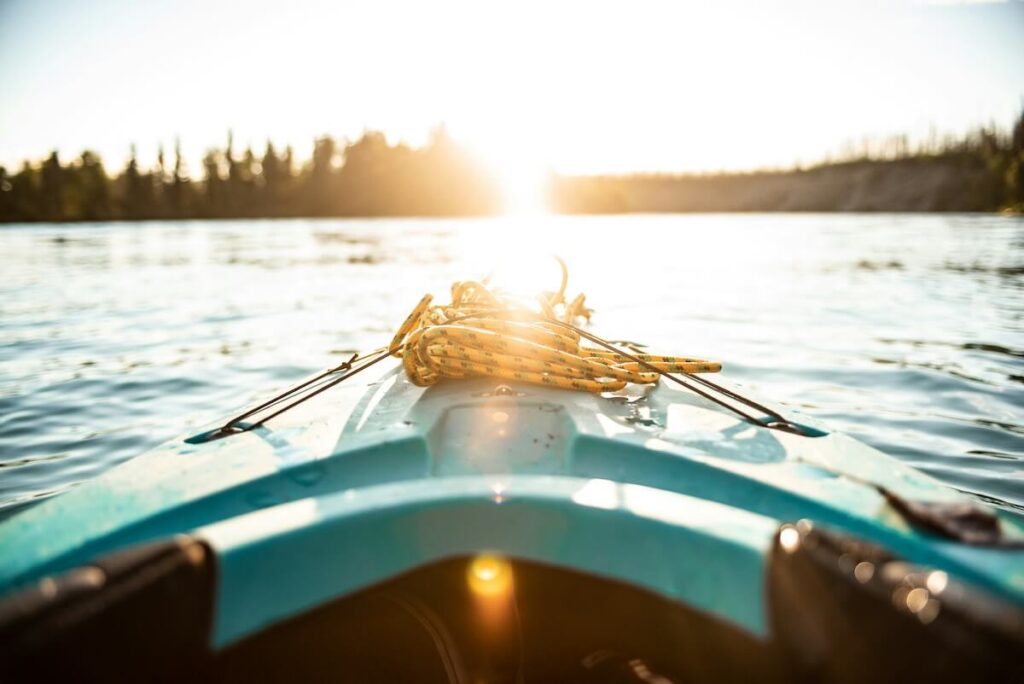
So, after those long, dark winters, Alaska flips the script and gives you the midnight sun—days where the sun never fully sets.
In places like Fairbanks, and even more so as you move further north, you can experience weeks, even months, of continuous daylight. In Utqiagvik, Alaska’s northernmost town, the sun doesn’t set for over 80 consecutive days each summer!
This means can find yourself hiking, fishing, or even playing a round of golf at 2 a.m., and it feels perfectly normal. The sheer amount of daylight fuels a burst of energy and activity, a real contrast to the slower pace of winter. Gardens explode with growth, wildlife thrives, and outdoor festivals and events fill the calendar. It’s a time of celebration, a chance to soak up every last minute of sunshine.
That said, it can take a bit of getting used to, especially for those who need total darkness to sleep.
12. Extreme weather

If you’ve gathered anything so far, it’s that Alaska doesn’t do anything halfway, and that definitely applies to its weather. We’ve talked about the long winters and midnight sun, but those are just two sides of the same coin: extreme weather. It’s not just about the cold; it’s about the variability.
You can experience scorching hot days followed by freezing nights, or sudden blizzards that sweep in without warning. The coastal areas, like the Aleutian Islands, are known for their fierce storms and high winds, while the interior can see temperature swings of over 100 degrees Fahrenheit between winter and summer. In short, it’s a place where you have to be prepared for anything.
This extreme weather shapes everything from the landscape to the way people live. It demands a certain level of resilience and self-sufficiency. People learn to adapt, to respect the power of nature, and to appreciate the moments of calm. And as you can guess, weather forecasts in Alaska are taken very seriously.
13. Extensive coastline

When you look at a map of Alaska, one of the most striking features is its incredible coastline. It’s longer than the coastlines of all the other U.S. states combined. We’re talking thousands of miles of rugged shores, dotted with fjords, bays, and islands.
You’ve got the Inside Passage, a sheltered waterway perfect for cruising, the vast expanse of the Gulf of Alaska, and the remote and wild Bering Sea coast. Each region offers its unique beauty and opportunities for exploration.
This extensive coastline is a playground for outdoor enthusiasts. You can go whale watching and spot humpback whales, orcas, and gray whales. You can take a scenic cruise and explore the glaciers and wildlife of the Inside Passage. Cruising through the calm waters of a fjord, or fishing for salmon in a remote bay, are also popular activities.
14. Fishing industry
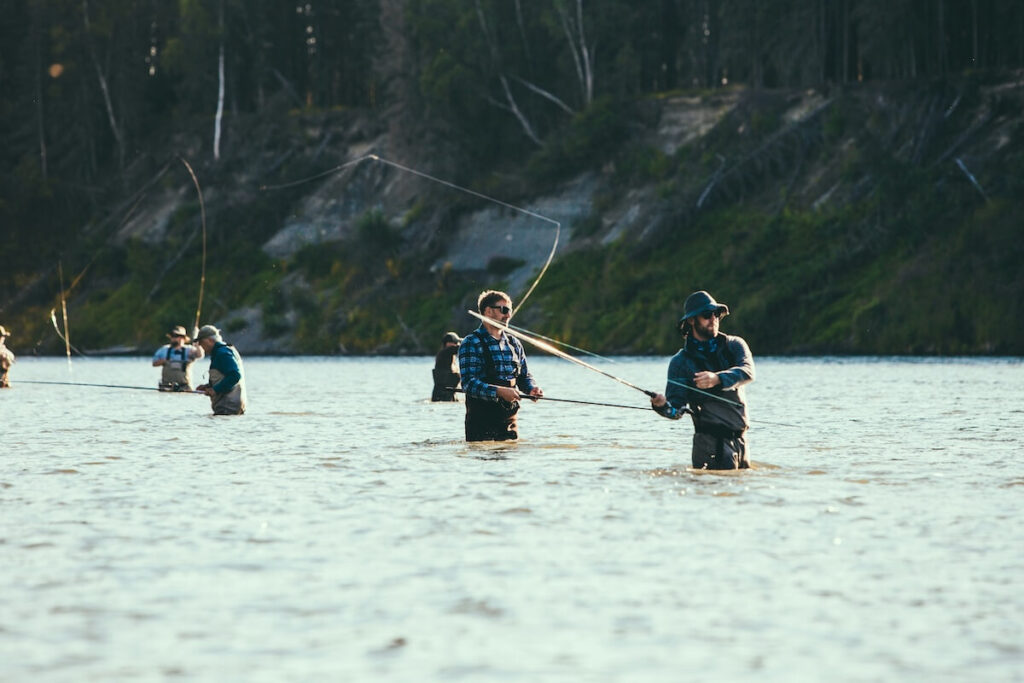
It’s no surprise, given Alaska’s uber-long coastlines, that its fishing industry is a major player in the state’s economy and culture.
The cold, pristine waters surrounding Alaska are teeming with some of the world’s most sought-after seafood. From the iconic Alaskan salmon, in its various species, to the succulent king crab and halibut, the quality and abundance are unmatched.
The industry isn’t just about catching fish; it’s a way of life for many coastal communities, a tradition passed down through generations. It’s a tough job, but one that provides a vital source of income and sustenance.
Whether you’re dining in a fancy restaurant in Anchorage or grabbing food from a roadside stand, trying out seafood in Alaska is a must. Consider smoked salmon, steamed king crab legs, halibut fish and chips, a hearty bowl of seafood chowder, and spot prawns.
15. National parks

Alaska is a treasure trove of national parks, each a testament to the state’s incredible natural beauty. These parks are vast expanses of wilderness, offering unparalleled opportunities for adventure and exploration.
Denali National Park and Preserve, as mentioned earlier, is where you’ll find North America’s highest peak, along with stunning landscapes and abundant wildlife. Glacier Bay National Park and Preserve, in Southeast Alaska, is a wonderland of tidewater glaciers and marine life. Katmai National Park and Preserve, also in the south, is famous for its brown bears catching salmon at Brooks Falls.
Wrangell St. Elias National Park and Preserve, the largest national park in the U.S., is a mountain lover’s paradise, with towering peaks and glaciers. And Kenai Fjords National Park, on the Kenai Peninsula, offers incredible opportunities for boat tours and wildlife viewing.
16. Native cultures

Alaska’s story is deeply intertwined with the rich and diverse cultures of its Native peoples. These are not a monolithic group; rather, they encompass a multitude of distinct cultures, each with its own language, traditions, and history.
You’ll find the Inupiat and Yupik peoples in the Arctic regions, the Athabaskan peoples in the interior, the Tlingit, Haida, and Tsimshian peoples in Southeast Alaska, the Aleut (Unangax) people in the Aleutian Islands, and many more. Their connection to the land and sea is profound, shaping their way of life for thousands of years.
Alaska Natives have developed intricate systems of knowledge, from traditional hunting and fishing practices to complex social structures and art forms. Their impact on Alaska is immeasurable, evident in everything from place names to artistic traditions.
Visiting Alaska offers a chance to experience some of these cultures firsthand, through cultural centers, museums, and community events.
17. The Gold Rush

The Alaskan Gold Rush is a chapter in history that still echoes through the state today. It’s a story of dreams, hardship, and the allure of striking it rich. While the Klondike Gold Rush, centered in the Yukon, just across the border in Canada, is the most famous, Alaska had its own booms, notably the Nome Gold Rush.
Thousands of prospectors flocked to Alaska, drawn by the promise of wealth, and their arrival changed the landscape forever. Boomtowns sprang up overnight, and the rush for gold fueled the development of transportation and infrastructure.
The legacy of the Gold Rush is still visible in Alaska today. You can visit historic towns like Skagway, Dawson City, Nome, Fairbanks, and Juneau, where the remnants of that era are preserved. You can explore old saloons, see preserved mining equipment, and hear tales of the colorful characters who shaped Alaska’s history.
18. Russian heritage
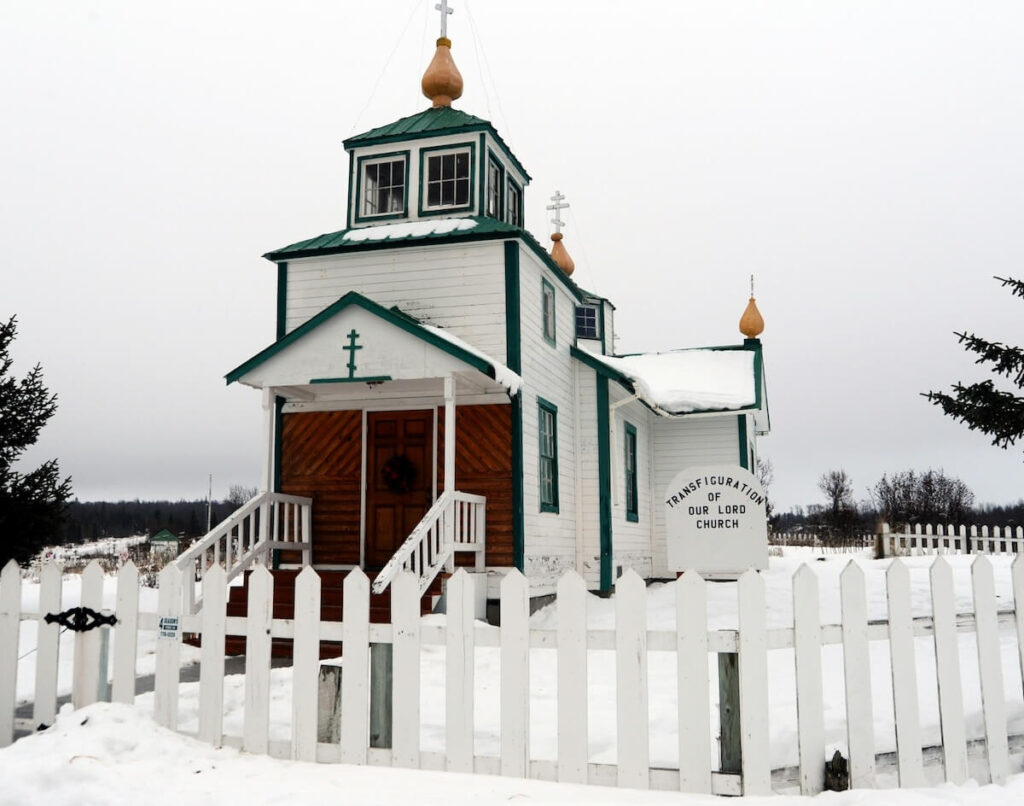
Alaska’s history isn’t solely American; it also carries a fascinating Russian legacy. For a significant period, Alaska was part of Russian America, a territory established by the Russian-American Company.
This era, spanning from the late 18th to the mid-19th century, left a lasting imprint on the region. Russian fur traders and settlers established outposts, and the Russian Orthodox Church played a significant role in the lives of both Russian colonists and Alaska Native populations.
The sale of Alaska to the United States in 1867 marked the end of Russian rule, but the cultural influence remains. You’ll find Russian Orthodox churches with their distinctive onion domes, and communities where Russian traditions are still celebrated. The legacy is also present in the art, music, and even some of the languages used in certain regions.
19. Volcanoes
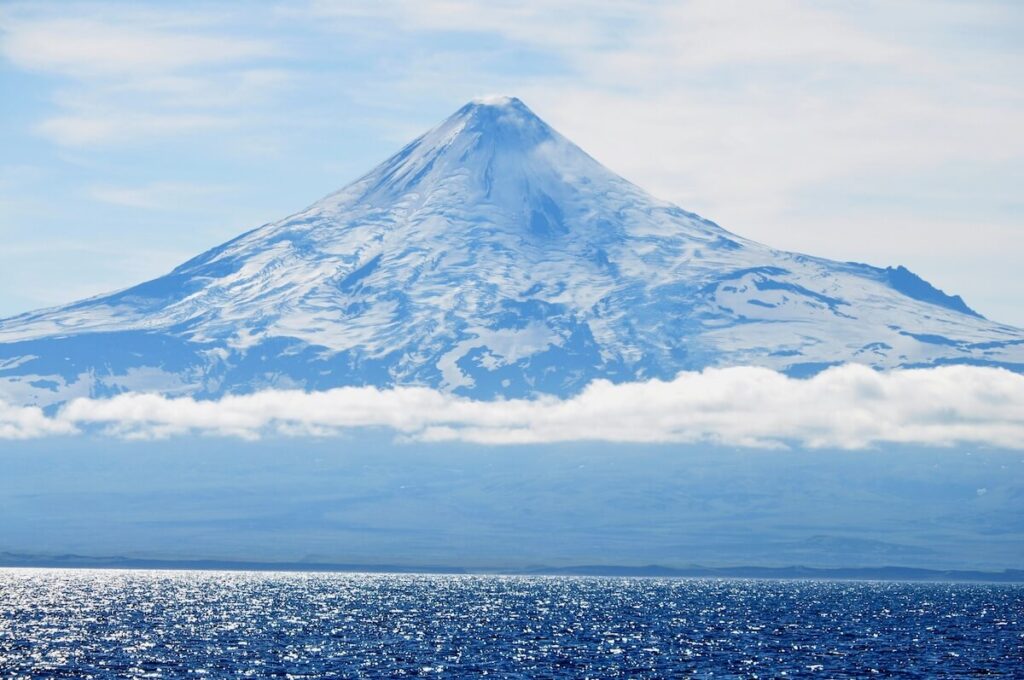
Alaska sits on the Pacific Ring of Fire, making it a hotbed of volcanic activity. Literally, it’s a land where fire and ice meet, with numerous active and dormant volcanoes dotting the landscape. Naturally, this volcanic nature has shaped the terrain and created stunning scenery.
You’ll find these volcanic peaks scattered throughout the state, particularly along the Aleutian Islands and the Alaska Peninsula. Mount Redoubt, near Cook Inlet, is known for its recent eruptions and ash plumes. Mount Katmai, within Katmai National Park, is famous for the massive 1912 eruption that created the Valley of Ten Thousand Smokes.
Mount Shishaldin, on Unimak Island, is a strikingly symmetrical volcano. Cleveland Volcano, also in the Aleutians, is one of the most active in the region. And Mount Spurr, near Anchorage, is another volcano that has shown recent activity.
Apart from being geological features, these volcanoes are integral to Alaska’s ecosystem. They contribute to the fertility of the soil, support unique plant and animal life, and provide geothermal energy.
20. The Trans-Alaska Pipeline
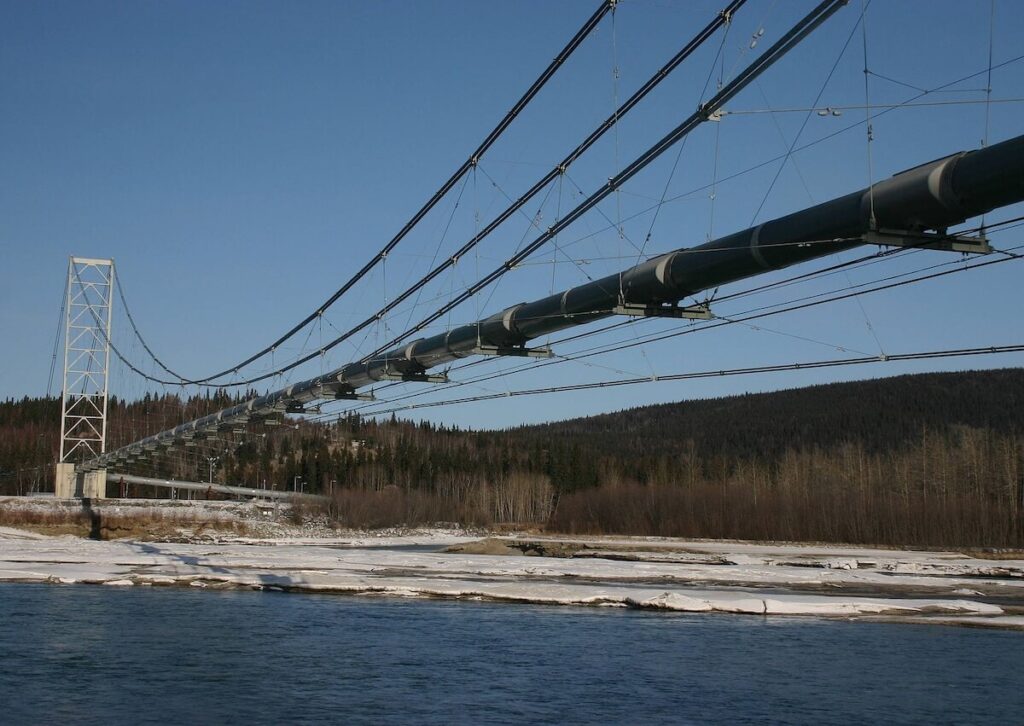
Alaska is known for the Trans-Alaska Pipeline, an engineering marvel and a testament to human ingenuity and the challenges of building in a harsh environment.
This 800-mile-long pipeline carries crude oil from Prudhoe Bay on the Arctic coast to Valdez, a port on the southern coast. It snakes its way through mountains, across rivers, and over permafrost, a feat that required innovative engineering solutions to prevent thawing and damage to the environment.
The pipeline’s construction in the 1970s was a massive undertaking, involving thousands of workers and overcoming significant logistical hurdles. It’s a visible symbol of Alaska’s oil industry and its impact on the state’s economy. Today, it’s a major source of revenue, funding state services and programs.
21. No sales tax

One of the more unique aspects of living or shopping in Alaska is the lack of a state sales tax. For those unfamiliar, a state sales tax is a percentage added to the cost of most goods and services, collected by the state government. In Alaska, you won’t find that extra charge tacked onto your purchases.
This makes it one of the few states in the U.S. that doesn’t impose a statewide sales tax, a fact that certainly catches the attention of visitors and residents alike. It’s not entirely unique, as some other states like Montana and New Hampshire also forgo this tax, but it’s still a relatively rare feature.
The absence of a state sales tax has a notable impact on Alaska’s economy and its people. For residents, it means that everyday purchases are generally less expensive. For businesses, it can be an attractive selling point, potentially drawing in customers from neighboring areas.
However, this doesn’t mean that Alaska is entirely tax-free. Local governments can and do impose their own sales taxes, so you might encounter city or borough sales taxes depending on where you are.
22. Juneau
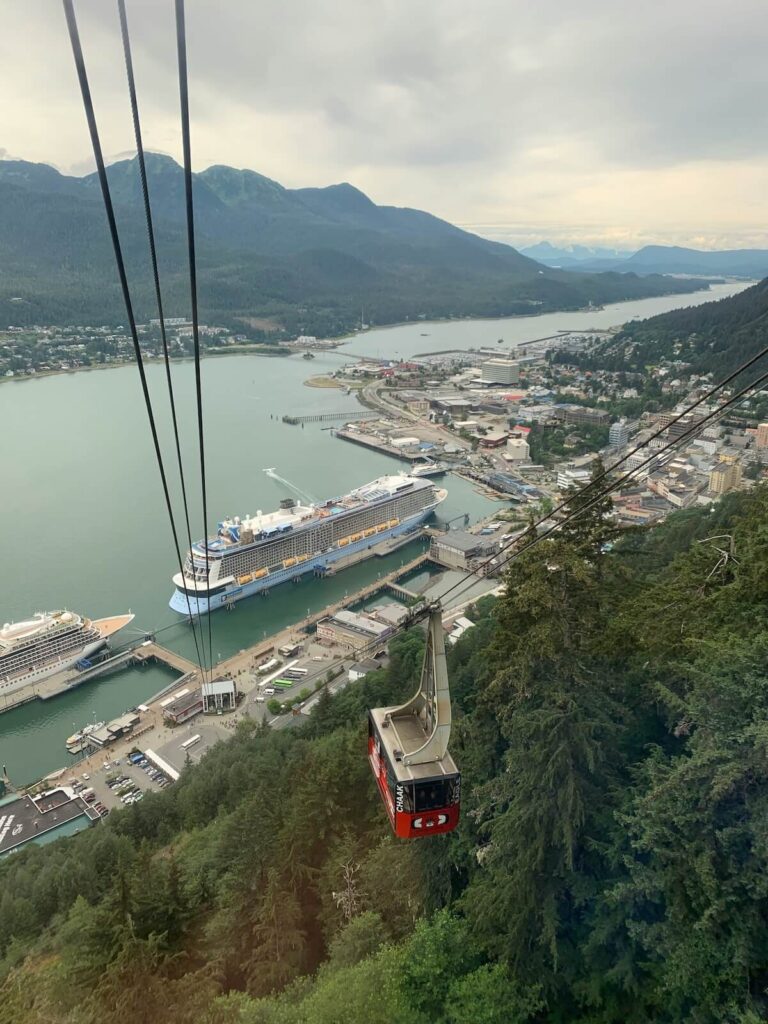
What is Alaska known for? Its unique capital city, Juneau, is certainly part of the answer.
Juneau is a city nestled amidst stunning natural beauty, surrounded by mountains, glaciers, and the waters of the Inside Passage. But what makes Juneau truly unique is its isolation. It’s the only capital city that’s not connected to the rest of the state by roads. It’s also one of only two state capitals (the other one being Honolulu, Hawaii) which are not connected by road to mainland U.S. You can only reach Juneau by boat or plane.
While it’s one of Alaska’s most populous cities, Juneau still feels like a small town compared to urban centers in the “Lower 48.” Despite this, however, Juneau offers a wealth of experiences. You can explore the Mendenhall Glacier, hike scenic trails, go whale watching, and even go gold panning at an underground gold mine. The downtown area also has a charming mix of shops, restaurants, and museums, and the waterfront is a hub of activity.
23. Aleutian Islands

The Aleutian Islands are a chain of volcanic islands stretching westward from the Alaskan Peninsula towards Russia, forming a natural boundary between the Bering Sea and the Pacific Ocean. Most of these islands belong to Alaska, with a small portion extending into Russia.
Some of the more well-known islands include Unalaska, home to the town of Dutch Harbor, known for its fishing industry and role in World War II, and Attu Island, the westernmost land point in the United States. These islands are rugged, remote, volcanic in origin, and often shrouded in mist.
The Aleutian Islands are also famous for their unique ecosystems, supporting a wide variety of wildlife, including seabirds, marine mammals, and even Arctic foxes. Today, the Aleutian Islands attract adventurers, wildlife enthusiasts, and history buffs, offering a glimpse into a remote and fascinating part of Alaska.
24. Lake Hood Seaplane Base
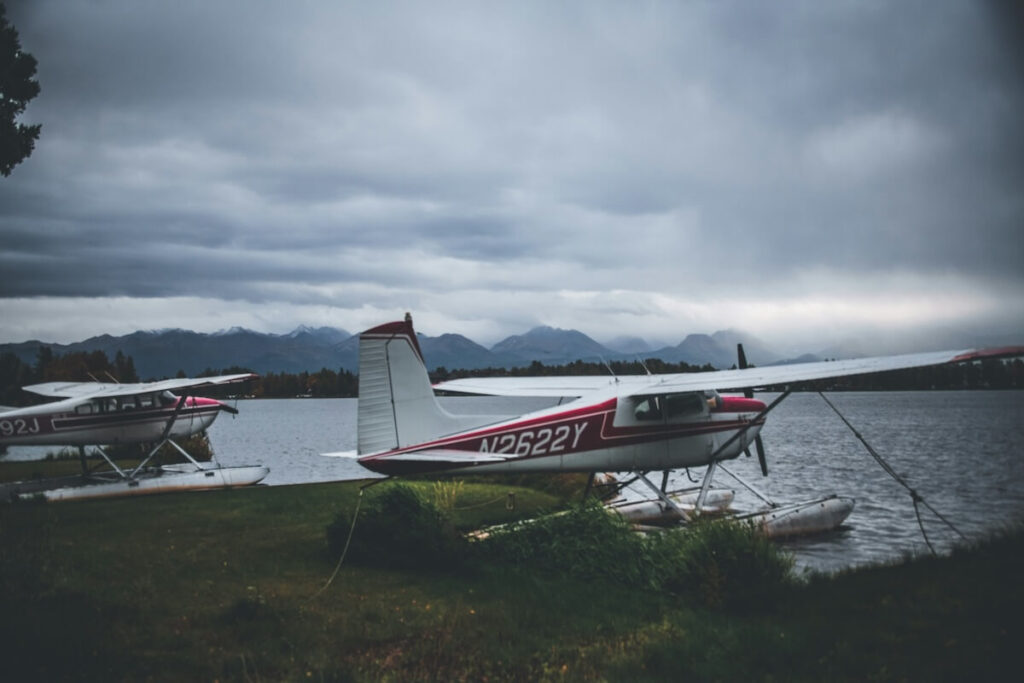
The Lake Hood Seaplane Base, located in Anchorage, is essentially an airport for seaplanes, those versatile aircraft that can land and take off on lakes, rivers, and even the ocean. In a state where many communities are only accessible by air, seaplanes are a vital mode of transportation. It’s no surprise then that Lake Hood is the world’s busiest seaplane base.
Lake Hood’s history is deeply connected to the development of aviation in Alaska. It grew alongside Anchorage, serving as a crucial link to remote communities and resource extraction sites.
Today, it’s not just a transportation hub; it’s also a popular spot for aviation enthusiasts and tourists. A bustling hub of aviation activity right in the heart of Alaska, this place lets you watch the planes from the shore, take scenic flights, or even learn to fly a seaplane yourself.
25. The Last Frontier

When you hear “The Last Frontier,” you immediately think of Alaska. It’s a moniker that captures the essence of the state: a place of vast, untamed wilderness, a land of adventure and opportunity.
This nickname came to prominence during the early 20th century, as Alaska was still a relatively undeveloped territory. It represented the last great expanse of the American frontier, a place where pioneers could carve out a new life. It was a time of gold rushes, exploration, the building of communities in a challenging environment, and a chance to escape the constraints of settled society and embrace the wild.
Today, Alaska is known for still embracing its “Last Frontier” spirit, though with a modern twist. It’s not just about rugged individualism anymore; it’s also about resourcefulness, conservation, sustainability, and respecting the delicate balance of the natural world. While modern amenities exist, the vast wilderness remains a defining feature.
Conclusion
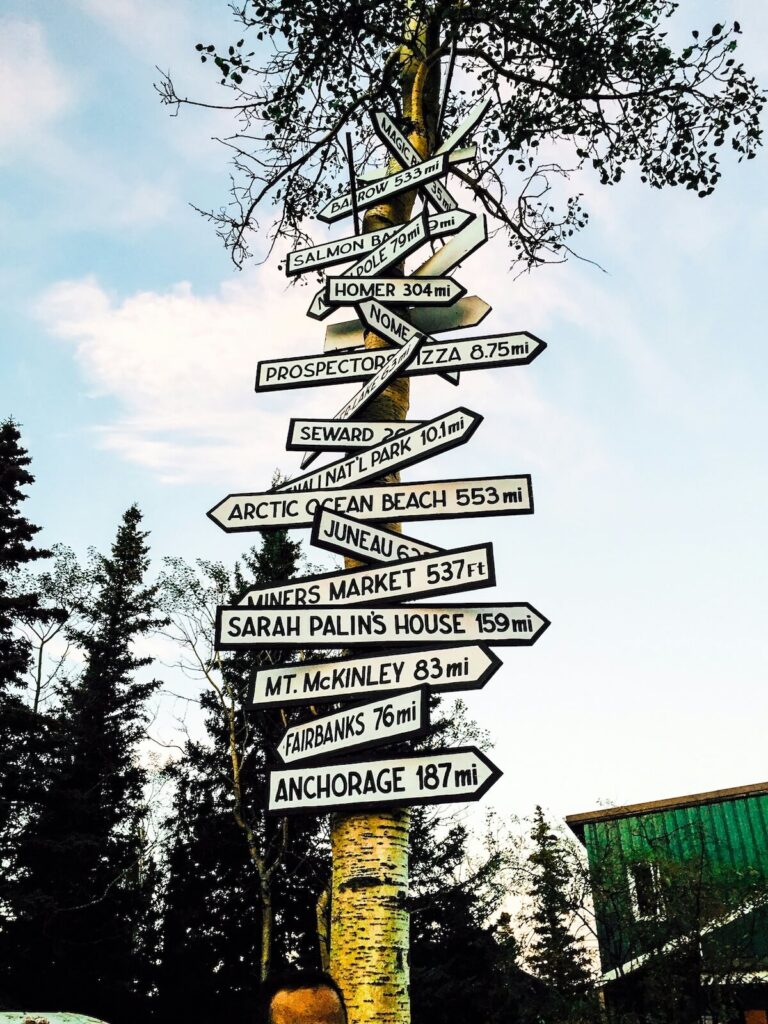
So, what is Alaska known for? It’s known for its sheer size, its wild heart, its rich history, and the incredible diversity of its landscapes and cultures. It’s a place where the extremes of nature are on full display, and where the spirit of adventure thrives.
From the towering peaks of Denali to the dancing lights of the aurora, and from the bustling Lake Hood Seaplane Base to the quiet majesty of its glaciers, Alaska offers a world of wonders.
If this glimpse into Alaska has sparked your curiosity, start planning your trip, or bookmark this article for when you’re ready to explore the Last Frontier for yourself. You won’t regret it.