
There’s a reason Mexican cuisine is world-famous for its rich flavors: it never skimps on seasoning. As a matter of fact, there are so many lush spices from Mexico I felt lots of you would enjoy reading an entire post about them.

You’ll get to spice up your table with the herbs and spices I’ll introduce you to in a minute. Before that, though, let’s find out how Mexico came to have such an amazing variety of seasonings and, more importantly, where you can buy them when you visit.
Table of Contents
The history of Mexican herbs and spices

A bunch of the spices we all love and eat every day hail from Mexico, including all of the chili peppers grown across the globe today — the word chili actually derives from the name given to the plants in Nahuatl, the language of the Aztecs.
Vanilla, for instance, was used by native Mexicans to flavor the bitter beverage they would make from cacao, which they called chocolātl. Avocado, while not normally used as a spice outside of Mexico, has been grown in Mexico for 5,000 years, where its leaves are a major seasoning to this day.
We owe the spread of these delicious spices to the Columbus Exchange, i.e. the transfer (both purposeful and unintentional) of plants and everything else from precious metals to diseases that came about between the New and the Old World following Columbus’ arrival in the Caribbean in 1492.
In this process, seasonings like cinnamon, clove, and paprika were brought over from other corners of the planet and eventually incorporated into Mexican cuisine — which from the outside may look like a homogeneous whole but is in fact a melting pot of influences, traditions, and regional specialties.
Shopping for Mexican seasoning

Herbs and spices make great Mexican souvenirs. Fortunately, as Mexicans are obsessed with filling their meals with mouthwatering flavors, finding spices for Mexican food in Mexico is ridiculously easy, whether in a big city like Guadalajara or a small town like San Miguel de Allende.
For dried items, look for shops with especias in their name. They’re sometimes called a molinera or molinería (literally a “milling shop”), and several are specialized in dried chilis. For dried herbs, you’ll want to swing by an herbolaría, which often focuses on folk medicine concoctions.
If you’re looking for fresh herbs specifically, head to a traditional market (known as a mercado público, mercado municipal, or simply mercado), or locate an open-air farmers’ market near you. In this case, don’t forget to look up the import restrictions that your home country might impose on certain produce items.
Most flavorful spices from Mexico
1. Achiote

Native to an area that goes from Mexico to Bolivia, achiote is a shrub found in tropical climates. Its bright red seeds are grounded and sold as a powder. In Mexico, it’s commonly sold as a paste.
Achiote is particularly popular in the Yucatan Peninsula in southeast Mexico, where it is used to color and enhance the flavor of dishes like cochinita pibil, a pork marinade that is cooked in an earth oven.
2. Allspice

Allspice, which is variously called pimienta de Jamaica, pimienta dulce, or pimienta gorda, among other names, is known as such in English because it tastes like a blend of cloves, cinnamon, black pepper, and nutmeg.
In central and southern Mexico, allspice is added to moles (which are very thick and heavily seasoned sauces), marinades, and pipián, a sauce that is made from pumpkin seeds and paired with chicken, duck, and pork dishes.
3. Ancho chili powder

Ancho is how the dried version of poblano chile is known in Mexico. It is typically used in spicy sauces like martajada, a variety of moles, chileajo (a pork stew), and Campeche-style octopus.
You’ll find both the whole dried chile pepper and its powder. Though its black color can look scary or off-putting, ancho is actually quite mild and slightly sweet, fruity even.
4. Anise

Anise is characterized by a sweet flavor that you’ll also find in fennel and licorice, as they all contain a compound known as anethole.
What we normally call anise is the dried fruit of star anise, which is often used in replacement of true anise, a much more expensive seed.
Originally from Asia, anise was incorporated into Mexican cuisine a long time ago. It’s used in sweet dishes like cookies, cakes, and bread recipes such as pan de muerto.
5. Avocado leaves
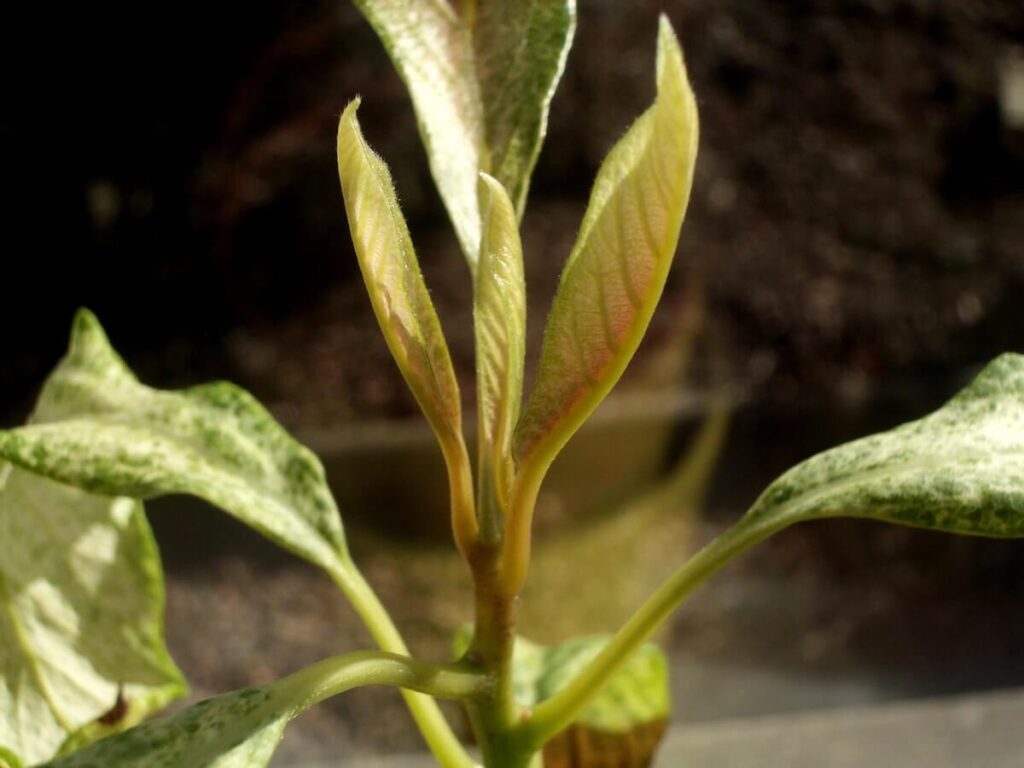
Avocado is instantly identified with Mexican food thanks to guacamole, but its leaves have been used as a spice since Antiquity. They’re typically blended into bean tamales and other bean recipes, grilled fish, or roast meat.
To be used as a seasoning, avocado leaves have to be extracted specifically from Mexican trees, as other varieties are predominantly toxic. To some extent, their sweet flavor recalls that of anise (or hazelnuts).
6. Cilantro leaves

Regular cilantro is widely used in Mexico, most notably in guacamole. In addition to that, it can flavor other moles (that’s right, guac is a… mole, though not everyone agrees with that), soups, tacos, and all sorts of appetizers.
An unrelated plant that is frequently called culantro or Mexican cilantro in English (locally alcapate) is relatively popular in the country too. Yet its use is limited, given it grows in the wild and in the cities, where it may be treated as a weed.
7. Cilantro seeds
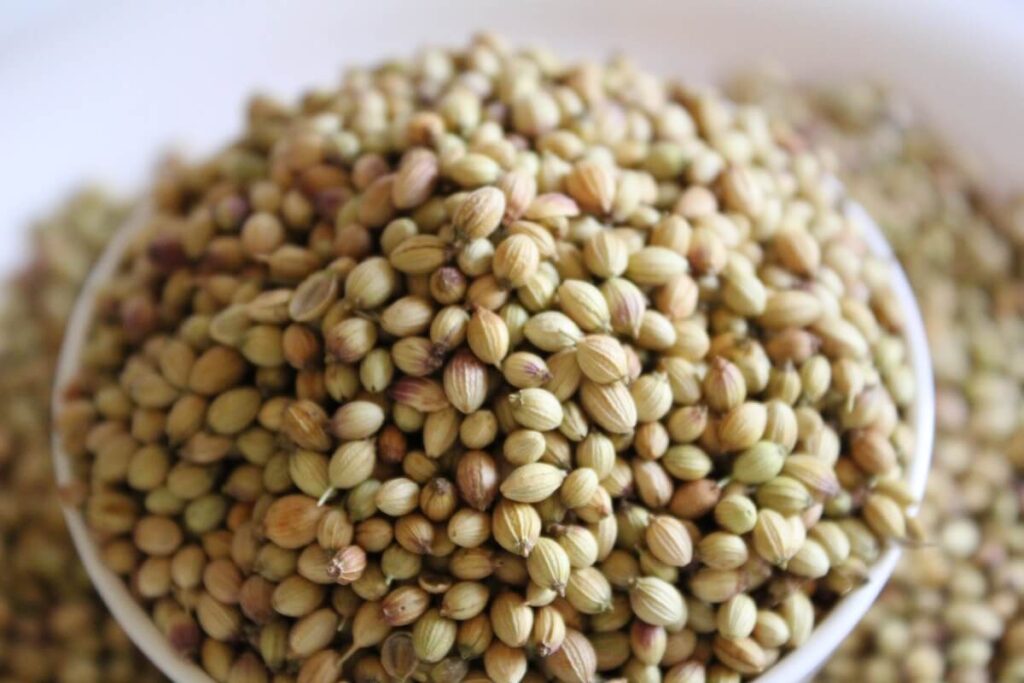
Unlike the leaves, the seeds of cilantro aren’t so famous across the planet. In Mexico, however, they’re regularly added to soups, stews, and to chorizo.
Their flavor is sweet and citrusy and makes a great match with other spices like black pepper, thyme, and cumin. The seeds of culantro can replace those of cilantro and will have a stronger impact on the dish.
8. Cinnamon

Cinnamon is another Asian spice that has made the rounds across Mexico. Unlike the U.S., true cinnamon is the most widespread variety in the country (as opposed to Cassia cinnamon).
The aromatic sticks and their powder are used to make tea and to flavor pot coffee (café de olla), rice pudding, and a series of other desserts and moles.
9. Clove

The dried buds of the clove tree originate from Indonesia but have been used in Mexico for centuries. Clove is marked by an intense and sweet flavor with a bitter undertone.
In Mexico, besides moles and pipianes, it is used to flavor baked goods as well. You’re likely to find it paired with cinnamon and cumin there.
10. Cumin

Cumin is not as popular in Mexico as it is in Tex-Mex cuisine, yet it is commonly mixed into stews and sauces.
It’s a fantastic option to smooth out the intense flavor of chilies, though cumin itself is pretty strong too, and can overwhelm a recipe if not used with caution.
11. Epazote

While epazote is one of the most essential herbs in Mexican cuisine, its dry version is more recurring. It enhances the flavor of black beans like bay leaves are in other places.
Used as folk medicine since the pre-Columbian era, epazote is added to elotes, quesadillas, tamales, moles, seafood stews, and other recipes. It grows as a weed throughout the Mexican territory, but it’s also cultivated locally.
12. Guajillo chili
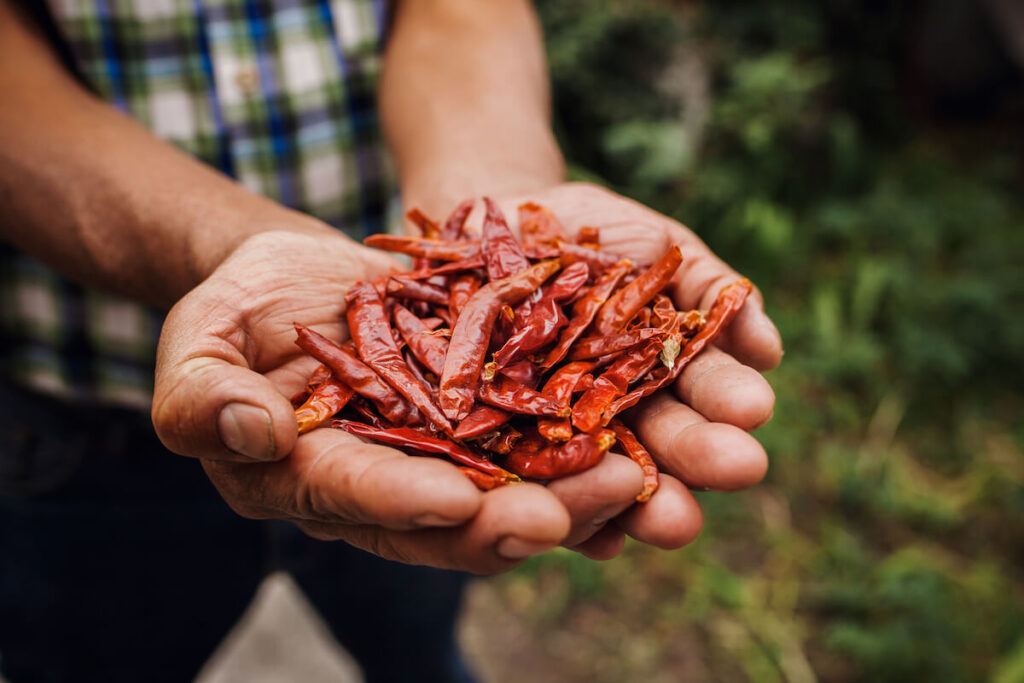
One of the most popular among Mexican dried chilies, guajillo will normally be ground onto sauces, marinades, moles, stews, and spice rubs. More often than not, it’s mixed with other dried chilies that are considered better suited for stews and sauces.
Zacatecas, a state in north-central Mexico, is one of the leading producers of guajillo. As a widely grown chili, it can effortlessly be bought online.
13. Hoja Santa

Hoja santa is a type of quelite, which is the Nahuatl word for edible native herbs. A weed that is also found in humid woods, hoja santa is a basic seasoning in several regional cuisines across Mexico.
In the south of the country, for example, it is used to wrap beef or fish tamales and to season local specialties like tapixte, a stewy chicken dish from Veracruz.
14. Mexican bay leaves

Mexican bay leaf is known in the country as laurel de la sierra, whereas regular bay leaves are called laurel de Castilla in a few parts of Mexico.
Endemic to Mexico, it was an ordinary weed, yet now it’s threatened with extinction. While they’re sometimes used as a seasoning, Mexican bay leaves are more popular as folk medicine and religious offering, which has contributed to its depletion.
15. Mexican oregano
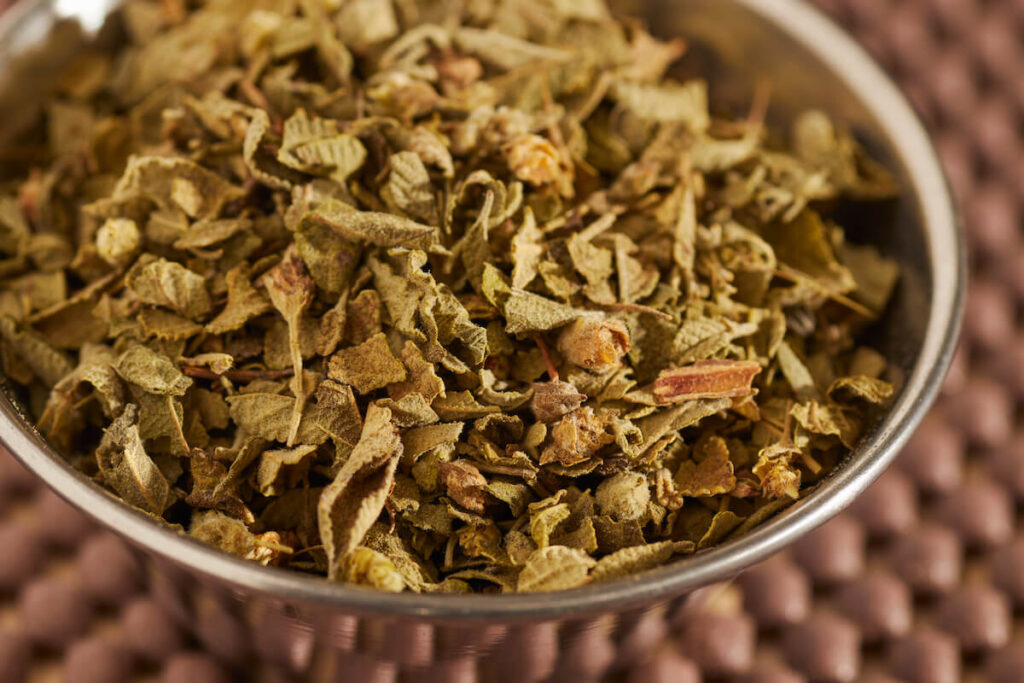
A strongly aromatic herb, Mexican oregano is alternatively called yerba dulce de México (i.e. Mexican fennel). It is found across the Mexican territory and grows wild in dry areas where it is manually collected.
Mexican oregano is stronger than the regular herb, with floral and earthy touches. It goes into sauces, stews, soups, chicken, beef, seafood, and virtually anything else.
16. Mexican vanilla
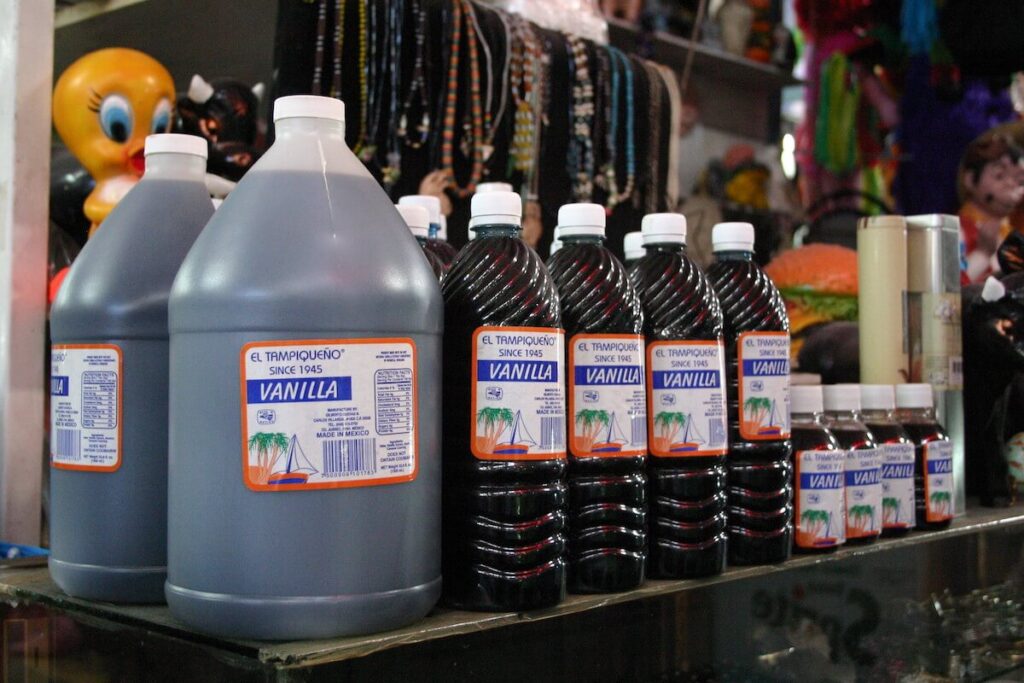
Mexican vanilla is not a unique species of vanilla, as the same plant is grown throughout the planet. Yet many experts consider the pure extract from the state of Veracruz the best vanilla in the world, which is why it’s occasionally distinguished as a premium kind.
Long associated with hot chocolate, the first documented chocolate concoction, which was created by the Aztecs, vanilla pods and extract are also blended into cakes, ice creams, and other desserts like flans.
17. Pasilla chili

One of the most widespread dry chilies within Mexican culinary tradition, alongside ancho and guajillo, pasilla is dried chilaca chile. In the U.S., however, the name is sometimes incorrectly applied to ancho (which is made from poblano chile instead).
Pasilla is typically used in a variety of moles, marinades, and sauces like salsa borracha (literally “drunk sauce”), which accompanies lamb barbacoa (i.e. slow-cooked), as well as seafood and duck.
18. Pápalo

Pápalo is another quelite that is essential in both Mexican and Bolivian cuisines. As a seasoning, it’s commonly used in salads and hot sauces. Its flavor is considered strong and reminiscent of cilantro with a citrusy note.
On top of that, it’s one of the main spices that go into cemita, a sandwich from the region of Puebla. In other parts of the country, folks may not be familiar with it.
19. Paprika

Paprika features prominently in the cuisine of central Mexico, where it has been grown for hundreds of years. It’s generally obtained by grinding one or several mild chilies.
The sweeter versions are normally called ají de color (as their no. 1 function is coloring food), whereas stronger ones are named pimentón.
Wrap-up

Despite a few exceptions, the majority of the spices from Mexico I’ve listed here can be easily found abroad. That makes it easier for you to impress your guests with a mouthwatering Mexican meal wherever you are.
Having said that, only on a trip to Mexico will you be able to learn how to use and mix them like locals do, as well as try (and load up on) many other seasonings that I didn’t include in this post.
Also read: Can You Bring Spices on a Plane? Here’s the Answer

I am trying to learn the purpose and taste of ajonjoli.