
Berlin is one of the great global cities of the world. It is known for its long and complicated history, its acceptance of artists and free thinkers, and the city’s emphasis that it’s not quite the same as the rest of Germany.
Berlin was once quite literally divided in half and forced to grow independently before merging back into one, a unique environment of which to spawn the city we see today. It is a fabulous destination to visit.
Yet moving to a new city warrants more consideration than a simple vacation. The most important thing to consider is, well, your life and what it might look like.
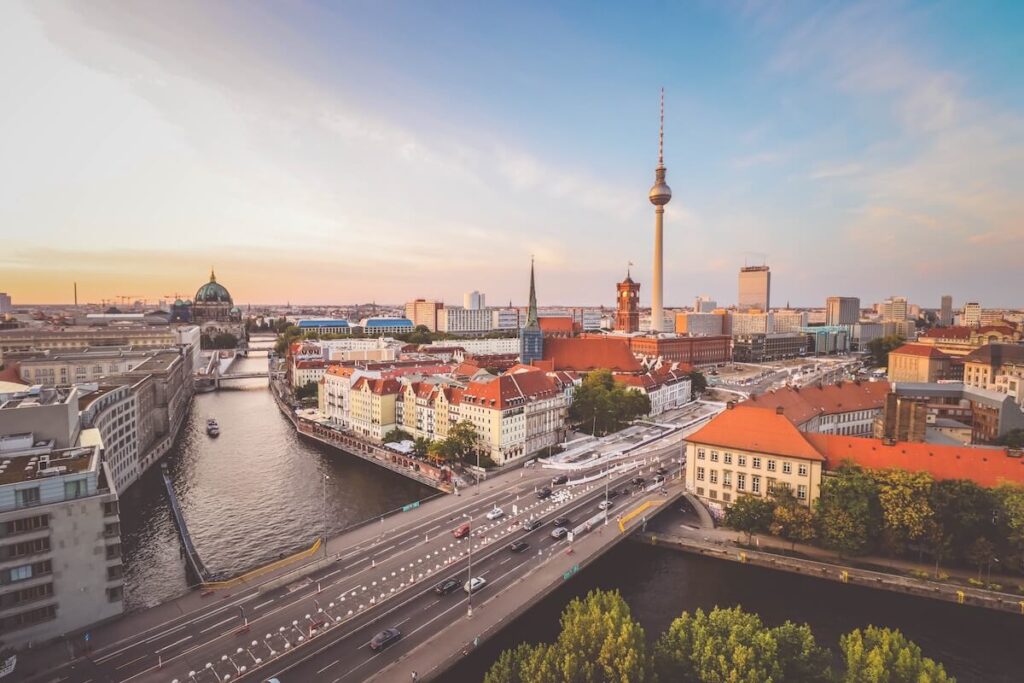
This guide is aimed to acknowledge the wonderful things about living in Berlin, while pointing out the inevitable downsides that must be thought of prior to picking up all your wares and joining the community of expats and local Berliners in the German capital.
Berlin has depth. Where classic German beer halls sit next to pulsing nightclubs, and graffiti juxtaposes ultra-modern art museums. It’s hard not to visit and think that there might be a place for you in it. And while there probably is, it’s worth thinking through the full life of a new Berliner.
So, let’s take a close look at living in Berlin pros and cons.
Table of Contents
1. Pro and Con – English is easy to find
When moving abroad, one of the most important considerations is the language. Will there be a communication barrier? How easily can an expat acclimate to a new language? Do locals speak more than one language, and are they willing to adjust in conversations?
There are estimates thrown around that indicate close to 50 percent of Germans speak some English. It’s taught in many schools, so it’s especially common for young people. And given Berlin is a global city, you’ll easily find English speakers.
Now, for some, being surrounded by locals who can converse in English (not to mention, other expats with English as their native tongue), can be a comforting safety net. It likely simplifies the early days of a move to Berlin and can be helpful in the event of an emergency.
But for others, having the crutch of English may be the antithesis of why they decided to become an expat in the first place. For some, being thrown to the wolves, so to speak, and having to experience linguistic and cultural challenges is a primary reason for moving.
This is not to say that German (or the Berlin dialect, for that matter) is easy to learn, or that having a firm grasp on German won’t give expats a leg up in social settings and the workplace, because it will.
Everyone can tailor their experience to how much English versus German they use when living in Berlin, but having the backstop of English can be a pro for some, yet a con for others.
2. Pro – Greenspace
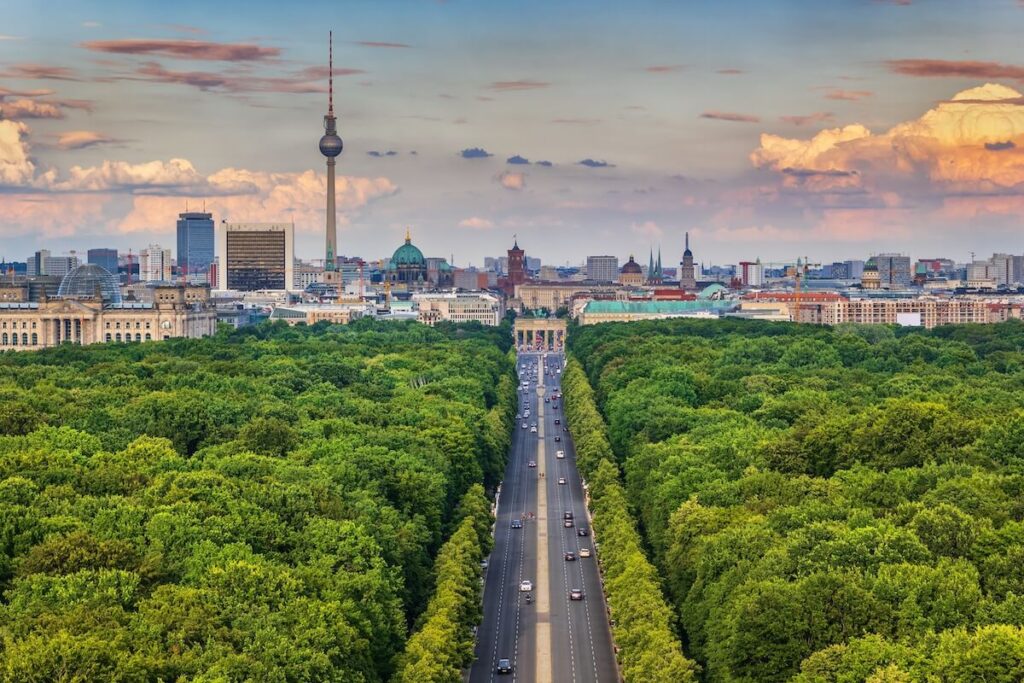
Life in Berlin comes with easy access to greenspace. The city has made it a priority for its residents to easily enjoy a bit of nature, and many of its major parks are, in fact, quite unique.
There’s Tempelhof Field, a massive open space that was once a military airport. The former tarmac is now frequently trodden by runners and cyclists, and people flock to its grassy areas to play with their dogs and barbeque.
Mauer Park is a smaller park, but it’s significant in that it occupies space that was once known as the “death strip” between two portions of the Berlin Wall. Quite the juxtaposition now, the park is one of the liveliest in the city, with live music, a flea market, and countless Berliners enjoying the open air.

The centerpiece of greenspace in Berlin is undoubtedly the Große Tiergarten, located in the middle of the city, near the Brandenburg Gate and the Reichstag. This section of Berlin has been a designated park for hundreds of years, going back to the 17th century when the land was part of Prussia. Nowadays, the Tiergarten is a gorgeous park filled with trees, trails, fountains, and even some beer gardens and cafes.
So, should you move to Berlin, it would behoove you to pack a blanket and a basket, because there is picnicking to do.
3. Con – Setting up an apartment
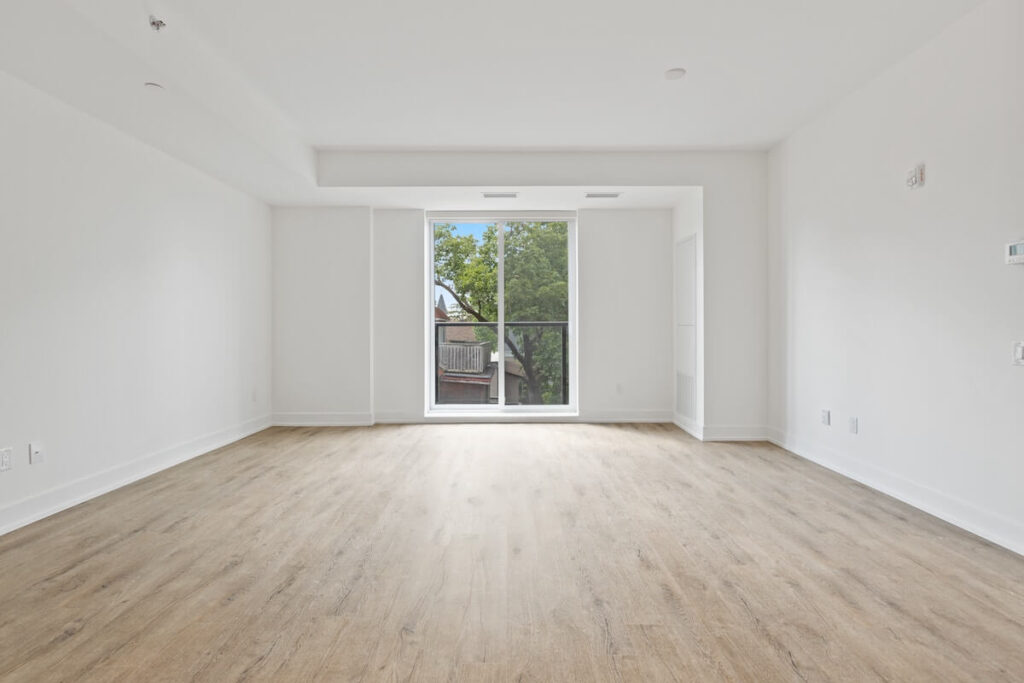
The process of getting and setting up a new apartment is a pain in any city. But apartments in Berlin may have some quirks, or simply norms, that expats may not be used to.
While not entirely uncommon in most big cities, most apartments in Berlin come unfurnished. This means that not only do you have to find, get approved, and rent a new apartment, but then you have to find a way to manage the cost and logistics of filling up that new apartment with furniture.
Apartments in Berlin also can come lacking other things that renters elsewhere may consider standard. Looking for appliances? Good luck with that. How about a fridge? Unlikely.
However, in one respect, Berlin has an edge over renting in other cities in Germany. By law, landlords in Berlin are required to have both a sink and cooking equipment in the apartment before renting, unlike much of the rest of Germany. But that cooking equipment may not come as a fully-functional stove, and could end up being a simple cooktop or hot plate. So choose your apartment wisely!
4. Pro – Graffiti art
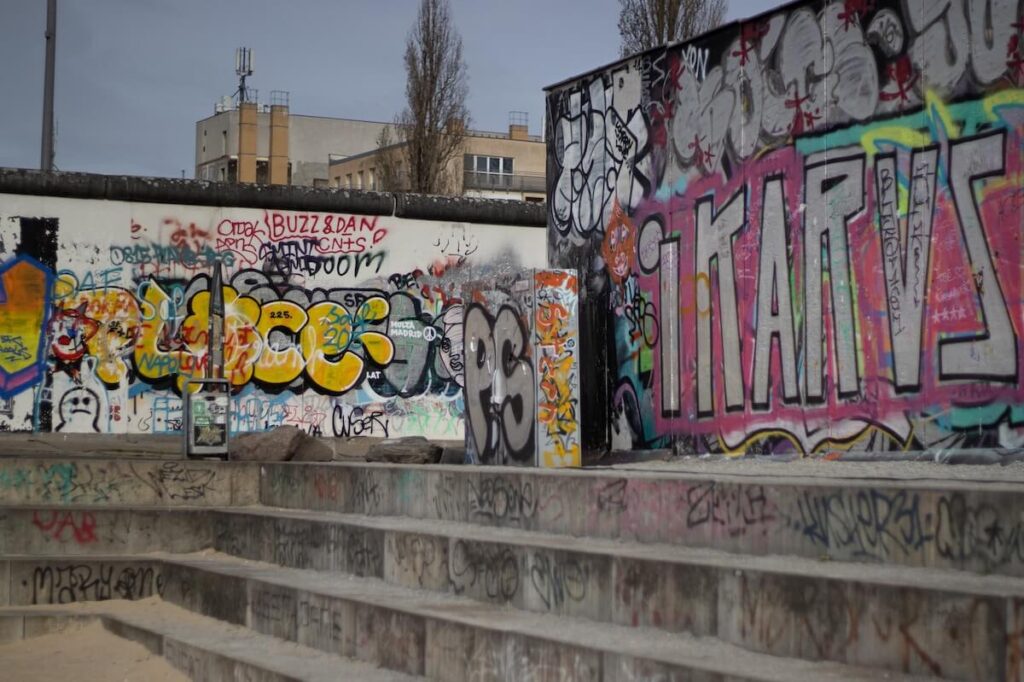
Move to Berlin and you might notice more, and perhaps better, graffiti than other cities. It’s one of the greatest cities in the world to witness both informal and formal works of graffiti.
As you take the train or a taxi into the city center of Alexanderplatz, you’ll see quite a bit of graffiti plastered on trains, fences, buildings, and other structures.
Graffiti culture blossomed in Berlin during the later years of the Berlin Wall, particularly in West Berlin, when parts of the city had become a gathering place for activists and a haven of counter-culture. The wall provided a canvas of sorts, almost inviting graffiti, knowing that things were very different on the other side of the wall.
The fall of the Berlin Wall and the subsequent proliferation of artists throughout the city led to the spread of graffiti from West to East. The city has since been a place for both famed and unknown artists to test out their tagging, or “writing,” skills, on the city’s available canvases.
While graffiti is not quite legal in Berlin, artists are clearly prolific anyways, and in many ways, the city has leaned into it as an art form. Take the East Side Gallery for example. A long stretch of the Berlin Wall is left standing, and has been turned into a tourist attraction to display murals from many different artists.
5. Pro – Pretzels

Pretzels are ubiquitous in Germany, and moving to Berlin will surely increase your Brezel (the German word) intake.
History suggests that pretzels may have been invented in either Italy or France by Christian monks while making bread for lent. There are also a number of theories behind the shape. Is it made to represent arms folded across a chest in a form of prayer? Or is it made with three holes to represent the holy trinity?
Nonetheless, the art of pretzel-making took hold, and has been perfected over the course of the last nearly thousand years.
There are a variety of different styles of pretzels, but two of the most common that are found in Berlin are the Swabian (dried dough with a thick “belly” and thin, crispy arms) and the Bavarian (uniformly thick and doughy).
Pretzels are commonly served with beer, as the salt can help bring out the flavor of the hops in the beer (not to mention the dough helps to soak up the alcohol). Throughout Berlin, you’ll also find pretzels used creatively as the bread in sandwiches at local shops and corner stores.
6. Con – Paperwork
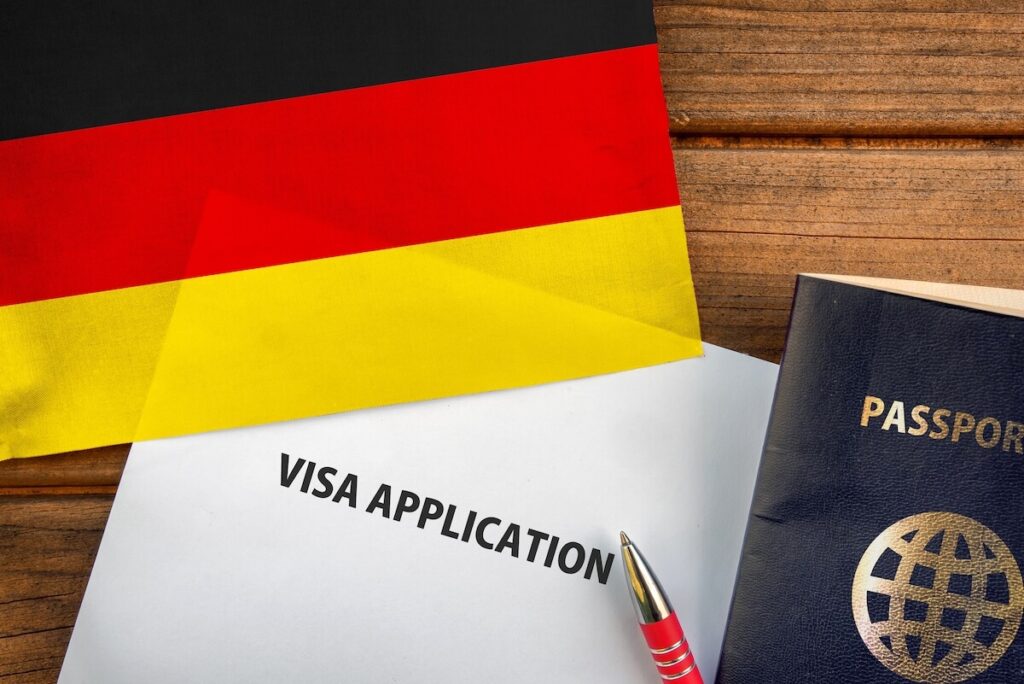
Germany is famous for its bureaucracy, which can be a headache for new arrivals. Early on, there’ll be quite a bit of paperwork to do.
First, you’ll have to fill out the forms to get your visa, and there are a number of different types depending on how long you plan to stay. For the sake of this article, let’s assume that “moving to Berlin” means staying longer than 12 months. If that’s the case, you’ll have to get a permanent residence permit.
You’ll also need to fill out the paperwork to register your address, and next you’ll need to get your Steueridentifikationsnummer. If that word doesn’t intimidate you, I don’t know what will. But it is essentially a Tax ID, which is necessary to receive a salary and pay taxes, amongst other things.
Not listed above, there are other hurdles made of paperwork to jump through when you move to Berlin. So prior to making the leap, be sure to do your homework, sharpen your pencil, and know what forms are needed to get yourself set up for success.
7. Pro – Public transit

The Berlin public transit system is one of the best in Europe, due to train timeliness, the range of transit options, and ease of use.
There are the S-Bahn and U-Bahn trains in addition to buses, trams, and even river ferries. The best and easiest way to make sure you’re ready to navigate the entire city of Berlin is to get the BVG (public transit operating company) app and purchase a multi-day pass, which can be used with all types of public transit.
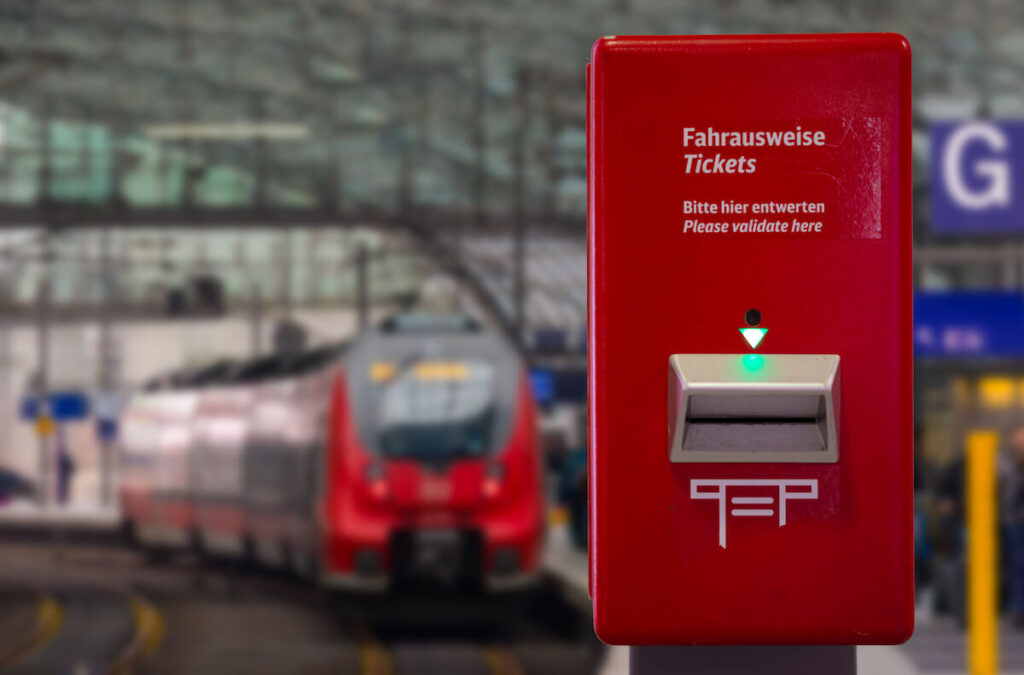
What makes Berlin unique is that much (not all) of the train system effectively operates under an “honor system.” Unlike most cities, there are generally no gates, locked doors, or turnstiles. Passengers are trusted to have purchased passes before boarding.
Warning: If you’re caught on a train without a pass, the fine can be quite costly and might put a significant dent in that new apartment budget.
8. Pro – Beer gardens
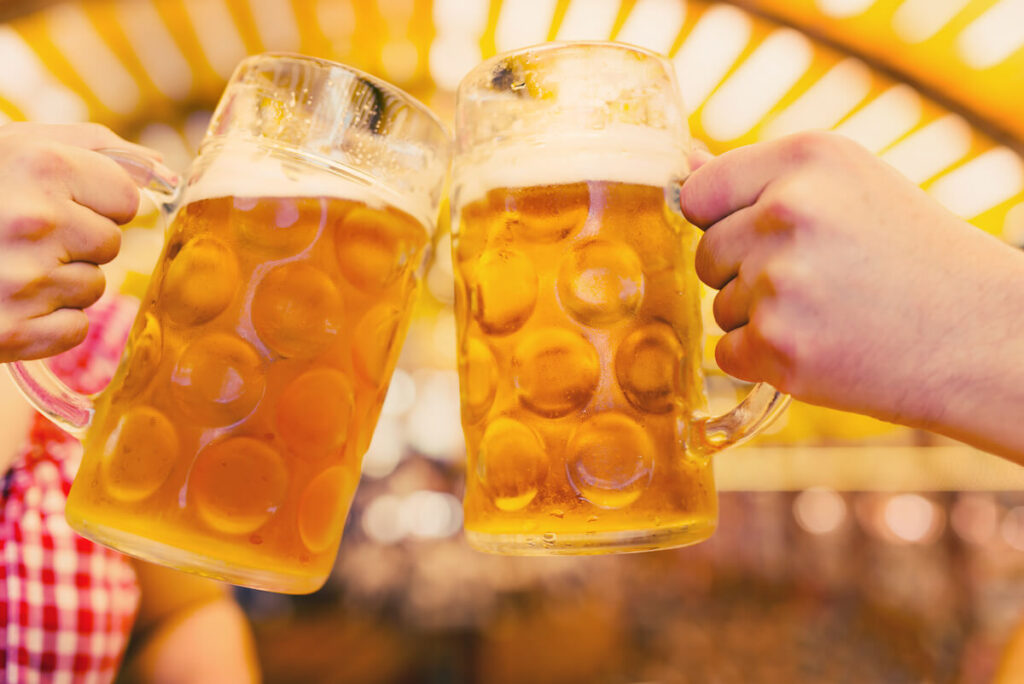
There are few things better than sitting outside on a sunny day, enjoying the company of a few friends and a few drinks at a beer garden (or biergarten) in the heart of Berlin. A pillar of German culture, frequenting beer gardens is a common practice for locals, expats, and tourists alike.
Beer gardens are large outdoor spaces, typically surrounded by trees and other greenery, where people can come and drink locally-brewed beer. Typically, the outdoor space is occupied by long tables and benches, making it a communal atmosphere and conducive to gathering in groups.
There are quite a few beer gardens scattered throughout Berlin, and anyone that moves to Berlin will have to discover their own personal favorite. But to get you started, there’s Prater Biergarten, which is one of the larger beer gardens that brews on-site, and it is also the city’s oldest.
There’s Schleusenkrug, which is conveniently located on the Western edge of the Tiergarten. And there’s also Golgatha Biergarten, tucked away in the Viktoriapark with a beautiful terrace and plenty of good food.
Lastly, here’s a quick note of caution: Many people have heard of Hofbräuhaus, which is perhaps the most famous beer hall in the world. But the original, going back to the 16th century, is located in Munich. There is a Hofbräu location in Berlin that has become popular, but it’s not the original. My advice is to save your Hofbräu experience for a trip to Munich and skip the one in Berlin.
9. Con – Learning German is hard

Despite English being common, and whether you view that as a benefit or not, learning German is one of the best ways to ingratiate yourself with Berliners. However, that’s a task that’s easier said than done.
For speakers of English and some of the common Latin-based languages, German can be a difficult language to learn. It is a Germanic language, and doesn’t share the common roots that tie other Western European languages together, such as French, Spanish, or Italian.
There are a number of reasons that can make German difficult to learn. Firstly, whereas English generally doesn’t have gendered nouns, and languages like Spanish have two types of gendered nouns, German has three (masculine, feminine, and neutral).
The German language also has a different sentence structure that can be confusing to non-native speakers, with multiple subjects and verbs. There is also a difference between spoken German and written German, including the use of filler words (used for emphasis), abbreviations, and variances in verb tense.
So learning German can be a daunting task, given its nuances, not to mention the various dialects scattered throughout the country. But countless expats have done it, and learning a new language is rewarding, valuable, and after some growing pains, fun!
10. Pro – Nightclubs

As an expat, you might think you’re ready to handle the nightclub scene in Berlin. In reality, you’re probably not.
Perhaps that’s an exaggeration, but navigating the nightclub scene is not without a little difficulty for outsiders. It pays to know a veteran of the scene (there are a number of different scenes), so for those new to the city, there’s an incentive to mingle and work on that German.
Berlin has long been known as one of the best cities in the world for nightlife (and it certainly is one of the best party cities in Germany), known for its techno music, clubs open for days at a time, eccentric fashion choices, and perhaps a little hedonism. Berlin has been an accepting playground for people looking to express themselves, whether it be through art, music, not to mention sex, and drugs.
But the nightclub and techno culture means much more to Berlin than simply the ability to party. The nightclub scene can be partially traced back to the removal of the war-era curfew in 1949, and things accelerated in the post-wall years of Berlin when clubs moved into the plethora of vacant warehouses. That explosion in venues, free expression, and techno music left an indelible mark on the city.
In fact, DJs in Berlin have submitted an application and campaign in an effort to get “Techno and Club Culture in Berlin” granted UNESCO Intangible Cultural Heritage Status.
Many people have heard of Berghain, the mysterious, legendary, and notoriously inaccessible nightclub in the Friedrichshain neighborhood. But there are hundreds of other clubs all with their own unique style, which is the beauty of the nightclub scene in Berlin. No matter what you’re into, there’s a club for you to let loose and be free.
11. Pro – FC Union Berlin

There are few better ways to ingratiate yourself with locals in a new city than to hop on the bandwagon of the local football club. In Berlin, that would be FC Union Berlin.
Union Berlin plays in the Bundesliga (the highest-level German football league) but has for long been overshadowed by its more popular, and more successful, counterparts in Munich (FC Bayern Munich) and Dortmund (Borussia Dortmund). The club’s fanbase remains more localized than the internationally-reaching fans of its rivals.
The team spent 10 years from 2009 to 2019 playing in the second-tier German football league. But in 2019 the team won enough games to earn promotion to the esteemed Bundesliga, a time of much euphoria for fans. Rooting for Union Berlin means rooting for a relative underdog, but one that is on the rise.
So while living in Berlin, you’ll have a special opportunity to don some red and white stripes and cheer on the club that’s dear to so many Berliners.
12. Pro – Berlin Marathon
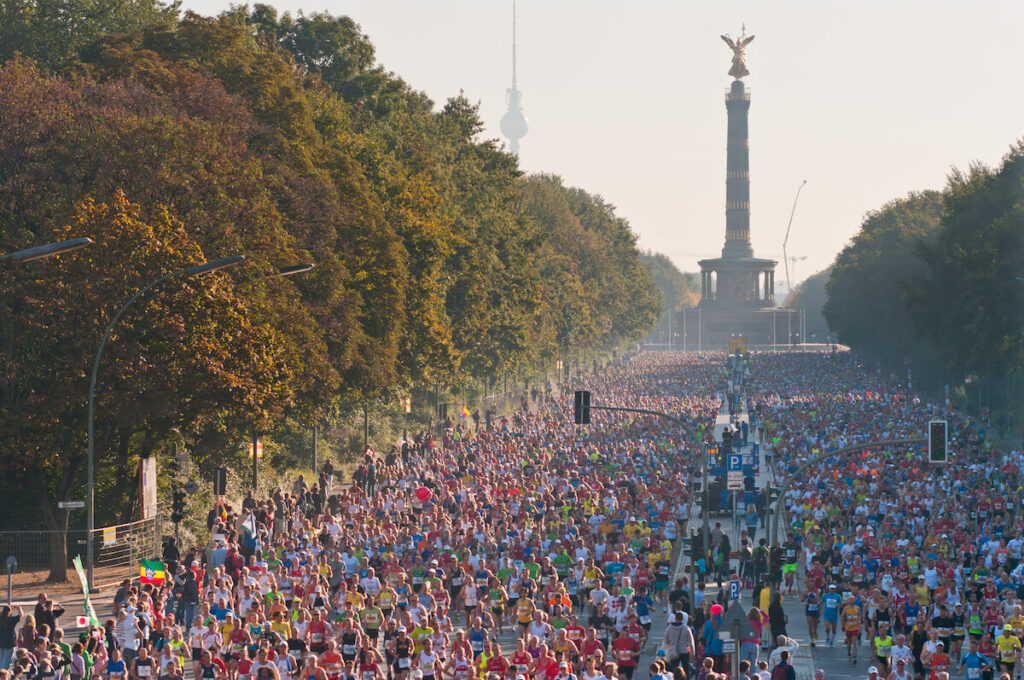
Moving to Berlin gives you the chance to participate in one of the most magical marathons in the world. The Berlin Marathon is one of just six global races that make up what is known as the Abbott World Marathon Majors, and annually draws close to 40,000 runners. It’s held in late September every year.
As a runner, it’s the perfect race for achieving a new personal best, as the streets of Berlin have been home to the last eight men’s marathon world records, most recently set (in 2022) by Eliud Kipchoge in a mind-blowing 2:01:09. The course is flat, fast, and has nearly endless crowd support.
As a spectator, it is an opportunity to take part in an annual tradition that is so important to the community. There’s music, cheering, and the joy of watching people of all speeds take on the mighty distance. The Berlin Marathon website even includes a page with maps that show spectators how to see the race from numerous vantage points.
13. Con – Air conditioning is rare

Even though Berlin is known for having unpleasant winters, it still can get brutally hot in the summer months. Issues with the heat only get exacerbated when AC (air conditioning) is hard to come by.
As already mentioned, most apartments lack appliances, especially AC units. But even those who own apartments and homes in Berlin often don’t have AC installed. Most public transit cars don’t have AC either. Generally, aside from the most modern buildings, and places like malls and grocery stores, AC is generally non-existent.
There are several reasons, including the fact that many buildings in Berlin are old and unsuited for AC installation. It’s also quite expensive, and many Berliners simply don’t see an urgent need for it.
14. Pro – Deutsche Bahn
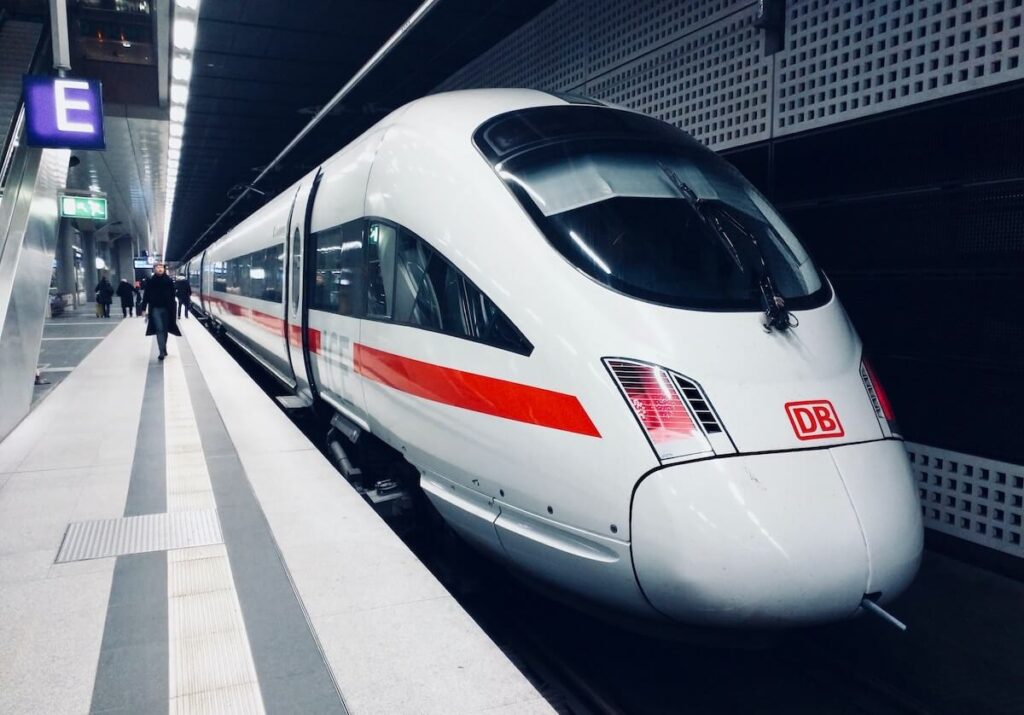
Most Western European travelers are familiar with Deutsche Bahn, the national railway operator of Germany. The name Deutsche Bahn is known throughout the world for its fast, efficient trains, and it is one of the largest railway operators in the world.
One of the benefits of living in Berlin is quick access to these high-quality trains that carry passengers to, according to its current website, 16 different nearby countries, as well as countless other fabulous cities in Germany.
Deutsche Bahn is also connected with other European train operators, and is an integral piece of the vast Eurailpass network that links the entire continent.
15. Pro – Day trips

As a Berliner, it’s easy to take advantage of the plethora of Deutsche Bahn routes and enjoy some other, lesser-known (relatively speaking) parts of Germany that are just a stone’s throw away.
For a retreat to a relaxing small town, only about an hour away by train, you can head to Lübbenau. Located in the heart of the Spreewald biosphere reserve, you can spend a day enjoying the small town, while also kayaking along the canals and hiking in the lush forest, which is one of the most beautiful natural wonders in Germany.
For a bigger city, you can head East to Dresden, and spend the day wandering amongst the Baroque architecture and the Dresden Castle.
If it’s mid-summer in Berlin and all you need is to get in the water, you can head to Müggelsee, a lake that can be accessed via S-Bahn and a short bus, or even better, a bike. Spend the day relaxing on the sandy beach, and return for a night out in the big city in just about an hour.
16. Con – Navigating paying taxes
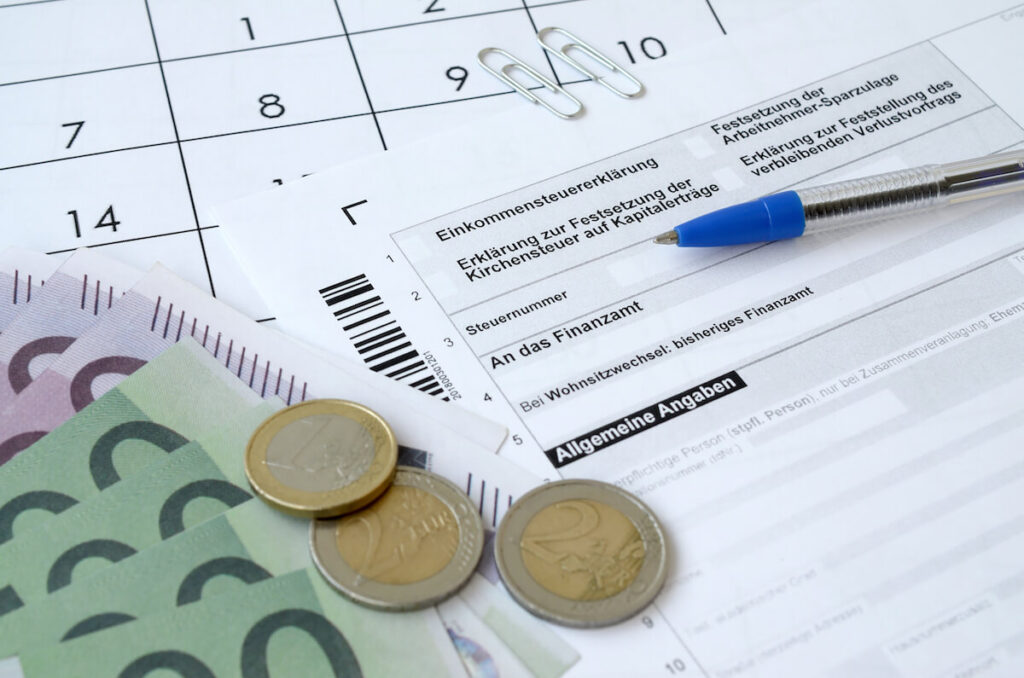
In many countries, filing and paying taxes is an onerous task, and it only gets more complicated on foreign soil.
Germany is often known for having a very complicated tax system, and as a newcomer, it can be quite confusing. There is even a “dog tax” (a tax for having a dog), so think twice about getting that dachshund.
The tax rate in Germany is, depending on your situation, generally higher than that of the U.S. That said, the country is also known for having a better overall social safety net. Perhaps you get what you pay for.
Since I am not a licensed accountant, let alone an accountant with a German specialty, I’ll avoid offering advice on this topic. The point is that not every part of moving to Berlin is going to be fun.
17. Pro – Turkish community

Outside of Turkey, Berlin has the largest population of people of Turkish descent in the world, representing Germany’s largest ethnic minority group.
During the early years of the Berlin Wall, thousands emigrated from Turkey for work after the West German government signed an agreement with Turkey to streamline the hiring of new workers, to address labor shortages. As a result, the Turkish population grew, and many stayed beyond the expiration of the labor agreement, leading to the prominent community we see today.
Unfortunately, there have long been issues with discrimination of the Turkish community, both culturally and legally. One development represents a positive change however, with the German government recently passing amendments that will allow dual citizenship between Germany and Turkey.
The Turkish community in Berlin is undoubtedly integral to the city’s identity, and it can be felt particularly while walking around Kreuzberg, which is sometimes referred to as “Little Istanbul.” There are teahouses, Turkish grocery stores, and the now-famous Turkish Market along the Landwehrkanal that is filled with stands selling everything from patterned textiles, to dried fruit, to Simit, the delicious ring-shaped Turkish bread.

The most internationally-known Turkish influence on Berlin is quite likely the döner kebab. For the unfamiliar, döner is a type of meat cooked on a rotisserie that gets thinly sliced, and is often served in a flatbread. It was popularized by Turkish immigrants and has since become a culinary icon in Berlin, with kebab shops selling varieties of döner all over the city.
18. Pro – Affordable college
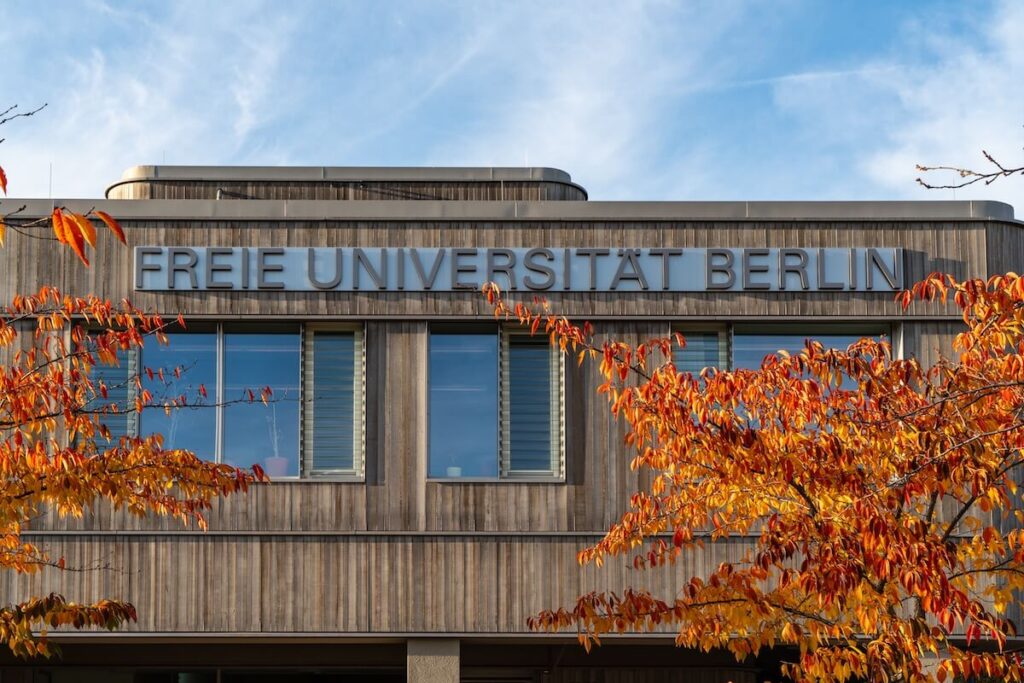
One of the most wonderful things about Germany and one of the reasons there are so many expats in Berlin is that college is quite affordable. You’ll often hear that school is “free,” and that is almost true.
At public universities, most international students only have to pay a small fee (perhaps a few hundred euros) per semester, but otherwise are free to study and earn a degree. The largest expense, especially for international students, is likely housing.
There are a number of quality public universities in Berlin, including The Free University of Berlin, and the Humboldt University of Berlin, just to name a few.
If you’re looking for an education, this point in the list may prove to be the greatest, most poignant reason to move to Berlin of them all.
19. Con – Berlin Schnauzer

There’s a concept in Berlin known as Berlin Schnauzer, which translates literally to “Berlin Snout,” but essentially refers to the stereotype that Berliners can come across as cold or short (though sometimes in a humorous way) in social interactions when one may be committing a social faux-pas. Note: It can also refer to a specific dialect of German unique to East Berlin.
Common examples of how one may experience Berlin Schnauzer can include getting a few verbal jabs by passersby while blocking someone else getting off the train, or perhaps while jaywalking during a red light.
But like all stereotypes, it’s not the rule, and Berlin is a big, diverse, welcoming city, with attitudes aplenty. New Yorkers aren’t always mean, Minnesotans aren’t always “Minnesota Nice,” and Berliners don’t always represent the Berlin Schnauzer.
So, my advice is simply to go to Berlin, and see for yourself!
20. Pro – LGBTQ+ friendly
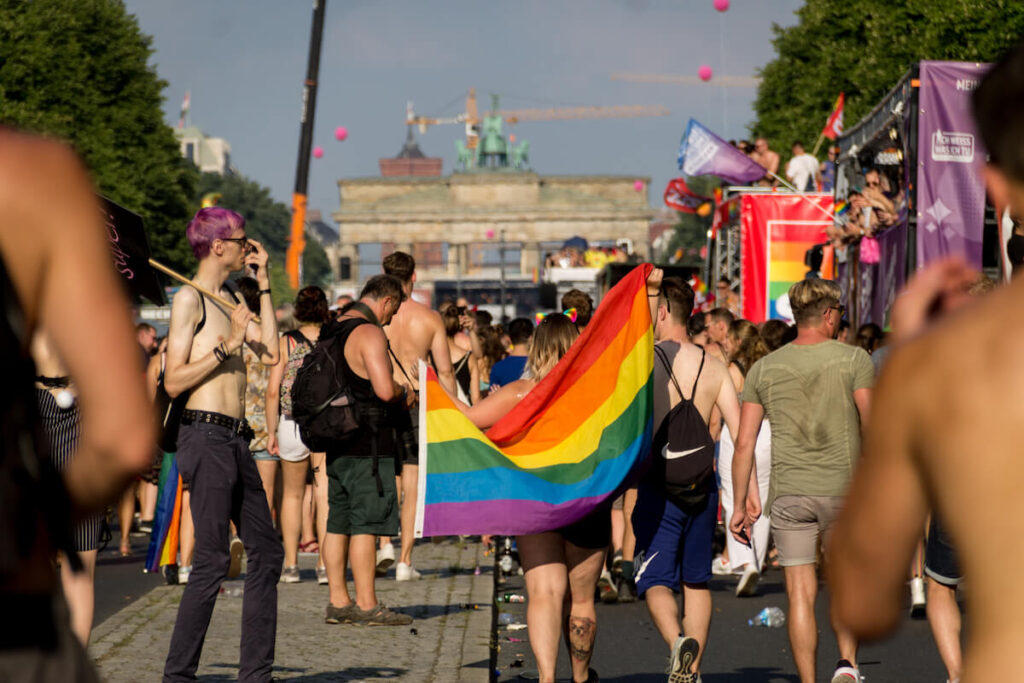
Berlin is often ranked as one of the most LGBTQ+-friendly cities in Europe.
At a basic level, same-sex marriage is protected by law, and has been since 2017. Gender change is allowed as well, and the German government is likely to soon pass a new “Self-Determination” law that will remove many of the expensive and bureaucratic hurdles to legally changing names and gender. Conversion therapy is also banned.
Socially, Berlin is an open and accepting city, and polls suggest the vast majority of Berliners support LGBTQ+ rights. There is a thriving queer nightlife scene, and many of the city’s clubs are open to all expressions of sexual orientation.
The Christopher Street Day Parade in Berlin is a massive parade, protest for LGBTQ+ rights, and celebration that is held every year. First held in 1979, on the anniversary of the famous Stonewall uprising in New York City in 1969, the parade and celebration have been held ever since, drawing thousands upon thousands of people every year.
21. Con – Tourists

Like other large European cities, tourism can be a problem.
In Berlin, it hasn’t reached the same level of burden seen in cities like Barcelona, Spain, or Venice, Italy, but take a stroll down Avenue Unter den Linden near the Brandenburg gate, and you’ll see hoards of tourists meandering amongst plenty of tacky trinket and souvenir shops. It’s one of the most visited cities in Europe.
Problems with excess tourism include significant issues such as locals getting priced out of homes due to a surge in AirBnB listings, to smaller scale issues such as being loud in residential areas, not paying for public transit, and complaining about norms like smoking, paying for water, or a lack of credit card usage.
Based on the pros included in this list, there’s clearly a reason that so many find Berlin an attractive city to visit or relocate to. But as an expat, it’s probably a good exercise to consider that you yourself are a newcomer, and to do all you can to respectfully acclimate by learning some German, accepting cultural differences, and learning about your new home.
22. Pro and Con – Health care

In Germany, it’s required to have health insurance. The health care system in Germany is also known for being quite good.
Most people living in Germany simply receive public health insurance, which is funded by taxes. There are a number of different public options to choose from, as well as private insurers. Whether or not you choose private versus public can be dependent on a number of factors, including income level, job status, and if you are a student.
How could this be a con, you ask? The only significant drawback is if you’re moving to Berlin and are already paying for health insurance back home, then you’ll have to double up.
23. Con – Cash still reigns

In Berlin, and much of Germany, you may hear the refrain “Cash is king.” If you move to Berlin expecting to tap your way around the city with ApplePay or your credit card, you’ll quickly discover that an adjustment is necessary.
Like many cultural norms, the fact that Berliners favor cash over card payments is not necessarily a “con,” but rather an inconvenience to the unprepared.
Paying with cash is part of German culture. The tangibility and sense of personal ownership of physical bills and coins have held strong through difficult economic periods over the last two centuries. As a result, Germany has moved more slowly than some other countries in the flip towards electronic and credit card payments in small-scale transactions.
Should you move to Berlin, be sure to have some “walking around money,” and you’ll be just fine.
24. Pro – Berlin Airport

Like other countries in the European Union (EU), one of the main benefits of living in Germany is the ease of travel. Once you’re in the EU, travel to over 20 countries is wonderfully easy due to the Schengen Agreement, which removes many of the barriers to travel between member countries.
As a member country, Germany provides easy access to the rest of Europe. It lies in a geographically central location, with flights to Southern Europe just as convenient as those to Scandinavia.
The Berlin Airport (code BER) serves international flights, and is a key airport for major European airlines such as RyanAir, Eurowings, and many others.
The airport was opened in 2020, and it was designed to be easily accessible from the entire Berlin metropolitan area. You can access various terminals at the airport via bus, the S-Bahn, and a special express train (FEX) from the city center that only takes about 30 minutes.
25. Pro and Con – Lots of expats
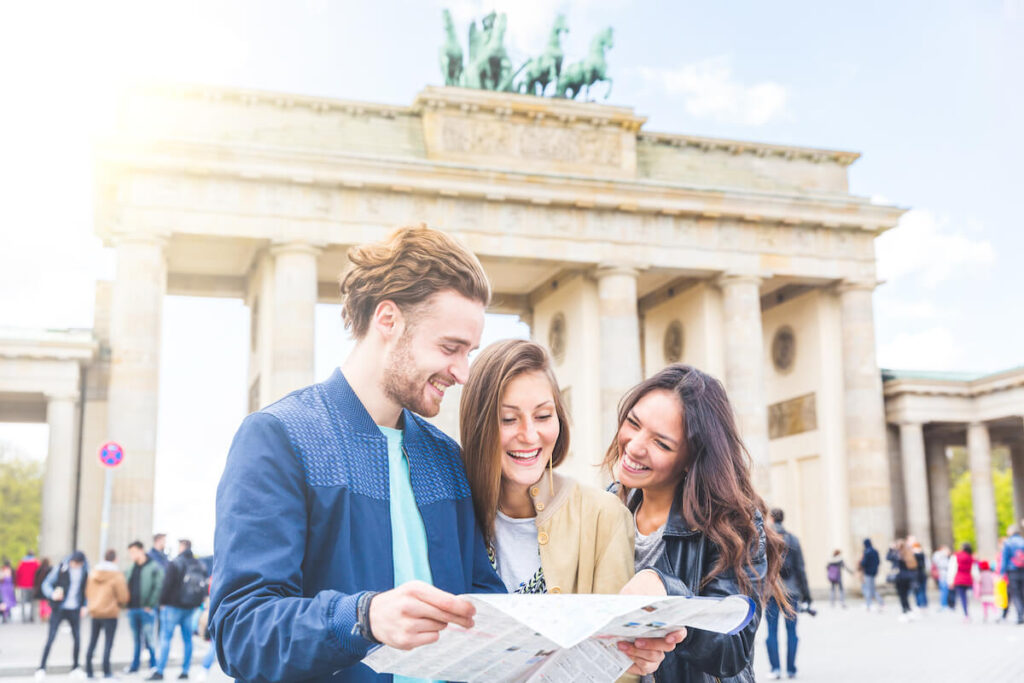
Do you think you’re the first person to consider moving to Berlin? Think again!
Depending on the measure, Germany has one of the largest communities of expats in all of Europe. This can be both a pro and a con depending on the type of person you are, and why you’re choosing to move to Berlin.
This trade-off is similar to what was discussed in the “English is easy to find” section. Making a move to Berlin is undoubtedly not taking a step off the beaten path, and can mean more competition for jobs.
However, it also means that there is a well-established infrastructure for new arrivals, making the move easier than it might be in other countries.
26. Con – Cold winters

Living in Berlin means experiencing all four seasons, which means it gets cold. It is no Mediterranean climate, with snow falling on approximately 28 days per year and an average January low temperature of 29 degrees Fahrenheit (~-1 Celsius).
For anyone that is interested in leaving their coats with their old life (in the past), then Berlin may not be for you. The months of November through March can be cold and wet. To put the cold climate into perspective, consider that many of the lakes near Berlin will freeze over in the winter, with ice thick enough to skate on.
So yes, the winters are not for everyone. But would a visit to a German Christmas market feel as authentic without a little bite in the air?
27. Pro – Christmas markets

If you make the move to Berlin, you’ll find yourself in one of the most festive cities in Europe come Christmastime. Christmas markets have been around for hundreds of years and are scattered throughout the continent, but Berlin is home to some of the best.
To help you picture a Christmas market (or Weihnachtsmarkt) in Berlin, there’ll be festive lights adorning green pine trees, tents lined with garland, and maybe some fire pits and live music. Each market has its own style, but you’ll be sure to find plenty of wurst (sausage), glühwein (a type of mulled wine), and a variety of stalls selling festive food and trinkets.
With close to 100 different markets within Berlin alone, you’ll have quite a few to choose from. Some of the most popular include the very large and centrally located Gendarmenmarkt, with its traditional German culinary options, as well as the indoor Markethalle Neun, which has great food and is a good option should the weather turn nasty.
So, if you celebrate Christmas, Berlin is a great city to get in the festive spirit. If you don’t celebrate Christmas, the markets still offer a fun activity during the dreary winter months.
28. Pro and Con – Cost of living

Determining whether the cost of living in any city is a pro or a con is almost always contingent upon the circumstances of the individual. If you’re coming from New York City, Berlin is going to be quite cheap, relatively speaking. But if you’re coming from Kraków, Berlin is going to feel quite expensive.
In a variety of cost of living calculators, Berlin generally lies in the middle of the pack, close to the European average, perhaps slightly above. It is cheaper than its rivals to the south, such as Munich or Frankfurt, but more expensive than many smaller cities in Germany.
The cost of living also varies broadly within Berlin, with hefty premiums to live in lively neighborhoods like Mitte. Living is notably cheaper the farther you get from the city center.
29. Pro – Bike friendly

One of the best ways to see and learn about a new city is by taking it in while on two wheels. And while public transit is stellar in Berlin, sometimes the weather is just too nice to stay inside a train car.
Berlin is frequently ranked near the top of the list in “Europe’s most bike-friendly cities” rankings, and it’s set to get even better.
As of late 2021, the city had close to 1,500 kilometers of bike lanes, and in an effort to improve bike accessibility and improve environmental friendliness, there are plans to nearly double this. The plans even include the introduction of “bike highways,” which will allow cyclists to avoid stoplights and navigate the city much more seamlessly.
So going forward, commuting to that new job in Berlin, or to the nearest cafe (if you’re a freelancer), should become easier.
There are a number of excellent rides for pleasure throughout the city, including the Berliner Mauerweg, a route that circumnavigates the former Berlin Wall. There are also opportunities to ride through the gorgeous Große Tiergarten, and plenty of opportunities to follow trails that leave the city to explore the countryside and nearby lakes.
Berlin is also a fairly flat city, making all that biking around a little bit easier.
30. Con – It’s not a car city
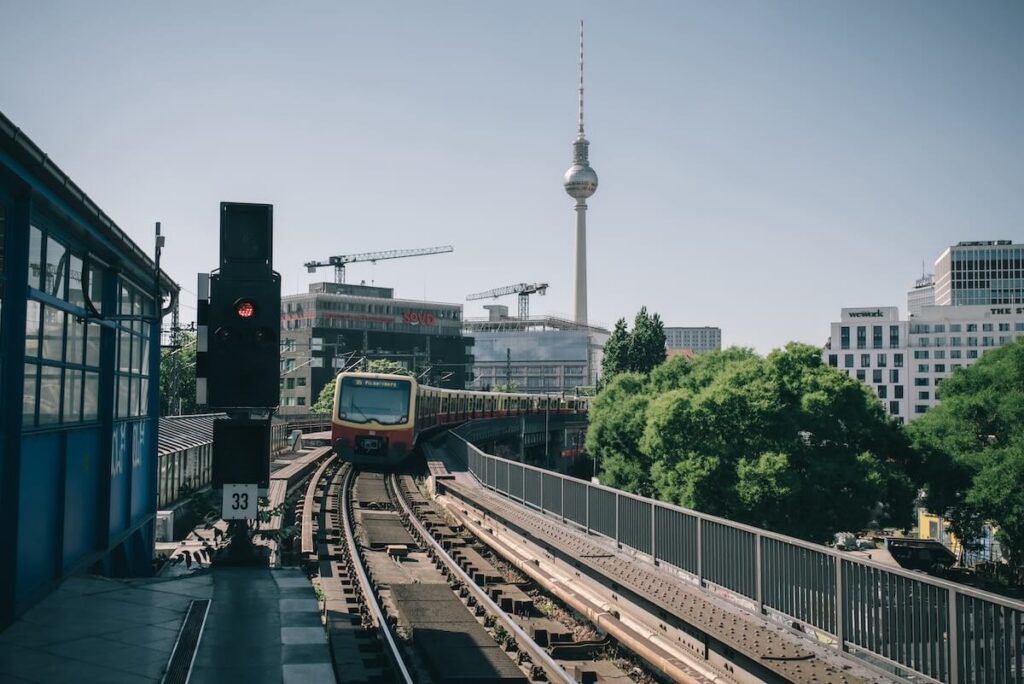
For car lovers, Berlin may not be right for you. It has one of the lowest rates of resident car ownership in all of Germany, and as the city expands its bike network, many roadways and parking spots are getting eaten up.
Now, the low rate of car ownership is in no small part related to the fact that Berlin’s public transit system is so good. It lessens the need for a car. There’s also the aforementioned train routes leaving the city, another reason a car isn’t essential.
The local government is considering a proposal by a citizen-run group that would create what is being called “The largest car-free zone” in the world. Whether this gets implemented or not is still in question, but the fact that it’s being considered shines a light on the attitude towards cars expressed by many Berliners.
31. Pro – Drinking in public

It’s generally legal to drink in public, and for those who imbibe, this can feel freeing! Many expats in Berlin come from countries where this is not allowed, but in Berlin the practice is commonplace.
There are some exceptions to the rule, including certain public spaces and a few instances on public transit, but in most cases, having a drink in public is totally legal. Responsible behavior is of course expected, which is why Berlin generally sees few problems from offering the freedom.
Whether it’s a Wegbier (beer to go), a Feierabendbier (after-work beer), or simply grabbing some beer for a picnic in one of Berlin’s many greenspaces, the practice is often a part of being a Berliner.
When it comes time to dispose of that bottle or can, be sure to remember the pfand. The word translates to “deposit” in German, and represents the value that can be redeemed upon returning the recyclable material. An unofficial, yet common practice, is to leave bottles and cans underneath recycling bins in order for Pfandsammlers (deposit collectors) to collect and earn some money.
32. Pro – Currywurst

There are a number of simple, yet delicious “street eats” to be had while living in Berlin. Despite having already covered pretzels and döner, there remains a notable omission. Currywurst.
An essential dish in the city of Berlin, the currywurst was created there, and remains one of the most accessible and available street foods in the city.
So what is currywurst? Currywurst is essentially German sausage, chopped into bite-sized pieces, topped with a generous serving of ketchup and a sprinkling of curry powder. There are countless variations that can be applied to the dish, but at its core it is quite simple.
Like any dish that has a mythological place in the local culture, there are a variety of origin stories. The tale that’s perhaps most popular is that a woman named Herta Heuwer in 1949 post-war Berlin traded with some British soldiers to spice up her pantry, resulting in her walking away with some ketchup and curry powder. After discovering the new ingredients paired well with sausage, the currywurst was born, and has been a mainstay in the city ever since.
It’s become so popular that even the New York Times has a recipe for it. But my recommendation is to first spend a night out at a beer garden or perhaps a nightclub, and when you’re truly in need of sustenance, find a currywurst stand. It’s just what you’ll need. I promise.
33. Pro & Con – No jaywalking
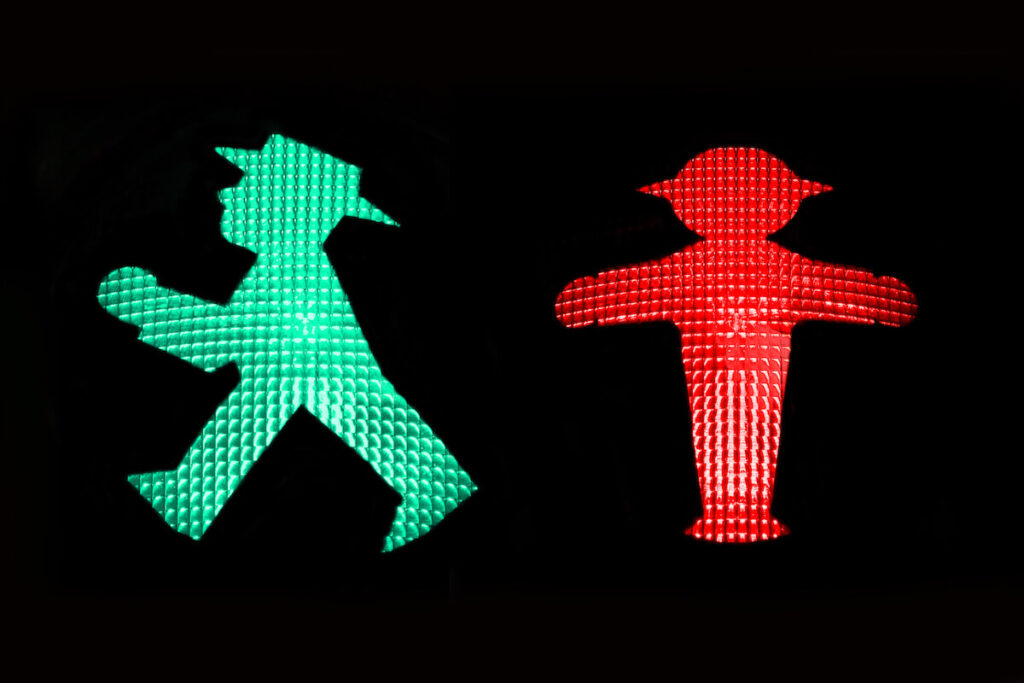
Picture this. You’re standing at an intersection, facing a red light. There are no cars coming in sight, from either direction. Do you cross?
In Berlin, crossing against the direction of the traffic light is a social no-no, and few do it. If you find yourself crossing the street despite a red light, you’ll likely be subject to disapproving stares at best or some heckling at worst.
This rule-following is a pro when it comes to public safety, without a doubt. But for those who come from places where jaywalking is commonplace (thinking of you, New York City), it can be a startling and puzzling adjustment.
The icon used at crosswalks actually has a name, and it’s called the Ampelmännchen. The Ampelmännchen is somewhat of a mythological figure in Germany, and is widely adored for its whimsical, and some say adorable, design. It was created in East Germany in the 1960s by a man named Karl Peglau, as Berlin was looking to impose new traffic control and safety.
Perhaps the love expressed for the Ampelmännchen can explain why most Berliners wouldn’t dare go against his red and green wishes.
34. Pro – Welcoming to artists
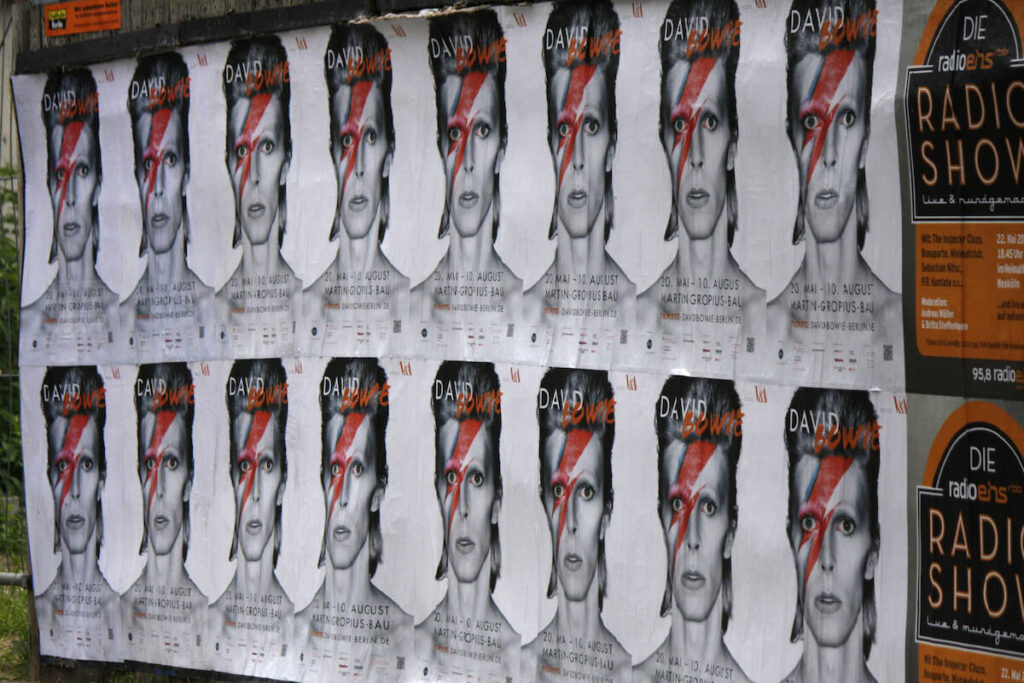
If you’re an artist considering a move to Berlin, you won’t be the first.
Berlin has long been a haven for artists of various types. 1920s-era Berlin was home to a blossoming art scene that included plays, music, and opera, not to mention the emerging Bauhaus movement (the Bauhaus school ultimately moved to Berlin in 1932).
In the late 1970s, both David Bowie and Iggy Pop moved to Berlin. Needing a change of scenery, the respective musicians, who were already incredibly famous, were welcomed in Berlin but still given the space to let their creativity breathe. They both wrote some of their best work in those years.
We’ve already covered the environment that allowed graffiti and techno-music to blossom. In recent years, there has also been an influx of artists from countries where creative expression is much more limited, such as China.
One reason that Berlin is such a hub for artists is that it simply has more space than other big cities such as Paris or New York. Berlin is also undoubtedly more affordable than the aforementioned big cities, allowing artists some additional financial freedom to pursue creative endeavors.
But maybe most importantly, there’s an established community of artists, and culturally, pursuing art is valued as part of the city’s identity.
Wrapping up

Don’t let the fact that Berlin is one of the most popular destinations for expats in Europe fool you. Moving to a new city, let alone a new country or continent, is a big deal.
Undoubtedly there are reasons that Berlin is popular amongst both tourists and expats. Whether it’s the lifestyle with access to beer gardens and delicious food, or the open-mindedness that has allowed the Queer community to flourish and nightclubs to proliferate.
Yet the logistical and bureaucratic aspects of a move to Berlin can be tricky and perhaps confusing, the language can be hard to learn, and the winters can be challenging for some.
So, if you want to add yourself as a thread to the complex tapestry that is the story of Berlin, go ahead. But first, consider the pros alongside the cons that come with living in Germany’s political and cultural capital city.
