
Italian coffee culture has been brewing from the time black beans entered Venice in the 16th century. Since then, the whole process that goes from roasting to tasting has evolved into a sophisticated art form.

Let’s dive into this universe of irresistible aromas and flavors and find out everything about the wealth of options, general trends, and unspoken rules of coffee culture in Italy.
Table of Contents
Facts about Italian coffee history
1. Everything started in Venice, the gateway to the East.
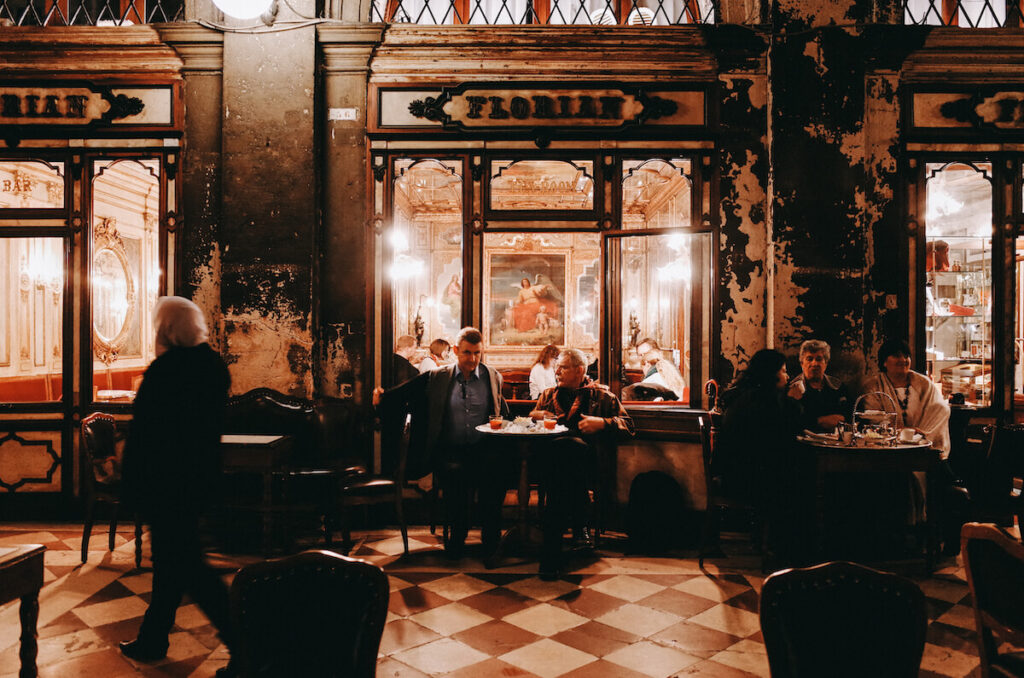
Coffee was known in the Muslim and Subsaharan worlds from the 15th century, but it would need another 100 years before making its way into Europe. While Hungary and Austria were first introduced to the beverage by Turkish merchants, initially it didn’t catch on there.
The Venetian Republic, back in the day the most powerful maritime state in the Mediterranean, also imported many “exotic” goods from Africa and Asia. In 1570, tradesman Prospero Alpino brought a few coffee sacks from the East. Early on, the novelty was sold in drugstores.
Within about two centuries, though, Venice already had 200+ coffee shops. One of them was Caffè Florian (pictured above), which has been continuously operating since 1720. From there, coffee conquered the rest of Italy, Europe, and the whole planet.
2. Turin was a coffee maker pioneer.
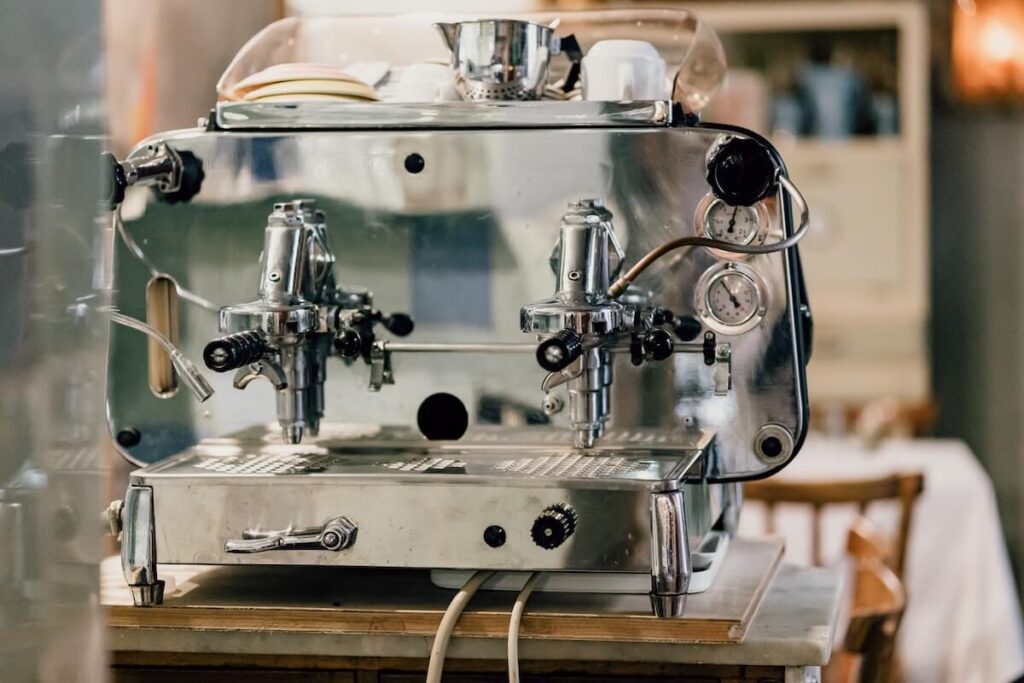
Turin has historically been one of the industrial capitals of Italy — that’s where Fiat was born, after all. Likewise, the city is where the espresso machine was invented in 1884 by Angelo Moriondo.
The Moka pot, despite not originating in Turin, is from Omegna, a small town in Piedmont about 95 miles from the region’s capital.
3. Italy imports coffee from all over the globe.
Italy’s Mediterranean climate isn’t ideal for growing coffee, which typically requires a tropical environment. So the country relies on foreign nations for its supply of black beans (predominantly of the Arabica type).
Over half of it comes from Brazil and Vietnam, while the rest is imported mainly from India, Uganda, Indonesia, Honduras, Colombia, and Ethiopia.
4. A few brands are over a hundred years old.
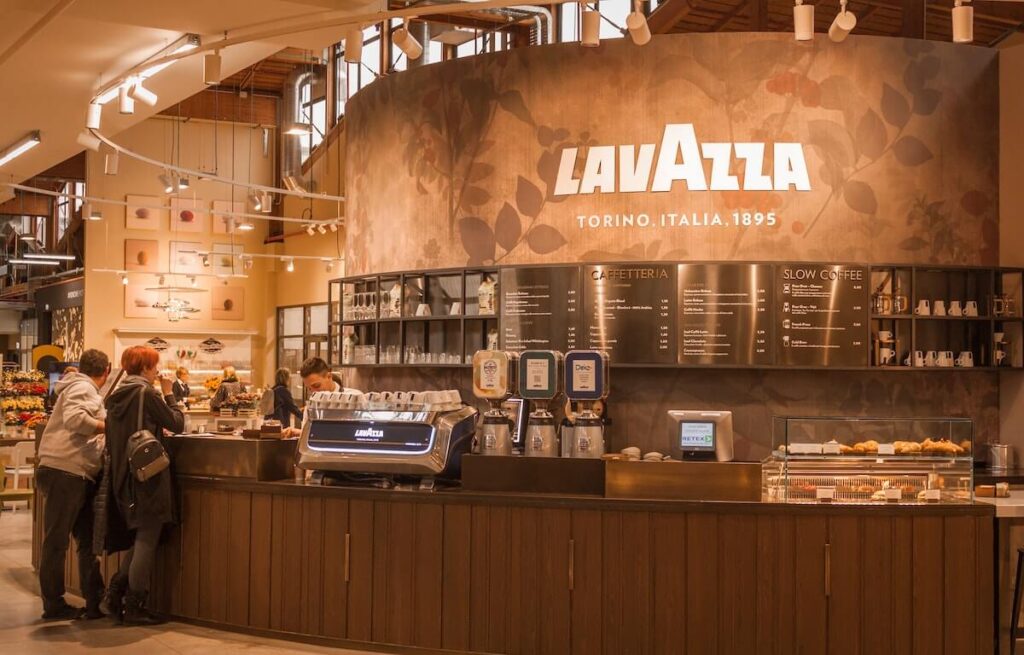
Lavazza, founded in 1895, and Illy, established in 1933, are the leading coffee manufacturers in Italy. Other historic brands are Caffè Pascucci (1883), Guglielmo Caffè (1943), and Segafredo (1973).
Though they source their beans from foreign producers, these Italian coffee brands are renowned for the all-Italian technology they use to grind and roast their brew.
Types of Italian coffee
5. There’s the Moka pot, there’s espresso, and there’s the void.
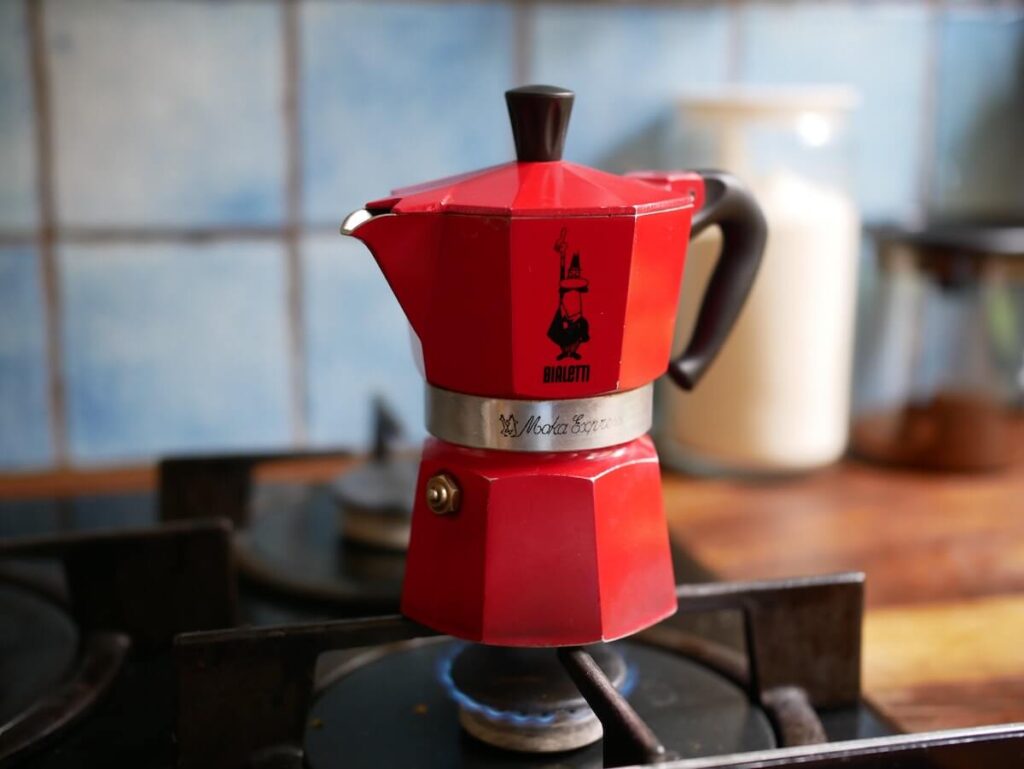
Take it from me: Italians have no respect for electric coffeemakers. Good ol’ Moka pots, which make coffee from the bottom up on the stovetop, are a home staple.
At the bar — which is what they call a coffee shop — Italians usually order an espresso from those beautiful, shiny machines Starbucks uses to extract the base of your beverage.
As we’ll see throughout the article, Italians don’t see any point in making tons of coffee; they like it dark and strong.
6. Different amounts of milk need distinct names.
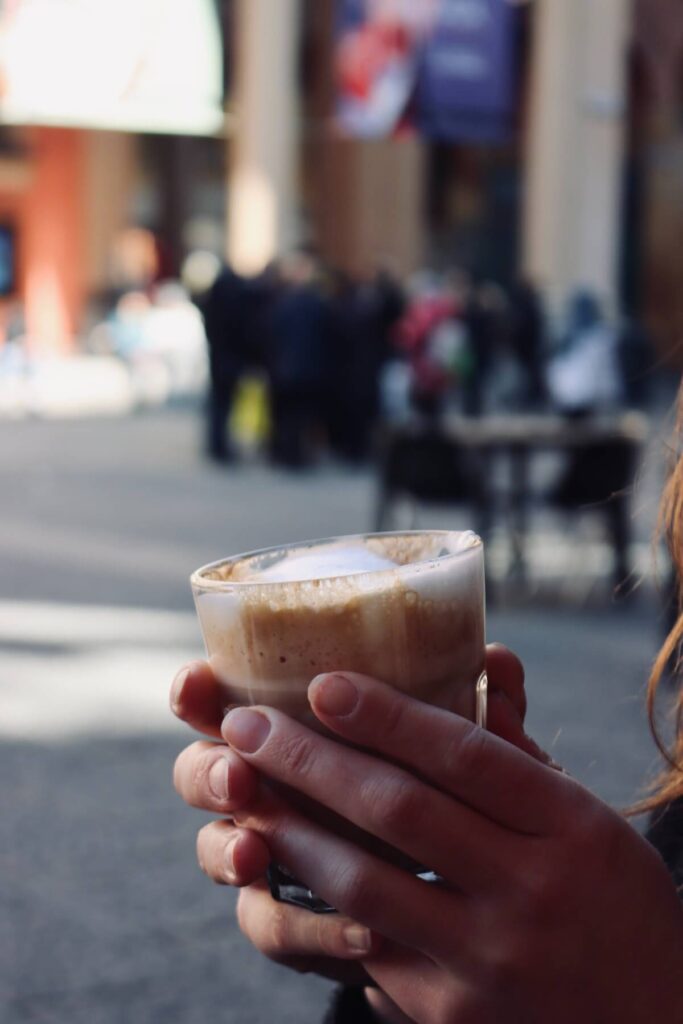
You may be familiar with these names, as they’ve been exported all around the world. In a macchiato, just a splash of milk is added to coffee, either cold (freddo), or hot and foamy (caldo).
Now caffellatte, known simply as latte in English, is typically half coffee, half milk (or a similar proportion depending on your preferences). During the warmer months, the milk is often served cold.
7. All hail the cappuccino!
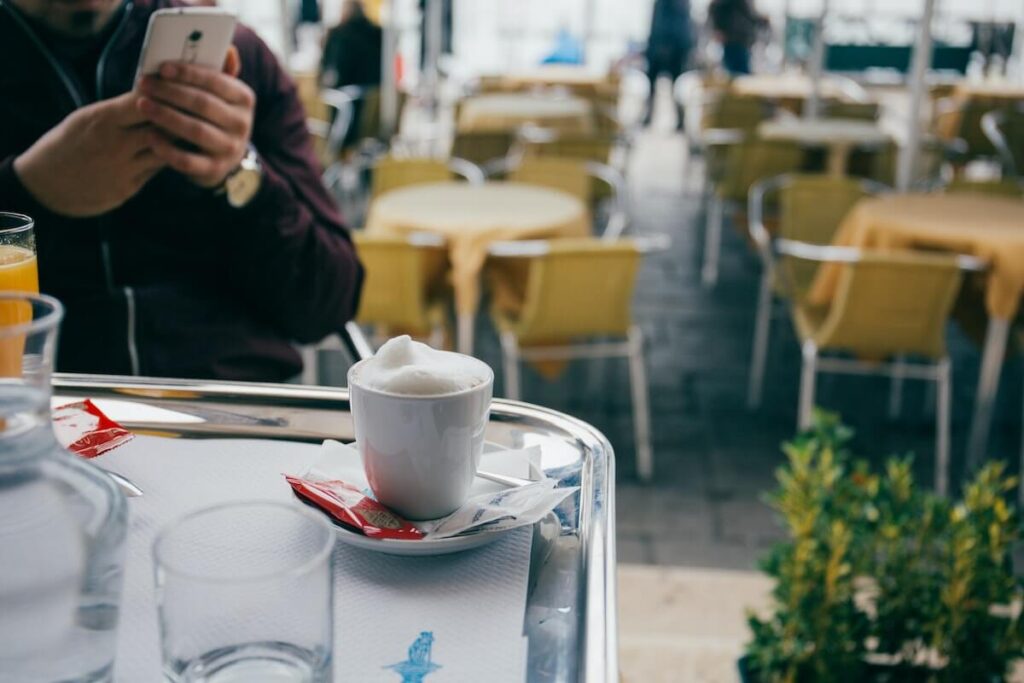
While it is a milk and coffee combination, cappuccino is treated as a beverage in its own right. This drinkable piece of paradise is made up of 1/3 espresso, 1/3 steamed milk, and 1/3 milk foam.
Many people will sprinkle cinnamon or cocoa powder on top (or both for much-deserved extra decadence), yet traditionalists will only pour sugar into their cappuccino.
8. You can correct coffee with alcohol.
I say correct because that’s literally what the name caffè corretto implies in Italian — and I’m all for it!
This one-of-a-kind cocktail isn’t very common, but it’s more of a thing in Veneto (where Venice is located), the liquor-obsessed region of Italy par excellence.
Normally, you’ll add grappa (a wine liquor) to coffee to make a corretto, though other spirits like sambuca (an anise liqueur) can be used as well.
9. Cold coffee is a thing too.
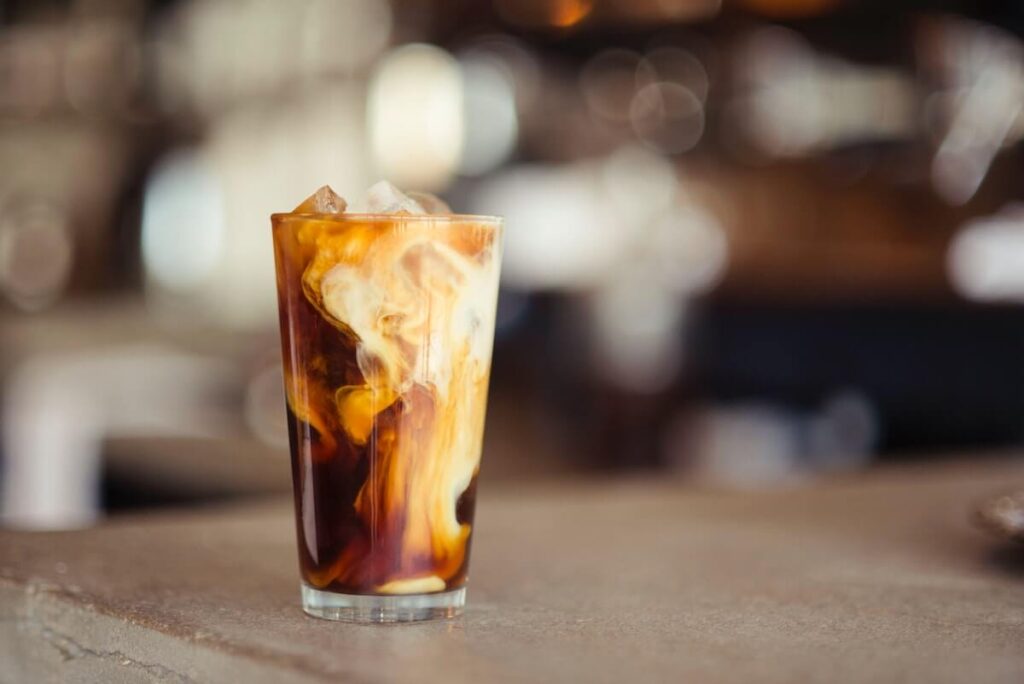
As unorthodox as it may sound in such a traditionalist culture, cold coffee is widespread in Italy during the summer — a time when most rules also go on vacation.
Shakerato, a cocktail where vanilla liqueur and shaved ice are blended with coffee, is one of the highlights of the season.
Another one is crema al caffè, a delicious ice cream of sorts that is generally made with a specific machine by Illy.
10. Coffee doesn’t have to be made of coffee.
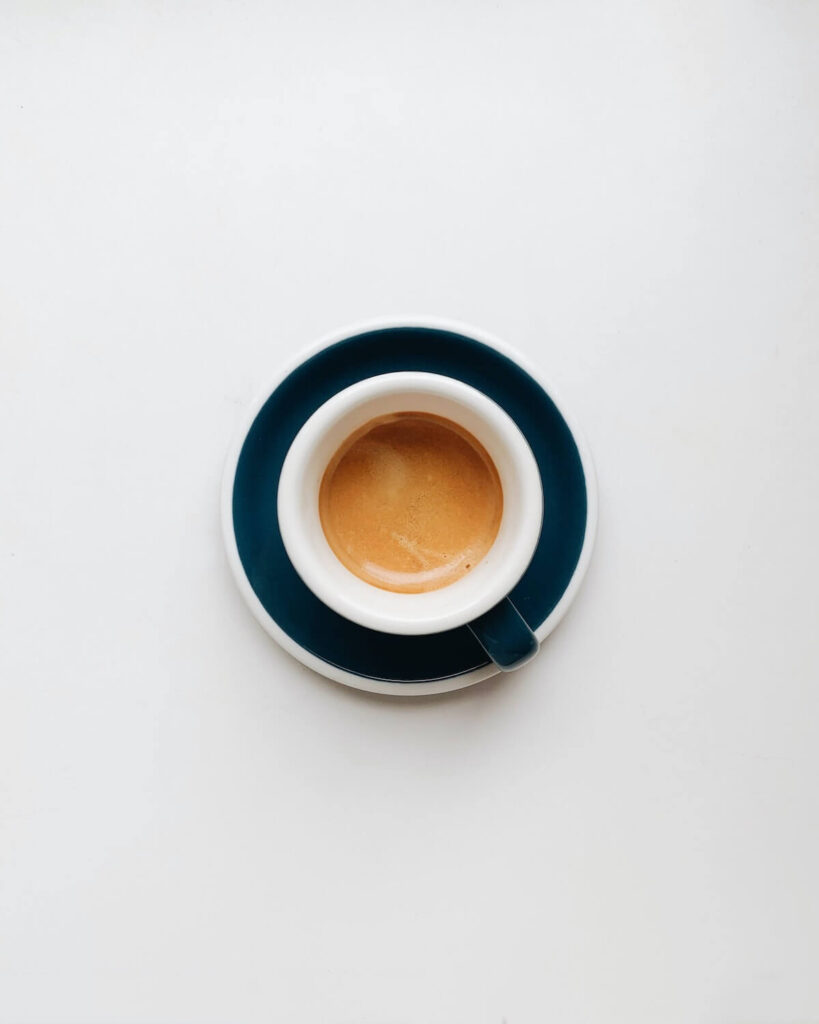
As attached to tradition as Italians certainly are, sometimes they do tend to indulge in a fad. That’s the case with ginseng coffee, which was brought over from Southeast Asia and kind of looks like a vegan latte.
Caffè d’orzo, on the other hand, is a coffee-like beverage that is made from barley. The OG of decaffeinated coffee was pretty common in postwar Europe, when there was a shortage of actual coffee.
Eventually, caffè d’orzo all but disappeared from the rest of the continent, yet it’s still mildly popular in Italy.
Italian coffee etiquette
11. Cappuccinos are a morning affair.
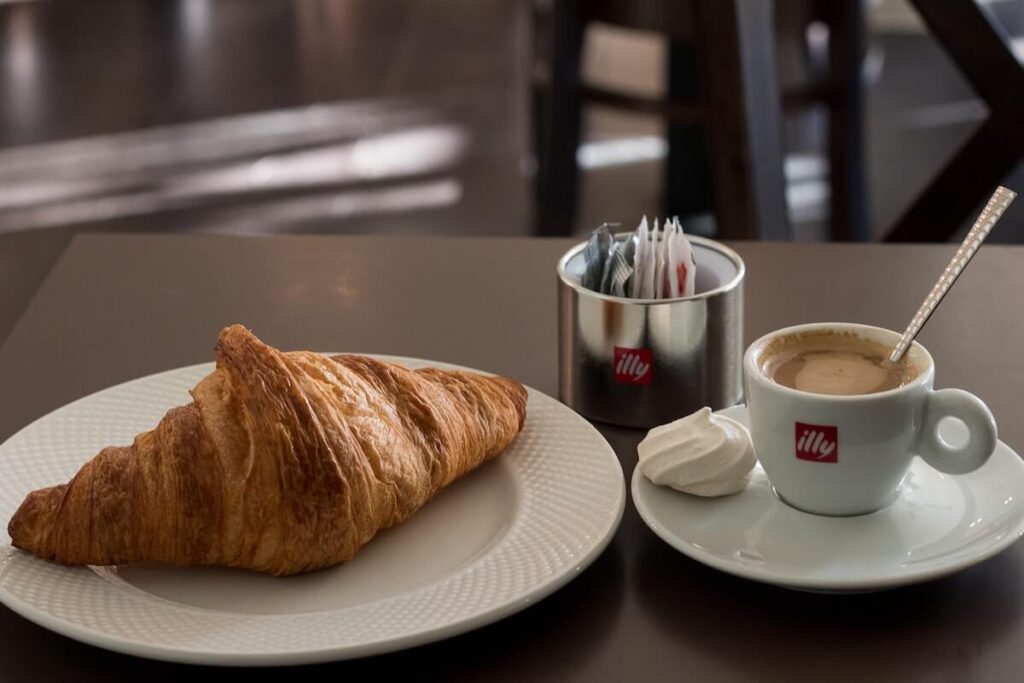
It’s not that your barista will refuse to serve you a cappuccino after lunch. That said, they might as well roll their eyes. Some will go as far as schooling you in the law of the land.
While the cappuccino (affectionately a cappuccio), is the no. 1 breakfast drink in Italy, it’s viewed as too heavy for later in the day. Following a meal, Italians will order an espresso, which is widely seen as a digestif.
12. Traditionalists skip the sugar.
This is not exclusive to Italy, as coffee purists all around the globe will raise an eyebrow if you add sugar to your coffee.
To sugar or not to sugar is obviously totally up to you, but if you do like your coffee sweet bear in mind licking the spoon afterward is considered to be in poor taste.
Instead, place both the spoon and the empty sugar packet on the saucer — and not on the bar to avoid upsetting the barista.
13. The ritual lasts about two minutes.
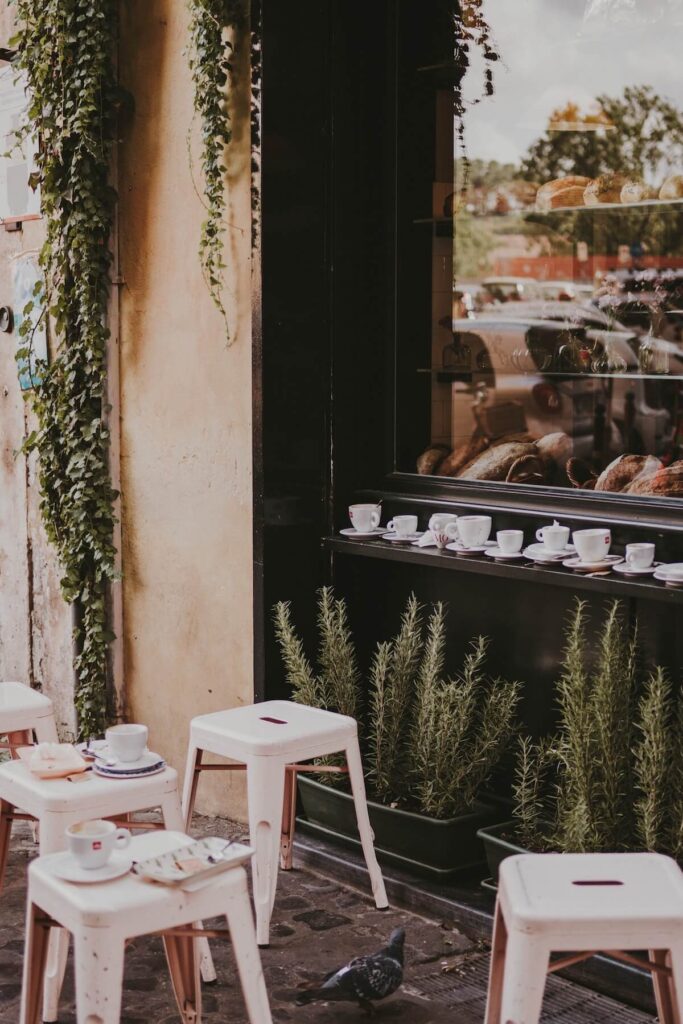
Italians are talkative and sociable — especially around the table. Yet ironically you’re not supposed to linger over coffee.
That’s because the drink is best enjoyed at about 140°F, or up to two minutes upon being made, after which as much as half of the flavor will literally evaporate.
It’s no wonder Italians will often have their coffee standing at the bar. Why bother to sit down if you’ll be done in a couple of minutes?
14. Cups are typically tiny.
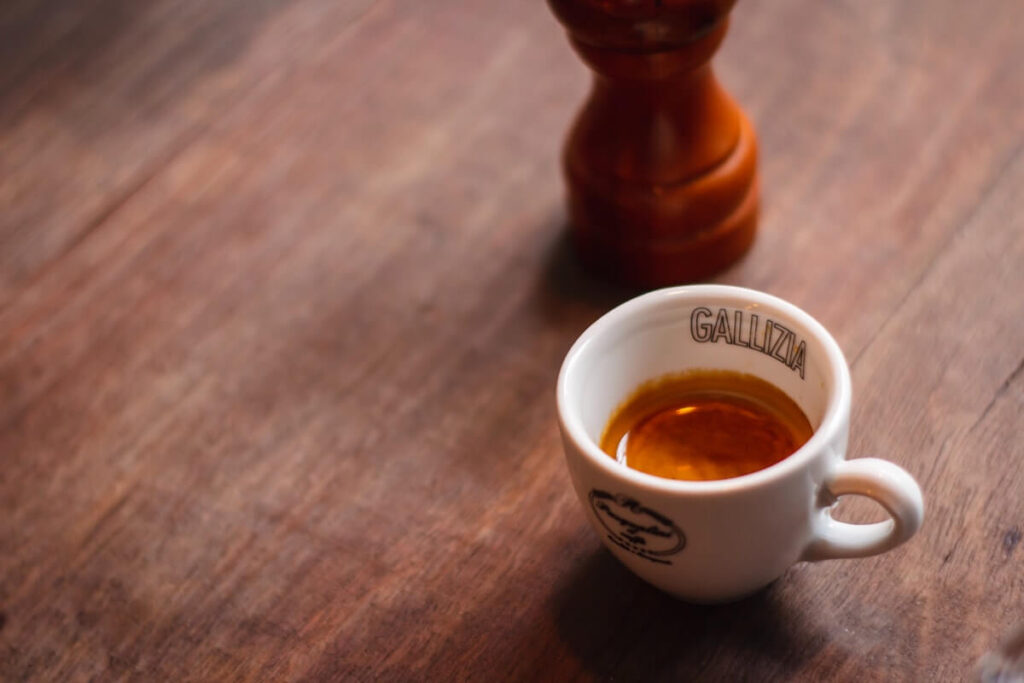
Forget tall, grande, and venti. Coffee in Italy comes basically in two sizes: a tiny cup worth about 1.7 fl. Oz of volume for espresso and a five-ounce one for cappuccinos.
That’s again due to the fact that coffee is very strong and folks drink it really fast. If you order a short espresso (i.e. a ristretto), expect the same cup to come half full.
If you’d rather have a longer coffee, order an Americano: you’ll be given a watered-down espresso in a cup of cappuccino.
15. Always stir your coffee.
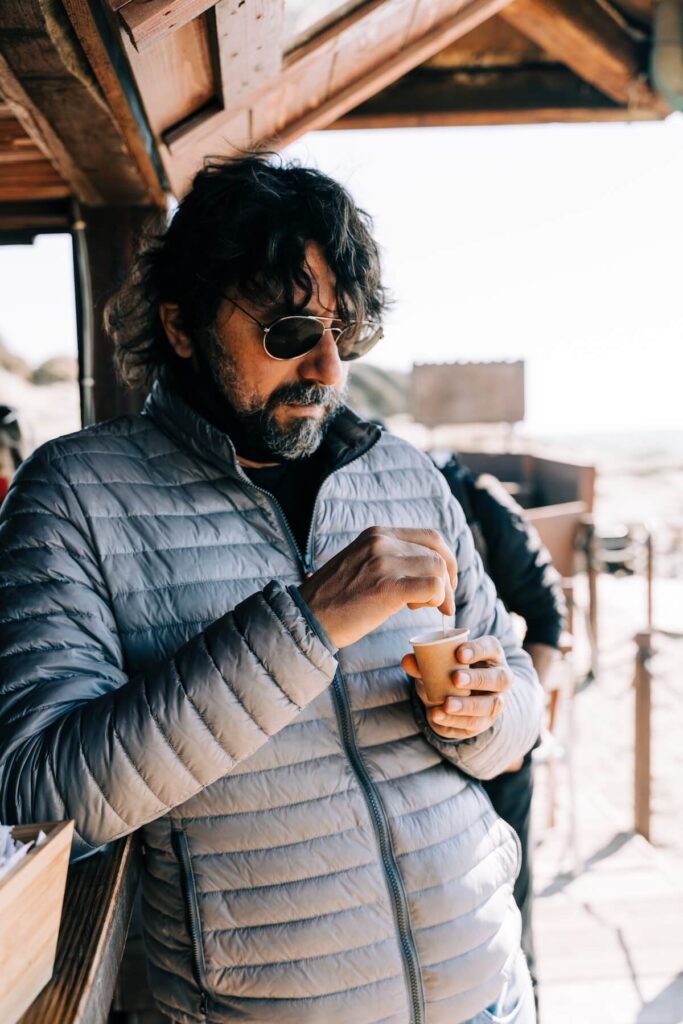
Even if you don’t add sugar to your espresso, you should stir it, from the bottom upwards and delicately to be precise. Why? To let flavors and aromas spread out homogeneously. On the other hand, shaking your cup as if you were decanting wine is useless.
If your coffee is too hot, by the way, blowing on it isn’t recommended. That’s not because it will change any properties of the coffee, but it’s bad etiquette. Instead, just wait a few seconds, then bring the cup to your mouth.
16. Does water come before or after coffee?
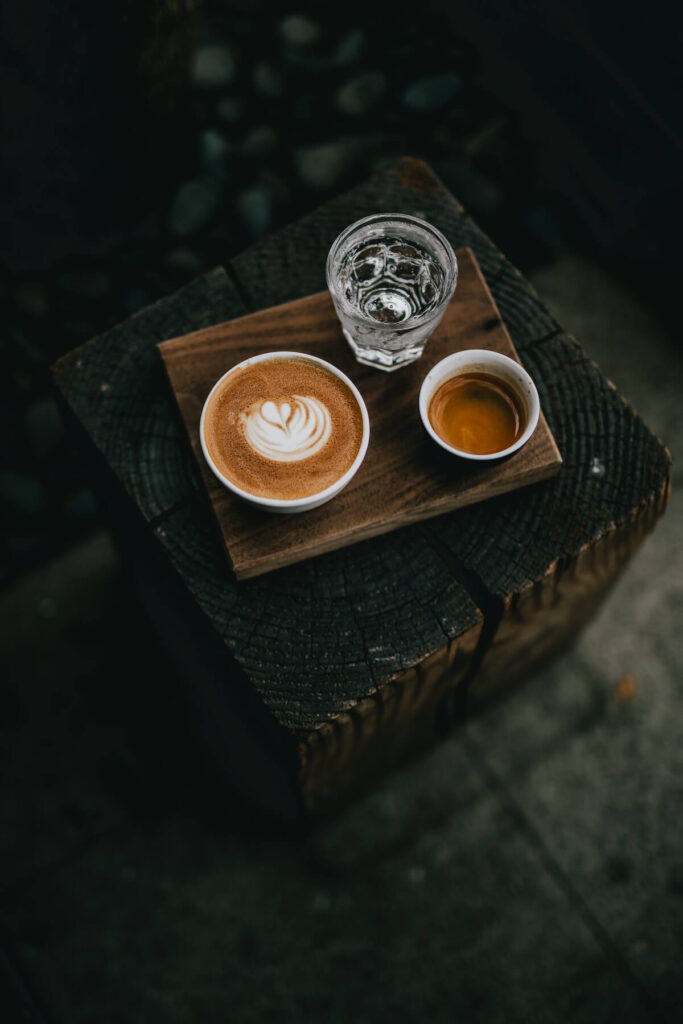
You’ll be served a glass of water alongside your espresso in most parts of Italy. Whether you should drink the water before or after the coffee is controversial.
Some people argue you should drink the coffee first so the water can clean up your palate. True coffee lovers, however, say the opposite: water is there to wash your tastebuds for you to savor the coffee in all its glory.
And if you want to brush your teeth or eat something else afterward, wait at least 20 minutes and avoid wasting the powerful aftertaste the coffee will leave in your mouth.
Other facts about Italian coffee culture
17. Coffee can be a dessert as well.
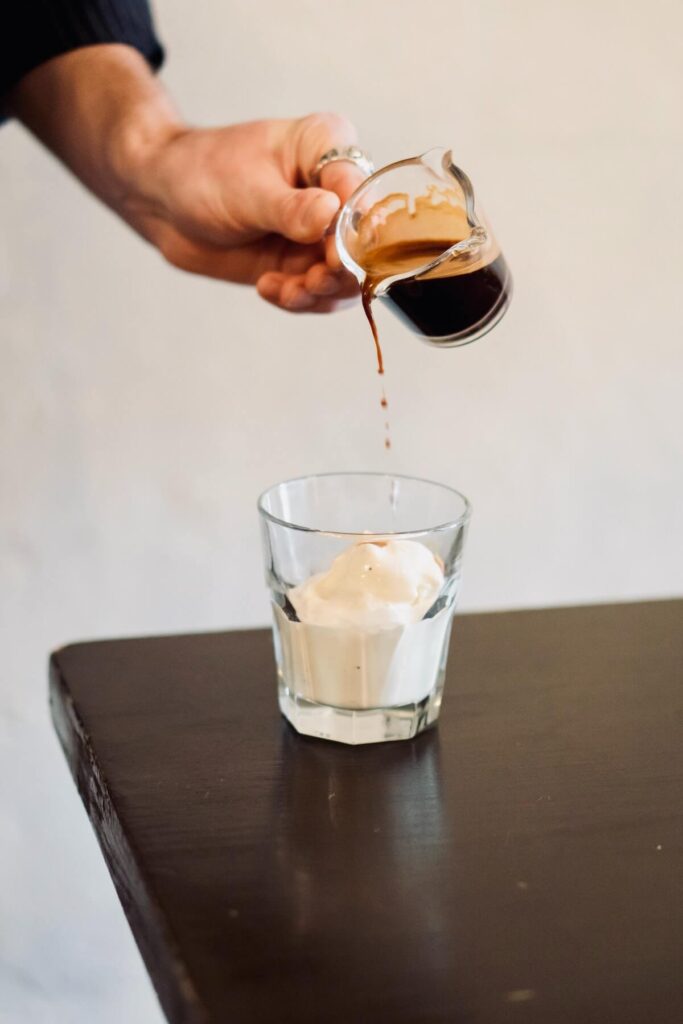
Coffee’s bitter taste may make it an odd dessert ingredient, yet when it’s combined with sweeter elements the result can be really mouthwatering.
Everyone adores recipes of that sort in Italy, where desserts aren’t supposed to be too sweet anyway. Affogato, in which coffee is poured over a scoop of vanilla ice cream as you see above, is a bit old-fashioned but never loses its shine.
Neither does tiramisu of course. In the king of Italian desserts, mascarpone cheese, coffee-dipped ladyfingers, and cocoa powder mingle together in finger-licking perfection.
18. Organic is all the rage.
As in most of the developed world, organic produce is ever more popular in Italy, where premium ingredients have always been a priority. At almost 18% — twice the European average —, Italy has the largest organic farming area in the continent.
Coffee is no exception, so you’ll find lots of organic options in supermarkets nationwide. Instant coffee, in turn, is even hard to find, which shouldn’t come as a shock: it accounts for less than 2% of the coffee Italians drink on average.
19. Regional diversity is striking.
Since each Italian region has a unique cookbook to call its own, it’s not exactly surprising you’ll also find different coffee recipes from one town to the next.
Though preferences tend to be similar throughout the country, cities sometimes have a specialty that folks from other parts of Italy have never heard of.
In Livorno on the coast of Tuscany, for example, you have the ponce, where you add, rum, lemon peel, and sugar to a short espresso. Macchiatone, in turn, hails from Veneto and is the lovechild of a macchiato and a cappuccino.
20. Quality consistently wins over quantity.
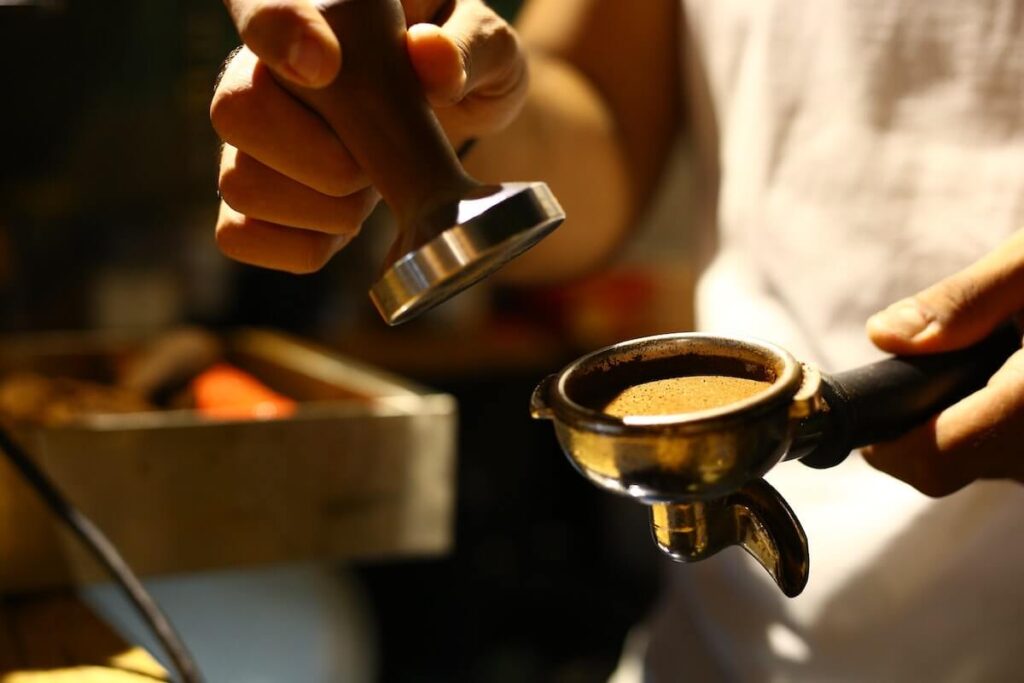
While they drink a little more than a pound of coffee each month, Italians aren’t the biggest consumers of coffee on the planet. In fact, twelve other European nations are ahead of them, with Scandinavians leading the ranking — Finns drink twice as much coffee as Italians!
That’s because strong, black coffee is the way to go in Italy. Watered-down, American-style coffee is usually frowned upon. They may drink less coffee, but the coffee they drink is highly concentrated and outstanding in terms of quality.
Wrap-up

Coffee lovers of all stripes will find in Italy their own private paradise.
Yet the fascinating Italian coffee culture is powerful enough to win over even travelers who are no fans of the brew. Coffee, though normally strong, is often mixed with milk, cream, alcohol, or made into desserts, which creates an entirely different beverage.