
One of the most vibrant and uniquely beautiful countries in Central Europe, Hungary has plenty to offer – from fascinating history to amazing food, culture, and beyond.
Hungary is known for its rich culinary culture, the beautiful Danube river, and the architectural wonders of Budapest. Hungary is also famous for its rich history, having served as the capital of one of Europe’s last great empires.

To find out more about this amazing country and what makes it famous, read on!
Table of Contents
1. Rubik’s Cube

Let’s top off our list with one of Hungary’s most famous inventions.
The Rubik’s Cube, that confounding box-shaped brain-teaser you have likely encountered sitting on countless countertops and desks over the years, was invented by a certain Dr. Ernő Rubik in 1974.
Rubik was working as a professor of architecture in Budapest at the time. Initially, he designed the cube solely as a means to playfully let his class of students engage with the principles of space in architectural design.
However, the toy puzzle proved far too addictive. Soon, it not only spread beyond the classroom but conquered the whole world! With literally hundreds of millions of cubes sold, it’s considered the most widely popular puzzle-type toy in history.
Also read: 32 Best Souvenirs from Budapest to Bring Home With You
2. Thermal Baths

While not a Hungarian invention originally, thermal baths and hot springs are a defining feature of Hungarian cities and towns. Mostly based on facilities built during the era of Roman, and later Ottoman rule, thousands of public thermal baths dot the landscape of Hungary today.
A sizable number of these are found just in Budapest alone – about 120, to be precise! If Hungary is famous for one postcard-type scene alone, it is that of families, couples, and the elderly relaxing side by side in the huge, finely ornamented bathhouses of Budapest.
3. Goulash
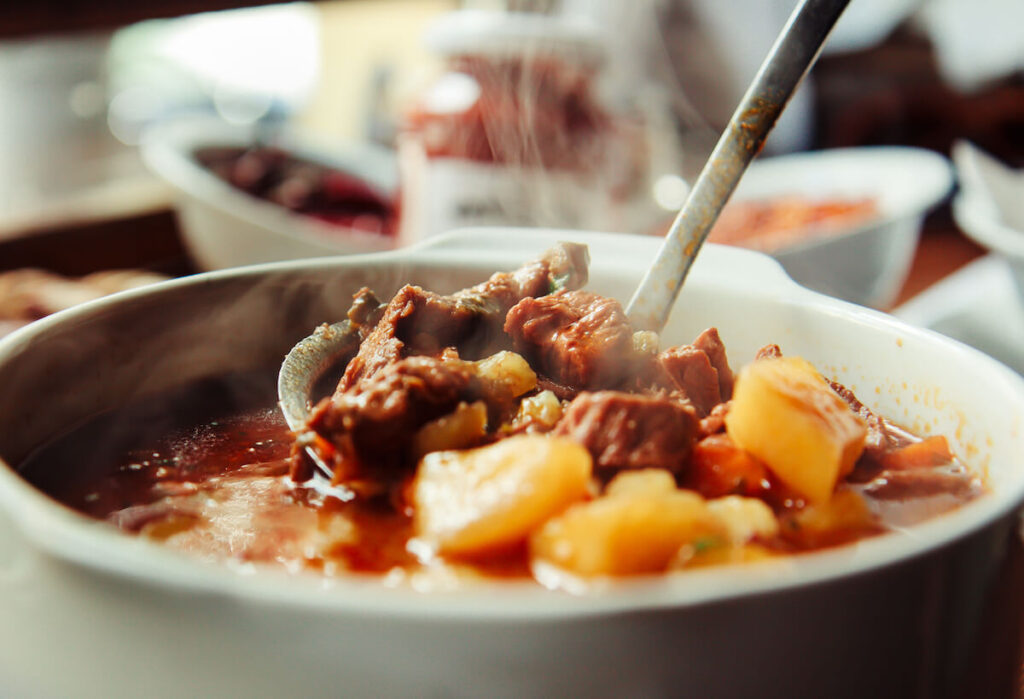
While Hungary is famous for a number of classic delicacies, Goulash tops them all in terms of popularity alone. Current theories suggest that it was originally created as a hearty, easy-to-cook staple meal for and by shepherds living in the countryside.
A worldwide export beloved by millions, variations on the traditional recipe are available to no end these days, including stews based on exotic meats like duck or even seafood!
However, traditional beef goulash with Csipetke egg noodles on the side is about as Hungarian as you can get for lunchtime.
4. The Hungarian Language

Hungary is the only country today where Hungarian is the official and state language. That is not the only thing that makes it unique, however.
Unlike any of its neighbors, Hungarian isn’t part of the Indo-European language family. Instead, it forms a close relationship with the other Uralic languages, which include for instance Estonian and Finnish!
Uralic languages are not directly descended from any other language group and are therefore considered one of the world’s primary language families. Even between different Uralic tongues, differences can be huge.
This is why Hungarian is one language that is considered extremely difficult to learn for just about everyone.
Its complex grammatical case system and highly unusual spelling and pronunciation are commonly cited as the main hurdles for foreign students. It doesn’t help that Hungarian is also highly agglutinative – that is to say, it relies a lot on conjugations and inflections.
A message you might need a whole sentence to express in English could be delivered in Hungarian by just one or two, long, highly inflected words!
5. Budapest

Ask the average person to name a place Hungary is famous for and I can guarantee you that the vast majority will blurt out “Budapest!” immediately.
Not only is it the city that put Hungary on the map for most of the world (pun intended), but so much of Hungarian national history itself has centered around the capital for eons.
Budapest has seen rule under the Celts, Romans, the Royal Hungarian Kingdom, and the Ottoman and Austro-Hungarian empires. It’s stood at the center of some of Europe’s most pivotal events, including the Cold War-era Hungarian uprising in 1956, which mostly played out in the capital.
With that in mind, Budapest has quite the impressive resumé, even compared to other European major cities.
6. Tokaji Wine

It might surprise some to hear, but among the cognoscenti, Hungary is very much known for its excellent wines, grown in the Tokaji region which lends them their popular name.
Tokaji wines, with their characteristically sweet flavor, have been cherished and praised since the earliest days of European intercultural trade, with King Louis XIV of France and Peter the Great of Russia being among their most heavily-cited fans.
The wine plays such a great role in Hungary’s history and national pride that the Tokaji grapes are even mentioned in the Hungarian national anthem!
7. Music

The people of Hungary have always practiced their own, ancient musical traditions, many of which are still alive today.
But internationally, it is really the genius of Hungarian composers during the Romantic era and later, chiefly Franz Liszt and Bela Bartok, that helped to spread the beauty of the country’s music traditions around the globe.
While Liszt’s virtuoso playing style and lavish live performances arguably created the template for what would later become known as the rock star, Bartok innovated on composition while helping to popularize Hungarian folk music abroad.
8. The Danube River

Little defines the Central European landscape more than the Danube.
The massive river’s path leads it through a total of ten countries and has defined borders and international relations since the Roman Empire’s days, and as such it’s no surprise that Hungary is also famous for its connection to the Danube.
Cutting right through the capital of Budapest, the Danube was an integral part of the Austro-Hungarian empire’s strength and political reach.
Today, the Hungarian Danube is doubly important as not only the second-largest source of freshwater on the European continent but also the crux of its most important waterway, which goes all the way from the Black Sea to the North Sea by means of the Danube-Rhine canal.
9. Paprika

Another of Hungary’s noteworthy culinary exports, Paprika is arguably the most essential spice in the country’s national cuisine.
Introduced by the Ottomans, the peppers that Paprika is harvested from were first cultivated by pre-Columbian tribes in the Americas.
But it was Hungary that really exported Paprika to the rest of the world with success, making it a huge boon to the country’s recognition, especially in the world of good food.
10. The Ballpoint Pen

I don’t know about you, but most everyone I know would never be able to give up the luxury of writing by hand with a neat ballpoint pen instead of the more finicky, old-fashioned (if skillful) fountain pen.
We have a Hungarian inventor to thank for that! László József Bíró, a Jewish-Hungarian man who fled to Argentina to escape the Nazis, filed the patent for the ballpoint pen we know today in 1938.
It was not until some time after the war that the design would become really popular, but these days it’s just about the most basic and commonplace writing implement you can get short of a pencil.
In some regions of the world including most of the Commonwealth, ballpoint pens are still often referred to as “biros” – this goes all the way back to László József Bíró and the company he founded and named after himself!
11. Houdini
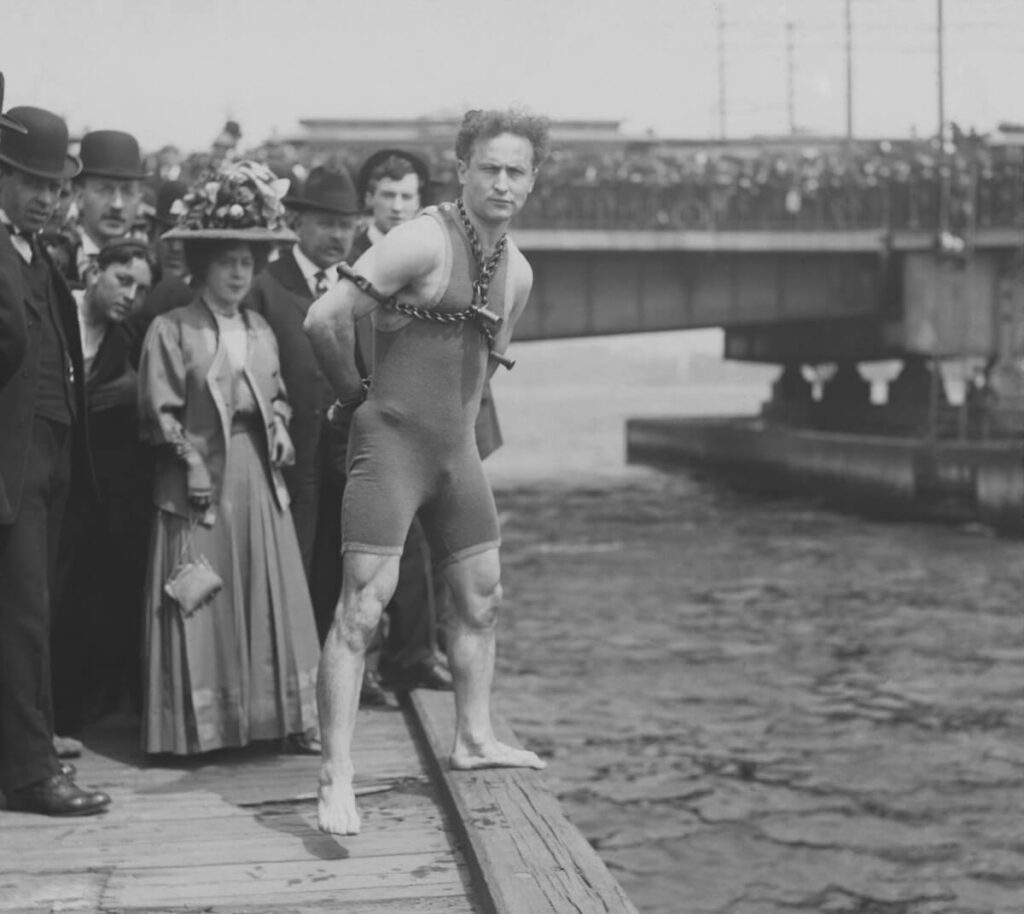
Speaking of Hungarian inventions, how about magic? No, I’m not talking about the concept of supernatural powers, as old as time and spread throughout even the world’s most ancient cultures.
Rather, Hungary is famous for the practice of magic as performance art, otherwise known as illusionism.
Though it’s hard to pin down exactly where the practice first came from, there is one man who helped spread it worldwide and popularized many of its staple tricks, including death-defying stunts of escapism and self-immolation.
The man, of course, is Harry Houdini, as associated with illusionism as Nikola Tesla is with electricity and dubious acts of human-animal communication.
Houdini was born Erik Weisz in Budapest and later adopted his stage name in honor of an earlier French magician, Jean Robert-Houdin.
With his career spanning the realms of magic, film, and aviation, Houdini was one of the most successful Hungarians of his time, and to this day he maintains incomparable name recognition.
12. Olympic Success

To date, there is no country in the world that has had a higher proportionate number of Olympic gold medal wins relative to its population than Hungary.
Hungary is famous for its successes in the world of sport. All in all, it has won gold in every discipline it has competed in – many times in some of them.
Fencing plays a big role in this overall trend. Not only is it the sport where Hungary has historically been the most successful, but standout master Aladár ׂGerevich managed to net his country a whopping six consecutive gold medals, generously adding to its already amazing track record in the Olympics.
13. Hollywood Glamour
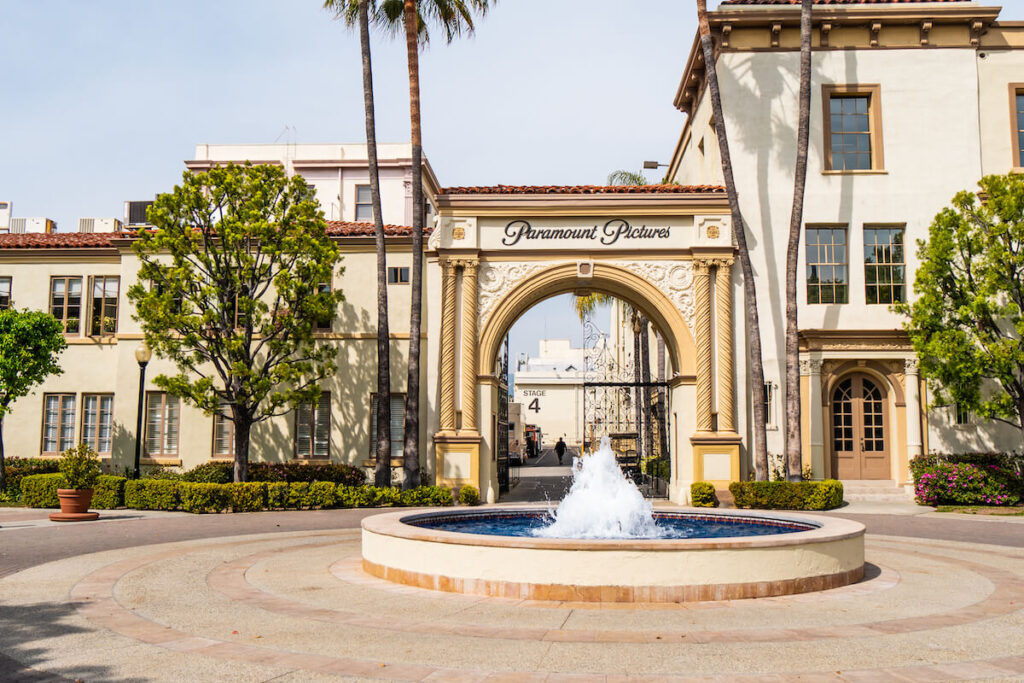
It’s no secret that the Golden Age of Hollywood was powered by the spirit and ingenuity of many, many émigrées who came to the United States to escape the horrors of World War Two and the Holocaust.
However, even to this day, the histories of plenty of Hungarian Hollywood icons are rarely acknowledged.
From acting legends such as Zsa Zsa Gabor to innovative directors like Michael Curtiz (born Manó Kaminer), who made Casablanca, the contributions of Hungarians to the history of film are immense.
Even behind the scenes, Hungarians played key roles in shaping what show business means today. For instance, Paramount Studies was established by a Hungarian man named Adolph Zukor, who also helped direct the first feature-length movie filmed in the United States.
14. Lake Balaton
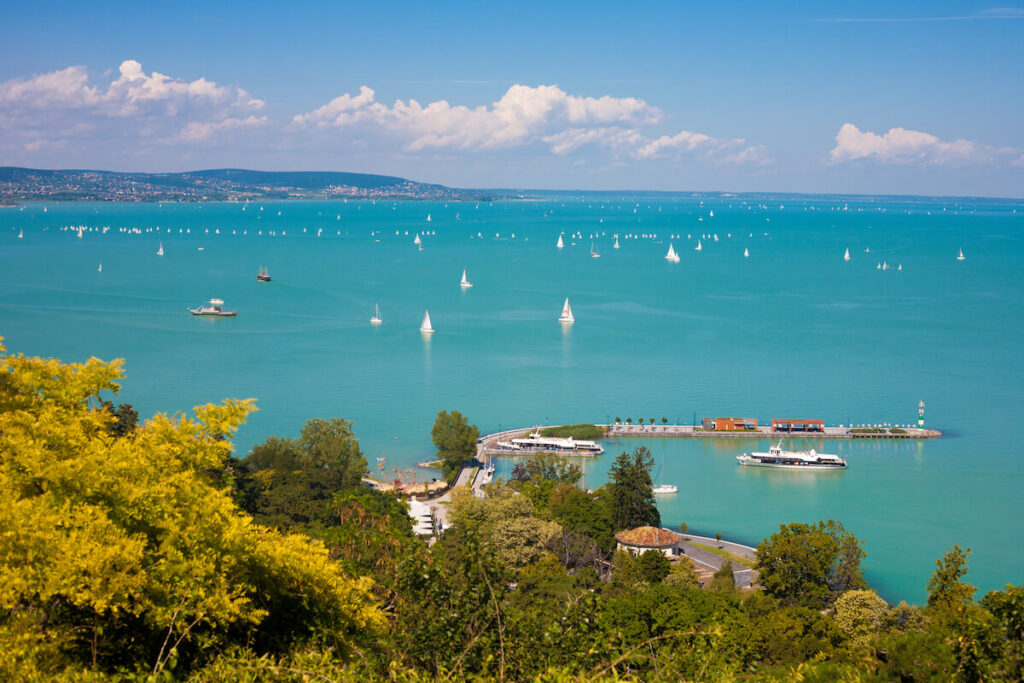
While the Danube is the country’s largest and most well-known body of water, Hungary is also home to Lake Balaton, which is one of the largest of its kind in Europe.
This is significant since Hungary is landlocked and doesn’t have direct access to any major seas.
Thus, the Lake has over the centuries become one of Hungary’s most important summer vacation destinations, with beaches and resorts galore.
15. Dracula
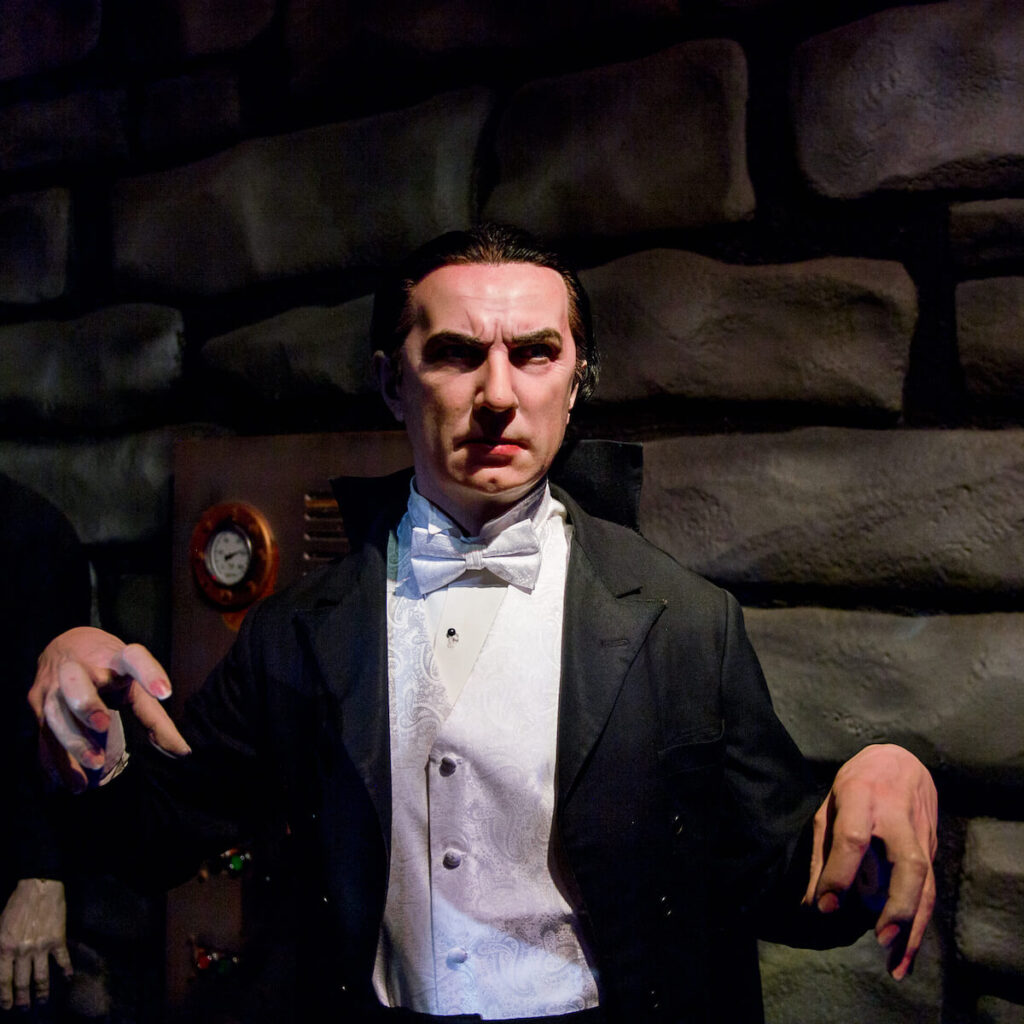
The real Vlad the Impaler, who formed the literary basis for Bram Stoker’s iconic vampire, might have been Wallachian, a cultural identity nowadays associated mainly with Romania.
However, it is really the 1931 on-screen portrayal that launched Dracula to worldwide fame – bat-cape, ominous melodic baritone, and all.
That image of the Count is something we have one man to thank for. His name is Bela Lugosi, and his performance has been the basis for countless references and spoofs ever since.
Interestingly enough, Lugosi was born and raised in the town of Lugos, which at the time was part of the Hungarian part of the Austro-Hungarian Empire. Today, the municipality officially belongs to Romania. Fitting, no?

What are some other things Hungary is known and famous for? Let us know in the comments!

I really enjoyed everything I read. It was very educational. This is where my sister-in-law is from. She lives in the United States now. I pray that I can visit Hungary with my brother and wife one day
cool
7
777
i just wanted to see if hungari is popular